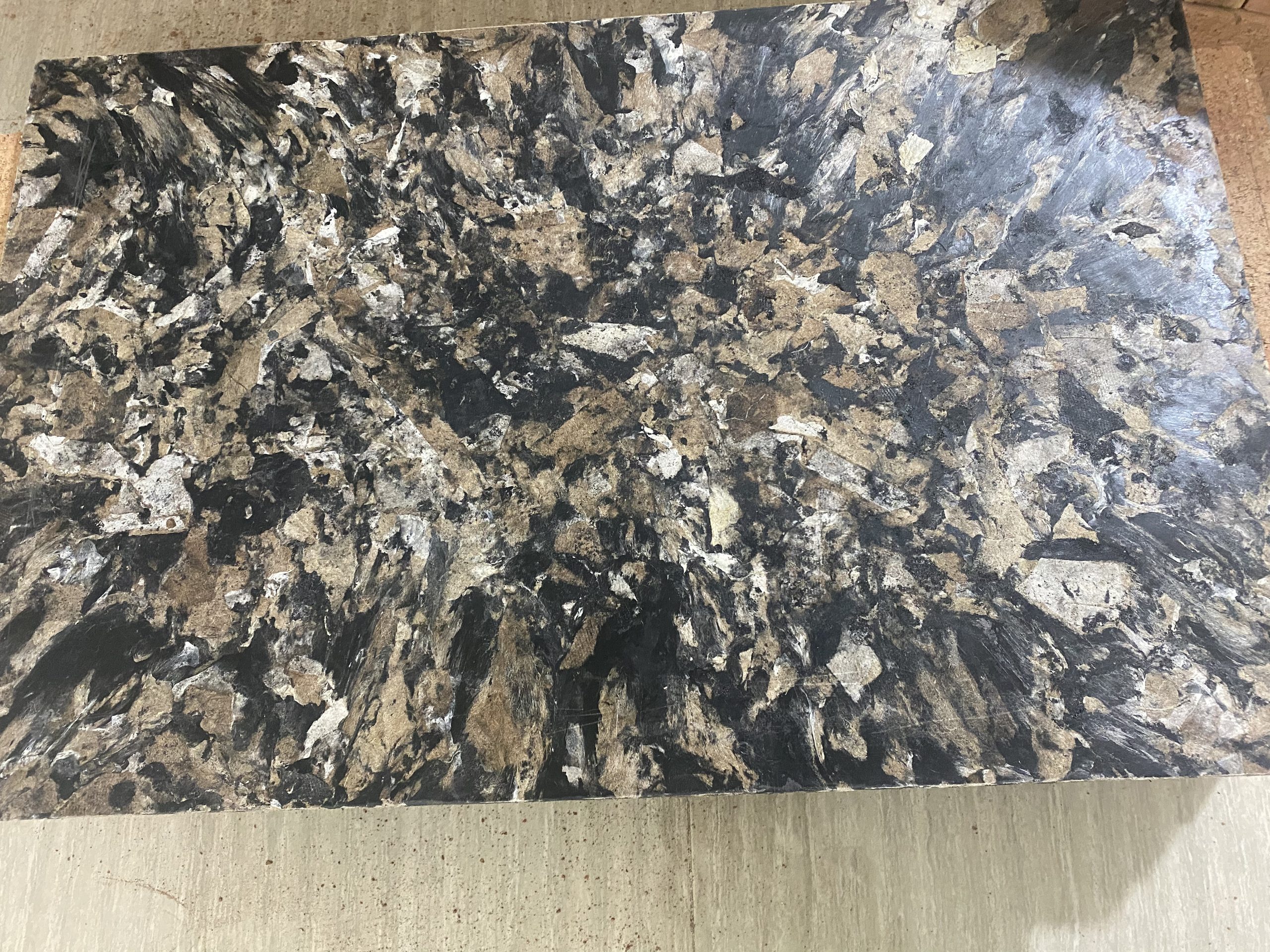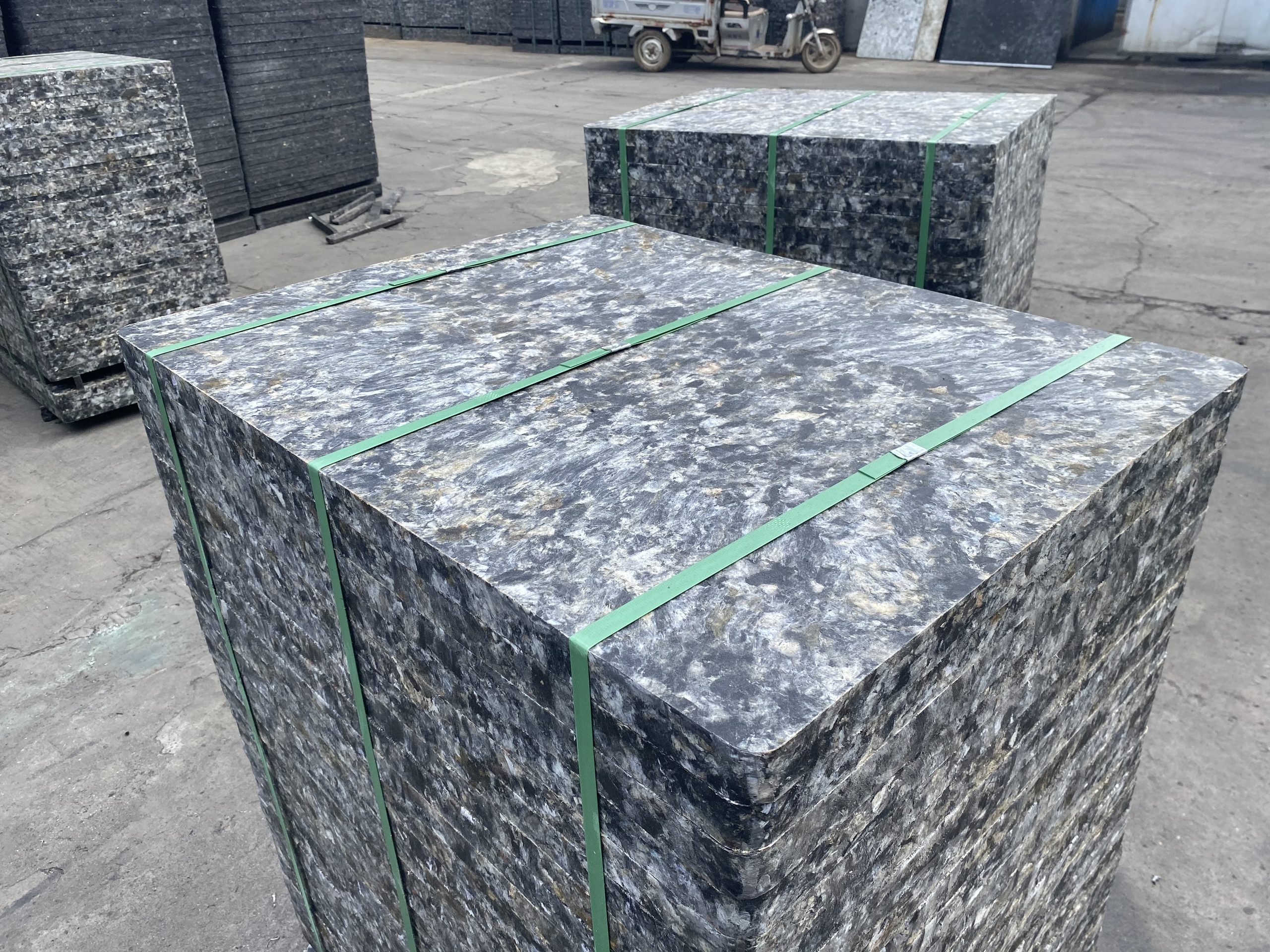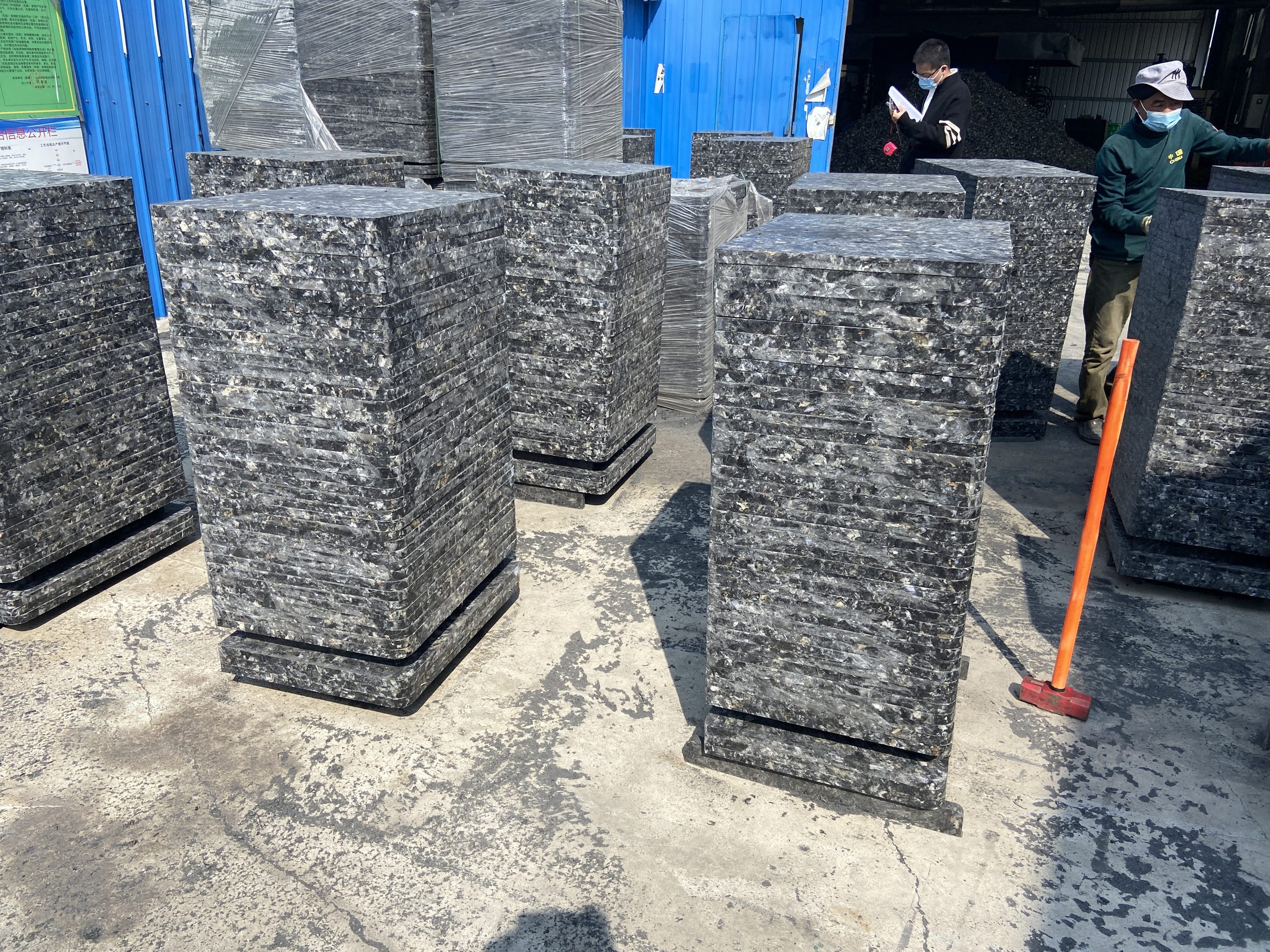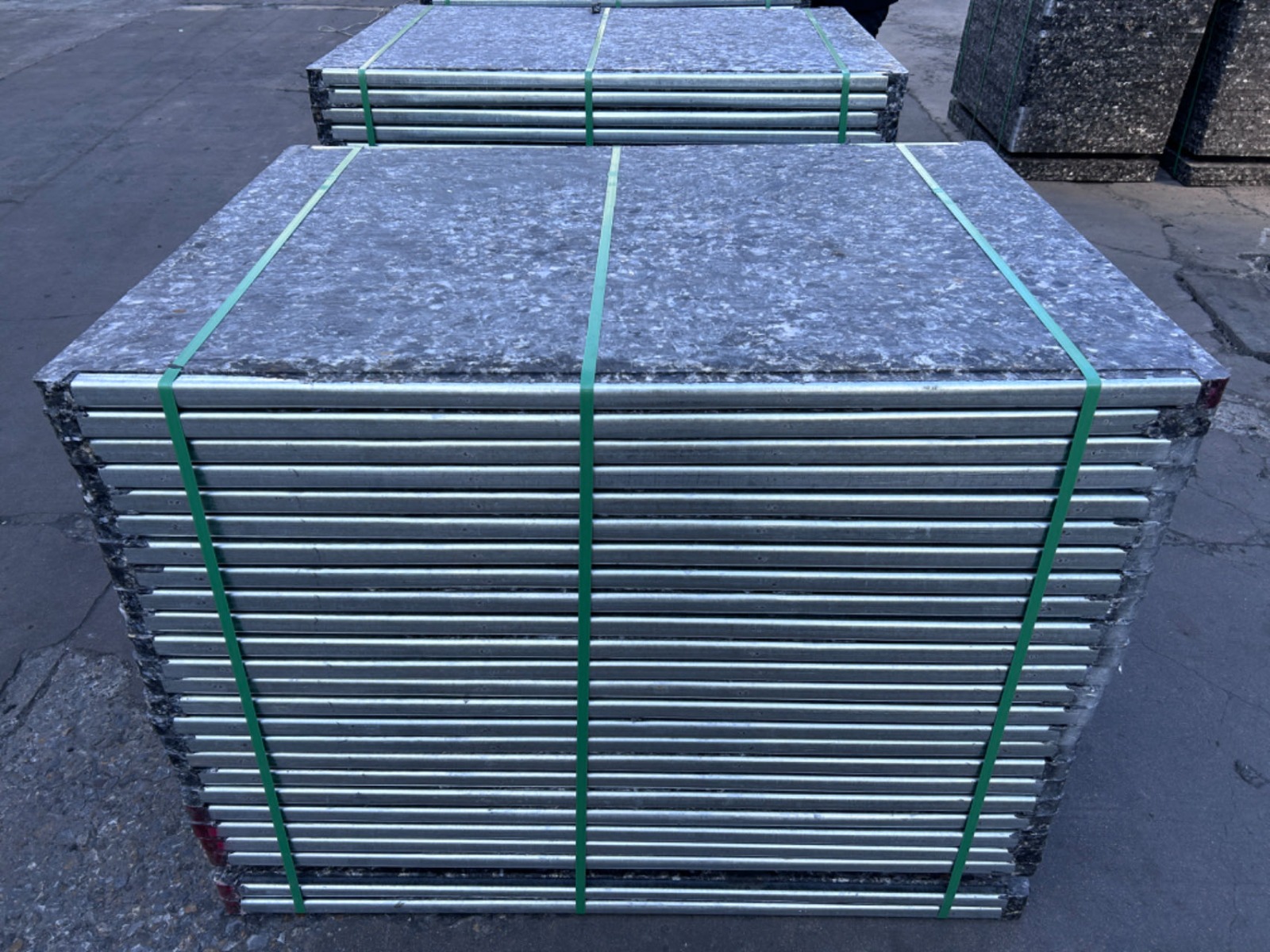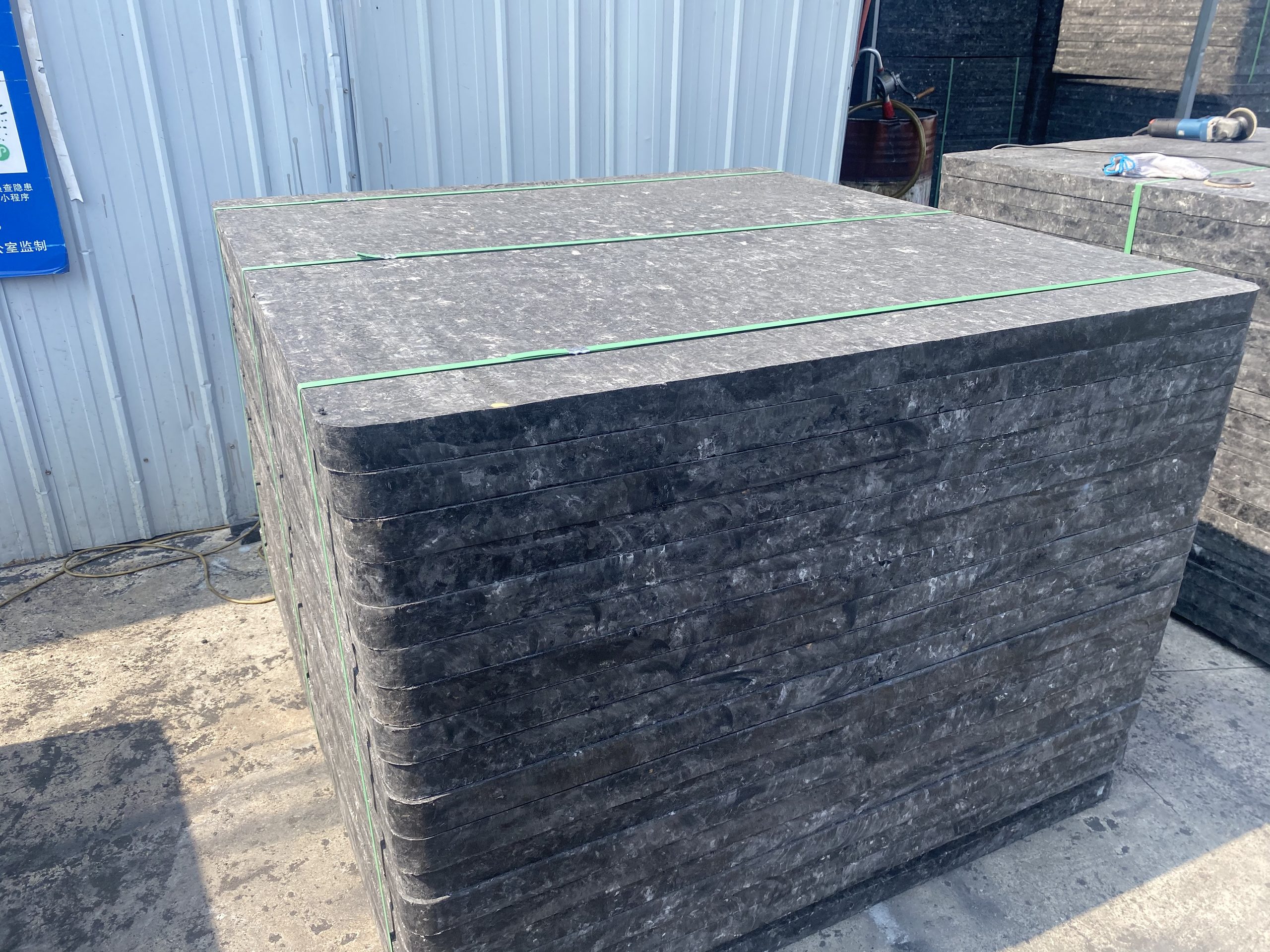
The $75,000 mistake looked preventable in hindsight. A Kenyan block manufacturer selected a GMT pallet supplier based on price, bypassed facility verification, and received 400 pallets that warped within 90 days. The fiber content was 15% below specification, compression molding temperature ran 40°C too low, and the supplier had no load testing equipment. The real cost included $18,000 in replacement purchases, $31,000 in brick breakage from dimensional inconsistency, production delays across three months, and a delayed facility expansion. A systematic supplier evaluation process prevents these failures by verifying production capability, quality systems, and technical support before any capital commits.
This guide presents the evaluation framework brick manufacturers use to qualify GMT pallet suppliers: the eight verification categories that separate capable manufacturers from brokers, the specific evidence that proves each claim, the red flags that predict quality failures, and the documentation that protects your operation when specifications aren’t met.
Why Supplier Evaluation Matters More for GMT Pallets
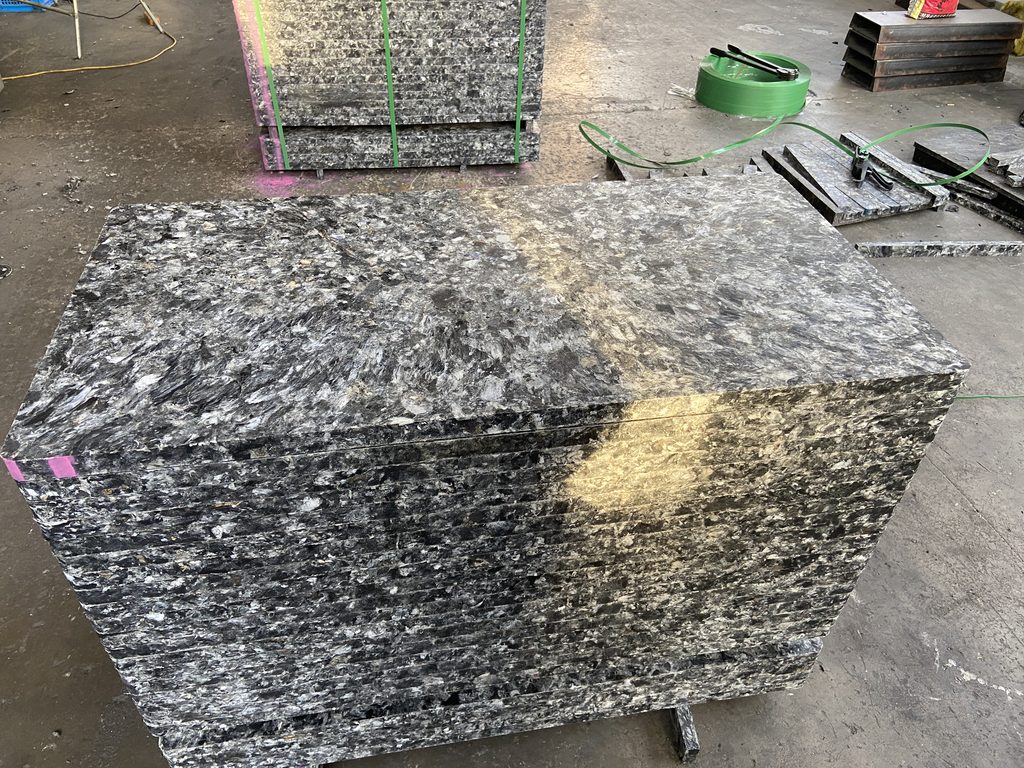
GMT pallet performance depends on variables invisible to visual inspection: fiber content percentage, compression pressure during molding, cooling rate control, and matrix-fiber adhesion quality. A GMT pallet that looks identical to a premium unit can fail at 60% of expected service life if fiber wet-out is incomplete or if post-molding cooling introduces internal stress. These manufacturing defects don’t appear until the pallet enters production cycles, making pre-purchase supplier verification the only control point.
The supply chain includes manufacturers with in-house compression molding (3,000+ ton presses, controlled atmosphere, integrated testing), trading companies sourcing from contract manufacturers with minimal oversight, and brokers drop-shipping from unknown facilities. Price differences of 30-40% often reflect these capability gaps, not just margin structure. A rigorous evaluation process identifies which category your supplier occupies and whether their capability matches your brick production requirements.
Material costs comprise only 45-50% of GMT pallet manufacturing cost, with the remainder split between compression molding equipment amortization, quality testing, and process control labor. Suppliers competing solely on price typically reduce the non-material cost categories, cutting testing frequency, using lower-tonnage presses with longer cycle times, or eliminating dimensional verification. The result is 15-25% unit cost savings paired with 40-60% shorter service life and higher defect rates.
The Eight-Category Verification Framework

Professional procurement teams structure supplier evaluation across eight capability dimensions, each with specific evidence requirements that move assessment from subjective claims to objective verification.
| Evaluation Category | Evidence Required | Timeline | Red Flag Indicators |
|---|---|---|---|
| Legal & regulatory compliance | Business license, export permits, ISO 9001, tax registration | Pre-engagement | Missing documentation, expired certificates, unverifiable registration |
| Production capability | Equipment specifications, press tonnage data, capacity utilization, cycle time records | Site visit | Refusal to disclose capacity, no equipment documentation, single-press operation |
| Quality management | QMS documentation, inspection procedures, defect tracking system, corrective action records | Document review + site visit | No formal QMS, missing inspection records, verbal-only quality procedures |
| Testing facilities | Load testing equipment, dimensional measurement tools, calibration certificates, test method documentation | Site visit | No in-house testing, outsourced all testing, missing calibration records |
| Material sourcing | Fiber supplier contracts, resin grade specifications, incoming material test reports, lot traceability system | Document review | Multiple fiber sources with no specification, missing incoming inspection data |
| Customer references | Operating facility contacts, volume supplied, service life data, issue resolution examples | Direct customer contact | Only testimonials provided, no verifiable contacts, refusal to share references |
| Warranty & support | Written warranty terms, technical support structure, replacement policy, claim response time | Document review | Vague warranty language, no specified response time, claims resolved “case by case” |
| Delivery reliability | On-time delivery rate, lead time history, logistics partnerships, order tracking system | Performance data review | No tracked metrics, inconsistent lead times, frequent delay excuses |
This framework applies whether sourcing from domestic manufacturers or evaluating international suppliers through inspection services.
Production Capability Assessment
Production capability determines whether a supplier can deliver consistent quality at required volume. The verification focuses on equipment, process control, and capacity utilization rather than stated annual output claims.
Critical equipment requirements:
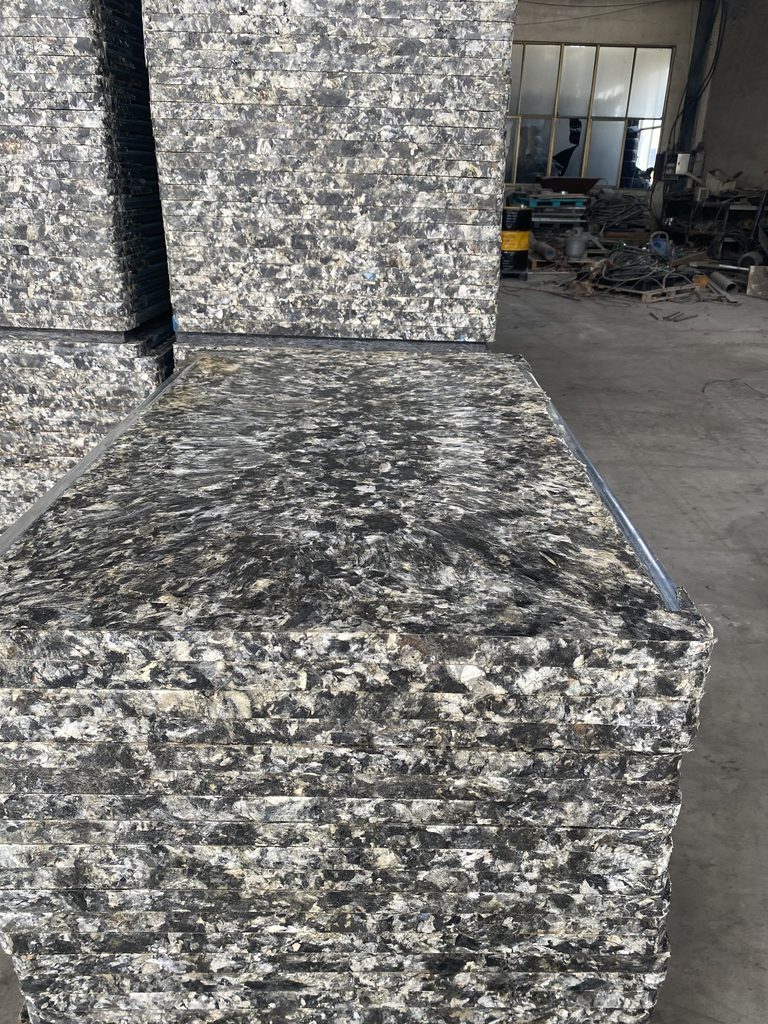
Compression molding press tonnage directly affects fiber consolidation quality. GMT brick pallets require 2,500-3,500 tons minimum for proper fiber wet-out and void elimination in the 850×680mm format. Lower-tonnage presses produce pallets with incomplete consolidation, reducing flexural strength by 20-30% and cutting service life from 10-12 years to 6-8 years. Request press specifications including tonnage, platen size, heating system type, and cycle time capability.
Temperature control precision affects matrix-fiber adhesion. Premium manufacturers maintain ±3°C temperature variation across the platen surface versus ±8-12°C in lower-tier facilities. Ask for thermal mapping data showing temperature distribution under operating conditions. Suppliers without this data typically lack the instrumentation to monitor process consistency, indicating higher variation in finished product properties.
Production volume capacity should match your fleet size with headroom. A supplier running three shifts at 95% capacity utilization cannot absorb order increases or rush requirements. Target suppliers operating at 70-80% utilization who can scale production without quality degradation. Verify capacity claims through equipment cycle time math: a 2-hour cure cycle on one press theoretically yields 12 pallets per 24-hour period, so claimed capacity of 50 pallets daily from one press indicates either faster (lower quality) curing or inflated capacity statements.
Process documentation reflects operational maturity. Request work instructions for layup preparation, press operation, post-cure handling, and quality checkpoints. Vague instructions like “heat until ready” versus specific temperature-time profiles (“185°C for 45 minutes at 3,200 tons pressure”) distinguish controlled processes from operator-dependent variability.
Quality Management Systems Verification
ISO 9001 certification proves a documented quality system exists but doesn’t verify it operates under production pressure. The evaluation digs into how quality procedures function during normal operations and when defects occur.
Inspection procedures and frequency:
Incoming material inspection prevents defective raw materials from entering production. Verify that fiber mats receive visual inspection for contamination and random sampling for weight-per-area measurement against specification. Resin lots should be tested for melt flow index and moisture content. Suppliers skipping incoming inspection pass material variability directly into finished product inconsistency.
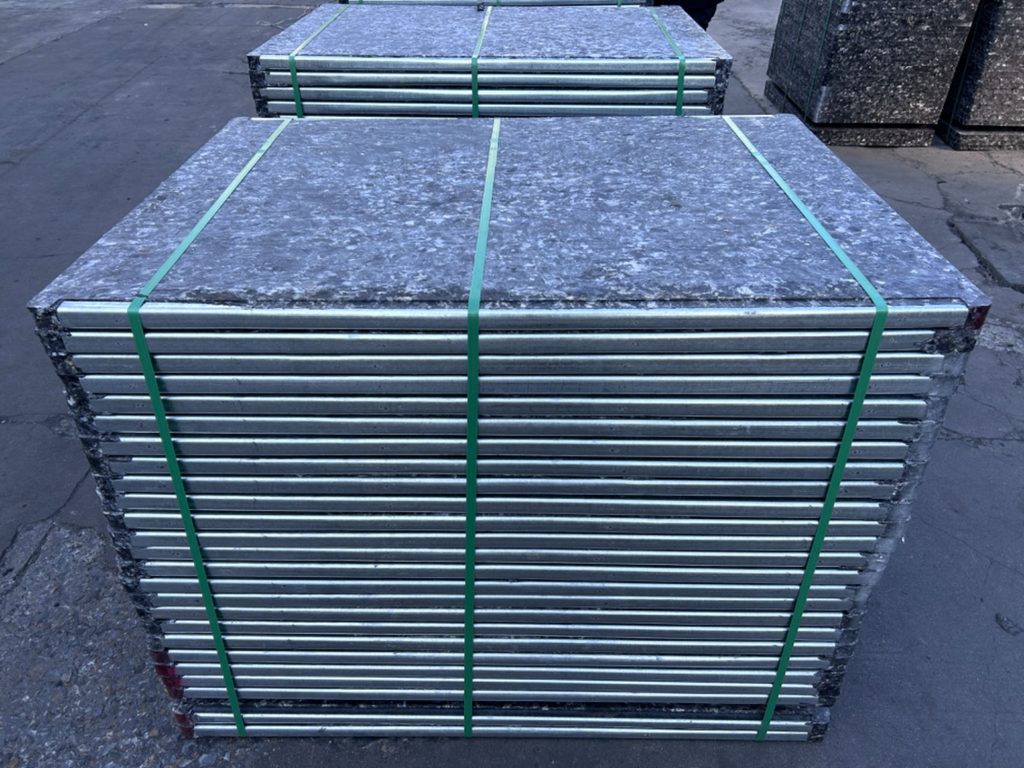
In-process monitoring during compression molding should include temperature verification, pressure confirmation, and cure time adherence for every cycle. Post-molding inspection must cover dimensional accuracy (±2mm tolerance on length and width), surface flatness (≤1mm deviation across diagonal), edge finish quality, and aluminum trim bonding integrity. Ask what percentage of production receives full dimensional measurement versus visual inspection only. Premium manufacturers measure 100% of output; cost-focused suppliers inspect 10-20% and assume batch consistency.
Defect tracking systems reveal how suppliers handle quality failures. Request six months of defect data showing defect type, frequency, root cause analysis, and corrective actions implemented. A supplier producing zero defects either has exceptional control or doesn’t track problems. Most capable manufacturers run 1-3% defect rates with documented investigation and corrective action for each occurrence. Missing defect data suggests problems are ignored rather than solved.
Non-conformance handling procedures protect you when defects reach your facility. Verify whether the supplier offers replacement, repair, or credit, what evidence is required, and response timeline commitments. The warranty section of this guide covers specific terms, but QMS verification confirms those procedures actually exist in documented form and align with contractual warranty language.
Technical Testing Facilities Requirements
In-house testing capability separates manufacturers who control quality from those who hope for it. The three critical test categories for GMT brick pallets are load capacity, dimensional accuracy, and environmental resistance.
Load capacity testing equipment:
Compression testing machines verify that pallets meet specified load capacity (typically 2,500-3,500 kg static load). The test applies progressive load until failure, recording deflection at specified intervals. Request test reports showing load-deflection curves, not just pass/fail statements. The curve shape indicates whether the pallet exhibits elastic behavior (gradual deflection) or plastic deformation (sudden failure), with elastic behavior predicting longer service life.
Flexural strength testing measures bending resistance under distributed load, simulating real-world stacking conditions. The three-point bend test loads the pallet center while supporting both ends, measuring deflection and maximum load before failure. GMT pallets for automated systems require higher flexural strength (≥40 MPa) than manual handling applications (≥30 MPa) due to precise dimensional requirements in robotic gripping.
Impact resistance testing simulates drop damage during handling. The test drops a specified weight from a defined height onto the pallet surface, measuring whether cracking, delamination, or permanent deformation occurs. Suppliers without impact testing equipment cannot verify their product tolerates the handling reality in brick production facilities.
Dimensional measurement and verification:
Coordinate measuring machines (CMM) or laser measurement systems verify dimensional accuracy to ±0.5mm, the tolerance required for automated brick production lines. Manual measurement with calipers provides ±2mm accuracy, acceptable for semi-automated or manual operations but insufficient for robotic handling. Confirm measurement equipment matches your tolerance requirements.
Flatness measurement across the pallet surface prevents brick base unevenness that causes curing problems. A surface plate with dial indicators measures deviation from true flat. Specification should limit deviation to ≤1.0mm across any 850mm length. Suppliers without flatness measurement equipment cannot verify this critical parameter affecting brick quality.
Calibration records and equipment maintenance:
Testing equipment accuracy degrades without regular calibration. Request calibration certificates for all measurement instruments, verifying annual calibration by traceable standards bodies. Missing calibration records mean test results carry unknown error margins, undermining their value for quality verification.
| Testing Equipment | Purpose | Acceptance Criteria | Test Frequency |
|---|---|---|---|
| Compression testing machine (3,500 kg capacity min.) | Static load capacity verification | ≥2,500 kg with ≤5mm deflection | Sample testing: 2% of production |
| Flexural strength tester (three-point bend) | Bending resistance measurement | ≥30-40 MPa depending on application | Sample testing: 1% of production |
| Impact tester (drop test) | Drop damage resistance | No cracking or delamination from 1.2m drop | Sample testing: 0.5% of production |
| Coordinate measuring machine or laser scanner | Dimensional accuracy verification | Length/width ±2mm, thickness ±1mm | 100% automated or 5% manual sampling |
| Flatness gauge or surface plate with indicators | Surface flatness measurement | ≤1.0mm deviation across 850mm length | 10% of production |
| Moisture absorption test chamber | Water resistance verification | ≤1% weight gain after 24hr immersion | Quarterly batch testing |
Suppliers with complete in-house testing eliminate dependence on third-party labs, reducing lead time and enabling real-time process adjustment when test results fall outside specification.
Material Sourcing and Traceability
Raw material quality accounts for 60-70% of finished GMT pallet performance variation. Fiber content percentage, resin grade, and reinforcement architecture determine load capacity, moisture resistance, and service life. Supplier evaluation must verify material specifications and traceability systems that link finished products to specific material lots.
Fiber type and content verification:
Glass fiber content should range from 35-45% by weight for structural GMT pallets. Higher content increases strength and stiffness but raises material cost and molding difficulty. Lower content reduces cost but compromises load capacity and dimensional stability. Request material certifications from resin suppliers showing fiber percentage and distribution type (continuous mat versus chopped fiber). Continuous fiber mat construction provides superior strength compared to chopped fiber due to fiber length and orientation control.
Resin grade affects moisture resistance and thermal stability. Polypropylene (PP) is most common for its balance of cost, moisture resistance (<1% absorption), and processing ease. Premium applications may use glass fiber reinforced nylon (PA6 or PA66) for higher operating temperature capability, but at 40-60% cost premium. Verify resin grade through material data sheets from the resin supplier, not just the pallet manufacturer’s claims.
Incoming material inspection and testing:
Suppliers should test incoming fiber mat for weight per unit area (typically 450-600 g/m²) and contamination. Resin pellets should be tested for moisture content (<0.05% for PP, <0.08% for PA) before molding, as excess moisture causes voids during compression. Ask to see incoming material test records for the most recent three months, checking for test frequency and out-of-specification rejection events.
Lot traceability from raw material to finished product:
A batch coding system should link each finished pallet to the specific fiber lot, resin lot, and production date. This traceability enables root cause analysis when quality issues emerge weeks or months after delivery. Suppliers without lot coding systems cannot isolate whether a failure resulted from a single bad material batch or represents a systematic process problem. Request a sample batch code and ask the supplier to demonstrate how they would trace that pallet back to incoming material certifications.
Customer References and Performance History
Direct conversations with current customers reveal supplier performance patterns that don’t appear in capability audits. The goal is verifying service life claims, quality consistency, and issue resolution competence through facilities actually operating the product.
Reference selection and contact approach:
Request references from customers with similar production volume, automation level, and climate conditions. A reference operating 50 pallets in a manual facility provides limited insight if you’re running 500 pallets on an automated line. Ask for direct contact information (plant manager or procurement lead) rather than accepting written testimonials, which suppliers curate.
Critical questions for references:
What is the actual service life you’ve achieved? This reveals whether the supplier’s 10-12 year claim materializes in practice or represents ideal laboratory conditions. Track whether references report 8-10 years (acceptable), 10-12 years (excellent), or 5-7 years (below specification).
What was your breakage rate on the supplier’s pallets versus previous alternatives? Quantified breakage data provides objective performance comparison. Moisture-resistant GMT pallets should reduce breakage to 2-4% versus wood’s 8-12%.
How does the supplier handle quality issues when they arise? Issue resolution competence matters more than zero-defect claims. Did the supplier respond within 48 hours? Was root cause analysis provided? Were defective units replaced without dispute? References experiencing quality problems offer more insight than references with perfect experiences, as they’ve tested the supplier’s technical support and warranty fulfillment.
What is the supplier’s typical lead time accuracy? Promised lead times of 4-6 weeks mean nothing if actual delivery occurs at 8-10 weeks. Ask references about on-time delivery percentage and whether the supplier communicates proactively when delays occur.
Warranty Terms and Technical Support Structure
Written warranty terms define your recourse when performance doesn’t meet specification, but warranty value depends on clarity of coverage, claim process efficiency, and the supplier’s technical capability to diagnose problems versus deflect responsibility.
Warranty scope and duration:
Standard warranty for structural GMT pallets should cover material defects and workmanship for 24-36 months, with service life expectation of 10-12 years under normal use. Distinguish between warranty period (when defects are covered at no cost) and expected service life (total operating years before replacement). A 2-year warranty with 10-year expected life means you bear replacement cost for failures in years 3-10, whereas a 5-year warranty provides extended protection.
Warranty exclusions must be explicit and reasonable. Legitimate exclusions include overloading beyond rated capacity, chemical exposure outside specification, and damage from improper handling. Illegitimate exclusions like “abnormal operating conditions” or “improper use” are subjective and give suppliers exit paths from legitimate claims. Request specific definitions for any conditional language.
Claim process and response time:
A functional warranty includes documented claim procedures specifying required evidence (photographs, dimensional measurements, failure description), supplier response timeline (typically 48-72 hours for acknowledgment), and resolution timeline (7-14 days for decision). Warranties without specified timelines allow indefinite delays.
Replacement versus repair versus credit options should be stated. Full replacement is preferable for defective pallets, as repairs rarely restore original strength properties. Pro-rated credit based on remaining expected life is acceptable for partial failures. Cash refunds are least valuable since they don’t solve your production continuity problem.
Technical support availability:
Verify that the supplier employs engineers who understand GMT material science and compression molding processes, not just sales staff. Technical support should be available to diagnose performance problems, recommend operating practice improvements, and guide maintenance procedures. Request examples of technical documentation the supplier provides with delivery: installation guidelines, inspection checklists, and maintenance procedures.
Delivery Reliability and Lead Time Verification
Quoted lead times and actual delivery performance diverge in facilities with capacity constraints, poor planning systems, or overcommitted order books. Late delivery directly impacts your production scaling timelines and capital deployment schedules.
Lead time components and variability:
Standard lead time for GMT pallets ranges from 3-6 weeks depending on order size and customization requirements. This includes raw material procurement (1-2 weeks), production scheduling and molding (1-2 weeks), quality inspection and packaging (3-5 days), and logistics (1-2 weeks international, 3-7 days domestic). Request lead time breakdown showing each component, revealing where delays typically occur.
Lead time accuracy matters more than absolute speed. A supplier consistently delivering in 6 weeks enables better planning than one promising 3 weeks but delivering in 5-7 weeks with high variability. Ask for on-time delivery percentage data for the most recent 12 months. Professional manufacturers track this metric and achieve 85-95% on-time delivery rates. Suppliers unable or unwilling to share this data likely lack systematic delivery performance measurement.
Order tracking and communication:
Real-time order tracking systems allow you to monitor production status, identify potential delays early, and adjust receiving schedules proactively. Minimum acceptable communication includes order acknowledgment within 24 hours, production start notification, quality inspection completion notice, and shipping confirmation with tracking details. Suppliers providing only vague status updates (“order is progressing”) versus specific milestone completion dates demonstrate weak internal systems.
Logistics partnerships and shipping documentation:
International suppliers should work with established freight forwarders providing door-to-door service including customs clearance. Request sample shipping documentation showing proper GMT pallet classification, declared value, and origin certificates. Incomplete documentation causes customs delays adding 1-3 weeks to delivery timelines.
Red Flags That Predict Supplier Failures
Certain signals during supplier evaluation reliably predict post-purchase problems. These red flags justify disqualification regardless of price advantage or capability claims.
Documentation and transparency gaps:
Refusal to provide facility tours or virtual inspections indicates the supplier operates through brokers or lacks confidence in their facility’s appearance. No manufacturer with legitimate capabilities refuses reasonable transparency.
Missing or expired ISO 9001 certification suggests no formal quality management system exists. While ISO certification alone doesn’t guarantee quality, its absence signals that documented procedures, calibrated measurement, and systematic process control are lacking.
Inability to provide customer references or provision of only testimonials without verifiable contacts indicates limited successful customer relationships or performance problems the supplier doesn’t want discovered.
Vague or missing warranty terms create dispute risk when problems arise. Written warranties with explicit coverage, exclusions, and claim processes are standard among professional manufacturers. Verbal assurances or one-page warranty statements without detail indicate suppliers unprepared to support their product.
Technical capability indicators:
No in-house testing equipment means the supplier cannot verify product performance or troubleshoot quality issues. Third-party testing provides batch verification but doesn’t enable real-time process control.
Single compression press operations create capacity constraints and eliminate backup capability when equipment fails. Suppliers with one press cannot absorb volume increases, respond to rush orders, or maintain delivery schedules during maintenance periods.
Absence of engineering staff indicates a trading company or broker operation rather than a manufacturer. Technical questions about fiber content, molding parameters, or performance optimization should be answerable during supplier discussions. Suppliers deferring all technical questions or providing only sales-oriented responses lack manufacturing depth.
Pricing and commercial structure anomalies:
Prices 30-40% below market average reflect capability gaps, material substitution, or unsustainable business models. While regional cost differences exist, extreme pricing deviations signal compromised quality through reduced fiber content, lower-tonnage pressing, eliminated testing, or use of recycled resin without disclosure.
Refusal to provide binding quotes or frequent price revisions after initial quotation suggests poor cost control or intentional low-ball pricing to secure orders before revealing true costs.
Resistance to contractual terms specifying quality standards, delivery timelines, or warranty coverage indicates suppliers expecting to deviate from commitments without penalty.
FAQ
How many suppliers should I evaluate before making a selection?
Evaluate 3-5 suppliers to establish market baseline pricing and capability range. Fewer than three limits your understanding of available options; more than five creates evaluation inefficiency without additional insight. Focus on deep verification of shortlisted candidates rather than shallow screening of many options.
Should I conduct on-site audits for international suppliers?
On-site audits provide the most reliable verification but require travel cost and time investment. For international suppliers, use video factory tours as initial screening, then conduct physical audits for finalists when order values exceed $50,000 or you’re establishing a multi-year supply relationship. Third-party inspection services like Tetra Inspection offer cost-effective physical audits with standardized reporting.
What documentation should I request before the first purchase order?
Minimum pre-purchase documentation includes business license and registration verification, ISO 9001 certificate with scope verification, material certifications showing fiber and resin specifications, sample product test reports demonstrating load capacity and dimensional accuracy, customer reference contact information, and written warranty terms with claim procedures. Missing any of these documents justifies delaying commitment until provided.
How do I verify a supplier’s claimed production capacity?
Calculate theoretical capacity from equipment specifications: (number of presses) × (24 hours ÷ cycle time in hours) × (utilization factor of 0.75-0.85). Compare this calculation to the supplier’s claimed capacity. Significant deviations indicate either faster/lower-quality processing or inflated capacity claims. Request production records for a sample month showing daily output to verify claimed capacity aligns with actual historical performance.
What should trigger a supplier re-evaluation after relationship is established?
Re-evaluate when on-time delivery rate falls below 80% for three consecutive months, when defect rates exceed 5% of delivered units, when the supplier changes ownership or facility location, when you scale production by 50%+ requiring significantly higher order volumes, or annually as part of systematic supply chain risk management. Established relationships still require performance verification to catch degradation early.
Conclusion
Supplier evaluation for GMT pallet manufacturers distinguishes production capability from marketing claims through systematic verification of equipment, quality systems, testing facilities, material sourcing, and customer performance. The eight-category framework identifies whether suppliers operate in-house compression molding with process control or source from contract manufacturers with limited oversight. Direct customer references, technical support structure assessment, and warranty term clarity predict post-purchase support quality when performance issues require resolution.
Rhinos Pallet operates 3,000-ton compression molding presses producing fiber-reinforced GMT brick pallets with in-house load testing, dimensional verification, and batch traceability. Our facility supports plant tours and customer audits, and we provide customer references operating pallets in tropical, arid, and moderate climates. Contact our technical team for facility-specific evaluation support and documentation of our manufacturing capabilities, quality systems, and delivered performance data.