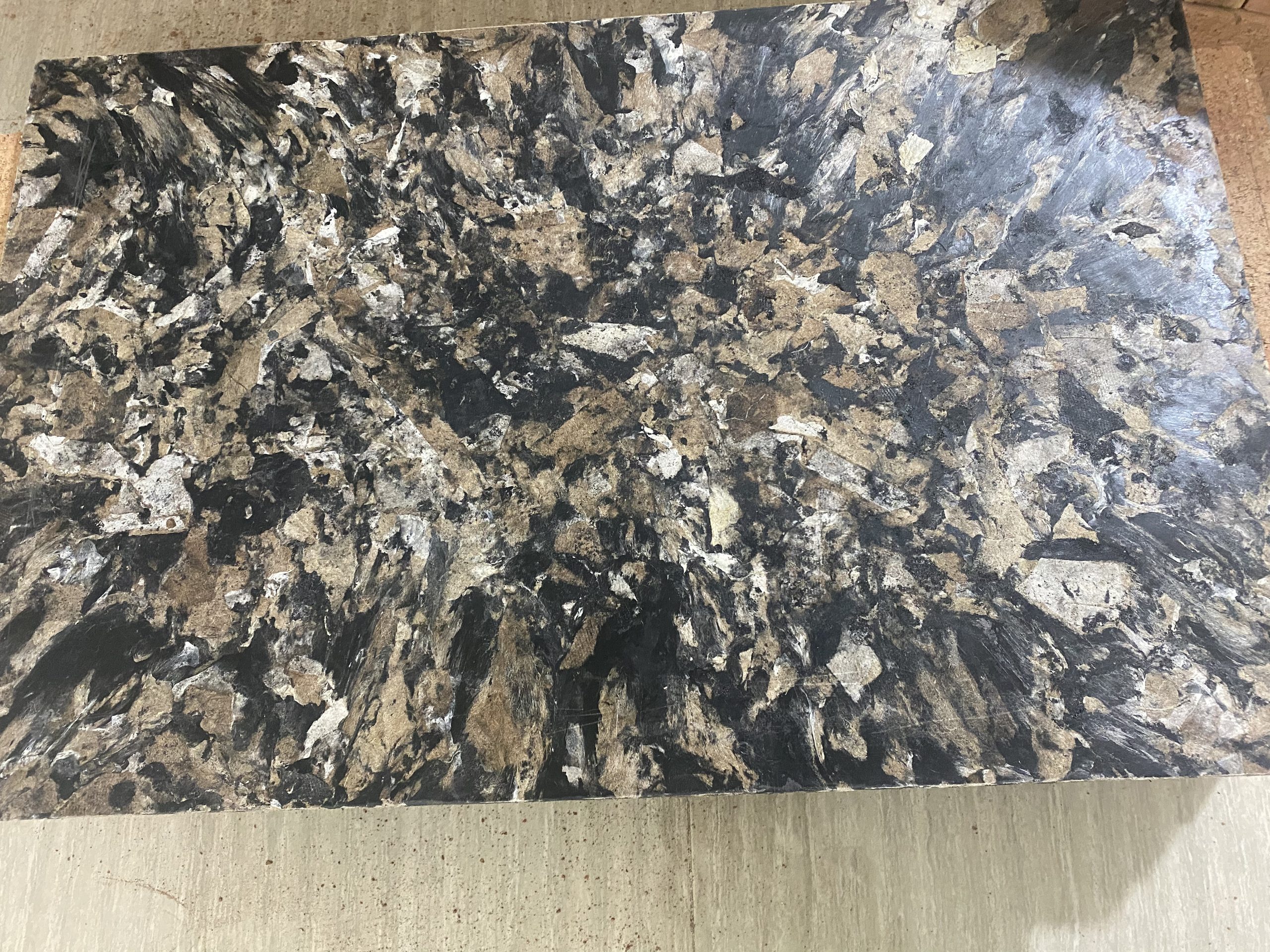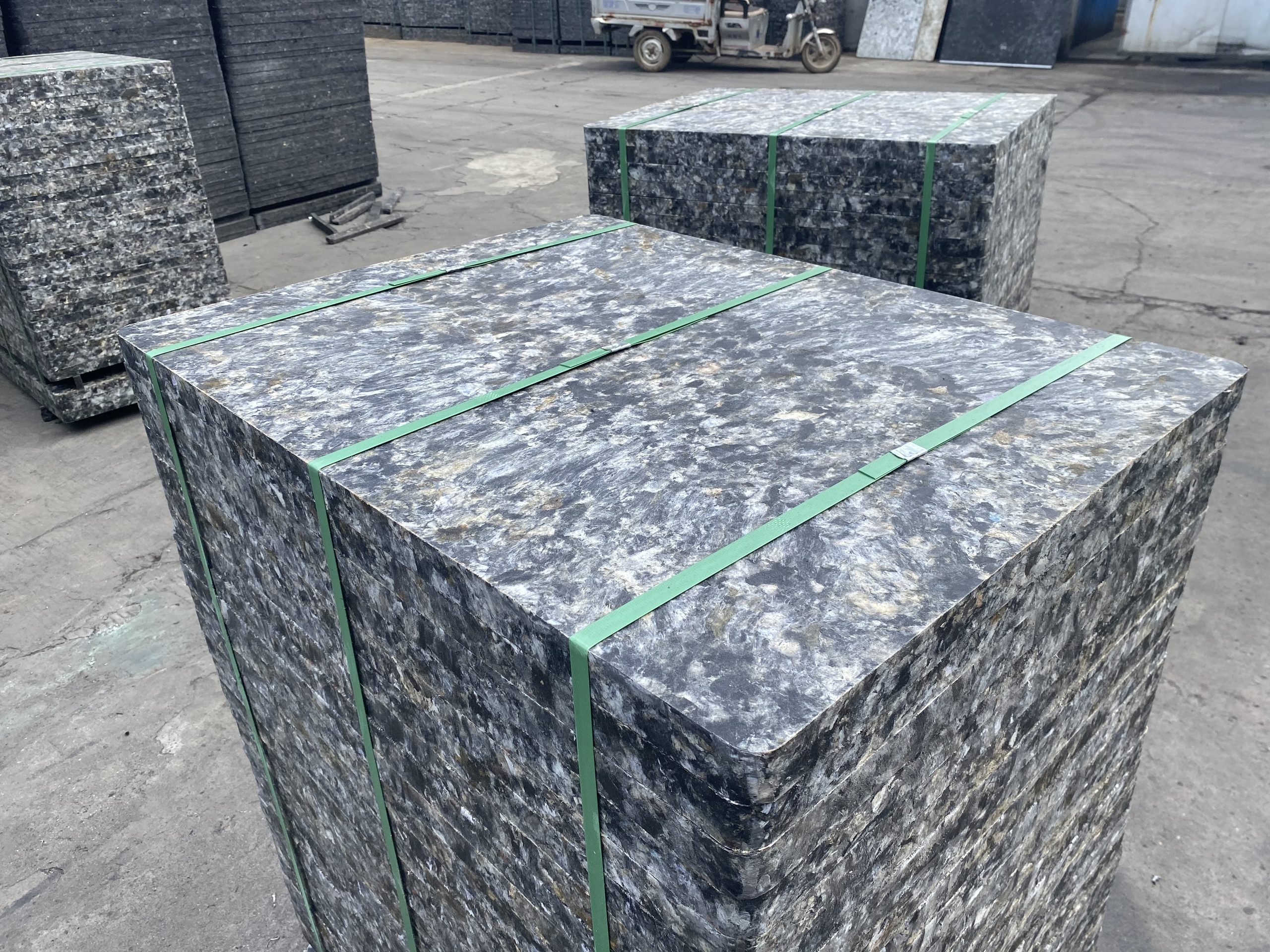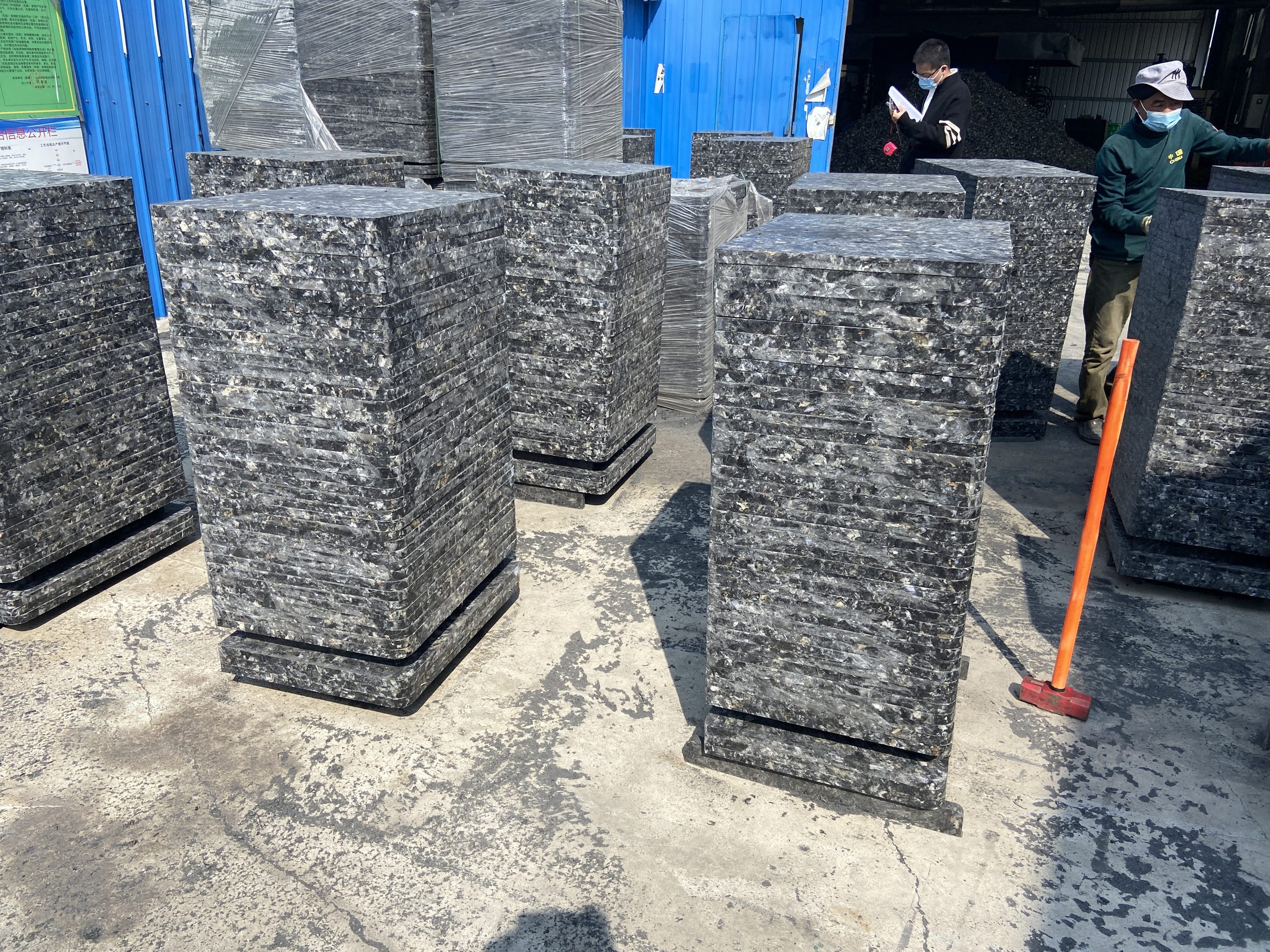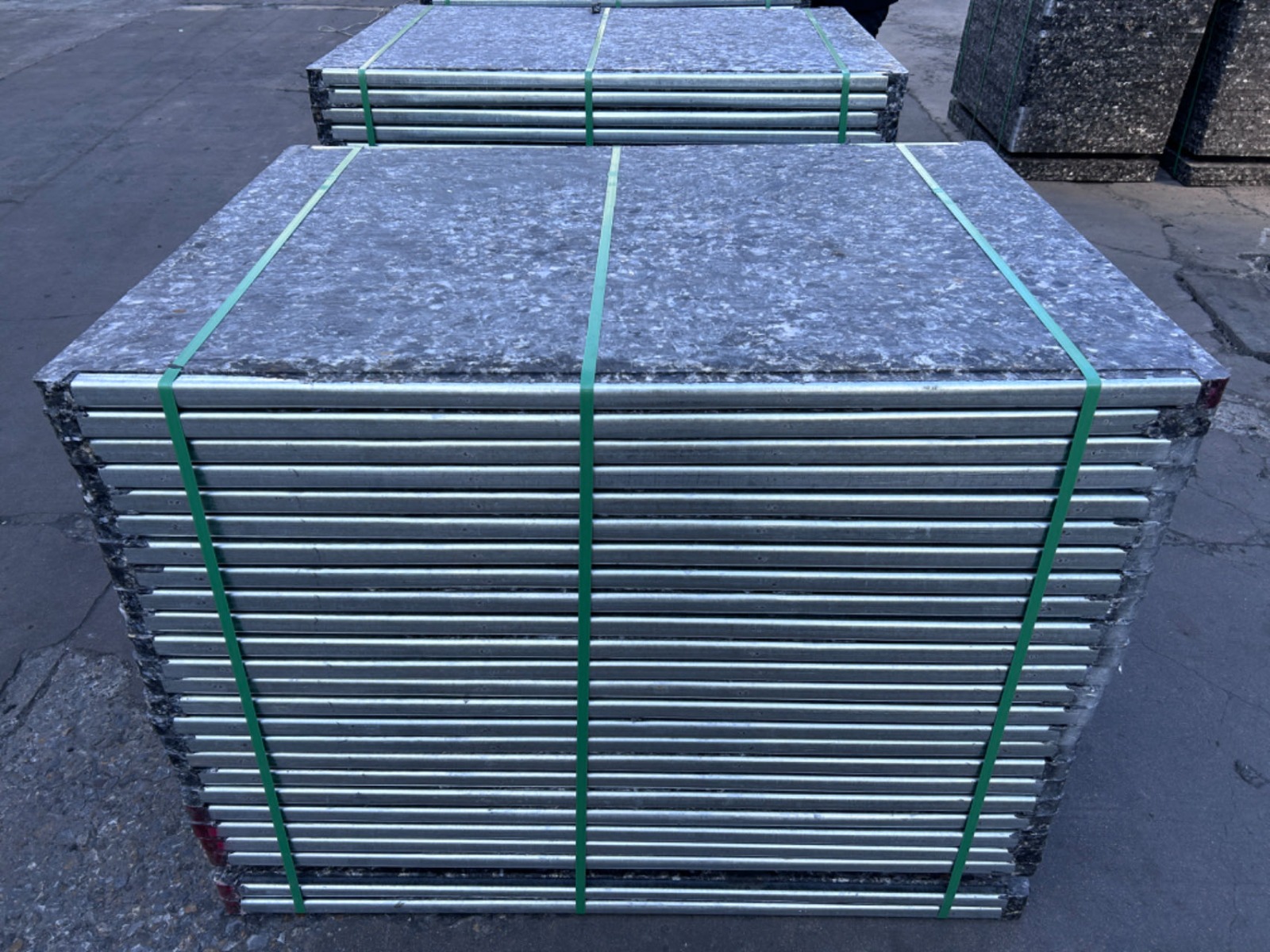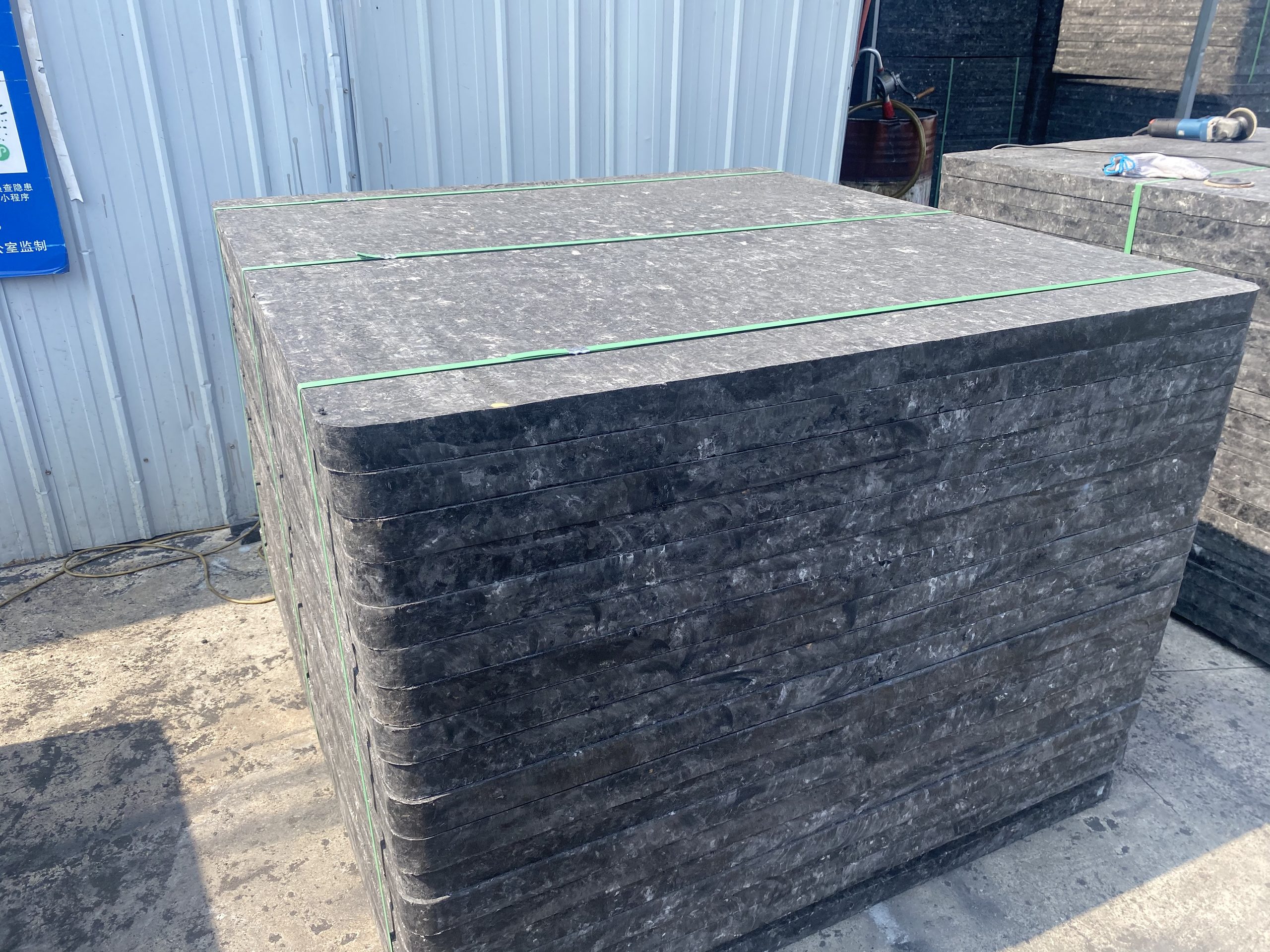
Middle East brick manufacturers face extreme thermal challenges that conventional pallets cannot survive. Operating temperatures swing from -5°C winter nights to +48°C summer days—a 53°C operational range that destroys wood pallets within 18-24 months and causes 25-30% higher summer rejection rates. Facilities using standard materials report $32,000-45,000 annually in heat-related quality defects as pallets warp, crack, and lose dimensional stability under thermal stress.
This guide examines material specifications proven in Gulf region operations, thermal shock resistance requirements verified through 5,000+ cycle testing, and engineering solutions that eliminate temperature-related defects while extending service life to 8-10 years in extreme Middle East conditions.
Thermal Challenges in Middle East Brick Production
Middle East brick manufacturing operates in thermal extremes that stress pallets beyond design limits. Summer ambient temperatures reach +45°C to +48°C, while curing chambers add another +20-35°C, exposing pallets to combined temperatures of +65°C to +83°C during processing.
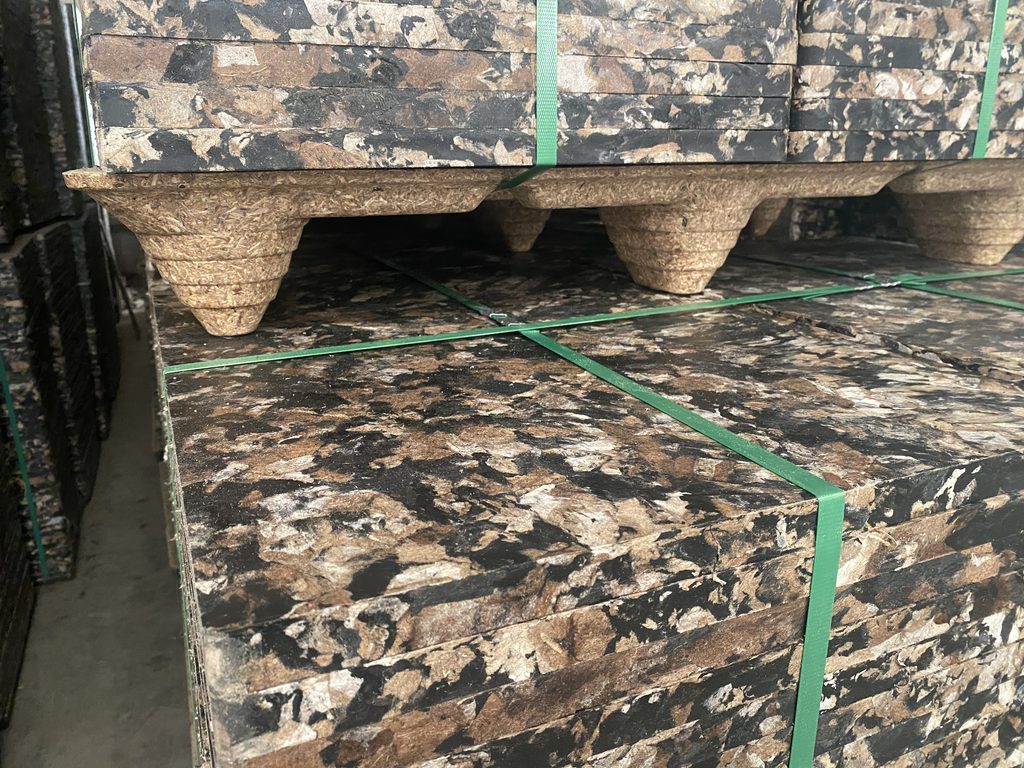
Daily temperature swings of 20-35°C subject pallets to repeated thermal shock. A pallet loaded at dawn (+18°C) experiences midday heat (+46°C), then cools to +22°C by midnight—a 28°C variation within 18 hours. This cycling occurs 300-330 days annually, accumulating 12,000-15,000 thermal shock events over three years.
Wood pallets expand 0.8-1.2mm per meter at +45°C, creating surface warping of 4-6mm across standard dimensions. According to industry material durability research, facilities report wood pallet service life reduced to 18-24 months in Middle East conditions versus 4-5 years in European climates—a 60-65% reduction from thermal stress. A +3mm warp at +20°C becomes +5-7mm at +48°C, reducing brick contact area from 75% to 50-60%.
Heat Deflection and Thermal Expansion Requirements
Heat-resistant pallets must maintain structural integrity across -10°C to +85°C operational ranges, accounting for seasonal extremes plus curing chamber loads.
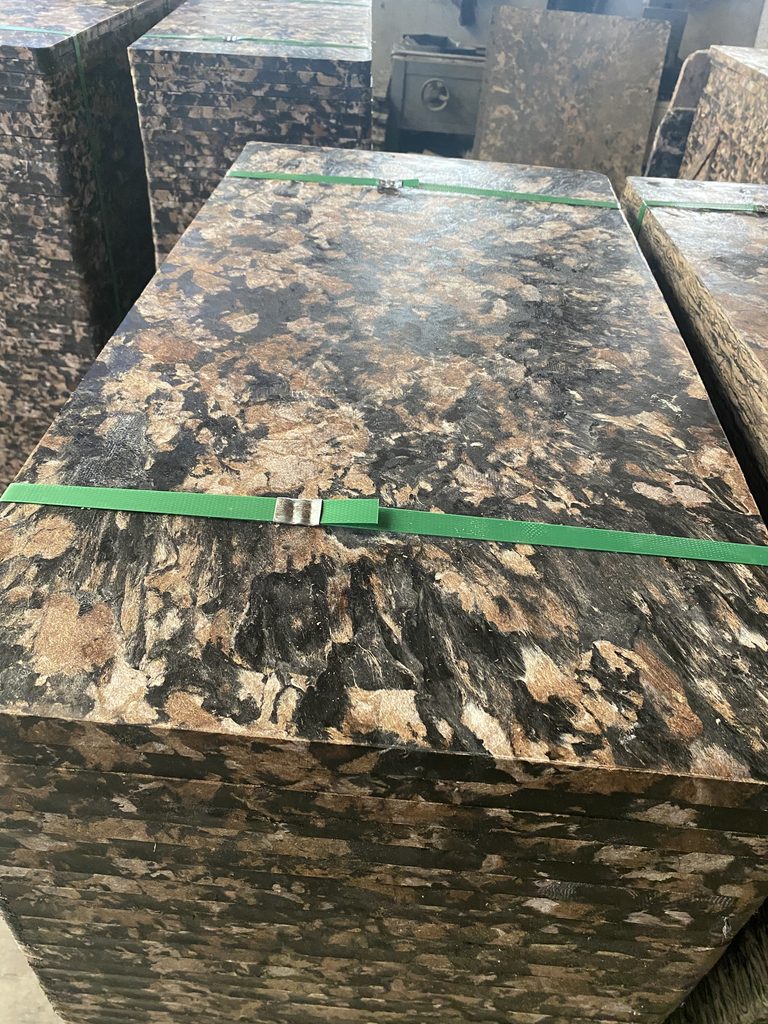
Wood shows 35-45% strength reduction at +60°C due to lignin softening. High-quality GMT pallets maintain 95-98% strength retention from -30°C to +80°C because glass fiber reinforcement doesn’t soften at these temperatures.
| Performance Specification | Wood Pallets | Standard Plastic | GMT Fiber Composite | Middle East Requirement |
|---|---|---|---|---|
| Thermal Stability Range | -5°C to +50°C | +5°C to +55°C | -30°C to +80°C | -10°C to +85°C (essential) |
| Strength Retention at +60°C | 55-65% | 70-80% | 95-98% | >90% (required) |
| Thermal Expansion Coefficient | 8-12 × 10⁻⁶ /°C | 70-90 × 10⁻⁶ /°C | 15-25 × 10⁻⁶ /°C | <30 × 10⁻⁶ /°C (critical) |
| Surface Warp at +48°C | 4-6mm | 6-10mm | 1-2mm | <3mm (threshold) |
| Service Life (Gulf Region) | 18-24 months | 24-36 months | 8-10 years | >5 years (target) |
Heat deflection temperature (HDT) measures when materials soften under load. Standard plastics show HDT of +55-65°C, inadequate for conditions exceeding +70°C. According to GMT pallet thermal performance research, GMT composites achieve HDT of +140-160°C, maintaining rigidity during extreme thermal events. Premium white GMT brick pallets with thermal conductivity of 0.25-0.35 W/m·K keep surface temperatures within 2-4°C of ambient, reducing thermal stress.
Thermal Shock Resistance Testing
Thermal shock—rapid temperature change stressing materials through uneven expansion—occurs daily in Middle East brick manufacturing. Pallets moved from air-conditioned storage (+22°C) to outdoor staging (+46°C) experience +24°C shock within 10-15 minutes. Entry into curing chambers adds another +15-25°C, while exit generates -40°C shock over 20-30 minutes.
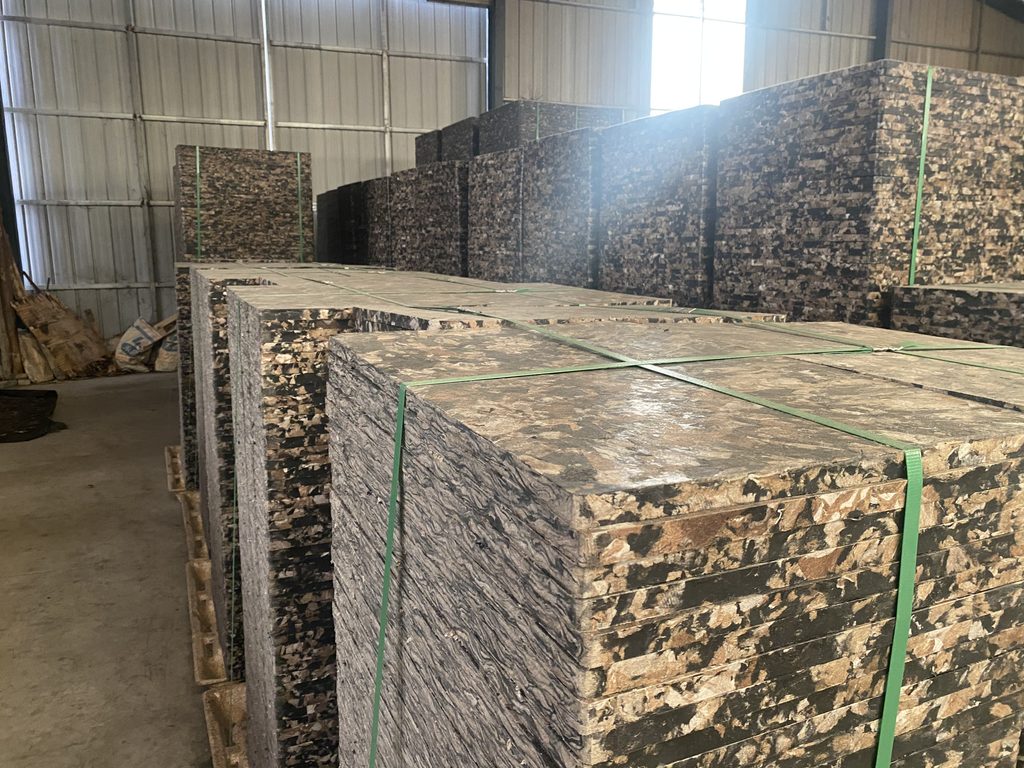
Wood’s cellular structure expands unevenly because moisture content varies 3-5% across thickness. After 800-1,200 thermal cycles, surface cracks propagate into structural splits compromising load capacity.
ASTM D696 thermal cycling from -20°C to +80°C reveals wood pallets develop 2-4mm dimensional changes after 500 cycles, while GMT composites show <0.5mm change after 2,000 cycles. This 4× advantage translates directly to service life in high-cycle Middle East operations.
Glass fibers have near-zero thermal expansion (0.5 × 10⁻⁶ /°C), while thermoplastic matrix expands at 15-25 × 10⁻⁶ /°C. The fiber network constrains matrix expansion, distributing thermal stress uniformly. Facilities running three curing cycles daily accumulate 1,095 thermal shocks annually. Over three years, this totals 3,285 shock events—conditions destroying wood pallets within 18-24 months but leaving fiber brick pallets structurally intact for 8-10 years.
Material Performance Comparison: GMT vs Wood vs Plastic
Material selection determines whether pallets survive or fail in Middle East thermal conditions. Wood and standard plastics experience accelerated degradation reducing service life 50-70% compared to performance in European or North American facilities.
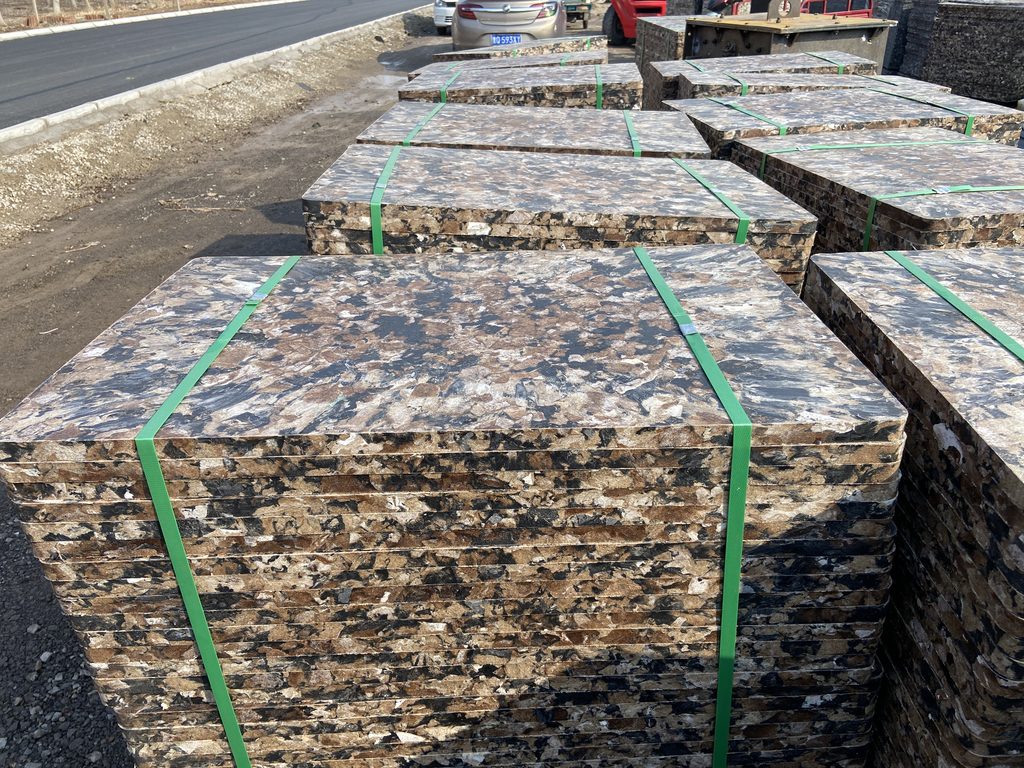
Wood pallets face compound degradation in extreme heat. Lignin binding begins softening at +55-60°C, reducing structural rigidity by 30-45%. Moisture content drops from 12-15% to 6-8% in low-humidity desert conditions, making wood brittle. UV radiation breaks down surface lignin at 2-3× the rate seen in temperate climates due to higher solar intensity (up to 1,000 W/m² in summer). The combination shortens wood pallet life from 4-5 years to 18-24 months in Gulf manufacturing facilities.
| Performance Factor | Wood Pallets | Plastic Pallets | GMT Composite | Performance Gap |
|---|---|---|---|---|
| Summer Warpage Increase | +80-150% vs winter | +200-250% vs winter | <±10% variation | GMT 8-15× more stable |
| Brick Rejection Rate (Summer) | 8-12% | 6-9% | 3-4% | GMT 50-70% lower |
| UV Surface Degradation (3 years) | Severe (gray, splintered) | Moderate (yellowed, brittle) | Minimal (stable) | GMT eliminates UV failure |
| Service Life (Gulf Conditions) | 18-24 months | 24-36 months | 96-120 months | GMT 4-5× longer |
| Annual Cost per Pallet | $12.50-23.33 | $15-32.50 | $14-22.50 | GMT similar cost, superior performance |
Standard polyethylene or polypropylene pallets soften as ambient temperatures approach heat deflection temperatures of +55-65°C. At +48°C ambient plus +15-20°C solar gain, plastic pallet surfaces reach +63-68°C—sufficient to cause visible sagging under brick loads. Warpage of 6-10mm develops within 6-12 months.
GMT fiber composite pallets outperform both traditional materials because their engineering specifically addresses high-temperature failure mechanisms. Glass fiber reinforcement maintains structural integrity at temperatures up to +140-160°C. Field data shows white yellow GMT pallets operating in Kuwait and UAE facilities maintain 98% of original dimensional specifications after four years of continuous use in +45-48°C summer conditions.
Wood pallet rejection rates for warpage increase 40-55% from winter to summer. Plastic pallets show 35-45% increased deflection in summer heat. GMT composites show <3% seasonal variation because their structural properties remain stable across the entire operational temperature range.
UV Protection in High-Intensity Solar Environments
Solar UV radiation in Middle East regions reaches 8-12 MJ/m² daily during summer—40-60% higher than temperate latitudes. This intense exposure accelerates photodegradation that breaks molecular bonds in organic materials.
Wood lignin degrades under UV exposure through photo-oxidation. Surface layers turn gray, losing 20-30% tensile strength within 12-18 months of outdoor exposure. Wood pallets in UAE facilities show surface deterioration 2.5-3× faster than in German facilities.
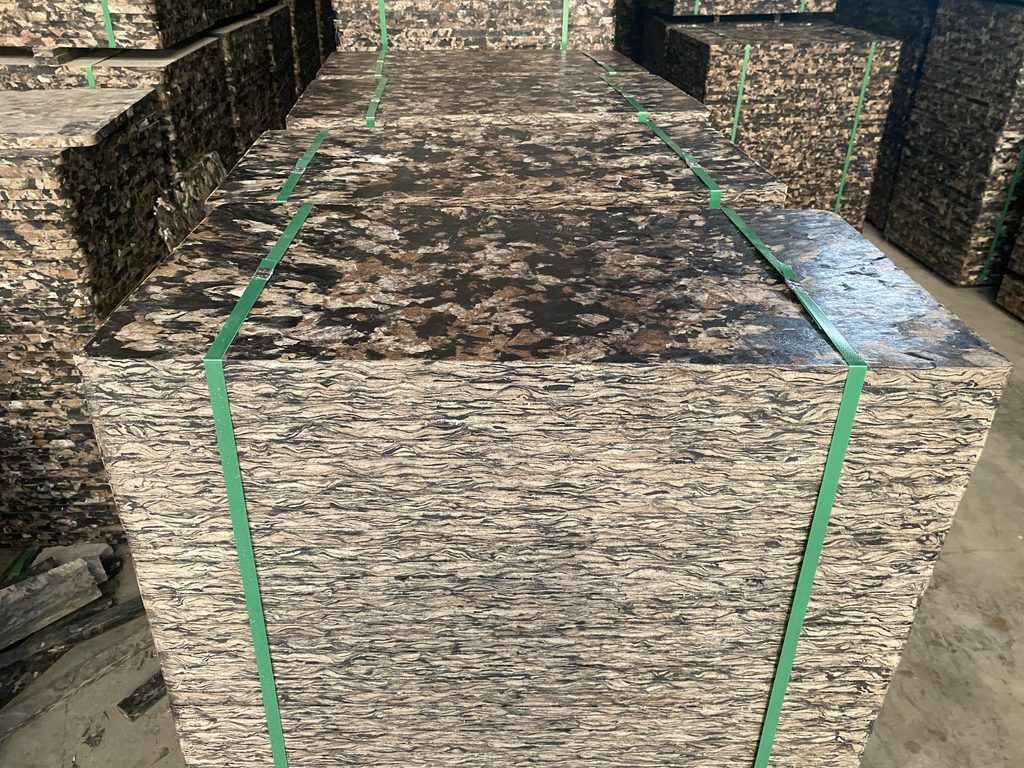
UV stabilizers in GMT composites prevent polymer chain scission: UV absorbers convert harmful radiation to heat, while hindered amine light stabilizers (HALS) neutralize free radicals. Testing per ASTM G154 shows black glass fiber pallets retain 96-98% tensile strength after 5,000 hours equivalent to 10+ years Middle East exposure.
White GMT pallets reflect 75-85% of solar radiation, keeping surface temperatures 8-12°C cooler than black surfaces. Wood pallets requiring outdoor staging need replacement every 18-24 months as UV degradation compounds thermal stress. GMT pallets maintain smooth, stable surfaces for 8-10 years. Facilities report zero surface-related brick defects from GMT pallets after five years of continuous outdoor exposure in Saudi Arabian operations.
UAE Facility Case Study: Real Performance Data
A 1.8 million units/month brick facility in UAE converted 75% of production lines to GMT pallets in January 2024, maintaining 25% wood pallets as control. Operating conditions: +42-48°C summer ambient, -2 to +8°C winter minimums, +65-75°C curing chambers.
Pre-conversion baseline (December 2023):
- Summer rejection rate: 11.2%
- Winter rejection rate: 4.8%
- Pallet service life: 19 months average
- Curing uniformity: ±12°C across brick surfaces
- Annual quality defect costs: $38,400
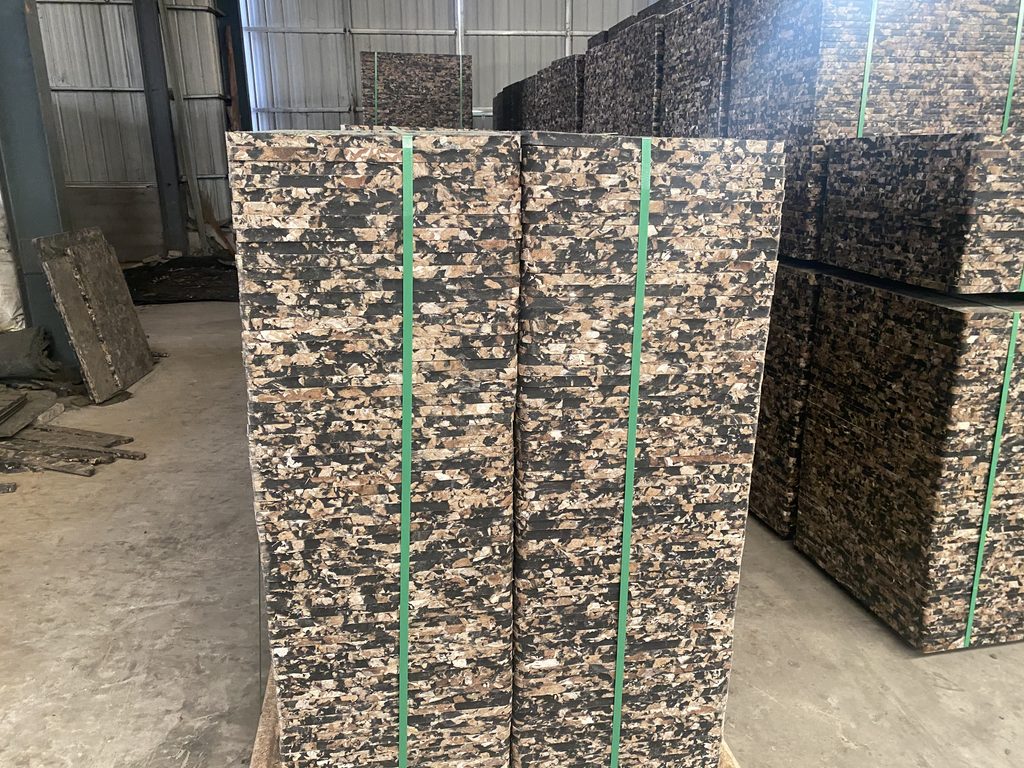
Post-conversion results (January-December 2024):
- Summer rejection rate: 4.2% — 62% improvement
- Winter rejection rate: 3.9% — 19% improvement
- Seasonal variation: <0.5% versus 6.4% with wood
- Curing uniformity: ±4°C — 67% improvement
- Flatness retention: 98% maintained ±2mm after 12 months versus 45% for wood
Financial impact:
- Quality defect cost reduction: $23,800 annually
- Projected GMT life: 8-10 years versus 19-month wood cycle
- ROI payback: 14 months
- Cost per 1,000 bricks: Reduced from $4.85 to $3.20
The quality manager reported: “GMT pallets eliminated seasonal variation. Our August 2024 numbers matched February 2024 within 0.3%, impossible with wood. The thermal stability transformed our operation from seasonal crisis management to consistent year-round production.” Temperature monitoring revealed wood pallets reached +56-62°C surface temperature under summer sun, causing measurable softening. GMT surfaces peaked at +49-52°C and maintained rigidity.
Heat-Resistant Pallet Selection Checklist
Middle East brick manufacturers need systematic evaluation criteria to select heat-resistant pallets that survive extreme thermal conditions. This checklist eliminates unsuitable materials before field testing.
Material Thermal Specifications (Essential):
- Operational temperature range: -10°C to +85°C minimum
- Heat deflection temperature: >120°C under load
- Thermal expansion coefficient: <30 × 10⁻⁶ /°C
- Thermal shock resistance: Survives 2,000+ cycles (+20°C to +80°C)
- UV resistance: ASTM G154 compliance with <5% degradation after 5,000 hours
Dimensional Stability Requirements:
- Surface flatness: ±2mm maximum deviation when new
- Flatness retention: Maintains ±3mm after 3,000 thermal cycles
- Permanent deformation: <1mm creep after 5,000 loading cycles at maximum temperature
- Thickness tolerance: ±1-2mm consistency
- Quarterly inspection confirms <±3mm drift
Structural Performance:
- Compressive strength retention: >90% from -10°C to +80°C
- Impact resistance: Survives handling drops at temperature extremes
- Load capacity: Supports maximum brick stack without deflection >2mm at +60°C
- Fatigue resistance: 10,000+ loading cycles without degradation
- Service life: Minimum 5-year warranty in extreme temperature applications
Supplier Verification:
- Regional references in Middle East climate zones
- Third-party testing results for thermal specifications
- Warranty specifically addresses temperature-related failures
- Technical support for thermal performance optimization
- Clear failure criteria and pro-rated warranty coverage
FAQ
Q: Can we use standard wood pallets with more frequent replacement to avoid GMT investment?
Frequent replacement addresses service life but not thermal performance. Even “new” wood pallets warp 2-3mm within 3-6 months of Middle East operation, creating quality defects before replacement becomes economically necessary. The 25-30% summer rejection rate increase stems from wood’s thermal instability, not just age. You would need to replace wood pallets every 6-9 months to maintain dimensional specifications, costing $16-28 annually versus $14-22 for GMT with superior performance throughout its life.
Q: How do we verify pallet thermal specifications before purchasing?
Request third-party test reports for ASTM D648 (heat deflection temperature), ASTM D696 (thermal expansion), and ASTM G154 (UV resistance). Conduct in-house verification by placing sample pallets in curing chambers at maximum operating temperature for 4-8 hours, then measuring dimensional change—acceptable materials show <2mm variation. Compare samples stored outdoors in direct summer sun for 90 days against indoor controls.
Q: Will GMT pallets work with our existing brick handling equipment?
GMT pallets match standard brick pallet dimensions (typically 650-950mm × 450-650mm) and integrate without equipment modifications. The consistent thickness (±1-2mm tolerance) actually improves automation compatibility compared to wood’s ±3-5mm variations. Weight differs—GMT pallets at 12-18kg weigh 20-30% more than wood—but remain within forklift and handling system capacities. Superior dimensional stability reduces jamming in automated systems, improving equipment efficiency 8-15%.
Q: Can we mix GMT and wood pallets within the same production line?
Mixing creates quality inconsistencies because materials have different thermal properties. GMT’s superior thermal conductivity transfers heat 40-55% faster during curing, reducing cycle time 12-18% compared to wood’s insulating properties. Operating mixed pallets forces you to set curing parameters for slower wood pallets or optimize for GMT and under-cure bricks on wood pallets. Dimensional variations between warped wood (±5-8mm) and stable GMT (±2mm) create handling difficulties. Full-line conversion delivers better results than mixing.
Q: What warranty coverage should we expect for extreme temperature applications?
Quality GMT pallet suppliers offer 5-8 year warranties covering thermal-related failures including warpage beyond ±3mm, surface cracking from thermal cycling, UV degradation causing brittleness, and structural failure from temperature exposure. Warranties should specifically state coverage in temperature ranges matching Middle East conditions (-10°C to +85°C). Verify warranty terms address pro-rated replacement for premature failure. Request regional references from facilities operating under similar conditions to validate real-world warranty performance.
Conclusion
Middle East brick manufacturing requires heat-resistant pallets engineered for -10°C to +85°C operational ranges and 20-35°C daily thermal shock cycles that destroy conventional materials within 18-24 months. GMT fiber composite pallets deliver 4-5× service life extension (8-10 years versus 18-24 months for wood) while eliminating 60-75% of temperature-related brick rejection through superior dimensional stability.
Field results demonstrate 14-month ROI payback through combined quality improvements and extended replacement intervals. The elimination of seasonal performance variations transforms summer from crisis period to consistent operation, reducing rejection rate swings from 6-8% to <1% month-to-month.
Rhinos Pallet manufactures GMT fiber composite pallets specifically engineered for extreme temperature brick manufacturing applications. Contact us for thermal performance specifications and Middle East facility references.