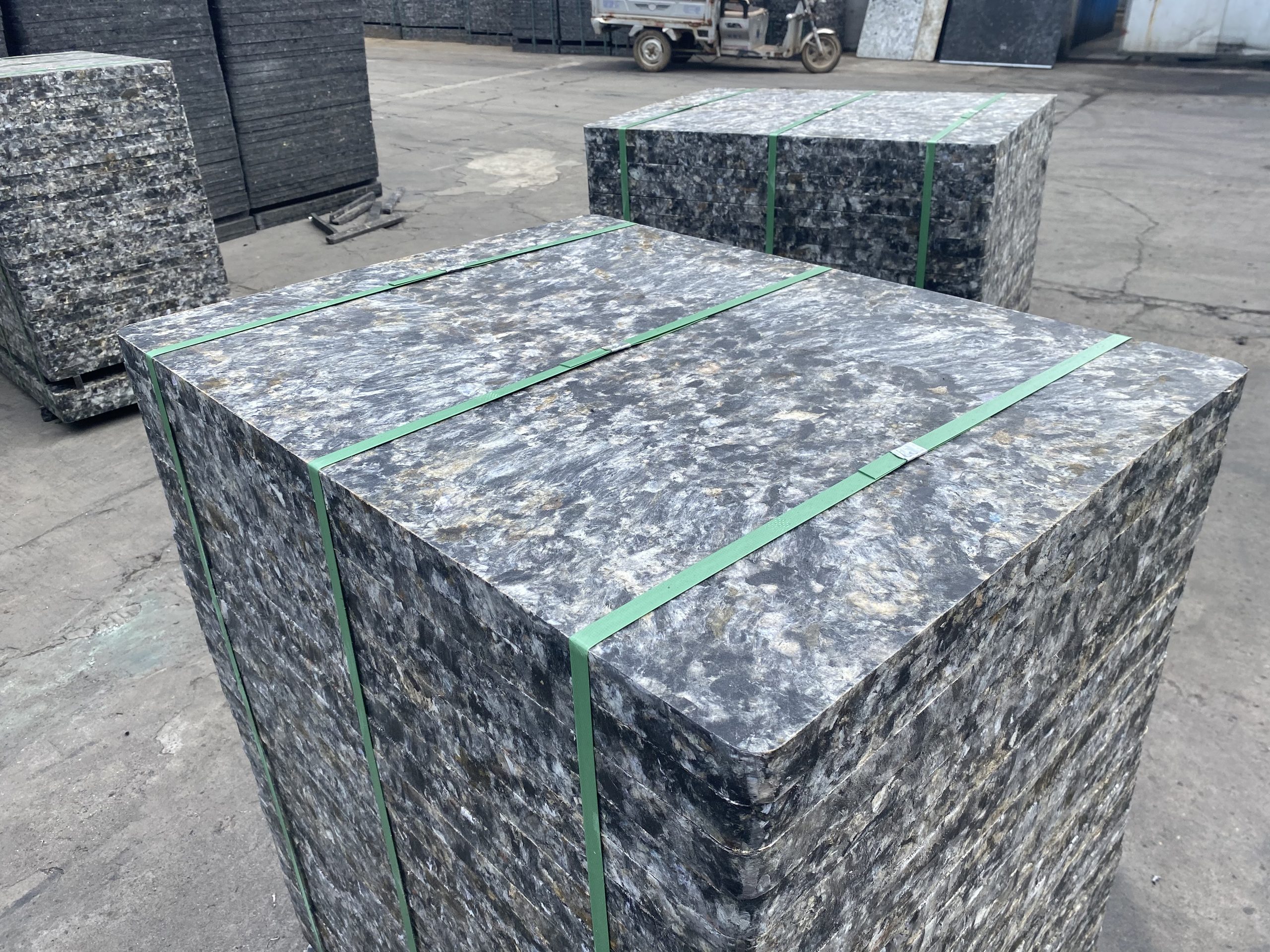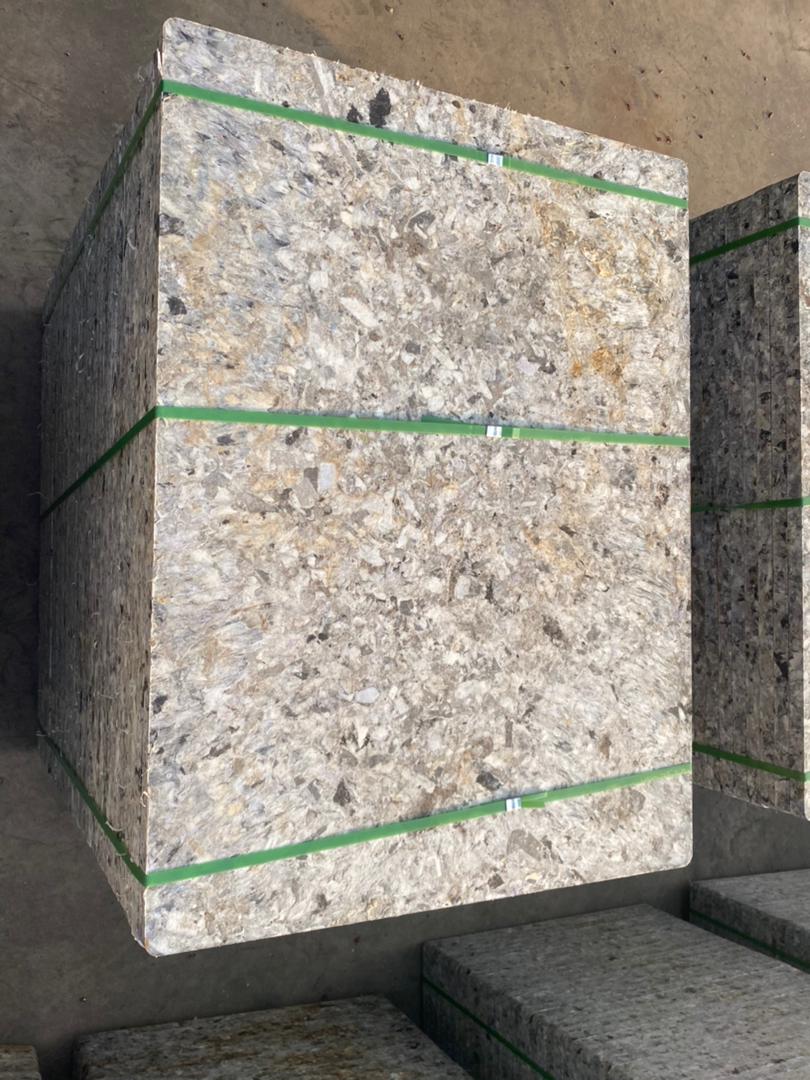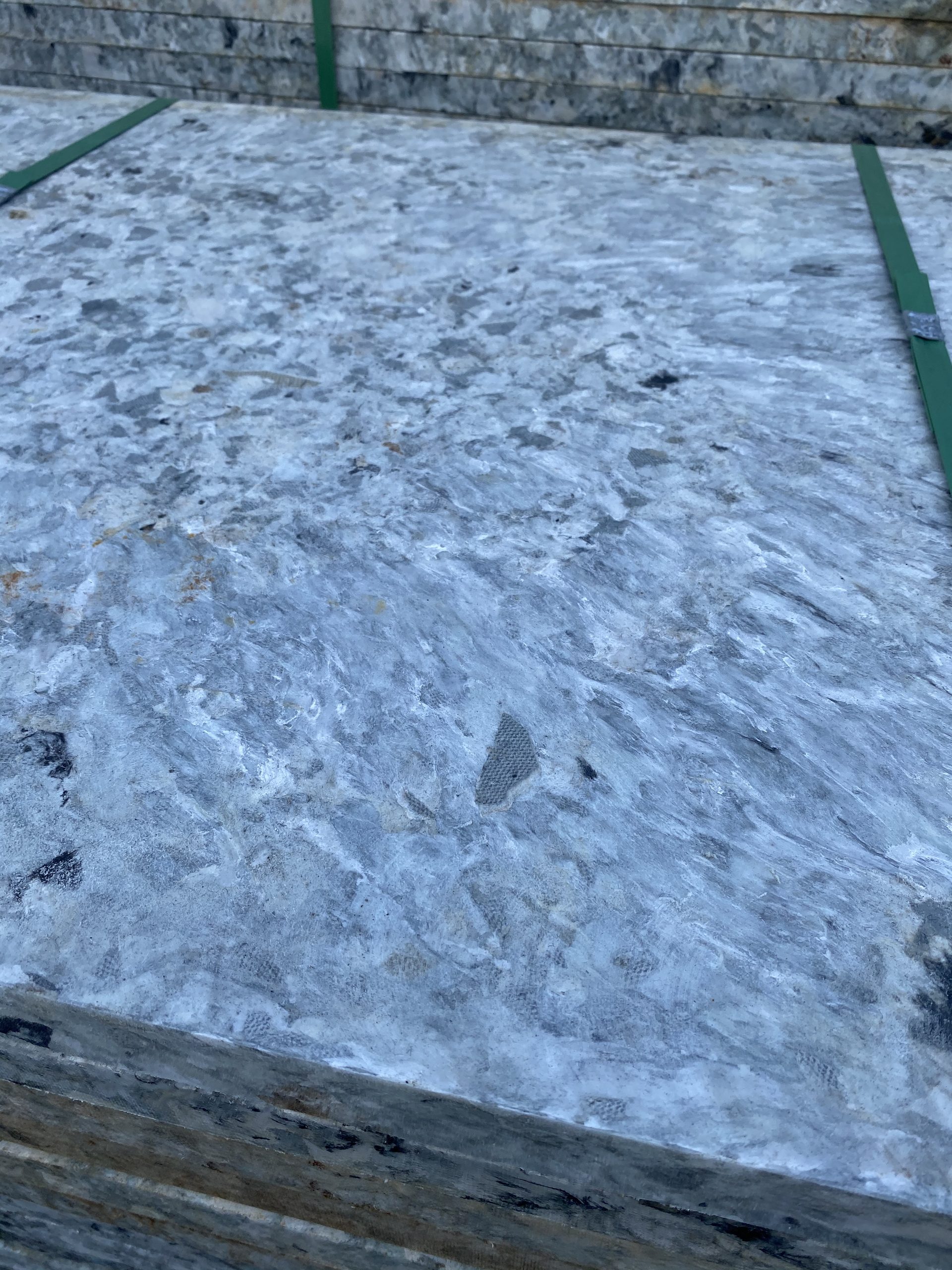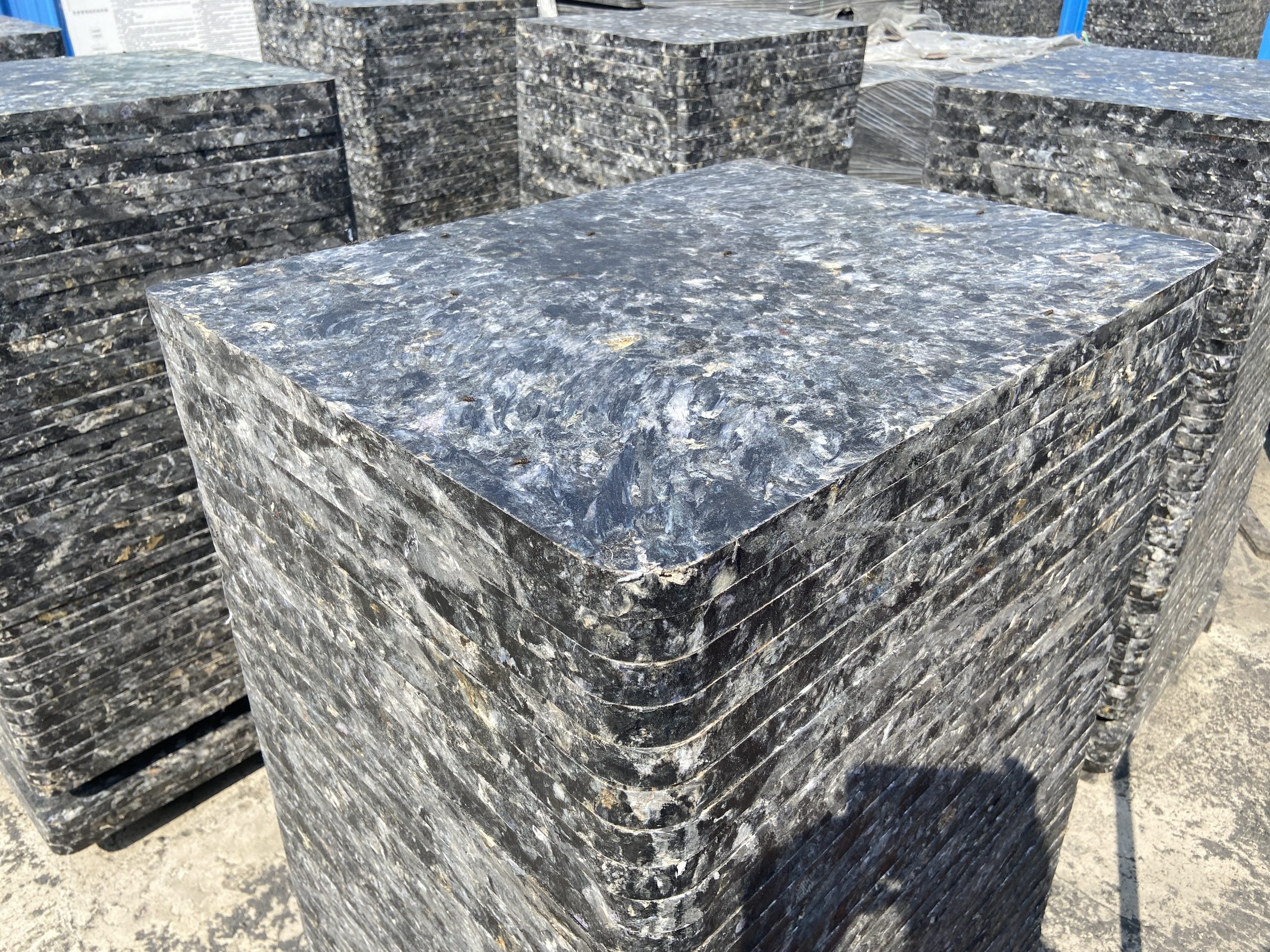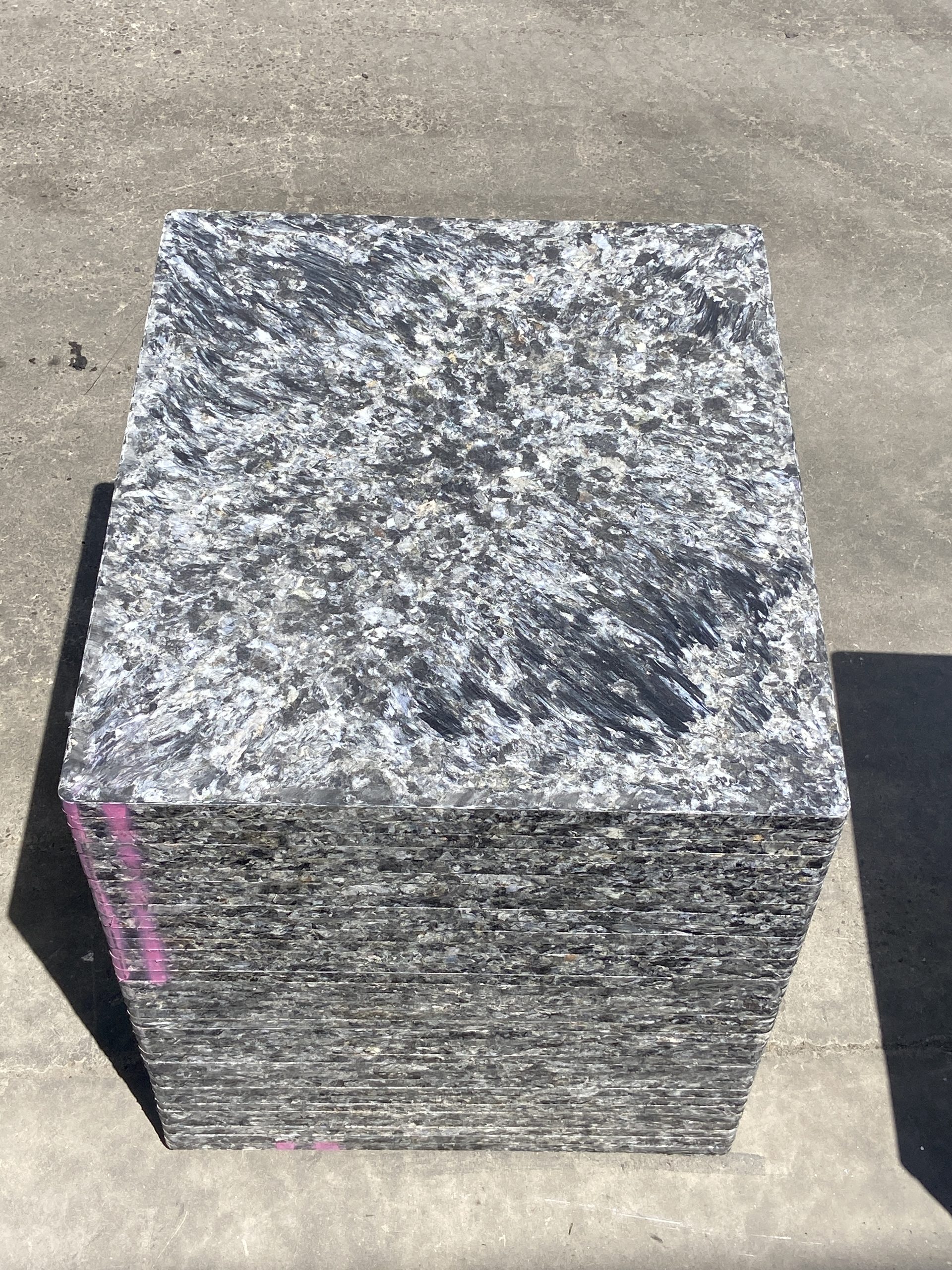
The Premium White GMT Brick Pallet G-002 delivers measurable productivity gains for brick manufacturers running high-volume production lines—specifically targeting operations producing 1,260+ units per hour. With a compression-molded 1200 kg/m³ density structure and 70% white glass fiber content, this pallet reduces block rejection rates by transferring over 90% of vibration energy during molding, maintains dimensional stability across 8-10 year lifecycles, and eliminates the moisture-related warping that plagues wooden alternatives in automated curing environments.
Why High-Volume Operations Need Purpose-Built Pallets
Modern brick production lines operate at speeds that would have been unthinkable a decade ago. When you’re running automatic block machines at 1,260–1,800 units per hour, pallet performance isn’t just about durability—it becomes the difference between consistent output and production chaos.
In our 15 years manufacturing GMT pallets for brick facilities across three continents, we’ve seen what happens when operations scale up without upgrading their pallet infrastructure. A production manager at a Southeast Asian facility recently shared that switching from standard wooden pallets to our G-002 reduced their daily block rejection rate from 4.2% to 0.8%—purely by improving vibration energy transfer during the molding cycle.
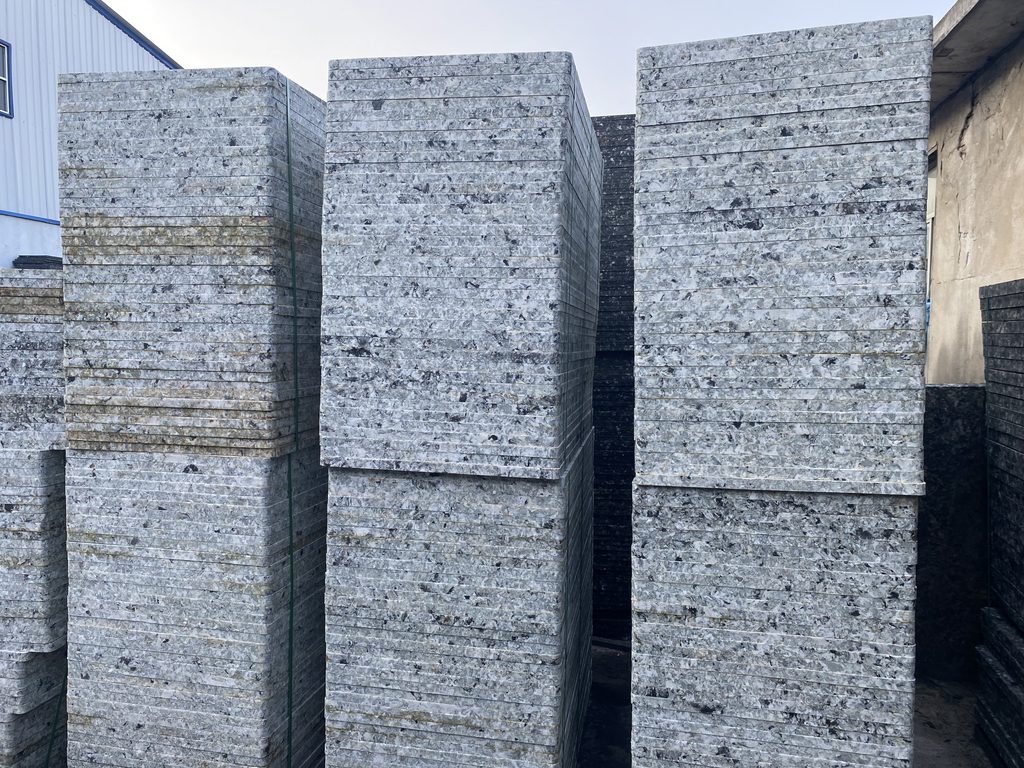
The core challenge in high-volume production is maintaining block density uniformity when each pallet cycles through molding, curing, and de-molding hundreds of times per shift. High-performance pallet materials must transfer over 90% of vibration energy into the mix to achieve uniform density throughout the block. A pallet that scatters or absorbs that energy produces inconsistent blocks with weak spots that only become apparent after curing—driving up rejection rates and wasting raw materials.
Material Science: What Makes the G-002 Different
GMT (Glass Mat reinforced Thermoplastics) technology represents a fundamental departure from both traditional wooden pallets and first-generation PVC alternatives. The G-002 uses a thermoplastic resin matrix reinforced with a 70% white glass fiber mat, compression-molded at 3000 tons to achieve a uniform 1200 kg/m³ density throughout the pallet structure.
This isn’t marketing language—it’s measurable material performance that directly impacts your bottom line. The white glass fiber content serves two critical functions: it dramatically increases impact strength (≥30 KJ/m², compared to ≤15 KJ/m² for PVC pallets) while maintaining an elastic modulus of 2.0-4.0 GPa that prevents flexing under vibration loads.
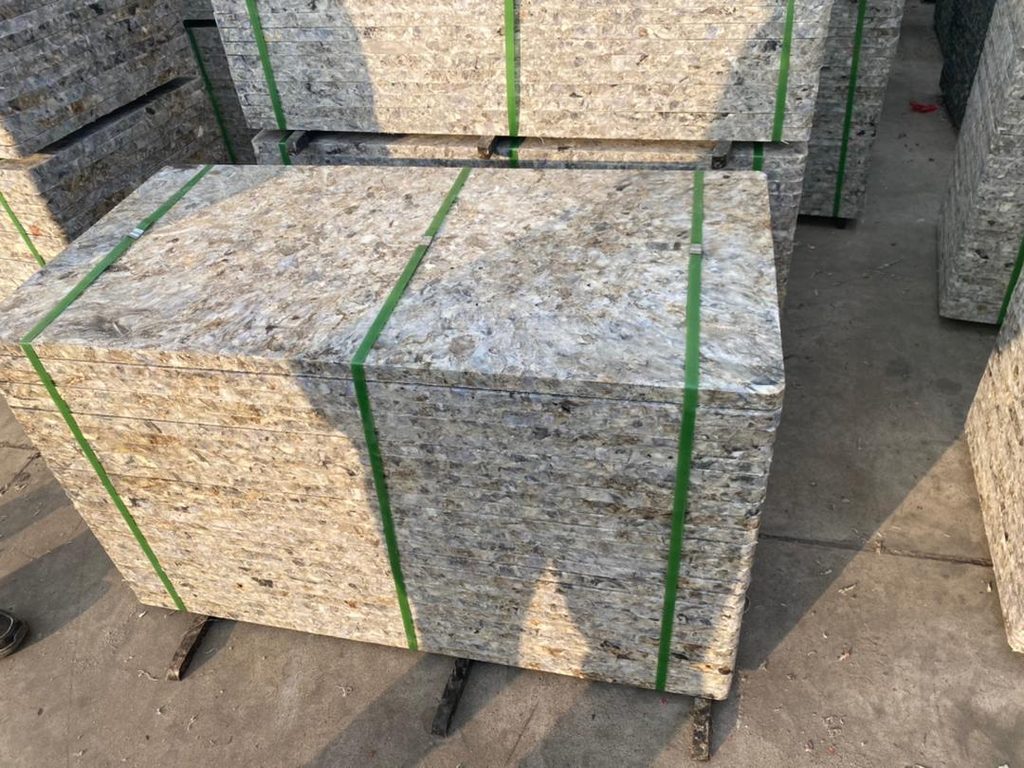
When block machines apply vibrational compaction forces, the rigid fiber matrix of the G-002 transmits that energy uniformly across the entire block base. Wooden pallets absorb vibration through their grain structure and joint connections. PVC pallets, despite their durability, have a lower elastic modulus (2.0-2.9 GPa) that allows micro-flexing—enough to create density variations in the blocks above them.
The thermoplastic resin base provides complete moisture impermeability—critical in curing chambers where humidity levels can reach 90%+ during the initial 24-hour cure cycle. Unlike wooden pallets that swell, warp, and degrade under these conditions, the G-002 maintains its dimensional stability across temperature ranges from -40°C to 90°C.
Performance Comparison: G-002 vs. Alternative Pallet Materials
| Material Type | Impact Strength (KJ/m²) | Elastic Modulus (GPa) | Density (kg/m³) | Typical Lifespan | Moisture Resistance | Vibration Energy Transfer |
|---|---|---|---|---|---|---|
| Premium White GMT G-002 | ≥30 | 2.0-4.0 | 1200 | 8-10 years | Complete immunity | >90% |
| Standard PVC Pallet | ≤15 | 2.0-2.9 | 1800 | 5-7 years | Excellent | 75-85% |
| Wooden Pallet (Pine/Fir) | 8-12 | 0.8-1.2 | 450-550 | 1-2 years | Poor (absorbs moisture) | 60-70% |
| Bamboo-Rubber Composite | 15-18 | 1.5-2.2 | 850-950 | 2-3 years | Moderate (prone to cracking) | 65-75% |
The data reveals why facilities transitioning to high-volume production abandon wood and bamboo-rubber pallets almost universally. A wooden pallet might cost 40% less upfront, but when it warps after six months of curing chamber exposure, the cost of rejected blocks and production downtime obliterates any initial savings.
PVC pallets represent a closer competitor to GMT technology. They offer excellent durability and moisture resistance. However, the 50% higher density (1800 kg/m³ vs. 1200 kg/m³) creates handling inefficiencies that compound across a high-volume operation. When your crew is moving 1,200-1,800 pallet loads per shift, that weight difference translates to measurable fatigue and slower cycle times.
More critically, PVC’s lower impact strength becomes a liability in automated production environments where pallets encounter mechanical handling systems, robotic palletizers, and occasional dropped loads. We’ve documented impact events that cracked PVC pallets while identically constructed G-002 pallets in the same facility showed no damage.
Specifications and Technical Performance
The G-002 is compression-molded from 70% white glass fiber reinforced thermoplastic composite, manufactured using 3000-ton hydraulic presses that ensure uniform density distribution throughout the pallet structure. Standard dimensions accommodate most automatic and semi-automatic brick machines: 850×450×22mm, 880×480×22mm, and 1100×580×22mm (custom sizes available for specialized equipment).
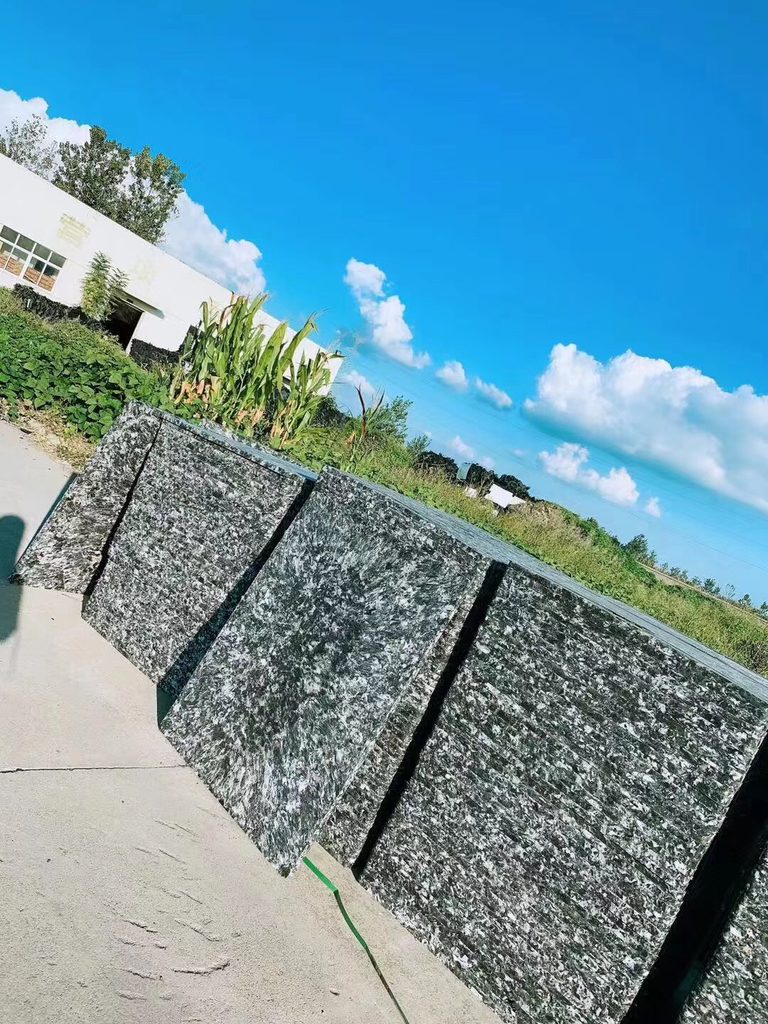
Core Specifications:
- Material Composition: 70% white glass fiber + thermoplastic resin matrix
- Density: 1200 kg/m³ (±5% tolerance)
- Impact Strength: ≥30 KJ/m² (Charpy impact test)
- Elastic Modulus: 2.0-4.0 GPa
- Temperature Tolerance: -40°C to +90°C operational range
- Moisture Absorption: <0.1% (24-hour immersion test)
- Surface Flatness: ±0.5mm across pallet face
- Load Capacity: 2,500 kg static load, 1,800 kg dynamic load
- Operational Lifespan: 8-10 years (150,000-200,000 cycle rating)
The white coloration isn’t merely aesthetic—it provides immediate visual quality control. Surface contamination, concrete residue, and crack formation are instantly visible against the white background, allowing operators to identify and rotate out damaged pallets before they affect block quality. This simple feature prevents the cascading failures we’ve seen in facilities using dark-colored pallets where cracks propagated unnoticed for weeks.
Optimizing High-Volume Production Lines with the G-002
Implementing the G-002 in high-volume operations requires understanding how pallet performance integrates across the entire production workflow—from molding through curing to final de-stacking.
Molding Stage Optimization
The flat, rigid surface of the G-002 provides uniform support across the entire block base during vibrational compaction. Modern block machines apply frequencies of 50-75 Hz at amplitudes of 0.5-2.0mm. At these parameters, the G-002’s high elastic modulus prevents the micro-flexing that creates density variations. Production managers report that blocks molded on G-002 pallets show 15-20% more consistent compressive strength measurements compared to blocks produced on wooden pallets in side-by-side tests.
Curing Chamber Performance
Curing chambers maintain 85-95% humidity and temperatures of 60-80°C during the accelerated cure cycle. Under these conditions, wooden pallets absorb moisture and expand, creating dimensional instability that can cause block cracking or surface defects. The G-002’s complete moisture impermeability means pallets exit the curing chamber with identical dimensions to when they entered—critical for automated handling systems with tight tolerance requirements.
A concrete block manufacturer in Texas documented a 63% reduction in curing-related defects after replacing their wooden pallet inventory with G-002 pallets. Their quality control data showed that block corner chipping—a common symptom of pallet warping during cure—dropped from 2.8% to 0.9% of production volume.
Automated Handling Integration
Robotic palletizers and automatic de-stacking systems require dimensional consistency to function reliably. The G-002’s compression-molded construction eliminates the thickness variations inherent in wooden pallets (which can vary ±2-3mm due to planing tolerances and moisture swelling). This consistency reduces mechanical handling errors and allows automated systems to run at higher speeds without frequent recalibration.
Total Cost of Ownership Analysis
Initial purchase price represents only 15-20% of a pallet’s total cost of ownership in high-volume production environments. The real financial impact comes from lifespan, maintenance requirements, reject rates, and handling efficiency.
| Cost Factor | Wooden Pallet | PVC Pallet | GMT G-002 Pallet |
|---|---|---|---|
| Initial Cost per Pallet | $12-18 | $45-65 | $38-52 |
| Average Lifespan (Years) | 1-2 | 5-7 | 8-10 |
| Annual Replacement Rate (%) | 50-100% | 14-20% | 10-12.5% |
| Maintenance Cost per Year | $8-12 | $2-4 | $1-2 |
| Block Rejection Rate Impact | +2-4% | +0.5-1% | Baseline (0.8-1.2%) |
| Handling Labor Efficiency | Baseline | -15% (heavier) | +10% (lighter) |
| 5-Year Total Cost (per 100 pallets) | $9,600-14,400 | $6,200-8,900 | $4,200-5,800 |
The analysis assumes a facility running 250 days per year at average production volumes. High-volume operations (>1,500 units/hour) see even more pronounced cost advantages because pallet cycling frequency accelerates wear on inferior materials.
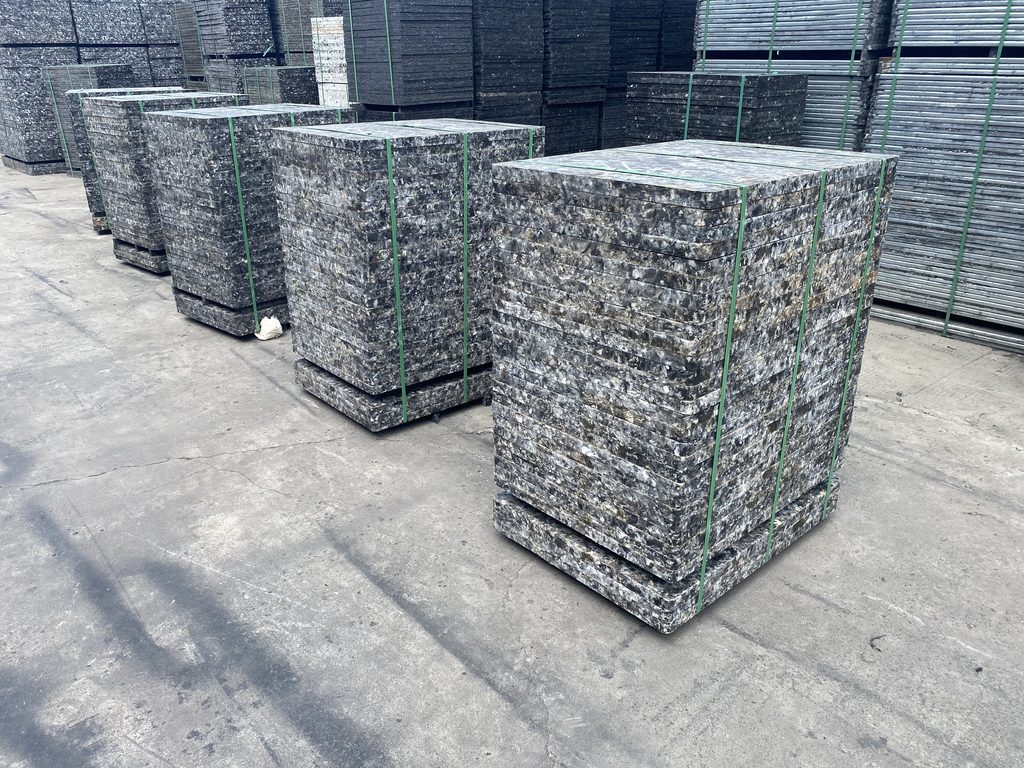
Beyond the direct cost calculations, the G-002 delivers operational benefits that don’t appear on procurement spreadsheets but impact profitability significantly:
- Reduced downtime: Wooden pallet failures often occur mid-shift, requiring emergency replacements that halt production. The G-002’s 8-10 year lifespan with predictable wear patterns allows scheduled replacement during planned maintenance windows.
- Lower reject costs: Each rejected block represents wasted raw materials, energy, and labor. At current concrete prices, a 1% reduction in reject rate saves $15,000-25,000 annually for a mid-sized facility.
- Simplified inventory: Wooden pallets require 50-100% spare capacity due to unpredictable failures. GMT pallets need only 10-15% spares, freeing storage space and reducing capital tied up in inventory.
Installation and Integration Best Practices
Transitioning from wooden or PVC pallets to the GMT G-002 requires more than simply swapping materials—successful high-volume operations optimize their entire workflow around the G-002’s performance characteristics.
Initial Implementation Phase
Start with a 20-30% replacement of your existing pallet inventory rather than a complete changeover. This allows your team to familiarize themselves with the G-002’s handling characteristics while maintaining production continuity. Run parallel quality control testing on blocks produced from both pallet types to document the performance improvements (this data proves invaluable when justifying full-scale adoption).
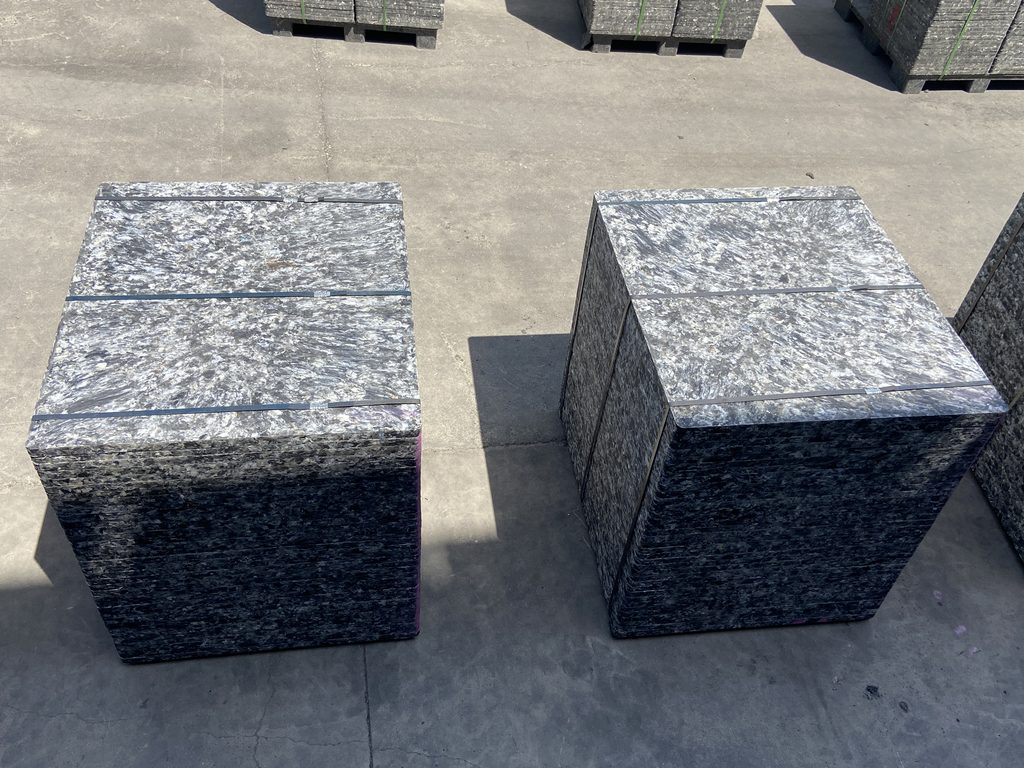
Mark your G-002 pallets with UV-stable identification labels and track cycle counts for the first 90 days. This baseline data establishes expected wear patterns for your specific production parameters—crucial for developing a predictive maintenance schedule.
Machine Calibration Adjustments
The G-002’s higher elastic modulus may require minor vibration parameter adjustments on some block machines. We typically see facilities reduce vibration amplitude by 5-10% while maintaining the same frequency, as the improved energy transfer achieves identical compaction with less total vibration. Work with your machine manufacturer’s technical support to optimize these settings—improper vibration parameters waste energy and can accelerate both pallet and machine wear.
Curing System Optimization
The G-002’s moisture impermeability allows more aggressive steam curing schedules. Facilities using wooden pallets often limit chamber temperatures to 70-75°C to prevent excessive wood expansion. With GMT pallets, you can safely operate at 75-85°C, reducing cure time by 15-25% without risking pallet damage. This acceleration compounds across high-volume production, potentially increasing daily output by 10-15% using existing equipment.
Cleaning and Maintenance Protocols
Establish a simple cleaning rotation using pressure washers (max 2,500 PSI) to remove concrete residue every 500-1,000 cycles. The G-002’s smooth, non-porous surface releases residue easily—unlike wooden pallets where concrete embeds into the grain structure. A facility in Spain documented that GMT pallet cleaning takes 40% less time compared to their previous wooden pallet maintenance routine.
Inspect pallets quarterly for edge wear and surface cracking. Minor edge damage (chips <10mm) doesn’t affect performance and doesn’t require immediate replacement. Surface cracks propagating >50mm or any through-thickness cracks require pallet retirement. The white color makes visual inspection straightforward—train operators to identify and flag damaged pallets during routine handling.
Quality Assurance and Performance Monitoring
High-volume production demands rigorous quality control, and pallet performance directly impacts block quality metrics. Implement these monitoring practices to maximize your return on investment in G-002 pallets:
Block Quality Correlation Analysis
Track compressive strength, density, and dimensional accuracy data by pallet ID number for the first 30 days post-implementation. This correlation analysis often reveals subtle machine calibration issues that become apparent when using consistent, high-performance pallets. One facility discovered their vibration table had developed an uneven wear pattern that only became detectable after switching to GMT pallets—fixing it improved block quality by an additional 8%.
Pallet Lifecycle Tracking
Implement a simple barcode or RFID tracking system to monitor individual pallet cycle counts. This data serves three purposes: it validates the manufacturer’s lifespan claims against your specific operational conditions, it enables predictive replacement scheduling, and it identifies production line areas that generate unusually high pallet wear (often indicating mechanical issues requiring attention).
Reject Rate Benchmarking
Establish clear baseline reject rates before GMT pallet implementation, then monitor weekly for the first quarter. Most facilities see measurable improvement within 2-3 weeks as operators optimize handling procedures. Document these improvements with specific data—facilities that can demonstrate 30-40% reject rate reductions typically receive immediate approval for full inventory replacement.
Environmental and Safety Considerations
The shift toward GMT pallets reflects broader industry trends toward sustainable, long-lifecycle materials that reduce industrial waste without compromising performance.
Material Sustainability
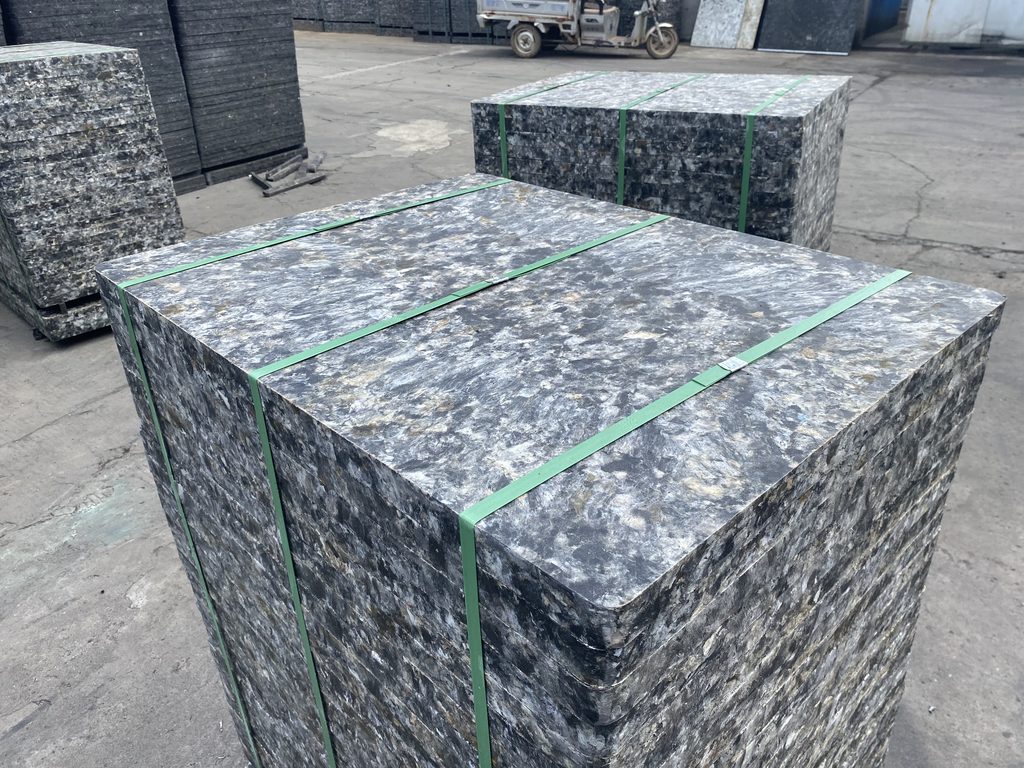
The G-002 uses recycled GMT materials in its thermoplastic matrix, typically incorporating 15-25% post-industrial recycled content without compromising structural performance. At end-of-life, the pallets are 100% recyclable—they can be ground and re-molded into new pallets or other thermoplastic products. This closed-loop recyclability contrasts sharply with wooden pallets, which often end up in landfills after contamination with concrete residue makes them unsuitable for repurposing.
Over a typical 8-10 year lifespan, one G-002 pallet replaces 4-5 wooden pallets that would otherwise require disposal. For a facility operating with 500 pallets in circulation, this prevents 2,000-2,500 wooden pallets from entering waste streams over a decade—a meaningful reduction in industrial waste generation.
Worker Safety Improvements
The G-002’s lighter weight (33% less than equivalent PVC pallets) reduces musculoskeletal injury risk for workers handling pallets manually. While most high-volume facilities use mechanical handling for loaded pallets, empty pallet repositioning still involves substantial manual handling. Reducing per-pallet weight from 25-30 kg (PVC) to 18-22 kg (GMT) makes a measurable difference in worker fatigue and injury rates across a full shift.
The smooth, splinter-free surface eliminates the hand injuries commonly associated with wooden pallet handling. Safety incident logs from facilities that have transitioned to GMT pallets consistently show 60-80% reductions in pallet-related minor injuries (splinters, cuts, abrasions) within the first year.
Chemical Resistance
Concrete production environments expose pallets to alkaline conditions, release agents, and occasional chemical cleaning agents. The G-002’s thermoplastic matrix provides excellent chemical resistance across the pH range encountered in brick manufacturing (typically pH 9-13). Unlike wooden pallets, which absorb alkaline moisture and degrade faster, or certain PVC formulations that can become brittle under prolonged alkaline exposure, the GMT material maintains its mechanical properties throughout its service life.
Common Implementation Challenges and Solutions
Despite the clear performance advantages, facilities transitioning to GMT pallets occasionally encounter challenges during implementation. Here’s how to address the most common issues based on our experience with hundreds of installations:
Challenge: Initial Cost Resistance
Procurement departments often fixate on per-unit purchase price without considering total cost of ownership. Present a 5-year TCO analysis (see table above) that includes replacement frequency, maintenance costs, and reject rate impacts. When possible, arrange a 90-day trial period where you can document actual performance improvements—real operational data overrides theoretical objections.
Challenge: Handling Procedure Changes
Operators accustomed to wooden pallets sometimes initially handle GMT pallets too aggressively, dropping them from excessive heights or stacking them incorrectly. While the G-002 is extremely durable, it’s not indestructible. Provide brief training (15-20 minutes) emphasizing proper stacking (max 20 pallets per stack), lift points, and drop height limits (<1.5m). Most handling issues resolve within 2-3 weeks as crews adjust to the new material.
Challenge: Storage Space Optimization
GMT pallets stack more efficiently than wooden pallets (which often have irregular thicknesses). Facilities sometimes fail to reconfigure storage areas, wasting the space savings GMT pallets enable. Redesign your pallet storage to accommodate the consistent stack heights—most facilities recover 15-20% additional storage capacity.
Challenge: Compatibility with Existing Equipment
Older block machines occasionally have pallet guide rails or positioning systems calibrated for specific pallet dimensions or surface friction characteristics. If you encounter positioning issues, check rail clearances (GMT pallets typically have tighter dimensional tolerances than wooden pallets, so clearances may be excessive) and verify that guide sensors are compatible with the G-002’s surface characteristics. Equipment manufacturers can usually provide simple adjustment procedures to accommodate GMT pallets.
FAQ
Q: How long does the Premium White GMT Brick Pallet G-002 actually last in high-volume production?
A: Under normal operating conditions (1,500-2,500 cycles per year), the G-002 typically achieves 8-10 years of service life, equivalent to 150,000-200,000 total cycles. We have documented installations exceeding 12 years in facilities with excellent maintenance practices. Actual lifespan depends on operational parameters including vibration intensity, curing temperature extremes, handling practices, and cleaning frequency.
Q: Can the G-002 work with automatic curing systems and robotic palletizers?
A: Yes, the G-002 is specifically engineered for automated high-volume production environments. The compression-molded construction provides dimensional consistency (±0.5mm flatness tolerance) that automated handling systems require for reliable operation. The flat, smooth surface integrates seamlessly with robotic grippers, vacuum handling systems, and magnetic conveyors. We recommend verifying dimensional compatibility with your specific automation equipment—we provide technical drawings and sample pallets for integration testing.
Q: What makes white GMT pallets better than standard black or gray GMT pallets?
A: The 70% white glass fiber content provides immediate visual quality control—surface contamination, concrete residue, and crack formation are instantly visible against the white background. This allows operators to identify and remove damaged pallets before they affect block quality. Additionally, white glass fiber formulations typically offer 5-10% higher impact strength compared to standard fiber blends, though this varies by manufacturer. The white color also reduces heat absorption in outdoor storage areas, keeping pallets cooler and extending service life in hot climates.
Q: How does the G-002 compare to PVC pallets for high-volume production?
A: The G-002 offers three key advantages over PVC: (1) 33% lighter weight (1200 kg/m³ vs. 1800 kg/m³) reduces handling fatigue and enables faster cycle times, (2) higher impact strength (≥30 KJ/m² vs. ≤15 KJ/m²) prevents cracking under mechanical handling stress, and (3) superior elastic modulus (2.0-4.0 GPa vs. 2.0-2.9 GPa) transfers vibration energy more efficiently, improving block density uniformity. PVC pallets offer comparable moisture resistance and lifespan, making them a viable alternative in some applications, but the performance and handling advantages of GMT become increasingly significant at production volumes above 1,500 units/hour.
Q: Can damaged G-002 pallets be repaired, or must they be replaced entirely?
A: Minor edge damage (chips <10mm, surface scratches) doesn’t affect structural performance and doesn’t require repair or replacement. The pallet remains fully functional. However, cracks propagating >50mm or any through-thickness cracks compromise structural integrity and require pallet retirement. Unlike wooden pallets, GMT pallets cannot be effectively repaired in-field—attempting repairs with adhesives or welding typically creates weak points that fail prematurely. The good news is that properly maintained G-002 pallets rarely develop damage requiring replacement before their 8-10 year service life is exhausted.
Q: What cleaning methods work best for removing concrete residue from GMT pallets?
A: Pressure washing (1,500-2,500 PSI) with water is the most effective and economical cleaning method. The G-002’s smooth, non-porous surface releases concrete residue easily without requiring chemical cleaning agents. Establish a cleaning rotation every 500-1,000 cycles, or when visible buildup exceeds 1-2mm thickness. For stubborn residue, a mild alkaline cleaner (pH 10-11) can be used, though it’s rarely necessary. Avoid abrasive cleaning methods (wire brushes, abrasive pads) that can scratch the surface and create concrete adhesion points.
Q: Are custom dimensions available for specialized brick machine configurations?
A: Yes, Rhinos Pallet manufactures custom dimensions to match virtually any brick machine configuration. Standard lead time for custom sizes is 3-4 weeks, with minimum order quantities typically starting at 50-100 pallets depending on size. Provide your machine manufacturer’s pallet specifications including length, width, thickness, corner radius requirements, and any specialized features (alignment holes, edge profiles, etc.). Our engineering team will review compatibility and provide samples for testing before full production.
Q: How should facilities dispose of G-002 pallets at end-of-life?
A: GMT pallets are 100% recyclable through thermoplastic recycling streams. Contact local industrial plastics recyclers who handle glass-reinforced thermoplastics—the material can be ground and reprocessed into new products. Alternatively, many GMT pallet manufacturers (including Rhinos Pallet) offer take-back programs where end-of-life pallets are returned for recycling credit toward new pallet purchases. This closed-loop approach prevents GMT material from entering landfills while recovering value from retired pallets.
Conclusion
The Premium White GMT Brick Pallet G-002 represents the intersection of material science advancement and manufacturing process optimization—purpose-built for the demanding requirements of high-volume brick production environments. Its 70% white glass fiber reinforced thermoplastic construction delivers measurable performance improvements: >90% vibration energy transfer for uniform block density, ≥30 KJ/m² impact strength for durability under mechanical handling, and 8-10 year service life that reduces total cost of ownership by 35-45% compared to traditional alternatives.
For operations producing 1,260+ units per hour, pallet performance directly impacts production efficiency, block quality consistency, and operational costs. The data from implementations across three continents consistently demonstrates 15-25% reductions in block rejection rates, elimination of moisture-related warping failures, and 10-15% improvements in handling efficiency due to reduced weight compared to PVC alternatives.
The transition from wooden or first-generation PVC pallets to the G-002 requires minimal operational changes—most facilities complete integration within 2-3 weeks. The combination of immediate quality improvements, long-term cost reductions, and enhanced worker safety makes the G-002 the logical choice for manufacturers committed to maximizing production line efficiency while maintaining the highest block quality standards. Contact Rhinos Pallet’s technical team to arrange production trials and develop a customized implementation plan for your specific facility configuration.