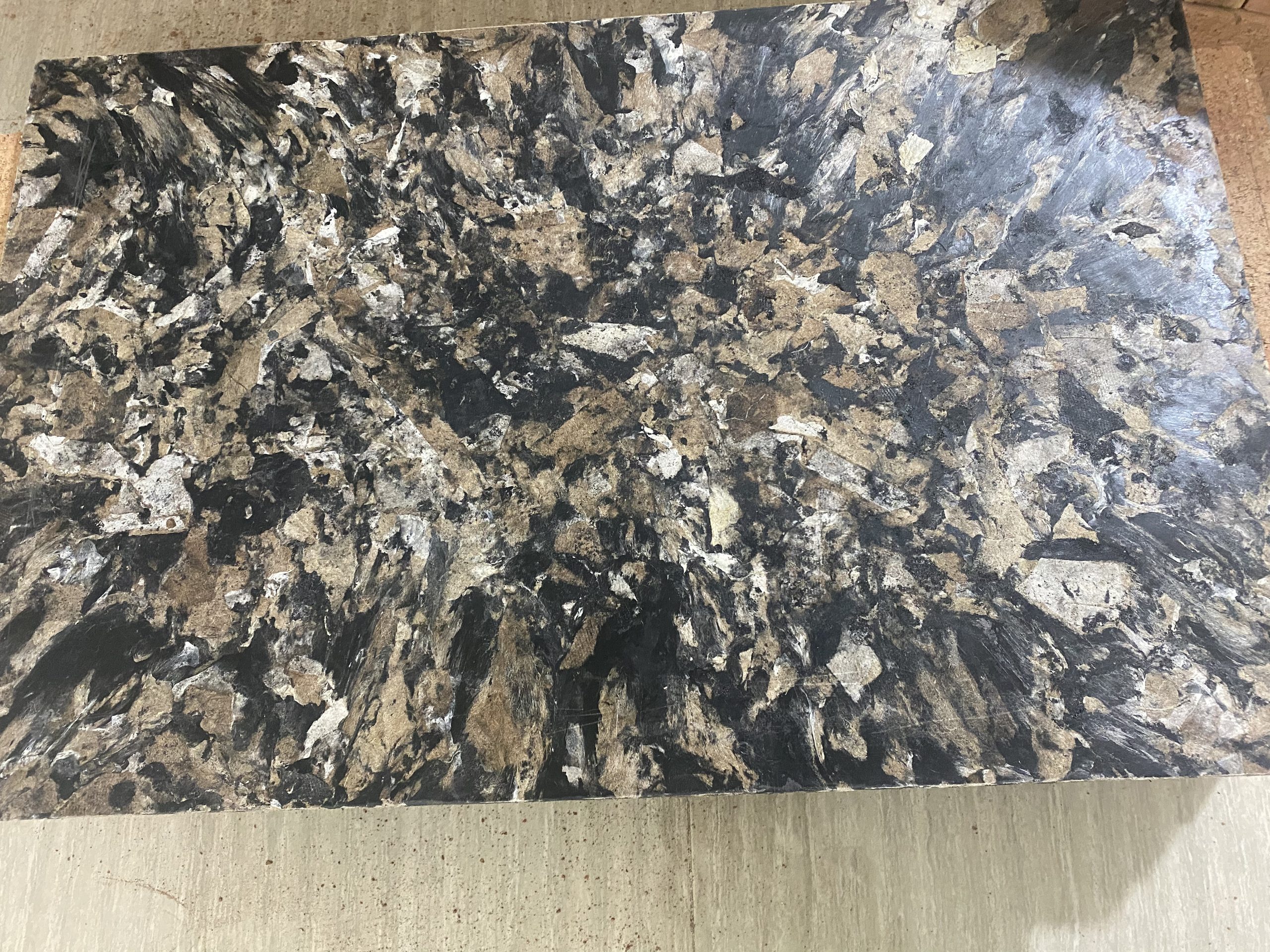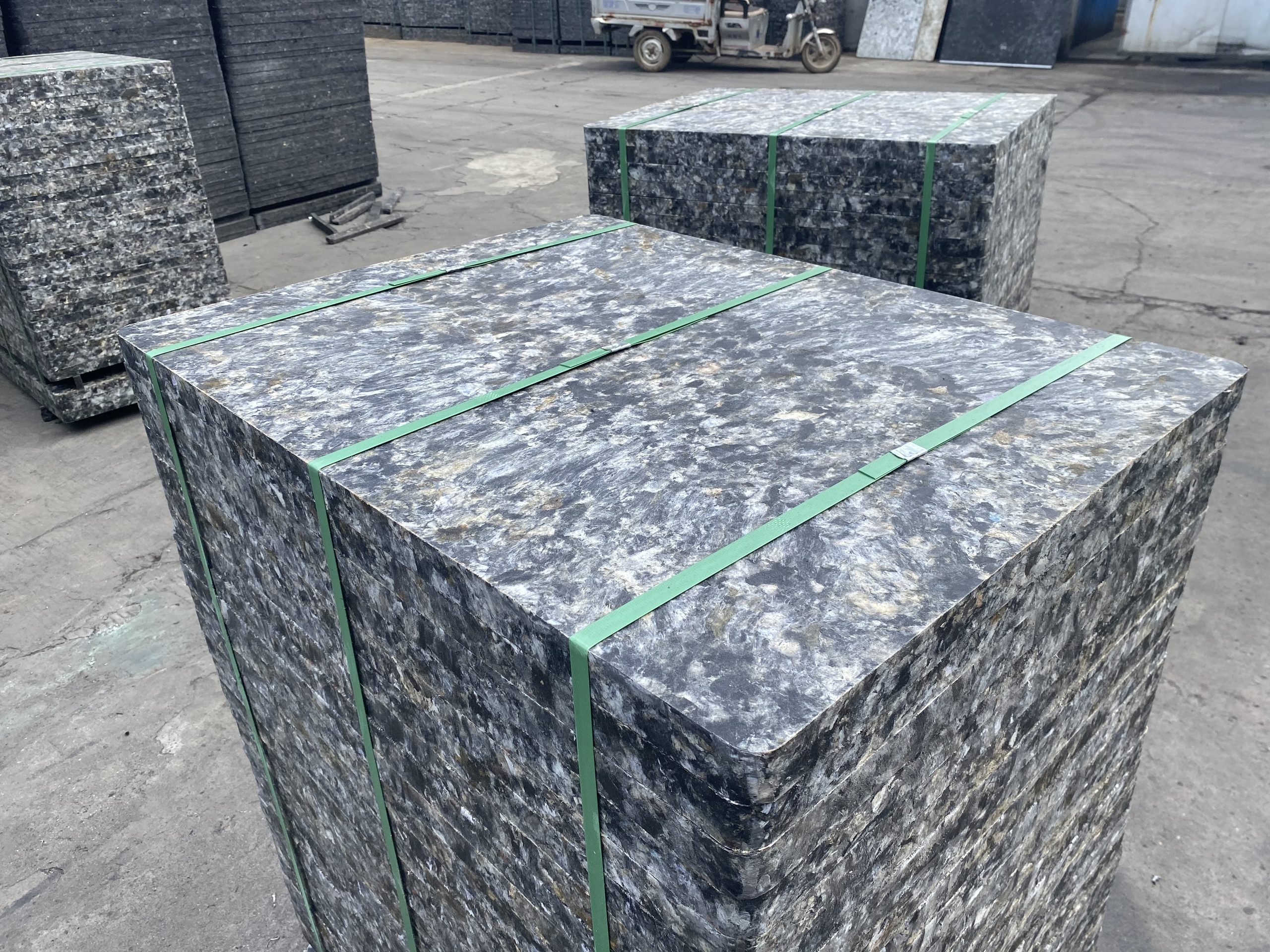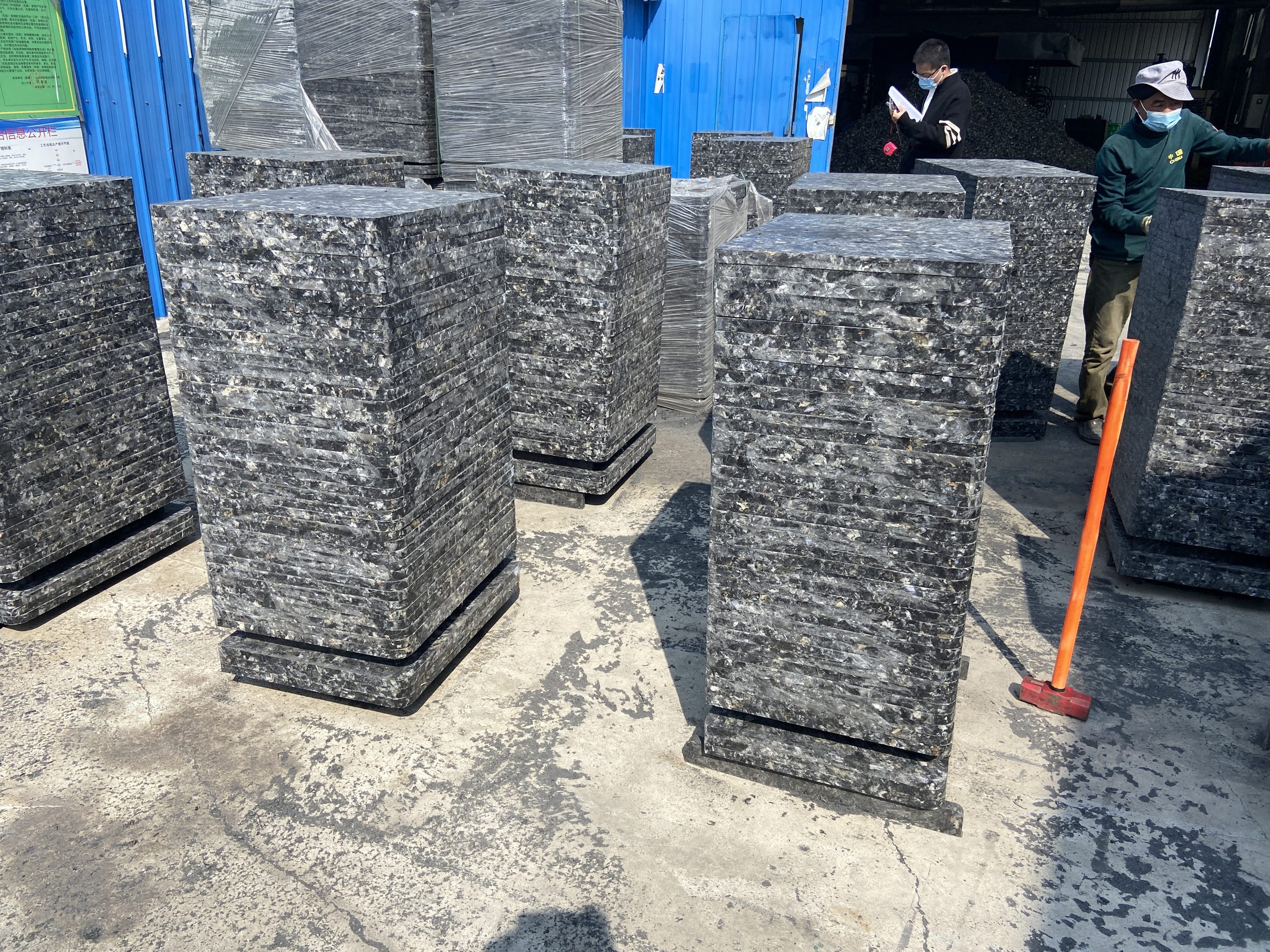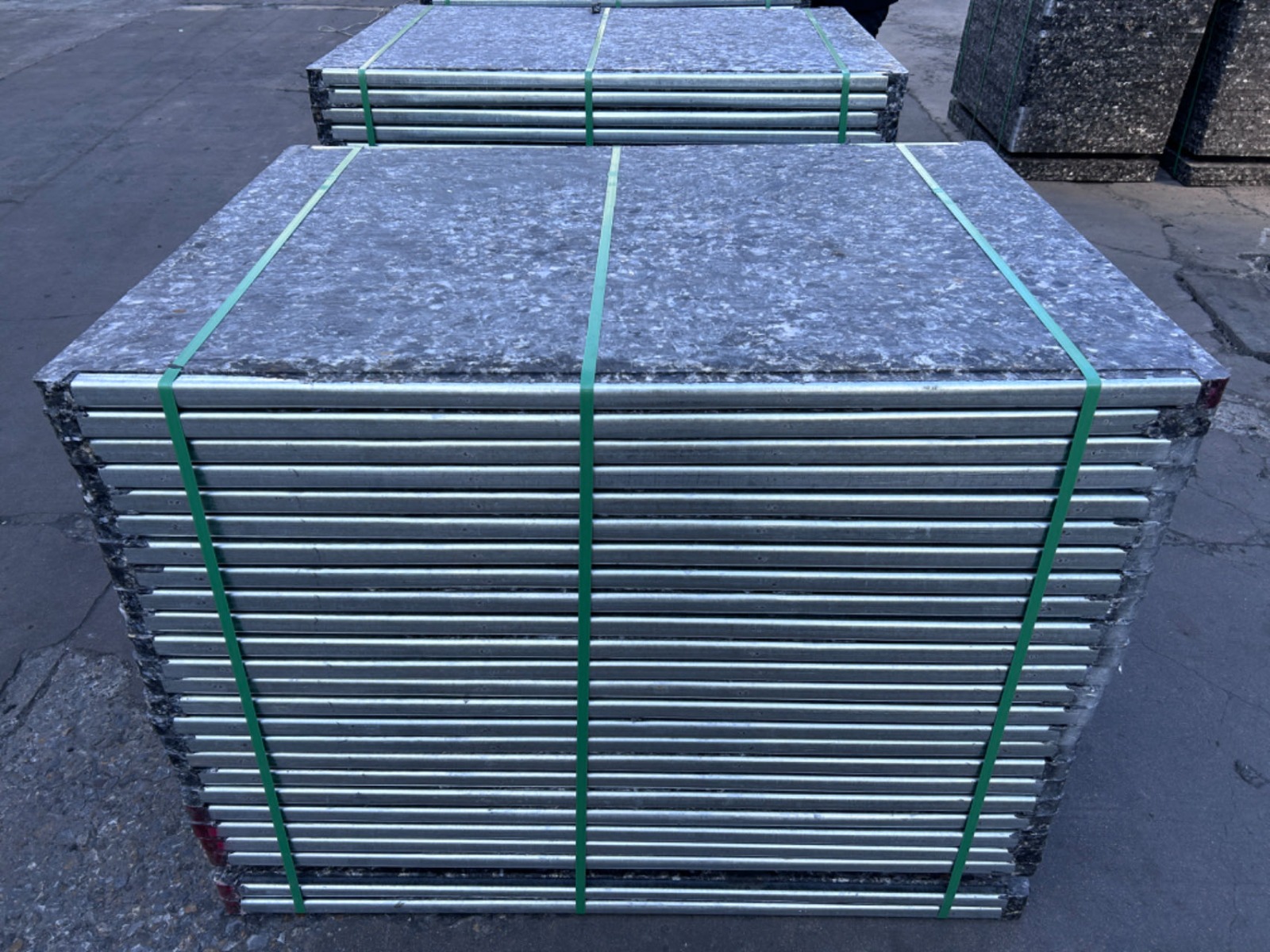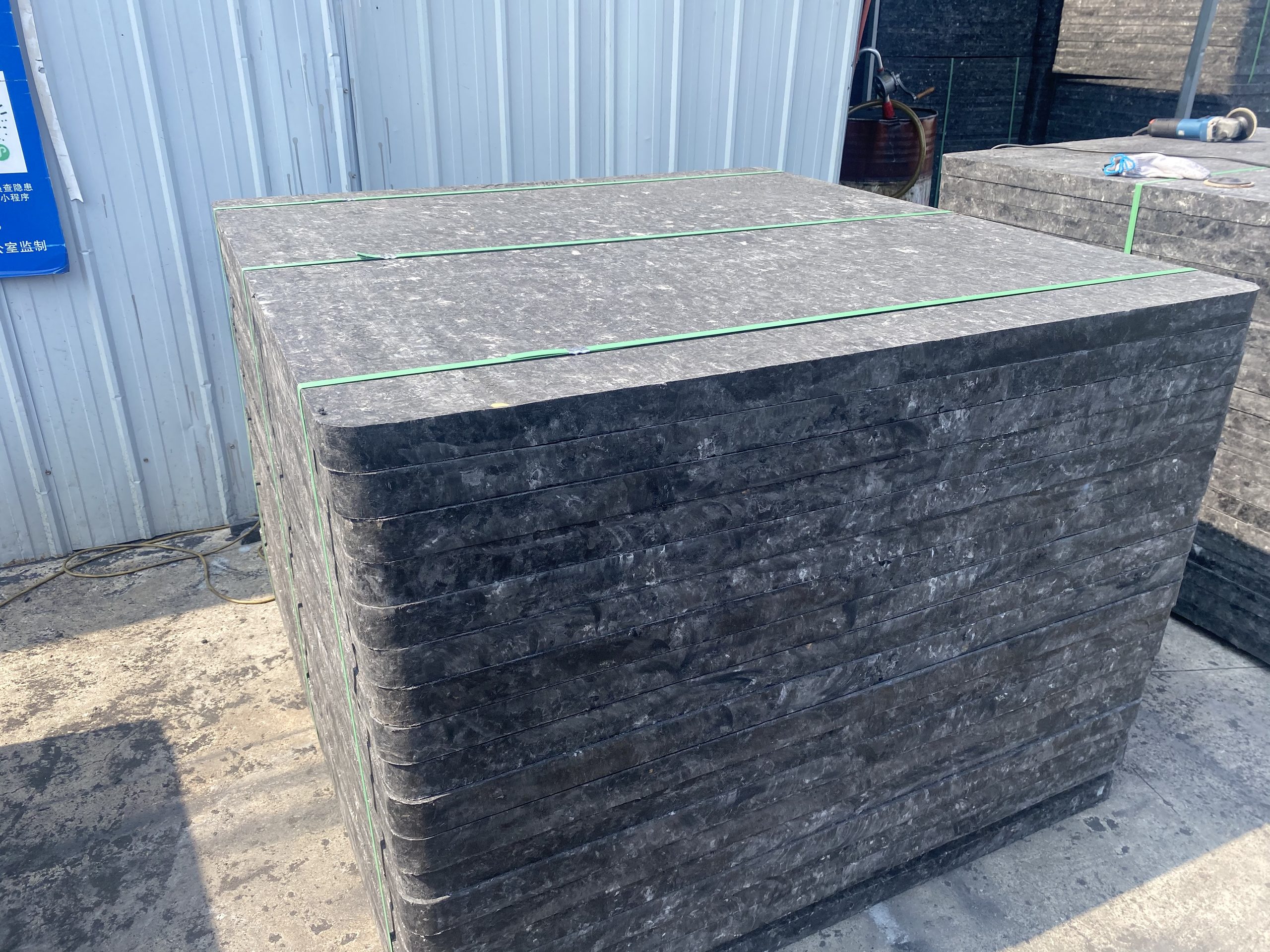
Moisture damage accounts for 30-45% of all pallet failures in tropical and subtropical manufacturing regions, causing production delays, brick quality issues, and costly replacements. For brick manufacturers in high-humidity environments, moisture-resistant pallet solutions are critical for maintaining production output and protecting capital investments.
Understanding Moisture Impact on Brick Production Pallets
How Humidity Damages Traditional Pallets
Wood pallets absorb moisture through porous grain structures, causing dimensional changes that compromise brick formation accuracy. When humidity exceeds 70%, untreated wood absorbs 15-25% of its weight in moisture within 48-72 hours. This causes warping (2-8mm deviation), surface roughness damaging green bricks, and fungal growth weakening structural integrity.
The damage cycle accelerates in production. Wet brick slurry adds surface moisture, kiln heat creates expansion-contraction cycles, and inadequate drying prevents evaporation. After 6-12 months in humid climates, wood pallets show severe deterioration requiring replacement.
Material Absorption Rates Comparison
| Material Type | Moisture Absorption | Dimensional Change | Lifespan (Humid) | Surface Stability |
|---|---|---|---|---|
| Untreated Wood | 15-25% | 2-8mm warping | 6-12 months | Poor |
| Treated Wood | 8-12% | 1-4mm warping | 18-24 months | Moderate |
| Standard Plastic | 2-5% | 0.5-2mm | 3-5 years | Good |
| GMT Composite | <1% | <0.5mm | 10-12 years | Excellent |
| Glass Fiber Reinforced | <0.5% | <0.3mm | 10-15 years | Excellent |
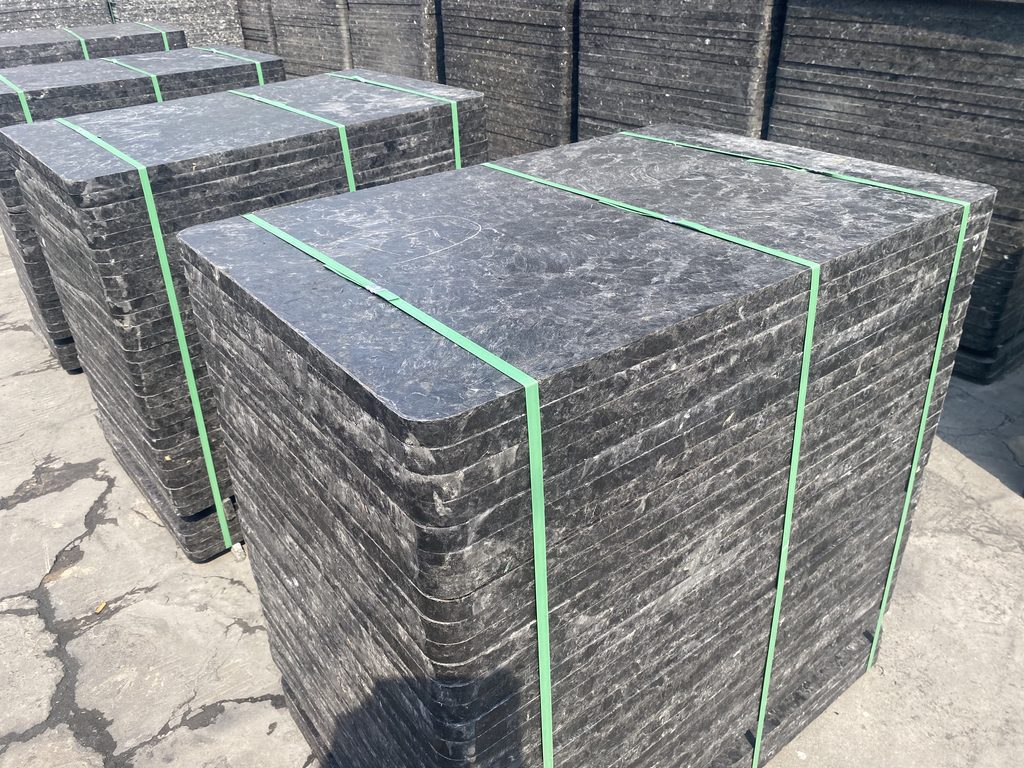
GMT pallets demonstrate superior moisture resistance through glass fiber reinforcement creating closed-cell structure that prevents water penetration, maintaining dimensional stability across 20-95% humidity ranges.
Climate-Specific Solutions
Tropical Climate (High Temperature + High Humidity)
Regions with year-round temperatures above 25°C and humidity exceeding 75% create the most challenging conditions. Southeast Asian manufacturers in Vietnam, Thailand, Indonesia, and Malaysia face continuous moisture exposure that causes wood pallet failure within 6-9 months.
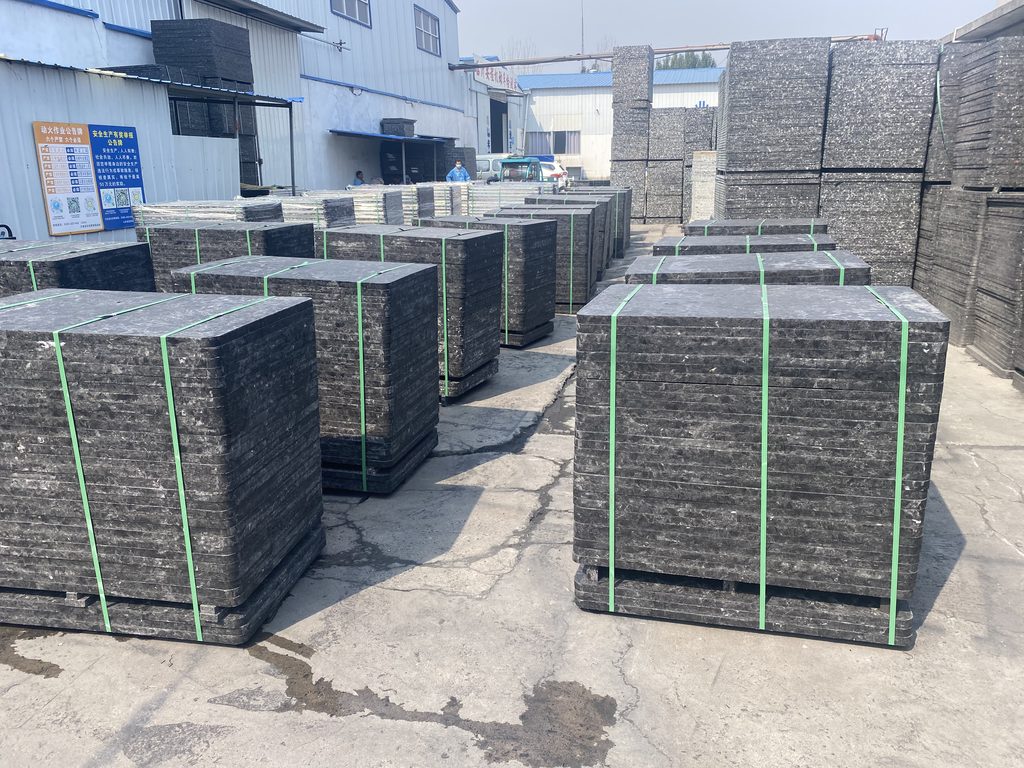
You should specify fiber-reinforced composite pallets with <1% moisture absorption. High Quality GMT Pallet G-003 provides verified 10+ year service life in Southeast Asian facilities. Implement raised storage (150mm clearance minimum) for air circulation and schedule 12-24 hour drying intervals between production runs when possible.
Monsoon Regions (Seasonal Extreme Humidity)
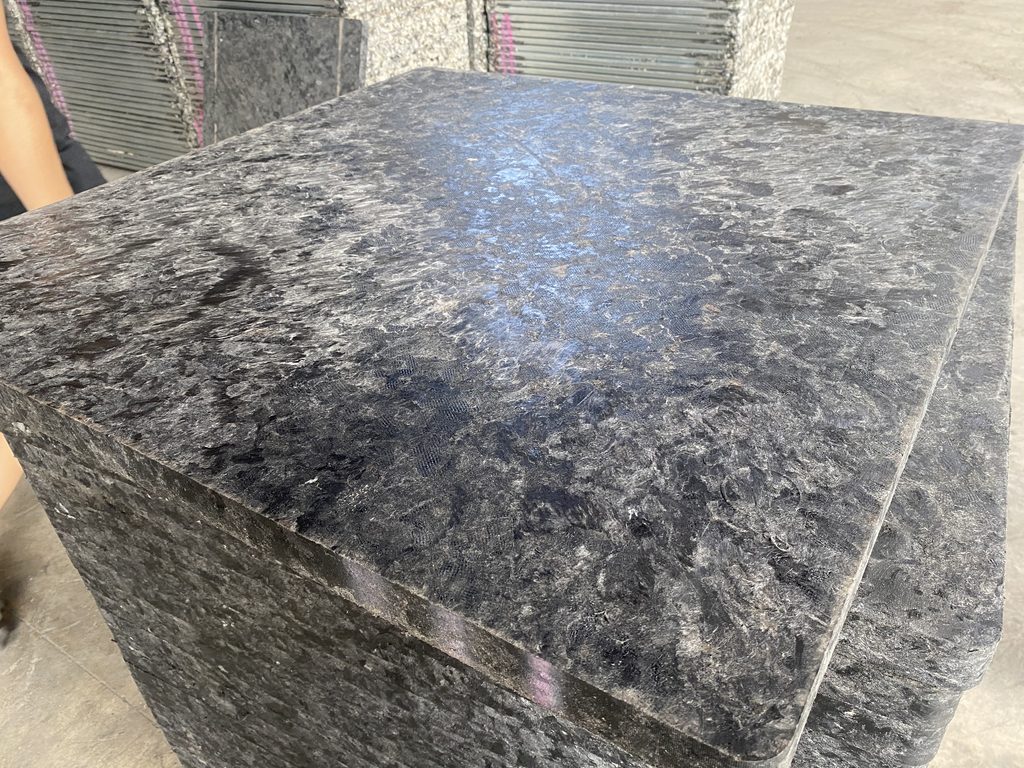
Facilities in monsoon-affected regions experience humidity spikes from 40-50% (dry season) to 85-95% (monsoon season). This cycling causes repeated expansion-contraction that accelerates joint failure and cracking in wood pallets.
Select pallets with <0.5mm dimensional variation across 30-90% humidity ranges. Establish covered storage during monsoon periods and increase inspection frequency during seasonal transitions.
Coastal Manufacturing (Salt + Moisture)
Facilities within 10km of coastlines face combined moisture and salt exposure. Metal reinforcements require corrosion-resistant treatments. Black Glass Fiber Pallet BG-005 incorporates aluminum edge protection showing minimal corrosion after 5+ years in salt air.
Preventing Mold and Biological Growth
Mold Growth Conditions
Mold requires moisture content above 20%, organic substrate, and temperatures between 15-35°C. Humid climate factories provide all three for wood pallets. Initial colonization begins within 48-72 hours when wood moisture exceeds 20%, with visible growth within 5-10 days. Established mold weakens load capacity by 25-40% within 8-12 weeks and can transfer to green bricks, causing 2-5% rejection rates.
Bio-Resistant Material Selection
Non-organic materials eliminate substrate for biological growth. GMT composite and glass fiber reinforced pallets show zero mold growth after 36 months at 80-90% humidity. Smooth, non-porous surfaces prevent spore attachment and allow easy cleaning, maintaining performance throughout service life.
Drainage Design and Water Management
Surface Features and Storage Protocols
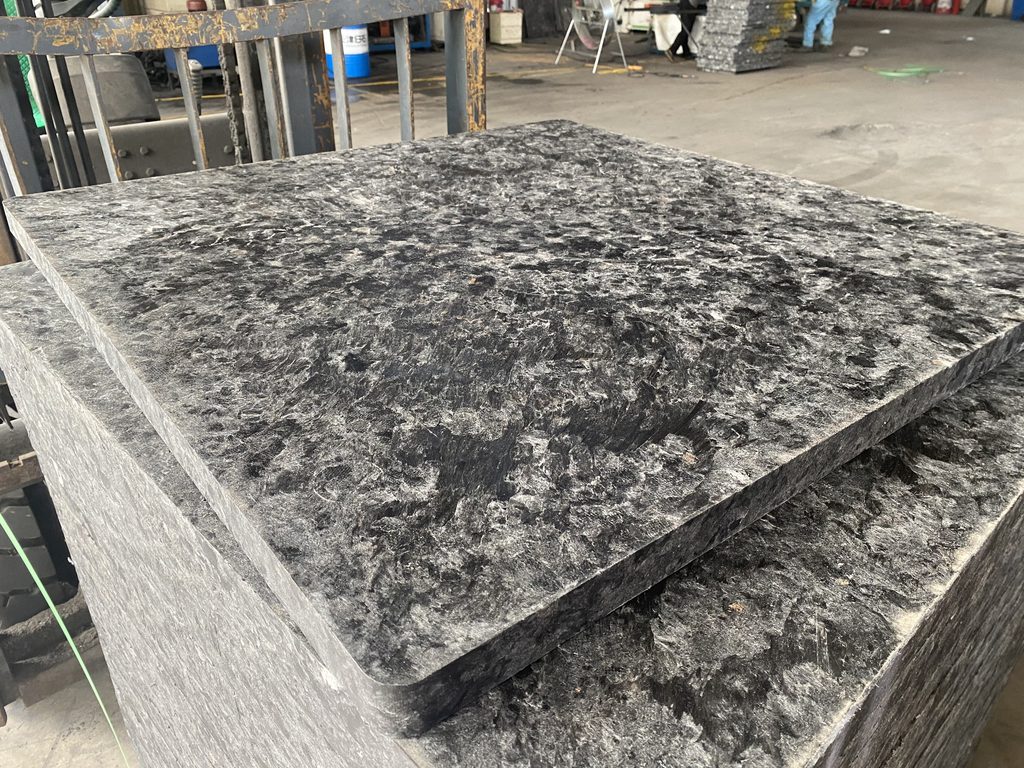
GMT pallets incorporate subtle drainage channels (1-2mm depth) directing water to edges without compromising flatness. Store pallets at 15-30 degree angles for water runoff and air circulation. Facilities using angled storage report 60% longer service life. Designate covered drying areas for 8-12 hour air-drying between production cycles.
Technical Solutions
Glass Fiber Reinforcement Technology
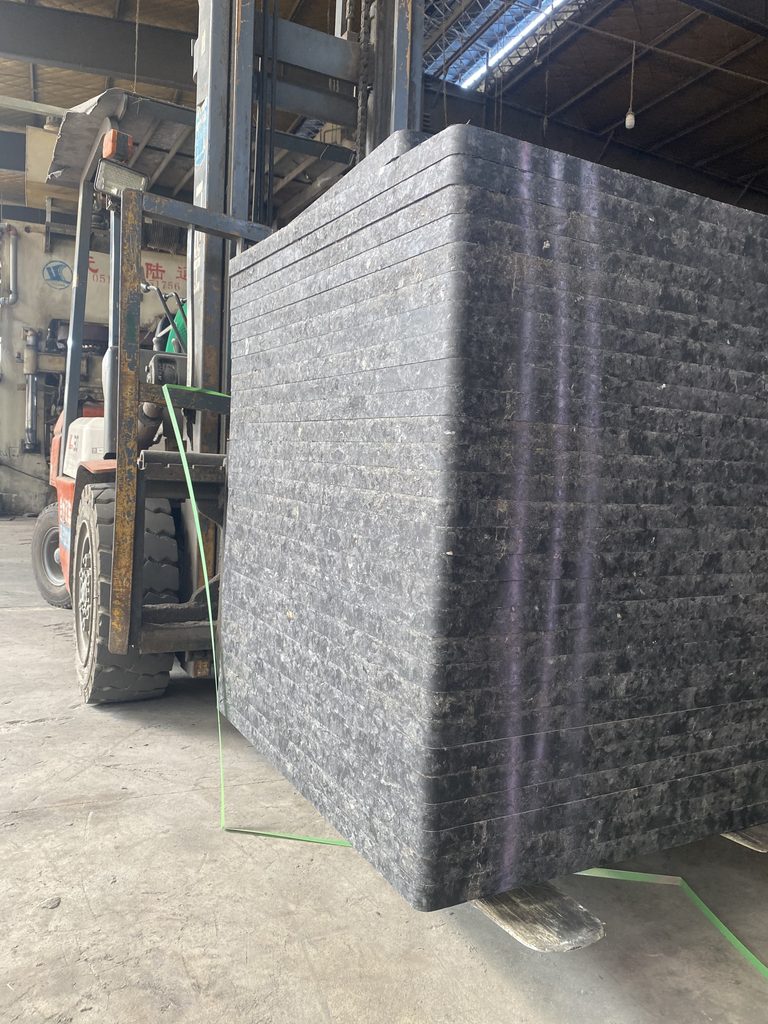
Glass fiber reinforcement creates three-dimensional networks within thermoplastic matrix. Fibers (10-15 micron diameter) at 30-40% content by weight prevent crack propagation and maintain dimensional stability. GMT pallets show <0.8% moisture absorption after 30-day immersion versus 18-22% for wood.
Closed-Cell Structure Benefits
Compression molding creates closed-cell structure with minimal void space, contrasting with wood’s capillary grain system. Water penetrates only surface layer (<0.5mm depth). Quality GMT pallets show <1.5% weight gain after 24-hour immersion, with 90% releasing during 24-hour drying. Wood requires weeks to fully dry.
Moisture Barrier Coatings Limitations
Chemical treatments on wood penetrate only 2-5mm depth, leaving cores vulnerable. Surface coatings develop cracks within 3-6 months. Treatment effectiveness degrades 40-60% after 12 months of service. Realistic lifespan for treated wood in humid climates: 18-24 months maximum.
Long-Term Cost Analysis
Replacement Frequency Comparison
Humid climate replacement costs accumulate rapidly with moisture-sensitive materials. A 5,000-pallet facility in Southeast Asia faces these scenarios:
| Pallet Type | Unit Cost | Lifespan | Annual Replacement | 10-Year Total | Replacements |
|---|---|---|---|---|---|
| Untreated Wood | $25 | 8 months | 7,500 pallets | $187,500 | 15 cycles |
| Treated Wood | $35 | 20 months | 3,000 pallets | $105,000 | 6 cycles |
| GMT Composite | $95 | 11 years | 0 pallets | $47,500 | 0 cycles |
| Glass Fiber | $110 | 12 years | 0 pallets | $55,000 | 0 cycles |
GMT pallets eliminate replacement costs entirely within 10-year analysis despite higher initial investment.
Production Downtime and Quality Impact
Humid climate facilities report 8-15 unplanned stoppages annually from pallet failures when using wood. Each stoppage averages 45-90 minutes downtime. For lines producing 800-1,200 bricks/hour at $0.50-0.80 wholesale value, losses range from $300-1,440 per incident. Annual production loss: 10 incidents × $800 = $8,000—eliminated with moisture-resistant pallets.
Implementation Strategy
Phased Transition Approach
Phase 1 (Months 1-3): Replace most damaged pallets showing mold, warping >3mm, or surface degradation. Target 20-30% of inventory for immediate quality improvement.
Phase 2 (Months 4-8): Replace moderately worn pallets in highest-humidity zones and fastest cycle times. Cover 30-40% of inventory.
Phase 3 (Months 9-12): Complete transition, eliminating wood maintenance overhead. Facilities using this approach report zero disruption and 18-24 month payback.
Training and Protocol Updates
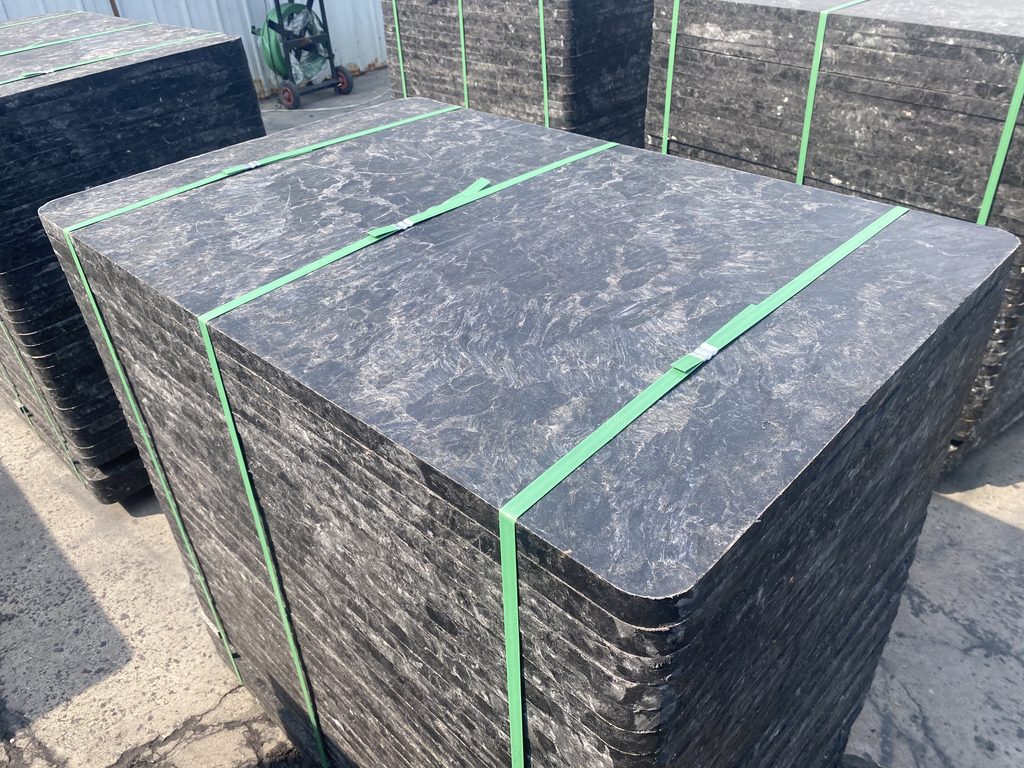
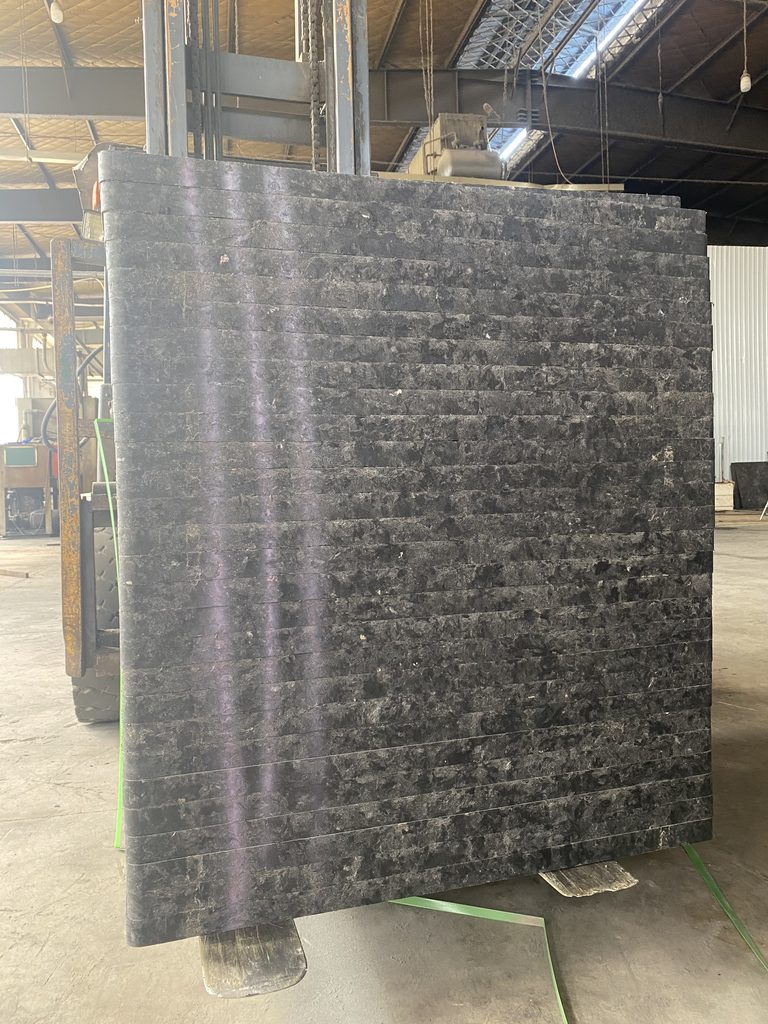
Train handlers on proper stacking—GMT pallets support 30-40 units vertically on flat surfaces. Update operators that GMT pallets weigh 18-25kg versus 15-20kg for wood. Establish quarterly pressure washing (2000-3000 PSI) with mild detergent to maintain surfaces.
Performance Monitoring
Track these metrics during transition:
- Pallet replacement frequency (units/month)
- Production stoppages from pallet failures (incidents/month)
- Brick rejection rate from surface defects (percentage)
- Maintenance labor hours for inspection/repair
Facilities typically see 60-80% reduction in pallet-related issues within 6 months.
Regional Success Cases
Southeast Asia Tropical Facility
A Vietnam brick facility producing 1.2 million bricks monthly operates at 75-85% humidity and 28°C+ temperatures. Wood pallets required replacement every 6-8 months, costing $45,000 annually. Mold transfer caused 3-4% brick rejection.
Solution: Transitioned to High Quality GMT Pallet G-003 over 9 months. Investment: $332,500 for 3,500 pallets.
Results after 24 months: Zero replacements required. Rejection rate dropped to <1%. Production stoppages eliminated. ROI payback achieved in 18 months with projected 10+ year service life.
Coastal Indonesian Operation
An 800,000 bricks/month facility 6km from coast faced combined salt and humidity. Previous plastic pallets with steel reinforcement corroded within 18-24 months.
Solution: Black Glass Fiber Pallet BG-005 with aluminum edge reinforcement for coastal environments.
Performance: After 36 months, zero edge corrosion and minimal surface degradation. Projects 12-15 year lifespan. Total cost of ownership reduced 65% versus steel-reinforced alternatives.
Climate-Specific Product Recommendations
Extreme Tropical Humidity (>80% Year-Round)
High Quality GMT Pallet G-003 provides <0.8% moisture absorption with 35-40% glass fiber reinforcement. Verified 10-12 year service life in Southeast Asian facilities where humidity rarely drops below 70%.
Monsoon Regions with Seasonal Variation
Glass fiber reinforced options maintain <0.5mm dimensional change across 40-95% humidity swings, preventing seasonal brick dimension variations and quality control issues.
Coastal Salt Air Environments
Black Glass Fiber Pallet BG-005 with aluminum edge protection resists salt corrosion for 10+ years. Avoid steel reinforcement—salt humidity accelerates corrosion 5-8× faster than inland conditions, with failure within 24-36 months.
Frequently Asked Questions
How quickly do wood pallets deteriorate in humid climates?
Untreated wood shows visible moisture damage within 2-3 months in tropical conditions (>75% humidity). Severe deterioration requiring replacement occurs at 6-12 months. Treated wood extends this to 18-24 months but still requires frequent replacement versus composite alternatives.
Can moisture-damaged pallets be restored?
Once wood absorbs significant moisture and develops mold, restoration is not cost-effective. Internal grain structure remains compromised even with surface treatment. Dimensional changes become permanent. Replacement with moisture-resistant materials provides better long-term value.
What moisture absorption rate is acceptable?
Brick production requires <1% moisture absorption to maintain dimensional stability and prevent surface degradation. Materials exceeding 2-3% show measurable dimensional changes affecting brick accuracy. Wood at 15-25% falls far outside acceptable ranges.
How do I calculate ROI for switching to moisture-resistant pallets?
Calculate current annual pallet replacement costs including unit price, disposal fees, and labor. Add production loss from downtime and quality issues. Compare total annual cost to one-time GMT investment with 10-12 year lifespan. Most humid climate facilities achieve 18-24 month payback through elimination of replacement cycles.
Do composite pallets require special maintenance?
Minimal maintenance needed. Quarterly pressure washing removes contamination. Annual inspection for edge damage takes 30-45 minutes. No treatments, coatings, or repairs needed throughout service life.
What happens at end of service life?
GMT composites are fully recyclable. Thermoplastic matrix can be reground and reformed. Many manufacturers offer take-back programs recovering 40-60% of original material value.
Conclusion
Moisture-related pallet problems represent a solvable engineering challenge through fiber-reinforced composite materials that eliminate moisture absorption, prevent biological degradation, and maintain dimensional stability across extreme humidity ranges. While initial investment exceeds wood costs by 280-380%, total 10-year cost of ownership favors composites by 60-75% through elimination of replacement cycles, reduced downtime, and improved quality.
Rhinos Pallet’s glass fiber reinforced GMT pallets deliver verified performance in Southeast Asian tropical conditions, coastal salt environments, and seasonal monsoon regions. With <1% moisture absorption, 10-12 year service life, and zero maintenance requirements, these materials transform pallet costs from recurring operational expense to one-time capital investment.
Contact us today for climate-specific recommendations, technical specifications, and ROI analysis based on your production environment and capacity requirements.