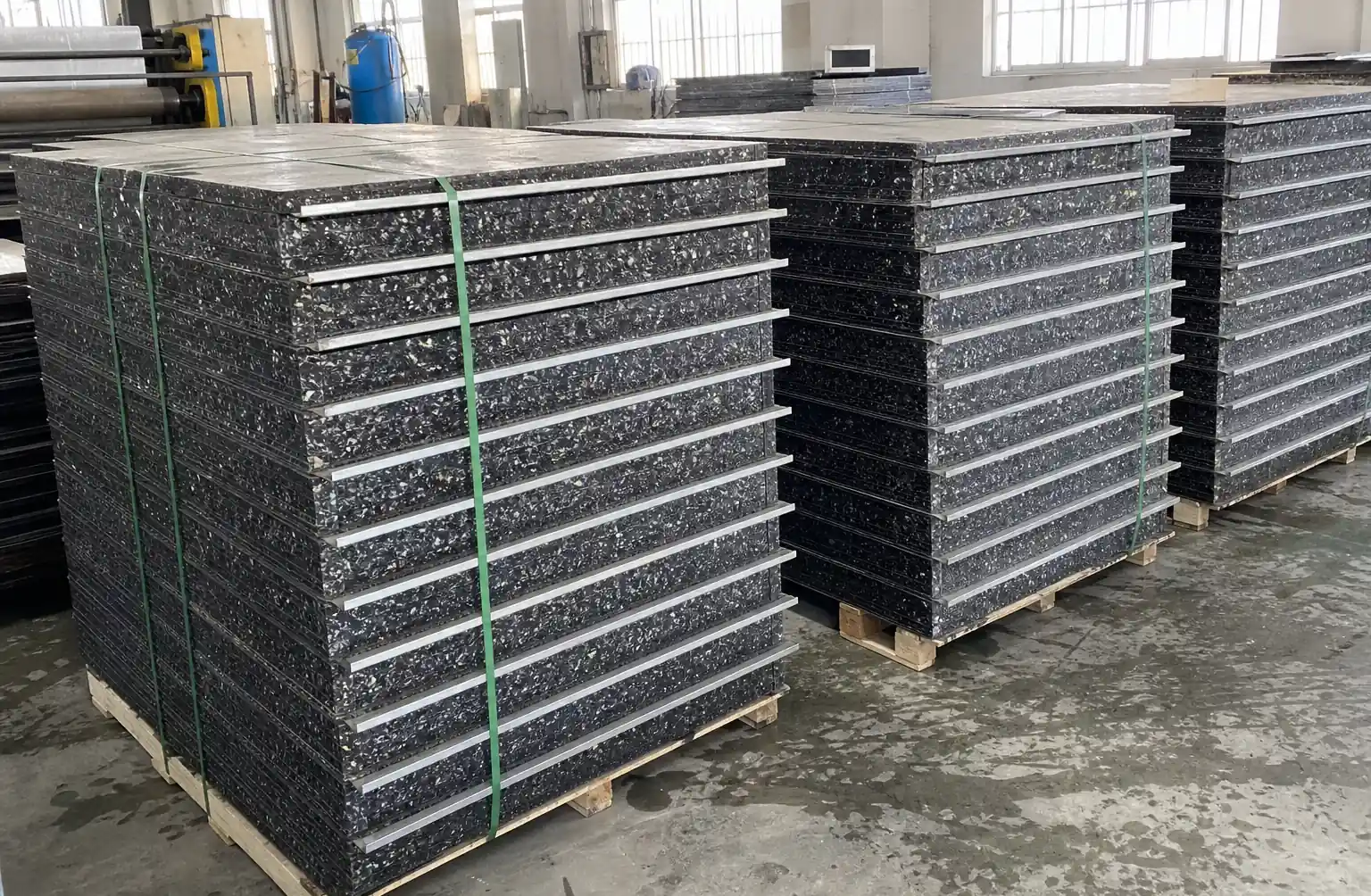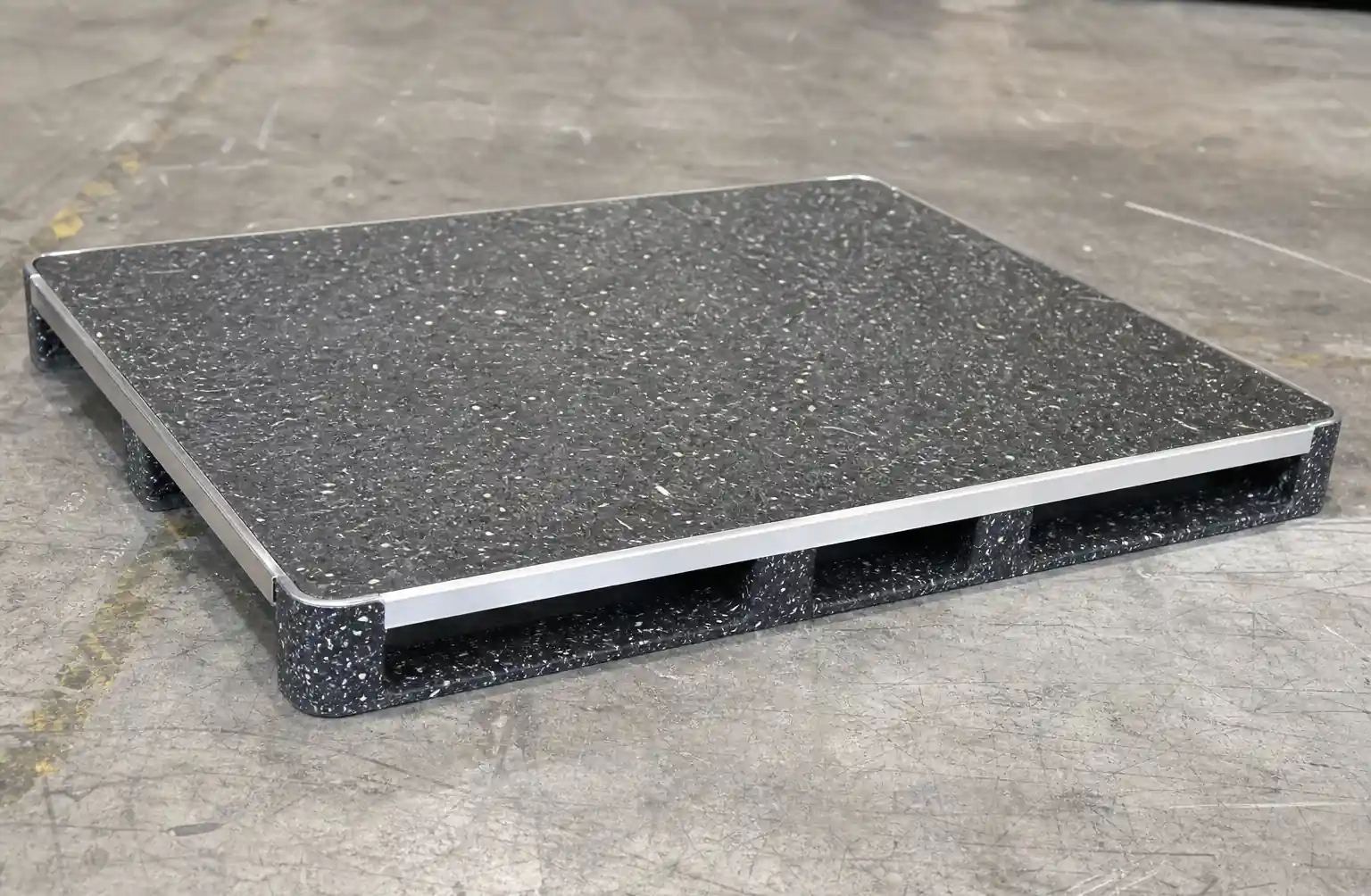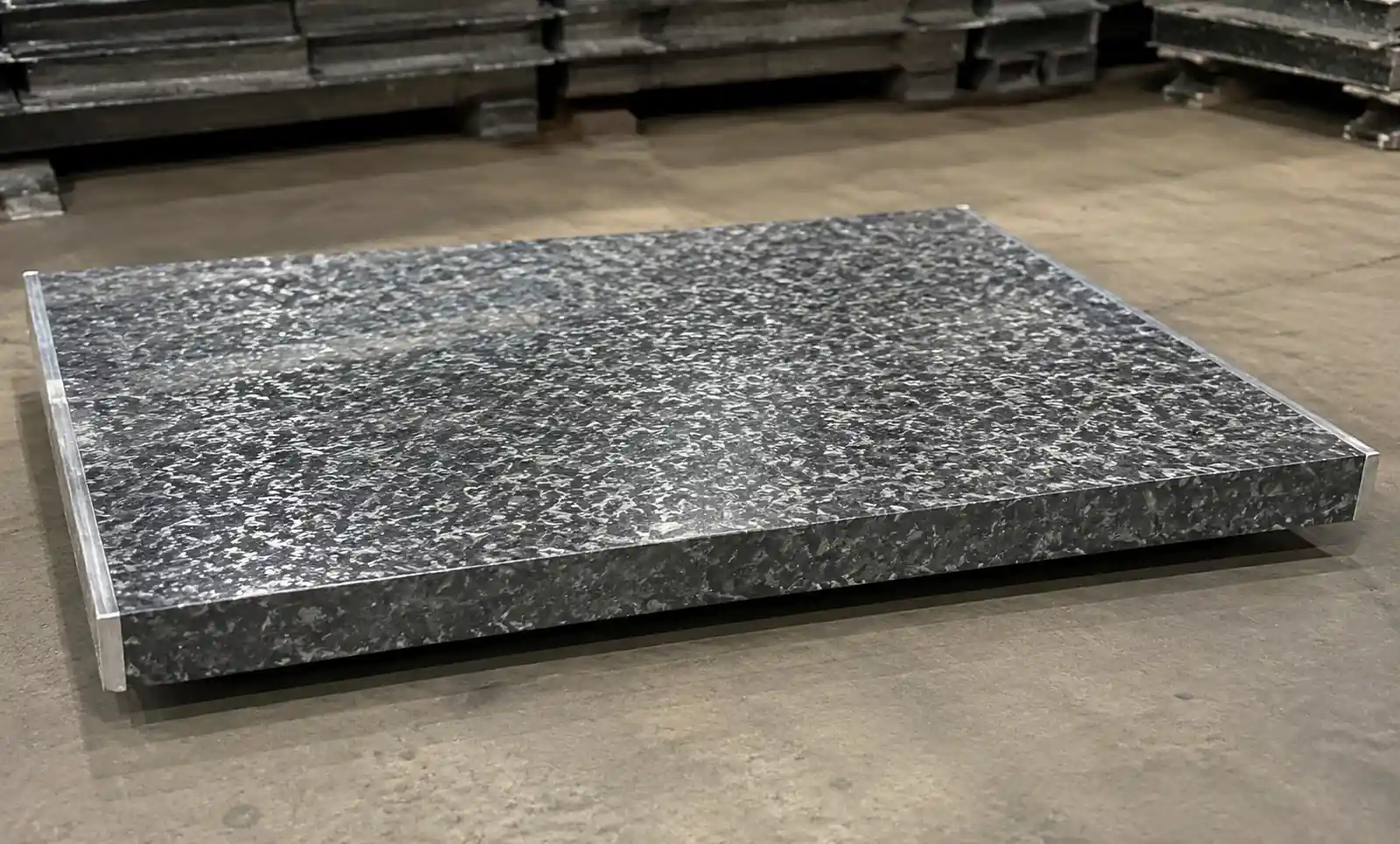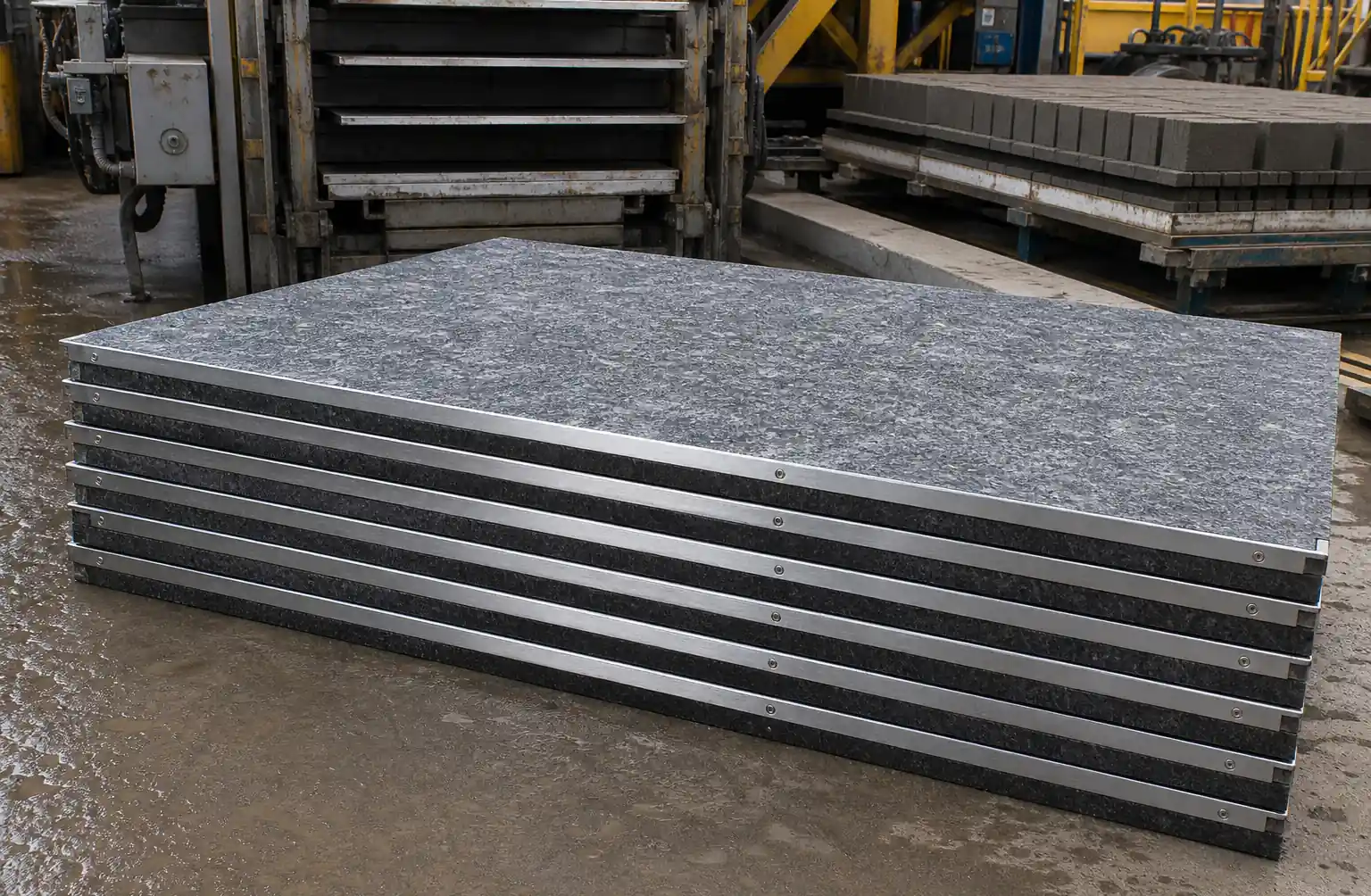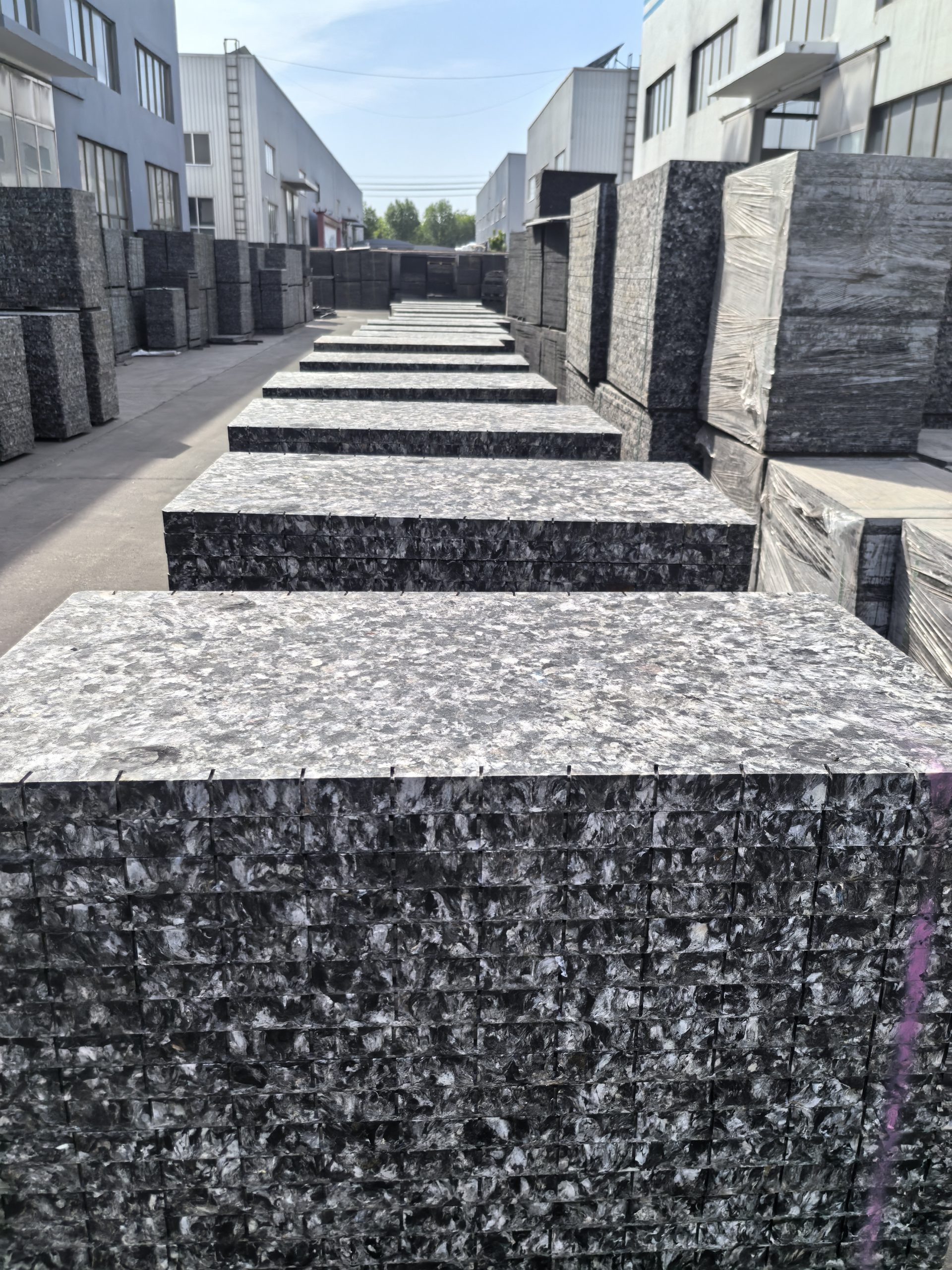
Brick manufacturing demands precision, durability, and reliability. The choice of pallets directly impacts production efficiency, product quality, and operational costs. GMT (Glass Mat Thermoplastic) pallets, made from glass fiber reinforced thermoplastic, have emerged as a game-changer for brick manufacturers seeking to optimize operations. This article explores five ways these advanced pallets increase production efficiency, backed by industry data.
Extended Lifespan Reduces Replacement Costs and Downtime
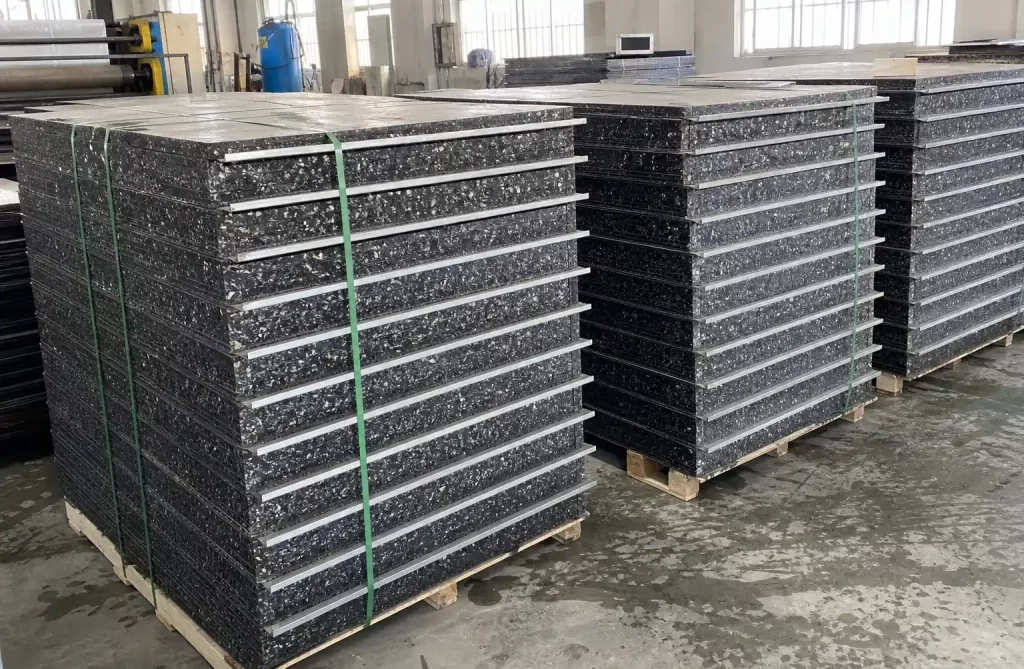
Wooden pallets typically last 3-5 years in brick production environments. GMT pallets operate effectively for 10-15 years or longer. The glass fiber reinforced thermoplastic construction resists warping, cracking, and moisture degradation—critical where water is constantly present. Unlike wood, which absorbs moisture and loses structural integrity, GMT pallets maintain dimensional stability throughout their service life.
Cost Analysis
| Pallet Type | Initial Cost | Average Lifespan | Replacement Frequency | Total 15-Year Cost (per unit) |
|---|---|---|---|---|
| Wooden Pallet | $25-40 | 3-5 years | 3-5 times | $75-200 |
| Metal Pallet | $80-150 | 8-12 years | 1-2 times | $80-300 |
| GMT Pallet | $100-180 | 10-15+ years | 0-1 times | $100-360 |
While GMT pallets have higher upfront cost, their extended lifespan and minimal replacement needs make them cost-effective long-term. Reducing replacement frequency minimizes production interruptions and labor costs. See our comprehensive cost analysis guide for detailed ROI calculations.
Consistent Dimensions Improve Automation and Product Quality
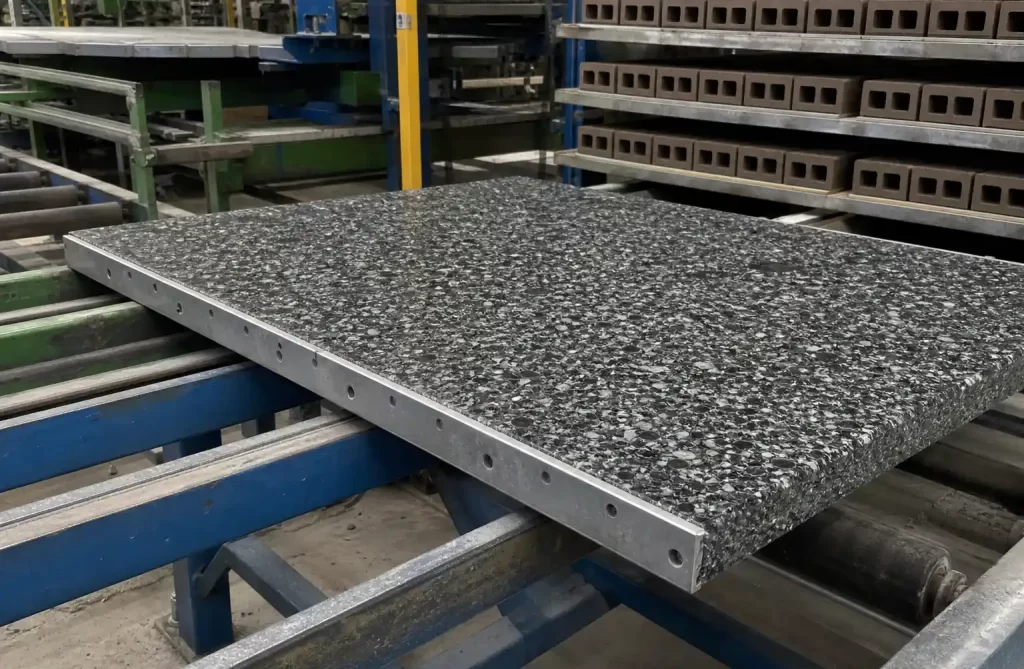
Brick production increasingly relies on automated handling systems, conveyors, and robotic stackers. These systems demand precise, consistent pallet dimensions. GMT pallets excel in this area through precision molding that maintains tight dimensional tolerances batch after batch. Learn more about how dimensional inconsistency disrupts automated handling.
This consistency delivers multiple benefits:
- Reduced jamming and misalignment: Fewer errors when pallet dimensions remain constant
- Improved brick quality: Consistent surfaces ensure uniform molding and curing
- Faster line speeds: Automation runs smoothly without constant adjustments
A mid-sized brick manufacturer reported a 12% reduction in production line stoppages after switching to GMT pallets.
Superior Load-Bearing Capacity Increases Throughput
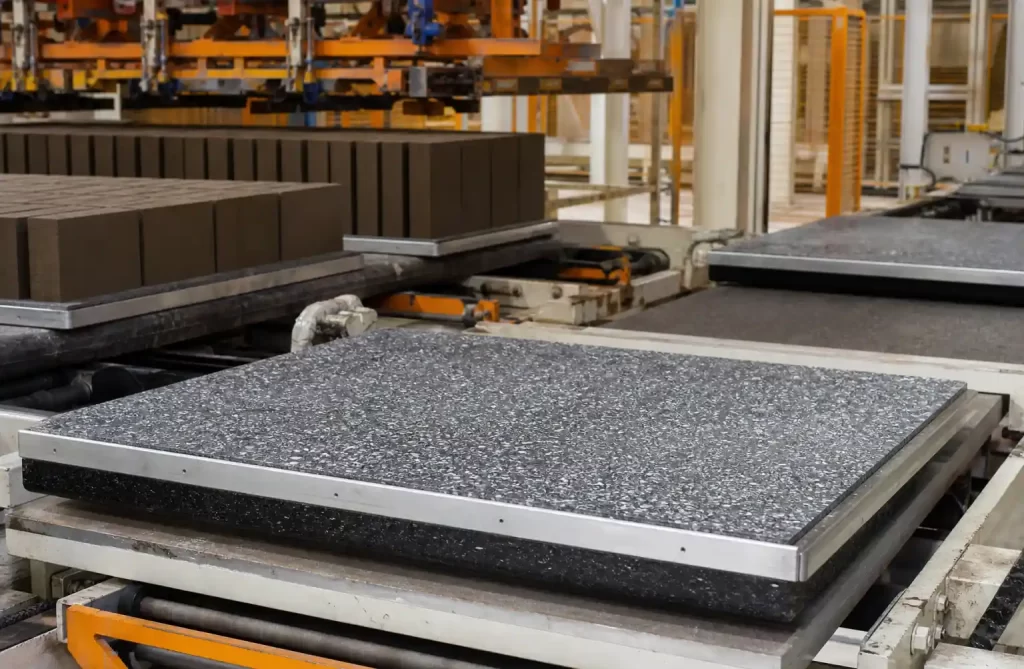
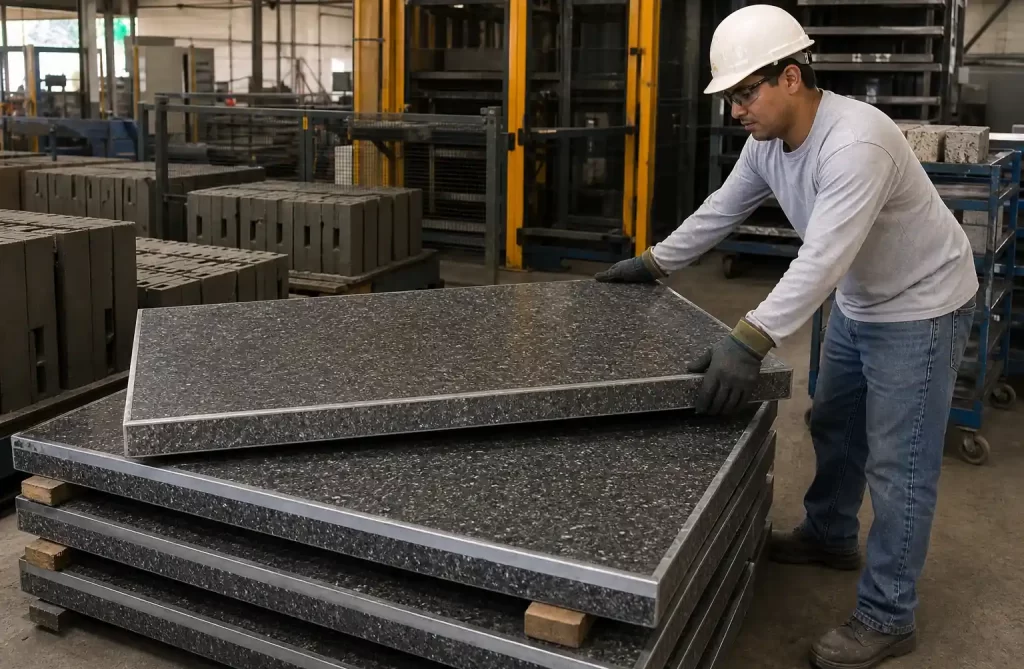
GMT pallets handle significantly higher loads without deforming. The glass fiber reinforcement provides exceptional strength-to-weight ratios, allowing more bricks per pallet.
Load Capacity Comparison
| Pallet Type | Maximum Safe Load | Deflection Under Load | Weight Per Pallet |
|---|---|---|---|
| Standard Wood | 1,500-2,000 lbs | Moderate to High | 40-50 lbs |
| Steel-Reinforced Wood | 2,000-2,500 lbs | Moderate | 55-70 lbs |
| GMT Pallet | 2,500-3,500 lbs | Minimal | 35-45 lbs |
Higher load capacity translates to increased throughput. Manufacturers can move more product with fewer trips, utilize kiln space more efficiently, and decrease handling frequency. Minimal deflection prevents bricks from shifting during transport or curing.
Temperature Resistance Enhances Kiln Operations
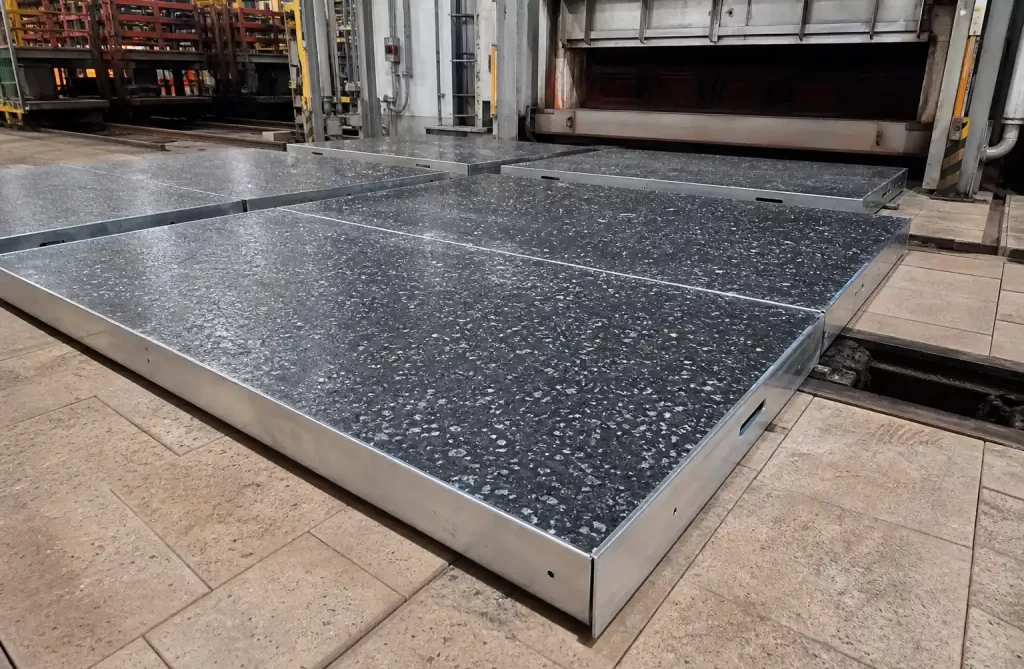
Brick curing involves elevated temperatures. GMT pallets maintain structural integrity where other materials fail. Glass fiber reinforced thermoplastic tolerates continuous operating temperatures up to 250°F (121°C) and handles short-term exposure to higher temperatures.
Extended kiln dwell times: Optimize curing cycles without worrying about pallet degradation.
Reduced thermal cycling damage: GMT maintains dimensional stability during repeated heating and cooling.
Elimination of wood-related contamination: Wooden pallets can char, smoke, or release moisture in heated environments.
Improved energy efficiency: Consistent performance allows tighter process control.
One manufacturer reported a 7% reduction in reject rates after switching to GMT pallets.
Low Maintenance Requirements Free Up Resources
GMT pallets require virtually no maintenance. They don’t need painting, sealing, or regular inspections for splinters or structural damage. This smooth surface also prevents brick quality defects caused by surface degradation.
Labor reallocation: Staff previously dedicated to pallet repair can focus on production. A typical plant saves 10-15 hours weekly.
Reduced injury risk: GMT pallets eliminate splinters, nails, and sharp edges.
Simplified cleaning: Non-porous surfaces resist dirt and clean easily.
Inventory simplification: Smaller inventories free up storage space and capital.
Chemical resistance prevents degradation from alkaline or acidic substances in brick manufacturing.
Real-World Implementation Considerations
Gradual transition: Start with high-traffic areas where GMT benefits are most apparent.
System compatibility: Verify existing equipment accommodates GMT specifications.
Operator training: Brief training ensures proper use and maximum lifespan.
Performance tracking: Establish metrics to quantify efficiency gains.
Environmental Benefits
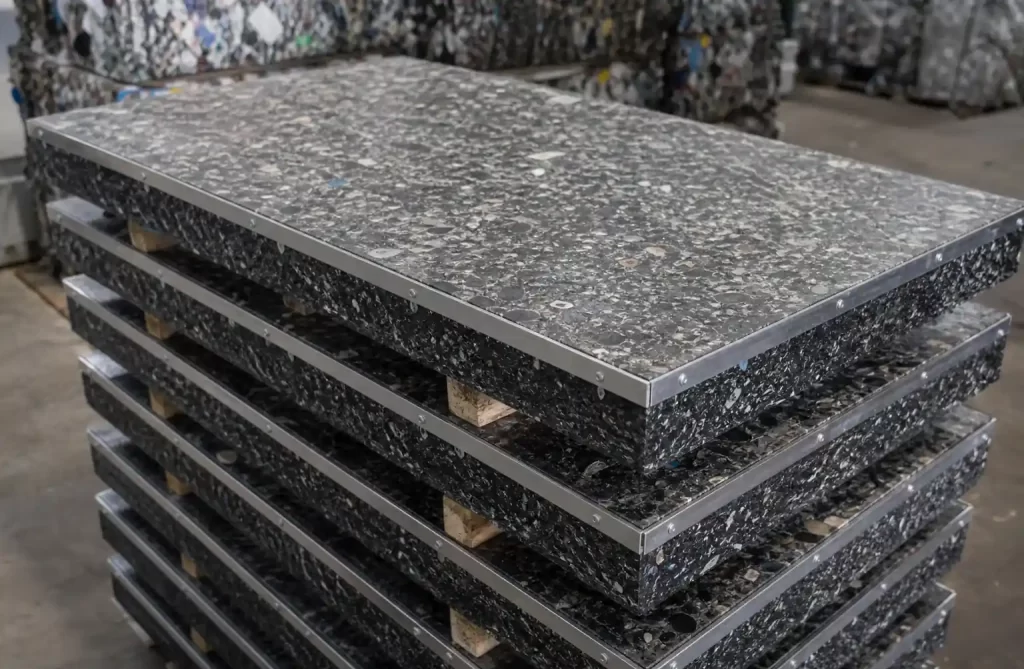
Recyclability: GMT pallets can be reprocessed into new products.
Reduced waste: Longer lifespan means fewer pallets in waste streams.
No chemical treatments: Unlike wood, GMT needs no additives.
Lower carbon footprint: Extended lifespan and reduced transport needs result in favorable lifecycle impact.
Cost-Benefit Summary
For a medium-sized brick plant producing 50 million bricks annually:
- 15-20% reduction in pallet-related downtime
- 3-5% improvement in overall equipment effectiveness
- 8-12% decrease in pallet-related maintenance labor
- 2-4% reduction in product damage
ROI typically generates within 18-36 months. Explore our detailed cost-benefit analysis for full financial modeling.
FAQ
How long do GMT pallets last in brick production?
GMT pallets typically last 10-15 years, with some installations reporting 20+ years. Lifespan depends on usage intensity and load cycles, but they consistently outlast wooden pallets by 3-5 times.
Are GMT pallets compatible with existing equipment?
Yes, GMT pallets work with standard brick handling equipment and follow conventional dimensions. They typically replace wooden or metal pallets without modifications.
Can GMT pallets withstand moisture?
Absolutely. GMT pallets are non-porous and unaffected by moisture exposure, making them ideal for wet brick handling and high-humidity curing environments.
What happens to GMT pallets at end of life?
GMT pallets are fully recyclable. They can be ground into granules and reprocessed into new thermoplastic products.
How do GMT pallets perform in automated lines?
GMT pallets excel in automation due to consistent dimensions and weight, reducing jamming and sensor errors that plague wooden pallets.
Conclusion
GMT pallets deliver measurable efficiency improvements through extended lifespan, dimensional consistency, superior load capacity, temperature resistance, and minimal maintenance. While initial costs are higher, reduced replacement frequency, decreased downtime, and improved product quality deliver ROI within 18-36 months. For manufacturers modernizing operations, GMT pallets transform a frequently overlooked component into a competitive advantage. Rhinos Pallet’s GMT solutions provide the durability and performance modern brick manufacturing demands.