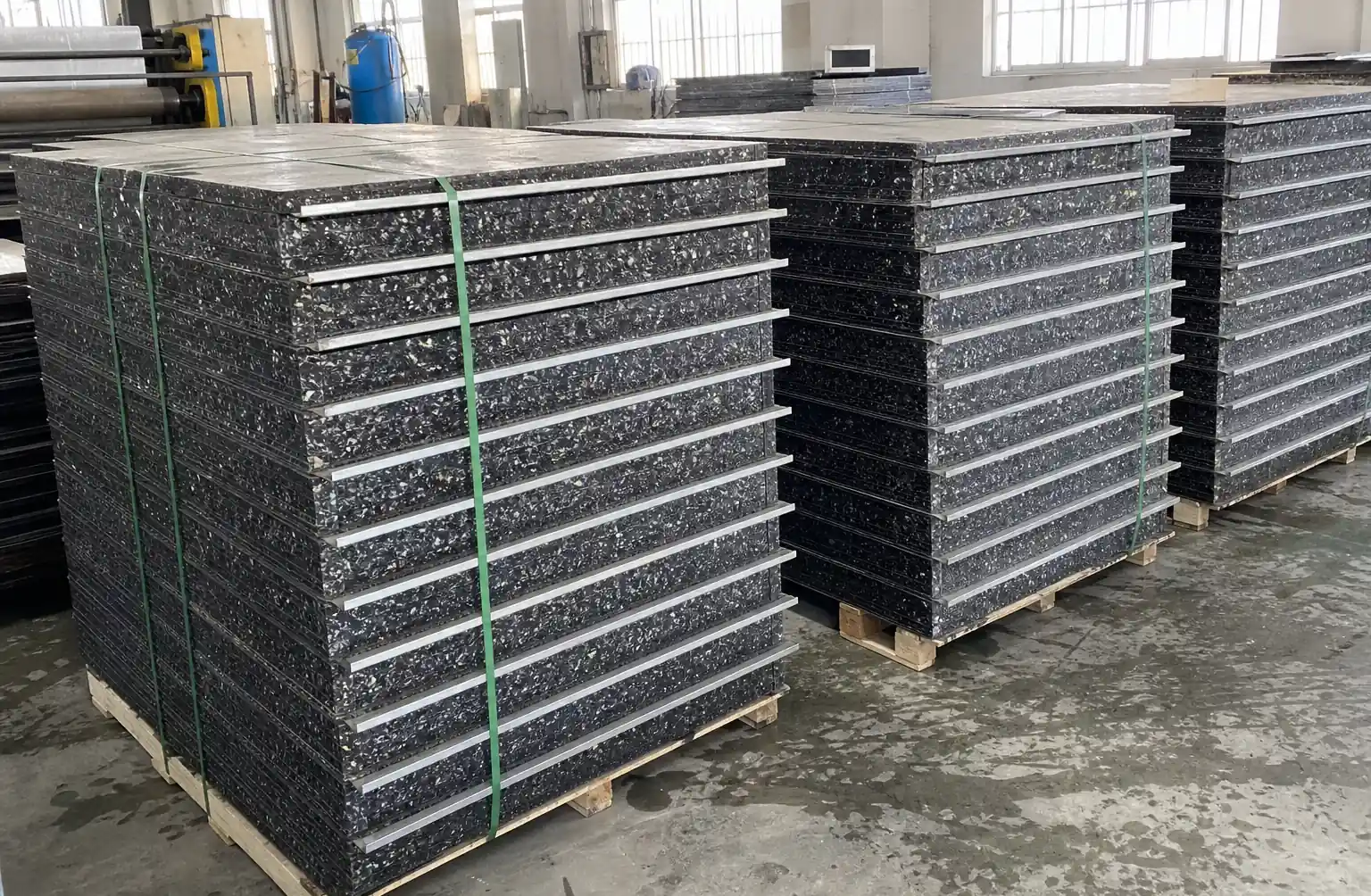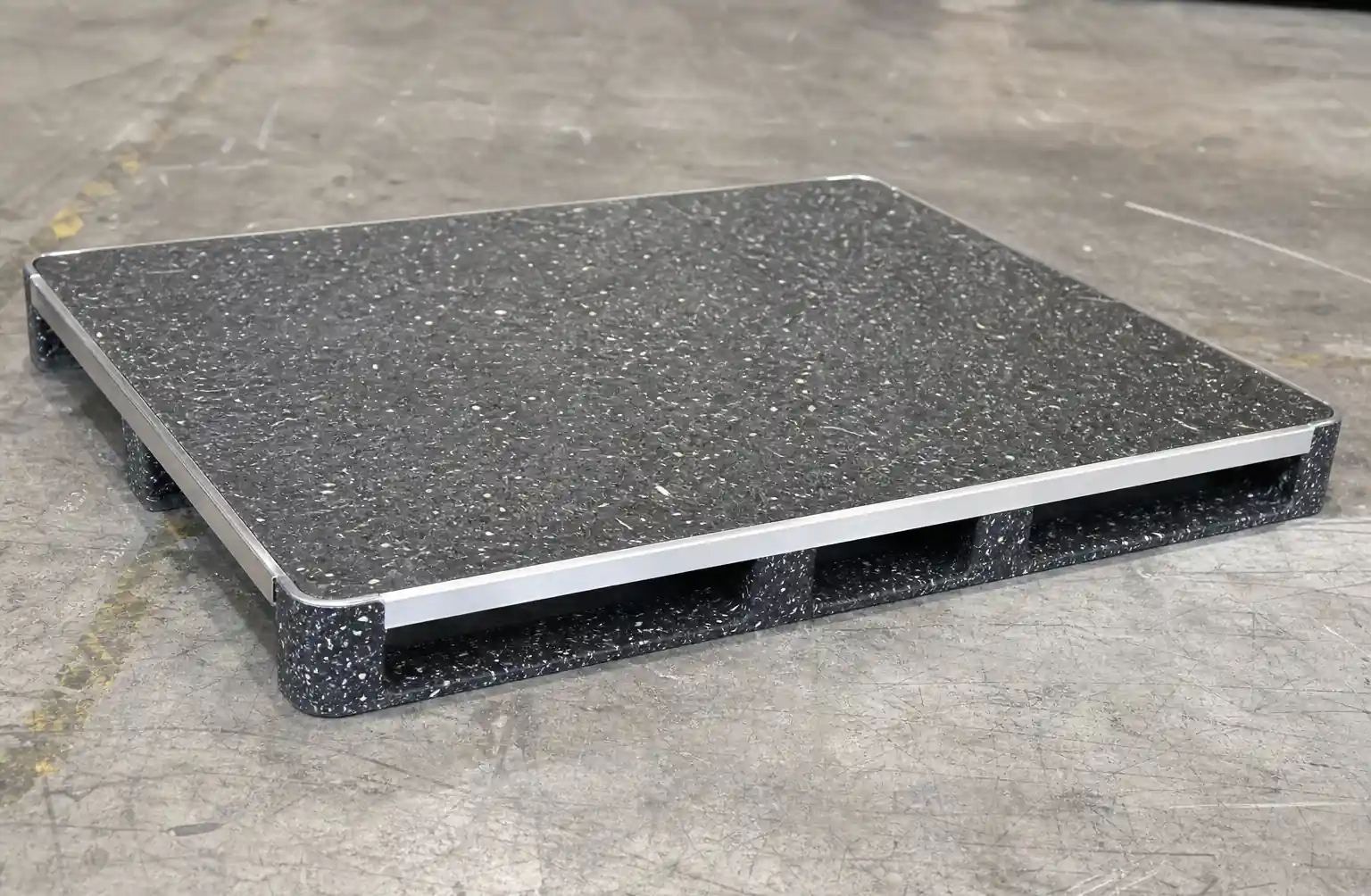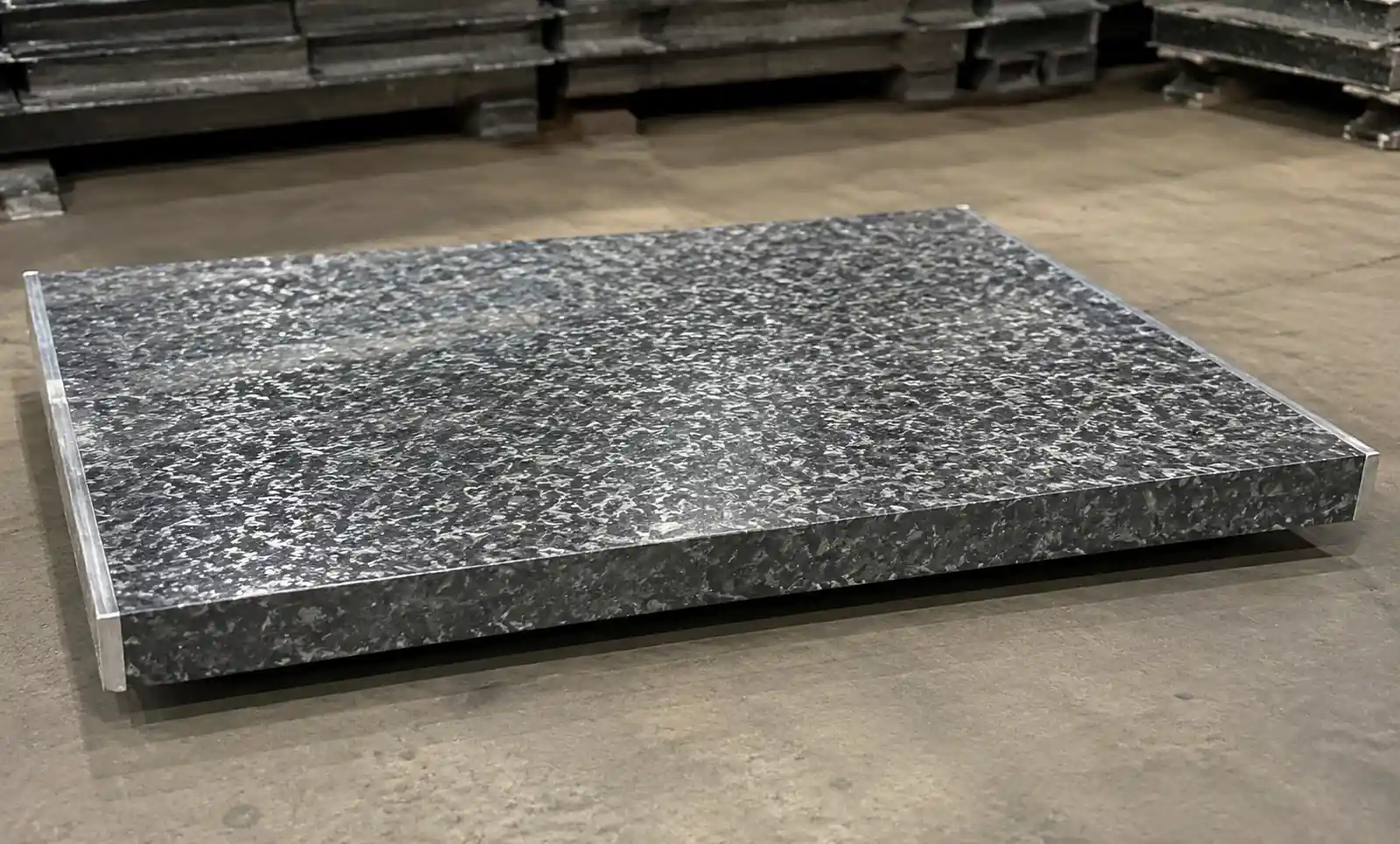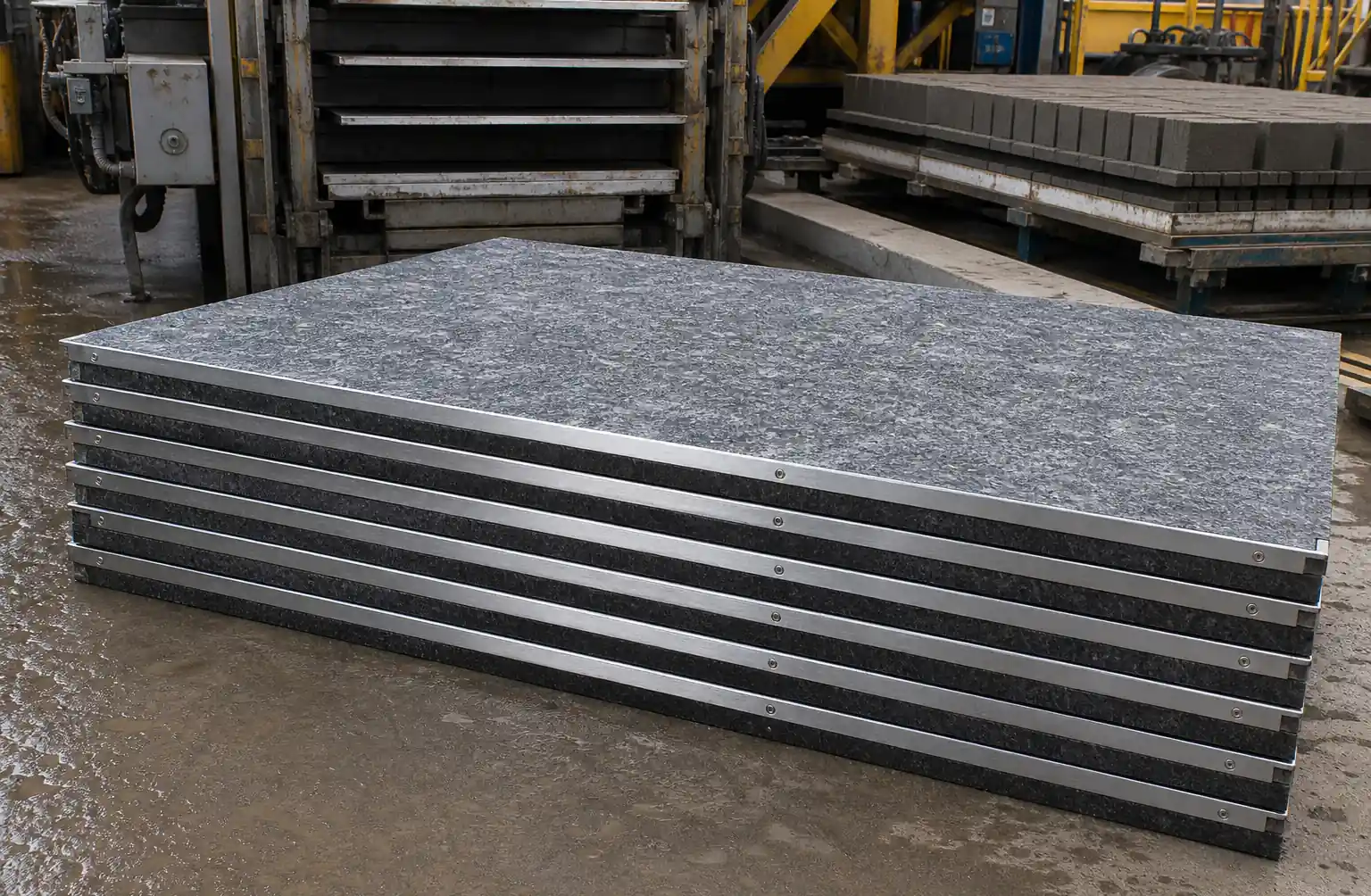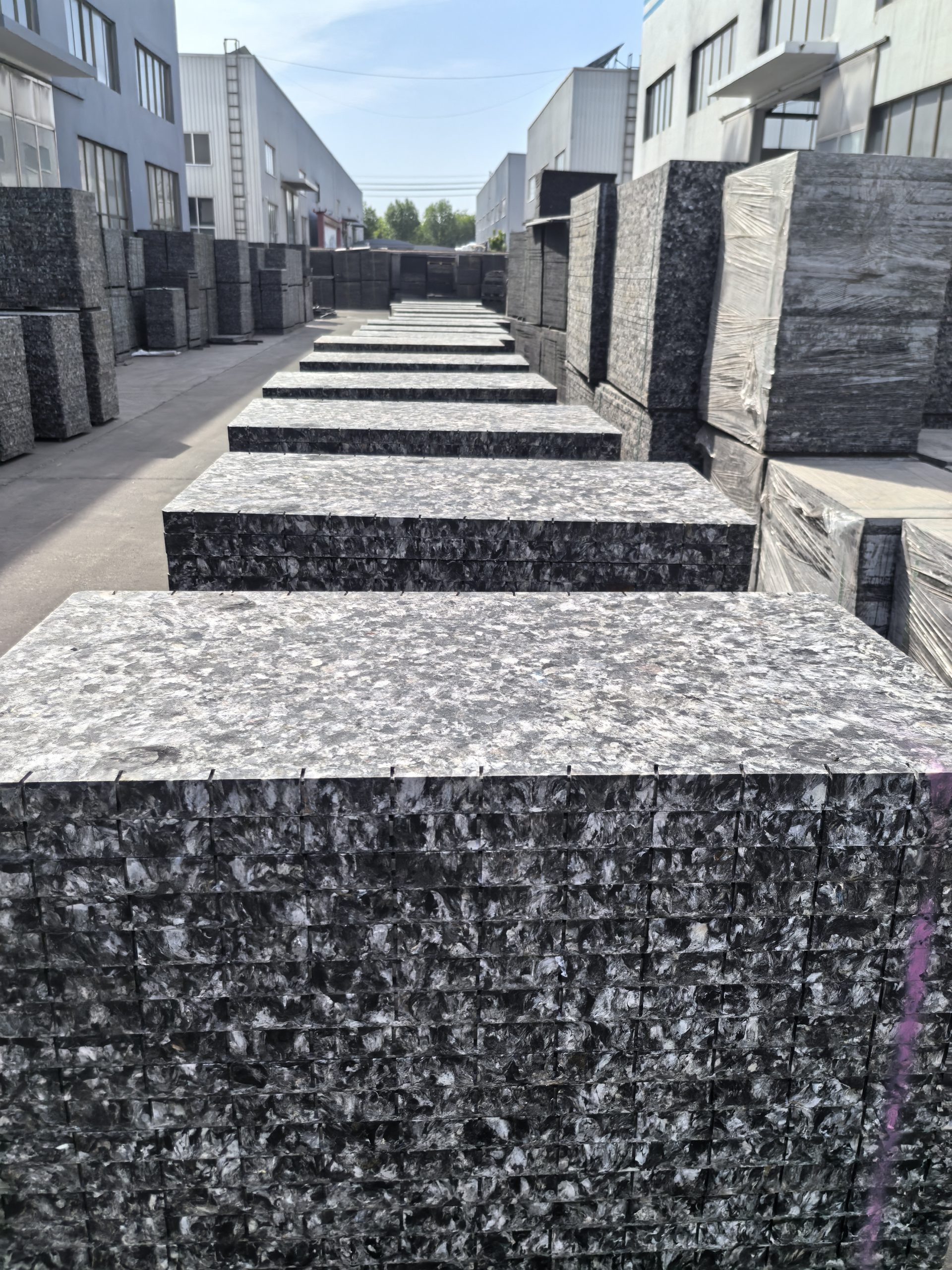
Production downtime from pallet-related failures costs brick manufacturers $2,500-$7,000 per day. Studies show wood pallet warping, surface degradation, and moisture absorption account for 18-25% of quality defects in automated brick facilities. The right pallet choice eliminates these problems while increasing throughput by 30-40%.
This guide examines seven critical production problems that better pallets solve and provides real-world data from facilities that eliminated these issues.
Problem 1: Moisture-Induced Warping
Wood pallets warp within 12-24 months in brick production environments. Fresh concrete releases moisture during curing, creating 60-85% RH conditions that wood absorbs readily. This causes dimensional changes of 3-8mm across the pallet surface, triggering positioning errors in automated systems.
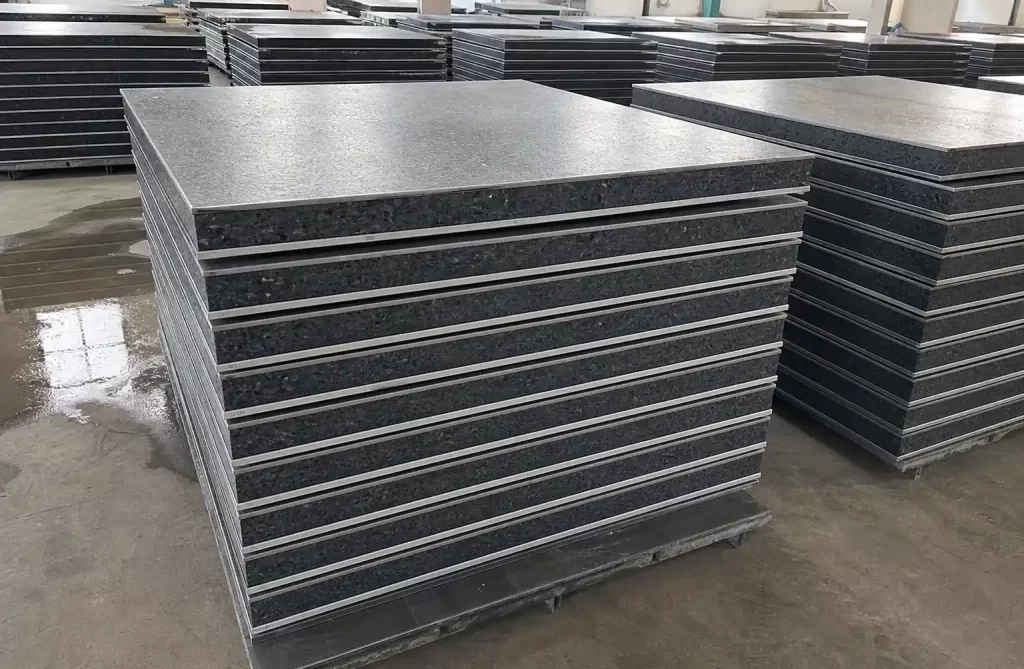
Production managers report 4-8 unplanned stops per shift from warped pallets. Each stoppage costs $150-400 in lost throughput. GMT pallets solve this through fiber-reinforced composite construction that absorbs less than 1% moisture. High-quality GMT pallets maintain dimensions within ±2mm throughout their 10-12 year service life. Facilities report 85-95% reduction in moisture-related stops after switching.
Problem 2: Surface Degradation
Wood surfaces degrade from repeated concrete contact, developing rough spots that mark premium bricks. Surface irregularities cause 8-15% rejection rates for premium products selling at 3-4× standard brick prices. Manual cleaning requires 3-5 minutes per pallet, costing $15,000-25,000 annually in direct labor.
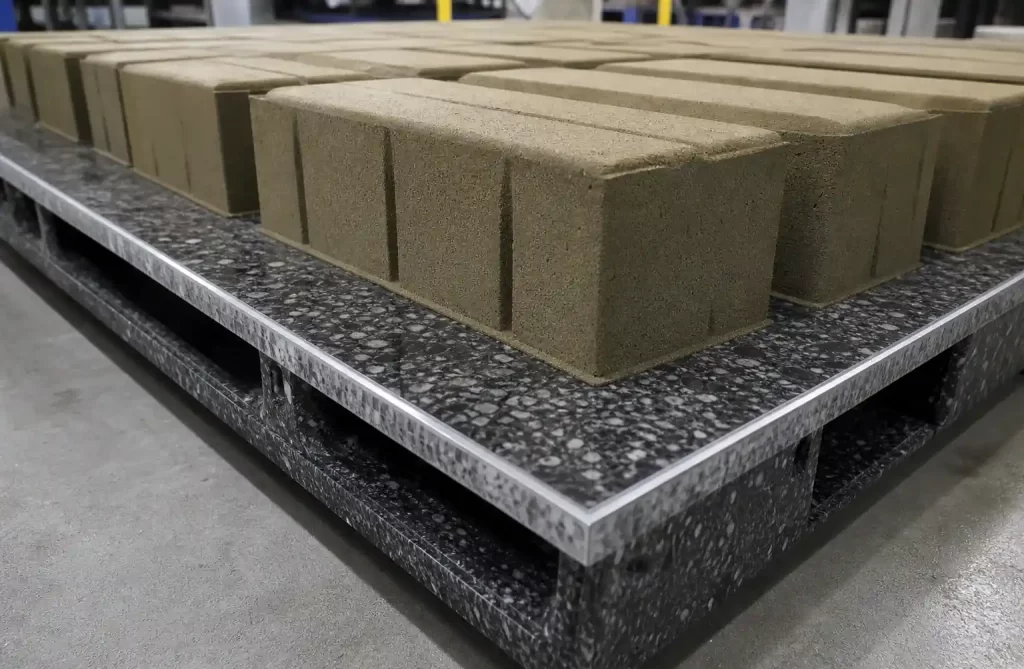
Fiber-reinforced pallets eliminate surface degradation through compression-molded construction with uniform, non-porous surfaces. Simple water washing removes concrete residue in 60-90 seconds without surface damage. Quality managers report 60-75% reduction in surface-related brick defects.
Problem 3: Dimensional Inconsistency
Automated lines require precise pallet dimensions for robotic systems processing 60-120 bricks per minute. Wood pallets vary 5-12mm between units due to natural variations and moisture differences, forcing conservative positioning tolerances that reduce throughput by 12-18%.
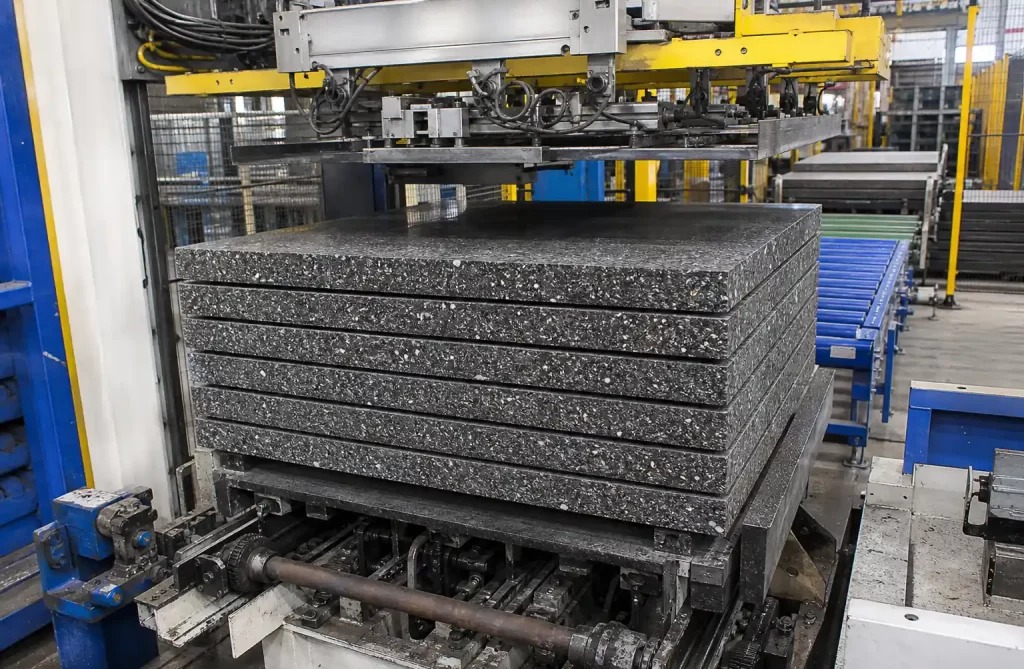
GMT pallets maintain dimensional consistency within ±2mm throughout service life. White GMT brick pallets with ±1mm tolerance enable automated systems to operate at optimized speeds. Facilities report 15-22% throughput improvements after conversion.
| Dimensional Factor | Wood Pallets | GMT Pallets | Production Impact |
|---|---|---|---|
| Manufacturing Tolerance | ±5-8mm | ±1-2mm | Tighter automated handling |
| Dimensional Change Over Time | ±5-12mm after 18 months | ±0-2mm after 10 years | Consistent performance |
| Unit-to-Unit Variation | 8-15mm range | 2-4mm range | Reduced positioning errors |
| Automated System Compatibility | Conservative programming | Optimized speeds | 15-22% throughput gain |
Problem 4: Excessive Brick Breakage
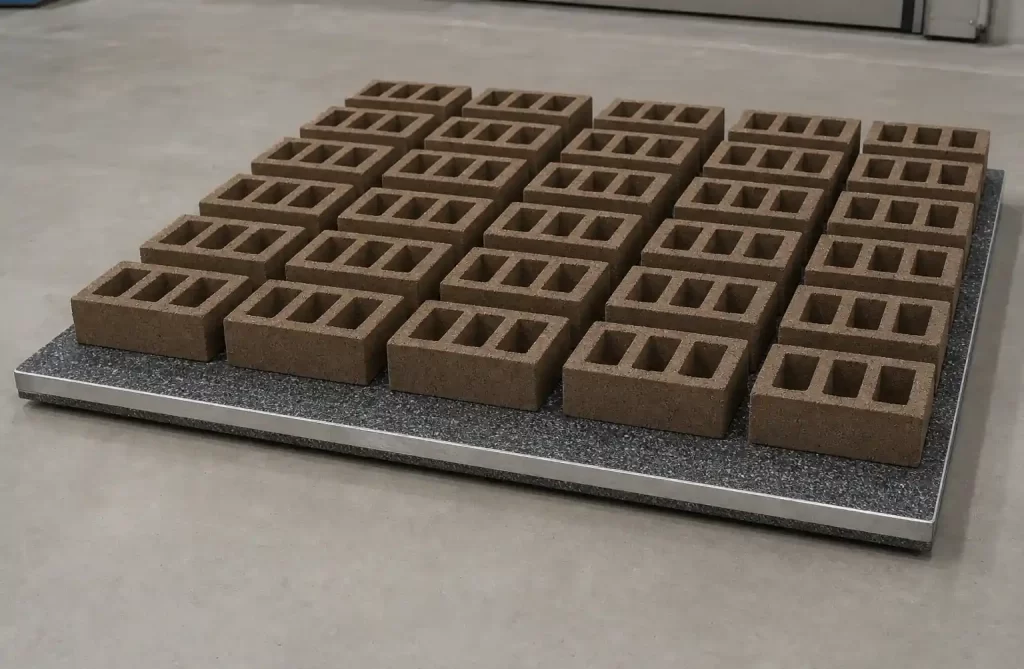
Brick breakage during curing and handling represents 8-15% of total material waste with wood pallets. Surface flatness deteriorates from ±2mm when new to ±5-8mm after 12-18 months, increasing breakage rates. GMT pallets reduce breakage by 45-60% through perfectly flat surfaces maintained across their entire lifespan. Pure white GMT pallets deliver the most consistent surface quality for premium production. Facilities report breakage reduction from 10-12% to 4-6%, saving $35,000-55,000 annually.
Problem 5: Frequent Replacement Costs
Wood pallet replacement every 24-36 months creates recurring costs. A 200-300 pallet facility replaces 60-120 units annually at $20-35 per unit, costing $1,800-4,200 yearly. Replacement labor adds $3,360-9,000 annually. GMT pallets eliminate 80-85% of replacement costs through 10-12 year lifespans. Yellow fiber brick pallets reduce replacement frequency from 30-40% annually to 8-10%. A 200-pallet facility spends $105,000-145,000 over 10 years on wood versus $55,000-75,000 on GMT – a savings of $50,000-70,000.
Problem 6: Weight Variation
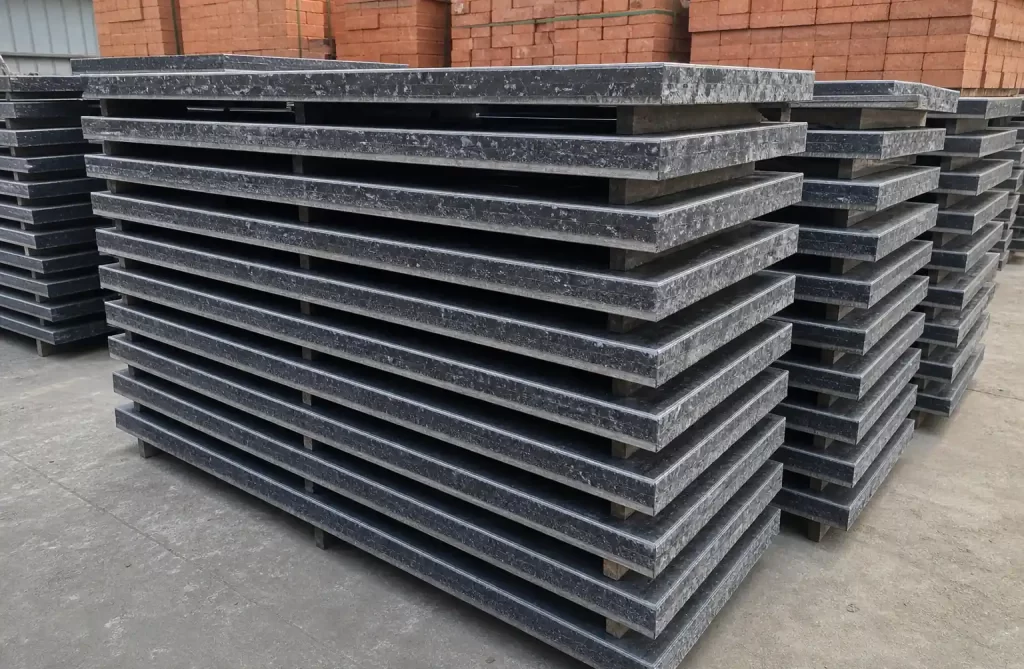
Wood pallet weight varies 3-8 kg per unit due to moisture content, affecting automated handling. Systems must use conservative settings, slowing cycle times by 8-12%. GMT pallets maintain consistent weight within ±0.5 kg throughout service life. Half GMT pallets deliver the same consistency. Facilities report cycle time improvements from 3.2 seconds to 2.1 seconds per pallet – a 34% reduction.
| Weight Factor | Wood Pallets | GMT Pallets | Operational Impact |
|---|---|---|---|
| Dry Weight Range | 25-35 kg | 18-25 kg | Easier manual handling |
| Weight Variation | ±3-8 kg | ±0.5 kg | Consistent automation |
| Handling Cycle Time | 3.0-3.5 seconds | 2.0-2.3 seconds | 30-40% faster |
| Daily Throughput Gain | Baseline | +1,500-2,200 cycles | Significant capacity increase |
Problem 7: Temperature Deterioration
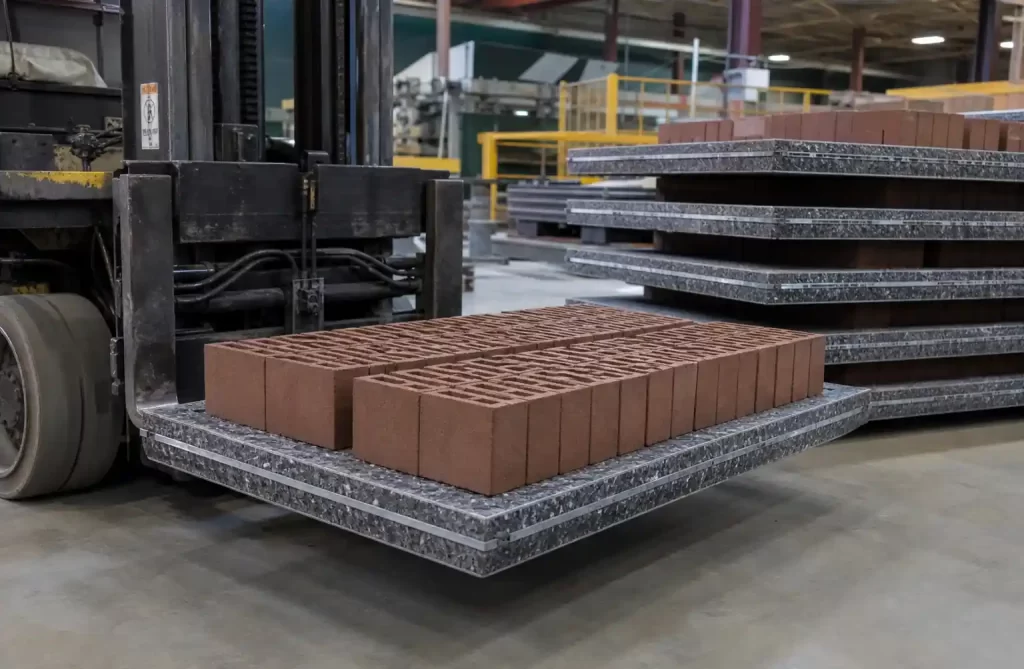
Temperature cycling stresses wood beyond design limits. Wood rated for -10°C to +50°C encounters extremes from -15°C in winter to +70°C near kilns. Hot climates see lifespans of just 15-20 months. Cold climates create brittleness below -15°C. GMT pallets operate across -30°C to +80°C without degradation. Black glass fiber pallets extend to -40°C through +100°C for extreme climates. Facilities report 90-95% reduction in temperature-related failures after conversion.
Comparison Table
| Performance Factor | Wood Pallets | Plastic Pallets | GMT/Fiber Pallets | Critical Impact |
|---|---|---|---|---|
| Operational Lifespan | 2-3 years | 5-7 years | 10-12 years | Replacement frequency |
| Moisture Absorption | 15-20% | 2-5% | <1% | Dimensional stability |
| Surface Flatness | ±5-8mm after 12mo | ±3-4mm maintained | ±2mm maintained | Brick quality |
| Dimensional Consistency | ±5-12mm variation | ±3-5mm variation | ±1-2mm variation | Automation compatibility |
| Load Capacity | 1,500-2,500 kg | 2,000-2,800 kg | 2,500-3,500 kg | Heavy block production |
| Temperature Range | -10°C to +50°C | -20°C to +60°C | -30°C to +80°C | All-climate operation |
| Weight Consistency | ±3-8 kg | ±1-2 kg | ±0.5 kg | Automation optimization |
| Initial Cost per Unit | $20-35 | $50-90 | $80-120 | Capital investment |
| 10-Year Total Cost (200 units) | $105,000-145,000 | $65,000-95,000 | $55,000-75,000 | Long-term economics |
Real Production Results
A 500,000 bricks/month Vietnam facility converted 250 wood pallets to white-yellow GMT pallets. Results after 18 months:
- Line stoppages: 6-8 per shift to <1 per shift – recovering 45-60 minutes daily ($675-1,200 value)
- Brick breakage: 11% to 5% – saving $42,000 annually
- Pallet replacement: 75 units/year ($1,875) to 20 units/year ($2,000)
- Maintenance labor: 18 hours/month to 4 hours/month – saving $7,800/year
ROI achieved in 21 months. Ongoing annual savings: $55,000-70,000.
FAQ
How long do GMT pallets last in brick production?
GMT pallets deliver 10-12 years in normal conditions with proper handling. Facilities running three shifts report GMT pallets maintaining specifications after 8-10 years. Some exceed 15 years in less demanding applications.
Can I mix GMT and wood pallets during conversion?
Yes in manual areas, but avoid mixing on automated lines where dimensional consistency matters. Automated systems experience positioning errors when handling pallets varying by more than ±3mm. Use phased conversion: GMT on automated lines first, then replace wood in manual areas.
Do GMT pallets work in high-temperature kiln environments?
Standard GMT operates from -30°C to +80°C. For direct kiln contact above +80°C, specify heat-resistant formulations rated to +100°C. Most facilities use GMT for curing and handling, not direct kiln loading.
What’s the ROI timeline for converting to GMT?
Most facilities achieve positive ROI within 18-26 months. Calculate using: initial investment difference + annual savings from reduced replacements + maintenance labor savings + productivity gains from reduced breakage and fewer stops. See our efficiency improvement guide for worksheets.
Are GMT pallets compatible with automated brick making machines?
Yes. Compression molding produces consistent dimensions within ±1-2mm, which automated lines require. Specify precision-molded GMT with ±1mm tolerance for high-speed automated operations. Rhinos Pallet technical team offers compatibility verification.
Conclusion
Moisture warping, surface degradation, dimensional inconsistency, excessive breakage, frequent replacement, weight variation, and temperature deterioration – all share a common root cause: traditional materials cannot withstand modern brick production demands. GMT and fiber-reinforced pallets solve these problems through moisture resistance below 1%, dimensional stability within ±2mm across 10+ years, and structural integrity across extreme temperatures. Facilities report 45-60% breakage reduction, 85-95% elimination of moisture stops, and 15-22% throughput improvements. The higher initial investment pays back within 18-24 months. If you need long-lasting brick pallets, Rhinos Pallet offers fiber-reinforced composite pallets with proven 10+ year lifespan. Contact us today for custom solutions and factory-direct pricing.