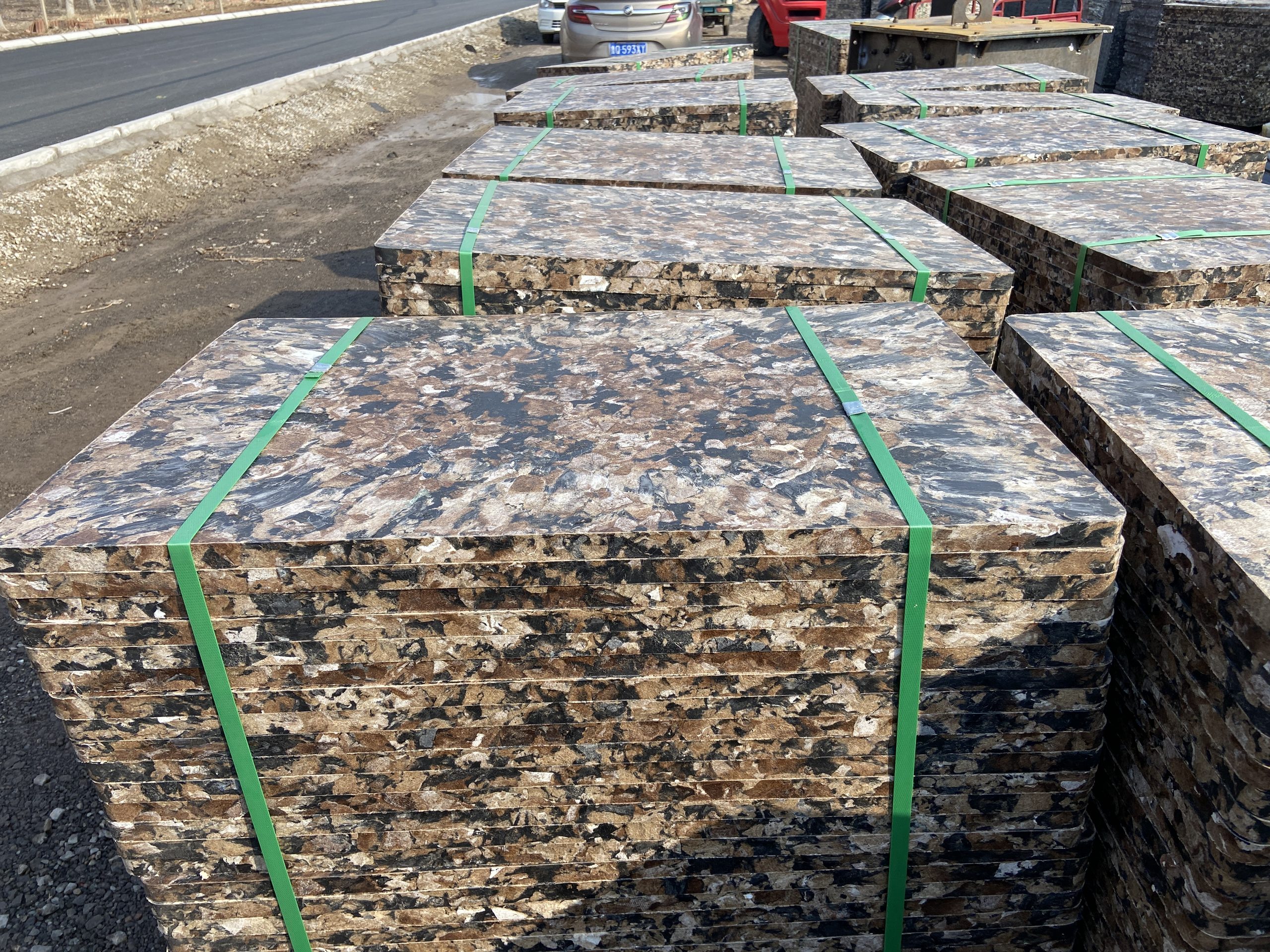
Concrete Block Pallets: A Comprehensive Guide for Buyers & Manufacturers
When someone searches for “concrete block pallet” or “pallet for concrete block,” they are likely seeking practical, actionable information to make informed decisions—whether they are a manufacturer upgrading equipment, a contractor sourcing materials, or a business owner optimizing production efficiency. This article addresses the core questions behind these searches, drawing insights from industry expertise and technical resources.
1. What Is a Concrete Block Pallet?
A concrete block pallet is a specialized platform designed to support wet concrete blocks during curing, transportation, and storage in block-making processes. Unlike standard wooden pallets, these pallets must withstand heavy loads (often 500-1,000 kg per block), moisture, and repeated use in industrial environments.
High-quality pallets directly impact block integrity—-poorly designed pallets can cause warping, cracks, or uneven curing, leading to product defects.
2. Why choose GMT pallet?
Among various types of pallets, we now recommend the GMT pallet more.GMT (Glass Mat Reinforced Thermoplastic) pallets have rapidly gained traction in global supply chains, revolutionizing material handling with a blend of advanced engineering and sustainable design. As industries seek solutions that balance performance, cost, and environmental responsibility, GMT pallets stand out by addressing longstanding limitations of traditional alternatives. Below is a detailed exploration of their key advantages, expanded to highlight technical, operational, and ecological benefits:
Unmatched Strength-to-Weight Efficiency
At the core of GMT pallets’ appeal is their exceptional mechanical performance. By combining glass fiber mats with high-grade thermoplastics (such as polypropylene or polyethylene), these pallets achieve a strength-to-weight ratio superior to steel, aluminum, and even hardwood. A typical 1200x1000mm GMT pallet weighs 15–20kg—30–50% lighter than wooden pallets of the same load capacity (2000–5000kg dynamic load). This reduces fuel consumption by 5–8% per truckload, a critical factor for logistics companies aiming to lower carbon footprints and transportation costs.
Durability Engineered for the Long Haul
Unlike wooden pallets that degrade within 5 years due to moisture, pests, or impact, GMT pallets are built to withstand harsh conditions. Their thermoplastic matrix resists rotting, warping, and chemical corrosion, making them suitable for outdoor storage, cold chain logistics, and chemical handling. In accelerated aging tests, GMT pallets maintained 90% of their structural integrity after 10,000+ cycles of loading and unloading—equivalent to over a decade of heavy use. This longevity translates to fewer replacements: a single GMT pallet can outlast 3–5 wooden pallets, drastically reducing long-term procurement costs.
Sustainability: From Production to Disposal
GMT pallets align with global sustainability goals through multiple lifecycle stages. Their production uses 40% less energy than steel pallets and avoids deforestation associated with hardwood sourcing. The thermoplastic base (often recycled content) and glass fibers are fully recyclable; at end-of-life, pallets can be shredded and repurposed into new plastic products. This closed-loop system contrasts sharply with wooden pallets, which often end up in landfills after becoming contaminated or damaged.
Hygiene and Regulatory Compliance
The non-porous surface of GMT pallets eliminates hidden crevices where bacteria, mold, or pests thrive, making them indispensable for industries with strict hygiene standards. In food and pharmaceutical logistics, they eliminate the risk of product contamination from splinters, insect infestations, or chemical treatments (e.g., methyl bromide fumigation required for wooden pallets under ISPM 15). Cleanability is another advantage: GMT pallets withstand high-pressure washing, steam cleaning, and sanitizing chemicals without degradation, ensuring compliance with FDA, EU 10/2011, and HACCP guidelines. This reduces the risk of costly product recalls and streamlines audits.
Customization for Niche Applications
GMT’s moldable nature allows for precision engineering to meet industry-specific needs. For example:
Warehousing: Rackable GMT pallets feature reinforced edges to withstand static loads up to 15,000kg, compatible with automated storage systems.
Aerospace: Ultra-lightweight models (8–10kg) meet air freight weight restrictions while maintaining load capacities of 1500kg.
Retail: Slim-profile designs with integrated anti-slip pads optimize shelf space and prevent product shifting during display.
Advanced iterations even incorporate smart features like embedded RFID tags for real-time tracking or QR codes for digital inventory management, bridging physical and digital supply chains.
Total Cost of Ownership (TCO) Advantage
While the upfront cost of GMT pallets is 2–3 times higher than wooden pallets, their TCO is significantly lower over a 5–7 year period. A case study by the Material Handling Institute found that a logistics firm using 10,000 GMT pallets saved $240,000 annually due to:
70% reduction in pallet replacement costs
12% lower transportation fuel expenses
Elimination of fumigation and maintenance fees
Fewer product losses from damaged pallets
In conclusion, GMT pallets represent a paradigm shift in material handling, offering a rare synergy of strength, sustainability, and cost efficiency. As global supply chains prioritize resilience and ESG goals, their adoption is poised to grow—–driven by tangible benefits that extend from warehouse floors to corporate bottom lines.


3. Critical Factors to Consider When Buying
Beyond material, searchers prioritize:
Load Capacity: Ensure the pallet supports your block size (custom sizes).
Surface Texture: A non-slip surface prevents blocks from shifting during curing, reducing waste.
Compatibility: Pallets must fit your block-making machine model (e.g., hydraulic presses, automatic mold systems).
Maintenance: Plastic and steel pallets require minimal upkeep, while wooden pallets need regular sealing.
4. Why Quality Pallets Boost Production Efficiency
Investing in premium pallets offers tangible benefits:
Faster Curing: Uniform weight distribution ensures blocks dry evenly, reducing curing time by 10-15%.
Reduced Downtime: Durable pallets minimize replacements, lowering maintenance costs and production interruptions.
Safety: Smooth, splinter-free surfaces protect workers and prevent block breakage during handling.
Case example: A manufacturer switching from wooden to plastic pallets reported a 20% decrease in defective blocks and 30% longer pallet lifespan.
5. Where to Source Reliable Concrete Block Pallets
Searchers often look for trusted suppliers with technical support. Key considerations:
Customization: Suppliers offering tailored sizes/thicknesses for unique block designs.
After-Sales Service: Warranty coverage (typically 1-5 years) and replacement policies.
Global vs. Local Suppliers: Importing may offer lower costs, but local suppliers provide faster delivery and easier communication.
Recommendation: Request samples to test load capacity and material quality before bulk ordering.
6. Future Trends: Sustainability & Innovation
As the construction industry prioritizes eco-friendliness, trends like recycled plastic pallets and biodegradable composites are gaining traction. Additionally, smart pallets with RFID tracking are emerging to optimize inventory management in large facilities.
Key searcher intent: Staying updated on industry advancements to future-proof investments.
Final Takeaway
Whether you’re a manufacturer aiming to improve product quality or a buyer comparing options, understanding the nuances of concrete block pallets is critical. By prioritizing material durability, compatibility, and long-term efficiency, you can enhance production outcomes and reduce operational costs.
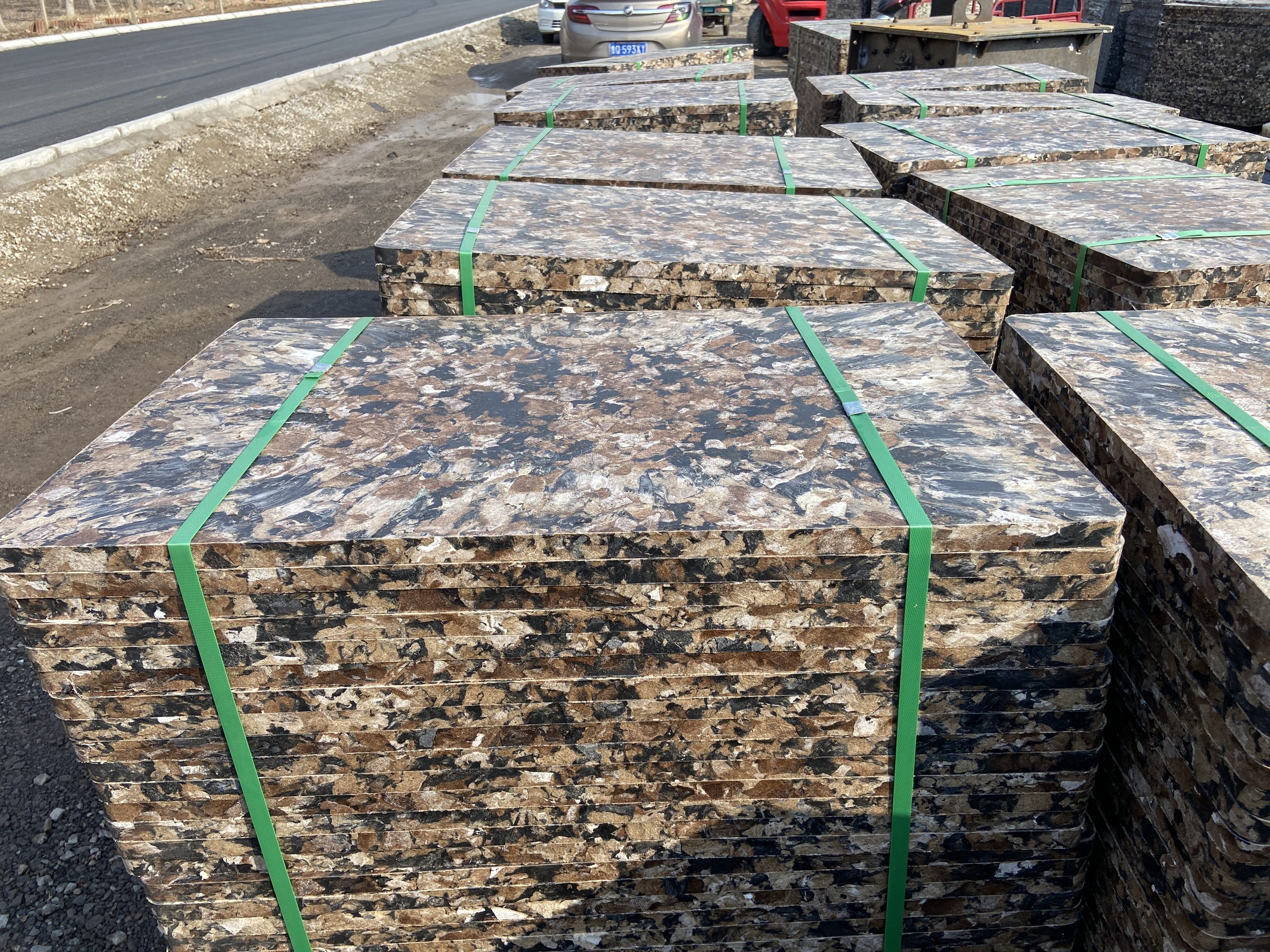
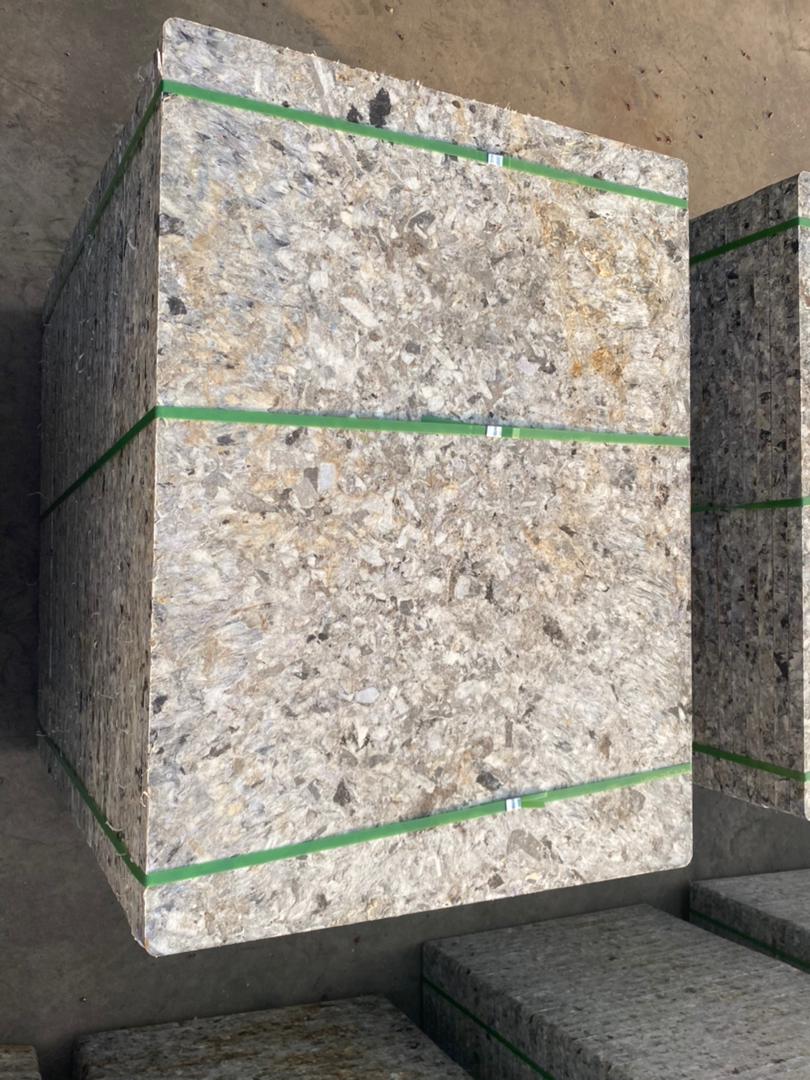
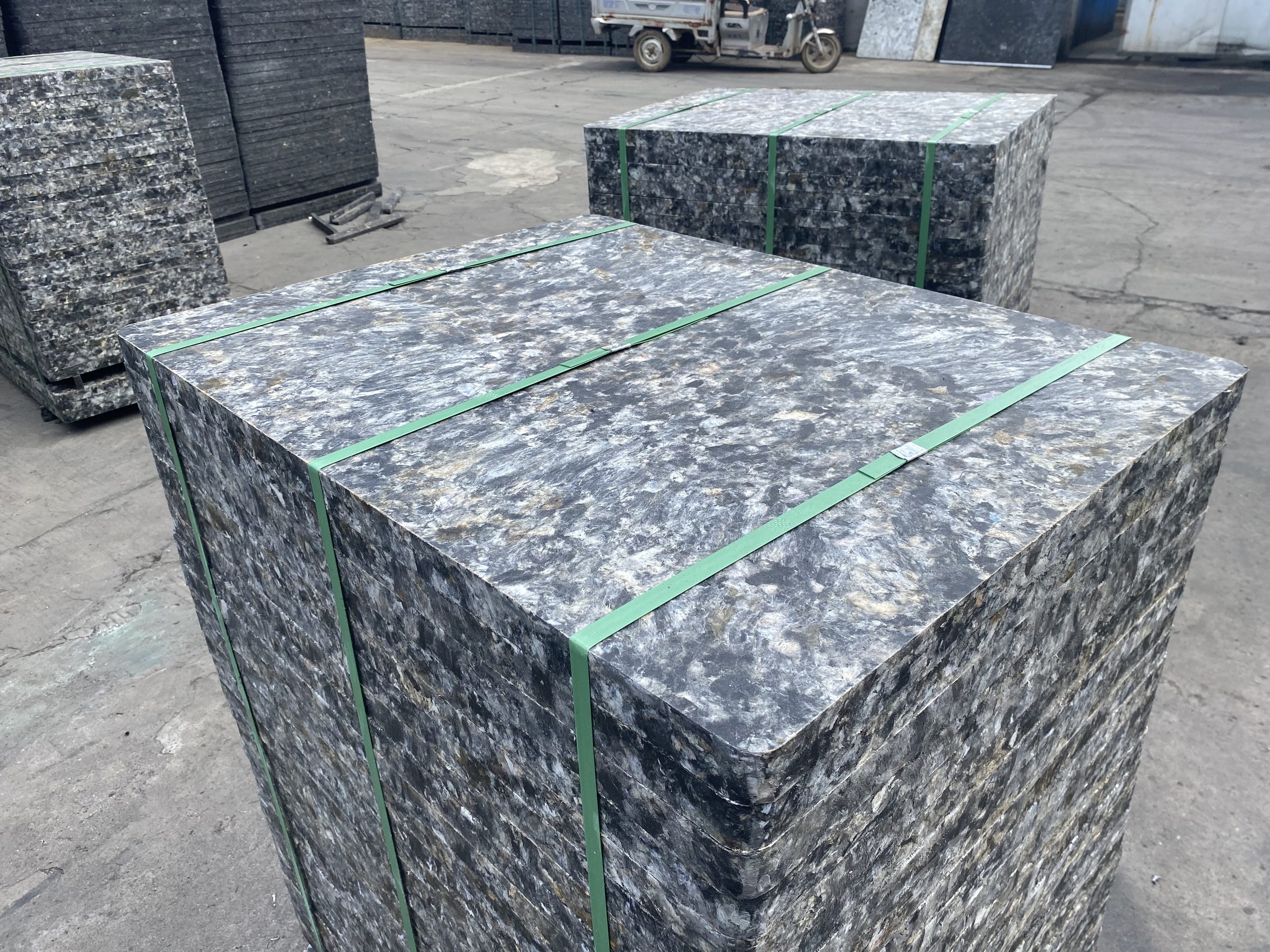
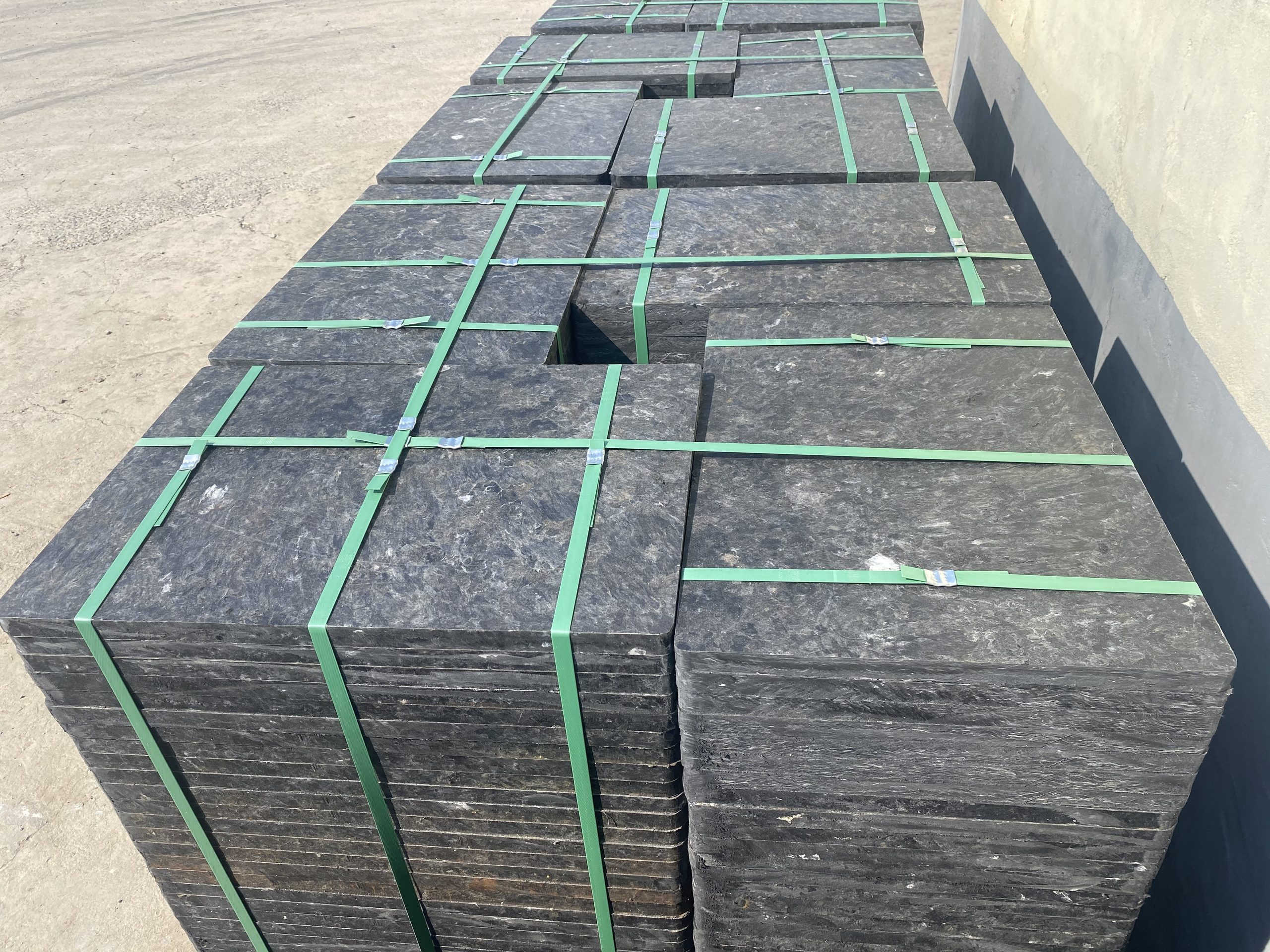
For personalized recommendations or technical specifications,welcome to consult our company,we are reliable suppliers with a track record in the block-making industry.Linyi Rhinos Pallet Manufacturing Co.,Ltd is a professional GMT brick pallet factory, Supplying products of white GMT glass fiber pallet, yellow fiber brick pallet, black GMT pallet, we can provide different size pallets as per customized.We believe that we can provide you with reference suggestions and high-quality goods for your pallet selection.
CONTACT US FOR FURTHER INFORMATION