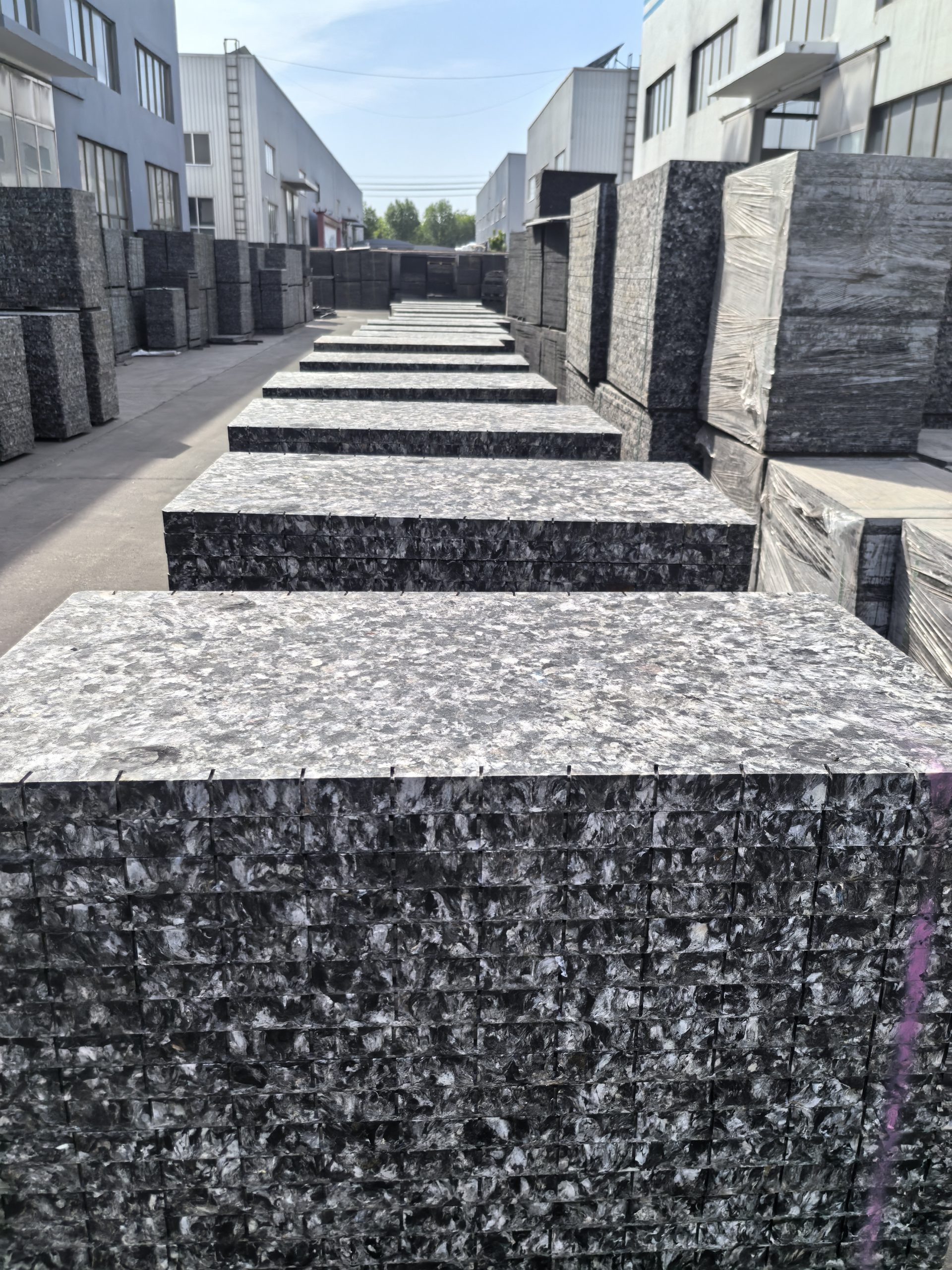
Pallet selection errors cost brick manufacturers $18,000 to $45,000 annually through premature replacements, production delays, and quality defects. Factory data shows 62% of brick producers use pallets incompatible with their production volume, humidity conditions, or automation level—leading to 15-25% unnecessary operational costs. Choosing the correct pallet type reduces lifecycle costs by 60-75% while extending service life from 2-3 years to 10+ years.
This guide provides factory-verified criteria to support your pallet selection decision.
Understanding Brick Pallet Types
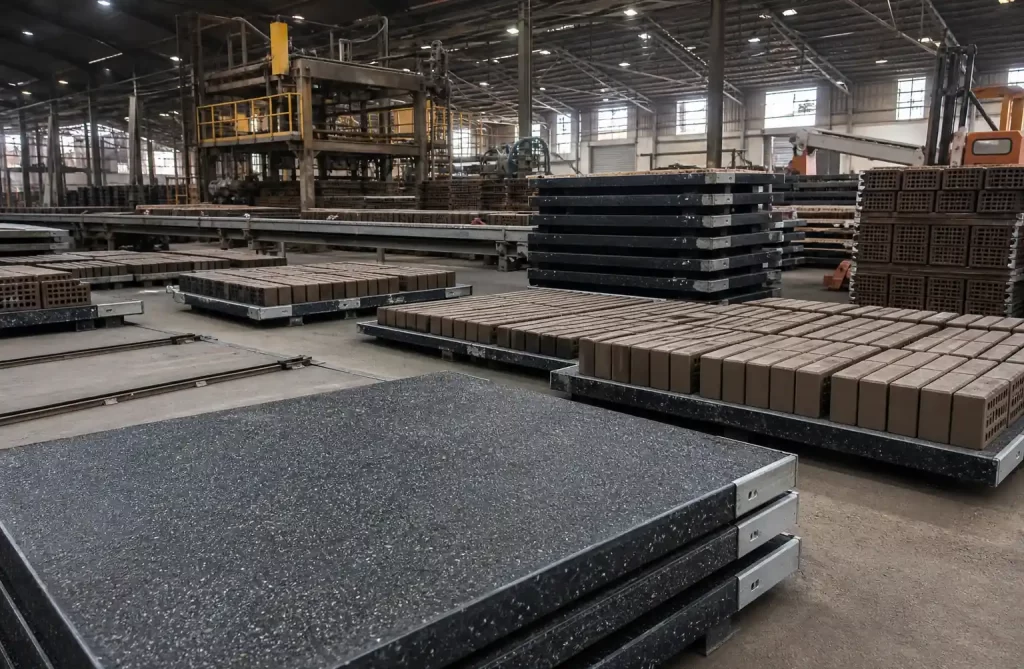
Brick pallets serve as bottom molds during forming and curing, directly affecting product quality and production efficiency. The three primary material categories—GMT, wood, and plastic composite—deliver fundamentally different performance characteristics.
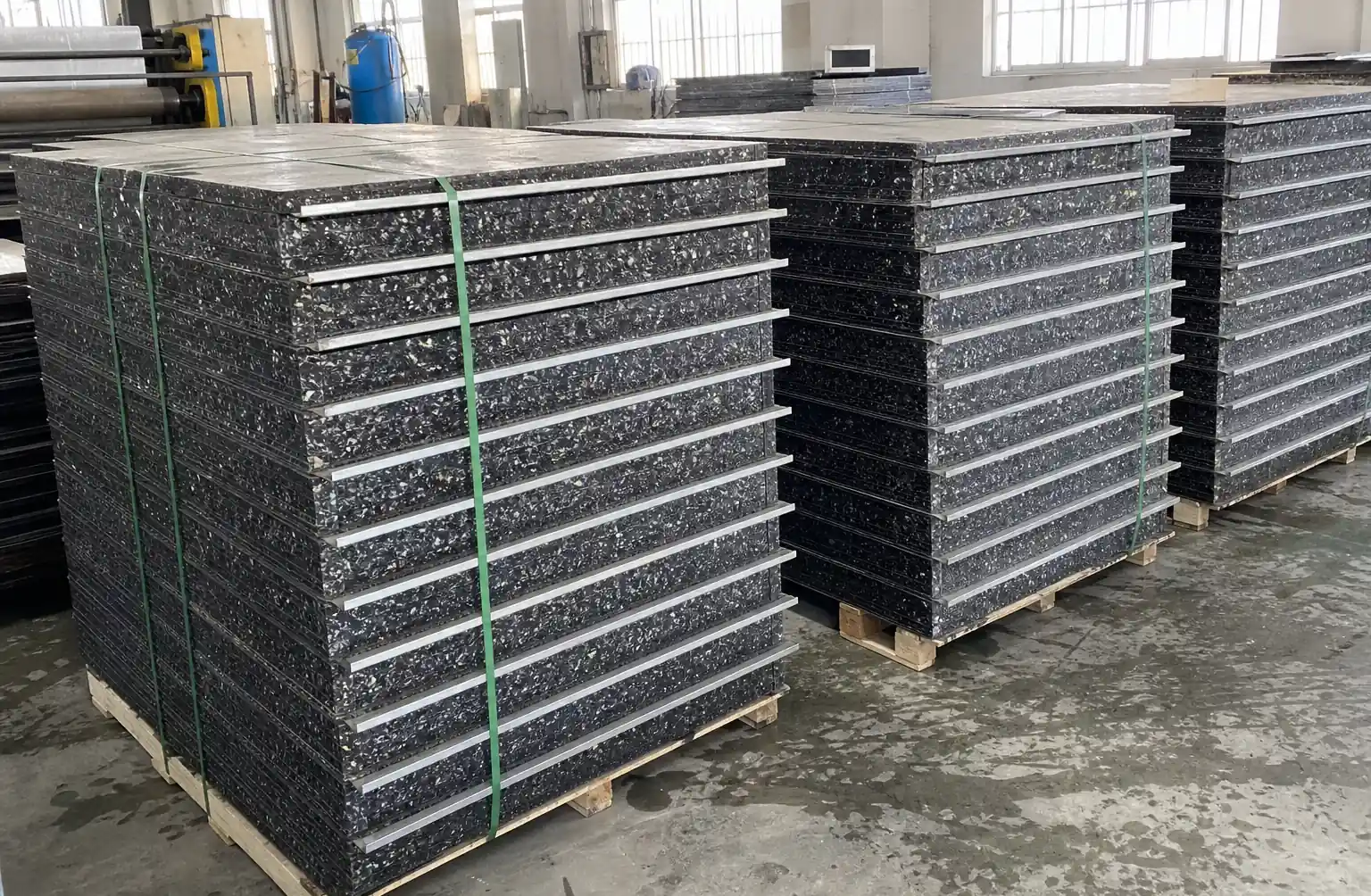
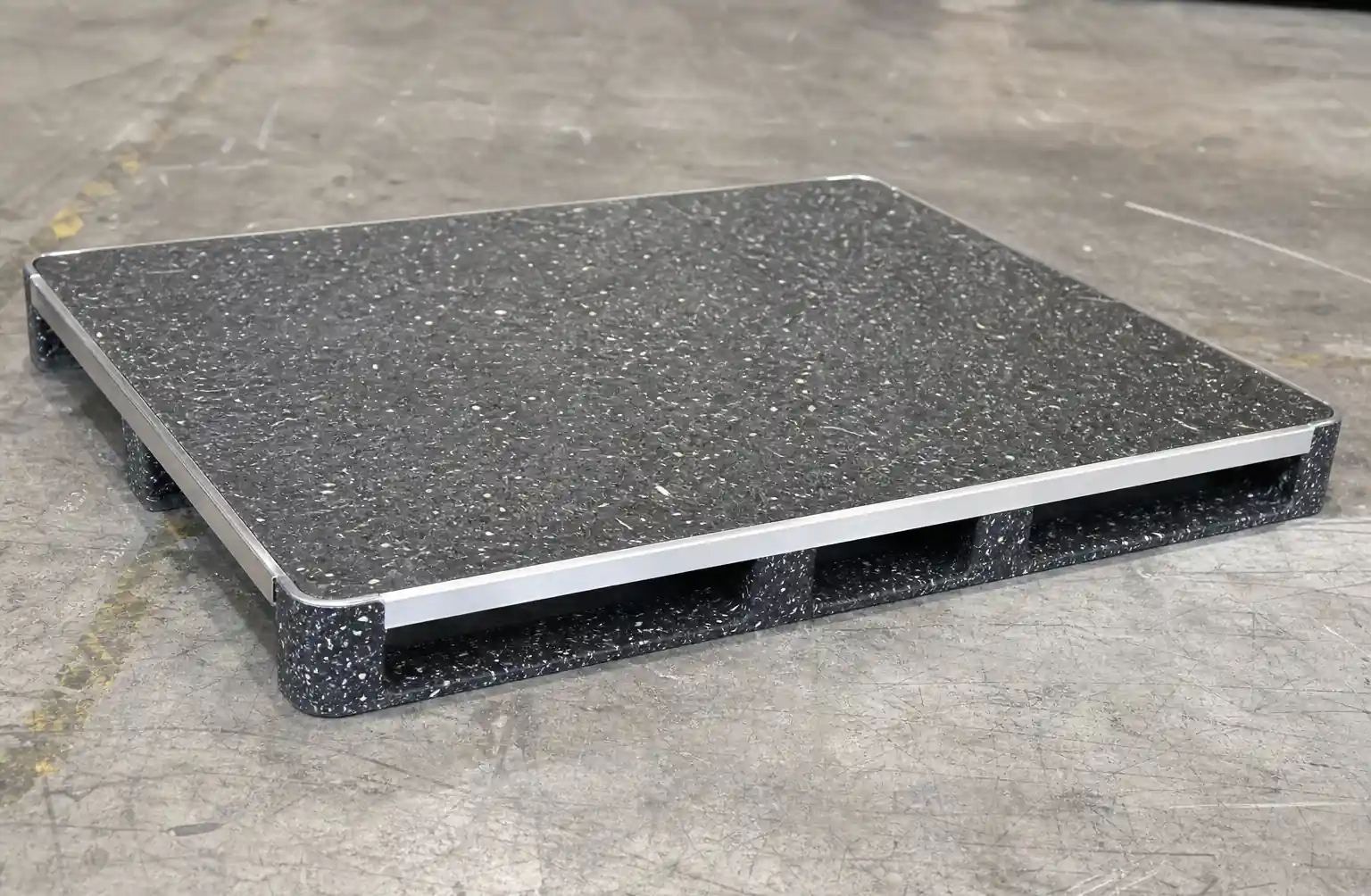
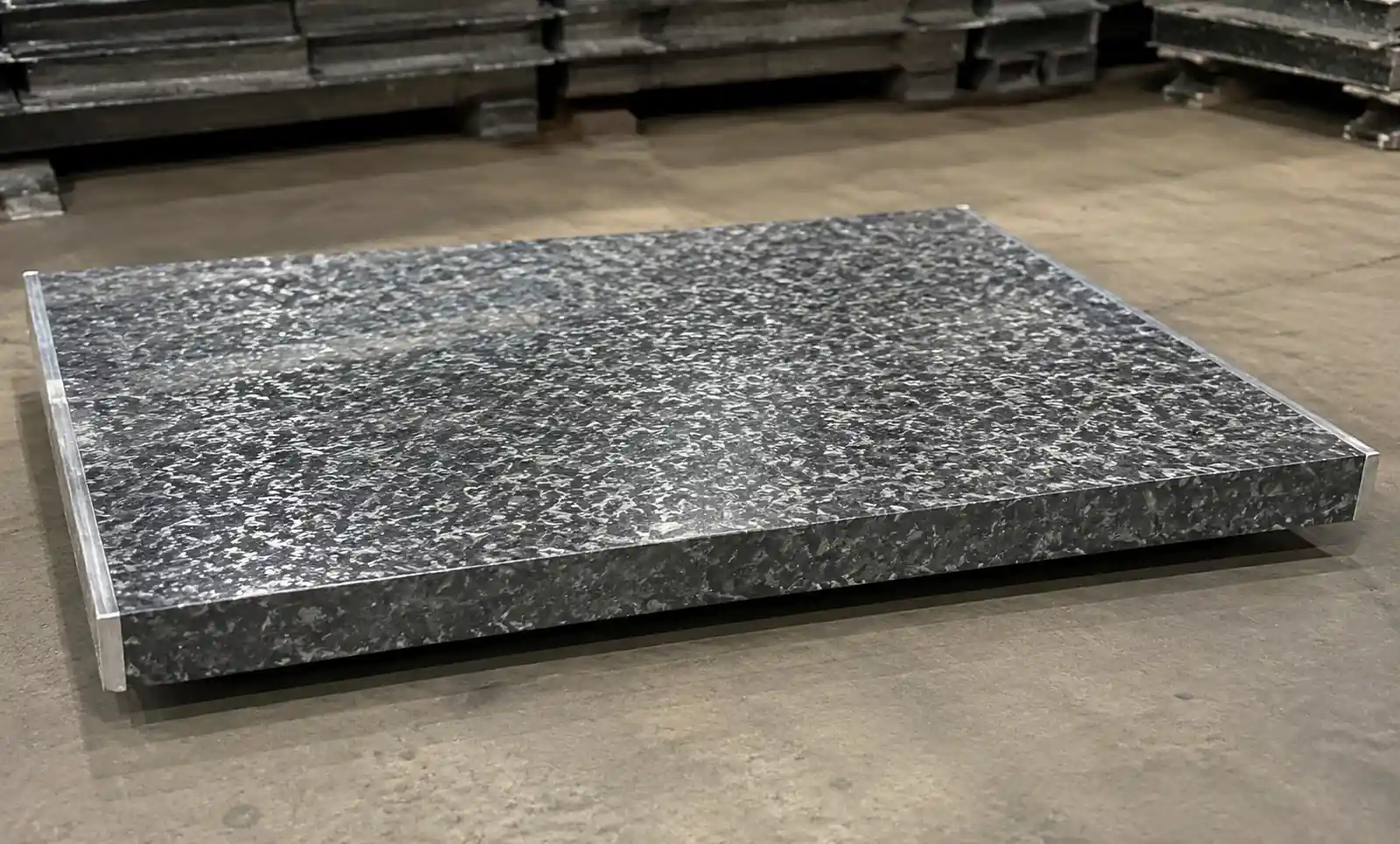
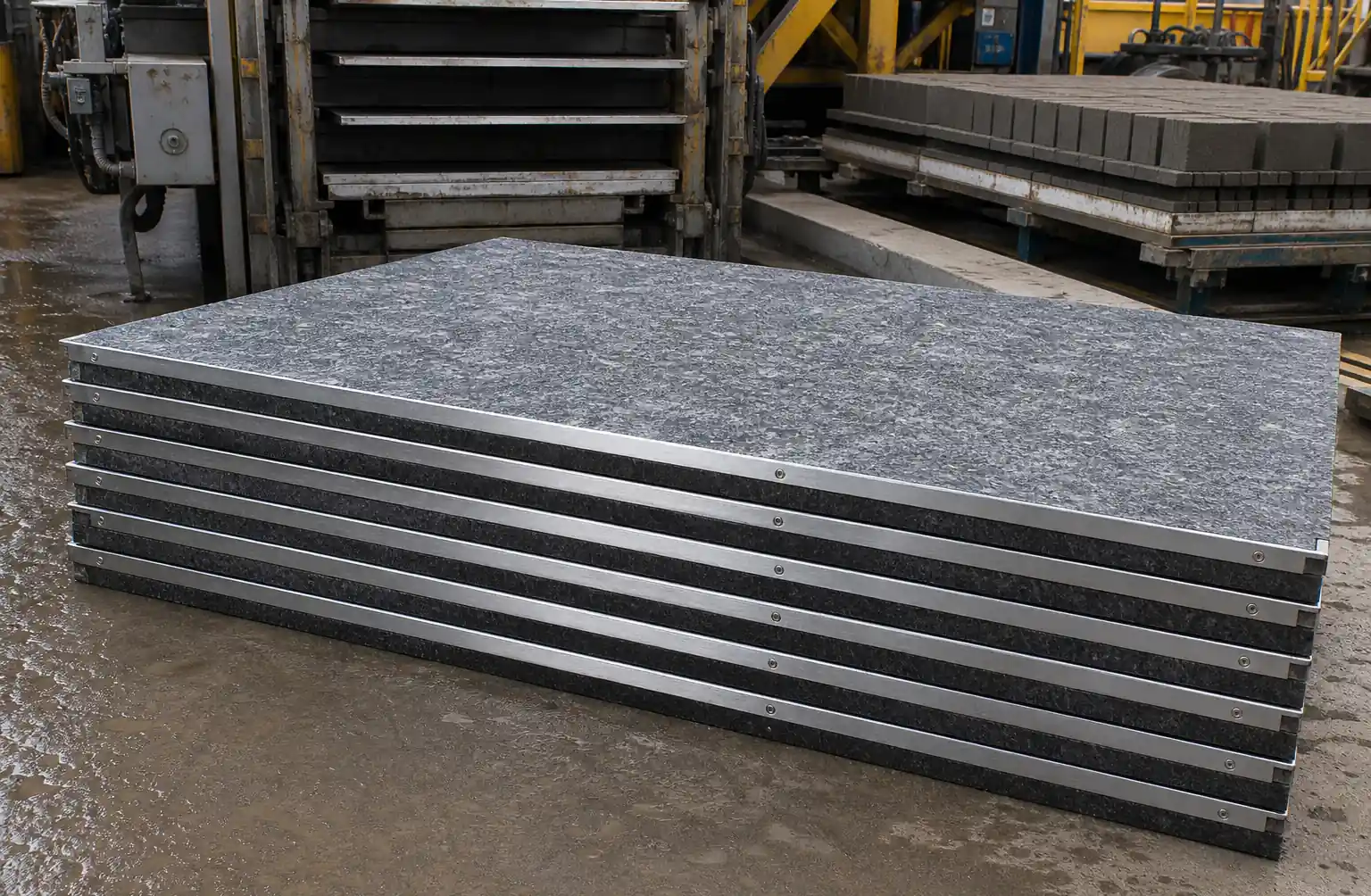
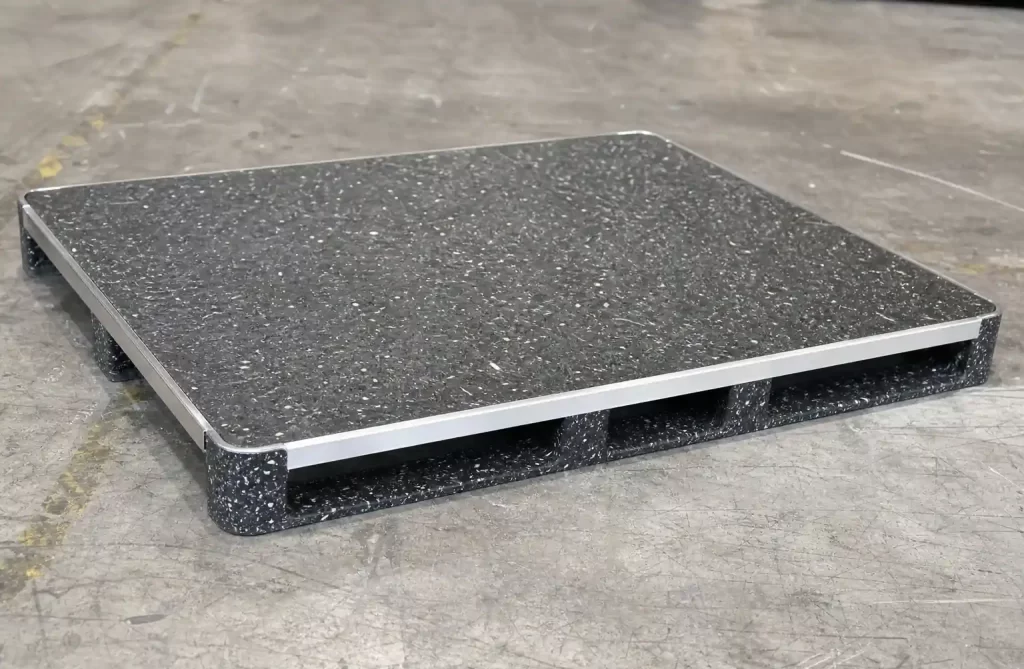
GMT pallets use compression-molded glass fiber reinforced thermoplastic, fusing glass fiber mats with polypropylene resin at 180°C+. They deliver dimensional stability within ±2mm, moisture absorption below 1%, and operational lifespans exceeding 10 years.
Wood pallets rely on natural lumber assembled with mechanical fasteners. Moisture absorption causes 15-20% dimensional changes. Service life typically reaches 24-36 months before warping or cracking forces replacement.
Plastic composite pallets use recycled plastic materials. Performance varies significantly—premium composites approach GMT durability, while economy versions degrade within 3-5 years.
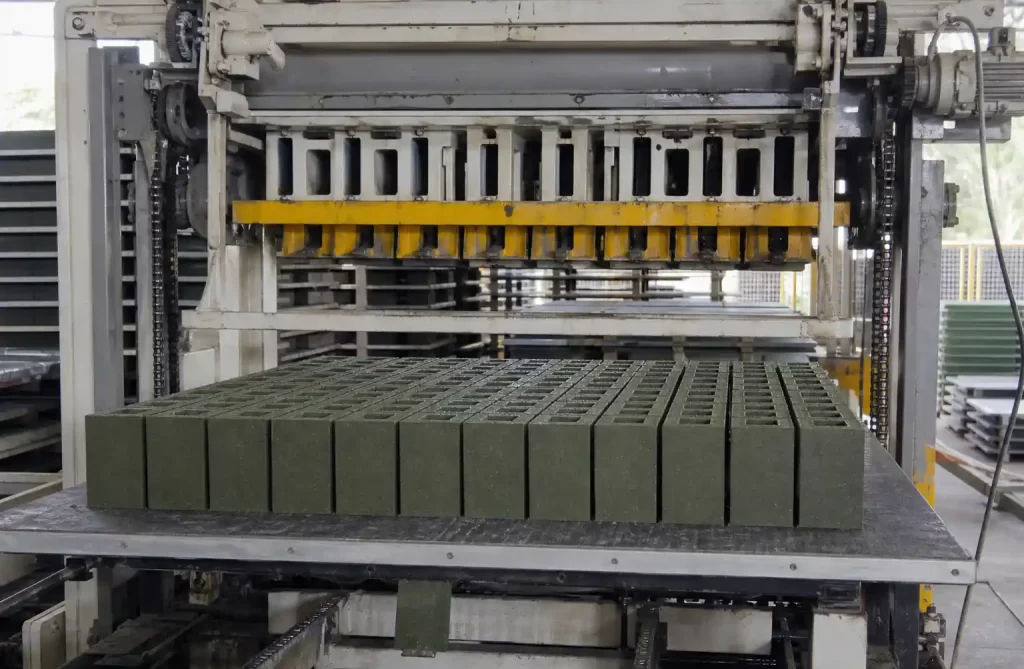
Key Selection Criteria
Production volume determines pallet durability requirements. Facilities processing 300,000+ bricks monthly require pallets capable of 8,000+ handling cycles. High-quality GMT pallets maintain integrity across 10,000+ cycles; wood pallets fail after 2,000-3,000 cycles.
Brick weight and stacking height establish load capacity specifications. Standard bricks weighing 3.5-4.5 kg create static loads of 350-550 kg when stacked 100-120 high. Heavy concrete blocks at 8-12 kg generate 1,200-1,800 kg loads. Specify pallets with 2-2.5x safety factors above maximum expected loads.
Environmental conditions directly impact performance. Humidity exceeding 65% causes rapid wood deterioration. Temperature cycling between 15°C nights and 35°C+ days accelerates degradation. Facilities in extreme regions require materials that maintain dimensions across -30°C to +80°C ranges.
Automation level defines dimensional tolerance requirements. Manual production tolerates ±5-8mm variations. Automated systems require ±2mm consistency. Robotic handling at 1,200+ cycles/hour cannot compensate for wood pallet inconsistencies.
Material Comparison: GMT vs Wood vs Plastic
| Material Factor | GMT Pallet | Wood Pallet | Plastic Composite |
|---|---|---|---|
| Service life | 10-12 years | 2-3 years | 4-7 years |
| Moisture absorption | <1% | 15-20% | 2-5% |
| Dimensional stability | ±2mm | ±5-12mm | ±3-6mm |
| Load capacity | 2,500-3,500 kg | 1,500-2,000 kg | 2,000-2,800 kg |
| Temperature range | -30°C to +80°C | -10°C to +40°C | -20°C to +60°C |
| Surface consistency | Uniform lifetime | Degrades progressively | Moderate degradation |
| Automation compatible | Excellent | Poor after 12 months | Good to Excellent |
GMT’s compression molding eliminates voids and ensures uniform density. The composite structure resists alkaline concrete environments (pH 12-13) and maintains original surface flatness throughout service life. Wood’s natural variability—knots, grain orientation, moisture content—creates inconsistent performance. Premium plastic composites approach GMT durability at 70-85% of GMT cost; economy versions show higher deflection and shorter service lives.
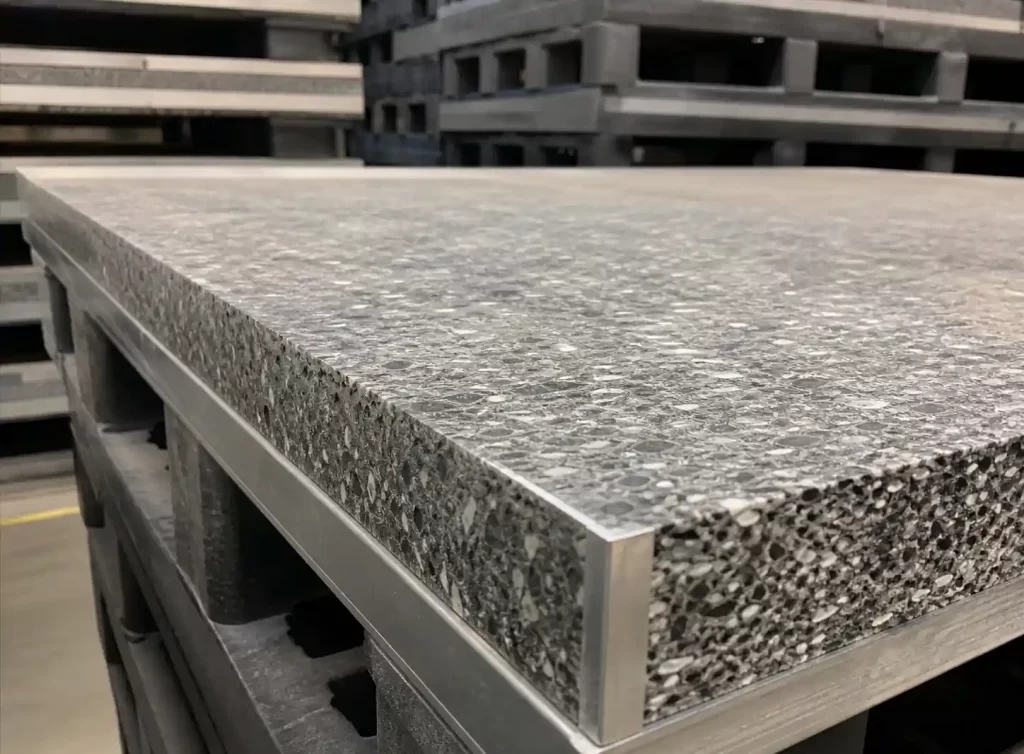
Load Capacity Requirements
Calculate static load capacity based on brick weight multiplied by stacking quantity, then apply 2-2.5x safety factor. A facility stacking 120 standard bricks (4 kg each) requires 960-1,200 kg capacity, meaning specification of 2,000-2,500 kg rated pallets.
Dynamic loading during automated handling imposes shock forces 2-3x higher than static loads. White GMT brick pallets absorb these loads without structural damage. GMT maintains <1mm deflection under maximum rated loads; wood pallets show 5-8mm deflection that increases progressively.
Heavy concrete block production demands higher capacity. Blocks weighing 10-15 kg create 1,500-2,250 kg static loads. Black glass fiber pallets support 3,000-3,500 kg reliably across 8+ year service lives.
Moisture and Climate Considerations
GMT absorbs <1% moisture by weight due to closed-cell compression molding. This maintains dimensional stability in 40-95% RH environments, preventing warping that causes brick quality problems.
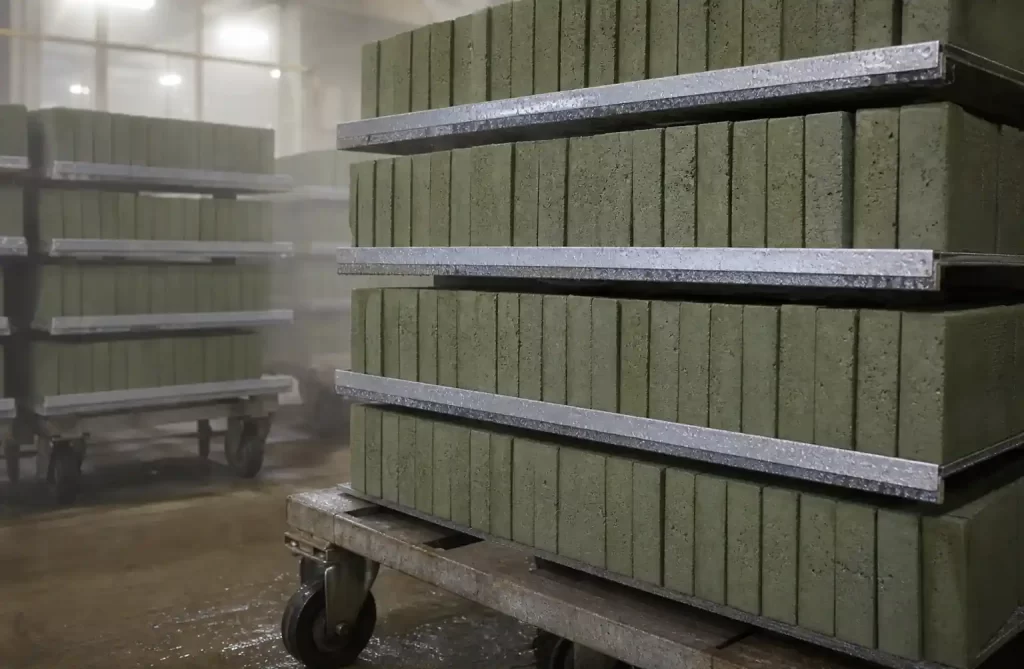
Water contact testing: GMT submerged for 72 hours shows <0.5mm dimensional change; wood swells 8-15mm. Facilities in coastal or tropical regions should specify moisture-resistant GMT pallets where year-round humidity exceeds 70%.
Freeze-thaw cycling: Water expands 9% when freezing, cracking wood pallets within 20-30 cycles. GMT’s <1% absorption eliminates this failure mode. GMT operates from -30°C to +80°C without degradation—critical for extreme climates or heated curing processes.
Fungal growth: Humidity above 65% with 20-35°C temperatures creates ideal mold conditions. GMT’s inorganic composition resists biological growth completely.
Automation Compatibility
Automated systems require dimensional consistency wood pallets cannot maintain beyond 6-12 months. Robotic sensors detect edges within ±1-2mm tolerance—variations beyond this trigger shutdowns. Fiber-reinforced pallets with ±1mm tolerance enable optimized speeds without conservative safety margins.
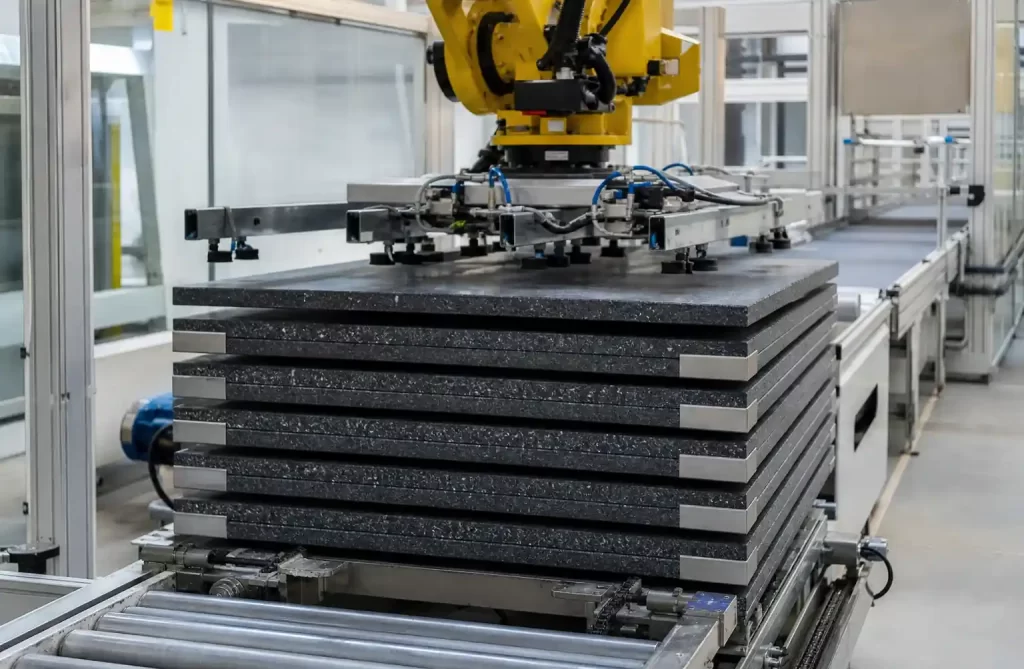
GMT maintains weight within ±0.5 kg throughout service life. Wood pallet weight varies 8-15 kg between dry and saturated states, forcing conservative lifting forces that slow cycle times. Half GMT pallets provide the same consistency in compact formats.
Cycle time improvements: Dimensional stability enables 8-12% faster operation. In 400,000+ monthly brick facilities, this adds 32,000-48,000 bricks annually without capital investment.
Cost Analysis: Initial vs Lifecycle
| 10-Year Cost Factor | GMT Pallets (200 units) | Wood Pallets (200 units) | Cost Difference |
|---|---|---|---|
| Initial purchase | $17,000-27,000 | $5,000-9,000 | +$12,000-18,000 |
| Replacements (3-4 cycles) | $0 | $15,000-36,000 | -$15,000-36,000 |
| Quality losses | $24,000-48,000 | $120,000-250,000 | -$96,000-202,000 |
| Downtime costs | $12,000-24,000 | $120,000-432,000 | -$108,000-408,000 |
| Labor for changeovers | $0 | $8,000-15,000 | -$8,000-15,000 |
| 10-year total | $53,000-99,000 | $268,000-742,000 | -$215,000-643,000 |
ROI payback: 14-24 months for facilities processing 300,000+ bricks monthly. 24-36 months for 100,000-200,000 brick operations. Only very low volume (<75,000 bricks/month) finds wood economically competitive.
When to Choose Each Pallet Type
| Selection Scenario | Recommended Pallet Type | Key Reasons |
|---|---|---|
| High-volume automated (400,000+ bricks/month) | GMT | Dimensional consistency, durability, minimal downtime |
| Medium-volume semi-automated (200,000-400,000) | GMT or premium plastic | Balance of performance and cost |
| Low-volume manual (<100,000 bricks/month) | Premium plastic or wood | Lower initial cost acceptable |
| High humidity or coastal climate | GMT only | Moisture resistance critical |
| Extreme temperature environments | GMT | -30°C to +80°C range required |
| Heavy concrete blocks (10+ kg) | GMT with 3,000+ kg capacity | Superior load capacity |
| Premium architectural bricks | GMT | Surface flatness and consistency critical |
Common Selection Mistakes
Focusing on initial price without lifecycle analysis: Wood pallets cost 3-5x more over 10 years despite lower purchase price.
Underestimating load requirements: Specifying based solely on brick weight without stacking height and safety factors causes premature failure.
Ignoring environmental conditions: Wood specified for humid climates fails within 12-18 months versus 24-36 months in controlled environments.
Mixing pallet types in automated systems: Different materials cause inconsistent sensor detection, reducing throughput by 10-15%.
Neglecting maintenance: Pallets stored on ground contact absorb moisture and develop rot within 6-9 months.
FAQ
What is the most important factor in selecting brick pallets?
Production volume and automation level are most critical. High-volume automated operations (300,000+ bricks/month) require GMT pallets. Low-volume manual operations can tolerate wood. Environmental conditions become decisive in humid or extreme-temperature regions regardless of volume.
How long do different pallet types last?
GMT: 10-12 years. Wood: 24-36 months. Plastic composite: 4-8 years depending on quality—premium fiber-reinforced composites approach GMT longevity.
Can I mix GMT and wood pallets in the same production line?
Mixing works in manual production. Automated systems require homogeneous inventories because dimensional and weight differences interfere with sensor detection. Convert automated lines first, then manual areas as wood reaches end-of-life.
Are GMT pallets worth the higher initial cost?
Yes, for facilities producing 150,000+ bricks monthly. Lifecycle cost analysis shows 60-75% total cost reduction over 10 years despite 3-4x higher purchase prices. ROI within 14-36 months depending on volume.
Can pallets affect brick quality?
Yes. Warped or uneven surfaces create stress concentrations in green bricks during curing, causing cracks or dimensional inconsistencies. GMT maintains ±2mm flatness and <1% moisture content, reducing defects by 45-60%.
Conclusion
Selecting the right brick pallet requires balancing initial investment against lifecycle costs, production volume, automation compatibility, and environmental conditions. GMT pallets deliver superior performance: 10+ year service lives, <1% moisture absorption, ±2mm dimensional stability, and 2,500-3,500 kg load capacity. Facilities processing 200,000+ bricks monthly achieve 60-75% cost reduction and 14-24 month ROI through quality improvements, reduced downtime, and elimination of replacement cycles. Rhinos Pallet offers fiber-reinforced composite pallets with proven 10+ year lifespan. Contact us today for custom solutions and factory-direct pricing.