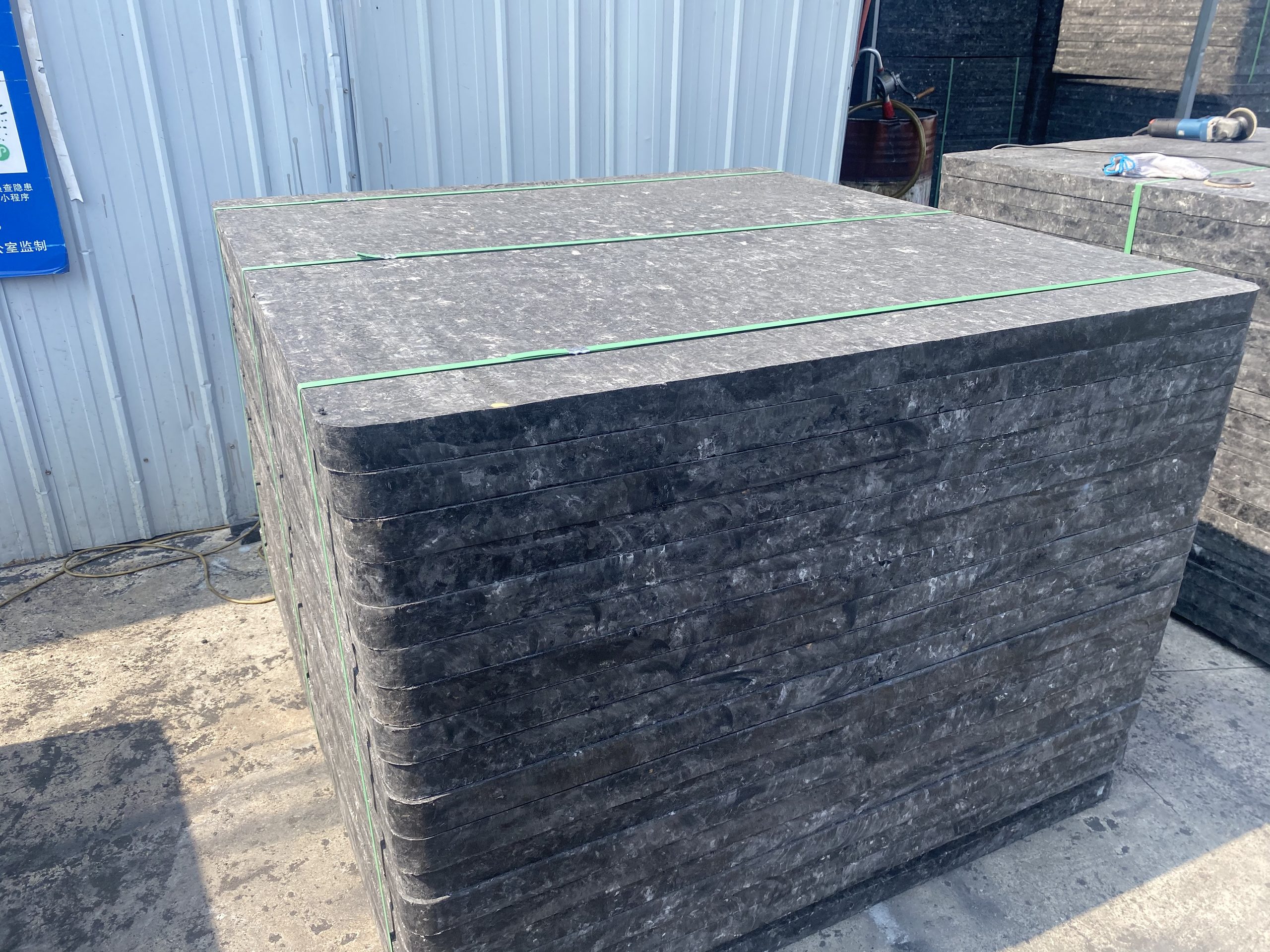
Receiving GMT pallets without proper inspection costs brick manufacturers $12,000-$18,000 annually through production downtime, brick defects, and premature replacement. Factory data shows 68% of pallet-related production issues originate from defects present at delivery but not caught during inspection.
This guide provides a complete quality inspection process for GMT pallets upon delivery, covering dimensional accuracy, surface quality, structural integrity, and documentation verification—ensuring you receive what you specified and avoid costly disruptions.
Why Professional Inspection Matters
Professional receiving inspection protects your production investment and prevents downstream quality issues. GMT pallets represent significant capital investment—typically $35-$65 per unit—and defective pallets generate cascading production problems.
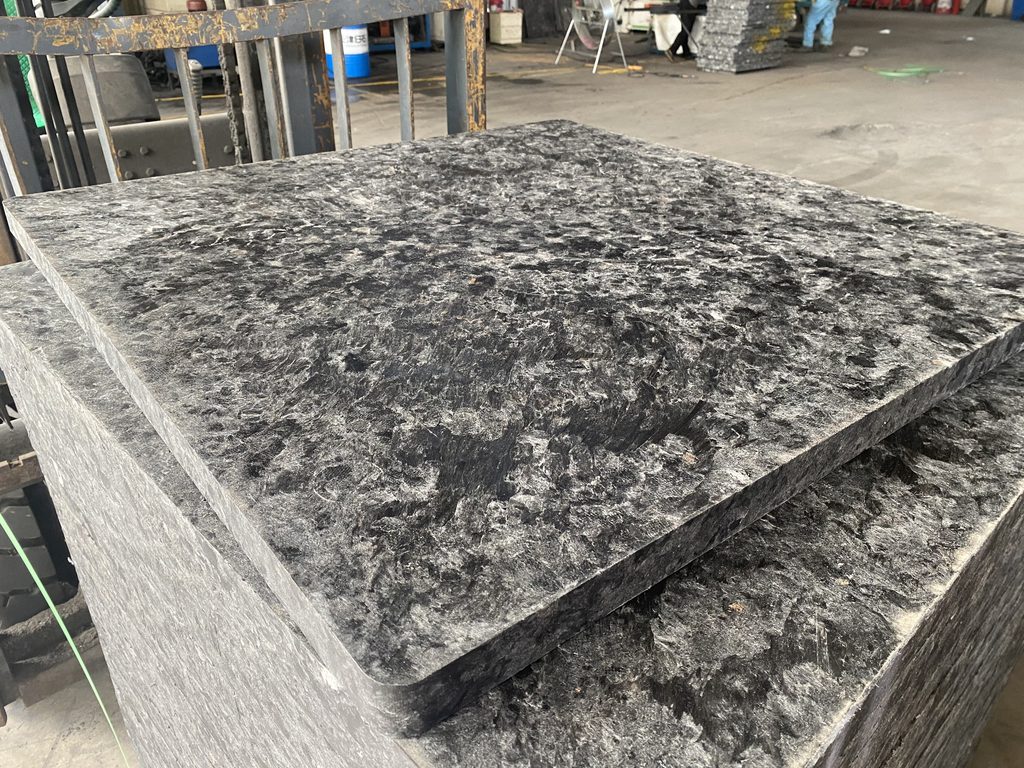
Undetected pallet defects cause brick breakage to increase 15-25%, reduce automated handling efficiency by 20-30%, and shorten pallet lifespan by 40-60%. A single warped pallet in automated production triggers 8-12 stoppages daily, averaging 3-5 minutes each.
Systematic receiving inspection catches defects before pallets enter service, enables immediate supplier claims, establishes accountability for specification compliance, and documents quality trends for supplier evaluation.
Pre-Inspection Preparation
Effective inspection begins before delivery arrives. Prepare the right tools, documentation, and workspace.
Required Inspection Equipment
Digital calipers (±0.01mm resolution) for dimensional measurement, precision straightedge (1000mm) with feeler gauges for flatness, calibrated scale (±100g accuracy) for weight, and high-intensity lighting (minimum 500 lux) for defect detection.
Documentation Requirements
Have purchase order specifications accessible: dimensional requirements, surface finish standards, material specifications, and tolerance ranges. Also prepare supplier quality certificates, MSDS sheets, and packing lists.
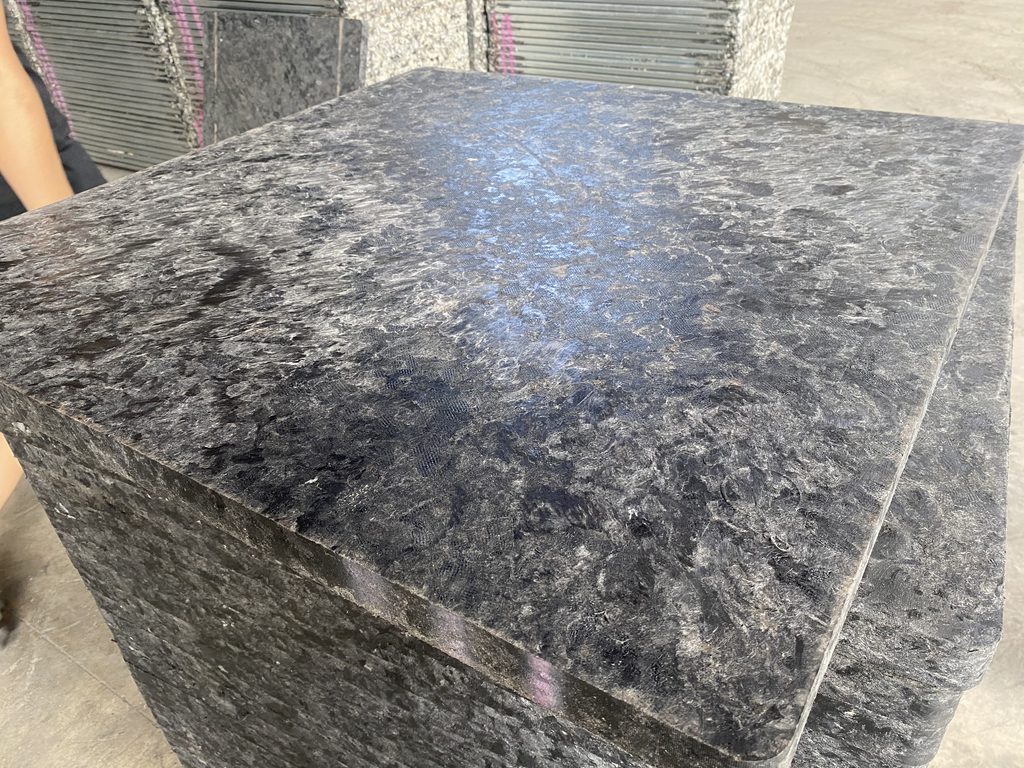
Create a receiving inspection form that captures all critical measurements and observations. Production facilities implementing structured documentation reduce acceptance disputes by 85-90%.
Visual Inspection Criteria
Visual inspection is your first defense against obvious defects. Perform this assessment before unloading pallets—it’s easier to reject before accepting custody.
Surface Condition Checks
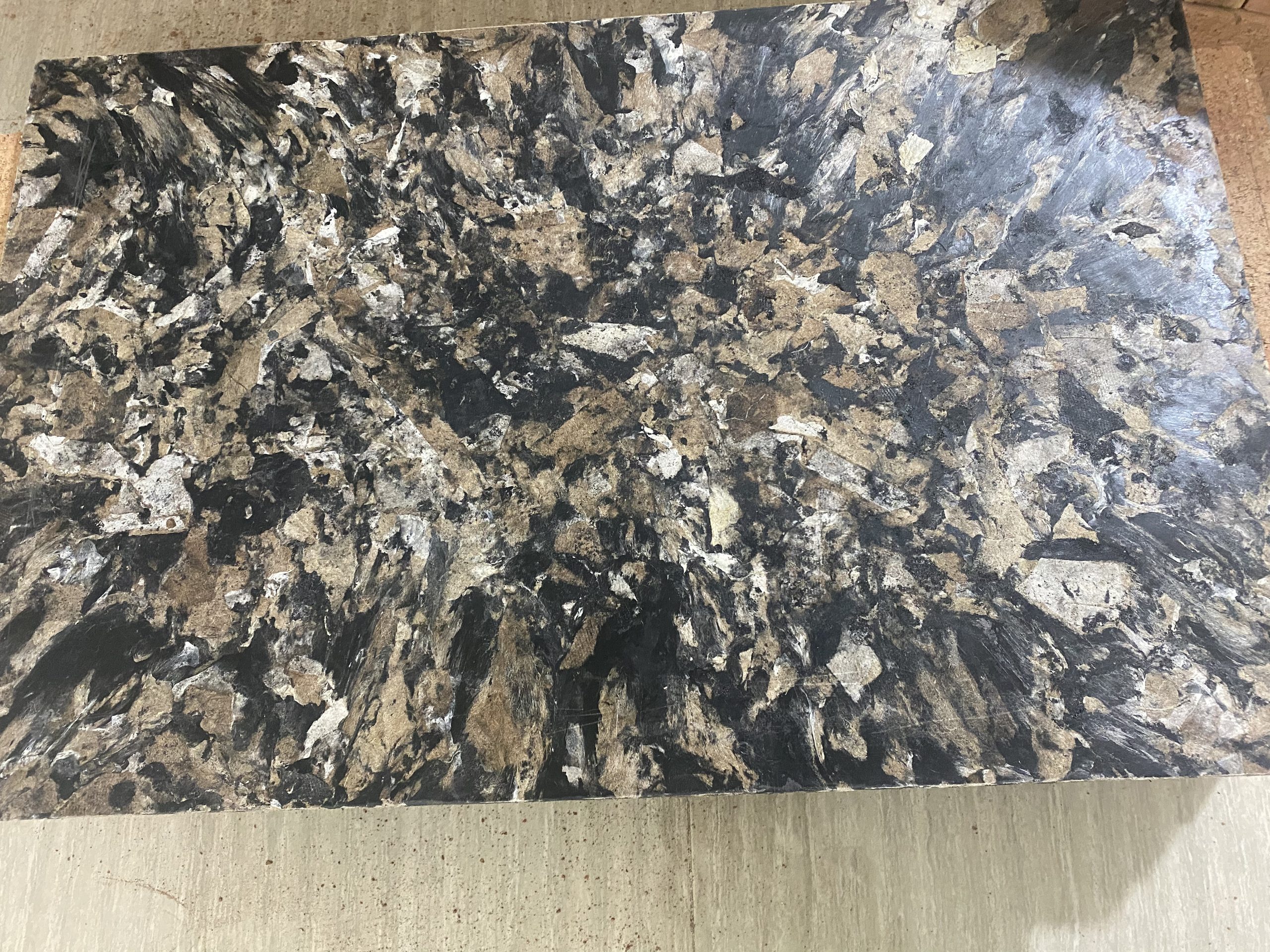
Inspect each pallet for cracks or fractures in the composite material, delamination where fiber layers separate from the thermoplastic matrix, chips or gouges exceeding 3mm depth, color inconsistencies indicating material mixing issues, and contamination from foreign materials embedded in the surface.
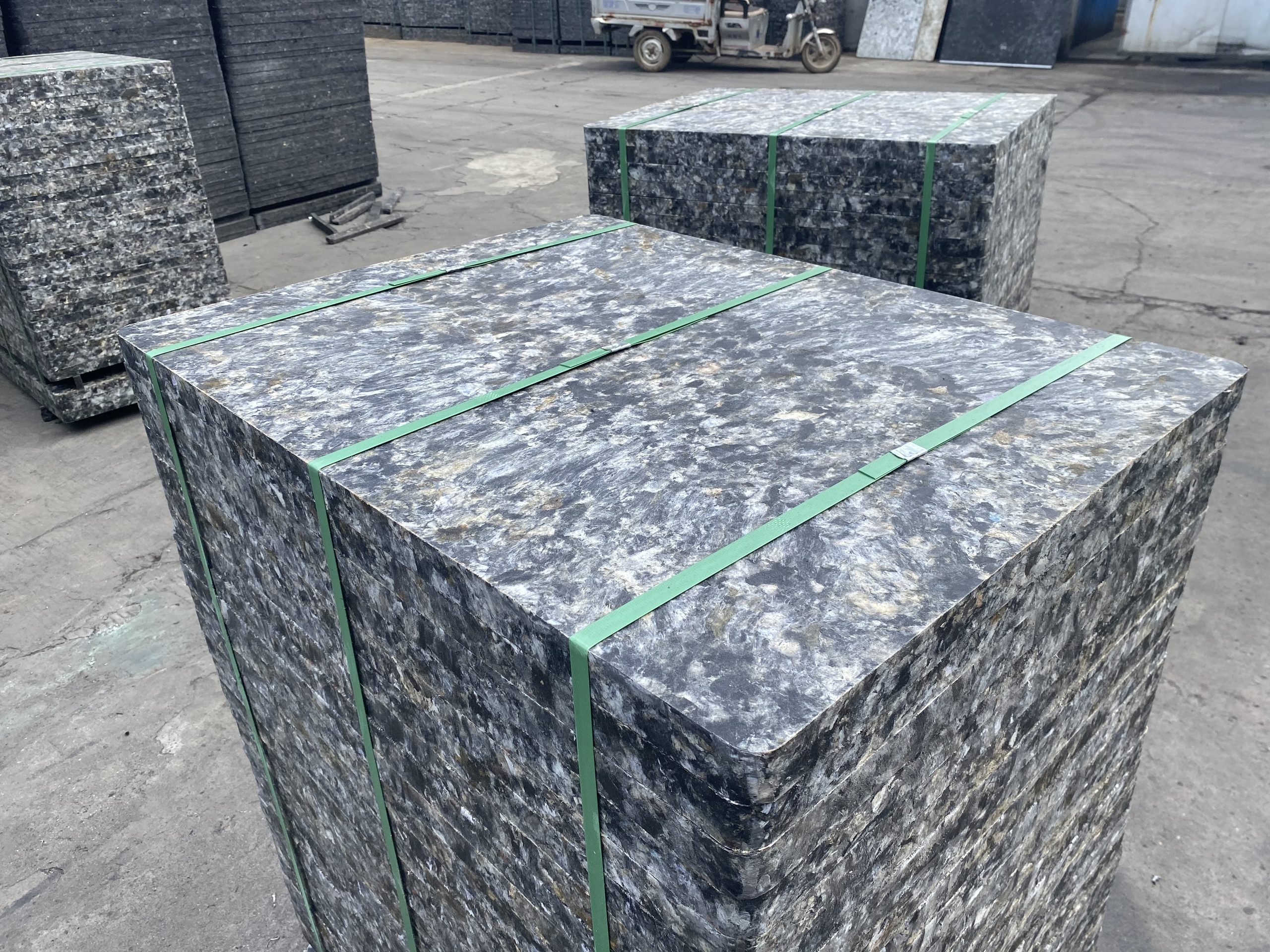
GMT pallets manufactured properly show uniform color distribution with consistent speckled texture from the glass fiber reinforcement. Surface defects exceeding 5mm diameter or any through-thickness defects warrant immediate rejection.
Edge and Corner Integrity
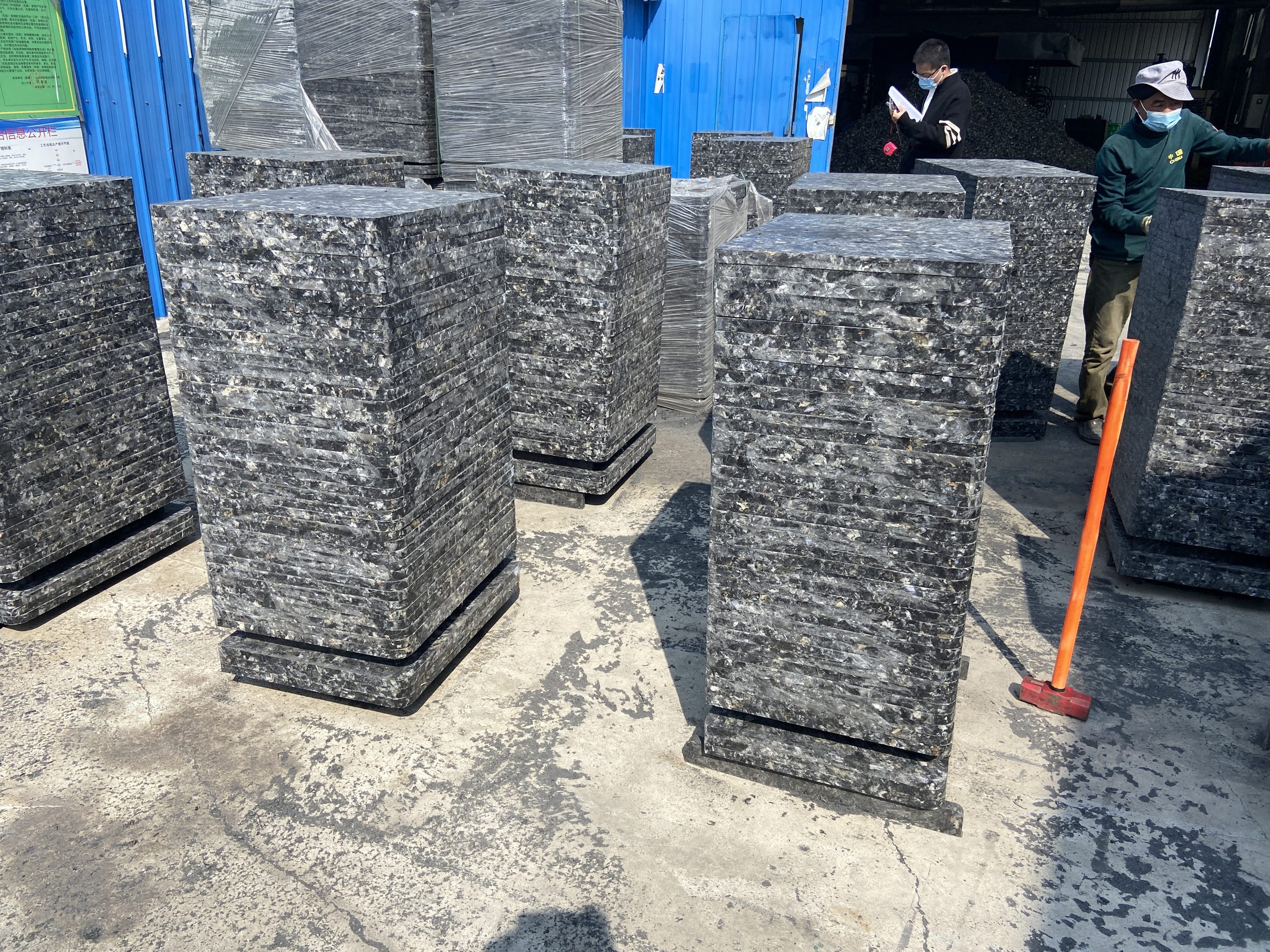
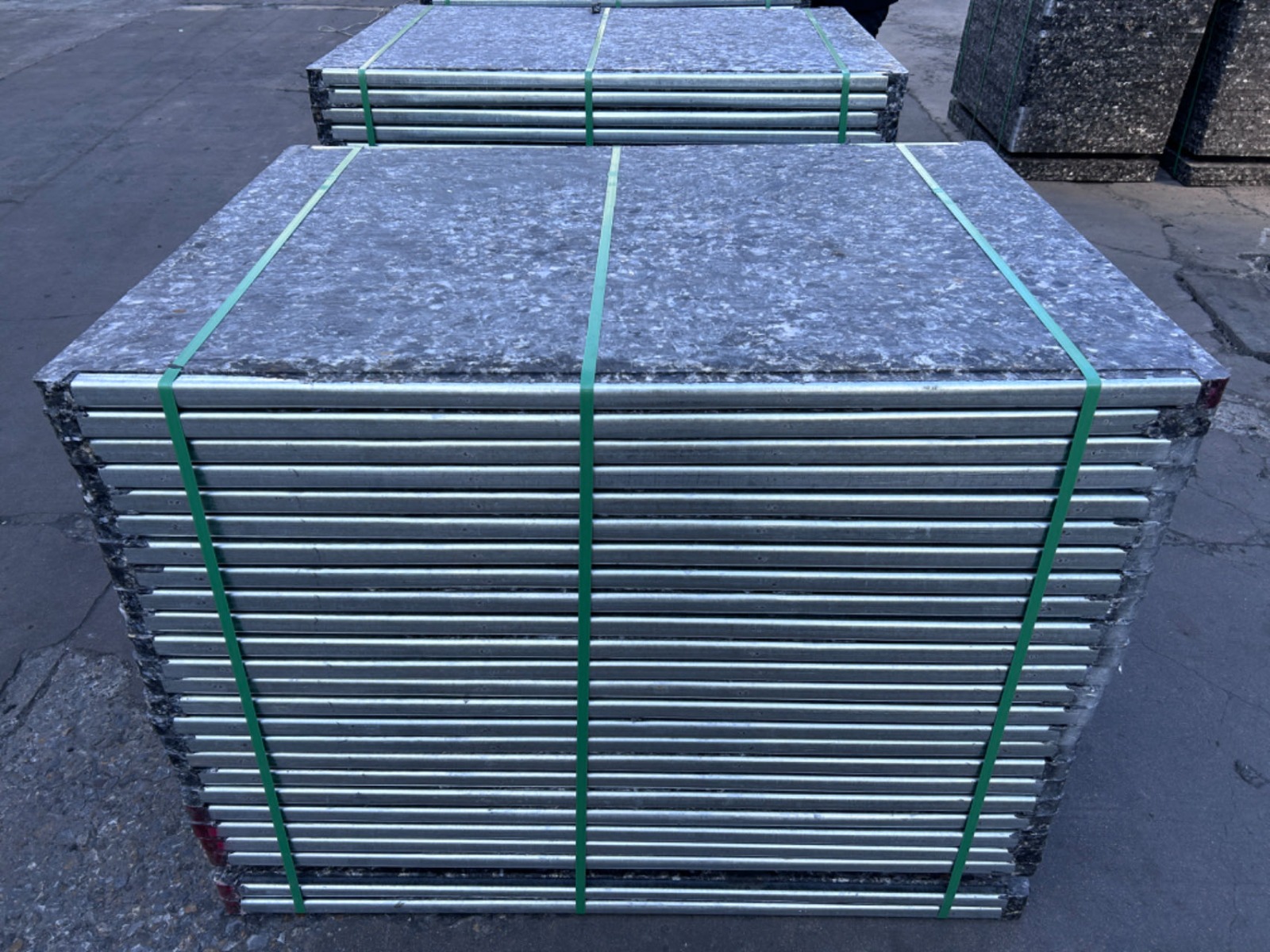
Examine aluminum edge trim for secure attachment without gaps, straightness within ±2mm tolerance, and absence of sharp edges or burrs. Check corners for squareness (90° ±0.5°), no rounding or damage, and proper edge trim joining at miter points.
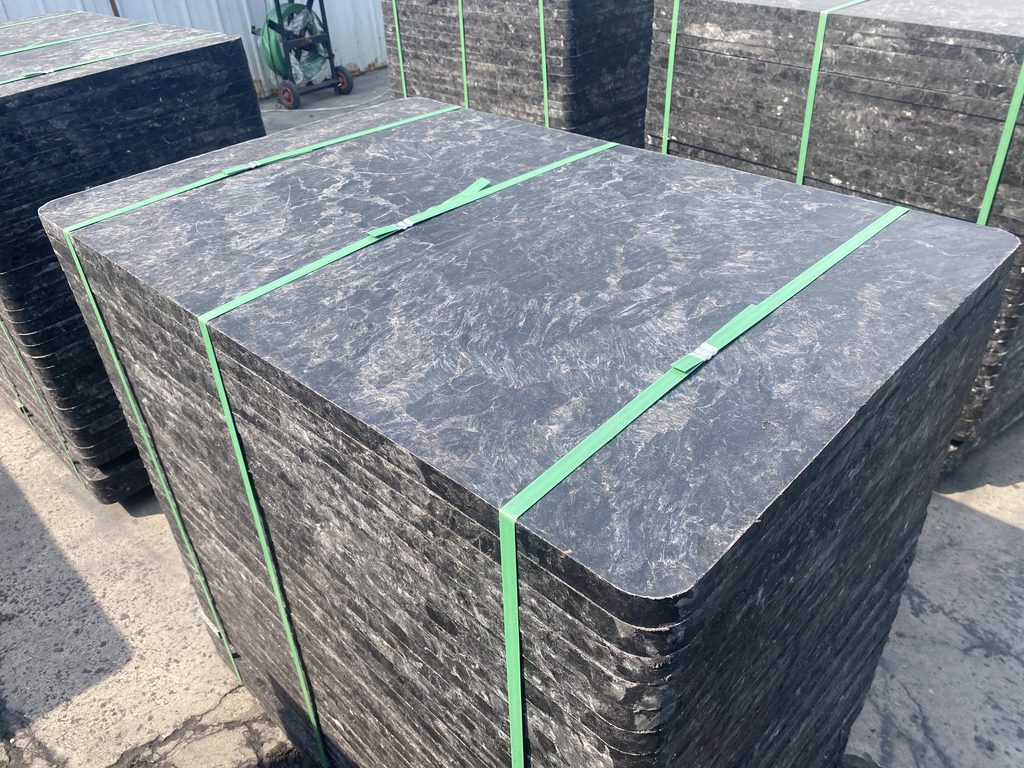
Edge quality directly affects automated handling reliability. Best Pallets for Automated Brick Making Machines require pristine edge condition for robotic gripper positioning.
Visible Warping or Distortion
Place pallets on a flat surface and inspect for warping. GMT pallets should sit flat with no rocking motion and less than 3mm maximum gap under any corner. Warping exceeding 5mm makes pallets unsuitable for precision brick production.
Dimensional Accuracy Verification
Dimensional verification confirms pallets meet specified tolerances. This step is non-negotiable for automated production systems.
| Critical Dimension | Standard Specification | Acceptable Tolerance | Measurement Method |
|---|---|---|---|
| Length | 850mm | ±2mm | Digital caliper at 4 corners |
| Width | 680mm | ±2mm | Digital caliper at 4 corners |
| Thickness | 15-25mm (per spec) | ±1mm | Micrometer at 9 points |
| Diagonal Accuracy | Must be equal | ±3mm maximum difference | Measuring tape corner-to-corner |
| Corner Squareness | 90° | ±0.5° | Precision square gauge |
Length and Width Measurement
Measure length and width at all four corners of each pallet. Record all measurements—dimensional variations indicate manufacturing inconsistencies. For Pure White GMT Pallet G-001, length measurements should vary by less than 1.5mm across all corners.
Thickness Verification
Measure thickness at nine points: four corners, four edge midpoints, and center. Thickness uniformity indicates proper compression molding. Variation exceeding 1.5mm suggests incomplete fiber wet-out or improper molding pressure.
Diagonal Measurement for Squareness
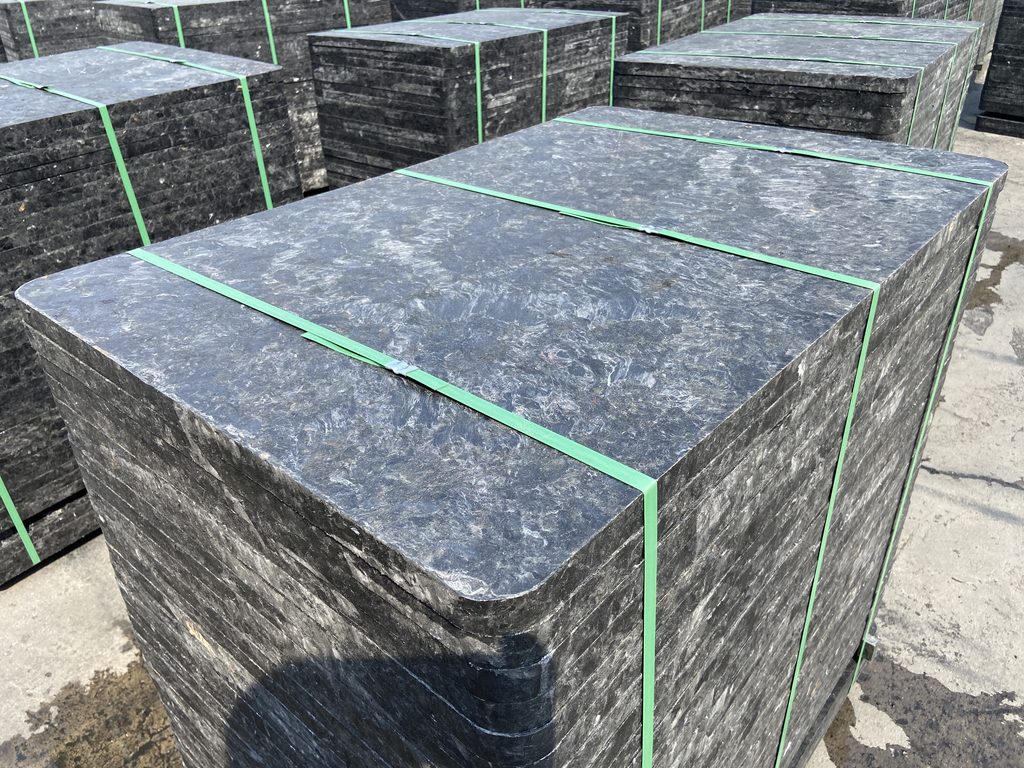
Measure diagonal distances corner-to-corner. Diagonals must be equal within ±3mm tolerance. Diagonal discrepancy indicates the pallet is not square, which causes alignment problems in brick molding machines.
Surface Quality Assessment
Surface quality determines brick release characteristics and affects final product appearance.
Flatness Measurement
Use a precision straightedge and feeler gauges to measure surface flatness. Place the straightedge across multiple orientations—lengthwise, widthwise, and both diagonals. No gap should exceed 2mm at any measurement point.
Production data shows flatness deviations beyond 2mm transfer directly to brick surfaces as visible defects. Premium White GMT Brick Pallet G-002 maintains flatness within ±1.5mm from production, making it ideal for premium brick manufacturing.
Surface Texture and Finish
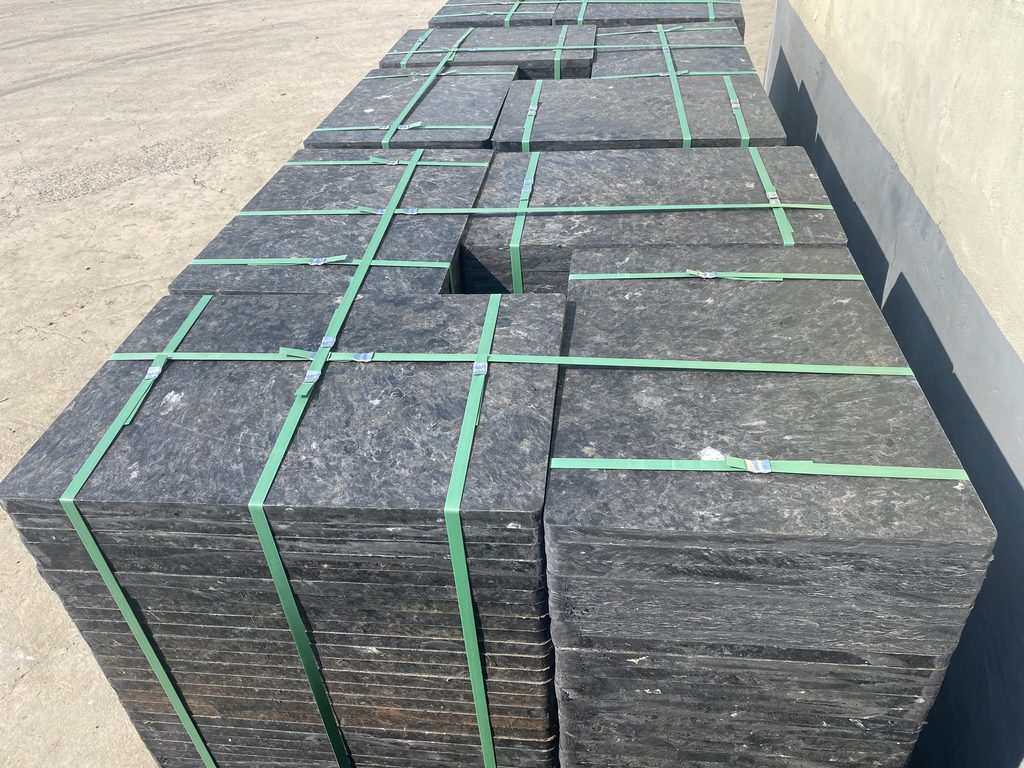
Inspect surface texture for uniformity. The speckled appearance from glass fiber should be consistent across the entire pallet face. Look for smooth, non-porous surface finish with Ra value 3.2-6.3 μm, absence of resin-rich or fiber-rich areas indicating poor material distribution, and no exposed fibers or rough patches.
Material Defect Detection
Check for voids or air pockets visible at edges, fiber bunching or clumping, resin starvation (dry fiber areas), and surface blisters indicating trapped volatiles. These defects compromise structural integrity and reduce service life by 40-60%.
Load Testing and Structural Integrity
Load testing verifies pallets can withstand specified working loads without deflection or structural failure.
Static Load Test
Place a sample pallet on level supports spaced at standard support points (typically 150mm from each end). Apply graduated loads up to 125% of rated capacity and measure deflection at center point.
GMT pallets rated for 2,500-3,000 kg should show less than 5mm deflection under maximum load. Excessive deflection indicates insufficient fiber content or improper consolidation during manufacturing.
Structural Soundness Checks
Inspect for fiber continuity throughout the pallet structure, uniform density without soft spots when pressed, secure aluminum edge attachment that resists prying, and no creaking or flexing sounds under moderate hand pressure.
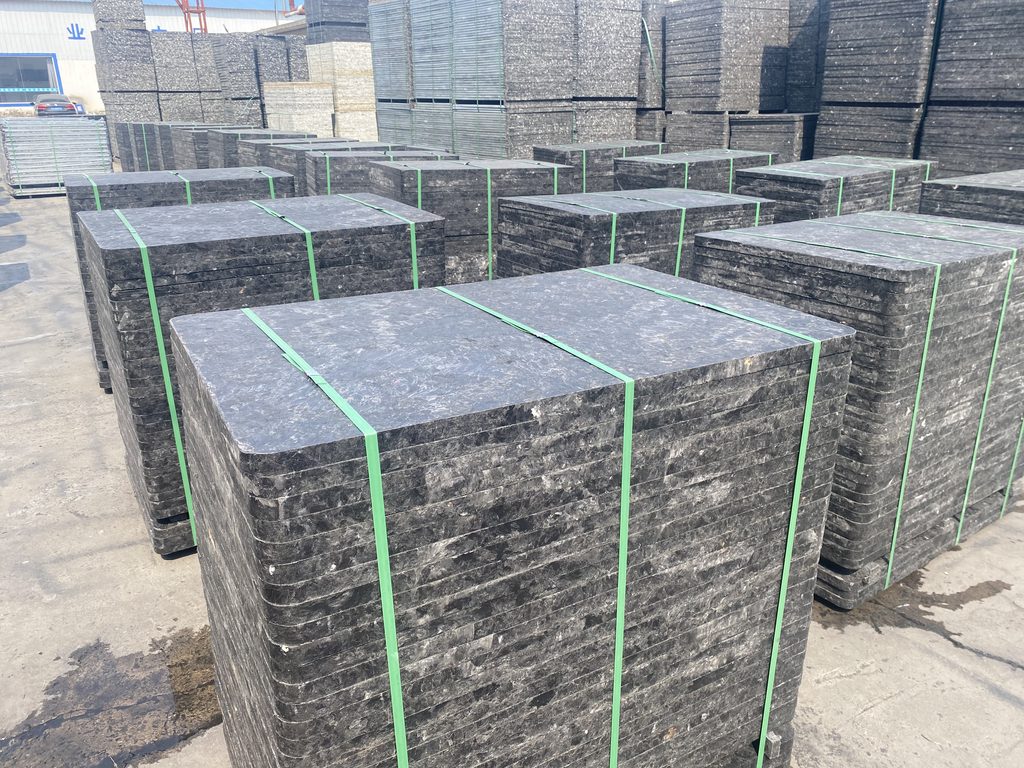
Production facilities should perform destructive testing on one pallet per shipment lot to verify internal structure quality. This investment ($35-$65 per tested pallet) provides confidence in the entire shipment’s structural integrity.
Documentation Verification
Proper documentation ensures traceability and enables warranty claims if defects appear during service.
Certificate of Compliance
Verify supplier provides: manufacturing date and lot number, material composition certification (glass fiber content, resin type), load capacity certification with test data, dimensional accuracy certification with statistical process control data, and quality inspection records from manufacturing.
Material Specifications
Confirm glass fiber content meets specification (typically 30-40% by weight), thermoplastic resin type (PP or PE as specified), fiber length and orientation, and UV stabilizer inclusion for outdoor curing applications.
Warranty Documentation
Review warranty terms covering manufacturing defects, typical warranty periods of 2-3 years for GMT pallets, exclusions and limitations, and claim procedures and timelines.
Common Defects and Rejection Protocols
Establish clear acceptance criteria before inspection begins. Common defects requiring immediate rejection include:
Category 1: Immediate Rejection Required
- Through-thickness cracks or fractures
- Dimensional variation exceeding ±3mm on any critical dimension
- Surface flatness deviation greater than 3mm
- Warping exceeding 5mm causing rocking motion
- Missing or severely damaged aluminum edge trim
- Delamination visible at edges or corners
- Surface contamination from foreign materials
Category 2: Conditional Acceptance with Documentation
- Minor surface scratches less than 2mm deep
- Color variations not affecting structural properties
- Dimensional variation 2-3mm (within specification but at tolerance limit)
- Small chips less than 5mm diameter not affecting functional areas
Category 3: Monitor During Service
- Slight texture variations in non-critical areas
- Minor edge trim cosmetic blemishes not affecting function
- Documentation discrepancies that can be resolved
Document all defects with photographs and measurements. Rejection protocols should specify supplier notification within 24 hours, photographic evidence requirements, return shipping responsibilities, and replacement timeline expectations.
Acceptance Standards by Pallet Type
Different GMT pallet grades have specific acceptance criteria based on their intended application.
| Pallet Type | Flatness Tolerance | Dimensional Tolerance | Surface Finish | Typical Application |
|---|---|---|---|---|
| Pure White GMT G-001 | ±1.5mm | ±1.5mm | Ra 3.2 μm | Premium light-colored bricks |
| Premium White G-002 | ±1.5mm | ±1.5mm | Ra 3.2-4.0 μm | High-volume automated production |
| High Quality G-003 | ±2mm | ±2mm | Ra 4.0-6.3 μm | Industrial brick production |
| White Yellow GY-004 | ±2mm | ±2mm | Ra 4.0-6.3 μm | Standard brick production |
| Black Glass Fiber BG-005 | ±2mm | ±2mm | Ra 6.3 μm | Heavy-duty block production |
| Half GMT HG-007 | ±1.5mm | ±1.5mm | Ra 3.2-4.0 μm | Compact production lines |
Higher-grade pallets with tighter tolerances command premium pricing but deliver superior performance in automated systems. Understand your production requirements before specifying tolerance levels—over-specifying increases costs unnecessarily, while under-specifying causes production problems.
Documentation and Record Keeping
Maintain comprehensive receiving inspection records for every shipment. Your documentation should include inspection date, delivery information, purchase order number, supplier details, quantity received, and inspector name.
Record detailed measurements for dimensional accuracy (all critical dimensions from sample pallets), surface flatness measurements, weight verification, visual defect observations, and load test results if performed.
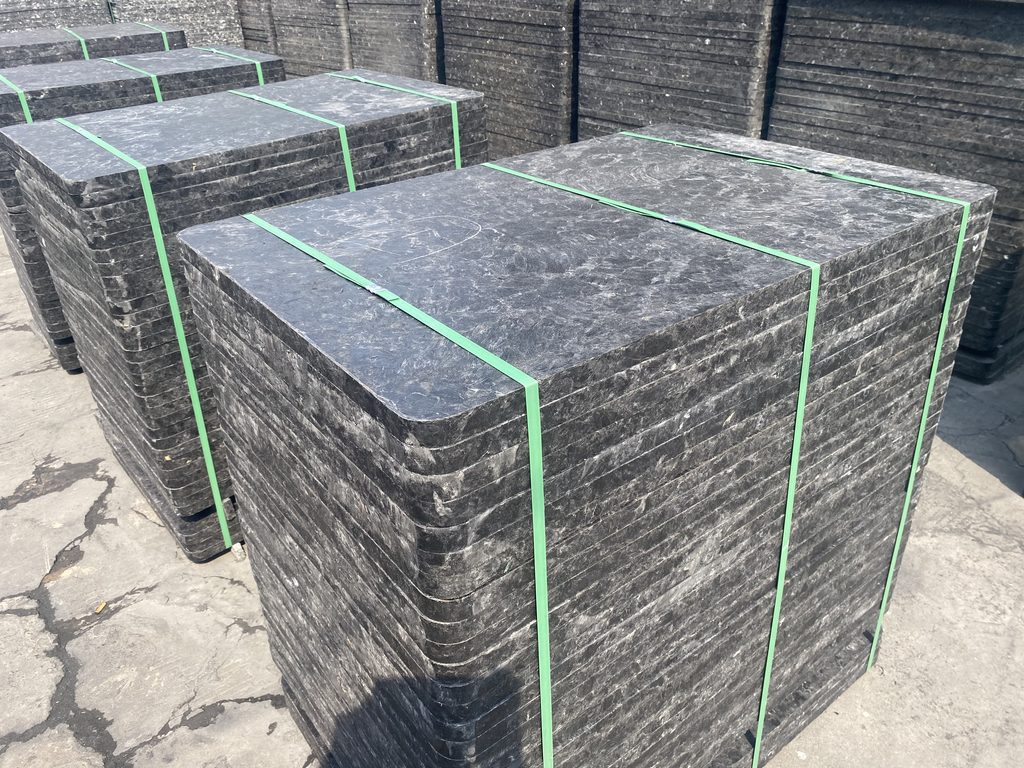
Photograph any defects or specification deviations with clear images showing the defect, measurement tools demonstrating the issue, pallet identification numbers or lot codes, and date and time stamps.
Create acceptance decisions documenting pass/fail determination, conditional acceptance notes, rejection reasons with supporting data, and supplier notification records. Production facilities using digital inspection software reduce documentation time by 60-75% while improving data accessibility for warranty claims.
FAQs
How many pallets should I inspect from each delivery?
Inspect 100% for visual defects and 10% for detailed dimensional verification. For orders exceeding 500 units, statistical sampling at 5% provides adequate quality assurance while controlling inspection time. Always perform detailed inspection on the first shipment from a new supplier.
What are acceptable dimensional tolerances for GMT pallets?
Standard specifications allow ±2mm for length and width, ±1mm for thickness, and ±2mm for surface flatness. Automated production systems require tighter tolerances of ±1.5mm for dimensions and ±1.5mm for flatness. Verify tolerance requirements match your production equipment capabilities.
How do I handle partial shipment rejections?
Document all defects with photographs and measurements, notify supplier within 24 hours with detailed defect reports, segregate rejected pallets away from production area, request immediate replacement for rejected units, and negotiate credit or replacement terms per purchase agreement. Never accept defective pallets “to keep production running”—this establishes precedent for accepting substandard quality.
What testing equipment is essential for receiving inspection?
Minimum requirements include digital calipers (±0.01mm resolution), precision straightedge (1000mm length) with feeler gauge set, calibrated scale (±100g accuracy), measuring tape (5m length), and high-intensity inspection lighting. Investment in quality inspection tools costs $800-$1,200 but prevents far greater losses from accepting defective pallets.
How long should inspection documentation be retained?
Maintain receiving inspection records for the entire pallet service life plus warranty period—typically 10-12 years for GMT pallets. Digital records provide easy access for warranty claims, supplier performance evaluation, and quality trend analysis. GMT Pallet Maintenance Guide covers proper documentation practices for lifecycle management.
Can surface scratches affect pallet performance?
Minor surface scratches less than 2mm deep typically do not affect structural performance or brick quality. Deeper scratches exceeding 3mm depth can create stress concentration points reducing load capacity by 10-15%. Scratches that create surface irregularities exceeding 2mm may transfer to brick surfaces as visible defects. Evaluate scratches based on depth, location, and quantity before making acceptance decisions.
What recourse do I have for pallets that develop problems after acceptance?
Most GMT pallet manufacturers provide 2-3 year warranties covering manufacturing defects. Document all issues with photographs, measurements, and production impact data. Defects appearing within 90 days of receipt typically indicate manufacturing issues rather than service wear. Supplier Evaluation Checklist helps establish supplier relationships that honor warranty commitments.
Should I perform load testing on every delivery?
Full load testing on every pallet is impractical. Perform load testing on sample pallets (2-3 units per shipment), first delivery from new suppliers, any pallets showing visual structural concerns, and periodic verification testing quarterly. Maintain load test records to identify quality trends over time.
Conclusion
Professional receiving inspection prevents production disruptions and establishes supplier accountability. The 30-45 minutes invested per delivery saves thousands in downtime costs.
Implement systematic protocols covering visual assessment, dimensional verification, surface quality evaluation, and structural testing. Document every shipment and train personnel on critical quality criteria and rejection protocols.
Rhinos Pallet manufactures fiber-reinforced GMT pallets with ±1.5mm dimensional tolerance, ±2mm surface flatness, and 10-12 year service life. Every pallet meets specification with testing documentation and warranty. Contact us for inspection specifications.
Proper inspection delivers returns through reduced downtime, lower defects, and full 10-12 year service life from your pallet investment.