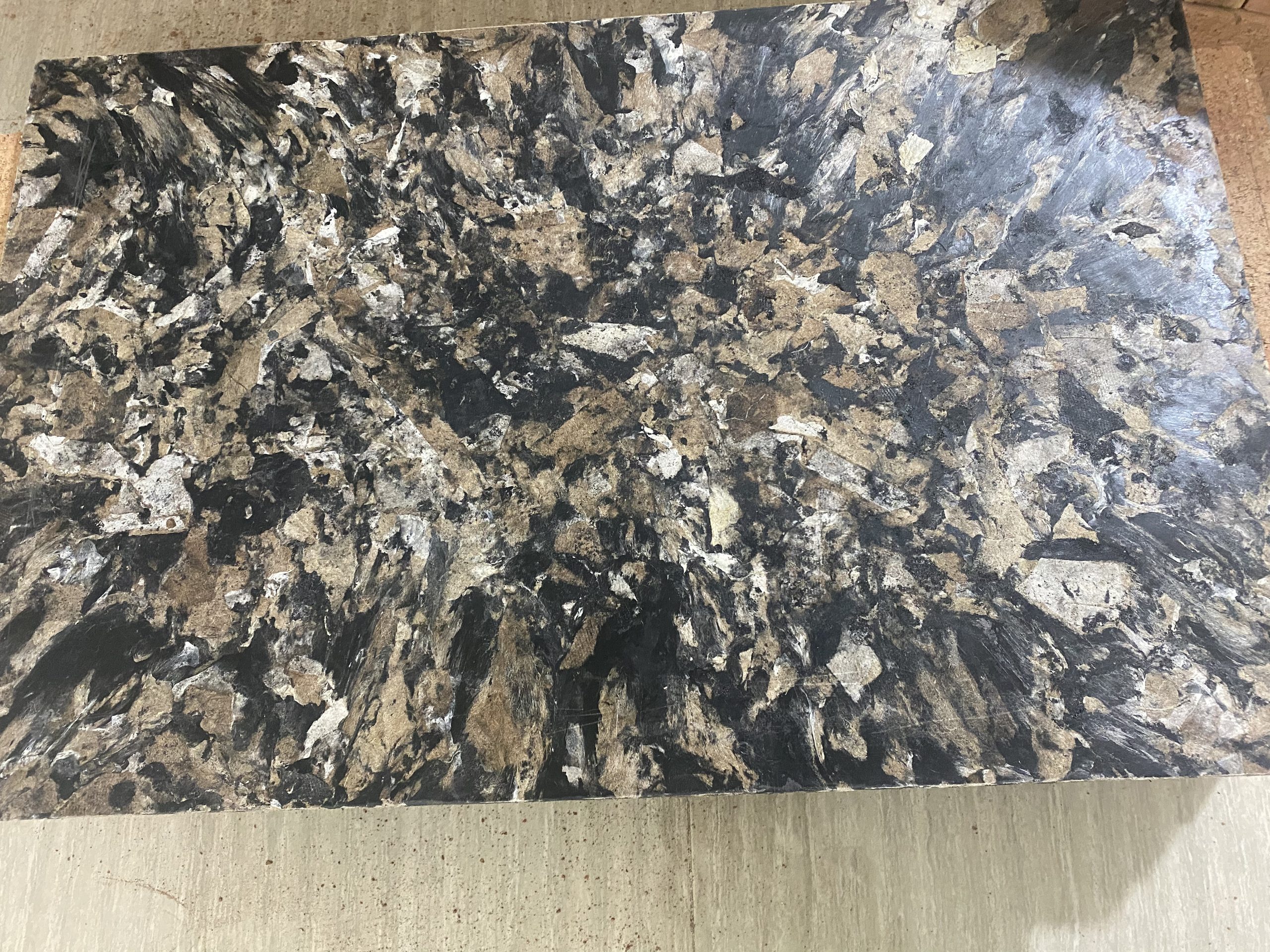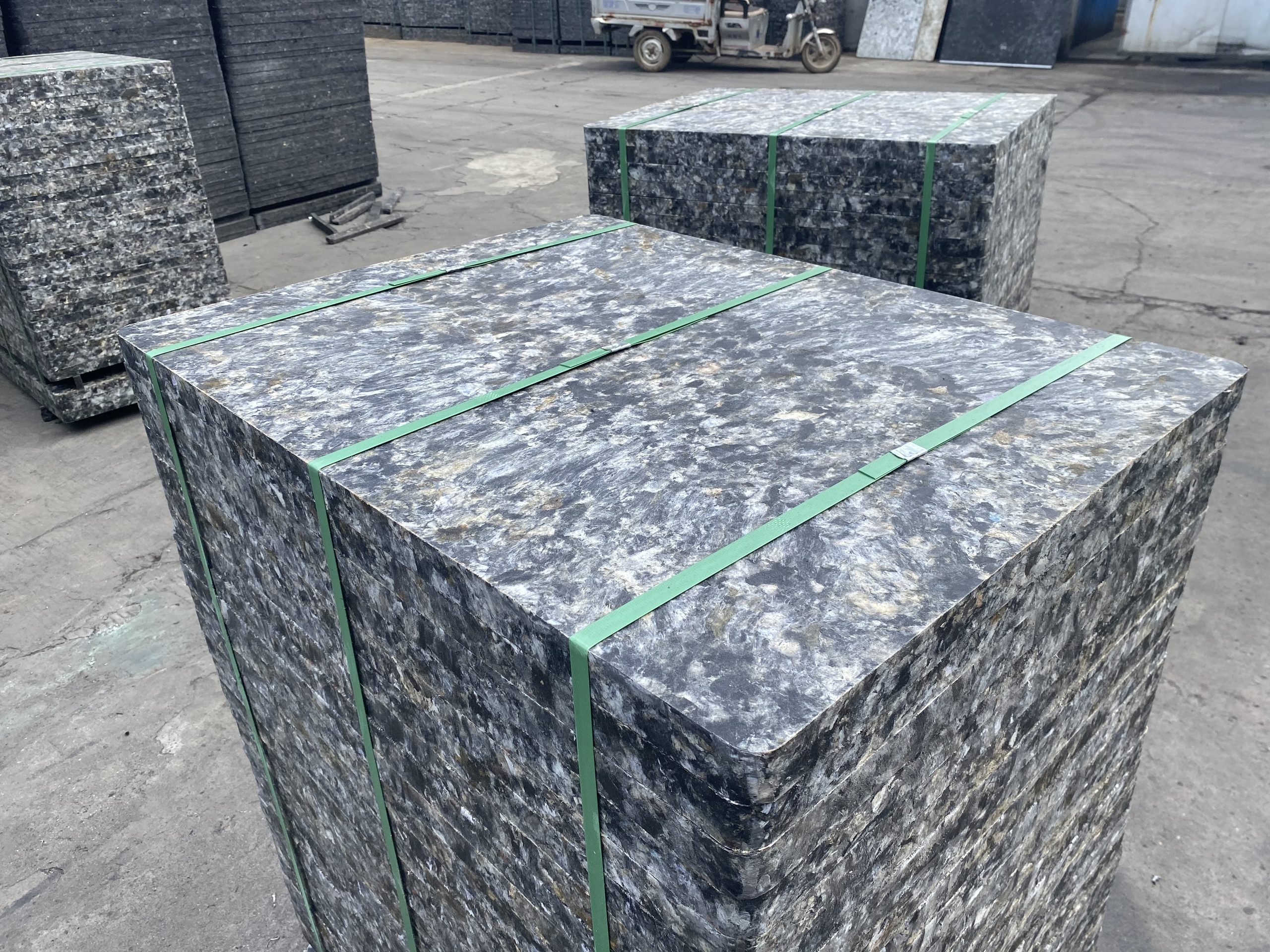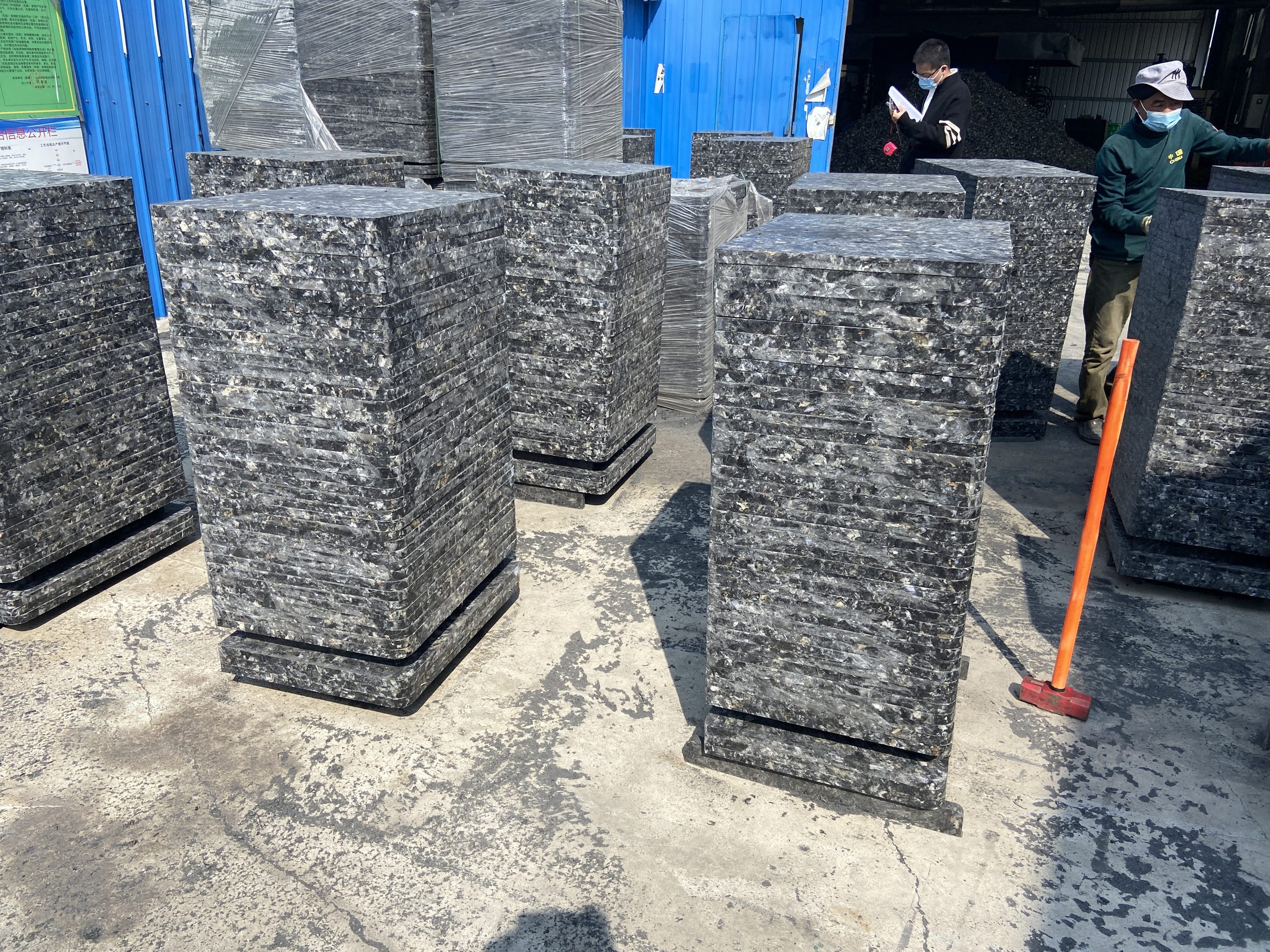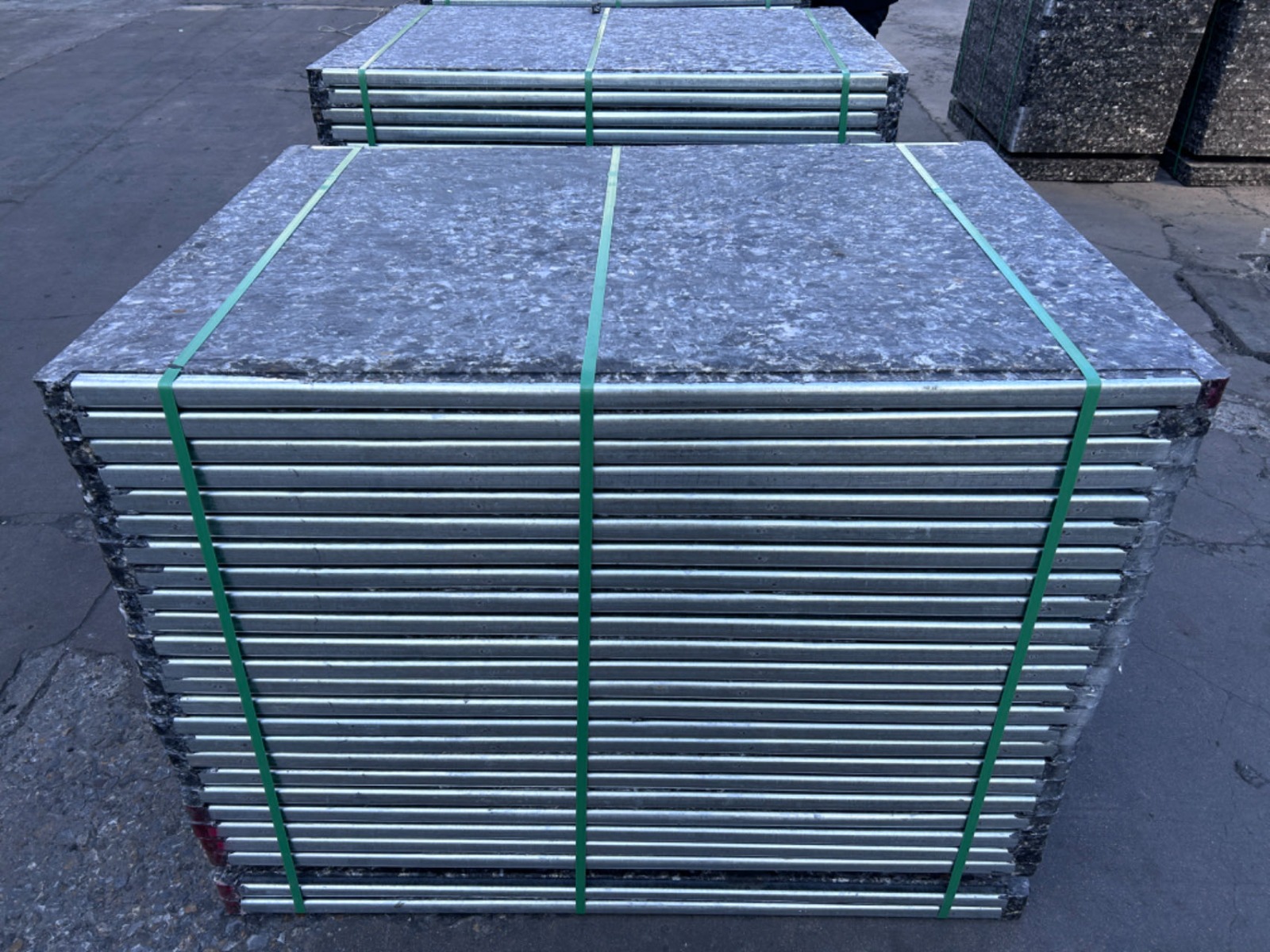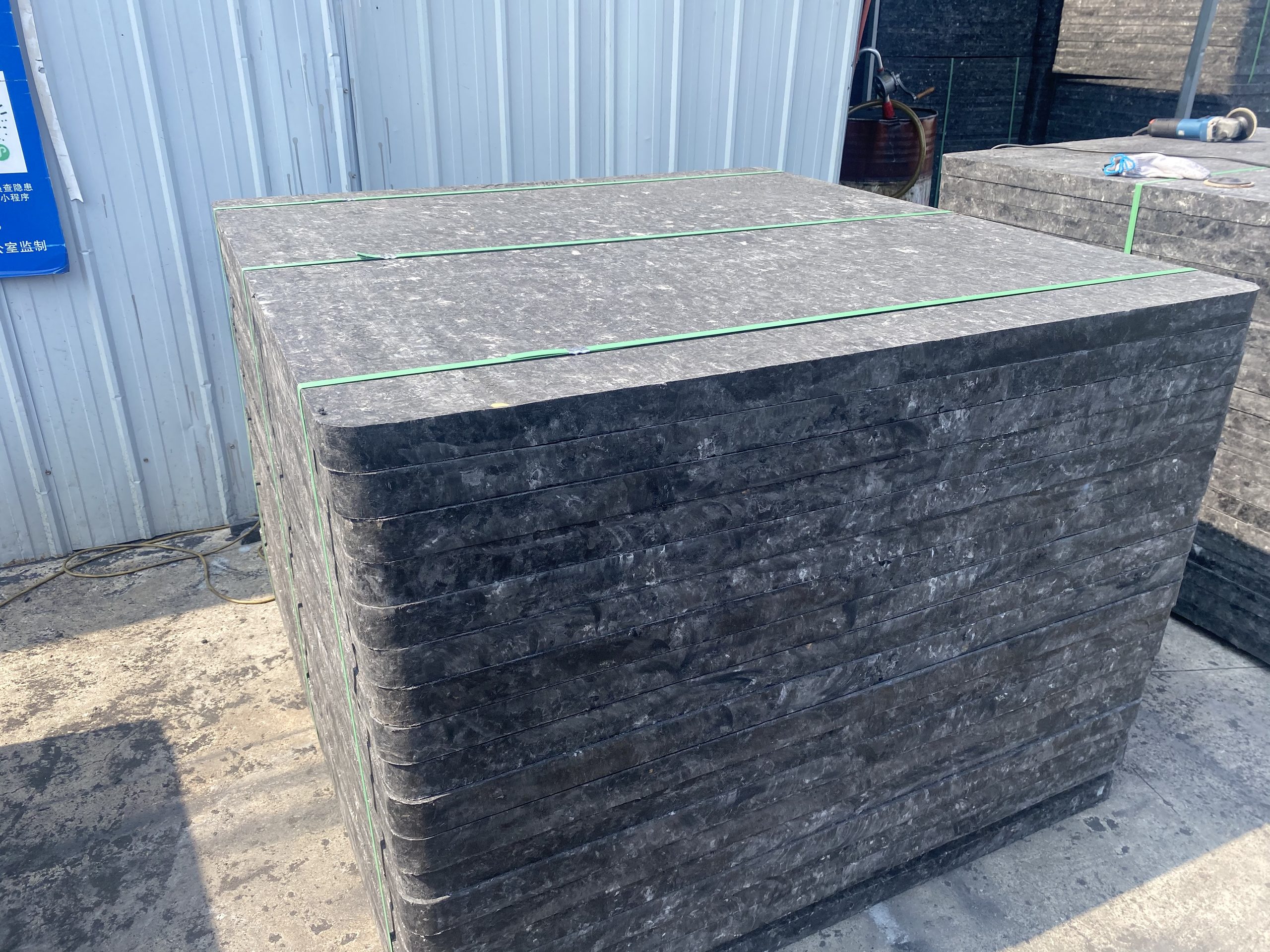
Automated brick production facilities require precision components that match the speed and accuracy of robotic systems. Factory data shows that dimensional inconsistencies as small as ±3mm can trigger production stoppages in high-speed automated lines, reducing throughput by 15-25%.
In today’s article, we will explain the critical pallet requirements for robotic brick making systems, including dimensional tolerance, surface flatness, weight consistency, and material durability. This guide will help you select pallets that maximize automation efficiency while reducing downtime and quality defects.
Why Pallet Precision Matters
Automated brick making systems operate at 8,000-12,000 bricks per hour with robotic handling equipment that requires consistent pallet dimensions and weight distribution. You can achieve maximum throughput only when every pallet meets tight specifications for dimensional accuracy, surface flatness, and structural integrity.
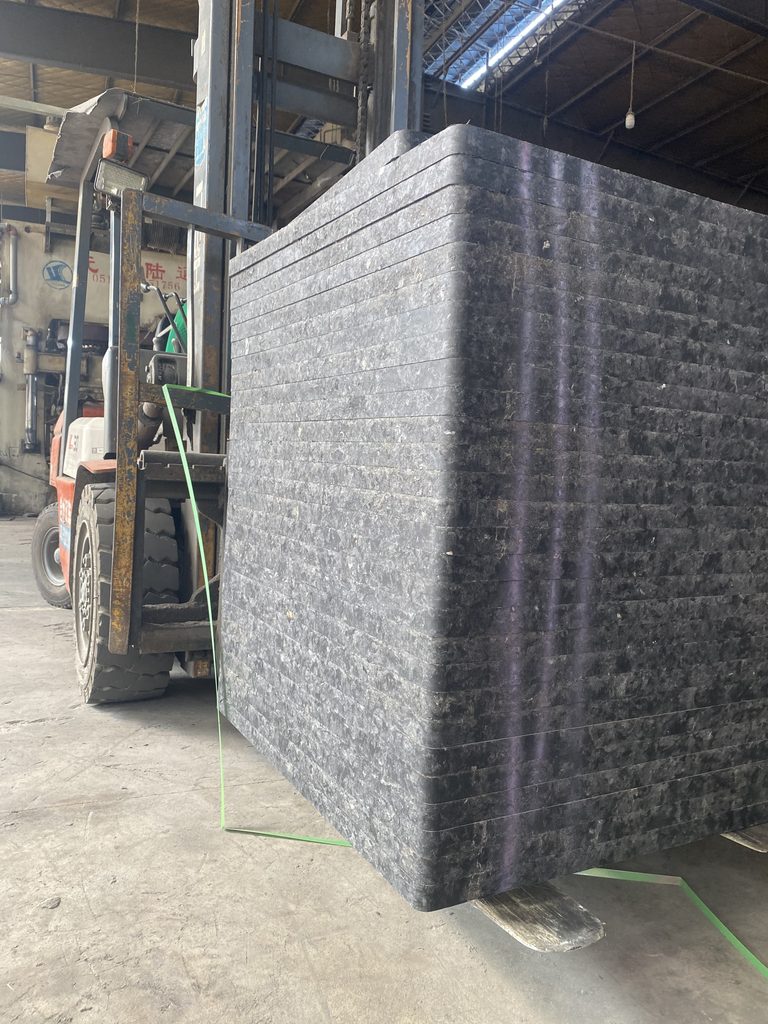
Robotic grippers use programmed pickup coordinates based on standard pallet dimensions. Dimensional variations beyond ±2mm force system recalibration and increase brick defect rates. Automated systems cannot compensate for warped surfaces or inconsistent weights the way manual operators can.
Pallets must maintain specifications through thousands of production cycles, temperature variations from -10°C to +80°C in curing chambers, and moisture exposure in high-humidity environments. Traditional wood pallets warp 8-15mm within 6-12 months of automated operation, while precision GMT pallets maintain dimensional stability within ±1mm over 10+ years.
Critical Requirements for Robotic Systems
Automated brick production systems have five non-negotiable pallet requirements.
Dimensional Tolerance
Robotic handling systems require pallets manufactured to ±1-2mm dimensional tolerance across all critical dimensions. Standard dimensions for automated brick production are 850mm × 680mm × 15-25mm thickness, with corner positioning accuracy within ±1mm.
Production facilities report that dimensional variation within a pallet batch causes 60-80% of robotic handling errors. GMT pallets manufactured through compression molding achieve ±1mm tolerance consistency across production runs of 1,000+ units.
Surface Flatness
Surface flatness within ±2mm across the entire pallet face prevents brick deformation during molding. Automated molding machines apply uniform pressure across the brick surface, and any surface irregularity transfers directly to the brick product as visible defects.
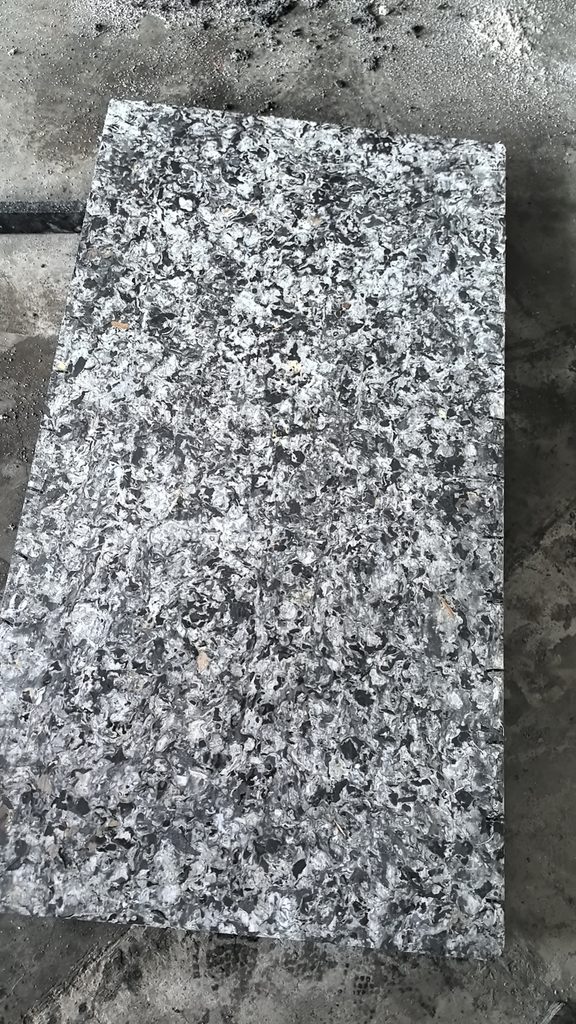
Factory testing shows surface flatness degrades in wood pallets by 5-12mm over 18-24 months due to moisture absorption and mechanical wear. Fiber-reinforced composite pallets maintain surface flatness within ±1.5mm over 10+ years of continuous operation.
Weight Consistency
Robotic handling systems calibrate for specific pallet weights, typically 18-25 kg for standard GMT pallets. Weight variation exceeding ±500g between pallets triggers gripper adjustment requirements and slows production throughput. You need weight consistency within ±300g to maintain optimal robotic handling speed.
Edge Quality
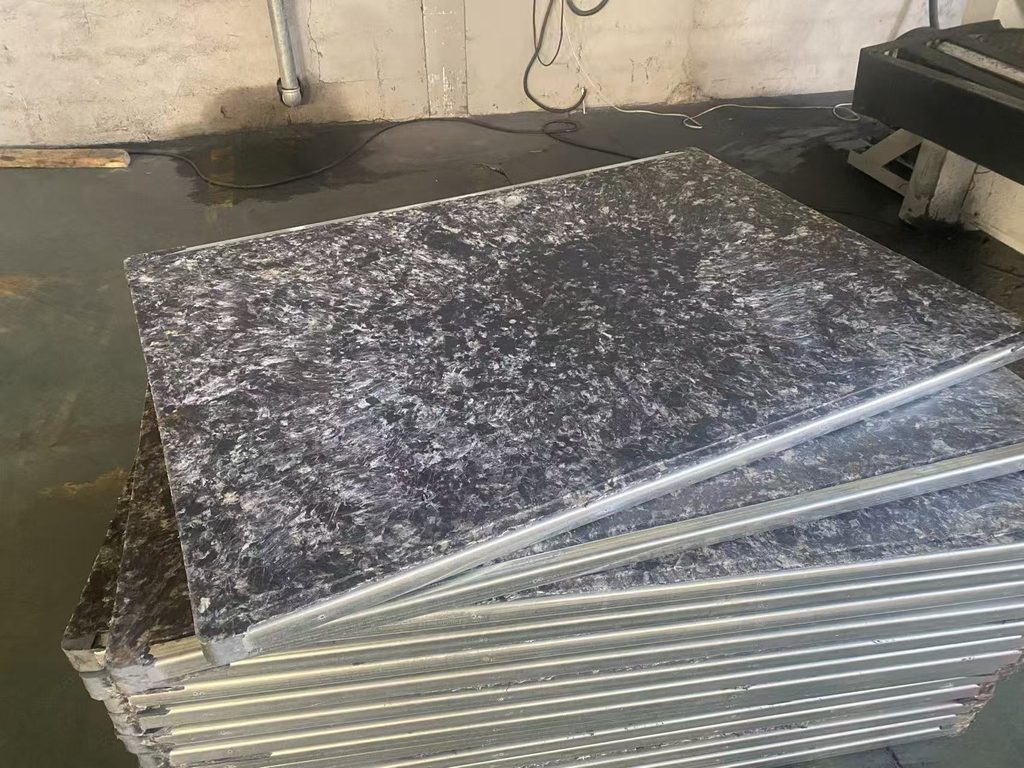
Clean, straight edges with aluminum edge trim ensure proper pallet registration in automated feeding systems. Edge damage or deformation prevents correct positioning in robotic grippers, causing production stoppages that average 2-4 minutes per occurrence.
Structural Rigidity
Pallets must support 2,500-3,000 kg static loads without flexing beyond 3mm under load. Robotic systems stack loaded pallets 8-12 units high during curing cycles, and any structural deflection causes brick misalignment in stacked units.
Dimensional Tolerance Standards
Dimensional precision determines automated system compatibility. Automated brick making machines require three critical dimensional specifications.
| Critical Dimension | Standard Specification | Automation Tolerance | Measurement Method |
|---|---|---|---|
| Length × Width | 850mm × 680mm | ±1.5mm | Caliper at 4 corners |
| Thickness | 15-25mm | ±0.5mm | Micrometer at 9 points |
| Corner Squareness | 90° corners | ±0.3° | Precision square gauge |
| Surface Flatness | Flat plane | ±2mm max deviation | Straightedge + feeler gauge |
| Weight | 18-25 kg | ±300g | Calibrated scale |
You can verify long-term dimensional stability by measuring pallets after 1,000 production cycles. GMT pallets demonstrate <0.5mm dimensional change over 10,000 cycles, while wood pallets show 8-15mm warping within 2,000 cycles.
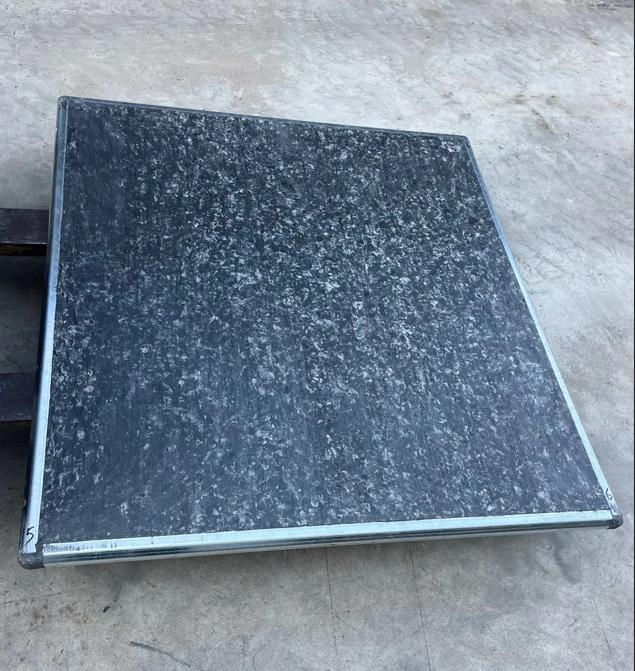
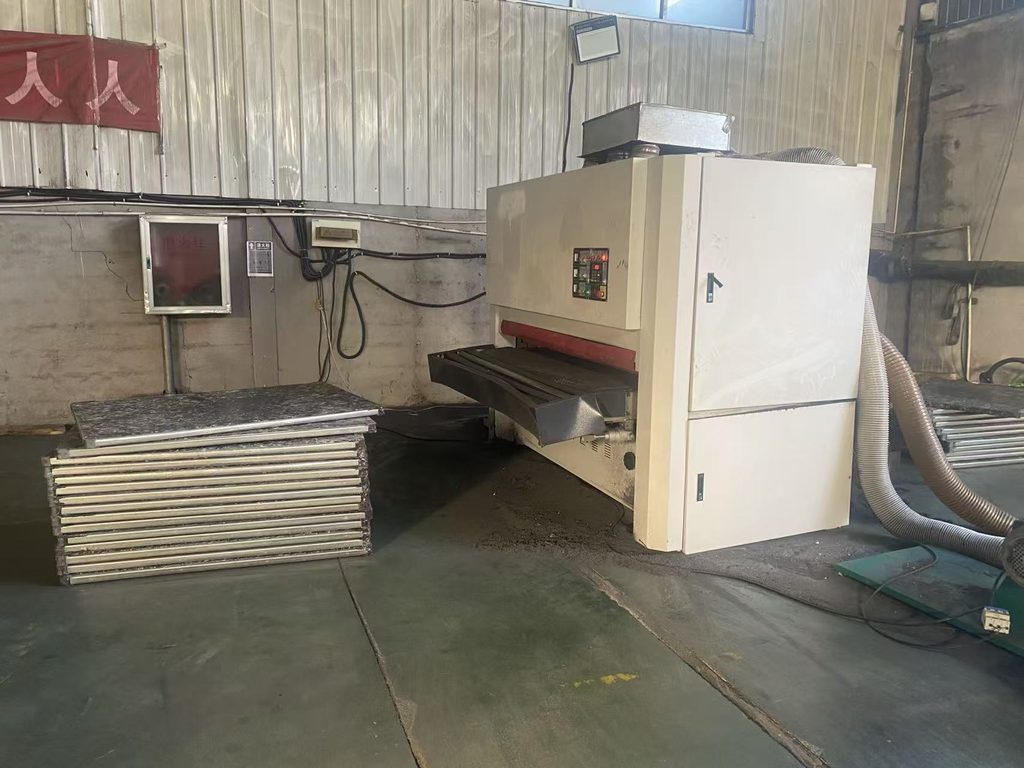
Production facilities should implement incoming quality control that measures every pallet batch with digital calipers, nine-point thickness measurement, diagonal verification, surface flatness checks, and individual pallet weighing.
Surface Flatness Requirements
Surface quality directly affects brick appearance and automated handling reliability. Automated brick molding presses apply 800-1,200 bar pressure uniformly, and surface irregularities transfer to the brick face as visible defects.
Automated production requires surface flatness within ±2mm measured across the full 850mm × 680mm pallet face. You can verify flatness with a precision straightedge across multiple orientations. No gap should exceed 2mm at any measurement point.
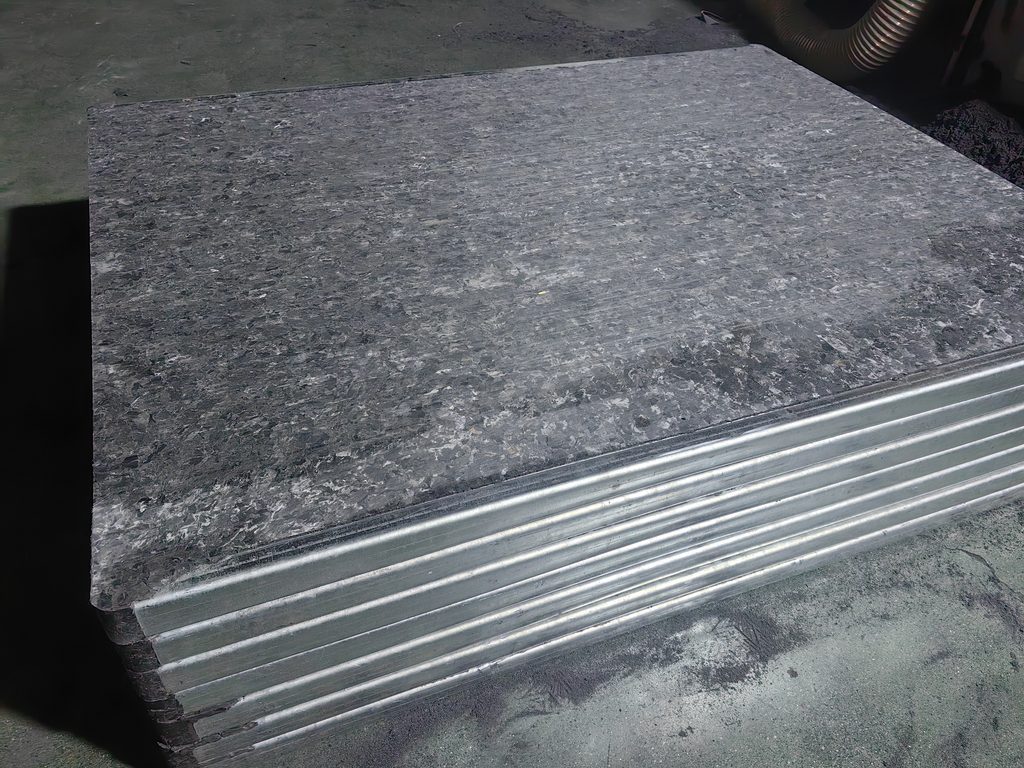
GMT pallets manufactured through compression molding achieve ±1mm surface flatness from production. Surface finish requirements include:
- Surface roughness: Ra 3.2-6.3 μm for optimal brick release
- No defects: Zero tolerance for cracks, chips, or delamination
- Consistent texture: Uniform surface across all pallets
- Edge condition: Clean edges with aluminum trim
Factory data shows GMT pallets maintain surface finish through 10,000+ cycles, while wood surfaces degrade after 1,500-2,000 cycles.
Weight Consistency for Robotic Handling
Robotic handling systems program for specific pallet weights and cannot adapt to significant variations. Weight inconsistency causes gripper force calibration errors, stack stability problems, and reduced production throughput.
| Pallet Type | Standard Weight | Tolerance | Automation Compatibility |
|---|---|---|---|
| Pure White GMT | 22-24 kg | ±300g | Optimal for high-speed handling |
| Premium White GMT | 23-25 kg | ±300g | Heavy-duty automated lines |
| Glass Fiber | 20-23 kg | ±400g | Moderate-speed automation |
| Wood Pallet | 12-18 kg (varies) | ±1,500g | Poor – inconsistent |
| Half GMT Pallet | 11-13 kg | ±200g | Compact robotic cells |
You should specify weight tolerance requirements in procurement contracts and weigh every pallet during incoming inspection. Production facilities report that enforcing ±300g weight tolerance eliminates 70-85% of robotic handling issues.
Material Durability in Automated Environments
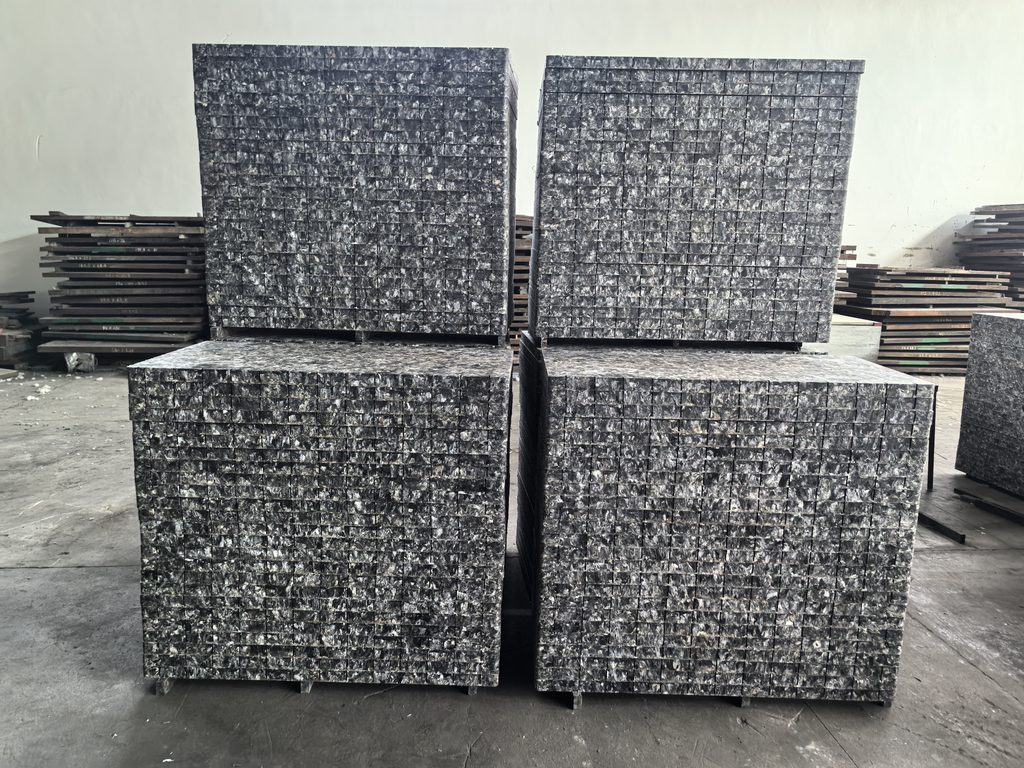
Automated brick production subjects pallets to severe conditions. Facilities operate 20-24 hours daily with cycle times of 15-30 seconds, generating 50,000-100,000 pallet cycles annually.
Automated lines expose pallets to temperature cycling (-10°C to +80°C), moisture (70-90% RH), mechanical stress (800-1,200 bar molding pressure), chemical exposure (cement alkalis, release agents), and UV exposure in outdoor curing areas.
| Performance Factor | GMT Pallet | Glass Fiber | Wood Pallet | Plastic |
|---|---|---|---|---|
| Lifespan in Automation | 10-12 years | 8-10 years | 18-24 months | 5-7 years |
| Dimensional Stability | ±1mm over life | ±1.5mm | ±8-15mm after 12mo | ±3-5mm |
| Moisture Absorption | <0.8% | <1.2% | 15-25% (warps) | <2% |
| Temperature Range | -30°C to +90°C | -20°C to +80°C | -10°C to +40°C | -20°C to +70°C |
| Production Cycles | 500,000+ | 400,000+ | 50,000-80,000 | 250,000+ |
| Automation Rating | Excellent | Very Good | Poor | Good |
You can select Premium White GMT Brick Pallet G-002 for high-volume automated lines where precision and longevity are critical. This pallet achieves 10+ year lifespan while maintaining ±1mm dimensional tolerance.
GMT vs Traditional Pallets for Automation
Automated brick production requires fundamentally different characteristics than manual operations.
Dimensional Precision Over Time
Wood pallets absorb moisture (15-25% weight gain), causing dimensional changes of 8-15mm within 12-18 months. This warping forces automated systems offline for recalibration, costing 2-4 hours of downtime per occurrence.
GMT pallets maintain dimensional stability through moisture resistance (<0.8%) and structural reinforcement. Pure White GMT Pallet G-001 maintains ±1mm dimensional tolerance after 5+ years of continuous automated service.
Surface Quality Retention
Wood pallet surfaces degrade through splintering after 1,500-2,000 cycles, surface erosion from cement alkalinity, biological degradation in humid environments, and mechanical wear from robotic grippers.
GMT pallets resist surface degradation through fiber-reinforced composite construction. The material does not splinter, resists biological growth, and maintains surface flatness through 10,000+ production cycles.
Automated Handling Compatibility
GMT pallets show ±300g weight variation across production batches. Wood pallets vary by ±1,500g due to natural material density variations. GMT pallet surfaces maintain consistent friction coefficients for reliable robotic pickup, while wood surfaces vary with moisture content. Aluminum edge trim on GMT pallets prevents chipping and maintains clean edges for precise positioning.
Machine Compatibility
High-speed rotary brick making machines require pallets that withstand rapid cycling (15-20 second cycles) and precise positioning. These systems use servo-driven pallet feeding with ±0.5mm positioning accuracy.
Integration Requirements
Pallet Feeding: Automated magazine feeders require pallets stacked with <1mm deviation per unit. Specify Half GMT Pallet HG-007 for compact automated cells where space limits full-size pallet handling.
Robotic Grippers: Vacuum grippers require flat surfaces without voids. Mechanical grippers need consistent edge dimensions and sufficient edge strength to support 2,500-3,000 kg loaded weight.
Conveyor Systems: Automated conveyors calibrate for specific weights. Weight variations >500g cause tracking errors, while dimensional variations >2mm cause jams.
Production facilities report 40-60% faster changeover times using standardized GMT pallets compared to mixed wood pallet inventories.
ROI Analysis
Automated facilities invest $800,000-$2,500,000 in robotic systems. Pallet selection directly affects ROI through production uptime, throughput rates, and product quality.
| Cost Factor | GMT Pallets | Wood Pallets | Advantage |
|---|---|---|---|
| Initial Cost | $95-$125 | $25-$45 | Wood cheaper initially |
| Lifespan | 10-12 years | 18-24 months | 5-6× longer GMT life |
| Replacement Frequency | Once per 10-12 years | 5-6 times per decade | 80-85% fewer |
| Downtime | 4 hours per decade | 20-24 hours per decade | 75-80% less |
| Defect Rate | <1% pallet-related | 3-5% pallet-related | 60-80% fewer |
| 10-Year Total Cost | $95-$125 per position | $180-$280 per position | 40-55% lower |
Combined uptime improvement averages 24-36 additional production hours annually, generating 240,000-360,000 additional bricks per year at design capacity. Facilities report 2-4% yield improvement after switching to GMT pallets, worth $45,000-$90,000 annually on a 10 million brick/year line.
Example ROI Calculation
Automated facility producing 8 million bricks annually:
- GMT investment: $95 × 800 pallets = $76,000
- Wood replacement over 10 years: 5 replacements × $28,000 = $140,000
- Downtime savings: 20 hours × $2,500/hour = $50,000
- Quality improvement: 2.5% yield × 8M × $0.12 × 10 years = $240,000
- Total benefit: $354,000 over 10 years
- ROI: 366%
- Payback: 18-24 months
FAQs
What dimensional tolerance is required for automated systems?
Automated systems require ±1-2mm dimensional tolerance across length, width, and thickness. Standard size is 850mm × 680mm with ±1.5mm tolerance, thickness within ±0.5mm, and surface flatness within ±2mm.
How does weight consistency affect robotic handling?
Robotic grippers calibrate for specific weights and require consistency within ±300-500g. Weight variations exceeding ±500g cause grip force errors that risk dropped loads or surface damage.
Why do wood pallets fail in automated production?
Wood pallets fail through dimensional warping (8-15mm within 12-18 months), surface degradation from high-pressure cycles, and inconsistent weight (±1,500g variation) that disrupts robotic handling.
What is GMT pallet lifespan in automated systems?
GMT pallets achieve 10-12 year lifespan in continuous automated production, maintaining ±1mm dimensional tolerance throughout their service life. This represents 500,000+ production cycles compared to 50,000-80,000 for wood.
Can existing systems use GMT pallets?
Existing systems can integrate GMT pallets when dimensions match specifications. Most facilities complete integration within 4-8 hours for initial setup and calibration.
What surface finish is optimal?
Automated molding requires surface roughness Ra 3.2-6.3 μm for optimal brick release. GMT pallets achieve this finish from production and maintain it through 10,000+ cycles.
How do precision pallets improve brick quality?
Precision pallets reduce pallet-related brick defects from 3-5% to <1%, improving yield by 2-4% and reducing rework costs by $45,000-$90,000 annually.
Conclusion
Automated brick production systems demand precision specifications that traditional materials cannot provide. Dimensional tolerance within ±1-2mm, surface flatness within ±2mm, and weight consistency within ±300g are non-negotiable for robotic handling at 8,000-12,000 bricks per hour.
GMT pallets meet these requirements while delivering 10-12 year lifespan that reduces replacement costs by 80-85%. The fiber-reinforced composite construction maintains dimensional stability through 500,000+ cycles, eliminates moisture warping, and provides consistent surface quality that reduces brick defects by 60-80%.
Automated facilities achieve 18-30 month ROI through reduced downtime, improved yield, and eliminated recalibration. Production improvements of 24-36 hours annually and quality gains of 2-4% generate $45,000-$90,000 in annual value for typical production lines.
If you need precision pallets for automated brick production, Rhinos Pallet manufactures fiber-reinforced GMT pallets engineered for robotic system compatibility. Our precision manufacturing maintains ±1mm dimensional tolerance and ±2mm surface flatness through 10+ year service life.
Contact us today for automated production pallet specifications, robotic integration support, and factory-direct pricing.