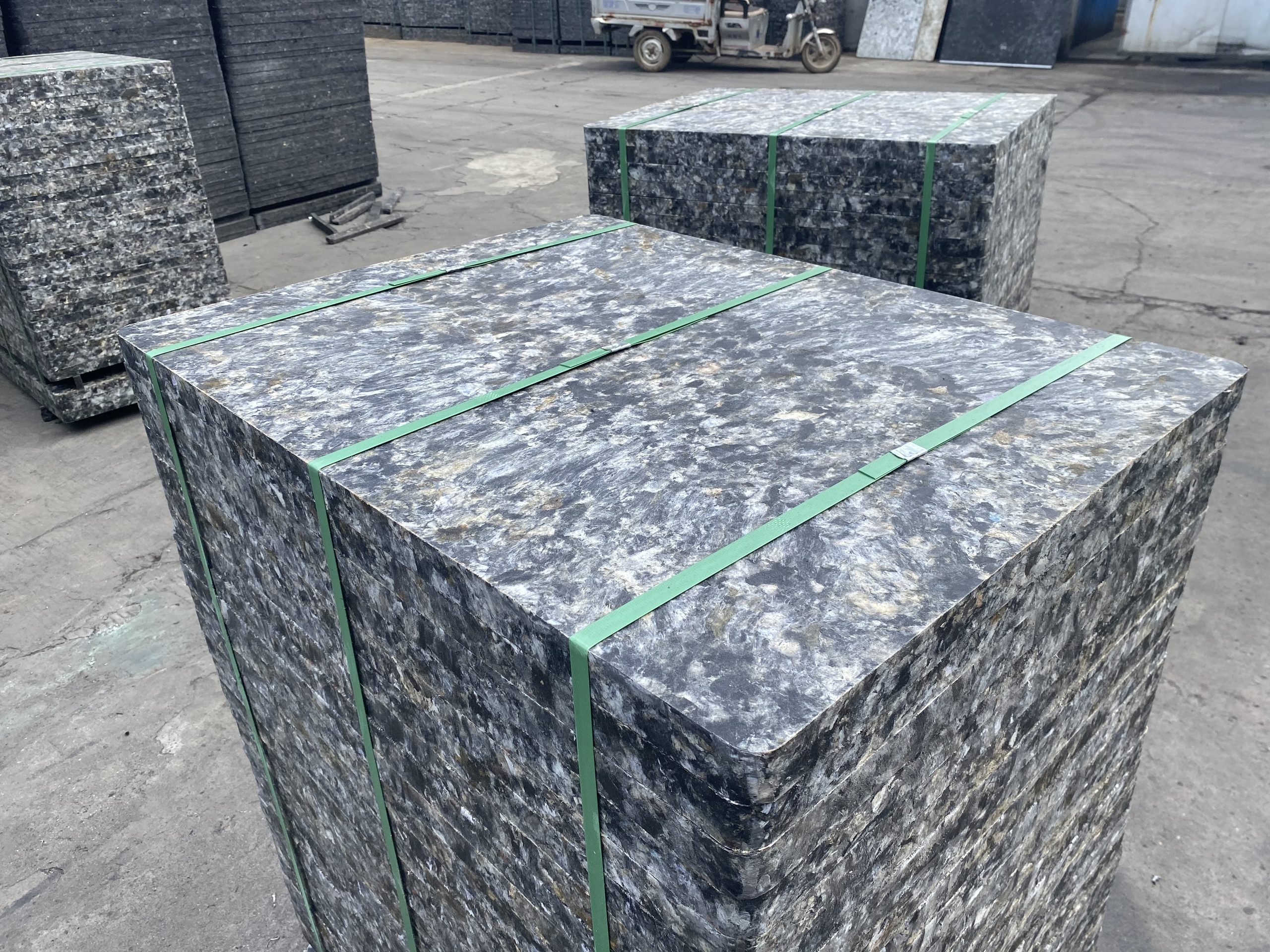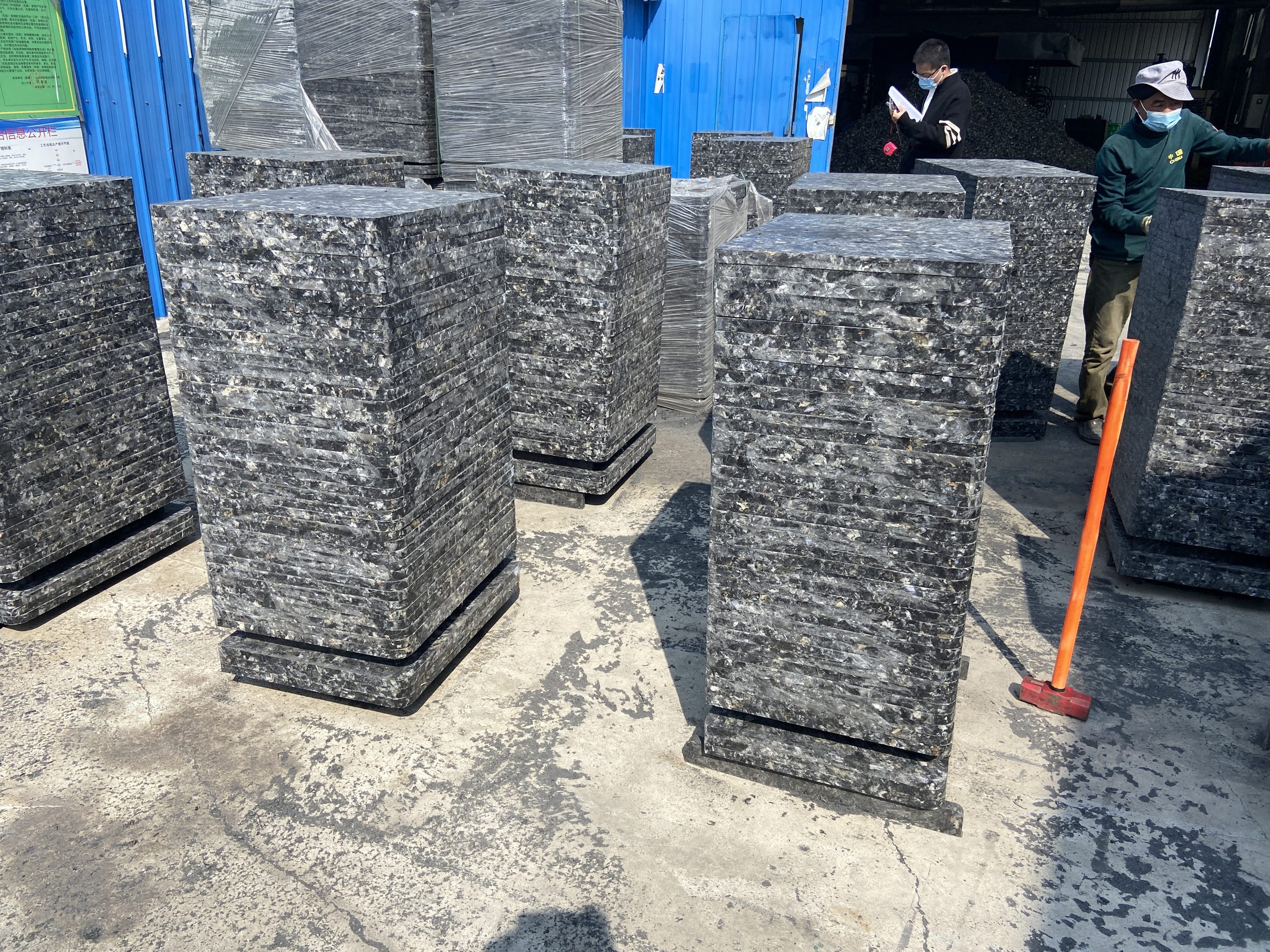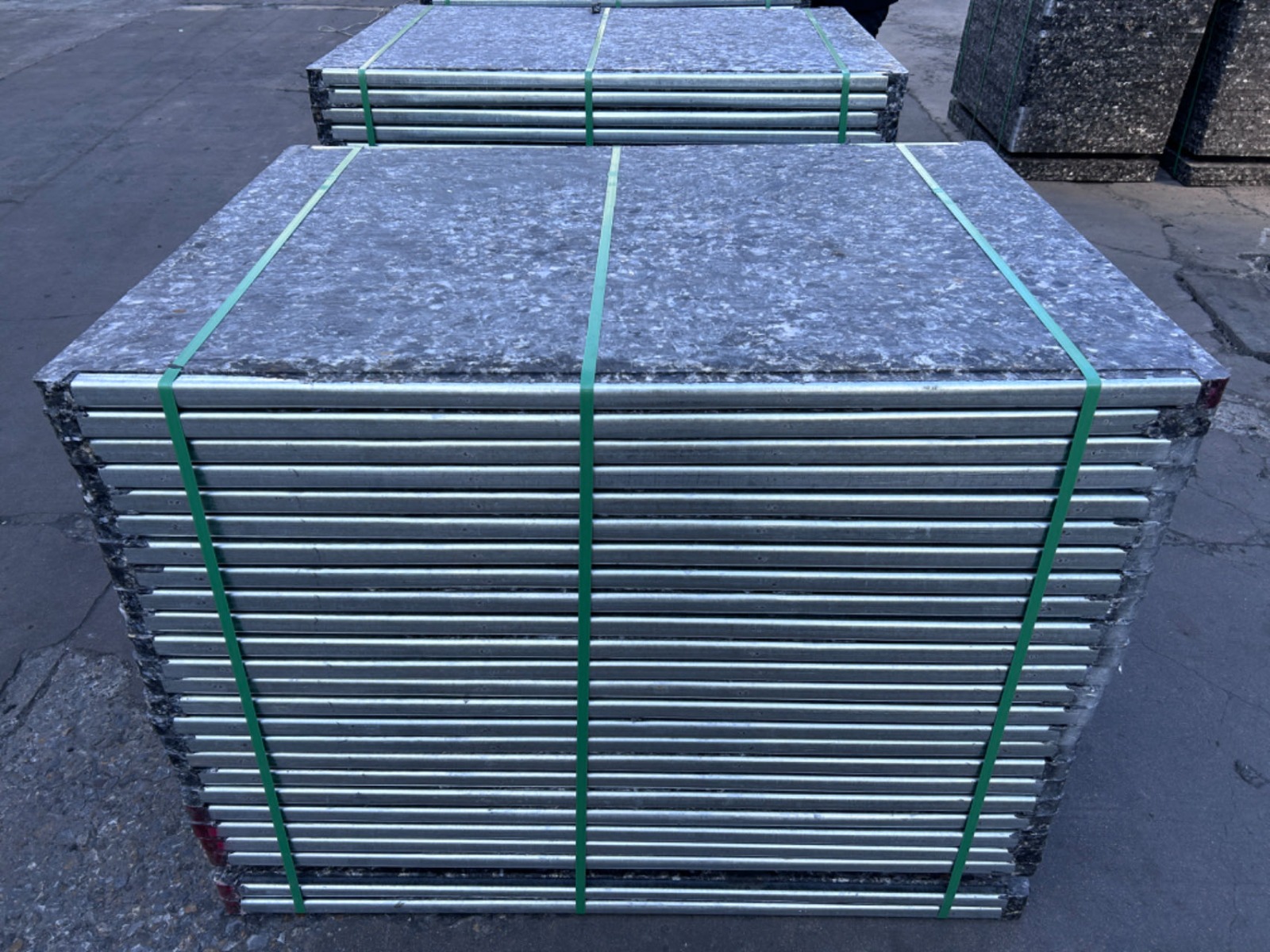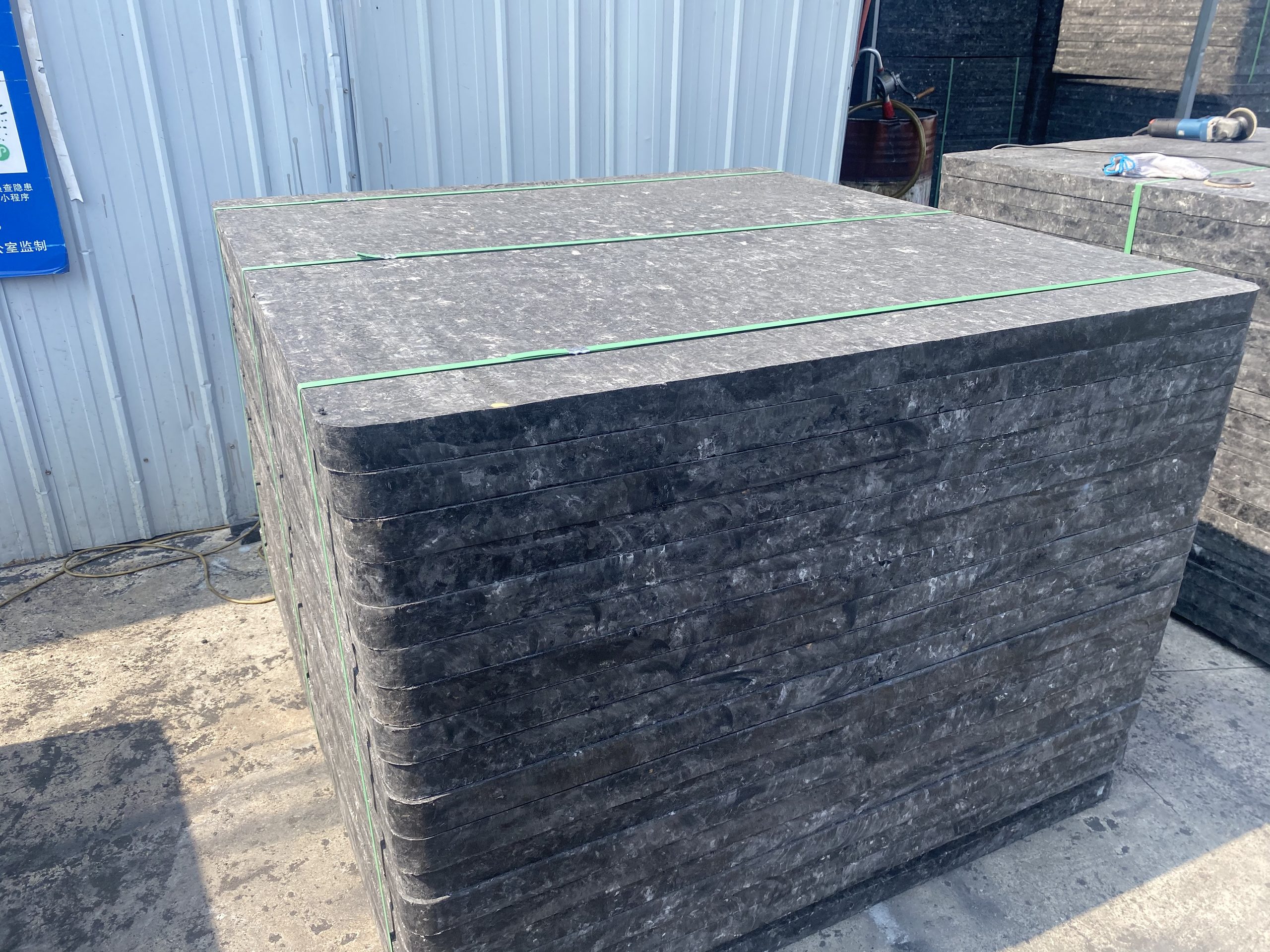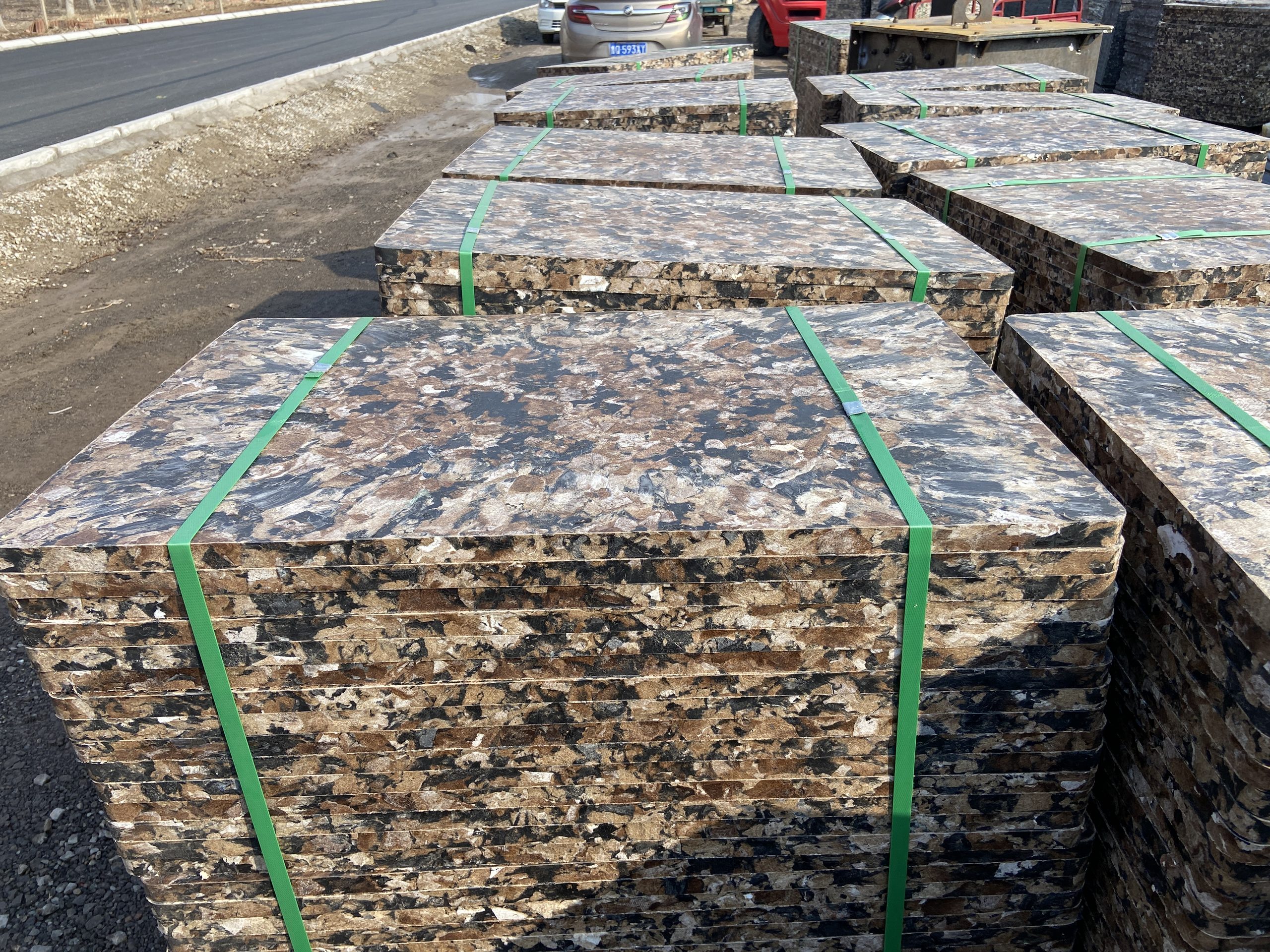
Manufacturing bricks in Europe means navigating a complex web of standards that extend far beyond the bricks themselves. The pallets supporting your production line play a critical role in compliance, quality control, and ultimately, your ability to sell into European markets. After working with dozens of brick manufacturers across the EU, I’ve seen firsthand how pallet specifications can make or break certification audits.
European regulations demand specific material properties, dimensional tolerances, and documented testing protocols. Get it wrong, and you’re looking at production delays, rejected shipments, and costly recertification processes.
Understanding EN 771 and Its Implications for Brick Pallets
The EN 771 series forms the backbone of European masonry unit specifications. While these standards primarily address the bricks themselves, they create indirect but binding requirements for the pallets used throughout manufacturing and curing processes.
EN 771 comprises six parts covering different masonry unit types—from clay bricks (EN 771-1) to manufactured stone (EN 771-6). Each standard mandates that manufacturers declare dimensional tolerances, compressive strength, and durability characteristics. Here’s the critical point most manufacturers miss: your pallet’s flatness and stability directly impact whether your bricks can meet these declared specifications.
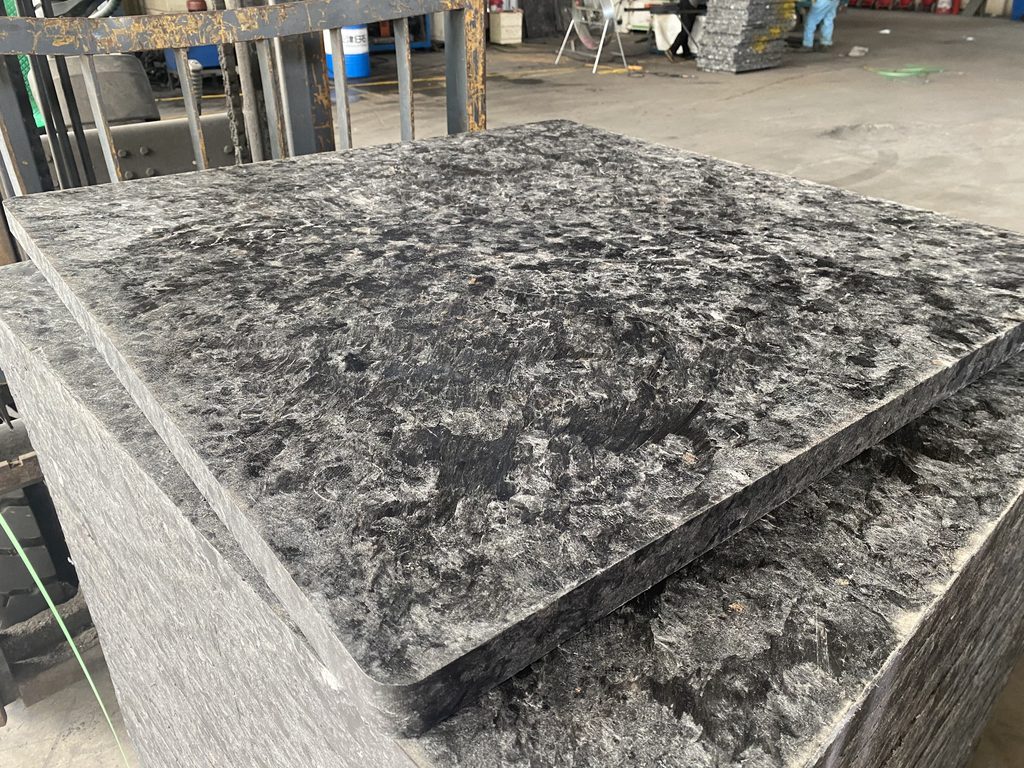
When a brick manufacturer declares dimensional tolerances under EN 771, they’re certifying that finished products meet specific measurements. If your curing pallet warps by 2mm across a 1000mm span, every brick resting on that surface inherits that deviation. During our factory audits, we’ve traced dimensional non-conformities back to pallet deflection in roughly 30% of cases.
The Construction Products Regulation (CPR 305/2011) adds another layer. This regulation requires manufacturers to issue a Declaration of Performance (DoP) for every product placed on the EU market. Your production pallets must not introduce variables that compromise the performance characteristics you’ve declared. This means material stability across temperature fluctuations, resistance to moisture absorption, and consistent surface flatness throughout the pallet’s service life.
Core Compliance Standards for Manufacturing Pallets
ISO 8611 Series: The Foundation
ISO 8611-1 and ISO 8611-2 establish the testing framework for flat pallets used in materials handling. For brick manufacturing specifically, Part 2 defines performance requirements that your GMT pallets must satisfy.
The standard specifies load-bearing tests under both dynamic and static conditions. A brick manufacturing pallet must support distributed loads of 1,500kg minimum without deflection exceeding 0.5mm per 1000mm of span. This isn’t theoretical—during stacking in curing chambers, multi-tier configurations can generate localized pressures approaching 2,000kg.
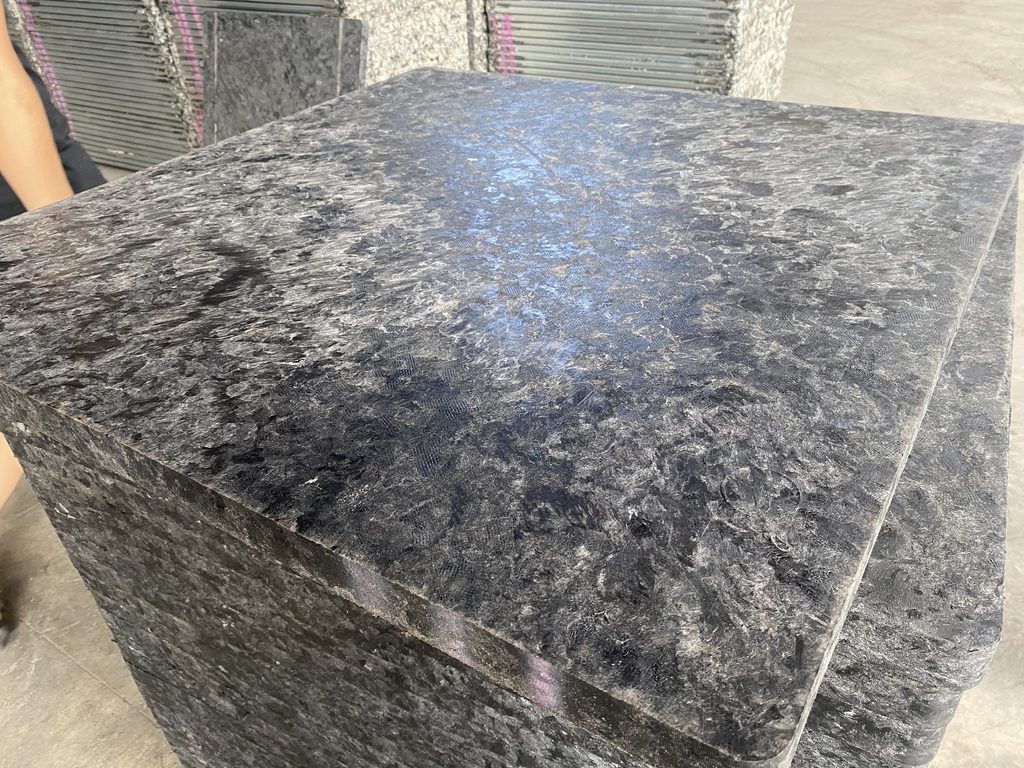
ISO 8611-2 also mandates drop tests simulating handling impacts. Your pallet must withstand repeated drops from 100mm height when loaded to working capacity, with no structural deformation or surface fracturing. We’ve seen fiber-reinforced composite pallets pass this test while maintaining surface flatness within 0.3mm tolerance, which is essential for automated brick handling systems.
Material-Specific Certification Requirements
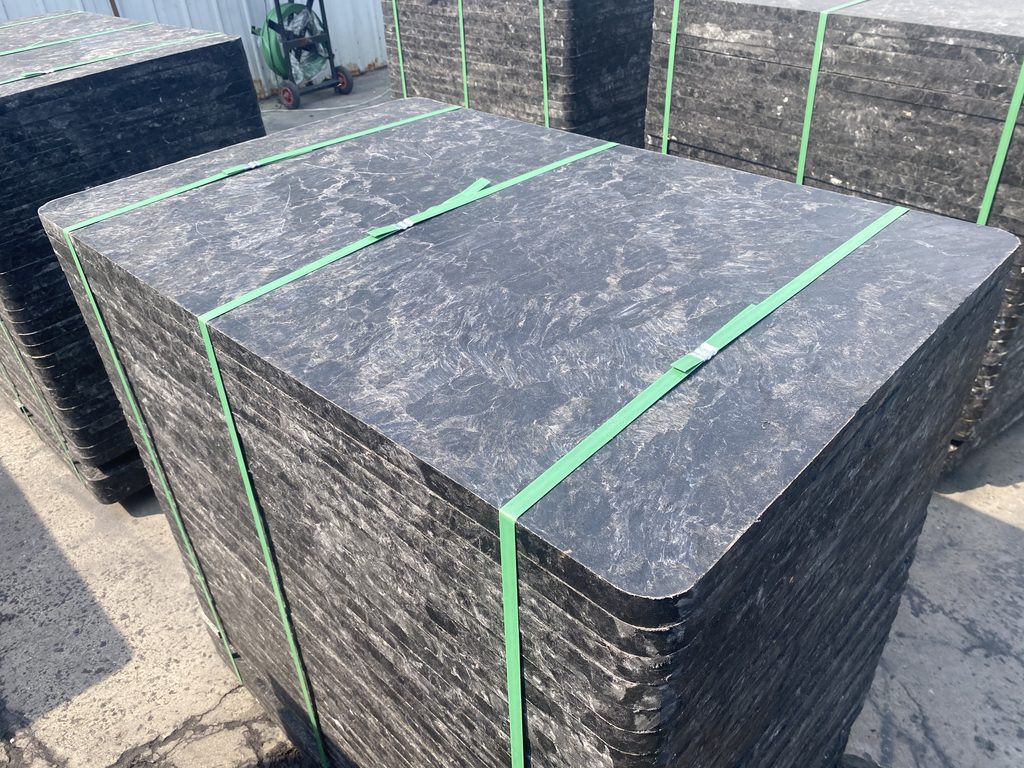
Glass fiber reinforced thermoplastic (GMT) pallets—the industry standard for high-volume brick production—face additional scrutiny. These composites must demonstrate:
Thermal stability: Dimensional consistency across 5°C to 85°C temperature range. Thermal expansion exceeding 0.5% causes brick cracking during cooling.
Chemical resistance: ISO 175 certification requires 1,000-hour immersion in pH 12 solution with no surface degradation or strength loss exceeding 5%.
Surface hardness: Shore D hardness of 70-80 prevents impression marks on green bricks while maintaining sufficient rigidity for automated handling.
Certification Process and Documentation
Third-Party Testing Requirements
CE marking compliance mandates testing by a notified body for the product category. For brick manufacturing pallets, this typically involves:
- Initial type testing: A representative sample undergoes the complete ISO 8611 test battery. Expect this to take 4-6 weeks and cost €3,000-€5,000 per pallet design.
- Factory production control (FPC): You must establish documented procedures proving every pallet leaving your facility matches the tested type. This includes dimensional verification, visual inspection protocols, and material batch traceability.
- Surveillance audits: Annual audits by the notified body verify your FPC system remains effective. They’ll pull random samples and may conduct abbreviated performance tests on-site.
| Certification Component | Timeframe | Typical Cost (EUR) | Renewal Frequency |
|---|---|---|---|
| Initial Type Testing | 4-6 weeks | €3,000-€5,000 | Per design change |
| FPC Documentation | 2-3 weeks | €1,500-€2,500 | One-time setup |
| Notified Body Surveillance | 1-2 days | €1,200-€2,000 | Annual |
| DoP Updates | 1 week | €500-€800 | Per specification change |
Documentation Standards
Your Declaration of Performance must include specific technical details about pallet performance. Based on CPR requirements, the DoP for a manufacturing pallet should specify:
- Load capacity (static and dynamic)
- Dimensional tolerances
- Material composition and source traceability
- Surface flatness specification
- Temperature operating range
- Expected service life under normal use conditions
We’ve found that manufacturers who treat DoP documentation as a compliance checkbox rather than a quality commitment consistently face more field failures. Your DoP represents a legal declaration—if a customer’s bricks fail because your pallet didn’t meet declared specifications, you’re liable for the downstream costs.
Quality Assurance and Testing Protocols
In-House Testing Capabilities
While third-party certification is mandatory, establishing internal testing protocols dramatically reduces compliance risk. Every brick manufacturing facility should implement:
Daily flatness verification: Check random pallets for surface deviation using precision straightedge and feeler gauges. Any pallet exceeding 0.3mm per 1000mm tolerance should be pulled immediately.
Weekly load testing: Stack representative loads on sample pallets for 72 hours, then measure deflection. Test at 150% of working load to establish safety margins.
Monthly material analysis: Inspect incoming pallet batches for fiber distribution uniformity, surface finish consistency, and manufacturing defects.
Critical Quality Parameters
These parameters consistently separate compliant pallets from problematic ones:
Surface roughness: Ra value between 3.2-6.3 micrometers provides optimal brick release characteristics.
Edge integrity: Corners and edges must maintain full cross-section without chips or fractures. Minor edge damage creates stress concentrations that propagate under repeated loading.
Moisture absorption: Maximum 0.5% weight gain after 24-hour water immersion to prevent dimensional instability.
Regional Variations Within Europe
UK-Specific Requirements Post-Brexit
Since January 2021, the UK operates a parallel system to CE marking called UKCA (UK Conformity Assessed). For brick manufacturers serving both EU and UK markets, this means:
- Separate certification for pallets used in UK production facilities
- Different notified body requirements (UK-based assessors)
- Parallel documentation sets with identical technical requirements but different regulatory frameworks
Most manufacturers solve this through dual marking strategies, obtaining both CE and UKCA certification simultaneously. The technical specifications remain identical—only the administrative overhead increases.
Nordic Countries: Enhanced Environmental Standards
Finland, Sweden, Norway, and Denmark enforce stricter environmental compliance for manufacturing materials. Your pallet’s environmental product declaration (EPD) must document:
- Carbon footprint across the full lifecycle
- Recycled content percentage (Nordic markets prefer >60% post-industrial recycled content)
- End-of-life disposal pathways with documented recycling or energy recovery rates
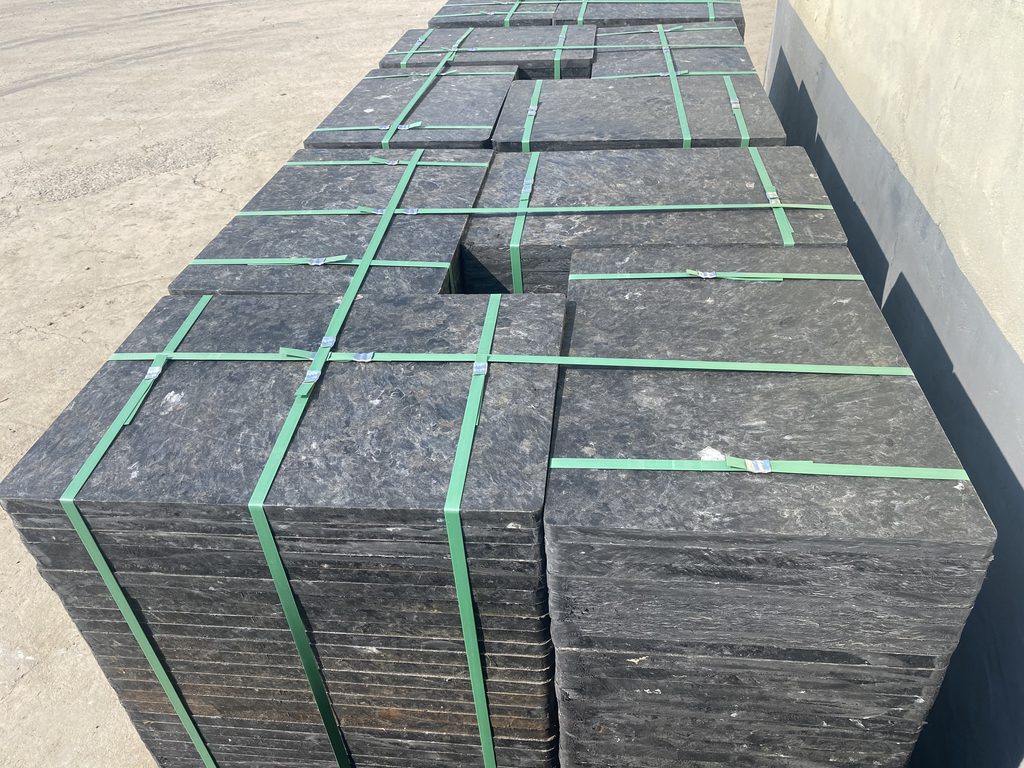
GMT pallets manufactured from recycled thermoplastic meet these requirements more easily than virgin material alternatives. Nordic buyers specifically request EPD documentation during procurement, even when not legally required.
Common Certification Pitfalls and How to Avoid Them
Inadequate Traceability Systems
The most frequent audit failure involves inability to link finished pallets back to material batch certifications. Your FPC system must enable complete traceability from raw material receipt through final product shipment.
Implement a batch numbering system that incorporates:
- Raw material lot numbers
- Production date and shift
- Quality control inspection results
- Any process deviations or corrections
Without this detail, a single failed pallet can trigger recall of your entire production run.
Misunderstanding Performance Declarations
Manufacturers frequently over-declare performance specifications, thinking higher numbers demonstrate quality. This backfires during audits. If you declare 2,500kg load capacity but only tested to 2,000kg, you’re non-compliant even though your pallet performs adequately.
Declare exactly what you’ve tested and verified. Conservative, accurate declarations protect you legally and operationally.
Neglecting Service Life Documentation
EN standards require declaring expected service life under stated conditions. A well-documented service life declaration—”5,000 production cycles under normal use conditions as defined in our user manual”—establishes clear expectations and protects you when customers misuse pallets.
Integration with Quality Management Systems
ISO 9001 Alignment
Your pallet certification process should integrate with quality management protocols. Under ISO 9001:2015, this means:
Risk-based thinking: Identify how pallet non-conformance could impact brick quality, then implement preventive controls.
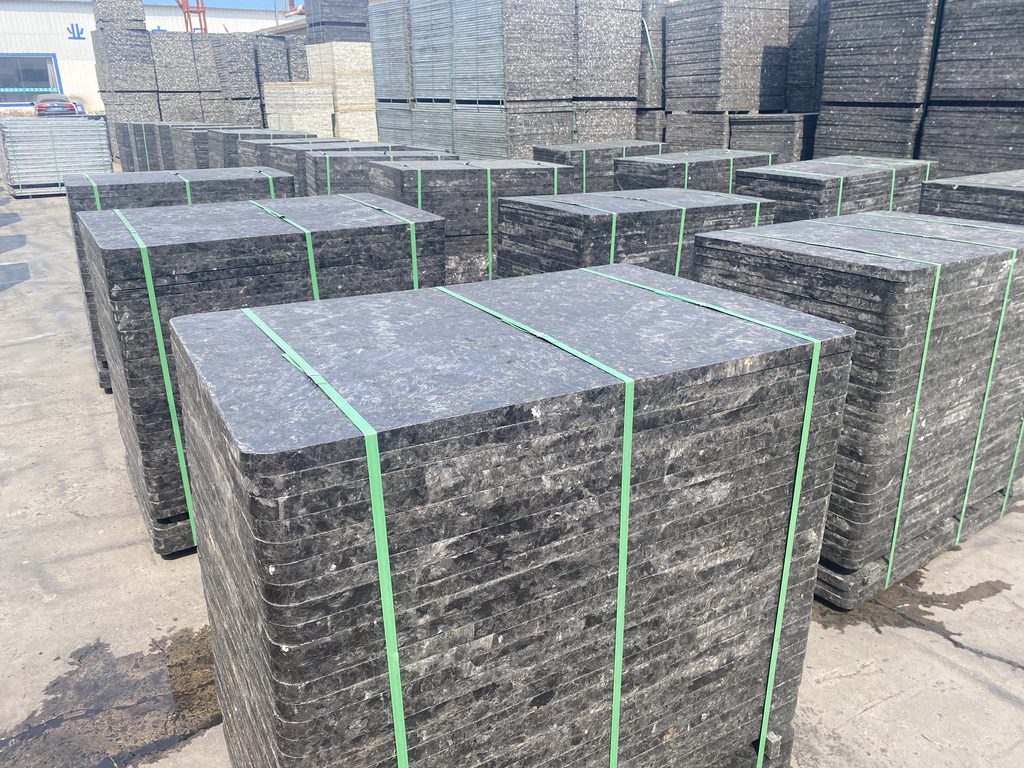
Process approach: Map pallet specification selection, incoming inspection, in-use monitoring, and retirement criteria as interconnected processes with defined inputs and controls.
Continual improvement: Track pallet-related quality incidents and refine specifications. Data-driven pallet management can reduce defect rates by 40%.
| Quality System Element | Pallet-Specific Implementation | Documentation Required |
|---|---|---|
| Supplier Qualification | Audit pallet manufacturer’s ISO certifications | Supplier approval records |
| Incoming Inspection | Dimensional, visual, and sample testing | Inspection reports with accept/reject criteria |
| In-Process Monitoring | Daily flatness checks, weekly load tests | Control charts, deviation logs |
| Non-Conformance Handling | Quarantine procedure for failed pallets | NCR forms, root cause analysis |
| Corrective Action | Process adjustments based on failure patterns | CAPA records with effectiveness verification |
Traceability Requirements Under EN 771
When brick manufacturers issue their Declaration of Performance under EN 771, they must demonstrate complete production process control. This extends to supporting materials like pallets.
Your quality system should enable you to answer these questions for any production batch:
- Which specific pallets were used for curing?
- What were those pallets’ certification dates and test results?
- Had any pallets exceeded their service life or shown signs of degradation?
- What inspection data exists for those pallets during that production period?
Cost-Benefit Analysis of Compliance
For a mid-sized brick manufacturer producing 10 million units annually, certification expenses include:
Initial setup: €8,000-€12,000 for type testing and FPC establishment.
Ongoing compliance: €2,500-€4,000 annually for audits and documentation updates.
Per-pallet premium: Certified GMT pallets cost €45-€65 versus €30-€45 for non-certified alternatives.
The return comes from reduced defect rates (15-25% fewer dimensional variations), market access premiums (8-12% higher prices), liability protection, and extended service life. Pallets meeting performance standards last 3-5 years versus 18-24 months for non-certified alternatives.
Future Trends in European Compliance
The EU’s Digital Product Passport initiative will require electronic tracking of manufacturing materials’ compliance data by 2028. Expect blockchain-based traceability and QR code access to real-time compliance status.
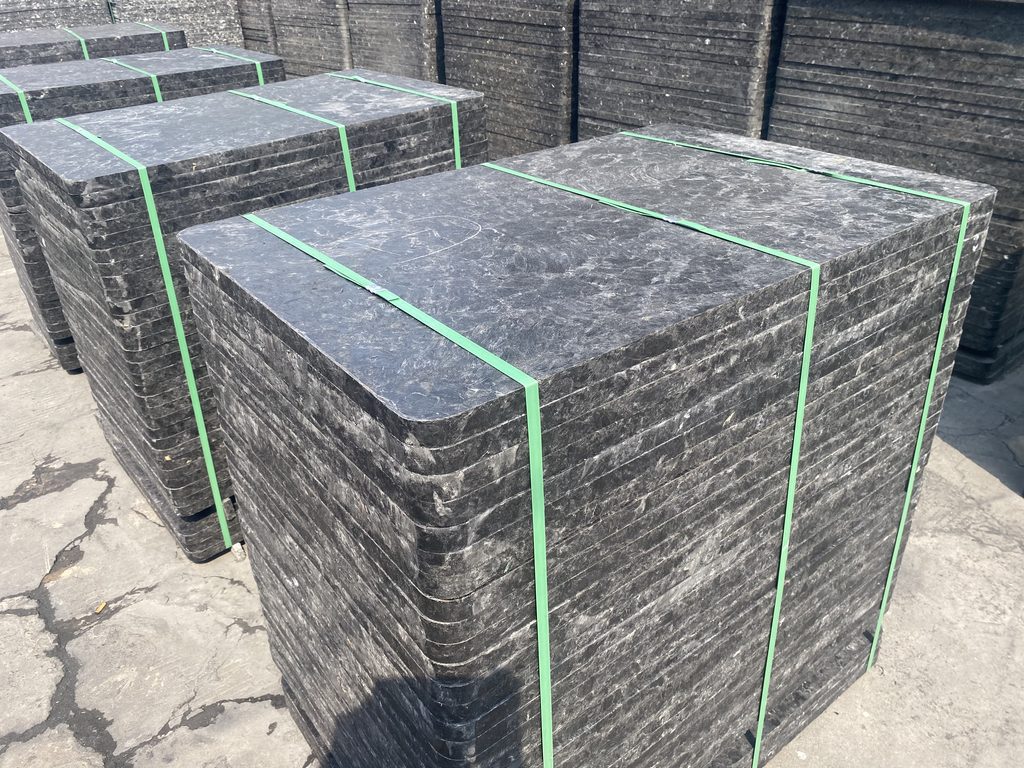
The Circular Economy Action Plan pushes toward closed-loop manufacturing. Proposed regulations could require minimum 50% recycled content in manufacturing pallets by 2030. Current GMT technology already achieves 60-80% recycled content, positioning compliant manufacturers ahead of future requirements.
FAQ
Q: Can I use wooden pallets for brick manufacturing in the EU?
Wooden pallets are permissible but face stricter requirements. You must comply with ISPM-15 (heat treatment for pest control), prove moisture content below 20%, and document dimensional stability. Wood’s natural variability makes meeting EN 771 tolerance requirements difficult. Most high-volume manufacturers have transitioned to GMT specifically because consistent compliance is easier to achieve.
Q: How often should manufacturing pallets be replaced?
Replacement frequency depends on documented service life and usage conditions. A properly certified GMT pallet rated for 5,000 cycles should be tracked through production, then retired when approaching that limit or when inspection reveals surface degradation exceeding 0.5mm flatness tolerance. Monthly inspections with documented results are recommended.
Q: What happens if my pallets fail mid-certification process?
If type testing reveals non-compliance, you cannot place those pallets in service under CE marking. You have three options: work with the manufacturer to redesign and retest (4-8 weeks), source alternative pre-certified pallets, or continue using non-certified pallets while restricting sales to markets not requiring CE marking.
Q: Are there exemptions for small-scale brick manufacturers?
No blanket exemptions exist under CPR 305/2011. If you place bricks on the EU market—regardless of production volume—you must issue a Declaration of Performance demonstrating compliance with EN 771. Some member states offer simplified compliance pathways for micro-enterprises producing under 50,000 units annually, but full traceability still applies.
Q: How do I verify my pallet supplier’s certifications are legitimate?
Request the notified body’s identification number and verify it against the EU’s NANDO database. Check that the scope includes “pallets for materials handling.” Request actual test reports, not just certificates. Verify the Declaration of Performance includes your specific pallet configuration.
Q: Can I modify certified pallets without losing compliance?
Any modification to a certified design requires reassessment. Adding handles, changing edge reinforcement, or altering thickness invalidates existing certification. Even minor modifications like drilling additional holes require engineering review and potentially new type testing.
Conclusion
European brick pallet compliance is a quality assurance framework protecting manufacturers, customers, and end users. Certification requires upfront investment in testing and documentation, but delivers returns through reduced defects, market access, and legal protection.
Treat pallet specifications as integral to product quality. Your pallets directly influence whether finished products meet declared performance standards. As regulations evolve toward digital traceability and circular economy principles, early adoption separates market leaders from companies struggling with minimum requirements.
For GMT pallet solutions meeting European standards, contact Rhinos Pallet to discuss your manufacturing needs.