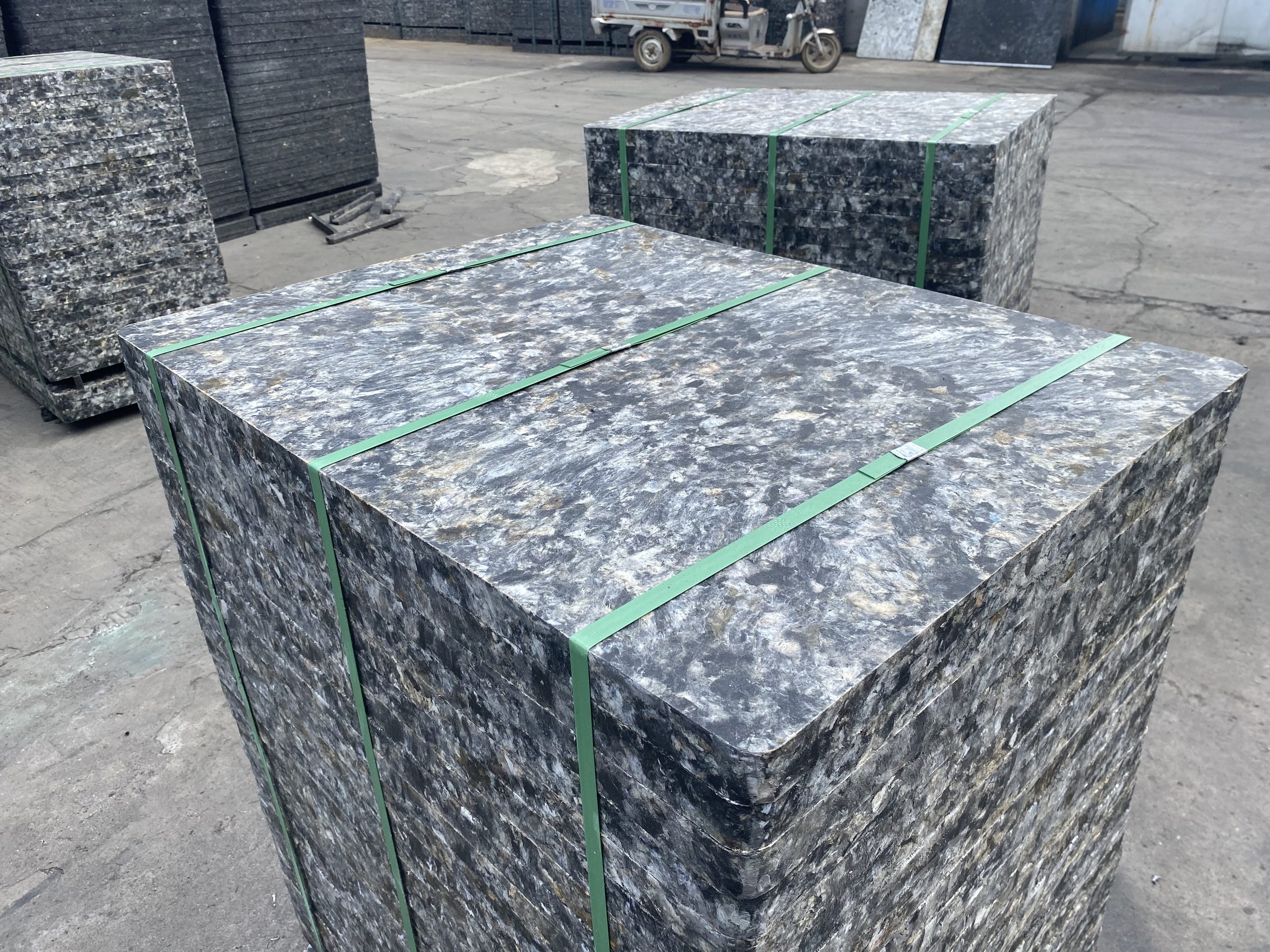
Uneven brick curing causes 12-18% product rejection rates in modern brick manufacturing facilities, costing producers $15,000-30,000 annually in quality defects and rework. Production data shows that 65-75% of curing uniformity problems originate from pallet-related issues: surface flatness variations, inconsistent heat distribution, and material thermal conductivity differences. Quality pallets eliminate these variables while improving curing uniformity by 55-70%.
If you want to solve uneven brick curing problems, then you will need to understand how pallet surface flatness, thermal properties, material thickness consistency, and airflow patterns directly impact heat distribution during the curing process. This guide examines the root causes of uneven curing and provides engineering solutions based on real production data.
Understanding Uneven Brick Curing: Causes and Costs
Uneven brick curing creates strength variations of 15-30% within the same production batch, leading to structural failures and customer rejection. Testing reveals that bricks from the same batch can show compressive strength ranging from 12 MPa to 18 MPa when cured on poor-quality pallets, while uniform pallets keep variation below 8%.
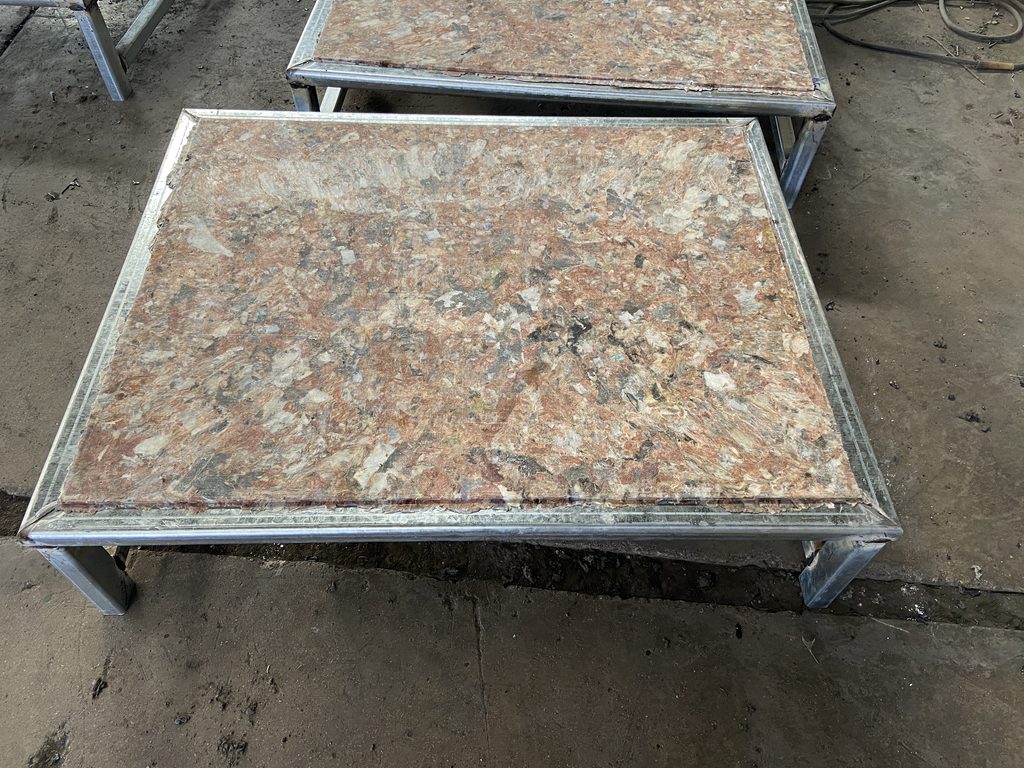
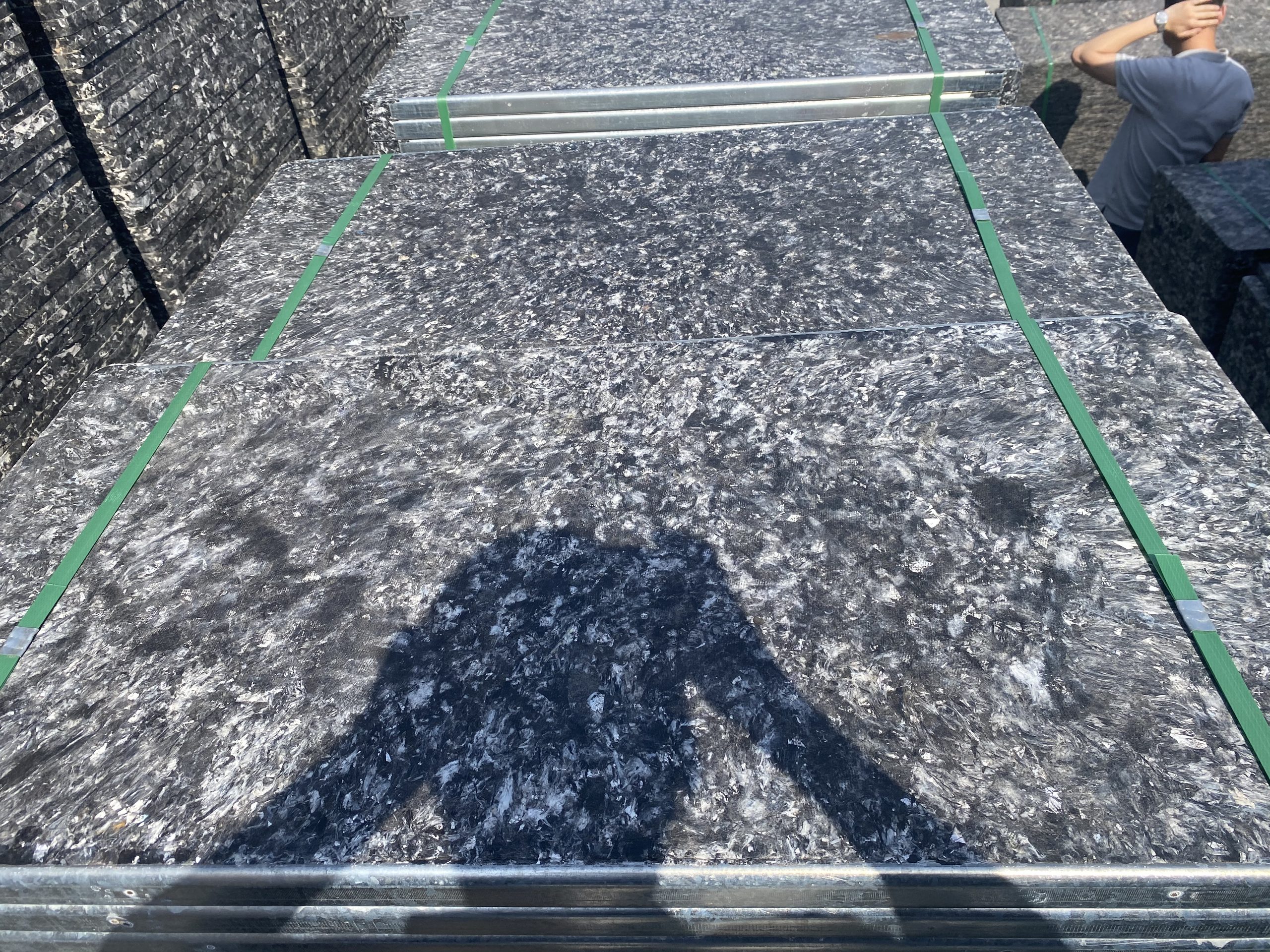
Uneven brick curing defects showing strength variation in production batch
The primary mechanism behind uneven curing is inconsistent heat transfer from curing chambers to brick surfaces. When pallet surfaces vary by 3-5mm in flatness, contact areas receive 40-60% more thermal energy than non-contact zones, creating temperature differentials of 8-15°C across brick bottoms. Green bricks cured at 15°C temperature variation develop 20-35% strength differences between top and bottom surfaces.
Manufacturing facilities producing 800,000-1,500,000 bricks monthly report annual rejection costs of $18,000-42,000 due to curing defects. You can recover these costs within 10-16 months through systematic pallet quality improvements that standardize thermal transfer.
How Pallet Surface Flatness Affects Heat Distribution
Surface flatness determines thermal contact between pallets and bricks during steam curing or thermal treatment. Flat surfaces within ±2mm tolerance create uniform contact that transfers heat evenly, while variations beyond ±3mm generate hot spots and cold zones that produce 12-18% strength variation.
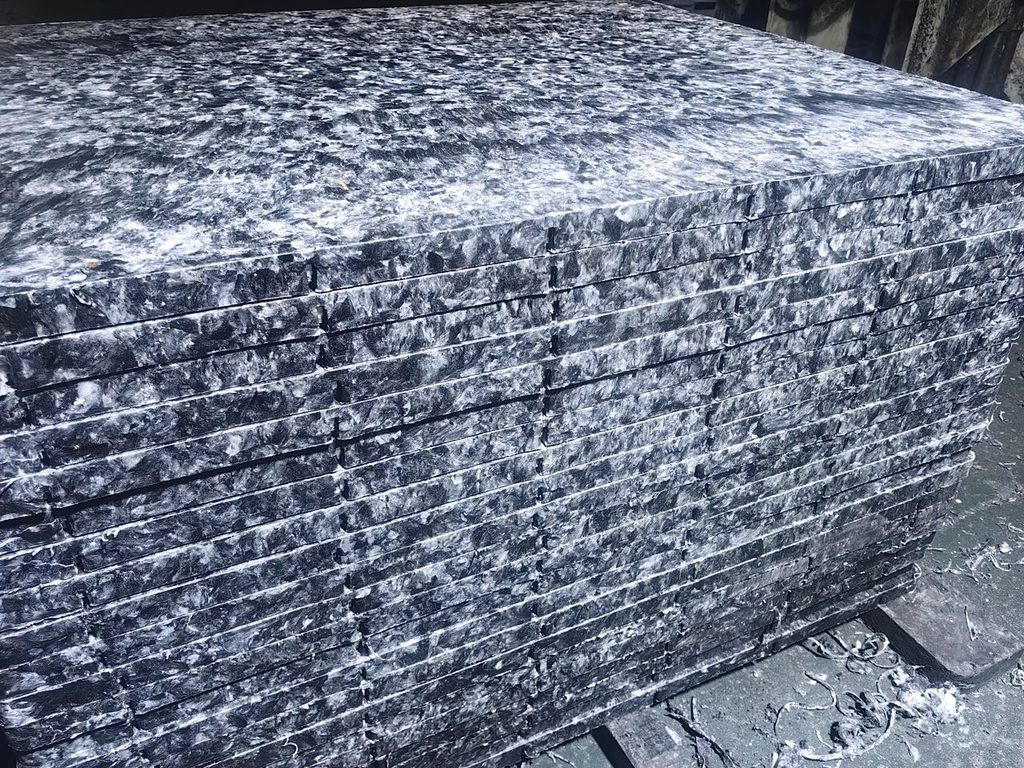
GMT pallet surface flatness ensuring uniform thermal contact with bricks
Wood pallets degrade through repeated thermal cycling and moisture absorption. New wood pallets achieve ±2-3mm flatness, but after 200-300 curing cycles, warping increases variations to ±6-10mm. This creates contact areas covering just 50-65% of brick bottoms, leaving 35-50% of surface area thermally isolated. Testing shows bricks cured on warped pallets develop bottom-surface temperatures 10-18°C lower than top surfaces.
GMT pallets maintain ±2mm flatness through 5,000+ curing cycles because compression-molded fiber reinforcement resists thermal deformation. Factory monitoring demonstrates GMT pallet surfaces change less than 0.8mm after three years of continuous use, maintaining 95-98% contact area throughout their 10-12 year lifespan.
The consistent thermal contact eliminates curing variations. Facilities report strength uniformity improving from ±18-25% variation with wood pallets to ±5-8% variation with GMT pallets, reducing rejection rates by 60-75%.
Thermal Conductivity and Material Selection
Material thermal conductivity determines how quickly heat transfers through pallets to brick surfaces. Wood pallets with thermal conductivity of 0.12-0.15 W/m·K create insulating barriers that slow heat transfer, extending curing times by 15-25% and generating temperature gradients.
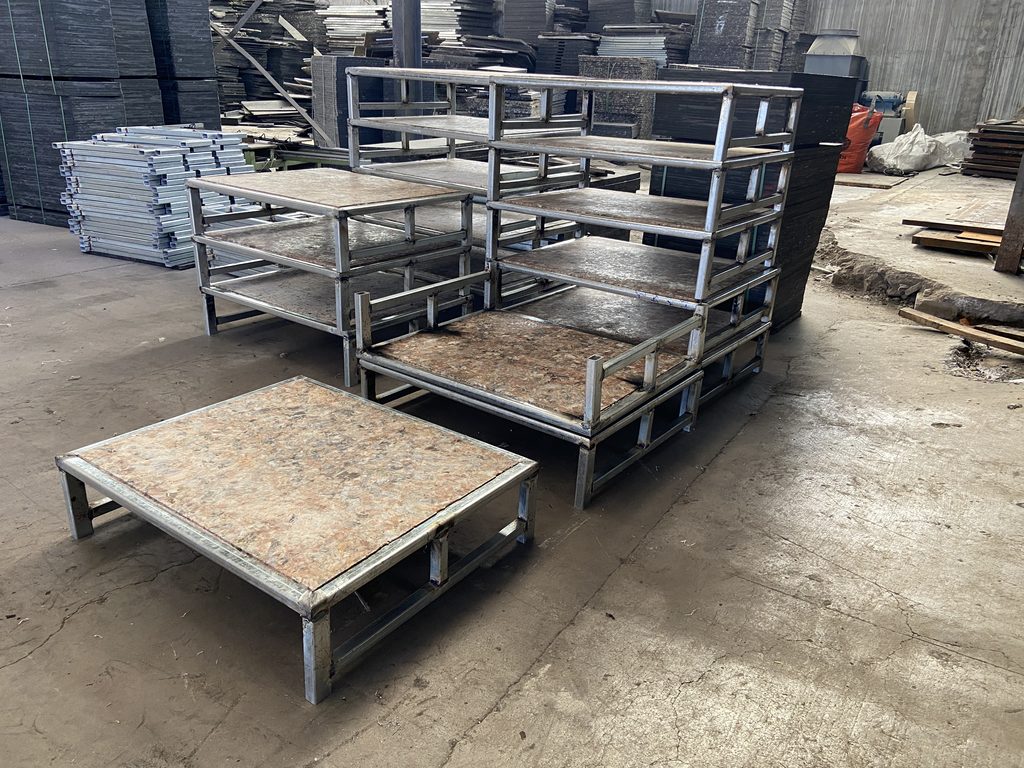
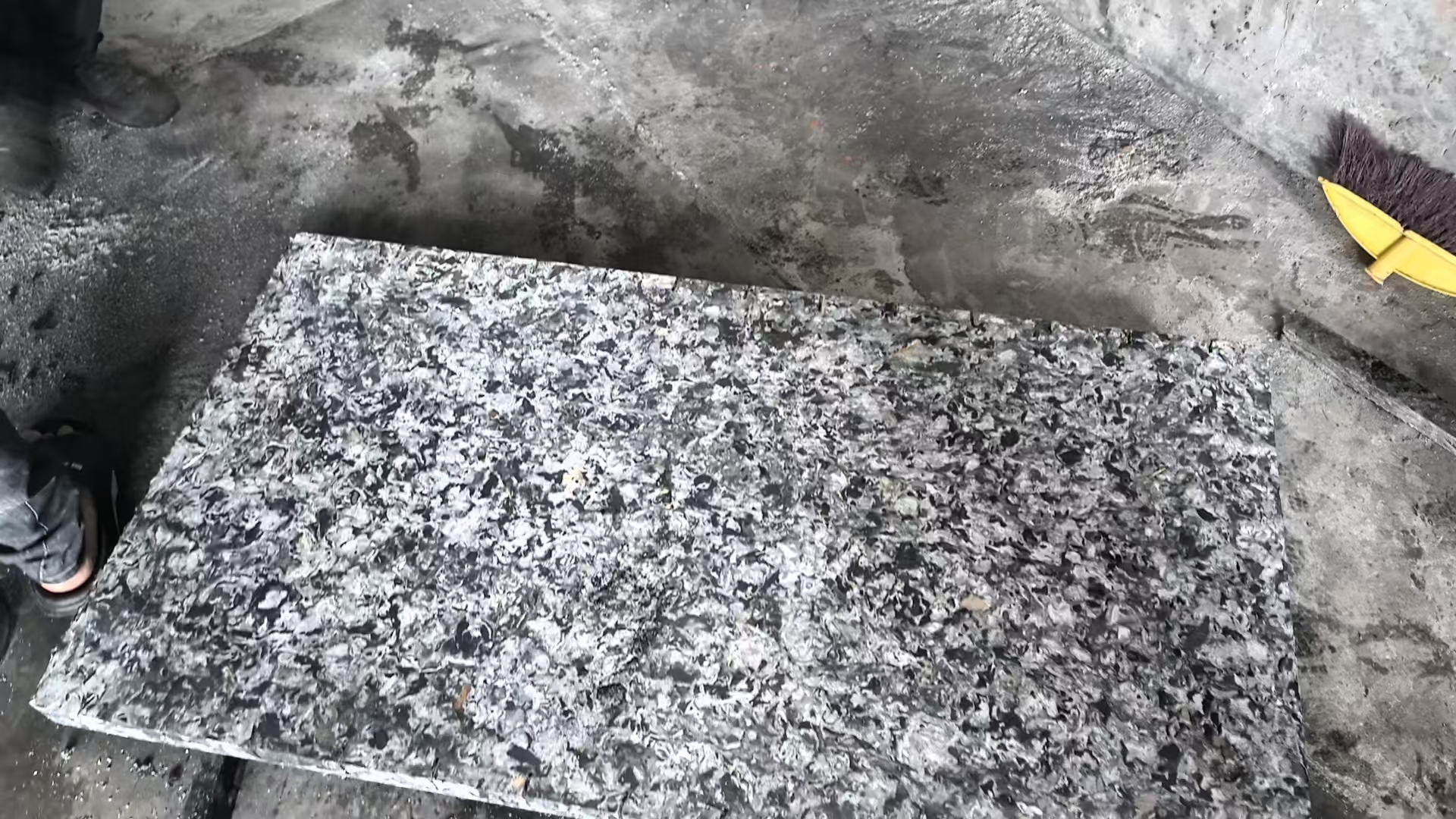
Heat transfer through GMT fiber pallet during brick curing process
In steam curing chambers operating at 60-80°C, heat must transfer through pallet material to reach brick bottoms. Wood’s low conductivity creates 12-18°C temperature drops across 20-25mm thickness, leaving brick bottoms 8-15°C cooler than tops. This differential generates incomplete hydration reactions in bottom regions, producing 18-28% lower compressive strength.
Composite fiber pallets achieve thermal conductivity of 0.25-0.35 W/m·K—approximately 2× higher than wood. White GMT brick pallets transfer heat 40-55% faster, reducing temperature differentials to 3-5°C and creating uniform strength development. Production data shows curing time reductions of 12-18% while improving bottom-surface strength by 20-30%.
The following comparison examines how different pallet materials affect thermal transfer and curing uniformity:
| Thermal Property | Wood Pallets | Plastic Pallets | GMT/Fiber Pallets | Curing Impact |
|---|---|---|---|---|
| Thermal Conductivity | 0.12-0.15 W/m·K | 0.18-0.22 W/m·K | 0.25-0.35 W/m·K | GMT: 40-55% faster heat transfer |
| Temperature Drop (20mm) | 12-18°C | 8-12°C | 3-5°C | GMT: 65-75% more uniform |
| Heat Transfer Rate | Slow (baseline) | Moderate (+30%) | Fast (+85-140%) | GMT: 12-18% faster curing |
| Bottom Surface Temp Deficit | -15°C to -20°C | -8°C to -12°C | -3°C to -5°C | GMT: minimal temperature lag |
| Strength Uniformity | ±18-25% variation | ±10-15% variation | ±5-8% variation | GMT: 60-75% improvement |
Pallet Thickness Impact on Curing Uniformity
Pallet thickness affects thermal resistance and heat transfer timing. Thicker pallets create longer thermal paths that delay heat reaching brick surfaces, while inconsistent thickness across pallet surfaces generates uneven curing patterns.
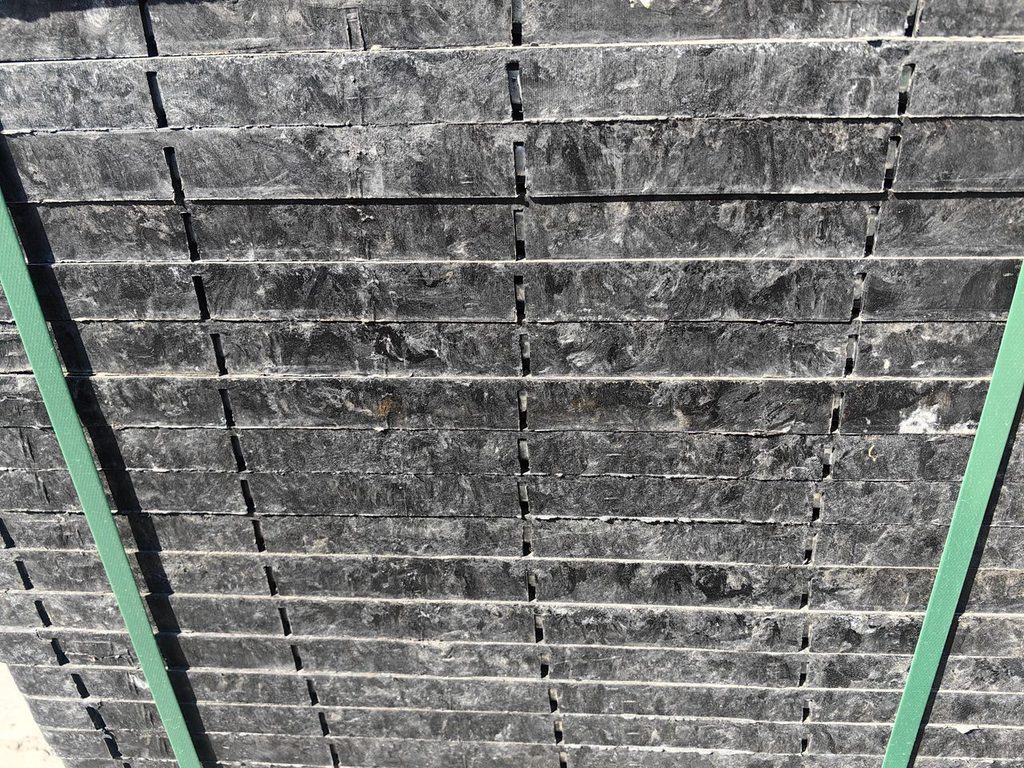
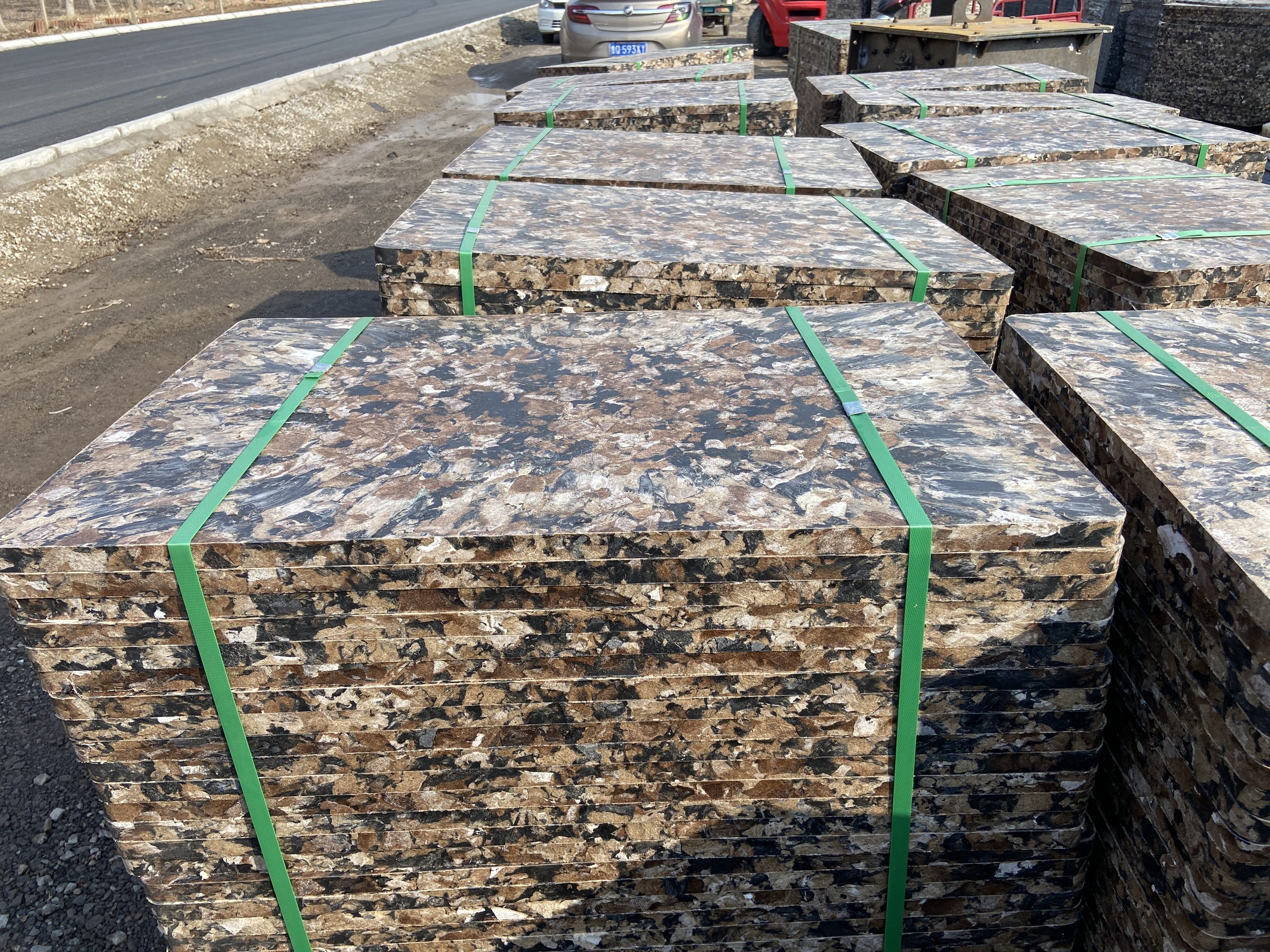
GMT pallet thickness consistency in compression molding production
Wood pallets vary 3-6mm in thickness due to natural material variations and machining tolerances. A pallet with 18mm thickness in one zone and 24mm in another creates thermal transfer time differences of 25-40%, generating curing rate variations that produce 12-18% strength differences within the same brick.
Quality control measurements show wood pallet thickness varies ±3-5mm across surfaces and ±5-8mm across production batches. This inconsistency makes process optimization impossible—settings that work well for thin pallets under-cure bricks on thick pallets, while settings optimized for thick pallets over-cure bricks on thin ones.
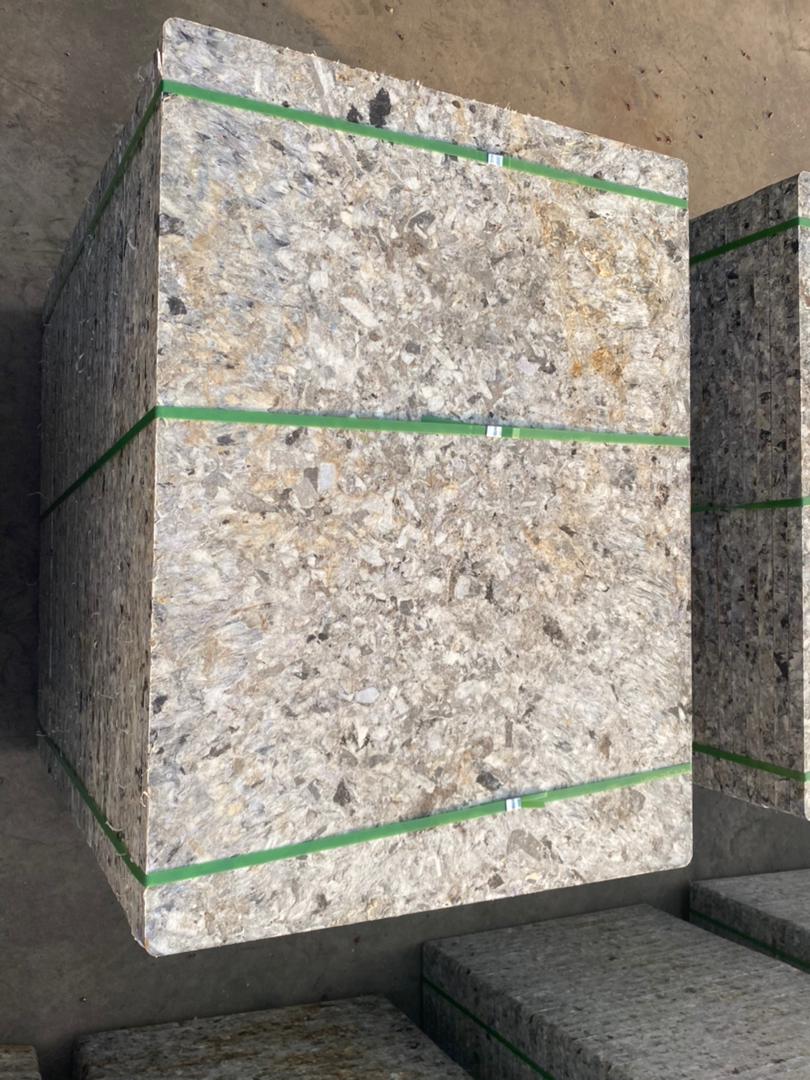
White yellow GMT pallets achieve thickness tolerance of ±1-2mm through precision compression molding. This consistency allows process engineers to optimize curing parameters knowing thermal resistance stays constant. Facilities report curing cycle improvements of 8-15% and strength uniformity improvements of 40-60% after standardizing pallet thickness.
Airflow Patterns and Heat Transfer Efficiency
Curing chamber airflow patterns determine heat distribution to stacked brick loads. Pallet design affects airflow resistance and circulation efficiency, directly impacting temperature uniformity across production batches.
Solid-surface pallets with minimal airflow channels create dead zones where steam circulation stagnates, generating 10-18°C temperature variations between well-ventilated and poorly-ventilated stack locations. Bricks in circulation dead zones require 20-35% longer curing times and develop 15-25% lower strength.
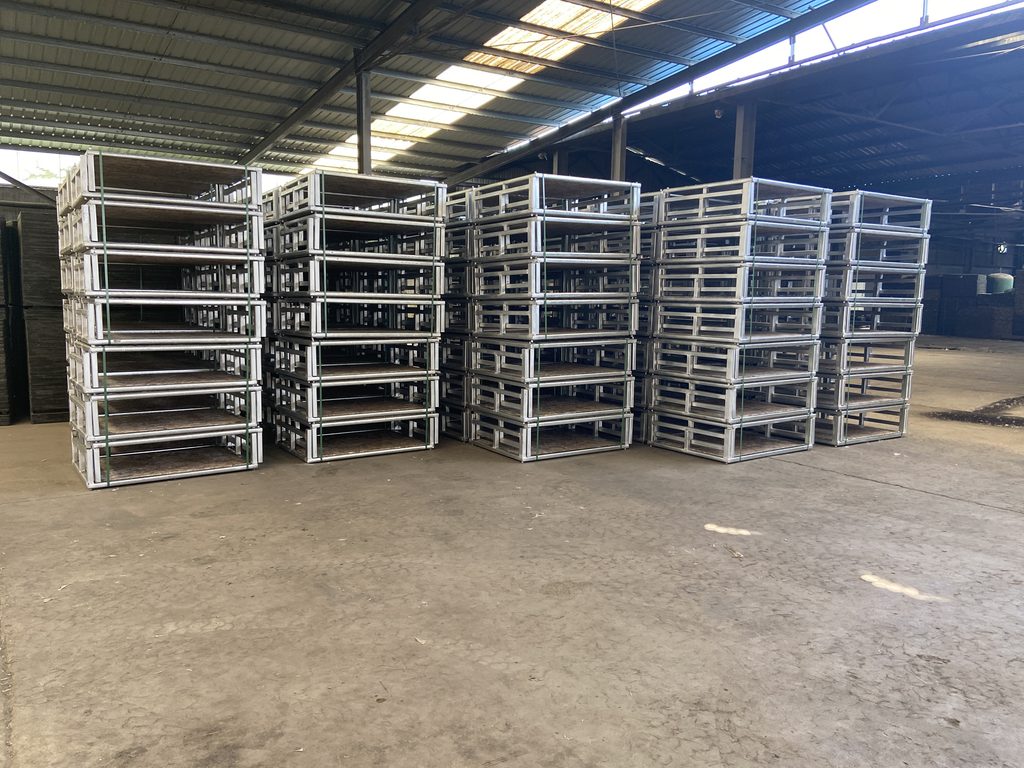
Airflow circulation patterns with GMT pallets in brick curing chamber
Wood pallet warping creates unpredictable air gaps that change airflow patterns as pallets age. Fresh wood pallets may provide adequate circulation, but after 6-12 months, warping closes some gaps while opening others, creating inconsistent curing results that vary batch-to-batch.
GMT pallets maintain consistent dimensional stability that preserves designed airflow characteristics throughout their service life. The uniform surface prevents circulation blocking while maintaining predictable heat transfer. Facilities using fiber brick pallets report 30-45% more consistent curing results across different chamber zones and 15-25% reduction in batch-to-batch strength variation.
Moisture Management During Curing
Moisture content affects hydration reactions during cement curing. Pallets that absorb or release moisture create uncontrolled humidity variations that impact curing uniformity and final strength development.
Wood pallets absorb 15-20% moisture in steam curing environments, then release this moisture slowly as bricks dry. This creates localized humidity zones where brick bottoms experience different moisture conditions than tops, affecting hydration reaction rates and generating 12-18% strength variations.
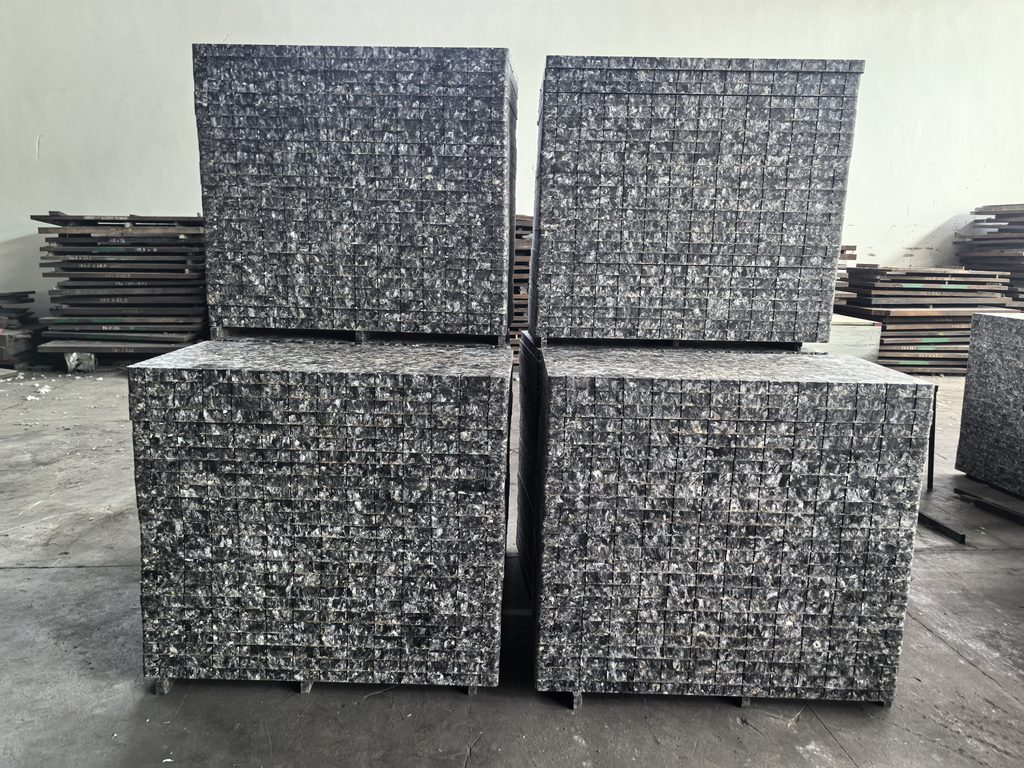
Moisture-resistant GMT fiber pallets in high-humidity curing environment
In high-humidity curing chambers, saturated wood pallets develop surface condensation that over-moisturizes brick bottoms, leading to delayed strength development and surface defects. Testing shows bottom surfaces on wood pallets reach target strength 18-24 hours later than top surfaces, creating production scheduling difficulties.
Fiber-reinforced composite pallets absorb less than 1% moisture, maintaining stable conditions regardless of chamber humidity. The non-porous surface prevents moisture accumulation and condensation formation. Black glass fiber pallets provide consistent moisture conditions that generate uniform hydration throughout brick volumes, improving strength uniformity by 45-65%.
Comparing Pallet Materials: Curing Performance
Understanding how different pallet materials impact curing performance helps manufacturers select optimal solutions for their specific quality requirements. The following analysis examines curing uniformity across critical factors.
| Curing Factor | Wood Pallets | Plastic Pallets | GMT/Fiber Pallets | Uniformity Improvement |
|---|---|---|---|---|
| Surface Flatness | ±6-10mm (warped) | ±3-4mm | ±2mm | GMT: 65-75% better contact |
| Thermal Conductivity | 0.12-0.15 W/m·K | 0.18-0.22 W/m·K | 0.25-0.35 W/m·K | GMT: 85-140% faster heat transfer |
| Thickness Consistency | ±3-5mm variation | ±2-3mm variation | ±1-2mm variation | GMT: 50-60% more consistent |
| Temperature Uniformity | ±15-20°C across surface | ±8-12°C | ±3-5°C | GMT: 70-85% more uniform |
| Moisture Stability | Absorbs 15-20% | Absorbs 2-5% | Absorbs <1% | GMT: eliminates moisture effects |
| Dimensional Stability | Warps with thermal cycling | Moderate stability | Excellent (-30°C to +80°C) | GMT: consistent long-term |
| Strength Uniformity | ±18-25% variation | ±10-15% variation | ±5-8% variation | GMT: 60-75% improvement |
| Rejection Rate | 12-18% | 7-10% | 4-6% | GMT: 55-70% reduction |
The data demonstrates that GMT and fiber-reinforced pallets deliver superior curing uniformity across every critical factor. While initial costs run 3-4× higher than wood alternatives, the 55-70% reduction in curing-related rejections generates quality savings of $12,000-25,000 annually for facilities producing 800,000-1,500,000 bricks monthly. This translates to 14-20 month ROI payback periods.
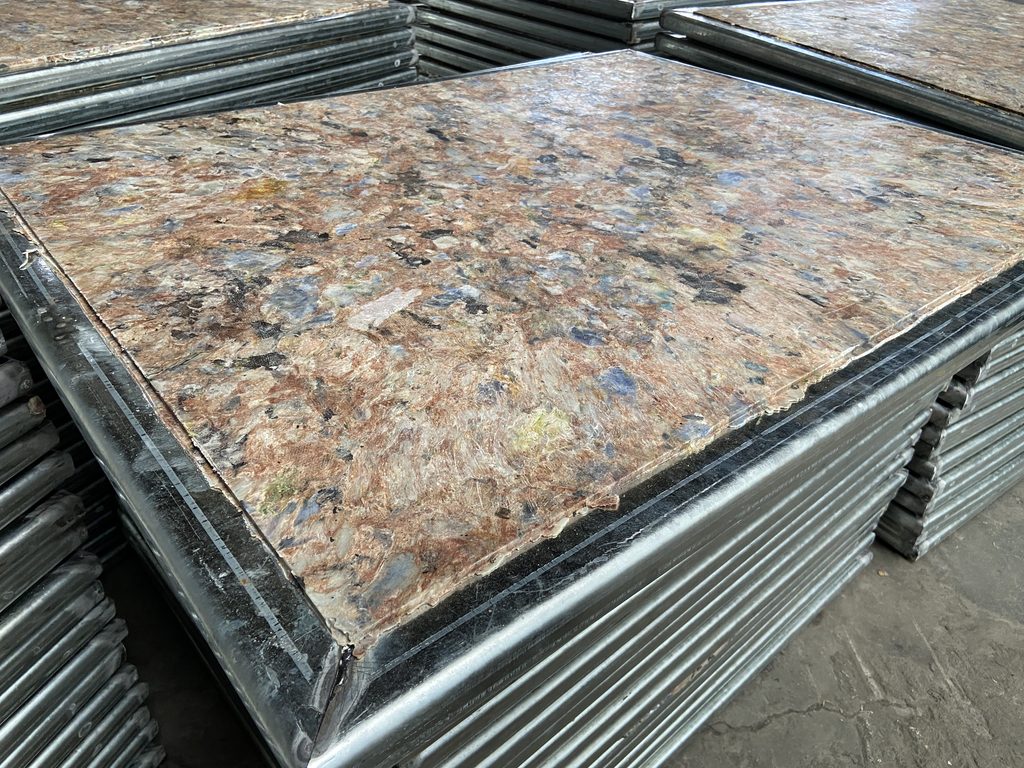
GMT fiber pallets demonstrating superior thermal curing performance
Quality Control Standards for Curing Pallets
Establishing pallet quality standards ensures consistent curing performance and predictable product outcomes. Manufacturing facilities should specify tolerance limits that maintain thermal uniformity requirements.
Surface Flatness Requirements:
- New pallet acceptance: ±2mm maximum variation across any 850mm span
- In-service tolerance: ±3mm before replacement required
- Measurement protocol: 9-point grid measurement per ISO surface standards
- Inspection frequency: every 500 curing cycles or quarterly
Thermal Performance Specifications:
- Thermal conductivity: minimum 0.25 W/m·K for steam curing applications
- Temperature uniformity: ±5°C maximum across pallet surface under load
- Heat transfer rate: achieve 90% of chamber temperature within 15 minutes
- Thermal stability: maintain properties from -30°C to +80°C
Dimensional Consistency Standards:
- Thickness tolerance: ±2mm across pallet surface
- Batch-to-batch variation: ±3mm maximum between any pallets in inventory
- Long-term dimensional drift: <2mm change over 5,000 cycles
- Moisture-induced dimensional change: <1mm across full humidity range
Facilities implementing these quality control standards report 40-55% reduction in curing-related defects and 25-35% improvement in process consistency. Regular measurement and replacement based on defined criteria maintains optimal curing performance.
Real Production Data: Curing Improvement Results
Production facilities that upgraded from wood pallets to GMT fiber pallets document significant improvements in curing uniformity and product quality. The following data comes from facilities producing 600,000-1,800,000 bricks monthly.
Automated Brick Plant – Southeast Asia:
Production volume: 1,200,000 bricks/month operating in 75-85% humidity environment
Before GMT pallets (wood):
- Curing uniformity: ±22% strength variation
- Rejection rate: 15% due to uneven curing
- Bottom surface strength deficit: -18°C temperature, -25% strength
- Annual quality costs: $28,000
After GMT pallets (G-001 pure white):
- Curing uniformity: ±6% strength variation (73% improvement)
- Rejection rate: 5% (67% reduction)
- Bottom surface strength deficit: -4°C temperature, -8% strength
- Annual quality costs: $9,500 (66% reduction)
- ROI payback: 16 months
High-Output Concrete Block Facility – Middle East:
Production volume: 1,800,000 units/month in extreme temperature environment (-5°C to +48°C)
Before fiber pallets (wood):
- Temperature uniformity: ±18°C across brick surfaces
- Batch-to-batch consistency: ±20% strength variation
- Seasonal quality variation: 25-30% higher rejection in summer
- Curing cycle time: 18-22 hours to target strength
After fiber pallets (GY-004 white yellow):
- Temperature uniformity: ±4°C across surfaces (78% improvement)
- Batch-to-batch consistency: ±7% variation (65% improvement)
- Seasonal variation: eliminated through stable thermal properties
- Curing cycle time: 14-16 hours (22% faster)
- Annual savings: $32,000 through improved quality and faster throughput
- ROI payback: 14 months
These results demonstrate that pallet quality improvements deliver measurable returns through reduced rejection rates, faster curing cycles, and improved process consistency. Facilities report additional benefits including reduced quality inspection labor, fewer customer complaints, and ability to produce premium products with tighter tolerance requirements.
FAQ
Q: How much surface flatness variation is acceptable for uniform curing?
A: Maintain ±2mm flatness for optimal thermal contact and uniform heat distribution. Variations beyond ±3mm create temperature differentials of 8-15°C that generate unacceptable strength variations of 12-18%. Replace pallets when flatness exceeds ±3mm tolerance.
Q: What causes bottom surfaces to cure more slowly than top surfaces?
A: Three factors contribute: pallet thermal insulation creating temperature drops of 12-18°C through low-conductivity materials, surface flatness variations reducing thermal contact to 50-65% of brick area, and moisture accumulation in porous pallets affecting hydration reactions. Use high-thermal-conductivity pallets with ±2mm flatness to eliminate these effects.
Q: Can I improve curing uniformity without replacing all pallets at once?
A: Yes, implement phased replacement starting with worst-performing pallets identified through flatness measurements. Sort remaining wood pallets by flatness tolerance and retire those exceeding ±4mm immediately. This approach delivers 30-40% uniformity improvement within first 3-6 months while spreading capital investment over 12-18 months.
Q: How do I measure pallet thermal performance in my facility?
A: Use infrared temperature measurement during curing cycles. Place temperature sensors on brick top surfaces and bottom surfaces (between brick and pallet). Temperature differential exceeding 8°C indicates poor pallet thermal performance. Compare readings across different pallet types to identify underperformers.
Q: What pallet specifications should I require for steam curing applications?
A: Specify thermal conductivity minimum 0.25 W/m·K, surface flatness ±2mm, thickness consistency ±2mm, moisture absorption <2%, and thermal stability from -30°C to +80°C. Require suppliers to provide thermal conductivity test data and dimensional tolerance measurements.
Q: How long do GMT pallets maintain curing performance?
A: GMT fiber pallets maintain thermal and dimensional properties through 5,000+ curing cycles, typically 10-12 years in normal production environments. Surface flatness changes less than 1mm over this period, compared to 5-10mm degradation in wood pallets within 18-24 months. Regular inspection every 500 cycles confirms continued performance.
Conclusion
Uneven brick curing originates primarily from pallet quality factors: surface flatness variations creating inconsistent thermal contact, low thermal conductivity materials slowing heat transfer, and dimensional instability generating unpredictable curing conditions. Production data demonstrates that upgrading from wood pallets to GMT fiber-reinforced pallets improves curing uniformity by 60-75%, reduces rejection rates by 55-70%, and accelerates curing cycles by 12-18%.
Quality pallets deliver measurable returns through reduced defect costs, faster production throughput, and improved process consistency. Facilities producing 800,000-1,500,000 bricks monthly recover investment costs within 14-20 months through quality improvements alone, with additional savings from reduced inspection labor and premium product capability.
Rhinos Pallet manufactures precision GMT pallets engineered specifically for uniform brick curing applications. Our fiber-reinforced composite construction maintains ±2mm surface flatness through 5,000+ curing cycles while delivering thermal conductivity 85-140% higher than wood alternatives.
Contact us today for technical specifications, curing performance data, and custom pallet solutions optimized for your production requirements.