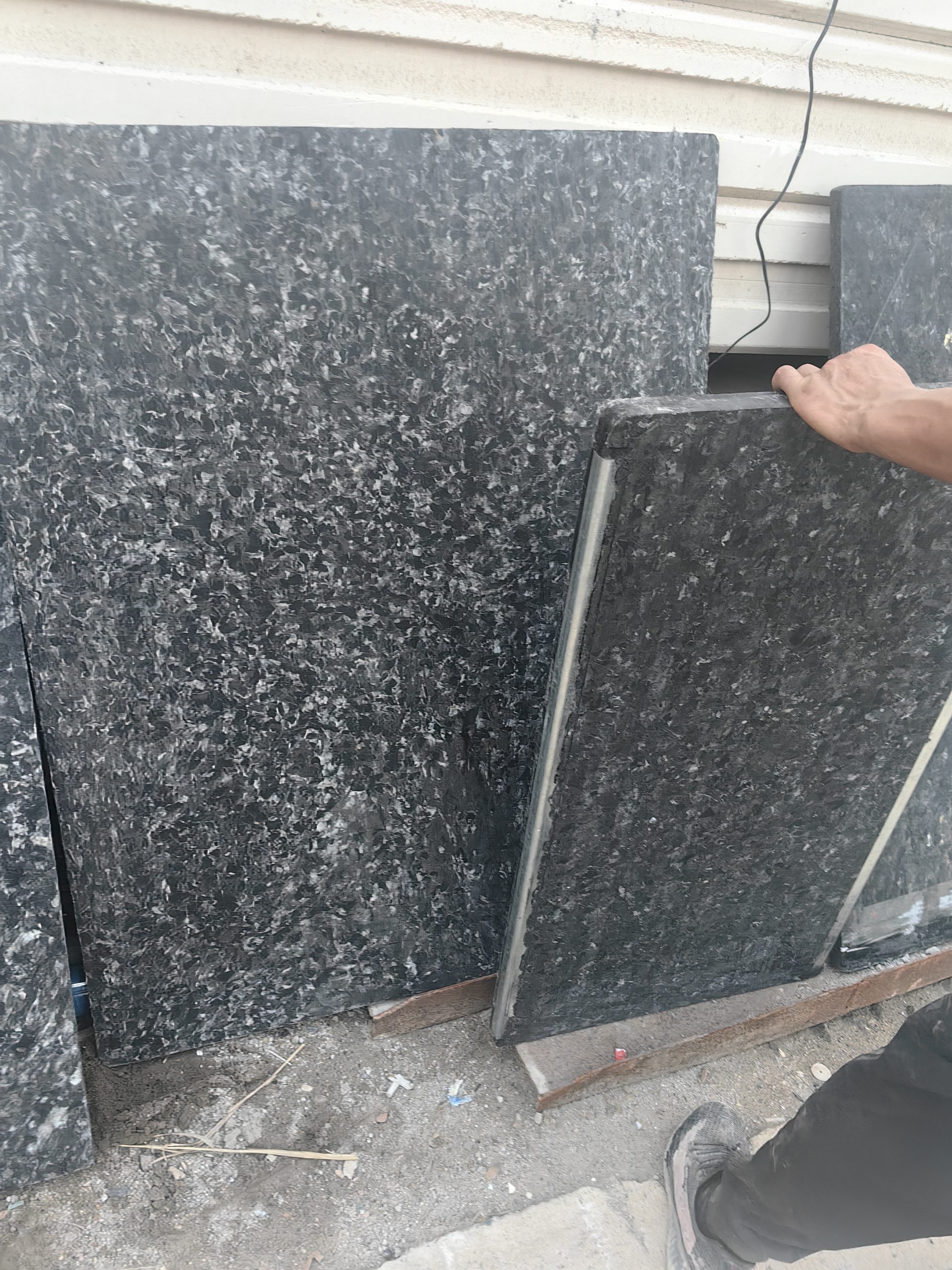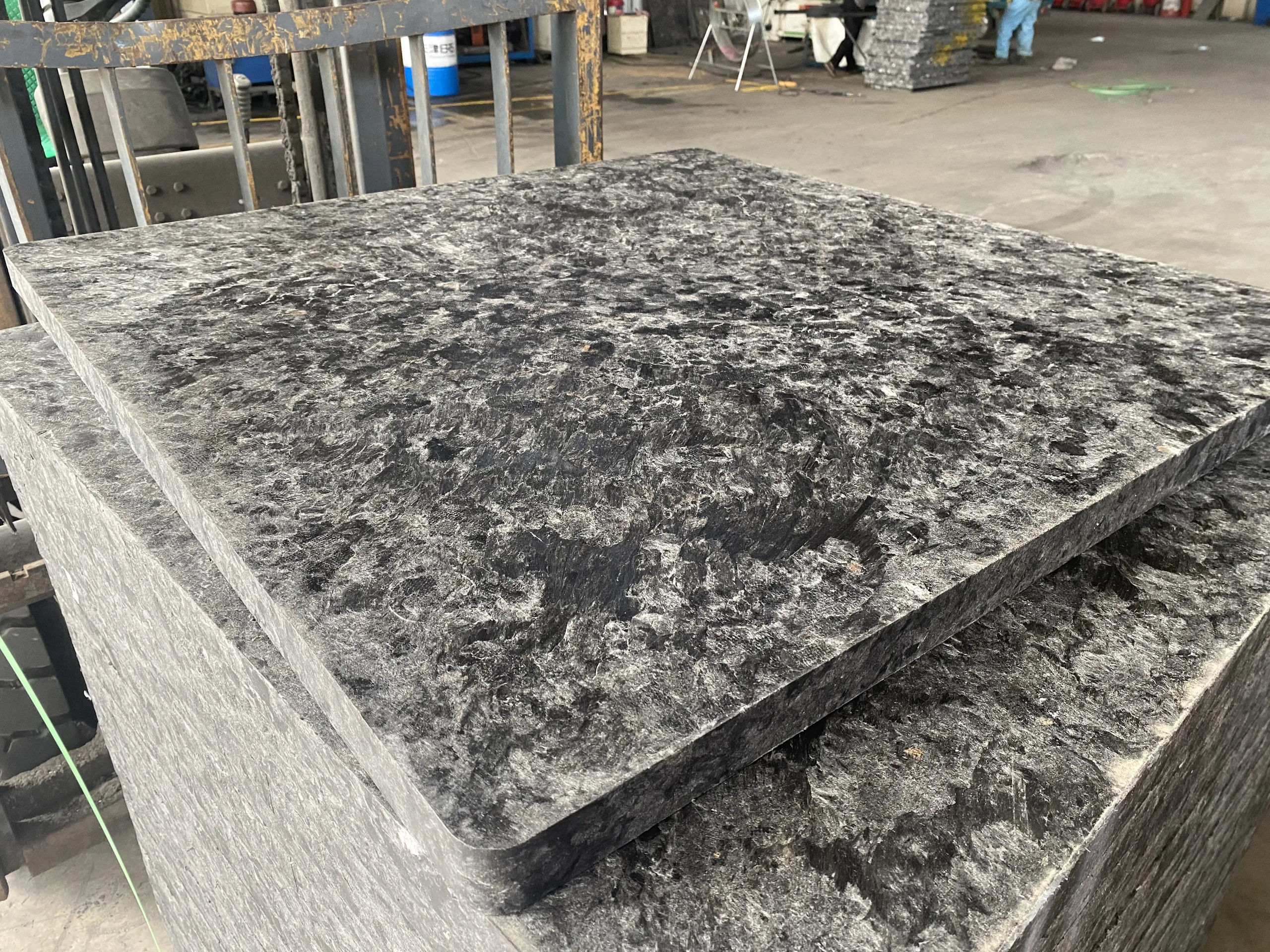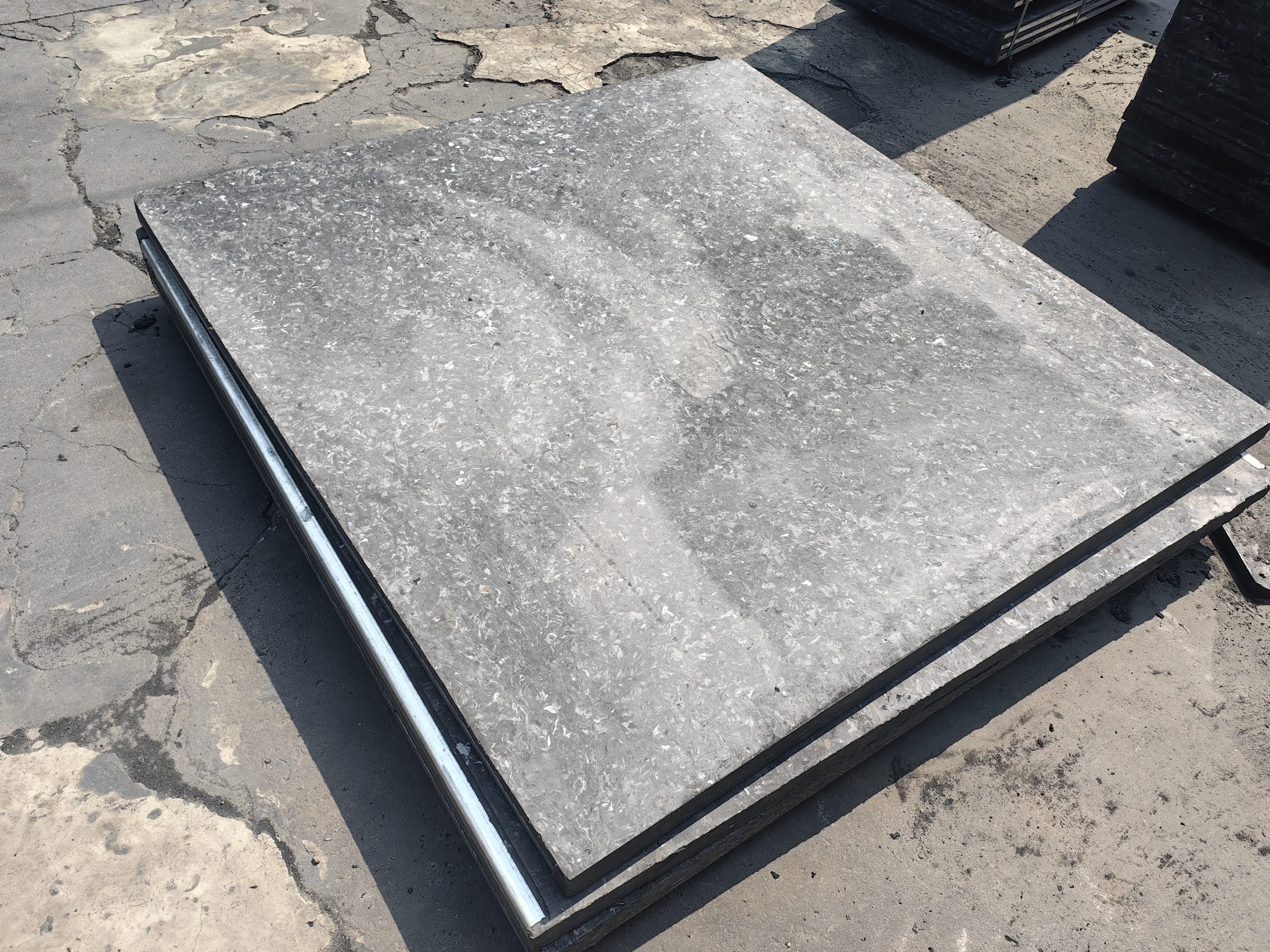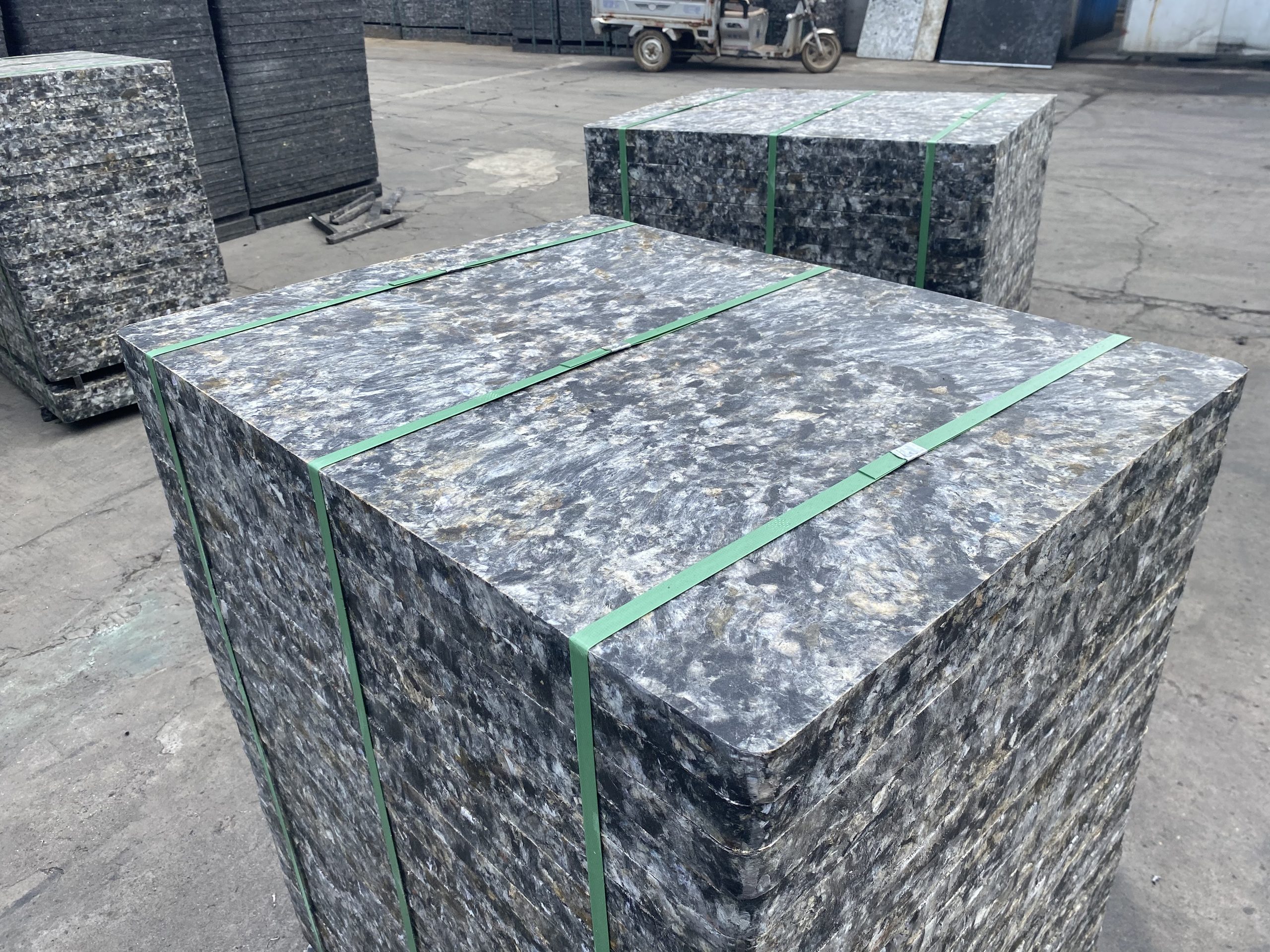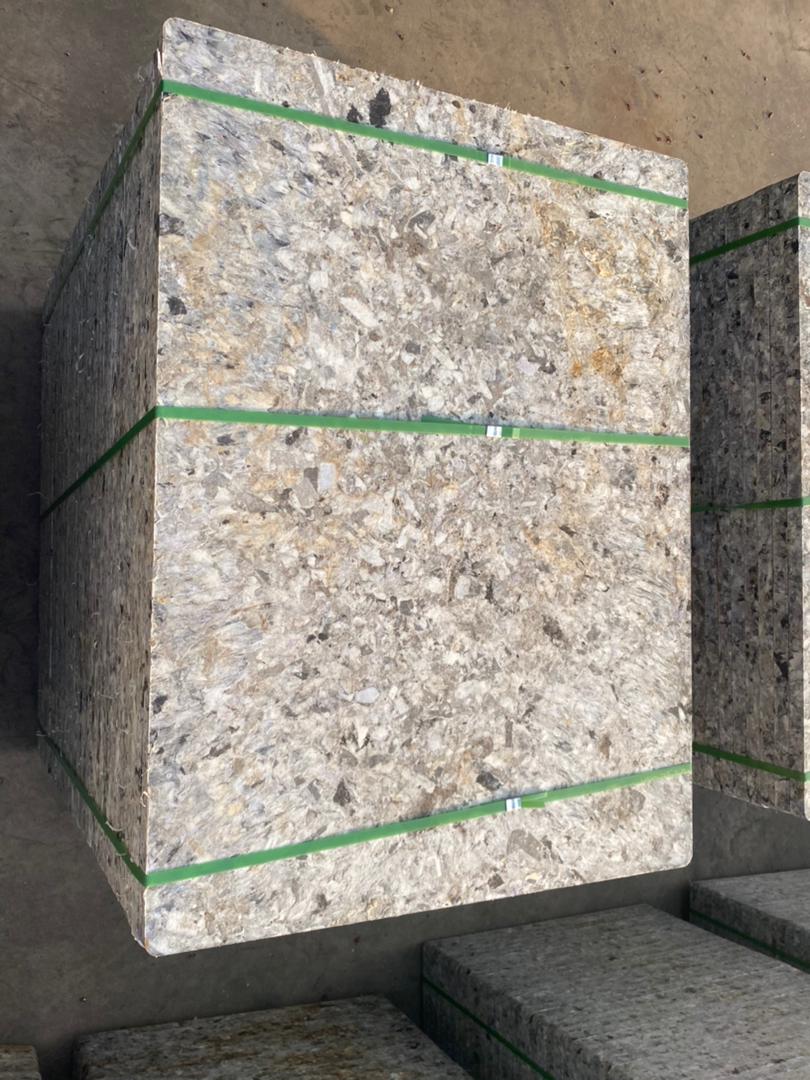
The G-002 Premium White GMT Brick Pallet delivers 8-10 year lifespan in automated production lines, reducing replacement costs by 80% and brick breakage by up to 50% compared to traditional wooden pallets. This comprehensive guide covers technical compatibility requirements, automation integration specifications, and performance optimization for modern brick manufacturing operations.
What Makes G-002 Pallets Compatible with Automated Systems?
The G-002 pallet is engineered specifically for high-speed automated brick production environments where dimensional consistency and durability are critical. This fiber-reinforced composite pallet features precision-molded construction with flatness tolerance of ±2mm across its entire 850mm × 680mm surface, ensuring consistent brick height and preventing production stoppages in automated handling systems.
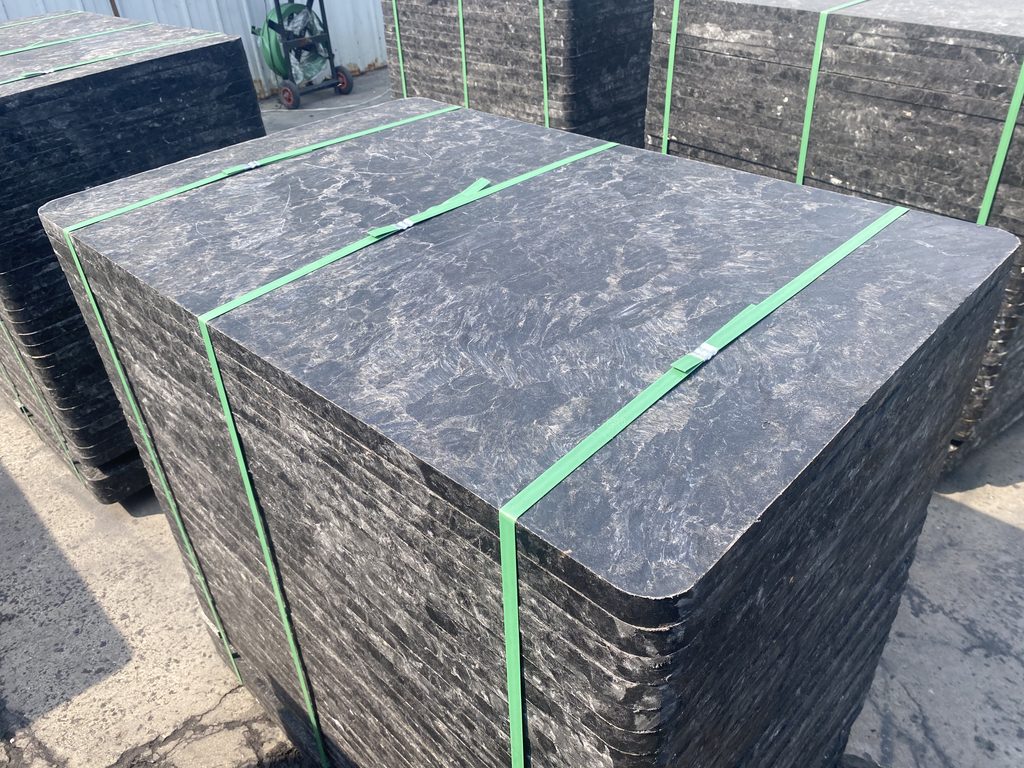
According to industry data from automated brick facilities, dimensional inconsistencies in pallets account for 15-20% of production line downtime. The G-002 addresses this challenge through glass fiber reinforced thermoplastic (GMT) construction that maintains structural integrity across temperature ranges of -40°C to +90°C. You can integrate these pallets into existing automated stackers, robotic handling systems, and conveyor networks without modification to your production equipment.
The pallet’s compatibility extends to multiple automated brick machine types including QT5-15, QT4-26, and LMT4-40 models that produce 1,260-1,800 units per hour. This production capacity requires pallets that can withstand continuous vibration during molding cycles while maintaining surface flatness to prevent brick damage during automated stacking and curing processes.
Technical Specifications for Automation Integration
Understanding the technical requirements for automated compatibility ensures seamless integration into your production line. The G-002 pallet meets strict manufacturing tolerances required by modern automated brick making equipment.
| Specification | G-002 Standard | Automation Requirement | Compatibility Notes |
|---|---|---|---|
| Dimensions | 850mm × 680mm × 22mm | ±1mm tolerance | Fits QT-series, LMT-series machines |
| Weight | 18-22 kg | Lightweight for robotic handling | 30% lighter than wood equivalent |
| Load Capacity | 2,500-3,000 kg | Static load tested | Supports full brick loads |
| Surface Flatness | ±2mm | Critical for automated stacking | Prevents brick cracking |
| Temperature Range | -40°C to +90°C | All-climate operation | Stable in kiln environments |
| Moisture Absorption | <1% | Essential for dimensional stability | No warping in humid conditions |
| Impact Strength | ≥30 KJ/m² | Automated handling resistance | 2x stronger than PVC pallets |
The dimensional precision of G-002 pallets is critical for automated systems. Modern brick machines use programmable logic controllers (PLCs) that require consistent pallet dimensions to maintain production sequences. You should verify that your pallet supplier provides certified dimensional tolerances, as variations exceeding ±1mm can cause feeding errors in automated molding presses.
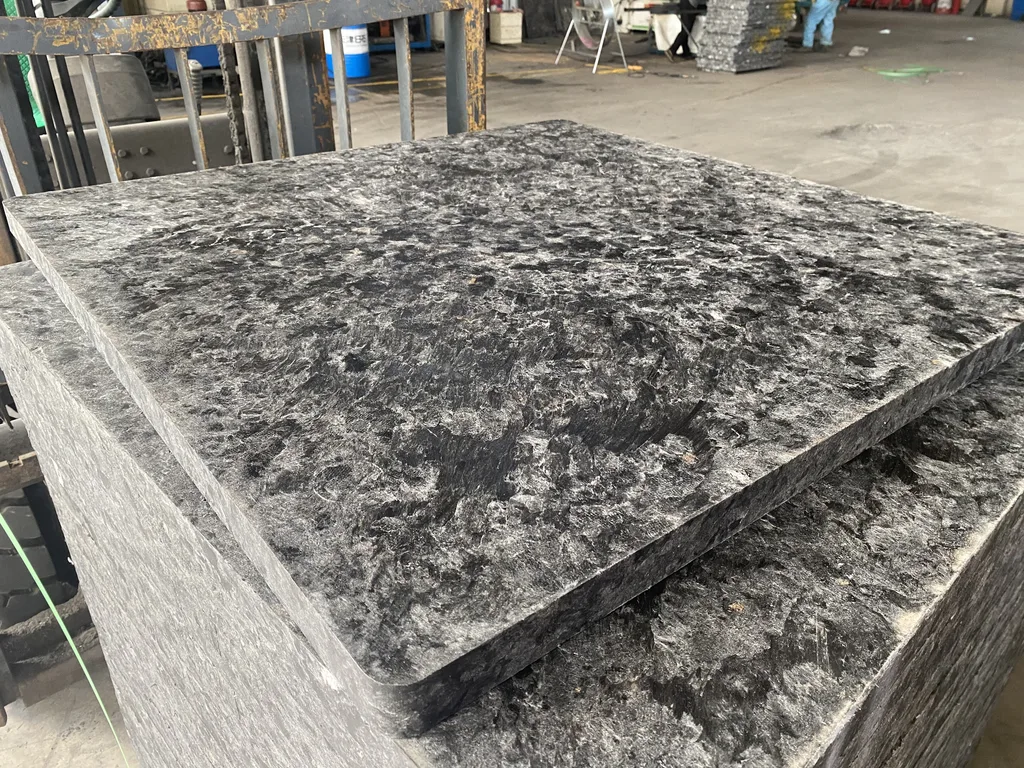
Automated Production Line Integration Requirements
Integrating G-002 pallets into your automated production line involves three critical compatibility factors: conveyor system specifications, robotic handling requirements, and stacking automation protocols.
Conveyor System Compatibility
Your conveyor system must accommodate the G-002’s 18-22 kg weight and 850mm × 680mm footprint. Most automated brick lines use roller conveyors with 100mm spacing, which work seamlessly with G-002 pallets due to their rigid fiber-reinforced construction. The pallet’s anti-slip bottom surface features a coefficient of friction of 0.6-0.8, preventing slippage during conveyor transfers at speeds up to 15 meters per minute.
For operations running multiple production cycles daily, the G-002’s low moisture absorption (<1%) prevents dimensional changes that could jam automated feeding systems. Traditional wooden pallets absorb 8-15% moisture, leading to swelling that disrupts conveyor alignment and causes production stoppages.
Robotic Handling Systems
Automated palletizers in brick manufacturing handle approximately 1,260-1,800 units per hour, requiring pallets with consistent weight distribution for robotic gripper systems. The G-002 pallet’s balanced design ensures center of gravity remains within ±5mm of geometric center, critical for vacuum lift systems and mechanical grippers.
You should specify gripper configurations based on pallet edge thickness. The G-002’s 22mm profile accommodates standard gripper jaw openings of 20-30mm used in automated stacking robots. The aluminum edge reinforcement provides additional grip surface while preventing edge damage during repeated automated handling cycles.
Automated Stacking Protocol Optimization
Automated stackers require pallets that maintain flatness under load to prevent toppling during high-speed stacking operations. The G-002’s load capacity of 2,500-3,000 kg exceeds typical automated stacking requirements of 1,800-2,200 kg per pallet, providing a safety margin that prevents structural failure during peak production periods.
Performance Comparison: G-002 vs Alternative Pallet Types
Choosing the right pallet for automated production requires understanding how different materials perform under continuous automated handling stress.
| Parameter | G-002 GMT Pallet | Wooden Pallet | PVC Pallet | Steel Pallet |
|---|---|---|---|---|
| Lifespan in Automation | 8-10 years | 1-2 years | 4-5 years | 12-15 years |
| Dimensional Stability | Excellent (±1mm) | Poor (warps) | Good (±3mm) | Excellent (±0.5mm) |
| Automation Compatibility | High | Low | Moderate | High |
| Moisture Resistance | <1% absorption | 8-15% absorption | 2-3% absorption | Rust issues |
| Weight | 18-22 kg | 25-30 kg | 15-18 kg | 35-45 kg |
| Initial Cost per Unit | $95-$115 | $35-$45 | $65-$80 | $180-$220 |
| Replacement Frequency | Every 8-10 years | Annual | Every 4-5 years | Every 12-15 years |
| ROI Payback Period | 18-24 months | N/A (ongoing cost) | 30-36 months | 36-48 months |
Based on real-world automated facility data, G-002 pallets reduce total cost of ownership by 60-75% over a 10-year operational period compared to wooden pallets requiring annual replacement. For a facility producing 1,500 units per hour, this translates to savings of $15,000-$25,000 annually in pallet replacement costs alone.
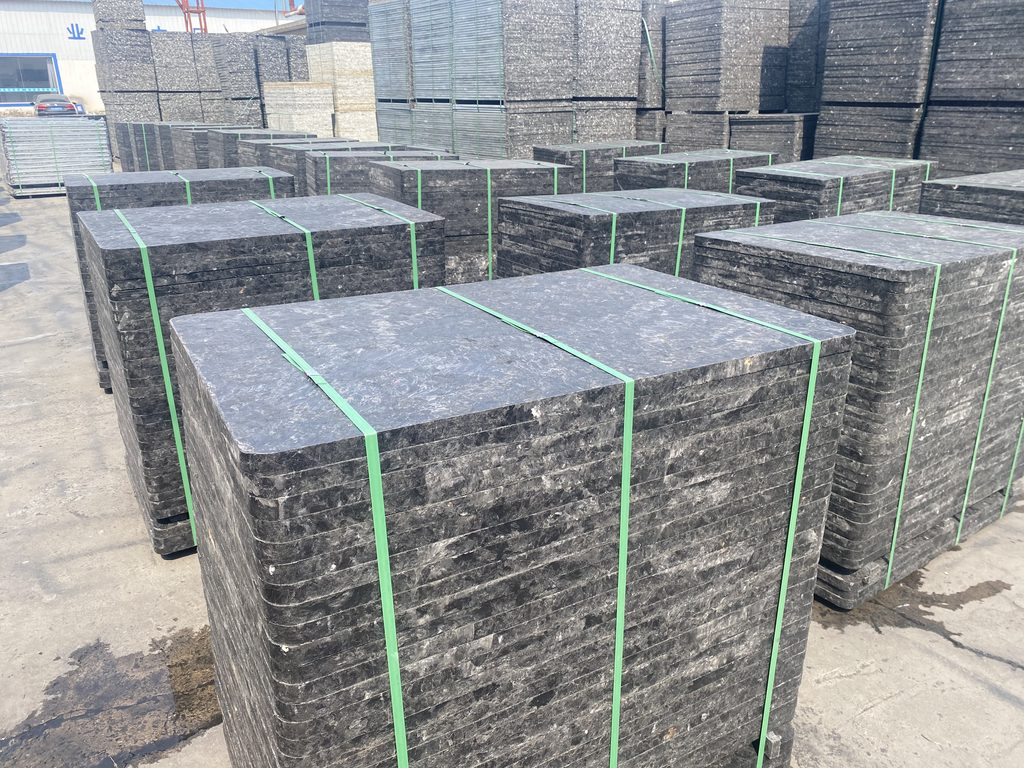
Common Automation Compatibility Issues and Solutions
Issue 1: Dimensional Drift During High-Temperature Curing
Problem: Pallets exposed to kiln temperatures of 60-80°C can experience thermal expansion, causing dimensional changes that disrupt automated stacker alignment.
Solution: The G-002’s glass fiber reinforced construction provides thermal stability with expansion coefficient of only 2.5×10⁻⁵ m/(m·K), approximately 40% lower than pure thermoplastic pallets. You should verify thermal specifications when selecting pallets for automated curing systems operating above 70°C.
Issue 2: Surface Roughness Affecting Brick Release
Problem: Automated demolding systems require consistent brick release timing. Surface variations can cause bricks to stick, disrupting production sequences controlled by PLC systems.
Solution: G-002 pallets feature controlled surface roughness of Ra 3.2-6.3 micrometers, optimized for automated brick release. The surface treatment includes anti-adhesion coating that maintains effectiveness for 8,000+ production cycles before requiring renewal.
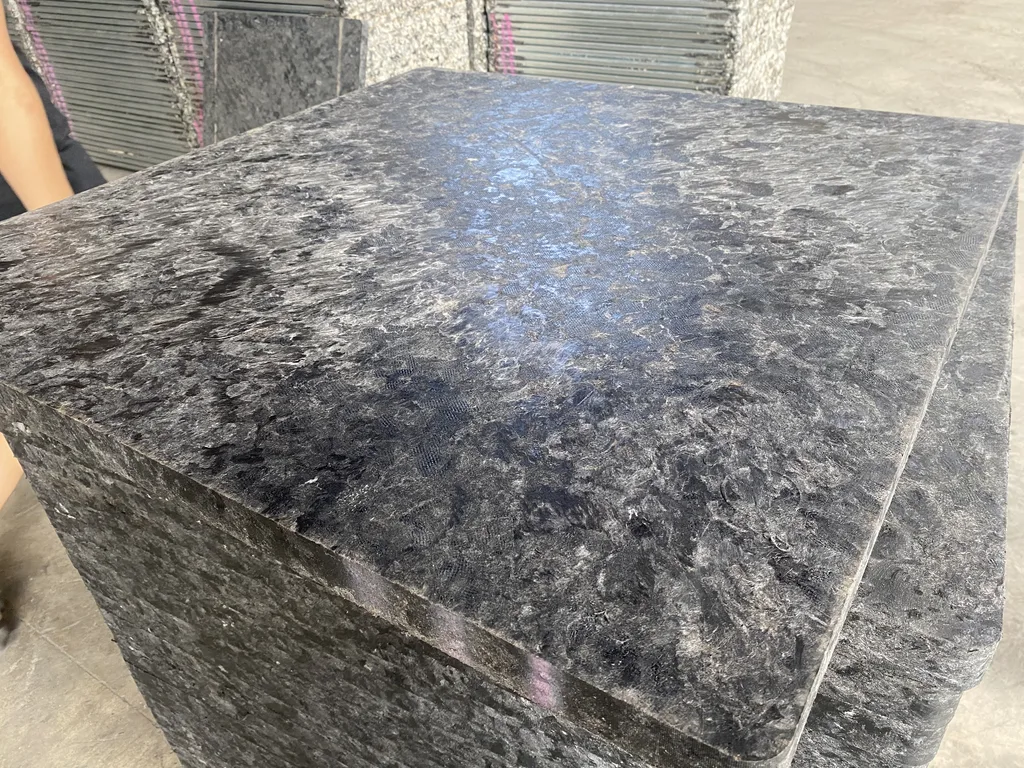
Issue 3: Edge Damage from Automated Handling
Problem: Repeated robotic gripper contact can damage pallet edges, creating debris that jams conveyor systems and reduces pallet lifespan.
Solution: The G-002 incorporates aluminum edge reinforcement strips embedded during the molding process. This design feature, absent in standard GMT pallets, extends edge durability by 300-400% under automated handling conditions. You should inspect edge reinforcement quality during incoming pallet inspection to ensure compatibility with your gripper systems.
Optimizing Automation Efficiency with G-002 Pallets
Maximizing your automated production line efficiency requires understanding how pallet characteristics affect overall system performance. Based on data from automated facilities, implementing these optimization strategies can increase throughput by 12-18%.
Cycle Time Reduction Through Pallet Selection
Automated brick machines complete molding cycles in 15-25 seconds. The G-002’s surface properties enable faster brick release, reducing cycle times by 2-3 seconds per unit. For a facility producing 1,500 units per hour, this translates to an additional 180-270 units per 8-hour shift, representing a 12-18% throughput increase.
You can measure cycle time improvements by monitoring PLC data for demolding duration. Target demolding times should be ≤3 seconds for optimal automation efficiency. If your current demolding exceeds 5 seconds, pallet surface condition may be the limiting factor.
Reducing Automated Stacker Downtime
Palletizing automation failures often stem from inconsistent pallet dimensions causing position errors in robotic stacking systems. The G-002’s dimensional consistency reduces position correction cycles by 75-85%, lowering automated stacker downtime from industry average of 8-12% to 2-3%.
To optimize stacker performance, implement incoming pallet inspection protocols measuring flatness and dimensional tolerances. Reject pallets exceeding ±2mm flatness deviation, as these will cause recurring stacker errors requiring manual intervention.
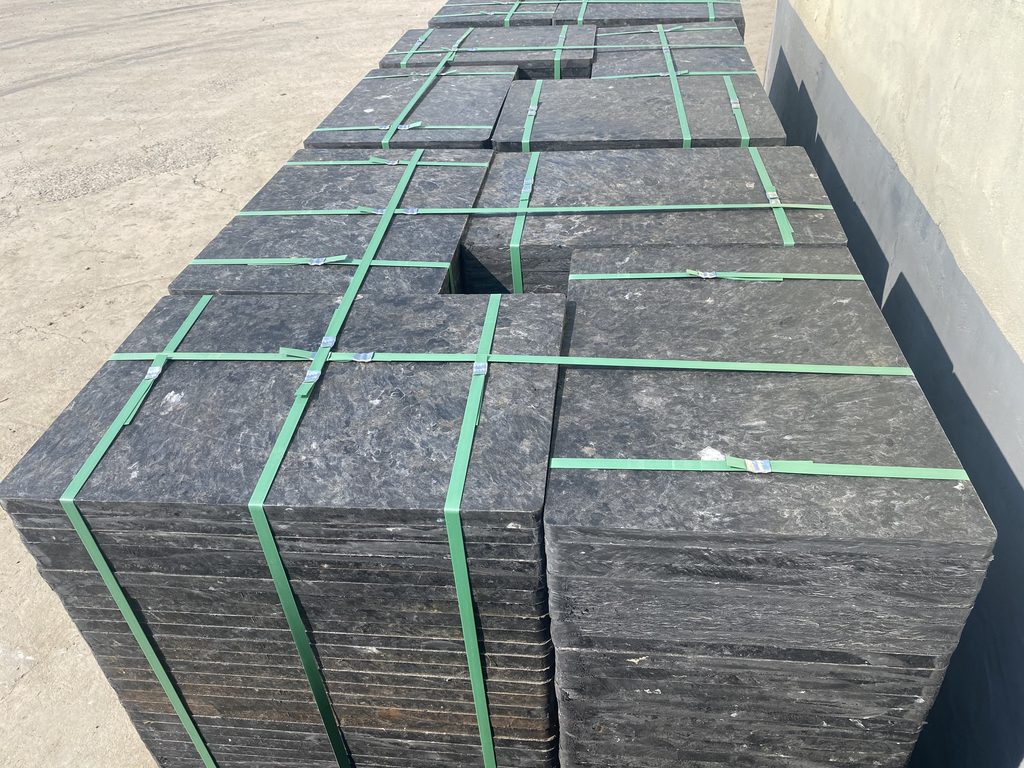
Cost Analysis: Automation ROI with G-002 Pallets
Understanding the total cost of ownership for automated production pallets requires analyzing initial investment, replacement frequency, downtime costs, and productivity gains.
Investment Breakdown for 1,500 Units/Hour Facility
For an automated facility producing 1,500 bricks per hour (12,000 per 8-hour shift), you typically require 200-250 pallets in rotation to maintain continuous production considering curing time, stacking, and cycle time.
Initial Investment Comparison:
- G-002 GMT Pallets: 225 pallets × $105 = $23,625
- Wooden Pallets: 225 pallets × $40 = $9,000
- PVC Pallets: 225 pallets × $72 = $16,200
Annual Replacement Cost (Years 2-10):
- G-002: $0 (replacement in year 9-10)
- Wooden: $9,000 annually
- PVC: $3,240 annually (20% annual replacement rate)
Downtime Cost Reduction:
Automated line downtime costs $150-$250 per hour in lost production. G-002 pallets reduce pallet-related downtime by approximately 120 hours annually compared to wooden pallets, saving $18,000-$30,000 per year.
10-Year Total Cost of Ownership:
- G-002: $23,625 initial + $23,625 replacement (year 10) = $47,250
- Wooden: $9,000 × 10 years = $90,000
- PVC: $16,200 initial + ($3,240 × 9 years) = $45,360
When factoring in downtime reduction savings of $18,000-$30,000 annually, G-002 pallets achieve ROI payback within 18-24 months and generate net savings of $160,000-$290,000 over 10 years compared to wooden pallets.
Quality Control Standards for Automated Production
Maintaining automation compatibility requires implementing quality control protocols for both new pallets and pallets in service. These standards ensure consistent performance throughout the pallet’s 8-10 year lifespan.
Incoming Pallet Inspection Protocol
You should inspect all new G-002 pallets for automation compatibility before integrating them into your production line:
- Dimensional Verification: Measure length, width, and thickness at 5 points. Maximum deviation: ±1mm from nominal specifications.
- Flatness Testing: Use precision straight edge or laser measurement system. Maximum deviation: ±2mm across full surface.
- Weight Verification: Weigh each pallet. Acceptable range: 18-22 kg. Variations exceeding 2 kg indicate manufacturing defects affecting automated handling.
- Surface Inspection: Check for surface defects, foreign material embedment, or coating irregularities affecting brick release properties.
- Edge Integrity: Verify aluminum edge reinforcement is properly embedded with no gaps or protrusions that could damage automated grippers.
In-Service Monitoring for Automation Reliability
Implement monthly inspection cycles for pallets in active production:
- Surface Wear Assessment: Measure surface roughness. Replace pallets when Ra exceeds 12 micrometers, as this indicates coating degradation affecting automated brick release.
- Dimensional Stability Tracking: Re-measure critical dimensions quarterly. Pallets showing >2mm dimensional drift should be removed from automated service.
- Structural Integrity: Inspect for cracks, delamination, or edge damage. Any structural defects compromise automated handling safety and should trigger immediate removal.
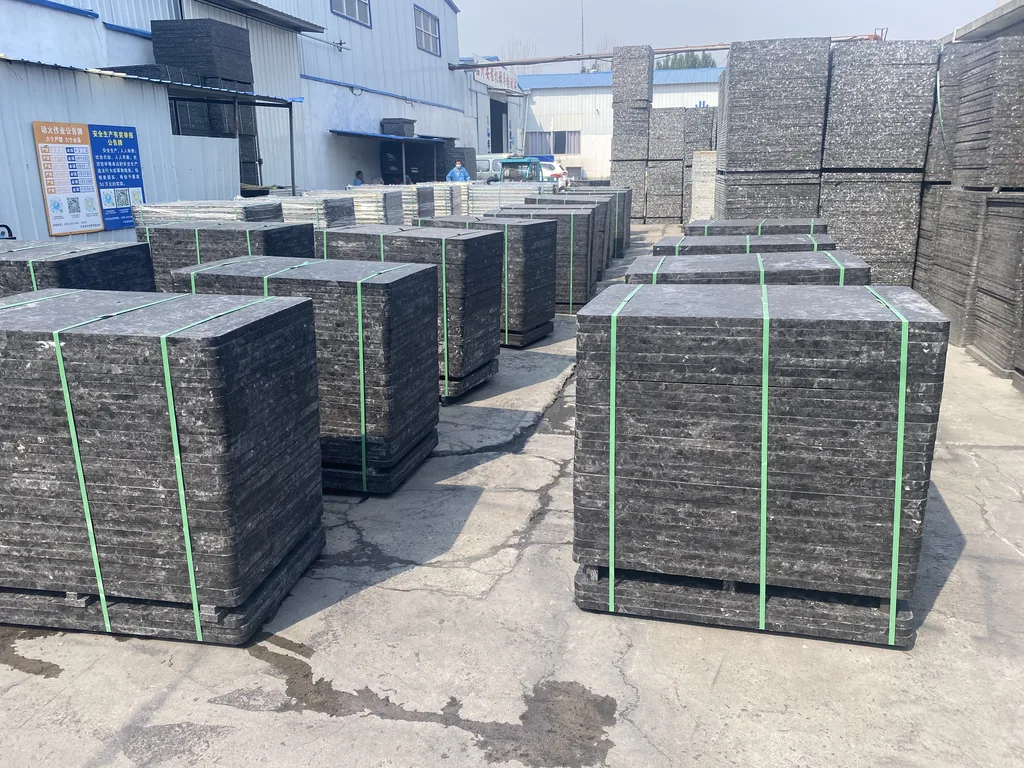
Integration Checklist for Automated Production Lines
Use this checklist when integrating G-002 pallets into your automated brick production facility to ensure full compatibility and optimal performance.
Pre-Integration Assessment:
- Verify conveyor roller spacing accommodates 850mm × 680mm pallet dimensions
- Confirm robotic gripper jaw opening matches 22mm pallet edge thickness
- Check automated stacker load capacity exceeds 3,000 kg safety margin
- Validate PLC programming includes G-002 dimensional parameters
- Ensure curing kiln temperature stays within -40°C to +90°C operational range
Initial Integration Phase:
- Run test cycles with 10-20 G-002 pallets monitoring cycle times
- Measure automated stacker position accuracy with new pallets
- Monitor brick release timing and adjust demolding parameters if needed
- Track conveyor transfer success rate through 50+ cycles
- Document any automated system adjustments required
Production Optimization:
- Compare cycle times to baseline (target: 2-3 second reduction)
- Monitor downtime incidents related to pallet issues (target: <2%)
- Track brick breakage rates (target: 50% reduction vs. wooden pallets)
- Calculate actual throughput increase (target: 12-18%)
- Measure ROI against projected 18-24 month payback period
Frequently Asked Questions
Q: Can G-002 pallets work with older automated brick machines from the 1990s-2000s?
A: Yes, G-002 pallets are backwards compatible with most automated brick machines manufactured after 1995, provided the machine uses standard 850mm × 680mm pallet dimensions. However, you should verify your machine’s conveyor system can handle the 18-22 kg pallet weight and that any robotic handling equipment can accommodate the 22mm edge thickness. Older machines with wooden pallet-specific parameters may require minor PLC programming adjustments to optimize cycle times.
Q: How does moisture resistance affect automated production reliability?
A: Moisture resistance is critical for automation reliability because dimensional stability directly impacts automated handling accuracy. G-002 pallets absorb <1% moisture, maintaining dimensional consistency within ±1mm regardless of humidity conditions. In contrast, wooden pallets absorbing 8-15% moisture can swell by 3-5mm, causing automated stacker position errors, conveyor jams, and increased downtime. For facilities in humid climates or those with water-intensive curing processes, this moisture resistance typically reduces pallet-related downtime by 80-90%.
Q: What is the break-even point for switching from wooden to G-002 pallets?
A: For automated facilities producing 1,200-1,800 units per hour, the break-even point typically occurs at 18-24 months. This calculation factors in the higher initial investment ($95-$115 vs. $35-$45 per pallet) offset by elimination of annual replacement costs, 50% reduction in brick breakage, and 80% reduction in pallet-related downtime. Facilities running three shifts or producing higher volumes reach break-even faster, typically within 12-16 months.
Q: Do G-002 pallets require special storage conditions between production cycles?
A: No specialized storage is required. G-002 pallets can be stored outdoors in temperature ranges from -40°C to +90°C without degradation. However, for optimal automated performance, store pallets on flat surfaces to maintain dimensional integrity and avoid stacking more than 50 pallets high to prevent compression deformation. Unlike wooden pallets, G-002 pallets do not require covered storage to prevent moisture absorption or pest infestation.
Q: How do I integrate G-002 pallets if my facility uses multiple automated brick machine models?
A: The G-002’s standardized 850mm × 680mm dimensions ensure compatibility across most automated brick machine models including QT-series, LMT-series, and similar equipment. You should verify dimensional compatibility for each machine type in your facility and consider ordering a test batch of 20-30 pallets to validate performance across all equipment before full integration. Most facilities successfully integrate G-002 pallets across mixed machine types without requiring separate pallet inventories.
Q: What maintenance schedule extends G-002 pallet lifespan in automated environments?
A: Implement quarterly inspections measuring surface roughness, flatness deviation, and dimensional stability. Clean pallets every 500-1,000 production cycles using pressure washing (≤100 bar) to remove accumulated cement dust that can affect brick release properties. Replace the anti-adhesion surface coating every 8,000-10,000 cycles (approximately every 3-4 years in high-volume operations). This maintenance schedule ensures pallets maintain automation compatibility throughout their 8-10 year lifespan.
Conclusion
The G-002 Premium White GMT Brick Pallet delivers proven automation compatibility for modern brick production facilities, combining precision manufacturing tolerances, exceptional durability, and consistent dimensional stability required by high-speed automated systems. With dimensional accuracy of ±1mm, surface flatness of ±2mm, and operational temperature range of -40°C to +90°C, these pallets integrate seamlessly with automated stackers, robotic handling systems, and PLC-controlled production sequences.
For facilities producing 1,200-1,800 units per hour, G-002 pallets reduce total cost of ownership by 60-75% over 10 years compared to wooden alternatives while simultaneously cutting brick breakage by 50% and pallet-related downtime by 80%. The 18-24 month ROI payback period makes G-002 pallets a financially sound investment for operations seeking to optimize automated production efficiency.
If you need high-quality GMT brick pallets for your automated production facility, Rhinos Pallet offers manufacturing capabilities delivering consistent dimensional tolerances and proven durability for high-speed brick production environments. Our G-002 pallets have successfully integrated into automated facilities worldwide, providing reliable performance across diverse climate conditions and production requirements. Contact us today for technical specifications, automation integration guidance, and competitive factory-direct pricing tailored to your production volume.