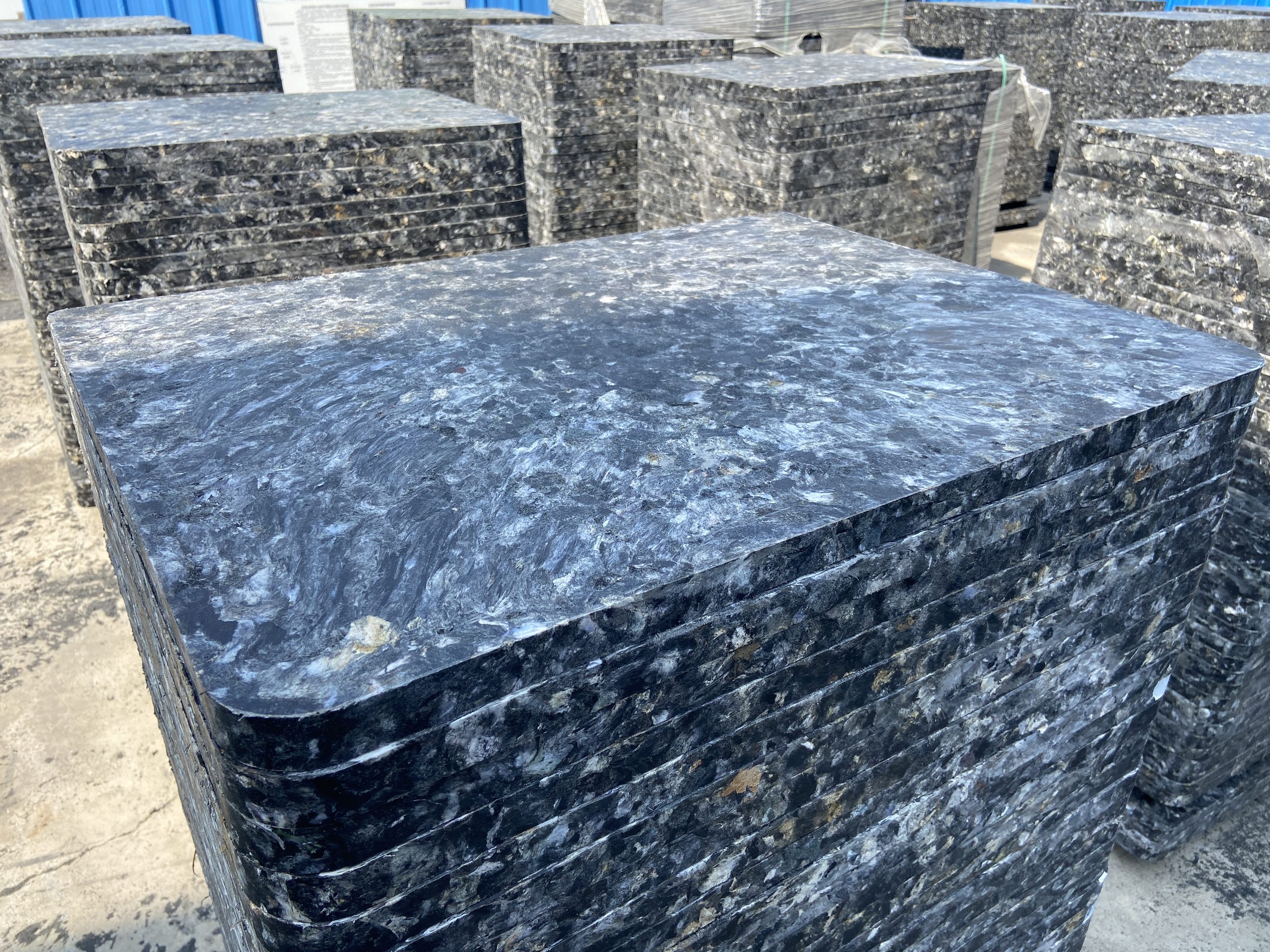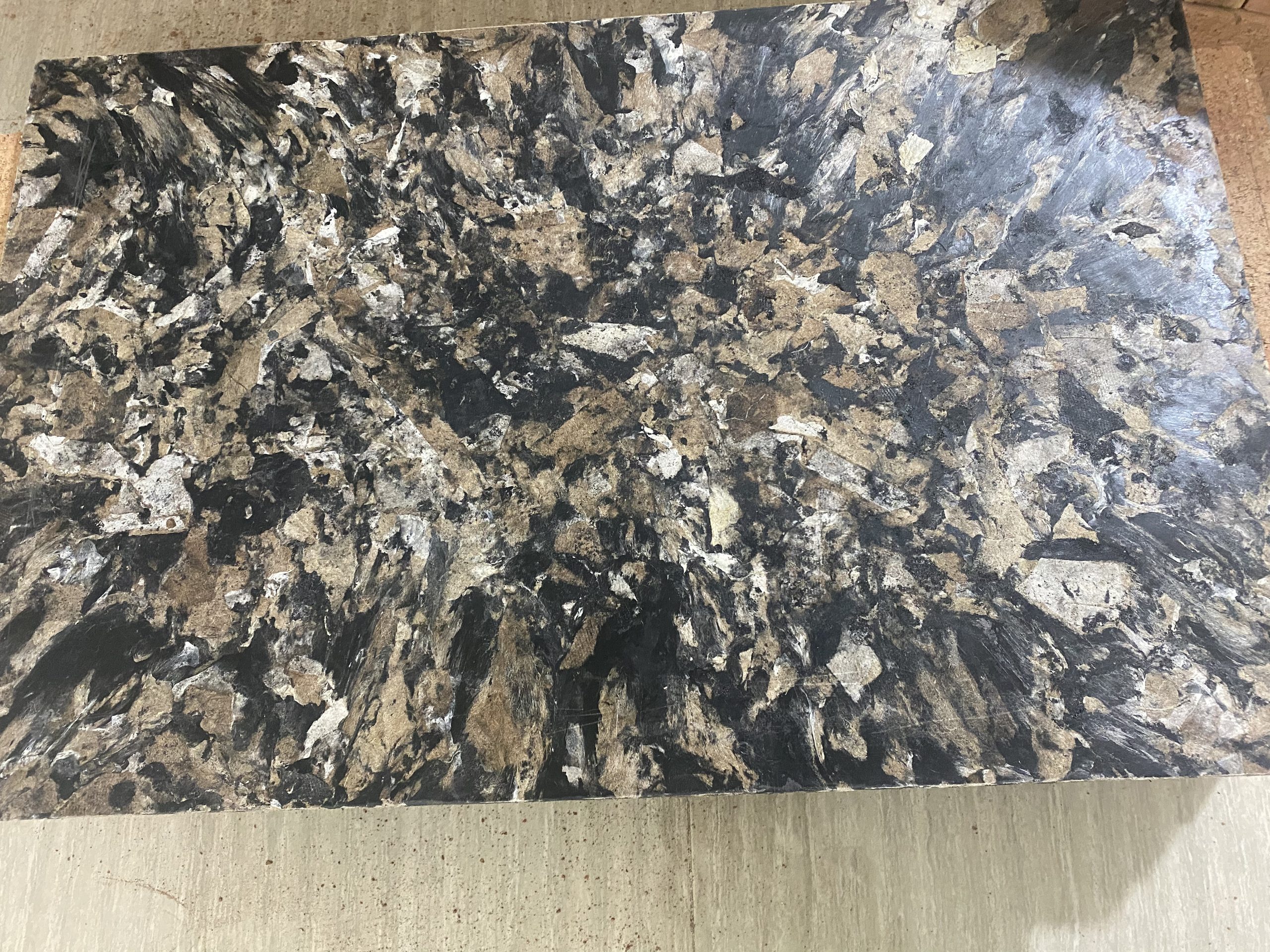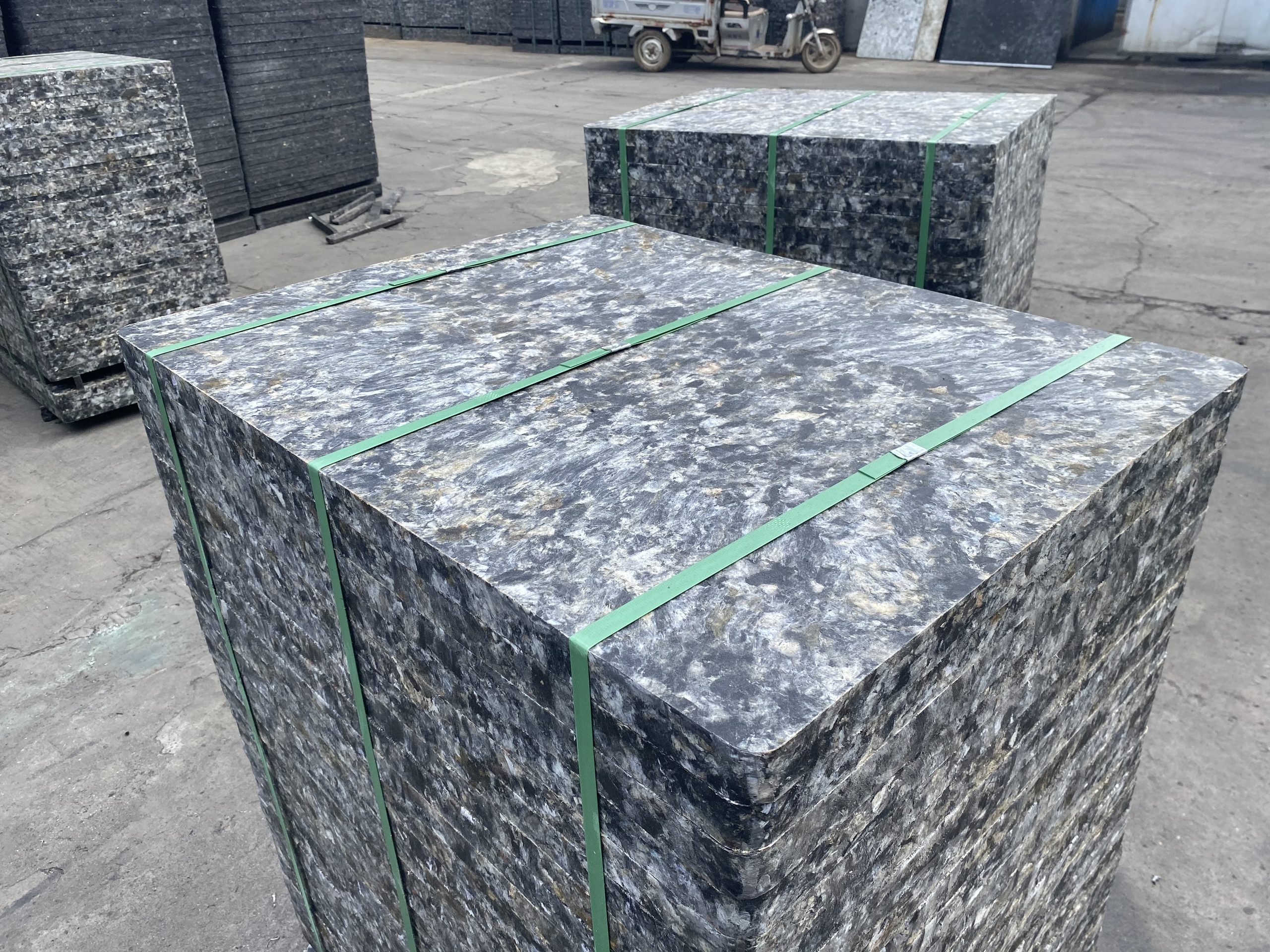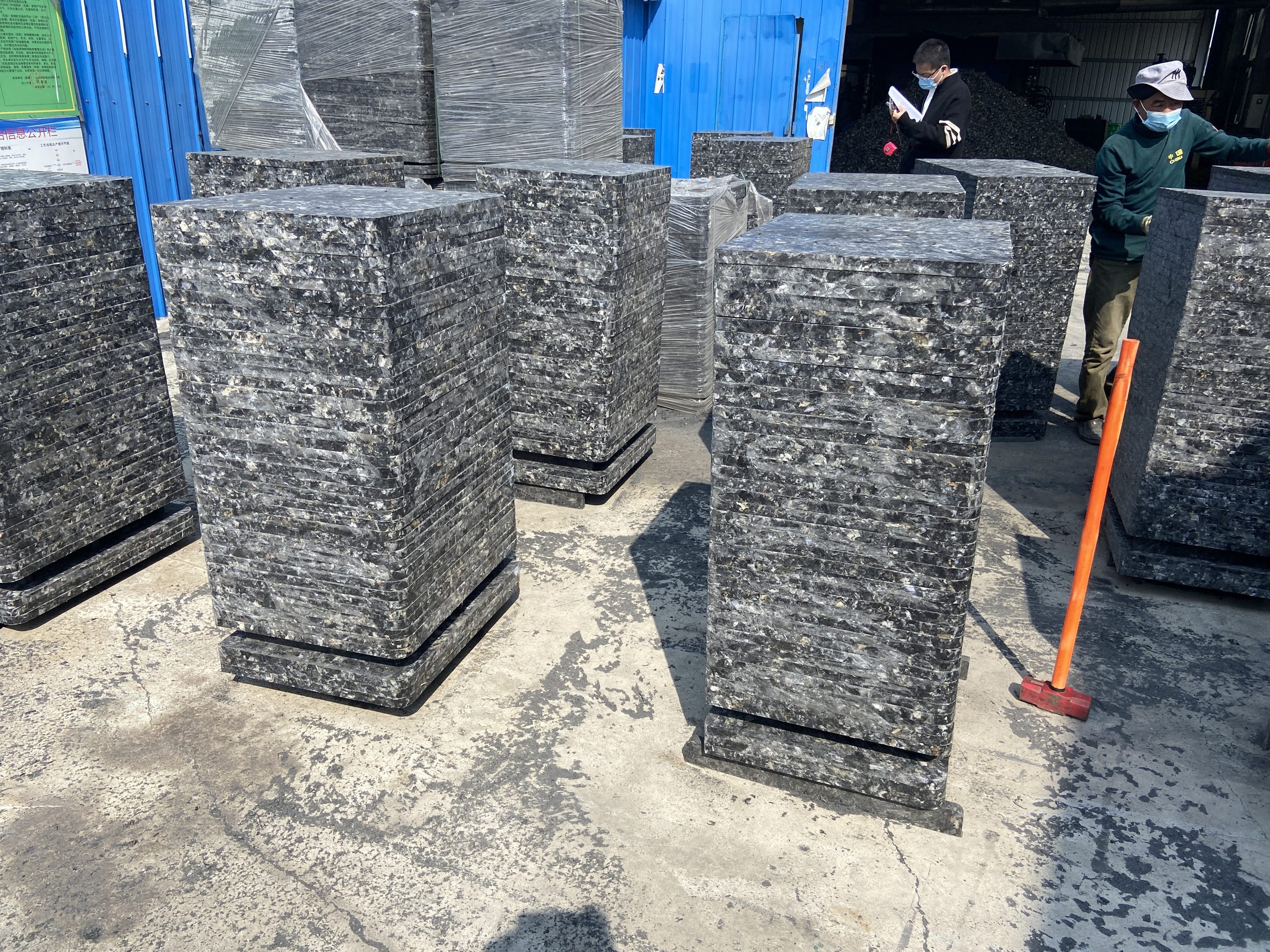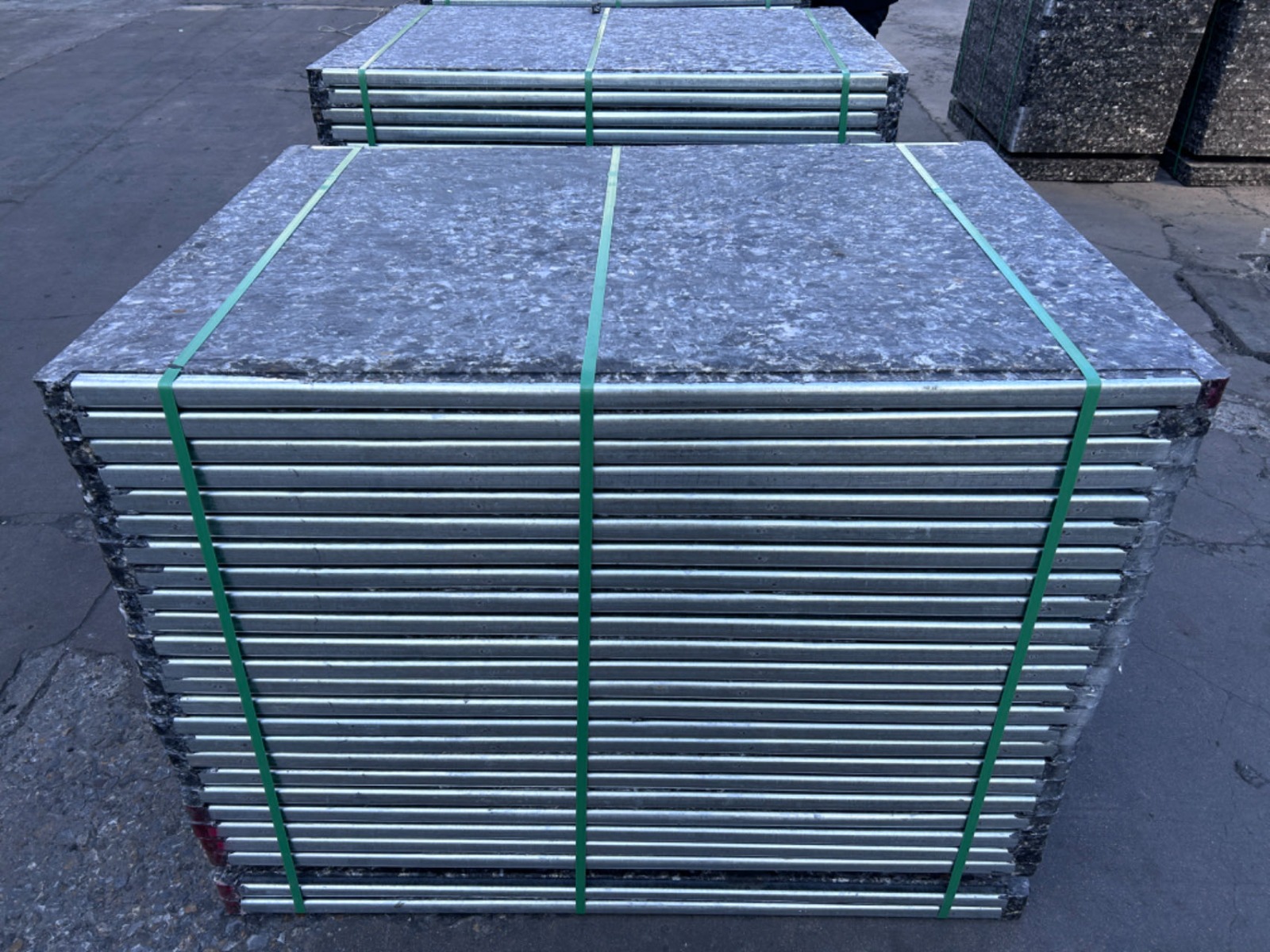
Most brick manufacturers fixate on raw material costs and overlook the pallet beneath every unit. That oversight is expensive. A mid-sized facility producing 250,000 bricks monthly with 10% breakage loses $195,000 annually in material waste alone at $0.65 per brick. Switch to premium GMT pallets, and breakage drops to 3%, saving $136,500 in the first year. The pallet investment of $14,000 pays back in 62 days.
This analysis quantifies how pallet quality impacts your cost per brick through breakage reduction, efficiency gains, and extended equipment life. Real facility data from plants running 100,000 to 400,000 bricks monthly reveals the multiplier effect premium pallets create.
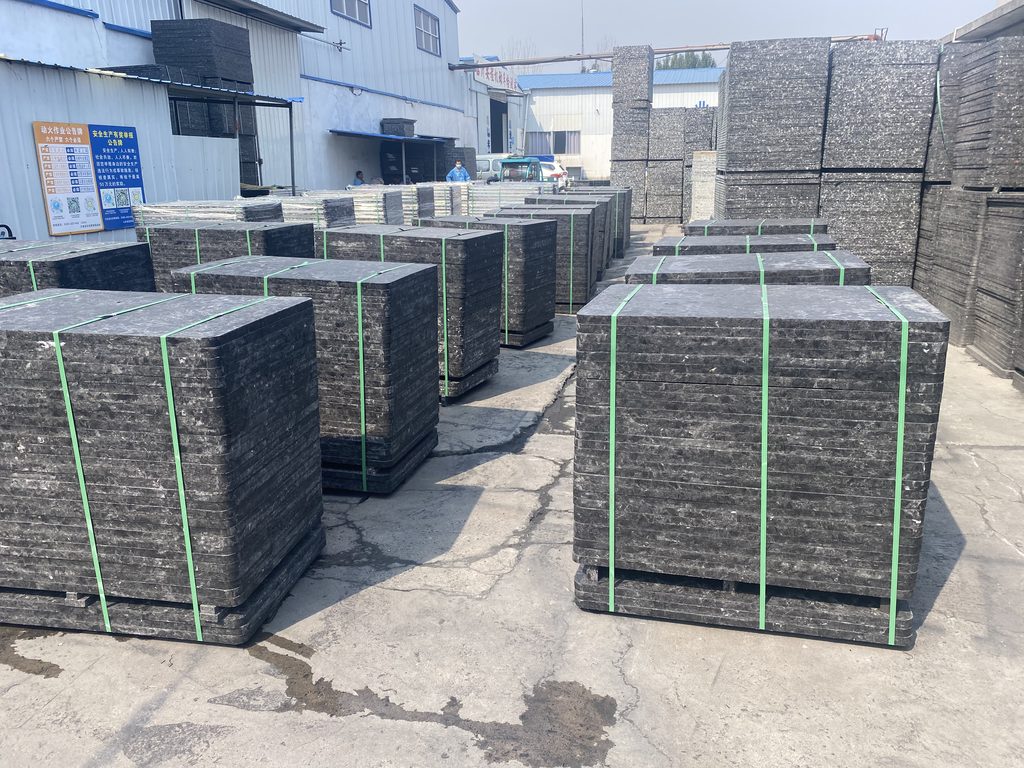
The Real Cost Per Brick Formula
Cost per brick extends beyond raw materials divided by output. The complete formula includes:
Material cost + Labor cost + Equipment cost + Energy cost + Breakage cost + Overhead ÷ Saleable units produced
That final denominator—saleable units—is where pallet quality creates its largest impact. A facility producing 250,000 bricks monthly with 10% breakage sells 225,000 units. Reduce breakage to 3% through premium pallets, and saleable units jump to 242,500. Same input, 17,500 more revenue-generating bricks.
The per-unit calculation shifts: $0.62 material cost with 10% waste becomes $0.69 actual cost per saleable brick. Drop waste to 3%, and actual cost falls to $0.64. That $0.05 difference across 242,500 monthly units is $12,125 in recovered margin.
How Pallet Quality Affects Every Cost Layer
Premium pallets reduce cost per brick across four interconnected layers.
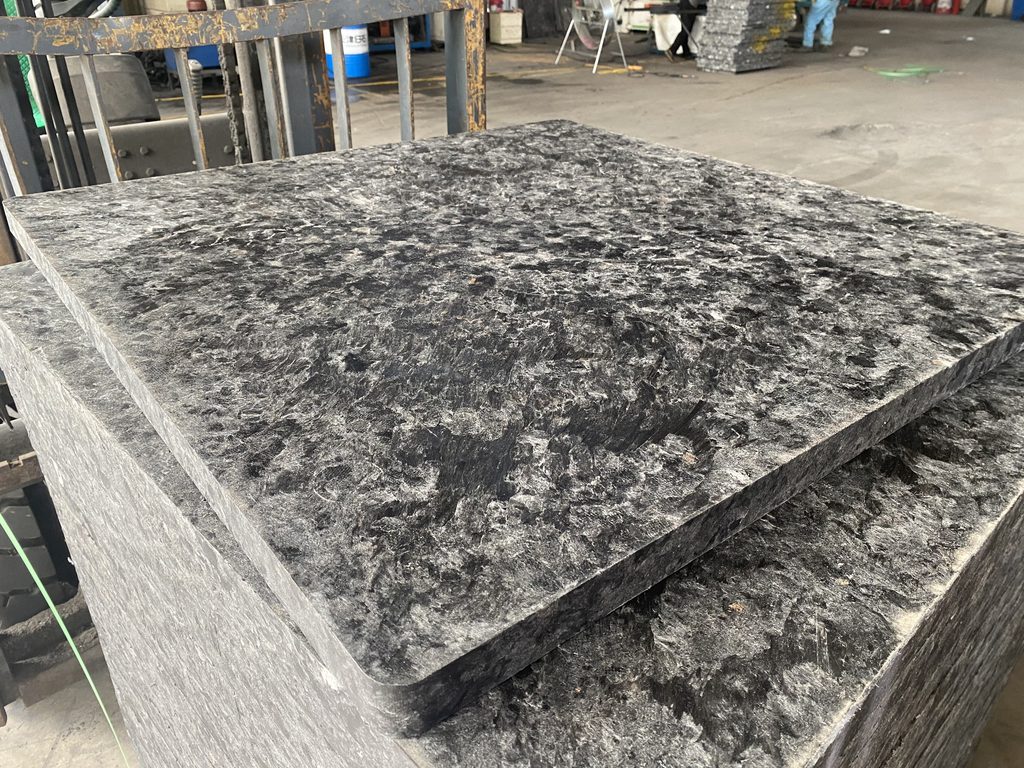
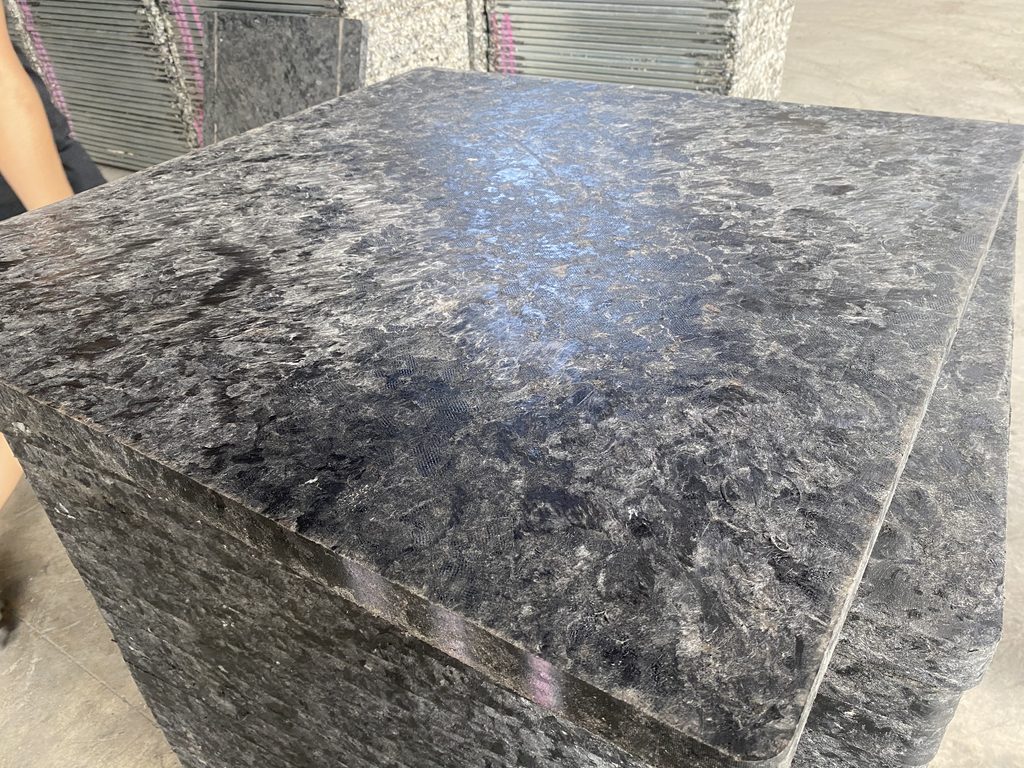
Surface consistency impacts molding release and defect rates. GMT pallets maintain flatness within ±0.5mm versus wood’s ±2-3mm, reducing surface marks and edge cracking. Plants switching report 40-55% fewer molding defects.
Dimensional stability affects stacking and curing. Wood pallets absorb 12-18% moisture in humid climates, warping enough to create 8-12% additional breakage. GMT pallets absorb <1% moisture, maintaining accuracy through every cycle.
Load distribution determines handling breakage. Premium pallets with reinforced cores distribute weight evenly, preventing corner cracking that accounts for 35-40% of post-molding losses.
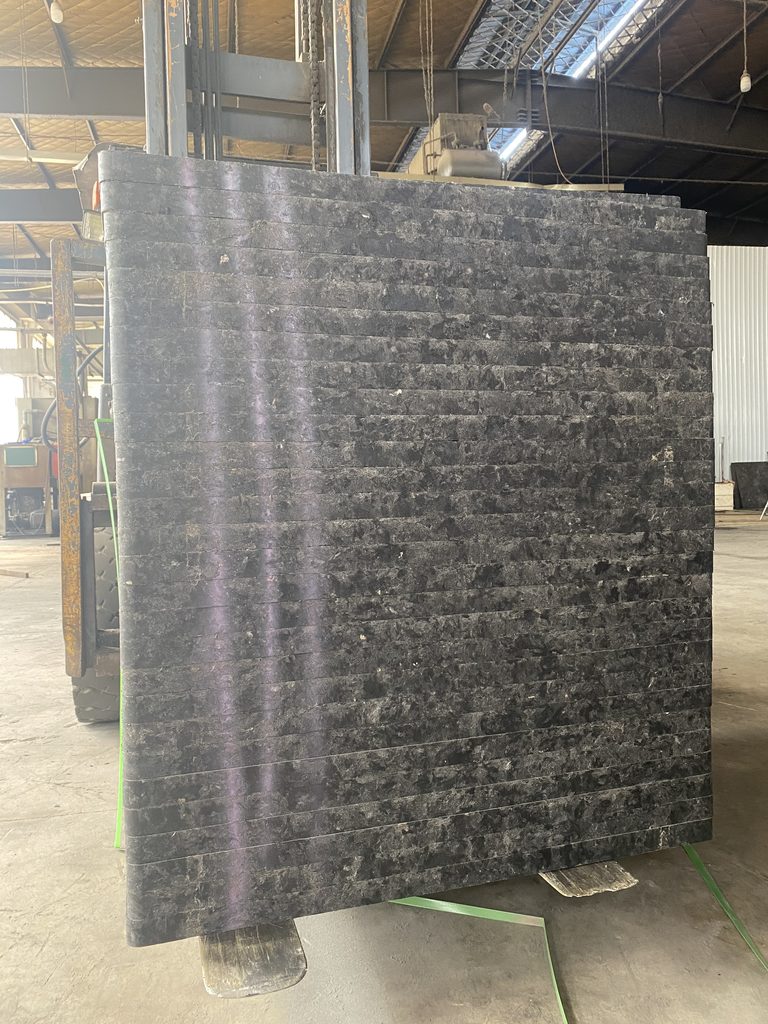
Lifespan spreads capital cost across output. GMT pallets last 10-12 years with 3,000-5,000 cycles versus wood’s 2-3 years at 800-1,200 cycles. A $105 GMT pallet ÷ 4,000 cycles costs $0.026 per use. A $35 wood pallet ÷ 1,000 cycles costs $0.035—35% higher before maintenance labor.
| Pallet Type | Flatness Tolerance | Moisture Absorption | Lifespan (Years) | Cycle Count | Cost Per Cycle |
|---|---|---|---|---|---|
| Wood | ±2-3mm | 12-18% | 2-3 | 800-1,200 | $0.035 |
| Standard Plastic | ±1-1.5mm | 2-4% | 5-7 | 1,500-2,000 | $0.045 |
| Premium GMT | ±0.5mm | <1% | 10-12 | 3,000-5,000 | $0.026 |
| Glass Fiber Composite | ±0.3mm | <0.5% | 12-15 | 4,000-6,000 | $0.024 |
Breakage Impact: The Largest Hidden Cost
Breakage represents the single largest cost variable premium pallets address. Industry data shows 12-18% losses across molding, handling, curing, and transport with degraded pallets.
Molding defects: Wood’s uneven surfaces cause 4-6% rejection at demolding. GMT reduces this to 1-2%. On 250,000 bricks monthly at $0.65 material cost, that 3-4 point improvement saves $4,875-6,500 monthly.
Handling breakage: Warped pallets shift during handling, causing corner chips. Wood pallets create 3-5% handling loss versus 0.5-1% with GMT—a $4,063-6,500 monthly saving.
Curing breakage: Uneven surfaces create pressure points during curing, causing 2-3% additional cracking. GMT reduces this to <0.5%, saving $2,438-3,250 monthly.
Transport damage: Degraded pallets collapse during forklift handling. This accounts for 1-2% loss with wood versus <0.2% with GMT, saving $1,300-1,950 monthly.
Total monthly breakage reduction savings: $12,676-18,200 for 250,000-brick operations. Annually: $152,112-218,400 in recovered material.
Efficiency Multipliers Premium Pallets Create
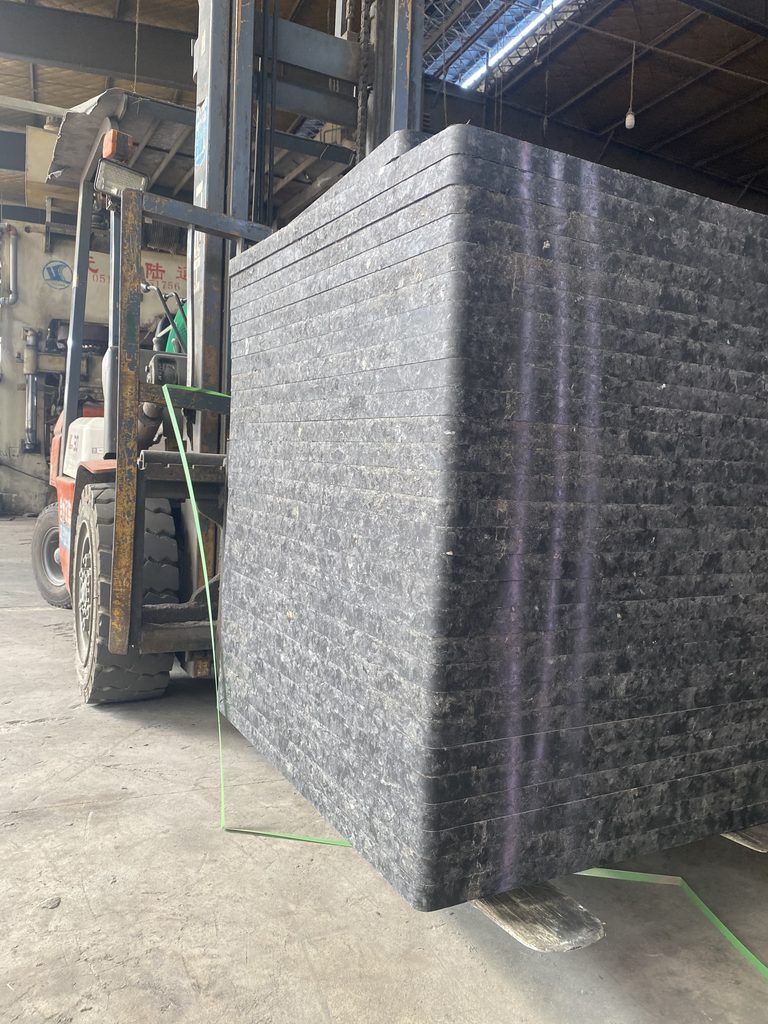
Premium pallets generate efficiency gains that reduce labor hours and increase throughput without additional capital investment.
Cycle time reduction: Consistent pallet dimensions eliminate handling delays from warped units. Automated lines running GMT pallets complete 3-5% more cycles per shift, adding 240-400 bricks daily at zero marginal cost.
Downtime elimination: Wood pallet failures trigger 15-25 unplanned stops monthly averaging 20-30 minutes each. GMT pallets reduce stops to 2-3 monthly, recovering 10-20 production hours worth 5,000-10,000 additional bricks.
Maintenance labor reduction: Wood pallets require 12-20 hours monthly for inspection and repair in a 200-pallet fleet. GMT pallets need 2-3 hours for cleaning and inspection. At $26/hour, that’s $3,120-5,304 annual labor savings.
Automation compatibility: Robotic systems require dimensional consistency within ±1mm. Wood pallets exceed this after 3-6 months, forcing manual intervention. GMT pallets maintain spec for their entire 10-12 year lifespan.
| Efficiency Metric | Wood Pallets | GMT Pallets | Monthly Gain |
|---|---|---|---|
| Unplanned stops | 15-25 | 2-3 | 13-22 fewer stops |
| Downtime hours | 5-12.5 | 0.7-1.5 | 4.3-11 hours |
| Maintenance hours (200 fleet) | 12-20 | 2-3 | 10-17 hours |
| Cycle time (per shift) | 8,000 bricks | 8,240-8,400 | 240-400 bricks |
| Monthly output gain | Baseline | +3-5% | 7,500-12,500 bricks |
Quality Improvements That Reduce Rework
Pallet quality directly correlates with finished brick appearance, reducing rework and grade-down rates that erode profitability.
Surface marking elimination: Wood pallets leave grain patterns and stains requiring post-processing or causing downgrading. Plants report 5-8% of production downgraded due to pallet defects. GMT pallets eliminate these marks, allowing more output at premium pricing—$1,875-3,000 additional monthly margin on 250,000 bricks.
Dimensional consistency: GMT pallets maintain ±0.5mm flatness throughout their lifespan. Wood pallets warp ±2-3mm, causing 3-5% of output to require rework or rejection. Eliminating this saves 8-15 labor hours monthly and recovers 7,500-12,500 bricks.
Color uniformity: Wood tannins leach into wet concrete, causing discoloration requiring scrapping or discounting. GMT’s inert surface eliminates this issue, critical for architectural products where appearance drives pricing.
Waste Reduction Across Production Cycles
Waste reduction extends beyond breakage to include material losses throughout the production chain.
Raw material savings: At 10% breakage, a 250,000-brick plant loses 25,000 units of material monthly. Reduce to 3%, and waste drops to 7,500 units, recovering 17,500 bricks worth $11,375 monthly at $0.65 per brick.
Energy waste reduction: Broken bricks consume the same curing energy as saleable units but generate zero revenue. A 7-point breakage reduction means 7% less energy waste, translating to 5-8% lower energy cost per saleable unit.
Labor waste elimination: Every rejected brick requires handling twice. Reducing monthly rejects from 25,000 to 7,500 eliminates 17,500 redundant operations, saving 25-40 labor hours monthly.
Logistics waste from grade-down: Second-quality bricks require the same storage and shipping as first-quality. Reducing grade-down from 8% to 2% means 15,000 more first-quality bricks monthly, improving inventory turnover and reducing carrying costs by $2,250-3,750 monthly.
Calculating Your Cost Per Brick Reduction
Use this framework to quantify premium pallet impact:
Step 1: Establish baseline
- Monthly production volume
- Breakage rate (molding + handling + curing + transport)
- Material cost per brick
- Pallet maintenance and defect handling hours
- Downtime hours from pallet stops
- Grade-down rate from pallet defects
Step 2: Calculate current cost
(Material + Labor + Equipment + Energy + Overhead) ÷ (Production × (1 − Breakage rate))
Step 3: Project with premium pallets
- Breakage reduction: 5-7 percentage points
- Maintenance reduction: 10-17 hours monthly per 200 pallets
- Downtime reduction: 4-11 hours monthly
- Grade-down reduction: 3-6 percentage points
Step 4: Determine savings
(Current cost − New cost) × Annual production
Example: 250,000 monthly production
Current (wood pallets): Breakage 10%, material $162,500 monthly, 225,000 saleable units, $0.72 per saleable brick
With GMT pallets: Breakage 3%, same input, 242,500 saleable units, $0.67 per saleable brick
Per-brick savings: $0.05
Annual additional units: 210,000
Annual value: $136,500
Break-even: 62 days
Production Volume Impact on Unit Economics
The cost-per-brick benefit scales with production volume, creating greater advantages for higher-output facilities.
Low-volume operations (50,000-100,000 monthly): Premium pallets reduce breakage and maintenance with 18-24 month payback. Value centers on quality consistency and reduced labor rather than pure cost reduction.
Mid-volume operations (150,000-300,000 monthly): The sweet spot for 8-14 month payback. Material waste savings often exceed $10,000 monthly, with efficiency gains adding $3,000-6,000. Cost per brick typically drops $0.03-0.07.
High-volume operations (400,000+ monthly): Premium pallets become essential infrastructure. Breakage reduction saves $20,000-35,000 monthly, downtime elimination adds $8,000-15,000. Cost per brick drops $0.05-0.12, payback in 3-8 months.
| Production Volume | Monthly Breakage Savings | Efficiency Gains | Total Monthly Benefit | Payback Period |
|---|---|---|---|---|
| 75,000 bricks | $2,925-4,875 | $800-1,500 | $3,725-6,375 | 18-24 months |
| 200,000 bricks | $7,800-13,000 | $3,200-5,400 | $11,000-18,400 | 10-14 months |
| 300,000 bricks | $11,700-19,500 | $5,100-8,600 | $16,800-28,100 | 6-10 months |
| 500,000 bricks | $19,500-32,500 | $9,500-15,800 | $29,000-48,300 | 3-6 months |
Competitive Advantage Through Lower Unit Costs
Lower cost per brick creates three competitive advantages premium pallets enable:
Pricing flexibility: With unit costs $0.05-0.12 lower than competitors using wood pallets, you can underbid by 5-10% on volume contracts while maintaining margins, or match pricing and capture 8-18% higher gross margin.
Quality positioning: Reduced defects and dimensional consistency allow targeting premium architectural markets where specifications command 20-35% price premiums. The pallet investment becomes a quality differentiator unlocking higher-margin segments.
Growth capacity: Lower unit costs increase cash generation, funding expansion without external capital. A facility generating additional $15,000-25,000 monthly can self-fund 20-30% capacity increase within 18-24 months through retained earnings.
When Premium Pallets Deliver Maximum ROI
Premium pallet investments generate highest returns under five conditions:
High-volume production: Facilities producing 200,000+ bricks monthly recover investment within 6-12 months through volume-driven savings. Lower-volume operations require 18-24 months but still achieve positive ROI.
Humid or variable climates: Environments with >70% humidity amplify wood degradation, increasing breakage by 3-5 additional percentage points. GMT pallets eliminate moisture failures, creating 40-60% larger savings than in dry climates.
Automated production lines: Automation requires dimensional consistency wood cannot maintain long-term. Premium pallets protect automation investment by ensuring designed capacity rather than manual intervention.
Premium product focus: Architectural and custom bricks demand precision wood pallets compromise. Premium pallets are non-negotiable infrastructure for these higher-margin segments.
Growth-stage operations: Facilities planning expansion should invest before adding equipment. Efficiency gains create bandwidth for 15-25% additional throughput, potentially deferring expensive capital investments.
FAQ
How much can premium pallets reduce my cost per brick?
Typical reduction ranges $0.03-0.12 per brick depending on volume, breakage rates, and climate. A mid-sized facility (250,000 bricks monthly) usually sees $0.05-0.07 reduction, worth $136,500-210,000 annually.
What breakage rate should I expect with GMT versus wood?
Wood pallets cause 10-15% total breakage. GMT pallets reduce this to 3-5%—a 7-10 point improvement. In humid climates, the gap widens to 8-12 points as moisture compounds wood failures.
How long until premium pallets pay for themselves?
Payback ranges 3-24 months based on volume. High-volume (400,000+ monthly): 3-8 months. Mid-volume (150,000-300,000): 8-14 months. Low-volume (50,000-100,000): 18-24 months.
Do premium pallets work with existing equipment?
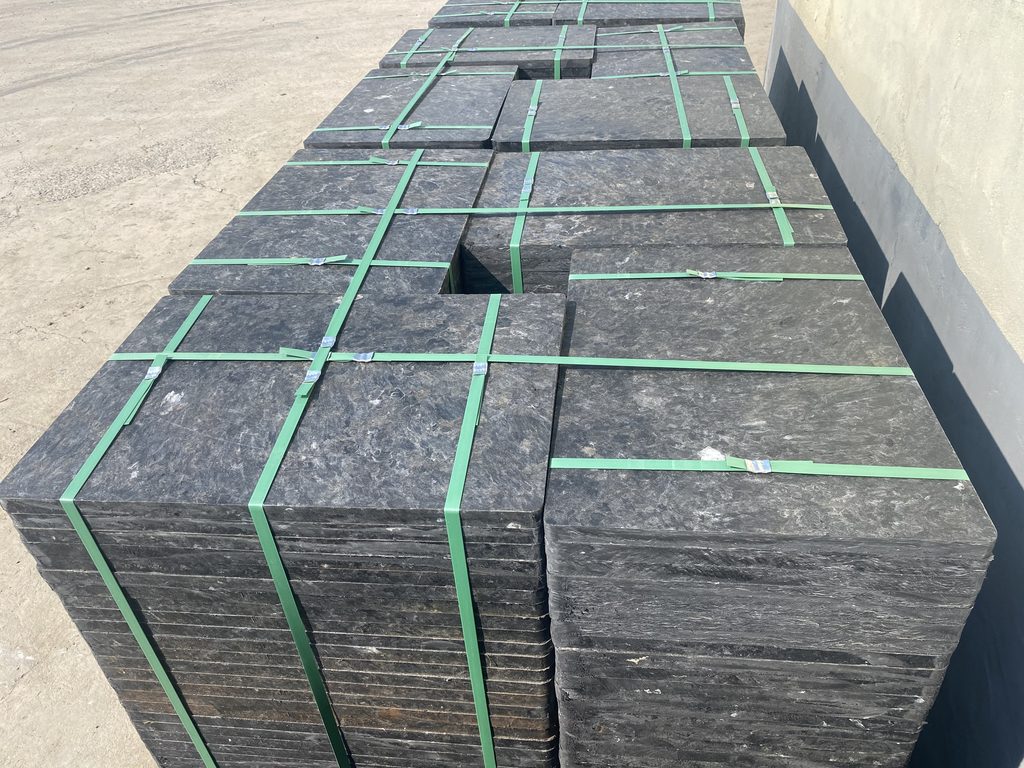
Yes. GMT pallets match standard dimensions (850×680mm or 840×560mm) and work with existing machines, handlers, and stackers. Dimensional consistency actually improves equipment performance.
What maintenance do GMT pallets require?
Minimal. Monthly inspection takes 15-20 minutes per 100 pallets versus 6-10 hours for wood. GMT needs only visual inspection and occasional cleaning. No surface treatments or repairs needed.
Can I mix premium and wood pallets during transition?
Yes, but track separately. Premium pallets eliminate most issues while remaining wood pallets continue causing proportional problems. Most facilities phase in GMT over 6-18 months as wood units fail, gradually realizing full benefit as fleet composition shifts.
How does pallet quality affect my ability to win contracts?
Lower cost per brick allows 5-10% more competitive pricing on volume contracts. Reduced defects meet tighter specifications premium projects require. Both factors expand addressable market and improve win rates on higher-margin work.
What happens to cost per brick if I increase production volume?
Fixed costs spread across more units, lowering per-unit cost. Premium pallets amplify this by ensuring increased volume does not trigger proportionally higher breakage or maintenance costs that often accompany expansion on degraded equipment.
Conclusion
Cost per brick is determined by factors most manufacturers control separately: material inputs, labor efficiency, equipment reliability, and quality outcomes. Premium pallets address all four through breakage reduction, cycle time improvement, downtime elimination, and defect prevention. The $0.05-0.12 per-brick savings transforms competitive positioning and margin structure.
The decision framework: calculate current breakage cost, estimate efficiency hours lost to pallet maintenance, project the 5-10 point improvement premium pallets deliver, and compare annual benefit to incremental investment. For operations above 150,000 bricks monthly, payback occurs within the first year.