Skip to content
When investing in pallets for brick and block production, understanding the true lifespan of your equipment directly impacts your bottom line. GMT (Glass Mat Thermoplastic) pallets have emerged as a long-term solution for manufacturers facing constant replacement cycles with traditional materials. This article examines real-world durability data, usage cycles, and the factors that determine how long GMT pallets actually last in production environments.
What Determines GMT Pallet Lifespan?
GMT pallet lifespan depends on several interacting factors in brick manufacturing environments. The glass fiber reinforced thermoplastic construction provides inherent advantages, but operating conditions ultimately determine service life.
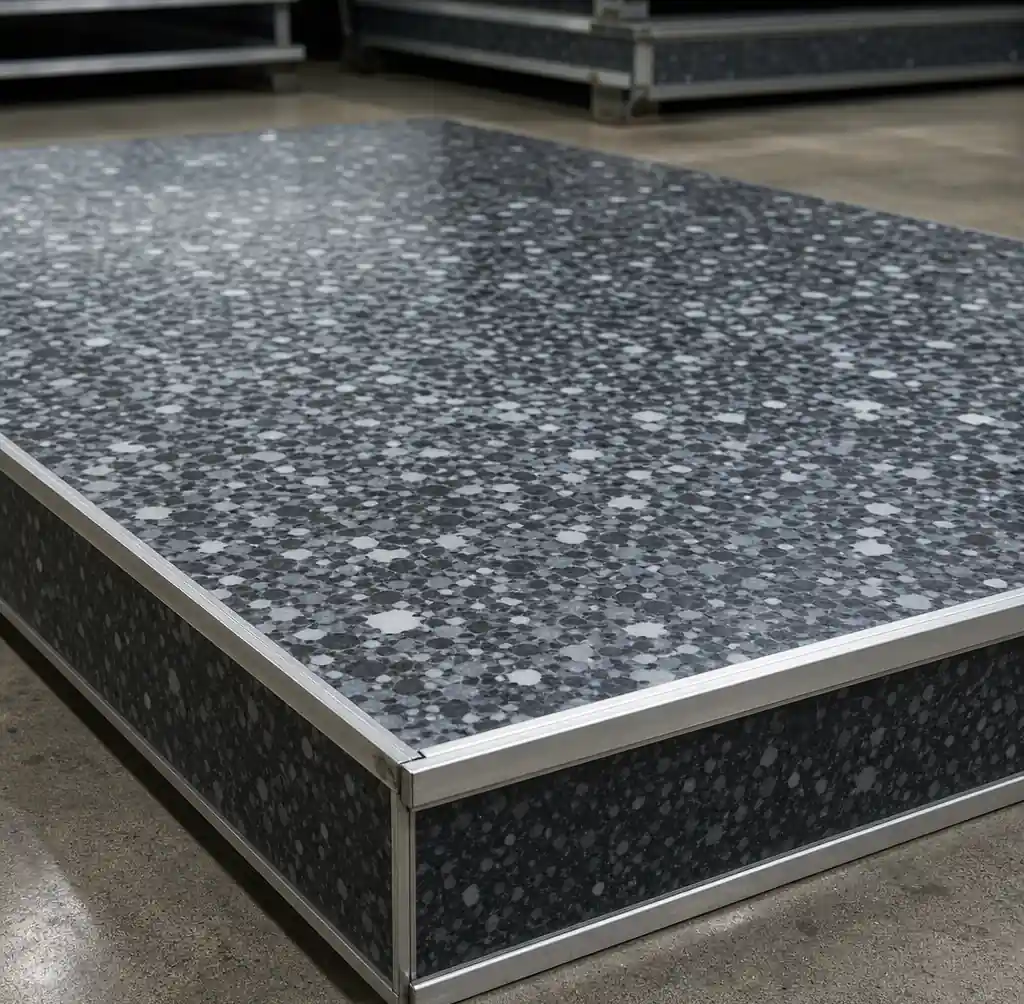
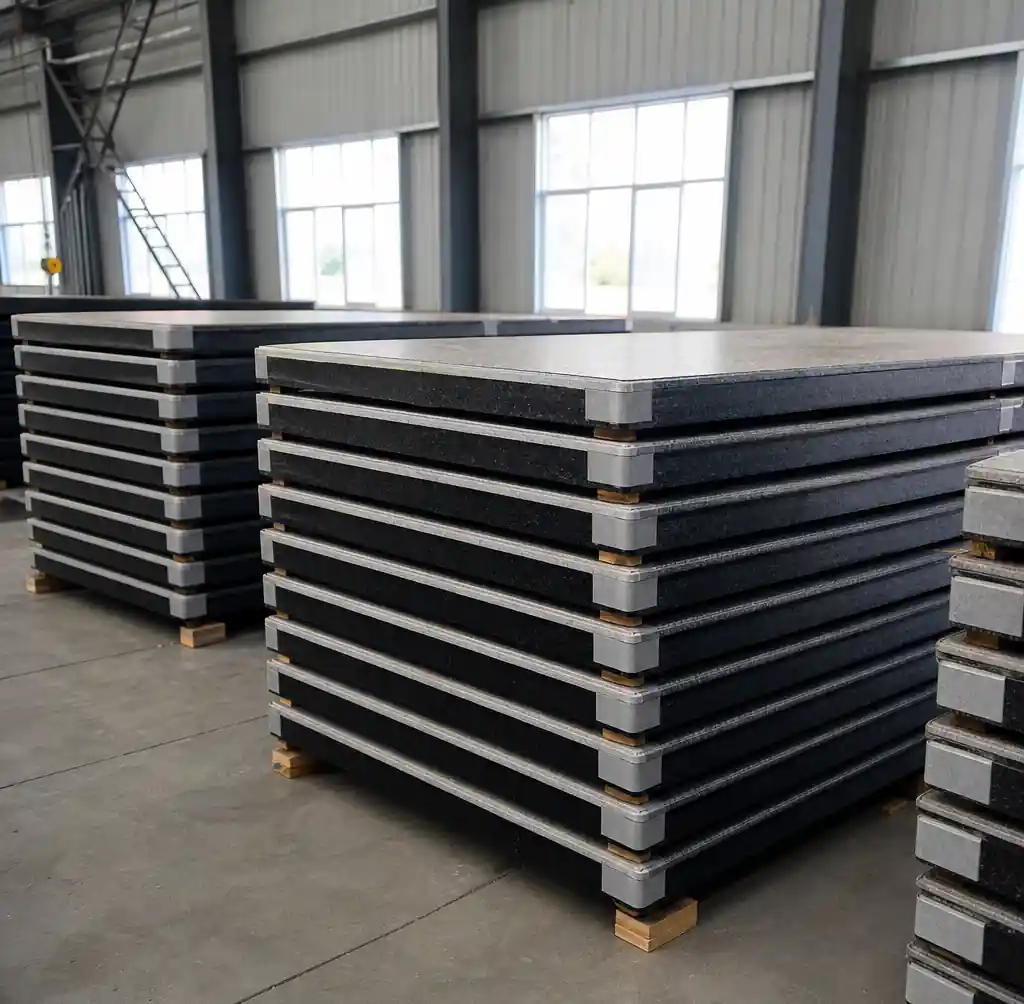
Material composition forms the foundation. GMT pallets use continuous glass fiber mat embedded in thermoplastic resin, creating a composite that resists moisture, temperature cycling, and mechanical stress common in brick production. The fiber reinforcement distributes stress throughout the structure, unlike wood that absorbs moisture or standard plastic that cracks under repeated loading.
Operating environment significantly impacts longevity. Moisture and temperature cycles represent the primary wear factors. Pallets exposed to wet molding, steam curing, and outdoor storage face more aggressive conditions than those in climate-controlled facilities.
Usage intensity determines accumulated wear. Load weight, handling methods, and surface contact with bricks contribute to gradual material fatigue. High-quality GMT pallets maintain flatness deviation of no more than 0.3mm per 1000mm throughout their service life.

Average GMT Pallet Lifespan: Real-World Data
Based on industry data and manufacturer specifications, GMT pallets typically achieve 8-12 years of service life under normal brick production conditions, maintaining structural integrity through approximately 3,000 to 5,000 usage cycles before requiring replacement.
Extended lifespan scenarios (10-15 years) occur in controlled environments with proper handling. Facilities using automated brick making systems report longer service lives because mechanical handling reduces impact damage.
Reduced lifespan scenarios (6-8 years) appear under aggressive conditions—outdoor storage in extreme climates or excessive load weights. Even so, GMT pallets outlast wood alternatives by 200-300%.
According to pallet industry research, standard polyethylene plastic pallets average 9.6 years while wood pallets survive only 3-5 years before moisture damage necessitates replacement.

GMT vs. Alternative Materials: Durability Comparison
Understanding how GMT pallets compare to alternatives helps manufacturers make informed replacement decisions.
| Pallet Material | Average Lifespan | Usage Cycles | Moisture Resistance | Temperature Range | Maintenance Needs |
|---|---|---|---|---|---|
| GMT (Glass Mat Thermoplastic) | 8-12 years | 3,000-5,000 cycles | Excellent (<1% absorption) | -30°C to 80°C | Minimal |
| Standard Plastic (PE) | 8-10 years | 2,500-3,500 cycles | Good | -20°C to 60°C | Low |
| Wood | 3-5 years | 300-500 cycles | Poor (warps, rots) | -10°C to 40°C | High (repairs every 3-4 cycles) |
| Bamboo Composite | 5-7 years | 1,500-2,000 cycles | Moderate | -10°C to 50°C | Moderate |
The data reveals GMT’s durability advantages stem from specific material properties. The glass fiber reinforcement provides high impact strength that reduces damage from mishandling while the thermoplastic matrix resists moisture penetration that degrades wood pallets.
Wood pallets face rapid deterioration in brick manufacturing. Industry analysis shows wood pallets are rated for a maximum of 15-20 trips before requiring significant repairs, with maintenance needed every 3-4 cycles. The constant moisture exposure in brick production accelerates rot, warping, and structural failure, limiting useful life to 3-5 years even with regular maintenance.
Standard plastic pallets offer better moisture resistance than wood but lack GMT’s fiber reinforcement. Without continuous fiber reinforcement, plastic pallets can crack or deform under the heavy loads and repeated stress cycles common in block production. Premium white GMT pallets maintain dimensional stability throughout their service life, preventing the surface irregularities that cause brick defects.
Factors That Reduce GMT Pallet Lifespan
While GMT pallets deliver exceptional durability, specific conditions accelerate wear and reduce service life.
Excessive load weight beyond design specifications causes stress concentration. GMT pallets typically support 2,500-3,500 kg safely, but consistently exceeding these limits creates microscopic damage that accumulates over time. Black glass fiber pallets offer enhanced load capacity for heavy block production.
Impact damage from rough handling creates surface cracks that propagate through use cycles. Forklift impacts, particularly at edges and corners, represent the most common source of mechanical damage.
Temperature extremes outside the -30°C to 80°C operational range accelerate material aging. According to research on moisture and temperature effects, the interaction between moisture and temperature cycling causes severe wear through expansion and contraction.
UV exposure from outdoor storage can degrade surface properties over years, causing surface chalking or discoloration.
Factors That Extend GMT Pallet Lifespan
Proper operating practices significantly extend GMT pallet service life beyond average expectations.
Proper load distribution prevents stress concentration. Ensuring brick loads sit evenly across the pallet surface distributes forces through the fiber reinforcement network.
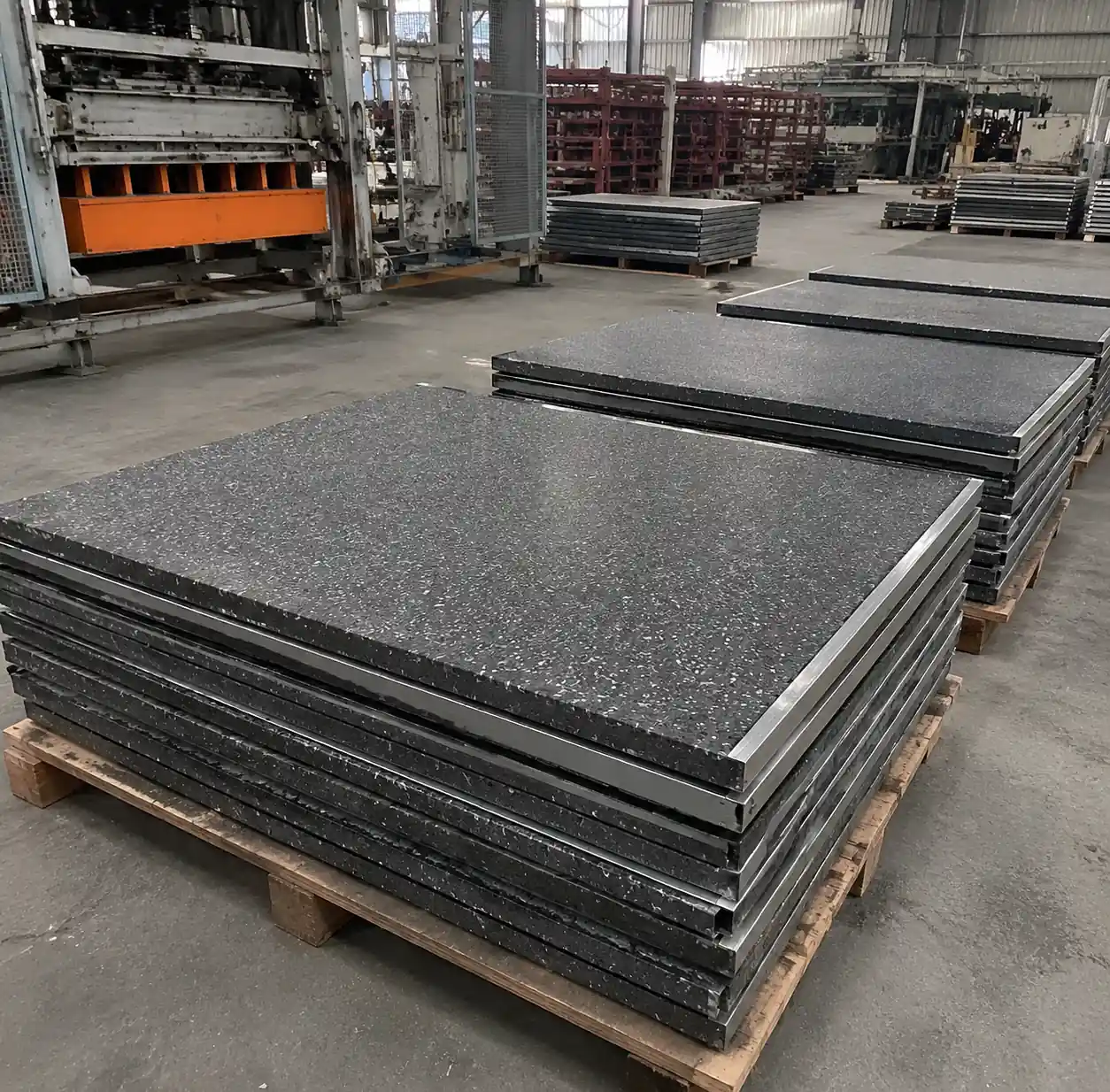
Appropriate storage protects pallets from environmental stress. Covering pallet stacks or storing them under roof minimizes UV exposure and temperature extremes, extending lifespan by 15-20%.
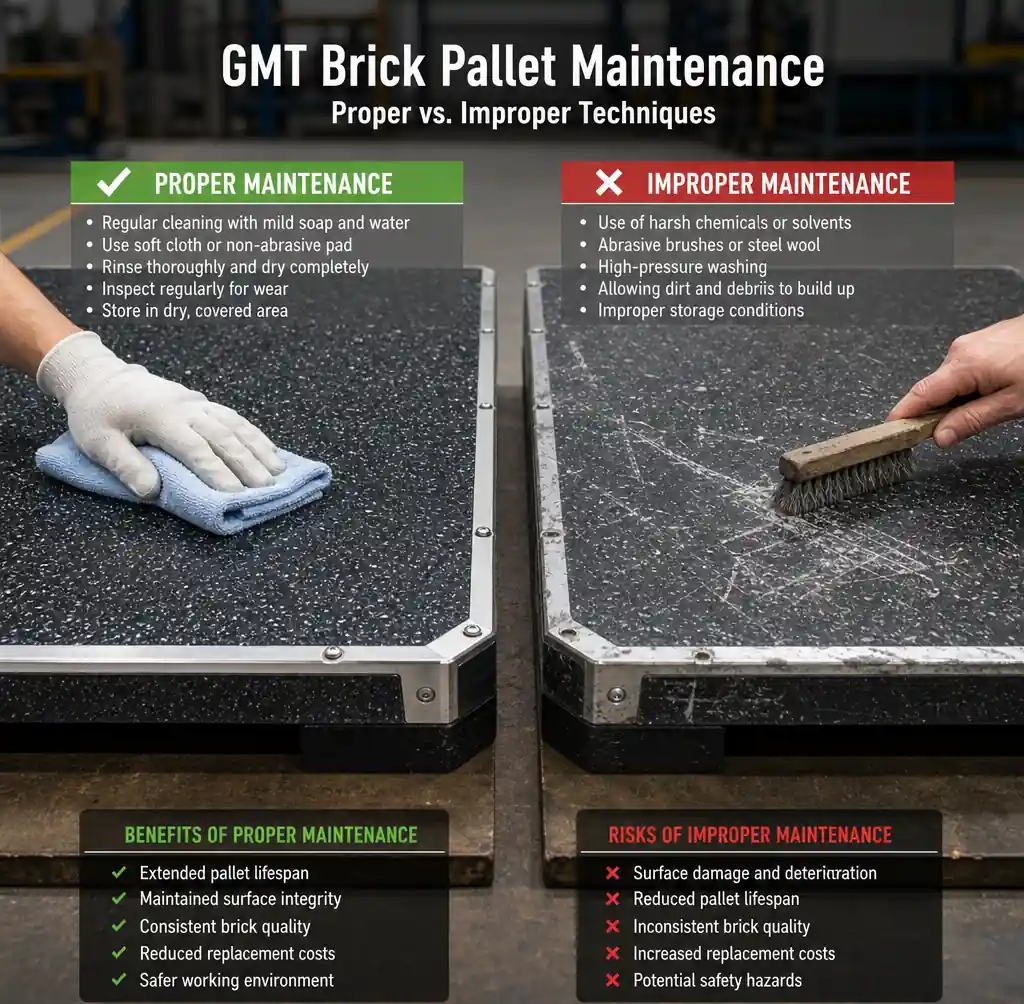
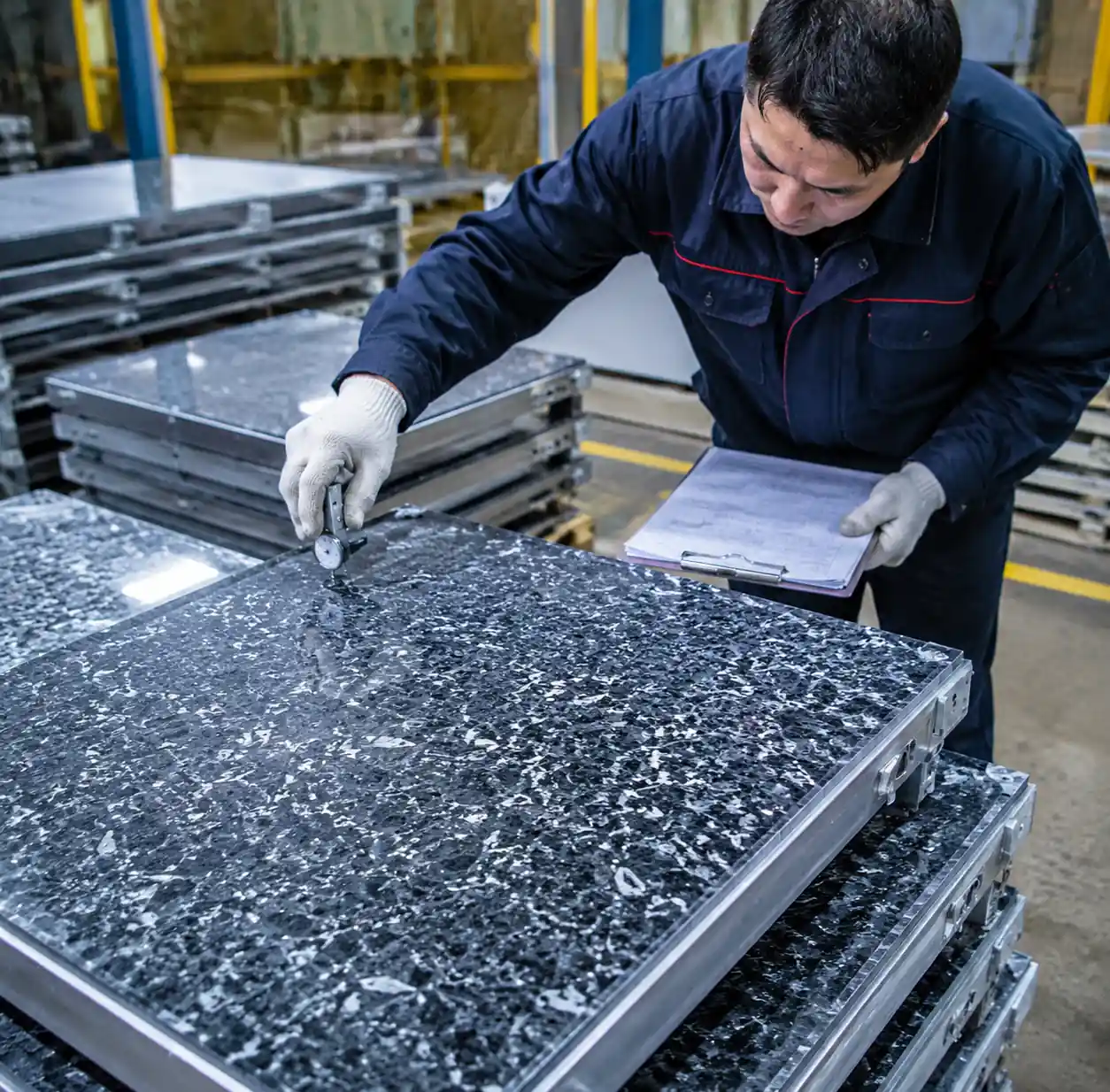
Regular inspection catches minor damage before it propagates. Monthly visual checks for edge chips or surface cracks allow early intervention.
Material grade selection matching application requirements optimizes longevity. Yellow fiber pallets provide cost-effective durability for standard applications, while white-yellow dual-layer GMT pallets offer enhanced performance for demanding environments.
Automated handling systems reduce impact damage. Facilities implementing automated systems report GMT pallet lifespans approaching 12-15 years.
Cost Per Use: The Real Economic Story
[IMG_6]
GMT pallet economics become clear when examining cost per usage cycle rather than initial purchase price alone.
| Economic Factor | GMT Pallet | Wood Pallet | Standard Plastic |
|---|---|---|---|
| Initial Cost | $120-180 | $25-40 | $80-120 |
| Average Lifespan | 10 years | 4 years | 9 years |
| Usage Cycles | 4,000 cycles | 400 cycles | 3,000 cycles |
| Cost Per Cycle | $0.03-0.045 | $0.06-0.10 | $0.027-0.04 |
| Replacement Frequency | Once in 10 years | 2-3 times in 10 years | Once in 9 years |
| Maintenance Cost (10 years) | Minimal (~$10) | High (~$80-120) | Low (~$20) |
| Total 10-Year Cost | $130-190 | $130-240 | $100-140 |
The lifecycle cost analysis reveals GMT pallets deliver competitive total ownership costs despite higher initial investment. According to research on fiber-reinforced composite economics, lifecycle cost analysis demonstrates that fiber-reinforced polymer composites can reduce total lifecycle costs by nearly 25% compared to conventional materials when indirect factors are considered.
Cost per cycle represents the true economic measure. At $0.03-0.045 per usage cycle, GMT pallets cost half as much per use as wood pallets while delivering superior dimensional stability that reduces brick defects and production interruptions. For high-volume facilities cycling pallets 10-15 times daily, this difference compounds to substantial annual savings.
Replacement frequency impacts operational continuity beyond direct costs. Wood pallet replacement every 3-4 years requires inventory management, handling logistics, and production scheduling to swap pallets during changeover. GMT pallets’ 10-12 year lifespan often spans entire production line upgrade cycles, eliminating mid-life replacement disruptions.
Indirect cost savings from reduced defects and downtime often exceed direct pallet costs. Premium GMT pallets maintain surface flatness throughout their service life, preventing the warping that causes uneven brick dimensions and quality rejects. Research indicates facilities switching to GMT pallets report 15-25% reductions in pallet-related production interruptions.

Real-World Case Studies
Field experience from brick manufacturers provides practical insight into GMT pallet performance.
High-volume automated facility in the Midwest United States operates 300 GMT pallets since 2015. After 9 years cycling through production 12 times daily, 94% of the original fleet remains in service with minimal wear and no structural failures. Projected replacement timeline extends to 2027-2028, indicating 12-13 year total service life.
Medium-scale block plant in Southeast Asia replaced wood pallets with fiber brick pallets in 2018. Operating in high-humidity tropical conditions with outdoor storage, the GMT pallets have completed 6 years without warping or moisture-related degradation. The facility calculated 65% reduction in pallet replacement costs.
Small specialty brick manufacturer using half-size GMT pallets reports 7 years of service with no replacements needed. Surface inspection shows minimal wear, with expected 10+ year total lifespan.
These examples demonstrate GMT pallets consistently achieve their projected 8-12 year service life across varying environments. View additional case studies showcasing GMT pallet performance.
Frequently Asked Questions
Q: How many years do GMT pallets typically last in brick production?
A: GMT pallets typically last 8-12 years under normal brick production conditions, with some facilities reporting 12-15 years in controlled environments with automated handling systems.
Q: How many usage cycles can a GMT pallet handle?
A: GMT pallets are engineered for 3,000-5,000 usage cycles before replacement. This compares to 300-500 cycles for wood pallets and 2,500-3,500 cycles for standard plastic pallets.
Q: What is the main factor that shortens GMT pallet lifespan?
A: Impact damage from rough handling represents the primary cause of premature GMT pallet failure. Excessive load weights beyond design specifications and temperature extremes outside -30°C to 80°C also accelerate wear.
Q: Are GMT pallets more durable than plastic pallets?
A: Yes, GMT pallets typically outlast standard plastic pallets by 20-30%. Standard polyethylene plastic pallets average 8-10 years compared to 10-12 years for GMT pallets.
Q: How do GMT pallets perform in high-moisture environments?
A: GMT pallets excel in wet brick manufacturing environments with moisture absorption below 1%. Unlike wood pallets that warp and rot in 3-5 years, GMT’s thermoplastic matrix resists moisture penetration. Facilities in humid climates report no moisture-related degradation after 6+ years.
Q: What is the cost per use for GMT pallets compared to wood?
A: GMT pallets cost approximately $0.03-0.045 per usage cycle compared to $0.06-0.10 per cycle for wood pallets. While GMT pallets have higher initial costs ($120-180 vs. $25-40), their 8-12 year lifespan and minimal maintenance deliver lower total ownership costs.
Q: How do I know when to replace GMT pallets?
A: Replace GMT pallets when you observe significant surface cracking affecting more than 20% of the surface area, warping exceeding 0.5mm per 1000mm, or edge damage compromising load-bearing perimeter. Most facilities find 90%+ of their GMT pallet fleet still serviceable after 8-10 years.
Conclusion
GMT pallet lifespan data demonstrates clear durability advantages for brick and block manufacturers. With service lives of 8-12 years and 3,000-5,000 usage cycles, GMT pallets outlast wood alternatives by 200-300% while maintaining dimensional stability that reduces product defects throughout their service life.
The cost per cycle analysis reveals GMT pallets deliver competitive long-term economics despite higher initial investment. At $0.03-0.045 per usage cycle compared to $0.06-0.10 for wood, the total ownership costs favor GMT when replacement frequency and maintenance requirements are factored into the calculation.
Operating conditions significantly impact actual lifespan. Proper load distribution, appropriate storage, and automated handling systems extend service life toward the 12-15 year range, while impact damage and temperature extremes reduce durability. Material selection matching application requirements—from premium white GMT pallets for automated systems to cost-effective yellow fiber options for standard production—optimizes the balance between performance and investment.
For brick manufacturers evaluating pallet replacement decisions, GMT’s proven 8-12 year service life and minimal maintenance requirements deliver operational continuity that extends beyond direct cost savings. Contact our team to discuss GMT pallet specifications matched to your production requirements and operating conditions, or explore our complete product line to find the optimal durability solution for your facility.