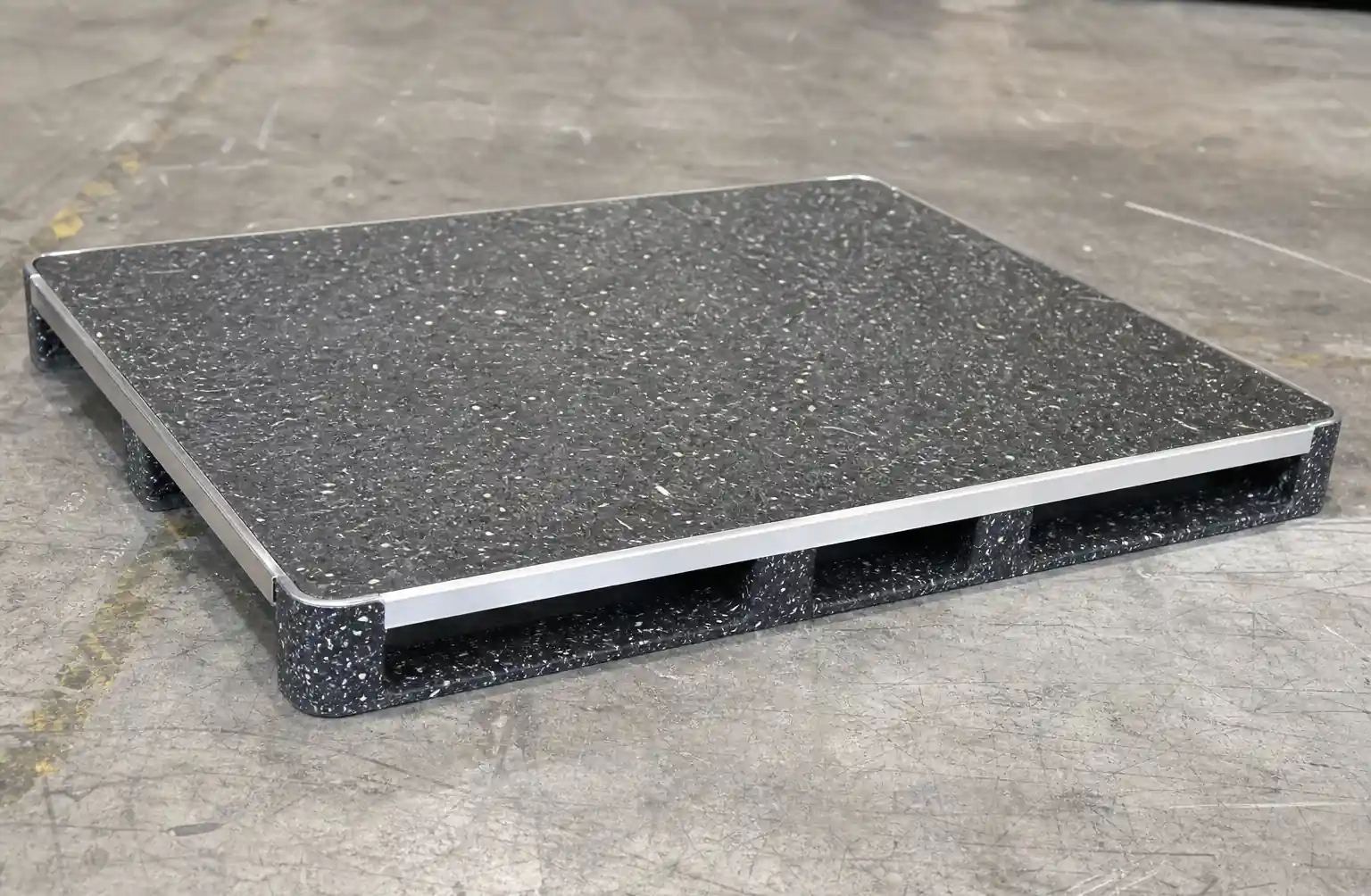
European brick manufacturers face increasing pressure to meet stringent pallet compliance standards that directly impact production efficiency, worker safety, and export capabilities. Non-compliant pallets trigger costly production delays, failed audits, and rejected shipments—losses averaging €15,000-€35,000 annually for mid-sized facilities. Understanding and implementing the right standards isn’t just regulatory box-ticking; it’s a strategic advantage that separates efficient operations from struggling competitors.
This guide explains the specific standards that matter, how GMT pallets address regulatory requirements, and the practical steps to ensure full compliance across your brick production operation.
Understanding European Pallet Standards for Brick Production
European pallet standards create a unified framework ensuring quality, safety, and interoperability across manufacturing operations. For brick production facilities, compliance centers on dimensional accuracy, load-bearing capacity, material safety, and traceability requirements that affect both production efficiency and market access.
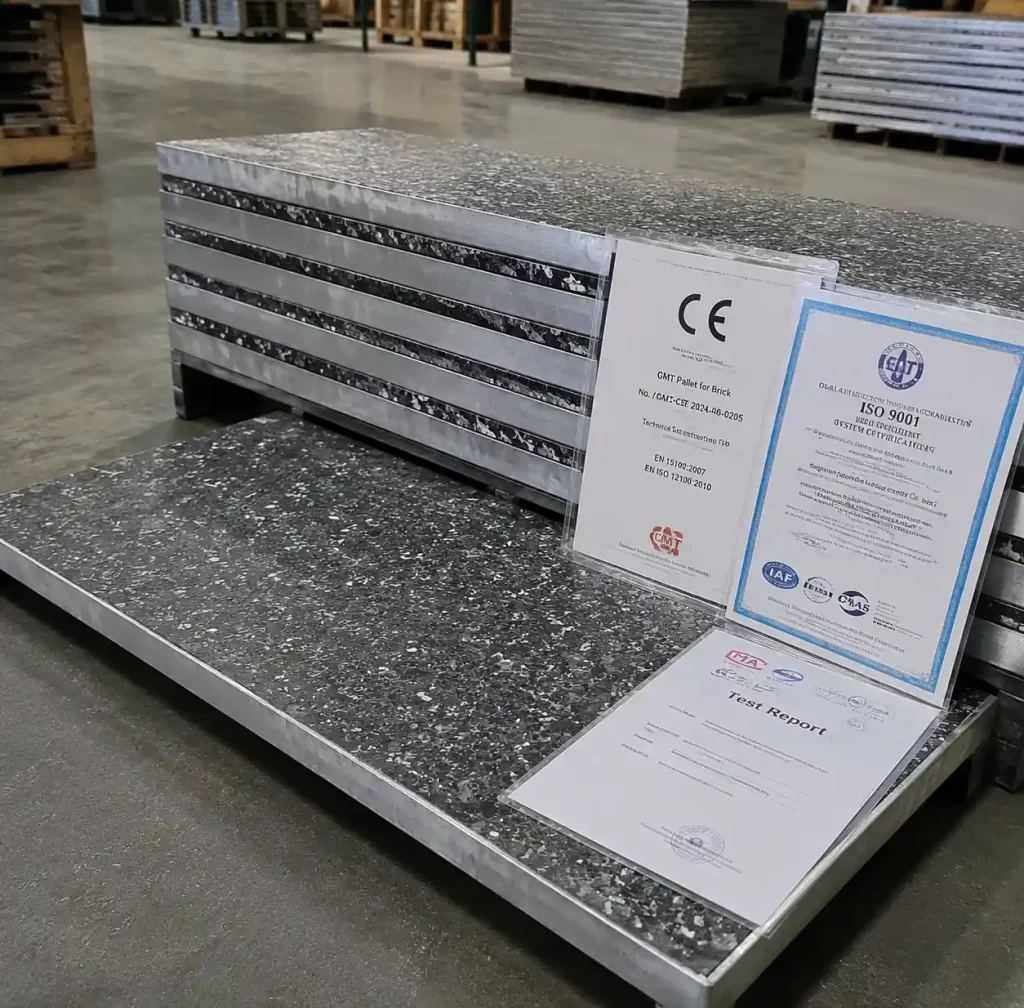
The primary standards affecting brick production pallets include ISO 8611 for pallet dimensions and testing methods, EN 15358 for sustainable pallet production, and ISPM 15 for wood packaging materials used in international trade.
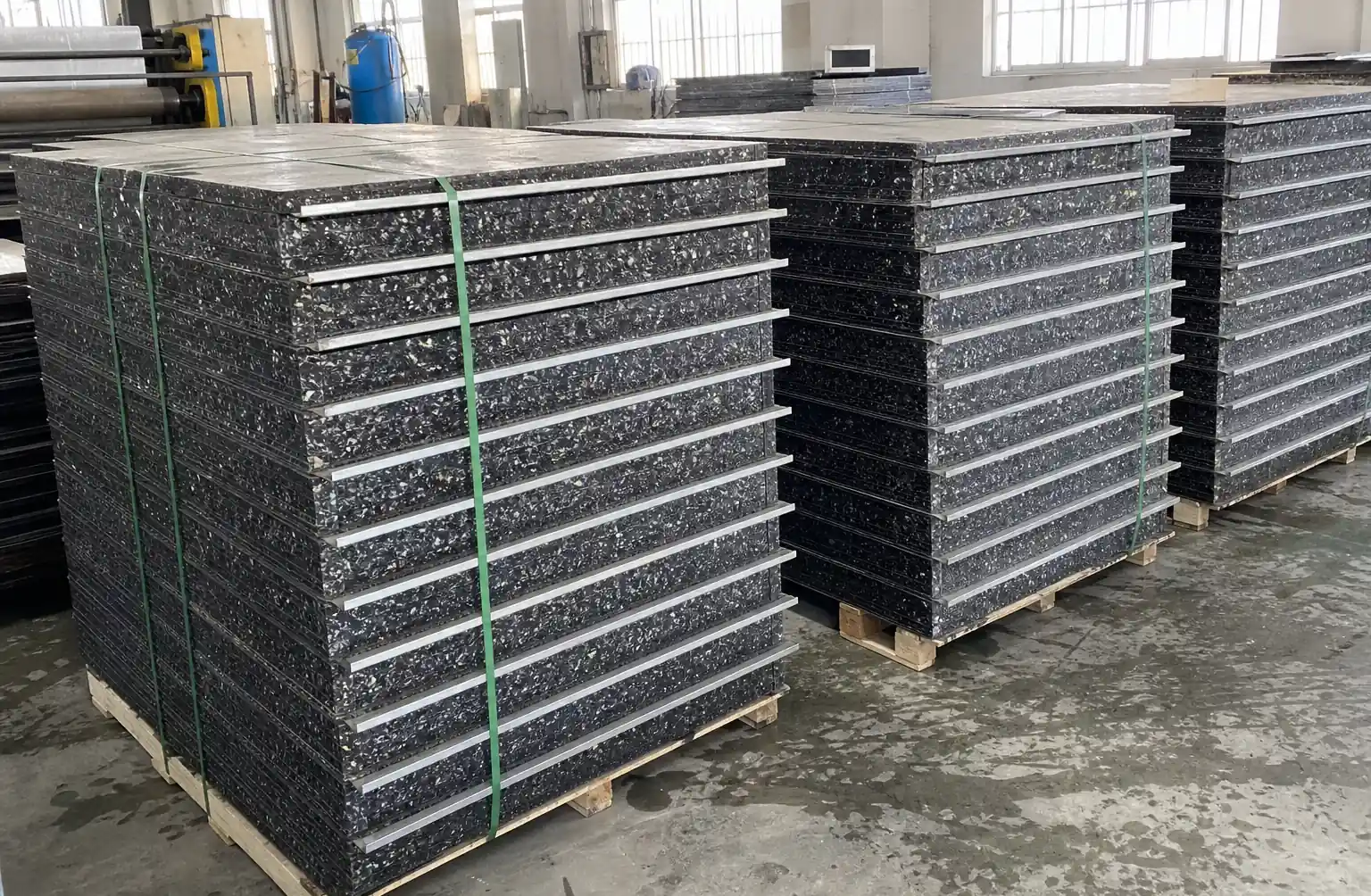
GMT pallets meet European compliance requirements through standardized dimensions (850mm × 680mm), documented load capacity testing (2,500-3,500 kg), material certificates demonstrating safety compliance, and manufacturing traceability systems. The fiber-reinforced composite construction eliminates ISPM 15 heat treatment requirements that add cost and complexity to wood pallet operations.
Key European Compliance Requirements You Must Meet
Dimensional Standards and Tolerance Requirements
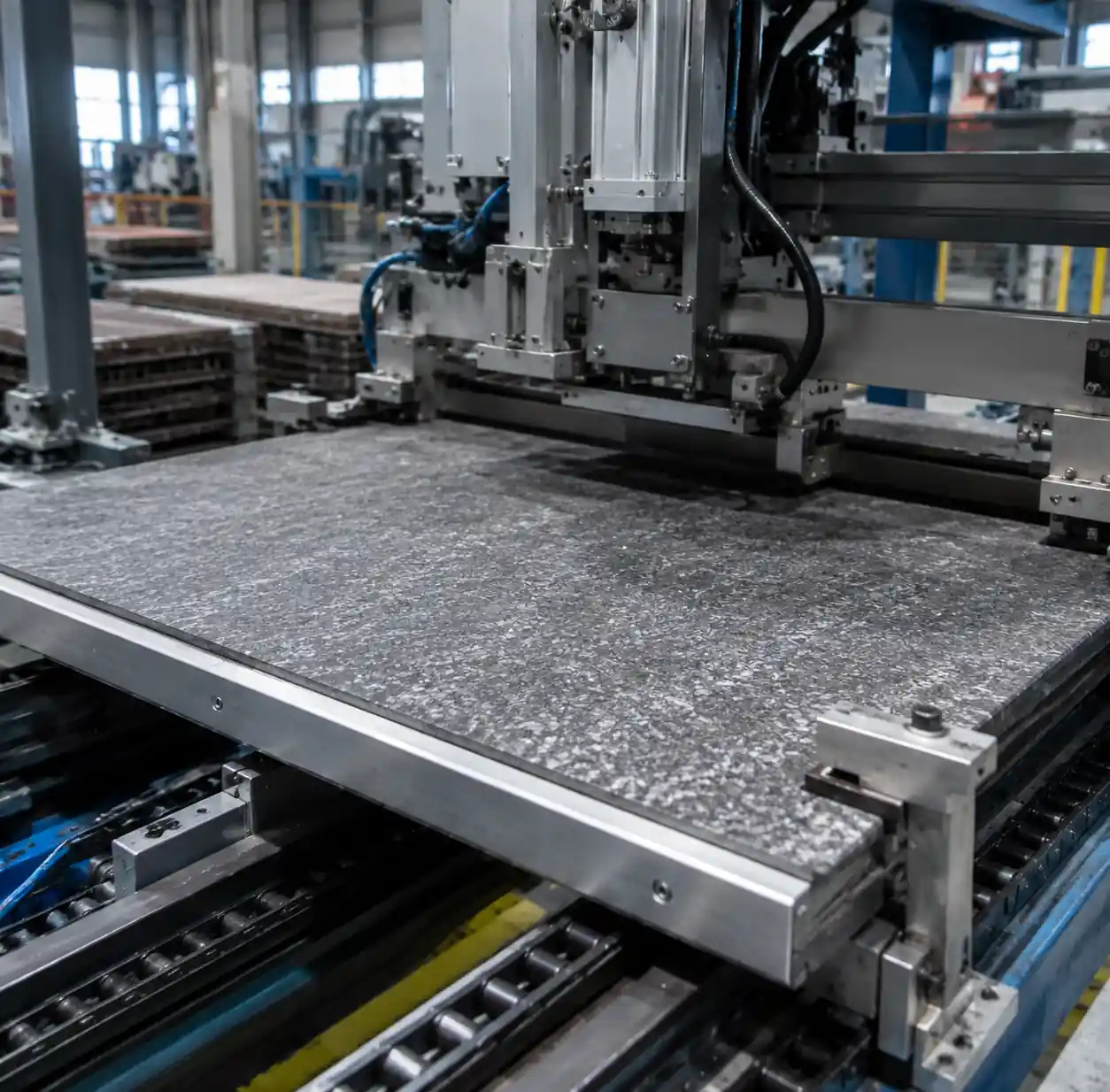
European manufacturing standards specify strict dimensional tolerances ensuring pallet compatibility with automated handling equipment and production lines. Standard brick production pallets must maintain ±3mm dimensional accuracy for manual operations and ±1mm for automated systems throughout their operational lifespan.
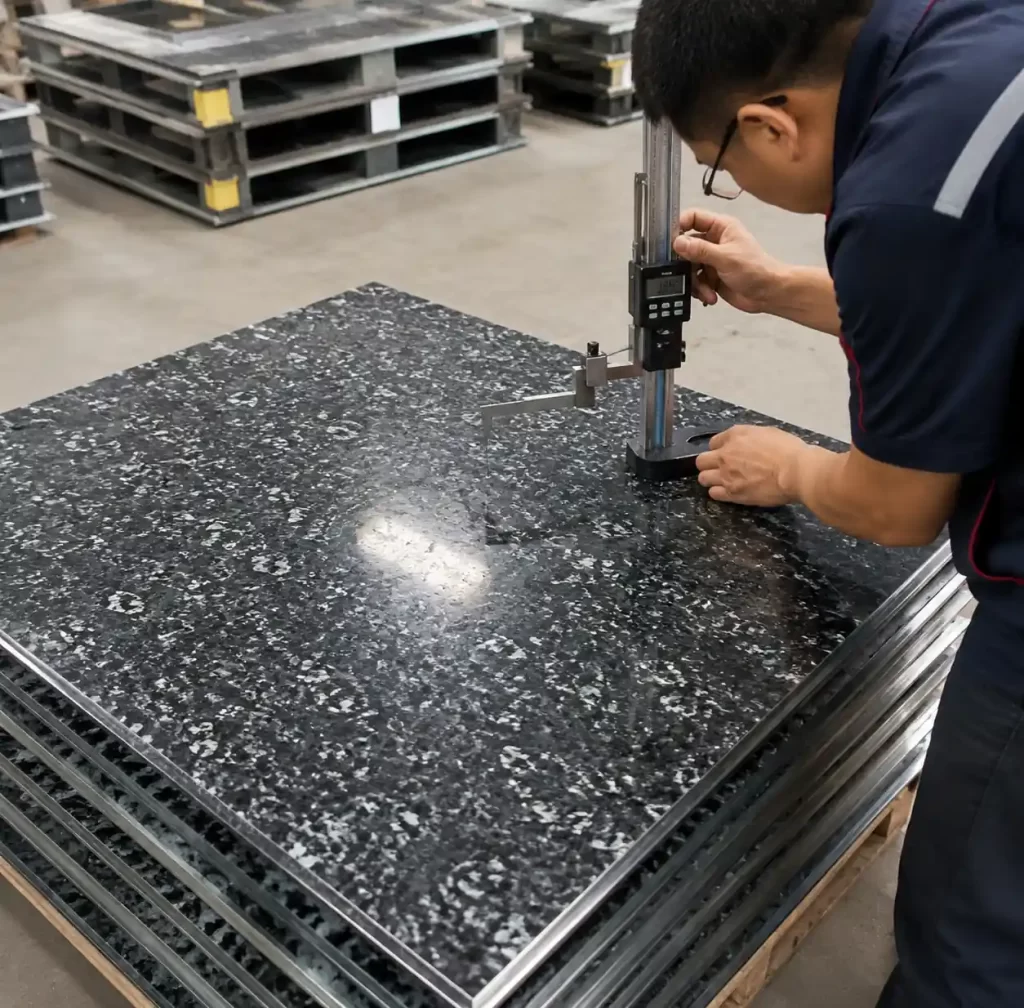
These tolerance requirements matter because modern brick production lines use vision-guided robotics and automated positioning systems calibrated to precise dimensions. Pallets exceeding tolerance thresholds trigger positioning errors, safety shutdowns, and production delays costing €200-€500 per incident. GMT pallets maintain dimensional stability within ±2mm across 10+ years through fiber-reinforced composite construction that resists moisture-induced warping affecting wood alternatives.
Load Capacity and Structural Testing Standards
European compliance requires documented static and dynamic load testing demonstrating safe working loads under production conditions. Brick production pallets must support minimum static loads of 2,500 kg with safety factors of 3:1, meaning structural failure should not occur below 7,500 kg.
| Compliance Requirement | Standard Specification | GMT Pallet Performance | Wood Pallet Typical |
|---|---|---|---|
| Static Load Capacity | ≥2,500 kg (ISO 8611) | 2,500-3,500 kg certified | 1,500-2,500 kg (degrades) |
| Dimensional Tolerance | ±3mm (manual) / ±1mm (automated) | ±2mm maintained for life | ±5-8mm (moisture variation) |
| Moisture Resistance | <5% absorption (EN 15358) | <1% absorption | 15-20% (non-compliant) |
| Temperature Range | -20°C to +60°C operational | -30°C to +80°C | -10°C to +50°C |
| Traceability | Batch marking required | Molded identification | Stamped (fades) |
| Service Life Documentation | Minimum 5-year tracking | 10-12 years documented | 2-3 years (requires replacement) |
Material Safety and Environmental Compliance
European REACH regulations restrict hazardous substances in manufacturing materials, requiring compliance documentation for all pallet components. Fiber-reinforced GMT pallets use polypropylene thermoplastic and glass fiber materials with full REACH compliance certificates, eliminating concerns about formaldehyde emissions, preservative chemicals, or heavy metal contamination affecting wood pallets treated for pest control.
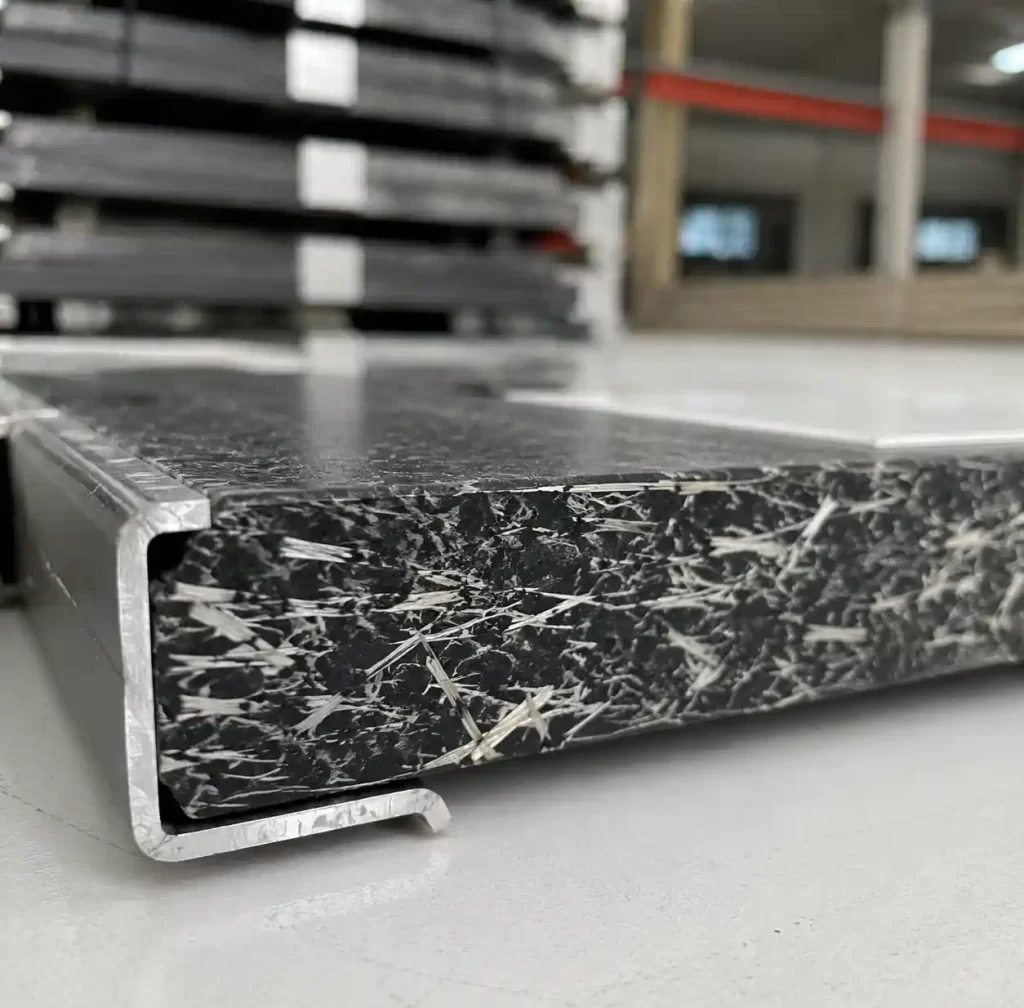
Environmental compliance under EN 15358 favors long-lasting materials reducing replacement frequency and waste generation. GMT pallets deliver 10-12 year service life compared to 2-3 years for wood, dramatically reducing disposal volumes and replacement costs.
ISPM 15 and International Trade Compliance
The International Standards for Phytosanitary Measures No. 15 (ISPM 15) regulates wood packaging materials in international trade, requiring heat treatment or fumigation to eliminate pest risks. This standard significantly impacts brick manufacturers exporting products to EU markets or importing raw materials on wood pallets.
Wood pallets used in international trade must undergo heat treatment reaching 56°C core temperature for minimum 30 minutes, followed by permanent marking with IPPC certification stamps. Non-compliant wood packaging triggers shipment rejections, fumigation requirements at destination, or destruction—adding €500-€2,000 per shipment in delays and treatment costs.
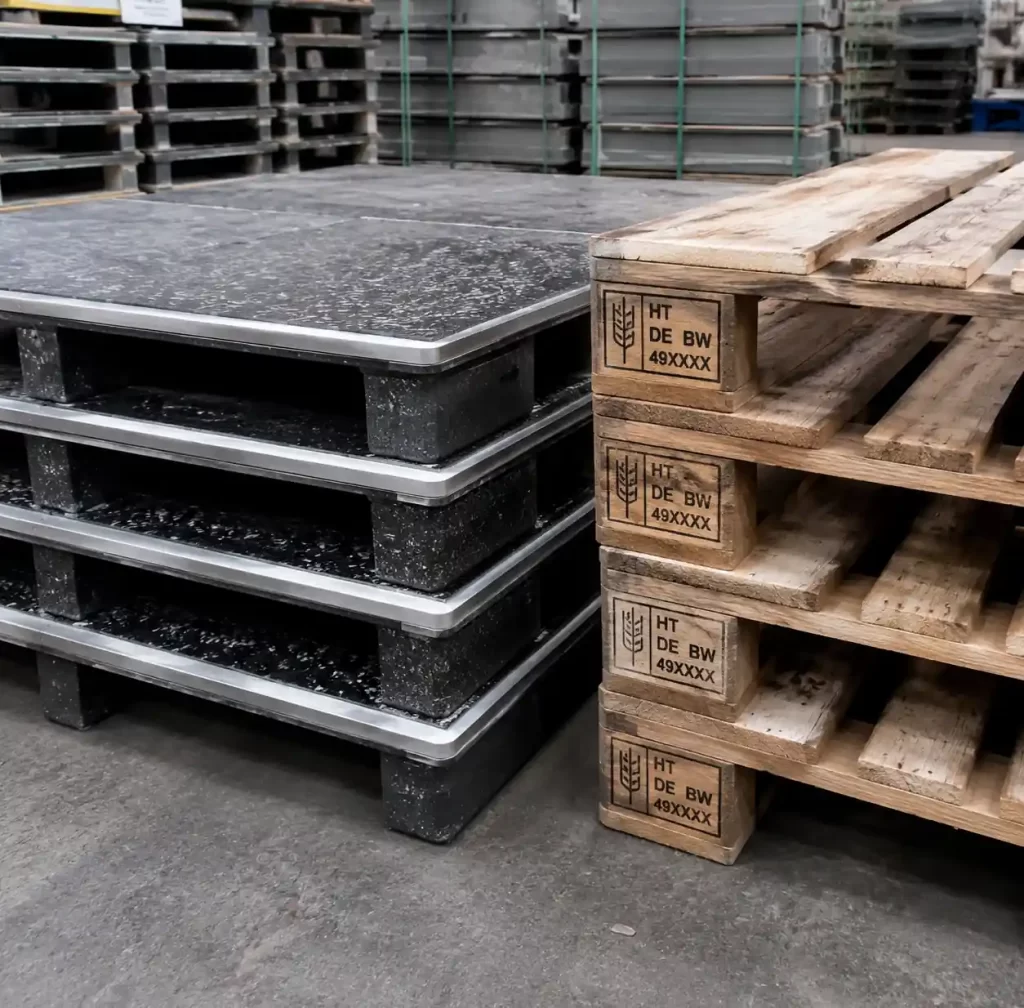
GMT pallets eliminate ISPM 15 compliance requirements entirely because composite materials fall outside phytosanitary regulations targeting solid wood. This exemption provides three major advantages: no heat treatment processing costs (€8-€15 per pallet), no ongoing recertification requirements, and faster customs clearance reducing shipment delays.
White GMT pallets and pure white premium options from certified manufacturers include complete compliance documentation packages, manufacturing traceability through molded batch codes, and test certificates demonstrating conformity with European standards.
Regional Compliance Variations Across Europe
Western European Requirements: Germany, France, and Benelux countries enforce strict compliance with ISO and EN standards, requiring detailed documentation and regular facility audits. These markets increasingly favor sustainable materials demonstrating environmental compliance through lifecycle assessments.
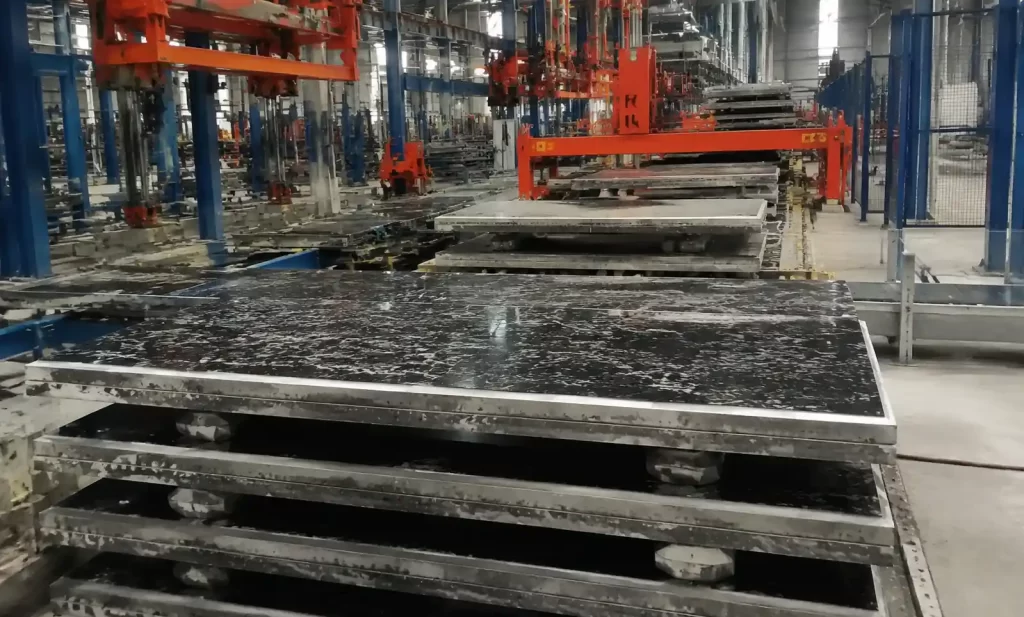
Southern European Considerations: Mediterranean facilities operating in 30-45°C ambient temperatures require pallets maintaining dimensional stability under thermal stress. Yellow fiber brick pallets and black glass fiber options incorporate heat-resistant formulations while maintaining European structural standards.
Eastern European Market Access: Poland, Czech Republic, and Baltic states generally follow EU standards, though enforcement intensity and documentation requirements vary. Verify specific national implementation of European directives before market entry.
Practical Compliance Implementation Strategy
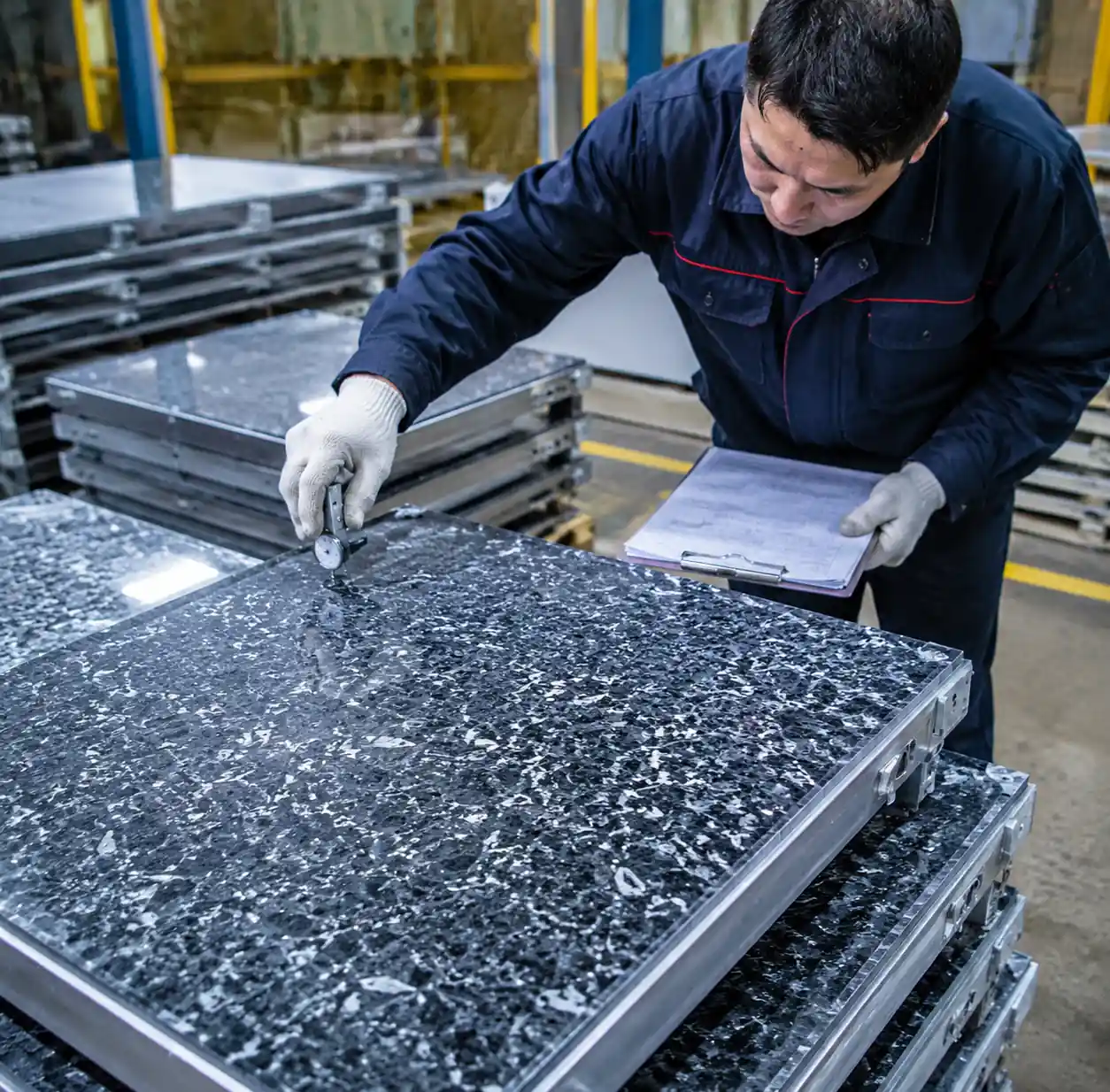
Conducting Compliance Assessment: Start with comprehensive assessment of current pallet performance against European standards. Measure dimensional accuracy, document load capacity through representative sampling, review material certificates verifying REACH compliance, and evaluate ISPM 15 requirements for international operations.
Most brick manufacturers discover wood pallet inventories fail dimensional tolerance requirements due to moisture-induced warping and lack documented load testing certificates.
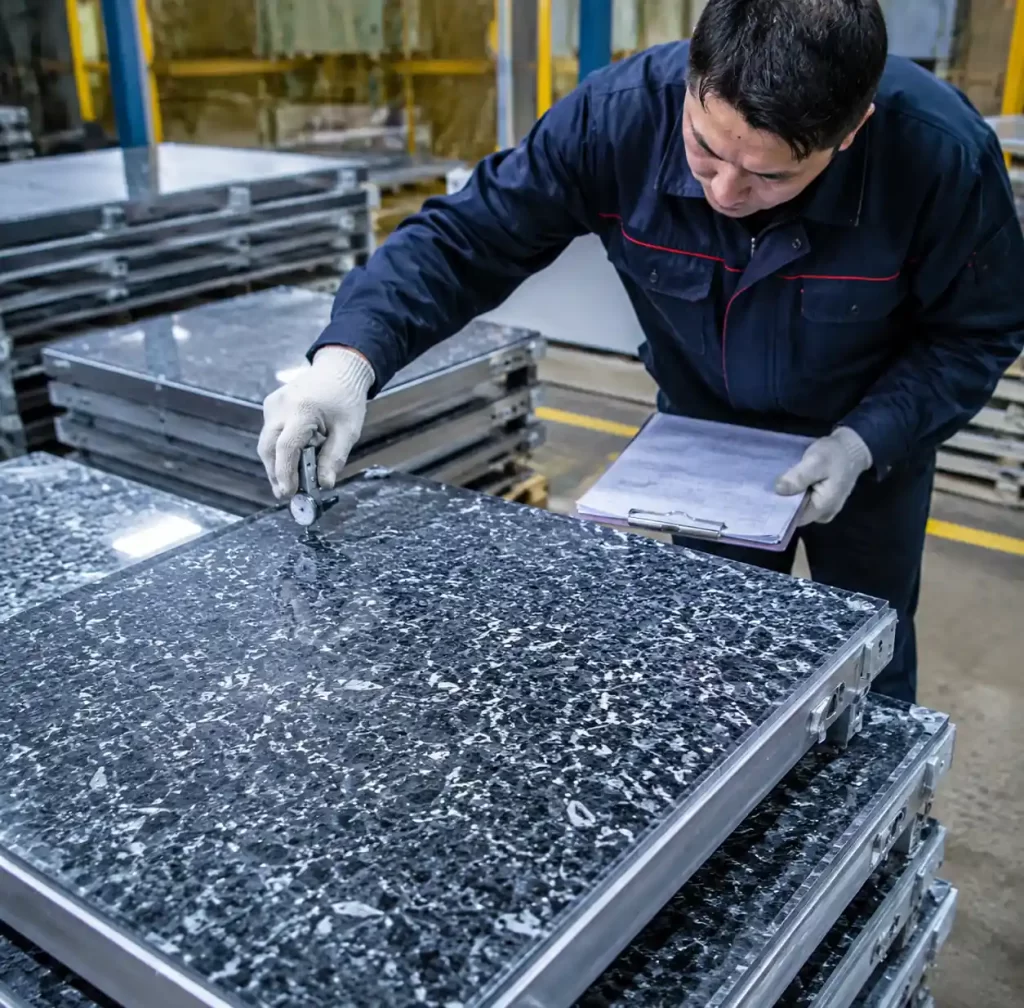
Phased Conversion Approach: Begin with automated production lines where dimensional accuracy delivers immediate benefits, then expand to manual operations as wood pallets reach end-of-life. Priority conversion areas include export product handling where ISPM 15 compliance matters, automated lines where dimensional consistency affects throughput, and high-value brick production where defect prevention justifies premium investment. Half GMT pallets provide cost-effective solutions for specialized applications.
Documentation and Record-Keeping Systems: Implement tracking systems recording pallet procurement with certificates of conformity, regular inspection results documenting dimensional accuracy and structural condition, and maintenance activities affecting pallet performance.
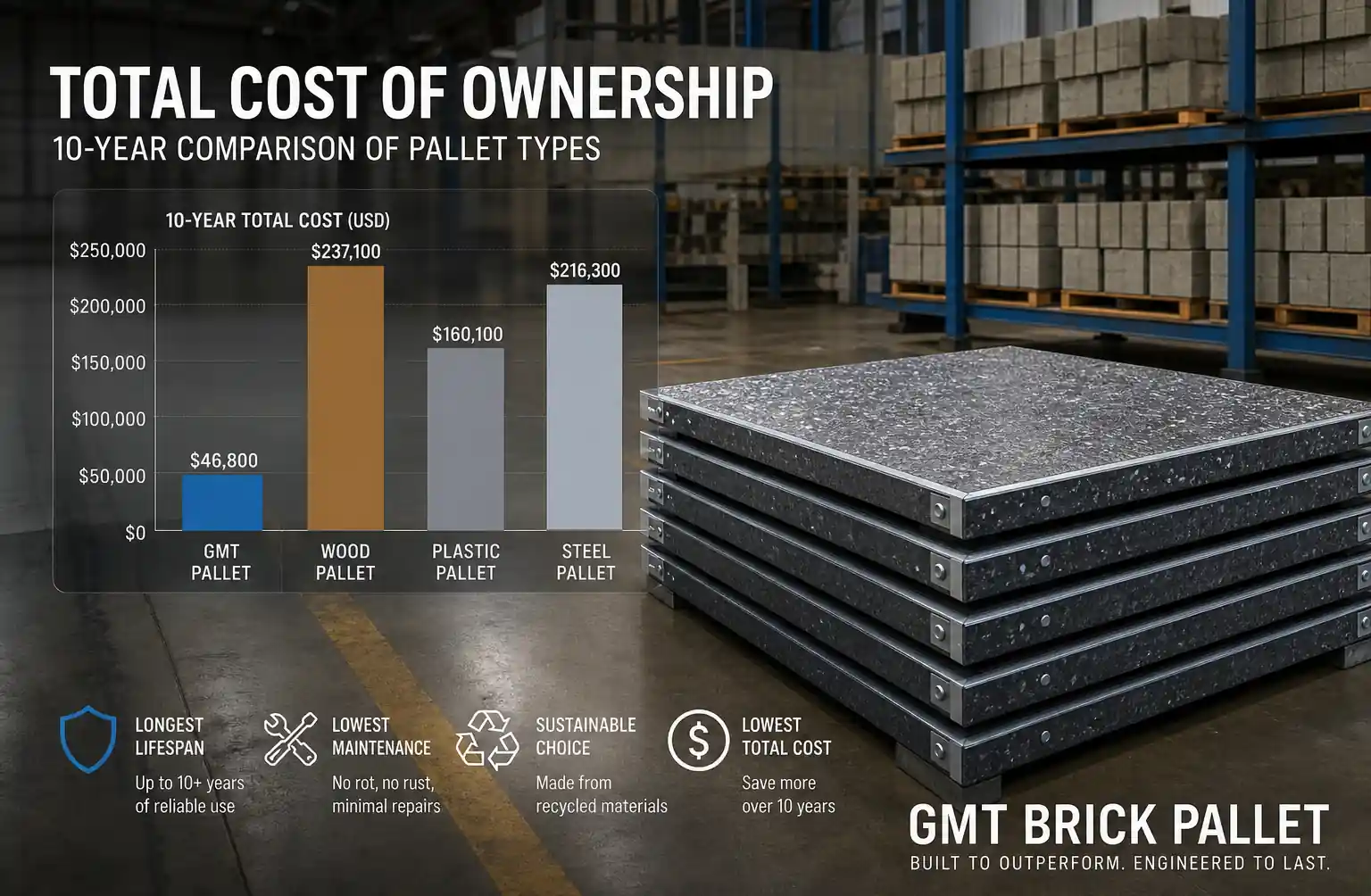
Cost-Benefit Analysis of Compliance Investment
| Cost Factor | GMT Pallet (10-Year Cycle) | Wood Pallet (10-Year Cycle) | Compliance Advantage |
|---|---|---|---|
| Initial Purchase (500 units) | €40,000-€60,000 | €10,000-€17,500 | Higher upfront |
| Replacement Costs | €5,000-€10,000 | €70,000-€120,000 | 85% reduction |
| ISPM 15 Treatment | €0 (exempt) | €40,000-€75,000 (if exporting) | 100% elimination |
| Inspection & Testing | €8,000-€12,000 | €25,000-€35,000 | 60% reduction |
| Non-Compliance Incidents | €2,000-€5,000 (rare) | €15,000-€35,000 (frequent) | 80% reduction |
| Total 10-Year Cost | €55,000-€87,000 | €160,000-€282,500 | €105,000-€195,500 savings |
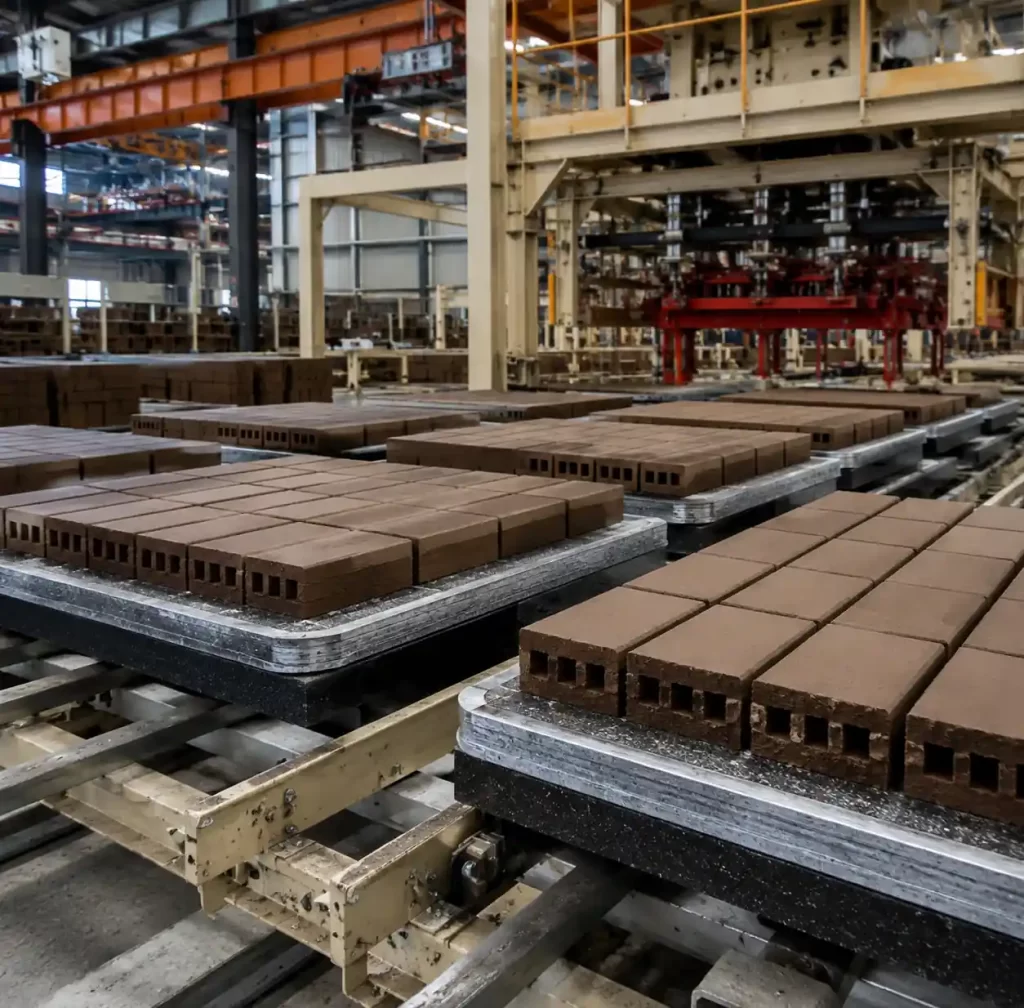
Compliance-grade GMT pallets deliver operational benefits extending beyond regulatory requirements. Dimensional consistency reduces automated line stoppages by 40-60%, moisture resistance eliminates seasonal performance variations affecting wood pallets, and superior surface flatness reduces brick defects by 30-50%. Our detailed cost analysis guide provides facility-specific calculation frameworks.
FAQ
What European standards specifically apply to brick production pallets?
ISO 8611 governs pallet dimensions and testing methods, EN 15358 addresses sustainable pallet production, and ISPM 15 regulates wood packaging in international trade. Additional requirements come from REACH regulations restricting hazardous substances. Brick production pallets must demonstrate dimensional tolerance within ±3mm for manual operations or ±1mm for automated lines, documented load capacity testing showing 2,500 kg minimum with 3:1 safety factors, and material safety certification confirming absence of restricted substances.
Do GMT pallets automatically meet all European compliance requirements?
Quality GMT pallets from certified manufacturers meet primary European standards through standardized dimensions, documented load testing, REACH-compliant materials, and manufacturing traceability. Verify your GMT pallet supplier provides complete compliance documentation packages and maintains ISO 9001 or equivalent quality management certification. Rhinos Pallet GMT products include comprehensive compliance documentation meeting European market requirements.
How does ISPM 15 affect brick manufacturers using wood pallets?
ISPM 15 requires heat treatment or fumigation of wood packaging used in international trade, adding €8-€15 per pallet treatment cost plus certification requirements. Non-compliant wood triggers shipment rejections, destination fumigation fees (€500-€2,000 per shipment), or destruction. GMT pallets eliminate ISPM 15 requirements entirely because composite materials fall outside phytosanitary regulations.
What documentation do I need to demonstrate compliance during audits?
Essential documentation includes material safety data sheets confirming REACH compliance, load testing certificates per ISO 8611 protocols, dimensional inspection records showing tolerance conformity, manufacturing batch traceability linking pallets to production records, supplier qualification demonstrating certified quality systems, and regular inspection logs documenting ongoing performance.
Are compliance requirements different for automated versus manual production?
Automated production lines require tighter dimensional tolerances (±1mm versus ±3mm for manual operations). Both require identical load capacity, material safety, and traceability compliance. Automated systems benefit significantly from GMT pallets’ superior dimensional consistency, preventing positioning errors that trigger safety shutdowns costing €200-€500 per incident.
Conclusion
European standards for brick production pallets create specific compliance requirements centered on dimensional accuracy (±3mm manual, ±1mm automated), documented load capacity testing (minimum 2,500 kg with 3:1 safety factors), material safety under REACH regulations, and ISPM 15 conformity for international trade. GMT pallets address these requirements through fiber-reinforced composite construction maintaining dimensional stability within ±2mm across 10+ year service life, certified load capacity of 2,500-3,500 kg, and automatic ISPM 15 exemption as non-wood packaging.
The compliance investment delivers measurable returns through reduced replacement costs (85% versus wood), eliminated ISPM 15 treatment expenses (€40,000-€75,000 over 10 years), and operational improvements including 40-60% fewer automated line stoppages. Total 10-year ownership costs run €105,000-€195,500 lower for GMT while ensuring continuous compliance with evolving European standards.
If you need European standards-compliant brick pallets, Rhinos Pallet offers fiber-reinforced GMT pallets with complete compliance documentation, certified load testing, and manufacturing traceability meeting ISO 8611, EN 15358, and REACH requirements. Contact us today for compliance consultation and factory-direct pricing.