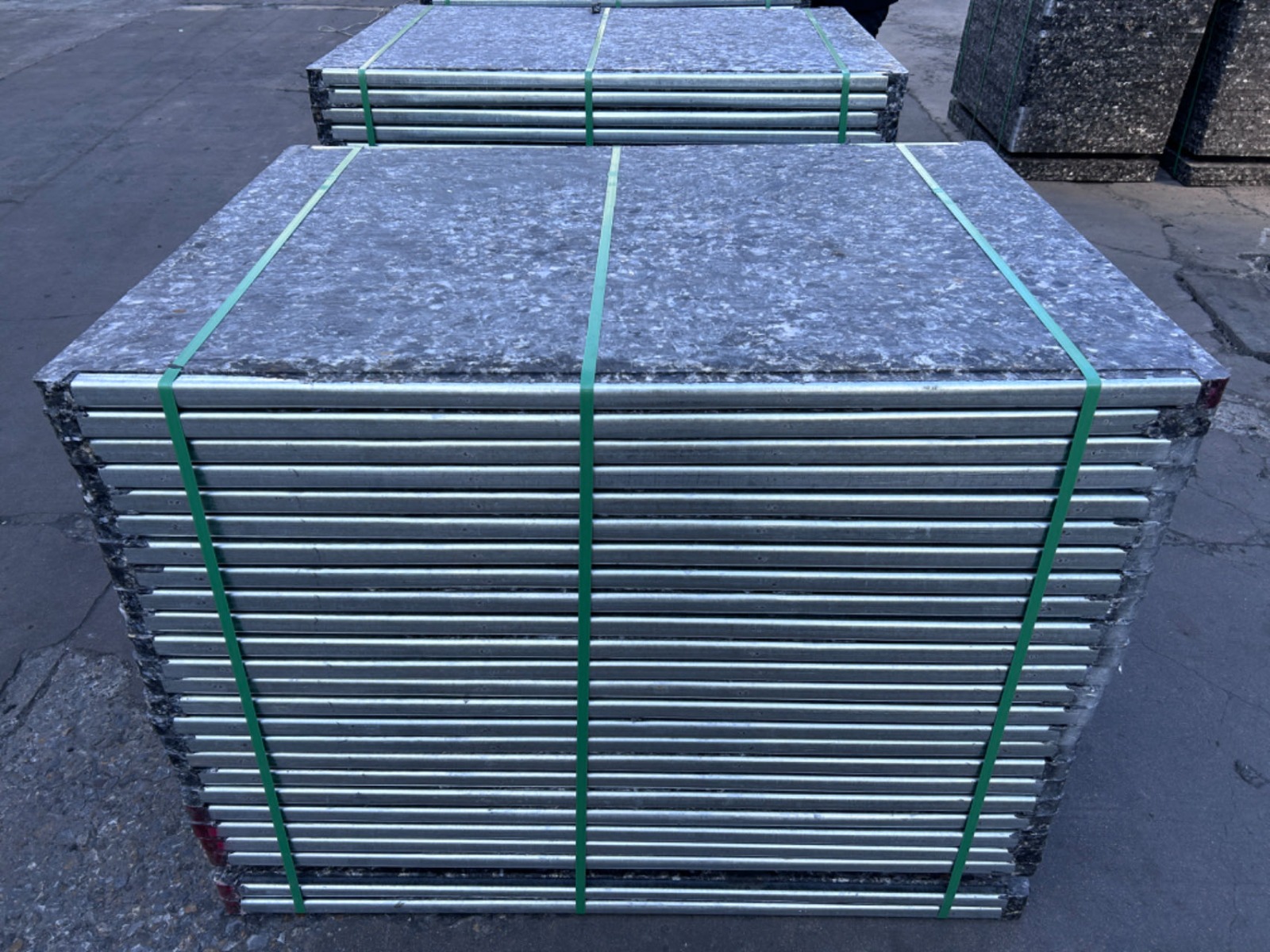
Surface marks and impressions on finished bricks cost manufacturers 8-15% in rejected products and downgraded inventory. Production data shows that pallet surface defects—rough spots, warping, material degradation, and uneven contact—directly transfer to green bricks during molding and curing. These marks become permanent after firing, forcing premium architectural bricks into lower-grade inventory at 40-60% reduced selling prices.
If you want to eliminate brick surface marks permanently, then you will need to understand how pallet surface quality impacts product appearance, which materials resist degradation, and how proper pallet selection prevents marking throughout the production cycle. This guide examines the root causes of pallet-induced surface marks and provides five proven solutions that reduce marking defects by 85-95%.
Why Pallet Surface Quality Determines Brick Appearance
Brick surface quality originates at the moment wet concrete contacts the pallet during molding. The molding press applies 2,500-4,000 psi pressure, forcing concrete mix into intimate contact with every surface irregularity on the pallet. This pressure imprints pallet surface defects—grain patterns from wood, scratches, raised edges from material degradation—directly onto the bottom surface of green bricks.
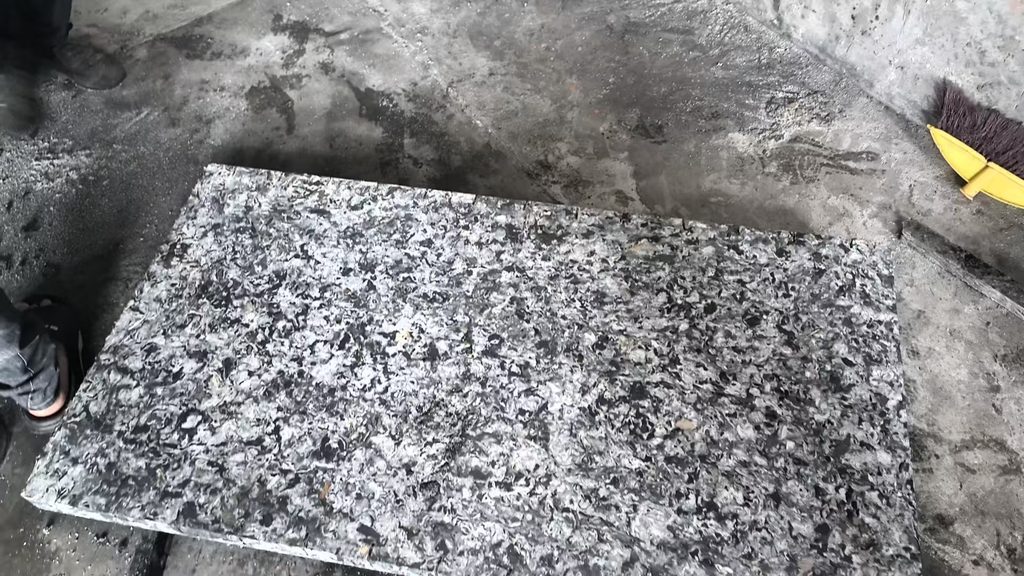
The problem intensifies during curing when green bricks remain in contact with pallets for 12-48 hours. During this period, moisture from concrete interacts with pallet surface materials, creating chemical staining on premium light-colored bricks. Wood pallets leach tannins that cause brown discoloration. Rough or deteriorated surfaces create texture marks that become visible after firing.
Surface marks cost manufacturers significantly. Premium architectural bricks selling at $0.85-1.20 per unit drop to standard grade at $0.35-0.50 when surface marks exceed acceptance criteria. A facility producing 100,000 premium bricks monthly experiences $42,000-70,000 in lost revenue annually from a 10% marking defect rate.
Quality control standards for architectural brick specify maximum surface irregularities of 0.5mm depth and no visible discoloration or impression marks. Wood pallets deteriorating over 18-24 months fail these standards progressively, forcing manufacturers into continuous quality battles. Fiber-reinforced composite pallets maintain surface quality specifications throughout 10-12 year lifespans, eliminating marking defects permanently.
Five Types of Pallet-Induced Surface Marks
Understanding specific marking types helps identify root causes and select appropriate solutions. Each mark type originates from different pallet defects and requires targeted prevention strategies.
Type 1: Wood Grain Impressions
Wood pallets transfer their natural grain pattern onto brick surfaces under molding pressure. The pattern becomes more pronounced as wood surfaces wear and fibers separate. These impressions appear as linear marks 0.3-0.8mm deep running parallel to wood grain direction. Wood grain marks affect 100% of bricks produced on wood pallets but become quality issues only on smooth architectural bricks where appearance matters.
Type 2: Warping-Induced Pressure Marks
Moisture-warped pallets create uneven contact pressure during molding. High-pressure zones create darker, denser surface areas while low-pressure zones remain lighter or incompletely molded. These pressure variations show as irregular patches 20-80mm diameter distributed randomly across brick surfaces. Warping marks intensify over pallet lifespan as moisture cycling increases deformation from ±2mm when new to ±5-8mm after 18 months.
Type 3: Chemical Staining from Material Degradation
Wood tannins, adhesives, and preservatives leach into wet concrete during curing, creating discoloration that becomes permanent after firing. Stains appear as yellow-brown patches concentrated where moisture contact is greatest. Light-colored and white bricks show chemical staining most visibly, with discoloration affecting 15-35% of surface area in severe cases.
Type 4: Texture Transfer from Surface Roughness
Degraded pallet surfaces develop rough spots from concrete abrasion, moisture damage, and mechanical wear. These rough areas transfer texture directly onto brick surfaces as raised or recessed patterns. Texture marks range from 0.2-1.5mm depth and cover 5-40% of brick surface area depending on pallet condition.
Type 5: Edge and Corner Impressions
Splintered edges, protruding fasteners, and broken pallet corners create localized impressions or chips on brick edges. These defects cause 3-8% of produced bricks to fail dimensional tolerance specifications. Edge marks become more frequent as pallets age and structural failures accumulate.
| Mark Type | Root Cause | Affected Bricks | Quality Impact | Prevention |
|---|---|---|---|---|
| Wood Grain Impressions | Natural wood fiber pattern | 100% with wood pallets | Cosmetic on premium brick | Switch to molded smooth pallets |
| Warping Pressure Marks | Moisture-induced dimensional changes | 30-60% in high-humidity | Density variations, visual defects | Use moisture-resistant pallets |
| Chemical Staining | Tannin/adhesive leaching | 15-35% on light-colored brick | Permanent discoloration | Use chemically-inert materials |
| Texture Transfer | Surface degradation from wear | 20-50% as pallets age | Unacceptable surface roughness | Implement replacement cycles |
| Edge Impressions | Structural damage, splinters | 3-8% near pallet edges | Dimensional failures | Maintain edge integrity standards |
Material Science: How Pallet Composition Affects Marking
Pallet material composition determines surface marking potential through three key properties: surface hardness, moisture interaction, and dimensional stability. Understanding these material science factors explains why some pallets mark bricks while others maintain clean surfaces.
Surface Hardness and Smoothness
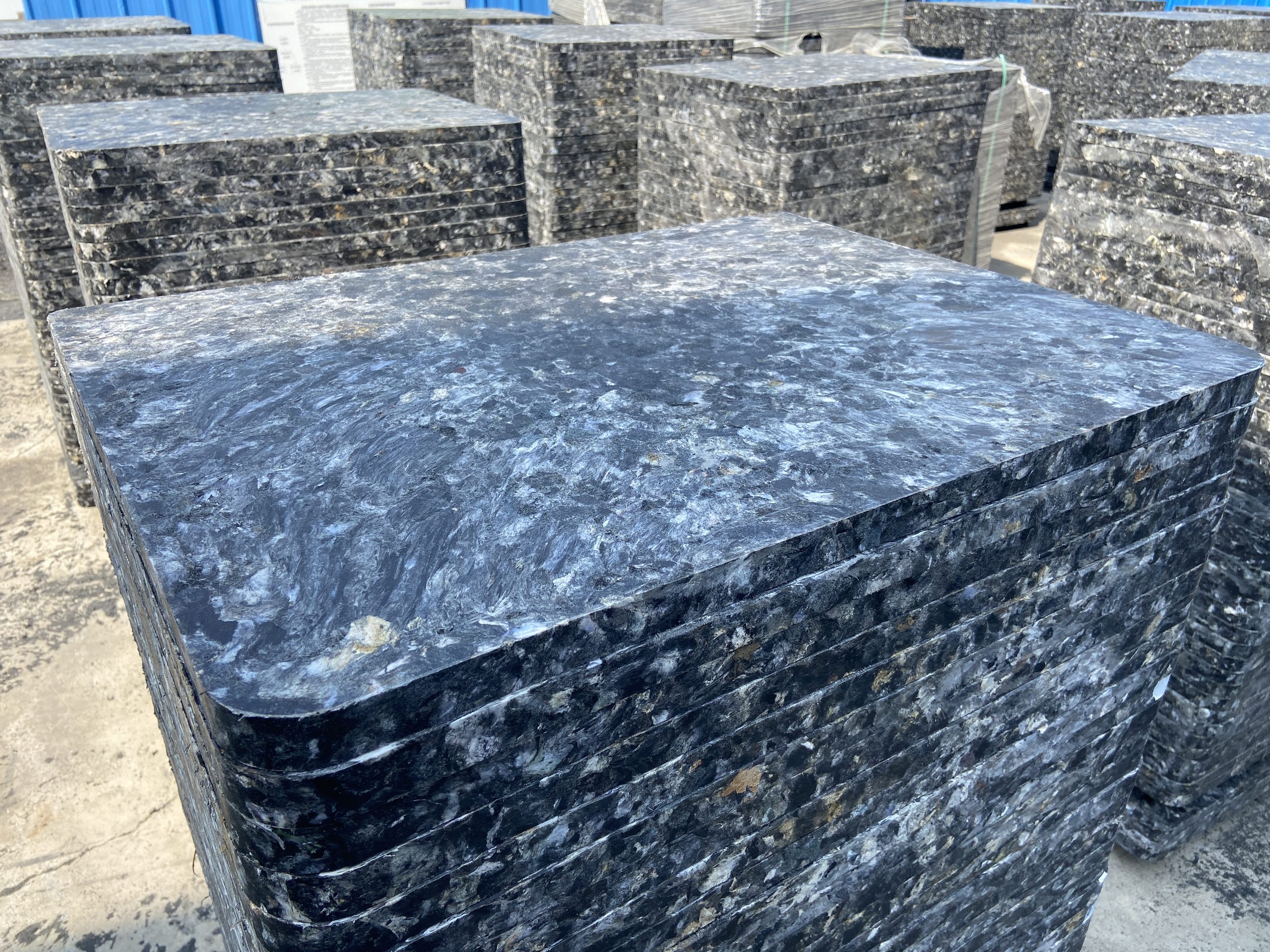
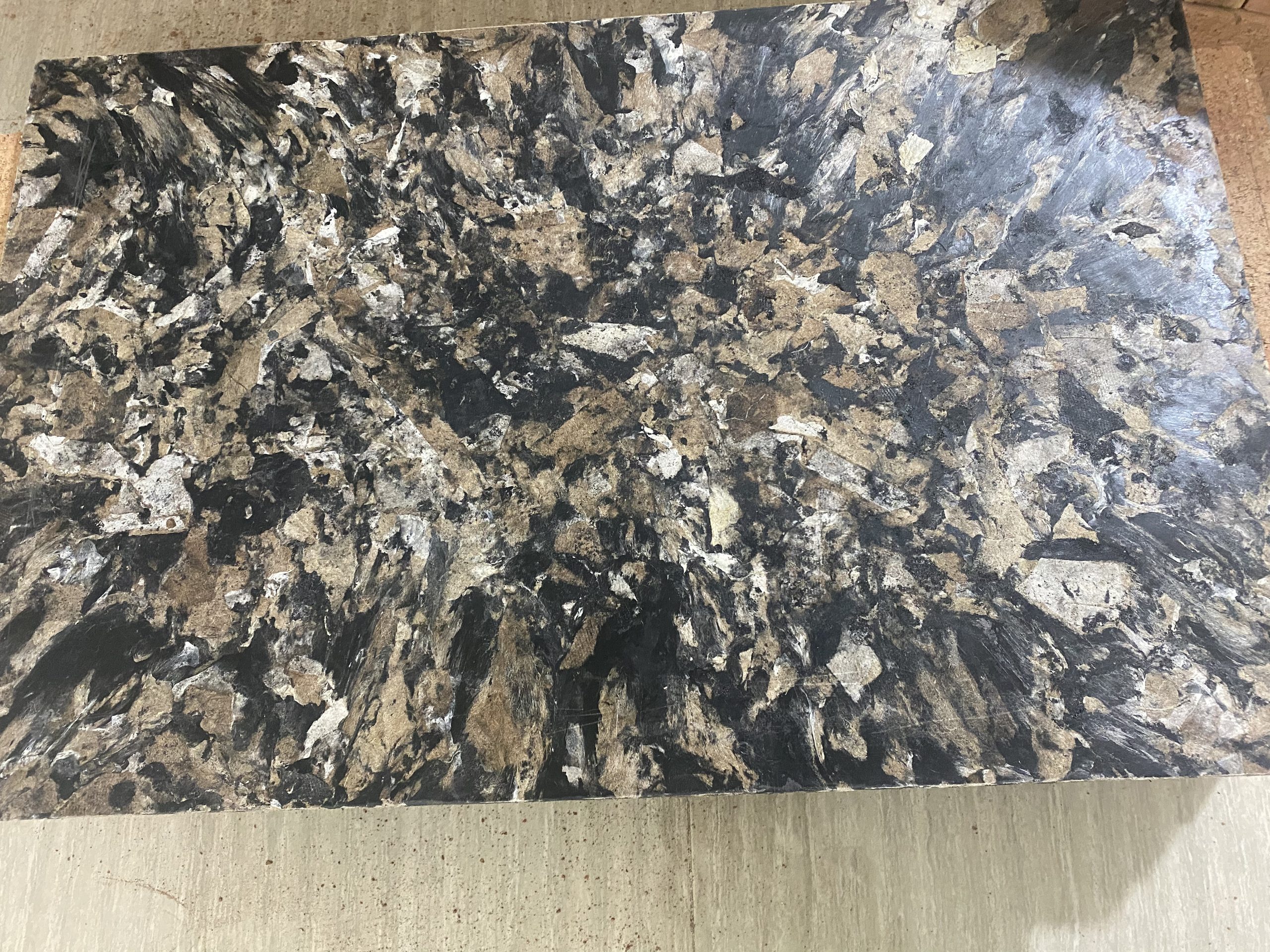
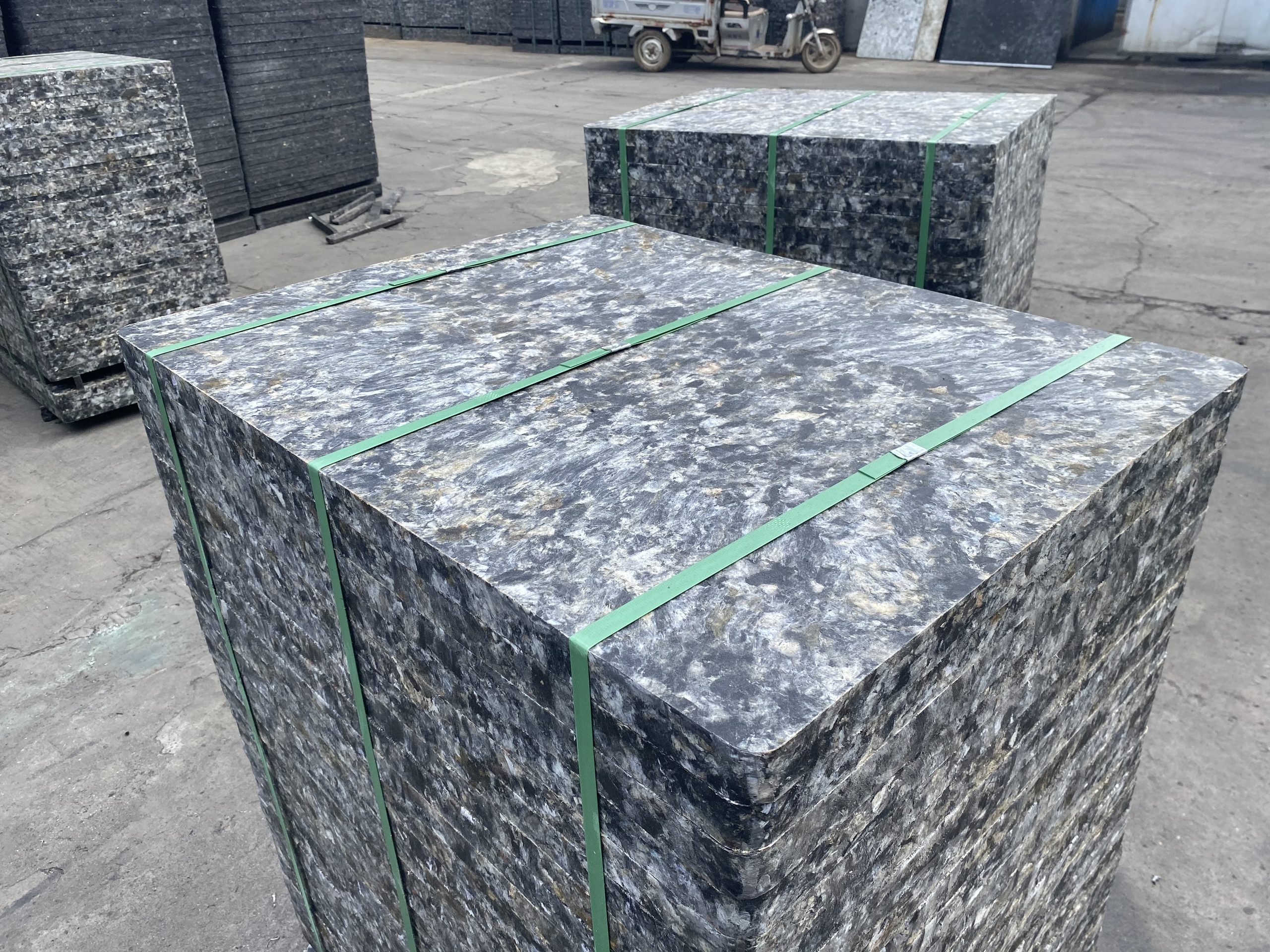
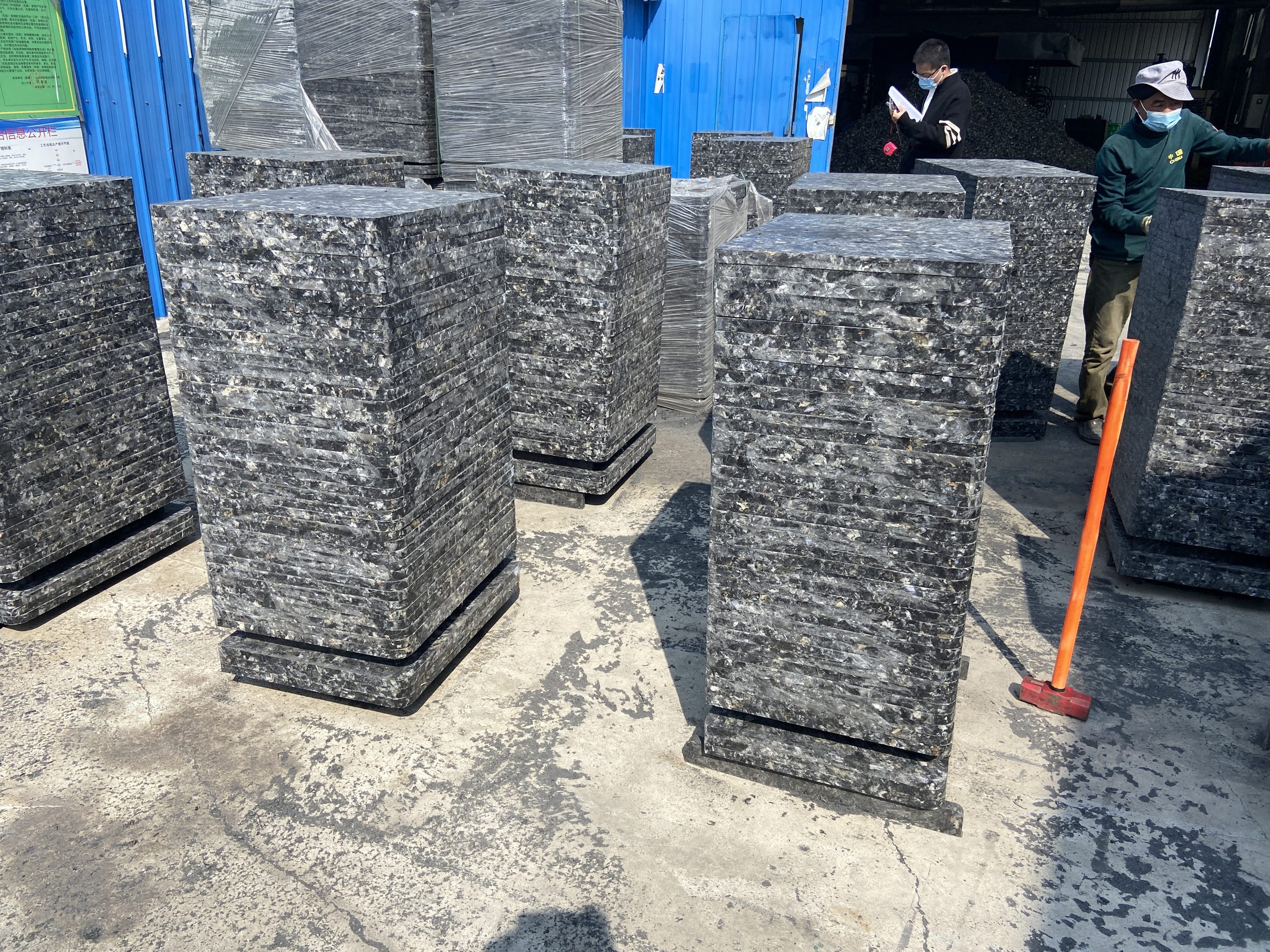
Compression-molded composite materials create uniform surfaces with consistent hardness throughout the pallet structure. Glass fiber reinforced thermoplastic (GMT) pallets achieve surface hardness of 75-85 Shore D with Ra surface roughness values below 3.2 micrometers. This combination delivers smooth surfaces that resist concrete abrasion while preventing texture transfer.
Wood pallets exhibit variable surface hardness of 30-60 Shore D with Ra values of 12-25 micrometers due to natural grain structure. The softer surface abrades faster under repeated concrete contact, exposing grain patterns and creating roughness that transfers to bricks. Surface hardness decreases further as moisture softens wood fibers.
Moisture Interaction Characteristics
Material moisture absorption drives dimensional changes and chemical interactions that cause marking. Wood absorbs 15-20% moisture by weight in typical brick production environments, creating 3-8mm dimensional changes and leaching tannins into wet concrete. These moisture effects accumulate over each production cycle, progressively worsening marking problems.
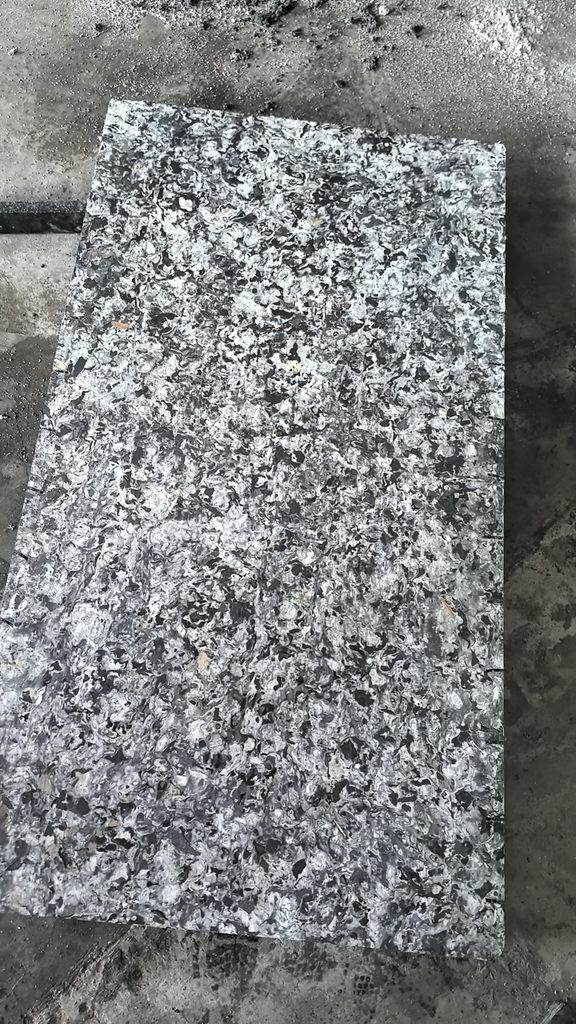
GMT and fiber-reinforced pallets absorb less than 1% moisture due to thermoplastic matrix encapsulation of glass fibers. The minimal moisture interaction maintains dimensional stability within ±0.5mm and eliminates chemical leaching. This stability keeps surface contact uniform across thousands of production cycles without marking defects.
Dimensional Stability Under Load
Molding pressure of 2,500-4,000 psi compresses pallet surfaces during each production cycle. Materials lacking structural rigidity deform under this pressure, creating surface irregularities that mark bricks. Wood pallets compress 1-3mm under molding loads, with compression increasing as moisture softens fibers.
Fiber-reinforced composite pallets maintain dimensional stability under molding pressure through glass fiber reinforcement that resists compression. Surface deformation remains below 0.2mm throughout the pallet’s service life, ensuring consistent brick surface quality across 50,000+ production cycles.
Solution 1: Upgrade to Smooth-Surface Composite Pallets
Converting from wood to compression-molded composite pallets eliminates surface marking at the root cause. Pure white GMT pallets deliver molded surfaces with Ra roughness values of 1.6-3.2 micrometers—8-15× smoother than wood. This smooth surface prevents grain impressions, texture transfer, and pressure marks that degraded wood pallets create.
The conversion delivers immediate quality improvements. Facilities switching to composite pallets report 85-95% reduction in surface marking defects within the first week of operation. Premium architectural brick rejection rates drop from 8-15% to 1-2%, recovering $35,000-65,000 annually in avoided downgrades for typical 100,000 brick/month operations.
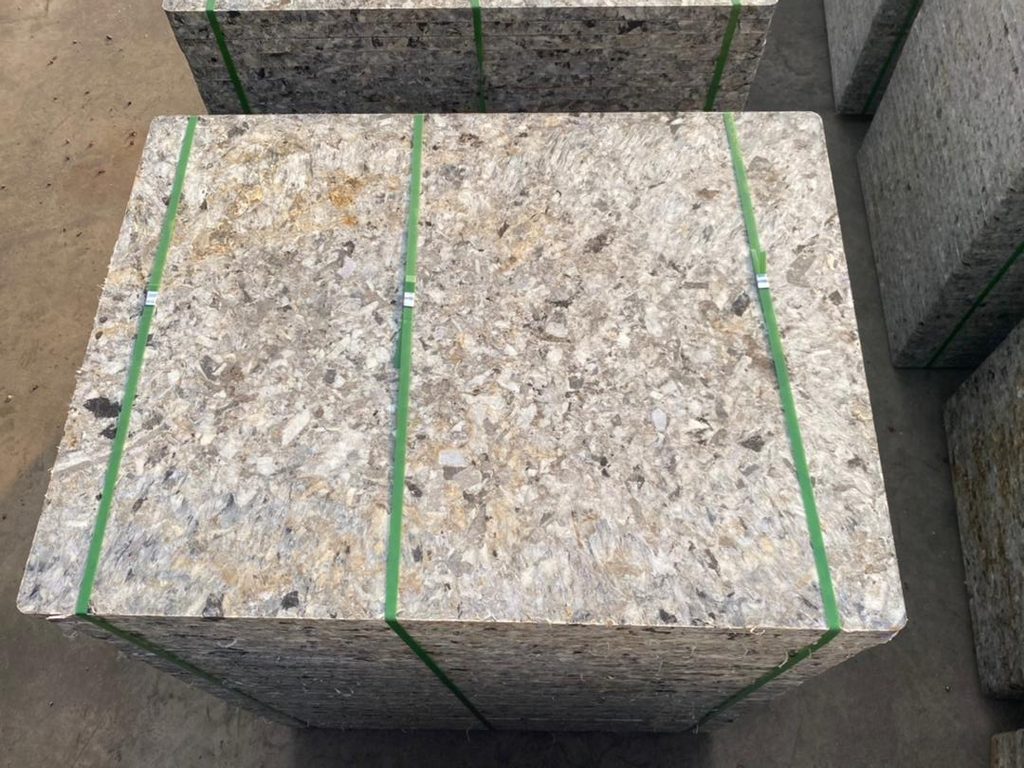
Composite pallet surfaces resist the degradation that causes marking to worsen over time. The compression-molded construction maintains surface smoothness throughout 10-12 year service life with no progressive deterioration. Wood pallets require replacement every 24-36 months as surface quality degrades, creating recurring quality issues and replacement costs.
Implementation strategy matters for cost-effective conversion. Start by replacing pallets on premium brick production lines where surface quality affects value most significantly. Use wood pallets for standard-grade products where minor marks remain acceptable. This phased approach optimizes investment by targeting quality improvements where they generate maximum value.
Premium white GMT brick pallets reduce brick breakage by 50% alongside eliminating surface marks. The dual quality improvement—better surface finish plus lower breakage—typically delivers 18-24 month ROI on the higher initial pallet investment.
Solution 2: Implement Surface Flatness Standards
Surface flatness directly controls how uniformly molding pressure distributes across brick surfaces. Pallets maintaining ±2mm flatness create even contact that prevents pressure marks and density variations. Establishing and enforcing flatness specifications eliminates marking defects from warped or deformed pallets.
Flatness Measurement Protocol
Implement weekly flatness inspections using precision straightedges and feeler gauges. Place a 1000mm straightedge across pallet diagonal directions and measure maximum gap with feeler gauges. Pallets exceeding ±2mm deviation move to standard-grade production or removal from service. This simple inspection takes 45-60 seconds per pallet and prevents marking defects before they occur.
Production facilities should establish three flatness zones: premium production (±2mm maximum), standard production (±2-4mm acceptable), and removal threshold (>±4mm). This stratified approach maximizes pallet utilization while protecting product quality. Facilities using this system report 70-85% reduction in pressure-marking defects.
Material Selection for Flatness Retention
Pallet material determines whether flatness remains stable or degrades over time. Wood pallets warp progressively as moisture cycling causes dimensional instability. Initial flatness of ±2-3mm deteriorates to ±5-8mm within 18-24 months in high-humidity environments. This progressive warping requires continuous culling and replacement to maintain quality standards.
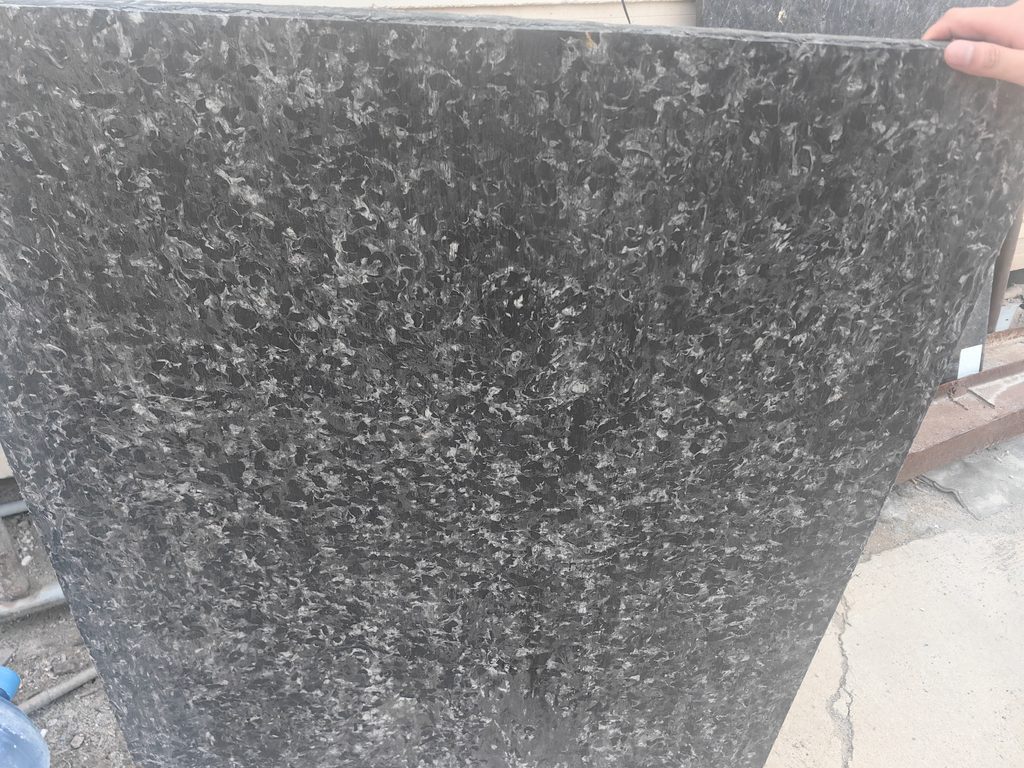
Black glass fiber pallets maintain initial flatness throughout their service life through fiber reinforcement that resists moisture-induced warping. The dimensional stability eliminates flatness degradation, allowing pallets to remain in premium production service for 10-12 years without quality deterioration.
Environmental Control Integration
Combine flatness standards with environmental controls that minimize warping forces. Maintain production area humidity at 40-60% RH to reduce moisture cycling effects on pallets. Store pallets horizontally on flat surfaces rather than stacking, which creates permanent deformation under sustained load. These environmental practices extend wood pallet flatness retention by 40-60% when composite pallets are not economically feasible.
Solution 3: Control Moisture and Environmental Factors
Moisture drives multiple marking mechanisms: wood warping, chemical leaching, and surface degradation. Controlling moisture exposure prevents these defects from developing. Facilities achieving 85-95% humidity control report corresponding reductions in moisture-related surface marks.
Production Area Humidity Management
Maintain curing areas at 50-65% relative humidity to minimize pallet moisture absorption while supporting proper concrete curing. Install dehumidification systems in high-humidity regions (tropical, coastal, monsoon climates) where ambient conditions exceed 70% RH for extended periods. Dehumidification investment of $15,000-35,000 for 5,000-8,000 sq ft curing areas pays back within 18-24 months through reduced marking defects and extended pallet life.
Monitor humidity continuously using digital hygrometers at pallet storage locations and curing areas. Set alert thresholds at 65% RH to trigger dehumidification before moisture levels reach damage-causing ranges. This proactive monitoring prevents moisture problems rather than reacting after marking defects appear.
Pallet Drying Between Cycles
Implement forced air drying for pallets returning from curing areas before reuse in molding operations. Industrial fans circulating air across pallet stacks for 2-4 hours reduce surface moisture from 18-25% to 8-12%, minimizing chemical leaching and improving surface contact quality. This simple drying step reduces moisture-related marks by 45-60% on wood pallets.
Material-Based Moisture Resistance
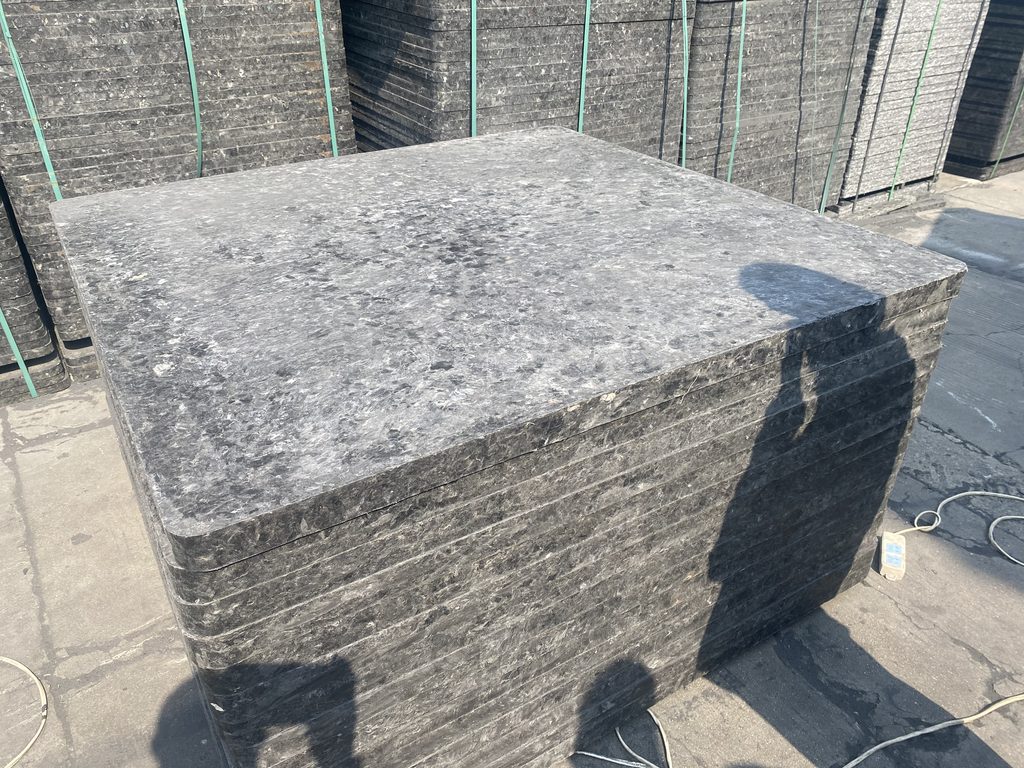
Select pallet materials inherently resistant to moisture effects when environmental control is impractical or insufficient. GMT pallets absorb <1% moisture regardless of ambient humidity, eliminating moisture-induced warping and chemical leaching. This material-level moisture resistance delivers consistent surface quality across all environmental conditions including tropical facilities where humidity control costs become prohibitive.
Solution 4: Establish Preventive Maintenance Protocols
Regular pallet inspection and maintenance catches surface degradation before it creates marking defects. Structured maintenance protocols extend wood pallet surface quality by 40-60% and identify deteriorated units before they damage premium products.
Weekly Surface Inspection
Train production personnel to visually inspect pallet surfaces for rough spots, splinters, warping, and chemical staining during line changeovers. Flag suspect pallets for detailed inspection by quality control. This front-line screening takes 15-20 seconds per pallet and prevents 70-85% of marking defects from reaching production.
Quality control performs detailed inspections on flagged pallets using surface profilometers (measuring roughness), straightedges (checking flatness), and visual standards (assessing discoloration). Pallets failing inspection move to standard-grade production or removal. This two-tier inspection system optimizes inspection labor while maintaining surface quality standards.
Surface Cleaning Procedures
Implement post-use cleaning that removes concrete residue before it hardens into surface irregularities. For wood pallets, use high-pressure water spray (1,200-1,800 psi) followed by air drying. For composite pallets, low-pressure water rinse (400-600 psi) or compressed air (80-100 psi) removes residue without surface damage.
Cleaning frequency depends on concrete mix and ambient conditions. Sticky mixes or high humidity require cleaning after each use. Standard mixes in controlled environments allow 3-5 use cycles between cleaning. Track marking defect rates to optimize cleaning frequency—increasing cleaning when marks appear, reducing when quality remains consistent.
Rotation and Retirement Schedules
Implement pallet rotation systems that distribute wear evenly across inventory. Use fresh pallets for premium architectural brick production while older units serve standard-grade lines. Retire wood pallets at 24-30 months regardless of apparent condition, as surface quality degradation becomes irreversible beyond this service life.
Track individual pallet service history using identification numbers or RFID tags. Schedule removal based on production cycles (typically 15,000-20,000 cycles for wood, 50,000+ cycles for composite) rather than calendar time. This use-based retirement optimizes pallet investment while maintaining quality standards.
Solution 5: Match Pallet Material to Brick Type
Different brick products tolerate different levels of surface marking. Matching pallet quality to brick value optimizes investment by using premium pallets where surface quality matters most and economy pallets where minor marks remain acceptable.
Premium Architectural Brick Requirements
Architectural facing brick, decorative pavers, and specialty products require perfect surface quality that only smooth composite pallets deliver. These products sell at premium prices ($0.85-1.50 per unit) that justify composite pallet investment ($80-120 per pallet). High-quality GMT pallets maintain the perfect surface finish architectural products demand throughout their 10-12 year service life.
Light-colored and white architectural brick shows surface marks most visibly, requiring the smoothest pallet surfaces. White GMT pallets eliminate chemical staining that wood tannins create on light-colored products. The color match also prevents cross-contamination from dark pallet materials marking white brick surfaces.
Standard-Grade Production Considerations
Standard concrete blocks, pavers, and structural brick tolerate minor surface marks that don’t affect function. These products selling at $0.25-0.45 per unit allow economy pallet options including maintained wood pallets or standard composite pallets. The lower brick value changes cost-benefit calculations, making less-expensive pallets economically rational.
Allocate aging wood pallets to standard-grade production as surface quality degrades. This rotation maximizes pallet investment by using full service life while protecting premium product quality. Facilities implementing this tiered pallet strategy report 35-50% reduction in overall pallet costs while maintaining zero defects on premium products.
High-Volume Automated Line Specifications
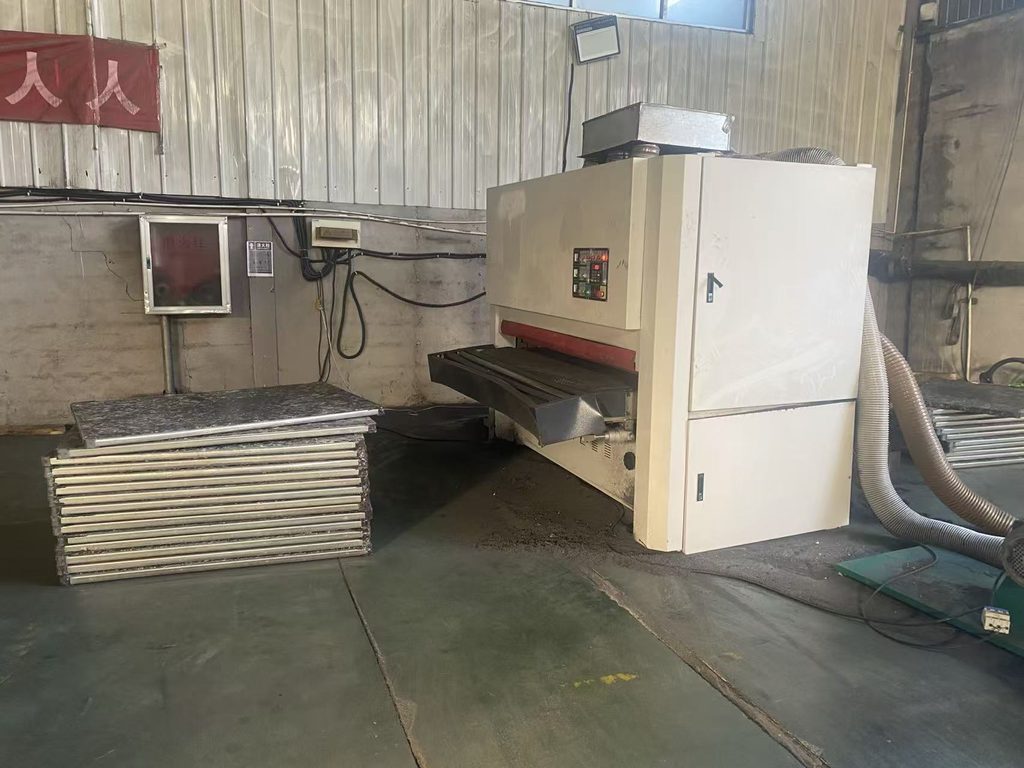
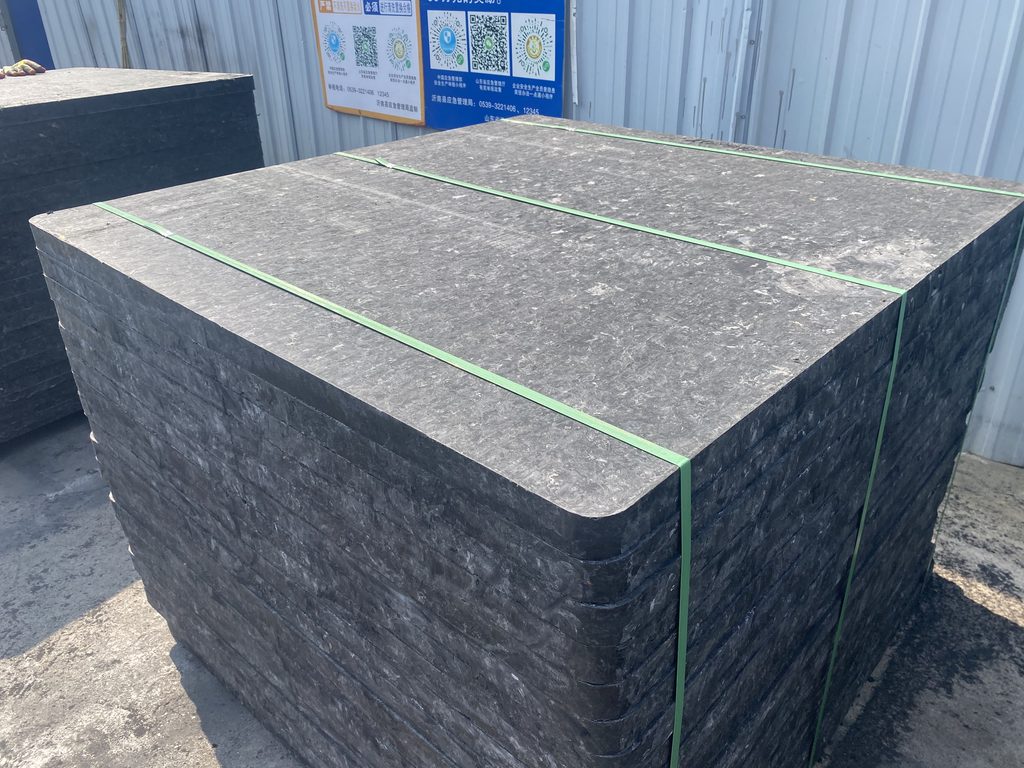
Automated production lines processing 80-150 bricks per minute require dimensional consistency that only precision-molded composite pallets provide. The ±1-2mm dimensional tolerance enables optimized robotic handling speeds while the perfect surface finish maintains quality at high throughput. Yellow fiber brick pallets deliver the dimensional precision automated systems require at competitive pricing for high-volume applications.
| Brick Type | Quality Requirements | Recommended Pallet | Marking Tolerance | Investment Justification |
|---|---|---|---|---|
| Premium Architectural | Perfect surface, no visible marks | Pure white GMT pallet | Zero defects | High selling price justifies premium pallets |
| Light-Colored Facing Brick | Smooth surface, no discoloration | White GMT or premium composite | <1% marking rate | Chemical staining highly visible |
| Standard Facing Brick | Good surface quality | Standard GMT or maintained wood | <5% marking rate | Balance cost and quality |
| Structural Block | Function over appearance | Economy composite or wood | <10% marking rate | Marks don’t affect functionality |
| Pavers (buried) | Minimal requirements | Wood or economy composite | Not critical | Surface hidden in installation |
Performance Comparison: Pallet Materials and Surface Quality
Understanding performance differences between pallet materials helps manufacturers select solutions that eliminate marking defects while optimizing total ownership costs. Real production data shows how material choices affect surface quality, longevity, and economic value.
| Surface Quality Factor | Wood Pallets | Plastic Pallets | GMT/Fiber Composite | Impact on Marking |
|---|---|---|---|---|
| Surface Roughness (Ra) | 12-25 μm | 6-12 μm | 1.6-3.2 μm | Lower Ra prevents texture transfer |
| Flatness Retention | ±2mm new, ±5-8mm @ 18mo | ±3mm maintained | ±2mm maintained 10+ years | Flatness controls pressure marks |
| Moisture Absorption | 15-20% by weight | 2-5% | <1% | Moisture causes warping and staining |
| Surface Hardness | 30-60 Shore D (variable) | 65-75 Shore D | 75-85 Shore D | Hardness resists abrasion marking |
| Chemical Leaching | Tannins stain light brick | Minimal | None detected | Leaching creates discoloration |
| Marking Defect Rate | 8-15% on premium brick | 3-6% | <1% | Direct quality impact |
| Service Life | 24-36 months | 60-84 months | 120-144 months | Longer life maintains quality |
| Surface Quality Degradation | Progressive over life | Moderate | Minimal | Determines replacement timing |
The data shows GMT and fiber-reinforced composite pallets eliminate marking defects through superior surface properties that remain stable throughout extended service life. Wood pallets create marking problems that worsen over time, requiring continuous replacement to maintain quality standards.
Production Cost Impact Analysis
Eliminating brick surface marks delivers measurable cost savings beyond obvious quality improvements. Analyzing total cost impact reveals that premium pallets preventing marks actually reduce overall production costs through multiple mechanisms.
Direct Quality Cost Savings
Reducing surface marking from 10% to 1% recovers $42,000-70,000 annually for facilities producing 100,000 premium architectural bricks monthly at $0.85-1.20 per unit. This calculation assumes marked bricks downgrade to standard grade selling at $0.35-0.50 per unit, creating $0.50-0.70 loss per marked brick.
Facilities producing 200,000 bricks monthly see proportionally larger savings of $84,000-140,000 annually. The direct quality savings alone justify composite pallet investment within 12-18 months for most premium brick operations.
Eliminated Sorting and Handling Costs
Surface marked bricks require manual identification, sorting, and separate inventory management. Quality control personnel spend 2-4 hours daily sorting marked bricks from acceptable products at $35-50 per hour fully loaded labor cost. This sorting labor costs $25,000-50,000 annually beyond the direct product value loss.
Eliminating marking defects eliminates this sorting labor, recovering the full cost as net savings. Combined with direct quality savings, total cost recovery reaches $67,000-120,000 annually for typical operations.
Reputation and Customer Retention Value
Surface marked premium bricks damage customer relationships and brand reputation in ways difficult to quantify precisely. Architects and contractors specify brick by appearance; inconsistent surface quality forces them to consider alternative suppliers. The long-term value of consistent quality delivery exceeds measurable cost savings by maintaining customer loyalty and premium pricing power.
One European architectural brick producer reports that eliminating surface marks enabled 8% price increase over 18 months as customer confidence in quality consistency allowed premium positioning. For their 1.5 million annual brick volume, this pricing power generated $102,000 additional annual margin—far exceeding the pallet investment that enabled the quality improvement.
FAQ
How quickly can we eliminate surface marks after switching to composite pallets?
Surface mark elimination occurs immediately when new composite pallets enter production. Facilities report 85-95% reduction in marking defects within the first production week. Complete elimination to <1% defect rates requires removing all degraded wood pallets from premium production, typically completed within 2-4 weeks as replacement pallets arrive.
Can we improve wood pallet performance instead of replacing them?
Surface sanding and refinishing extends wood pallet surface quality by 6-12 months but cannot match composite pallet performance. Sanding costs $8-15 per pallet in labor and removes material that accelerates subsequent degradation. Most facilities find that sanding wood pallets is cost-effective only when composite conversion is delayed for capital budget reasons, not as a long-term quality solution.
Which brick types benefit most from marking elimination?
Premium architectural facing brick, light-colored brick, white brick, and decorative pavers benefit most because surface appearance directly affects value and customer acceptance. Structural blocks and buried pavers tolerate minor surface marks without functional or economic impact, making marking elimination less critical for these products.
How do we calculate ROI on composite pallet investment?
Calculate annual savings from eliminated marking defects (percentage reduction × production volume × value difference between premium and downgraded brick) plus eliminated sorting labor costs. Divide total composite pallet investment by annual savings to determine payback period. Most premium brick facilities achieve 18-24 month payback; high-volume operations reach 12-15 months.
Do composite pallets work in extreme temperature environments?
GMT and fiber composite pallets operate across -30°C to +80°C without performance degradation. Extreme climate operations in Middle East (up to +50°C ambient) and cold regions (down to -40°C) report no surface quality changes across this temperature range. Wood pallets become brittle below -15°C and accelerate deterioration above +35°C, making composites essential for extreme climates.
How often should we inspect pallet surfaces?
Premium architectural brick production requires weekly detailed inspections plus daily visual screening by production operators during line operation. Standard-grade production allows monthly detailed inspections with weekly visual screening. Inspection frequency should increase if marking defects appear, indicating either pallet degradation or environmental changes affecting quality.
Conclusion
Eliminating brick surface marks requires addressing root causes at the pallet-brick interface. Poor quality pallets create marking defects through rough surfaces, moisture-induced warping, chemical leaching, and progressive degradation that transfers imperfections directly to brick surfaces during molding and curing. These marking defects cost premium brick producers $42,000-140,000 annually in downgraded products and sorting labor.
The five solutions presented—upgrading to smooth composite pallets, implementing flatness standards, controlling moisture, establishing maintenance protocols, and matching pallets to brick types—reduce surface marking by 85-95% when applied systematically. Composite pallets deliver the most complete solution by eliminating marking causes at the material level while lasting 10-12 years versus 24-36 months for wood alternatives.
Rhinos Pallet manufactures precision-molded GMT and fiber composite pallets that maintain perfect surface quality throughout extended service life. Our compression-molded construction delivers Ra surface roughness below 3.2 micrometers and maintains ±2mm flatness across 50,000+ production cycles. For facilities producing premium architectural brick where surface quality determines value, our composite pallets eliminate marking defects while reducing total ownership costs by 50-70% compared to wood alternatives.
Contact us today for technical specifications, sample evaluation, and pricing on composite pallets engineered to eliminate brick surface marks permanently.