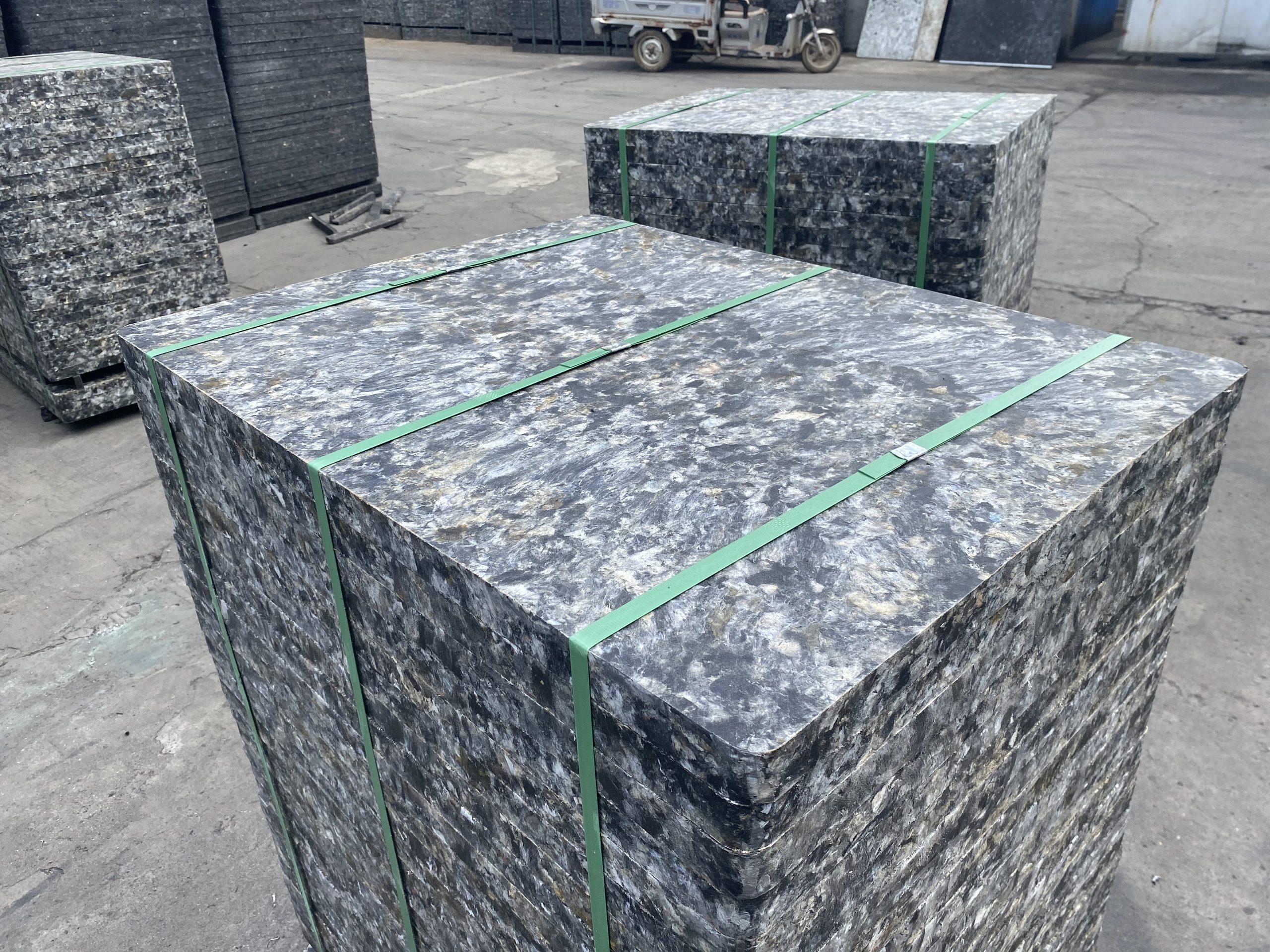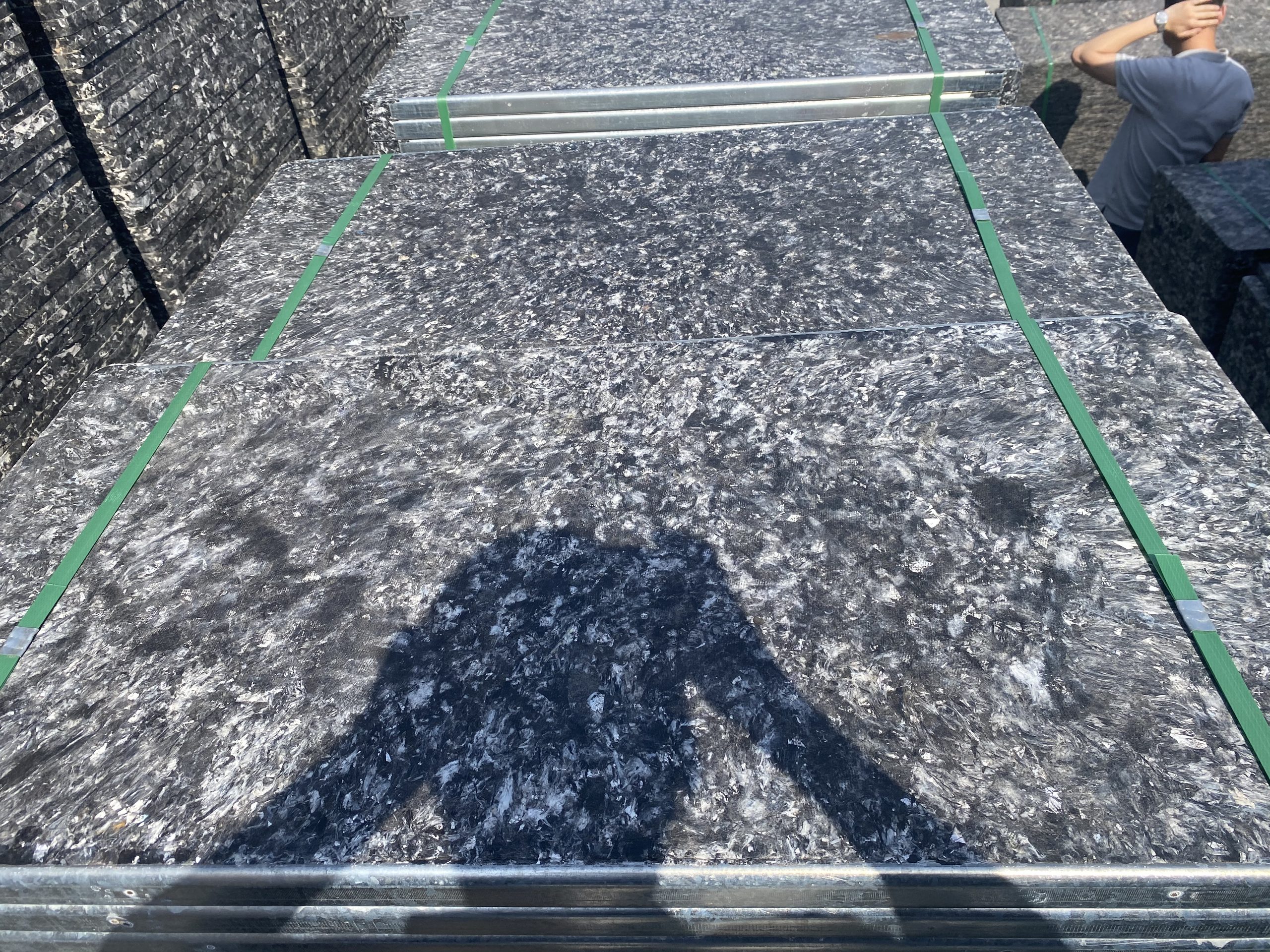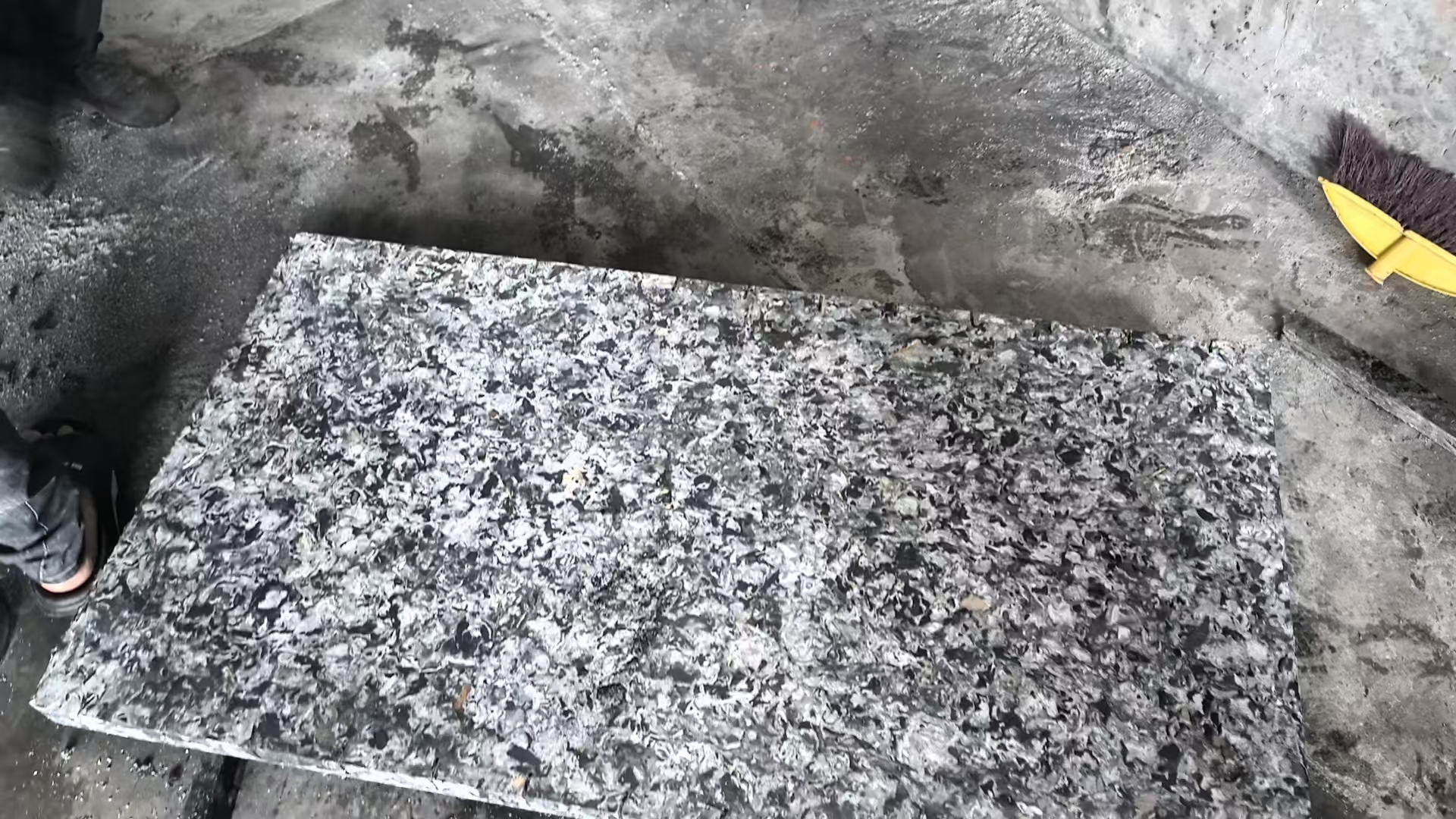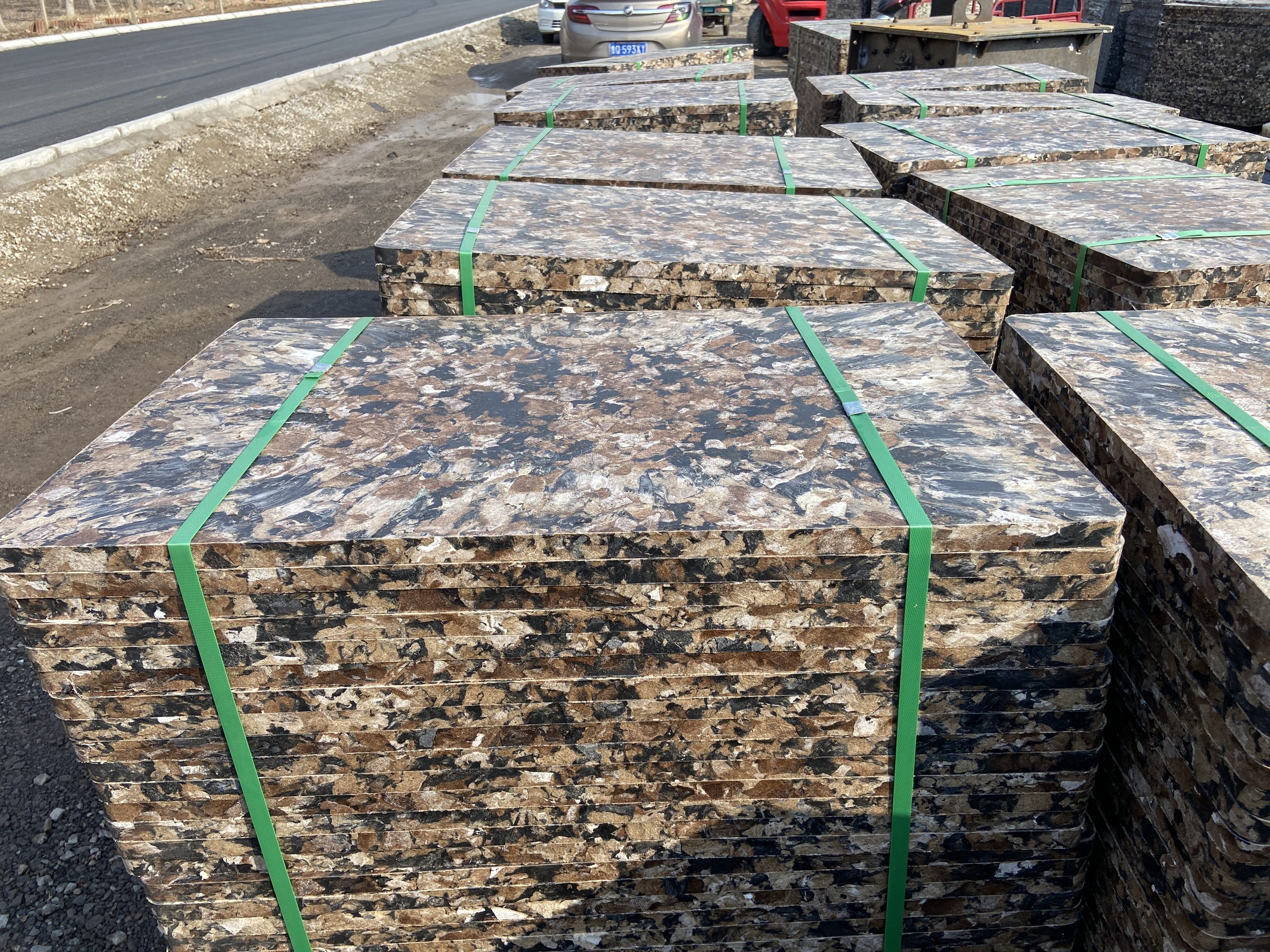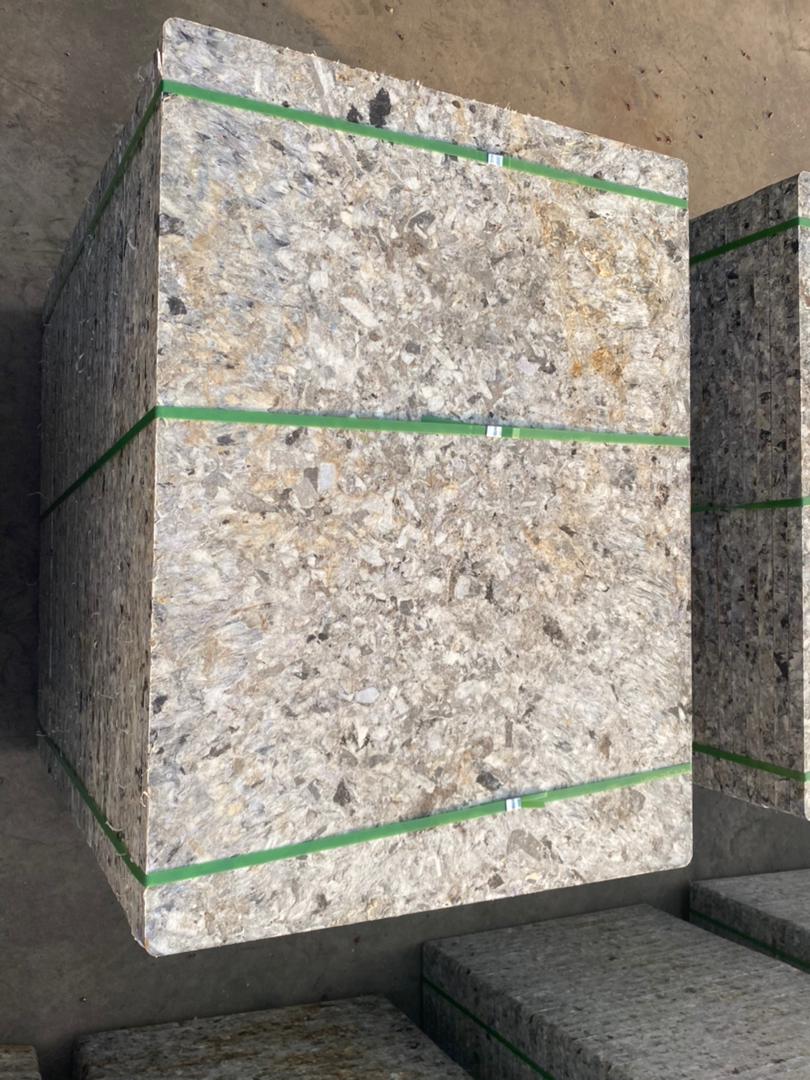
When brick manufacturers evaluate pallet options, they’re not just choosing a surface—they’re selecting equipment that directly impacts production uptime, brick quality, and long-term operational costs. GMT pallets represent a fundamental shift from traditional materials, but understanding what they actually are requires looking beyond marketing claims to the material science and real-world performance data.
The brick production industry has witnessed significant changes in pallet technology over the past decade. Production managers who switched to GMT pallets in 2014-2016 are now documenting 10+ years of continuous service from their initial investment, while facilities still using wood pallets face replacement cycles every 24-36 months. This performance gap stems directly from how GMT pallets are constructed and what that construction means for daily production operations.
Understanding GMT: Glass Mat Thermoplastic Technology
GMT stands for Glass Mat Thermoplastic—a compression-molded composite material engineered specifically for demanding industrial applications. The name describes exactly what the material is: continuous glass fiber mats embedded in a thermoplastic polymer matrix through high-temperature, high-pressure manufacturing.
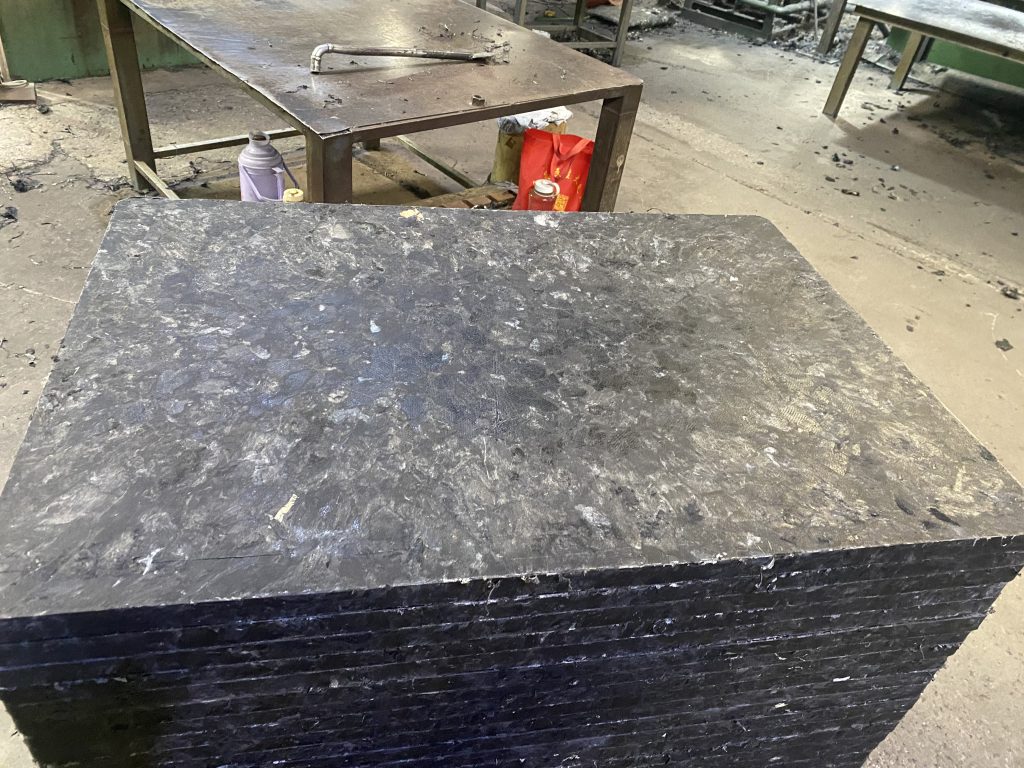
The manufacturing process determines material properties. Glass fiber mats (typically 30-50% by weight) get layered with polypropylene sheets, then compressed at 180-220°C under 50-100 bar pressure. This compression molding creates a homogeneous structure where continuous glass fibers provide structural reinforcement while the thermoplastic matrix distributes loads and resists environmental degradation.
The resulting material delivers properties that wood and conventional plastics cannot match. GMT pallets weigh 15-25 kg yet support static loads of 2,500-3,500 kg—a strength-to-weight ratio that enables handling efficiency without sacrificing capacity. More critically for brick production, the material absorbs less than 1% moisture by weight compared to wood’s 15-20% absorption, eliminating the dimensional instability that causes production line failures.
The Material Composition That Matters
Glass fiber reinforcement in GMT pallets uses continuous strand mats rather than chopped fibers. This distinction matters because continuous fibers (lengths exceeding 100mm) create superior load distribution compared to short chopped alternatives. When load stress concentrates at a specific point—such as forklift tine contact or brick stack weight—continuous fibers spread that stress across a larger area, preventing localized failure.
The thermoplastic matrix selection drives long-term durability. Polypropylene dominates brick pallet applications for specific technical reasons: moisture absorption below 0.4%, chemical resistance to concrete’s pH 12-13 alkaline environment, impact strength across -30°C to +80°C temperature ranges, and the ability to be remelted for recycling at end-of-life. Modified PP formulations incorporate UV stabilizers for outdoor storage and impact modifiers for cold-climate operations.
| Material Component | Function | Performance Impact |
|---|---|---|
| Continuous Glass Fiber Mat (30-50%) | Structural reinforcement, load distribution | Enables 2,500-3,500 kg load capacity with minimal deflection |
| Polypropylene Matrix (50-70%) | Environmental protection, impact resistance | Maintains dimensional stability across temperature and humidity changes |
| UV Stabilizers | Prevents polymer degradation from sunlight | Extends outdoor storage life by 3-5 years |
| Impact Modifiers | Maintains toughness in cold temperatures | Prevents brittle failure below -20°C |
Some manufacturers incorporate 20-40% recycled thermoplastic content without compromising structural performance. The key is proper material screening to prevent contaminant inclusion. A GMT pallet with 35% virgin glass fiber and quality polypropylene matrix outperforms a 50% glass content pallet using inferior resin or short chopped fibers—material quality matters more than percentage alone.
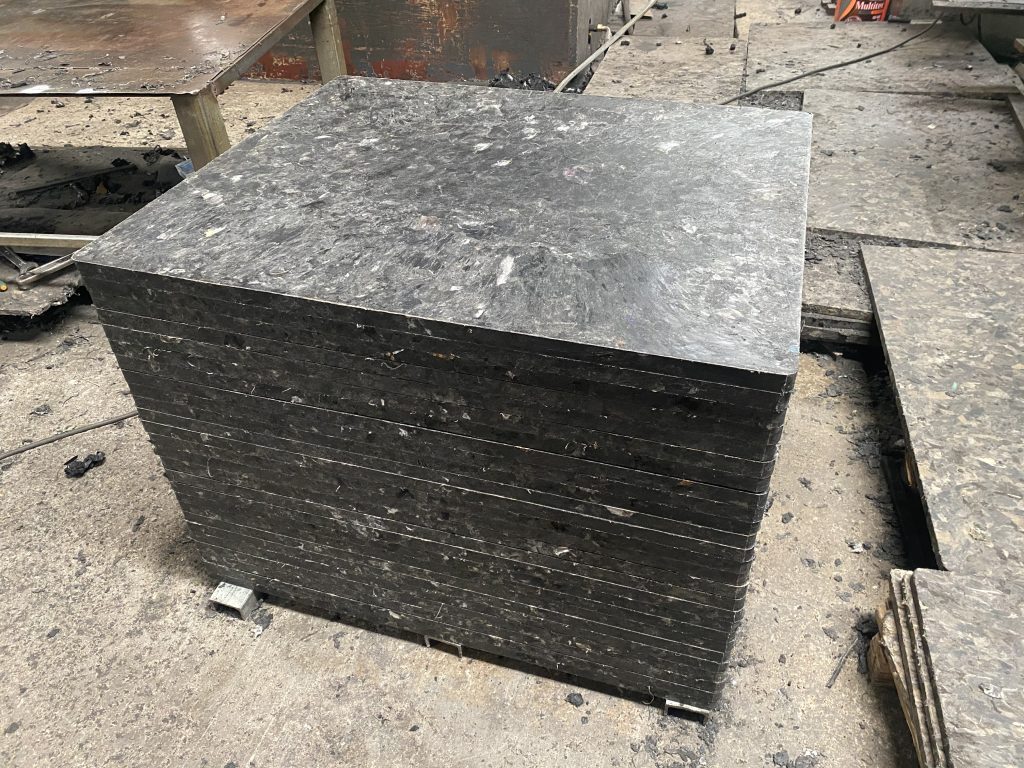
Why Brick Manufacturers Choose GMT Pallets
The decision to switch from wood to GMT pallets stems from calculated operational costs rather than material preferences. Automated brick production lines running 18-22 hours daily cannot tolerate unpredictable equipment failures. When a warped pallet triggers a sensor error and stops production, the downtime cost runs $150-400 per incident depending on line throughput.
Wood pallets create three failure modes that directly impact production efficiency. Moisture absorption causes dimensional changes of 3-8mm within 12-18 months in high-humidity environments. These dimensional shifts trigger positioning errors on automated systems that require ±2mm accuracy. Production facilities in Southeast Asia document 4-7 line stoppages per shift from warped wood pallets during monsoon season when humidity exceeds 85%.
Surface degradation from repeated concrete contact creates rough spots that mark premium bricks. Architectural-grade brick units sell at 3-4× standard brick prices, making surface defects expensive quality failures. GMT pallets maintain molded surface smoothness across 10,000+ production cycles because the glass fiber reinforcement prevents the surface abrasion that degrades wood.
Structural failure happens suddenly—a board cracks under load, bricks fall, and production stops for cleanup and pallet replacement. GMT’s continuous fiber reinforcement distributes stress across the entire structure, eliminating the catastrophic failure mode that occurs when a single wood board fails.
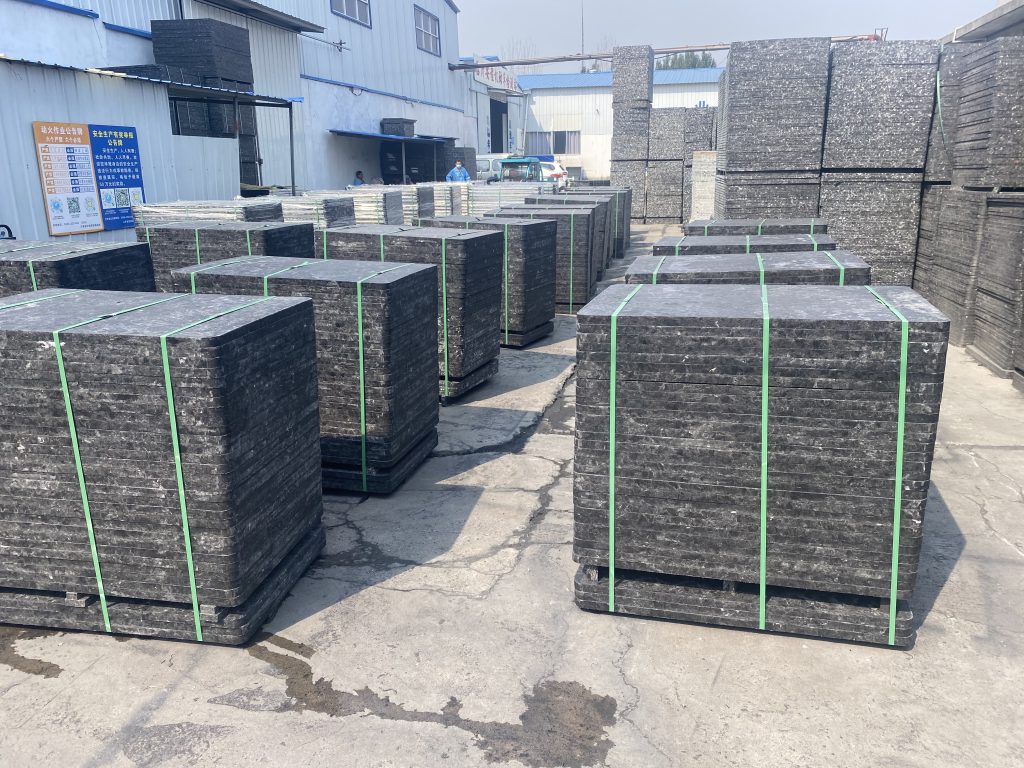
GMT Pallet Types and Applications
Not all GMT pallets deliver identical performance. Material formulation, manufacturing tolerances, and surface treatments create distinct performance profiles matched to specific production requirements.
Pure white GMT pallets use 100% virgin polypropylene resin without recycled content. This matters for facilities producing light-colored or premium architectural bricks where any risk of color transfer creates quality concerns. The virgin resin provides maximum UV stability for outdoor pallet storage and delivers 12-15 year service life in demanding production environments. Rhinos Pallet’s Pure White GMT Pallet G-001 exemplifies this category with consistent material quality.
Standard GMT pallets blend virgin and recycled thermoplastic, typically 60-70% virgin material. These high-quality options perform identically to pure white versions for most applications while reducing material costs 15-25%. The recycled content does not compromise structural properties—load capacity, moisture resistance, and dimensional stability remain unchanged. Production facilities running three shifts daily document 10-12 year service life from standard GMT pallets.
Precision-molded pallets maintain ±1mm dimensional tolerance throughout their operational life. This precision matters critically for robotic handling systems where positioning errors trigger safety stops. Premium white GMT pallets get specified for automated lines processing 60-120 bricks per minute, where tolerance accumulation cannot be absorbed through manual adjustment.
Climate-adapted variants address extreme operating conditions. High-humidity formulations maintain <0.5% moisture absorption in 85-95% RH environments through enhanced moisture barriers. Heat-resistant versions extend operating range to -40°C through +100°C. Black glass fiber pallets incorporate additional reinforcement for concrete block applications exceeding 3,000 kg loads.
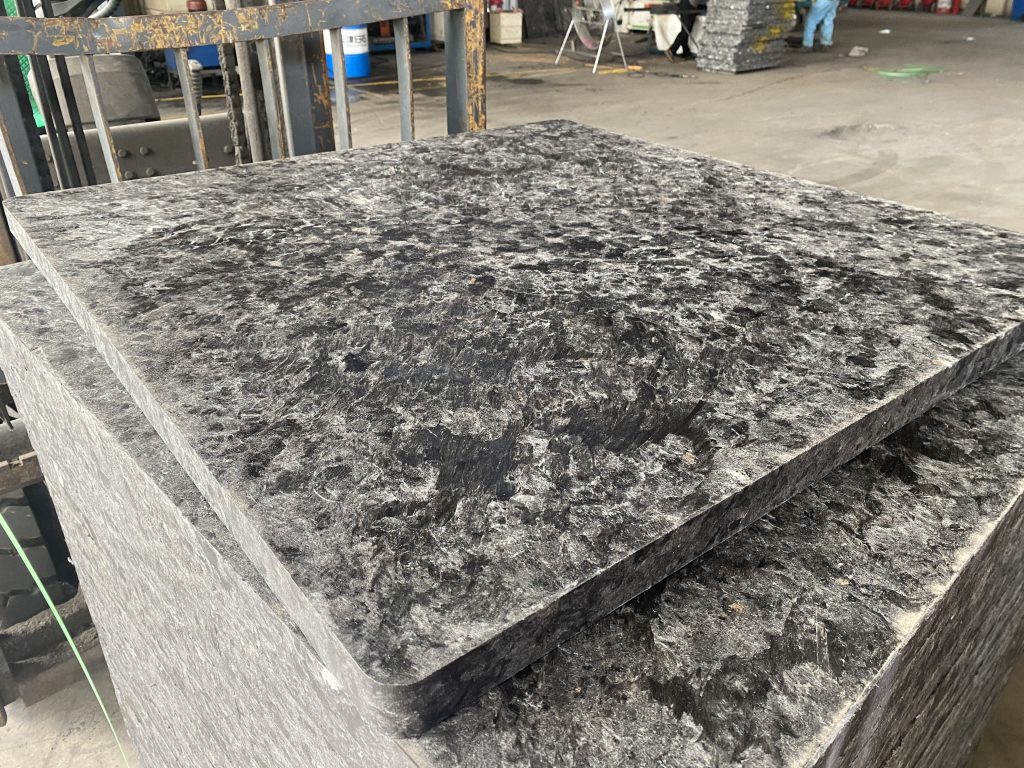
Half-size pallets provide specialized solutions for compact production lines and multiple brick formats. Half GMT pallets reduce material costs 45-50% while maintaining identical performance specifications. They work particularly well for facilities producing multiple brick sizes or transitioning production between formats without maintaining separate full-size pallet inventories.
Performance Comparison: GMT vs Traditional Materials
The performance difference between GMT and wood pallets becomes quantifiable when tracking real production metrics over multi-year periods. Initial purchase price tells only part of the cost story—total ownership analysis including replacement frequency, maintenance requirements, and operational impact reveals the actual economics.
| Performance Metric | GMT Pallet | Wood Pallet | Operational Benefit |
|---|---|---|---|
| Service Life | 10-12 years | 2-3 years | Replace once per decade vs every 2-3 years |
| Moisture Absorption | <1% | 15-20% | Eliminates humidity-induced warping |
| Dimensional Stability | ±2mm lifetime | ±5-8mm after 12 months | Prevents automated line positioning errors |
| Static Load Capacity | 2,500-3,500 kg | 1,500-2,500 kg | Handles heavy concrete blocks without deflection |
| Weight Consistency | ±0.5 kg | ±3-8 kg | Enables optimized automated handling programming |
| Surface Flatness | ±2mm maintained | ±5-8mm develops | Reduces brick surface marking by 60% |
| Operating Temperature | -30°C to +80°C | -10°C to +50°C | All-climate operation without material failure |
| Chemical Resistance | Resistant to pH 12-13 | Degraded by alkaline concrete | Maintains structural integrity in concrete contact |
Dimensional consistency matters more than specifications suggest. Wood pallets vary 5-12mm between individual units due to natural material variations and moisture content differences. These variations force automated handling systems to use conservative positioning tolerances, reducing potential throughput by 12-18%. GMT pallets maintain uniform dimensions enabling tighter tolerances and faster cycle times.
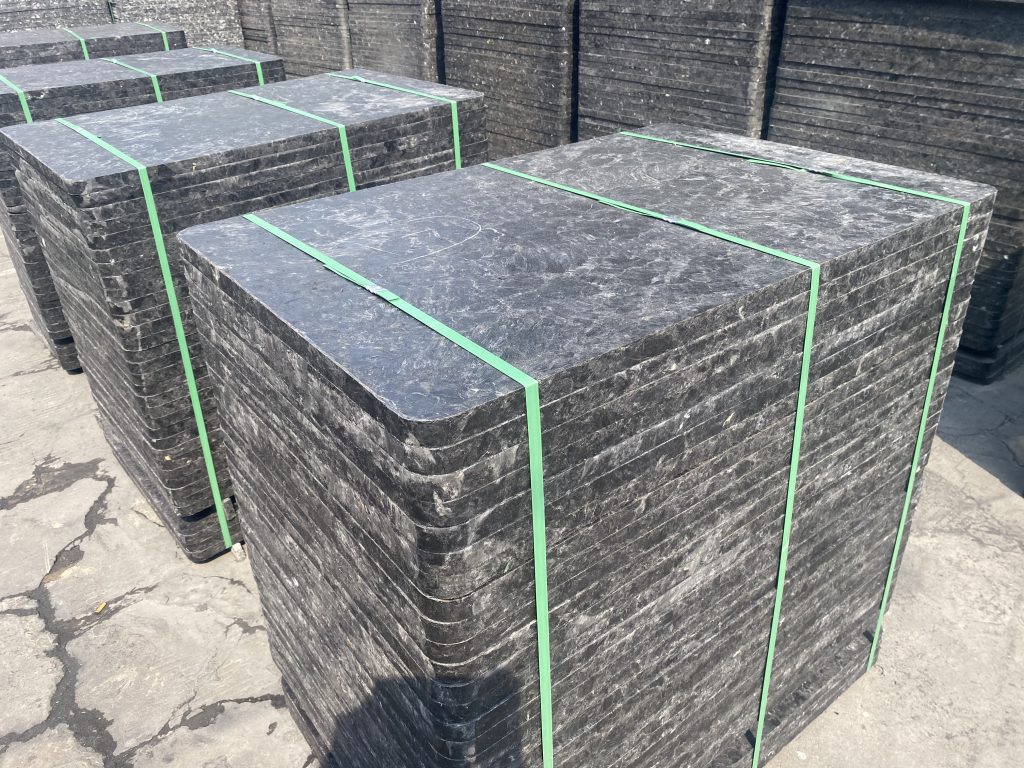
The moisture stability creates measurable production benefits. Facilities document cases where humidity fluctuations from 40-85% RH caused wood pallet dimensional shifts of 6mm within 48 hours—sufficient to trigger positioning errors on automated lines calibrated to ±2mm tolerance. GMT pallets in identical environments show zero measurable dimensional change across seasonal humidity cycles.
Technical Specifications for Procurement
Standard GMT brick pallets measure 850mm × 680mm × 15-25mm thickness, accommodating conventional brick formats while fitting standard kiln cars and automated handling equipment. Load capacity specifications range from 2,500-3,500 kg static depending on glass fiber content and structural reinforcement design—exceeding typical brick load requirements of 1,800-2,400 kg with comfortable safety margins.
Surface flatness tolerance directly affects brick quality and automated handling reliability. Standard industrial-grade GMT maintains ±2mm flatness across the entire surface, adequate for manual production operations. Premium automated-grade versions achieve ±1mm flatness tolerance for high-precision robotic systems where positioning error accumulation creates quality problems during curing and firing cycles.
Weight consistency matters for automated operations calculating lifting force based on programmed pallet weight. Specify ±0.5kg weight tolerance for robotic handling systems. Wood pallets vary ±3-8kg depending on moisture content, forcing conservative force programming that slows handling cycle times and reduces potential throughput.
Operating temperature range affects climate adaptability. Standard GMT formulations operate reliably across -30°C to +80°C, covering most global production environments. Premium formulations extend this range to -40°C to +100°C for extreme climate operations in Middle Eastern summer heat or Northern Canadian winter cold.
Application-Specific Selection Guide
Automated brick production lines require precision that eliminates manual position adjustment. Modern automated systems process 60-120 bricks per minute using vision systems and robotic handling calibrated to ±1mm positioning accuracy. These operations demand precision-molded GMT pallets maintaining ±1mm dimensional tolerance throughout 10+ year service life. Fiber brick pallets deliver this consistency, preventing positioning errors that trigger safety shutdowns and reduce throughput.
Concrete block production generates heavier loads (3,000-3,500 kg) exceeding standard wood pallet capacity. The weight creates only part of the challenge—concrete’s pH 12-13 alkaline environment attacks wood fibers, accelerating surface and structural deterioration. GMT’s polypropylene matrix resists alkaline attack, maintaining structural integrity across 10,000+ concrete contact cycles. Facilities report 35-45% reduction in block defects after switching to GMT because consistent surface flatness eliminates pressure points causing micro-cracks during curing.
High-humidity environments demand moisture-resistant materials maintaining dimensional stability. Southeast Asian production facilities operating in 75-95% RH conditions document wood pallet failures within 12-18 months as moisture absorption causes warping and structural degradation. White-yellow GMT pallets maintain original specifications for 10+ years in these conditions because polypropylene’s molecular structure prevents water absorption at the polymer level.
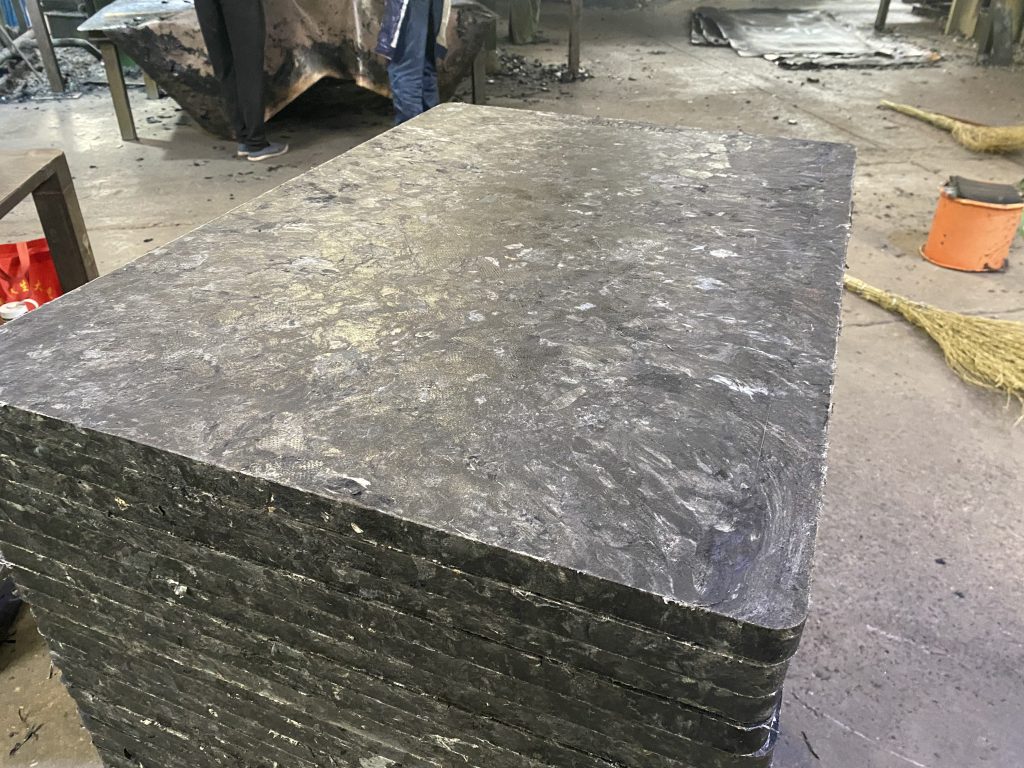
Multi-format production lines benefit from half-size GMT pallets reducing changeover complexity. When producing standard bricks, pavers, and specialty formats on the same production line, smaller pallets provide format flexibility while maintaining durability benefits. This approach reduces pallet inventory complexity and capital investment compared to maintaining separate full-size pallet stocks for each brick format.
Investment Analysis and Return Calculations
Initial GMT pallet investment runs $80-120 per unit for standard grades and $100-150 for precision-molded versions, compared to $20-35 for wood alternatives. The 3-4× higher upfront cost creates procurement budget challenges, but total ownership analysis over realistic equipment life cycles reveals actual operational economics.
For a 500-pallet production facility operating over 10 years, total ownership costs break down as follows:
Wood pallet scenario: $10,000-17,500 initial purchase + $70,000-120,000 replacement inventory (4-5 replacement cycles) + $25,000-35,000 maintenance labor = $105,000-172,500 total investment
GMT pallet scenario: $40,000-60,000 initial purchase + $5,000-10,000 replacement inventory (10-20% replacement rate) + $5,000-8,000 maintenance requirements = $50,000-78,000 total investment
The $55,000-94,500 differential over 10 years excludes productivity improvements from reduced line downtime, lower defect rates, and enhanced automated handling performance. Most facilities achieve positive return on investment within 18-26 months when factoring these operational improvements into economic analysis.
Brick breakage reduction alone justifies investment in many production environments. GMT pallets reduce brick breakage rates 40-60% by maintaining flat surfaces throughout their service life. For a facility producing 2 million bricks annually at $0.45 average unit value with baseline 10% breakage rate, reducing breakage to 5% saves $45,000 annually—exceeding the incremental GMT pallet investment within the first operational year.
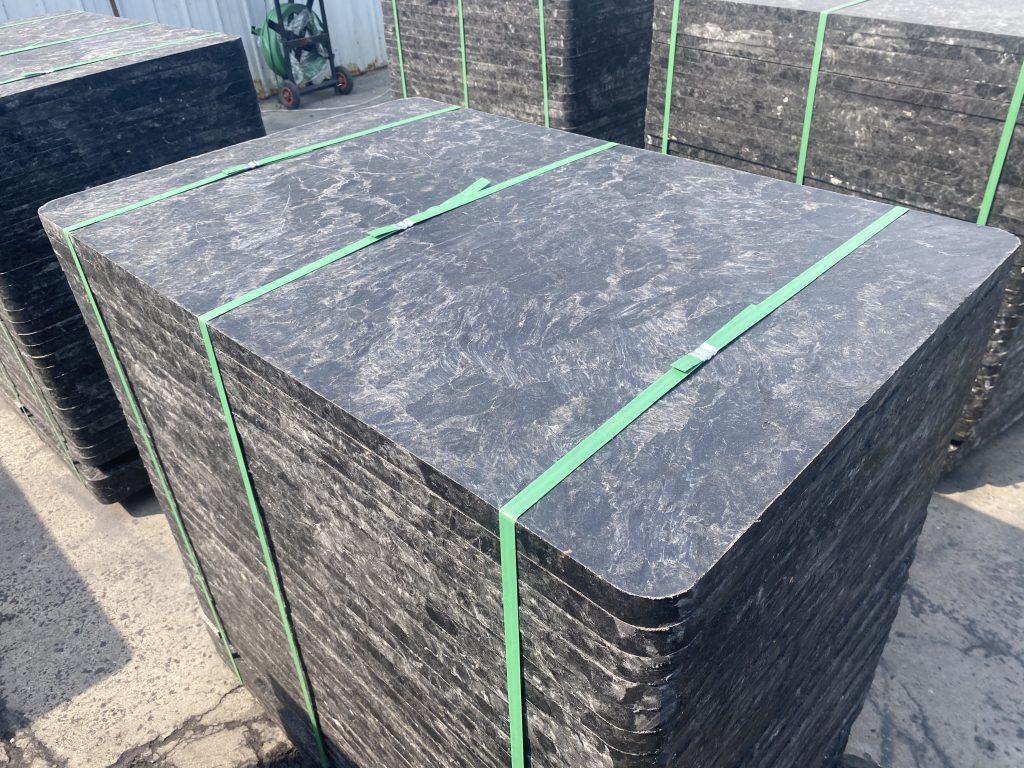
Implementation Strategy for Conversion
Successful GMT pallet conversions typically follow phased implementation rather than complete facility changeover. Begin with 100-150 GMT pallets on automated production lines where dimensional consistency delivers immediate throughput improvements and positioning error reduction. Monitor performance metrics for 6-12 months while documenting cost savings through reduced downtime, lower defect rates, and decreased maintenance requirements.
Critical path prioritization accelerates return on investment. Convert production sections with highest downtime costs first—typically automated handling where pallet-related failures trigger expensive production stops. Manual loading areas can continue using wood pallets temporarily, spreading capital investment across multiple budget cycles while building documented ROI justification for complete facility conversion.
Performance baseline documentation proves investment value to facility management. Before GMT installation, track current breakage rates, line stoppages per shift, maintenance labor hours, and replacement frequency for 30-60 days. Post-installation tracking quantifies improvements and identifies additional optimization opportunities. Rhinos Pallet’s customers document these improvements through our efficiency optimization guide.
Mixing wood and GMT pallets works acceptably in manual operations but creates problems on automated lines where dimensional consistency matters. If mixing during transition periods, segregate pallet types by production area and ensure automated systems handle exclusively GMT inventory to prevent positioning errors from dimensional variations.
Regional Climate Considerations
Operating environment significantly affects pallet material selection and performance expectations. Coastal and tropical facilities in Southeast Asia, India, and Central America face 70-95% RH conditions year-round. Wood pallets deteriorate rapidly in these environments—documented cases show complete structural failure within 14-18 months. GMT pallets maintain specifications indefinitely because polypropylene’s molecular structure prevents moisture absorption regardless of ambient humidity levels.
Temperature extremes in Middle Eastern and North African markets (40-50°C ambient summer temperatures) accelerate wood degradation through thermal cycling and low humidity that causes cracking. GMT operates normally across its -30°C to +80°C standard range without performance degradation. UV exposure matters for facilities storing pallets outdoors between production runs—specify UV-stabilized formulations extending outdoor storage life by 3-5 years.
Cold-climate operations in Northern Europe, Canada, and northern United States require impact-modified polypropylene formulations maintaining material toughness below -20°C. Standard polypropylene becomes brittle in extreme cold, but modified versions perform normally to -40°C without impact strength loss.
Frequently Asked Questions
What makes GMT pallets different from regular plastic pallets?
GMT uses continuous glass fiber mat reinforcement embedded in thermoplastic matrix through compression molding. Regular plastic pallets typically use injection-molded polypropylene or HDPE without fiber reinforcement. The continuous glass fibers provide GMT with superior load capacity (2,500-3,500 kg vs 1,500-2,000 kg for unreinforced plastic), better dimensional stability under sustained loads, and longer service life. The compression molding process creates more uniform material distribution and superior mechanical properties compared to injection molding methods.
How long do GMT pallets last in continuous production operations?
Real-world data from brick production facilities running three shifts daily shows 10-12 years service life for standard GMT grades and 12-15 years for premium versions. The fiber-reinforced construction withstands 10,000+ production cycles without warping, moisture-induced degradation, or structural failure. Documented cases include GMT pallets in Southeast Asian plants operating since 2012 that still maintain original dimensions within ±2mm tolerance. Service life depends on handling practices—forklift abuse and improper stacking reduce longevity regardless of pallet material type.
Can GMT pallets handle concrete’s alkaline environment?
Yes, polypropylene matrix resists alkaline attack from fresh concrete (pH 12-13) that rapidly degrades wood fibers. The polymer matrix does not react chemically with concrete, preventing surface deterioration and structural weakening that limits wood pallet life to 24-36 months in concrete block production. Plants producing 50,000+ concrete blocks monthly report no measurable GMT pallet surface degradation after 8-10 years of continuous concrete contact cycles.
Do GMT pallets work with existing automated handling equipment?
GMT pallets fit standard automated handling systems without equipment modification because dimensions match conventional wood pallet specifications (850mm × 680mm standard size). Most facilities report improved handling performance after GMT conversion due to consistent weight (±0.5kg tolerance vs ±3-8kg for wood) and precise dimensions (±2mm vs ±5-12mm for wood). The predictable characteristics enable faster handling cycle times and reduce positioning errors triggering safety stops on automated lines.
What is the realistic payback period for wood-to-GMT conversion?
Most brick production facilities achieve positive ROI within 18-26 months when accounting for replacement cost savings, reduced maintenance labor, lower defect rates, and improved production line uptime. High-volume operations (50,000+ bricks monthly) reach breakeven faster due to greater productivity improvements. Lower-volume facilities producing under 10,000 bricks monthly may experience 30-36 month payback periods. Calculate facility-specific ROI using documented cost factors from our detailed analysis framework.
How do I maximize GMT pallet service life?
Follow three basic operational practices: avoid forklift tine impact on pallet edges during handling operations, do not exceed rated static load capacity (2,500-3,500 kg depending on pallet grade), and clean concrete residue regularly using water washing or compressed air. Store pallets flat when not in production use—vertical stacking concentrates stress on edges accelerating wear. Quarterly visual inspection for edge damage or surface cracks catches problems early, though properly handled GMT pallets rarely show significant wear even after 5-7 years of continuous production use.
Are GMT pallets recyclable at end of service life?
Yes, GMT pallets are fully recyclable because thermoplastic polypropylene can be remelted and reformed into new products. The glass fiber content requires specialized recycling facilities capable of material separation, so GMT cannot be processed through standard plastic recycling streams. Some manufacturers accept end-of-life GMT pallets for reprocessing into new composite products. The long 10-12 year service life means recycling considerations arise infrequently compared to wood pallets requiring disposal every 2-3 years.
Conclusion
GMT pallets represent engineered composite materials specifically designed for brick and concrete block production environments. The glass mat thermoplastic construction—continuous glass fiber mats embedded in polypropylene matrix through compression molding—delivers dimensional stability, moisture resistance, and structural durability that traditional wood pallets cannot match.
The material science translates directly to operational benefits: 10-12 year service life vs 2-3 years for wood, <1% moisture absorption eliminating humidity-induced warping, ±2mm dimensional stability preventing automated line positioning errors, and 2,500-3,500 kg load capacity handling heavy concrete blocks without deflection. These performance characteristics reduce total ownership costs 40-60% over 10-year equipment planning horizons despite 3-4× higher initial investment.
Production facilities achieve ROI within 18-26 months through reduced replacement frequency, minimal maintenance requirements, lower brick defect rates, and improved automated handling throughput. The economics favor phased conversion starting with automated production lines where dimensional consistency delivers immediate measurable benefits, then expanding to manual operations as wood pallets reach natural end-of-life replacement cycles.
Rhinos Pallet manufactures precision-engineered GMT pallets designed specifically for brick and concrete block production operations. Our fiber-reinforced construction delivers 10+ year service life with moisture resistance, dimensional stability, and load capacity optimized for automated and manual production environments. Contact our team for application-specific recommendations and factory-direct pricing on GMT pallet solutions.