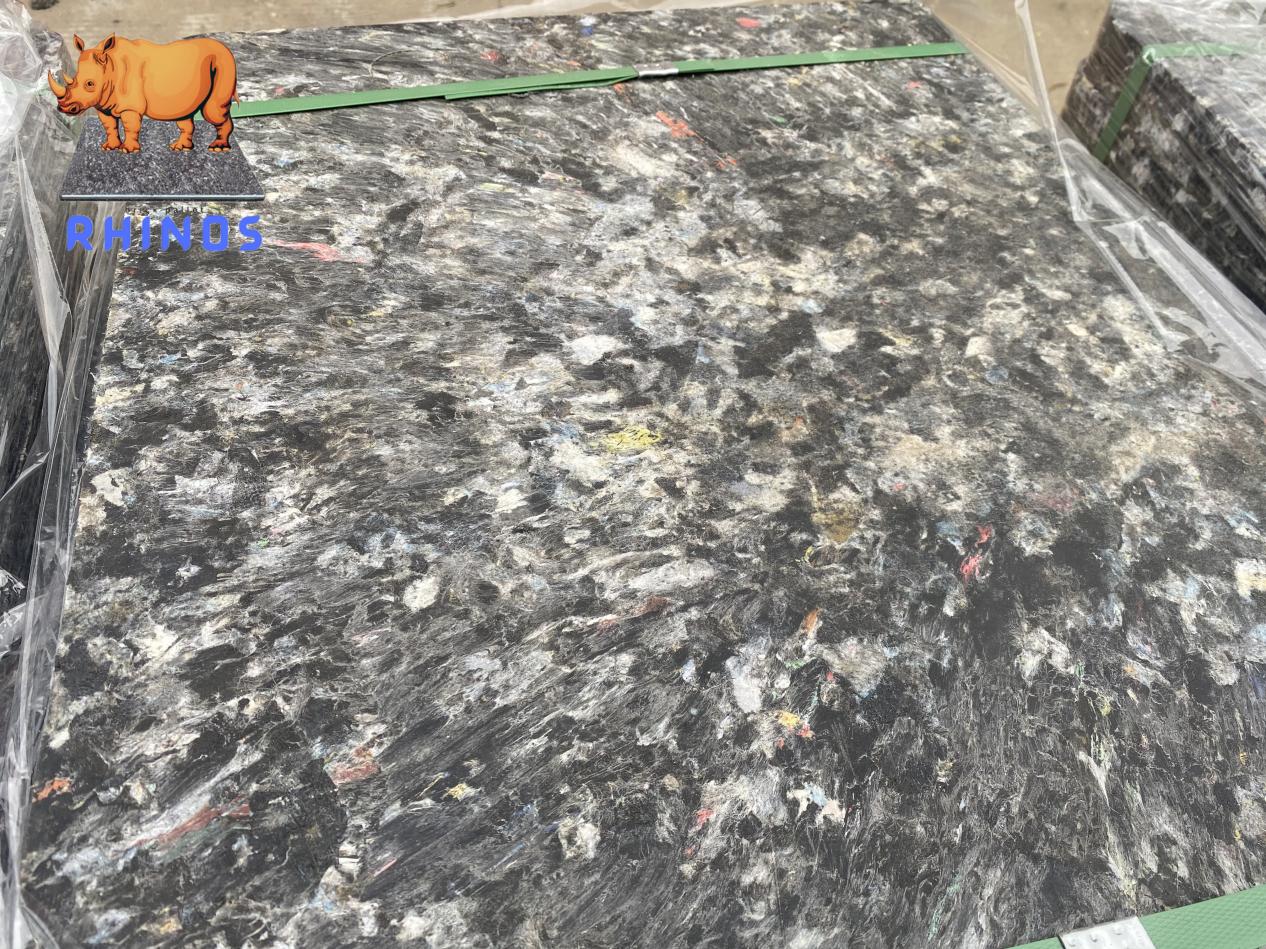
Pallet replacement costs account for 15-25% of concrete block production operational expenses. Factory data shows that wood pallet failure rates can reach 40% within the first 3 years, while GMT pallets maintain 95%+ usability after 10+ years of continuous operation. The right pallet choice directly impacts your bottom line through reduced replacement frequency, lower maintenance costs, and improved production efficiency.
If you want to make an informed investment decision about concrete block pallets for your manufacturing facility, then you will need to understand initial costs, lifespan calculations, maintenance expenses, productivity gains, and breakeven analysis. This comprehensive cost analysis guide provides real-world data to help you calculate ROI and choose the most cost-effective pallet solution for your concrete block production operation.
What Determines Concrete Block Pallet Costs?
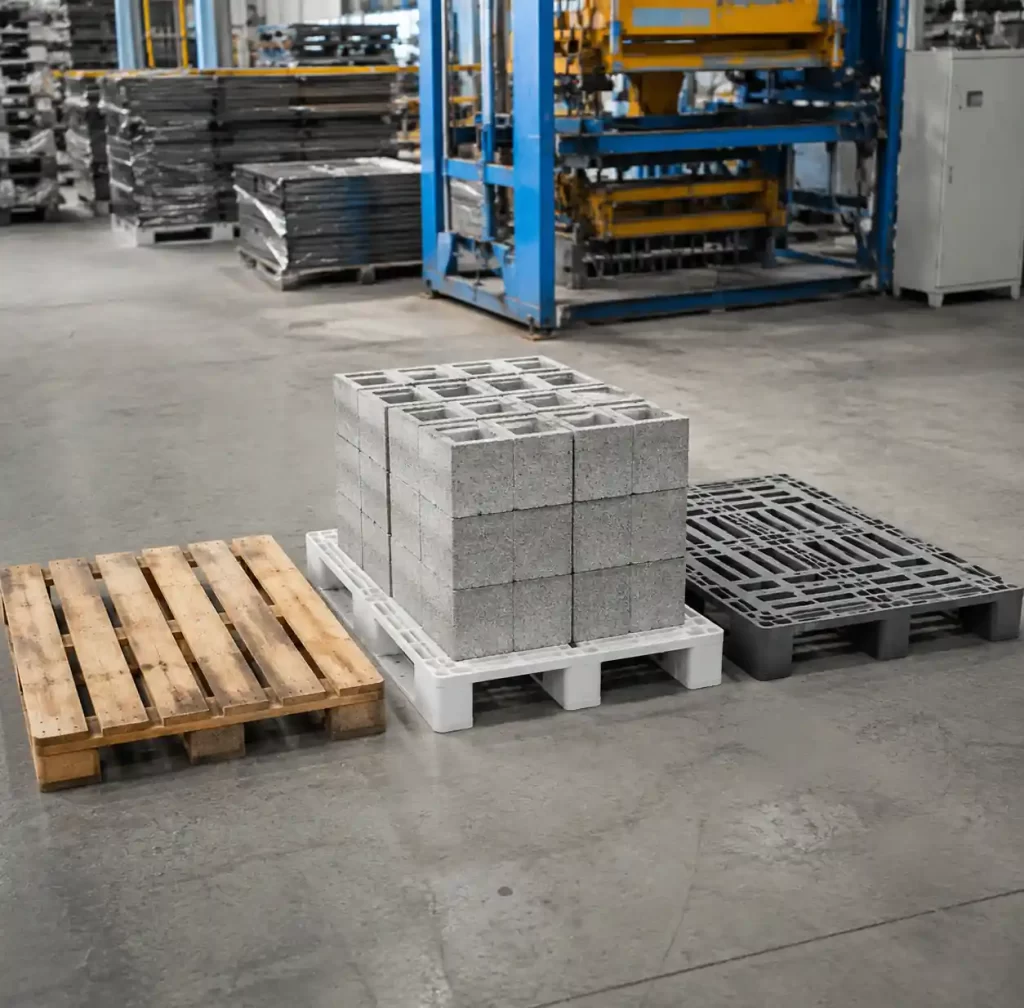
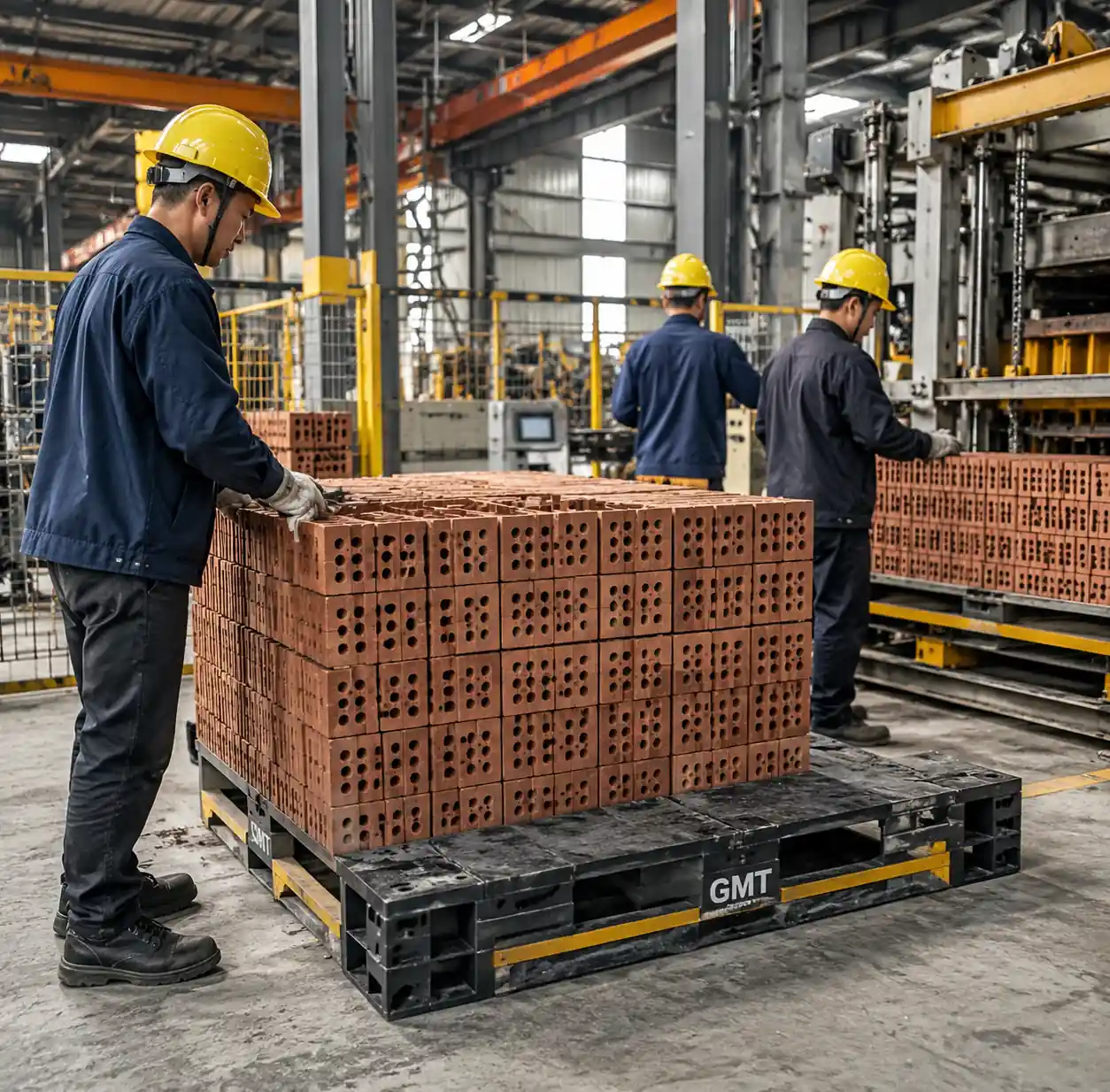
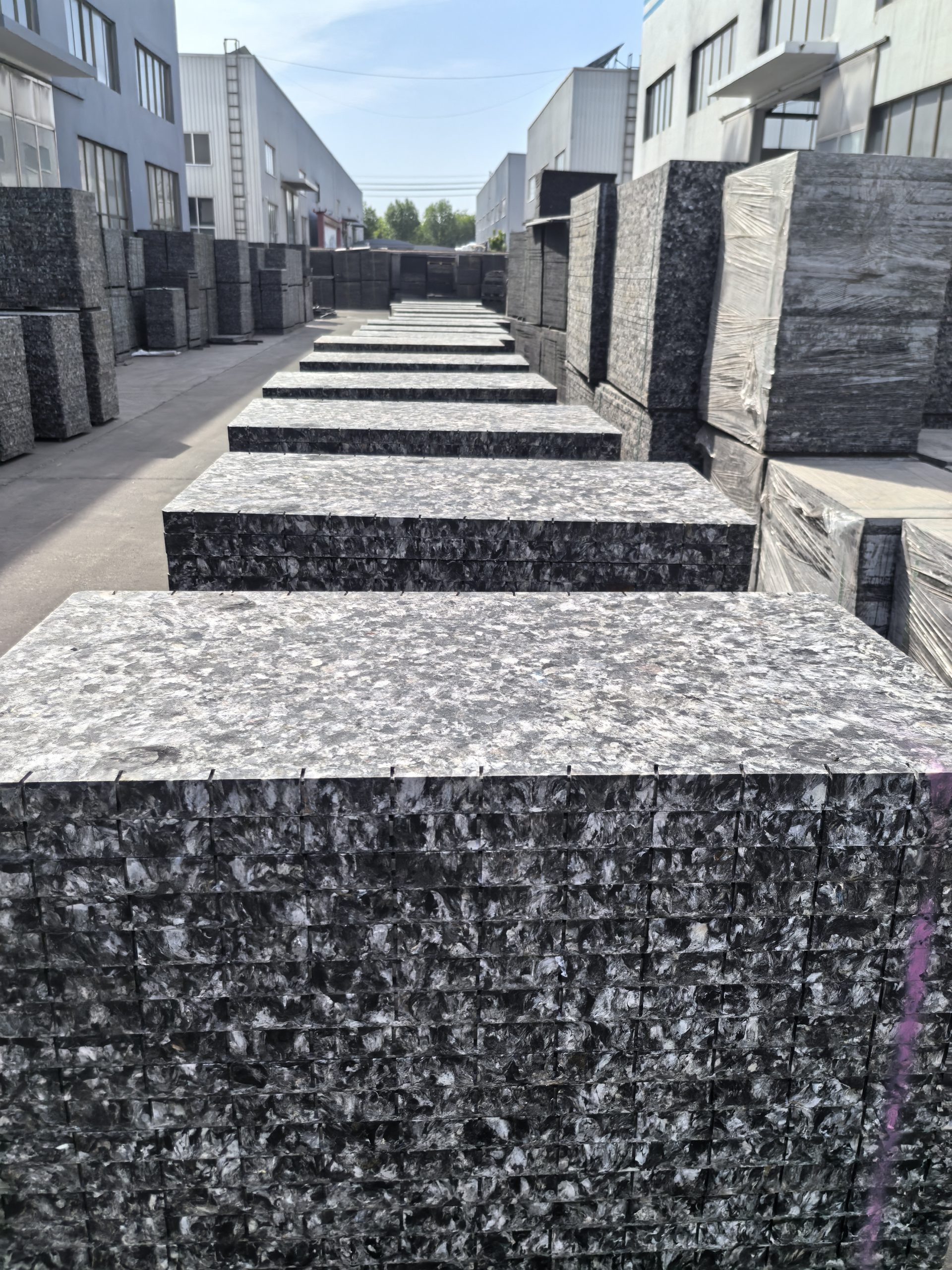
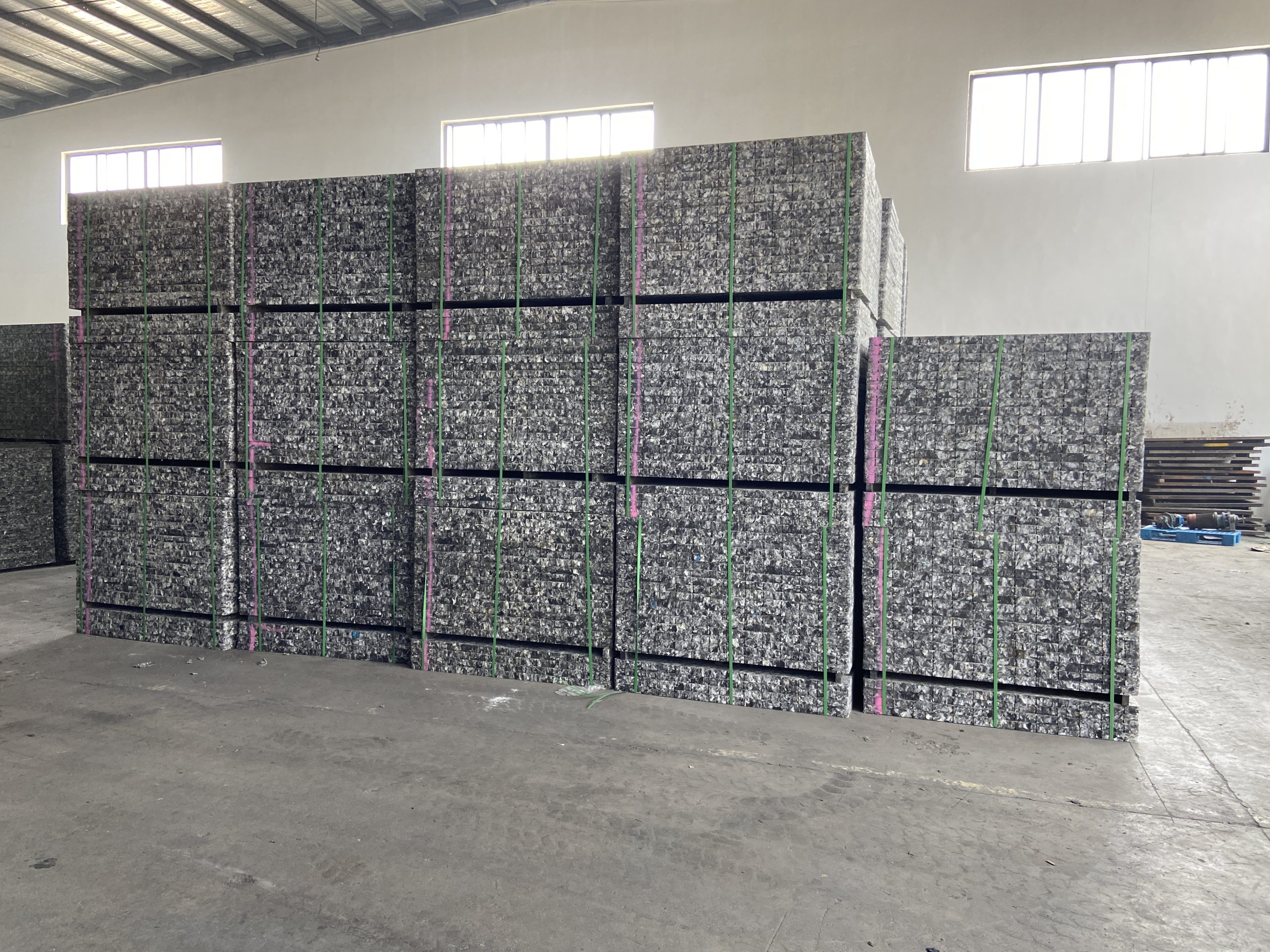
Concrete block pallet pricing depends on material composition, manufacturing process, load capacity design, and durability specifications. Material selection drives the primary cost difference. Wood pallets offer the lowest initial investment at $15-30 per unit. GMT pallets and fiber-reinforced composite pallets cost $80-150 per unit but deliver 10+ year operational lifespan.
Load capacity requirements directly affect construction costs. Concrete blocks generate weight loads of 2,500-3,500 kg per pallet. Heavy-duty fiber pallets use advanced composite materials that distribute loads efficiently while maintaining structural integrity.
Initial Investment Comparison: Wood vs GMT vs Fiber Pallets
Understanding upfront costs helps you budget for pallet purchases, but initial investment represents only one component of total lifecycle expenses. The following comparison shows typical purchase prices for concrete block pallets across different material categories.
| Pallet Type | Cost Per Unit | Minimum Order | Load Capacity | Surface Flatness |
|---|---|---|---|---|
| Standard Wood | $15-30 | 50-100 units | 2,000-2,500 kg | ±5mm variation |
| Reinforced Wood | $35-50 | 50-100 units | 2,500-3,000 kg | ±4mm variation |
| Plastic Composite | $50-90 | 25-50 units | 2,000-2,800 kg | ±3mm variation |
| GMT Pallet | $80-120 | 25-50 units | 2,500-3,500 kg | ±2mm variation |
| Fiber-Reinforced | $100-150 | 25-50 units | 3,000-4,000 kg | ±2mm variation |
Wood pallets require smaller initial capital. A facility purchasing 200 wood pallets spends $3,000-6,000. GMT pallets require 2-3x higher initial investment at $16,000-24,000 for the same inventory. However, the investment pays returns through extended lifespan and reduced replacement cycles.
Lifespan Calculation and Replacement Frequency
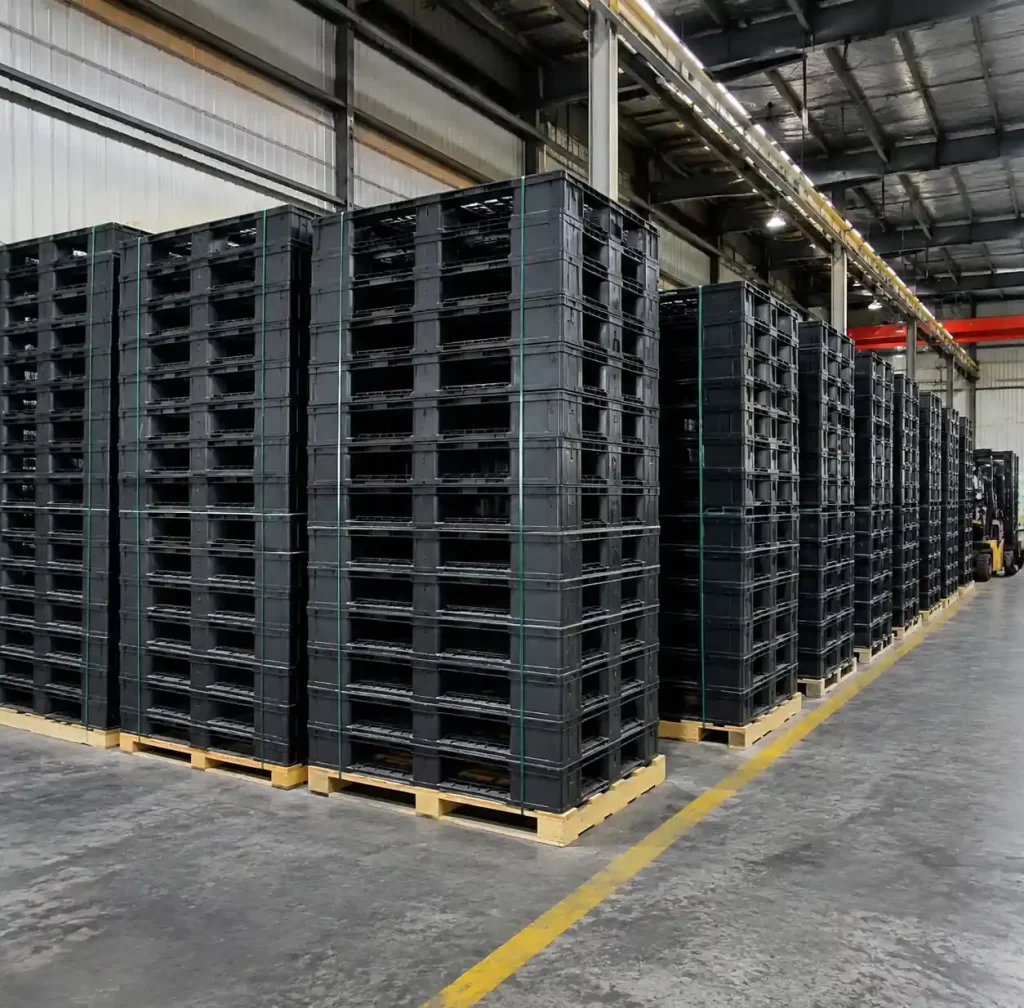
Pallet lifespan directly determines replacement costs and long-term investment efficiency. Wood pallets survive 2-4 years in typical concrete block production environments. Moisture exposure from fresh concrete causes wood fiber swelling and warping. Factory data shows wood pallet replacement rates of 25-40% annually. You will need to replace your entire 200-pallet wood inventory 2.5-5 times over a 10-year period.
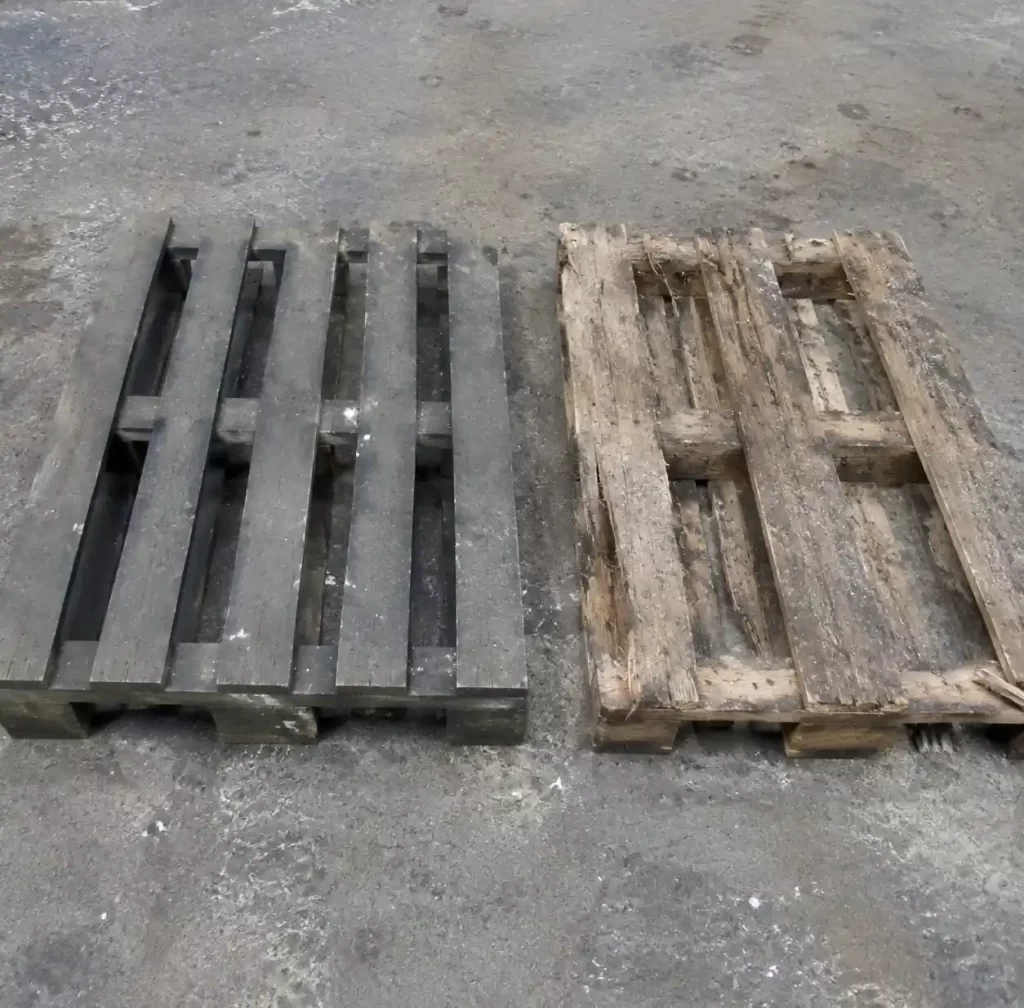
GMT pallets deliver 10-12 year operational lifespan when properly maintained. The fiber-reinforced composite construction resists moisture absorption below 1%, preventing swelling and warping problems. Glass fiber reinforcement distributes mechanical stress across the entire structure. Surface treatments maintain flatness within ±2mm throughout the operational lifespan.
| Pallet Type | Average Lifespan | Replacement Cycles (10 years) | Annual Replacement Rate |
|---|---|---|---|
| Standard Wood | 2-3 years | 3.3-5 times | 30-40% |
| Reinforced Wood | 3-4 years | 2.5-3.3 times | 25-35% |
| GMT Pallet | 10-12 years | 0.8-1 times | 8-10% |
| Fiber-Reinforced | 10-15 years | 0.7-1 times | 7-10% |
Climate conditions impact pallet durability significantly. High humidity environments above 70% relative humidity accelerate wood deterioration. GMT pallets maintain structural integrity across -30°C to +80°C temperature ranges, making them suitable for all-climate manufacturing environments.
Maintenance Costs and Operational Expenses
Maintenance expenses add hidden costs that impact total ownership expenses. Wood pallet maintenance consumes substantial labor resources. Surface splinters and cracks require regular inspection and repair. You should budget 2-4 hours weekly for wood pallet inspection and maintenance in a 200-pallet inventory, adding $5,000-10,000 annually in labor costs.
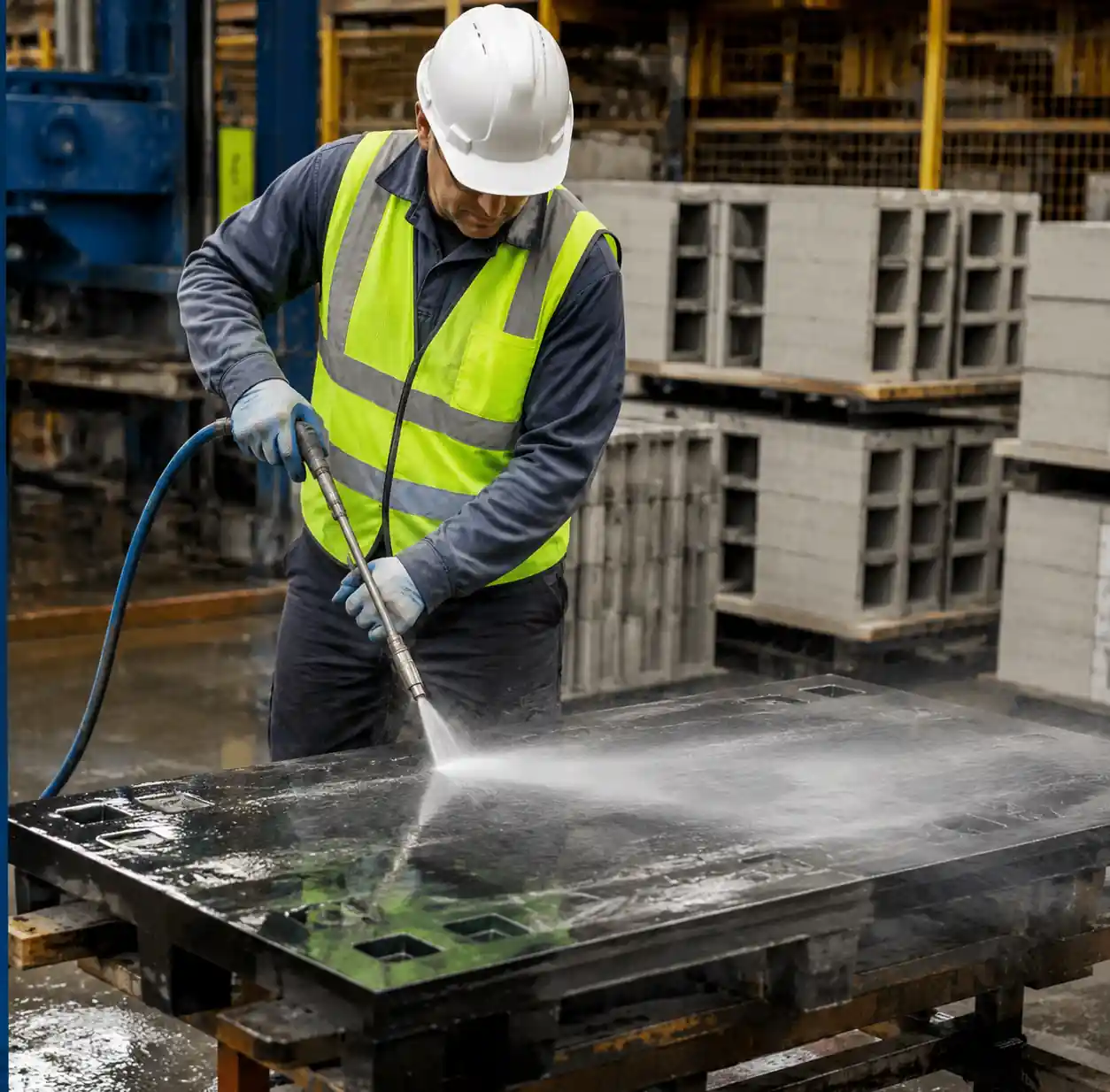
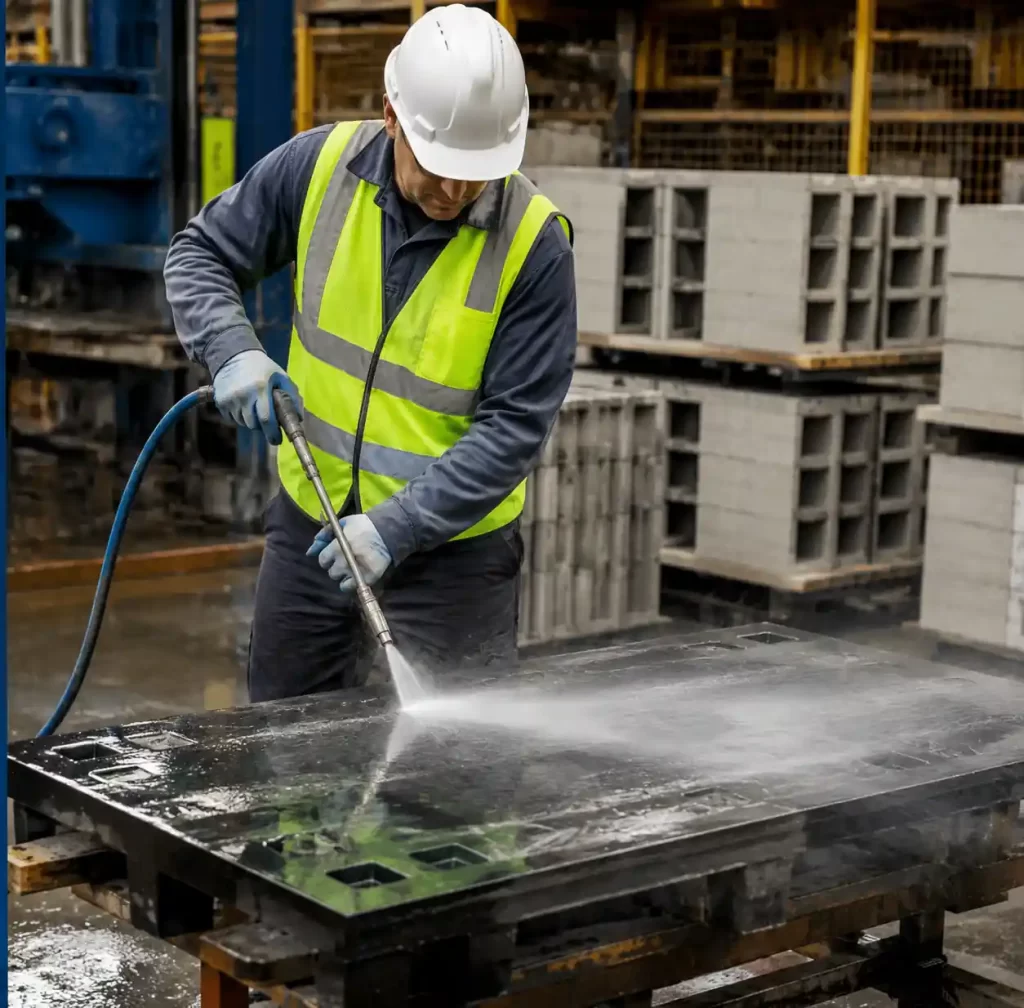
GMT pallets require minimal maintenance intervention. The molded composite construction eliminates surface splinters. Cleaning involves simple water washing or air blowing to remove concrete residue, taking 60-90 seconds per pallet compared to 3-5 minutes for wood. You can reduce maintenance labor by 70-80% with GMT pallet inventory, saving $3,500-8,000 annually.
Storage costs differ based on durability and moisture sensitivity. Wood pallets require covered storage to prevent moisture damage. GMT pallets can be stored outdoors without performance degradation, freeing interior space for production equipment.
Productivity Gains and Hidden Benefits
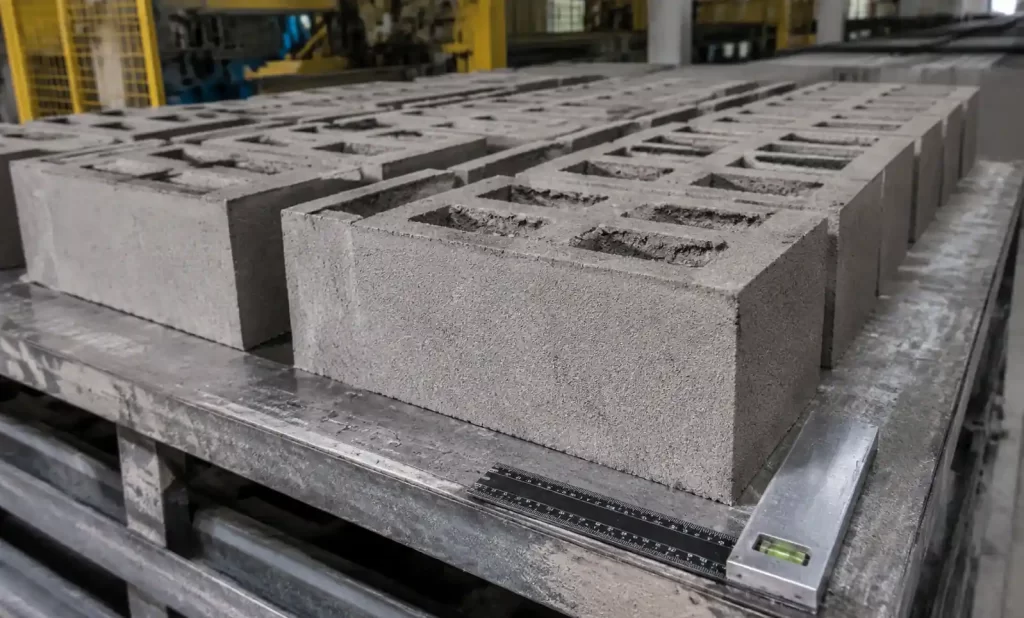
Pallet selection affects concrete block production efficiency through surface quality, dimensional consistency, and handling characteristics. Surface flatness directly influences block quality and defect rates. GMT pallets maintain ±2mm surface flatness throughout their lifespan, producing consistent block dimensions and reducing defect rates by 30-50%.
Handling efficiency improves with lighter, more durable pallets. Fiber-reinforced pallets weigh 15-25 kg compared to 30-40 kg for wood constructions. This 40-50% weight reduction accelerates forklift cycle times and reduces fuel consumption.
Production line automation compatibility increases with GMT pallets. Automated concrete block machines require precise pallet dimensions and consistent surfaces. GMT pallets manufactured with ±1mm dimensional tolerance integrate seamlessly with automated handling systems. You can improve automated line uptime by 5-8% through proper pallet selection.
Reduced block breakage generates substantial savings. GMT pallet surfaces reduce block chipping and cracking by 40-60% compared to rough wood surfaces. Check our case studies showing real production improvements.
Breakeven Analysis: When Does Higher Investment Pay Off?
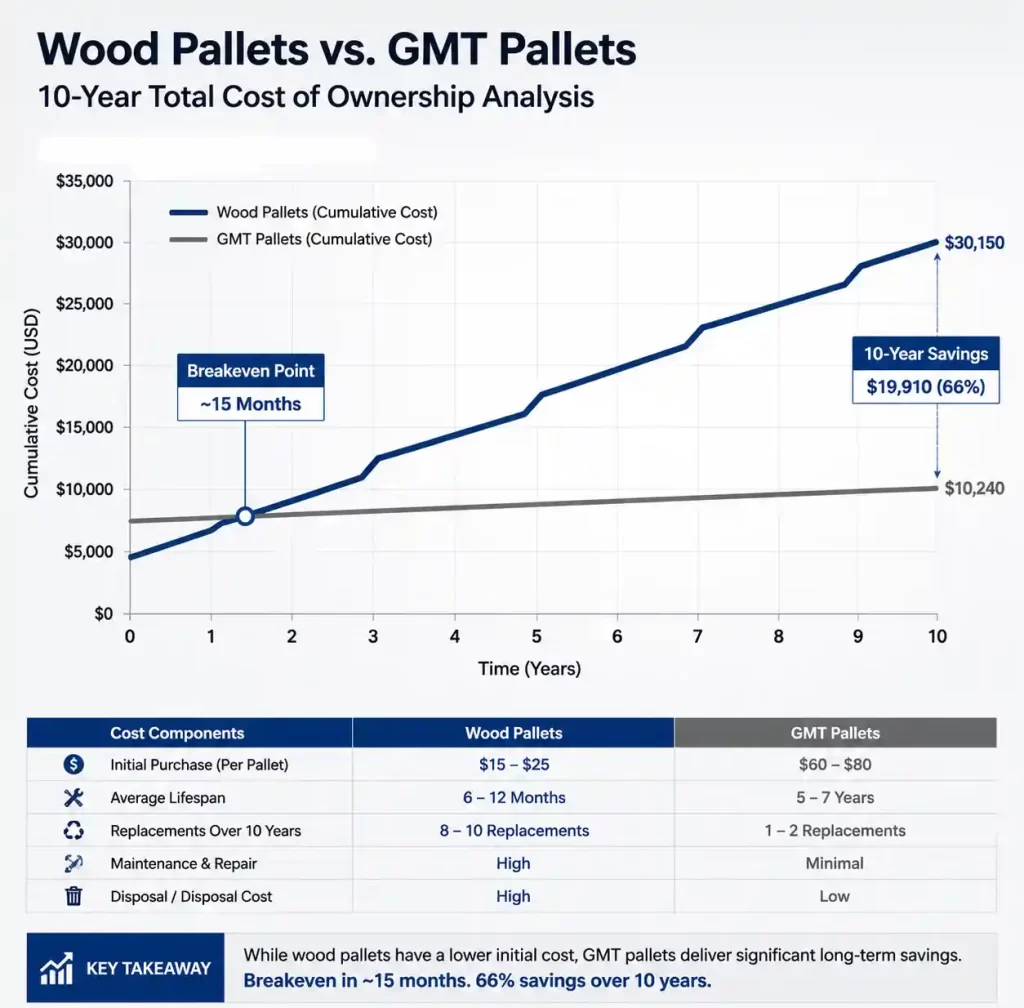
Calculating breakeven points helps you determine how quickly premium pallet investments generate positive returns. You can calculate basic breakeven using: Breakeven Period (years) = (GMT Cost – Wood Cost) ÷ (Annual Savings + Productivity Gains).
For a typical 200-pallet operation: Initial investment difference = 200 GMT pallets at $100 ($20,000) minus 200 wood pallets at $25 ($5,000) = $15,000. Annual wood replacement: 30% of 200 pallets = 60 × $25 = $1,500. Annual GMT replacement: 8% of 200 pallets = 16 × $100 = $1,600. Maintenance savings: $6,000 annually. Productivity gains: $8,000 annually from reduced defects and improved efficiency.
Breakeven = $15,000 ÷ ($1,500 – $1,600 + $6,000 + $8,000) = $15,000 ÷ $13,900 = 1.08 years. Your GMT pallet investment recovers costs within 13-14 months.
Production volume significantly affects breakeven calculations. High-volume facilities producing 50,000-100,000 blocks monthly generate faster payback through greater productivity gains. Low-volume operations under 10,000 blocks monthly may see extended 2-3 year breakeven periods.
Long-Term Cost Comparison and Total Ownership Analysis
Total cost of ownership (TCO) analysis provides complete financial perspective on pallet investments over 10-year planning horizons. TCO includes initial purchase, replacement costs, maintenance expenses, and disposal fees.
Wood pallet TCO for 200-unit inventory over 10 years: Initial purchase $5,000 + replacement costs (660 pallets at $25) $16,500 + maintenance $80,000 + disposal fees $2,000 = $103,500 total.
GMT pallet TCO for same inventory: Initial purchase $20,000 + replacement costs (160 pallets at $100) $16,000 + maintenance $25,000 + disposal fees $500 = $61,500 total.
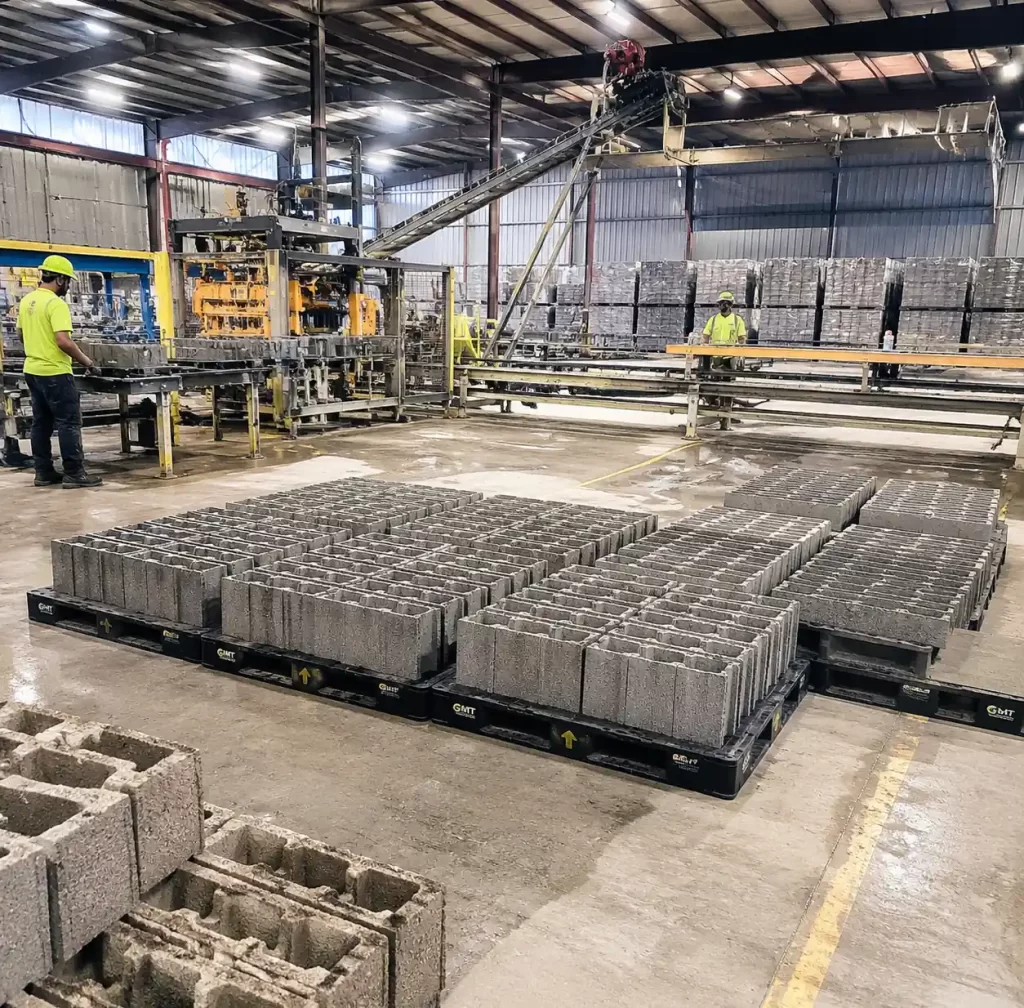
You save $42,000 over 10 years by choosing GMT pallets over wood alternatives in this 200-pallet operation. This represents 68% lower total ownership costs despite 4x higher initial investment. Your per-year savings average $4,200 after breakeven completion.
Productivity benefits add another $80,000-100,000 in value over the 10-year period through reduced defects ($40,000), improved efficiency ($30,000), and reduced downtime ($20,000). Environmental disposal fees for wood pallets continue rising as landfill restrictions tighten. GMT pallets reduce your environmental footprint through longer lifespan and recyclability.
ROI Calculation Framework for Your Operation
You can calculate return on investment for your specific concrete block operation using a structured framework.
Step 1: Calculate Initial Investment Difference
Determine required pallet quantity based on production volume. Multiply by unit cost difference. For 200 pallets: (GMT $100 – Wood $25) × 200 = $15,000 additional investment.
Step 2: Calculate Annual Savings
Wood replacement: Pallet count × annual replacement rate × wood unit cost. GMT replacement: Pallet count × GMT replacement rate × GMT unit cost. Example: ($1,500 wood) – ($1,600 GMT) = -$100.
Step 3: Calculate Maintenance Cost Savings
Estimate current annual maintenance hours and labor costs for wood pallets. Reduce by 70-80% for GMT. Example: $8,000 wood maintenance × 75% reduction = $6,000 annual savings.
Step 4: Calculate Productivity Gains
Defect reduction value: Current defect rate × reduction percentage × block value × annual production. Add handling efficiency gains. Example: $5,000 defect reduction + $3,000 handling = $8,000 total.
Step 5: Calculate ROI
ROI = (Total Annual Benefits – Additional Annual Costs) ÷ Additional Initial Investment × 100%. Example: ($6,000 + $8,000 – $100) ÷ $15,000 × 100% = 92.7% first-year ROI.

You can improve ROI through volume discounts, phased conversion strategies, and choosing appropriate pallet grades. Contact Rhinos Pallet experts for customized ROI analysis.
Key Cost Factors That Impact Your Decision
Several critical factors beyond simple price comparison affect your pallet investment decision.
Facility production volume ranks as the primary decision factor. Operations producing over 30,000 blocks monthly benefit most from GMT pallet investments through faster breakeven. Smaller facilities under 10,000 blocks monthly may prefer phased conversion strategies.
Automation level influences pallet requirements significantly. Automated production lines require precise pallet dimensions and consistent surface quality that GMT pallets provide. Manual operations tolerate more variation.
Available capital affects implementation timing. Facilities with limited budgets can start with partial GMT inventory for critical production areas while maintaining wood pallets for secondary applications. You can convert 20-30% of inventory annually to spread investment over 3-4 years.
Regional climate conditions impact pallet performance dramatically. High-humidity environments above 70% relative humidity strongly favor moisture-resistant GMT alternatives. You should weight climate factors heavily in coastal or tropical manufacturing locations.
Frequently Asked Questions
How long do GMT concrete block pallets last compared to wood pallets?
GMT pallets deliver 10-12 year operational lifespan compared to 2-4 years for wood pallets. The fiber-reinforced composite construction resists moisture absorption, mechanical stress, and surface degradation. You can expect 3-5x longer service life with proper handling.
What is the total cost of ownership difference between wood and GMT pallets?
Total 10-year ownership costs for 200 GMT pallets average $61,500 compared to $103,500 for wood pallet inventory, generating $42,000 in savings. This 68% cost reduction comes from reduced replacement frequency, lower maintenance expenses, and minimal disposal costs.
How do I calculate ROI for switching to GMT pallets?
Calculate ROI by dividing annual benefits (replacement savings + maintenance savings + productivity gains) by additional initial investment. Typical operations achieve 70-120% first-year ROI depending on production volume. You can use the framework provided in this article for your specific facility.
What pallet type offers the best value for small concrete block operations?
Small operations under 10,000 blocks monthly should evaluate mixed pallet strategies using GMT pallets for automated equipment and wood pallets for secondary applications. You can phase GMT adoption over 2-3 years as production volumes grow.
Do GMT pallets work in high-humidity environments?
GMT pallets excel in high-humidity environments because composite materials absorb less than 1% moisture compared to 15-20% for wood. This prevents warping, swelling, and surface degradation. You should prioritize GMT pallets for coastal and tropical production facilities.
What maintenance do concrete block pallets require?
GMT pallets require simple water washing or air cleaning to remove concrete residue, taking 60-90 seconds per pallet. Wood pallets need regular inspection for splinters, cracks, and warping, consuming 2-4 hours weekly for typical 200-pallet inventory.
Can I mix wood and GMT pallets in the same production line?
You can operate mixed pallet inventories, but dimensional consistency becomes critical for automated systems. Wood pallets typically vary ±4-5mm while GMT pallets maintain ±1-2mm tolerance. You should segregate pallet types by production area.
How does pallet choice affect concrete block quality?
Pallet surface flatness directly impacts block dimensions and curing uniformity. GMT pallets maintain ±2mm surface flatness versus ±5mm for wood, reducing block dimensional variations by 40-60%. You can decrease defect rates by 30-50% through proper pallet selection.
Conclusion
GMT and fiber-reinforced pallets cost 3-4x more initially but deliver 10-12 year lifespans versus 2-4 years for wood alternatives. This yields 68% lower total ownership costs with 13-18 month breakeven periods. Annual savings run $4,000-6,000 per 200 pallets after breakeven. Facilities producing over 30,000 blocks monthly see the strongest returns; smaller operations can phase in conversion. Rhinos Pallet offers fiber-reinforced composite pallets with 10+ year lifespan for concrete block production. Contact us for custom solutions and factory-direct pricing.