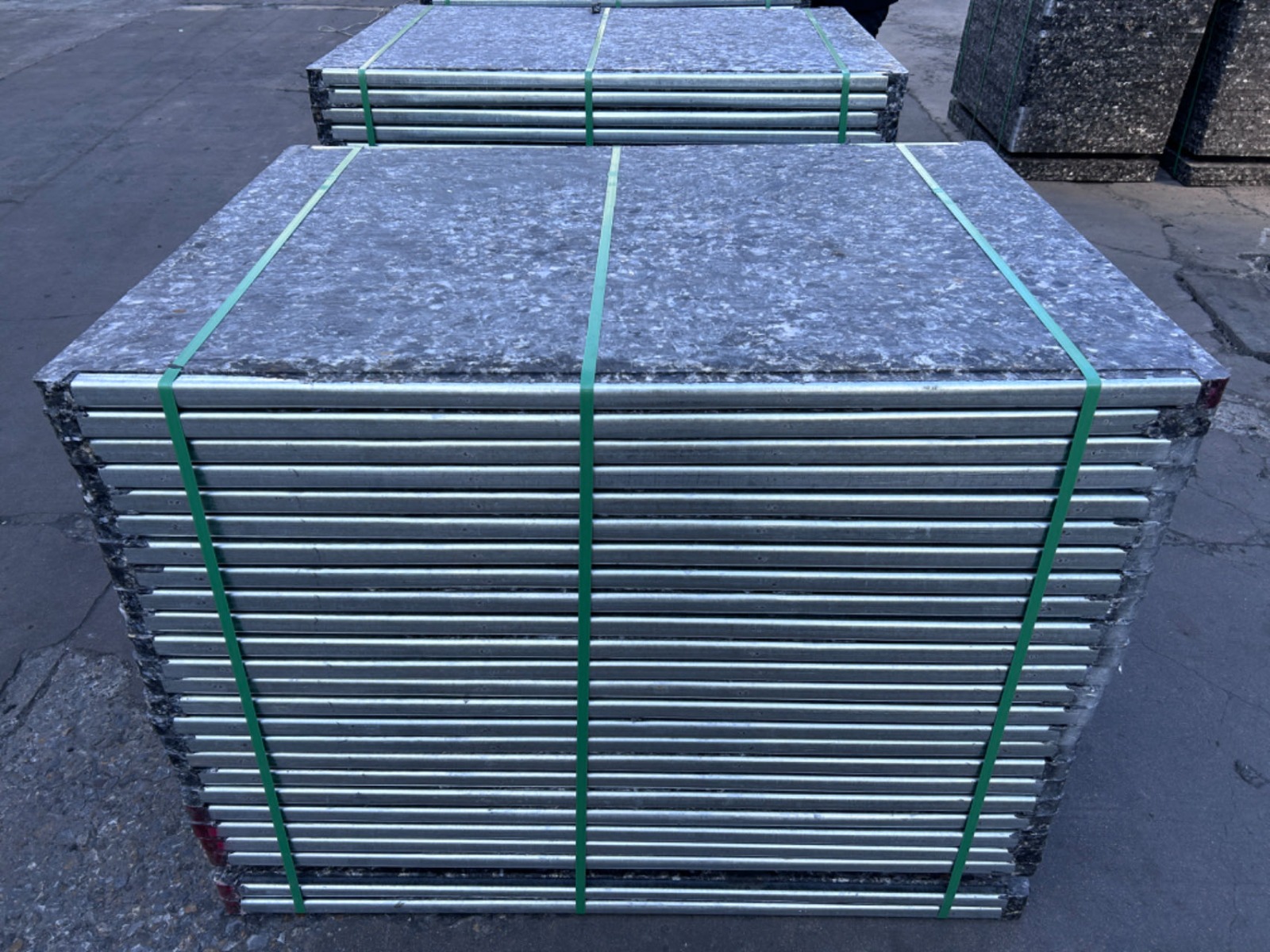
Brick manufacturing generates 1.2-2.8 kg CO₂ emissions per unit, but pallets add an overlooked 8-15% to lifecycle environmental impact. Facilities handling 800,000-1,500,000 bricks monthly show pallet material selection, lifespan, and disposal practices directly affect carbon footprint and waste generation over 10-year cycles.
Manufacturing emissions, transport energy, replacement frequency, and end-of-life disposal create cumulative impacts varying 60-75% between pallet types. Facilities switching from wood to GMT composites report 45-65% emission reductions while cutting material waste by 70-80%.
Environmental Cost of Brick Production Equipment
Traditional brick manufacturing consumes 2-4 MJ energy per unit. Research shows brick production improvements achieve 15-70% CO₂ reductions through material substitution and process optimization, yet auxiliary equipment receives less attention despite measurable environmental contribution.
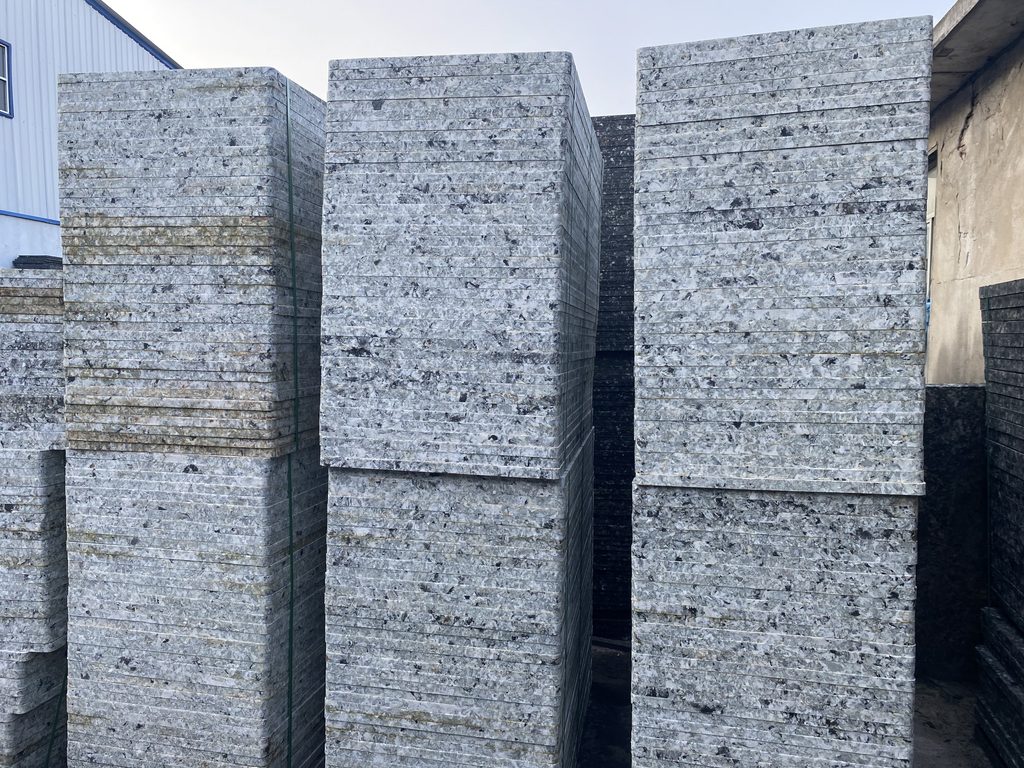
Pallets undergo 2,000-5,000 production cycles over their lifetime. Medium-sized facilities operating 1,200-1,800 pallets generate impact through manufacturing emissions, operational transport energy, and disposal processing. Facilities using short-lived pallets replace entire fleets every 18-36 months, multiplying manufacturing impacts. Long-life alternatives reduce replacement frequency 65-80%, decreasing cumulative burden while improving efficiency.
Wood Pallets: Short Lifespan and Hidden Impacts
Wood pallets cost $8-15 per unit with readily available supply, but lifecycle data reveals sustainability advantages diminish when examining field performance.
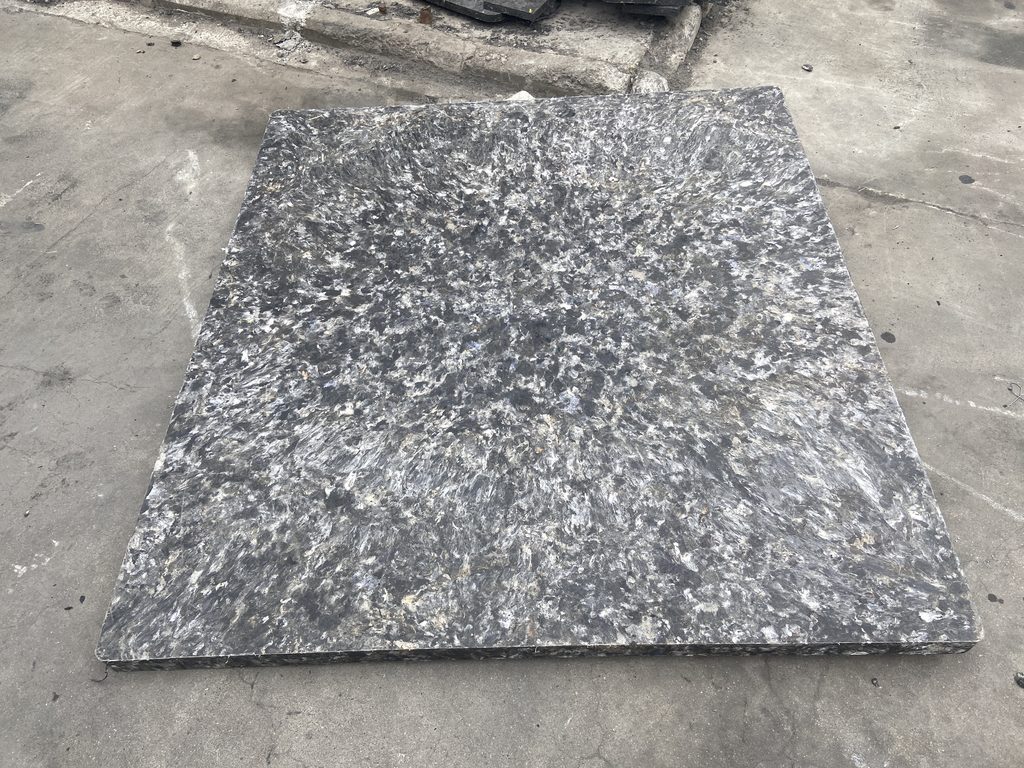
Manufacturing one wood pallet generates 4.1-5.2 kg CO₂e according to USDA Forest Service studies. Wood pallets in brick manufacturing last just 18-30 months before warping or failure. Facilities producing 1,000,000 bricks monthly need 300-500 annual replacements, generating 1,230-2,600 kg CO₂e yearly.
Moisture absorption creates secondary impacts. Wood absorbs 15-22% moisture, adding 2-3 kg per pallet. Wet pallets consume 18-25% more transport fuel. One facility documented 35,400 kg CO₂e additional emissions over 18 months from moisture-laden pallets.
Disposal generates further impact. Chemically treated pallets cannot enter composting. 55-70% reach landfills, releasing methane—28× more potent than CO₂. The remaining 30-45% undergo incineration, releasing carbon while requiring supplemental fuel.
Steel Pallets: High Manufacturing Emissions vs Durability
Steel pallets offer 10-15 year service lives but concentrate environmental impact in manufacturing. Production generates 38-52 kg CO₂e per pallet—8-10× higher than wood—from ore mining, blast furnace operations, and fabrication.
A typical 18-25 kg steel pallet embeds 360-875 MJ—equivalent to manufacturing 90-220 wood pallets. Steel must remain in service significantly longer to offset manufacturing emissions.
Weight affects transportation. Steel weighs 3-4× more than composites, increasing fuel consumption. Facilities handling 800-1,200 daily transfers report 12-18% fuel increases with steel versus composites—8,500-13,000 kg additional CO₂e annually.
However, steel recyclability provides end-of-life benefits. Recycling consumes 60-75% less energy than primary production, with 85% recovery rates. Facilities achieving 12-15 year service lives see lifecycle emissions below wood alternatives.
GMT Fiber Composites: Balanced Sustainability
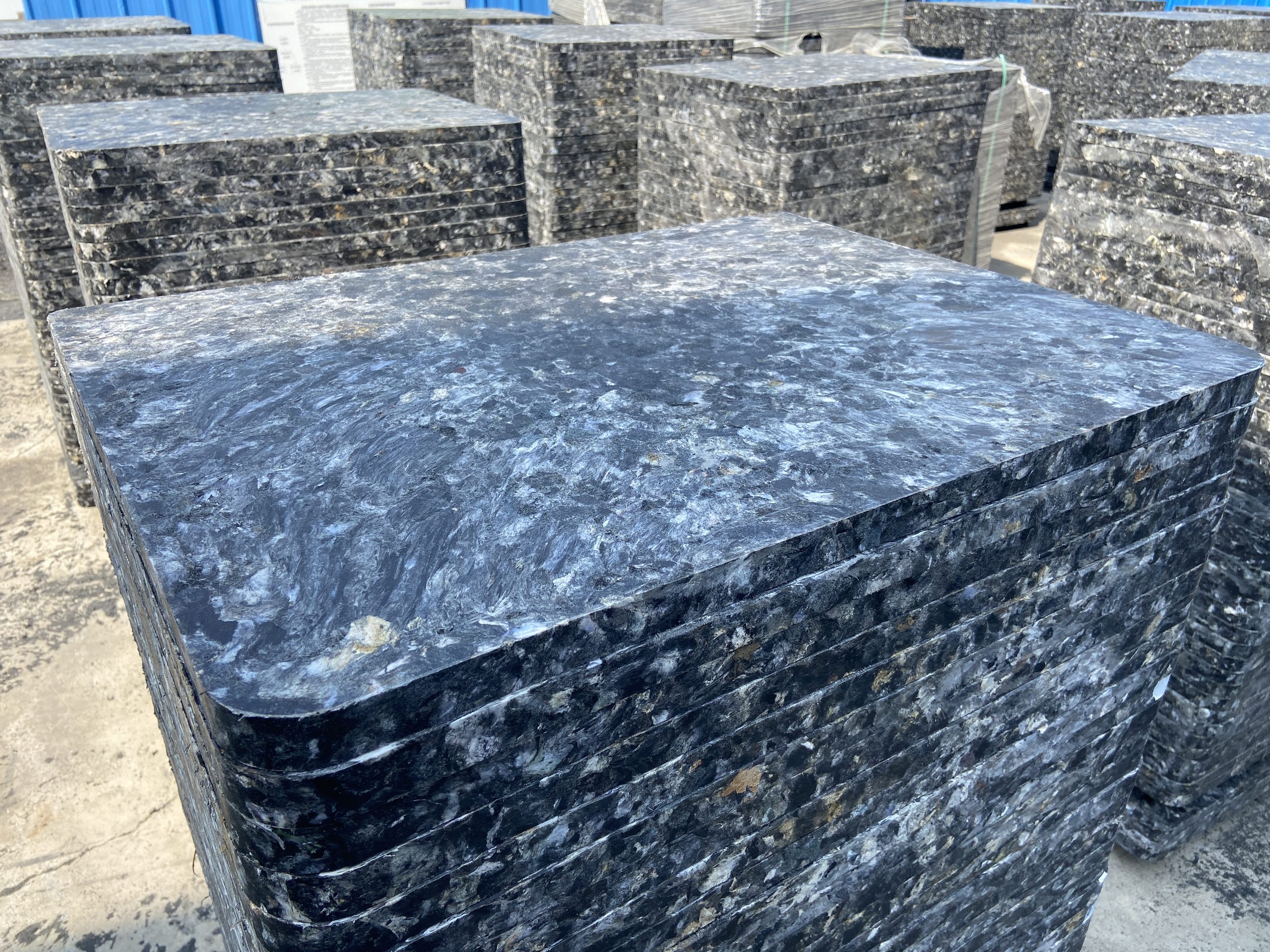
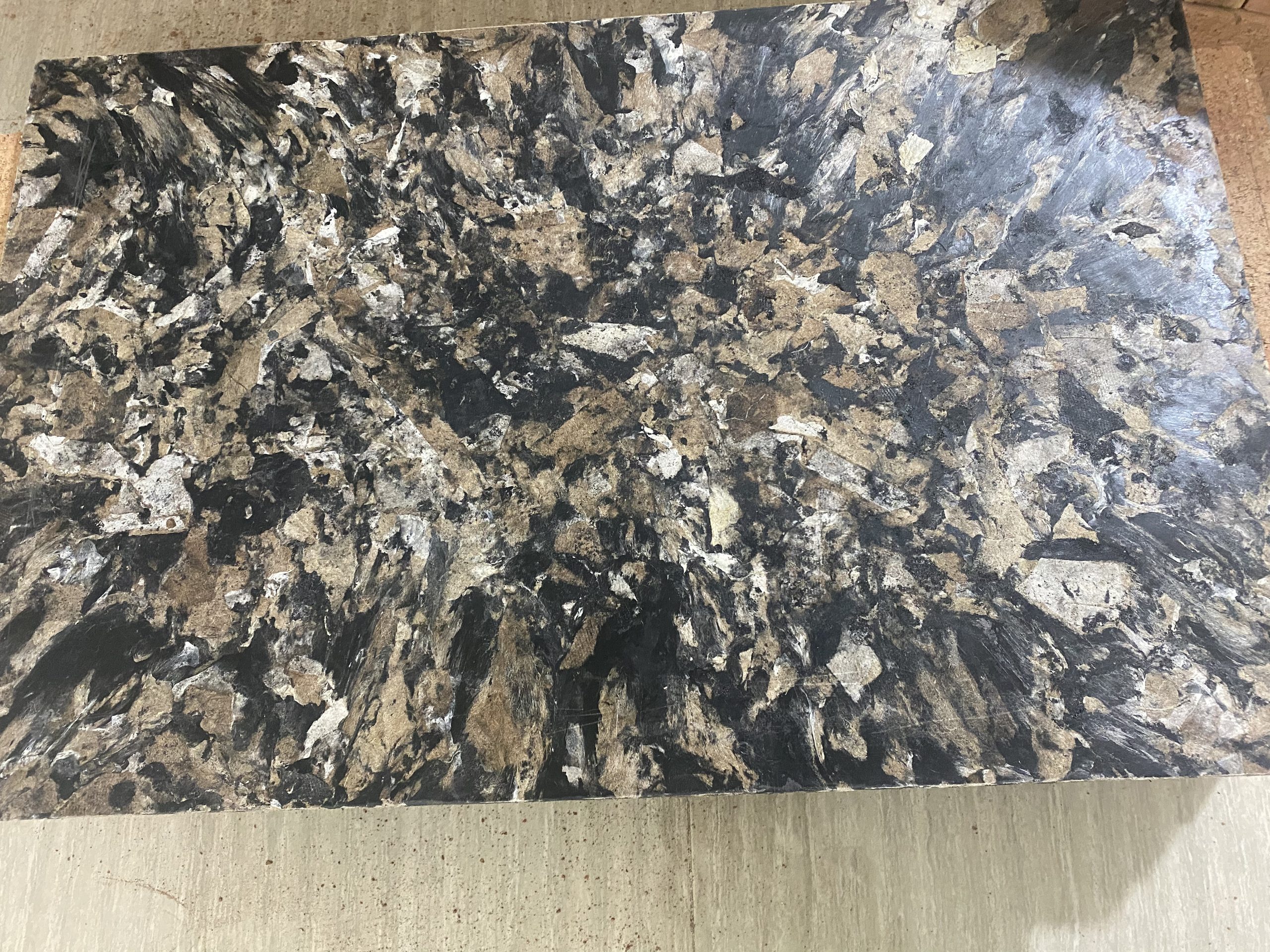
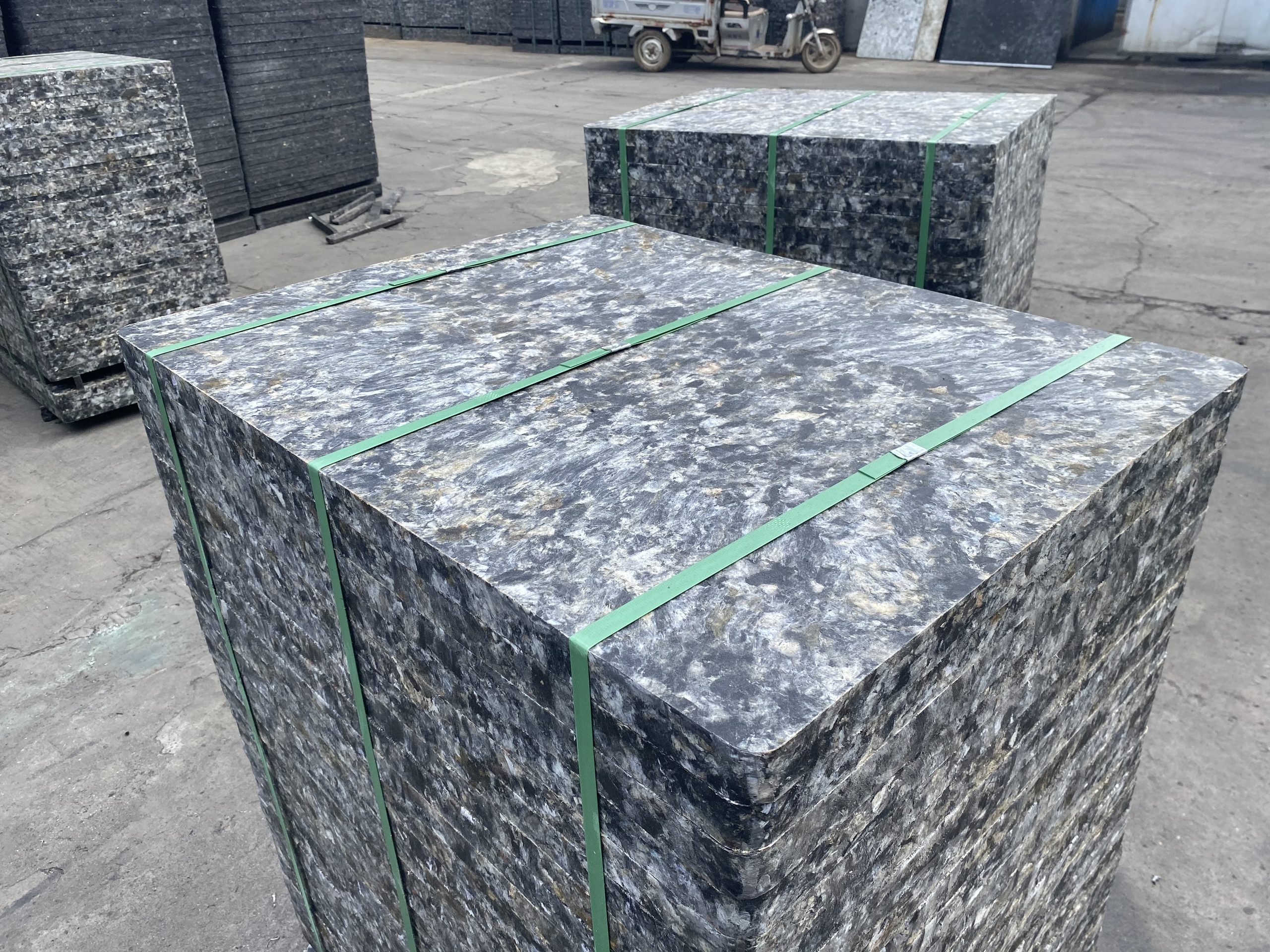
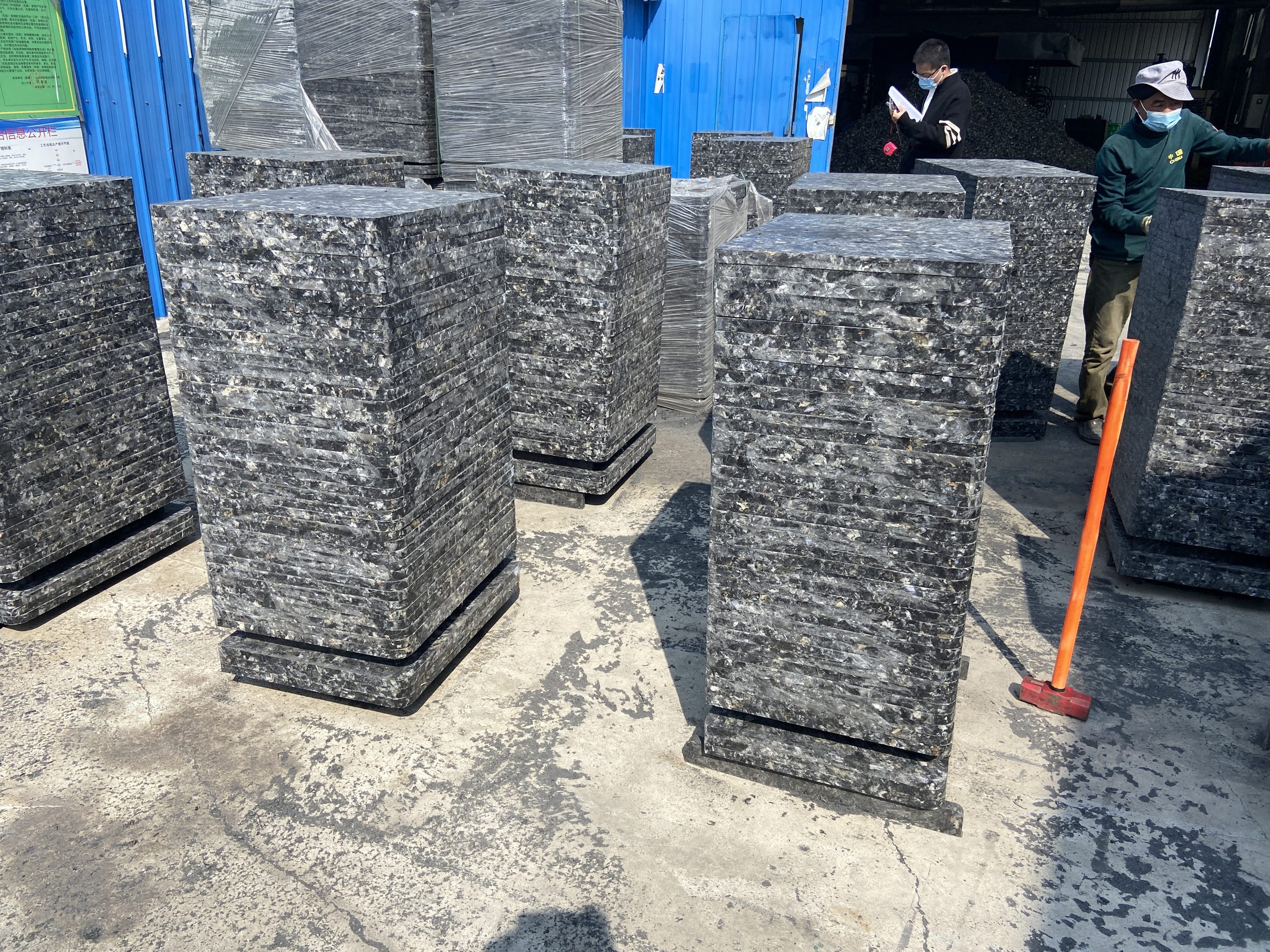
Glass Mat Thermoplastic (GMT) pallets balance environmental impact across manufacturing, operation, and disposal. Manufacturing emissions range 12-18 kg CO₂e per unit—between wood and steel. High-quality GMT pallets achieve stability through controlled 40-60% fiber content, minimizing resource consumption.
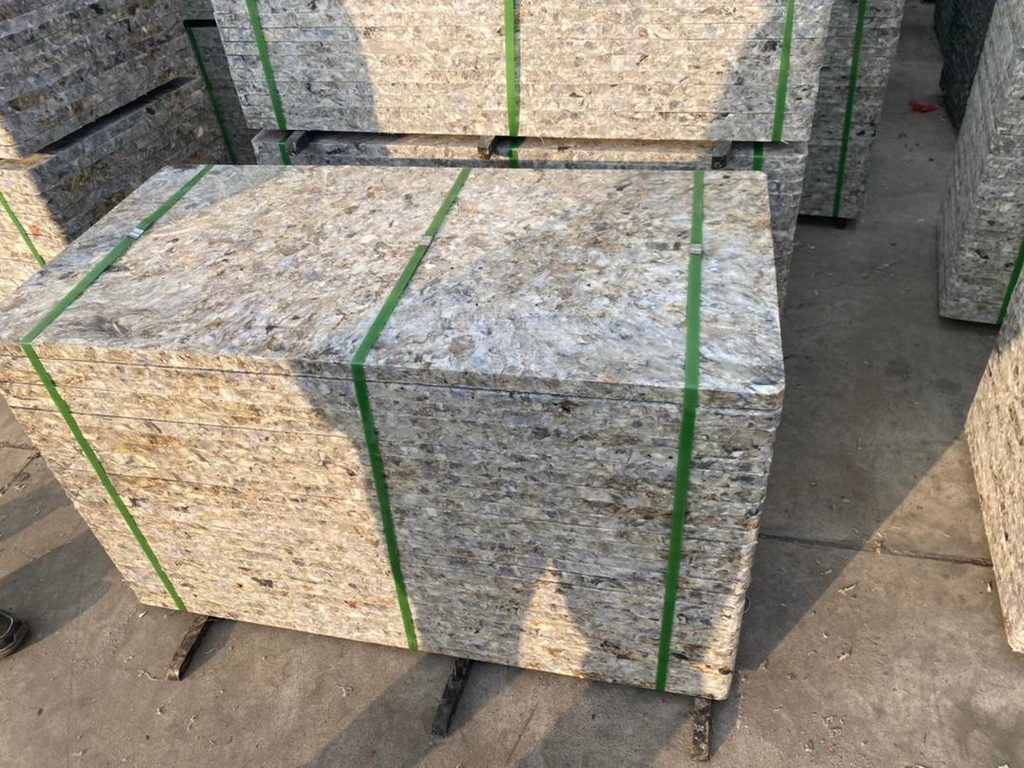
Weight optimization impacts transportation significantly. GMT pallets weigh 35-45% less than steel while maintaining 2,500-3,500 kg load capacity, cutting transport fuel 25-40%—6,500-9,800 kg CO₂e annual savings for facilities moving 1,000+ pallets daily.
GMT pallets last 8-12 years with 3,000-5,000 cycles. White GMT pallets show dimensional changes under ±2mm after 8+ years, maintaining functionality without replacement.
Moisture resistance provides environmental benefits. GMT composites absorb <1% moisture, eliminating wood’s 2-3 kg weight gain and maintaining stable transport energy. Thermoplastic matrices enable recycling through grinding and remelting, recovering 65-80% material value. Current recycling rates reach 15-35% with expanding infrastructure.
Lifecycle Carbon Footprint Comparison
For medium-scale facilities operating 1,500 pallets over 10 years, cumulative footprints vary dramatically. Wood operations require 5-7 fleet replacements, reaching 123,000-196,000 kg CO₂e total (82-131 kg per pallet per year).
Steel concentrates emissions upfront. Initial manufacturing generates 57,000-78,000 kg CO₂e, with operational transport adding 8,000-12,000 kg annually. Total 10-year footprint: 137,000-198,000 kg CO₂e (91-132 kg per pallet per year). Weight penalty neutralizes durability benefits.
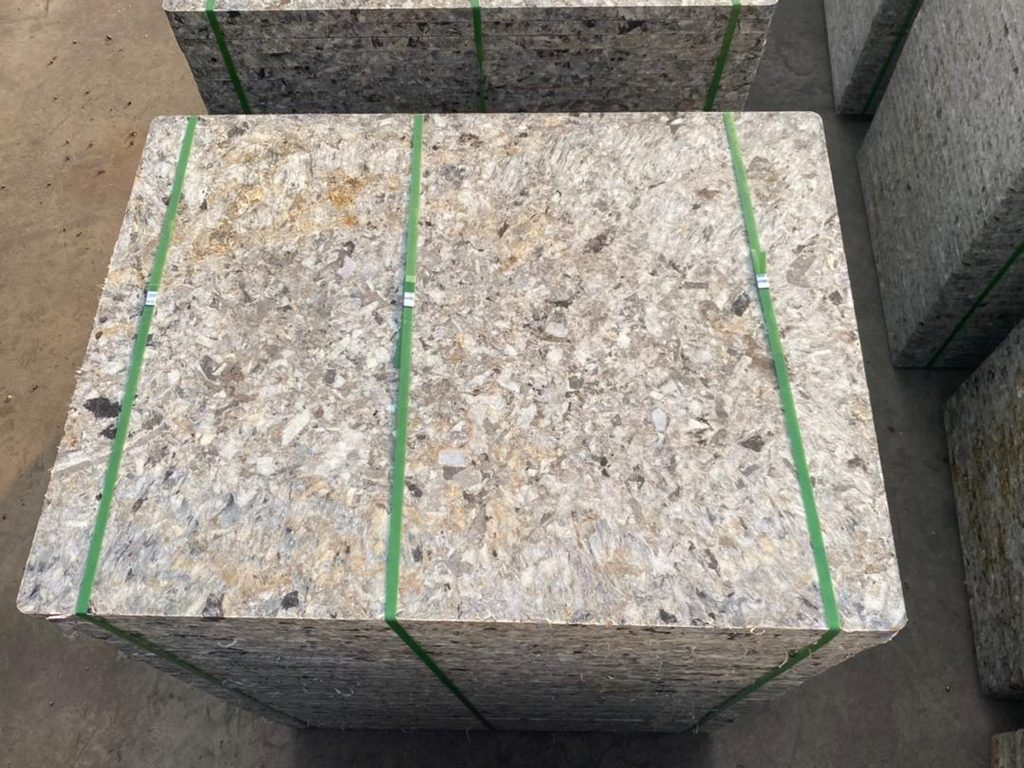
GMT composites achieve optimal performance. Initial production generates 18,000-27,000 kg CO₂e, with low operational emissions (5,500-7,200 kg annually). Single replacement at 8-10 years adds another cycle. Total 10-year footprint: 46,000-68,000 kg CO₂e (31-45 kg per pallet per year)—62-67% lower than wood and 58-70% lower than steel.
| Environmental Factor | Wood Pallets | Steel Pallets | GMT Fiber Pallets | Environmental Winner |
|---|---|---|---|---|
| Manufacturing CO₂e | 4.1-5.2 kg | 38-52 kg | 12-18 kg | GMT (lifecycle) |
| Production Energy | 25-40 MJ | 360-875 MJ | 95-145 MJ | GMT (lifecycle) |
| Transport Weight | 12-18 kg | 18-25 kg | 10-14 kg | GMT (lowest) |
| Operational Lifespan | 1.5-3 years | 10-15 years | 8-12 years | Steel (longest) |
| Moisture Absorption | 15-22% | 0% | <1% | Steel & GMT |
| Recyclability Rate | 30-45% | 85-90% | 15-35% (growing) | Steel (current) |
| Lifecycle CO₂e/year | 82-131 kg | 91-132 kg | 31-45 kg | GMT (lowest) |
Transportation Weight and Fuel Efficiency
Transportation emissions accumulate through initial delivery and continuous operational movement. Delivery of 500 pallets traveling 800 km generates 0.8-1.2 kg CO₂e per pallet for wood, 1.4-2.1 kg for steel, and 0.6-0.9 kg for GMT.
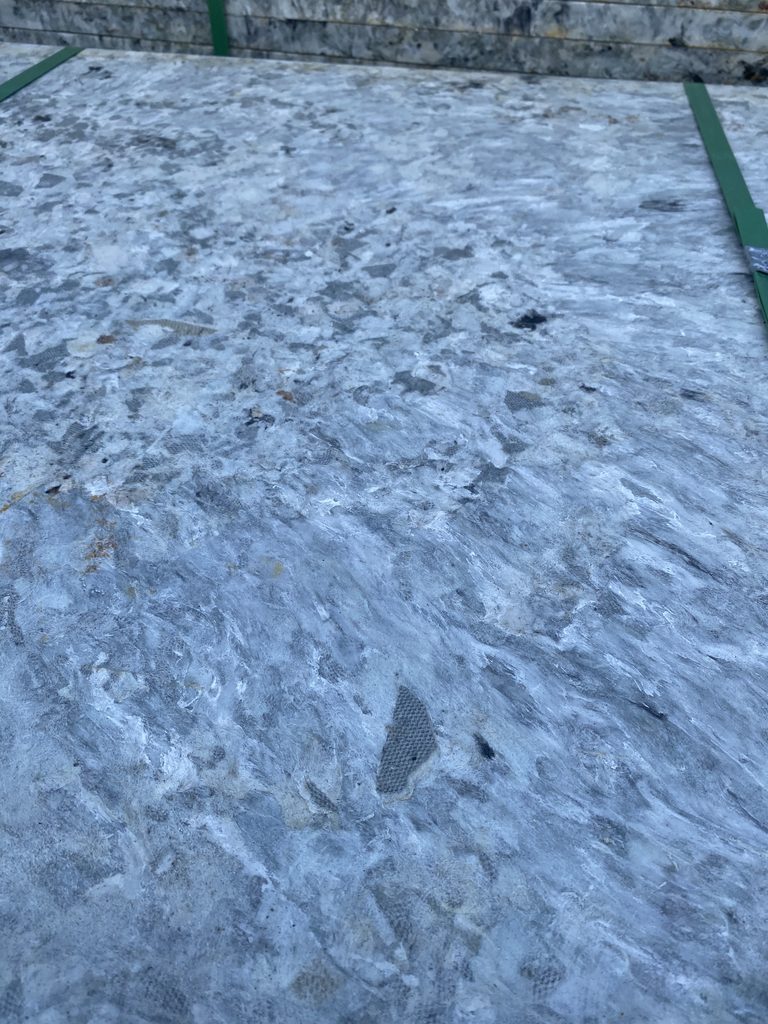
Operational transport creates substantial differentiation. Facilities moving 1,000 pallets daily over 250m consume fuel proportional to mass. Wood consumes 1× baseline fuel (increasing to 1.18-1.25× as moisture adds weight), steel consumes 1.45-1.65×, and GMT consumes 0.75-0.85×. Over 10 years, this translates to 12,000-18,000 liters additional diesel for steel versus GMT—approximately 31,800-47,700 kg CO₂e.
Weight stability differentiates types. Wood gains 15-22% weight through moisture absorption, progressively increasing fuel consumption. GMT maintains stable weight regardless of humidity, providing consistent efficiency through entire service life.
Operational Lifespan and Replacement Cycles
Service lifespan determines how manufacturing impacts amortize over utility. Wood longevity averages 1,200-2,200 cycles before warping forces retirement. Facilities producing 800,000 bricks monthly replace wood every 13-24 months. High moisture shortens lifespan to 8-15 months.
Steel achieves 8,000-12,000 cycles under proper maintenance. Well-managed operations report 10-15 years, while rough handling causes failures at 6-8 years.
GMT pallets demonstrate 3,000-5,000 cycle service lives through moisture, thermal, and mechanical wear resistance. Field data shows dimensional stability within ±2mm after 8+ years. Low maintenance requirements (2-3% fleet needing quarterly attention) maximize efficiency.
End-of-Life Recycling and Circular Economy
Wood disposal follows three paths: landfilling (55-65%), incineration (25-35%), and recycling (8-12%). Landfilling generates methane emissions, while treatment chemicals prevent clean biomass use. European circular economy initiatives recover 65-80% of discarded pallets, reducing disposal emissions 40-55%.
Steel enters established recycling streams with 85-90% recovery rates. Scrap steel reprocessing consumes 60-75% less energy than primary production, generating -12 to -18 kg CO₂e credits per recycled pallet through avoided manufacturing.
GMT recycling infrastructure continues developing. Mechanical recycling grinds discarded pallets and remelts thermoplastic matrix, recovering 65-75% material value. Fiber contamination limits direct pallet reuse. Emerging chemical recycling promises 85-95% recovery by separating components, but commercial deployment remains 3-5 years away.
| Disposal Factor | Wood Pallets | Steel Pallets | GMT Composites | Best Practice |
|---|---|---|---|---|
| Recycling Rate | 8-12% | 85-90% | 15-35% | Steel (mature) |
| Landfill Emissions | 8-12 kg CO₂e | Minimal | Minimal | Steel & GMT |
| Energy Recovery | 8-12 MJ/kg | Not applicable | 25-35 MJ/kg | GMT (high energy) |
| Material Value | $0.80-1.20 | $4.50-7.20 | $2.10-3.80 | Steel (highest) |
| Energy Savings | 40-55% vs new | 60-75% vs new | 45-65% vs new | Steel (maximum) |
| Circular Economy | Moderate | Excellent | Developing | Steel (current) |
Economic and Environmental Alignment
Cost-effectiveness and sustainability align when examining total lifecycle performance. Initial costs favor wood at $8-15 versus GMT at $22-38 and steel at $45-75. However, lifecycle cost analysis reveals wood requiring 5-7 replacements over 10 years (total $40-105) while GMT needs 1-2 replacements (total $44-76) and steel needs zero ($45-75).
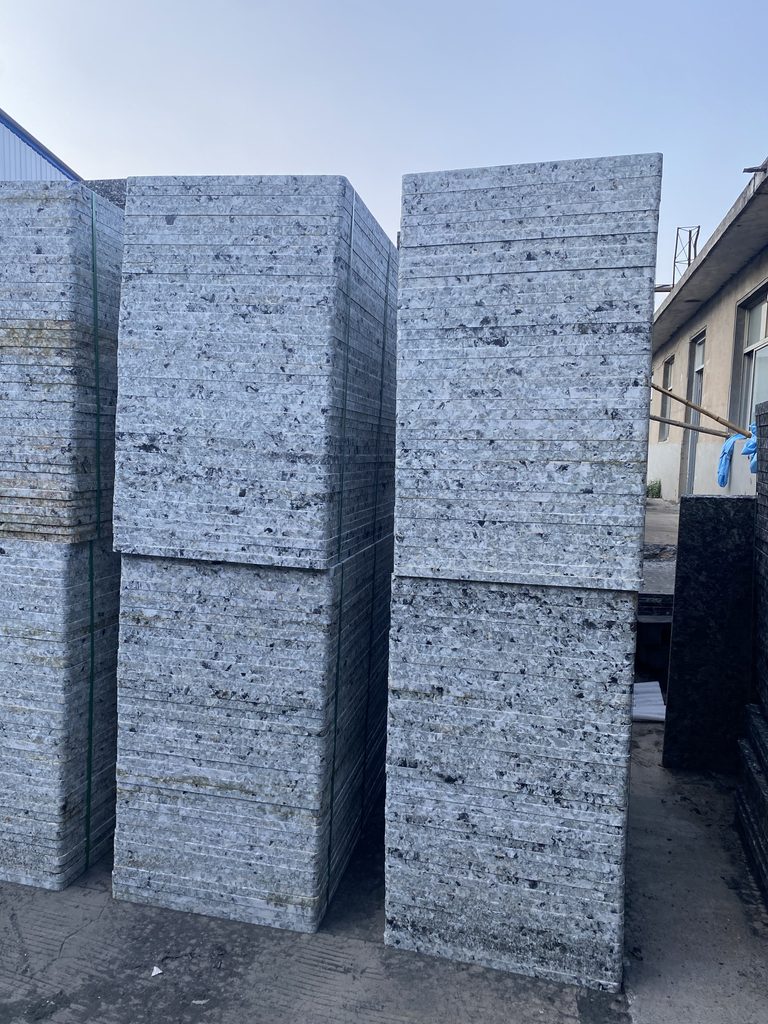
Operational costs show similar alignment. GMT’s low weight reduces fuel costs $180-280 annually per 100 pallets versus steel, while minimal maintenance saves $450-680 in labor. These operational savings of $630-960 per 100 pallets total $6,300-9,600 over 10 years—substantially exceeding initial premiums while delivering environmental benefits.
Breakage reduction creates additional alignment. Quality pallets reduce brick breakage by 40-60%, cutting waste and disposal. A facility producing 1,000,000 bricks monthly with 4% breakage (typical for wood) versus 1.8% (GMT) saves 264,000 rejected bricks annually—$19,800-31,200 in material costs while avoiding disposal impacts.
Carbon pricing mechanisms increasingly formalize environmental value. Regions implementing carbon taxes at $30-80 per tonne CO₂e add $2.50-6.40 cost per wood pallet yearly, $0.95-4.15 for steel, and $0.45-3.60 for GMT based on lifecycle emissions. As pricing expands, economic incentives increasingly reward environmentally optimized selection.
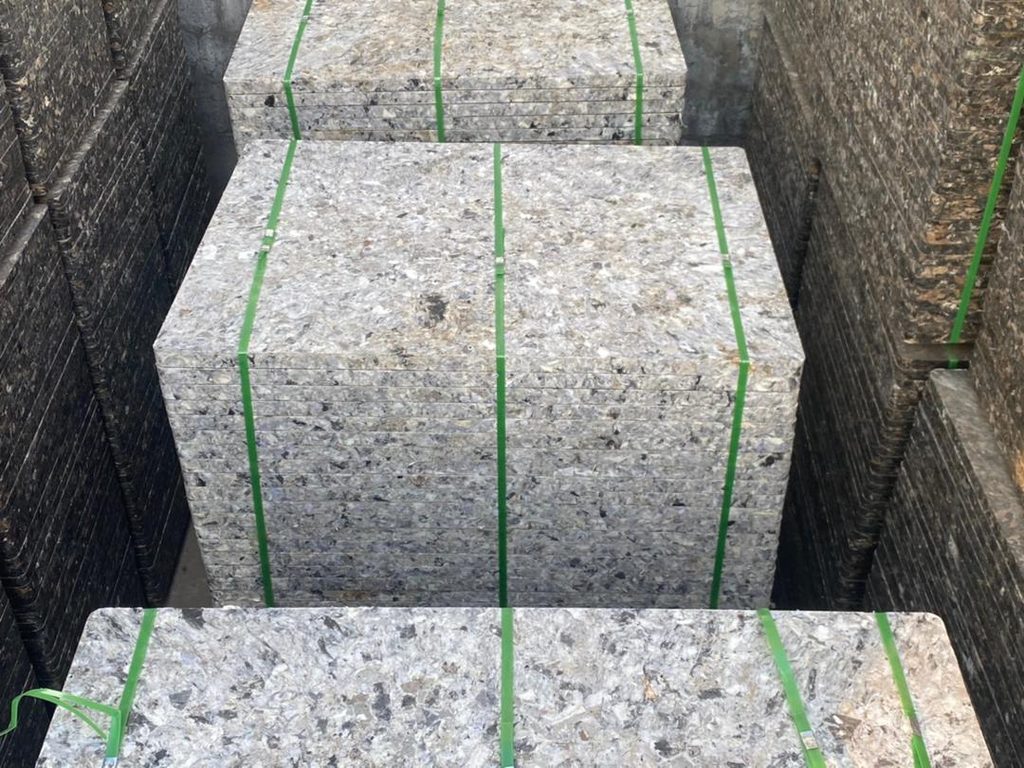
Procurement should prioritize total lifecycle impact over purchase price. Phased fleet transition minimizes disruption—replace 15-25% annually over 4-6 years, starting in areas with highest replacement frequency. Proper storage and handling extending pallet lifespan deliver environmental benefits by deferring replacements and maximizing utilization of embedded manufacturing impacts.
FAQ
Q: Are GMT composite pallets better for the environment than wood pallets from sustainably managed forests?
A: Yes. While sustainable forestry addresses deforestation, wood pallets still require treatment chemicals, generate higher transport emissions as they absorb moisture, and last only 1.5-3 years requiring frequent replacement. GMT’s 8-12 year lifespan means one GMT pallet replaces 4-6 wood pallets, reducing cumulative manufacturing impact by 62-67%. Total lifecycle footprint favors GMT by 58-70% even against certified sustainable wood.
Q: Can fiber composite pallets like GMT be recycled at end-of-life?
A: GMT pallets can be recycled through mechanical grinding and remelting, recovering 65-75% of material value. Alternatively, GMT contains 25-35 MJ/kg energy value—substantially more than moisture-laden wood—making them excellent for controlled incineration with energy recovery. Current industry recycling rates of 15-35% are improving as specialized infrastructure expands.
Q: How does steel pallet transport weight compare to lighter alternatives?
A: Steel pallets weigh 18-25 kg versus GMT at 10-14 kg, creating 45-80% higher transport fuel consumption. For facilities moving 1,000 pallets daily, this generates 8,000-12,000 kg additional CO₂e annually. Over steel’s 10-15 year lifespan, cumulative transport emissions reach 80,000-180,000 kg—often exceeding initial manufacturing emissions.
Q: Do moisture-resistant pallets make measurable environmental difference in humid climates?
A: Absolutely. Wood pallets absorb 15-22% moisture, adding 2-3 kg weight per pallet and increasing transportation fuel 18-25%. For facilities in tropical regions moving 1,000 pallets daily, moisture-induced weight gain causes 29,000-42,000 kg CO₂e in extra transport emissions annually. GMT composites absorbing <1% moisture eliminate this penalty. Humidity-resistant materials deliver both operational efficiency and environmental benefits.
Q: What’s the environmental impact of pallet treatment chemicals?
A: Most wood pallets undergo treatment with copper-based compounds or heat treatment. Chemical treatments add 0.3-0.6 kg CO₂e per pallet and create disposal complications—treated wood cannot enter clean biomass recycling. GMT and steel alternatives require no chemical treatments, eliminating this impact while providing superior moisture and pest resistance.
Q: How do I calculate which pallet type has lowest environmental impact?
A: Use this framework: (1) Manufacturing impact = initial CO₂e × (service life ÷ pallet lifespan); (2) Operational transport = daily movements × distance × weight factor × CO₂e per kg-km × operating days × service life; (3) Disposal impact = end-of-life CO₂e – recycling credits. For most brick manufacturers, GMT shows 58-70% lower total impact than wood and 62-67% lower than steel.
Conclusion
Sustainable brick production extends beyond firing technology to encompass every manufacturing component, including pallet equipment touching every product unit. Environmental impact assessment reveals fiber-reinforced composite pallets like GMT from Rhinos Pallet deliver 58-70% lower lifecycle carbon footprints compared to traditional wood through optimized balance of manufacturing emissions, operational efficiency, and extended service life.
GMT composites last 8-12 years with minimal maintenance, eliminating the 4-6 replacement cycles wood requires while weighing 35-45% less than steel to reduce transportation emissions. Manufacturing impact of 12-18 kg CO₂e per pallet amortizes across 3,000-5,000 production cycles.
Implementing sustainable pallet programs aligns environmental stewardship with economic optimization—lifecycle cost analysis demonstrates GMT delivering 18-24 month payback through reduced replacement frequency, lower breakage rates, and decreased fuel consumption. As carbon pricing expands and environmental regulations tighten, facilities adopting optimized systems position themselves for compliance and competitive advantage while reducing operational environmental footprint by 40-65%, transforming pallet equipment from overlooked commodity into strategic sustainability lever supporting broader industry decarbonization objectives.