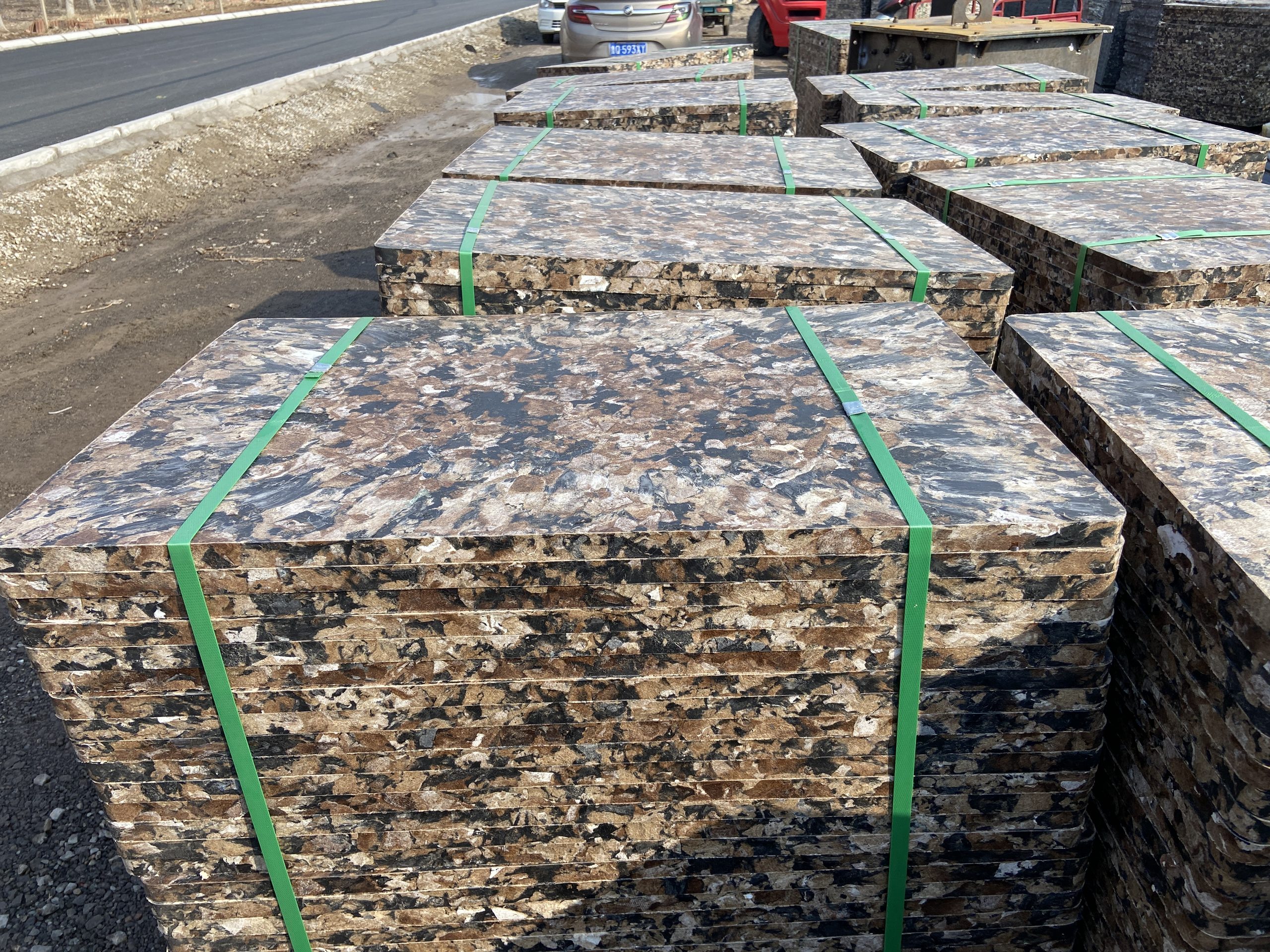
Concrete block production demands pallets that can withstand extreme loads without failure. A single pallet of standard 8×8×16-inch concrete blocks weighs 2,300 to 3,500 pounds, and heavier architectural blocks can push total pallet loads to 8,000 pounds or more. Choosing the wrong pallet type leads to catastrophic failures, production delays, and thousands of dollars in damaged inventory. This guide compares load capacity performance across GMT, wood, steel, and plastic pallets using real factory data and engineering testing results.
Understanding Load Capacity Requirements for Concrete Blocks
Standard hollow-core blocks weigh 28-35 pounds each, with typical pallet loads reaching 2,300-2,500 pounds for 72-unit configurations. Solid architectural blocks push weights to 3,500+ pounds.
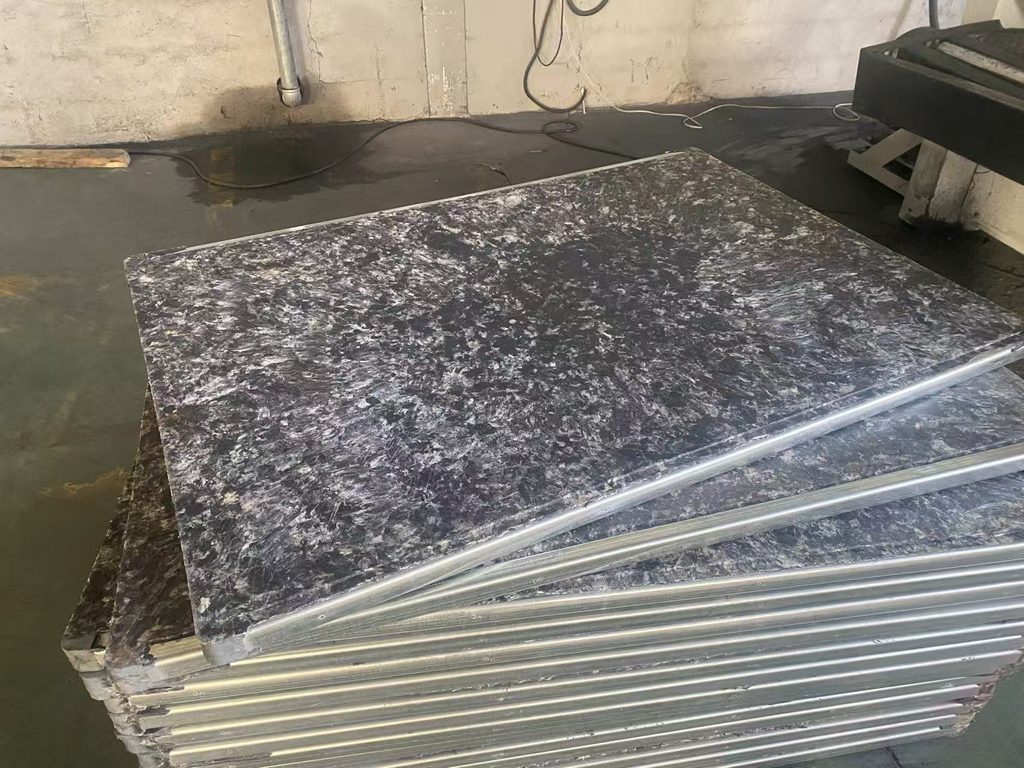
You need to understand three critical load specifications. Static load capacity measures maximum weight when stationary. Dynamic load capacity indicates safe limits during forklift transport. Racking load capacity defines weight limits in elevated storage.
Your pallet must maintain dimensional stability and surface flatness under these loads to prevent brick cracking and quality issues. Normal-weight concrete masonry units have compressive strength between 2,000 and 5,000 psi per ASTM C90 standards.
GMT Pallet Load Capacity Performance
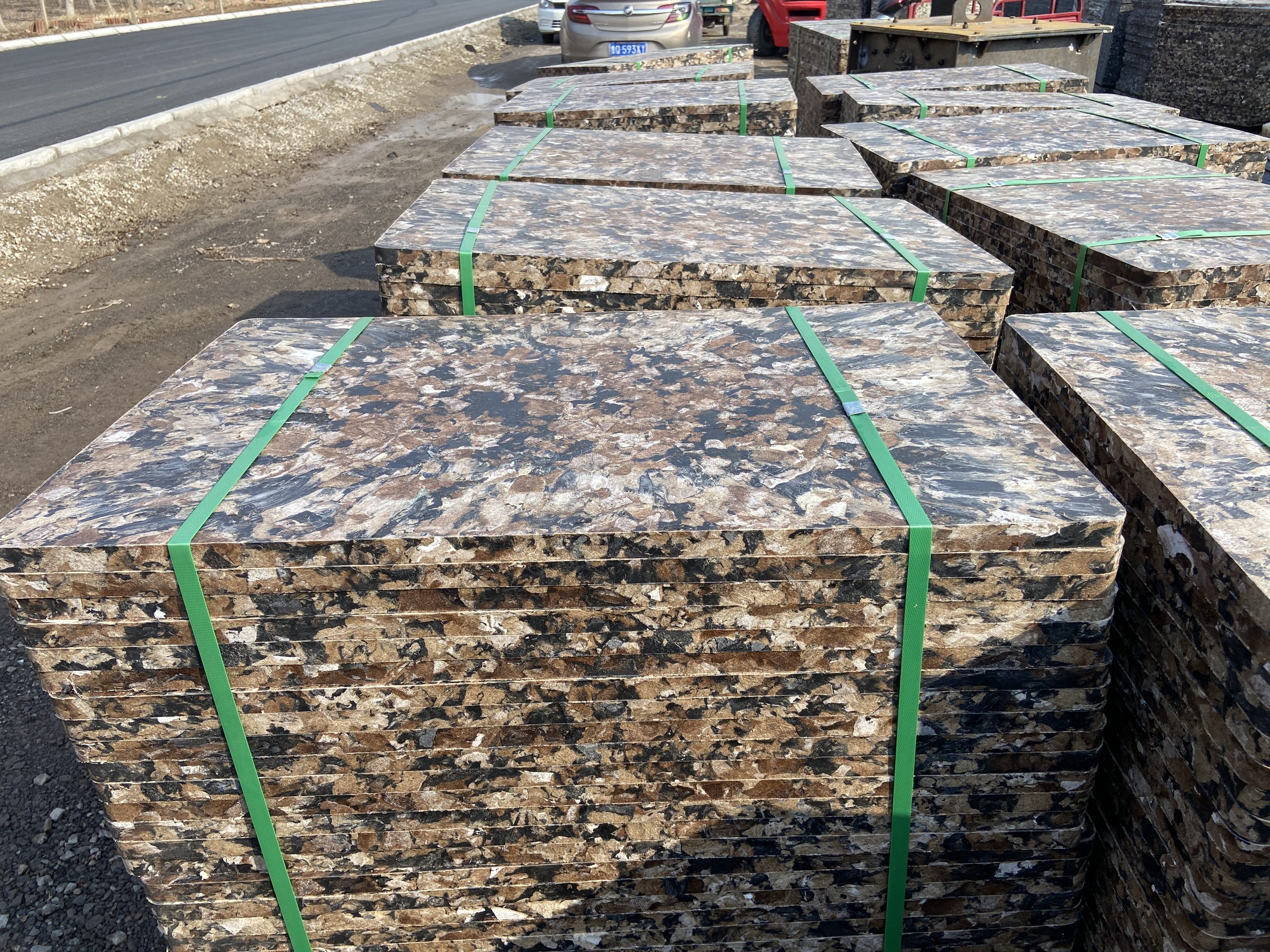
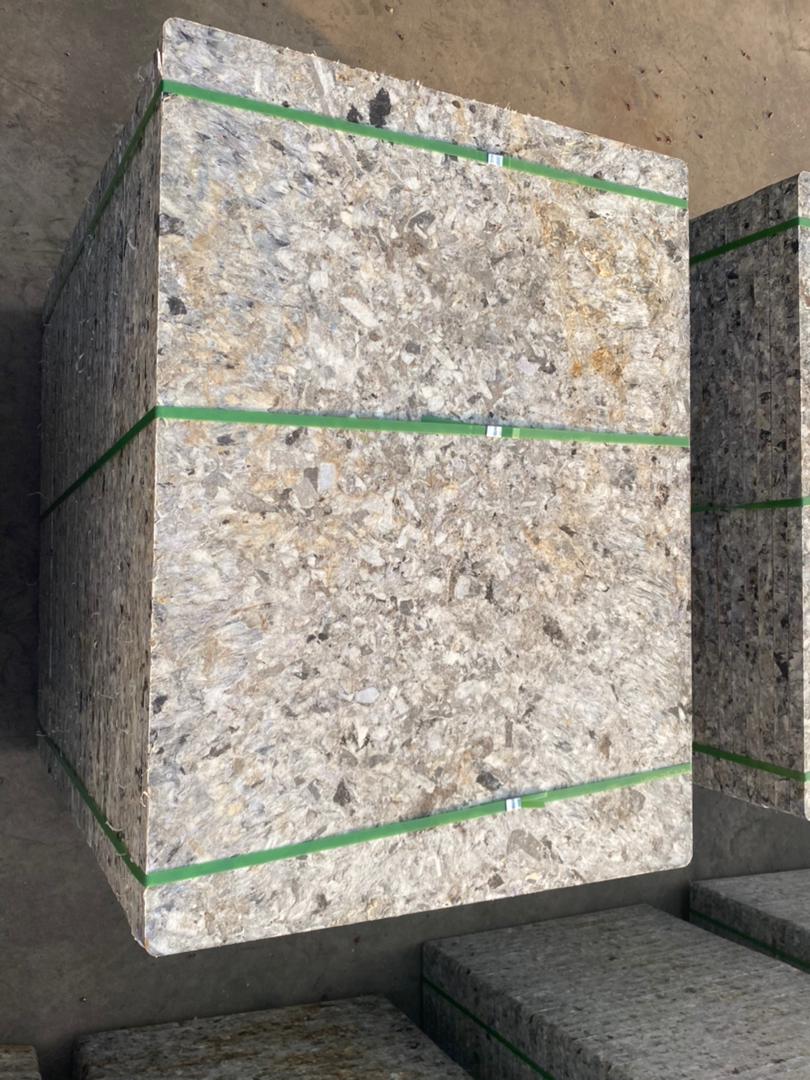
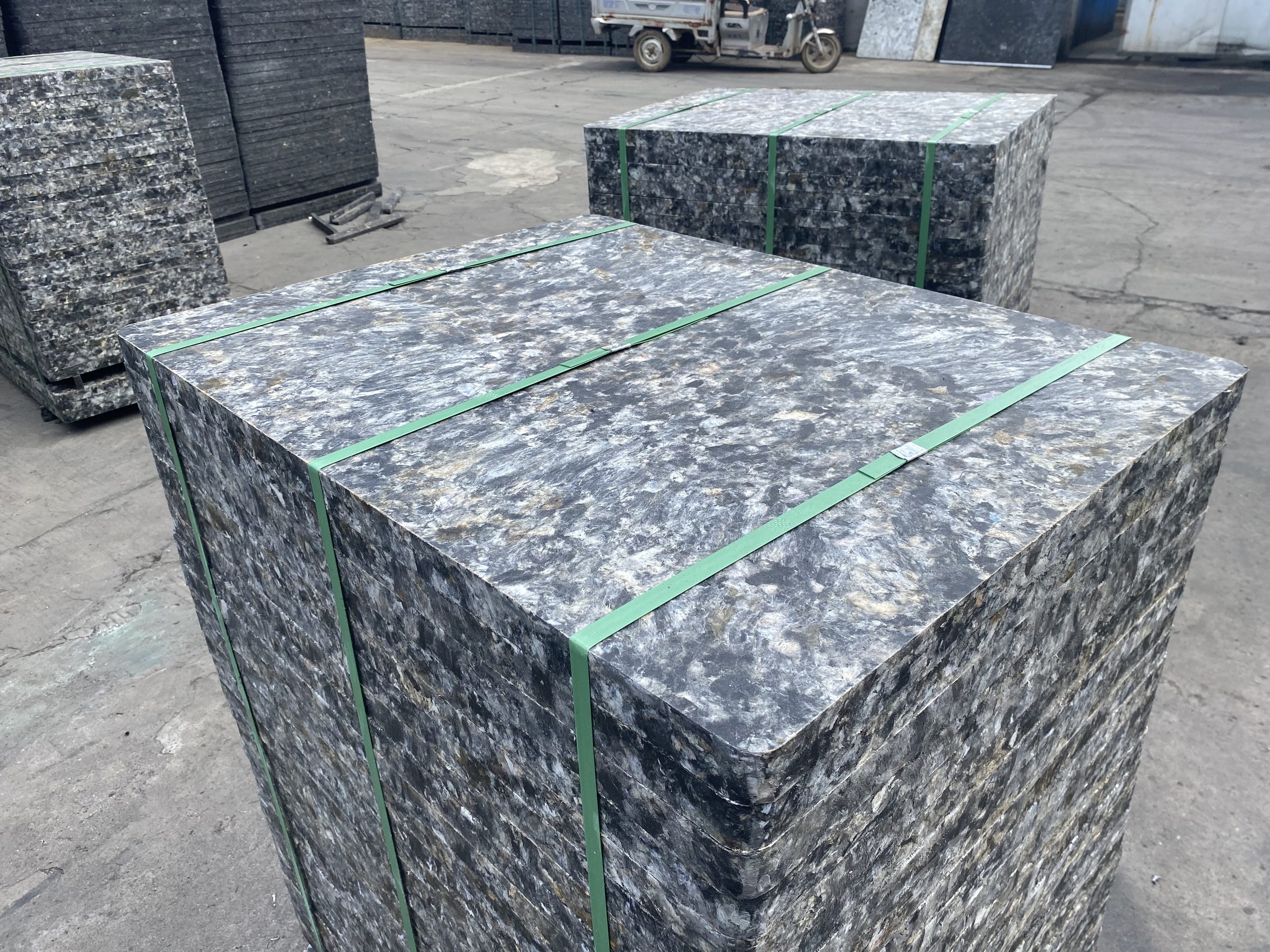
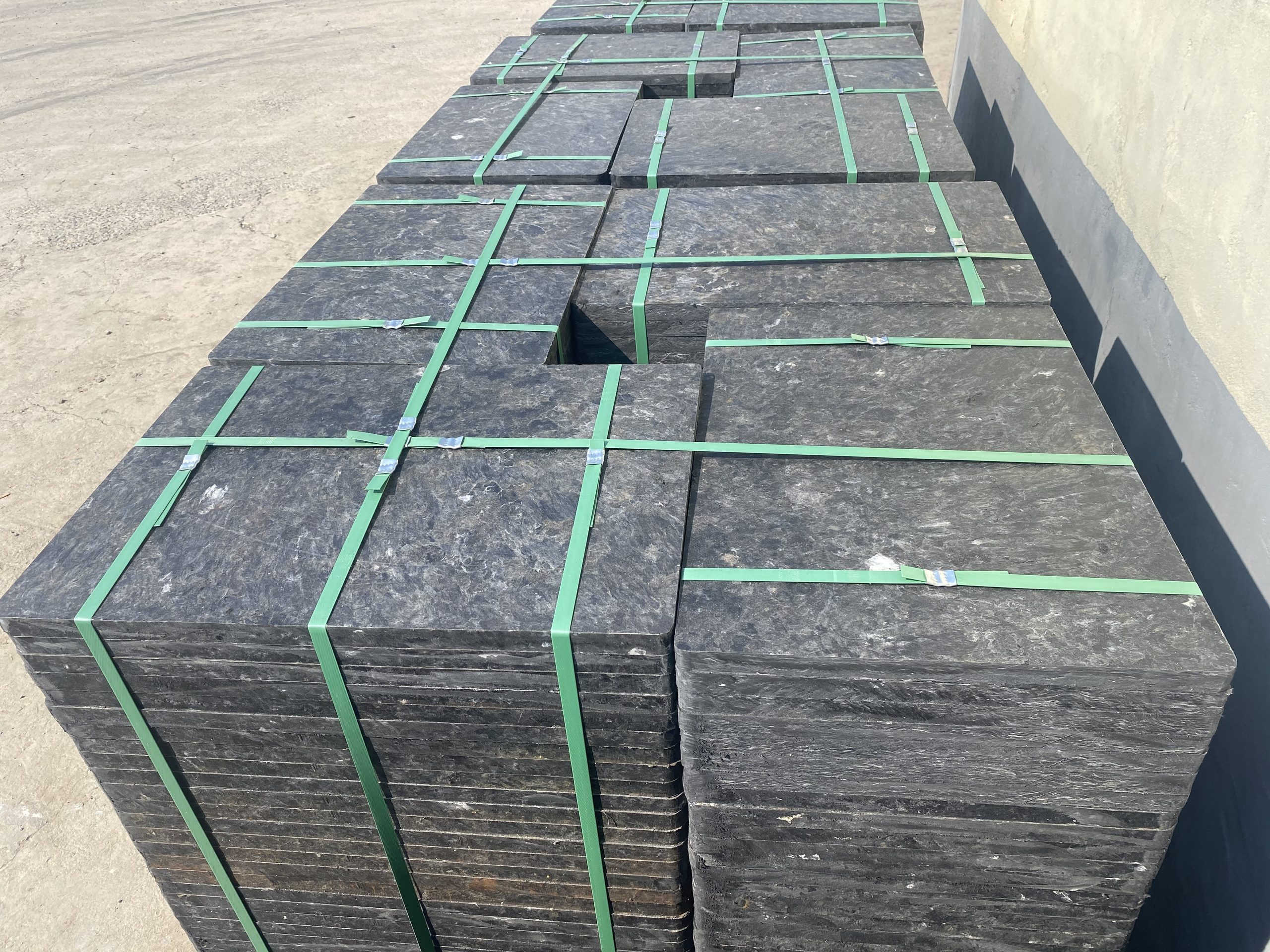
GMT (Glass Mat Thermoplastic) pallets deliver exceptional load capacity through fiber-reinforced composite construction. Standard 850mm × 680mm GMT pallets support static loads of 2,500-3,000 kg (5,500-6,600 pounds).
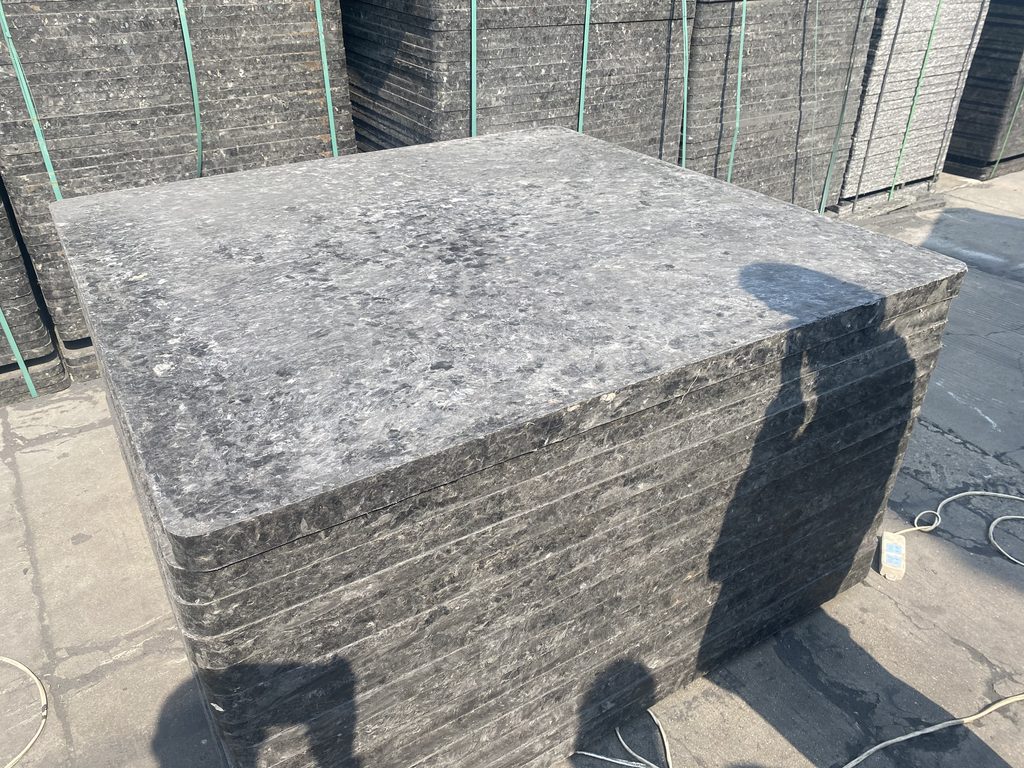
The glass fiber reinforcement creates uniform load distribution, preventing localized stress concentrations that cause wood pallet failure. GMT pallets maintain surface flatness within ±2mm even under maximum load.
Testing shows GMT pallets withstand 3,000-5,000 loading cycles over their 10-12 year lifespan without permanent deformation. The composite material maintains structural integrity from -30°C to +80°C, ensuring consistent performance across all climate conditions.
Wood Pallet Load Performance and Limitations
Wood pallets represent the traditional choice, but load capacity varies with pallet grade. Grade A wood pallets support static loads near 4,800 pounds when new, while Grade B pallets handle 3,000-4,000 pounds.
Wood absorbs 15-30% of its weight in moisture during humid conditions. This causes warping that reduces load capacity by 20-35% and creates uneven curing surfaces. Wood pallet lifespan is only 500-800 loading cycles before replacement—compared to 3,000-5,000 cycles for GMT alternatives.
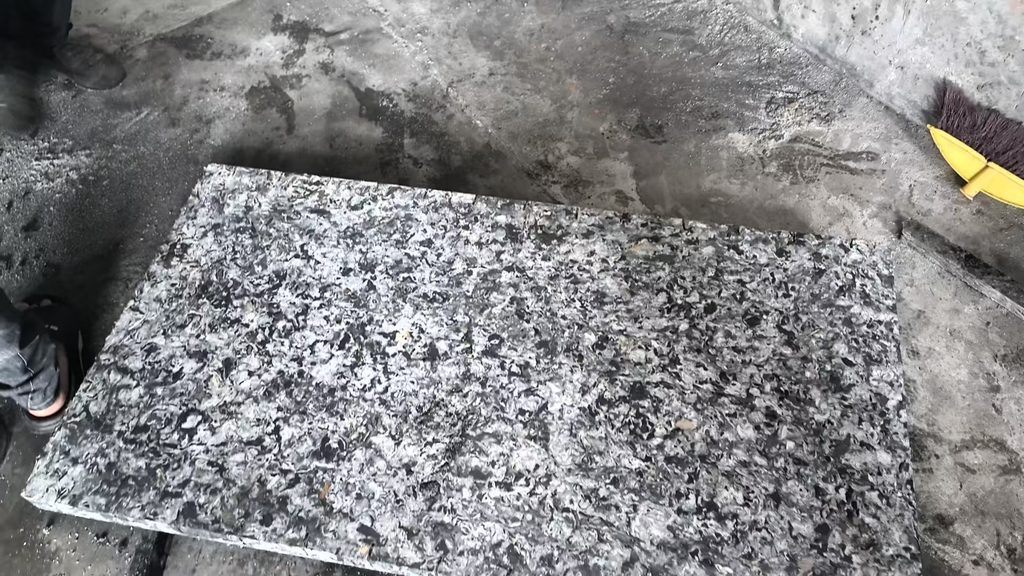
You should limit wood pallet use to standard hollow-core production under 2,500 pounds with minimal moisture exposure.
Steel Pallet Heavy-Duty Capabilities
Steel pallets excel in extreme heavy-duty applications, supporting static loads of 7,000-10,000 pounds. This makes them essential for the heaviest architectural block configurations.
Steel construction provides superior dimensional stability, maintaining flatness within ±1mm. A properly maintained steel pallet delivers 15-20 years of service life with minimal degradation.
However, steel pallets weigh 45-65 kg compared to 15-25 kg for GMT pallets, increasing handling costs. You should specify steel only when loads exceed 6,000 pounds or extreme flatness precision is mandatory.
Plastic Pallet Load Testing Results
Plastic pallets manufactured from HDPE or polypropylene support static loads of 2,000-2,500 kg (4,400-5,500 pounds) with dynamic capacities around 1,800 kg.
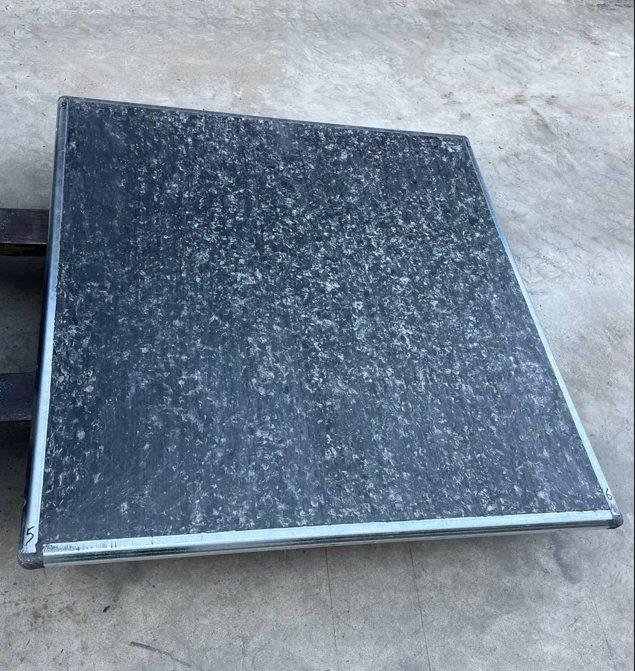
The molded plastic construction eliminates moisture absorption issues. However, plastic pallets suffer from creep—gradual deformation that reduces flatness over time. Load testing shows plastic pallets lose 8-12% capacity after 1,000 cycles due to accumulated creep. This accelerates in warm environments above 40°C.
Plastic pallets work well for standard production under 2,500 kg with moderate temperatures. For heavy blocks or high-temperature curing, GMT alternatives deliver superior long-term value.
Load Capacity Comparison Table
| Pallet Type | Static Load Capacity | Dynamic Load Capacity | Typical Service Life | Loading Cycles | Cost per Cycle |
|---|---|---|---|---|---|
| GMT Fiber | 2,500-3,000 kg | 2,000-2,500 kg | 10-12 years | 3,000-5,000 | $0.024-0.040 |
| Wood (Grade A) | 1,800-2,200 kg | 1,500-1,800 kg | 2-3 years | 500-800 | $0.125-0.200 |
| Wood (Grade B) | 1,400-1,800 kg | 1,200-1,500 kg | 1-2 years | 300-500 | $0.150-0.250 |
| Steel | 3,500-5,000 kg | 3,000-4,000 kg | 15-20 years | 8,000-12,000 | $0.015-0.025 |
| HDPE Plastic | 2,000-2,500 kg | 1,600-2,000 kg | 5-7 years | 1,500-2,000 | $0.050-0.075 |
This comparison reveals GMT pallets deliver the optimal balance of load capacity, service life, and cost efficiency for most concrete block production applications. Steel pallets justify their premium cost only for extreme heavy-duty loads above 3,500 kg, while wood pallets serve only low-volume operations with light block configurations.
Pallet Type Selection by Block Weight
Standard Hollow-Core Blocks (2,000-2,500 lbs):
Wood Grade A, plastic, or GMT pallets work for standard production. GMT delivers lowest lifecycle cost through extended service life.
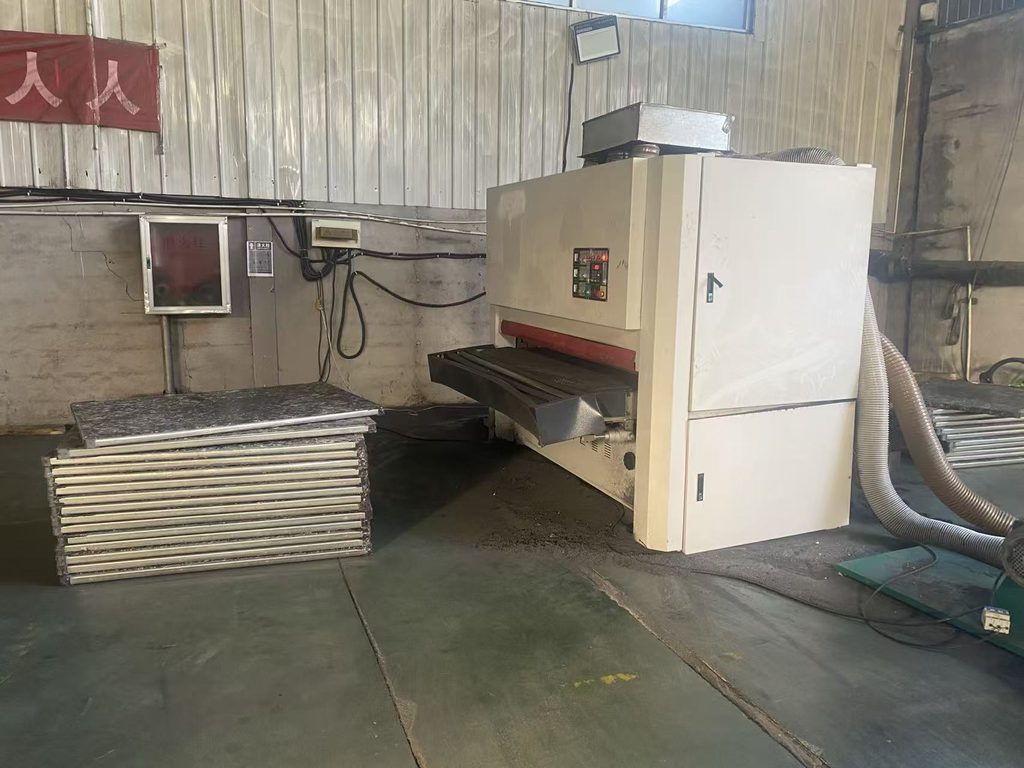
Heavy Hollow-Core or Light Solid Blocks (2,500-3,500 lbs):
This weight range requires GMT fiber pallets or steel alternatives. Wood pallets operate at capacity limits and suffer accelerated failure.
Heavy Solid and Architectural Blocks (3,500-5,000 lbs):
Steel pallets become necessary. GMT pallets approach maximum capacity, reducing safety factors below recommended minimums.
Extreme Heavy-Duty Blocks (5,000+ lbs):
Only reinforced steel pallets handle these loads safely. Specify industrial-grade steel with reinforced stringers and 8-10mm deck thickness.
Safety Factors and Load Testing Standards
Proper safety factor application ensures adequate capacity margins. You should apply a minimum safety factor of 1.5-2.0 to rated static load capacity for concrete block production.
A 2,500 kg rated pallet should carry maximum working loads of 1,250-1,670 kg to maintain safe operation. This accounts for impact loading, uneven distribution, material aging, and environmental stress.
Load testing per ASTM D1185 standards verifies capacity through controlled loading to failure. GMT pallets manufactured by Rhinos Pallet undergo comprehensive testing including static loads to 150% of rated capacity, 10,000-cycle dynamic testing, and accelerated aging under temperature extremes.
Real-World Load Failure Analysis
Load-related pallet failures cost concrete block manufacturers $15,000-45,000 annually through damaged inventory, production delays, and replacement costs.
Wood Pallet Failures:
Wood pallets fail through deck board cracking and stringer splitting. Moisture absorption accelerates both by reducing fiber strength 30-40%. Factory data shows 60% of failures occur within 600 cycles.
Plastic Pallet Failures:
Plastic pallets fail through gradual creep deformation. Heat exposure accelerates this—plastic pallets in 35°C+ environments lose 15-20% capacity within 18 months.
GMT Pallet Failures:
GMT pallets rarely experience catastrophic failure within rated capacity. The fiber reinforcement distributes loads uniformly. Failures typically result from severe overloading (200%+ rated capacity) or improper handling.
Steel Pallet Failures:
Steel pallets fail through fatigue cracking at weld points after 10,000-15,000 cycles. Regular inspection identifies crack initiation before failure.
Cost Per Ton Capacity Analysis
Total cost of ownership extends beyond initial purchase price. This analysis compares lifecycle costs normalized to load capacity and service life.
| Pallet Type | Initial Cost | Service Life | Total Capacity* | Cost per Ton-Year | Replacement Frequency |
|---|---|---|---|---|---|
| GMT Fiber | $95-120 | 10-12 years | 30-36 tons | $0.26-0.40 | Once per decade |
| Wood Grade A | $25-35 | 2-3 years | 3.6-5.4 tons | $1.16-1.94 | 4-6 times per decade |
| Steel | $280-380 | 15-20 years | 52.5-80 tons | $0.18-0.29 | Once every 15-20 years |
| HDPE Plastic | $55-75 | 5-7 years | 10-14 tons | $0.54-0.75 | 1-2 times per decade |
*Total capacity = (load capacity in tons) × (loading cycles) × (service life in years)
Steel pallets provide lowest cost per ton-year for extreme heavy-duty applications, while GMT pallets deliver optimal value for standard to heavy concrete block production. Wood pallets carry 3-5x higher lifecycle costs.
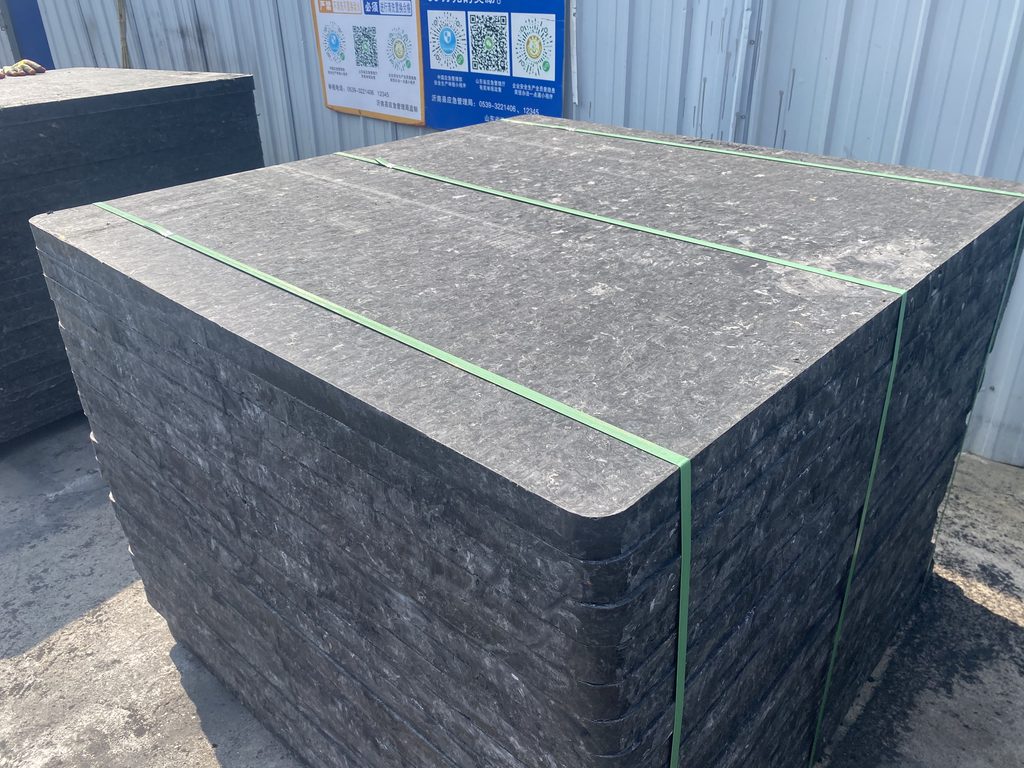
Most manufacturers find GMT pallets deliver 18-24 month payback periods compared to wood alternatives through reduced replacement costs and lower brick breakage rates.
FAQ
What load capacity do I need for standard 8×8×16-inch concrete blocks?
Standard concrete block pallets hold 72-90 blocks with total weights of 2,300-3,200 pounds. You should specify pallets with minimum 2,500 kg (5,500 lb) static capacity to maintain adequate safety factors. GMT pallets rated for 2,500-3,000 kg provide optimal capacity for this application.
Can wood pallets handle heavy solid concrete blocks safely?
Wood pallets reach their capacity limits with heavy solid blocks. Grade A wood pallets support maximum 2,200 kg (4,850 lbs), which leaves insufficient safety margin for solid block loads approaching 3,500 pounds. You should upgrade to GMT fiber or steel pallets for solid block production to prevent failures and ensure worker safety.
How does moisture affect pallet load capacity?
Moisture absorption reduces wood pallet capacity by 20-35% through fiber weakening and dimensional instability. GMT and plastic pallets resist moisture absorption (<1% for GMT), maintaining consistent capacity across all humidity conditions. Steel pallets are unaffected by moisture but may corrode without proper coating maintenance.
What is the minimum safety factor for concrete block pallet loading?
Apply a minimum 1.5-2.0 safety factor to rated static capacity. A 2,500 kg rated pallet should carry maximum working loads of 1,250-1,670 kg. This margin accounts for impact loading, uneven distribution, material aging, and environmental factors that affect real-world performance.
How many loading cycles can GMT pallets handle before replacement?
GMT pallets withstand 3,000-5,000 loading cycles over their 10-12 year service life. This is 4-6 times the 500-800 cycle lifespan of wood pallets and 2-3 times the 1,500-2,000 cycles of plastic alternatives. The fiber-reinforced construction resists fatigue and maintains capacity throughout the pallet’s operational life.
Do steel pallets justify their higher initial cost for concrete block production?
Steel pallets justify premium costs only for loads exceeding 3,500 kg where GMT and plastic alternatives lack adequate capacity. For standard concrete block production under 3,000 kg, GMT pallets deliver superior cost-per-ton-year despite lower initial cost than steel options. Calculate your specific ROI based on production volume and block weights.
What causes pallet failure under concrete block loads?
Wood pallets fail through deck board cracking and stringer splitting accelerated by moisture absorption. Plastic pallets fail gradually through creep deformation that compromises flatness. GMT pallets rarely fail within rated capacity—failures typically result from severe overloading or handling equipment damage. Learn more about preventing pallet failures.
How does pallet load capacity affect brick quality?
Insufficient load capacity causes pallet deformation that creates uneven brick curing surfaces. This leads to dimensional variations, surface defects, and strength inconsistencies. Pallets must maintain flatness within ±2mm under maximum loads to ensure uniform brick quality. Discover how pallet quality impacts brick production.
Conclusion
GMT fiber pallets deliver optimal performance for most concrete block production applications. With static capacity of 2,500-3,000 kg, service life of 10-12 years, and 3,000-5,000 loading cycles, GMT pallets provide the best balance of capacity, durability, and lifecycle cost. Wood pallets serve only light-duty applications under 2,200 kg. Steel pallets justify their premium cost exclusively for extreme loads exceeding 3,500 kg.
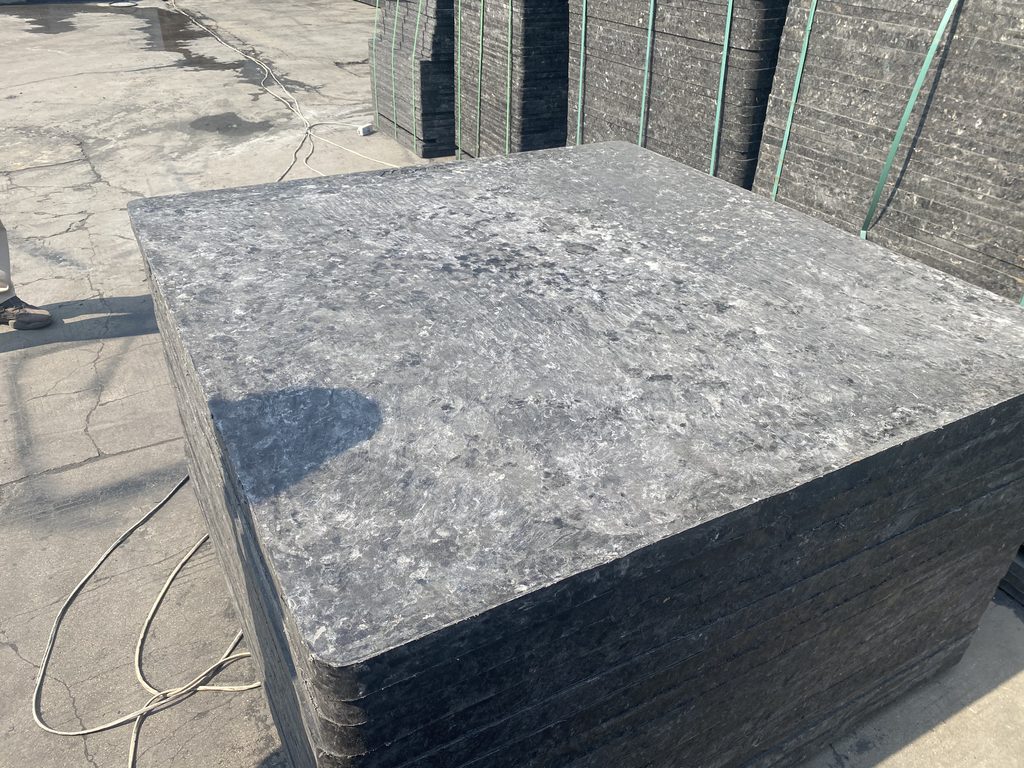
Your selection should consider total load weight, production volume, environmental conditions, and lifecycle cost. Most manufacturers reduce total pallet costs by 60-75% with GMT alternatives while eliminating capacity-related failures.
Rhinos Pallet manufactures high-quality GMT fiber pallets with proven load capacity up to 3,000 kg and 10+ year service life. Our fiber-reinforced composite construction delivers superior performance for automated production lines and demanding environments. Explore our GMT pallet product line or contact our engineering team for load capacity analysis.
Sources: