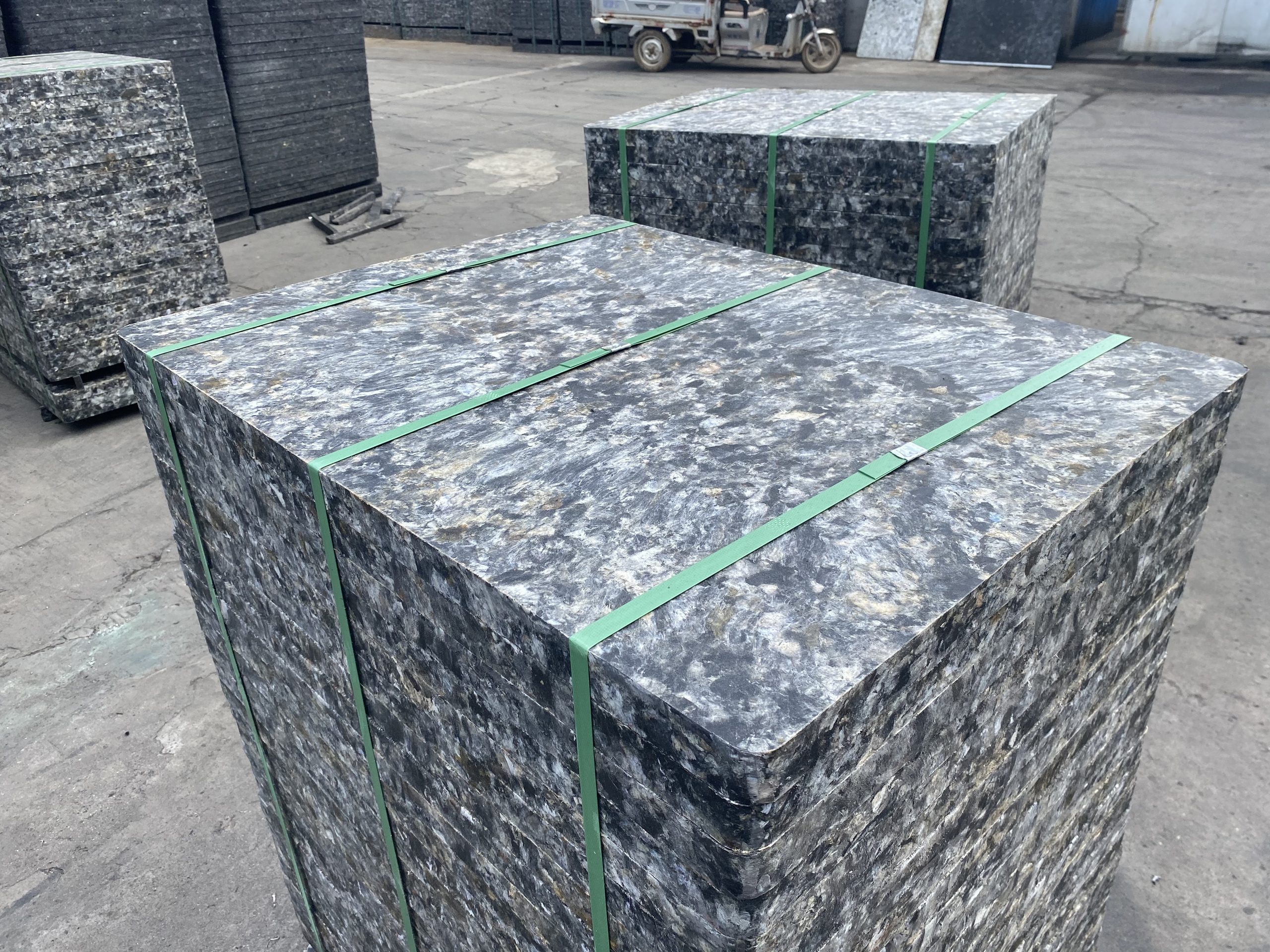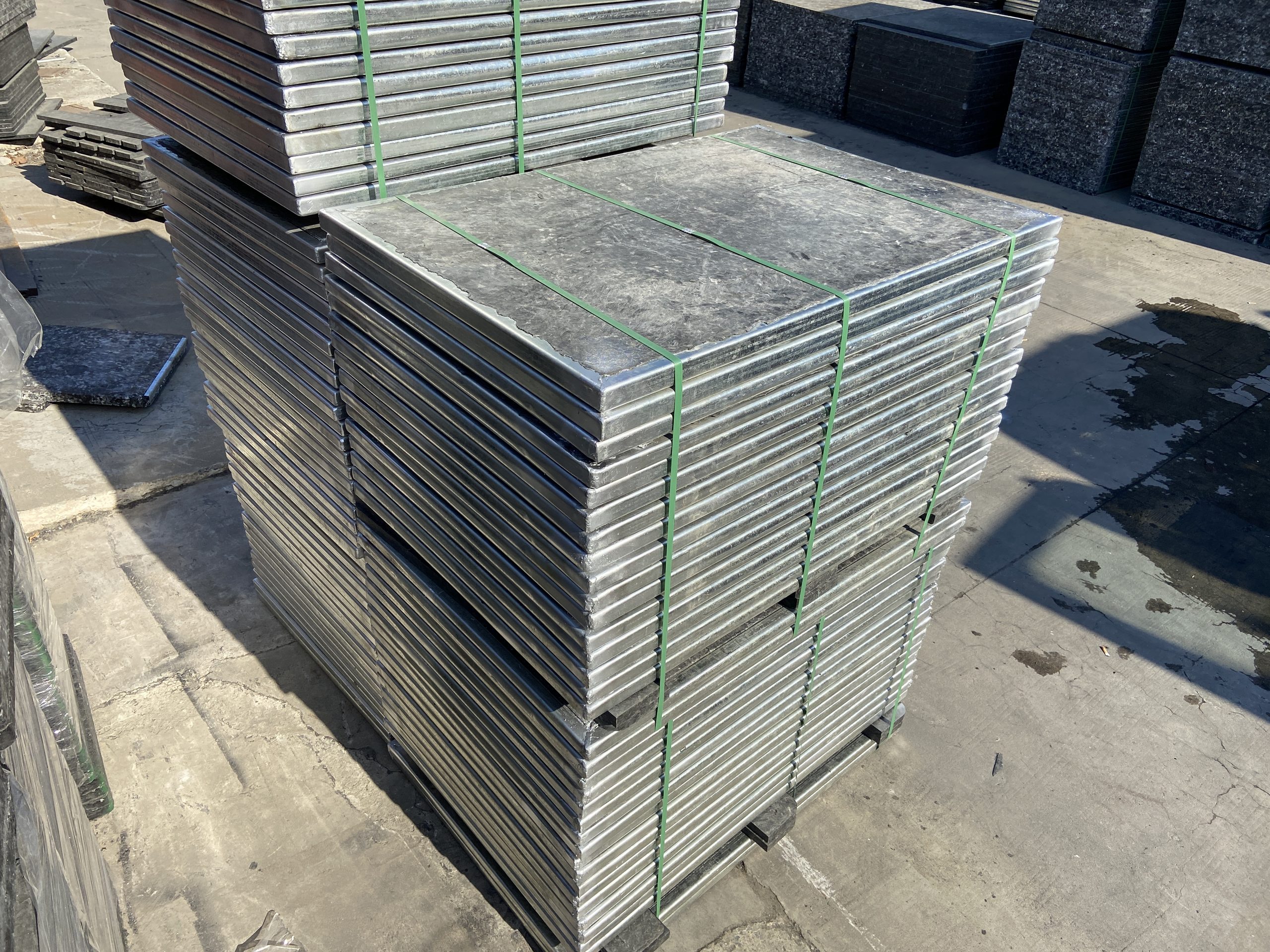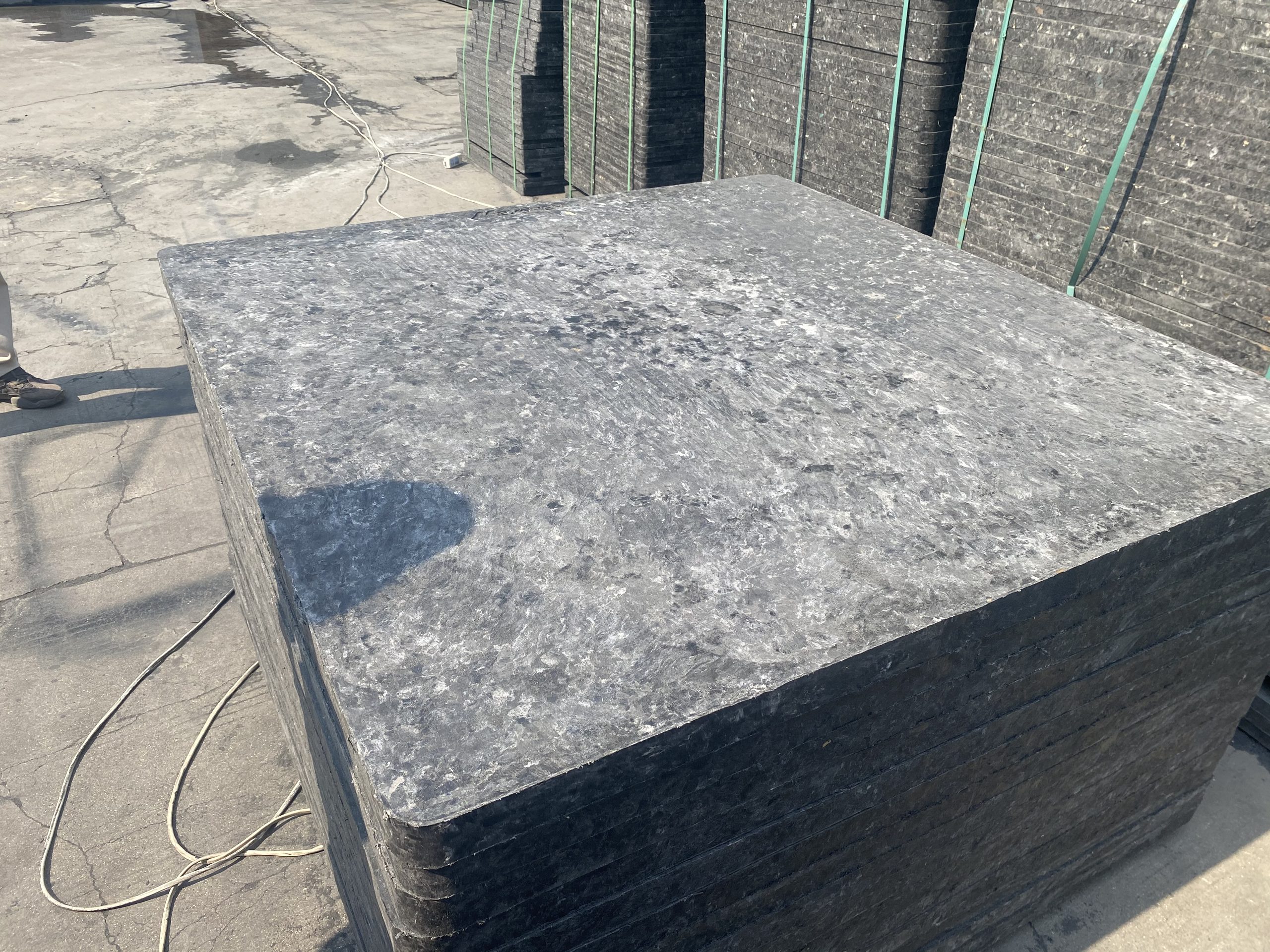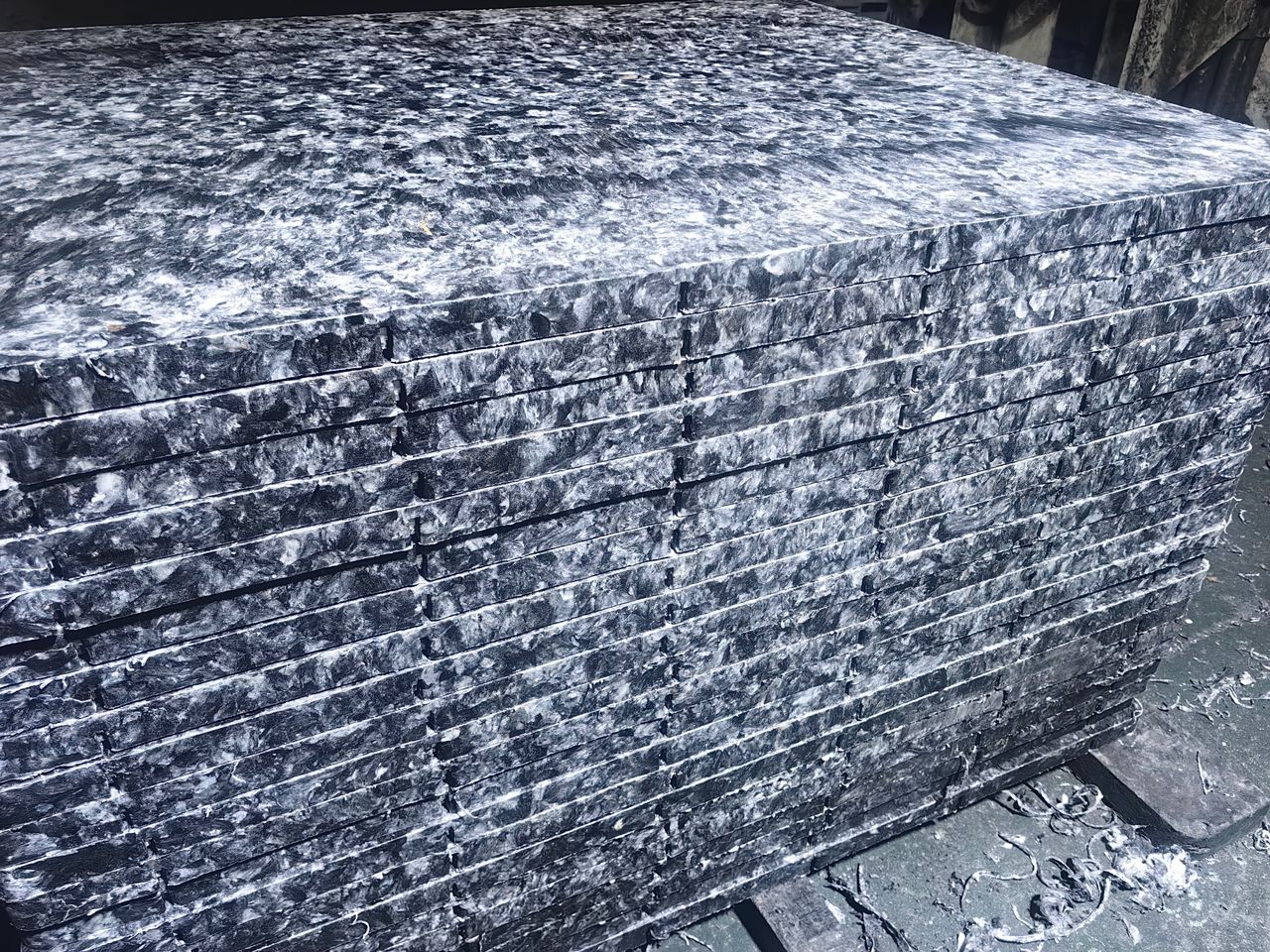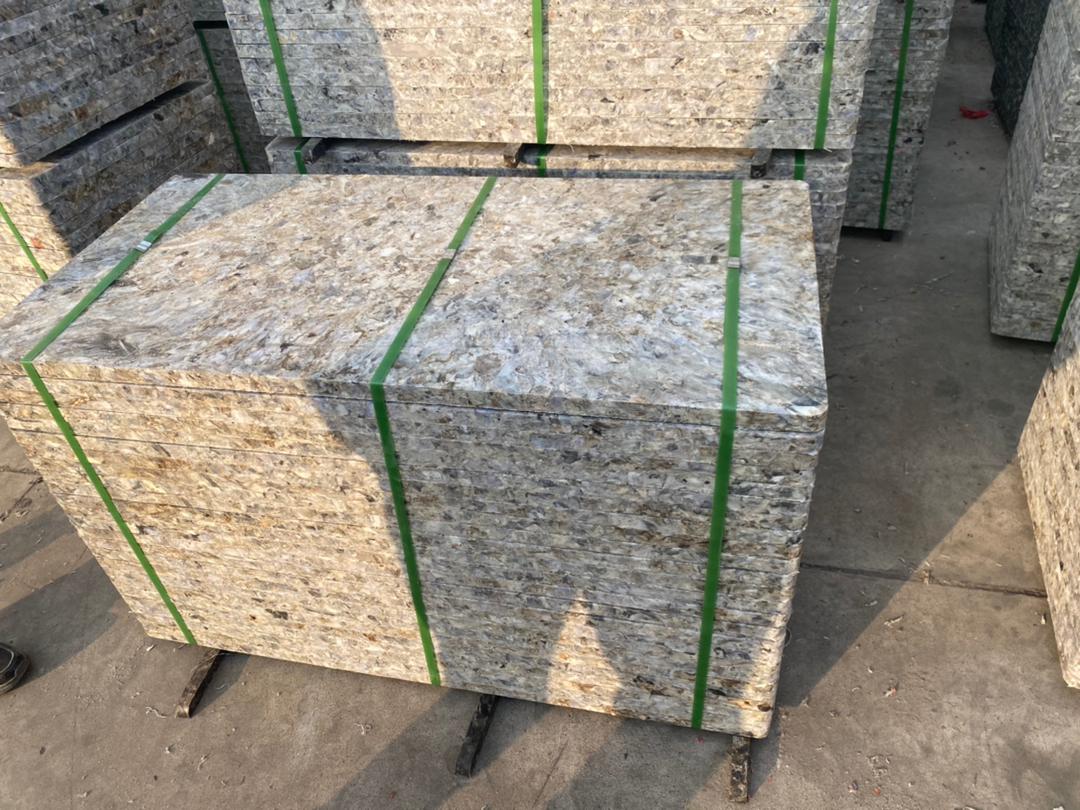
Brick manufacturers ordering pallets reactively pay 28-40% more over five years than strategic bulk buyers. A facility using 800 pallets annually at spot pricing spends $76,000-91,200 over five years versus $54,720-63,840 with volume commitments—a $21,280-27,360 margin difference. Reactive purchasing also brings quality compromises and supply disruptions that erode production efficiency.
Strategic bulk ordering delivers predictable costs, priority access during shortages, and negotiating leverage unavailable to small-order buyers. This guide provides the procurement framework that reduces per-pallet costs by 18-35% while securing premium GMT pallets at competitive pricing.
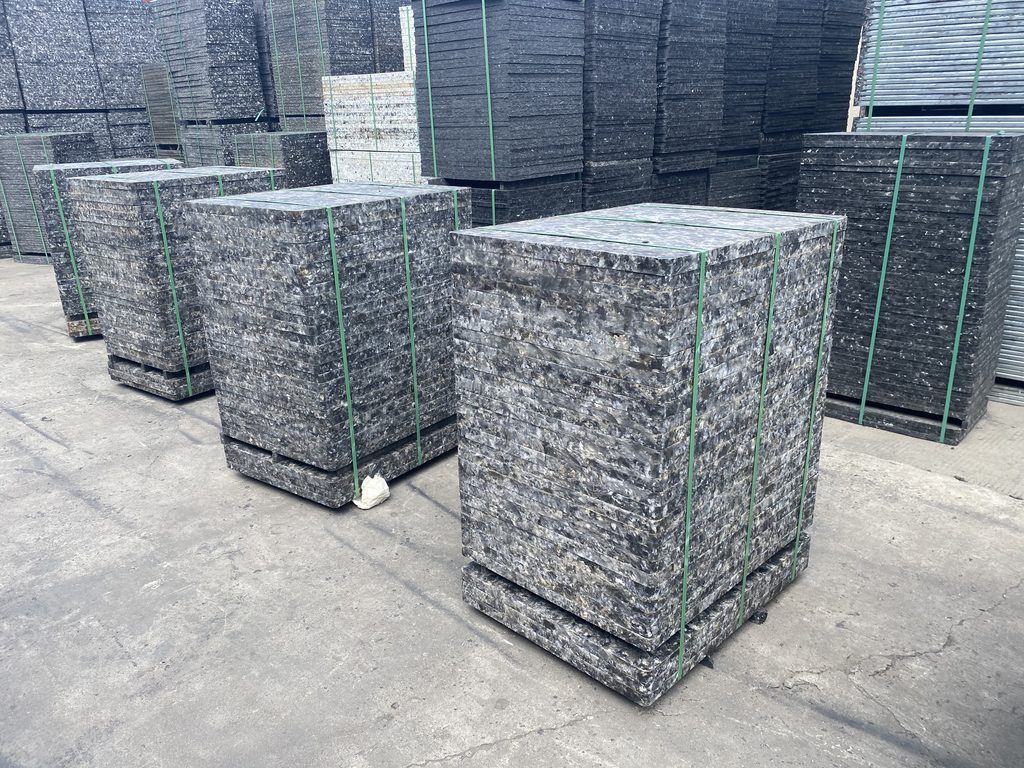
Why Bulk Ordering Reduces Total Pallet Costs
Bulk purchasing creates cost advantages through four mechanisms. Volume production spreads fixed setup costs across larger runs—a supplier producing 500 units amortizes $3,800 in setup costs to just $7.60 per pallet versus $44 per unit for 50-pallet orders. Shipping consolidation delivers 15-25% freight savings: full containers cost $0.08-0.12 per pallet versus $0.35-0.55 for partial loads.
Inventory optimization eliminates 8-12% carrying cost premiums that suppliers charge small-order customers. Negotiating leverage compounds these savings—buyers committing to 500+ units annually access pricing tiers, payment flexibility, and priority slots unavailable to spot purchasers. Combined, these factors reduce landed cost 18-35%.
| Cost Component | Spot Order (100 units) | Bulk Order (500+ units) | Savings |
|---|---|---|---|
| Base manufacturing | $92-105/unit | $78-88/unit | 15-16% |
| Setup amortization | $44/unit | $7.60/unit | 83% |
| Freight per unit | $0.35-0.55 | $0.08-0.12 | 77-82% |
| Inventory carrying | 8-12% premium | Eliminated | 8-12% |
| Total landed cost | $136.35-149.55 | $85.68-95.72 | 37-36% |
Volume Threshold Analysis: When Bulk Pricing Activates
Supplier pricing tiers across four volume thresholds. Entry-level (200-300 pallets) delivers 5-8% discounts, suitable for small facilities testing GMT adoption. Standard bulk (500-800 units) unlocks 12-18% savings through optimized container shipping—the sweet spot for mid-sized plants. Premium tier (1,000-1,500 units) captures 20-28% discounts with freight absorption and custom specs included. Strategic volume (2,500+ units) negotiates 28-35% off list plus dedicated production runs and priority fulfillment.
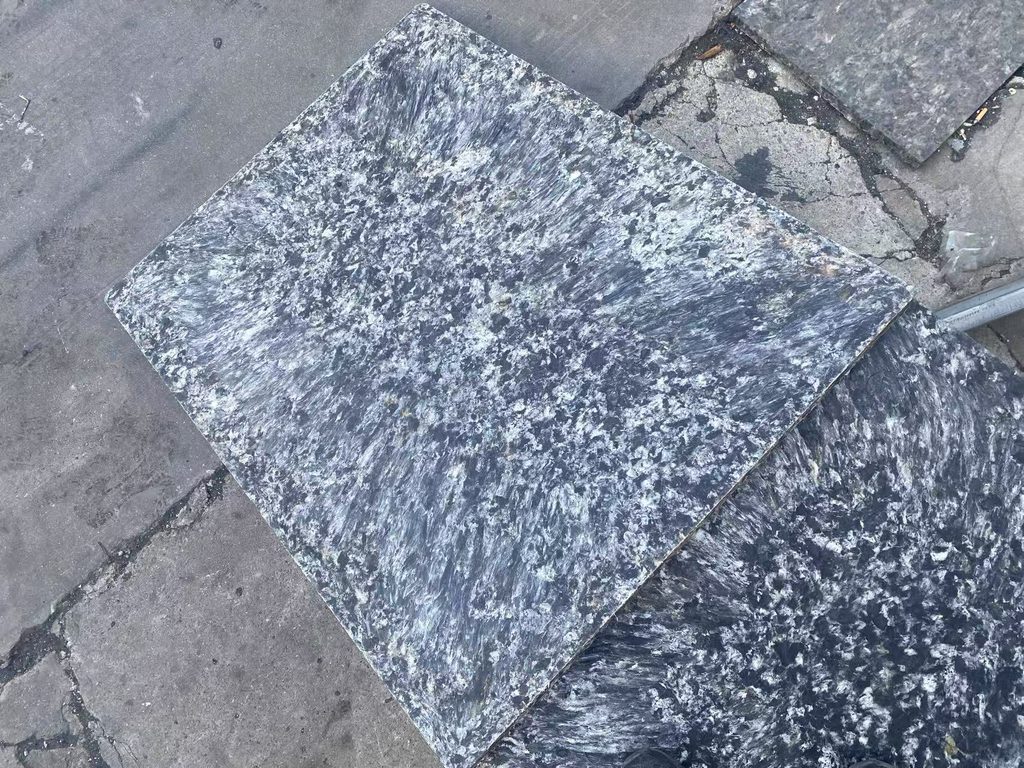
Supplier Selection Criteria for Long-Term Partnership
Strategic procurement evaluates suppliers beyond unit price. Target manufacturers at 70-80% capacity utilization—those at 85-95% cannot handle emergency orders. ISO 9001 certification reduces defect rates from 8-12% to 2-4%, critical for automated production requiring ±0.5mm tolerance.
Verify financial stability for orders exceeding $50,000 through credit checks ($150-250 cost prevents six-figure disruptions). Geographic proximity delivers 40-55% freight savings, though international sources may offset with 25-40% lower base pricing. Request 2-3 customer references to verify delivery consistency and price stability.
Pre-Negotiation Preparation: Data You Need
Negotiating leverage requires data demonstrating your value. Compile 12-24 months of purchase history—facilities spending $45,000+ annually gain leverage unavailable to smaller buyers. Obtain 3-5 competitive quotes (identical volumes/terms) revealing market range; quotes spanning $88-122 per pallet let you anchor negotiations to the floor price.
Share 12-month production forecasts by quarter. Suppliers facing demand uncertainty build 8-15% buffer costs into pricing; forecast visibility eliminates this premium. Document precise specifications: load capacity (2,500-3,000 kg), tolerance (±0.5-2mm), moisture absorption (<1%). Vague requirements force 12-20% cost overprovisioning.
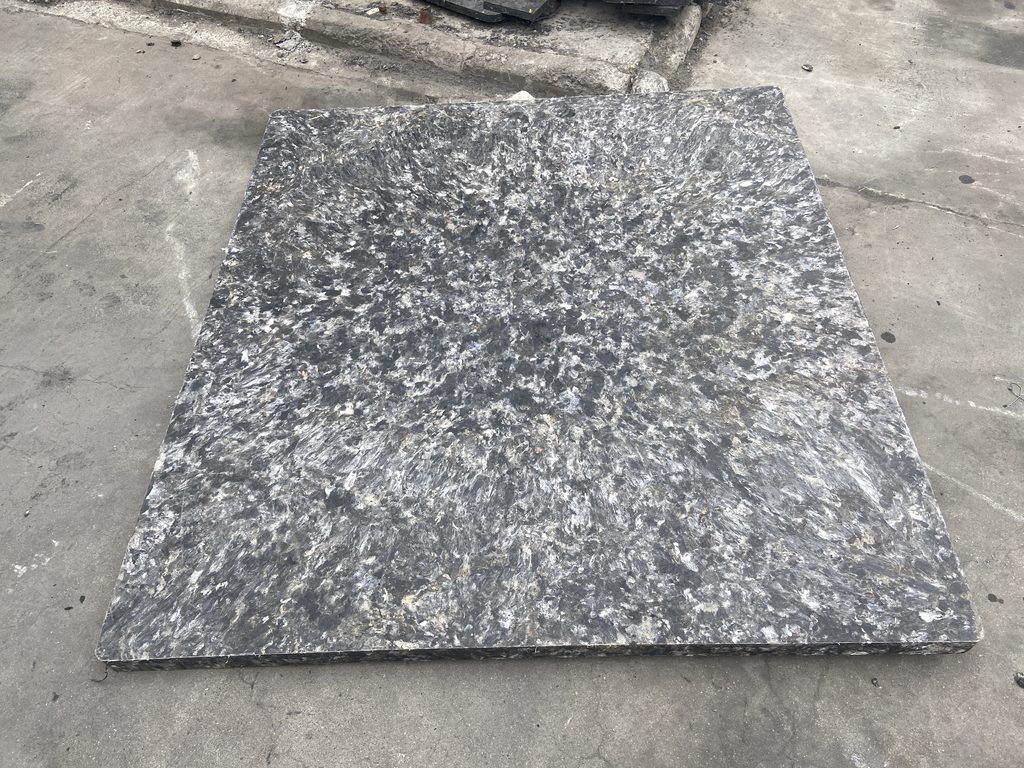
Negotiation Tactics That Lower Per-Unit Costs
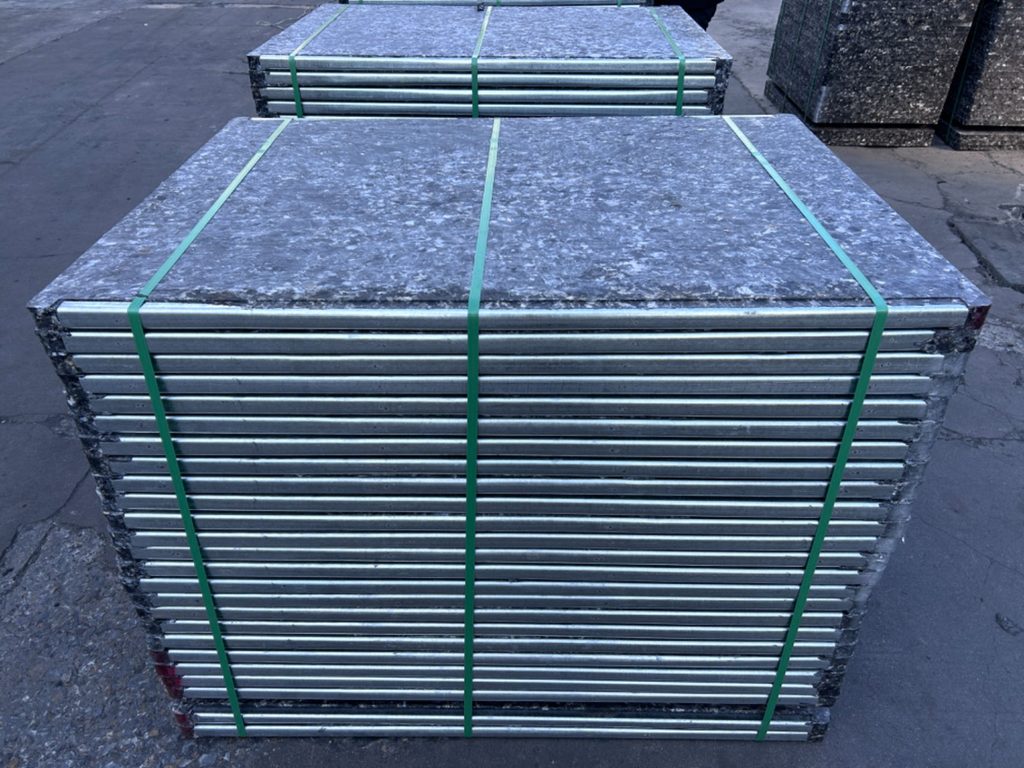
Effective negotiation balances cost reduction with supplier sustainability. Anchor to competitive benchmarks: “Your $118 quote is 22% above the $95 market floor” typically yields 8-15% immediate reductions. Bundle volume commitments—”I’ll commit to 800 pallets over 12 months at $92 per unit”—suppliers prioritize predictable volume customers.
Negotiate total landed cost (FOB + freight + payment terms) not FOB alone. Request tiered pricing at multiple volumes (500/750/1,000 units) for ordering flexibility. Leverage payment timing: prepayment earns 6-9% discounts, while milestone payments (30/40/30 split) capture 2-4% versus Net 30.
| Negotiation Tactic | Discount | Risk | Best For |
|---|---|---|---|
| Competitive anchoring | 8-15% | Low | All orders |
| Volume bundling | 12-20% | Medium | 500+ units |
| Landed cost focus | 5-12% | Low | All situations |
| Prepayment | 6-9% | Medium-High | Strong cash position |
Payment Terms and Their Cost Impact
Payment structure impacts total cost through implicit financing. Standard Net 30 serves as baseline. Full prepayment delivers 5-9% discounts but ties capital 45-75 days pre-delivery. 50/50 split (deposit + pre-shipment) balances risk capturing 3-5% savings, optimal for $25,000-75,000 orders. Milestone payments (30/40/30) extend cash flow 60-90 days at 1-3% discount. Net 60-90 extended terms cost 3-6% premium but finance growth through supplier credit versus 7-12% bank loans.
Contract Structures That Protect Against Price Volatility
Raw material volatility (8-22% annually) creates budget uncertainty. Fixed-price contracts lock costs 6-24 months—in declining markets they cost 3-8% premiums, but rising markets deliver 10-18% savings versus spot pricing. Cost-plus agreements tie pricing to transparent inputs plus fixed margin (15-25%), with quarterly adjustments. Collar agreements establish price floors/ceilings ($92-105 range) protecting both parties from extremes at 2-4% cost versus fixed pricing.
Multi-Year Agreements vs Spot Purchasing
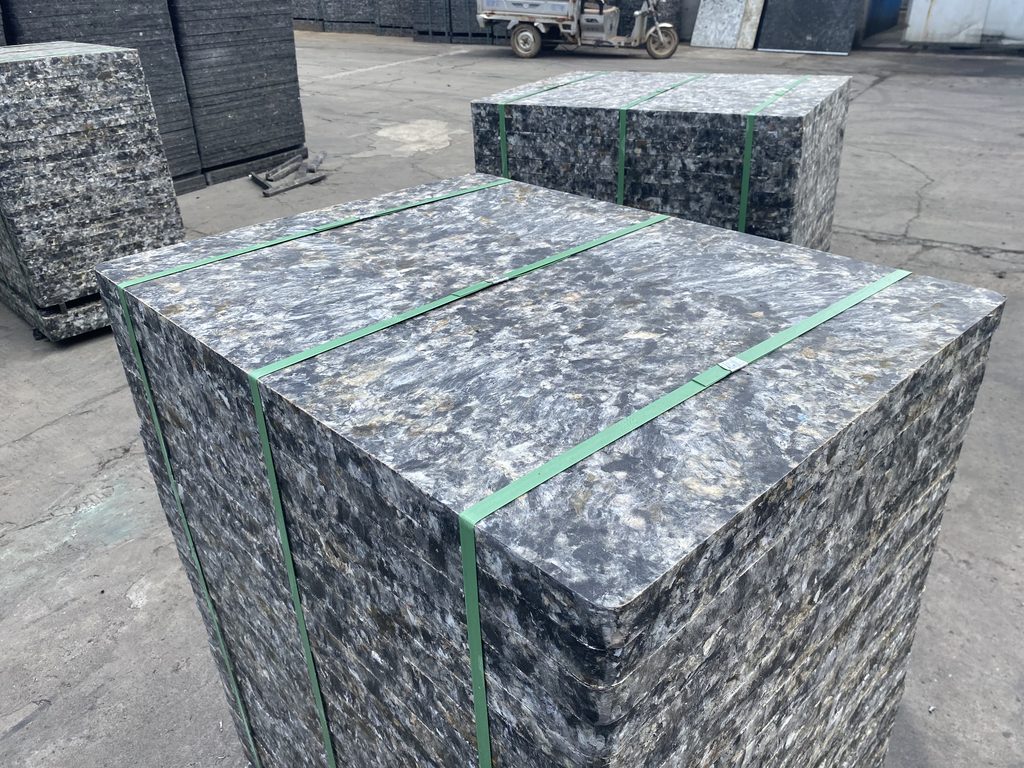
Procurement strategy between spot and multi-year agreements determines cost trajectory and supply security. Spot purchasing maintains flexibility but sacrifices 20-35% in cost efficiency, suitable for facilities under 50,000 bricks monthly with uncertain volume.
12-month agreements balance commitment with flexibility, capturing 15-22% discounts versus spot pricing with ±15% tolerance bands. Most 150,000-300,000 monthly operations optimize here. 24-month contracts deliver 22-30% savings for stable production with ±10% tolerance. 36-month partnerships unlock 28-38% savings plus custom specs and priority fulfillment for 500,000+ monthly facilities.
| Duration | Discount vs Spot | Volume Tolerance | Best For |
|---|---|---|---|
| Spot | Baseline | None | <50,000 bricks/month |
| 12-month | 15-22% | ±15% | 150,000-300,000/month |
| 24-month | 22-30% | ±10% | 300,000-500,000/month |
| 36-month | 28-38% | ±5% | 500,000+/month |
Volume Discount Tiers Across Order Sizes
Entry tier (200-300 units) delivers 5-8% savings for small facilities testing GMT. Standard bulk (500-800 units) captures 12-18% discounts—the sweet spot at 600-700 units before inventory costs erode savings. Premium tier (1,000-1,500 units) delivers 20-26% savings; smaller plants collaborate regionally to reach this threshold. Strategic tier (2,000+ units) unlocks 26-35% discounts with graduated pricing: 28% at 2,000 units, 31% at 3,000 units, 35% at 5,000+ units.
Direct Manufacturer vs Distributor Pricing
Direct manufacturers eliminate 15-25% distributor margins but require 200-500 unit minimums and 60-90 day lead times. Distributors add 15-25% markup but offer local inventory, 20-50 unit minimums, and 1-2 week delivery. Hybrid strategies work best: order base load (70-80% of annual need) direct at bulk pricing, use distributors for emergency replenishment. Regional manufacturer reps provide middle-ground: factory-direct pricing with local service at 100-300 unit minimums.
Timing Your Orders for Maximum Leverage
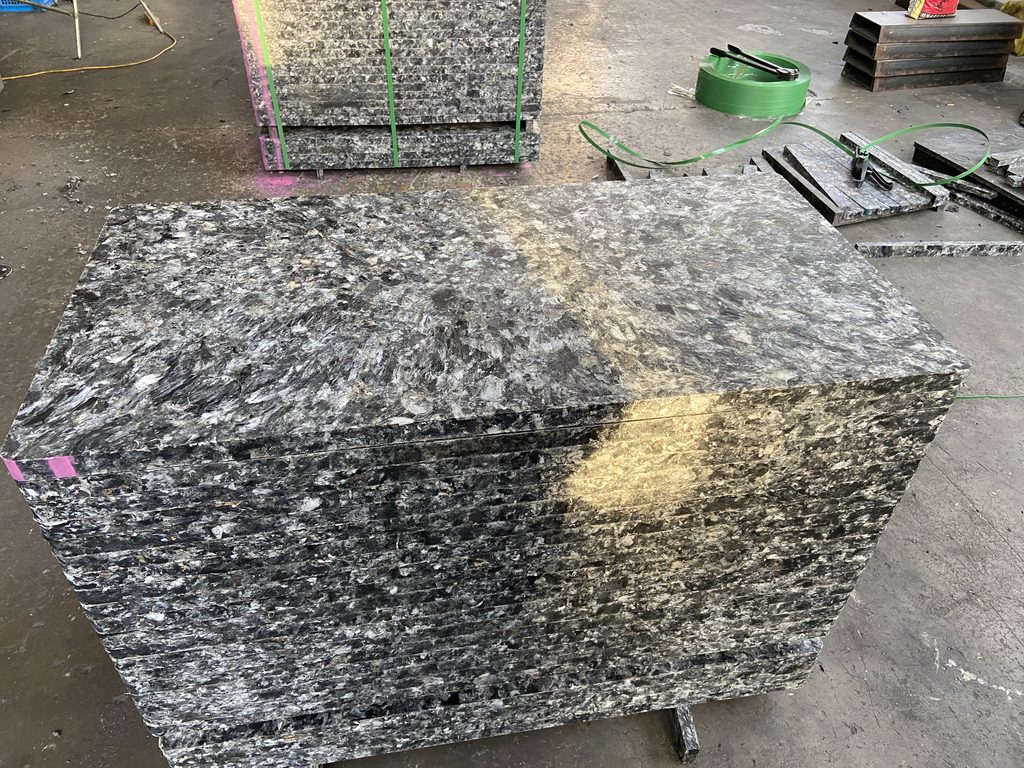
Strategic timing leverages seasonal patterns and fiscal pressure. Off-season ordering (October-February) delivers 8-15% discounts when construction demand softens. End-of-quarter negotiations (final 2-3 weeks of March/June/September/December) exploit revenue targets yielding 5-10% additional discounts. New product launches clear legacy inventory at 15-30% off. Economic slowdowns create 20-35% pricing compression—counter-cyclical buyers secure multi-year fixed-price agreements capturing extraordinary value.
Collaborative Buying with Neighboring Facilities
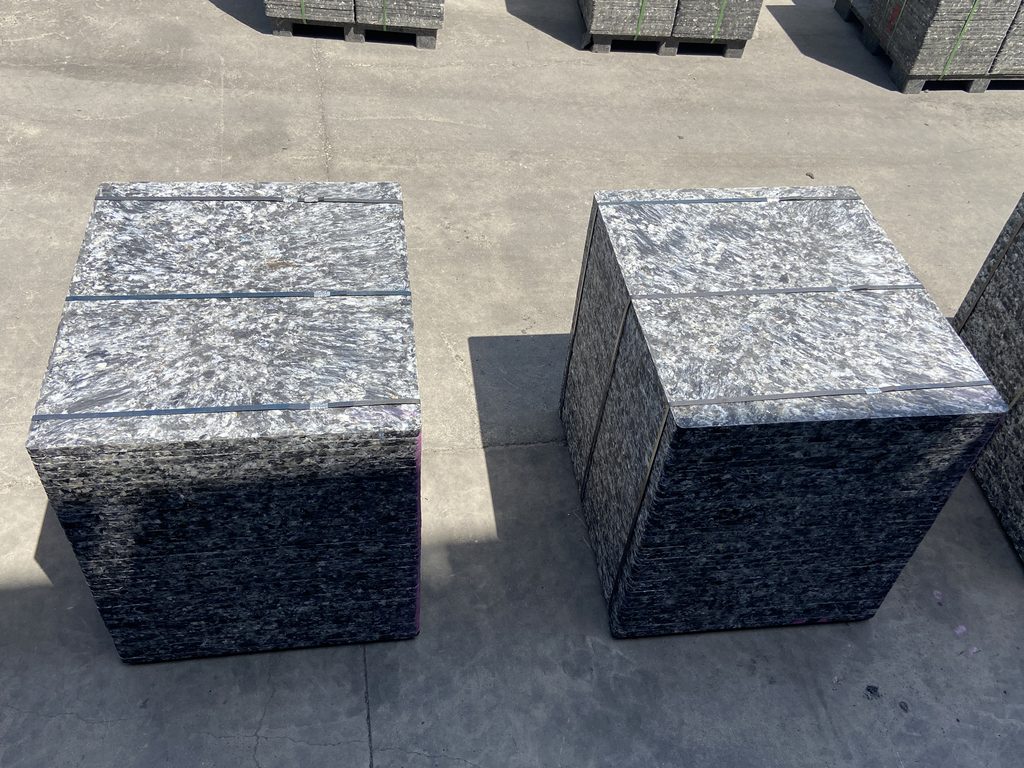
Order aggregation unlocks premium-tier pricing for individually small facilities. Informal cooperatives (3-5 plants) synchronize orders reaching bulk thresholds collectively—four facilities needing 300 pallets each combine for 1,200 units capturing 20-26% discounts versus 6-8% individually. Formal consortiums (5-15 members) create entities negotiating master agreements delivering 22-32% savings minus 2-4% administrative overhead. Industry association programs aggregate hundreds of buyers achieving 25-35% discounts with 1-3% administrative fees.
FAQ
What volume qualifies for bulk pricing discounts?
Most suppliers activate entry-level bulk discounts at 200-300 pallets (5-8% savings). Standard bulk pricing emerges at 500-800 units (12-18% savings). Premium tiers begin at 1,000+ units (20-28% savings). Strategic volume above 2,500 units unlocks 28-35% discounts through custom pricing negotiations.
How much can I realistically negotiate off the initial quote?
Competitive negotiation typically secures 12-22% reduction from initial quotes for 500+ unit orders with volume commitments. Well-prepared buyers with multiple competitive quotes and clear payment terms achieve the upper end of this range. Spot orders under 100 units rarely negotiate beyond 3-5%.
Should I choose GMT or wood pallets when negotiating bulk orders?
Calculate lifecycle cost, not just purchase price. GMT pallets cost $95-120 initially versus wood’s $35-45, but GMT lasts 10-12 years with 8-10% replacement rates versus wood’s 2-3 years at 30-38% replacement. For operations exceeding 150,000 bricks monthly, GMT delivers 60-75% lower lifecycle cost.
How do I negotiate with international manufacturers?
Request total landed cost including freight, duties, and insurance. Verify financial stability for orders above $50,000. Use letter of credit for first orders (adds 0.5-2% cost). Expect 60-90 day lead times. Negotiate Incoterms clearly (FOB, CIF, DDP) to avoid hidden costs.
What payment terms get the best pricing?
Prepayment delivers 6-9% discounts but requires strong cash position. 50/50 split captures 3-5% savings balancing risk. Net 30 is neutral baseline. Extended terms (Net 60-90) cost 3-6% premium. Choose based on working capital availability.
Can small facilities access bulk pricing?
Yes, through collaborative buying with neighboring plants. Three to five facilities each needing 250-400 pallets annually can aggregate to 1,000-1,600 units, unlocking 20-26% discounts versus 5-8% individually.
How do I protect against price increases in multi-year contracts?
Negotiate fixed-price agreements for 12-24 months (costs 3-8% premium but protects against increases). Alternatively, use collar agreements setting price floors and ceilings with annual escalation caps at CPI + 2-3%.
Conclusion
Strategic bulk ordering reduces brick pallet acquisition costs 18-35% versus reactive spot purchasing through volume discounts, optimized shipping, and negotiating leverage that small buyers cannot access. Facilities producing 150,000+ bricks monthly achieve maximum savings through 12-24 month supply agreements, direct manufacturer relationships, and payment structures that balance cash flow with discount optimization. The procurement framework detailed here—competitive benchmarking, volume commitment bundling, total landed cost analysis, and supplier partnership development—transforms pallets from recurring expense to competitive advantage.
Rhinos Pallet manufactures fiber-reinforced GMT pallets with 10-12 year service life, reducing replacement frequency 70-80% versus wood while maintaining <1% moisture absorption and ±0.5mm dimensional tolerance. Our bulk pricing programs start at 200 units with volume discounts extending to 5,000+ unit strategic partnerships. Contact us for facility-specific procurement analysis, multi-year agreement pricing, and volume discount schedules optimized for your production scale.