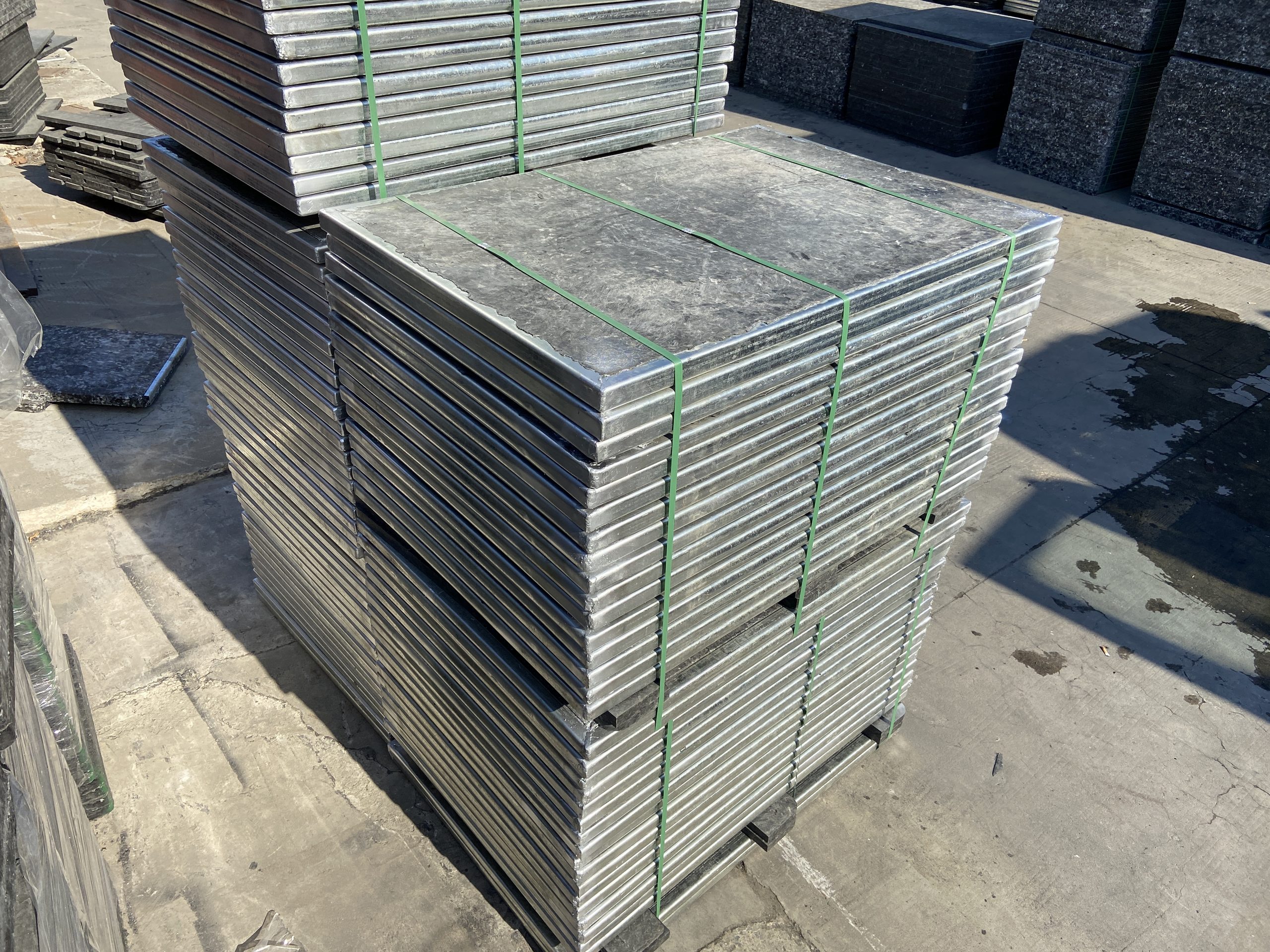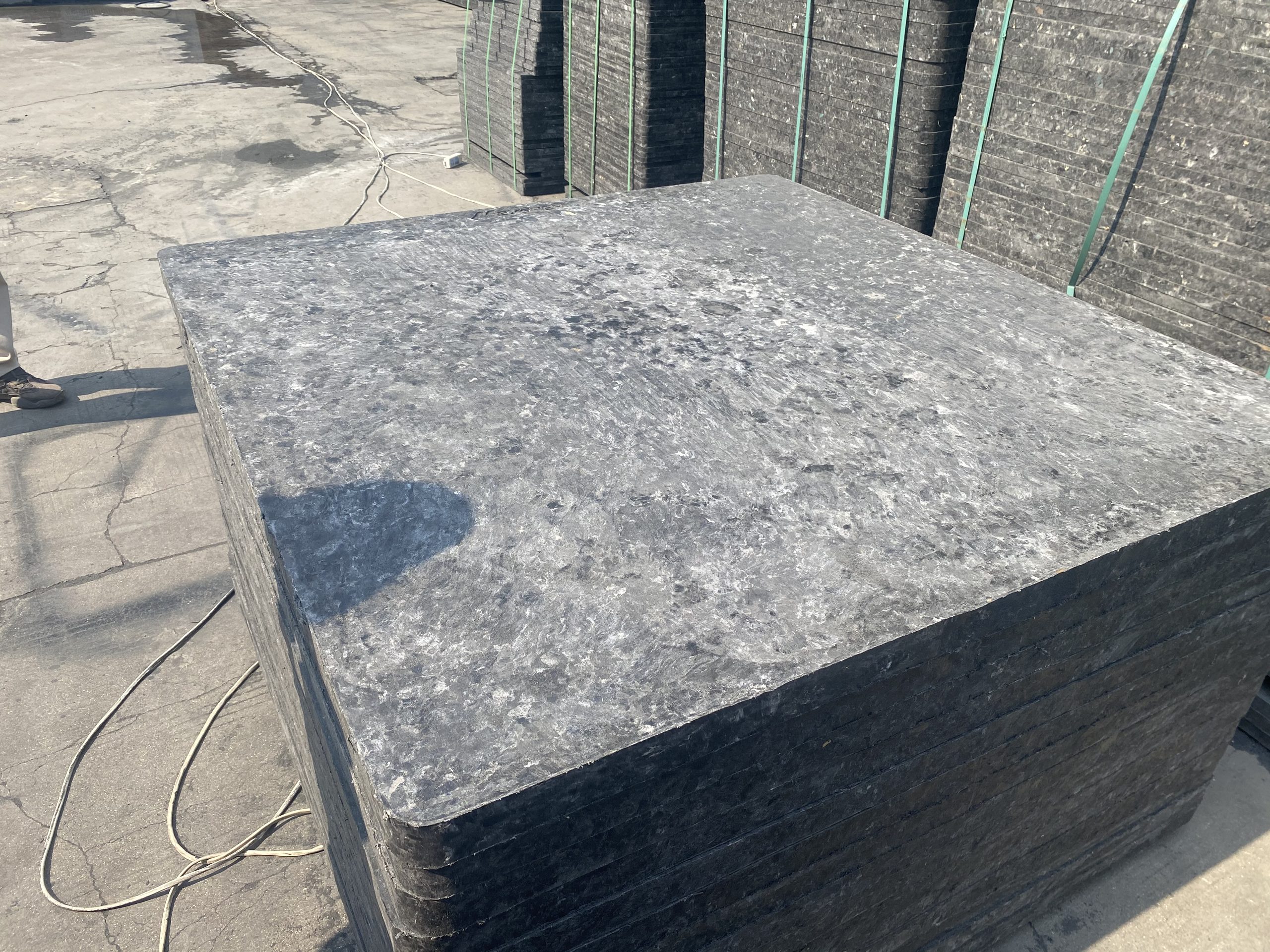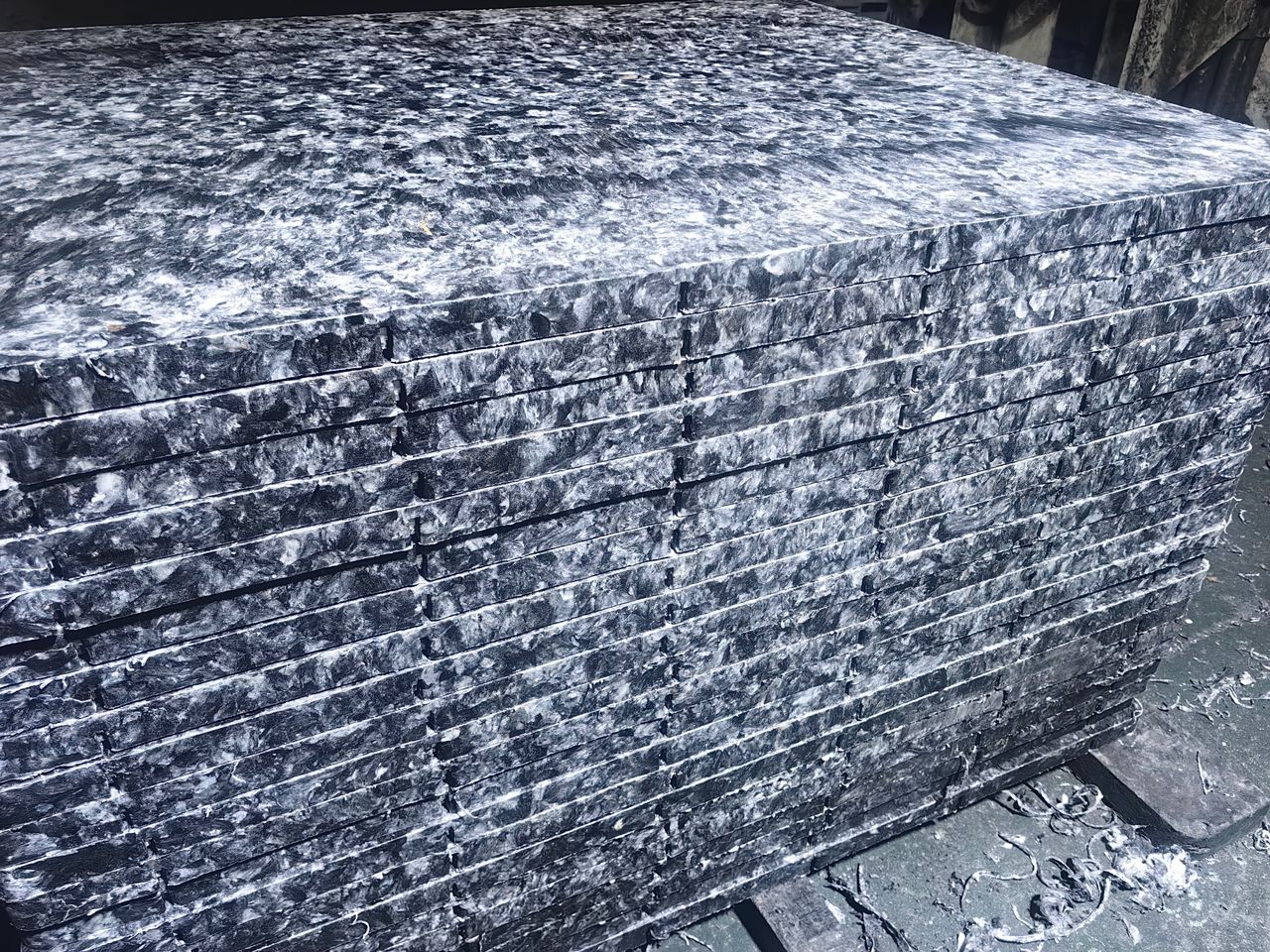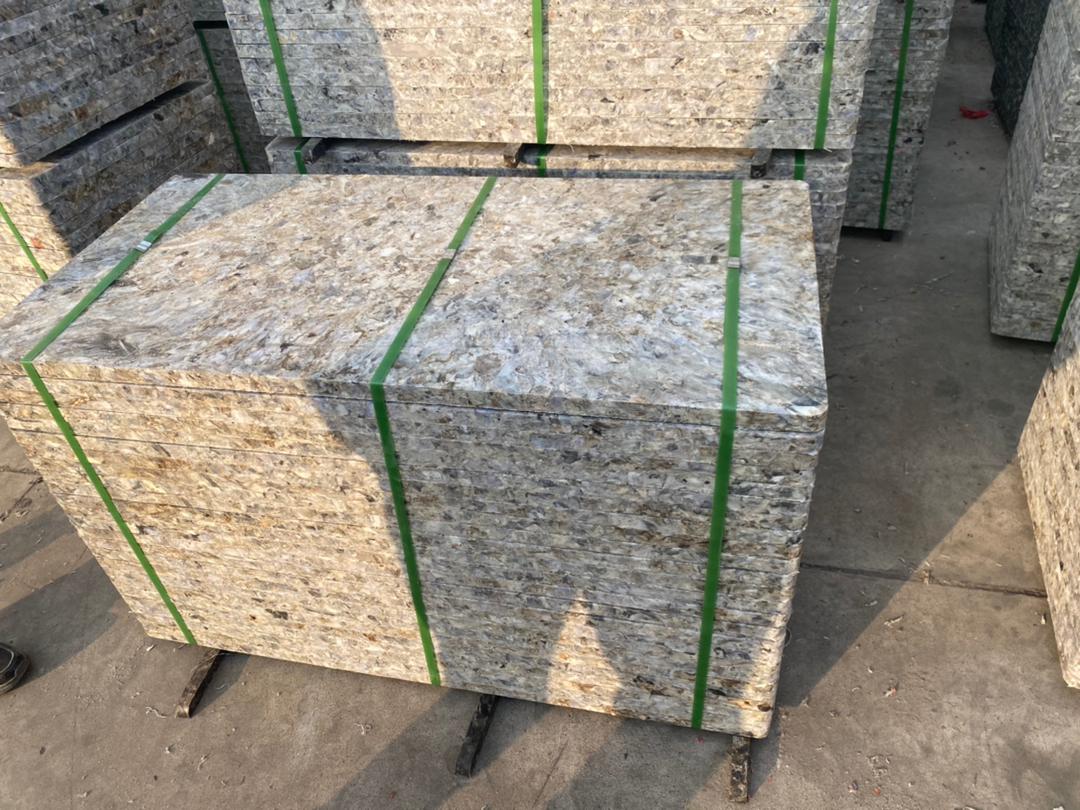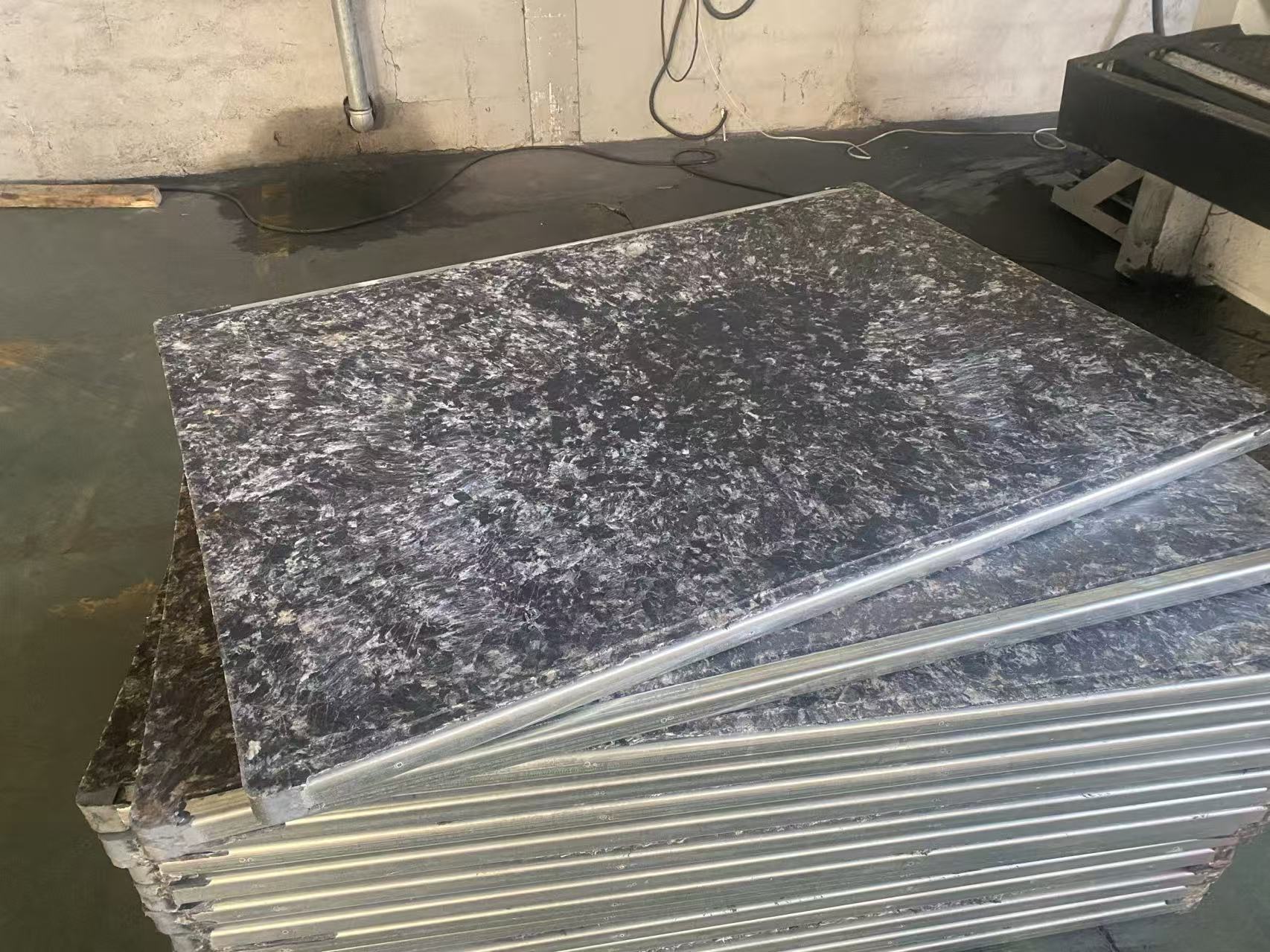
The Asia-Pacific region captures 40% of the global brick market as India and China drive $15 trillion in construction spending. Manufacturers face a critical decision: wood pallets deteriorating in 18-24 months under tropical conditions, or GMT fiber composite pallets delivering 8-10 year service life. Regional facilities report 25-40% higher pallet replacement costs due to humidity, heat, and production intensity. Southeast Asia’s 85-95% humidity causes wood warpage within 6-9 months, while Chinese automated lines require ±0.3mm tolerances that wood cannot maintain.
Asia-Pacific Brick Market Growth Drivers
Asia-Pacific dominates global brick production with the market growing from $612.79 billion in 2025 to $642.02 billion in 2026 at 4.98% CAGR. China and India account for 60-70% of regional output, with Indonesia, Vietnam, and Thailand growing 6-8% annually.
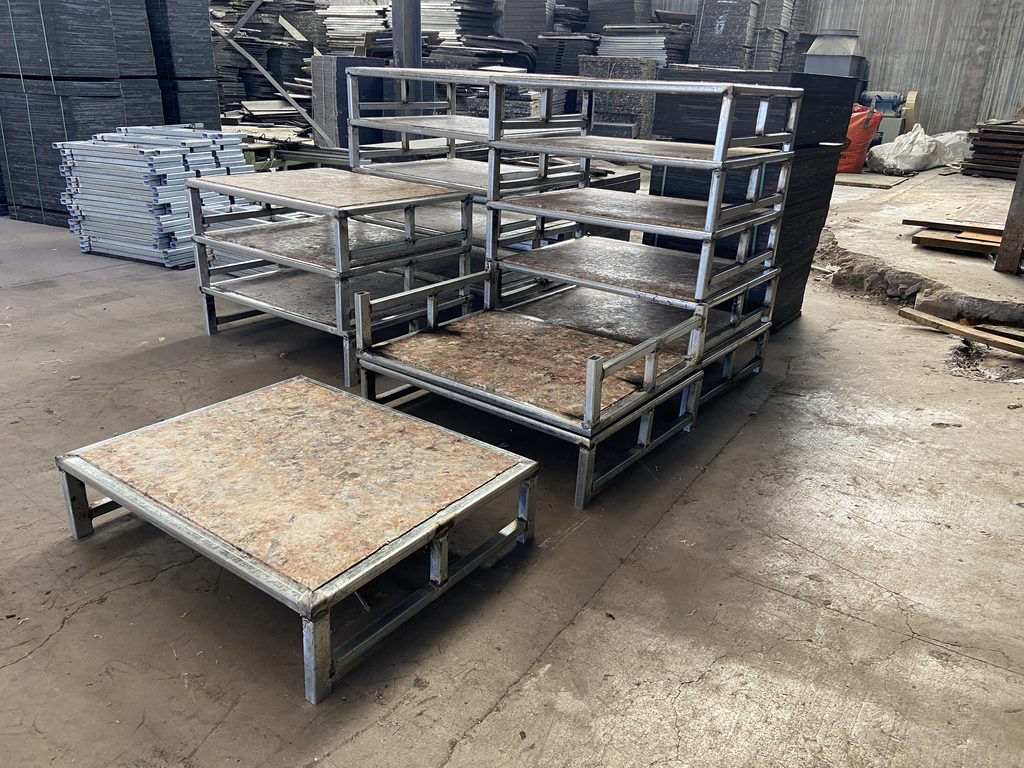
Infrastructure drives demand: China’s Belt and Road requires 180-220 billion bricks annually, India’s Smart Cities Mission needs 45-60 billion bricks yearly through 2030, and Vietnam adds 8-10 billion bricks in industrial parks each year.
| Market Factor | China | India | Southeast Asia |
|---|---|---|---|
| 2026 Production Volume | 450-520 billion bricks | 180-220 billion bricks | 120-150 billion bricks |
| Annual Growth Rate | 2.1-2.8% | 6.5-8.2% | 5.8-7.5% |
| Automation Adoption | 45-55% | 12-18% | 8-15% |
| GMT Pallet Penetration | 35-42% | 8-12% | 6-10% |
Chinese facilities operate 320-340 days yearly with 5,000-6,500 loading cycles versus 3,000-4,000 in Europe, shortening wood life from 4-5 years to 18-24 months. China’s emission standards forced 15,000-18,000 traditional kilns to close during 2022-2025, accelerating the shift to automated lines requiring GMT pallets.
Regional Pallet Market Dynamics
The Asia-Pacific pallets market held 24.65% of the global $92.11 billion market in 2025, growing at 5.22% CAGR. Brick industry pallets diverge from logistics applications, with GMT fiber composites gaining share through superior high-temperature performance and dimensional stability.
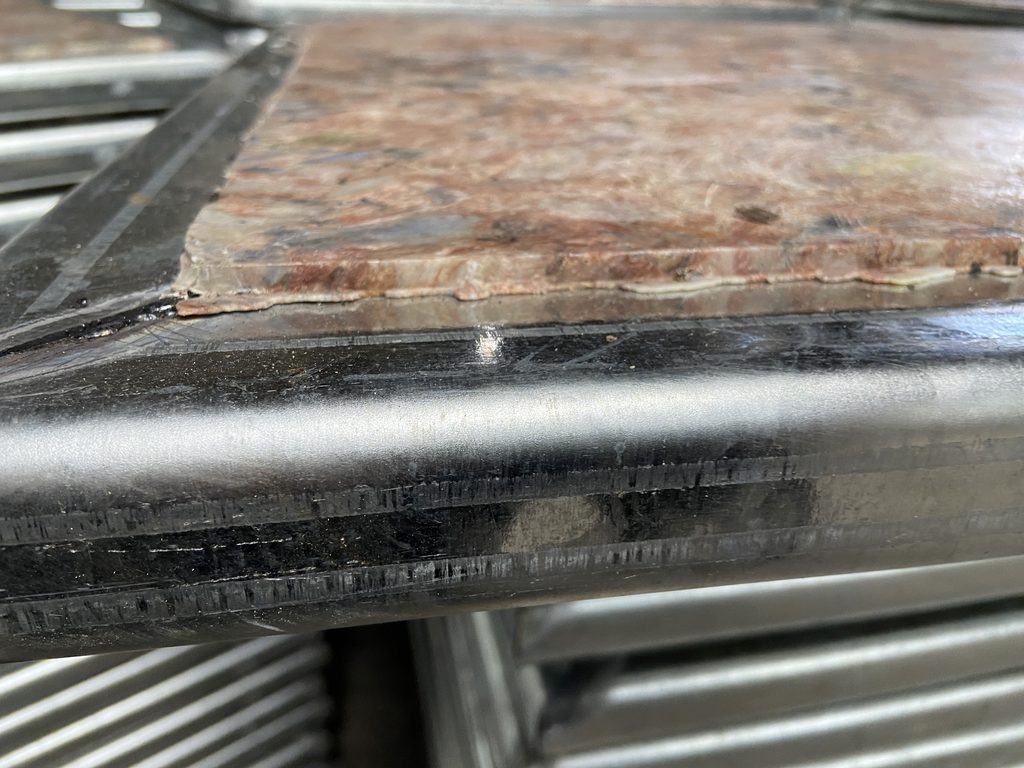
China’s Linyi City produces 60-75% of regional GMT supply using 3000-ton hydraulic presses achieving 1200 kg/m³ density, 2,500-3,000 kg load capacity, and 10+ year tropical service life. Modern lines require ±0.3mm flatness—wood fails within 6-12 months while GMT maintains ±2mm tolerance throughout its lifespan.
Chinese GMT pallets wholesale at $140-180 with 500-1000 unit minimums. Indian imports cost $190-240 with 25-35% logistics markup, slowing adoption despite superior lifecycle economics.
China’s Manufacturing Transformation
China’s brick industry transitions from volume to quality as the country’s “first build” infrastructure phase ends. Hebei, Shandong, and Henan converted 18,000-22,000 plants to automated facilities during 2020-2025, incorporating robotic systems and AI-powered quality inspection.
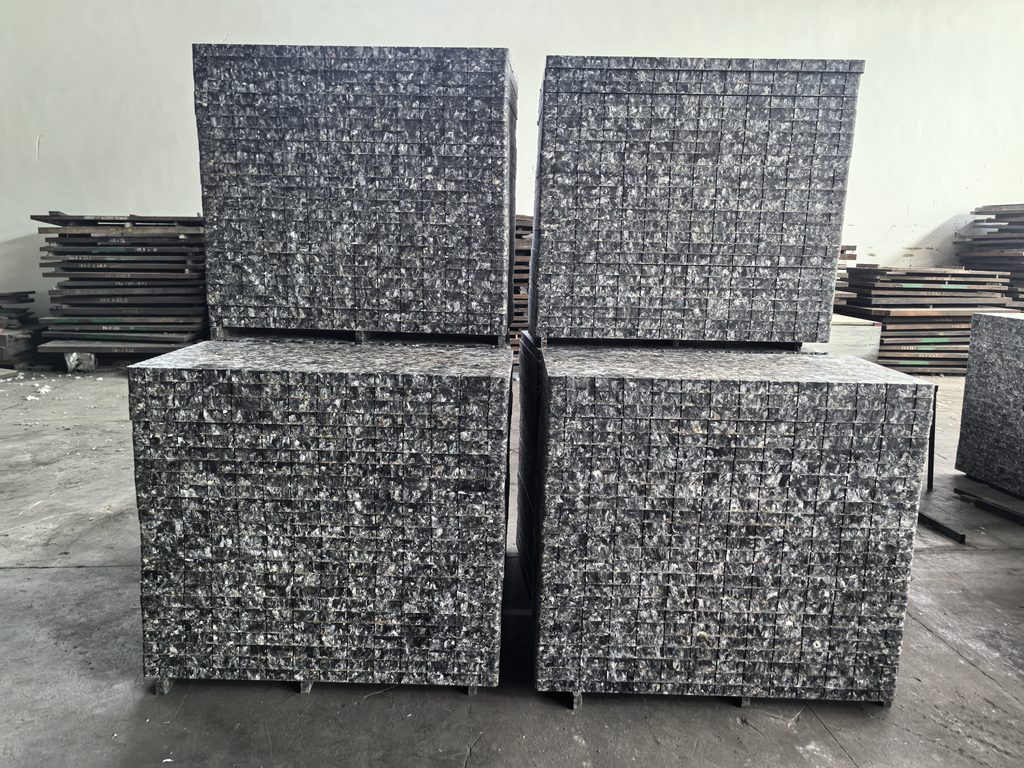
Current systems demand ±0.3mm flatness versus early automation’s ±5mm tolerance. High-quality GMT pallets maintain specifications for 8-10 years while wood exceeds tolerances within 8-12 months through moisture warpage. Southern provinces (80-95% humidity, +35-38°C) see 12-18 month wood life versus 24-30 months in northern regions. GMT shows minimal regional variation at 8-10 years across all provinces.
Export markets demand surface finishes free from texture transfer. Wood’s 2-3mm irregularities create 15-25% rejection rates for premium products, forcing manufacturers toward GMT’s <0.5mm surface roughness.
India’s Infrastructure Boom
India’s construction spending grows 8.2% annually through 2030. The country operates 140,000-160,000 units averaging 15-25 million bricks annually—10-15× smaller than Chinese facilities. This fragmentation limits automation (88-92% wood pallet dominance) but creates $280-350 million in annual quality losses.
Delhi NCR’s 2,800-3,200 plants serve premium projects commanding 15-25% price premiums. These facilities adopt white GMT brick pallets achieving 60-75% warpage reduction versus wood. Quality improvements enable premium pricing recovering GMT investment within 12-16 months.
Monsoon season (June-September) reduces production 40-55%, concentrating annual volume into 7-8 months. This intensity amplifies wood degradation—facilities report 30-45% faster warpage during high-production months. GMT eliminates seasonal performance variations.
Southeast Asia’s Humidity Challenge
Southeast Asian manufacturers face 85-95% year-round humidity with +28-35°C temperatures. GMT pallets demonstrate <1% moisture absorption versus wood’s 12-18% uptake, eliminating swelling and warping that cause 40-60% of wood failures.
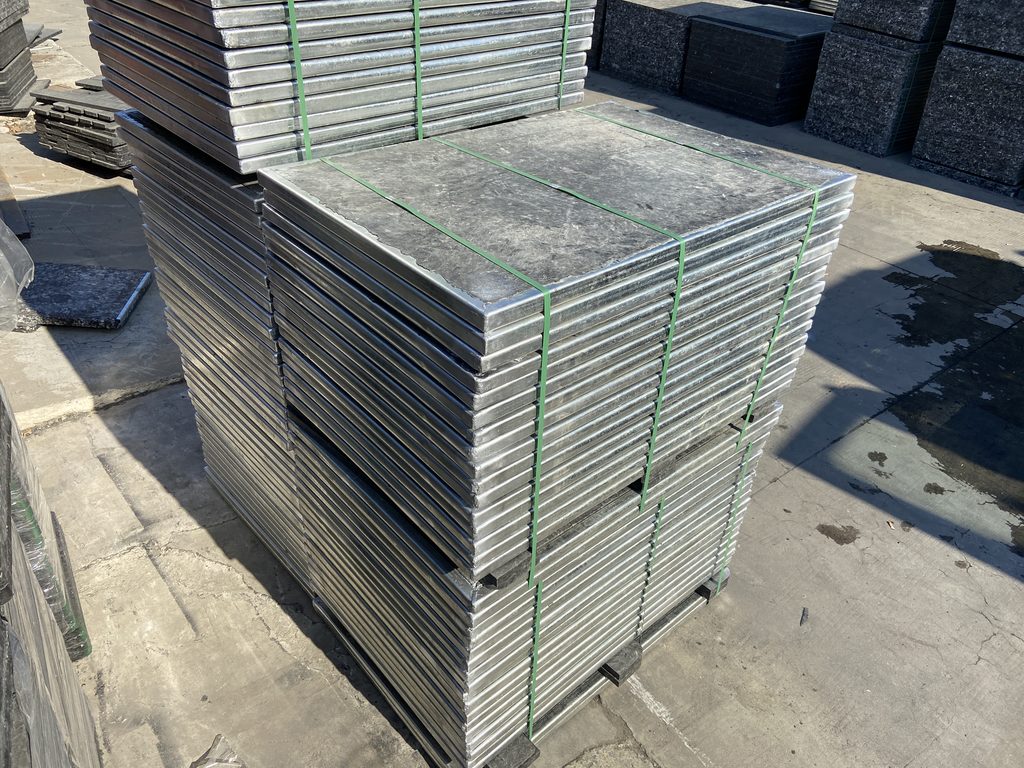
Vietnam added 180-220 industrial parks during 2020-2025, each requiring 15-25 brick facilities. New operations targeting 40-60 million bricks annually need 1,500-2,500 pallets. Wood purchases at $25-35 seem economical, but 8-12 month replacement costs $35,000-65,000 annually versus GMT’s $21,000-31,500 amortized over 10 years.
Thailand’s 8,000-10,000 facilities serving Bangkok increasingly adopt GMT as surface defects from warped wood cause 8-12% rejection rates costing $18,000-28,000 annually. Indonesia’s volcanic soil chemistry accelerates wood degradation 20-30% faster. Black glass fiber pallets resist chemical attack, delivering 8-10 years versus wood’s 12-15 months.
Automation Integration Trends
Asia-Pacific leads global brick automation with projected AI-driven autonomy scaling across heavy industry. Modern robotic handling requires ±0.5mm positioning accuracy, achievable only when pallets maintain flatness throughout service life.
| Automation Level | Pallet Requirements | Wood Performance | GMT Performance | China/India/SE Asia Adoption |
|---|---|---|---|---|
| Manual (traditional kilns) | ±5-8mm flatness | Adequate 18-24 months | Over-specified but durable | 15% / 78% / 85% |
| Semi-Automated (conveyors) | ±2-3mm flatness | Marginal; fails 12-18 months | Meets specs 8-10 years | 35% / 18% / 12% |
| Fully Automated (robotic) | ±0.3-0.5mm flatness | Cannot maintain | Exceeds requirements | 50% / 4% / 3% |
Chinese facilities lead with RFID-enabled tracking optimizing pallet rotation and extending fleet life 25-35%. Wood cannot integrate RFID due to moisture causing tag failure, while GMT supports embedded tags operating 8-10+ years.
A 100 million brick/year facility investing $2.8-3.5 million in automation expects 35-45% labor cost reduction and 20-28% throughput improvement. However, pallet warpage causing 8-15% handling errors extends ROI from 18-24 months with GMT to 36-48 months with wood. Best pallets for automated systems must maintain ±3-5% weight consistency. Wood varies 15-25% as moisture fluctuates; GMT maintains ±2% year-round.
Environmental Regulations and Low-Carbon Production
Environmental regulations reshape Asia-Pacific manufacturing as governments mandate emissions reductions. China’s carbon neutrality target by 2060 drives coal-fired kiln replacement. GMT pallets lasting 10-12 years require one replacement versus wood’s 4-5 over a decade, generating 45-60% lower per-year emissions.
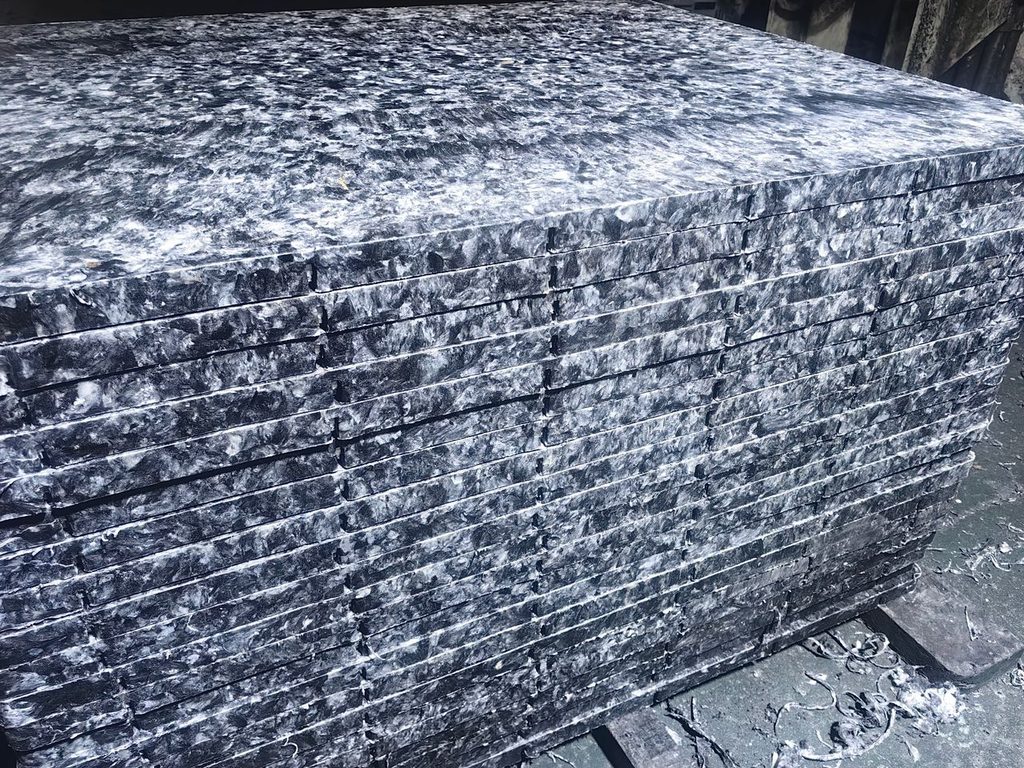
China’s forest preservation policies increased domestic hardwood prices 35-45% during 2022-2025, driving manufacturers toward alternatives. GMT maintains structural integrity across -30°C to +80°C operational range versus plastic’s -10°C to +55°C limitation. India’s Maharashtra and Gujarat implement kiln emission limits forcing facility upgrades. Modern kilns operate at +65-75°C where wood softens while GMT maintains integrity.
GMT pallets contain 25-45% glass fiber making them recyclable through mechanical grinding into raw material. Manufacturers offer 15-25% credit toward new purchases at end-of-life, supporting circular economy goals.
Material Technology Advances
GMT technology evolved significantly during 2020-2026 as manufacturers optimized fiber content and polymers. Current products achieve 2,500-3,000 kg load capacity with 8-12 year tropical service life through material science advances.
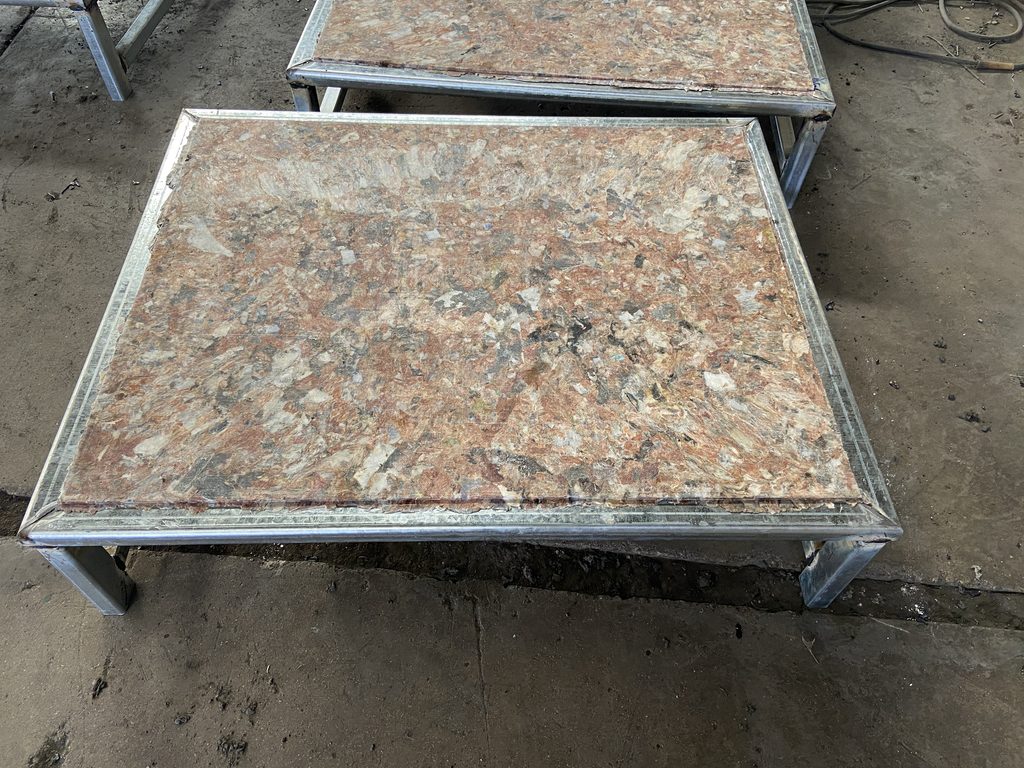
First-generation pallets (2015-2018) used 20-30% fiber content with adequate strength but surface wear after 3-5 years. Current formulations use 35-45% fiber achieving 40-55% higher abrasion resistance. Early pallets used standard polypropylene softening at +60-65°C, inadequate for tropical curing chambers reaching +70-75°C. Modern formulations incorporate heat-stabilized polymers maintaining rigidity to +80-85°C.
Surface treatment prevents concrete adhesion. Current products incorporate release agents maintaining <0.5mm surface roughness through 5,000+ cycles, reducing cleaning time 60-75%.
Cost Analysis and ROI Patterns
Asia-Pacific manufacturers face diverse economic conditions affecting pallet decisions. Chinese facilities achieve 8-12 month GMT payback through efficiency gains. Indian manufacturers see 18-26 month payback. Southeast Asian operations see 14-20 month typical payback.
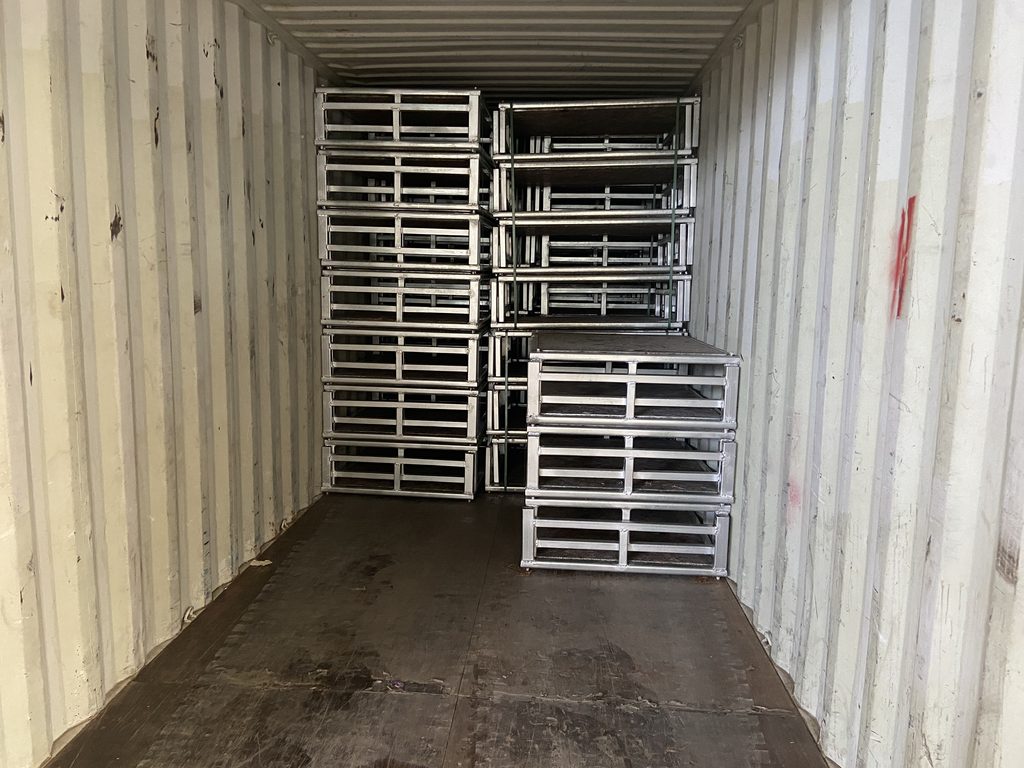
Chinese domestic GMT pallets range $140-180 with volume discounts for 2,000+ pieces. Indian prices reach $190-240 due to limited production and import duties. Southeast Asian markets pay $165-210. Wood costs $22-45 depending on timber availability but requires 4-5 replacements over GMT’s 10-year life. Total cost of ownership consistently favors GMT.
| Cost Factor (per pallet position over 10 years) | Wood Pallets | GMT Fiber Composite | GMT Advantage |
|---|---|---|---|
| Initial Investment | $25-35 × 4-5 replacements = $100-175 | $140-180 × 1 = $140-180 | Lower total despite higher unit cost |
| Replacement Labor | $15-25 × 4-5 = $60-125 | Minimal = $5-10 | 85-92% reduction |
| Breakage Reduction Value | Baseline (10-15% defect rate) | 50-65% reduction = $450-850 | Significant quality improvement |
| Automation Efficiency | Baseline (manual intervention) | 8-15% throughput gain = $250-600 | Enhanced productivity |
| Total 10-Year Cost | $610-1,175 per position | $385-620 per position | 37-58% lifecycle savings |
Production volume dramatically affects payback. Small facilities (15-25 million bricks) see 22-30 month payback. Medium operations (40-65 million bricks) achieve 14-18 months. Large automated plants (80-120 million bricks) realize 8-12 months through automation efficiency gains.
Market Forecast 2026-2031
The Asia-Pacific brick pallet market enters transformation as the brick industry grows to $861.45 billion by 2032 and automation adoption accelerates from 25-30% in 2026 to projected 45-55% by 2031. This creates a $450-620 million GMT pallet opportunity growing at 18-25% CAGR.
China’s market matures toward replacement demand as automation penetration approaches 50-55%. GMT growth moderates to 8-12% annually but volumes remain substantial—12-15 million units annually by 2028.
India represents highest growth potential with automation adoption projected to triple from 12-18% in 2026 to 35-45% by 2031. This could drive GMT demand from 800,000-1,200,000 units annually to 4,500,000-6,000,000 by 2031. First domestic production facility expected 2027-2028 in Gujarat or Maharashtra, reducing prices 15-25%.
Southeast Asia shows strongest percentage growth (22-28% CAGR through 2031) as FDI-driven industrialization brings automation. Regional demand could reach 3,500,000-4,800,000 GMT pallets annually by 2031 versus 450,000-650,000 in 2026.
FAQ
Q: What makes Asia-Pacific brick pallet requirements different from other regions?
Asia-Pacific presents unique challenges: extreme climate conditions (85-95% humidity, -20°C to +45°C range), high production intensity (5,000-6,500 annual cycles versus 3,000-4,000 in Europe), and rapid automation requiring ±0.3mm tolerances. Wood pallet life drops from 4-5 years in temperate climates to 18-24 months. GMT pallets address these through <1% moisture absorption, 8,000-10,000 cycle durability, and ±2mm flatness throughout 8-10 year service life.
Q: How do GMT pallet costs compare across Asia-Pacific markets?
Chinese prices range $140-180 with volume discounts to $120-145 for 2,000+ units. Indian prices reach $190-240 due to import duties, but domestic production expected 2027-2028 should reduce prices to $160-195. Southeast Asian markets: Thailand $165-195, Vietnam $175-210, Indonesia $185-220. Wood costs $22-45 but requires 4-5 replacements over GMT’s 10-year life, producing 65-80% higher total ownership costs.
Q: Can existing equipment work with GMT pallets?
Yes, GMT pallets match standard dimensions (650-950mm × 450-680mm) and integrate without modifications. Consistent thickness (±1-2mm versus wood’s ±3-5mm) improves automated handling. GMT weighs 12-18 kg, 20-30% more than wood, but within equipment capacities. Dimensional stability reduces jamming and misfeeds, improving efficiency 8-15%.
Q: What automation level justifies switching to GMT?
Manual operations can continue with wood, though GMT delivers lifecycle savings. Semi-automated facilities see clear benefits—GMT eliminates 40-60% of pallet-related downtime, achieving 18-26 month ROI. Fully automated operations require GMT—wood’s instability causes 8-15% handling errors that erase automation ROI. If planning automation within 3-5 years, adopt GMT immediately.
Q: How do environmental regulations affect pallet selection?
China’s carbon neutrality goals and forest preservation increase wood costs 35-45%. GMT supports compliance through longer service life (1 GMT versus 4-5 wood replacements over 10 years), recyclability, and no deforestation concerns. GMT maintains integrity across -30°C to +80°C, supporting modern high-temperature curing systems.
Q: What quality improvements can manufacturers expect?
Brick breakage reduces 50-65% due to GMT’s consistent flatness. Surface defects decrease 70-85% as GMT maintains <0.5mm roughness while wood develops 2-3mm irregularities. Premium rejection rates drop from 10-15% to 3-5%, valued at $45,000-85,000 annually for typical 60-80 million brick facilities.
Conclusion
Asia-Pacific brick industry growth to $861 billion by 2032 creates demand for pallet systems supporting traditional and automated production. The region’s extreme climate, production intensity, and automation adoption drive GMT fiber composite market growth at 18-25% CAGR as wood’s 18-24 month tropical service life and dimensional instability cannot support quality requirements.
Cost analysis demonstrates 8-26 month payback periods despite 5-6× higher GMT initial investment, driven by 65-80% lifecycle savings, 50-65% breakage reduction, and 8-15% automation efficiency gains. Material advances deliver 8-12 year service life in conditions where wood fails within 2 years, while ±2mm flatness enables automated handling requiring ±0.3mm tolerances.
Rhinos Pallet manufactures GMT fiber composite pallets engineered for Asia-Pacific climate conditions and automation requirements. Our products serve manufacturers across China, India, and Southeast Asia seeking to improve quality, reduce costs, and support production scaling.