Brick manufacturers lose 12-18% of production time to pallet location errors and manual inventory counts, costing facilities $25,000 to $60,000 annually in wasted labor. RFID-enabled pallet tracking eliminates these losses through real-time visibility into every pallet movement from molding through curing to storage.
If you want to implement smart manufacturing in your brick facility, you need to understand RFID fundamentals, system architecture, and implementation requirements for pallet fleet management. This guide covers RFID technology basics, tracking benefits, inventory automation, production monitoring, data analytics, and practical implementation for brick operations.
What is RFID Pallet Tracking?
RFID pallet tracking uses Radio Frequency Identification technology to automatically identify and monitor brick pallets throughout your production facility. The system includes RFID tags on each pallet, fixed or mobile readers at critical checkpoints, and software processing location data in real time.
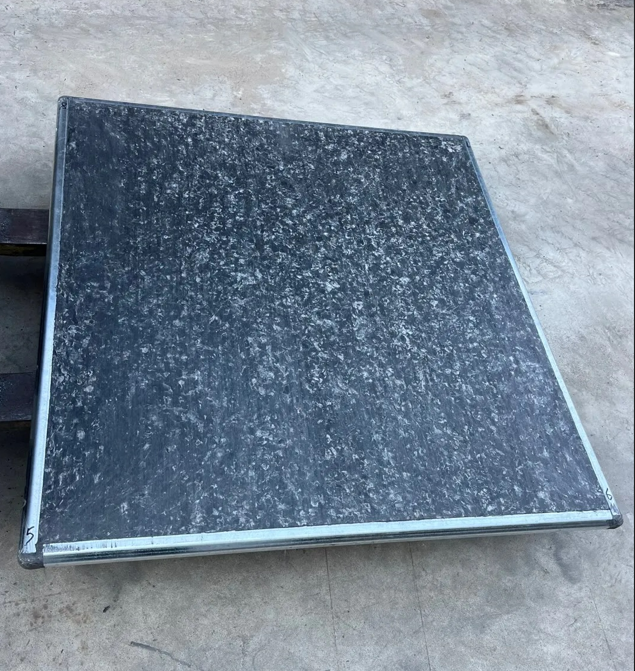
Unlike barcode scanning, RFID readers capture multiple tags simultaneously without line-of-sight requirements. Your team tracks 50+ pallets through a dock door in seconds versus 10-15 minutes of manual scanning. The technology operates reliably in harsh environments with high temperatures, moisture, and dust common in brick production.
You can use RFID tracking to eliminate manual counts, reduce pallet search time by 85-90%, and achieve 99.5%+ location accuracy. For automated production lines, RFID integration logs every pallet movement automatically, creating an auditable trail from molding through storage.
RFID Technology Basics
Passive UHF RFID Tags
Passive UHF tags are standard for brick pallet tracking because they require no battery, operate 10+ years, and read at 1-12 meter distances. Tags measure 96mm × 23mm × 3mm, attach to GMT pallets via industrial adhesive or rivets, and withstand -40°C to +85°C temperatures.
Each tag stores a unique Electronic Product Code plus optional data for production date, pallet type, and maintenance history. When readers emit radio waves, passive tags harvest energy from that signal to transmit responses. This battery-free design requires zero maintenance.
| RFID Tag Type | Read Range | Battery | Lifespan | Cost | Best Use |
|---|---|---|---|---|---|
| Passive UHF | 1-12m | No | 10+ years | $0.15-$0.50 | Standard tracking |
| Active RFID | 30-100m | Yes | 3-5 years | $15-$50 | Outdoor yards |
| Semi-Passive | 15-30m | Yes | 5-8 years | $5-$15 | Temperature monitoring |
Specify passive UHF tags for GMT pallets because they survive molding areas, curing chambers, and outdoor yards. Tags resist moisture, concrete exposure, and stacking mechanical stress.
Fixed vs Mobile Readers
Fixed readers install permanently at transition points like dock doors, production entrances, and curing exits. They operate continuously, capturing pallets automatically. Typical facilities need 8-15 fixed readers covering molding stations, kilns, storage, and docks.
Mobile readers connect to handhelds or forklifts for spot checks and cycle counts. Use them to verify locations in dense storage or troubleshoot location discrepancies. Effective systems combine both types: fixed for automated checkpoints, mobile for investigations and physical inventories.
Key Benefits of RFID Tracking
Real-Time Inventory Visibility
RFID provides instant visibility across production zones, storage, and curing chambers. Dashboard interfaces update automatically as pallets move through read zones, eliminating the 4-8 hour delay of manual systems where data becomes outdated before reports complete.
Production managers identify bottlenecks immediately when pallets accumulate unexpectedly. If 150 pallets stack before kiln entrance while molding runs low, alerts prompt supervisors to rebalance flow. Real-time awareness prevents stoppages costing $800-$1,200 per hour.
The global RFID market reached $17.12 billion in 2025, projecting $37.71 billion by 2032, driven by manufacturing adoption for inventory visibility.
Automated Production Monitoring
RFID records every pallet transition automatically without manual entry. When green bricks enter curing chambers, readers log timestamps, chamber numbers, and estimated completion based on schedules. This creates automatic production records without operator scanning or terminal data entry.
Monitor throughput in real time tracking pallets through each stage hourly. If normal curing throughput is 45 pallets per shift but systems show only 32 in 8 hours, supervisors investigate equipment issues before they impact downstream operations.
Systems track cycle times automatically, measuring pallet duration in molding, curing, and storage. This reveals inefficiencies and optimizes scheduling to maximize throughput and minimize work-in-process inventory.
Reduced Labor and Loss Prevention
Manual counts require 2-3 workers spending 6-8 hours locating 800-1,200 pallets. RFID automation reduces this to zero labor for routine tasks, freeing workers for quality control and maintenance. Accuracy improves from 85-92% to 99.5%+, eliminating “ghost inventory” causing unnecessary purchases.
| Metric | Manual | RFID | Improvement |
|---|---|---|---|
| Inventory Accuracy | 85-92% | 99.5%+ | +8-15% |
| Count Time (1000) | 6-8 hours | 15-30 min | 92% faster |
| Labor per Count | $180-$280 | $20-$35 | 87% less |
| Search Time | 8-15 min | 30-90 sec | 90% faster |
| Annual Savings | Baseline | $18-32K | Per facility |
Manufacturers lose 8-12% of pallets annually through misplacement or theft. For 2,000 GMT pallets at $95 each, this represents $15,200-$22,800 that RFID reduces by 70-85%. Alert systems notify when pallets exit boundaries unauthorized, reducing removal by 75-90%.

Implementation Guide
Tag Selection and Mounting
Choose industrial passive UHF tags rated -40°C to +85°C with IP67 moisture resistance. Tags must withstand water spray, concrete dust, and stacking impacts. Ceramic-filled epoxy encapsulation provides superior durability versus paper labels.
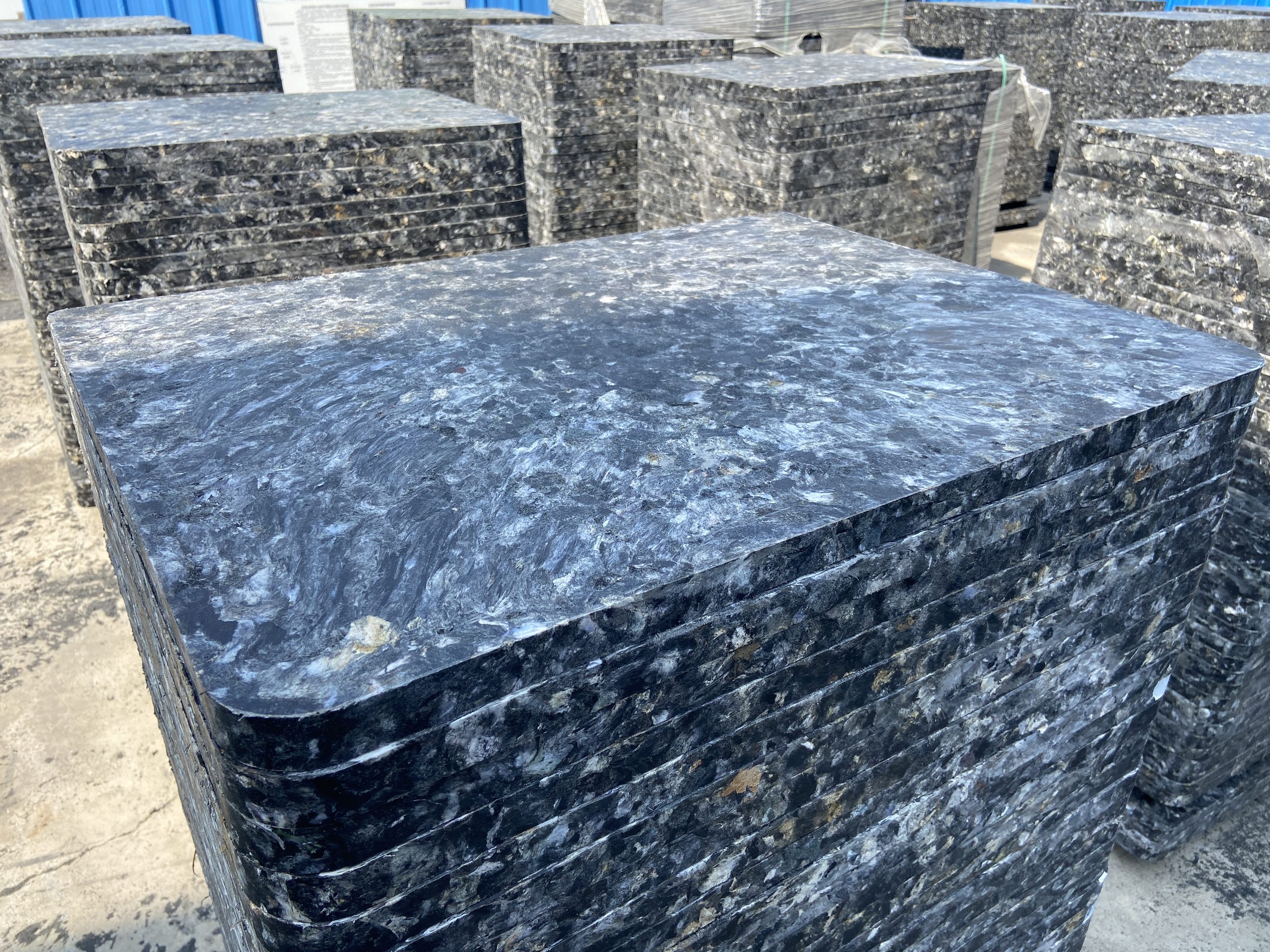
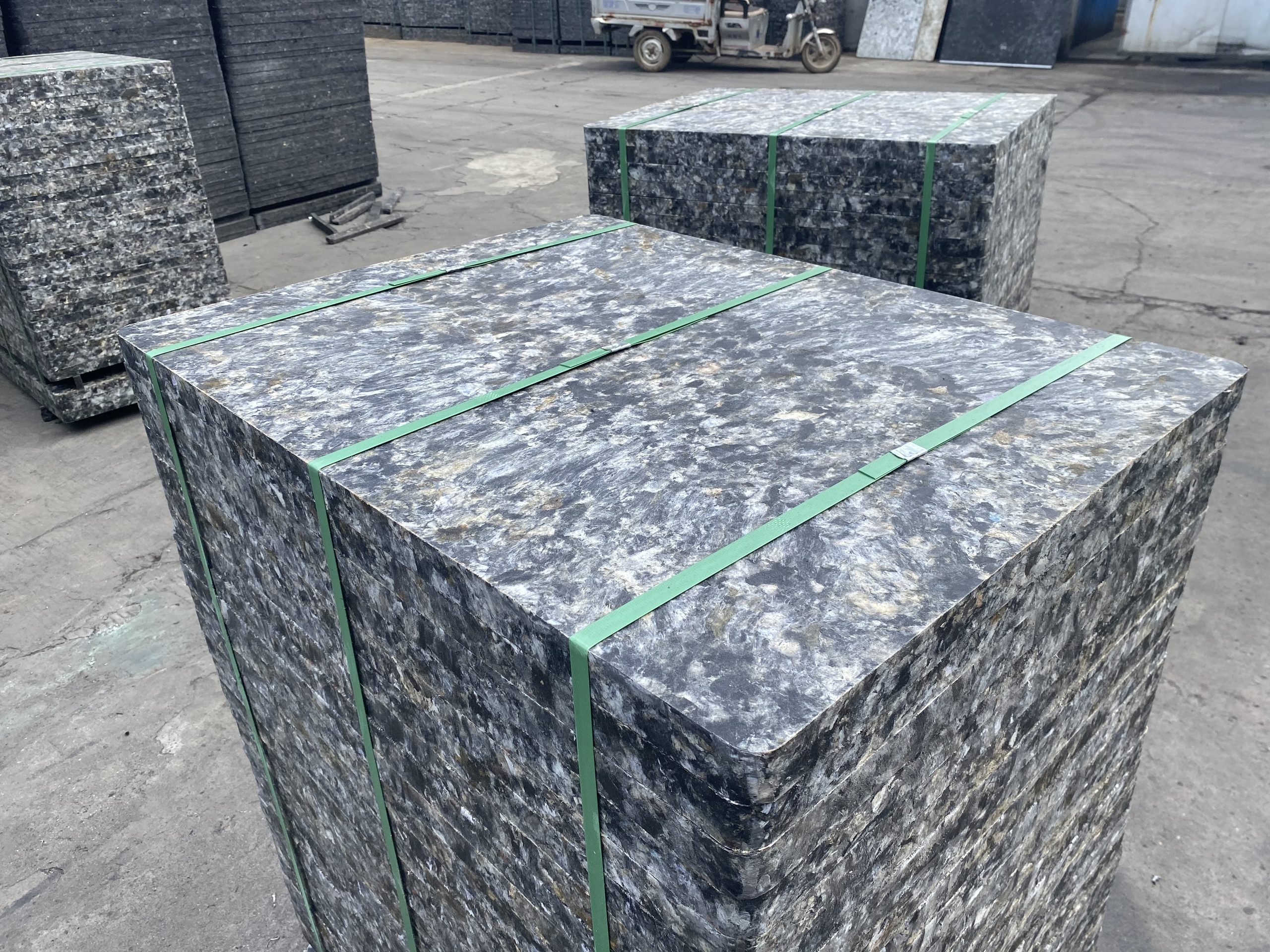
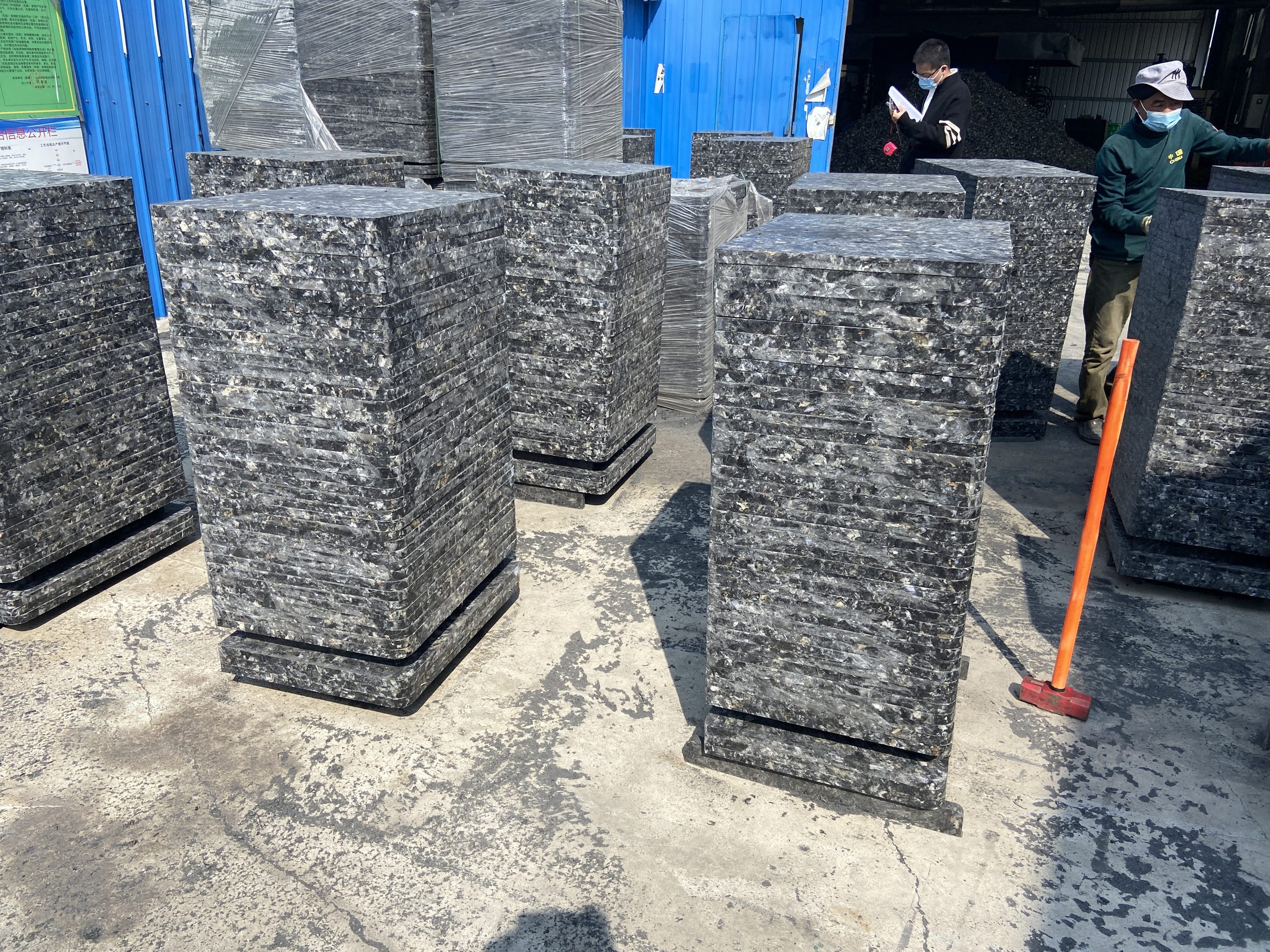
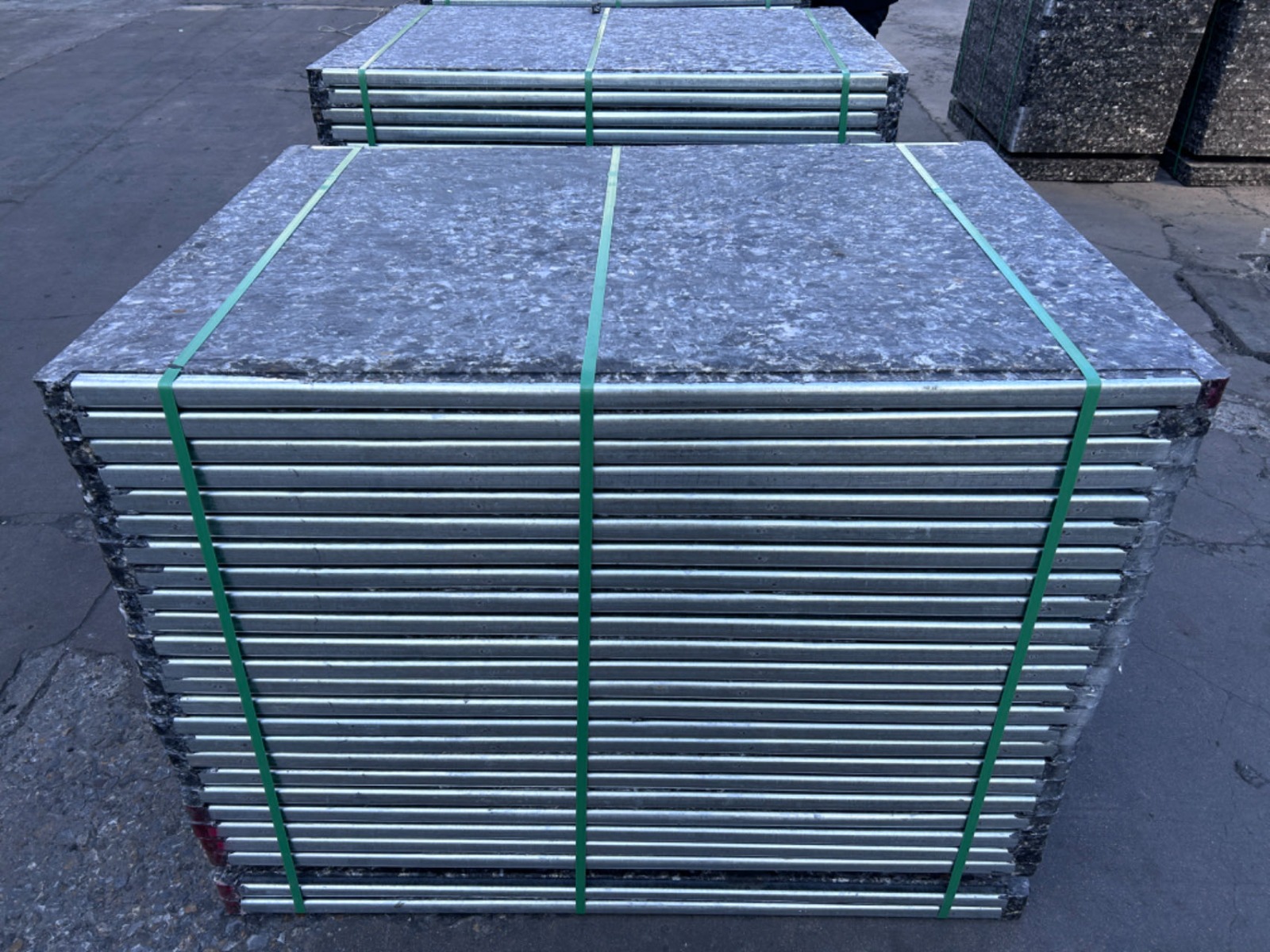
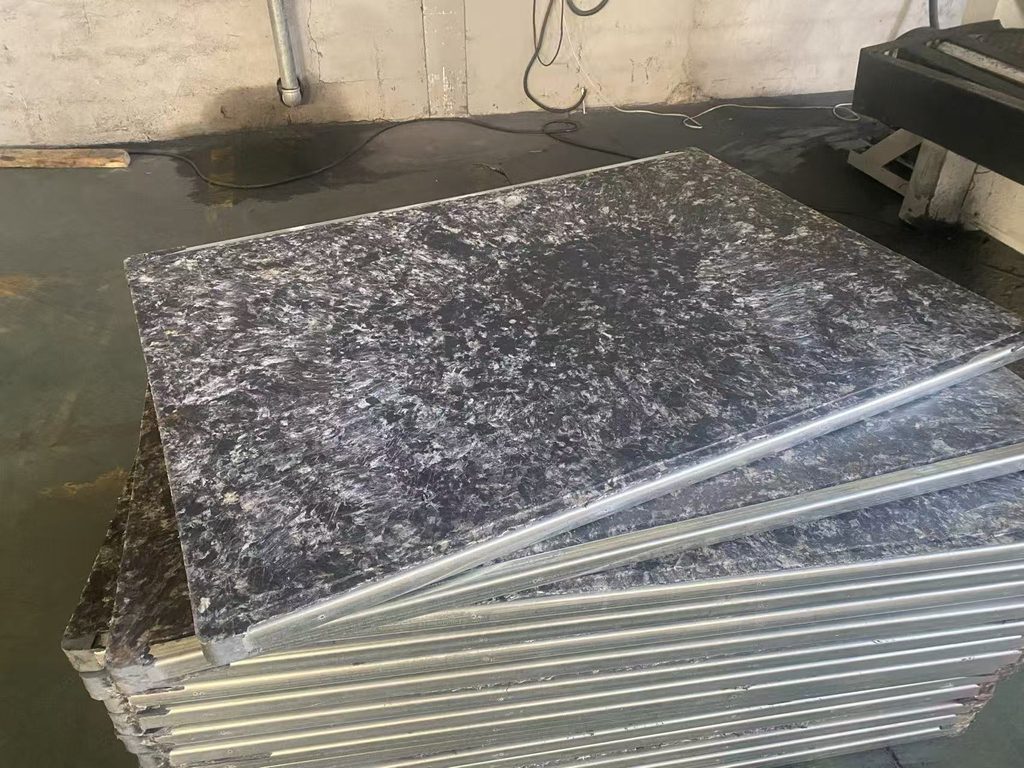
For GMT pallets, mount tags on aluminum edge trim using industrial adhesive or stainless steel rivets. Position tags 150-200mm from corners avoiding handling damage. Install on narrow edges rather than broad surfaces to prevent concrete buildup blocking antennas.

Test performance in actual production before full deployment. Moisture, metal content, and stacking density affect reliability. Pilot 50 tagged pallets across all zones verifying 99.5%+ read rates before purchasing full fleet tags.
Reader Infrastructure
Fixed readers require strategic placement for coverage without excessive costs. Install at molding exits, curing entrances/exits, storage entrances, dock doors, and maintenance areas. Each reader covers 4-8 meter widths depending on antenna configuration.
Portal readers at doorways provide most reliable tracking through defined chokepoints. Mount antennas on both sides at 1.5-2.5 meter height creating overlapping zones capturing tags regardless of orientation. Power-over-Ethernet readers simplify installation eliminating separate power supplies.
Budget $2,500-$4,500 per fixed reader including hardware, antennas, cabling, and integration. Typical 50,000-square-meter facilities need 12-18 readers for comprehensive coverage: $30,000-$81,000 in reader infrastructure.
Software Integration
RFID software must integrate with existing ERP or production systems automatically updating locations and inventory. Most platforms provide REST APIs or database connectors pushing real-time data without manual entry.
Software should include automated reporting for accuracy, utilization rates, cycle times, and exception alerts. Customizable dashboards let managers monitor key metrics while detailed reports support continuous improvement initiatives.
Cloud platforms benefit multi-site manufacturers centralizing data from all facilities into single interfaces. Compare performance across locations, balance inventory between sites, and standardize processes company-wide. Monthly subscriptions range $500-$1,500 per facility.
Data Analytics and Optimization
Pallet Utilization Analysis
RFID data reveals utilization rates measuring time in active production versus idle storage. Identify underutilized pallets and redeploy to high-demand zones, typically reducing inventory requirements 15-25% while maintaining capacity.
Calculate turnover rates by zone showing daily cycles. If molding should cycle 180 pallets per shift but data shows only 140, investigate whether downtime, delays, or shortages constrain throughput.
Predictive Maintenance
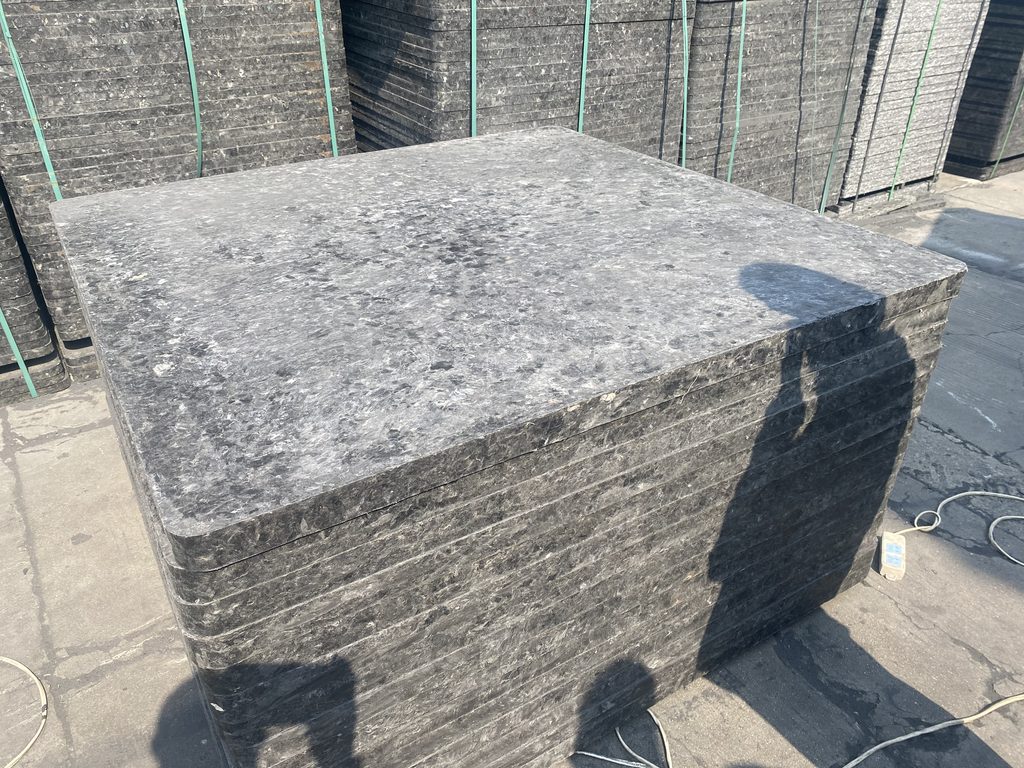
Systems track total cycles enabling predictive maintenance based on actual wear. Inspect durable GMT pallets after 5,000-7,000 cycles when wear becomes noticeable, rather than quarterly inspections regardless of usage.
Alerts trigger when pallets exceed thresholds or show abnormal patterns. If a pallet normally cycling 8-12 times daily suddenly shows 2-3 cycles, reduced usage may indicate surface damage operators avoid, preventing brick quality issues.
Automated Line Integration
Modern lines integrate RFID directly into control systems. Controllers read tags at molding stations, log batch numbers, then track through curing automatically. This enables quality traceability linking pallet loads to raw batches and curing conditions.
RFID supports automated pallet return where empty pallets route to molding based on real-time demand, optimizing flow without manual coordination.
Implementation Challenges
Tag Reliability in Harsh Environments
Moisture, concrete dust, and metal content can reduce read rates if tags are poorly positioned. Maintain 99.5%+ reliability by installing tags on pallet edges away from concrete contact, using ceramic-filled tags resisting moisture, and configuring readers for maximum power.
Test mounting locations on 20-30 pilot pallets before full deployment. Track read rates at each checkpoint for 2-3 weeks identifying marginal zones. Adjust reader positioning, angles, or power resolving issues before fleet expansion.
Some brick formulations with high metal oxide create electromagnetic interference degrading ranges. If producing bricks with significant iron or metal-reinforced molds, conduct extended pilot testing verifying tag performance with specific materials.
System Integration and Training
Connecting RFID to ERP or WMS requires IT coordination. Plan 4-8 weeks for development and testing. Start with basic tracking, adding reporting and analytics in subsequent phases.
Operators may resist automation. Address this emphasizing how RFID eliminates tedious counting and reduces search time. Conduct hands-on training with mobile readers demonstrating efficient pallet location and discrepancy resolution.
ROI and Cost Analysis
Investment Breakdown
Complete RFID implementation for facilities with 1,500-2,000 pallets requires $65,000-$110,000 initial investment including tags, readers, software, installation, and integration.
| Investment Component | Cost Range | Notes |
|---|---|---|
| RFID Tags (2000) | $500-$800 | Passive UHF industrial |
| Fixed Readers (12) | $30,000-$54,000 | With antennas, installation |
| Mobile Readers (3) | $5,400-$9,600 | Handheld/forklift-mounted |
| Software License | $8,000-$15,000 | First year subscription |
| Installation | $20,000-$33,000 | Labor, network, integration |
| Total Investment | $63,900-$112,400 | Complete deployment |
Reduce costs implementing phases starting with high-value zones like finished goods and docks, expanding once proven and teams gain experience.
Operating Costs and Savings
Annual operating costs include software subscriptions ($500-$1,500 monthly), replacement tags (5-8% annual rate), and minimal IT support: $8,000-$14,000 total for medium facilities.
Savings offset costs through multiple categories. Labor reduction from eliminating manual counts saves $18,000-$32,000 annually. Loss prevention recovers $10,000-$18,000 in replacement costs. Efficiency gains from reduced search time add $8,000-$15,000 value. Combined benefits total $36,000-$65,000 annually.
ROI payback ranges 14-24 months depending on facility size, labor costs, and fleet value. Larger facilities with extensive inventories achieve faster payback, while smaller operations may require 24-30 months recouping investment through operational savings.
Frequently Asked Questions
What is the read range for RFID tags on brick pallets?
Passive UHF tags read 1-12 meters depending on reader power, antennas, and environment. In brick facilities with concrete dust and moisture, practical ranges are 3-8 meters for fixed readers and 1-4 meters for handhelds. Active tags achieve 30-100 meters but require battery replacement every 3-5 years.
How do tags survive high curing temperatures?
Industrial passive UHF tags operate continuously from -40°C to +85°C, sufficient for most curing at 60-75°C. For higher temperature steam curing, specify high-temperature tags rated to +150°C or +200°C, costing $1.50-$3.00 versus $0.25-$0.50 for standard industrial tags.
Can RFID track pallets in outdoor yards?
Yes, RFID effectively tracks outdoor storage. Fixed readers on yard boundaries capture pallets entering and exiting zones. Mobile forklift readers locate specific pallets within areas. GPS-enabled active tags provide 3-5 meter precision but cost significantly more than passive tags for zone-level tracking.
How does RFID integrate with warehouse systems?
Most platforms provide REST APIs or database connectors automatically pushing location data into ERP and WMS real-time. When pallets move through readers, systems update WMS databases automatically without manual entry. Integration requires 4-8 weeks mapping fields, configuring triggers, and testing error handling.
What maintenance do RFID systems need?
Passive tags require zero maintenance for 10+ year lifespans with no batteries or moving parts. Fixed readers need quarterly antenna cleaning and annual network connection inspection. Cloud software updates automatically while on-premise installations require occasional updates for features or security.
How accurate is RFID versus barcode scanning?
RFID achieves 99.5%+ read accuracy in controlled environments versus 85-95% for manual barcode scanning. RFID reads multiple tags simultaneously without line-of-sight, eliminating human errors where operators miss items or scan duplicates. However, RFID costs significantly more than barcode infrastructure.
Conclusion
RFID-enabled pallet tracking transforms brick manufacturing through real-time fleet visibility, eliminating manual counts and reducing search time by 85-90%. The technology achieves 99.5%+ location accuracy while automatically logging every movement without operator intervention.
Initial investment ranges $65,000-$110,000 for systems serving 1,500-2,000 pallets, with 14-24 month ROI payback from labor savings, loss prevention, and efficiency gains. The technology integrates with ERP systems providing automated reporting, predictive maintenance, and production analytics supporting continuous improvement.
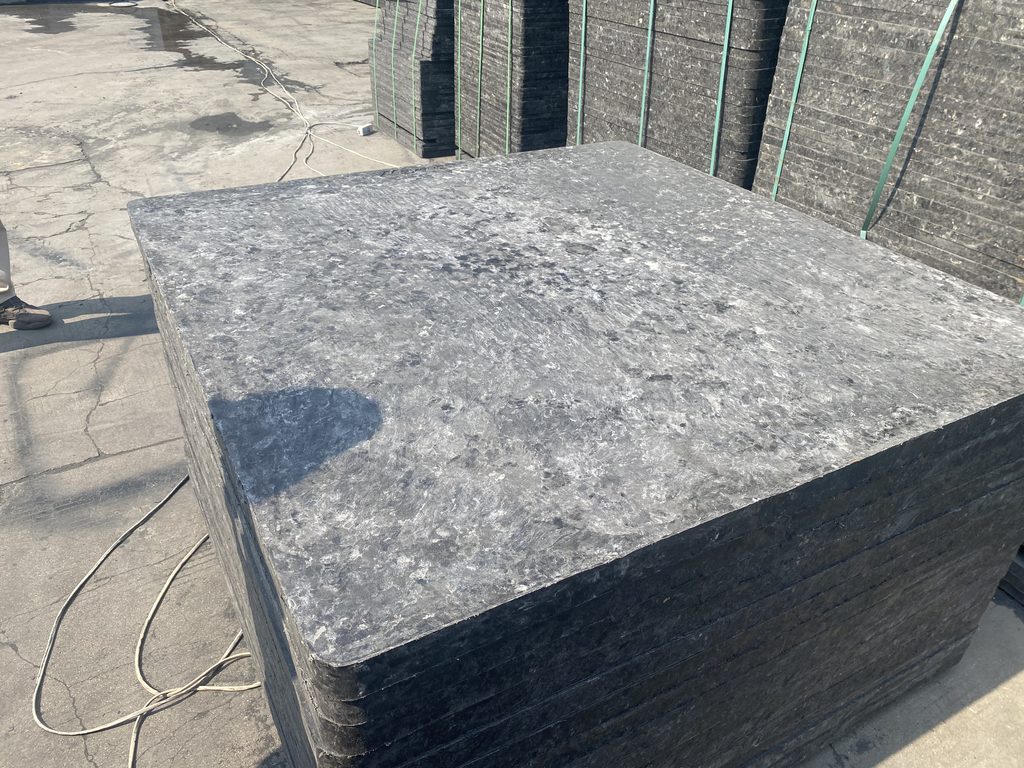
If you need durable GMT pallets compatible with RFID tracking for your brick facility, Rhinos Pallet offers fiber-reinforced composite pallets with 10+ year lifespan designed for automated lines and harsh environments. Our moisture-resistant construction and precision manufacturing ensure consistent quality and reliable RFID tag mounting surfaces maintaining read performance throughout pallet lifecycles.
Contact us today for GMT pallet solutions optimized for RFID integration and factory-direct pricing on complete fleet deployments.