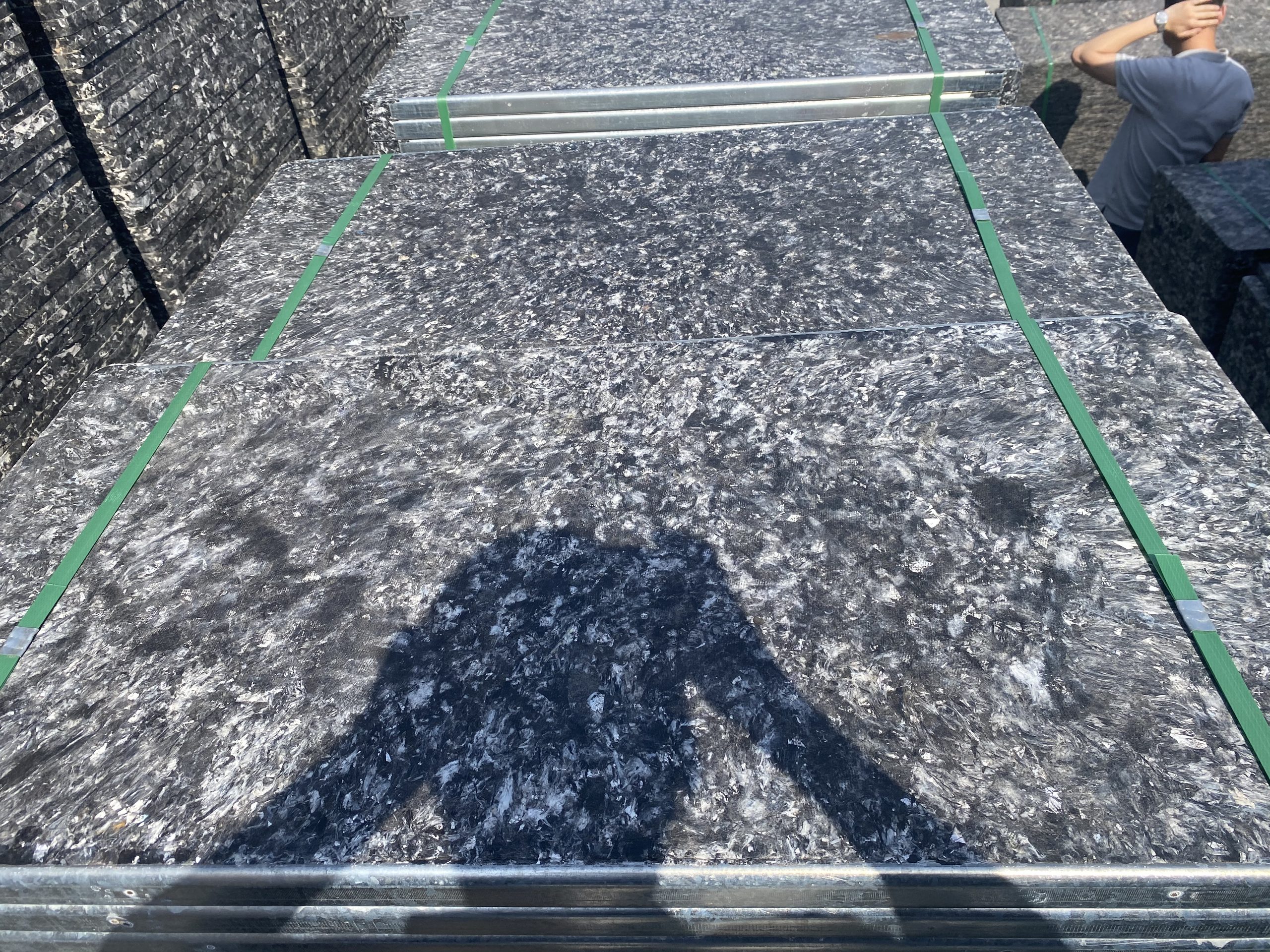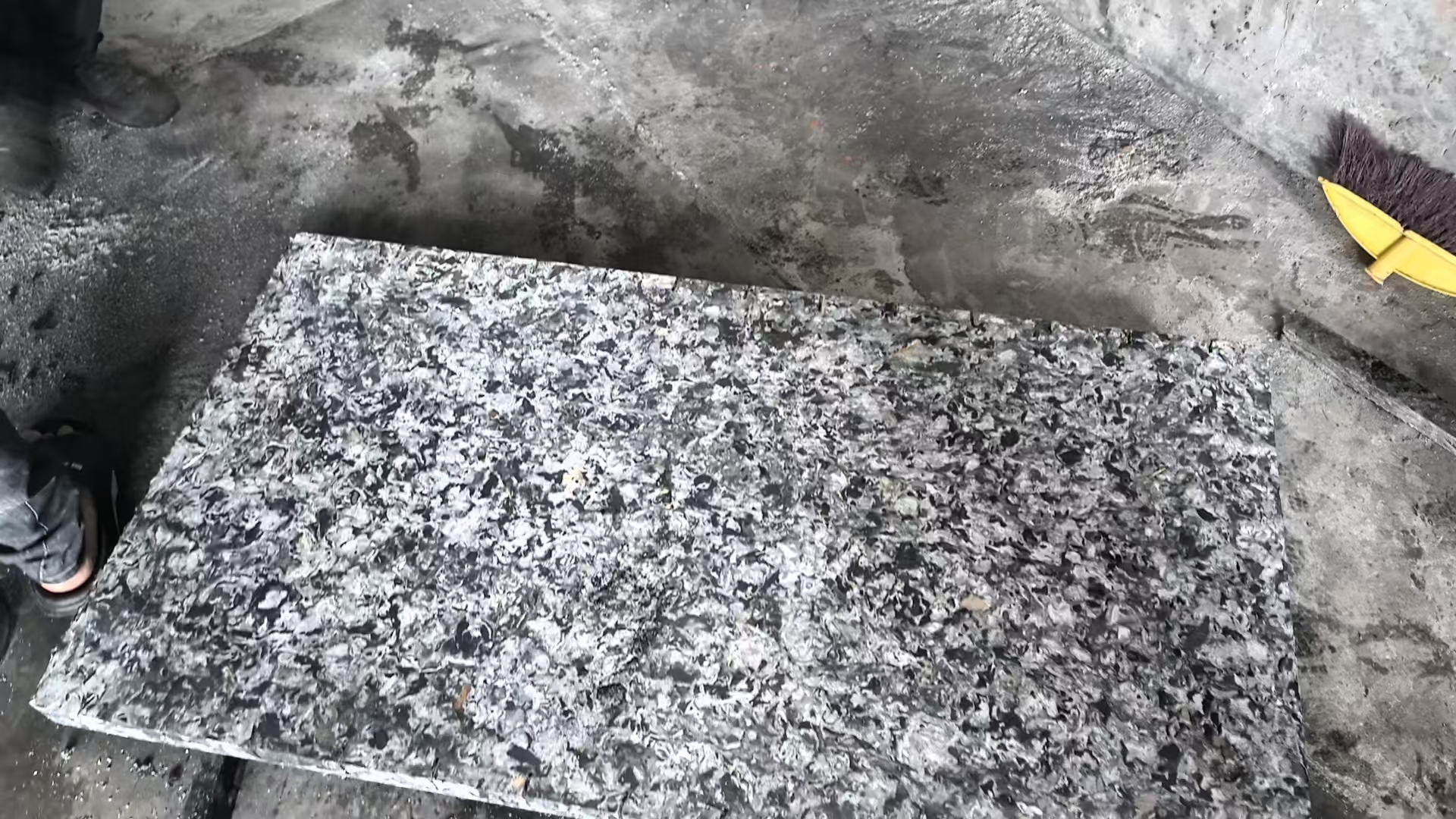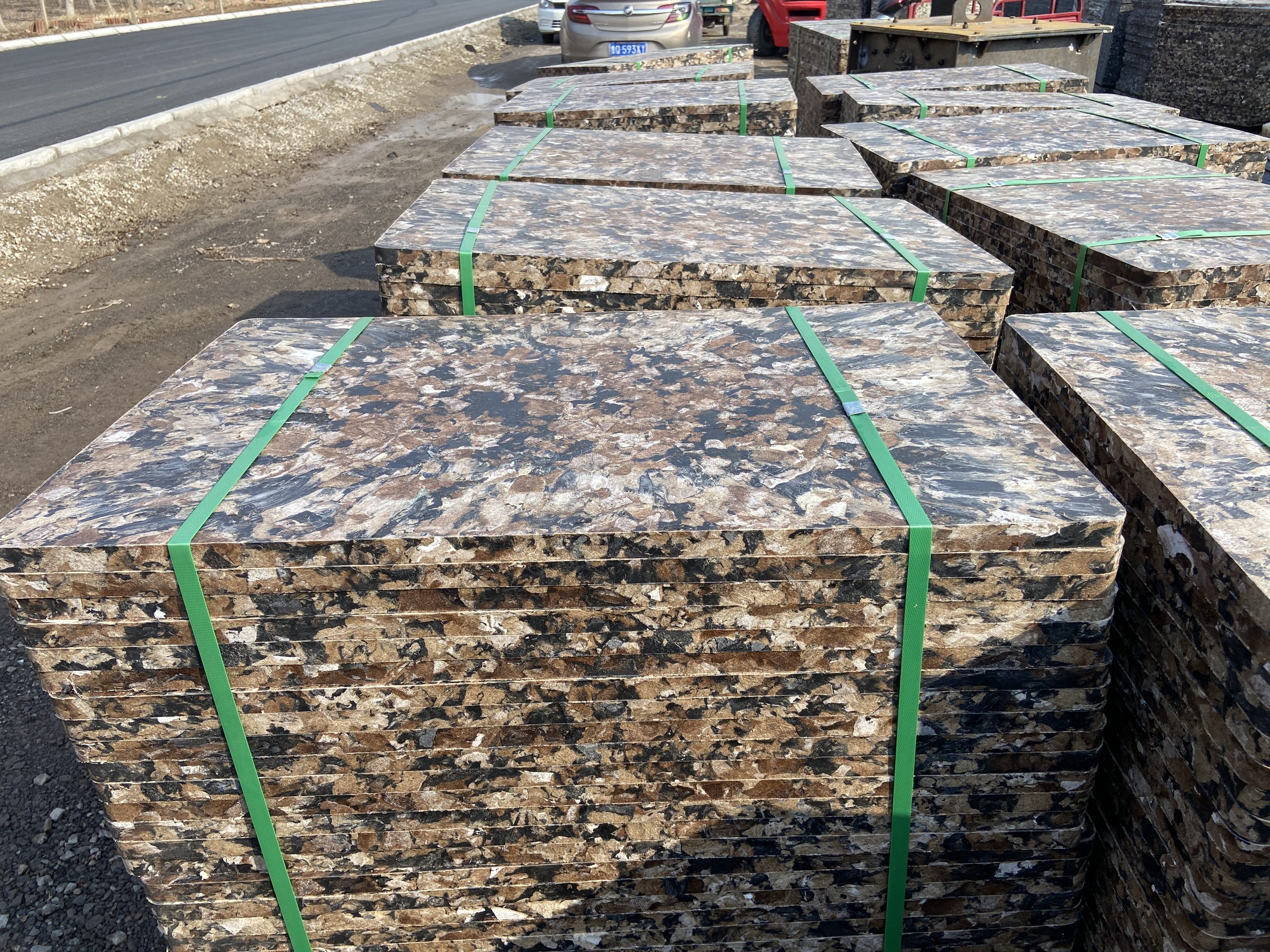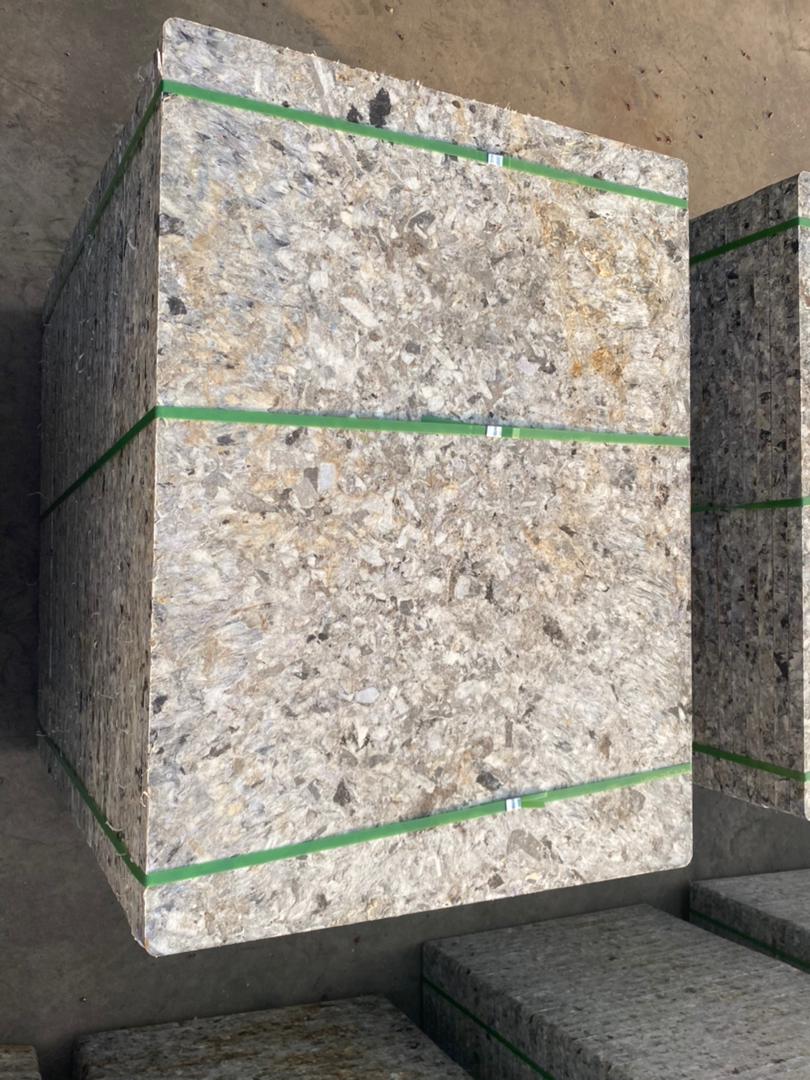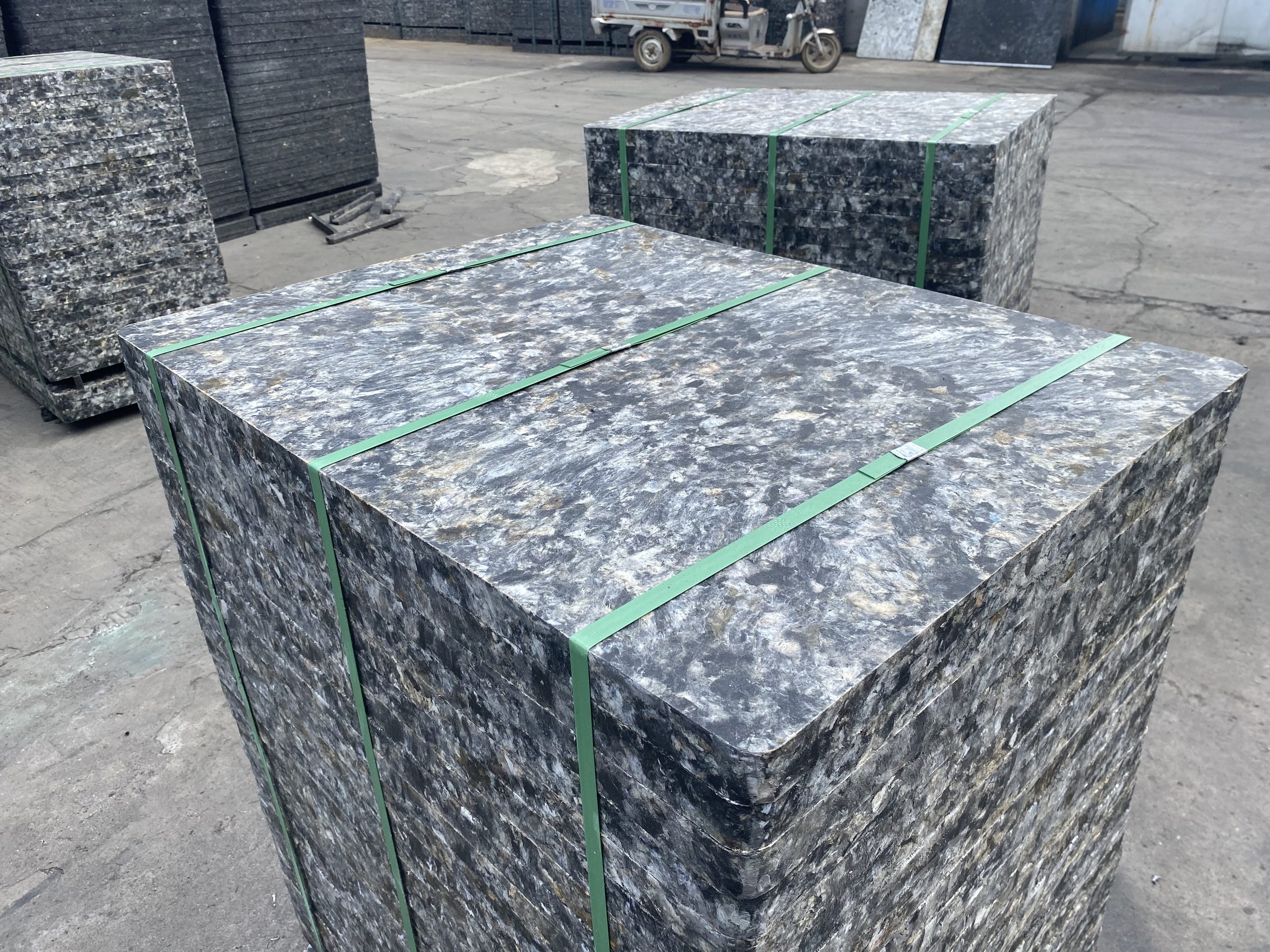
When you’re running a brick production line, GMT pallets look expensive compared to wood. But that $70 pallet versus $20 wood pallet comparison misses the real story. Over five years, you’ll replace wood pallets 2-3 times while GMT pallets keep running. Add maintenance labor, product breakage, and downtime, and the math shifts dramatically.
I’ve tracked TCO data across multiple facilities. The pattern is consistent: GMT pallets cost 3.5× more upfront but deliver 60-75% lower total cost over five years. This analysis shows you exactly where those savings come from using real facility data.
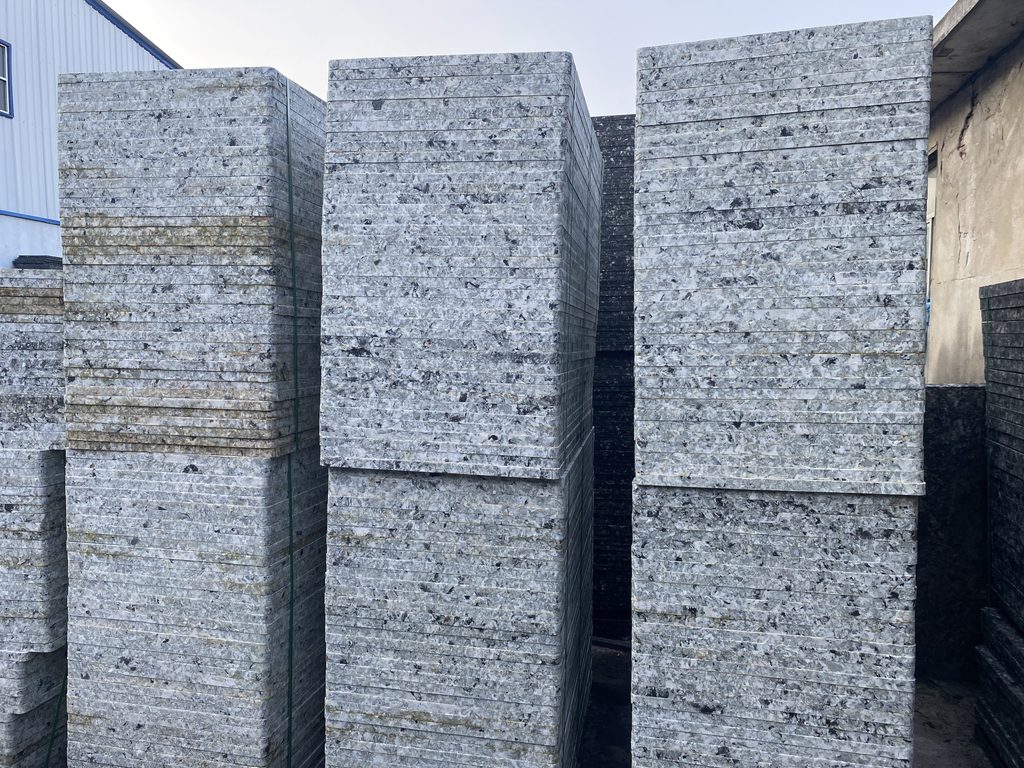
What TCO Actually Includes
Most comparisons stop at purchase price and lifespan. The real costs hide in daily operations: labor spent inspecting and repairing pallets, production downtime from failures, product damage from warped surfaces, and disposal fees every 18 months.
Wood pallets in brick production last 15-18 months, not the 3-5 years manufacturers quote. High moisture, alkaline cement exposure (pH 12-13), and thermal cycling destroy wood fast. GMT pallets handle all of this—they’re chemically inert and heat resistant to 120°C.
Research confirms that pallet management’s hidden costs—inspection labor, handling failures, coordinating replacements—create operational burdens that rarely show up in financial forecasts until you measure them.
Initial Investment: The Price Gap
A mid-size plant producing 50,000 blocks/day needs 600 pallets in rotation (forming, curing, cooling stages plus buffer).
| Pallet Type | Unit Cost | Initial Investment (600 units) | Service Life |
|---|---|---|---|
| Wood Pallets | $18-22 | $12,000 | 15-18 months |
| GMT Pallets (Standard) | $65-75 | $42,000 | 10-12 years |
| GMT Pallets (Premium) | $85-95 | $54,000 | 12-15 years |
| Metal Pallets | $120-150 | $81,000 | 8-10 years |
The $30,000-42,000 difference stops many operations cold. But over five years, you won’t buy 600 pallets—you’ll buy many more through replacement cycles.
The global pallets market is growing from $88.3B (2025) to $154.5B (2035) as manufacturers recognize durability beats disposability. Wood pallets also require 20-30% more storage space for backup inventory.
Five-Year Cost Breakdown
Here’s what ownership actually costs when you track every expense:
| Cost Category | Wood Pallets (5 Years) | GMT Pallets (5 Years) | Difference |
|---|---|---|---|
| Initial Purchase | $12,000 | $42,000 | +$30,000 |
| Year 1 Replacement (15%) | $1,800 | $0 | -$1,800 |
| Year 2 Replacement (100%) | $12,000 | $0 | -$12,000 |
| Year 3 Replacement (15%) | $1,800 | $0 | -$1,800 |
| Year 4 Replacement (100%) | $12,000 | $0 | -$12,000 |
| Year 5 Replacement (15%) | $1,800 | $0 | -$1,800 |
| Maintenance Labor (2 hrs/week @ $25/hr) | $13,000 | $1,300 | -$11,700 |
| Disposal Costs | $2,400 | $0 | -$2,400 |
| Product Breakage Reduction | $0 | -$15,000 | -$15,000 |
| Downtime Reduction | $0 | -$8,000 | -$8,000 |
| Total 5-Year Cost | $56,800 | $20,300 | -$36,500 (64% savings) |
Replacement math: Wood pallets last 15-18 months. We’re showing full replacement every 24 months plus 15% annual attrition. That’s 1,650 total pallets purchased over five years versus 600 GMT pallets with zero replacements.
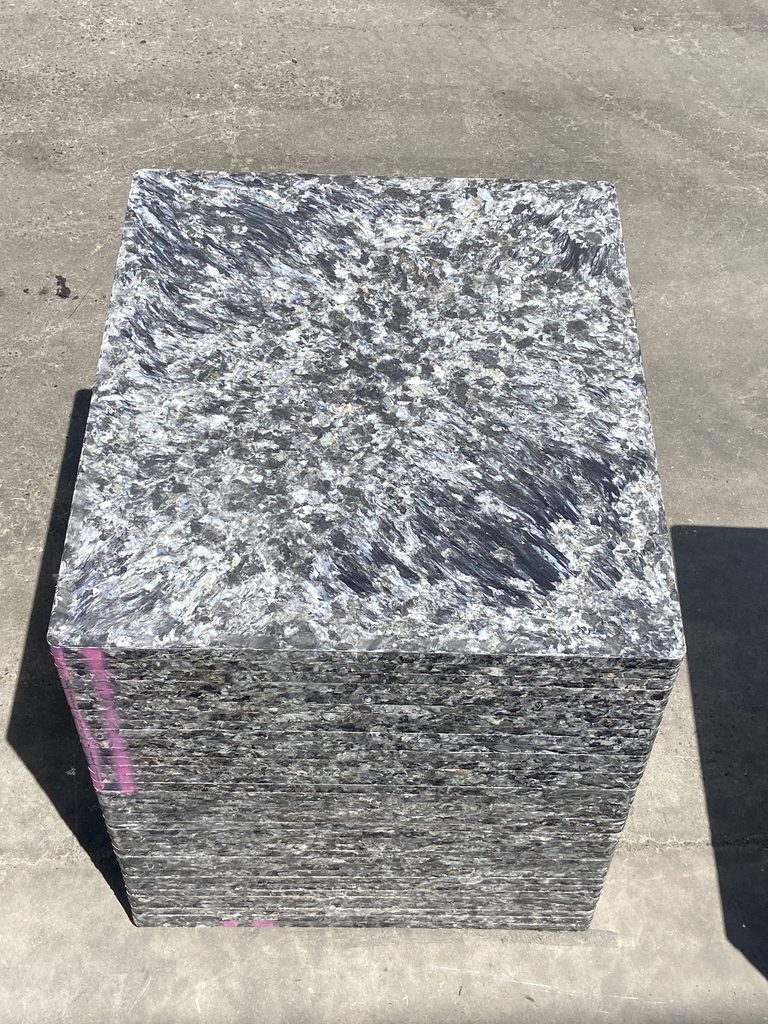
Maintenance reality: Wood pallets need weekly inspection, sorting, and repair—2 hours minimum for 600 pallets. GMT pallets need occasional cleaning only. That’s 520 hours of labor redirected over five years.
Breakage reduction: Wood warps, creating uneven surfaces that crack blocks during curing. Industry data shows plastic pallets significantly reduce damage. We measure 3-5% fewer rejects with GMT pallets. For 50,000 blocks/day at $0.65 each, that’s $15,000+ annually.
Downtime: Wood pallet failures stop production. GMT pallets eliminate this almost entirely—worth $8,000 over five years.
Hidden Labor Costs
Watch your facility for one day and track pallet-related labor: daily sorting (30-45 min), weekly inspection (2-3 hrs), monthly coordination (4-6 hrs). Manufacturing maintenance costs compound over time and often exceed equipment costs.
Wood pallets degrade gradually—you can’t wait for failure. Weekly inspections are mandatory. GMT pallets shift to quarterly checks, saving 150+ labor hours annually.
Repair costs $4-6 per pallet versus $15 for new, but only works with infrastructure. Most brick manufacturers spend an hour fixing 8-10 pallets ($10 effective cost). GMT pallets eliminate this entirely.
Wood pallets vary 3-8mm when new, increasing with age. Automated systems need wider tolerances, slowing cycles. GMT pallets maintain ±1mm tolerance, enabling faster automation.
Replacement Frequency: The Real Driver
Wood pallets fail after 11 cycles average; plastic delivers 250+ cycles. Brick production is harder than warehousing:
Moisture: Concrete’s water content causes wood expansion, warping, and rot. GMT pallets are hydrophobic.
Chemical: Cement (pH 12-13) degrades wood fibers. GMT is chemically inert.
Thermal: 60-80°C temperature swings accelerate wood joint failure. GMT handles 120°C.
Mechanical: Repeated forming cycles cause wood compression damage and surface irregularities. GMT’s fiber-reinforced structure maintains flatness through thousands of cycles.
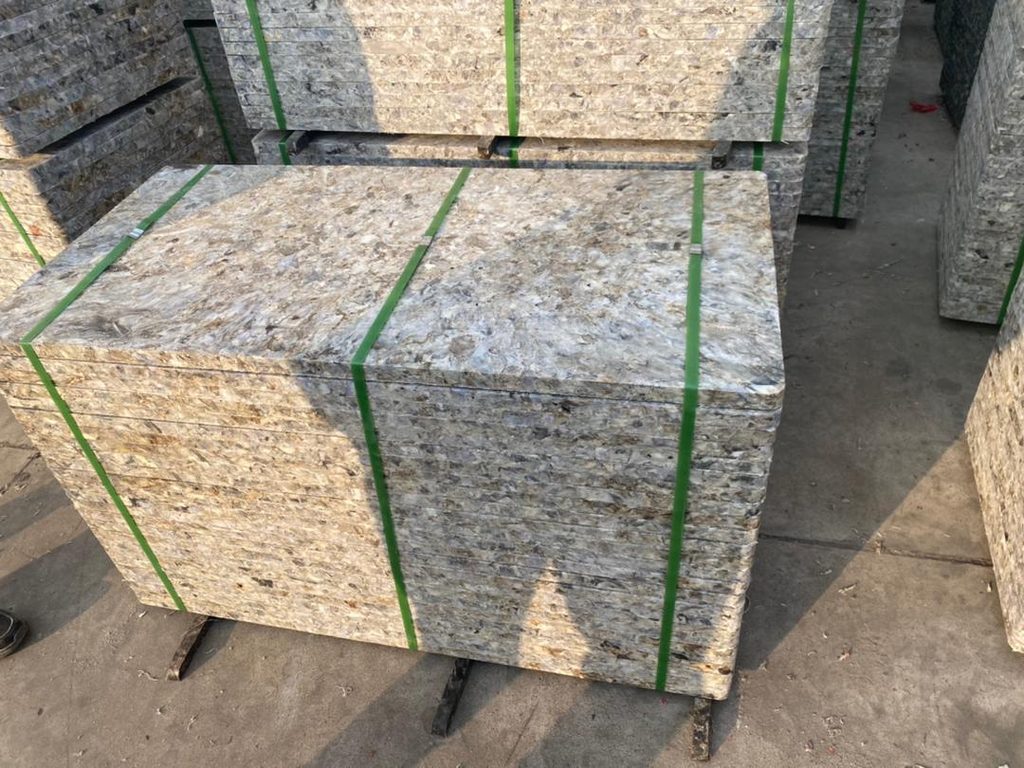
Five-year replacement calculation:
- Wood: 600 pallets at 18 months + 600 at 36 months + 450 attrition = 1,650 pallets ($33,000)
- GMT: 600 pallets, zero replacements ($42,000)
Even at 3.5× cost per unit, you’re buying 2.75× fewer pallets before factoring labor and breakage savings.
Breakage Reduction: Measurable ROI
Blocks are most vulnerable in the first 24-48 hours of curing—hard enough to hold shape but not full strength. Wood warps create uneven support. GMT stays flat.
We tracked three facilities before and after GMT implementation:
| Facility | Production | Reject Rate Before | Reject Rate After | Annual Savings | Payback Period |
|---|---|---|---|---|---|
| Facility A | 60,000 blocks/day | 4.2% | 1.8% | $341,580 | 45 days |
| Facility B | 35,000 bricks/day | 5.1% | 2.9% | $112,140 | 4.2 months |
| Facility C | 40,000 blocks/day | 3.8% | 2.1% | $143,520 | 3.8 months |
The improvement comes from: flatness tolerance ≤0.3mm per 1000mm (wood warps 2-5mm), dimensional consistency enabling automation optimization, smooth surfaces preventing adhesion issues, and even heat distribution during thermal curing.
Productivity From Reliable Equipment
When operators trust pallets, they move faster. We measure 8-12 seconds saved per loading cycle. At 120 pallets/day, that’s 100 hours annually ($4,500 at $45/hr).
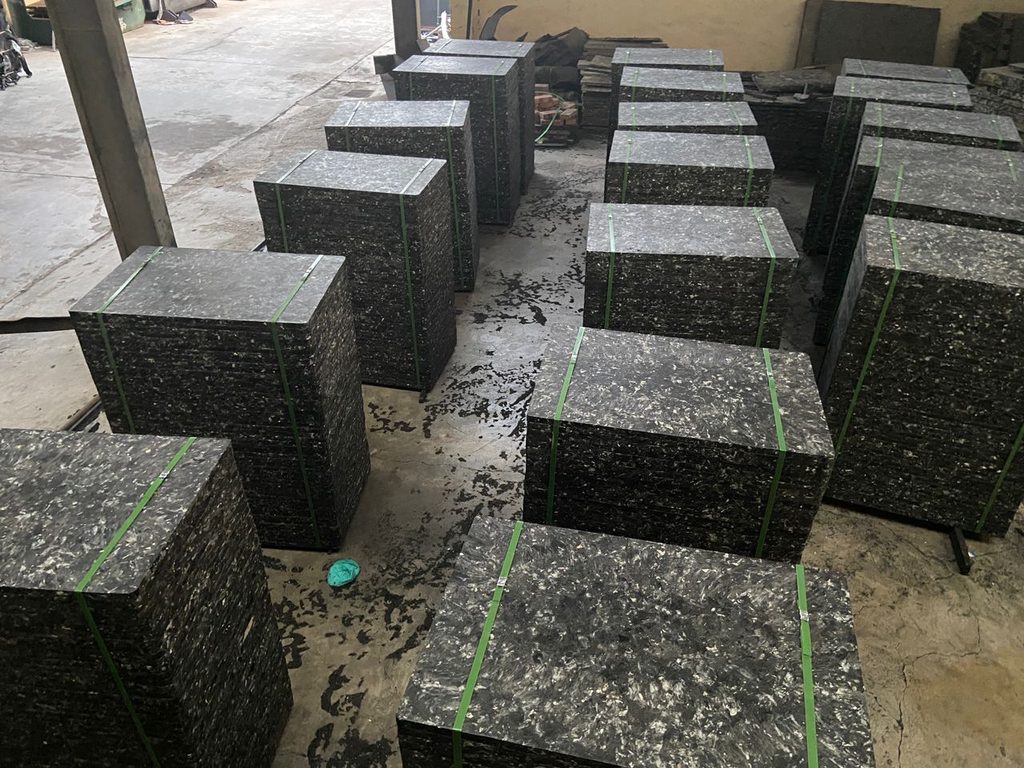
Additional gains: eliminating inspection before each use (60-100 hrs/year, $2,700-4,500), zero mid-cycle replacements (saves 15 hrs/year plus product loss), 5-8% throughput improvement in automated facilities from tight tolerances, and reduced buffer inventory (90-120 fewer pallets, $1,800-2,400 freed capital).
Sustainability Impact
Wood pallets need trees, treatment, transportation, then disposal. Concrete-contaminated wood can’t be recycled—you pay tipping fees for assets bought 18 months ago.
GMT pallets use recycled thermoplastic reinforced with glass fiber. At end-of-life (10-15 years), they’re ground and reprocessed. FRP composites show favorable lifecycle profiles versus traditional materials—especially when replacement frequency matters. Three wood pallet sets over five years have higher cumulative impact than one GMT set lasting 15 years.
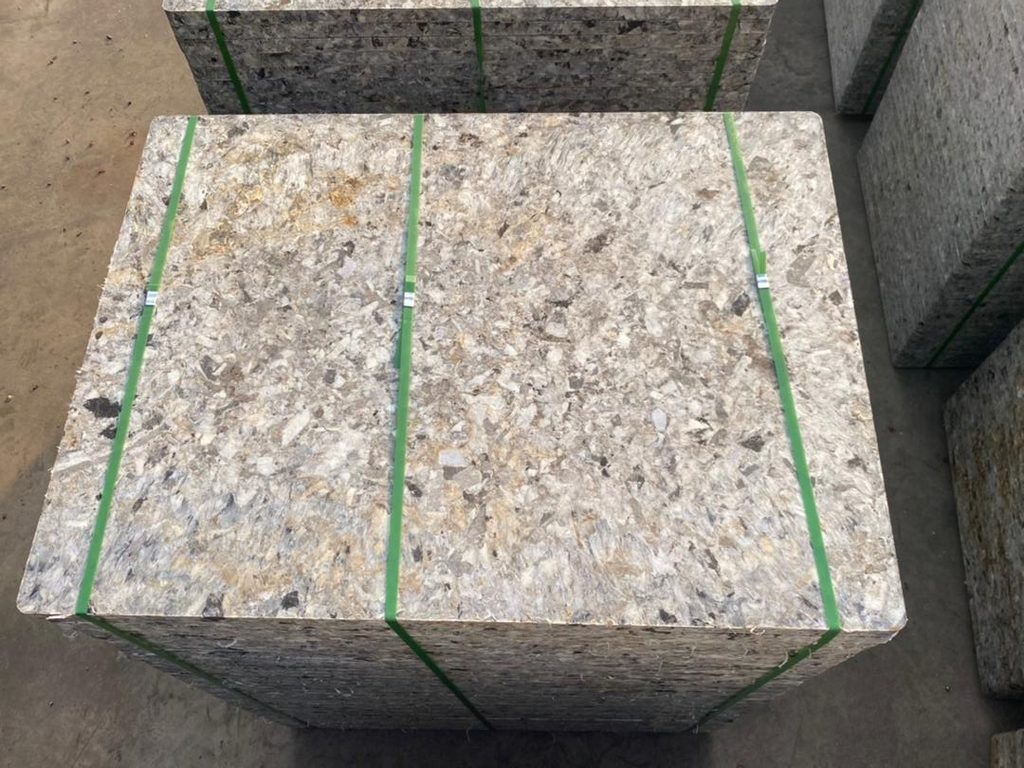
Some jurisdictions now impose disposal fees for contaminated wood. GMT’s recyclability positions favorably. For green building projects, demonstrating waste minimization can be a differentiator.
When Wood Makes Sense
Wood pallets work for: low-volume operations (<10,000 blocks/day, <200 pallets—savings shrink to $6k-10k over five years with 4-7 year payback), dry curing processes without moisture exposure (wood can last 3-4 years), facilities with established repair infrastructure ($4-5 per pallet repair economics), temporary operations not matching GMT’s 10-15 year lifespan, and severely capital-constrained startups who can transition later.
Making the Switch
Pilot first: Run 60-100 GMT pallets (10-15% of fleet) for 30-60 days alongside wood. Track reject rates, handling time, operator feedback.
Replace gradually: As wood pallets fail, swap in GMT pallets. Most facilities complete transition in 6-9 months through natural attrition.
Training: 15-minute meeting covers rare failure modes (edge cracking, surface scratching). GMT pallets handle like wood but need less inspection.
Supplier selection: Specifications must include flatness ≤0.3mm per 1000mm, thermal resistance ≥120°C, chemical resistance for pH 12-13 alkaline contact. Request samples for production testing. Rhinos Pallet offers high-quality GMT pallets plus premium white versions for specialized needs.
FAQ
How long do GMT pallets last in brick production?
10-15 years consistently. We track facilities using GMT pallets for 12+ years with no degradation. Wood averages 15-18 months.
Can GMT pallets handle high-temperature curing?
Yes, up to 120°C—covers virtually all brick curing. Wood degrades above 70-80°C sustained temperature.
What happens if a GMT pallet fails?
Rare, but failures show as edge cracking or wear after many years. Return to manufacturer for recycling with residual value credit. Wood failures mean disposal costs.
Do GMT pallets need special storage?
No. Store indoors/outdoors, any climate. No moisture absorption, no UV degradation. Wood needs dry storage to prevent rot.
How do they affect automation?
Positively. ±1mm tolerance throughout life allows tighter programming. Wood varies 3-8mm when new, increasing with age.
What’s the payback period?
Medium-high volume (30,000+ blocks/day): 8-18 months. Low volume: 3-5 years. Depends on reject rates and labor costs.
Can I mix GMT and wood during transition?
Yes temporarily, but dimensional inconsistencies complicate automation. Most facilities complete transition in 6-12 months.
Are GMT pallets recyclable?
Yes. Thermoplastic-based, ground and reprocessed into new pallets or products. Many take-back programs exist. Concrete-contaminated wood can’t be recycled.
Do they work with all block types?
Standard sizes match industry dimensions. Custom manufacturing available. Rhinos Pallet offers multiple options including premium white versions.
How do I calculate my specific TCO?
Track 30 days: pallet count, replacement frequency, maintenance hours, reject rates from pallet issues, production interruptions. Build facility-specific model—most suppliers provide TCO templates.
Conclusion
GMT pallets cost 60-75% less than wood over five years in brick production despite 3.5× higher purchase price. A 600-pallet facility saves $36,500 over five years through eliminated replacements, reduced maintenance labor, lower breakage, and better reliability.
The question isn’t whether GMT pallets cost less—they do. It’s whether you can invest more upfront for lower lifecycle costs. For established operations, yes. For startups and low-volume producers, phased implementation makes sense.
Beyond dollars, GMT pallets deliver fewer interruptions, less failure management, higher employee satisfaction, and better product consistency. These compound over time, making GMT pallets increasingly valuable the longer you use them.
Track your pallet replacement frequency and maintenance hours for 30 days. That data shows exactly when GMT pallets pay for themselves in your operation.