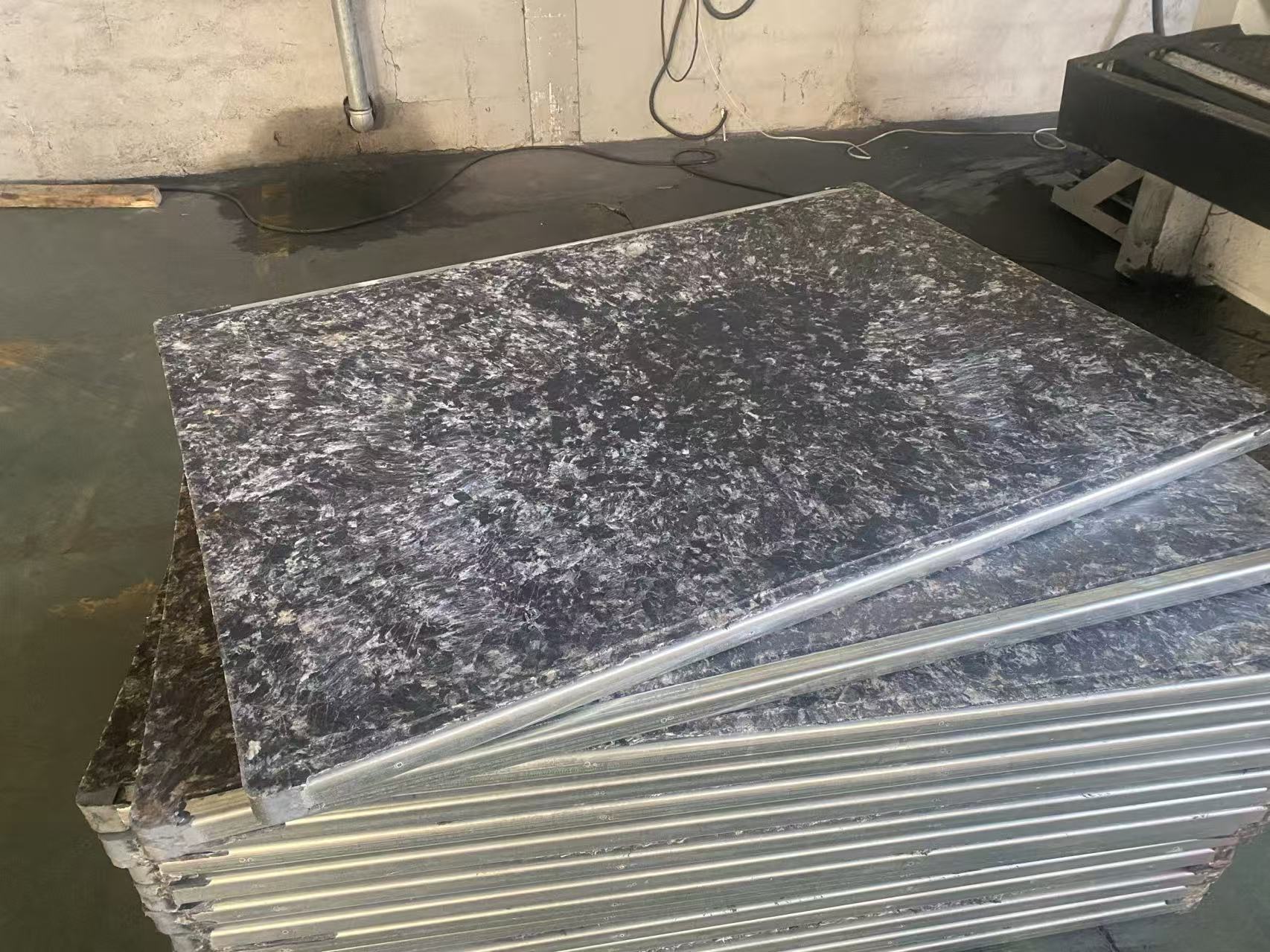
Africa’s construction sector is projected to grow 6.2% year-over-year in 2026, outpacing global averages as the continent’s population reaches 1.5 billion with nearly 60% under age 25. This demographic surge drives urbanization exceeding 4% annually in cities like Lagos, Nairobi, and Johannesburg, creating exceptional demand for building materials. Emerging brick manufacturers face a persistent challenge: sourcing equipment that withstands Africa’s extreme climate conditions while working within capital constraints that make every investment decision critical. The wrong pallet choice costs manufacturers 40-60% more through accelerated replacement cycles. This guide examines cost-effective pallet solutions proven in African facilities, comparing total ownership costs and providing phased investment strategies that make durable fiber brick pallets accessible to operations with limited capital.
Understanding the African Brick Manufacturing Landscape
Africa’s brick manufacturing sector operates within unique market dynamics. The construction market valued at $240.55 billion in 2025 is expanding to $257.63 billion in 2026, driven by infrastructure investment and affordable housing initiatives. However, manufacturers confront a $68-108 billion annual infrastructure financing gap that restricts access to capital equipment.
Key manufacturing markets present distinct advantages. Nigeria offers massive domestic demand from 220+ million population, though operations face regulatory complexity. Ghana provides political stability and investor-friendly policies facilitating equipment imports. Ethiopia’s rapid urbanization creates large-scale demand with competitive labor costs. Morocco serves domestic needs and European export markets with strong logistics infrastructure.
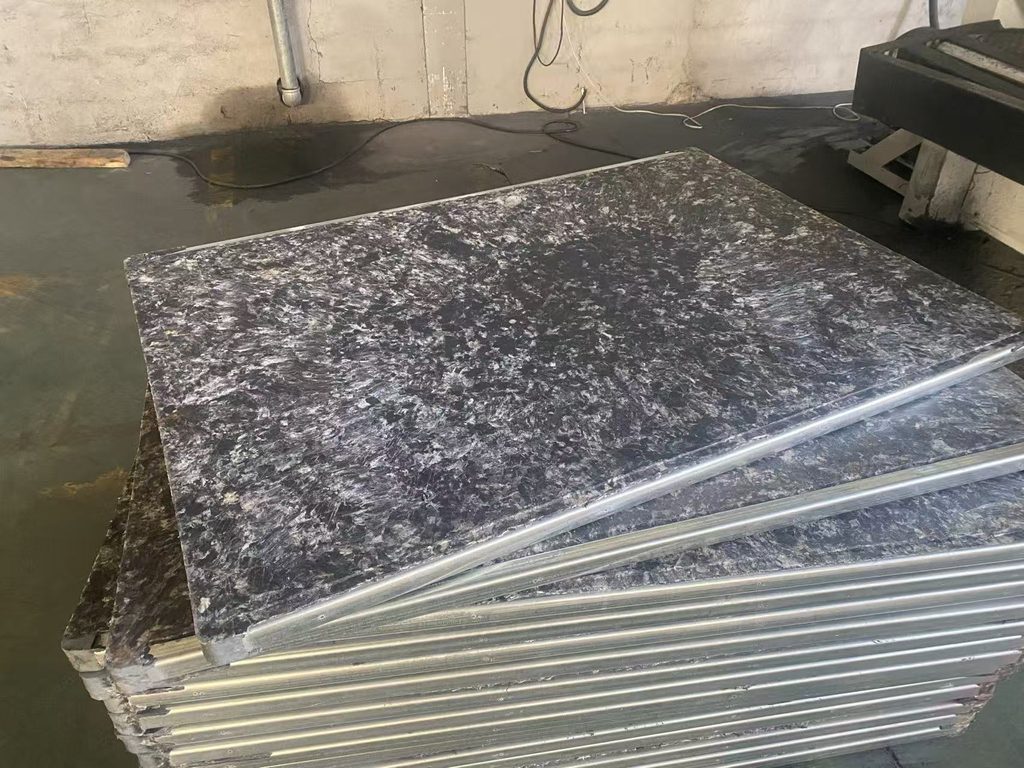
Import logistics add 10% production cost penalties in countries like Ethiopia, Tanzania, and Zambia according to World Bank manufacturing studies. Equipment typically faces 5-10% import duties on industrial machinery, with 60-90 day shipping lead times from Asian suppliers. Climate conditions accelerate equipment degradation 40-60% faster than temperate regions—tropical zones destroy wood pallets within 8-12 months, while Sahel operations endure -5°C to +48°C temperature extremes causing thermal stress failures.
| Market | Key Advantage | Primary Challenge | Climate Zone | Wood Pallet Lifespan | Import Duty |
|---|---|---|---|---|---|
| Nigeria | Massive demand (220M+ pop) | Power supply issues | Tropical/coastal | 6-10 months | 5-10% |
| Ghana | Political stability | Smaller market scale | Tropical | 8-12 months | 5-8% |
| Ethiopia | Fast urbanization | Foreign exchange limits | Highland/varied | 10-14 months | 5-10% |
| Morocco | EU market access | Higher operating costs | Mediterranean/desert | 18-24 months | 5-12% |
| South Africa | Established industry | Economic constraints | Varied/temperate | 24-36 months | 5-10% |
Climate Challenges Unique to Africa
African manufacturers operate across diverse climate zones presenting distinct durability threats. Tropical rainforests maintain 80-95% humidity year-round, Sahel regions reach +45-48°C, coastal zones combine heat with salt exposure, and highland areas experience 30-40°C daily temperature swings.
Tropical facilities face continuous moisture exposure. When humidity exceeds 75%, untreated wood absorbs 15-25% moisture within 48-72 hours, causing 2-8mm warping compromising brick accuracy. Lagos operations report 6-9 month wood lifespan before mandatory replacement. Moisture-resistant solutions prevent failures, though many manufacturers choose wood for low upfront cost, then face recurring expenses exceeding durable pallet investment within 18-24 months.
Sahel and North African manufacturers experience thermal extremes with UV intensity 40-60% higher than temperate latitudes. Wood lignin breaks down 2.5-3× faster, reducing integrity within 12-18 months. Daily temperature swings of 25-35°C create thermal shock—1,000+ annual cycles develop stress cracks.
Coastal facilities face compounded degradation from moisture plus salt. Operations within 10km of coastlines report wood degrading 35-45% faster than inland sites. Only engineered composites maintain dimensional stability across Africa’s climate spectrum.
Cost-Effective Material Options for Emerging Manufacturers
Material selection determines whether investments deliver long-term value or create recurring replacement costs. Manufacturers often select pallets by lowest purchase price, overlooking cost-per-year calculations revealing true ownership economics.
Untreated wood costing $25-35 survives only 6-10 months in tropical conditions. Annual cost: $30-70 per position with 1.2-2.0 replacement cycles yearly. A 500-pallet fleet costs $75,000-175,000 over five years in purchases alone, plus 8-15 unplanned production stoppages annually averaging $500-1,200 per incident. Five-year total: $95,000-210,000.
Treated wood extends lifespan to 14-20 months at $35-48 per unit. Annual cost: $21-41. Treatment degrades 40-60% after 12 months in high humidity as coatings crack. Five-year total for 500 pallets: $52,500-102,500 plus continued replacements.
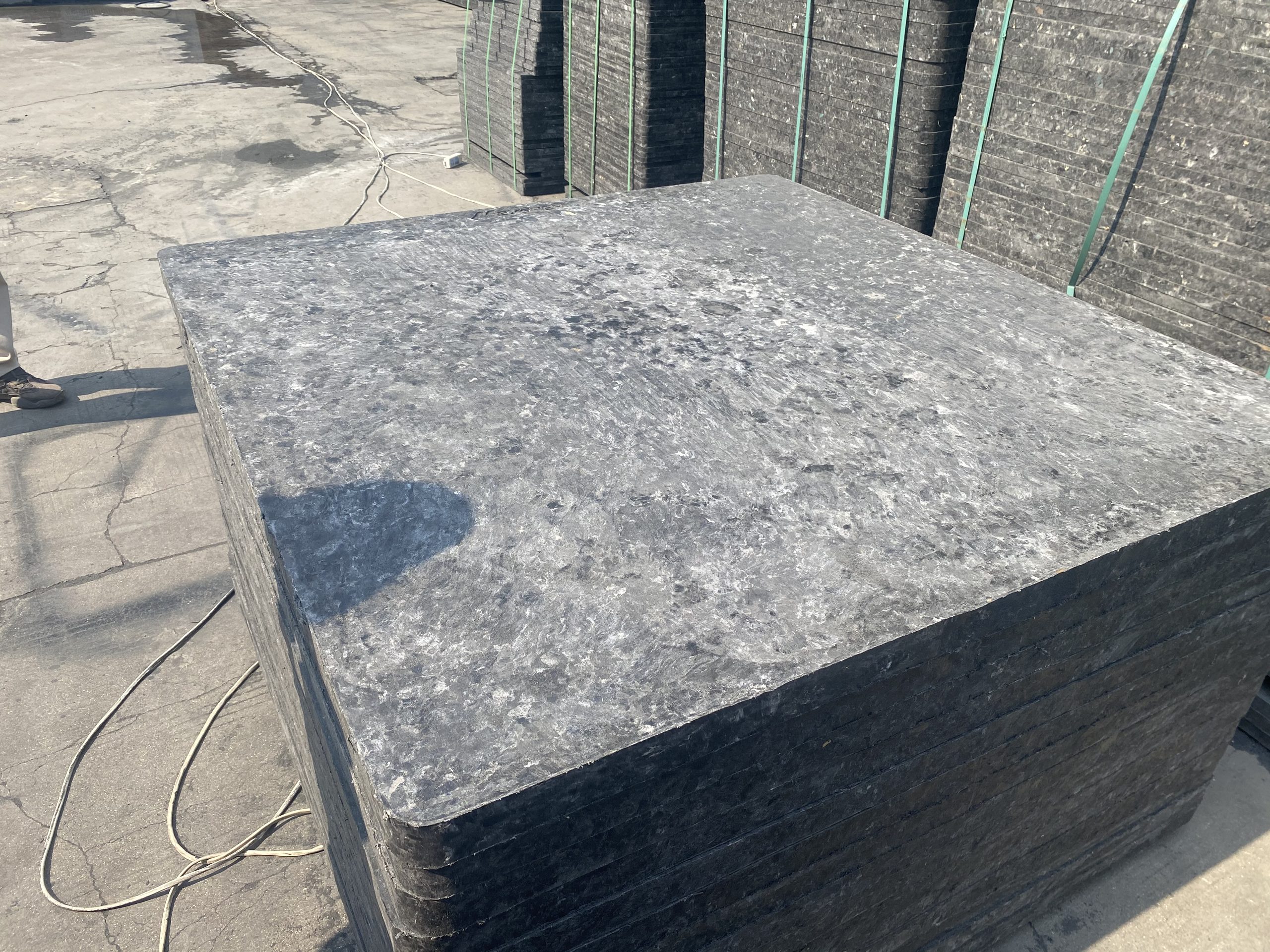
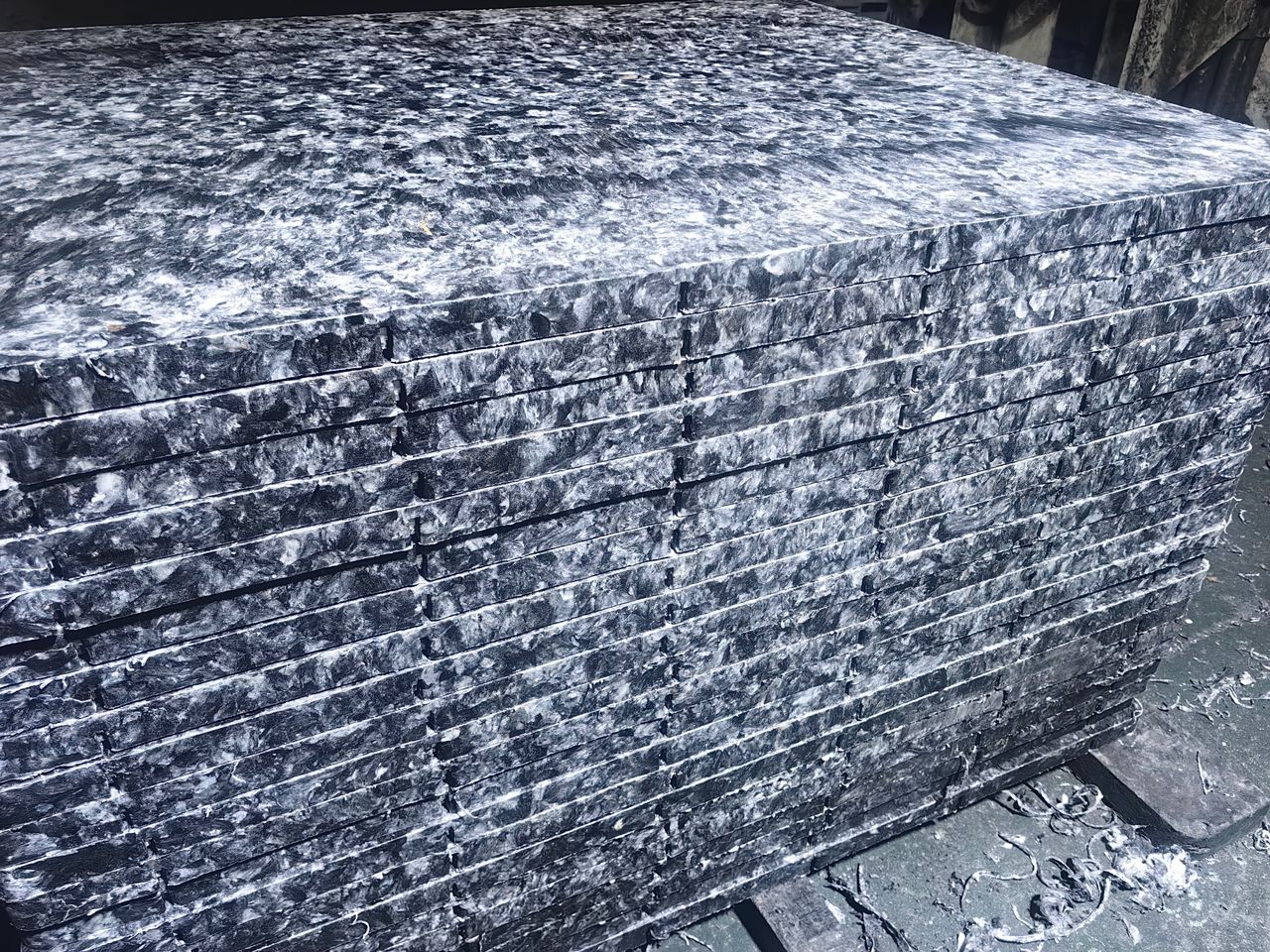
Economy fiber pallets at $68-85 provide significant durability through composite construction. Service life extends to 5-7 years with <2% moisture absorption. Annual cost: $10-17. Five-year cost for 500 pallets: $34,000-42,500—delivering 45-60% savings versus treated wood.
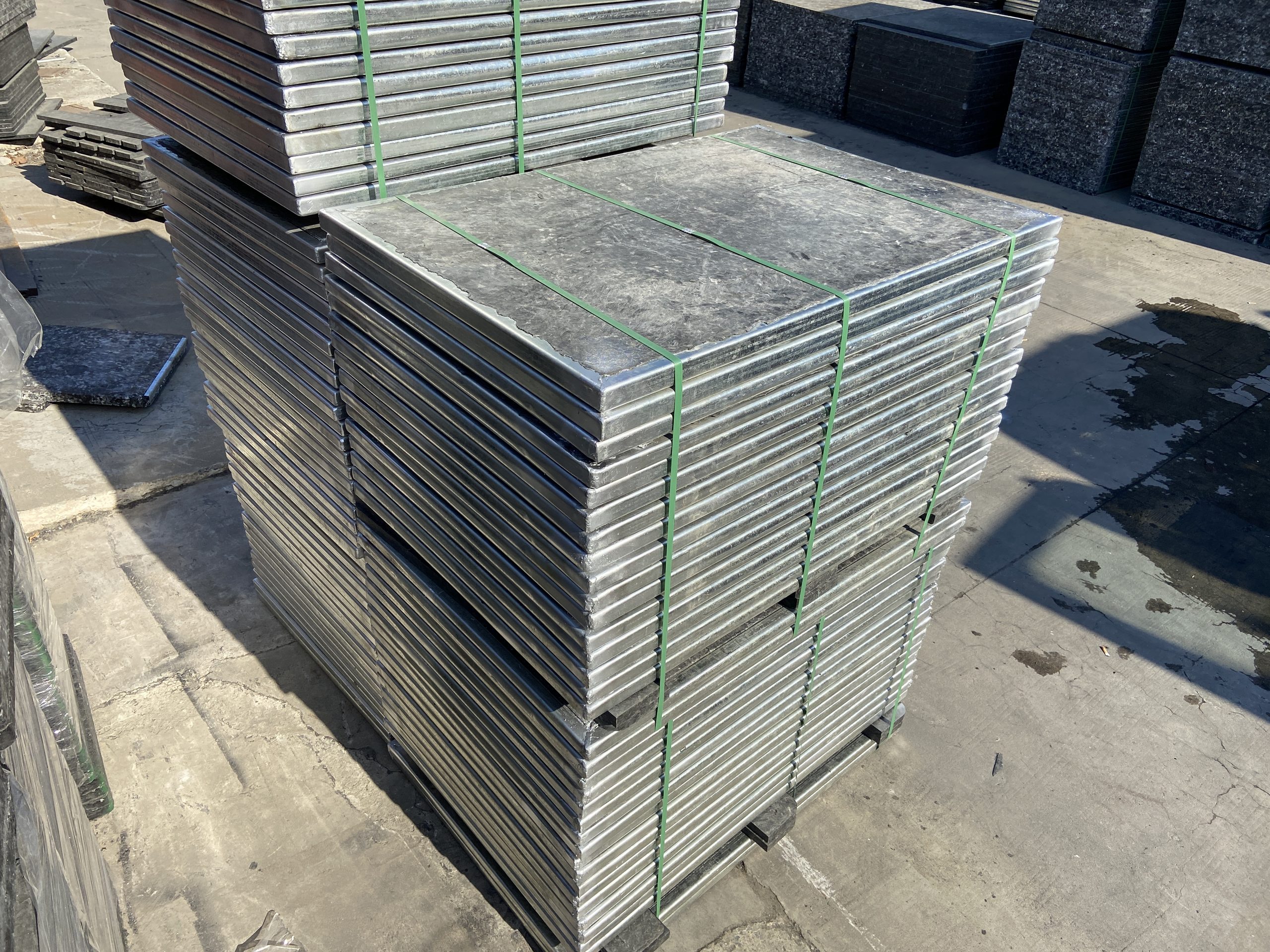
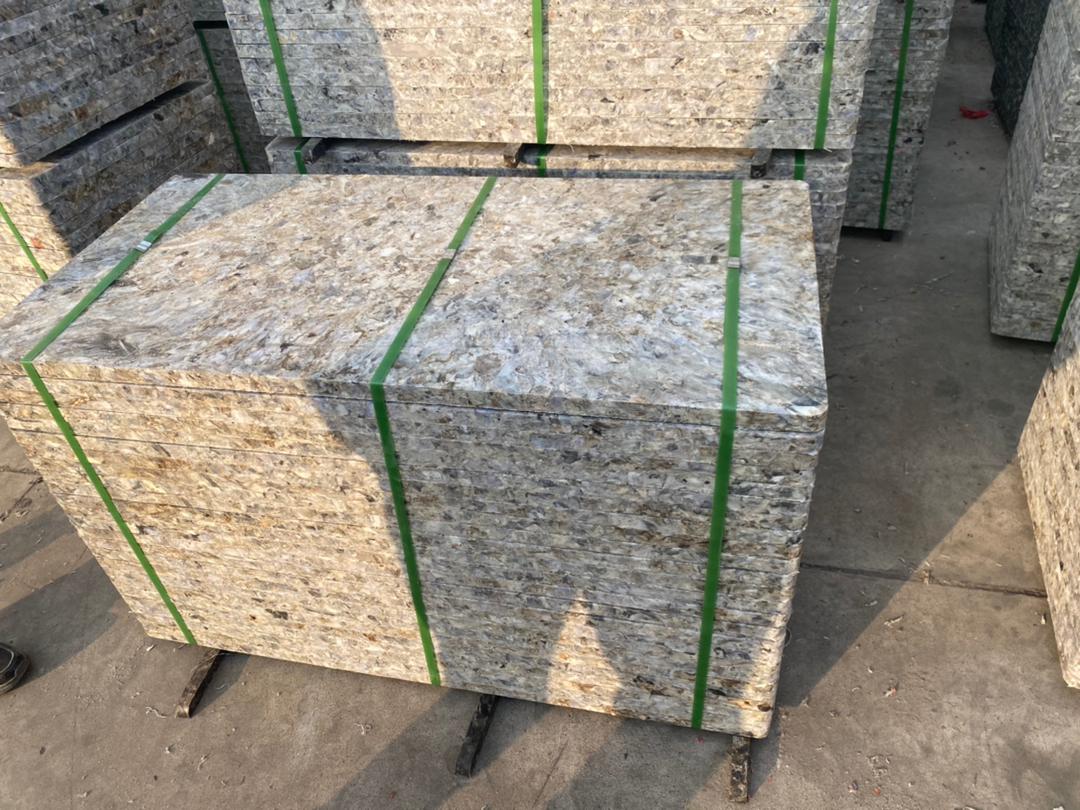
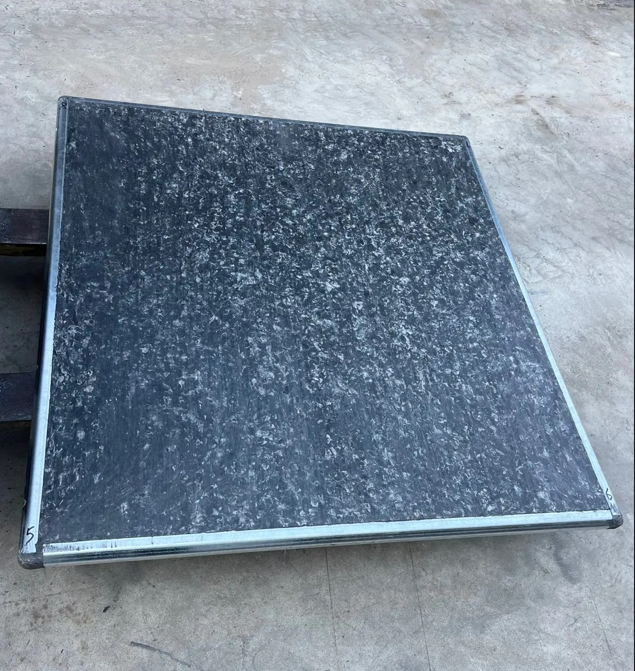
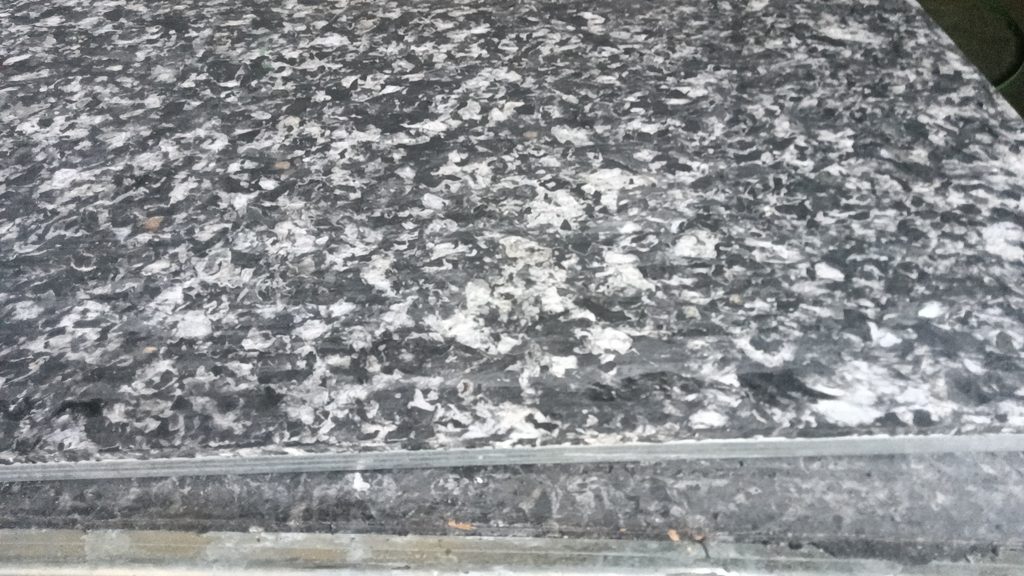
Standard GMT composite pallets costing $95-120 represent optimal value-performance balance for 8-10 year horizons. Glass fiber reinforcement provides <1% moisture absorption, maintains -10°C to +80°C stability, and resists UV degradation. Service life reaches 10-12 years across all African climates. Annual cost: $8-12. White-yellow GMT pallets deliver this performance at mid-range pricing. Five-year cost for 500 pallets: $47,500-60,000—competitive with treated wood while eliminating replacements.
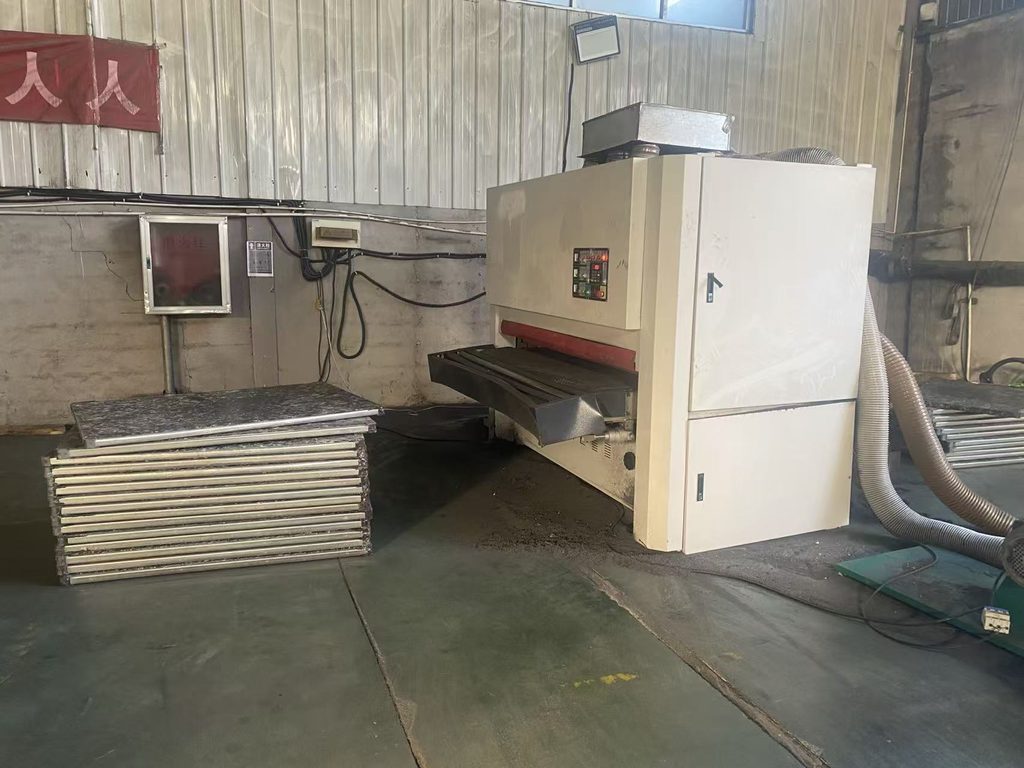
Cost analysis shifts dramatically when accounting for breakage reduction. Wood pallet surface irregularities cause 8-14% brick breakage in facilities producing 150,000+ bricks monthly—$6,500-11,000 monthly losses. GMT pallets with ±1-2mm flatness reduce breakage to 2-4%, saving $78,000-126,000 over five years. Combined with eliminated replacement cycles, total GMT advantage reaches 55-70% lower lifecycle cost despite 3-4× higher initial investment.
| Material | Unit Cost | Lifespan | Annual Cost | 5-Year Total (500 pallets) | Moisture Absorption | Replacements |
|---|---|---|---|---|---|---|
| Untreated wood | $25-35 | 6-10 months | $30-70 | $95,000-210,000 | 15-25% | 6-10 cycles |
| Treated wood | $35-48 | 14-20 months | $21-41 | $52,500-102,500 | 8-12% | 3-5 cycles |
| Economy fiber | $68-85 | 5-7 years | $10-17 | $34,000-42,500 | <2% | 0-1 cycles |
| Standard GMT | $95-120 | 10-12 years | $8-12 | $47,500-60,000 | <1% | 0 cycles |
| Premium GMT | $130-160 | 12-15 years | $9-13 | $65,000-80,000 | <0.5% | 0 cycles |
Phased Investment Strategy for Budget-Conscious Operations
Emerging manufacturers can adopt phased GMT implementation spreading investment across 24-36 months while demonstrating ROI before full commitment. This reduces initial capital requirements 50-65% versus complete fleet replacement.
Phase 1 (Months 0-8): High-Impact Positions (20-30%)
Start with 100-200 pallets in highest-cycle positions—primary forming stations and rapid-turnover curing areas. For a 600-pallet operation, this requires $9,500-24,000 initial investment. These positions generate 40-50% of quality issues, producing immediate improvements. Facilities observe 35-45% breakage reduction and 60-75% decrease in stops within 4-6 months.
Phase 2 (Months 12-20): Expand to 50-60% Coverage
Add 200-250 pallets reaching majority GMT coverage. Investment: $19,000-30,000. Eliminated Phase 1 replacement costs generate cash flow contributing to Phase 2—the investment begins self-funding. Maintain 40-50% economy pallets in low-stress positions. Mixed fleet delivers 70-80% of full GMT benefits at 55-65% of cost.
Phase 3 (Months 24-36): Complete Core Fleet
Reach 70-80% GMT coverage, retaining 100-150 wood pallets for backup. Final investment: $9,500-18,000. Total program: $38,000-72,000 spread across 36 months versus $57,000-96,000 immediate replacement. The phased approach validates ROI at each step and manages cash flow.
Import and Logistics Considerations
FOB China pricing represents 60-75% of final delivered cost once duties, shipping, and clearance complete. Industrial machinery qualifies for 5-10% duty rates under Common External Tariff frameworks. Duties apply to CIF value (FOB + shipping + insurance), not just FOB, increasing the duty base 15-25%.
A 20-foot container holds 180-220 GMT pallets (850×680mm standard fits 200-210 units). 40-foot containers accommodate 400-450 pallets with 15-20% per-unit cost reduction. Shipping from Chinese hubs to West African ports costs $2,800-4,500 per 20-foot container; East Africa $3,200-5,000; Southern Africa $2,500-4,200. Per-pallet shipping adds $14-25. Port handling, clearance, and inland transport add $800-1,800. Total logistics and duty typically add 35-45% to FOB cost.
Most suppliers require 30-50% deposit at order, balance before shipment. Some offer milestone-based payment: 30% deposit, 40% at production, 30% at delivery, extending payment across 60-90 days. Lead times span 60-90 days: 25-35 days production, 5-10 days domestic logistics, 30-45 days ocean freight.
Durability in Harsh African Conditions
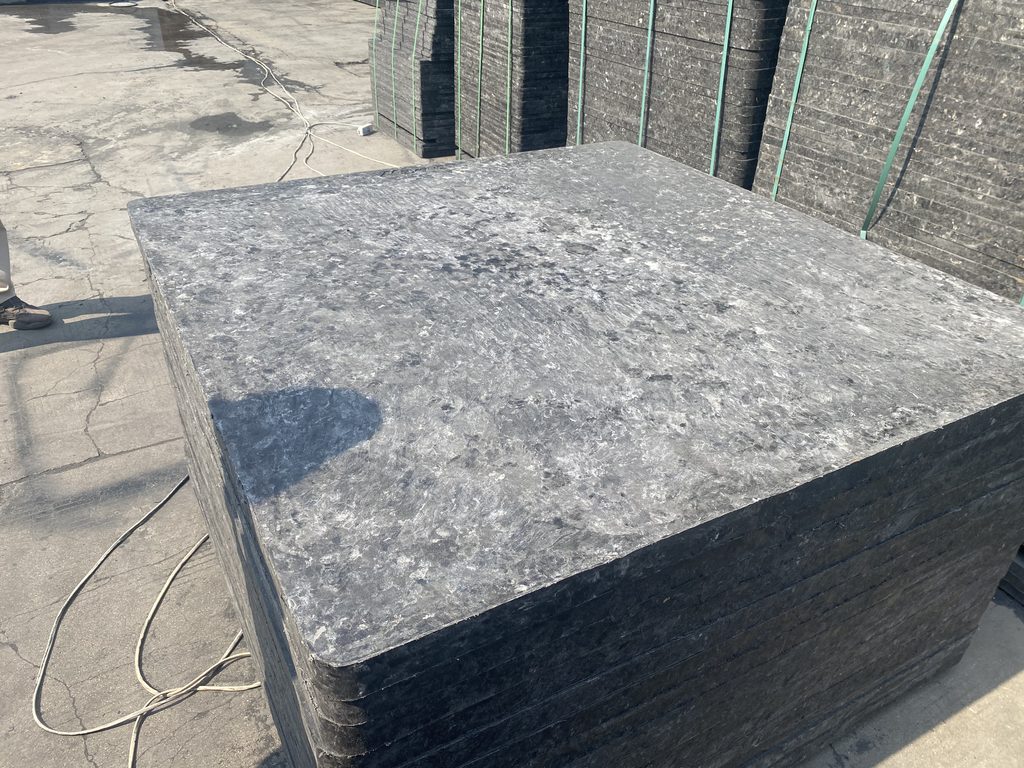
Field data provides realistic performance expectations. Tropical West Africa facilities report high-quality GMT pallets maintaining <1% moisture absorption after 5+ years at 75-90% humidity. A Lagos facility operating since 2019 shows 600 GMT pallets with 98% still in service in 2026—zero climate failures. Comparable wood required complete replacement 6-8 times.
East African highland operations experience 25-35°C daily swings. GMT maintains stability across -5°C to +45°C without warping. An Addis Ababa manufacturer reported 800 GMT pallets installed in 2020 showing 97% integrity through 2026 with only 24 units replaced due to accidental damage.
Sahel facilities endure extreme heat and UV exposure. White GMT pallets reflect 75-85% solar radiation, keeping surfaces 8-12°C cooler. UV stabilizers prevent photodegradation destroying wood within 18 months. Facilities report 10+ year service life matching specifications.
Financing Options for Emerging Manufacturers
Several financing structures address upfront capital barriers. Standard terms require 30-50% deposit—a $50,000 order needs $15,000-25,000 upfront. Some suppliers extend milestone-based payment spreading costs across 60-90 days.
African development banks offer equipment financing: 20-30% down, 24-36 month repayment at 8-15% interest. A $50,000 fleet financed at 30% down and 12% interest requires $15,000 initial and $1,400 monthly. Financing adds $12,000-18,000 but makes GMT accessible to operations generating equivalent annual savings.
Some suppliers offer consignment for 50-100 pallets allowing 6-12 month trials. Units cost 15-25% premium but provide risk mitigation. The phased strategy functions as self-financing—initial 100-200 pallets cost $9,500-24,000, eliminated replacement costs generate $6,000-15,000 cash flow for Phase 2.
Making the Right Choice: Selection Framework
Operations below 80,000 bricks monthly can operate mixed fleets: economy fiber or treated wood in low-stress positions, GMT in high-cycle areas. Blended approach costs $15,000-28,000 while eliminating 70-80% of replacement cycles.
Facilities producing 150,000-350,000 bricks monthly benefit from 60-80% GMT coverage. GMT investment of $57,000-144,000 delivers 14-22 month payback through combined breakage reduction and replacement elimination.
Tropical and coastal facilities must prioritize moisture resistance: GMT or premium fiber only. Sahel operations require heat and UV resistance: GMT with UV stabilizers and +80°C heat deflection.
FAQ
What’s the minimum investment for GMT pallets in Africa?
A starter fleet of 100 GMT pallets costs $9,500-12,000 delivered to major African ports. This covers high-stress positions for operations producing 60,000-100,000 bricks monthly. The phased approach makes GMT accessible with $10,000-15,000 initial capital.
How do import duties affect total cost?
Import duties of 5-10% apply to CIF value (FOB + shipping + insurance). For $95 FOB pallets with $18 shipping, duty applies to $113 base, adding $5.65-11.30 per pallet. Combined with shipping, port handling, and inland transport, landed cost reaches $131-154—37-62% above FOB. Budget planning must account for these additions.
Which African countries have best GMT availability?
South Africa offers local inventory and immediate delivery at 15-25% premium. Nigeria has Lagos-based distributors with 2-4 week delivery. Ghana, Kenya, and Ethiopia rely on direct import with 10-14 week lead times.
Can I mix wood and GMT pallets during transition?
Mixed fleets work well when strategically deployed: GMT in high-cycle positions (60-70%), economy materials in low-stress storage (30-40%). This delivers 70-80% of full GMT benefits at 55-65% of cost. Avoid mixing within the same production line—dimensional inconsistencies cause handling problems.
What’s realistic lifespan in tropical African climate?
GMT pallets achieve 10-12 year service life in tropical conditions with <1% moisture absorption. Field data from Nigerian facilities shows 95-98% fleet integrity after 5-7 years. Wood survives only 6-10 months in 75-90% humidity.
How do I verify pallet quality from importers?
Request material specifications: glass fiber content (30-40% by weight), moisture absorption (<1% for GMT), dimensional tolerance (±2mm), and load capacity (2,500+ kg). Ask for mill test certificates. Contact 2-3 African facilities using their pallets to verify real-world performance.
What payment terms are available for African buyers?
Standard terms are 30-50% deposit, balance before shipment. Some suppliers offer milestone payment: 30% deposit, 40% at production, 30% at delivery. Letter of credit adds 2-4% bank fees for orders exceeding $30,000.
Do GMT pallets work in extreme heat like Sahel region?
GMT maintains structural integrity from -10°C to +85°C, covering Sahel temperatures reaching +45-48°C. Glass fiber prevents softening, maintaining 95-98% strength retention at +60°C versus wood’s 35-45% degradation. White GMT reflects 75-85% solar radiation. Field performance matches Middle East operations with 10+ year service life.
Conclusion
African brick manufacturers no longer face choosing between affordable pallets that fail rapidly or durable solutions beyond capital reach. Cost-effective GMT and fiber composite pallets deliver 10-12 year service life across demanding climates at lifecycle costs 45-65% lower than wood despite higher initial investment. Phased implementation spreads GMT investment across 24-36 months at $38,000-72,000 for typical 600-pallet operations, while eliminated replacement cycles generate $12,000-24,000 annual savings funding subsequent phases.
For operations in tropical zones or Sahel regions, Yellow fiber pallets and standard GMT options prevent accelerated degradation shortening wood lifespan 40-65%, making durable composites operationally essential.
Rhinos Pallet manufactures glass fiber reinforced GMT pallets engineered for African conditions, with <1% moisture absorption, -10°C to +85°C stability, and proven 10-12 year service life. Our team provides fleet calculations, phased investment planning, and African market financing options. Contact us for cost analysis and volume pricing tailored to emerging manufacturer requirements.