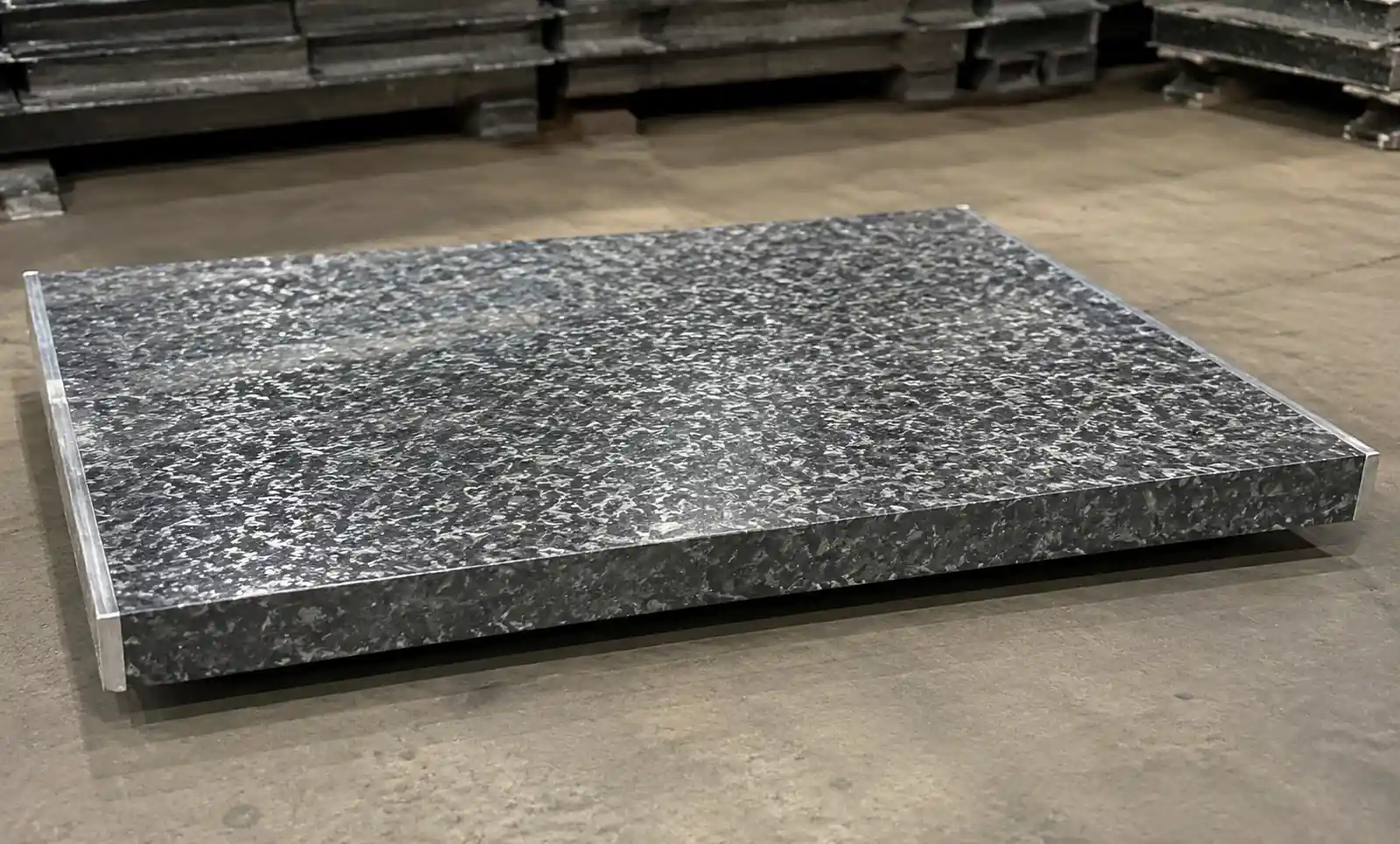
Wood pallet replacement costs brick manufacturers $12,000 to $35,000 annually in mid-size facilities. Pallet deterioration accounts for 15-22% of unplanned downtime, while moisture-induced warping causes 8-12% of green brick breakage during curing. Switching to GMT pallets reduces these costs by 65-80% while extending operational lifespan from 2-3 years to 10+ years.
This guide provides factory-verified data comparing GMT and wood pallets across durability, load capacity, moisture resistance, lifecycle costs, and operational impact.
What Are GMT Pallets vs Wood Pallets?
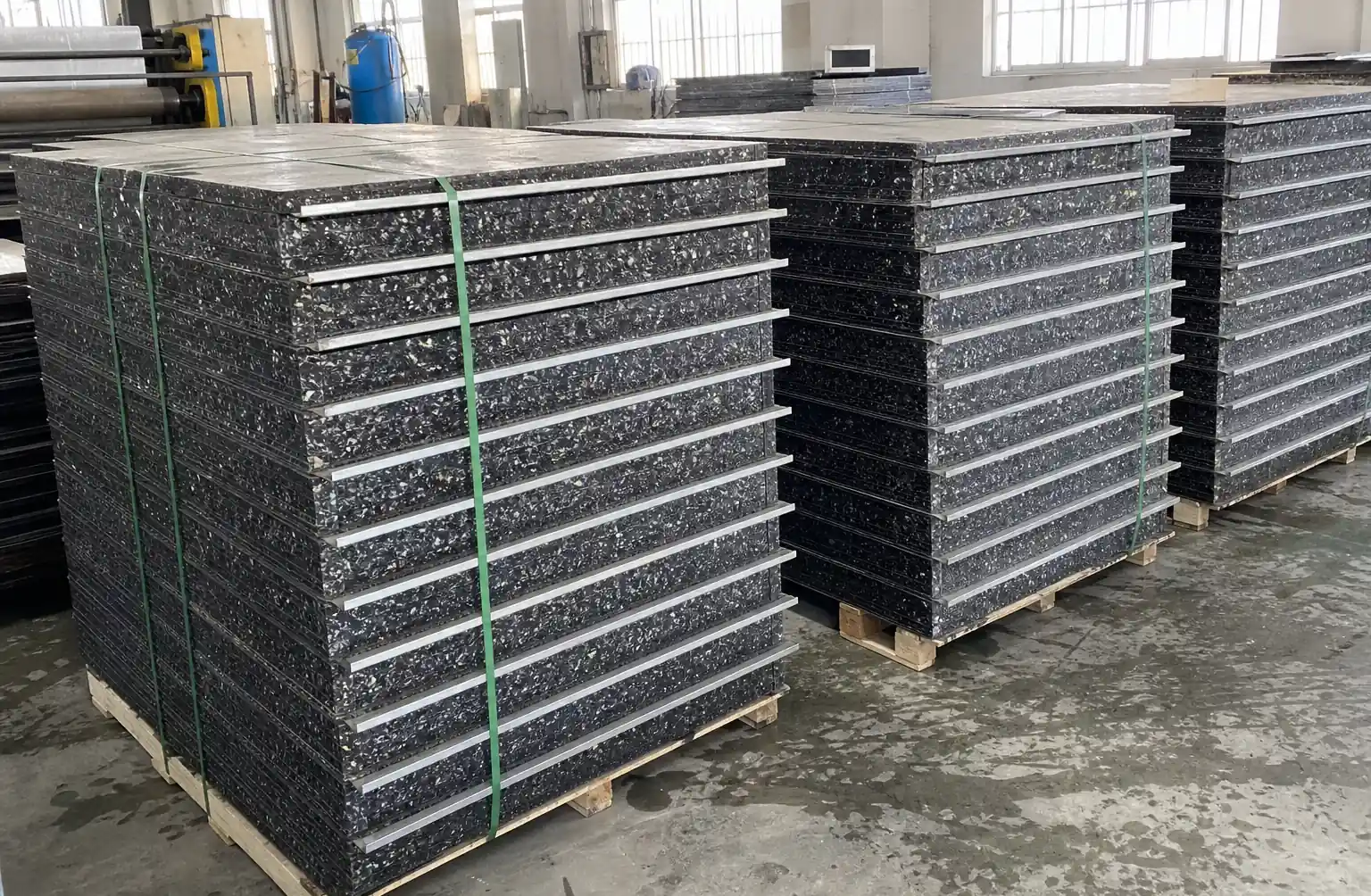
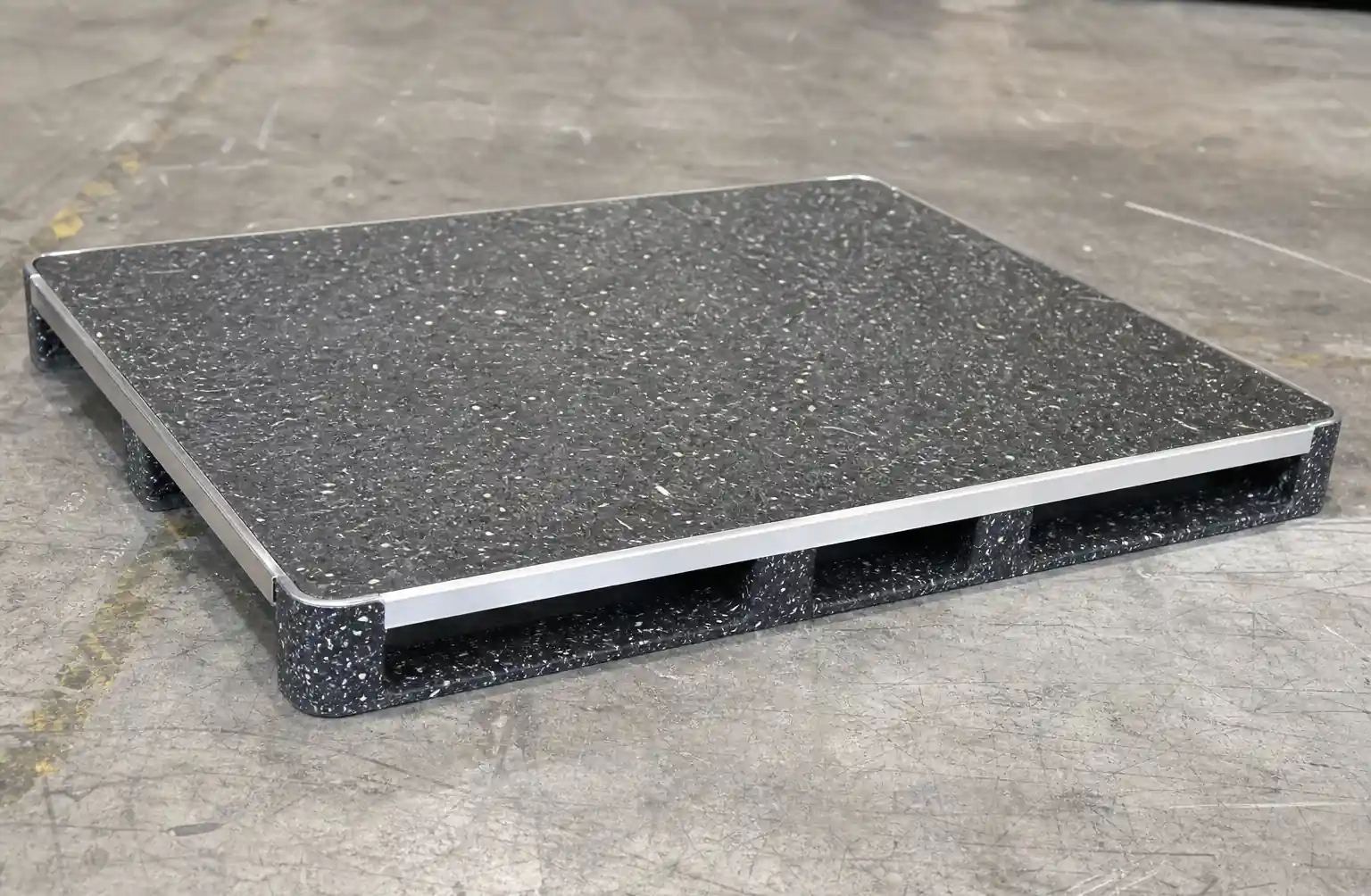
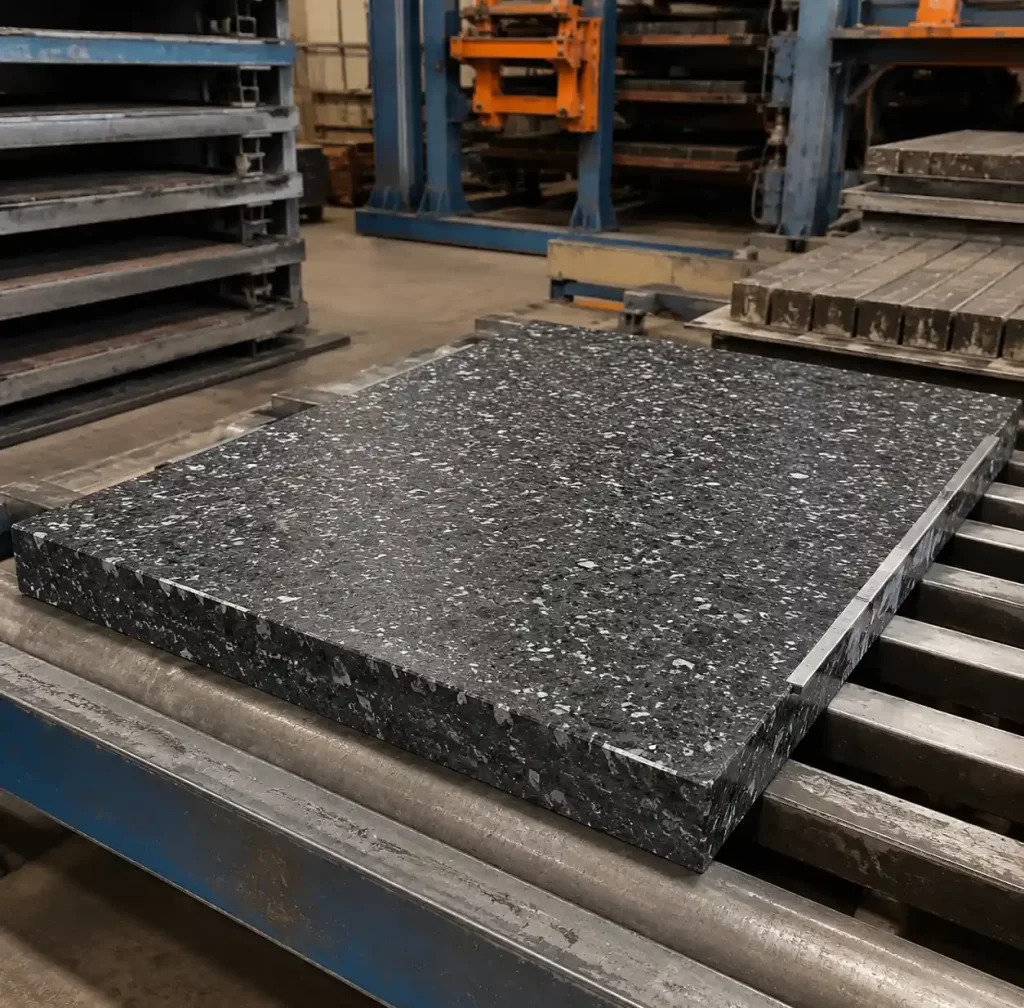
GMT pallets are fiber-reinforced composite pallets made from Glass Mat Thermoplastic materials through compression molding. The construction combines glass fiber reinforcement with thermoplastic resin, creating a dense, moisture-resistant surface that maintains dimensional stability across 10,000+ production cycles.
Wood pallets are traditional brick handling platforms constructed from hardwood or softwood lumber assembled with nails or screws. While widely used due to lower initial costs, wood pallets absorb moisture, warp under thermal cycling, and deteriorate within 24-36 months in high-volume production environments.
Material Construction Comparison
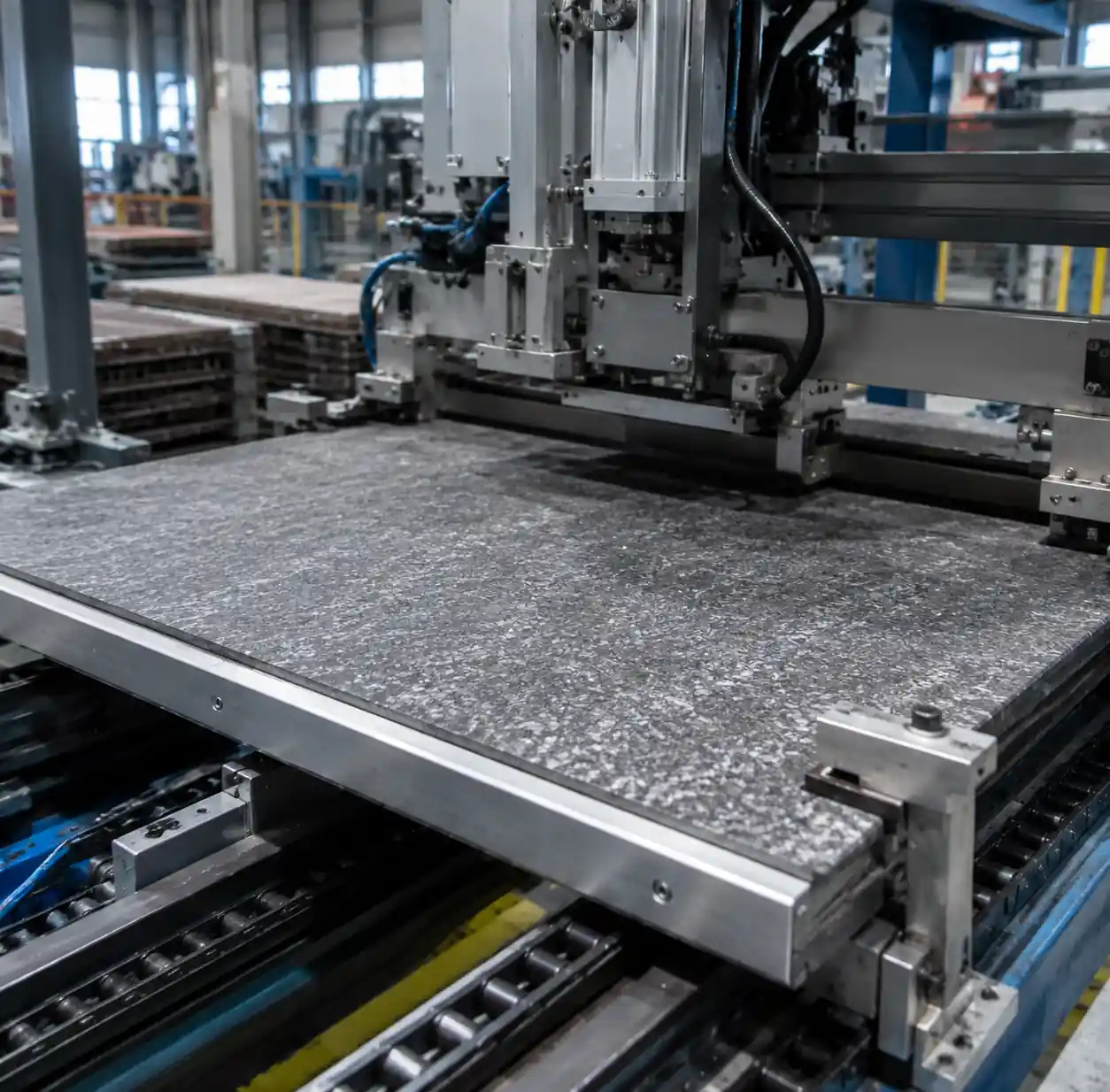
GMT pallet construction uses compression molding to fuse glass fiber mats with thermoplastic resin at temperatures exceeding 180°C. This creates a homogeneous composite with uniform density and consistent mechanical properties.
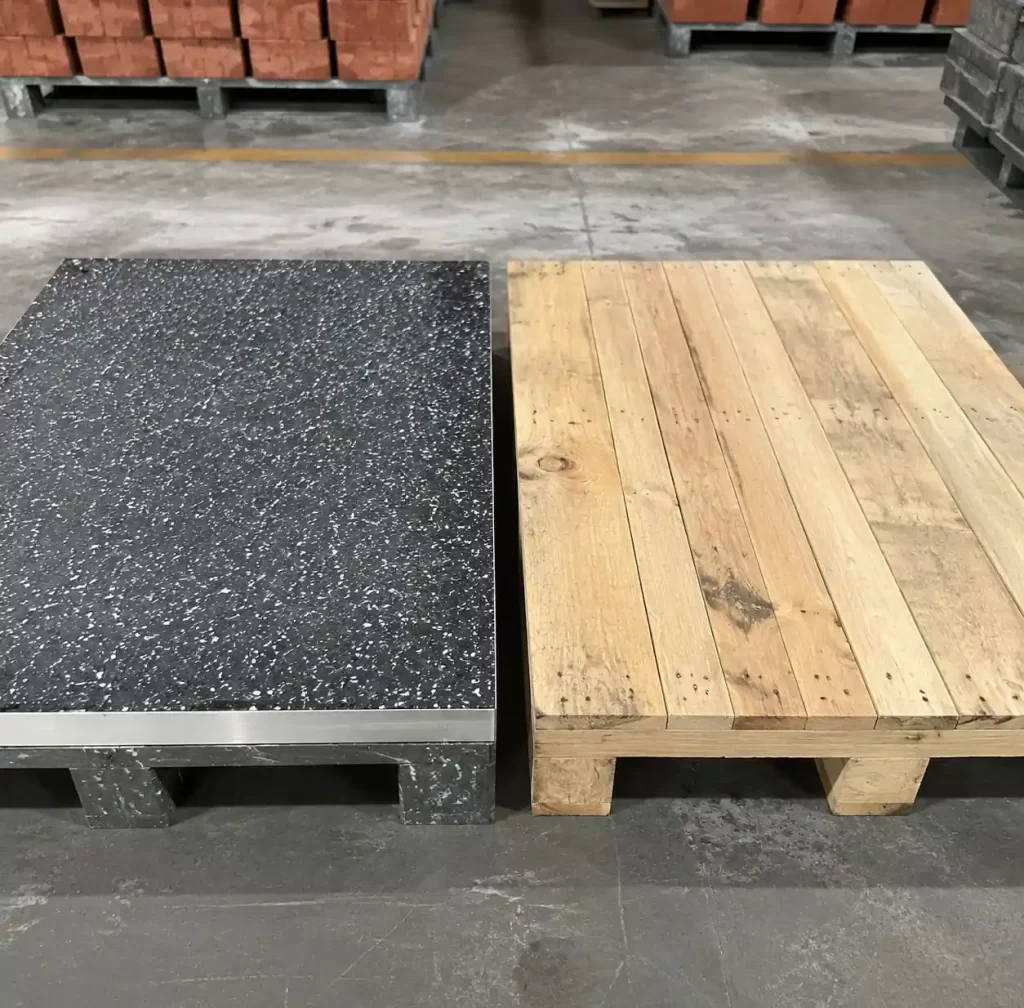
Wood pallet construction relies on natural lumber with inherent material inconsistencies. Wood cells absorb moisture through capillary action, causing dimensional changes of 15-20% between dry and saturated states.
| Construction Factor | GMT Pallet | Wood Pallet |
|---|---|---|
| Material composition | Glass fiber + thermoplastic resin | Natural lumber |
| Manufacturing process | Compression molding at 180°C+ | Cut and nail/screw assembly |
| Dimensional tolerance | ±2mm | ±5-12mm |
| Moisture absorption | <1% by weight | 15-20% by weight |
Durability and Lifespan Analysis
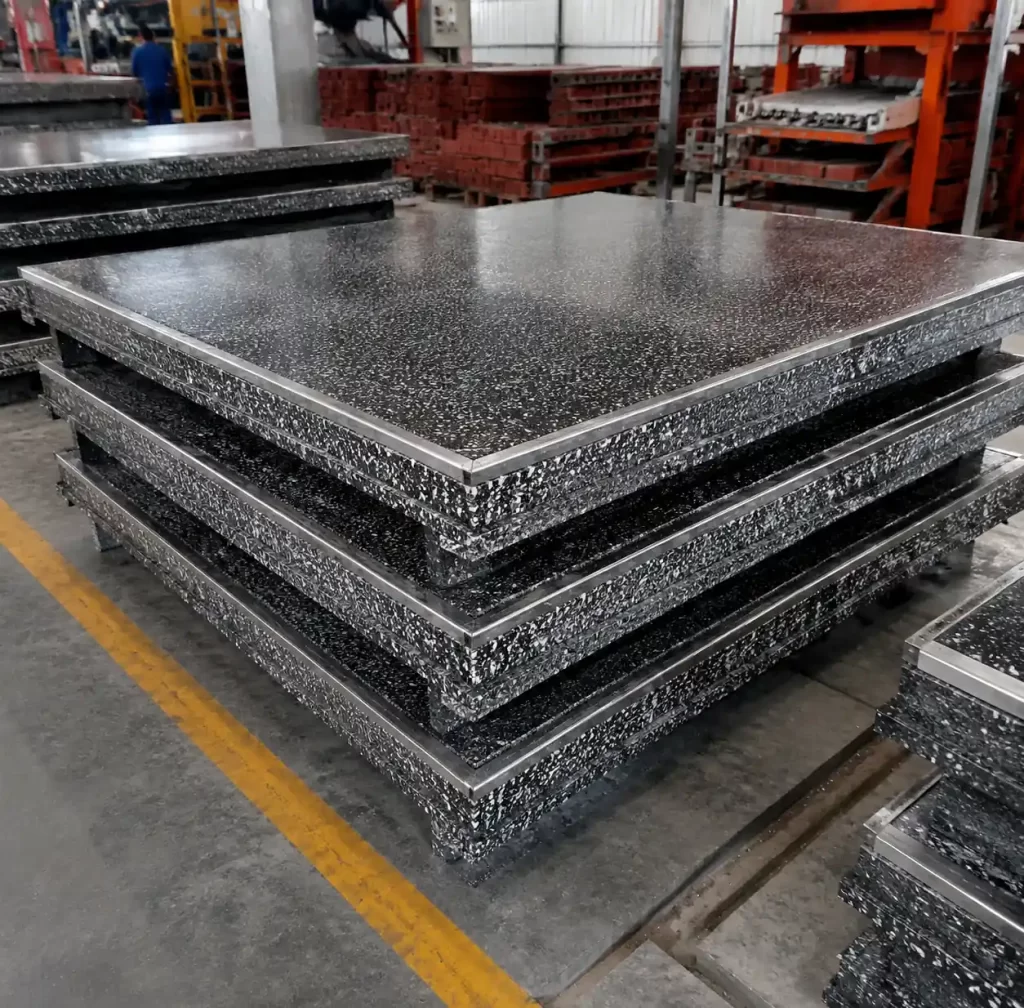
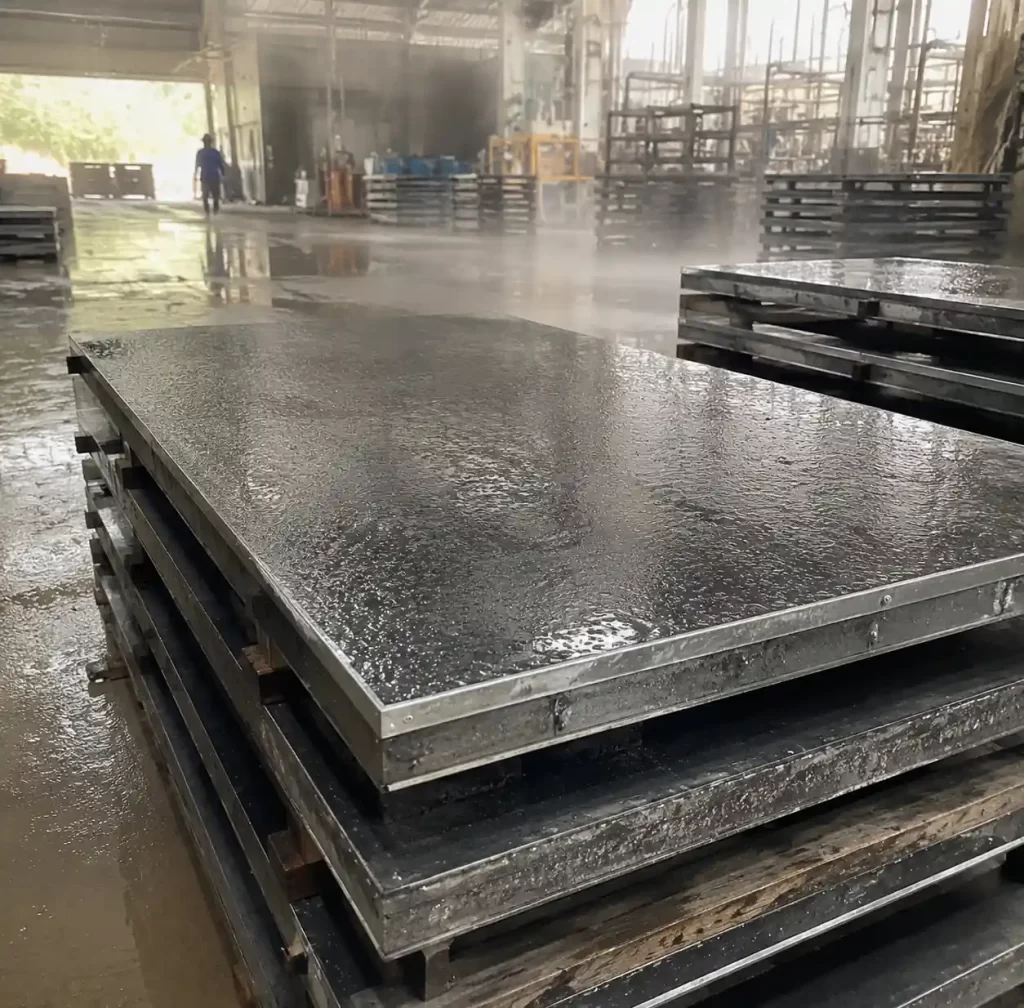
GMT pallets achieve 10-12 year operational lifespans in brick production environments. Factory data shows GMT pallets maintain structural integrity across 10,000+ handling cycles without surface degradation or dimensional changes.
Wood pallets deteriorate rapidly once moisture penetration begins. In high-humidity environments, wood pallets develop 4-8mm surface variations within 12-18 months. Temperature cycling accelerates degradation, while GMT maintains dimensional stability across -30°C to +80°C.
High-quality GMT pallets demonstrate proven durability in automated facilities operating 20+ hours daily.
| Durability Metric | GMT Pallet | Wood Pallet | GMT Advantage |
|---|---|---|---|
| Service life | 10-12 years | 2-3 years | 4-5x longer |
| Production cycles | 10,000+ | 2,000-3,000 | 3-5x more |
| Replacement frequency | Once per decade | 3-4 times per decade | 70-75% fewer |
| Temperature tolerance | -30°C to +80°C | -10°C to +40°C | 2x wider range |
Moisture Resistance Performance
GMT pallets absorb <1% moisture by weight due to the thermoplastic matrix that encapsulates glass fibers. Submerged in water for 72 hours, GMT shows <0.5mm dimensional change, while wood pallets swell 8-15mm.
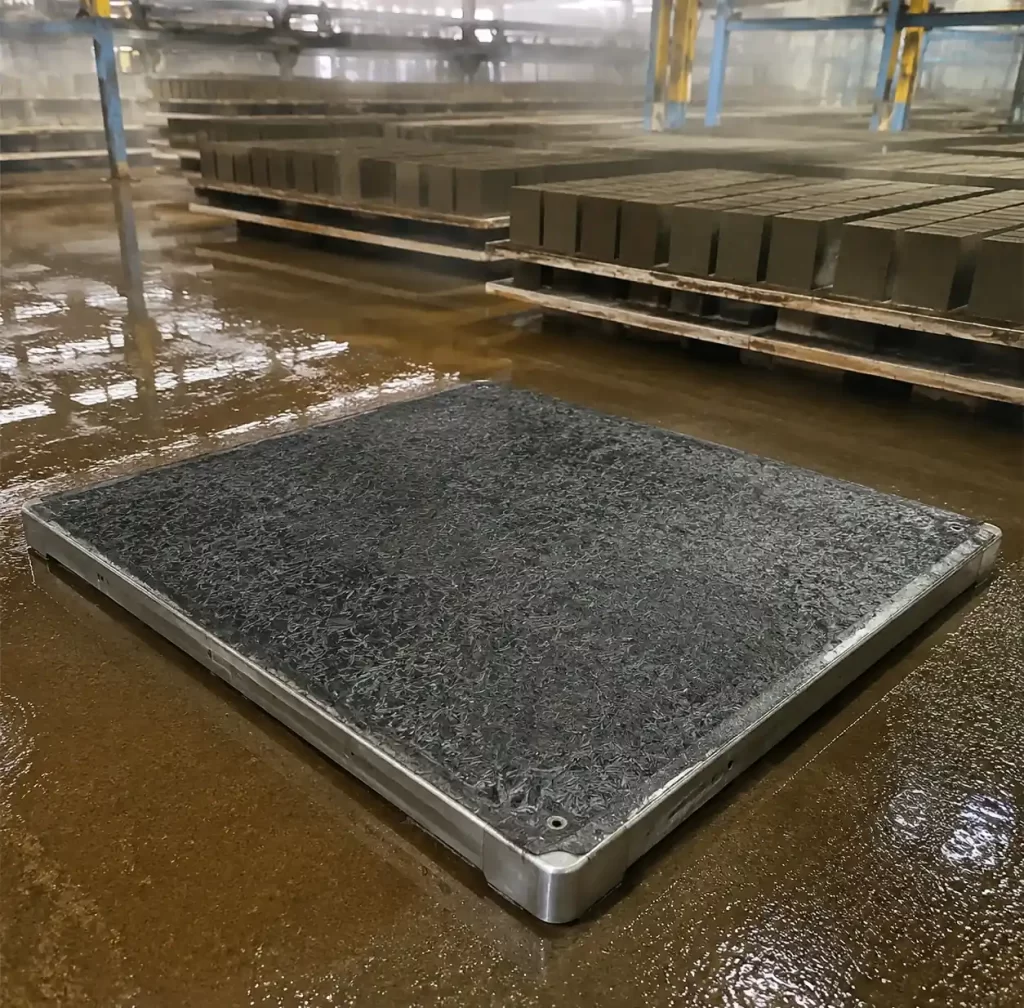
Wood pallets fail rapidly in high-moisture environments. Capillary action draws water into wood cells, causing immediate swelling. After 50-100 moisture cycles, wood pallets develop permanent warping that eliminates them from precision production use.
Moisture-resistant GMT pallets are recommended for facilities in coastal regions or tropical climates where humidity exceeds 70% year-round.
Load Capacity and Structural Strength
GMT pallets support 2,500-3,000 kg static loads with <1mm deflection at 3,000 kg. Wood pallets deflect 5-8mm at 2,000 kg and support only 1,500-2,000 kg.
Dynamic loading during automated handling imposes shock forces 2-3x higher than static loads. GMT pallets absorb these shocks through composite flexibility, while rigid wood structures crack at stress points.
| Structural Factor | GMT Pallet | Wood Pallet | Performance |
|---|---|---|---|
| Static load capacity | 2,500-3,000 kg | 1,500-2,000 kg | 25-50% higher |
| Deflection under load | <1mm at 3,000 kg | 5-8mm at 2,000 kg | 80-88% less |
| Edge integrity retention | 10,000+ cycles | Splinters after 2,000 cycles | 5x longer |
Cost Analysis: Initial vs Lifecycle
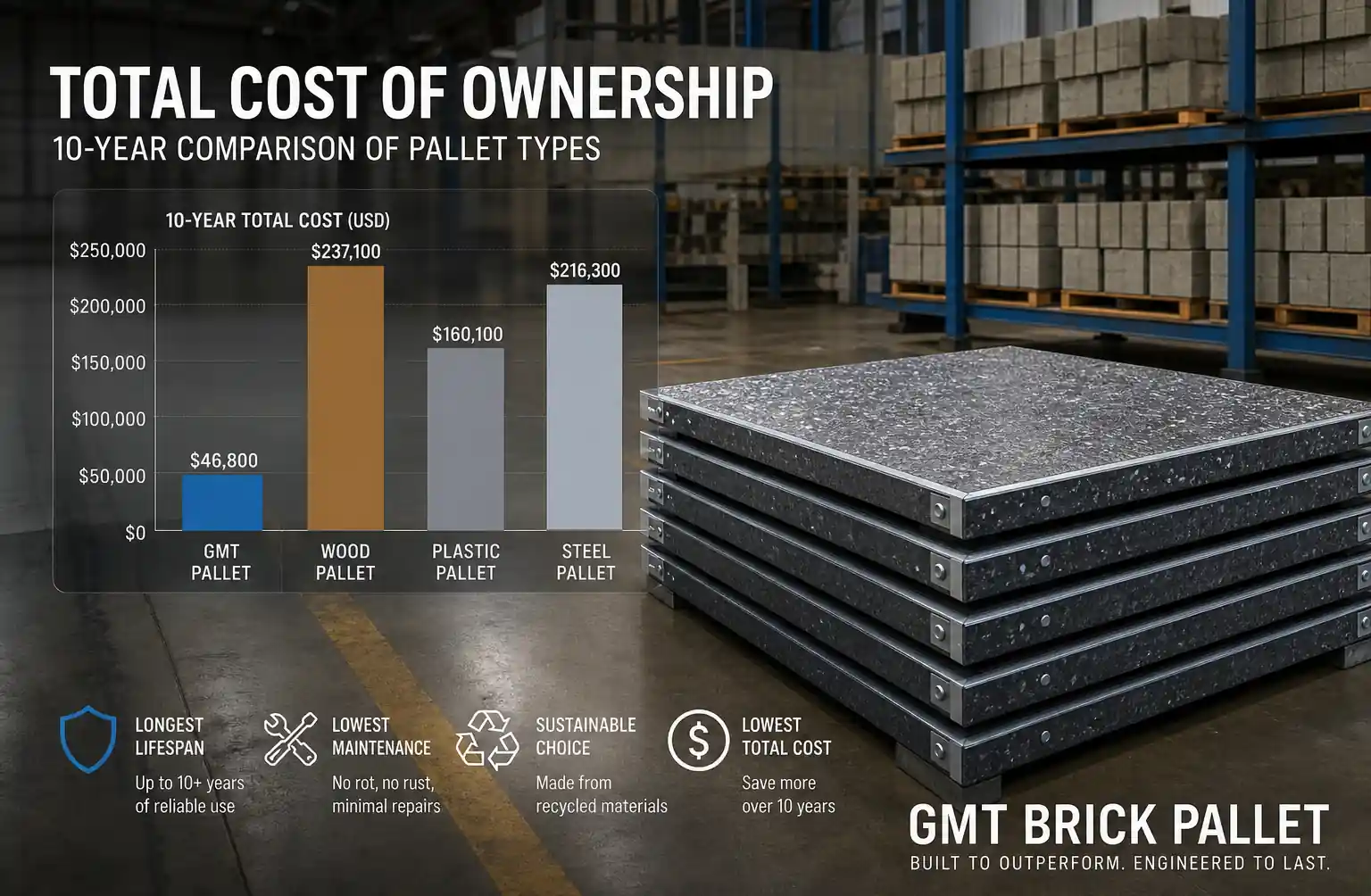
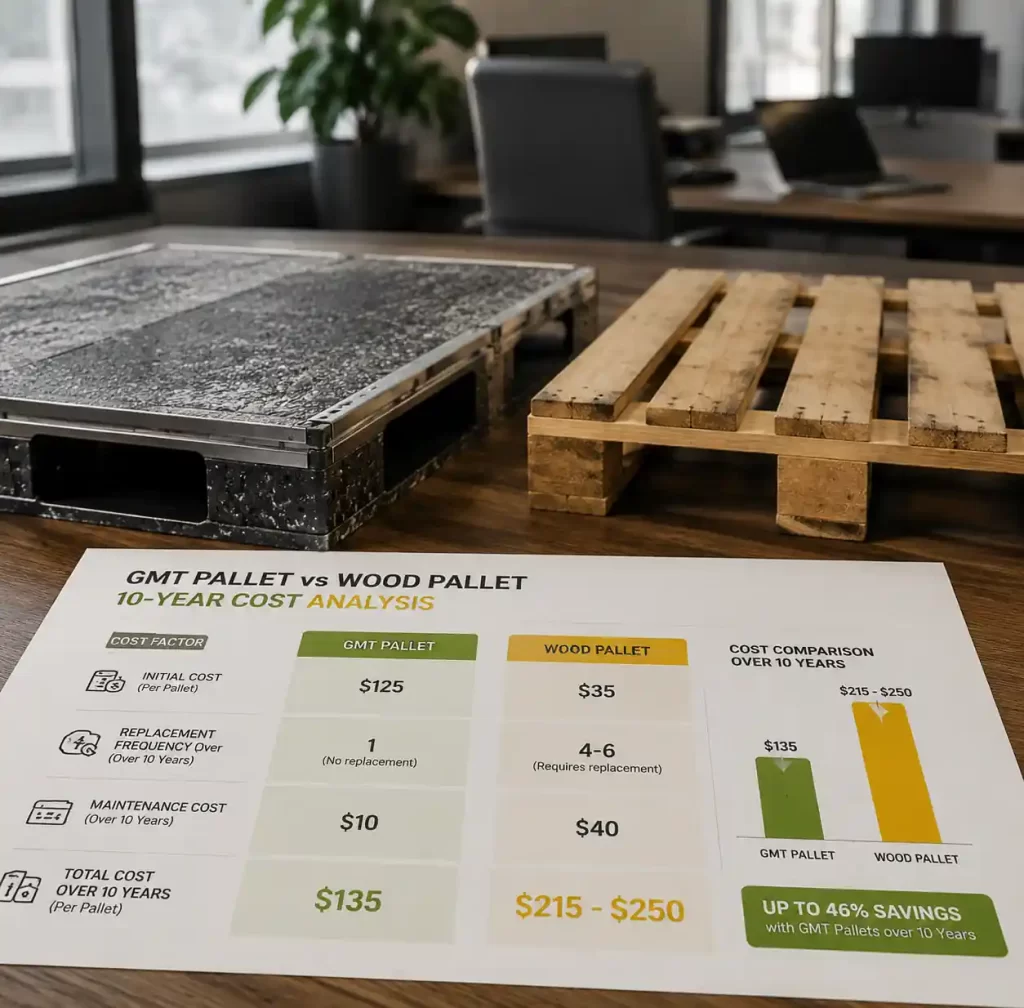
Initial costs favor wood pallets at $25-$45 per unit compared to GMT pallets at $85-$120 per unit. However, total cost of ownership reveals GMT pallets provide 40-60% cost savings over 10 years.
Wood Pallet Scenario (10 years, 200 pallets):
- Initial purchase: $7,000
- Replacements (3.5 cycles): $24,500
- Inspection labor: $30,000
- Replacement labor: $3,500
- Production downtime: $112,000
- Total: $177,000
GMT Pallet Scenario (10 years, 200 pallets):
- Initial purchase: $20,000
- Replacements: $0
- Inspection labor: $5,000
- Replacement labor: $0
- Production downtime: $0
- Total: $25,000
Savings: $152,000 (86% reduction). Payback period: 18-24 months in high-volume facilities.
White GMT brick pallets offer optimal cost-effectiveness for facilities prioritizing long-term operational efficiency.
Production Impact Comparison
GMT pallets increase production efficiency through consistent dimensions. Facilities switching report 15-25% throughput improvements due to reduced handling errors and fewer quality stops.
Brick breakage rates drop 47-52% with GMT pallets due to surface flatness that distributes curing stress evenly. This saves $8,000-$15,000 annually in material waste for facilities producing 500,000+ bricks yearly.
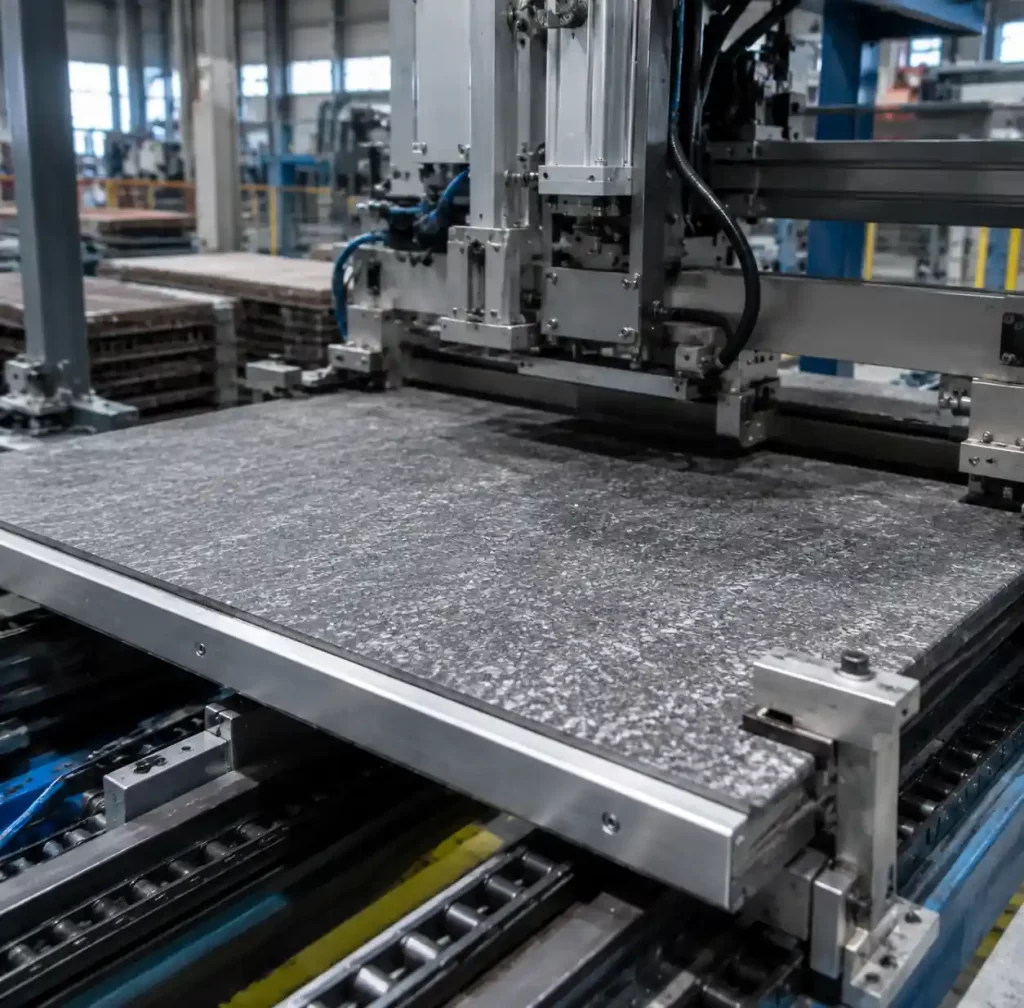
Automated line compatibility: GMT pallets provide consistent weight (±0.5kg) allowing robotic systems to optimize grip force. Wood pallet weight varies by 3-8kg, reducing throughput by 12-18%.
Maintenance labor decreases 80-85% with GMT pallets. Wood pallets require regular inspection; GMT pallets need only visual inspection for edge damage. Half GMT pallets provide the same benefits in space-constrained facilities.
When to Choose GMT Pallets
Choose GMT pallets when your facility meets these criteria:
- High-volume automated production: 300,000+ bricks monthly. 15-25% efficiency gain justifies investment within 18-24 months.
- High-humidity environments: Coastal and tropical facilities. GMT’s <1% moisture absorption maintains performance where wood fails within 12-18 months.
- Premium brick production: Reduces defect rates by 47-52%, protecting premium product margins.
- Long-term cost optimization: 10-12 year service life reduces total pallet spending by 65-80%.
- Labor cost minimization: 80-85% reduction in inspection and replacement labor.
When Wood Pallets Still Make Sense
Wood pallets remain viable in limited scenarios:
- Constrained capital budgets: Start-up facilities with limited working capital.
- Low-volume manual production: <100,000 bricks monthly. Wood pallets lasting 4-5 years provide acceptable service.
- Short-term operations: Project-based production with 18-24 month duration.
- Dry climate operations: <30% relative humidity extends wood pallet life to 4-5 years.
- Legacy equipment compatibility: Older handling equipment designed for wood pallet dimensions.
FAQ
How long do GMT pallets last compared to wood pallets?
GMT pallets last 10-12 years in normal brick production operations, while wood pallets deteriorate within 2-3 years. This 4-5x lifespan difference stems from GMT’s fiber-reinforced construction that resists moisture damage, warping, and mechanical wear.
What is the cost difference between GMT and wood pallets?
GMT pallets cost $85-$120 per unit compared to $25-$45 for wood pallets—3-4x higher initial investment. However, lifecycle cost analysis shows GMT pallets cost 65-80% less over 10 years.
Can GMT pallets handle the same weight as wood pallets?
GMT pallets support 2,500-3,000 kg static loads, exceeding wood pallets’ 1,500-2,000 kg capacity by 25-50%. The fiber-reinforced construction distributes weight more evenly.
Do GMT pallets work with automated brick production lines?
GMT pallets optimize automated production through consistent dimensions (±2mm) and weight (±0.5kg) that allow precise robotic handling. Wood pallets’ variations reduce throughput by 12-18%.
How do GMT pallets resist moisture damage?
GMT pallets absorb <1% moisture by weight due to thermoplastic matrix that encapsulates glass fibers. Wood pallets absorb 15-20% moisture, causing dimensional swelling and warping within 12-18 months.
Conclusion
GMT pallets outperform wood pallets across durability, moisture resistance, load capacity, lifecycle costs, and production efficiency. The 10-12 year service life eliminates recurring replacement cycles while maintaining dimensional consistency that optimizes automated handling and reduces brick breakage by 47-52%.
Lifecycle cost analysis reveals GMT pallets cost 65-80% less than wood pallets over 10 years despite 3-4x higher initial investment. The 18-24 month payback period makes GMT pallets the economically rational choice for facilities processing 300,000+ bricks monthly.
If you need long-lasting brick pallets, Rhinos Pallet offers fiber-reinforced GMT pallets with proven 10+ year lifespan. Contact us today for custom GMT pallet solutions, technical specifications, and factory-direct pricing.