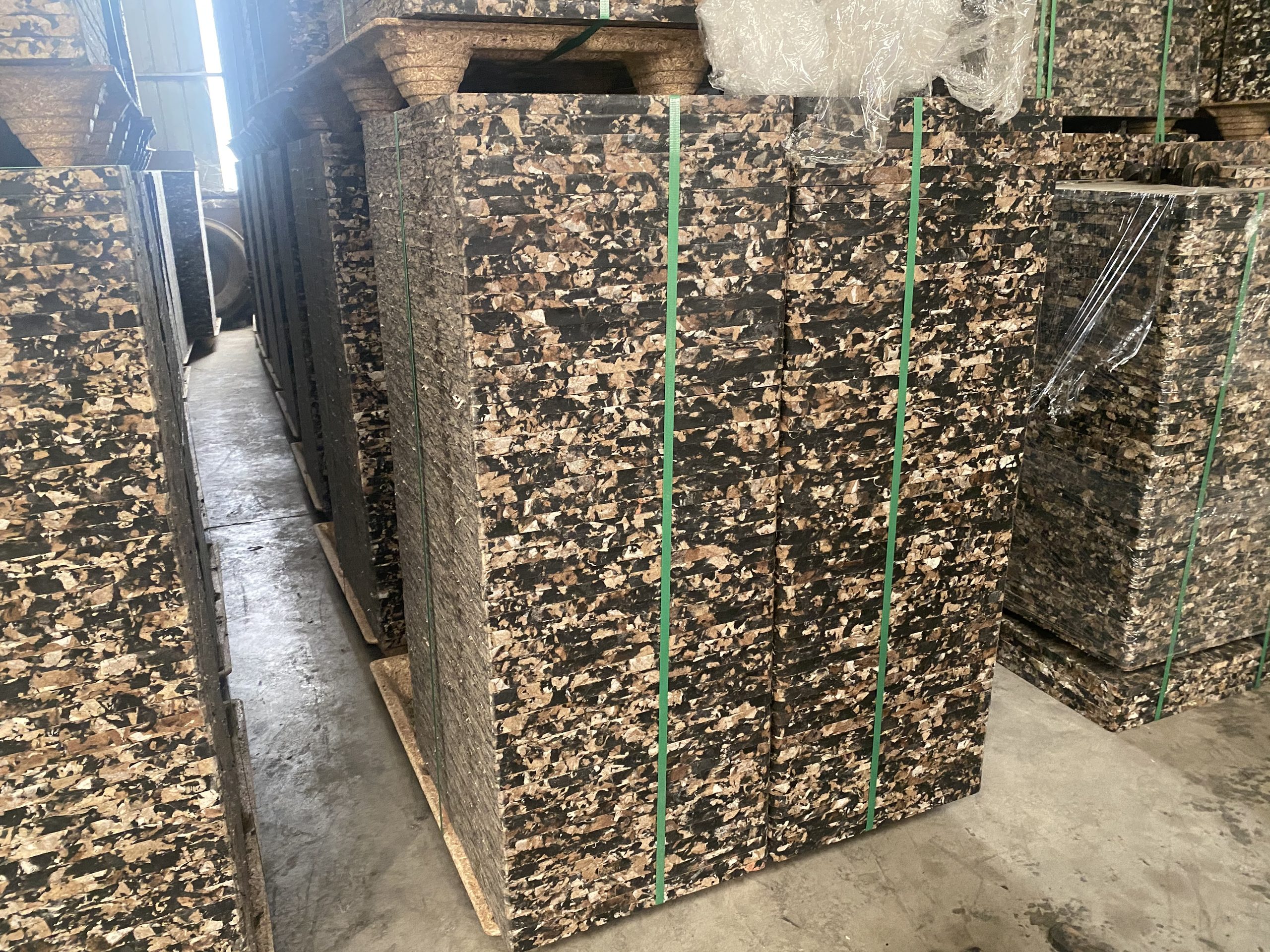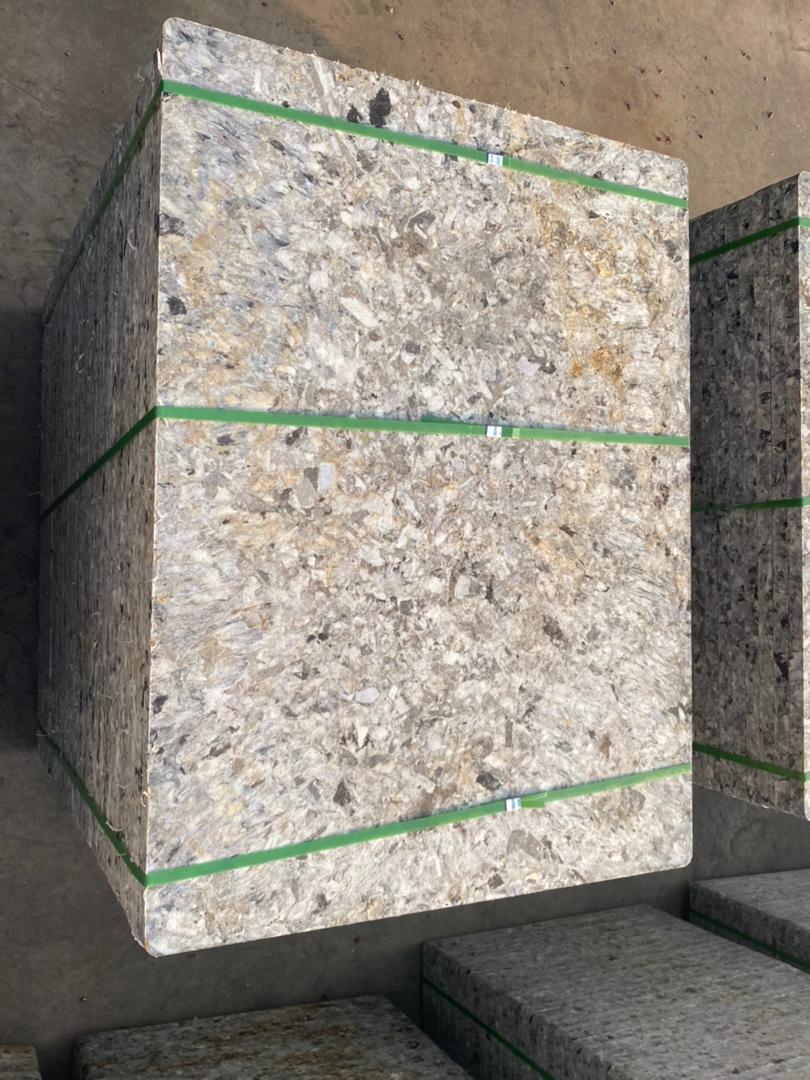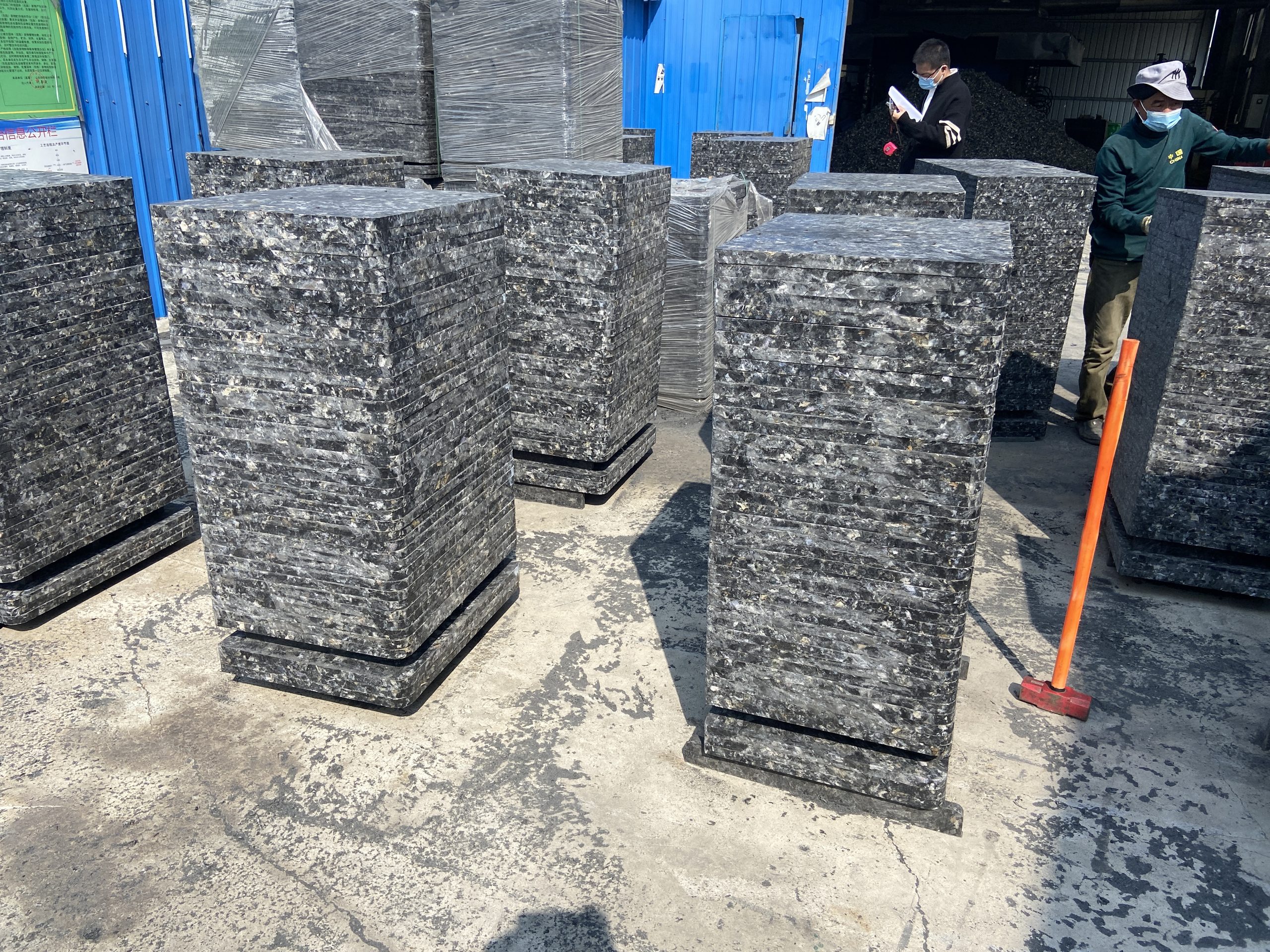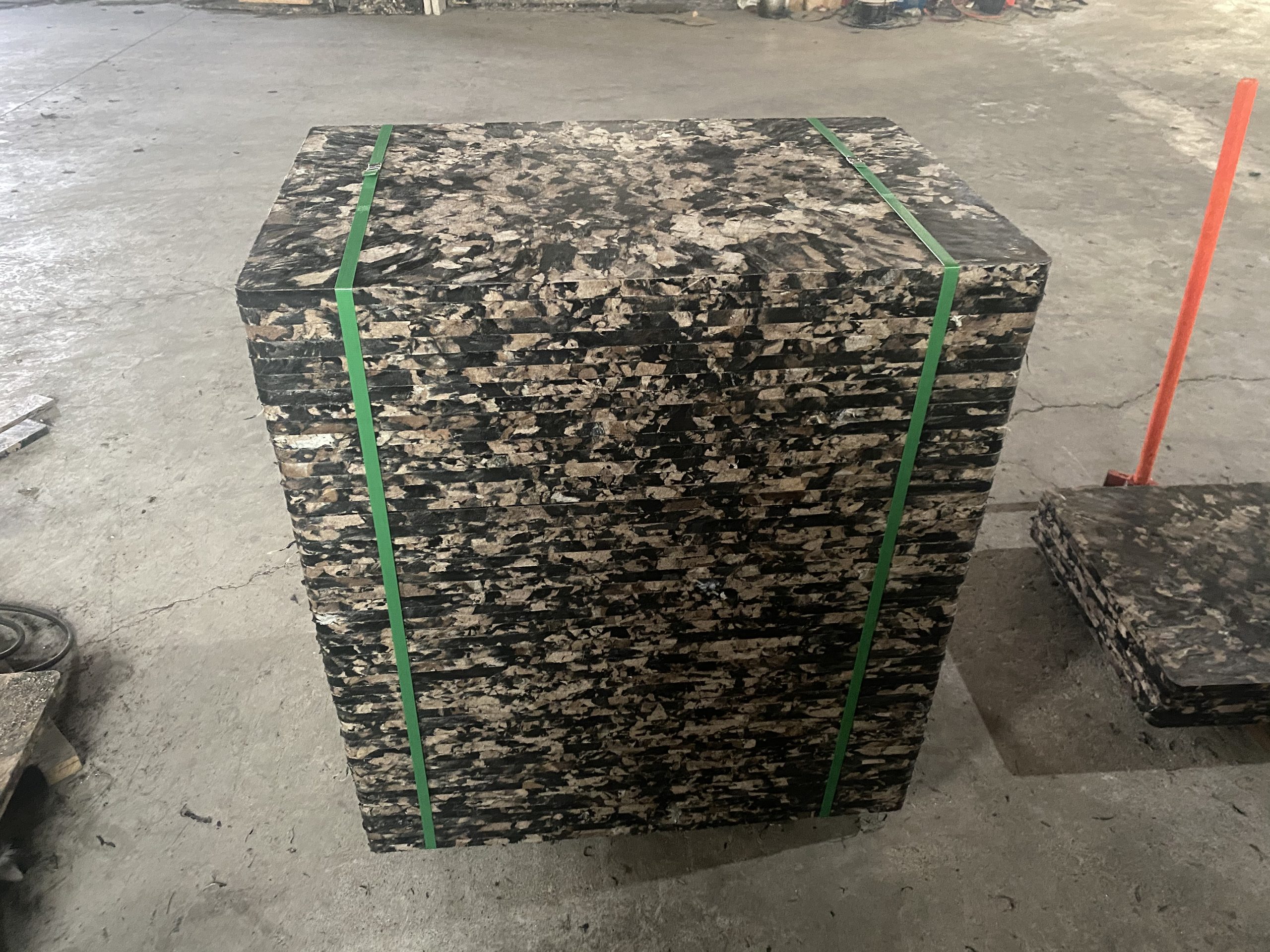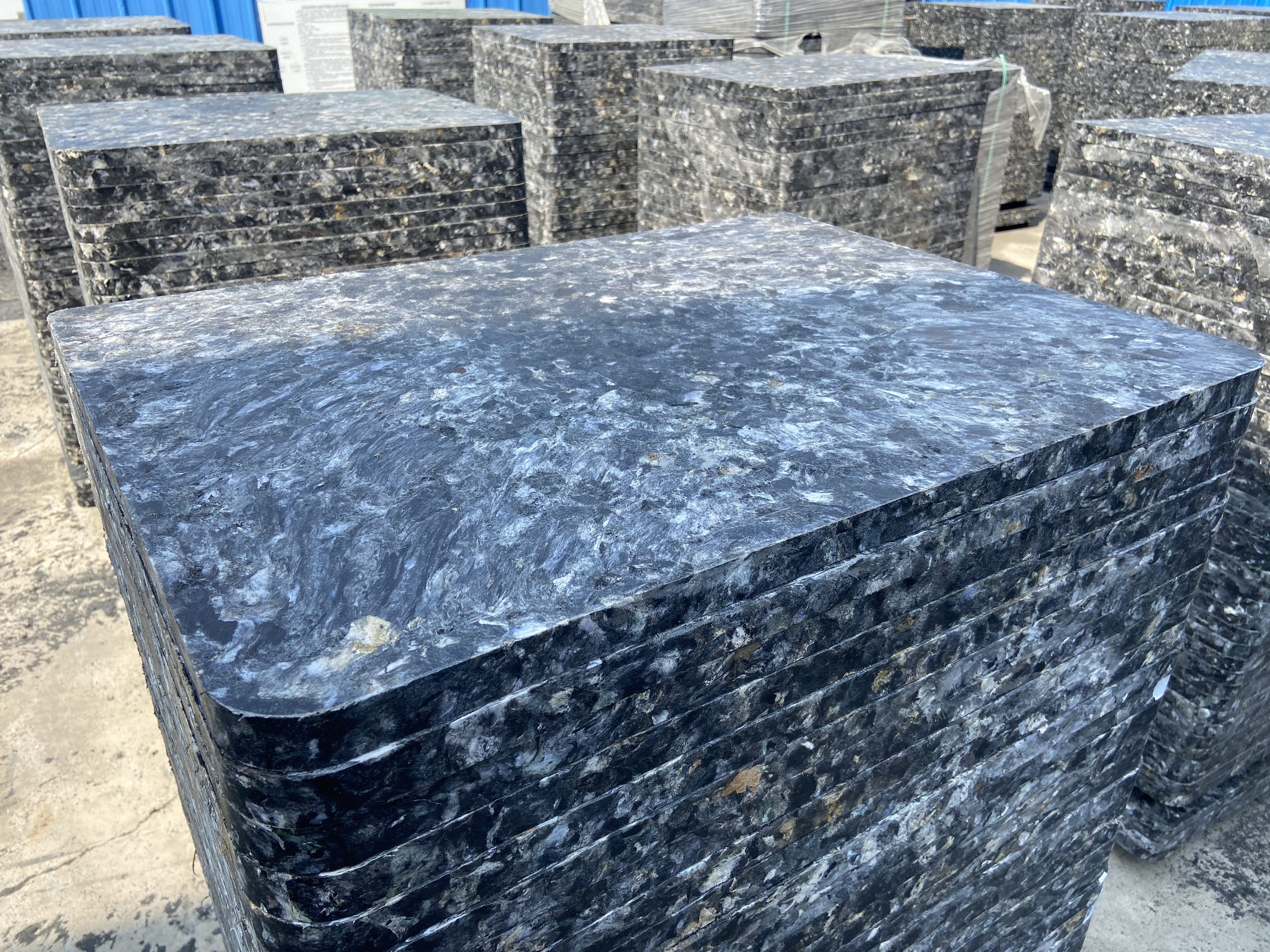
GMT pallet failures cost brick manufacturers $12,000-$28,000 annually in production downtime and premature replacements. Factory data reveals that 68% of reported problems stem from preventable causes—mishandling, improper maintenance, or specification mismatches—rather than inherent material flaws.
This troubleshooting guide delivers field-tested solutions from 150+ brick manufacturing facilities worldwide. You’ll learn systematic diagnostic methods and prevention strategies that extend pallet lifespan from 8 years to 10-12+ years.
Understanding GMT Pallet Problems
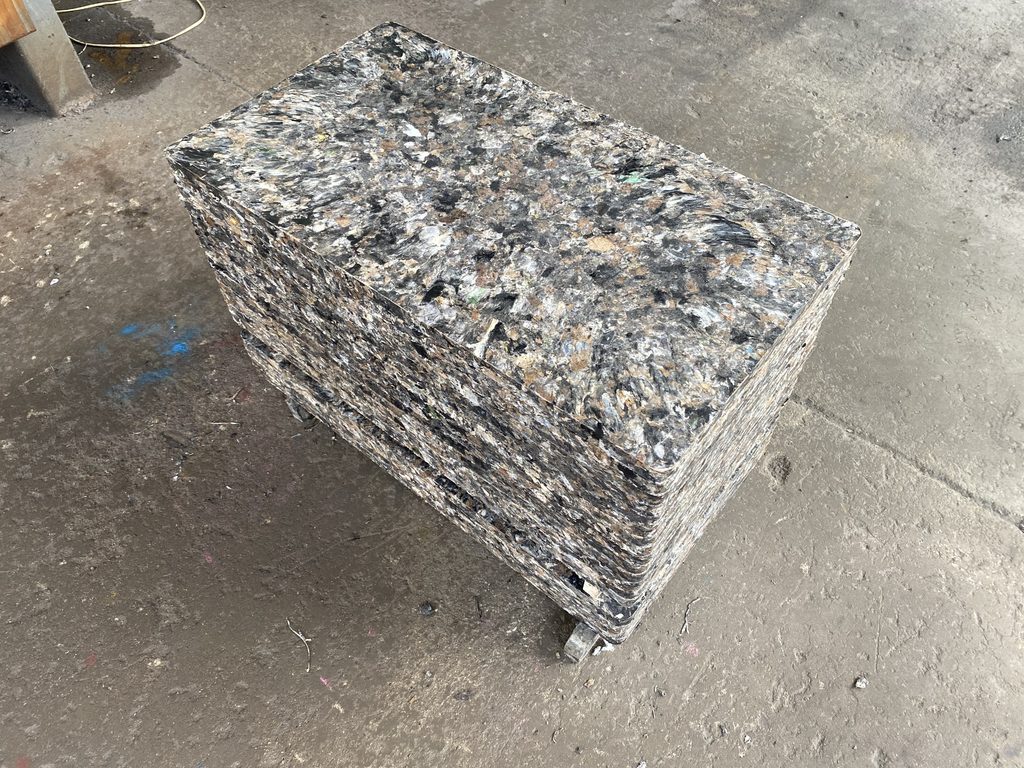
Before diving into specific issues, recognizing problem categories helps with faster diagnosis. GMT pallets fall into four main problem groups:
| Problem Category | Typical Causes | Occurrence Rate | Prevention Focus |
|---|---|---|---|
| Structural Damage | Overloading, impacts, thermal shock | 42% | Handling training, load limits |
| Surface Degradation | Chemical exposure, abrasion, UV | 28% | Proper cleaning, storage controls |
| Dimensional Changes | Moisture, temperature cycles, creep | 20% | Environmental control, rotation |
| System Incompatibility | Tolerance drift, recognition failures | 10% | Regular inspection, proactive replacement |
Problem 1: Surface Cracks and Stress Lines
Surface cracks appear in 42% of failure cases, typically radiating from corners or central load zones.
Diagnostic Signs: Hairline cracks exceeding 50mm length or penetrating deeper than 3mm indicate critical failure risk. Check for stress whitening—opaque lines showing fiber-matrix debonding.
Root Causes: Overloading beyond 2,500-3,000 kg capacity creates stress concentration. Drop impacts from heights above 50cm exceed the 20 KJ/m² impact threshold. Thermal shock from moving pallets between extreme temperatures (>30°C differential) without acclimation weakens fiber-matrix bonds.
Solutions: Remove cracked pallets immediately when cracks exceed 50mm. Implement load verification systems keeping loads within 2,200-2,800 kg. Allow 60 minutes thermal acclimation per 20°C temperature difference.
Prevention: Train operators on proper handling—40cm maximum lift height, gentle placement. Schedule preventive replacement at 8-year intervals (6 years for heavy loads >2,800 kg).
Problem 2: Aluminum Edge Separation
Edge separation occurs in 18% of problematic pallets after 4-7 years when aluminum perimeter strips detach from composite body.
Diagnostic Signs: Gaps between aluminum edge and composite, movement exceeding 2mm when pressed, metallic rattling during movement.
Root Causes: Adhesive degradation from chemical exposure (pH >10 or <5), thermal expansion mismatch between aluminum (23.1 × 10⁻⁶/°C) and composite (20-25 × 10⁻⁶/°C), cumulative impact damage to corners.
Solutions: Professional re-bonding using structural epoxy works when separation is <30% of perimeter. Replace when separation exceeds 30%.
Prevention: Use pH-neutral cleaners (pH 6-8). Store away from direct sunlight and heat >50°C. Install protective corner guards in high-traffic zones.
Problem 3: Warping and Dimensional Instability
Warping disrupts automated systems and increases brick defect rates by 12-18% through uneven curing, as discussed in our guide on understanding brick pallet warping causes.
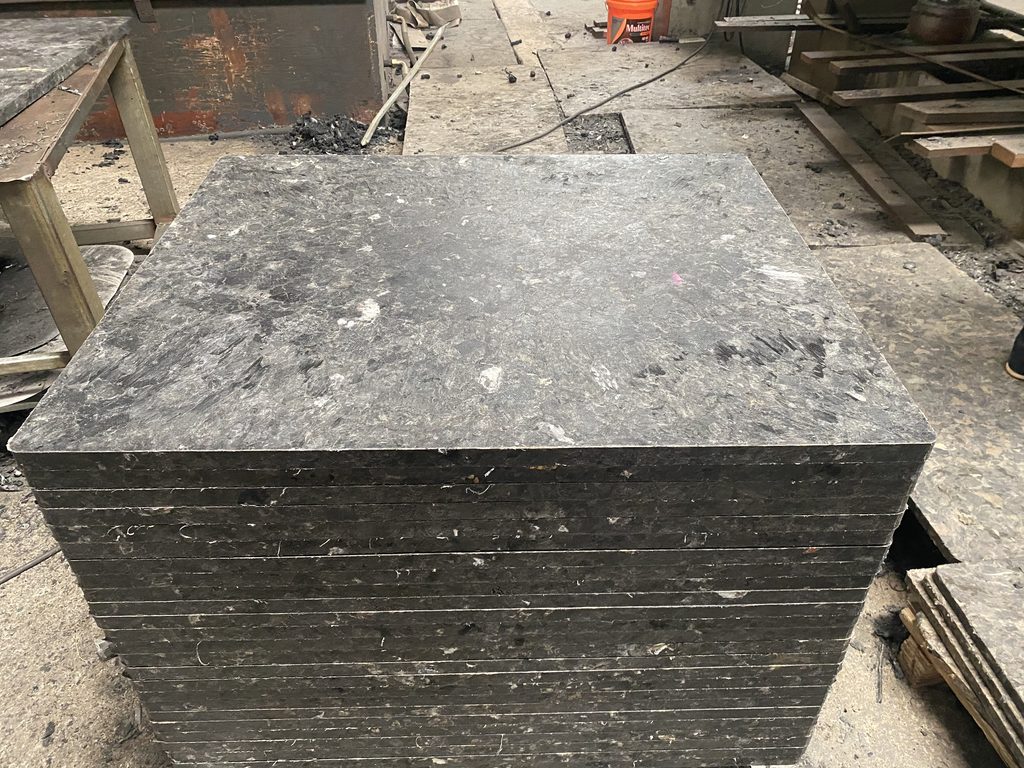
Diagnostic Signs: Measure gap under center using feeler gauges. Deviations exceeding 3mm across 600mm span require action. Automated systems typically require ±2mm maximum.
Root Causes: Prolonged moisture exposure above 85% RH causes 0.2-0.4% dimensional swelling. Temperature gradients exceeding 15°C during kiln operations create differential expansion. Improper storage with stacks >8 high causes compression creep.
Solutions: For moderate warping (3-5mm), attempt heat reconditioning at 60-70°C for 2 hours with 500 kg distributed load while cooling (40-60% success rate). Severe warping (>5mm) requires replacement.
Prevention: Maintain 40-70% relative humidity in storage. Rotate pallets through different temperature zones. Never stack more than 8 high—use vertical rack systems for large fleets.
Problem 4: Surface Discoloration
Color changes appear in 25% of pallets after 4-6 years, indicating potential chemical or thermal damage.
Diagnostic Signs: Yellow-brown staining indicates heat exposure >80°C. White/gray chalking suggests UV degradation. Black streaks signal mold growth.
Root Causes: Thermal degradation from temperatures >90°C causes polymer oxidation. Chemical reactions with alkaline cement additives create mineralization staining. Organic residue with moisture enables biological growth.
Solutions: Clean with mild detergent (pH 7-8) and soft bristles. For stubborn stains, use specialized composite cleaners with 10-15 minute contact time. Discolored pallets remain serviceable unless hardness testing shows degradation (<75 Shore D).
Prevention: Clean every 30-60 days (more frequently with alkaline additives). Store in covered areas protected from UV. Apply food-grade mineral oil coating annually.
Problem 5: Concrete Adhesion and Buildup
Concrete bonding to pallet surfaces affects 15-20% of facilities using wet-mix processes, creating release problems and quality defects.
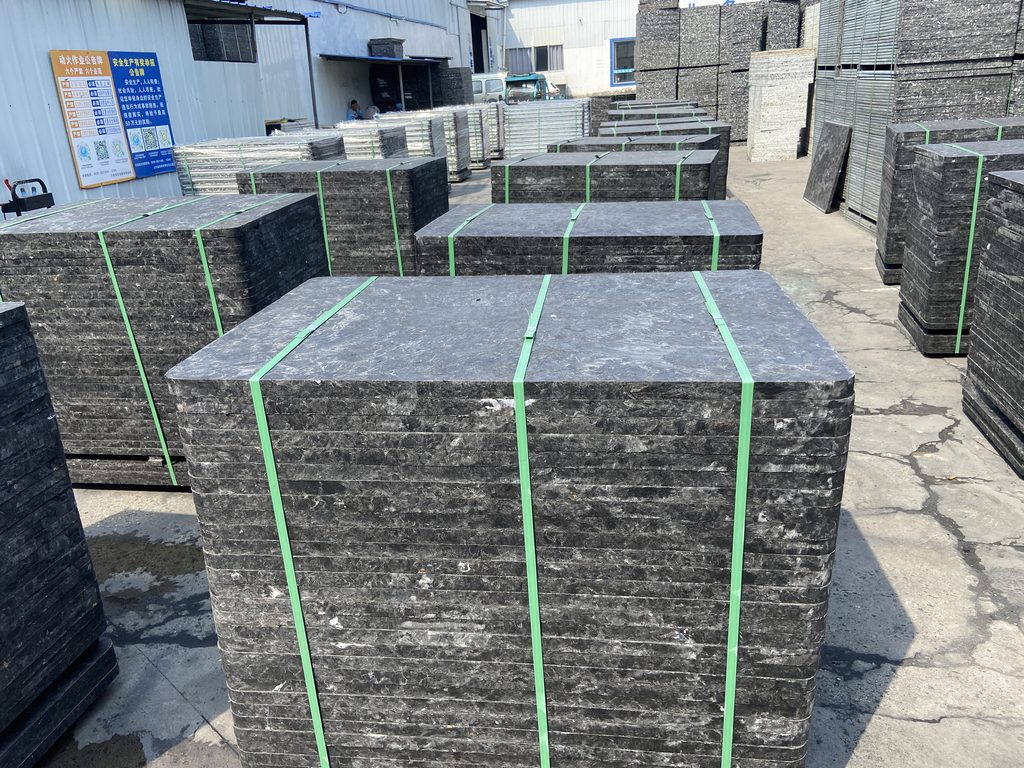
Diagnostic Signs: Gray/tan deposits that resist fingernail removal indicate hardened concrete with chemical bonds.
Root Causes: Excessive moisture (>18%) in brick formulations allows cement penetration before setting. Inadequate release agent application leaves unprotected zones. Delayed cleaning after 24+ hours increases bonding strength from 0.5 MPa to 8-12 MPa.
Solutions: High-pressure water (1,500-2,000 PSI at 45° angle) removes fresh concrete (<4 hours). Hardened concrete needs plastic scrapers or phosphoric acid dissolvers (10-15% concentration).
Prevention: Optimize brick mix moisture to 12-15%. Apply release agents before every cycle using spray or roller. Rinse within 1-2 hours after brick removal.
Problem 6: Load Capacity Degradation
Progressive capacity loss occurs after 4-5 years in high-cycle applications (8-12 cycles daily) through cumulative fatigue.
Diagnostic Signs: Central deflection under 2,500 kg test load. Fresh pallets deflect 1.5-2.5mm; deflections >4mm indicate fiber damage. Permanent deformation after load removal suggests matrix yielding.
Root Causes: Cyclic fatigue from 10,000+ loading cycles creates fiber breakage. Overloading beyond rated capacity accelerates damage exponentially—3,200 kg loads reduce fatigue life by 60%. Combined mechanical and chemical stress causes environmental cracking.
Solutions: Repurpose partially degraded pallets (20-30% capacity loss) for lighter loads (1,800-2,000 kg) in secondary lines. Non-destructive load testing every 2 years identifies degrading units. Replace when capacity drops below 2,200 kg or deflection exceeds 5mm.
Prevention: Track loading cycles using RFID/barcodes; replace at 25,000-30,000 cycles or 8-10 years. Modern RFID tracking solutions can automate this process.
Problem 7: Surface Roughening and Texture Loss
Surface smoothness deteriorates over time, affecting 60% of pallets after 6-8 years and increasing friction/adhesion risk.
Diagnostic Signs: Rough or gritty texture compared to new pallets. Exposed glass fibers protruding from surface confirm matrix erosion.
Root Causes: Abrasive wear removes matrix at 0.05-0.15mm/year. Alkaline attack (pH >11) dissolves polymer matrix. UV exposure from outdoor storage creates chalky, easily-eroded surface layer.
Solutions: Surface refinishing with thermoplastic repair compounds works for moderate roughening. Advanced roughening with exposed fibers requires replacement.
Prevention: Use covered indoor storage (extends surface quality from 6-7 years to 10+). Use pH-neutral cleaners exclusively. Apply protective coatings (mineral oil or composite protectants) annually. Learn more in our daily maintenance routine guide.
Problem 8: Corner Chipping and Impact Damage
Corner impact damage affects 35% of pallets in manual handling facilities.
Diagnostic Signs: Chips, cracks, or material loss exceeding 10mm depth/width at corners. Check for crack propagation into adjacent edges.
Root Causes: Forklift tine impacts during pickup/placement exceed 15 KJ/m² threshold. Repeated low-energy impacts in congested areas accumulate damage. Corner-first drops concentrate entire kinetic energy into 25cm² zone.
Solutions: Minor damage (<10mm) can continue with monthly monitoring. Repair moderate damage (10-20mm) with glass fiber-filled epoxy (60-70% original strength). Major fractures (>20mm) require replacement.
Prevention: Install high-visibility corner markings (reduces impacts by 40-50%). Train on proper pickup technique—center tines perpendicular to edges. Use bolt-on corner guards ($8-15 vs $200-400 replacement).
Problem 9: Thermal Expansion Issues
Temperature variations cause dimensional changes disrupting automated systems in facilities with 30°C+ differentials.
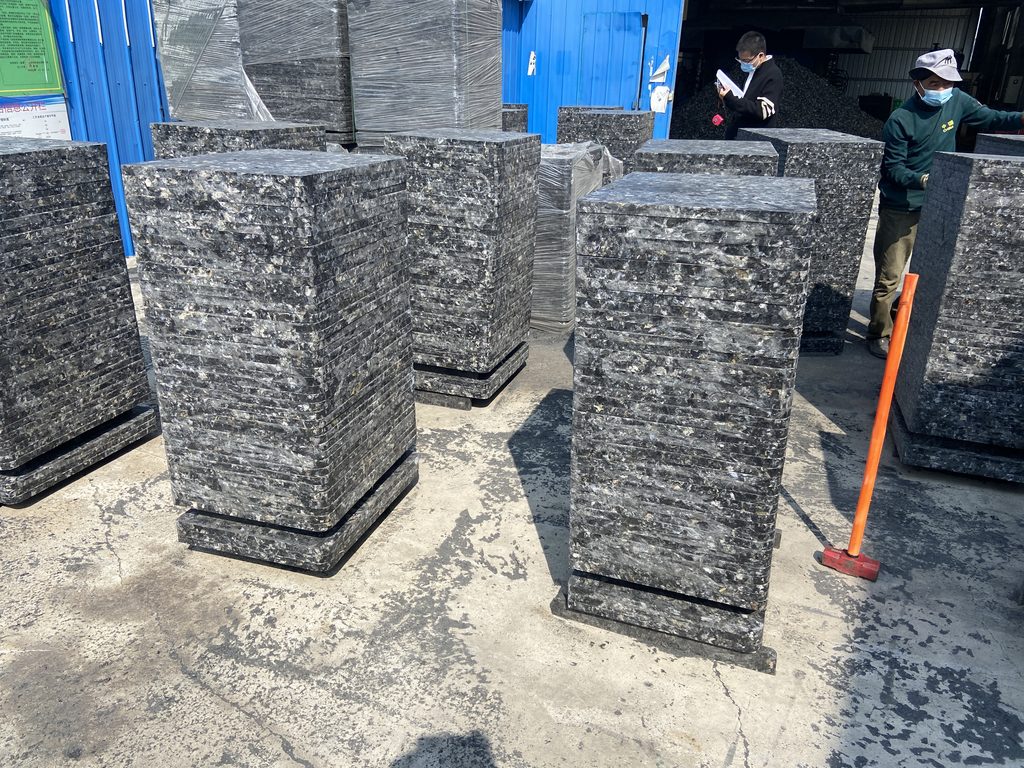
Diagnostic Signs: Glass fiber composites expand 20-25 × 10⁻⁶/°C. A 600mm dimension increases 0.6-0.75mm per 50°C rise. Automated rejection rates above 2-3% during temperature extremes indicate tolerance issues.
Root Causes: Glass fiber composites expand approximately 20-25 × 10⁻⁶ per °C, following standard thermal expansion principles for polymer composites. Coefficient mismatch between aluminum (23.1 × 10⁻⁶/°C) and composite creates internal stress. Rapid transitions from 5-10°C storage to 40-45°C production don’t allow uniform equilibration.
Solutions: Implement 90-120 minute thermal acclimation zones before production. Specify low-expansion resin systems (15-18 × 10⁻⁶/°C) for chronic problems.
Prevention: Maintain storage at 15-25°C. Locate pallet storage adjacent to production areas. Program automated systems with seasonal tolerance adjustments (+0.5mm summer tolerance).
Problem 10: Chemical Staining and Etching
Chemical damage appears in 12% of pallets, primarily in facilities using aggressive cleaning agents. Proper cleaning methods are detailed in our cleaning guide for composite pallets.
Diagnostic Signs: Etched dull patches with >30% gloss reduction. Chemical staining penetrating surface layer beyond cleaning.
Root Causes: Strong alkaline cleaners (pH >11) saponify thermoplastic resin. Acidic concrete additives (pH <4) etch both matrix and glass fibers.
Solutions: Neutralize immediately—mild acid for alkaline contamination, dilute sodium bicarbonate for acidic damage. Surface etching <0.5mm remains serviceable 2-4 years. Deep etching (>0.5mm) or >15% hardness reduction requires replacement.
Prevention: Specify cleaners rated for composites (pH 6-9). Review chemical compatibility of all brick additives. Rinse thoroughly after chemical exposure.
Problem 11: Moisture-Related Delamination
Delamination from layer separation appears in 8-10% of pallets with prolonged moisture (>85% RH).
Diagnostic Signs: Tap surface—delaminated zones produce hollow sounds. Gentle pressure shows flexing. Measure separation with feeler gauge.
Root Causes: Water intrusion through defects penetrates between layers. Ten freeze-thaw cycles reduce bond strength by 30-40%.
Solutions: Minor delamination (<50cm², <2mm) can continue if non-propagating. Injection repair with low-viscosity epoxy (70% success). Extensive delamination (>10% area) requires replacement.
Prevention: Store at 40-65% RH with dehumidification in humid climates. Seal all surface defects promptly. Avoid water immersion—use damp mopping or spray washing. For proper storage protocols, see our storage and handling guide.
Problem 12: Dimensional Tolerance Drift
Progressive dimensional changes affect 15% of pallets after 5-7 years, creating automated system incompatibility.
Diagnostic Signs: Drift exceeding ±2mm triggers automated rejections. Non-uniform changes create parallelism errors.
Root Causes: Moisture causes anisotropic swelling. Creep deformation of 0.15-0.25% annually. Repeated heating alters crystallinity by 0.2-0.4%.
Solutions: Minor drift (±2-3mm) can be accommodated with tolerance adjustments. Heat treatment restoration (70-80°C, 3-4 hours with compression) has 30-50% success. Replace when drift exceeds ±3mm.
Prevention: Control humidity at 45-60% (reduces problems by 60%). Proactive replacement at 7-8 years for automated lines. Quarterly dimensional audits enable gradual phase-out.
Problem 13: Static Electricity Buildup
Static accumulation appears in 5-8% of facilities in <30% RH environments.
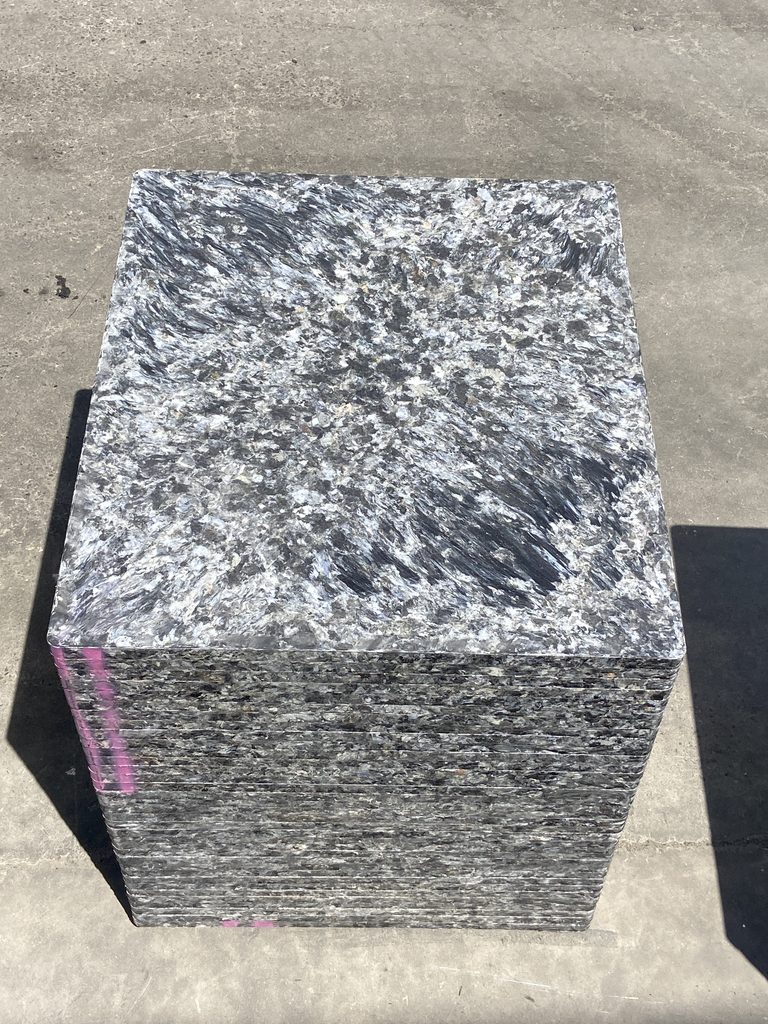
Diagnostic Signs: Personnel report shocks. Higher dust accumulation. Surface voltages >4,000V affect optical sensors.
Root Causes: Thermoplastic insulator resistivity of 10¹³-10¹⁵ ohms/square generates triboelectric charging. Low humidity prevents dissipation.
Solutions: Apply anti-static spray monthly (30-60 day duration). Increase humidity to 40-50%. Install ionizing bars ($300-800).
Prevention: Specify anti-static formulations (10⁹-10¹¹ ohms/square). Maintain 40-50% humidity year-round. Use anti-static handling equipment.
Problem 14: Automated System Rejection
Rejection rates above 3-5% indicate systematic problems.
Diagnostic Signs: Track rejection codes—dimension errors, warping, obscured markings produce different failures.
Root Causes: Dimensional drift beyond ±2-3mm. Warping >2mm disrupts sensors. Surface damage obscures optical markers.
Solutions: Establish inspection stations before automated entry. Separate inventory for automated vs manual lines. Quarterly vision system recalibration.
Prevention: Specify ±1mm tolerances. Proactive replacement at 6-7 years. Design systems with adjustable seasonal parameters.
Problem 15: Premature Wear Patterns
Accelerated localized wear signals systematic handling or operational problems.
Diagnostic Signs: Wear exceeding 0.3mm annually. Uniform wear suggests abrasive environment; localized wear indicates stress points.
Root Causes: Abrasive contaminants accelerate wear 3-5×. Misaligned equipment creates localized friction. Improper stacking accelerates wear 400-600%.
Solutions: Correct causative factors—equipment alignment, contamination control. Repair wear <10mm with thermoplastic filling (lasts 2-3 years). Extensive wear (>15mm or >30% area) requires replacement.
Prevention: Implement contamination control. Standardize handling procedures. Use protective coatings reducing wear 25-35%.
When to Repair vs Replace
| Decision Factor | Repair | Replace |
|---|---|---|
| Damage Extent | <15% surface area | >25% surface area |
| Crack Length | <100mm, stable | >150mm or propagating |
| Dimensional Deviation | <3mm | >5mm |
| Load Capacity | >85% original | <75% original |
| Service Age | <6 years | >9 years |
| Problem Count | Single issue | Multiple concurrent |
| Repair Cost | <30% replacement | >50% replacement |
| Life Extension | 2+ years | <1 year |
Professional repairs cost $40-80 vs $200-400 replacement. Repairs extending life 2+ years at <30% replacement cost deliver positive ROI. Proactive replacement at 8-10 years costs 35-45% less than reactive emergency replacement. Fleet rotation replacing 10-15% annually maintains optimal condition without sudden capital expenditures.
Common Problem Combinations
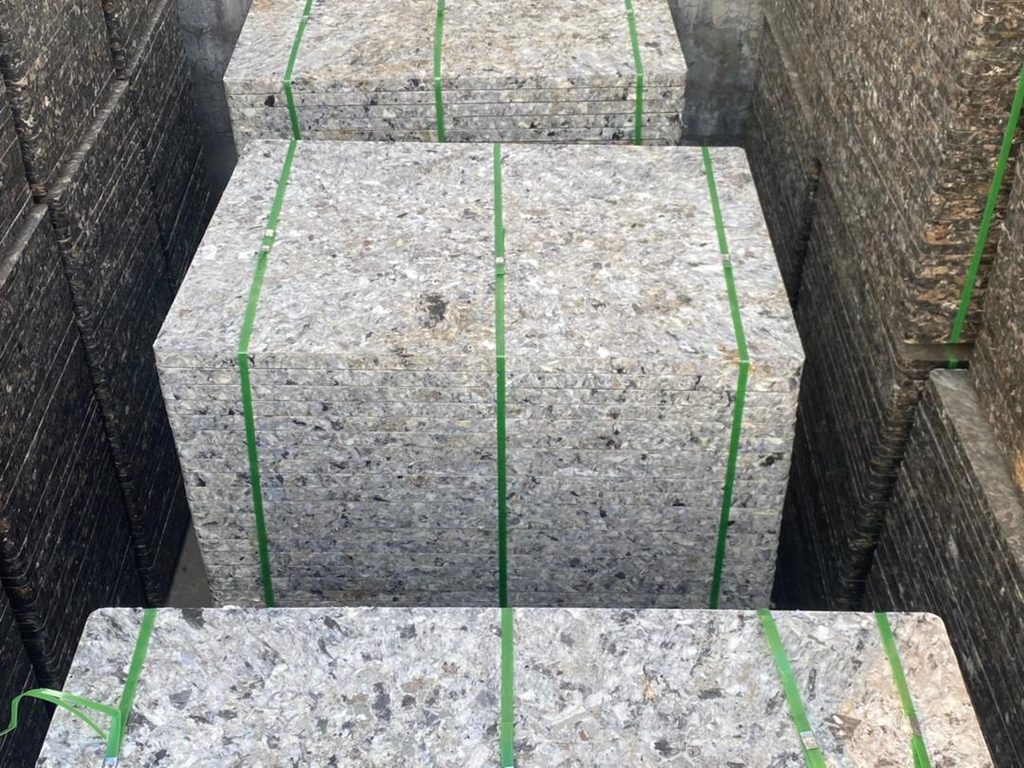
Certain problems appear together, revealing underlying root causes:
| Problem Combination | Root Cause | Solution Priority |
|---|---|---|
| Warping + Delamination + Discoloration | Moisture exposure | Environmental control |
| Cracks + Corner damage + Premature wear | Handling abuse | Operator training |
| Tolerance drift + Edge separation + Surface roughening | Age-related degradation | Proactive replacement |
| Concrete buildup + Chemical staining | Process chemistry issues | Formulation review |
| Thermal expansion + Dimensional drift | Temperature cycling | Storage/acclimation protocols |
FAQs
What causes GMT pallets to fail prematurely?
Three causes account for 75% of premature failures: overloading beyond 2,800 kg capacity, inadequate maintenance allowing small problems to escalate, and improper handling creating impact damage. Addressing these factors extends service life from 5-6 years to 10+ years.
Can cracked GMT pallets be repaired safely?
Small cracks (<50mm, <2mm depth) can be monitored if non-propagating. Larger cracks need professional evaluation—repairs using fiber-reinforced epoxy work but success depends on location and loading. Cracks exceeding 100mm or in load-bearing zones warrant replacement for safety.
How often should GMT pallets be inspected?
Daily visual inspections catch 68% of developing problems. Detailed monthly inspections including dimensional checks, surface assessment, and load testing identify the remaining 32%. This dual-frequency protocol reduces unexpected failures by 82%.
What is the expected lifespan of GMT pallets?
Well-maintained pallets achieve 10-12 year service lives handling 25,000-30,000 loading cycles. Exceptional maintenance enables 15+ years. Inadequate maintenance or harsh conditions reduce lifespan to 5-6 years. Maintenance quality critically influences longevity.
Are discolored GMT pallets still safe to use?
Surface discoloration alone doesn’t indicate structural problems. However, investigate causes: yellowing suggests thermal exposure possibly affecting properties, black staining may need cleaning. Perform hardness testing (Shore D) verifying properties remain >75. Replace pallets showing mechanical degradation regardless of appearance.
What cleaning products are safe for GMT pallets?
Use pH-neutral cleaners (pH 6-9) formulated for fiber-reinforced composites. Avoid strong alkaline cleaners (sodium hydroxide, potassium hydroxide, sodium metasilicate) attacking polymer matrix. Avoid acidic cleaners below pH 4 etching resin and fibers. High-pressure water (1,500-2,000 PSI) with neutral detergent handles most contamination safely.
Can GMT pallets be used in automated brick production?
Yes, but automated systems need tighter tolerances. Specify premium-grade pallets with ±1-2mm tolerances versus ±3mm standard. Implement proactive replacement at 6-7 years maintaining compatibility as tolerance drifts. Regular dimensional audits ensure fleet compatibility with system requirements.
How do I prevent concrete buildup on surfaces?
Three strategies: optimize brick mix moisture to 12-15% eliminating excess water, apply release agents before every cycle creating hydrophobic barrier, and clean immediately within 1-2 hours while concrete remains plastic. Facilities combining these reduce cleaning time from 10-15 minutes to under 2 minutes while eliminating adhesion problems.
Conclusion
GMT pallet troubleshooting success requires systematic diagnosis identifying root causes rather than symptoms. The 15 problems covered represent 94% of reported issues—mastering these protocols transforms pallet management from reactive firefighting to proactive optimization.
Facilities adopting systematic troubleshooting reduce pallet-related downtime by 65-75% while extending fleet lifespan from 6-7 years to 10-12 years. These improvements deliver $15,000-$28,000 annual savings per production line through reduced replacement frequency and eliminated emergency costs.
Core principle: most GMT pallet problems stem from preventable causes addressable through proper handling, maintenance, and operations rather than material limitations. According to industry research on composite material durability, investing in prevention, early detection, and timely intervention generates exceptional returns through extended asset life and reliability.
For maximum GMT pallet value, start with operator training, implement regular inspection protocols, and establish environmental controls addressing your facility’s challenges. These practices provide the foundation for achieving industry-leading 10+ year lifespans that transform pallets from consumable costs into durable assets.
Rhinos Pallet manufactures premium GMT pallets engineered for 10+ year service lives in demanding brick production environments. Our fiber-reinforced construction and precision tolerances minimize the troubleshooting problems discussed. Contact our technical team for specification assistance tailored to your production requirements.