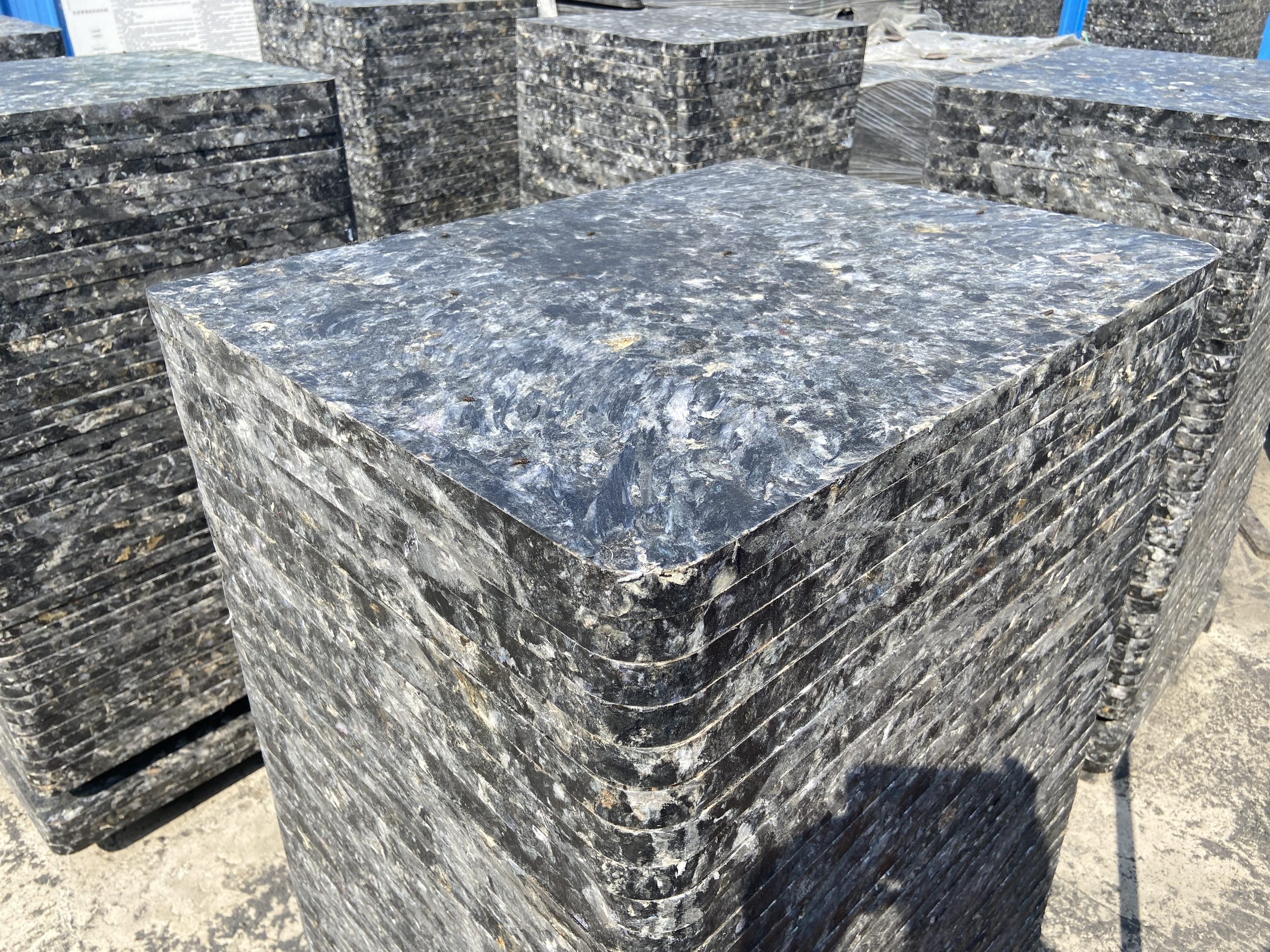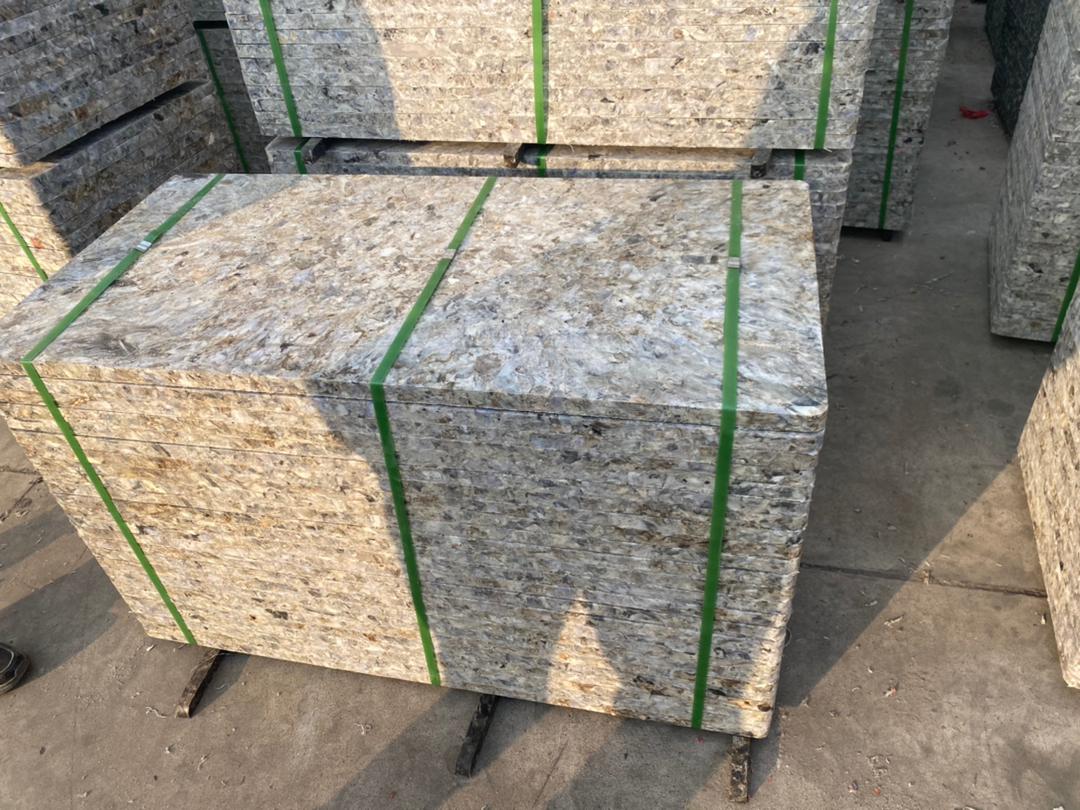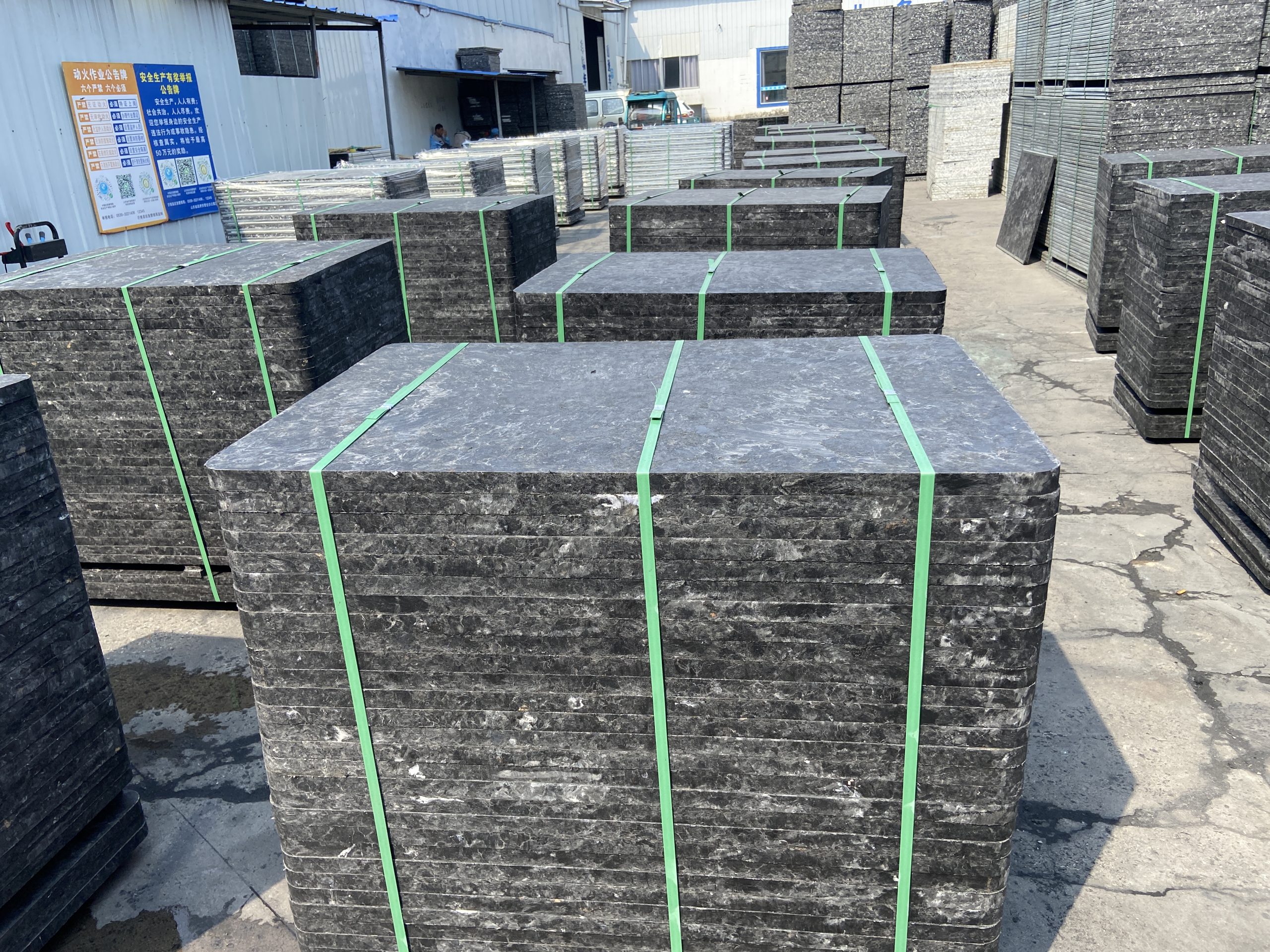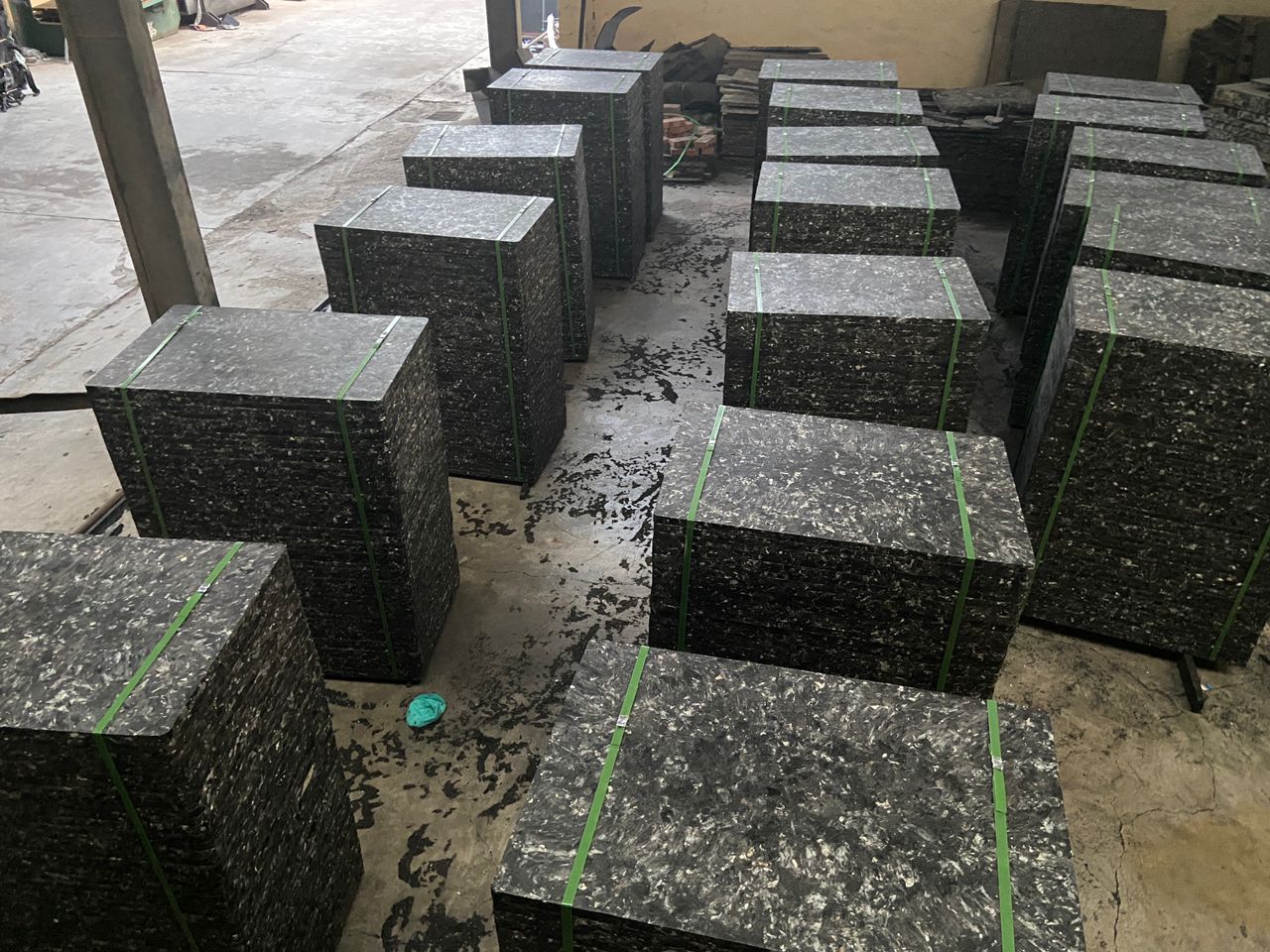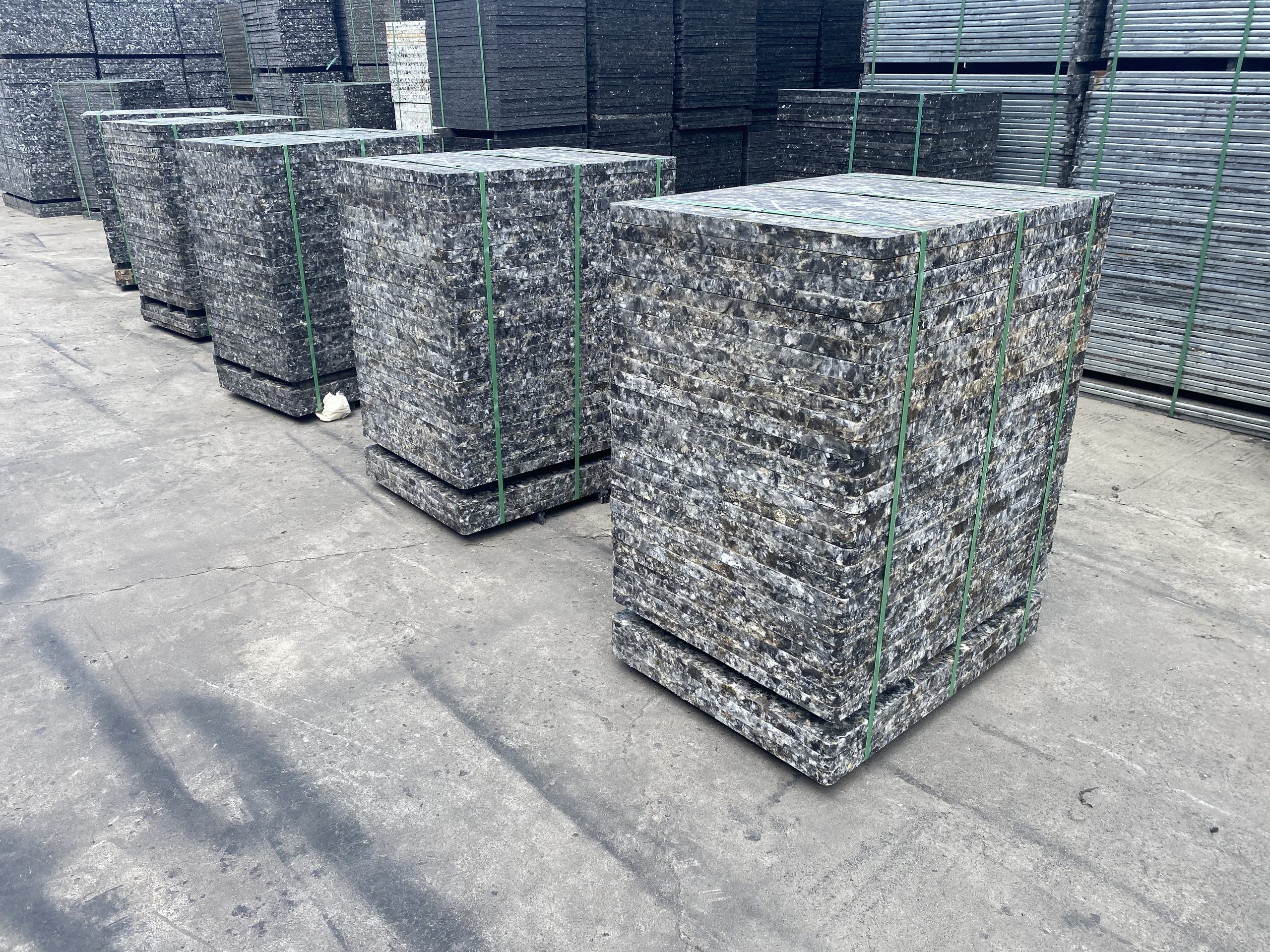
Brick manufacturers competing in saturated markets cannot afford to ignore the platform beneath every unit they produce. While most facilities treat pallets as commodity items, forward-thinking producers have discovered that premium GMT pallets create measurable product differentiation. A Southeast Asian manufacturer supplying architectural projects increased contract values 18-22% after eliminating surface defects through premium GMT pallet adoption. Their zero-defect delivery record became a qualifying criterion for premium projects.
This analysis examines how pallet quality directly influences product positioning, customer perception, and market differentiation. Real facility data from operations producing 150,000 to 500,000 units monthly reveals the multiplier effect premium pallets create across quality consistency, brand reputation, and pricing power.
Why Pallet Quality Determines Product Differentiation
Brick quality begins with the molding surface. Premium GMT pallets maintain flatness within ±0.3-0.5mm, while wood pallets warp ±2-3mm after moisture exposure. This creates visible surface variations that buyers interpret as manufacturing inconsistency.
A European supplier serving high-end residential projects conducted blind assessments. Test bricks produced on GMT pallets received 87% “premium grade” ratings versus 52% for identical composition bricks molded on wood pallets. The only variable was surface finish consistency.
Differentiation emerges from three pallet-dependent factors: surface perfection (freedom from marks and texture variations), dimensional repeatability (unit-to-unit consistency enabling tight tolerances), and color uniformity (absence of tannin staining). Manufacturers controlling these variables command 12-28% price premiums in architectural and decorative segments.
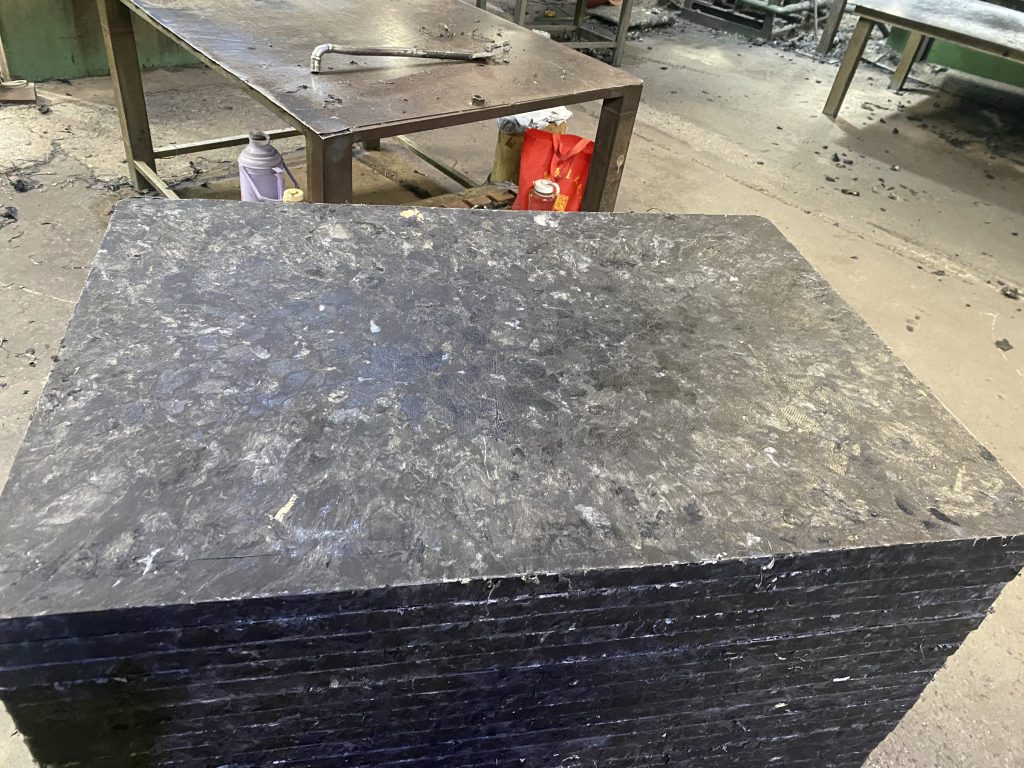
Surface Consistency: The Foundation of Premium Positioning
Surface quality differentiates commodity bricks from specification-grade products. Wood pallets leave grain patterns, tannin stains, and moisture marks requiring costly post-processing or causing rejection in premium markets.
An African manufacturer supplying hotel projects eliminated 94% of surface defects after switching to glass fiber composite pallets. Rejection rates dropped from 8-12% to <1%, qualifying them for contracts previously awarded to importers charging 35% premiums.
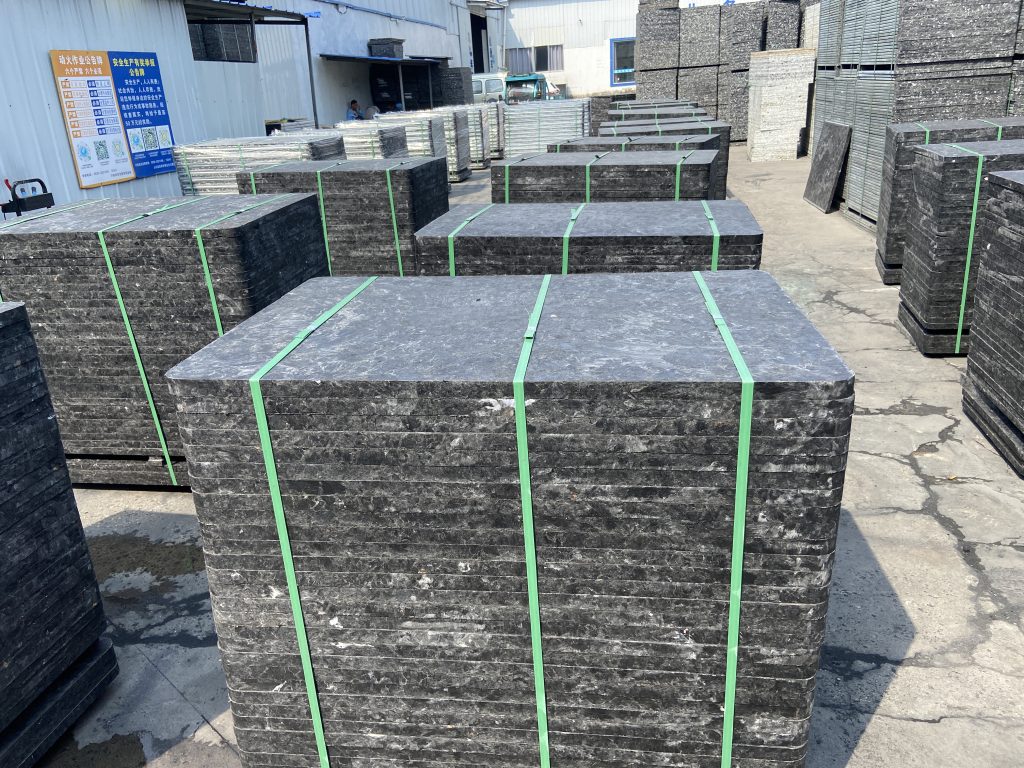
Surface consistency creates compounding advantages. Zero-defect delivery records enable quality guarantee programs that differentiate suppliers in competitive bidding. Middle Eastern producers report that documented defect rates below 1% have become mandatory qualification criteria, excluding facilities using degraded wood pallets.
| Surface Quality Metric | Wood Pallets | Standard Plastic | Premium GMT | Glass Fiber Composite |
|---|---|---|---|---|
| Surface marks per 1,000 units | 85-120 | 35-50 | 8-15 | 3-8 |
| Tannin staining incidents | 12-18% | 0% | 0% | 0% |
| Texture consistency rating | 6.2/10 | 7.8/10 | 9.1/10 | 9.6/10 |
| Premium market qualification rate | 42% | 71% | 94% | 97% |
| Post-production rework requirement | 8-12% | 3-5% | <1% | <0.5% |
Dimensional Accuracy Enables Quality Guarantees
Brick dimensional consistency determines installation efficiency. GMT pallets maintain dimensional stability through 3,000-5,000 cycles, while wood pallets warp from cycle 200-300 onward, creating thickness and width variations.
A Turkish manufacturer implemented statistical process control after GMT adoption. Their dimensional tolerance improved from ±3.2mm to ±0.8mm, enabling written guarantees of <1mm variation—a specification competitors could not match. This secured 7 multi-year contracts worth €2.8M annually.
Dimensional consistency enables access to interlocking brick segments and precision architectural applications where tolerances of ±0.5mm are mandatory. These markets carry 22-35% higher margins than commodity segments.
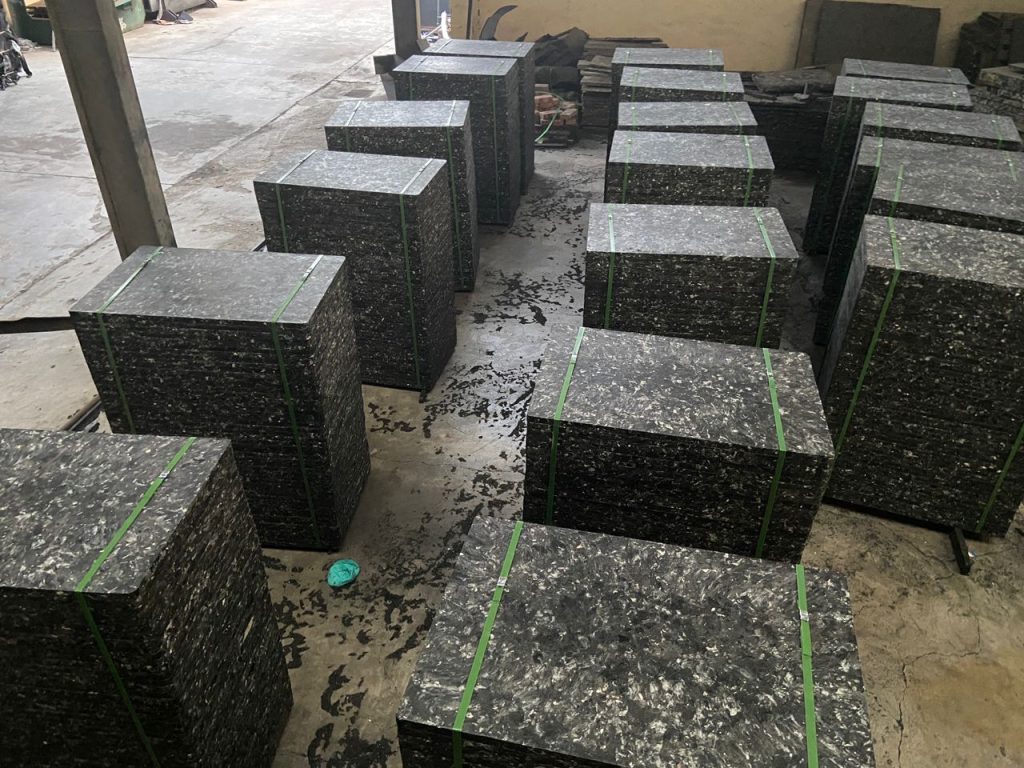
How Premium Pallets Support Brand Building
Brand reputation rests on delivery consistency. A single defective batch damages relationships built over years. Premium GMT pallets eliminate the primary cause of batch variation, enabling manufacturers to build quality reputations.
An Indian manufacturer documented this quantitatively. Pre-GMT adoption, they experienced 6-9 quality complaints monthly averaging 1,200-2,400 units per incident. Post-adoption, complaints dropped to 0-2 monthly involving 100-300 units—a 92% reduction. Their Net Promoter Score increased from +42 to +71 over 18 months.
Brand building through pallet quality creates sustainable advantages because infrastructure investment cannot be easily replicated. While price cuts invite immediate retaliation, quality differentiation based on 10-12 year lifespan pallets creates barriers requiring 2-3 years for competitors to match.
Customer Perception: Quality Signals That Matter
Buyers assess brick quality through surface appearance, dimensional uniformity, and batch consistency. These observable characteristics derive directly from pallet quality but manifest as overall manufacturing competence perceptions.
Research in building materials procurement reveals surface finish ranks as the second-most influential factor after price—but only for commodity buyers. Premium segment buyers rank surface finish first, with 78% paying 15-20% premiums for guaranteed zero-defect delivery.
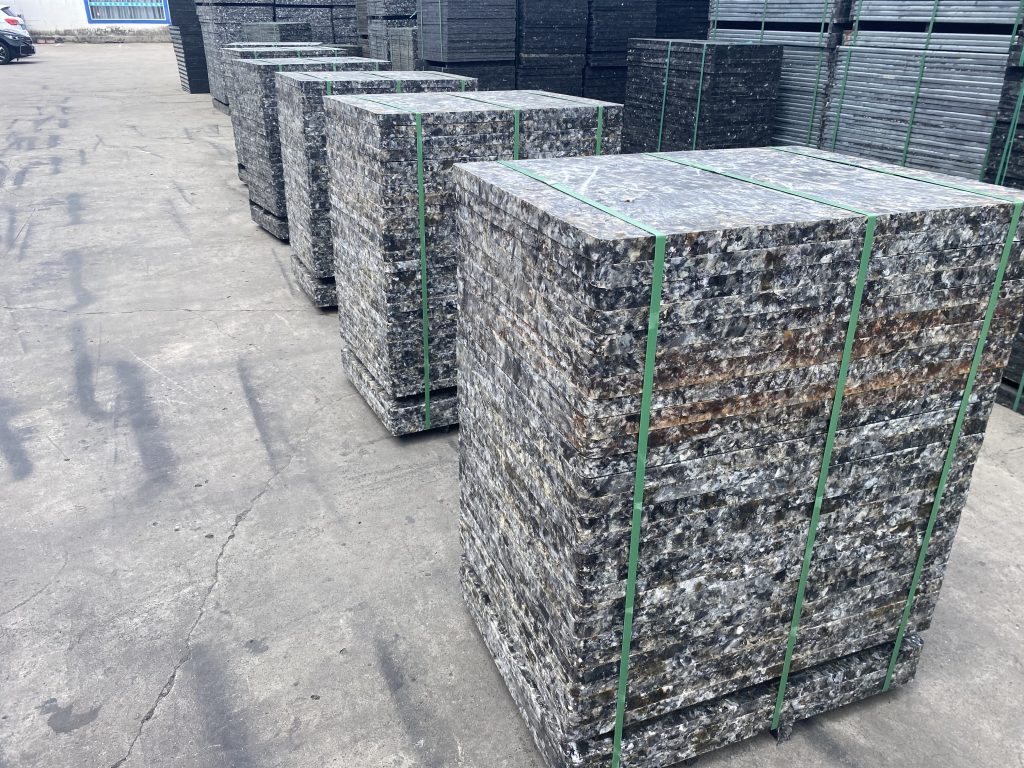
GMT pallets enable manufacturers to signal quality through measurable specifications: flatness tolerance guarantees, defect rate commitments, and dimensional consistency warranties. A Nigerian block manufacturer gained 23% market share in 14 months by offering written guarantees of <2% defect rates—commitments wood pallet-using competitors could not match without infrastructure upgrades.
| Customer Quality Priority | Commodity Buyers | Premium Buyers | Architectural Buyers |
|---|---|---|---|
| Price sensitivity | 1st priority | 3rd priority | 4th priority |
| Surface finish | 2nd priority | 1st priority | 1st priority |
| Dimensional consistency | 4th priority | 2nd priority | 2nd priority |
| Delivery reliability | 3rd priority | 4th priority | 3rd priority |
| Willingness to pay quality premium | 3-8% | 15-20% | 25-40% |
Pricing Power Through Consistent Excellence
Premium positioning requires sustained quality that buyers trust. Surface consistency from premium pallets enables specification-based selling rather than commodity bidding, fundamentally changing pricing dynamics.
A Southeast Asian producer serving government projects quantified this effect. When bidding as commodity supplier, their average margin was 4.2%. After 18 months of zero-defect delivery enabled by GMT pallets, they secured preferred supplier status requiring <1% defect rates. Their specification contract margin averaged 16.8%—a 300% improvement for identical costs.
Pricing power compounds through reputation. Manufacturers known for consistent quality reduce buyers’ perceived risk, enabling sole-source negotiations rather than competitive bidding. Three Brazilian producers reported 35-48% of volume moving through negotiated contracts—volume commanding 12-18% higher prices.
Market Segmentation Advantages
Premium pallets enable serving multiple market segments from single production lines, maximizing asset utilization while capturing margin opportunities across price points.
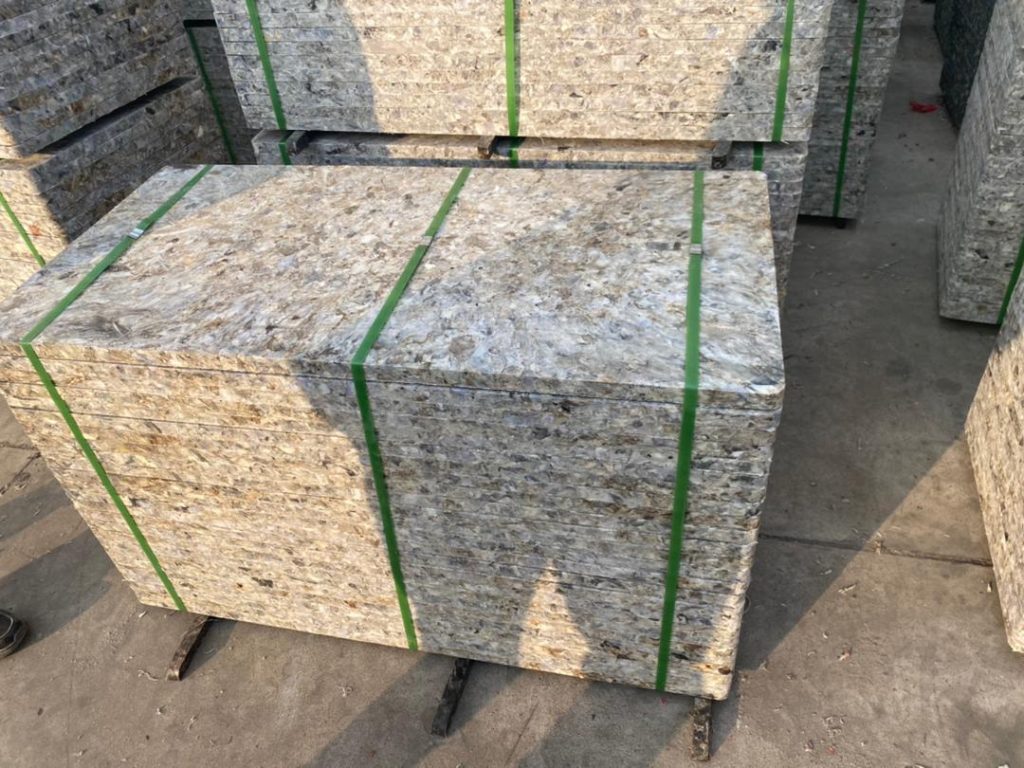
An Egyptian manufacturer implemented three brick grades using premium white GMT pallets. Standard commercial grade sold at market rates. Premium architectural grade captured 22% premiums. Custom decorative grade commanded 45% premiums. All used identical equipment—only grading differed.
This segmentation generated 31% higher revenue per ton versus single-grade production, while the GMT investment of $82,000 delivered 9.3-month payback through premium segment access.
Contract Qualification and Certification Requirements
Major construction projects increasingly specify minimum quality standards that exclude manufacturers using degraded equipment. Surface flatness requirements, defect rate limits, and dimensional tolerance specifications function as barriers favoring premium pallet users.
A Gulf Cooperation Council contractor survey revealed that 83% of commercial projects now include brick quality specifications exceeding commodity production capabilities. These typically require: surface flatness <±1mm, defect rates <2%, dimensional consistency ±1mm, and batch consistency >95%.
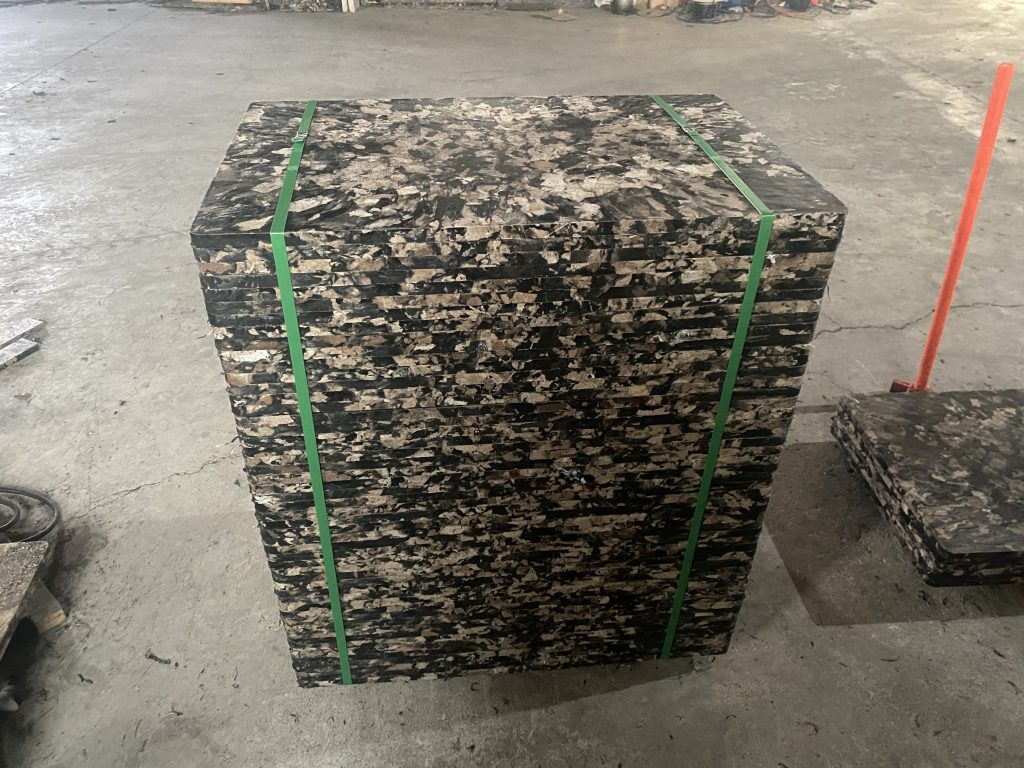
Wood pallets cannot meet these specifications after 12-18 months, effectively limiting qualification windows. GMT pallets maintain compliance for 10+ years, enabling long-term customer relationships.
Long-Term Client Relationships Through Reliability
Repeat business depends on eliminating surprises. Buyers experiencing quality variations begin supplier searches to hedge risk. Premium GMT pallets eliminate batch variation, converting transactional buyers into long-term partners.
A Chilean manufacturer documented customer retention increasing from 67% to 91% over 24 months following GMT adoption. Revenue per customer increased 38% as satisfied buyers consolidated purchases with a single trusted supplier rather than splitting orders for risk management.
Long-term relationships create compounding advantages: predictable demand enables production optimization, established trust reduces transaction costs, and volume commitments justify customization investments.
Competitive Positioning in Premium Markets
Premium markets—architectural projects, branded developments, government infrastructure with quality specifications—represent 35-45% of brick volume but generate 52-68% of industry profit according to 2026 market analysis. Access to these segments requires demonstrable quality capabilities that premium pallets provide.
Competitive positioning in premium segments follows predictable patterns. Leaders maintain <1% defect rates through infrastructure investments including GMT pallets, automated quality control, and statistical process management. Challengers achieve 2-4% defect rates through selective quality upgrades but lack systematic consistency. Commodity producers accept 8-15% defect rates, focusing on volume efficiency rather than quality differentiation.
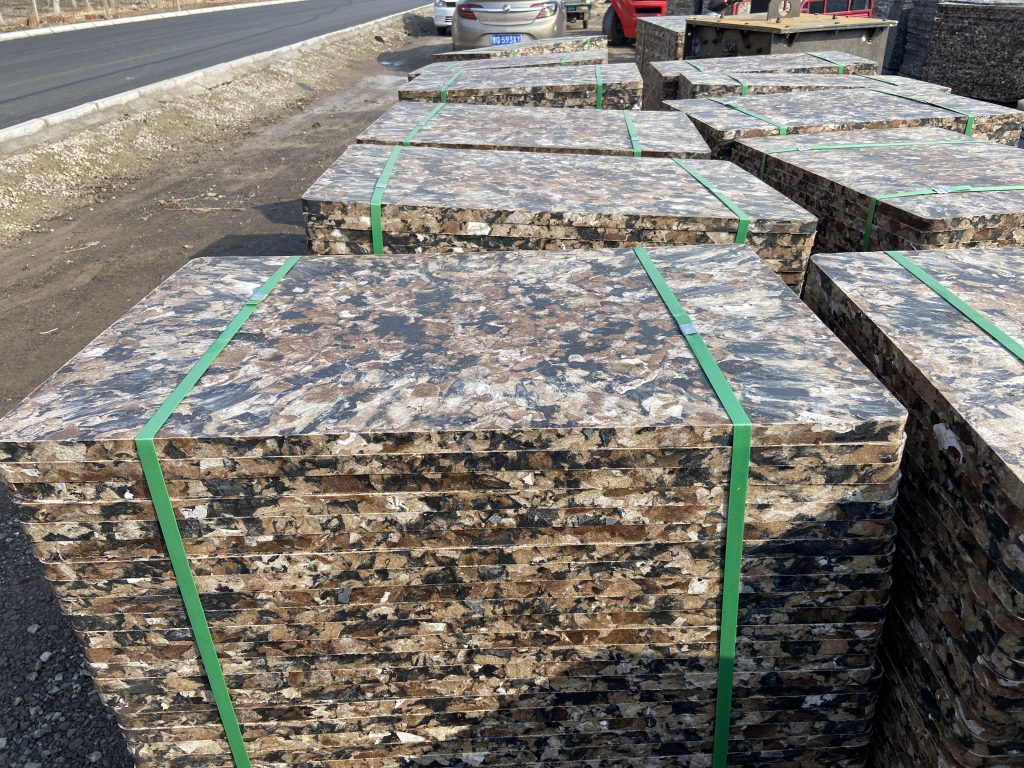
Market research from independent quality assessments confirms that pallet quality represents the single largest controllable variable in brick surface consistency—accounting for 45-60% of defect variation. Manufacturers who address this variable position themselves in market segments competitors cannot effectively serve.
| Competitive Position | Defect Rate | Pallet Type | Market Segment Access | Typical Margin |
|---|---|---|---|---|
| Premium Leaders | <1% | GMT/Glass Fiber Composite | Architectural, Government, Branded | 18-26% |
| Quality Challengers | 2-4% | New Plastic/Recent GMT | Commercial Specification, Select Residential | 12-16% |
| Standard Producers | 5-8% | Mixed Fleet (Some Degraded) | Commercial Volume, Standard Residential | 8-12% |
| Commodity Suppliers | 8-15% | Degraded Wood, Minimal Investment | Price-Driven, Spot Market | 4-8% |
FAQ
How much quality premium can manufacturers charge with premium pallets?
Market data from 2024-2026 shows brick manufacturers using GMT pallets consistently achieve 12-22% price premiums in architectural segments and 6-11% premiums in commercial segments compared to identical specifications produced on degraded equipment. The premium varies by market sophistication, with Middle Eastern and European buyers paying highest premiums for documented quality. Premium realization requires sustained 12-18 month performance to establish reputation.
Do customers notice the difference between GMT and wood pallet-produced bricks?
Blind quality assessments confirm surface finish detectability. Architects correctly identified GMT-produced bricks 81% of the time. General contractors identified them 67% of the time. Homeowners identified them 43% but rated GMT-produced samples 28% higher on perceived quality. The difference matters most in light-colored bricks and polished finishes.
Can you upgrade gradually or must you replace the entire fleet?
Gradual replacement works effectively. Practical approach: dedicate GMT pallets to premium product lines first, use degraded equipment for commodity production until capital accumulates. This maximizes ROI by applying premium pallets to highest-margin products immediately while extending degraded pallet life through maintenance.
How long to see competitive positioning benefits?
Benefits emerge in three phases. Immediate improvements (0-3 months): reduced defects and quality improvements. Early recognition (3-12 months): customers notice consistency, repeat orders increase. Strategic positioning (12-24 months): reputation enables premium contracts and pricing power. Full benefits require 18-24 months of sustained performance.
Conclusion
Premium pallets create competitive advantages that commodity producers cannot easily replicate. Surface consistency, dimensional accuracy, and sustained quality performance differentiate manufacturers in segments where buyers value reliability over bottom-tier pricing. Data from facilities across five continents confirms that GMT pallet investments deliver measurable positioning benefits: 12-22% price premiums in architectural markets, 35-48% of volume shifting to negotiated contracts rather than spot bidding, and 18-26% margin realization versus 4-8% for commodity suppliers.
Competitive differentiation through pallet quality proves sustainable because infrastructure requirements create barriers limiting rapid competitor response. While price reductions invite immediate matching, quality positioning built on 10-12 year equipment lifespans and established reputation requires multi-year investments competitors must commit to without certainty of success.
Manufacturers who recognize pallets as strategic investments rather than commodity purchases position themselves in market segments where quality commands premiums and customer relationships replace price-based bidding. In markets where premium segments represent 35-45% of volume but generate 52-68% of profit, this positioning determines long-term viability. The quality foundation enabling premium positioning begins with the platform beneath every brick you produce.
If you need premium pallets to differentiate your brick products and access higher-margin market segments, Rhinos Pallet offers fiber-reinforced GMT pallets engineered for architectural and specification-grade production. Our flatness-guaranteed composite construction ensures consistent surface quality, dimensional accuracy, and sustained performance that enables quality positioning and premium pricing throughout the 10-15 year product lifespan.
Contact us today for technical specifications, facility assessment, and competitive positioning analysis tailored to your production requirements and target market segments.