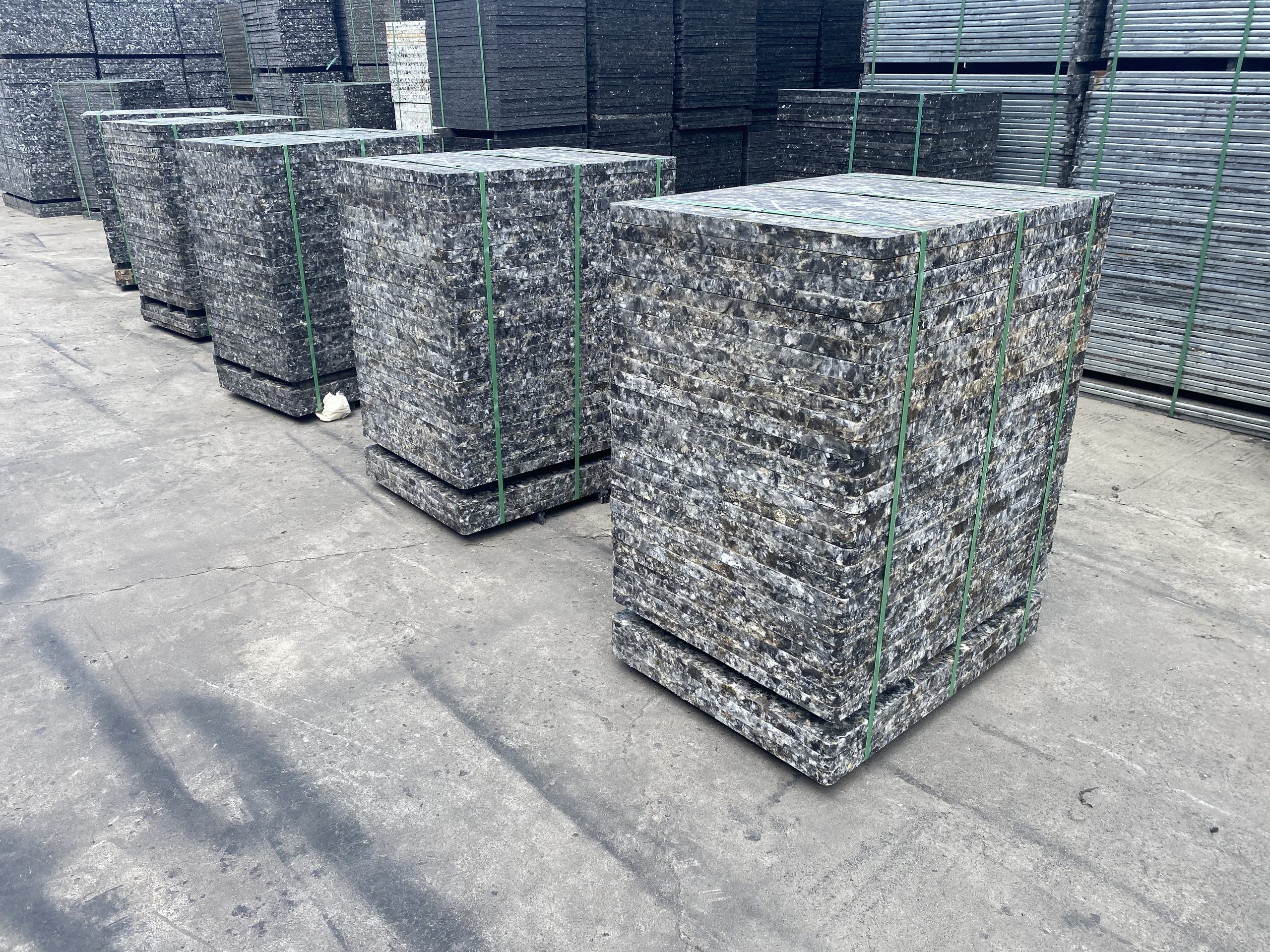
The brick manufacturing industry is experiencing unprecedented growth, with the global brick market valued at $1.76 trillion in 2025 and projected to reach $2.28 trillion by 2034. For factory owners looking to scale production, equipment choices—particularly pallet selection—determine whether expansion delivers profit or creates expensive bottlenecks. Factory data shows that inadequate pallet infrastructure causes production delays in 34% of expansion projects, costing manufacturers $25,000-$75,000 in lost output during critical ramp-up periods.
If you want to scale your brick production capacity without encountering equipment-related delays and cost overruns, then you will need to understand pallet fleet sizing, material selection for growth stages, and phased investment strategies. This comprehensive guide covers pallet requirements at each production scale, calculated investment timing, and equipment specifications that support long-term expansion. Understanding these factors helps production managers and facility owners make informed decisions for sustainable capacity growth.
Calculating Pallet Requirements for Production Expansion
Accurate pallet fleet sizing prevents both overcapitalization and production bottlenecks. Your required pallet inventory scales directly with target production volume, curing cycle duration, and planned automation level.
Production Volume and Fleet Size Formula
Required Pallets = (Daily Production Volume × Curing Cycle Days × Safety Factor) / Pallets per StackFor a facility scaling from 50,000 to 150,000 bricks per day:
- Current production: 50,000 bricks/day ÷ 15 bricks/pallet = 3,333 pallets/day
- Curing cycle: 7 days standard, 5 days with controlled environment
- Safety factor: 1.15 (15% buffer for maintenance and rotation)
- Result: 3,333 × 7 × 1.15 = 26,843 pallets minimum fleet
At target capacity of 150,000 bricks/day, you will need approximately 80,529 pallets for continuous operation. This represents a 200% fleet increase that must be phased with production ramp-up to avoid tying up working capital in unused inventory.
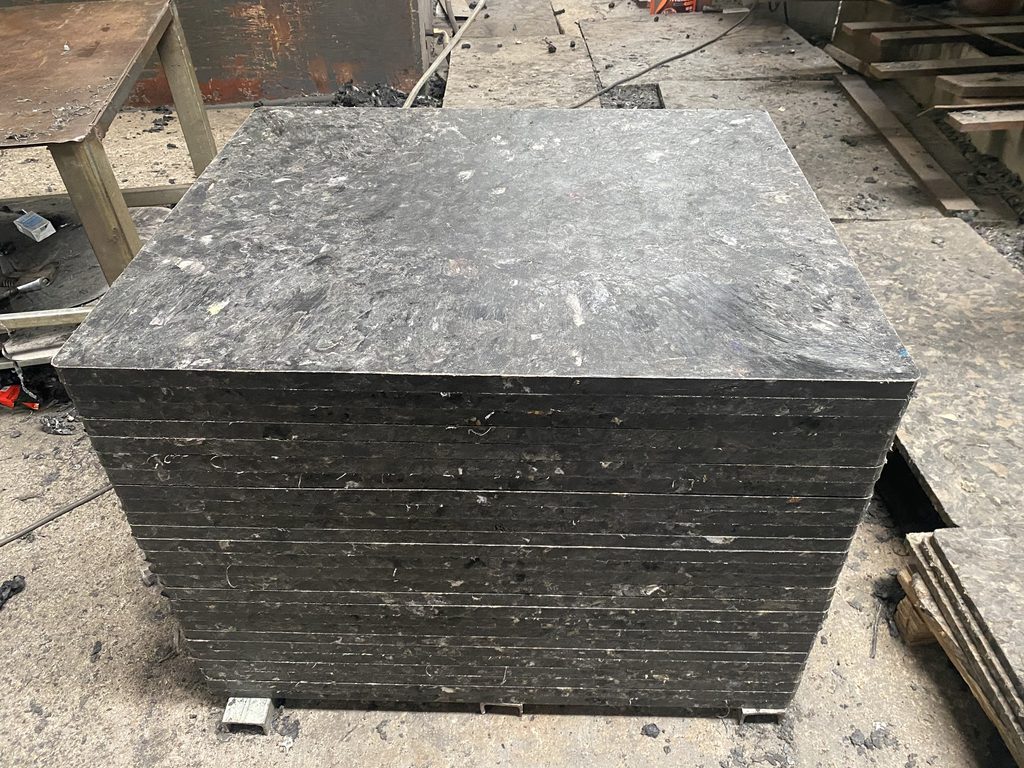
Phased Pallet Investment Strategy
Smart manufacturers stage pallet purchases in alignment with actual production milestones rather than buying the full fleet upfront. Industry data from automatic block production facilities shows that phased investment reduces cash flow strain by 45-60% during expansion.
Phase 1: Initial Expansion (Months 1-6)
Increase capacity from 50,000 to 85,000 bricks/day. Required pallet addition: 24,500 pallets. This phase tests equipment integration and identifies bottlenecks before committing to full-scale investment. Focus on GMT pallets with proven 10+ year lifespan to minimize replacement cycles during growth.
Phase 2: Mid-Scale Growth (Months 7-18)
Scale from 85,000 to 120,000 bricks/day. Required addition: 24,500 pallets. Production data stabilizes, allowing optimization of pallet rotation systems. Implement smart pallet management systems to track utilization and prevent inventory overstock.
Phase 3: Full Capacity (Months 19-24)
Reach target 150,000 bricks/day. Final addition: 21,000 pallets plus 10% strategic reserve. At this stage, automated production systems should be fully integrated, with RFID-enabled pallet tracking providing real-time fleet visibility.
Pallet Material Selection for Different Growth Stages
Material choice directly impacts both initial investment and long-term operational costs. Wood pallets appear economical at startup but create compounding replacement costs during expansion.
Cost-Performance Analysis by Production Scale
| Production Stage | Best Pallet Type | Initial Cost per Unit | 10-Year Lifecycle Cost | Replacement Frequency | Breakage Reduction |
|---|---|---|---|---|---|
| Startup (<50K/day) | Wood or Economy Yellow Fiber | $15-$25 | $85-$120 | Every 2-3 years (4× replacement) | Baseline |
| Mid-Scale (50K-120K/day) | Premium White GMT | $85-$110 | $95-$115 | 10+ years (1× purchase) | 47-52% reduction |
| High-Volume (>120K/day) | Black Glass Fiber | $95-$125 | $105-$130 | 10-12 years (1× purchase) | 52-58% reduction |
| Automated Lines | Pure White GMT | $105-$135 | $115-$145 | 10+ years (1× purchase) | 55-60% reduction |
Factory data from Southeast Asian manufacturers shows that switching from wood to GMT pallets during expansion reduces brick breakage by 47-52%, directly improving product yield. When scaling from 50,000 to 150,000 bricks/day, this translates to 7,500-7,800 fewer broken bricks daily—worth $2,250-$3,900 per day at $0.30-$0.50 per brick.
Material Performance in High-Growth Scenarios
Wood Pallets: Hidden Costs During Expansion
Wood appears cost-effective at $15-$25 per unit, but moisture absorption, warping, and frequent replacement create operational drag during growth. Field data from humid climate facilities shows wood pallet failure rates of 35-42% within 18 months under high-volume production stress. When you’re scaling operations, moisture-related pallet problems compound quality issues and interrupt production flow.
GMT Composite Pallets: The Growth-Stage Standard
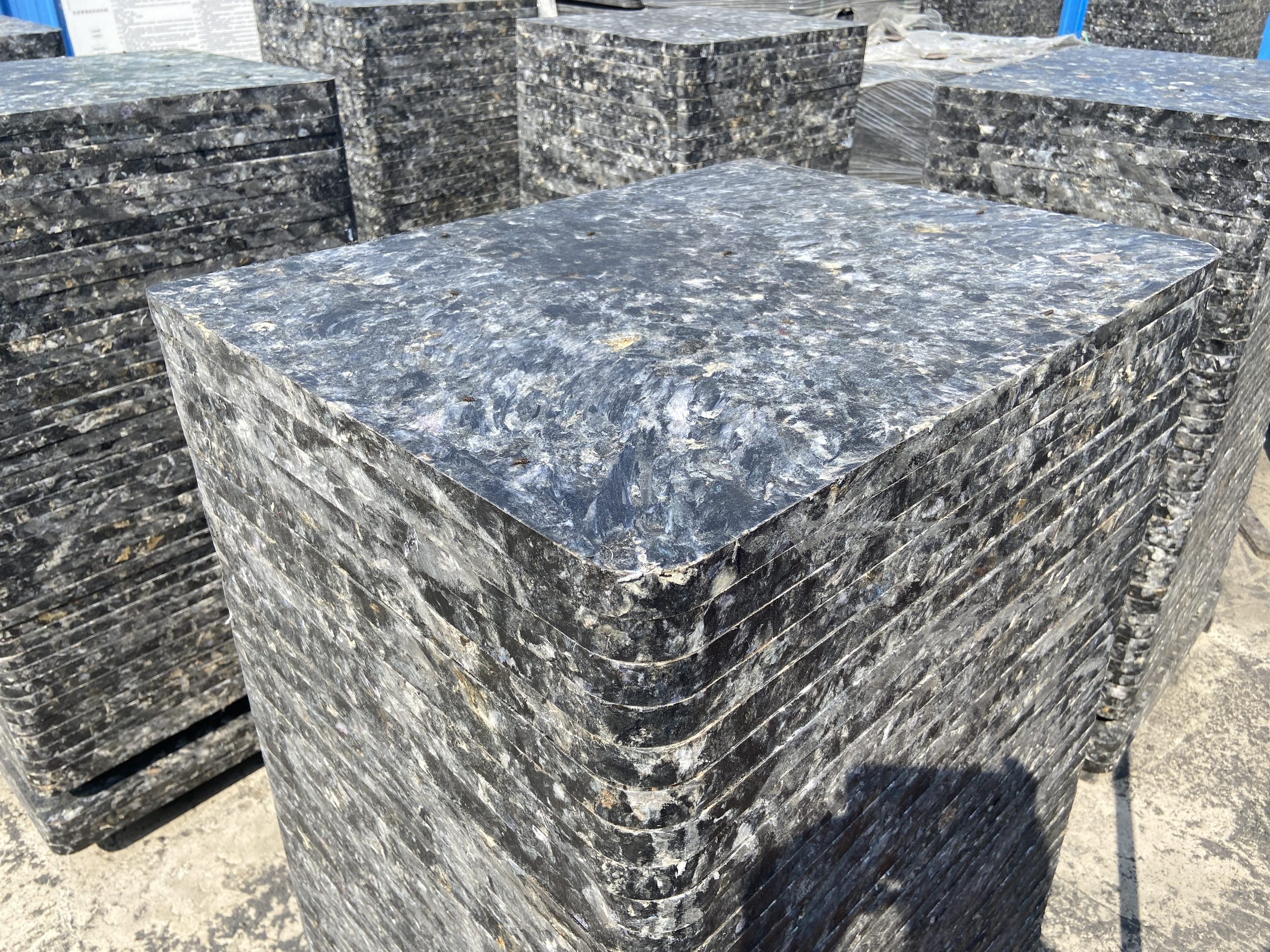
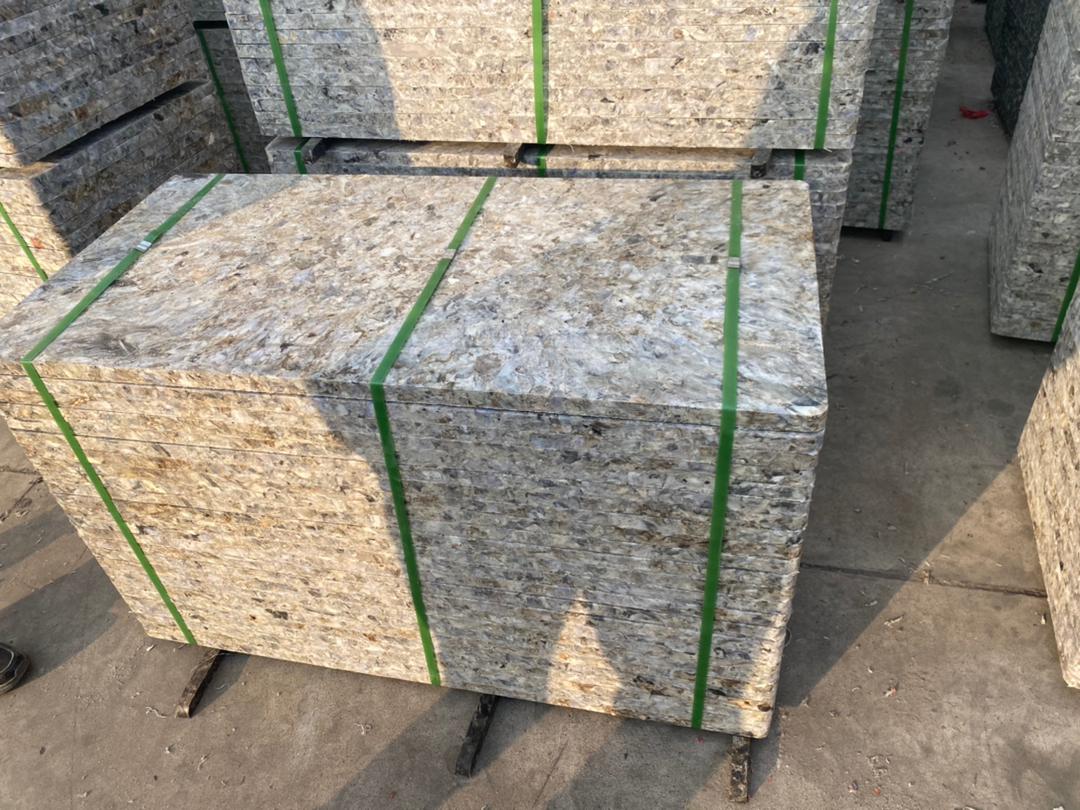
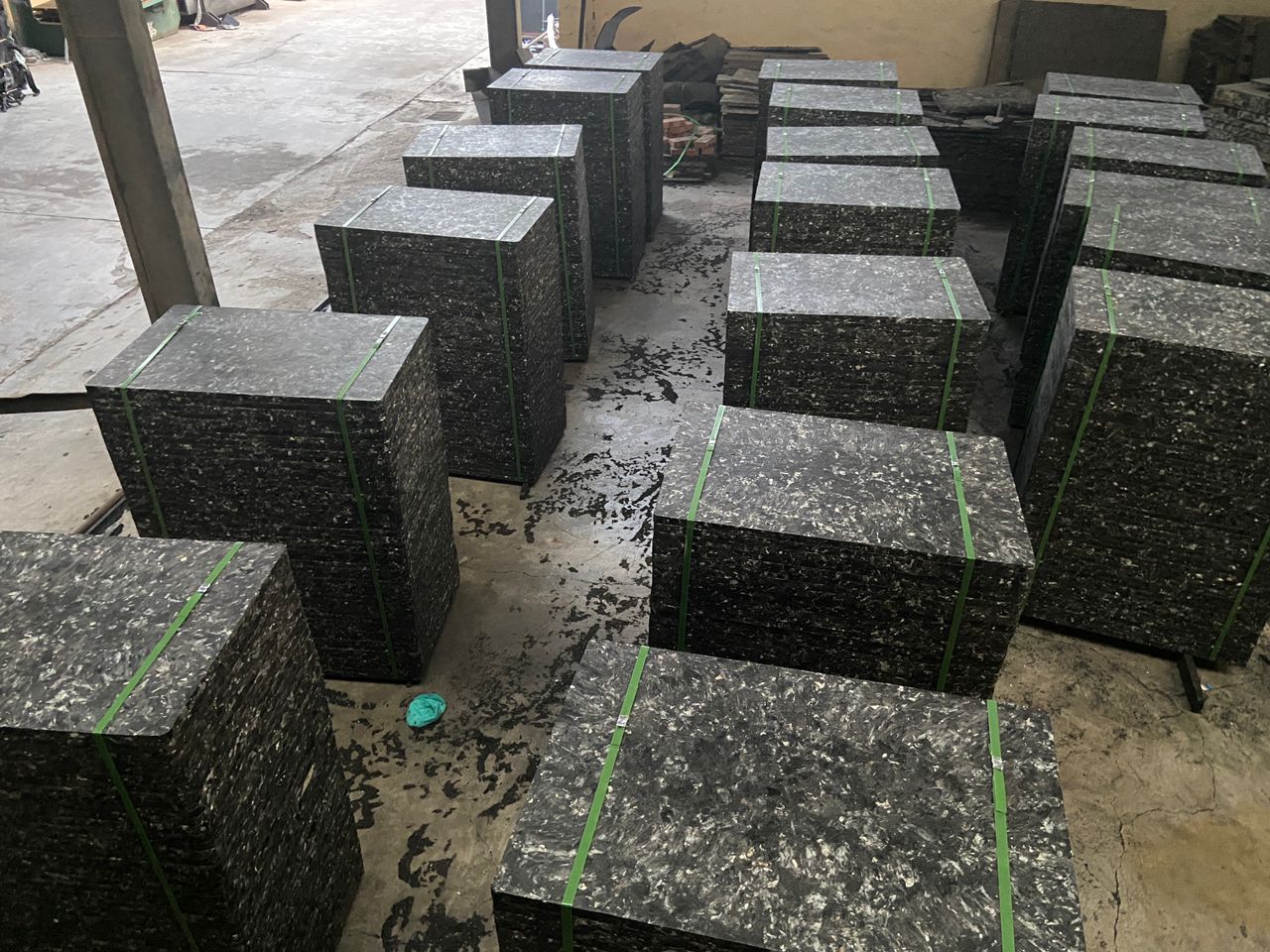
Glass Mat Thermoplastic pallets provide the durability-to-cost ratio needed during expansion. With <1% moisture absorption and 10+ year lifespan, GMT pallets eliminate replacement cycles that would otherwise disrupt production ramp-up. The break-even point typically occurs at 8-14 months for facilities producing over 80,000 bricks/day, well before full expansion capacity is reached.
Glass Fiber Pallets: Premium Heavy-Duty Performance
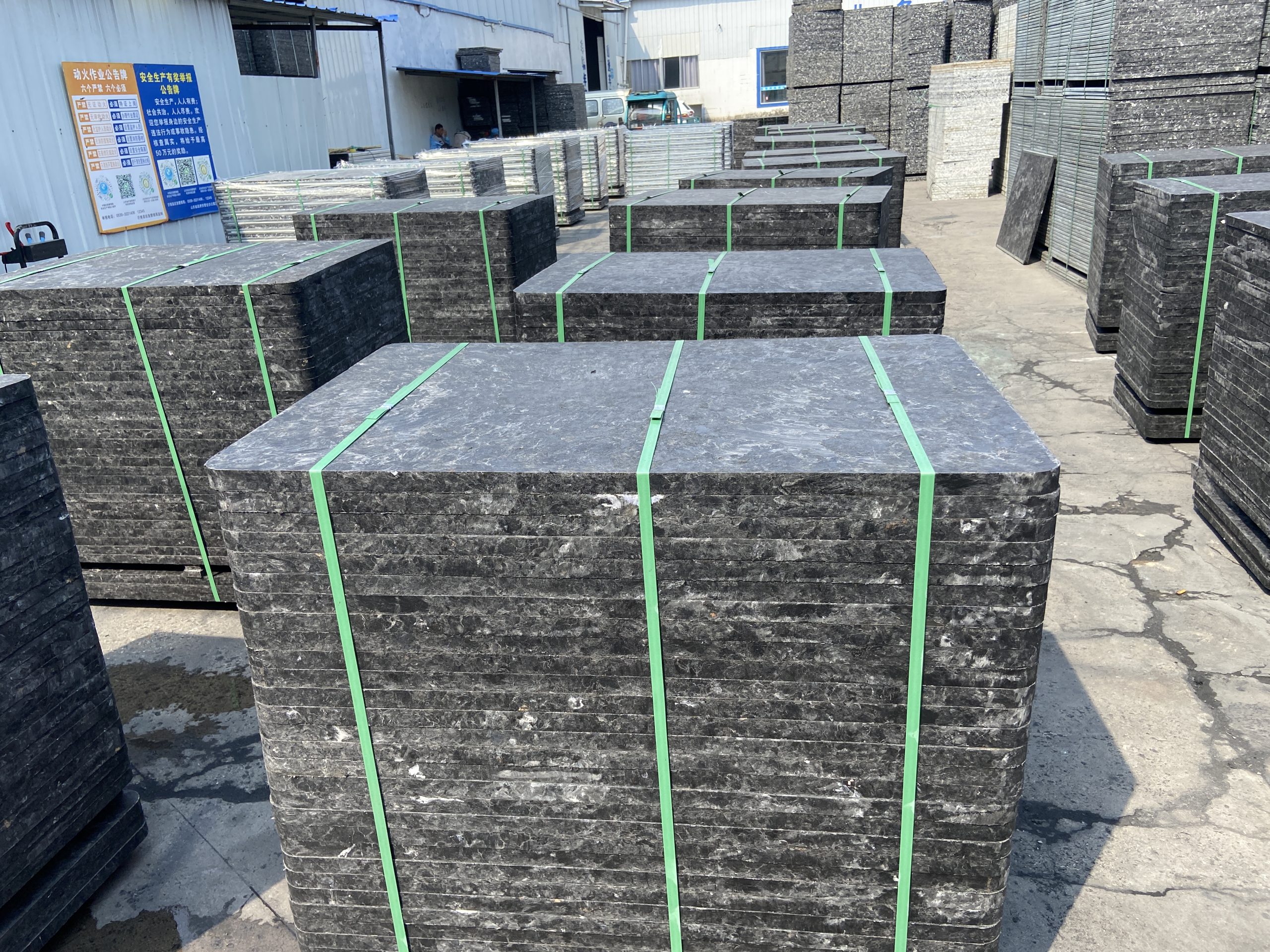
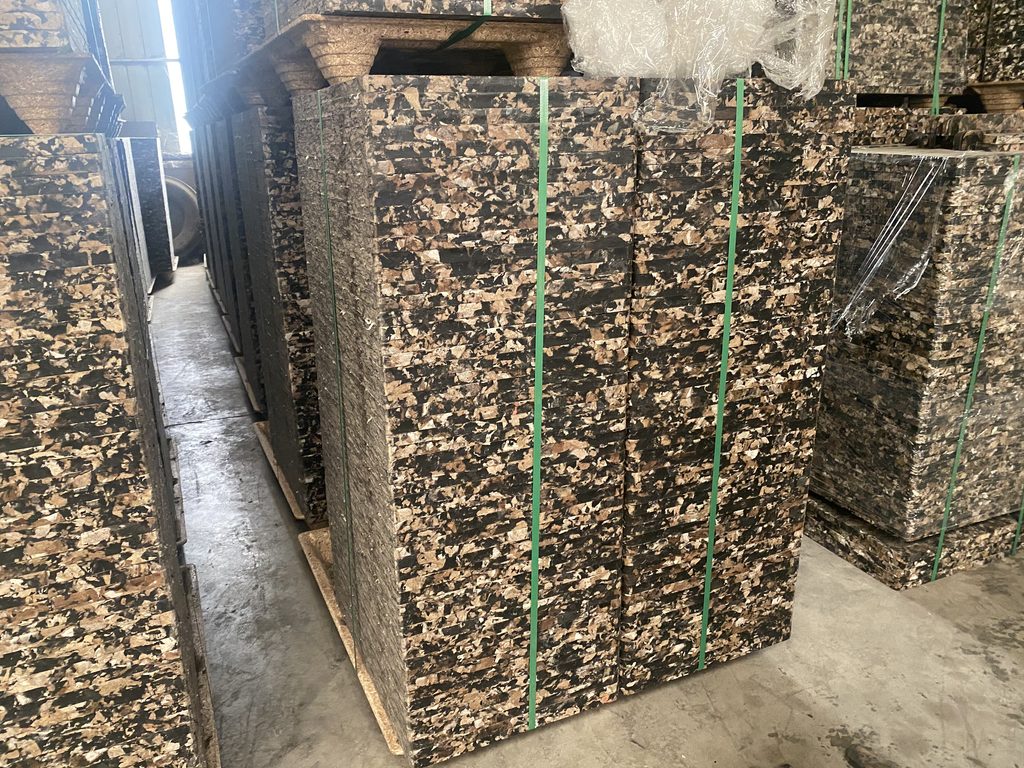
For fully automated lines processing 150,000+ bricks/day, black glass fiber pallets deliver superior load capacity (2,800-3,200 kg) and dimensional stability (±0.3mm flatness tolerance per 1000mm). These specifications are critical for robotic handling systems where pallet variation causes positioning errors.
Strategic Investment Timing and Budget Planning
Equipment investment timing determines whether growth generates profit or creates cash flow problems. Pallet purchases should align with revenue milestones, not arbitrary calendar dates.
Investment Trigger Points
Trigger 1: Production Utilization Exceeds 85%
Order pallets when current capacity reaches 85% utilization for 3 consecutive months. This lead time prevents bottlenecks while avoiding premature investment. Based on typical supplier lead times of 6-10 weeks for bulk orders, place orders when utilization hits 80%.
Trigger 2: Quality Metrics Deteriorate
Breakage rates increasing beyond 3.5% signal pallet fleet stress. When existing pallets show wear patterns affecting product quality, expedited replacement prevents compounding losses. Our quality inspection guide helps identify degradation before it impacts production.
Trigger 3: Automation Implementation
Upgrading to automated handling requires pallet fleet replacement or augmentation 90-120 days before go-live. Automated systems cannot compensate for dimensional variation in degraded pallets—attempting to do so results in programming delays and system downtime.
Financing Options for Pallet Fleet Expansion
Large-scale pallet purchases require strategic financing. According to Crestmont Capital’s analysis, equipment financing for concrete block manufacturing typically offers better cash flow management than outright purchase during expansion.
Option 1: Phased Cash Purchase
Reserve 12-15% of monthly production revenue for pallet acquisition. For a facility generating $850,000/month at current capacity, allocate $102,000-$127,500 monthly toward pallet fleet buildout. This approach works well for profitable operations with strong cash flow.
Option 2: Equipment Financing
Secure a 36-48 month term loan for pallet fleet at 6.5-9.5% APR. Monthly payments of approximately $2,400-$2,850 per $100,000 borrowed provide predictable expenses during revenue ramp-up. The ROI calculation shows that increased production efficiency typically covers financing costs within 12-18 months.
Option 3: Supplier Payment Terms
Negotiate 60-90 day payment terms with reliable GMT pallet manufacturers. This approach bridges the gap between pallet delivery and revenue generation from increased capacity, particularly valuable during the initial expansion phase.
Automation Readiness and Pallet Specifications
Automated production lines impose stricter pallet requirements than manual operations. Dimensional consistency, weight uniformity, and surface flatness must meet tighter tolerances.
Critical Specifications for Automated Systems
| Specification | Manual Production Tolerance | Automated Production Requirement | Impact of Non-Compliance |
|---|---|---|---|
| Dimensional Tolerance | ±3mm length/width | ±1.5mm length/width | Robot gripper misalignment, 15-20% cycle time loss |
| Surface Flatness | ±3mm per 1000mm | ±1mm per 1000mm | Brick tilting, 8-12% breakage increase |
| Weight Variation | ±8% per pallet | ±3% per pallet | Conveyor belt stress, 5-7% system stops |
| Edge Squareness | ±2.5mm diagonal | ±1mm diagonal | Stack instability, 12-18% handling issues |
| Moisture Absorption | <5% over 24 hours | <1% over 24 hours | Dimensional creep, 25-30% positioning errors |
Field data from automated brick production facilities demonstrates that pallet specification violations are the #2 cause of automation downtime, responsible for 18-22% of unplanned stops during the first 18 months of operation.
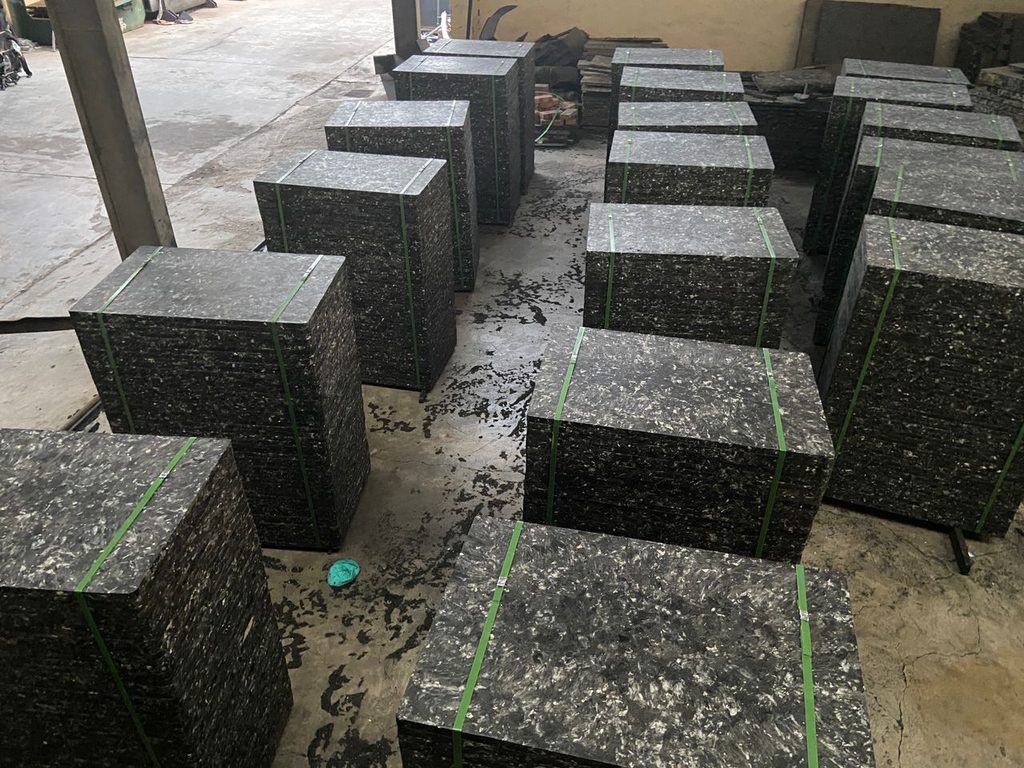
Pallet Fleet Standardization
Growth-stage facilities often accumulate mixed pallet types purchased opportunistically. This creates automation challenges, as robotic systems cannot efficiently handle multiple pallet dimensions and weight profiles simultaneously.
Standardization Strategy:
Establish a 2-tier pallet standard: primary production pallets (85% of fleet) and secondary service pallets (15% for maintenance rotation). During expansion, phase out non-standard pallets by redirecting them to low-speed manual lines while equipping high-volume automated lines exclusively with specification-compliant GMT or glass fiber pallets.
Example Implementation:
A Nigerian facility documented in our case studies reduced automation-related downtime by 67% after standardizing on G-002 Premium White GMT pallets across three production lines. The 6-month standardization project cost $145,000 in pallet replacement but eliminated $38,000/month in productivity losses.
Supplier Relationships and Bulk Ordering Strategy
Pallet procurement during expansion requires different supplier engagement than steady-state operations. Volume commitments unlock better pricing, but timing and quality verification remain critical.
Bulk Purchase Negotiation
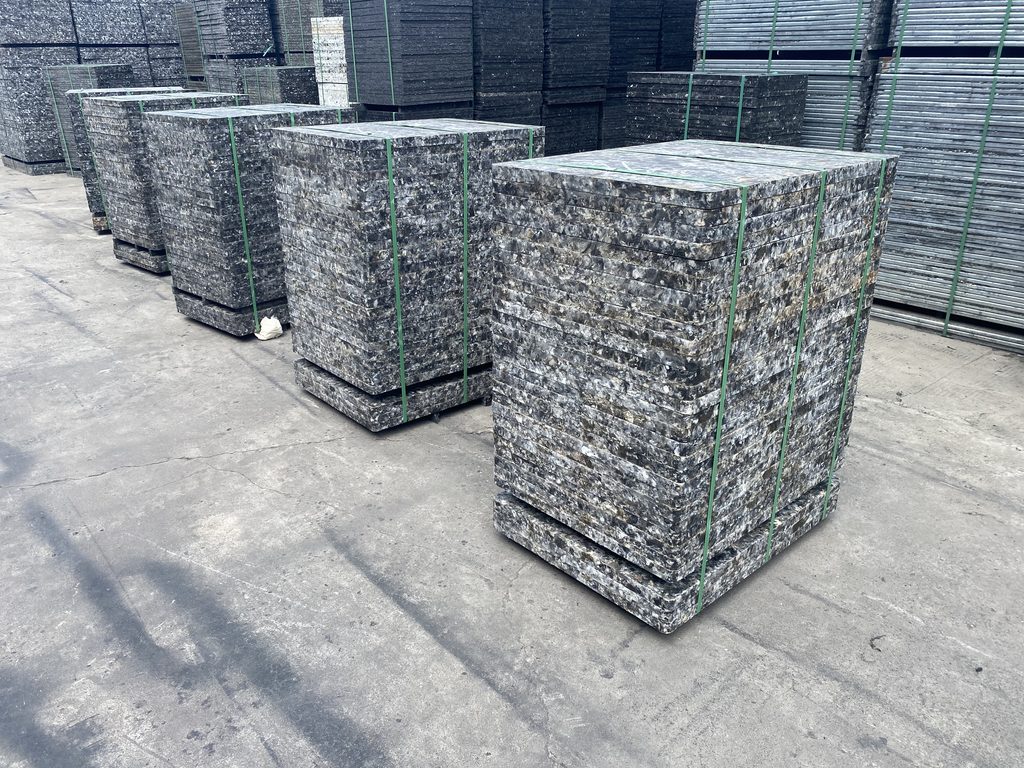
Facilities scaling to 150,000+ bricks/day require pallet purchases of 20,000-30,000 units per phase. At this volume, bulk ordering strategy delivers 12-18% cost reduction compared to spot purchases.
Volume Break Points:
- 5,000-10,000 pallets: 8-12% discount from list price
- 10,000-20,000 pallets: 12-16% discount from list price
- 20,000+ pallets: 15-20% discount from list price plus favorable payment terms
Quality Verification Protocol
Large bulk orders require systematic quality inspection. Every manufacturer encounters specification drift, making incoming quality control essential.
3-Stage Verification Process:
Stage 1: Sample Inspection (First 200 units)
Measure dimensional accuracy, surface flatness, weight consistency on 2% of initial delivery. Quality inspection procedures should verify compliance before accepting full shipment.
Stage 2: Field Trial (30-day operational test)
Run 500 sample pallets through actual production environment. Track breakage rate, surface marking, dimensional stability under load. This phase identifies issues that static inspection misses.
Stage 3: Full Fleet Acceptance
Release payment and accept remaining inventory only after sample batch demonstrates specification compliance. Include contractual right-to-refuse clauses for non-conforming units discovered in later deliveries.
Regional Considerations and Climate Adaptation
Scaling production in different geographic markets requires climate-appropriate pallet selection. Material performance varies significantly based on temperature and humidity conditions.
Climate-Specific Pallet Selection
Tropical/High-Humidity Regions (>70% RH)
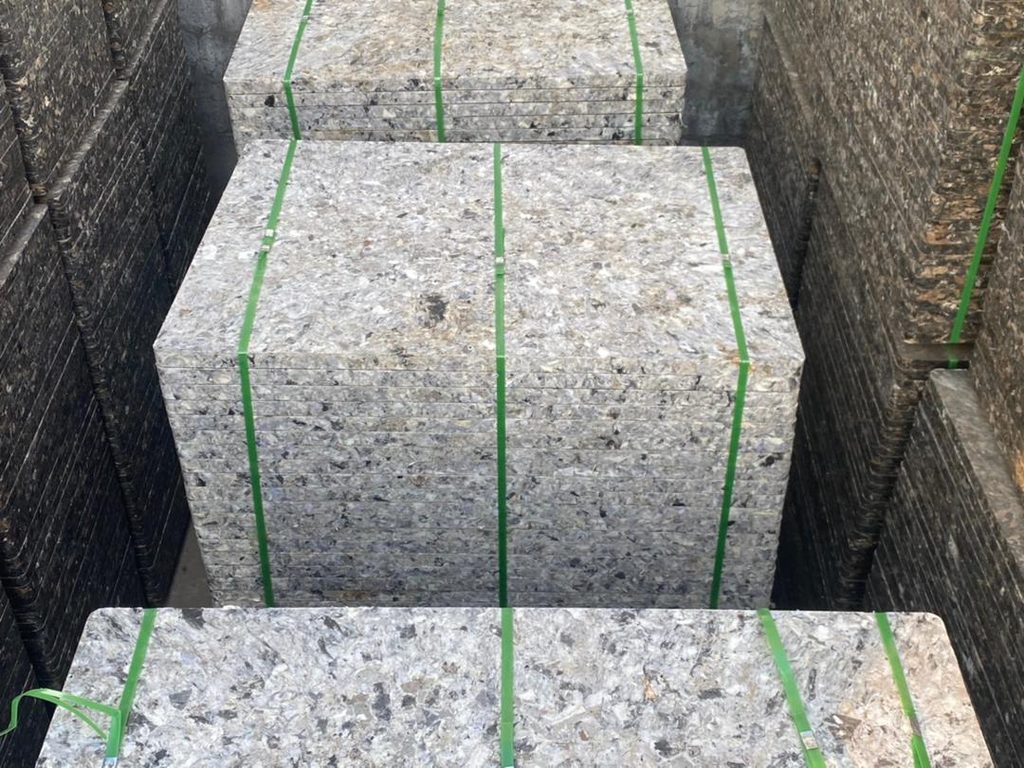
Southeast Asia, coastal Africa, and Central America require moisture-resistant materials. Wood pallet failure accelerates to 18-24 months in these conditions, while GMT composite pallets maintain structural integrity. Our Southeast Asia case data shows GMT pallets achieving 10+ year lifespan despite 85-90% relative humidity.
Arid/High-Temperature Regions (>40°C peak)
Middle East and North African facilities face thermal expansion challenges. Heat-resistant pallet selection focuses on materials with stable thermal coefficients. Glass fiber reinforced pallets withstand temperature ranges of -30°C to +80°C without dimensional creep.
Temperate Regions with Freeze-Thaw Cycles
Northern Europe and northern North America require pallets that resist thermal cycling. Material that absorbs moisture and then freezes suffers micro-fractures, reducing lifespan by 40-50%. GMT pallets with <1% moisture absorption eliminate this failure mode.
Total Cost of Ownership During Expansion
Initial purchase price represents only 35-45% of total pallet cost over a 10-year expansion period. Replacement frequency, breakage-related losses, and handling efficiency determine true cost.
10-Year TCO Comparison: 150,000 Brick/Day Facility
Wood Pallet Scenario:
- Initial purchase (80,000 pallets × $20): $1,600,000
- Replacements Years 3, 6, 9 (3× full fleet @ $22, $24, $26): $5,760,000
- Breakage losses (baseline rate × production volume × 10 years): $2,340,000
- Additional handling labor (30% longer cycle time): $980,000
- Total 10-Year Cost: $10,680,000
GMT Pallet Scenario:
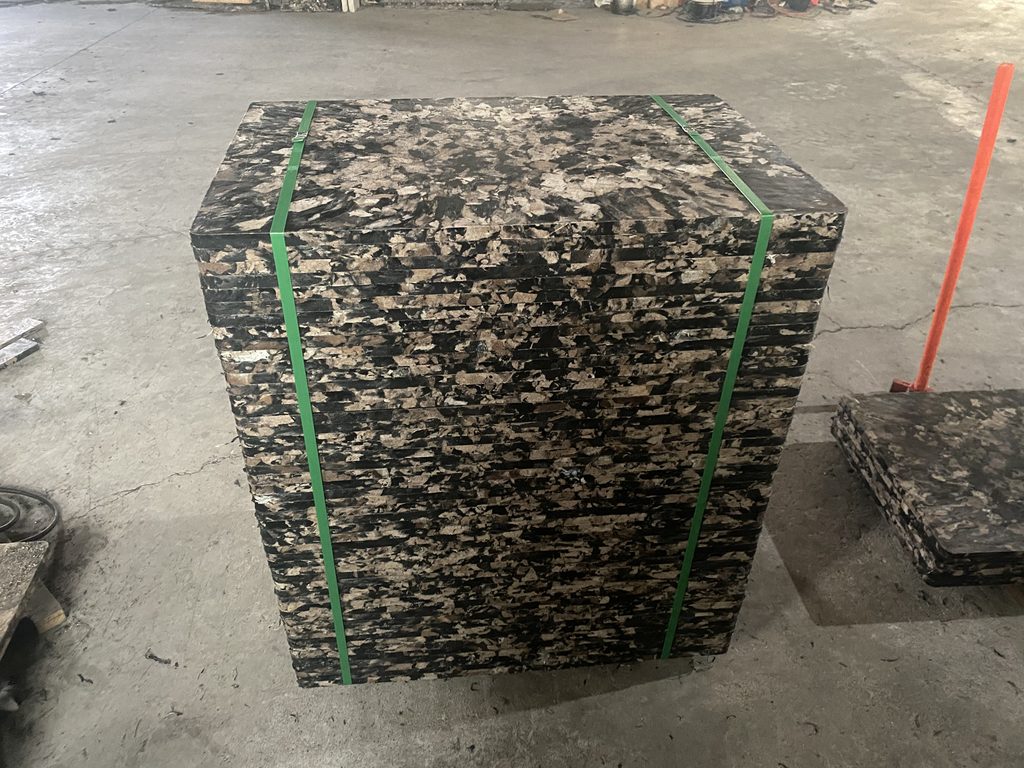
- Initial purchase (80,000 pallets × $95): $7,600,000
- Replacements Years 10+ (minimal): $380,000 (5% annual attrition)
- Breakage losses (50% reduction vs wood): $1,170,000
- Handling efficiency advantage (15% faster cycles): $0 (neutral)
- Total 10-Year Cost: $9,150,000
Net Savings: $1,530,000 over 10 years
This analysis aligns with our detailed total cost of ownership study, which shows GMT pallets deliver 14-20% lower lifecycle costs for facilities producing over 100,000 bricks/day.
Cost Per Brick Impact
Production cost optimization shows that pallet choice affects per-unit economics:
- Wood pallets: $0.0148 per brick pallet cost allocation
- GMT pallets: $0.0127 per brick pallet cost allocation
- Savings: $0.0021 per brick
At 150,000 bricks/day production (54.75 million bricks annually), this represents $115,000/year in direct cost reduction. Over a 10-year expansion horizon, the differential compounds to $1,150,000 in increased margin.
Technology Integration and Future-Proofing
Expansion planning should account for emerging technologies that will affect pallet requirements within the next 5-7 years.
Smart Manufacturing Readiness
Industry 4.0 initiatives require pallet infrastructure that supports digital tracking. RFID-enabled pallet systems provide real-time inventory visibility, predictive maintenance alerts, and automated rotation management.
RFID Implementation Costs:
- Passive UHF tags: $0.15-$0.25 per pallet
- Reader infrastructure: $12,000-$18,000 per production line
- Software integration: $25,000-$45,000 one-time
- ROI period: 14-22 months through reduced inventory carrying costs
When planning pallet purchases for expansion, specify GMT pallets with embedded RFID capability or tag mounting provisions. Retrofitting tags to wood pallets is impractical due to short lifespan and dimensional instability.
Sustainability and Circular Economy Compliance
Regulatory trends increasingly favor recyclable materials. End-of-life management for GMT pallets provides clear pathways through mechanical recycling, while wood pallets create disposal liabilities in many jurisdictions.
Carbon Footprint Considerations:
Our carbon footprint analysis shows GMT pallets generate 35-42% lower lifecycle emissions compared to wood when accounting for production, transport, and replacement cycles. For facilities pursuing environmental certifications, this differential supports sustainability documentation requirements.
Risk Management During Scaling
Expansion creates operational vulnerabilities that pallet infrastructure can either amplify or mitigate.
Common Scaling Pitfalls
Pitfall #1: Underestimating Lead Times
Bulk pallet orders require 6-10 weeks for production and delivery. Facilities that order pallets concurrently with capacity expansion create artificial bottlenecks. Order pallets when production reaches 80% of current capacity, giving adequate buffer for supplier delays.
Pitfall #2: Single-Source Dependency
Relying on one supplier creates supply chain risk. Develop relationships with 2-3 qualified GMT pallet manufacturers to ensure continuity if primary supplier encounters production issues. Split large orders 70/30 between primary and backup suppliers.
Pitfall #3: Neglecting Pallet Rotation Systems
Expanding fleet size without implementing systematic pallet rotation leads to uneven wear. Some pallets accumulate 3× average cycles while others sit unused, reducing effective fleet lifespan by 25-30%. RFID tracking prevents this issue by enforcing first-in-first-out rotation.
Contingency Planning
Maintain 10-15% reserve inventory beyond calculated minimum requirements. This buffer absorbs unexpected production spikes, supplier delays, and accelerated attrition during the learning curve phase of new automation systems. Reserve pallets should be stored per proper handling procedures to prevent degradation.
Frequently Asked Questions
Q: How many pallets do I need when scaling from 50,000 to 150,000 bricks per day?
A: For standard 7-day curing cycles, you need approximately 26,800 pallets at 50,000 bricks/day and 80,500 pallets at 150,000 bricks/day. Use the formula: (Daily Production ÷ Bricks per Pallet) × Curing Days × 1.15 safety factor. The 53,700-pallet increase should be phased across 18-24 months aligned with actual production ramp-up.
Q: Should I buy wood or GMT pallets during expansion?
A: GMT pallets deliver 14-20% lower 10-year total cost of ownership for facilities producing over 100,000 bricks/day. While wood costs $15-$25 per unit versus $85-$110 for GMT, wood requires 3-4 replacements over 10 years. Breakage reduction of 47-52% with GMT pallets adds $2,250-$3,900 daily value at 150,000 brick/day production.
Q: What pallet specifications are required for automated production lines?
A: Automated systems require ±1.5mm dimensional tolerance (length/width), ±1mm surface flatness per 1000mm, ±3% weight variation, and <1% moisture absorption. These tighter tolerances prevent robot gripper misalignment and positioning errors that cause 15-20% cycle time losses and 8-12% breakage increases with non-compliant pallets.
Q: When should I place bulk pallet orders during expansion?
A: Order when current production capacity reaches 80-85% utilization for 3 consecutive months. Typical supplier lead times of 6-10 weeks for orders exceeding 10,000 units require this advance planning. Ordering too early ties up capital; ordering too late creates production bottlenecks that delay revenue generation.
Q: How do climate conditions affect pallet selection for facility expansion?
A: High-humidity regions (>70% RH) require GMT pallets with <1% moisture absorption, as wood fails in 18-24 months versus 10+ years for composites. High-temperature environments (>40°C) need materials stable across -30°C to +80°C ranges. Wood experiences 40-50% lifespan reduction in freeze-thaw cycles common in temperate northern regions.
Q: What bulk purchasing discounts are available for large pallet orders?
A: Volume discounts range from 8-12% at 5,000-10,000 units, 12-16% at 10,000-20,000 units, and 15-20% at 20,000+ units. Additional concessions include extended payment terms (60-90 days), free freight for container-load quantities, and customization at no upcharge for orders exceeding 15,000 units.
Q: How do I calculate the ROI of switching to premium pallets during expansion?
A: ROI = (Annual Breakage Savings + Replacement Cost Avoidance – Additional Initial Investment) ÷ Additional Initial Investment. For a facility producing 150,000 bricks/day, GMT pallets typically show 8-14 month payback through 50% breakage reduction ($115,000/year) and elimination of 3-4 replacement cycles over 10 years ($5.76 million saved).
Conclusion
Scaling brick production from 50,000 to 150,000+ units per day requires strategic pallet investment aligned with production milestones, not arbitrary timelines. The difference between undercapitalized bottlenecks and profitable expansion often comes down to equipment choices made 6-12 months before capacity comes online.
Factory data consistently shows that facilities investing in GMT or glass fiber pallets during expansion achieve 47-52% lower breakage rates, 10+ year equipment lifespans, and 14-20% reduced total cost of ownership compared to wood pallet strategies. When combined with phased investment, proper fleet sizing calculations, and automation-ready specifications, these advantages compound into substantial competitive advantages.
Rhinos Pallet specializes in supporting growth-stage brick manufacturers with high-durability GMT and glass fiber pallets engineered for automated production systems. Our fiber-reinforced construction delivers the dimensional consistency and load capacity required for facilities scaling beyond 100,000 bricks/day, while 10+ year lifespan eliminates disruptive replacement cycles during critical expansion periods.
Contact us today for customized pallet solutions, fleet sizing calculations, and phased investment planning that aligns with your production scaling timeline.
Sources
- IMARC Group. (2026). Brick Manufacturing Plant Project Report. https://www.imarcgroup.com/brick-manufacturing-plant-project-report
- Block Machine Network. (2026). How to Set Up an Automatic Concrete Production Line. https://www.block-machine.net/set-up-automatic-concrete-production-line/
- Block Machine Network. (2026). Starting a Brick Making Business: Equipment, Startup Costs & Profit Guide. https://www.block-machine.net/starting-a-brick-making-business/
- John Maye Company. (2026). Best Palletizers for Brick & Block Manufacturers. https://www.johnmayecompany.com/feeds/blog/palletizer-brick
- Crestmont Capital. (2026). Concrete Block Manufacturing Equipment Financing. https://www.crestmontcapital.com/blog/concrete-block-manufacturing-equipment-financing
- Block Machine Network. (2026). How to Choose Durable Pallet Materials for Block Production. https://www.block-machine.net/durable-pallet-materials-for-block-production/