When shipping brick pallets internationally, compliance failures can cost you thousands in detained cargo, rejected shipments, and production delays. According to customs data, non-compliant wood packaging accounts for 18-25% of border rejections globally, with treatment documentation and marking errors being the primary causes.
If you want to export brick production pallets without customs delays, then you will need to understand ISPM 15 regulations, packaging compliance standards, export documentation requirements, and the strategic advantages of GMT pallets over traditional wood alternatives in international shipping.
Understanding ISPM 15: The Global Wood Packaging Standard {#understanding-ispm-15}
ISPM 15 (International Standards for Phytosanitary Measures No. 15) is the global regulatory framework that governs solid wood packaging materials used in international trade. Established by the International Plant Protection Convention (IPPC) and enforced in over 180 countries, this standard aims to prevent the international spread of invasive forest pests and plant diseases through wood packaging materials.
The regulation applies to all solid wood packaging thicker than 6mm crossing international borders, including pallets, crates, dunnage, skids, boxes, and load boards. Brick manufacturers using traditional wood pallets for export must comply with ISPM 15 treatment and marking requirements, or risk shipment rejection at ports of entry.
ISPM 15 Treatment Requirements
Wood packaging must undergo one of two approved treatment methods before international shipment. Heat treatment (HT) requires heating wood to a core temperature of at least 56°C (132.8°F) for a minimum of 30 continuous minutes throughout the entire profile. This thermal treatment eliminates pests, larvae, and pathogens that could spread to foreign ecosystems.
Methyl bromide fumigation (MB) is the second recognized treatment method, though it’s being globally phased out due to environmental concerns and ozone layer depletion. Most countries now mandate heat treatment as the preferred compliance pathway, with MB acceptance declining year over year.
ISPM 15 Marking Standards
Once treated, wood pallets must display the official IPPC certification mark permanently on the wood surface. This stamp includes four critical elements: the IPPC wheat symbol logo, the two-letter ISO country code where treatment occurred, the unique producer/treatment facility registration number, and the treatment method code (HT for heat treatment or MB for methyl bromide).
The marking must be legible, permanent, and positioned on opposite sides of the pallet for easy inspection by customs authorities. Missing, illegible, or improperly formatted ISPM 15 stamps are among the leading causes of shipment detention and rejection at international borders.
| ISPM 15 Compliance Element | Requirement | Non-Compliance Risk |
|---|---|---|
| Heat Treatment | 56°C core temp for 30 minutes minimum | Shipment rejection, fumigation costs at destination |
| Debarking | All bark removed before treatment | Treatment certificate invalidation |
| IPPC Mark | Country code + producer ID + HT/MB code + logo | Border detention, return shipping costs |
| Documentation | Treatment certificate retention for 5+ years | Inability to prove compliance during audits |
| Re-treatment | Required if pallet is repaired with untreated wood | Complete shipment non-compliance |
Why GMT Pallets Simplify Export Compliance {#why-gmt-pallets-simplify-export}
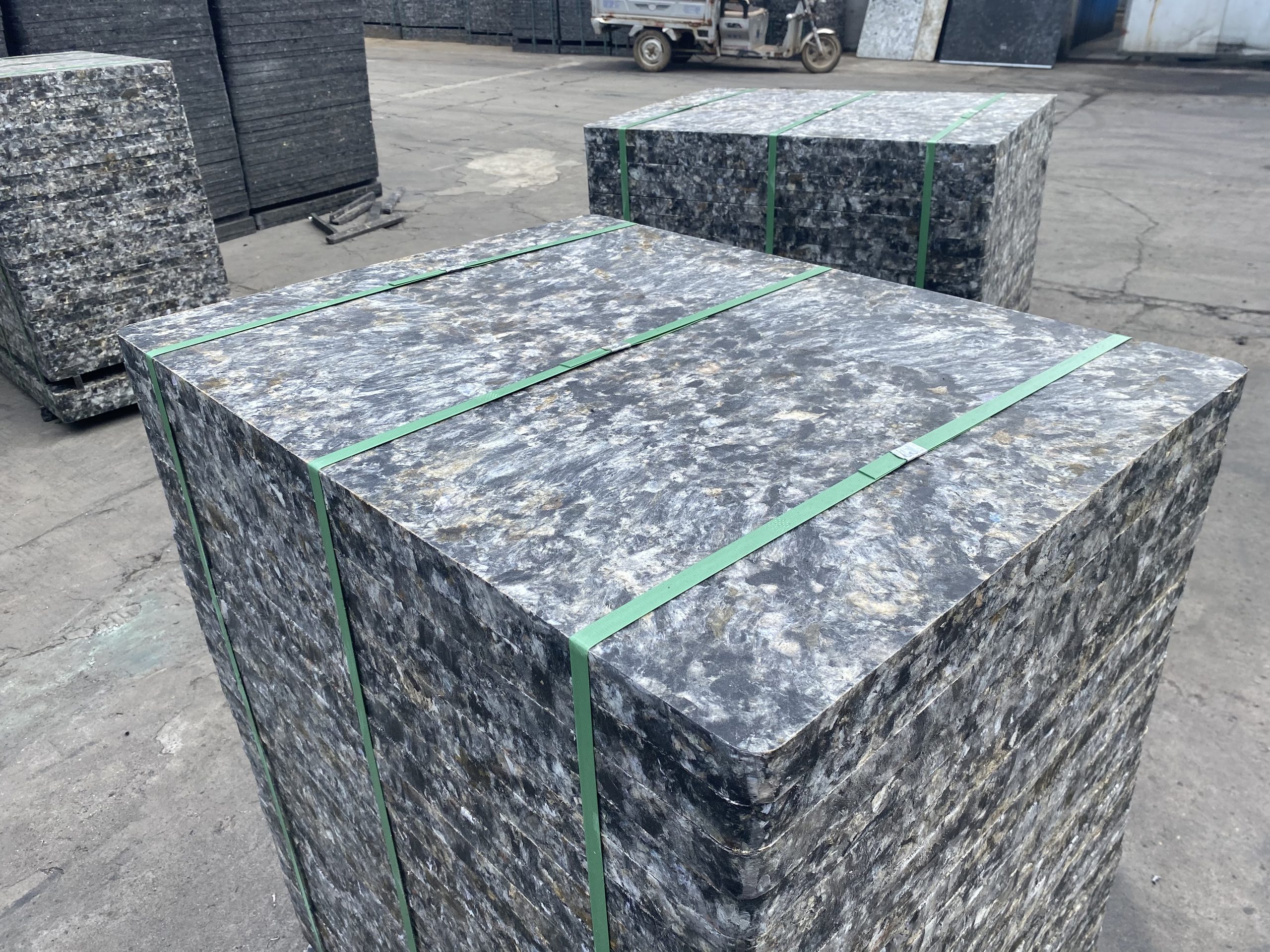
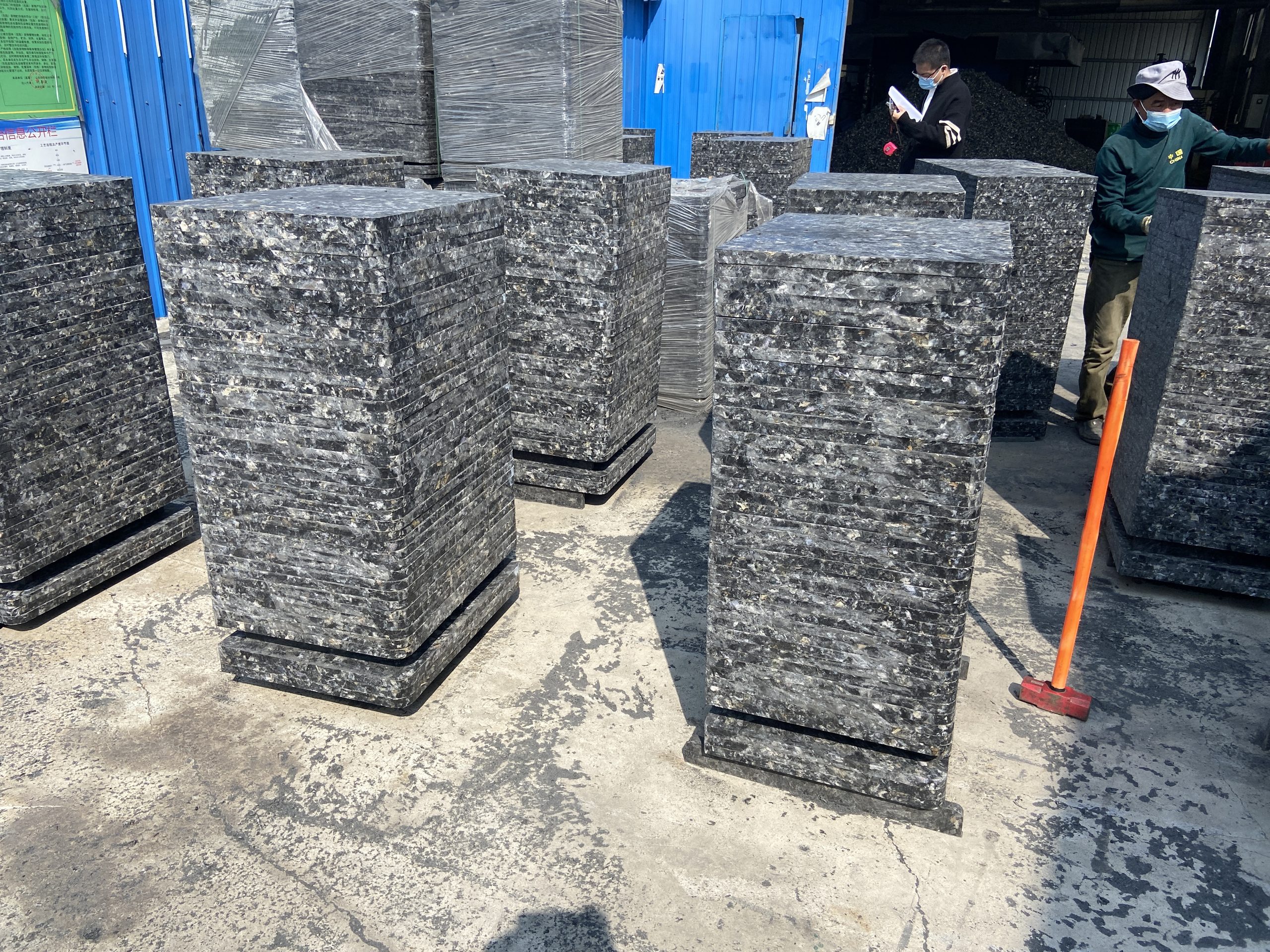
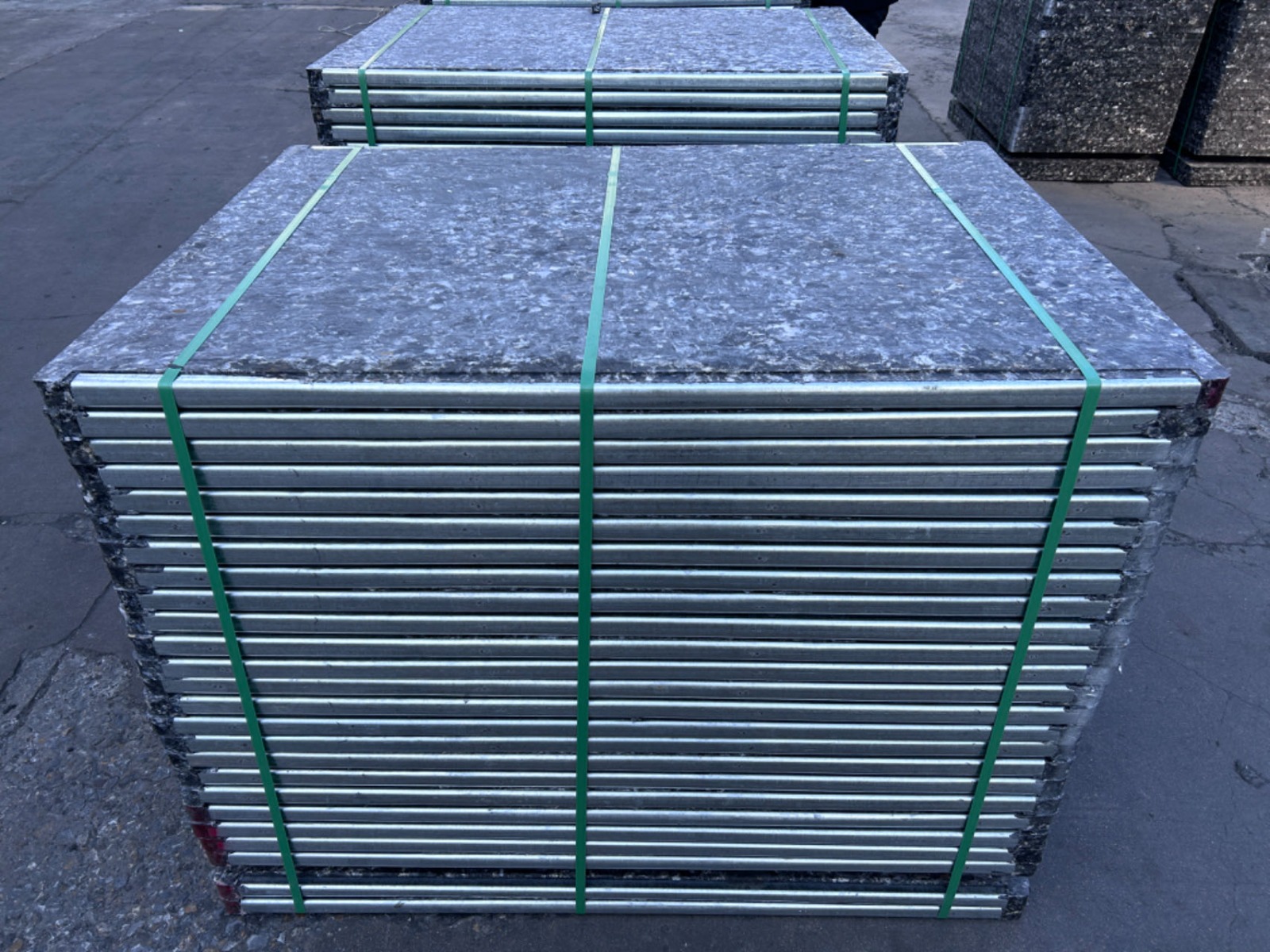
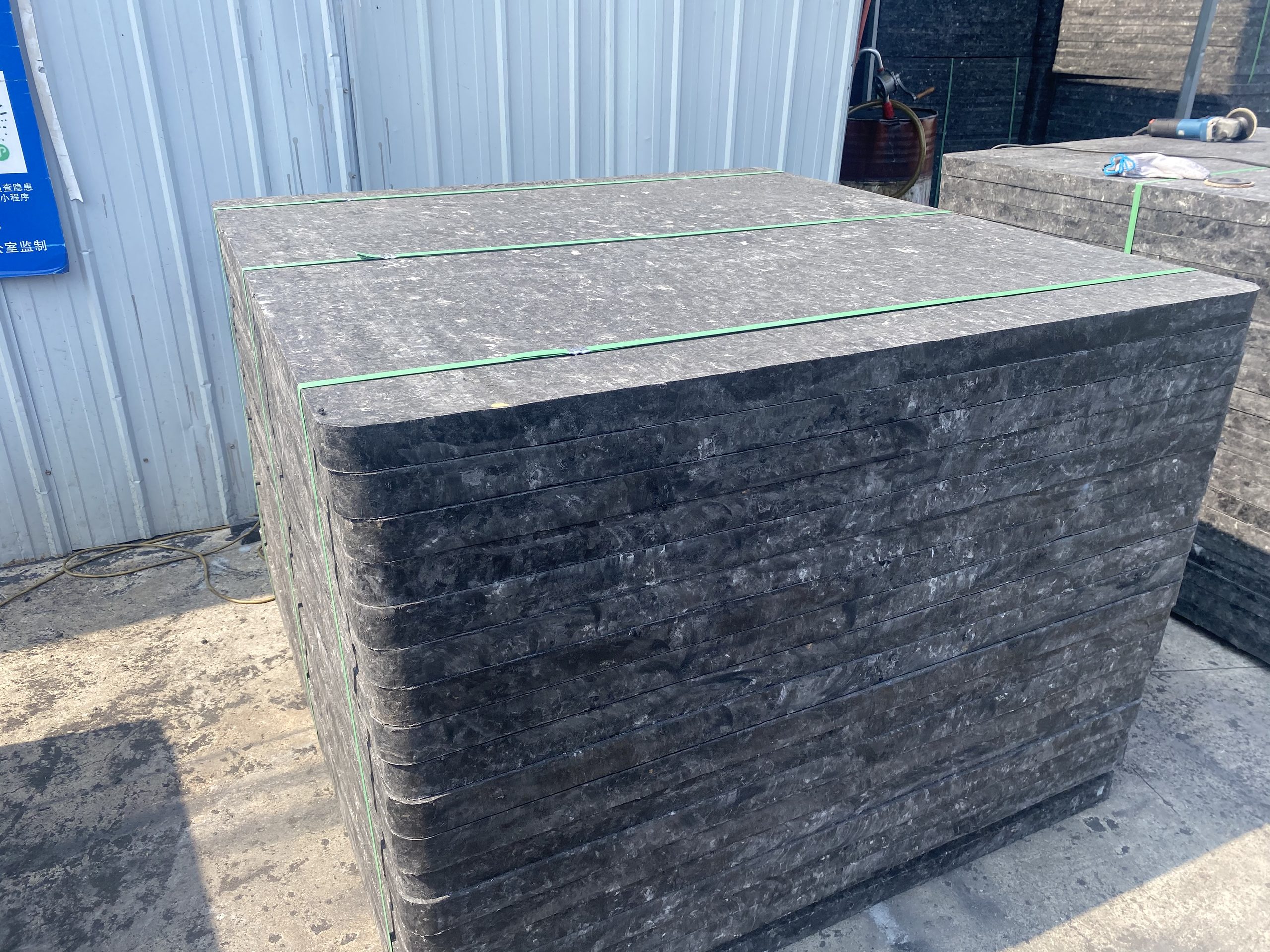
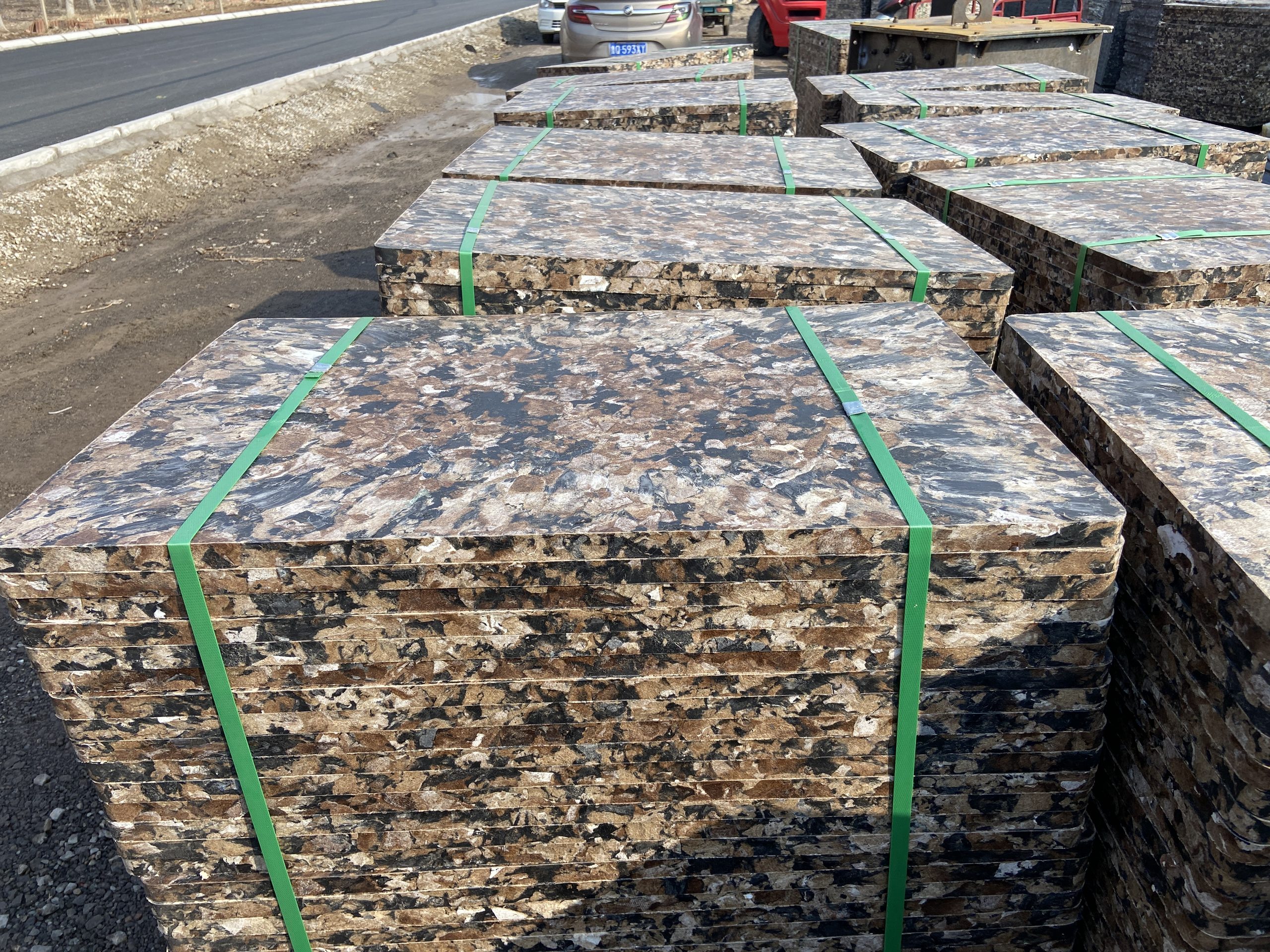
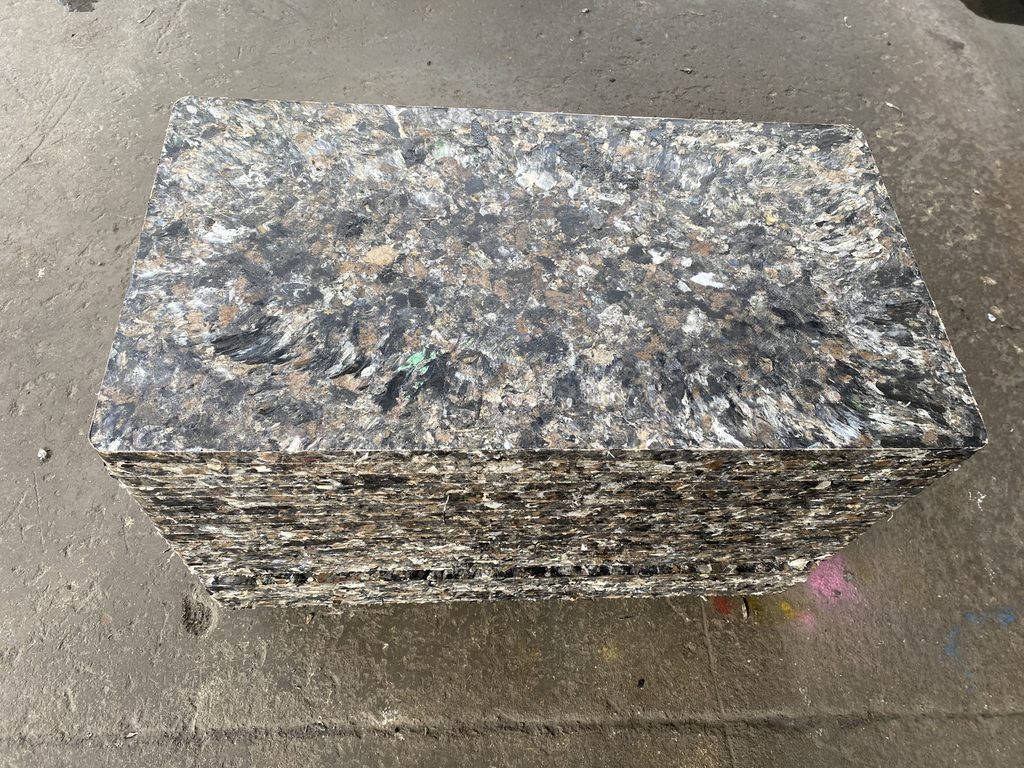
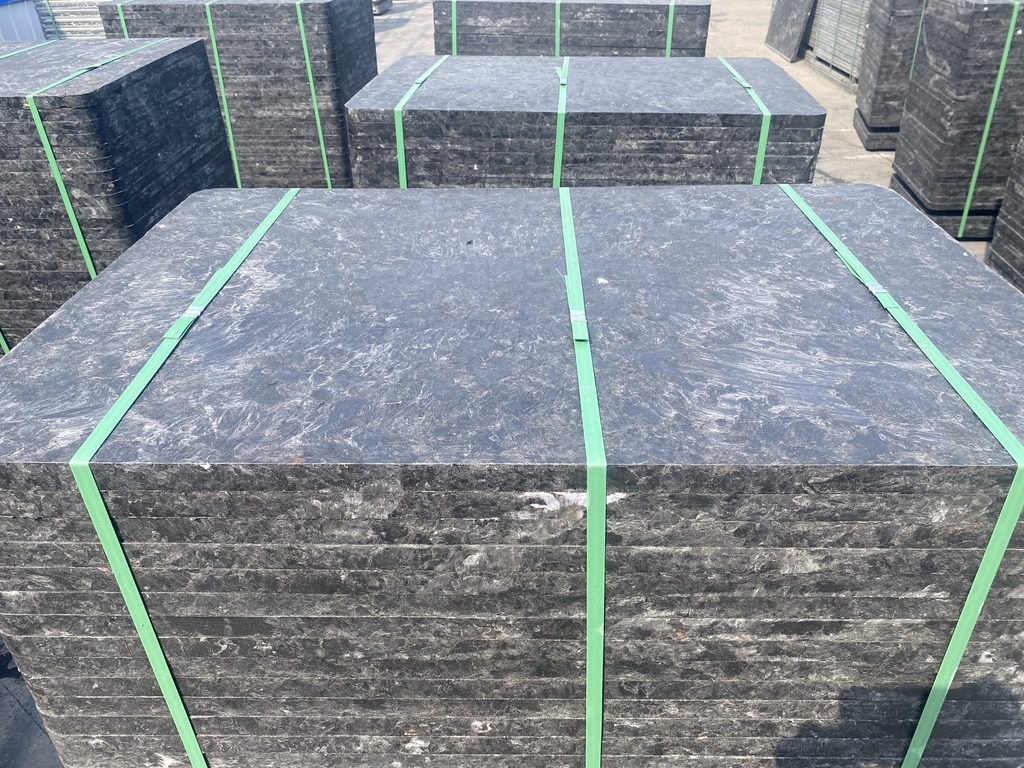
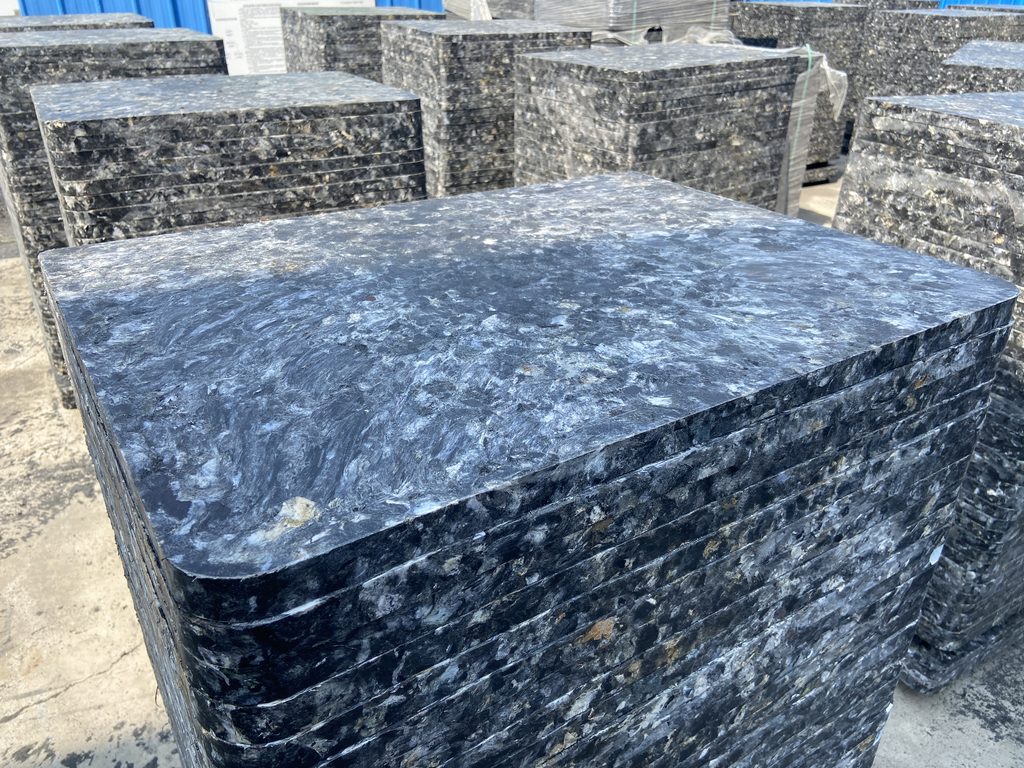
GMT (Glass Mat Thermoplastic) pallets are engineered composite pallets made from fiber-reinforced thermoplastic materials, not solid wood. This material classification provides critical export advantages that streamline international shipping operations for brick manufacturers.
ISPM 15 Exemption Status
GMT pallets are fully exempt from ISPM 15 requirements because they’re classified as processed engineered materials rather than solid wood packaging. You don’t need heat treatment, fumigation, phytosanitary certificates, or IPPC stamp marking when shipping GMT pallets across international borders.
This exemption applies to all non-solid-wood materials including plastic pallets, molded fiber pallets, corrugated pallets, plywood pallets, OSB pallets, and particleboard pallets. The manufacturing process inherently eliminates pest risk, making regulatory treatment unnecessary.
Faster Customs Clearance
GMT pallets move through customs inspection significantly faster than wood alternatives. Customs authorities don’t need to verify treatment certificates, inspect IPPC stamps for compliance, or conduct phytosanitary inspections on GMT pallets. This reduces border crossing time by 12-24 hours on average compared to wood pallet shipments requiring documentation verification.
For brick manufacturers shipping to multiple international markets, GMT pallets eliminate country-specific treatment documentation that wood pallets require. You can ship the same GMT pallet inventory to Southeast Asia, Middle East, Europe, or Latin America without treatment variation or regional compliance documentation.
Lower Export Fees and Documentation Costs
Wood pallet export requires ongoing treatment certification, periodic re-treatment for repaired pallets, IPPC stamp renewal fees, and treatment facility compliance audits. GMT pallets eliminate these recurring costs completely, reducing long-term export packaging expenses by 35-50% compared to maintaining compliant wood pallet inventory.
| Export Compliance Factor | Wood Pallets (ISPM 15) | GMT Pallets | Advantage |
|---|---|---|---|
| Treatment Required | Yes (HT or MB) | None | No treatment cost |
| Phytosanitary Certificate | Required per shipment | Not required | Faster processing |
| Border Inspection Time | 12-48 hours avg | 2-6 hours avg | 75% faster clearance |
| Re-treatment After Repair | Required | Not applicable | Lower lifecycle cost |
| Country-Specific Documentation | Varies by destination | Uniform globally | Simplified operations |
| Rejection Risk | 3-7% of shipments | <0.1% | 95%+ risk reduction |
Required Export Documentation for Pallet Shipments {#required-export-documentation}
Successful international pallet shipping requires five core export documents, regardless of pallet material type. These documents prove shipment contents, value, origin, and regulatory compliance to customs authorities in both exporting and importing countries.
Commercial Invoice
The commercial invoice serves as the foundation document for customs valuation and duty assessment. It must include complete buyer and seller business details (legal names, addresses, tax IDs), itemized product descriptions including pallet specifications, unit values and total shipment value in USD or agreed currency, and applicable Incoterms (FOB, CIF, DDP, etc.) defining seller and buyer responsibilities.
For brick pallets specifically, you should list pallet type (Pure White GMT Pallet G-001, Premium White GMT Brick Pallet G-002, etc.), quantity, dimensions, weight, and unit cost. Accurate valuation prevents customs delays caused by undervaluation suspicions or duty calculation disputes.
Packing List
The packing list provides physical shipment details that enable customs inspection and cargo handling. It details item descriptions matching the commercial invoice, number of packages and packaging type (palletized, crated, or containerized), gross weight (including packaging) and net weight (product only), and dimensions per package for freight calculations.
When shipping brick pallets on pallets (nested stacking), clearly specify outer packaging pallet dimensions separately from the brick pallet product dimensions to avoid confusion during customs physical inspection.
Bill of Lading
The Bill of Lading (B/L) functions as the transport contract, cargo receipt, and title document. Ocean freight uses a Master Bill of Lading and House Bill of Lading for container shipments. Air freight uses an Air Waybill (AWB) instead.
The B/L includes shipper and consignee details, port of loading and port of discharge, vessel name and voyage number (ocean) or flight details (air), container number and seal number, freight terms (prepaid or collect), and cargo description matching the commercial invoice.
Electronic Export Information (EEI)
United States exporters must file Electronic Export Information through the Automated Export System (AES) for shipments valued over $2,500 USD. The EEI filing provides U.S. Census Bureau with export statistics and enables U.S. Customs and Border Protection (CBP) to verify export compliance.
EEI filing requires your business’s Employer Identification Number (EIN), consignee details, destination country, Schedule B export classification code (HS code equivalent), and shipment value. The system generates an Internal Transaction Number (ITN) that you must include on your commercial invoice and Bill of Lading as proof of filing.
Certificate of Origin
Many destination countries require a Certificate of Origin to verify where goods were manufactured, enabling preferential duty treatment under free trade agreements or applying standard import tariffs correctly. Some countries accept shipper-prepared certificates, while others require chamber of commerce certification.
For brick production equipment including GMT pallets, the Certificate of Origin should state manufacturing country, producer details, product description, and applicable trade agreement if claiming preferential treatment.
Country-Specific Pallet Import Regulations {#country-specific-regulations}
While ISPM 15 provides a global framework, individual countries enforce additional packaging requirements that affect brick pallet exports. Understanding destination-specific regulations prevents compliance failures at import borders.
European Union Pallet Requirements
EU countries enforce strict ISPM 15 compliance for all solid wood packaging entering member states. Additionally, the EU Timber Regulation prohibits illegally harvested wood, requiring due diligence documentation proving legal timber sourcing for wood pallets.
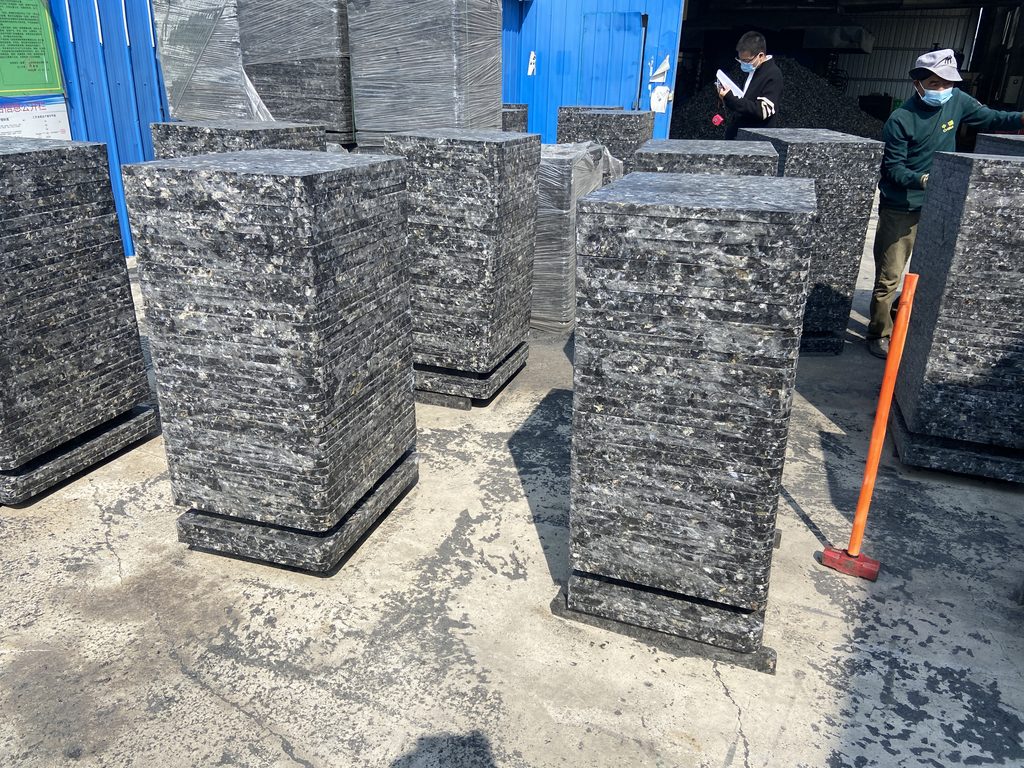
GMT pallets avoid both ISPM 15 treatment and timber legality documentation requirements when shipping to EU markets. This makes Premium White GMT Brick Pallet G-002 and High Quality GMT Pallet G-003 preferred choices for European brick production facility exports.
Australia and New Zealand Biosecurity
Australia and New Zealand maintain the world’s strictest biosecurity import controls due to isolated ecosystems vulnerable to invasive species. Both countries require ISPM 15 compliance for wood packaging, with zero tolerance for non-compliant shipments.
Australian Department of Agriculture, Fisheries and Forestry (DAFF) conducts 100% inspection of wood packaging on arrival. Non-compliant pallets face mandatory fumigation at importer expense, re-export, or destruction. GMT pallets completely bypass these biosecurity inspection delays and costs when shipping to Australia or New Zealand markets.
Middle East Special Requirements
Gulf Cooperation Council (GCC) countries including Saudi Arabia, UAE, Qatar, Kuwait, Bahrain, and Oman require ISPM 15 compliance plus additional phytosanitary certification for wood packaging materials. Some GCC countries mandate pre-shipment fumigation even for ISPM 15 treated wood pallets.
GMT pallets eliminate these redundant treatment requirements, providing faster customs clearance when exporting brick manufacturing equipment to rapidly growing Middle East construction markets. Black Glass Fiber Pallet BG-005 and Yellow Fiber Brick Pallet Y-006 are popular choices for high-temperature Middle East environments.
Southeast Asia Import Controls
ASEAN countries enforce varying ISPM 15 compliance levels. Singapore, Malaysia, and Thailand require strict ISPM 15 treatment and marking. Indonesia, Philippines, and Vietnam conduct sample-based wood packaging inspections with inconsistent enforcement.
Compliance uncertainty across Southeast Asia markets makes GMT pallets strategically advantageous for brick manufacturers serving regional production facilities. Single GMT pallet inventory serves all ASEAN destinations without country-specific treatment documentation.
| Region | Wood Pallet Requirements | GMT Pallet Advantage | Clearance Time Reduction |
|---|---|---|---|
| European Union | ISPM 15 + timber legality proof | Exempt from both | 18-36 hours faster |
| Australia/New Zealand | ISPM 15 + 100% biosecurity inspection | No inspection required | 24-48 hours faster |
| Middle East (GCC) | ISPM 15 + phytosanitary cert + pre-fumigation | None required | 12-24 hours faster |
| Southeast Asia | ISPM 15 (enforcement varies) | Uniform compliance | 8-20 hours faster |
| China | ISPM 15 strictly enforced | Exempt | 12-18 hours faster |
| Latin America | ISPM 15 (varies by country) | Exempt | 10-16 hours faster |
Packaging Standards for International Brick Pallet Shipping {#packaging-standards}
Proper packaging protects brick pallets during international transit while meeting carrier requirements and destination handling capabilities. Export packaging standards differ significantly from domestic shipping norms due to extended transit times, multiple handling points, and varied climate exposure.
Container Loading Requirements
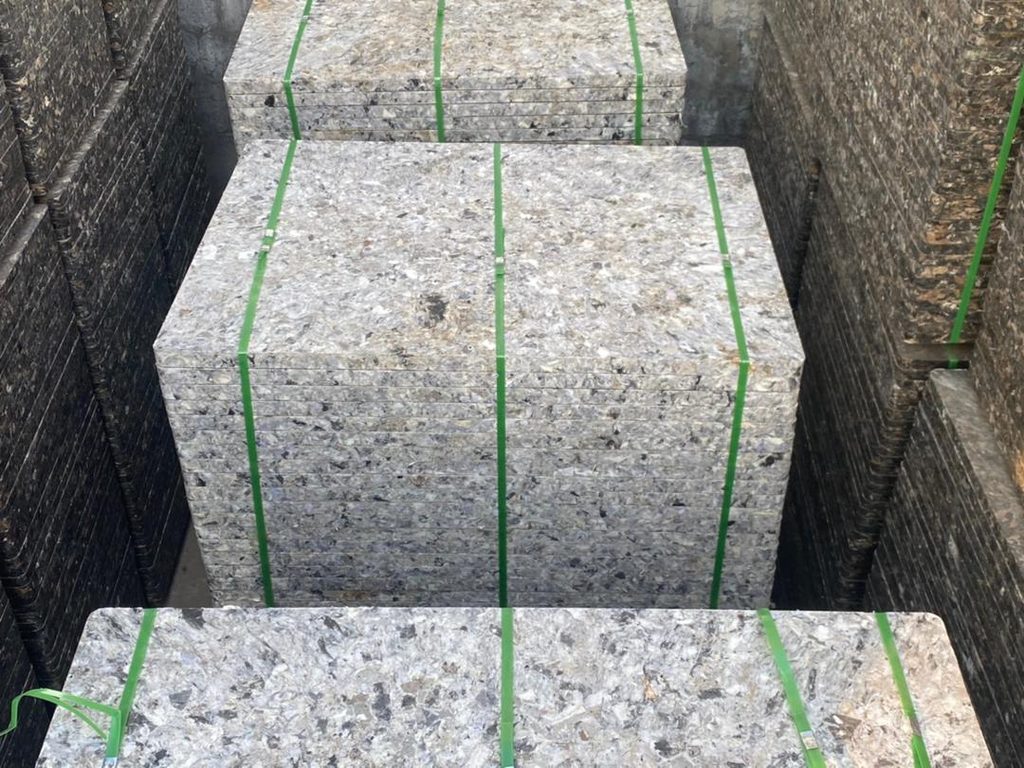
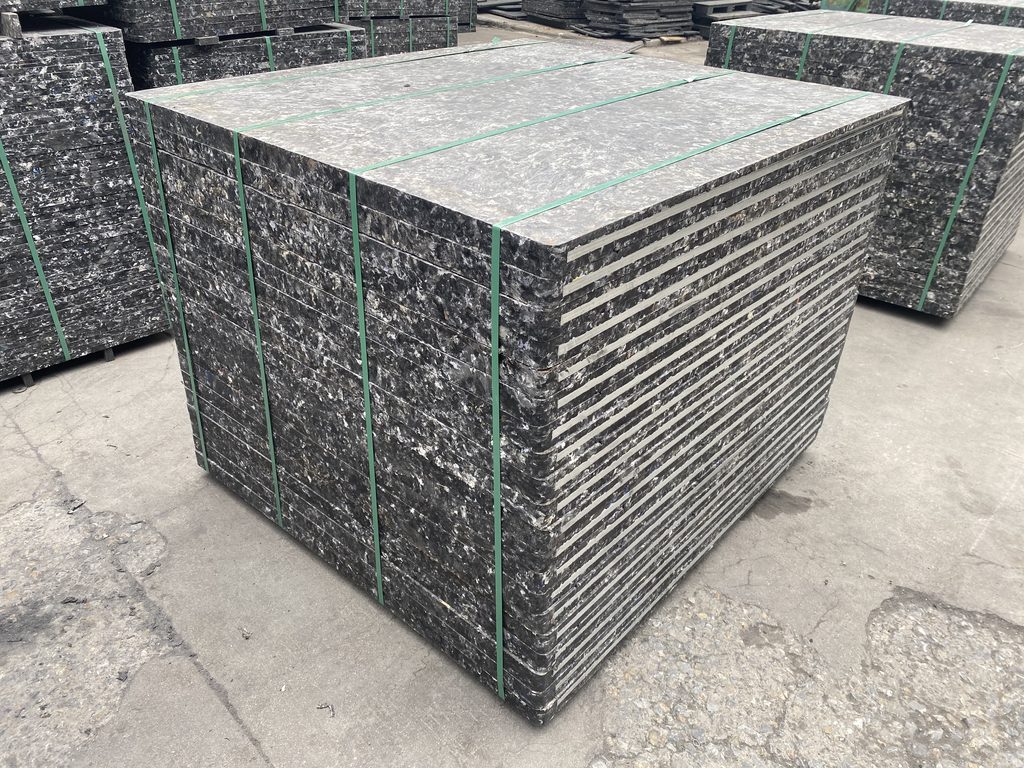
Most international brick pallet shipments move via 20-foot or 40-foot containers. Standard 20-foot containers accommodate approximately 200-250 standard-size GMT pallets (850mm × 680mm dimensions) when properly stacked. 40-foot high-cube containers fit 400-500 pallets depending on stacking height and bracing requirements.
You must secure pallet stacks to prevent shifting during ocean transport. Use load straps, edge protectors, and dunnage air bags to brace loads against container walls. Container loading should distribute weight evenly to prevent rear-heavy or front-heavy configurations that affect vehicle handling during inland transport.
Export Wrapping and Protection
Wrap pallet stacks in stretch film or shrink wrap to protect surfaces from moisture, salt air exposure during ocean transit, and handling abrasion. Use corner boards on wrapped stacks to prevent strap damage and edge crushing.
GMT pallets resist moisture absorption (less than 1% moisture uptake), making them more forgiving of condensation inside containers compared to wood pallets that can warp or develop mold during extended ocean transit. However, proper wrapping still protects surface finish and reduces handling contamination.
Load Verification and VGM Compliance
The International Maritime Organization’s Safety of Life at Sea (SOLAS) convention requires Verified Gross Mass (VGM) for all containerized shipments. Shippers must weigh containers and submit VGM to ocean carriers before vessel loading.
Calculate VGM accurately by weighing the loaded container on a certified scale, or weighing all contents plus the container tare weight. Incorrect VGM can result in container being rolled to a later vessel or refused for loading, causing shipment delays and additional demurrage charges.
Labeling and Marking Standards
Export containers require proper external marking showing shipper and consignee details, container number, port of discharge, and cargo description. Include “Fragile” or “Handle With Care” labels if applicable, though brick pallets are generally durable cargo.
Place labels on container doors and both side panels for visibility during handling and storage in container yards. Include your B/L number and booking reference on external labels to facilitate container identification at destination.
Cost Comparison: Wood vs GMT Pallets for Export {#cost-comparison}
Total cost of ownership for export pallet programs extends beyond purchase price to include treatment compliance, documentation, rejection risk, and lifecycle replacement costs. GMT pallets deliver superior ROI for international shipping despite higher initial unit costs.
Direct Export Compliance Costs
Wood pallets require heat treatment at $15-$30 per pallet for ISPM 15 compliance, IPPC stamp application at treatment facilities, periodic re-treatment for repaired pallets, and treatment certificate management and retention for audit compliance.
GMT pallets have zero treatment costs, no stamp marking fees, no re-treatment requirements for damaged pallets that are repaired, and no compliance documentation retention requirements. This saves $20-$35 per pallet in direct export preparation costs over the pallet’s operational life.
Rejection and Detention Costs
According to customs data, 3-7% of ISPM 15 wood pallet shipments experience detention or rejection due to compliance failures including illegible stamps, incorrect marking format, missing treatment certificates, or detection of live pests despite treatment. Rejection costs include fumigation fees at destination port ($500-$2,500 per container), demurrage charges during detention ($100-$300 per day), and potential re-export shipping costs ($3,000-$8,000 per container for return freight).
GMT pallets have rejection rates below 0.1%, with non-compliance typically limited to documentation errors unrelated to pallet material. This near-zero rejection risk eliminates catastrophic shipment failure costs that disproportionately affect wood pallet programs.
Long-Term Lifecycle Economics
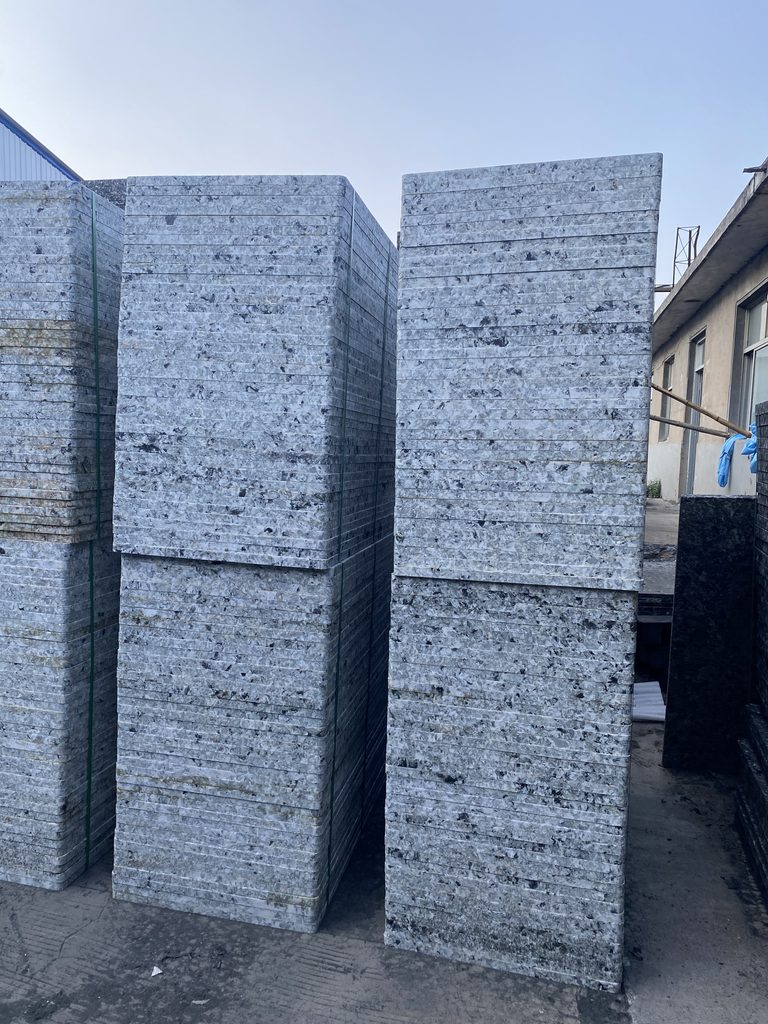
GMT pallets last 10-12 years with 3,000-5,000 usage cycles in brick production environments. Wood pallets last 2-3 years with 500-800 cycles before requiring replacement due to moisture damage, structural failure, or ISPM 15 re-treatment becoming uneconomical.
Over a 10-year export program, GMT pallets require 1 purchase cycle while wood pallets require 4-5 replacement cycles plus ongoing treatment costs per cycle. Total 10-year cost for GMT pallets runs $85-$110 per pallet (purchase only), while wood pallets cost $180-$270 per pallet position (4.5 replacements at $30-$45 each plus treatment at $20-$35 per cycle).
GMT pallets reduce total export pallet costs by 60-65% over 10-year programs for brick manufacturers shipping internationally. See our Calculate ROI: Switching from Traditional to GMT Pallets guide for detailed calculations.
Common Export Compliance Failures and How to Avoid Them {#common-compliance-failures}
Understanding typical compliance failures helps brick manufacturers implement preventive controls that reduce shipment delays and rejection risk when exporting pallets internationally.
Failure 1: Illegible or Missing ISPM 15 Stamps
Wood pallets with faded, damaged, or missing IPPC stamps represent the single largest cause of border detention. Stamps fade from weather exposure, wear during handling, or low-quality marking ink. Customs inspectors reject pallets with any stamp that’s not fully legible on visual inspection.
Solution: Inspect all wood pallets before export loading and reject any with illegible stamps. For high-volume export programs, switch to GMT pallets to eliminate stamp-related rejection risk completely.
Failure 2: Incorrect Treatment Documentation
Treatment certificates must exactly match the IPPC stamps on physical pallets including producer registration numbers, treatment dates, and treatment method codes. Mismatches trigger detention while customs authorities investigate potential fraud or treatment bypass.
Solution: Implement documentation verification procedures before shipment departure. Cross-check treatment certificates against physical IPPC stamps on loaded pallets. GMT pallets avoid this verification requirement.
Failure 3: Commingled Treated and Untreated Wood
Shipments containing any untreated wood packaging fail inspection completely, even if most pallets have proper ISPM 15 treatment. Commingling occurs when facilities mix compliant and non-compliant inventory, or when repair materials don’t match original treatment status.
Solution: Physically segregate ISPM 15 compliant wood pallets from non-treated pallets in warehouse environments. Mark compliant inventory clearly. Better yet, transition to GMT pallets which can’t become non-compliant through mixing or repair.
Failure 4: Inadequate Country-Specific Documentation
Some countries require additional certificates beyond ISPM 15 compliance. Shipping without required country-specific phytosanitary certificates, origin documents, or import permits causes rejection regardless of perfect ISPM 15 compliance.
Solution: Research destination country requirements 4-6 weeks before shipping. Work with freight forwarders experienced in that market. GMT pallets reduce but don’t eliminate country-specific documentation requirements for commercial invoices, packing lists, and certificates of origin.
Failure 5: Incomplete EEI Filing
U.S. exporters shipping goods valued over $2,500 must file Electronic Export Information before departure. Incomplete or incorrect EEI causes shipment holds by U.S. Customs until corrected. Missing Internal Transaction Numbers delay customs processing.
Solution: File EEI at least 3-5 business days before scheduled departure. Verify ITN generation and include on commercial invoices and Bills of Lading. This requirement applies to all pallet material types including GMT pallets.
FAQs {#faqs}
What is ISPM 15 and why does it matter for pallet exports?
ISPM 15 is the International Standards for Phytosanitary Measures No. 15, a global regulation requiring heat treatment or fumigation of solid wood packaging used in international shipping. It matters because over 180 countries enforce ISPM 15, and non-compliant wood pallets face rejection, fumigation costs, or destruction at borders. GMT pallets are exempt from ISPM 15 because they’re manufactured from processed composite materials rather than solid wood.
Are GMT pallets exempt from all export regulations?
GMT pallets are exempt from ISPM 15 treatment and marking requirements but must still comply with general export documentation including commercial invoices, packing lists, Bills of Lading, and country-specific import permits. Material exemption simplifies compliance but doesn’t eliminate all export documentation requirements.
How much do ISPM 15 compliance failures cost?
Typical rejection costs range from $3,500-$12,000 per container including destination fumigation fees ($500-$2,500), container demurrage during detention ($100-$300 per day for 8-15 days), storage charges, and potential re-export freight. Critical shipments may require emergency air freight replacement costing $8,000-$25,000 additionally.
What documents do I need to export brick pallets?
You need five core documents: commercial invoice with product descriptions and values, packing list detailing physical shipment characteristics, Bill of Lading as transport contract and receipt, Electronic Export Information (EEI) for U.S. shipments over $2,500, and Certificate of Origin proving manufacturing country. Some destinations require additional phytosanitary certificates or import permits.
Do I need different export documentation for different pallet types?
Wood pallets require ISPM 15 treatment certificates and IPPC stamp verification documentation. GMT pallets, plastic pallets, and other non-wood materials don’t require treatment documentation but still need standard commercial export documents. Core export documents (invoice, packing list, B/L, origin certificate) apply to all pallet material types.
Which countries have the strictest pallet import requirements?
Australia and New Zealand maintain the strictest biosecurity controls with 100% inspection of wood packaging and zero tolerance for non-compliance. European Union requires ISPM 15 plus illegal timber due diligence documentation. GCC countries in Middle East require ISPM 15 plus phytosanitary certificates plus pre-shipment fumigation in some cases. GMT pallets simplify compliance in all these high-requirement markets.
How long does GMT pallet export clearance take compared to wood pallets?
GMT pallets clear customs 12-24 hours faster on average because inspectors don’t verify treatment documentation or conduct phytosanitary inspections. Wood pallets require document verification, stamp inspection, and often physical examination adding time. In high-scrutiny markets like Australia, time savings can reach 24-48 hours.
Can I repair GMT pallets and maintain export compliance?
Yes. GMT pallets remain compliant after repairs because they’re exempt from ISPM 15. Wood pallets require complete re-treatment if repaired with any new wood components, invalidating original IPPC stamps. This makes GMT pallet maintenance costs lower and export compliance simpler throughout operational lifespan.
Conclusion {#conclusion}
Successful international brick pallet shipping requires understanding ISPM 15 regulations, destination-specific import requirements, proper export documentation, and strategic material selection that balances compliance complexity against lifecycle costs. Wood pallets demand ongoing treatment certification, stamp management, and country-specific documentation that increase rejection risk and slow customs clearance.
GMT pallets eliminate ISPM 15 compliance requirements completely while delivering 10-12 year operational lifespan, superior moisture resistance, and 60-65% lower total cost of ownership over export programs. For brick manufacturers shipping to multiple international markets, GMT pallets provide uniform global compliance, faster customs clearance, and elimination of treatment-related rejection risk that affects 3-7% of wood pallet shipments.
If you need durable, export-compliant brick pallets for your international shipping operations, Rhinos Pallet offers fiber-reinforced GMT pallets including Pure White GMT Pallet G-001, Premium White GMT Brick Pallet G-002, and High Quality GMT Pallet G-003 that simplify global compliance while reducing long-term costs. Our moisture-resistant construction and precision manufacturing ensure reliable performance in brick production facilities worldwide.
Contact us today for custom brick pallet export solutions and factory-direct pricing that streamlines your international shipping operations.
Sources: