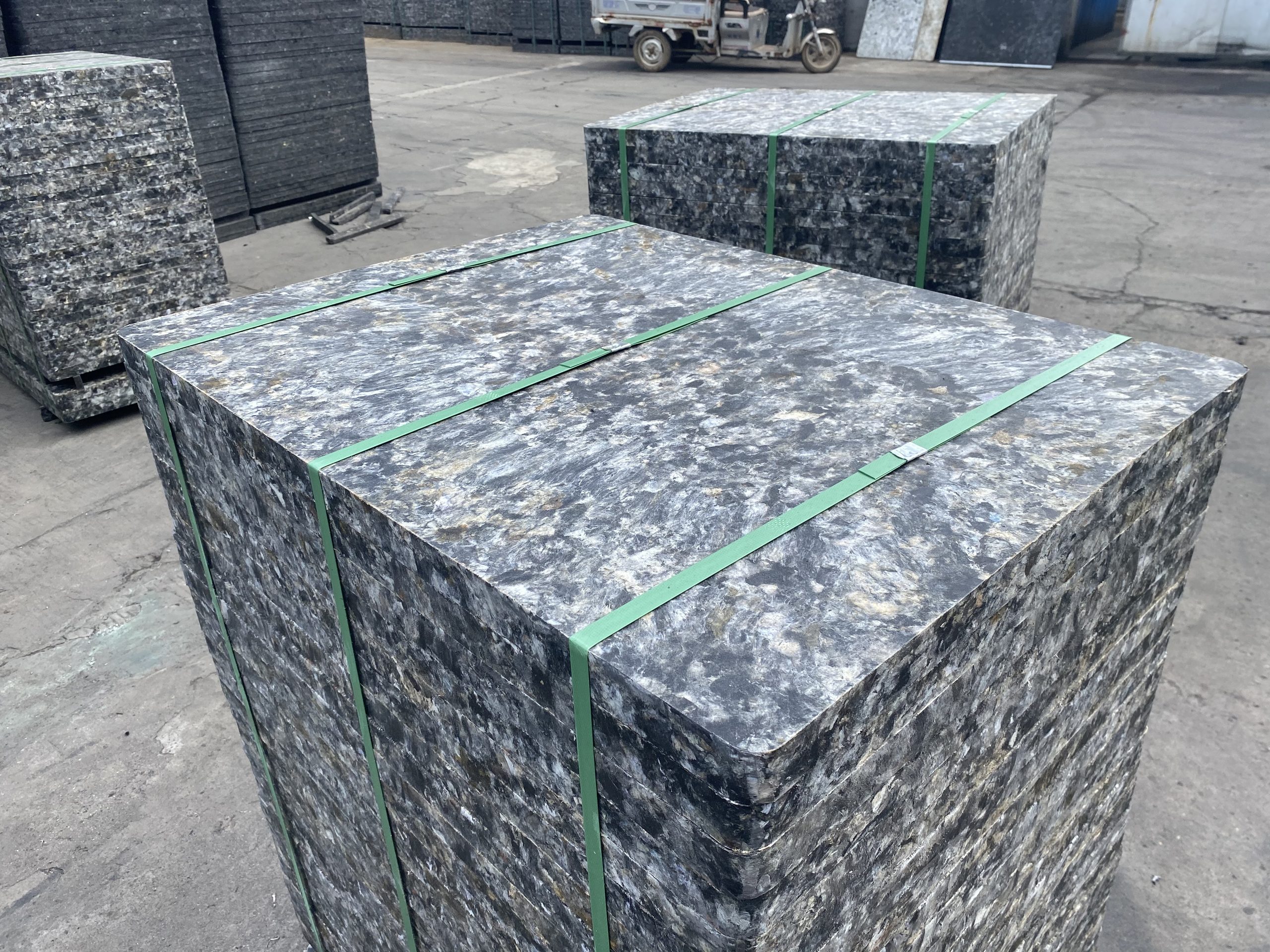
Pallet warping disrupts brick production operations by causing 8-15% dimensional defects, costing manufacturers $12,000-28,000 annually in product rejects and equipment downtime. Industry data shows that 60-70% of wood pallet failures stem from warping-related deformation within 18-24 months of operation. Understanding warping mechanisms, material behavior under production stress, and prevention strategies eliminates these losses while extending pallet service life by 200-400%.
If you want to diagnose and prevent pallet warping in your brick manufacturing facility, then you will need to understand how temperature cycling, moisture absorption, load distribution, and material properties create deformation patterns. This technical guide examines root causes through production data and provides engineering solutions proven in high-volume brick manufacturing operations.
What Causes Pallet Warping in Brick Production
Pallet warping results from uneven dimensional changes across pallet thickness when materials expand or contract due to temperature, moisture, or mechanical stress. Wood pallets experience 2-8mm dimensional changes from moisture absorption alone, while repeated thermal cycling in curing chambers generates cumulative stress that produces permanent deformation after 150-300 cycles.
The warping mechanism involves three concurrent processes: moisture-driven swelling creates internal stress gradients, temperature variations cause differential thermal expansion, and sustained mechanical loads under high-frequency vibration accelerate structural fatigue. When wood pallets absorb moisture on bottom surfaces while top surfaces remain drier, moisture gradients of 8-15% generate bending moments that warp pallets by 5-12mm across 850mm length.
Production facilities using wood pallets in steam curing operations report first detectable warping after 120-180 curing cycles. By 300 cycles, warping reaches 6-10mm—enough to cause brick molding problems and automated handling failures that reduce throughput by 12-18%.
Temperature-Induced Warping Mechanisms
Temperature cycling between ambient conditions (15-25°C) and curing chamber temperatures (60-85°C) creates thermal expansion differentials that stress pallet structure. Wood undergoes 0.03-0.05% dimensional change per 10°C temperature variation, generating 2-4mm expansion across 850mm pallet length during each curing cycle.
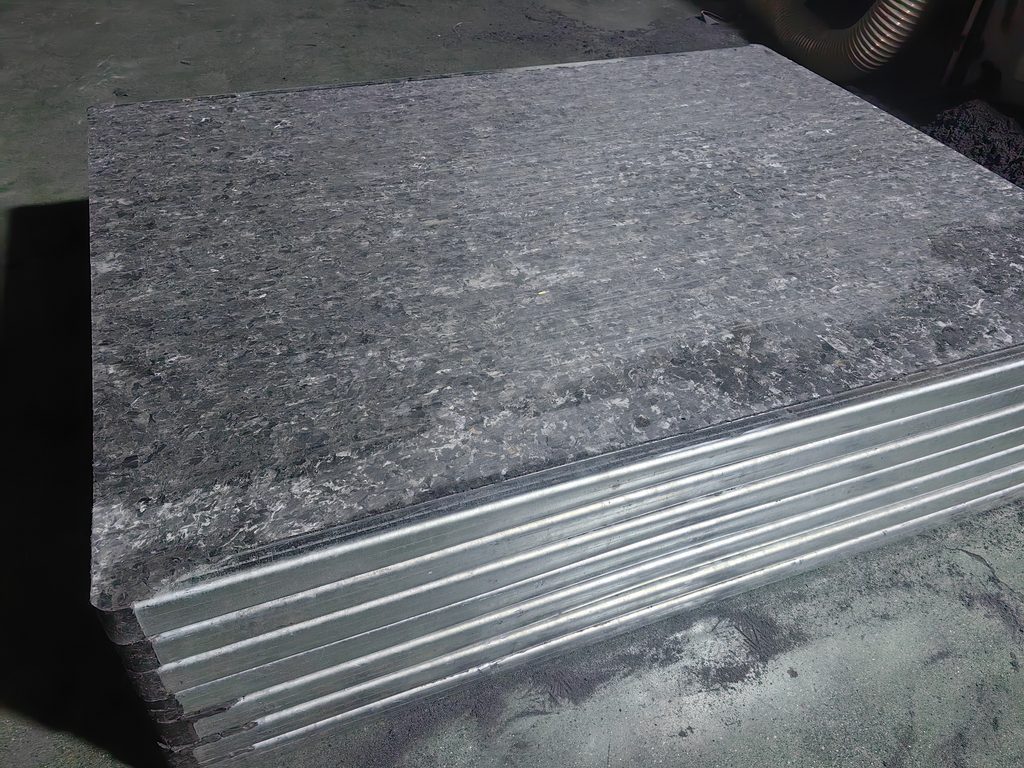
The problem intensifies when pallets experience rapid temperature changes. Moving pallets directly from 70-80°C curing chambers to 20-25°C ambient conditions creates thermal shock that generates localized stress concentrations. Wood’s anisotropic structure means expansion rates differ by 300-500% between grain directions—longitudinal expansion is 0.01-0.02%, while radial expansion reaches 0.05-0.08% for the same temperature change.
This differential expansion creates internal shear stress. When curing chamber heat transfers through pallet thickness, bottom surfaces reach peak temperature 15-25 minutes before top surfaces equilibrate, generating temporary 8-15°C temperature gradients. Testing shows each thermal cycle induces 0.3-0.6mm residual deformation that accumulates over repeated cycles.
GMT pallets exhibit thermal expansion of just 0.008-0.012% per 10°C—approximately 1/4 that of wood—and isotropic behavior eliminates directional stress. Production monitoring demonstrates GMT pallets maintain dimensional stability within ±0.5mm after 5,000+ curing cycles.
Moisture Absorption and Dimensional Instability
Wood pallets absorb 12-22% moisture by weight when exposed to steam curing environments, generating 3-8mm dimensional swelling. The moisture absorption occurs primarily through end grain and surface defects, creating non-uniform moisture distribution that warps pallets as internal zones swell at different rates.
In curing chambers operating at 90-95% relative humidity, wood pallet surfaces equilibrate to 18-25% moisture content within 2-4 hours. When pallets return to ambient conditions (40-60% RH), moisture desorption generates 4-7mm shrinkage. This cyclic swelling and shrinkage fatigues wood fiber structure, creating permanent set—irreversible deformation that accumulates 0.2-0.5mm per cycle for first 200 cycles, then accelerates to 0.5-1.2mm per cycle as fiber damage compounds.
Field data from brick facilities shows wood pallet warping progression follows predictable patterns: minimal warping (0-2mm) through first 100 cycles, moderate warping (3-6mm) from cycles 100-250, and severe warping (7-15mm) beyond 300 cycles. Once warping exceeds 5mm, brick molding defects increase by 35-55% and automated handling reject rates rise by 25-40%.
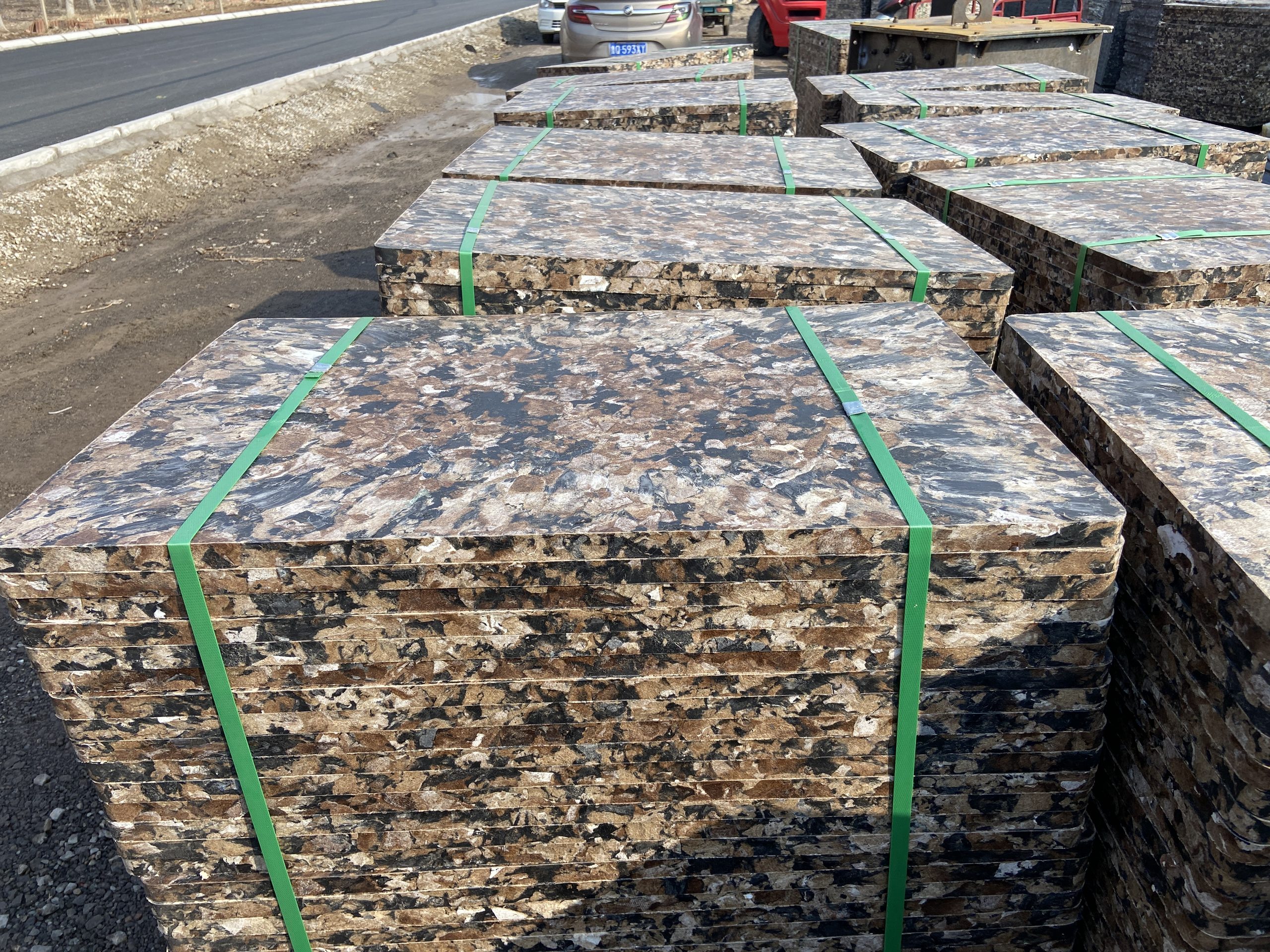
White yellow GMT pallets absorb less than 0.8% moisture by weight with moisture expansion below 0.1mm—a 30-40× improvement over wood. The closed-cell fiber-reinforced structure blocks moisture penetration, maintaining dimensional stability across 10-12 year service life.
Load Distribution and Structural Deformation
Sustained mechanical loads combined with vibration stress during brick molding operations generate structural deformation distinct from thermal or moisture warping. Pallets supporting 2000-2500 kg loads experience creep deformation—time-dependent plastic deformation under constant stress—that permanently warps wood pallets by 2-5mm over 6-12 months.
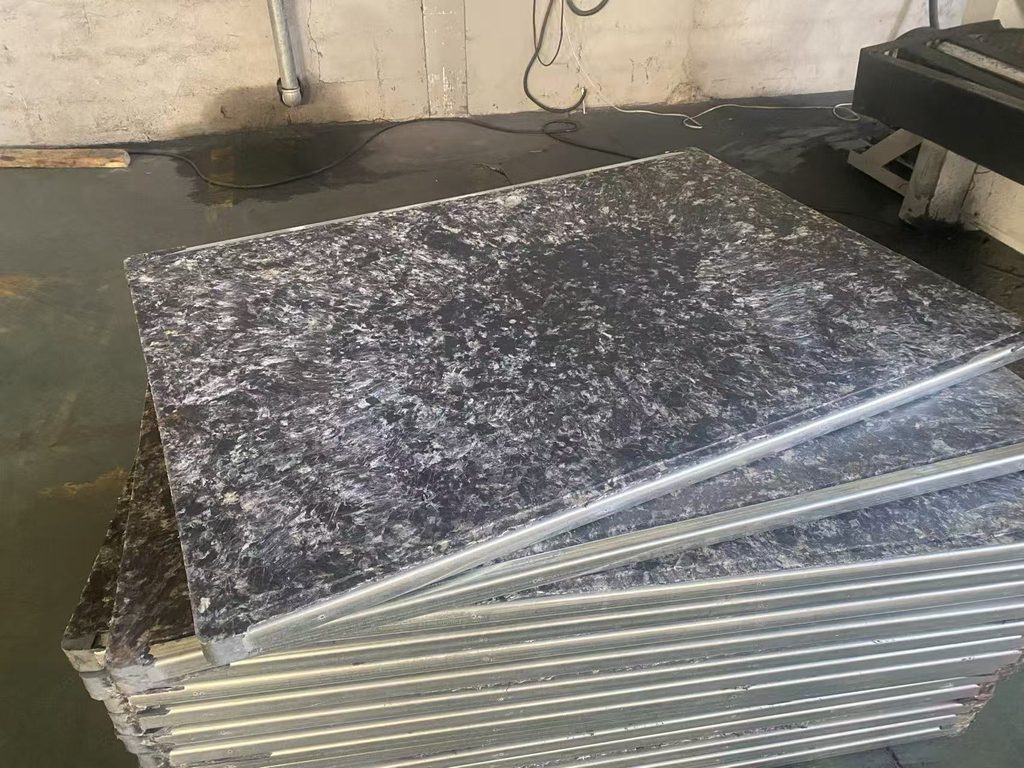
High-frequency vibration during brick compression molding amplifies stress effects. Production machines operating at 15-25 cycles per minute subject pallets to 21,600-36,000 vibration cycles daily. Wood pallets develop fatigue-induced micro-cracks that reduce flexural rigidity by 15-30% within first year of operation, accelerating warping progression.
The following comparison examines how different loads and vibration exposure affect warping rates across pallet materials:
| Loading Condition | Wood Pallets | Plastic Pallets | GMT/Fiber Pallets | Warping Resistance |
|---|---|---|---|---|
| Static Load Creep (2500kg, 12 months) | 4-7mm deformation | 2-4mm deformation | 0.3-0.8mm deformation | GMT: 5-12× better |
| Vibration Cycles to Failure | 180,000-300,000 | 400,000-600,000 | 2,000,000-3,500,000 | GMT: 8-15× longer life |
| Flexural Rigidity Loss (12 months) | -25% to -40% | -10% to -18% | -2% to -5% | GMT: 5-8× more stable |
| Maximum Safe Load | 2000-2200 kg | 2200-2500 kg | 2500-3000 kg | GMT: +20-35% capacity |
| Warping at 300 Cycle Mark | 6-10mm typical | 3-5mm typical | <1mm typical | GMT: 85-95% reduction |
Load distribution uniformity significantly impacts warping rates. Uneven brick placement creating point loads accelerates local deformation. You can reduce point-load warping by ensuring brick molding machines distribute weight uniformly and avoiding concentrated loads near pallet edges where structural support is weakest.
Material Quality Impact on Warping Resistance
Pallet material internal structure determines warping resistance under production stress. Wood pallets using low-grade timber with high moisture content, growth defects, or improper grain orientation warp 2-3× faster than premium hardwood pallets under identical operating conditions.
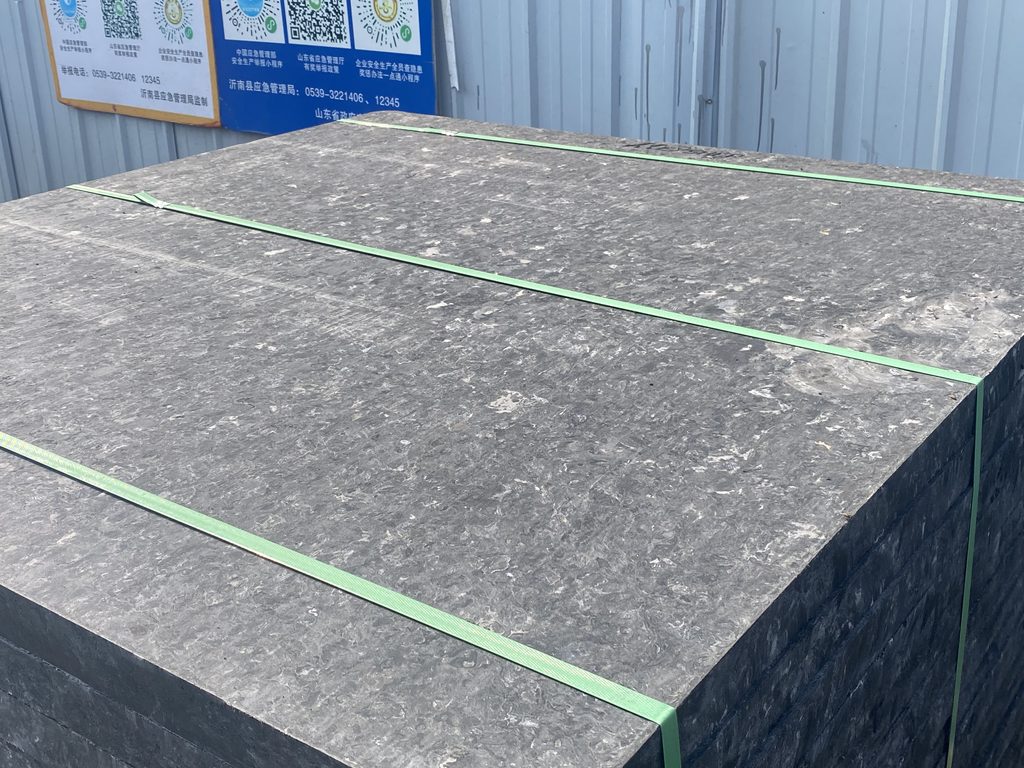
Wood quality factors affecting warping include grain density (higher density provides better resistance), knot distribution (knots create stress concentration points), and initial moisture content (pallets manufactured above 18% MC warp rapidly upon drying). Testing demonstrates softwood pallets (pine, spruce) warp 40-60% faster than hardwood pallets (oak, maple) due to lower density and greater moisture sensitivity.
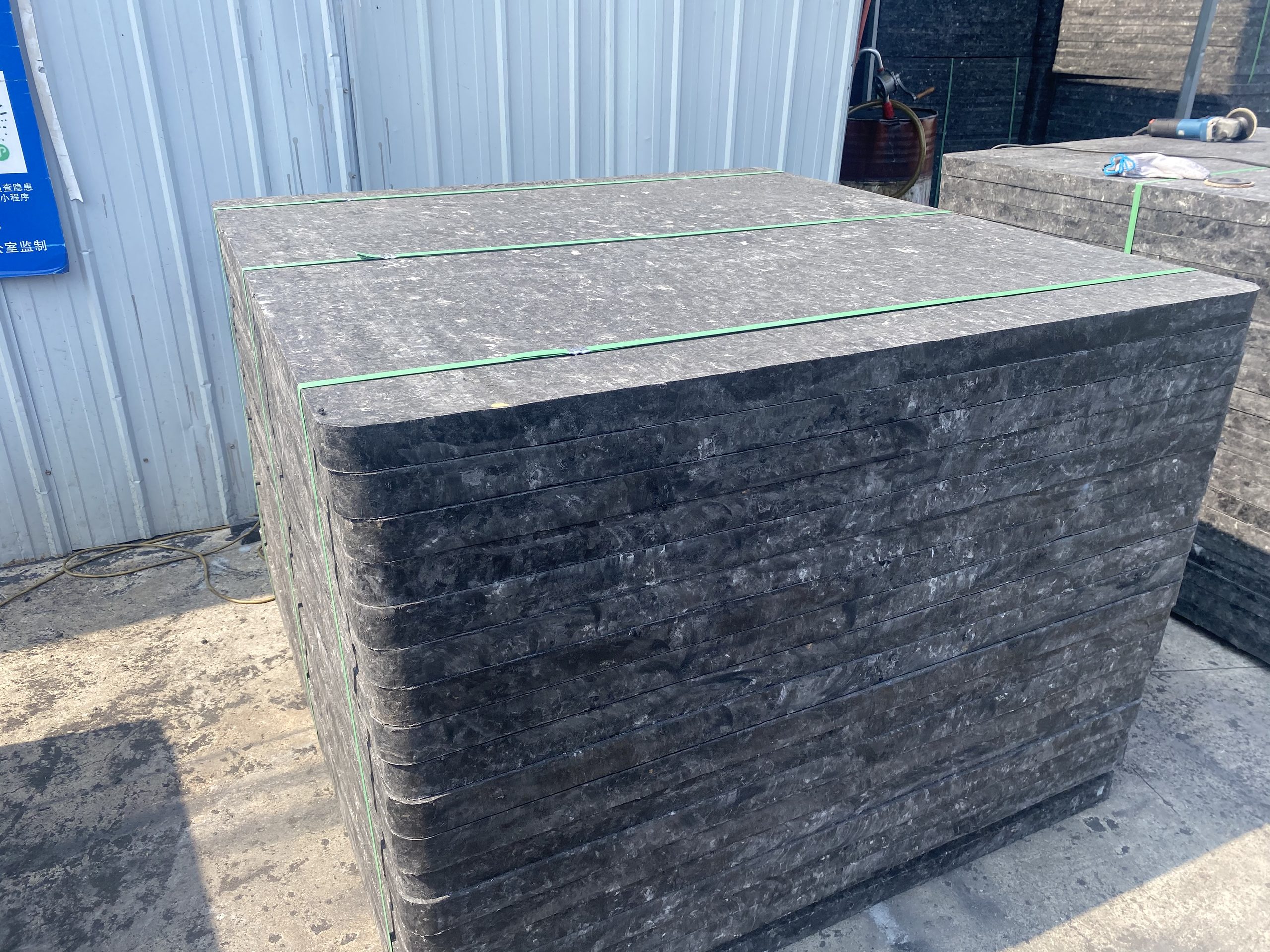
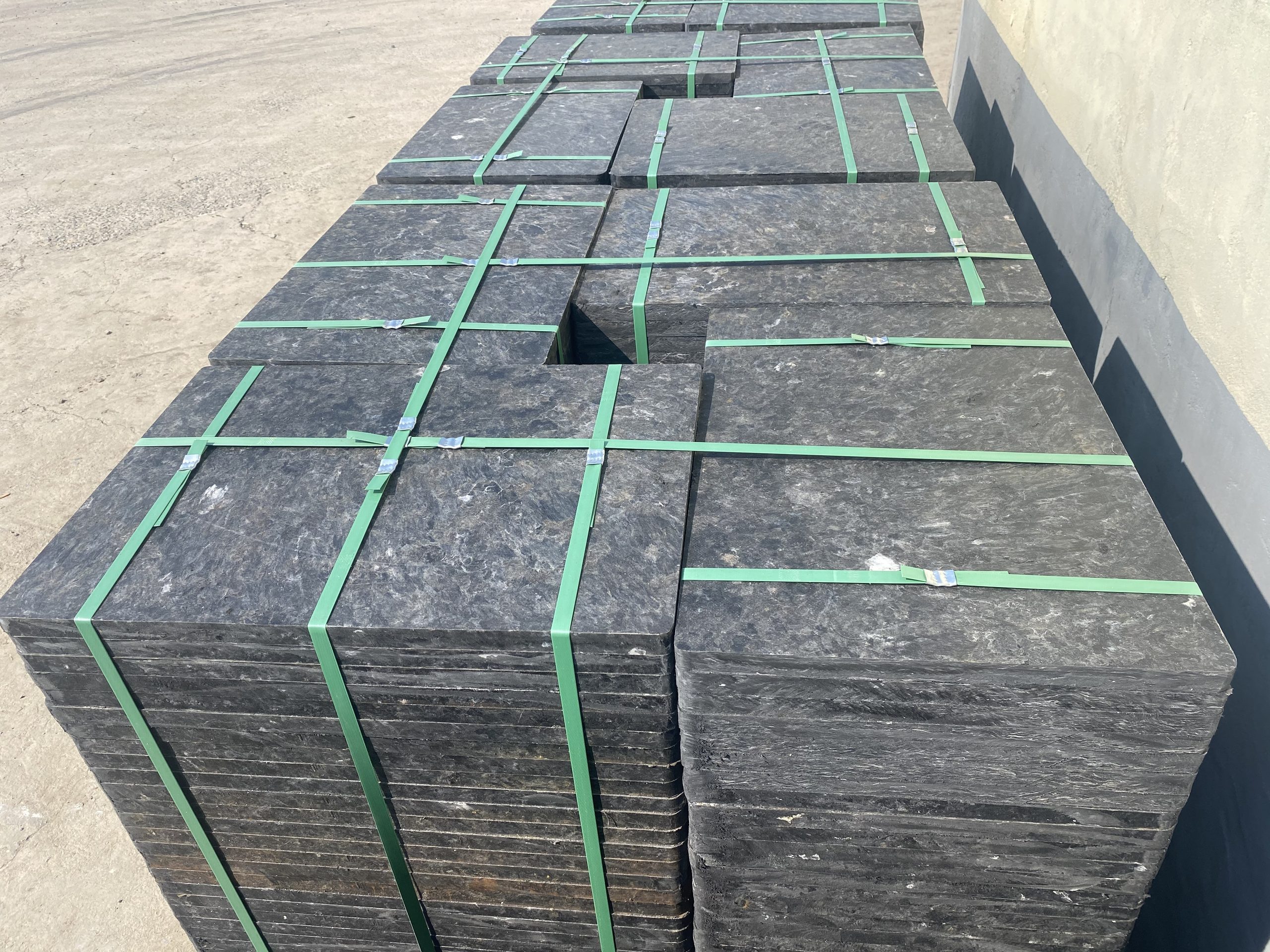
Composite material pallets eliminate natural material variability through controlled manufacturing. Black glass fiber pallets use continuous fiber reinforcement that provides isotropic mechanical properties—strength and stiffness remain constant in all directions—preventing directional warping common in wood grain structure.
The compression molding process used for GMT manufacturing applies 3000-ton pressure at controlled temperature, creating uniform material density throughout pallet thickness. This eliminates internal voids, resin-rich zones, and fiber orientation defects that would create warping stress points.
Storage Conditions That Accelerate Warping
Improper storage creates environmental stress that warps pallets even before production use. Pallets stored outdoors or in uncontrolled humidity warehouses experience moisture cycling that generates 3-7mm warping before first use, reducing effective service life by 30-50%.
Direct sunlight exposure creates temperature differentials of 20-35°C between illuminated and shaded pallet surfaces, driving moisture migration that warps pallets by 4-8mm within 2-3 months. UV radiation degrades surface wood fibers, reducing structural integrity and accelerating warping progression during subsequent production use.
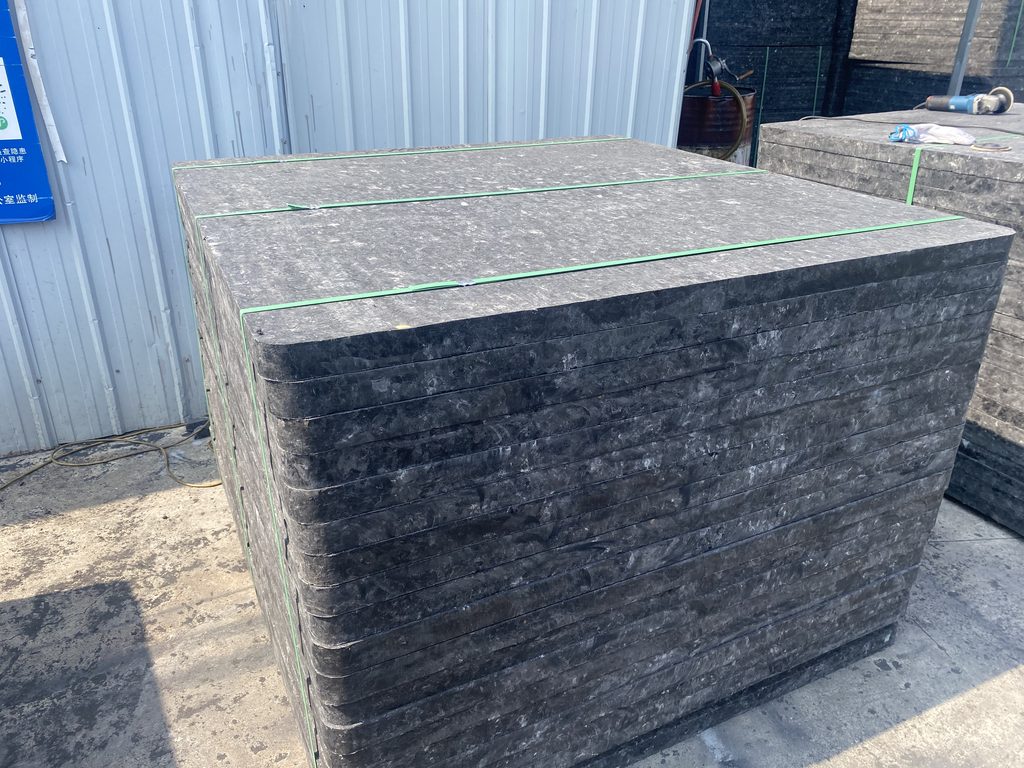
Vertical stacking with improper support spacing allows gravitational sag that permanently bends pallets. Stacks exceeding 12-15 pallets high without intermediate support generate 200-350 kg loads on bottom pallets that induce 2-4mm creep deformation over 3-6 month storage periods.
Temperature-controlled storage at 18-24°C and 45-55% relative humidity minimizes environmental warping stress. You should store pallets horizontally with full-surface support or vertically with support spacing no greater than 400mm to prevent gravitational sag. Premium white GMT pallets tolerate outdoor storage without degradation, eliminating controlled-environment storage requirements.
Early Detection: Warping Inspection Protocol
Detecting warping before it impacts production prevents quality defects and equipment damage. Visual inspection identifies obvious warping beyond 5mm, but measurement protocols are necessary to catch early-stage deformation in the 1-3mm range where intervention can extend pallet life.
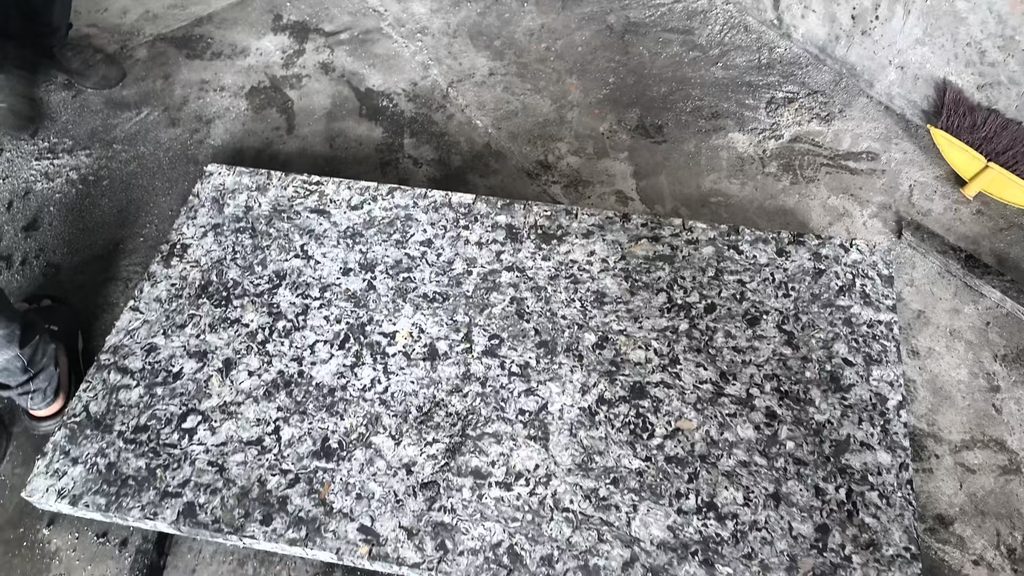
The inspection protocol involves three measurements: flatness deviation across diagonal axes, edge straightness along long and short dimensions, and thickness uniformity across pallet surface. You can perform basic inspection using a 2-meter straightedge and feeler gauges to measure gaps between straightedge and pallet surface.
Warping severity classification guides replacement decisions: minimal warping (0-2mm) allows continued use with monitoring, moderate warping (3-5mm) limits use to manual operations and requires weekly re-inspection, severe warping (>5mm) mandates immediate replacement due to brick quality risks and equipment damage potential.
Inspection frequency should match production intensity: high-volume facilities (>800,000 bricks/month) inspect weekly, medium-volume operations (300,000-800,000 bricks/month) inspect biweekly, and lower-volume facilities inspect monthly. This catches warping progression before it impacts production throughput.
Prevention Strategies for Long-Term Stability
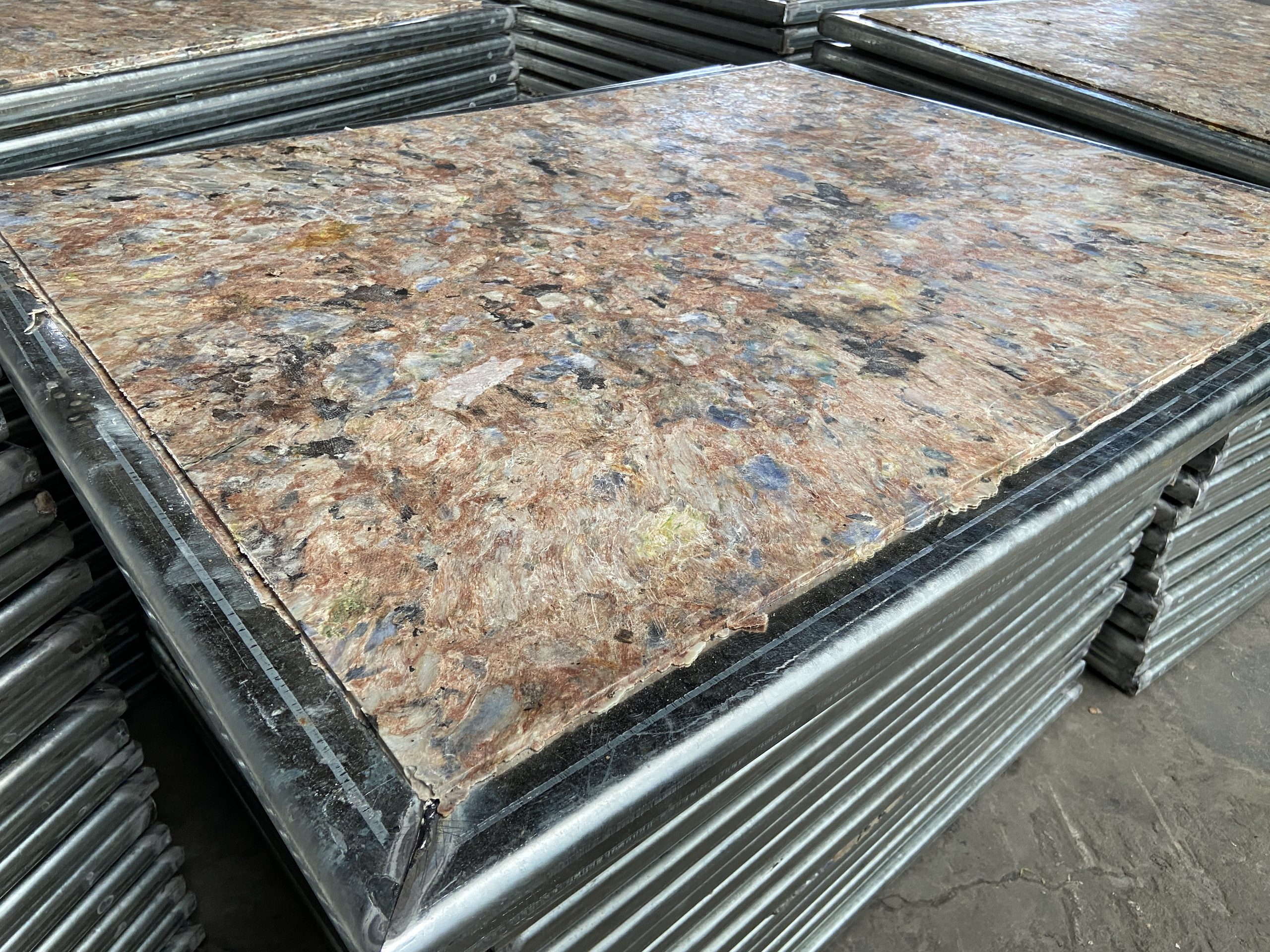
Preventing warping requires controlling environmental stress, optimizing handling procedures, and selecting materials resistant to production conditions. The most effective prevention strategy is material selection—fiber brick pallets eliminate 85-95% of warping issues through inherent dimensional stability.
For facilities continuing wood pallet use, prevention strategies include: controlled cooling after curing (reducing thermal shock by gradual temperature transition over 30-45 minutes), moisture barrier coatings (reducing absorption by 40-60% through polyurethane or epoxy surface treatment), and load rotation protocols (distributing wear across pallet inventory to prevent localized fatigue).
The following prevention comparison examines effectiveness and implementation requirements:
| Prevention Strategy | Warping Reduction | Implementation Cost | Maintenance Requirements | Effectiveness Duration |
|---|---|---|---|---|
| Switch to GMT/Fiber Pallets | 85-95% reduction | High initial ($80-120/pallet) | Minimal (inspection only) | 10-12 years |
| Moisture Barrier Coating | 35-50% reduction | Low ($5-8/pallet) | Recoat every 6-9 months | 12-18 months per coating |
| Controlled Cooling Protocol | 25-40% reduction | Equipment cost ($8,000-15,000) | Process monitoring | Ongoing with compliance |
| Premium Hardwood Upgrade | 40-55% reduction | Moderate ($25-35/pallet) | Standard maintenance | 2-3 years |
| Load Rotation System | 15-25% reduction | Low (labor only) | Tracking and scheduling | Ongoing with compliance |
Combined prevention strategies provide additive benefits. Facilities using premium hardwood pallets with moisture barrier coatings and controlled cooling protocols achieve 60-75% warping reduction compared to baseline wood pallets, though at significantly higher operational complexity than direct GMT pallet adoption.
Correction Methods for Existing Warped Pallets
Correcting warped pallets involves mechanical straightening or selective reinforcement to restore flatness within production tolerance. However, correction effectiveness decreases as warping severity increases, and residual internal stress often causes re-warping within 50-150 production cycles after correction.
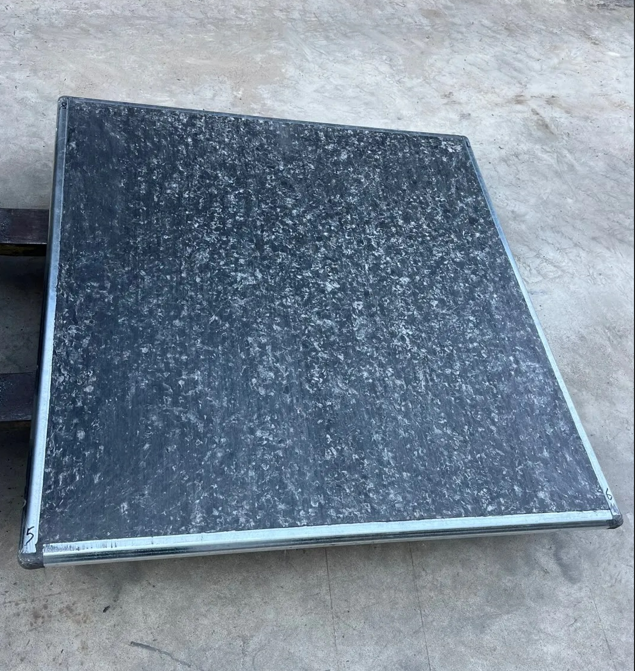
For moderate warping (3-5mm), mechanical pressing under controlled heat (60-80°C) and sustained pressure (200-300 kg/m²) for 4-6 hours can reduce warping to 1-2mm. This provides temporary improvement lasting 100-200 cycles before internal stress causes gradual return to warped state. Success rates vary widely: 60-75% of moderately warped pallets achieve acceptable flatness, but only 30-45% maintain correction through 150+ cycles.
Severe warping (>5mm) rarely responds to correction methods economically. The labor cost ($15-25 per pallet) plus low success rates (20-35%) and short correction persistence (50-100 cycles) make replacement more cost-effective than correction attempts.
You should evaluate correction based on pallet replacement cost and remaining production volume. If warped pallets have 200+ cycles remaining service life and correction cost is 30-40% of replacement cost, correction makes economic sense. For pallets approaching end-of-life or when warping exceeds 6mm, immediate replacement provides better long-term value.
The most effective “correction” is prevention through GMT pallet adoption. Facilities report 18-24 month payback on GMT investment through eliminated warping-related rejects, reduced inspection labor, and extended service life. Half GMT pallets offer economical entry point for facilities testing dimensional stability benefits before full fleet conversion.
Comparing Material Warping Resistance
Material selection fundamentally determines warping susceptibility. Wood’s hygroscopic nature and anisotropic structure make it inherently prone to moisture-induced warping, while fiber-reinforced composites provide isotropic dimensional stability through controlled manufacturing.
[IMG_9]
The following comprehensive comparison examines warping performance across production lifetime:
| Warping Characteristic | Wood Pallets | Plastic Pallets | GMT Fiber Pallets | Performance Difference |
|---|---|---|---|---|
| Moisture-Induced Warping | 4-8mm (18 months) | 1-3mm (18 months) | <0.5mm (10 years) | GMT: 8-16× better |
| Thermal Cycling Warping | 3-6mm (300 cycles) | 2-4mm (500 cycles) | <1mm (5000 cycles) | GMT: 3-10× better |
| Load Creep Deformation | 4-7mm (12 months) | 2-4mm (12 months) | 0.3-0.8mm (10 years) | GMT: 5-20× better |
| UV Degradation Impact | High (outdoor warping) | Moderate (surface brittling) | Negligible (UV stable) | GMT: can store outdoors |
| Warping at End of Life | 12-20mm (2-3 years) | 6-10mm (5-6 years) | <2mm (10-12 years) | GMT: maintains flatness |
| Correction Success Rate | 30-60% temporary | 40-65% temporary | Not required | GMT: prevention vs correction |
Real production data demonstrates GMT superiority: facilities tracking pallet fleets report wood pallet rejection rates of 25-40% due to warping by 18-24 months, plastic pallet rates of 10-18% by 36-48 months, and GMT rejection rates below 2% through 8-10 year service life.
The economic impact extends beyond pallet replacement costs. Warped pallets generate downstream costs through brick rejects (8-15% defect rates), automated handling failures (12-25% throughput reduction), and quality inspection labor (3-5 additional hours weekly). You can eliminate these cascading costs through GMT adoption while improving production consistency.
FAQ
How quickly do wood pallets start warping in brick production?
Detectable warping (2-3mm) typically appears after 120-180 curing cycles, which corresponds to 2-4 months in high-volume facilities running 20-30 cycles daily. Warping accelerates after 250-300 cycles, reaching 6-10mm by 12-18 months of operation.
Can moisture barrier coatings prevent warping completely?
No. Moisture barriers reduce warping by 35-50% but cannot eliminate it because thermal expansion and mechanical stress still generate deformation. Coatings require reapplication every 6-9 months and add $5-8 per pallet annually in maintenance costs.
What inspection frequency catches warping before production impact?
High-volume facilities (>800,000 bricks/month) should inspect weekly. Medium-volume operations (300,000-800,000 bricks/month) should inspect biweekly. Lower-volume facilities can inspect monthly. Critical inspection points are after first 100 cycles (catch rapid warpers) and at 250 cycle mark (catch standard progression).
Is warping correction more economical than pallet replacement?
Only for moderate warping (3-5mm) in pallets with 200+ cycles remaining life and when correction costs below 40% of replacement. Severe warping (>5mm) correction has 20-35% success rates and 50-100 cycle persistence, making replacement more cost-effective.
Do GMT pallets warp in high-temperature curing applications?
GMT pallets maintain dimensional stability within ±0.5mm through 5,000+ curing cycles at temperatures up to 85-90°C. The fiber-reinforced structure provides isotropic thermal expansion of just 0.008-0.012% per 10°C—approximately 1/4 that of wood—eliminating thermal warping mechanisms.
How does pallet warping affect automated brick handling systems?
Warped pallets cause positioning errors that jam robotic stackers and reduce automated handling throughput by 12-25%. Warping beyond 5mm generates brick molding defects (dimensional variations) that increase quality rejects by 35-55% and require manual intervention.
Conclusion
Pallet warping stems from moisture absorption, thermal cycling, and sustained mechanical loads that generate dimensional instability in wood and lower-grade materials. Prevention through material selection eliminates 85-95% of warping issues while reducing production defects, equipment downtime, and inspection labor. Early detection protocols catch warping at 2-3mm where intervention extends service life, while correction methods provide only temporary relief for moderate warping.
GMT fiber-reinforced pallets provide permanent warping elimination through moisture resistance (<1% absorption), thermal stability (±0.5mm through 5000 cycles), and load-bearing capacity (2500-3000 kg) that maintains dimensional accuracy for 10-12 years. This eliminates the recurring cost cycle of wood pallet warping, replacement, and production defects.
If you need long-lasting brick pallets that eliminate warping-related production losses, Rhinos Pallet offers fiber-reinforced GMT pallets with proven dimensional stability. Our compression-molded construction and quality control protocols ensure flatness within ±2mm throughout service life, reducing brick defects and extending production equipment reliability. We have successfully supplied pallets for automated brick facilities and high-humidity production environments worldwide.
Contact us today for custom brick pallet solutions and technical specifications that eliminate warping problems permanently.