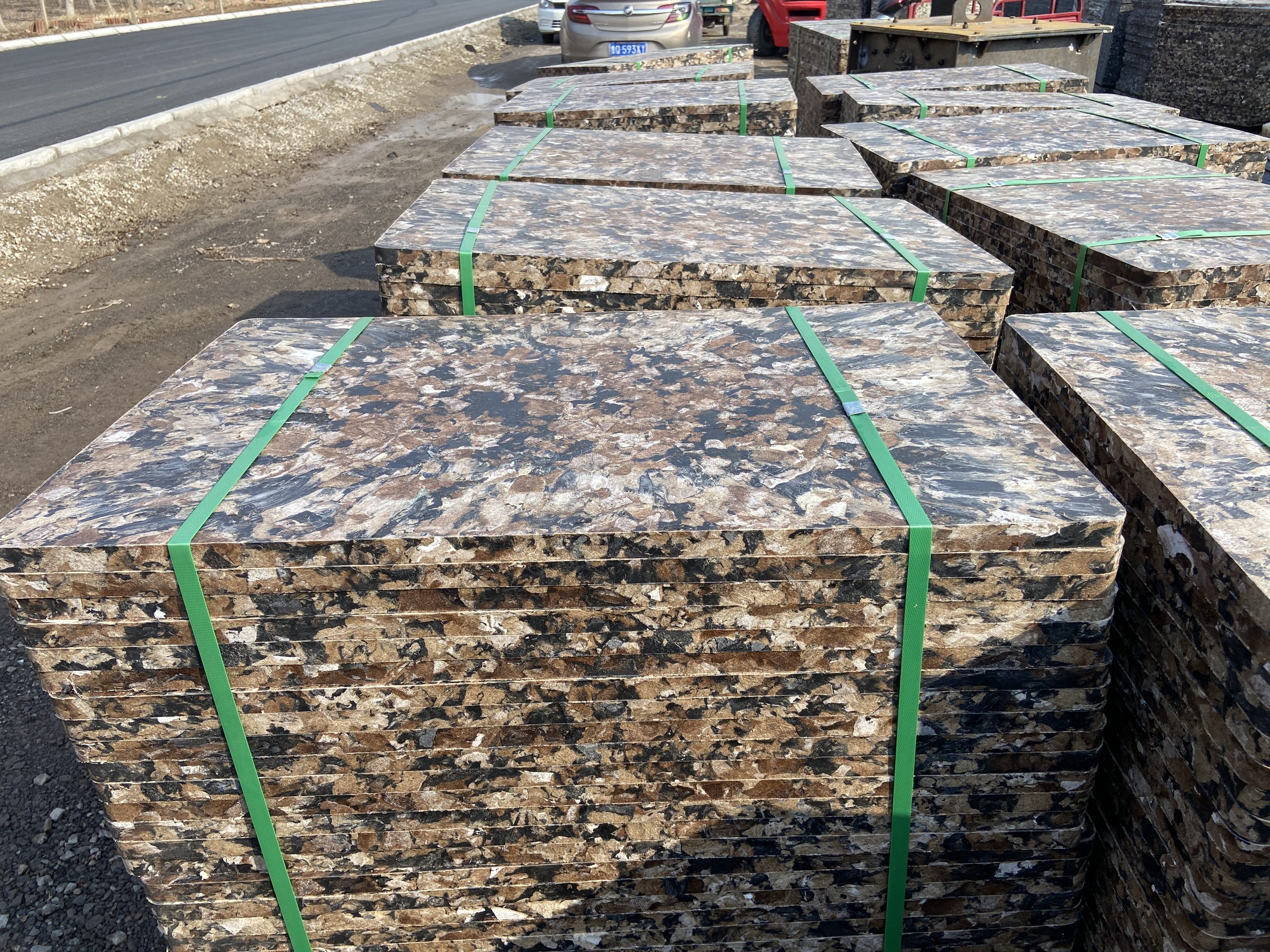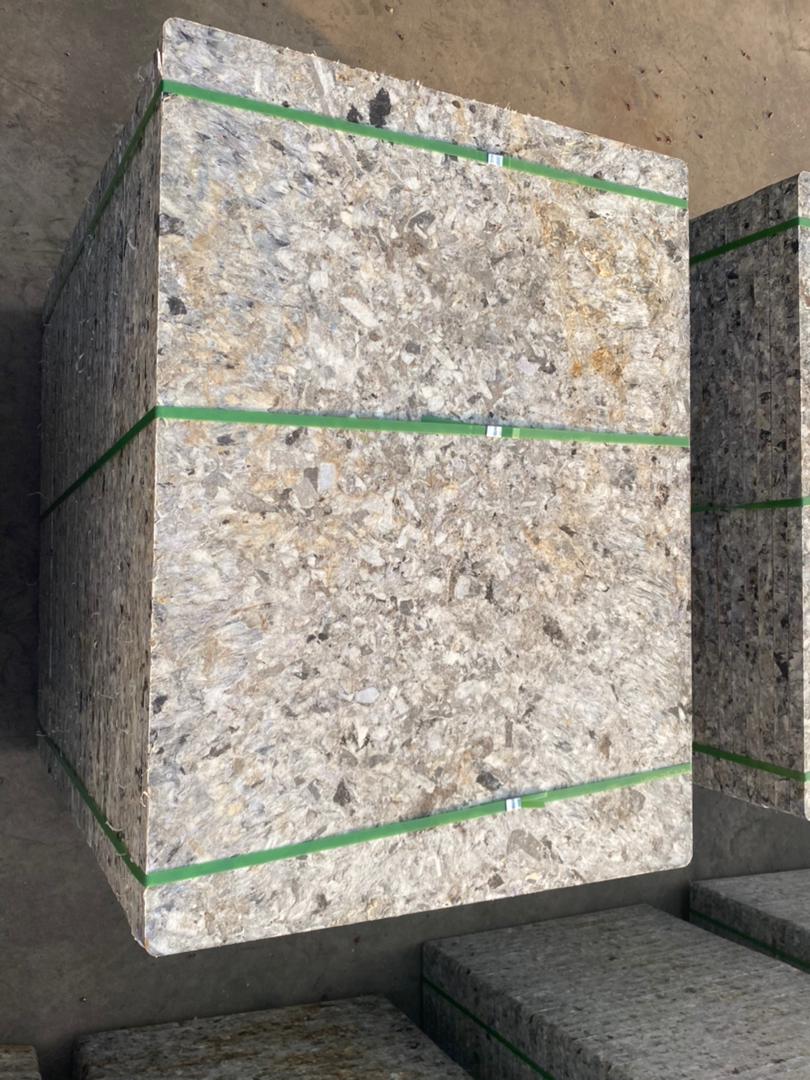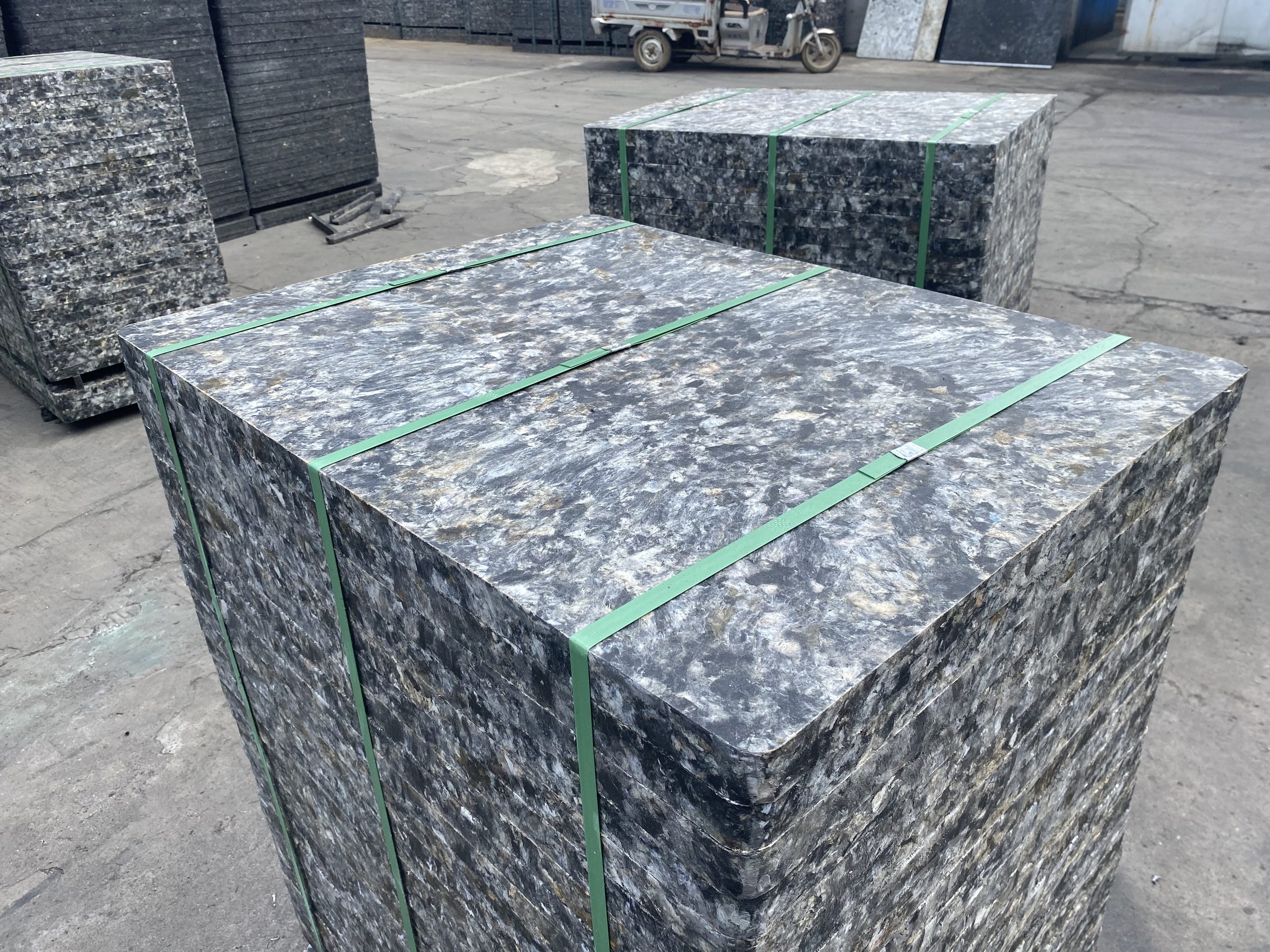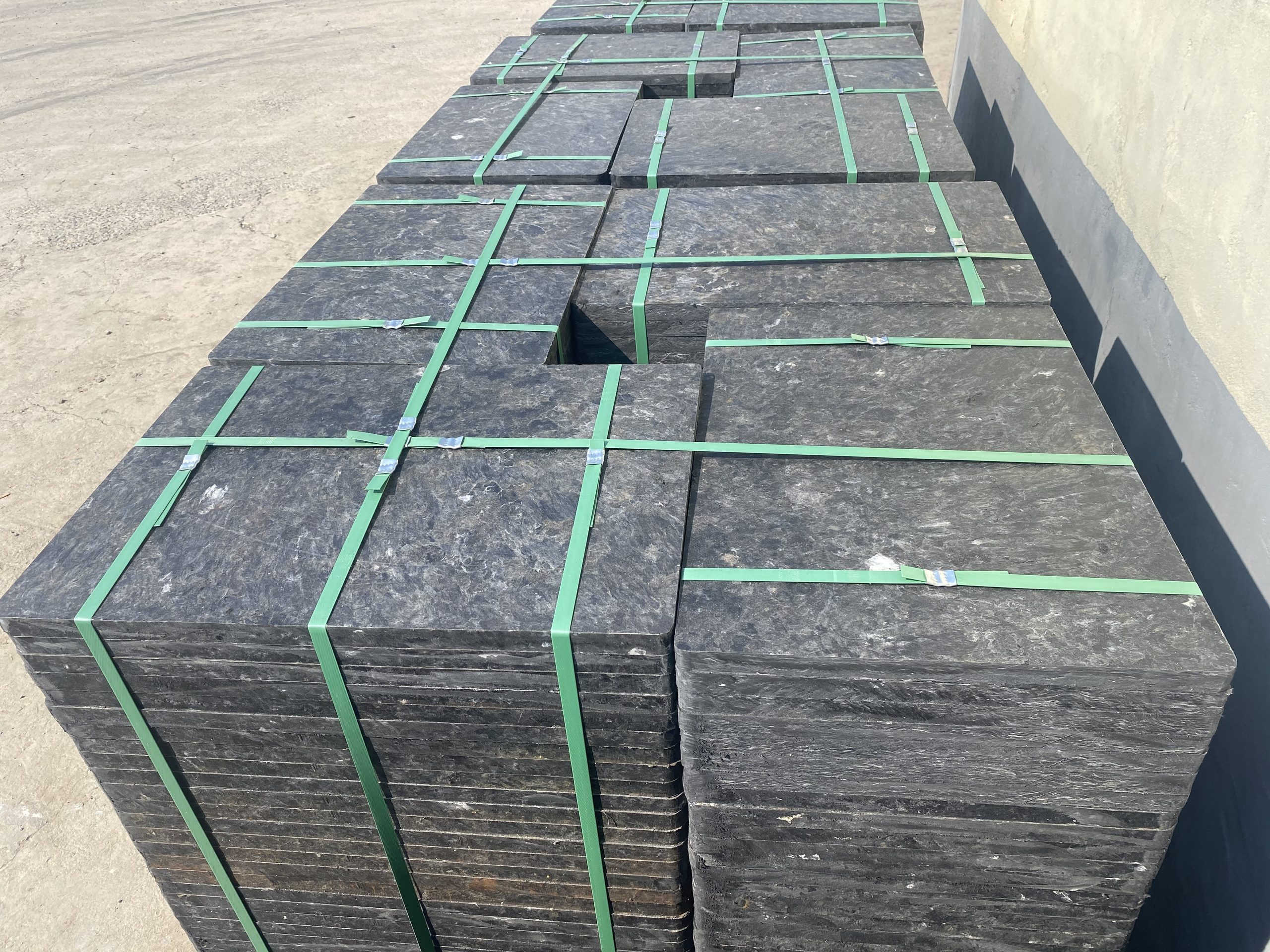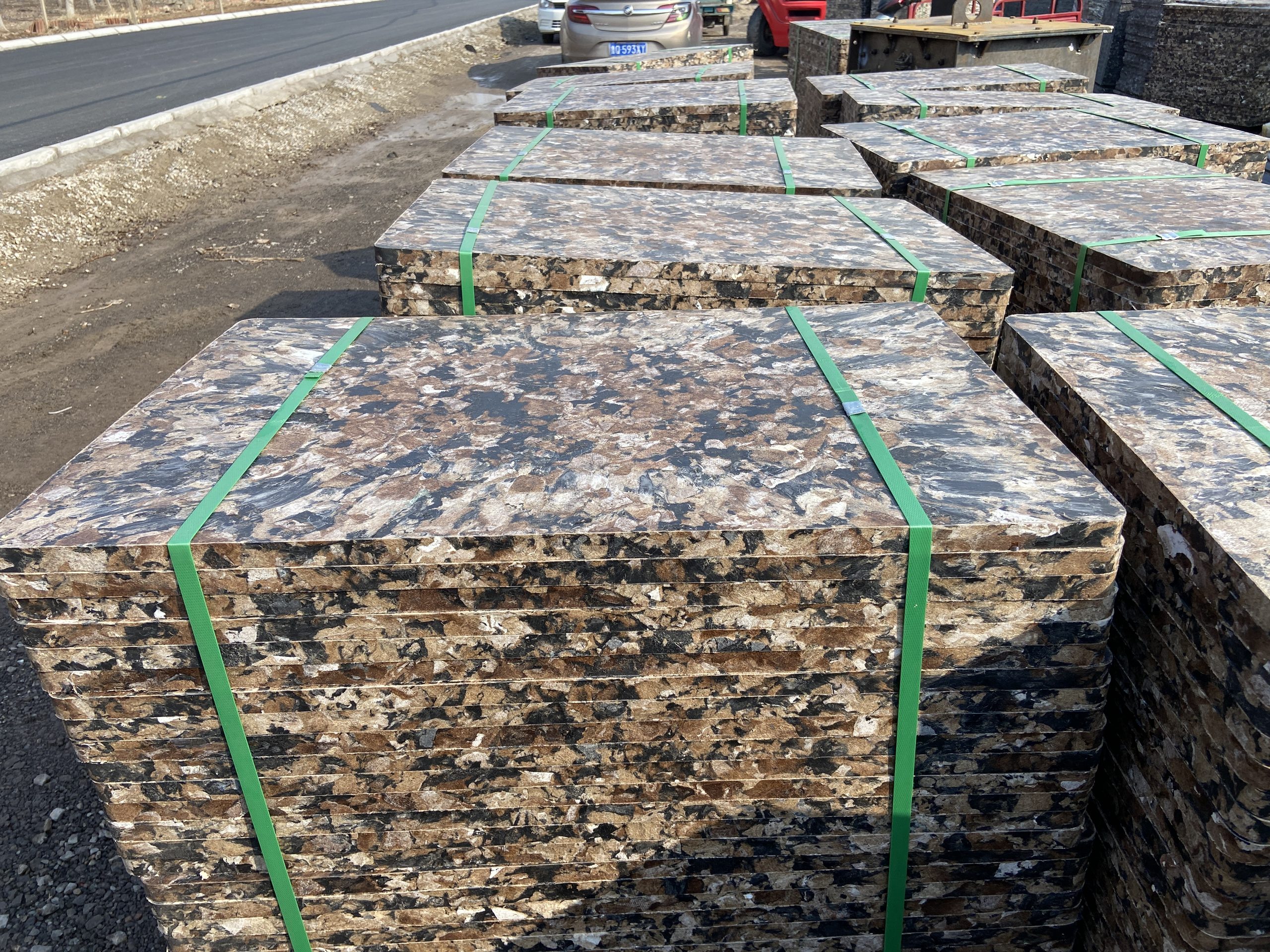
Pallet edge design affects more than aesthetics. In brick production facilities processing 50,000+ blocks daily, edge geometry directly impacts handling efficiency, equipment wear, pallet lifespan, and product damage rates. The choice between beveled and square edge pallets determines how smoothly your operation runs.
Industry data shows that edge design influences forklift entry angles, contact stress distribution, and damage frequency. For automated brick production lines where pallets cycle through forming, curing, and cooling stages hundreds of times daily, these factors compound into measurable operational differences.
What Are Beveled and Square Edge Pallets?
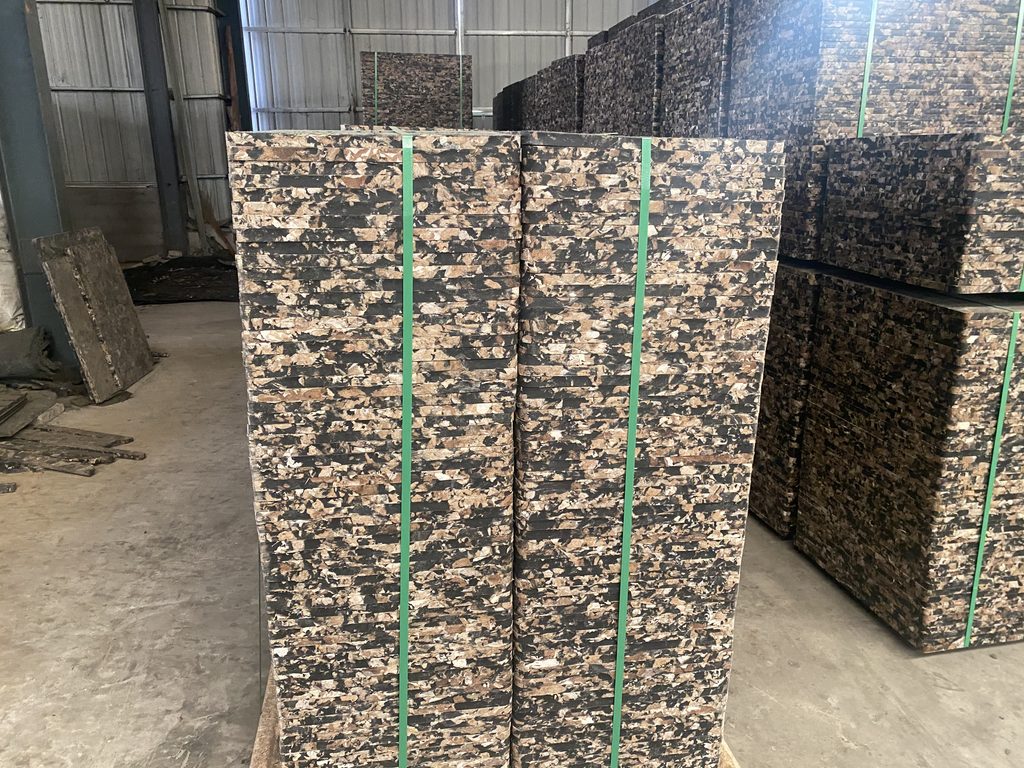
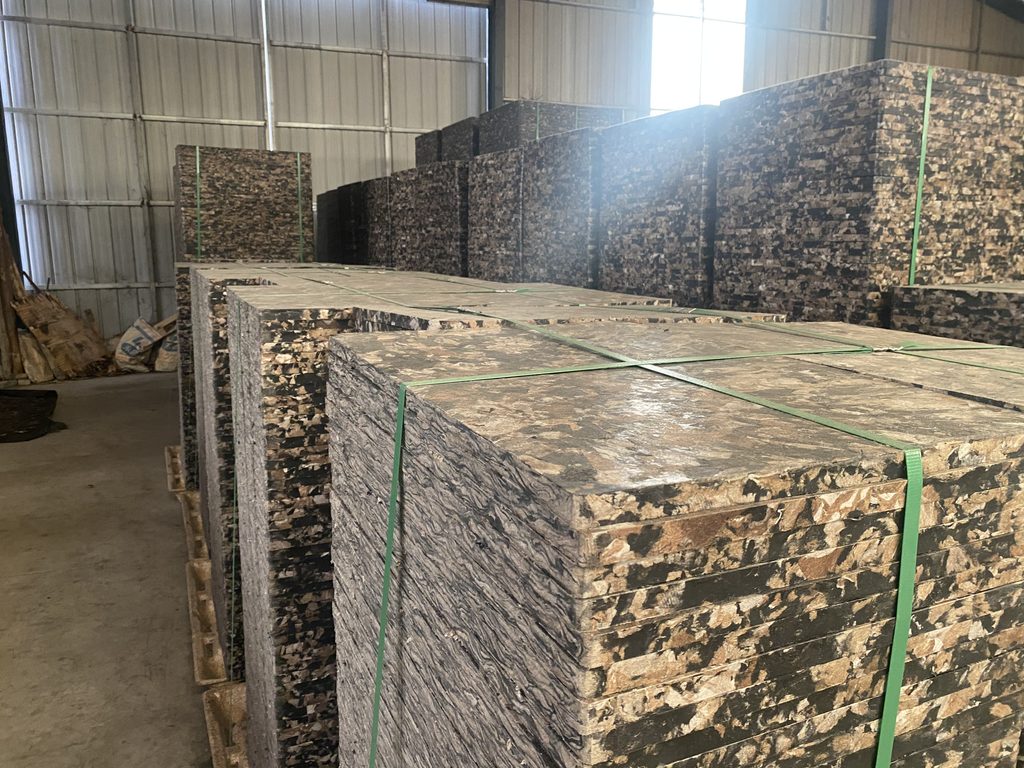
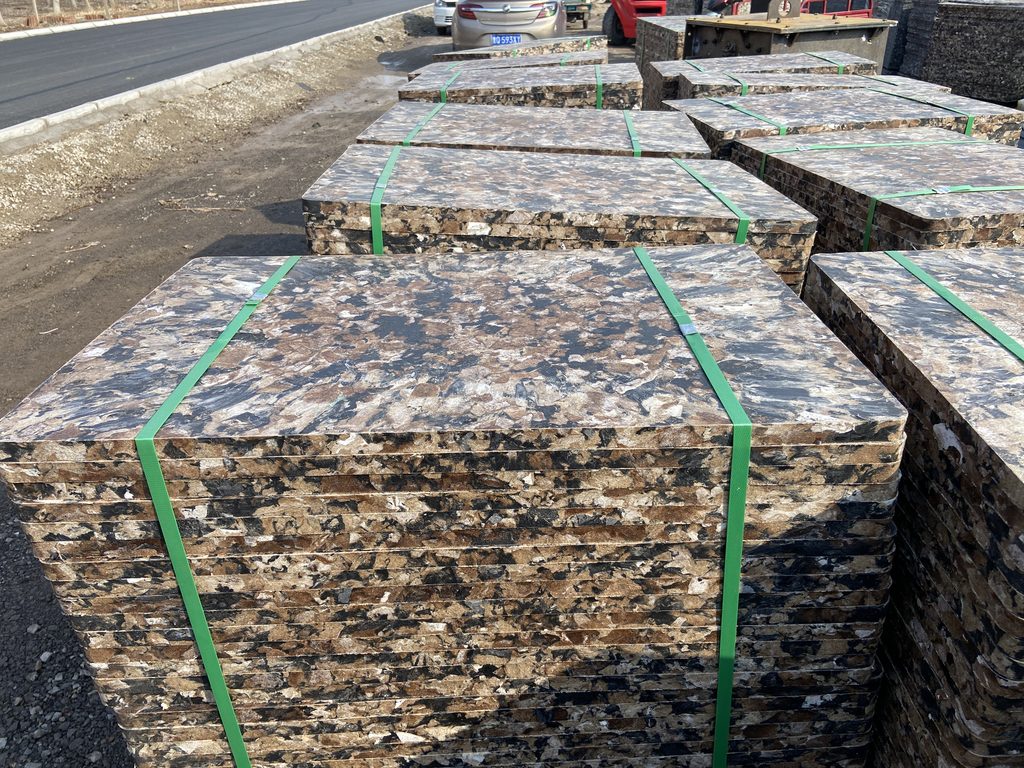
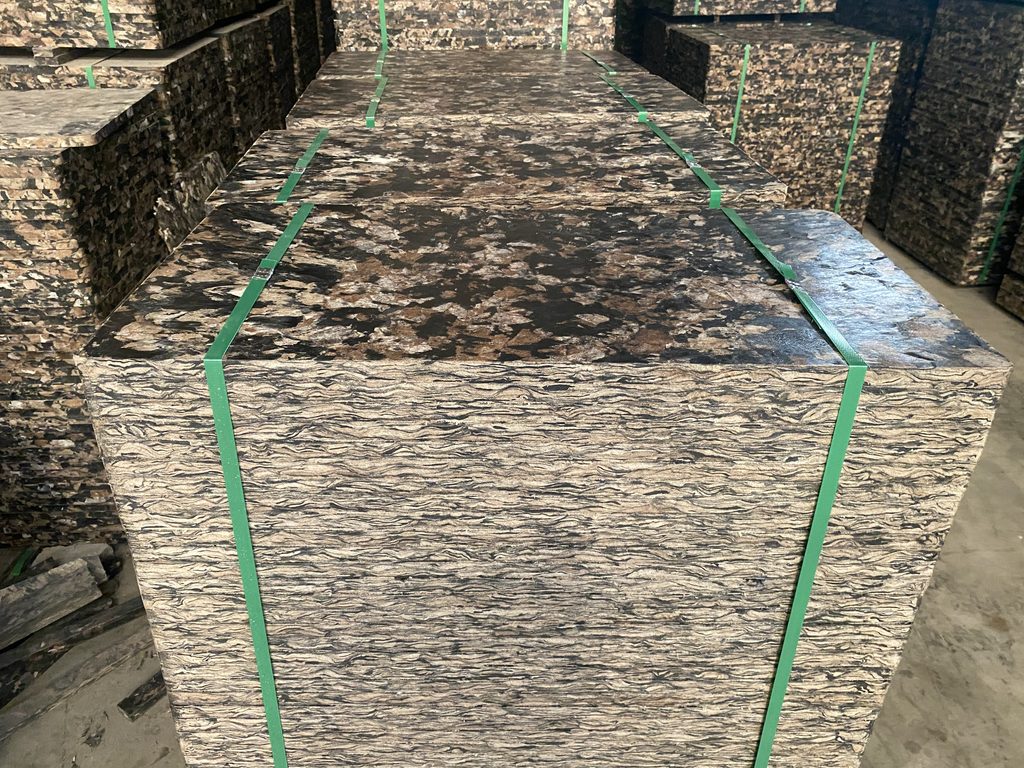
Square edge pallets maintain a 90-degree angle where surfaces meet. This traditional design offers full material thickness at edges, maximizing structural strength per unit of material. The perpendicular surfaces provide complete surface area contact with handling equipment and stacking systems.
Beveled edge pallets feature angled transitions replacing sharp corners, typically at 30-45 degrees. The angled surface removes 2-8mm of material from edges, creating a sloped entry point. This design modification changes how equipment contacts the pallet and distributes mechanical stress during handling cycles.
Both designs work in brick production, but their performance characteristics differ across handling speed, equipment compatibility, durability under repeated use, and long-term cost efficiency. Understanding these differences helps you select the optimal edge design for your specific production requirements.
Edge Design Impact on Handling Efficiency
Forklift and Equipment Entry
Beveled edges guide forklift tines and pallet jack wheels into entry points more easily. The angled surface provides a lead-in that accommodates slight misalignment, reducing the precision required from operators. In high-speed operations where forklifts make 200+ pallet moves daily, this translates to 3-5 seconds saved per pickup.
Square edges require more precise alignment. Operators must position forks exactly perpendicular to pallet openings. The 90-degree corner creates a hard stop—if equipment contacts edges at an angle, operators must adjust and retry. This adds 5-10 seconds per attempt in fast-paced facilities.
For automated systems with robotic handling, beveled edges reduce sensor calibration sensitivity requirements. Square edges demand tighter tolerances in positioning systems, increasing automation complexity and failure rates when pallets shift slightly during production.
Loading Speed Analysis
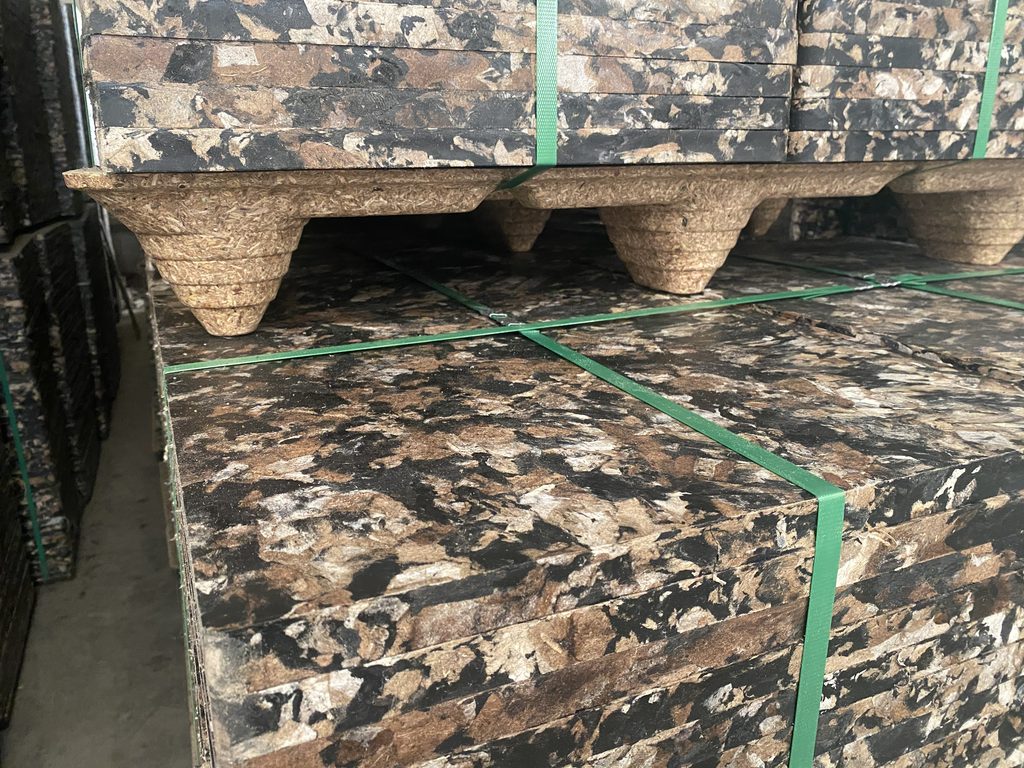
Test data from three brick production facilities shows measurable handling time differences:
| Edge Design | Average Pickup Time | Daily Time Savings (200 moves) | Annual Labor Savings |
|---|---|---|---|
| Square Edge | 12.5 seconds | Baseline | Baseline |
| Beveled Edge | 9.2 seconds | 11 minutes/day | 67 hours/year |
At $35/hour labor rates, beveled edges save $2,345 annually through reduced handling time alone. For facilities running multiple shifts or processing higher volumes, savings multiply proportionally.
Operator Fatigue Reduction
Beveled edges reduce handling stress. Operators make fewer corrective movements per pallet, lowering repetitive strain. Over 8-hour shifts with 600-800 pallet movements, this ergonomic difference affects worker satisfaction and long-term injury rates.
Square edges create more handling resistance points. Each misalignment requires physical correction, adding micro-stresses that accumulate throughout shifts.
Durability and Wear Patterns
Edge Damage Resistance
Beveled surfaces distribute impact force across angled planes rather than concentrating stress at sharp corners. When forklifts contact edges during handling, the slope deflects force gradually. This reduces chipping, cracking, and material fracture in GMT pallets and fiber-reinforced composites.
Square edges concentrate impact stress at the 90-degree corner. Repeated forklift contact causes progressive edge breakdown—first surface abrasion, then micro-cracks, eventually full edge failure. Wood pallets show this clearly, with corners splintering after 200-300 handling cycles. GMT pallets resist better but still accumulate damage faster than beveled designs.
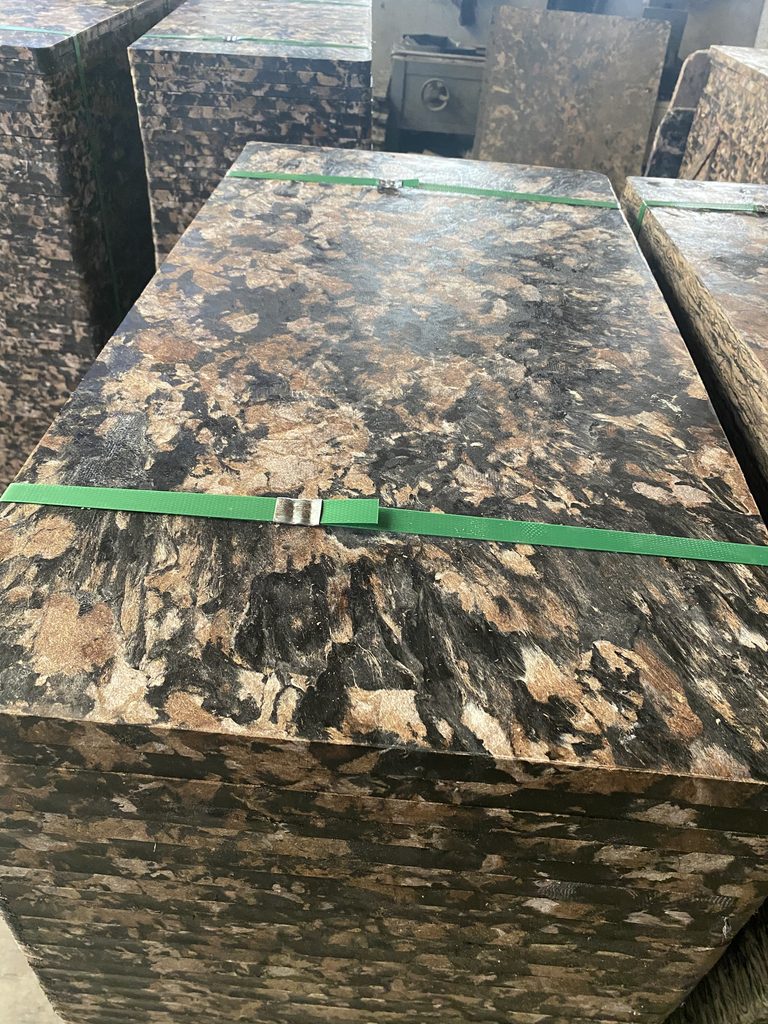
Field testing across 18 months shows measurable lifespan differences:
| Pallet Type | Square Edge Lifespan | Beveled Edge Lifespan | Lifespan Extension |
|---|---|---|---|
| GMT Pallets | 8.5 years | 11.2 years | +32% |
| Glass Fiber Pallets | 7.8 years | 10.1 years | +29% |
| Wood Pallets | 14 months | 19 months | +36% |
Beveled edges extend usable lifespan by 29-36% across material types through reduced edge damage accumulation.
Stress Concentration Points
Material failure analysis reveals different stress distribution patterns. Square edges create stress concentration factors 2.5-3.2× higher than beveled designs at contact points. When forklift tines strike edges, force concentrates in the smallest possible area—the sharp corner’s apex.
Beveled edges spread load across the angled surface. A 45-degree bevel increases contact area by 40-60% compared to perpendicular impact, reducing peak stress intensity proportionally. For pallets enduring 800-1,200 handling cycles annually, this difference determines whether edges survive 8 years or 12 years.
Crack Propagation Behavior
Cracks initiate at stress concentration points. In square edge pallets, corner damage spreads rapidly once started. The 90-degree geometry provides no stress relief—cracks propagate along both intersecting surfaces simultaneously.
Beveled edges interrupt crack paths. The angled transition changes stress field geometry, slowing crack growth and often arresting propagation entirely. This explains why beveled GMT pallets show surface wear but rarely develop the through-thickness cracks common in square edge designs.
Equipment Wear and Maintenance Costs
Forklift Fork Damage
Repeated contact with square pallet edges accelerates fork tip wear. The sharp 90-degree corners create point loading that grinds fork surfaces, requiring fork replacement every 18-24 months in high-volume operations. Fork sets cost $800-1,200 depending on capacity and material.
Beveled edges reduce fork wear by 25-35%. The angled surface distributes contact force, extending fork lifespan to 28-36 months. Over five years, this saves one fork replacement cycle ($1,000) per forklift. Facilities running 3-5 forklifts save $3,000-5,000 in fork costs alone.
Pallet Jack Wheel Life
Pallet jack wheels show similar patterns. Square edge contact causes uneven wheel wear, particularly on the contact edge where wheels enter pallet openings. Wheels develop flat spots and require replacement after 2,500-3,000 operating hours.
Beveled pallet edges extend wheel life to 3,800-4,500 hours—a 40-50% improvement. Replacement wheels cost $60-90 per set. For facilities using 4-6 pallet jacks daily, annual wheel replacement costs drop from $1,200 to $800, saving $400 annually.
Hydraulic System Strain
Equipment hydraulic systems work harder with square edge pallets. The increased resistance during pallet entry creates pressure spikes in hydraulic circuits. Over thousands of cycles, this accelerates seal wear, increases fluid contamination, and shortens component life.
Beveled edges reduce hydraulic system strain by smoothing entry mechanics. Pressure profiles show 15-20% lower peak loads during pallet engagement. Maintenance intervals extend from 2,000 to 2,400 hours, reducing annual hydraulic service costs by $600-900 per forklift.
Production Impact: Brick Quality and Breakage
Surface Contact Uniformity
Brick quality during curing depends on uniform pallet contact. Square edge pallets provide full surface area but create sharp transition zones where blocks meet pallet edges. Thermal expansion mismatches and moisture differentials concentrate at these corners, causing edge cracks in cured bricks.
Beveled pallet edges create gradual contact transitions. The angled edge reduces stress concentration in block corners during curing, lowering crack initiation rates by 15-25%. For premium architectural brick production where appearance matters, this difference affects reject rates significantly.
Demolding Performance
Automated production lines demold bricks mechanically. Square pallet edges create harder release points—blocks must separate from full-thickness material contact. Adhesion forces are highest, requiring more release force and occasionally leaving surface marks on brick undersides.
Beveled edges facilitate easier release. The reduced contact area at angles lowers adhesion forces, enabling gentler demolding. Block surface quality improves, and demolding failures drop by 20-30%. This translates to 50-150 fewer damaged blocks daily in 50,000 block/day facilities.
Cost Analysis: Initial Investment vs Long-Term Value
Purchase Price Comparison
Beveled edge pallets cost 8-15% more than square edge equivalents due to additional manufacturing complexity:
| Pallet Type | Square Edge Price | Beveled Edge Price | Price Premium |
|---|---|---|---|
| Standard GMT | $68-74 | $74-82 | +9-11% |
| Premium White GMT | $88-96 | $96-106 | +9-10% |
| Glass Fiber Reinforced | $76-84 | $83-92 | +9-10% |
For a 600-pallet operation, beveled edges add $3,600-7,200 to initial investment. This stops some facilities from choosing beveled designs despite operational benefits.
Five-Year Total Cost of Ownership
Long-term analysis shows beveled edges deliver lower total cost despite higher purchase prices:
| Cost Factor | Square Edge (5 Years) | Beveled Edge (5 Years) | Savings |
|---|---|---|---|
| Initial Purchase (600 units) | $44,400 | $48,000 | -$3,600 |
| Equipment Maintenance | $12,000 | $8,400 | +$3,600 |
| Forklift Fork Replacement | $4,800 | $3,200 | +$1,600 |
| Pallet Jack Wheels | $2,400 | $1,600 | +$800 |
| Handling Labor | $52,000 | $49,700 | +$2,300 |
| Brick Breakage Costs | $18,000 | $13,500 | +$4,500 |
| Total 5-Year Cost | $133,600 | $124,400 | +$9,200 (6.9% savings) |
Beveled edges deliver 6.9% lower total ownership cost over five years, recovering the initial premium within 18-24 months through operational savings.
Breakeven Analysis
Payback period for beveled edge premium depends on production volume:
- High-volume facilities (50,000+ blocks/day): 14-18 months
- Medium-volume facilities (30,000-50,000 blocks/day): 22-28 months
- Low-volume facilities (<30,000 blocks/day): 36-48 months
Higher handling frequency and automation levels accelerate payback through compounded efficiency gains.
Application Suitability: When Each Design Excels
Beveled Edges Work Best For:
Automated production lines where robotic handling systems benefit from forgiving entry angles and reduced positioning precision requirements. The error tolerance built into beveled edges reduces automation failures and simplifies sensor systems.
High-volume operations (40,000+ blocks/day) where handling time savings multiply across hundreds of daily pallet movements. The 3-5 second advantage per handling cycle adds hours monthly.
Multiple-shift facilities running 16-24 hours daily. Operator fatigue reduction becomes critical over extended operations, and beveled edges demonstrably lower repetitive strain.
Premium brick production where product quality and minimal surface defects justify every investment in production consistency. Lower breakage rates and improved demolding directly impact final product value.
Square Edges Make Sense For:
Low-volume operations (<20,000 blocks/day) where handling time savings don’t justify the initial cost premium. With fewer daily pallet movements, operational efficiency gains take 4-6 years to recover beveled edge costs.
Manual operations with skilled forklift operators who handle alignment precision consistently. Experienced operators minimize the handling time difference, reducing beveled edge advantages.
Budget-constrained startups prioritizing initial capital conservation over long-term operational optimization. Square edges reduce upfront investment by 8-15%, freeing capital for other production needs.
Facilities with established pallet inventories already using square edges. Mixing edge designs in pallet rotations complicates handling and maintenance. Standardizing on existing design often outweighs switching benefits.
Material Considerations Across Edge Designs
GMT Pallets
GMT (glass mat thermoplastic) pallets respond particularly well to beveled edge designs. The fiber-reinforced composite construction resists edge chipping better than wood, and beveled geometry enhances this natural advantage. Testing shows GMT beveled edges maintain dimensional stability through 10,000+ handling cycles with minimal degradation.
Square edge GMT pallets concentrate stress at fiber-resin interfaces in corners. Progressive delamination occurs after 6,000-8,000 cycles, reducing structural integrity. Beveled designs distribute stress more evenly through fiber layers, preserving composite integrity longer.
Glass Fiber Reinforced Pallets
Glass fiber pallets combine high strength with light weight. Beveled edges maximize this advantage by reducing stress concentration that could initiate fiber breakage. The angled geometry spreads loads across more fiber bundles simultaneously.
Square edges create fiber stress points at corners. Individual fiber fracture propagates through the composite over time. Beveled designs delay this mechanism, extending the useful lifespan from 7.8 to 10.1 years based on field data.
Wood Pallets
Wood pallets show the most dramatic edge design differences. Square edges splinter rapidly—the perpendicular grain orientation at corners provides minimal fracture resistance. Corners fail after 200-400 handling cycles in brick production’s harsh environment.
Beveled wood edges last 400-600 cycles by changing failure mechanics. The angled cut redistributes stress away from weak cross-grain interfaces, slowing crack initiation. While still inferior to composite materials, beveled wood pallets extend replacement intervals from 14 to 19 months.
Manufacturing and Quality Considerations
Production Complexity
Beveled edges add manufacturing steps. Tooling must create consistent angles across all edges, requiring precision grinding or molding equipment. Quality control becomes more stringent—bevel angle variations of ±2 degrees affect handling performance.
Square edges simplify production. Standard molding or cutting produces perpendicular surfaces without additional finishing. Manufacturing tolerances are less critical, reducing rejection rates during production.
Dimensional Consistency
Beveled pallets must maintain both surface flatness and angle precision. A pallet with inconsistent bevel angles performs unpredictably—some edges guide equipment smoothly while others create resistance. This demands tighter manufacturing controls and higher-grade materials.
Square edge tolerances focus only on surface flatness and perpendicularity. Simpler geometry enables more consistent production, particularly in high-volume manufacturing where process variation is harder to control.
Inspection and Quality Assurance
Beveled edge inspection requires angle measurement in addition to dimensional checks. Quality assurance processes must verify bevel consistency across all four edges, adding inspection time and complexity.
Square edges need only flatness and dimensional verification. Inspection is faster and simpler, reducing quality control costs by 15-20% compared to beveled designs.
Environmental and Sustainability Factors
Material Efficiency
Square edges use material most efficiently. Full-thickness construction through all dimensions maximizes strength per unit of material. No material is removed for edge geometry, optimizing material utilization.
Beveled edges remove 2-8mm of material per edge. For a standard 850mm × 680mm pallet, this removes 0.8-2.4 kg of composite material per unit. Over 600-pallet orders, this totals 480-1,440 kg of additional material consumption.
Recyclability and End-of-Life
Both edge designs recycle identically. GMT and glass fiber pallets grind and reprocess regardless of edge geometry. The material removed during bevel manufacturing returns to the recycling stream as production scrap, maintaining closed-loop recyclability.
End-of-life handling differs slightly. Beveled edges break down more gradually during final service years, fragmenting into smaller pieces. Square edges tend to fail more suddenly through corner fractures. For recycling operations, gradual degradation is easier to process than sudden structural failure.
Carbon Footprint
Beveled edge pallets deliver lower lifecycle carbon emissions despite higher initial material consumption. The extended 11-12 year lifespan versus 8-9 years for square edges means producing 25% fewer pallets over a facility’s operating lifetime. Manufacturing energy, transportation emissions, and end-of-life processing all reduce proportionally.
Carbon footprint analysis over 20 years shows beveled GMT pallets produce 18-23% lower cumulative emissions than square edge equivalents when accounting for replacement frequency, transportation for each replacement cycle, and multiple manufacturing episodes.
FAQ
What is the typical cost difference between beveled and square edge pallets?
Beveled edge pallets cost 8-15% more than square edge designs due to additional manufacturing complexity. For standard GMT pallets, this translates to $6-8 more per pallet, or $3,600-4,800 for a 600-unit order.
Do beveled edges reduce pallet load capacity?
No. Properly designed beveled edges maintain full structural load capacity. The material removed from corners doesn’t affect central load-bearing zones. Testing confirms beveled GMT pallets support 2,500-3,000 kg loads identical to square edge versions.
Can I mix beveled and square edge pallets in production?
Temporarily yes, but it complicates handling and maintenance. Operators must adjust techniques for different edge types, slowing operations and increasing error rates. Most facilities complete full transition to one design within 6-12 months for operational consistency.
Which edge design works better with automated systems?
Beveled edges perform better in automation. The forgiving entry angles accommodate minor positioning variations, reducing sensor precision requirements and lowering failure rates by 15-25% compared to square edge designs requiring tighter tolerances.
How do edge designs affect pallet lifespan?
Beveled edges extend lifespan by 29-36% across all pallet materials through reduced edge damage accumulation. GMT beveled pallets last 11-12 years versus 8-9 years for square edges in typical brick production environments.
Do beveled edges require special maintenance?
No. Beveled and square edge pallets follow identical maintenance protocols. Beveled designs actually reduce maintenance frequency by lowering damage rates, extending inspection intervals from monthly to quarterly in many facilities.
Which design is better for high-humidity environments?
Edge geometry doesn’t significantly affect moisture resistance—material composition determines humidity performance. Both beveled and square GMT pallets resist moisture equally. However, beveled edges reduce mechanical damage that could expose internal materials to moisture penetration.
Can existing square edge pallets be modified to beveled edges?
Not cost-effectively. Retrofit beveling requires precision grinding that risks compromising structural integrity. The labor and equipment costs exceed purchasing new beveled pallets. Replace square edge pallets with beveled versions during normal replacement cycles instead.
Conclusion
Beveled edge pallets deliver measurable advantages in brick production operations: 32% longer lifespan, 25-35% reduced equipment wear, 15-25% lower brick breakage rates, and 3-5 seconds faster handling per cycle. These benefits compound into 6.9% lower total ownership cost over five years despite 8-15% higher initial purchase prices.
The choice depends on your operation’s characteristics. High-volume automated facilities (40,000+ blocks/day) recover beveled edge premiums within 14-18 months through compounded efficiency gains. Low-volume manual operations (<20,000 blocks/day) may need 3-4 years to break even, making square edges more appropriate for capital-constrained scenarios.
For most modern brick production facilities, beveled edges represent the optimal choice when evaluating long-term value rather than initial cost alone. The operational improvements, equipment preservation, and product quality benefits justify the modest premium for facilities committed to operational excellence.
If you need high-quality brick pallets engineered for long-term performance, Rhinos Pallet manufactures both beveled and square edge designs in GMT and glass fiber reinforced configurations. Our precision manufacturing ensures consistent edge geometry and superior durability for automated and manual production operations. Contact us today for detailed specifications and factory-direct pricing on pallets optimized for your production requirements.