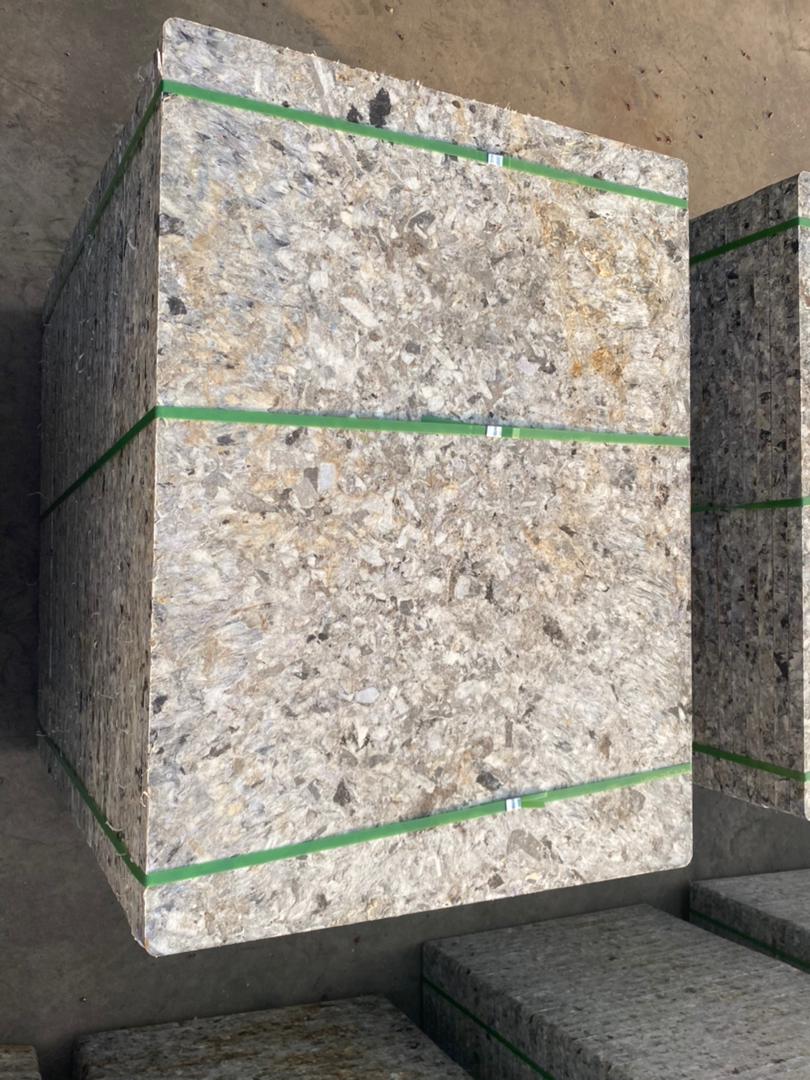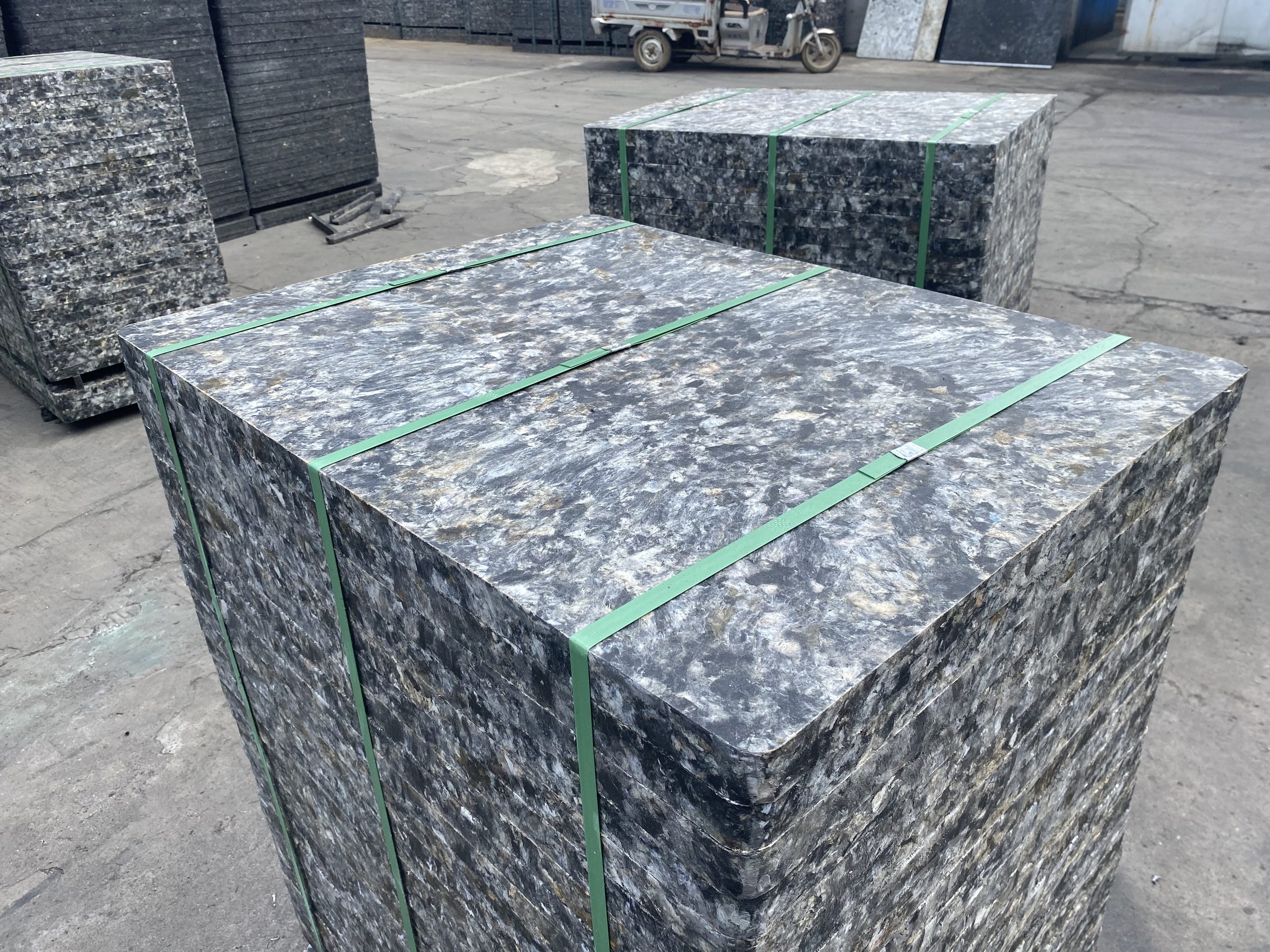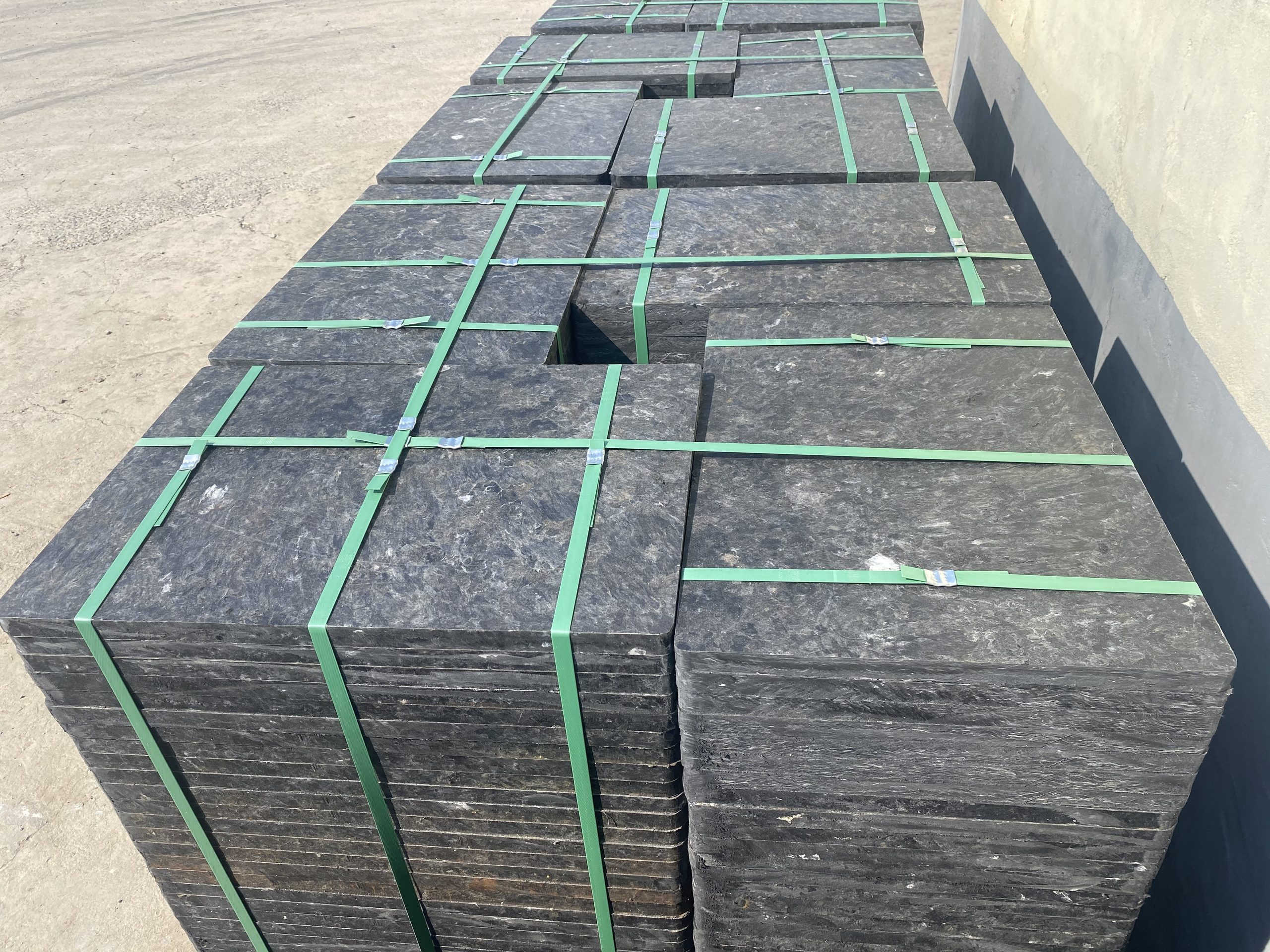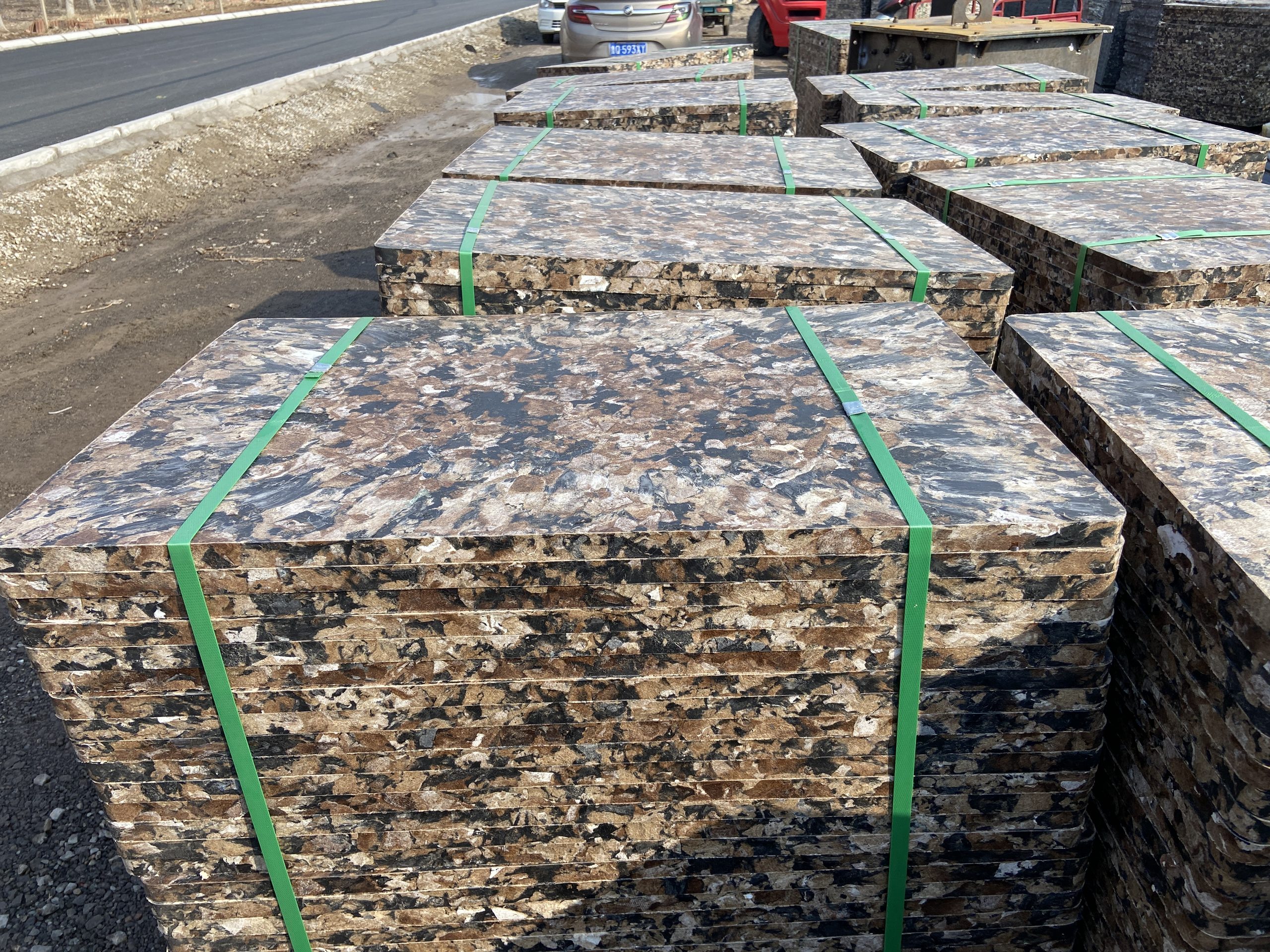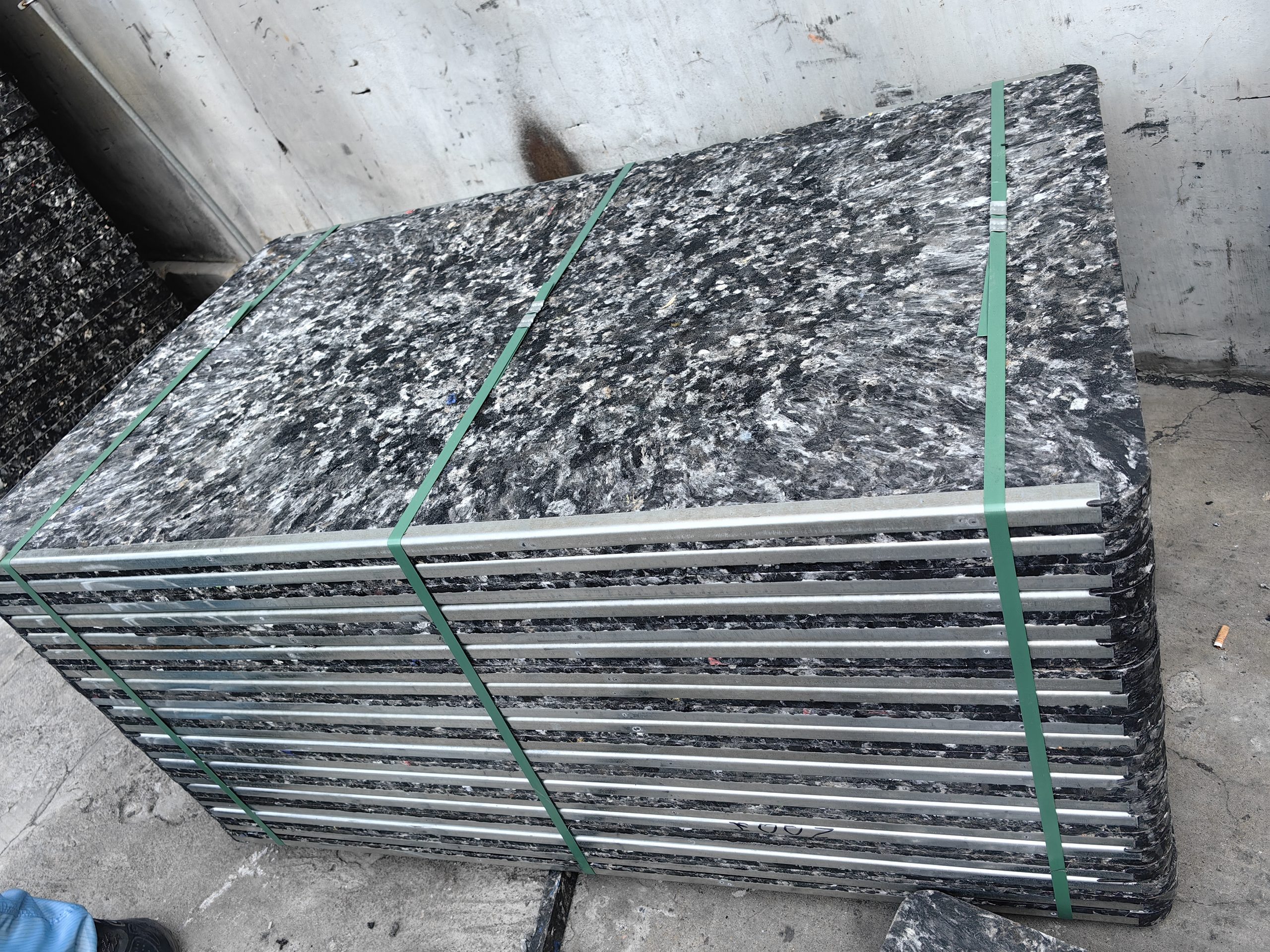
Premium brick surface defects cost manufacturers 8-15% in rejected inventory and downgraded products annually. Production data reveals that 65-75% of surface quality issues originate from pallet surface finish characteristics—roughness variations, texture inconsistencies, and polish grade differences that transfer directly to brick surfaces during molding under 2,500-4,000 psi pressure. Pallet surface finish determines whether premium architectural bricks meet strict appearance standards or drop to lower-grade inventory at 40-60% reduced selling prices.
If you want to produce premium bricks with perfect surface finish, then you will need to understand how pallet surface roughness (Ra values), polish grades, texture types, and material smoothness directly impact brick appearance, marking potential, and quality uniformity. This technical guide examines surface finish grades, compares smooth versus textured options, and provides data-driven selection criteria for premium brick production.
Understanding Surface Finish in Brick Pallet Manufacturing
Surface finish refers to the texture, smoothness, and polish grade of pallet contact surfaces that touch brick material during molding and curing. The manufacturing process applies extreme pressure—2,500-4,000 psi in hydraulic brick presses—forcing wet concrete into intimate contact with every surface irregularity on the pallet. This pressure imprints the pallet’s surface characteristics directly onto the bottom face of green bricks, making pallet surface finish the primary determinant of brick surface quality.
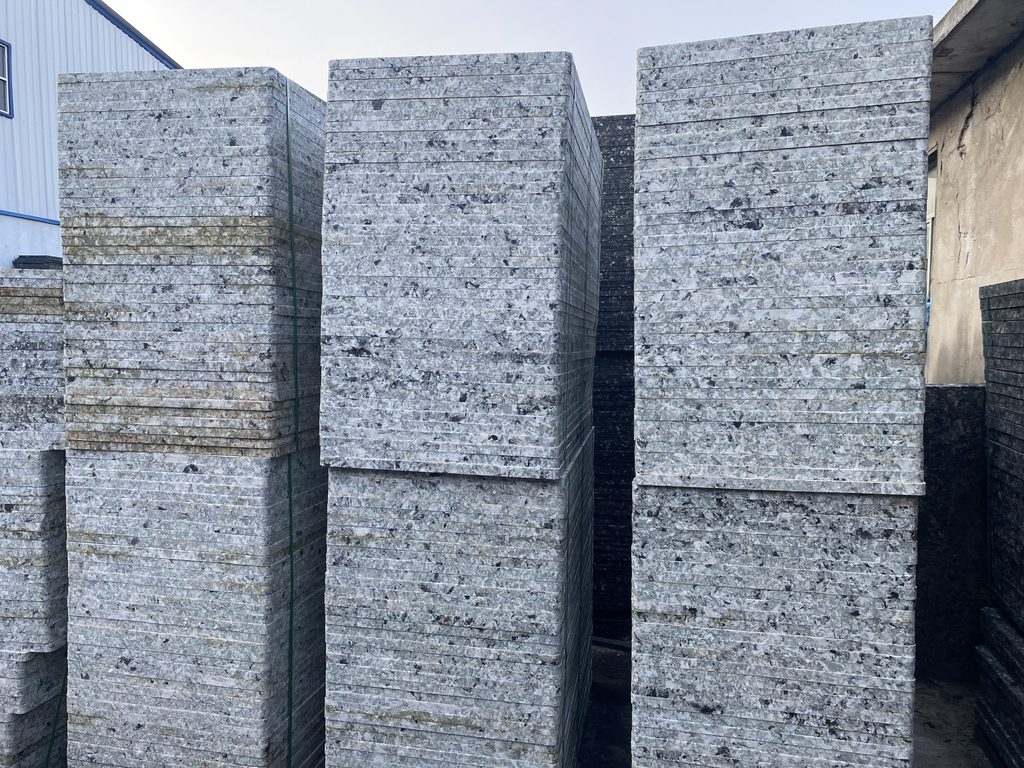
Surface finish encompasses three measurable characteristics: roughness (quantified by Ra values in micrometers), texture type (smooth, semi-smooth, or textured), and polish grade (from rough-molded to mirror-polished). These characteristics interact to determine how much surface detail transfers from pallet to brick, whether chemical staining occurs, and how consistently quality maintains across thousands of production cycles.
Premium architectural bricks require perfect surface finish because appearance drives value. Light-colored facing bricks, white architectural bricks, and decorative pavers sell at $0.85-1.50 per unit based on flawless surfaces free from marks, impressions, discoloration, or texture variations. When pallet surface finish falls below quality standards, even slight imperfections transfer to bricks, forcing downgrades to standard grade at $0.35-0.50 per unit—creating losses of $0.50-1.00 per affected brick.
The relationship between pallet surface finish and brick quality is direct and irreversible. Once a surface mark impresses into green brick during molding, firing makes it permanent. Quality control must prevent marking at the source through proper pallet surface finish selection rather than attempting post-production correction.
Surface Roughness Measurement: Ra Values Explained
Ra (Roughness Average) quantifies surface smoothness through the arithmetic mean of surface height deviations measured in micrometers (μm). This ISO-standardized parameter enables objective surface quality comparison and specification. Lower Ra values indicate smoother surfaces with minimal deviation from perfect flatness, while higher values reveal rough surfaces with significant texture variation.
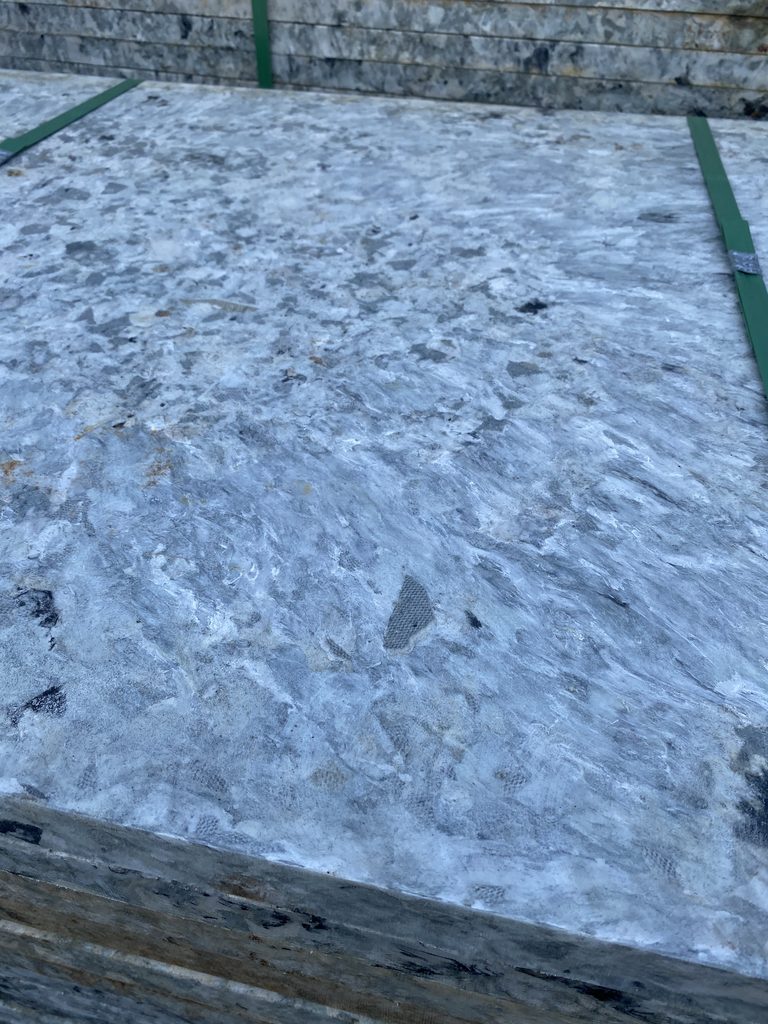
The measurement process uses surface profilometers that drag precision styluses across pallet surfaces, recording height variations at microscopic scale. The instrument calculates Ra by averaging absolute deviations from the mean surface line across the measured length. For brick pallets, measurement spans 50-100mm representative sections across multiple pallet locations to capture overall surface character.
Understanding Ra value ranges helps manufacturers specify appropriate surface finish for their production requirements:
| Ra Value Range | Surface Description | Manufacturing Method | Brick Application | Quality Impact |
|---|---|---|---|---|
| 0.8-3.2 μm | Mirror-smooth, polished | Precision grinding, polished composite | Premium white brick, architectural facing | Zero texture transfer, perfect finish |
| 3.2-6.3 μm | Smooth, minimal texture | Compression molding, fine finishing | Premium colored brick, high-end pavers | Minimal marking, excellent quality |
| 6.3-12.5 μm | Semi-smooth, slight texture | Standard molding, light sanding | Standard facing brick, quality pavers | Slight texture visible on light brick |
| 12.5-25 μm | Textured, visible grain | Rough molding, natural wood grain | Standard structural brick | Visible texture marks, acceptable for standard |
| >25 μm | Rough, pronounced texture | Unfinished wood, degraded surfaces | Utility brick only | Unacceptable for facing brick |
GMT pallets manufactured through precision compression molding achieve Ra values of 1.6-3.2 μm—8-15× smoother than wood pallets at 12-25 μm. This smoothness difference explains why GMT pallets eliminate surface marking on premium architectural bricks while wood pallets create texture transfer that downgrades products.
Ra measurement provides objective quality control criteria. Production facilities specify maximum Ra values for pallet acceptance and implement regular measurement protocols to verify surfaces remain within tolerance throughout service life.
Smooth vs Textured Surface Comparison
Smooth and textured pallet surfaces serve different production requirements based on brick type, handling needs, and quality standards. The choice between smooth and textured finish fundamentally determines brick surface appearance and whether premium quality is achievable.
Smooth Surface Characteristics
Smooth pallet surfaces with Ra values below 6.3 μm create minimal texture transfer to brick surfaces. The near-perfect flatness maintains intimate contact without imprinting visible patterns or marks. Premium white GMT brick pallets deliver smooth surfaces through precision compression molding that eliminates grain patterns, rough spots, and irregularities inherent in natural materials.
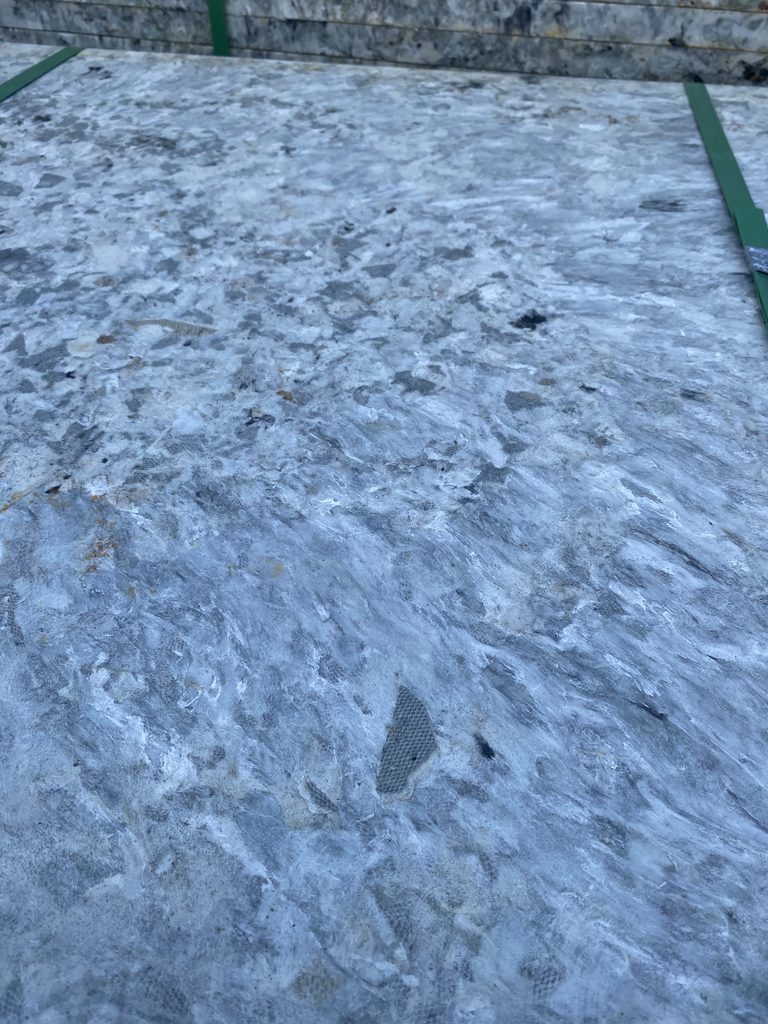
Smooth surfaces provide three critical advantages for premium brick production: zero visible texture marks on light-colored products, uniform surface density across entire brick faces, and consistent appearance batch-to-batch. These characteristics enable premium architectural applications where surface perfection drives product value.
The primary consideration with smooth surfaces is maintaining cleanliness. Concrete residue adheres more readily to smooth surfaces than textured ones, requiring post-use cleaning to prevent buildup. However, smooth composite surfaces clean easily with low-pressure water rinse (400-600 psi) or compressed air, taking 30-45 seconds per pallet versus 2-3 minutes for textured wood surfaces that trap residue in grain patterns.
Textured Surface Characteristics
Textured surfaces with Ra values of 12.5-25 μm provide mechanical grip that prevents brick slippage during handling and stacking. The texture creates friction between brick and pallet, stabilizing green bricks during curing and transport. Wood pallets naturally provide textured surfaces through grain patterns that become more pronounced as moisture cycling separates wood fibers.
Textured surfaces trade grip benefits for surface quality impacts. The texture imprints onto brick bottom surfaces as visible patterns that become permanent after firing. For standard structural bricks and utility applications where appearance is non-critical, this texture transfer remains acceptable. For premium facing brick and architectural products, textured surfaces create unacceptable quality defects.
Moisture interaction differs significantly between smooth and textured surfaces. Textured wood surfaces trap moisture in grain depressions, creating localized humidity zones that cause chemical staining on light-colored bricks. Smooth composite surfaces shed moisture uniformly without creating wet spots that generate discoloration.
| Surface Type | Ra Range | Texture Transfer | Grip/Stability | Cleaning Ease | Best Application |
|---|---|---|---|---|---|
| Mirror-Smooth | 0.8-3.2 μm | None detectable | Low (requires careful handling) | Very easy (water rinse) | Premium white brick, architectural facing |
| Smooth | 3.2-6.3 μm | Minimal, not visible | Moderate (adequate for most) | Easy (low-pressure wash) | Premium colored brick, quality pavers |
| Semi-Smooth | 6.3-12.5 μm | Slight, visible under inspection | Good (stable handling) | Moderate (medium-pressure wash) | Standard facing brick, commercial pavers |
| Textured | 12.5-25 μm | Visible pattern transfer | Excellent (maximum grip) | Difficult (grain traps residue) | Standard structural brick |
| Rough | >25 μm | Heavy marking, unacceptable | Excellent (but unnecessary) | Very difficult (requires scrubbing) | Not suitable for quality brick |
The data shows smooth surfaces eliminate texture transfer while textured surfaces provide handling benefits that matter less for automated production lines using vacuum or mechanical grippers rather than friction-based handling.
Polish Grade Classification for Premium Production
Polish grade classification provides standardized terminology for surface finish quality from rough-molded to mirror-polished. Understanding these classifications helps manufacturers specify surface requirements and verify pallet quality against production needs.
Grade 1: Mirror-Polish (Ra 0.8-1.6 μm)
Mirror-polish represents the highest surface quality achievable through rotary polishing with diamond compounds. The surface approaches optical smoothness with negligible texture transfer potential. This finish grade is primarily used for ultra-premium applications including white architectural bricks for high-end commercial buildings where absolute surface perfection is required.
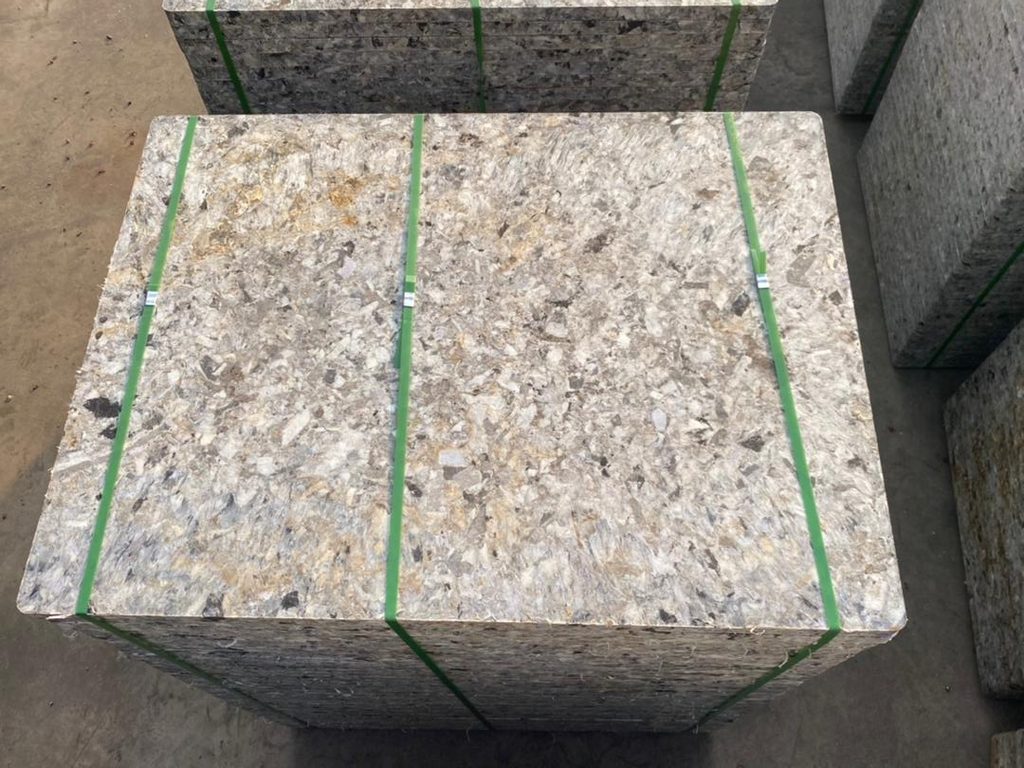
Mirror-polish GMT pallets cost 15-25% more than standard smooth pallets but eliminate all visible surface marks on premium products. Facilities producing 50,000+ premium white bricks monthly justify this investment through zero-defect quality that maintains maximum selling prices without downgraded inventory.
Grade 2: High-Polish (Ra 1.6-3.2 μm)
High-polish surfaces achieve smoothness through precision molding and fine polishing steps. This grade eliminates visible texture while remaining cost-effective for large-scale production. High-quality GMT pallets typically deliver high-polish surfaces suitable for 90-95% of premium brick applications without requiring mirror-polish investment.
High-polish surfaces maintain quality through 50,000+ production cycles without degradation, making them the optimal choice for facilities producing premium colored bricks, architectural pavers, and quality facing bricks where appearance matters but ultra-premium pricing doesn’t justify mirror-polish costs.
Grade 3: Standard-Smooth (Ra 3.2-6.3 μm)
Standard-smooth surfaces provide adequate quality for premium production without visible texture marks on properly processed bricks. This finish grade works well for colored bricks where slight surface variations blend into natural material character. White yellow GMT pallets often deliver standard-smooth surfaces at competitive pricing for high-volume operations.
Grade 4: Semi-Textured (Ra 6.3-12.5 μm)
Semi-textured surfaces bridge smooth and textured categories with slight surface character that provides grip without heavy marking. This grade suits standard facing brick production where minor texture remains acceptable and handling stability provides value.
Grade 5: Textured (Ra 12.5-25 μm)
Textured surfaces feature pronounced texture from manufacturing methods or natural material characteristics. Wood pallets fall primarily in this category due to grain patterns and fiber structure. Textured finish is appropriate only for standard structural bricks where appearance is non-critical.
Manufacturers should specify polish grade in procurement documentation along with Ra value ranges to ensure suppliers deliver appropriate surface quality for intended applications.
How Surface Finish Affects Brick Quality
Surface finish impacts brick quality through five distinct mechanisms that determine final product appearance, structural consistency, and market value. Understanding these mechanisms enables optimization of pallet surface selection for specific quality targets.
Mechanism 1: Direct Texture Transfer
Molding pressure of 2,500-4,000 psi forces wet concrete into intimate contact with pallet surfaces, creating negative impressions of every surface feature. Smooth surfaces with Ra values below 3.2 μm transfer negligible texture, while rough surfaces above 12.5 μm imprint visible patterns that become permanent after firing.
Testing demonstrates texture transfer operates as direct pattern replication. A wood pallet with 18 μm Ra and pronounced grain pattern creates brick bottom surfaces measuring 15-17 μm Ra with visible grain impressions. A smooth GMT pallet with 2.8 μm Ra produces brick surfaces measuring 3.5-4.2 μm Ra with no visible marks—surface quality suitable for premium applications.
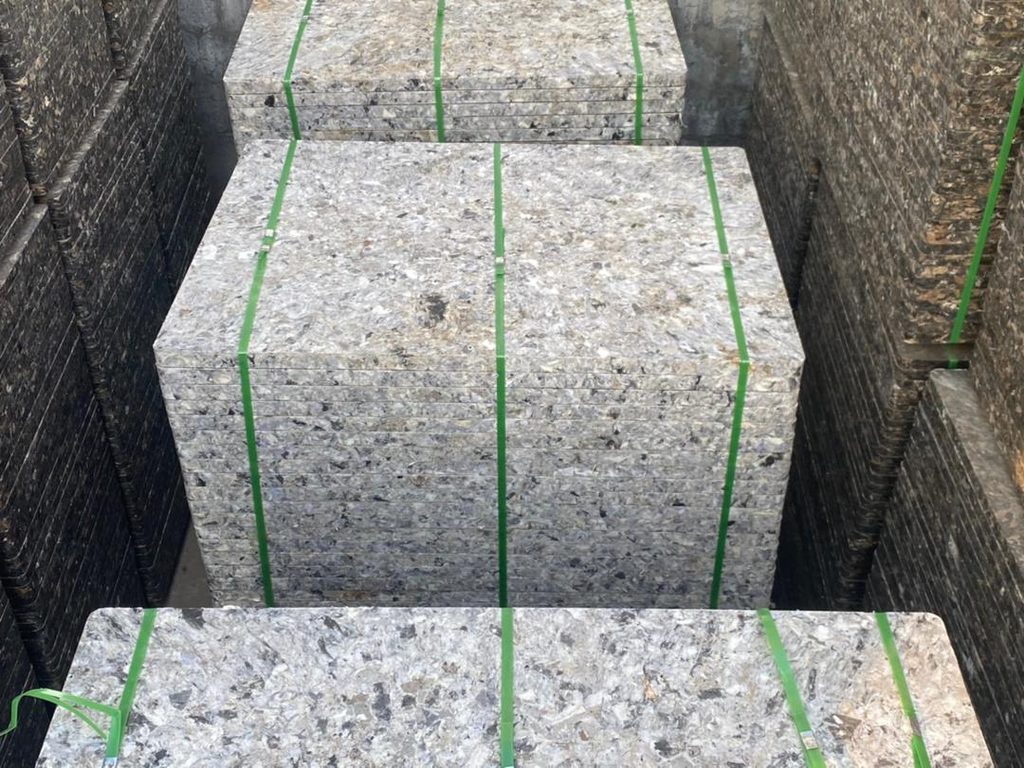
Mechanism 2: Surface Density Variation
Uneven pallet surfaces create variable contact pressure during molding, generating density differences across brick surfaces. High-pressure zones compress concrete more densely while low-pressure zones remain less compacted. These density variations show as color differences after firing—darker where density is higher, lighter where compression was incomplete.
Smooth pallets maintaining ±2mm flatness distribute pressure uniformly across 95-98% of brick surface area, creating consistent density and uniform color. Warped or textured pallets with ±5-8mm flatness variations contact just 60-75% of brick area, generating density variations of 8-15% that show as visible patches on finished products.
Mechanism 3: Chemical Staining Interaction
Porous or chemically-active pallet surfaces interact with wet concrete during curing, creating discoloration through tannin leaching, adhesive migration, or preservative transfer. Wood pallets leach tannins that stain light-colored bricks yellow-brown, affecting 15-35% of surface area in severe cases.
Chemically-inert composite surfaces eliminate staining through complete moisture resistance and absence of leachable compounds. Black glass fiber pallets absorb <1% moisture and contain no organic compounds that migrate into concrete, maintaining pristine brick surfaces throughout curing without discoloration.
Mechanism 4: Moisture Management Impact
Pallet surface texture affects moisture distribution during curing. Smooth surfaces allow uniform moisture evaporation while textured surfaces trap moisture in depressions, creating localized wet zones. These moisture variations alter hydration rates and surface strength development, generating appearance differences visible as shading variations on finished bricks.
Smooth GMT surfaces maintain uniform moisture conditions that produce consistent surface strength and appearance. Textured wood surfaces create 12-18% moisture variation across contact areas, leading to visible shading differences that downgrade premium products.
Mechanism 5: Long-Term Degradation Transfer
Pallet surface quality degrades over service life through concrete abrasion, moisture cycling, and thermal stress. Degraded surfaces progressively mark bricks more severely as roughness increases and flatness deteriorates. Wood pallets show 3-6× roughness increase after 18-24 months (from 12-15 μm to 35-55 μm), creating progressively worse marking problems.
Composite pallets maintain initial surface finish through 10-12 year service life with roughness changes below 15%. This stability ensures consistent brick quality from first production cycle through 50,000+ cycles without quality degradation.
Material-Specific Surface Characteristics
Different pallet materials deliver fundamentally different surface characteristics due to composition, manufacturing method, and aging behavior. Understanding material-specific surface properties enables informed selection for quality requirements.
Wood Pallet Surface Characteristics
Wood surfaces exhibit natural grain patterns with Ra values of 12-25 μm when new, increasing to 35-55 μm after 18-24 months as moisture cycling separates fibers and abrasion removes softer material. The grain pattern orientation creates directional texture that imprints onto bricks as linear marks running parallel to wood grain.
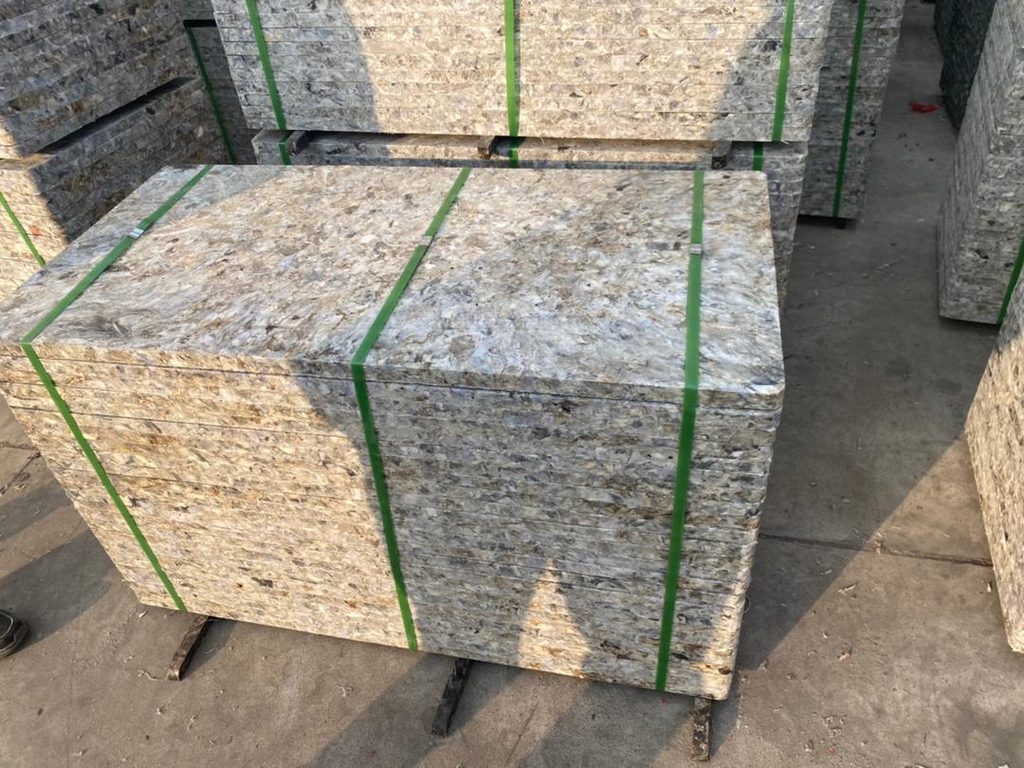
Moisture interaction fundamentally limits wood surface quality. Wood absorbs 15-20% moisture by weight, creating dimensional changes of 3-8mm that alter surface flatness and contact uniformity. The absorbed moisture softens wood fibers, accelerating abrasion damage that roughens surfaces progressively. Tannin leaching from moisture-saturated wood stains light-colored bricks permanently, affecting premium product salability.
Wood surface hardness of 30-60 Shore D provides insufficient resistance to concrete abrasion under repeated production cycles. The soft surface wears quickly, exposing grain patterns and creating rough spots that mark bricks increasingly severely over pallet service life.
GMT/Fiber Composite Surface Characteristics
Compression-molded GMT pallets achieve Ra values of 1.6-3.2 μm through precision tooling that creates uniform surfaces without grain patterns or texture variations. The thermoplastic matrix encapsulates glass fibers completely, presenting smooth surfaces that resist concrete abrasion throughout extended service life.
Surface hardness of 75-85 Shore D provides exceptional resistance to abrasion damage. Testing shows GMT surfaces maintain roughness changes below 0.5 μm after 5,000 production cycles—performance 12-18× better than wood. The stable surface ensures consistent brick quality from first cycle through 50,000+ cycles without progressive marking increases.
Moisture absorption below 1% eliminates dimensional changes and chemical leaching. GMT surfaces maintain ±0.5mm dimensional stability regardless of humidity conditions, ensuring uniform contact pressure and zero chemical staining throughout curing cycles.
Plastic Pallet Surface Characteristics
Injection-molded plastic pallets deliver Ra values of 6-12 μm—smoother than wood but rougher than GMT composites. The single-material construction lacks reinforcing fibers, limiting surface hardness to 65-75 Shore D and allowing gradual abrasion wear that increases roughness 30-45% over 3-5 year service life.
Plastic surfaces absorb 2-5% moisture, creating moderate dimensional changes of 1-3mm that affect flatness consistency. While superior to wood, plastic moisture stability remains inferior to GMT composites, generating minor marking problems on premium light-colored bricks where surface perfection is critical.
| Material | Initial Ra | Surface Hardness | Moisture Absorption | Roughness After 5,000 Cycles | Degradation Pattern | Premium Brick Suitability |
|---|---|---|---|---|---|---|
| Wood | 12-25 μm | 30-60 Shore D | 15-20% by weight | 35-55 μm (+140-220%) | Progressive roughening, grain exposure | Poor (creates visible marks) |
| Plastic | 6-12 μm | 65-75 Shore D | 2-5% | 8-16 μm (+33-50%) | Gradual abrasion wear | Moderate (minor marks on white brick) |
| GMT/Fiber | 1.6-3.2 μm | 75-85 Shore D | <1% | 1.8-3.5 μm (+12-15%) | Minimal change | Excellent (zero visible marks) |
The comparison demonstrates GMT composite surfaces deliver 8-15× better smoothness than wood with 12-18× better degradation resistance, making them essential for premium brick production where surface quality determines product value.
Surface Finish Requirements by Brick Type
Different brick products require different surface finish standards based on appearance criticality, selling price, and application environment. Matching pallet surface finish to brick type optimizes quality while controlling costs.
Premium Architectural Facing Brick
Premium facing brick for commercial buildings, residential exteriors, and architectural features requires perfect surface finish free from visible marks, impressions, or discoloration. Quality specifications limit surface irregularities to 0.5mm depth with zero visible marking. These products sell at $0.85-1.50 per unit, justifying premium pallet investment.
Required pallet specifications: Ra ≤3.2 μm (high-polish or mirror-polish), flatness ±2mm, moisture absorption <1%, zero chemical leaching. Pure white GMT pallets meet these requirements throughout 10-12 year service life without progressive quality degradation.
Light-Colored and White Architectural Brick
White and light-colored bricks show surface defects more visibly than darker products, requiring ultra-smooth pallet surfaces and zero chemical staining potential. Even slight texture marks or tannin discoloration create visible defects that force product downgrades from premium ($1.20-1.50 per unit) to standard grade ($0.40-0.55 per unit).
Required specifications: Ra ≤2.0 μm (mirror-polish preferred), white or light-colored pallet material to prevent color transfer, flatness ±2mm, moisture absorption <0.5%. White GMT pallets eliminate all marking causes through mirror-smooth surfaces and chemically-inert composition.
Standard Facing Brick and Quality Pavers
Standard facing brick and commercial pavers tolerate minor surface texture that doesn’t affect functionality or visual appearance at normal viewing distances. These products sell at $0.45-0.75 per unit, allowing moderate pallet costs while maintaining acceptable quality.
Required specifications: Ra ≤6.3 μm (standard-smooth finish), flatness ±3mm, moisture absorption <2%. Standard composite pallets or well-maintained wood pallets deliver acceptable quality for these applications without requiring premium surface finishes.
Structural Blocks and Utility Brick
Structural blocks and utility bricks serve functional applications where surface appearance is non-critical. Products selling at $0.25-0.40 per unit allow economy pallet options including textured surfaces that would be unacceptable for premium products.
Acceptable specifications: Ra ≤12.5 μm (semi-textured acceptable), flatness ±4mm, standard wood pallets suitable. Minor texture marks and surface variations remain acceptable since these products are typically covered, painted, or used in non-visible applications.
Facilities should segregate pallet inventory by surface finish grade, using premium pallets exclusively for premium products while allocating standard and economy pallets to lower-grade production where surface quality requirements are less stringent.
Quality Control Standards for Surface Inspection
Implementing systematic surface finish inspection ensures pallets maintain quality specifications throughout service life and removes degraded units before they create brick defects. Production facilities should establish three-tier inspection protocols combining operator screening, periodic measurement, and retirement criteria.
Operator Visual Screening (Daily)
Train molding line operators to visually inspect pallet surfaces for rough spots, splinters, warping, and discoloration during normal production. Flag suspect pallets for detailed inspection by quality control. This front-line screening takes 10-15 seconds per pallet during line changeovers and prevents 70-85% of surface defects from reaching production.
Visual screening criteria:
- Surface roughness: no visible rough spots, grain exposure, or texture changes
- Flatness: place straightedge across surface, check for gaps >2mm
- Discoloration: no staining, tannin marks, or color changes
- Structural integrity: no cracks, chips, or edge damage
Pallets failing visual screening move immediately to detailed quality control inspection or retirement depending on defect severity.
Periodic Measurement (Weekly/Monthly)
Quality control performs detailed surface measurements using profilometers (measuring Ra roughness), precision straightedges (checking flatness), and moisture meters (verifying absorption levels). Measurement frequency depends on production volume and pallet material:
- Premium production lines: weekly measurement of all pallets in rotation
- Standard production: monthly measurement with statistical sampling
- Wood pallets: weekly measurement due to rapid degradation
- Composite pallets: monthly measurement adequate for stable materials
Measurement protocol: Check Ra roughness at 5-7 representative locations across pallet surface using contact profilometer. Average readings to determine overall surface quality. Measure flatness along both diagonal directions using 1000mm precision straightedge and feeler gauges. Record data in pallet quality tracking system to identify degradation trends before defects impact production.
Retirement Criteria (Based on Measurements)
Establish clear retirement criteria that remove degraded pallets before quality impacts become severe:
Premium production retirement limits:
- Ra roughness exceeds 3.5 μm (high-polish grade degraded)
- Flatness variation exceeds ±2.5mm
- Visible surface damage, staining, or structural defects
- Service life exceeds 50,000 cycles (composite) or 15,000 cycles (wood)
Standard production retirement limits:
- Ra roughness exceeds 8.0 μm
- Flatness variation exceeds ±4.0mm
- Structural damage affecting functionality
Document retirement reasons in quality tracking system to identify failure patterns and optimize future pallet selection. Retired pallets from premium lines can downgrade to standard production if surface quality remains adequate for less demanding applications.
Cost-Benefit Analysis: Premium vs Standard Finishes
Premium surface finish pallets cost 3-5× more than standard wood pallets but deliver quality improvements and longevity that generate positive ROI for premium brick production. Understanding total cost of ownership rather than initial purchase price reveals the economic value of premium surface finishes.
Initial Investment Comparison
Wood pallets: $25-40 per pallet (standard textured surface, Ra 12-25 μm)
Standard composite: $55-75 per pallet (semi-smooth surface, Ra 6-10 μm)
Premium GMT: $90-120 per pallet (high-polish surface, Ra 1.6-3.2 μm)
Mirror-polish GMT: $110-145 per pallet (mirror-polish surface, Ra 0.8-1.6 μm)
The 3-5× price difference appears substantial until service life and quality impact are factored into total cost calculations.
Service Life and Cost Per Cycle
Wood pallets: 15,000-20,000 cycles × 24-36 month service life = $0.0013-0.0027 per cycle
Standard composite: 35,000-45,000 cycles × 60-84 month service life = $0.0012-0.0021 per cycle
Premium GMT: 50,000-65,000 cycles × 120-144 month service life = $0.0014-0.0024 per cycle
Cost per cycle reveals premium GMT pallets deliver comparable or lower lifecycle costs despite higher initial investment, while maintaining perfect surface quality throughout service life that wood pallets lose after 12-18 months.
Quality Cost Impact
For facilities producing 100,000 premium architectural bricks monthly:
Wood pallet marking defects (8-12% rejection rate):
- 8,000-12,000 bricks downgraded monthly
- Loss: $0.60-0.90 per downgraded brick (premium $1.15 → standard $0.45)
- Annual quality loss: $57,600-129,600
- Plus sorting labor: $25,000-40,000 annually
- Total annual cost: $82,600-169,600
Premium GMT elimination of marking (<1% defects):
- 800-1,000 bricks downgraded monthly (random defects only)
- Annual quality loss: $5,760-10,800
- Minimal sorting labor: $3,000-5,000 annually
- Total annual cost: $8,760-15,800
- Annual savings vs wood: $73,840-153,800
ROI Calculation
Premium GMT investment for 200-pallet facility: $18,000-24,000 (200 pallets × $90-120)
Annual quality savings: $73,840-153,800
ROI payback period: 2.9-3.9 months
The analysis demonstrates premium surface finish pallets pay for themselves within 3-4 months for facilities producing premium architectural bricks, with continuing savings of $74,000-154,000 annually thereafter plus extended 10-12 year service life that eliminates replacement costs wood pallets incur every 2-3 years.
For facilities producing 200,000+ premium bricks monthly, ROI payback drops to 6-8 weeks due to proportionally larger quality savings. Premium surface finish becomes economically irrational only for standard-grade production where surface marking doesn’t affect product value.
FAQ
What Ra value should I specify for premium white brick production?
Specify Ra ≤2.0 μm for premium white brick to eliminate all visible texture transfer. Mirror-polish GMT pallets delivering 0.8-1.6 μm Ra ensure zero marking on light-colored products where surface defects show most visibly. Standard high-polish GMT at 1.6-3.2 μm works for colored premium bricks where slight texture blends into natural material character.
How often should I measure pallet surface roughness?
Measure premium production pallets weekly during first 6 months to establish degradation baseline, then monthly once stable performance is confirmed. Measure wood pallets weekly due to rapid moisture-driven degradation. Composite pallets require monthly measurement adequate for their stable surface characteristics. Increase frequency immediately if marking defects appear in production.
Can I improve wood pallet surface finish through sanding or polishing?
Surface sanding temporarily improves wood surface smoothness by 40-60% but lasts only 2,000-4,000 cycles before moisture cycling and abrasion restore rough texture. Sanding costs $8-15 per pallet in labor and removes material that accelerates subsequent degradation. This approach extends wood pallet life 4-6 months but cannot achieve GMT composite smoothness or longevity. Use sanding only as temporary measure while transitioning to composite pallets, not as permanent quality solution.
Does smooth surface affect brick handling and stacking stability?
Smooth surfaces reduce friction by 20-35% compared to textured wood, requiring proper handling protocols for green bricks. Automated production lines using vacuum or mechanical grippers experience zero stability impact. Manual handling operations should implement gentle stacking techniques and proper curing tray design. The minor handling consideration is offset by 85-95% reduction in surface marking defects that smooth surfaces deliver for premium products.
How do I justify premium pallet investment to management?
Calculate annual quality loss from marking defects: (monthly production volume) × (current defect rate %) × (value loss per downgraded brick) × 12 months. Add sorting labor costs. Compare to premium pallet investment cost. For facilities producing 100,000+ premium bricks monthly, payback typically runs 2-4 months with continuing annual savings of $70,000-150,000 thereafter. Present 5-year total cost of ownership showing premium pallets deliver 50-70% lower total cost through quality savings and extended service life despite higher initial investment.
What surface finish works best for automated brick production lines?
Automated lines benefit most from smooth surfaces with Ra ≤3.2 μm combined with ±2mm dimensional tolerance that enables optimized robotic handling speeds. Yellow fiber brick pallets deliver precision surface finish and dimensional consistency automated systems require while maintaining quality suitable for 80-120 bricks per minute throughput. Textured surfaces create variable handling forces that complicate automated gripping and increase brick breakage by 15-25%.
Conclusion
Pallet surface finish directly determines premium brick quality through texture transfer, density variation, chemical staining, and moisture interaction mechanisms that imprint pallet characteristics onto brick surfaces during molding under extreme pressure. Surface roughness quantified by Ra values separates perfect premium brick surfaces (Ra ≤3.2 μm pallets) from marked defects (Ra >12 μm pallets) that downgrade products and reduce selling prices by 40-60%.
Smooth GMT composite pallets delivering 1.6-3.2 μm Ra surfaces eliminate marking defects affecting 8-15% of premium production with wood pallets, recovering $74,000-154,000 annually in quality savings for facilities producing 100,000 premium bricks monthly. The 3-5× higher initial investment pays back within 2-4 months through quality improvements alone, with additional value from 10-12 year service life versus 2-3 years for wood alternatives.
Surface finish selection should match brick type: mirror-polish (Ra ≤2.0 μm) for premium white architectural brick, high-polish (Ra 1.6-3.2 μm) for premium colored facing brick, standard-smooth (Ra 3.2-6.3 μm) for quality pavers, and textured surfaces (Ra >12 μm) only for standard structural blocks where appearance is non-critical.
Rhinos Pallet manufactures precision GMT pallets with compression-molded surfaces delivering 1.6-3.2 μm Ra smoothness that eliminates marking on premium architectural bricks. Our fiber-reinforced composite construction maintains perfect surface finish through 50,000+ production cycles over 10-12 year service life without progressive degradation that forces wood pallet replacement every 24-36 months.
Contact us today for surface finish specifications, Ra measurement data, sample evaluation, and custom pallet solutions engineered for premium brick production quality requirements.