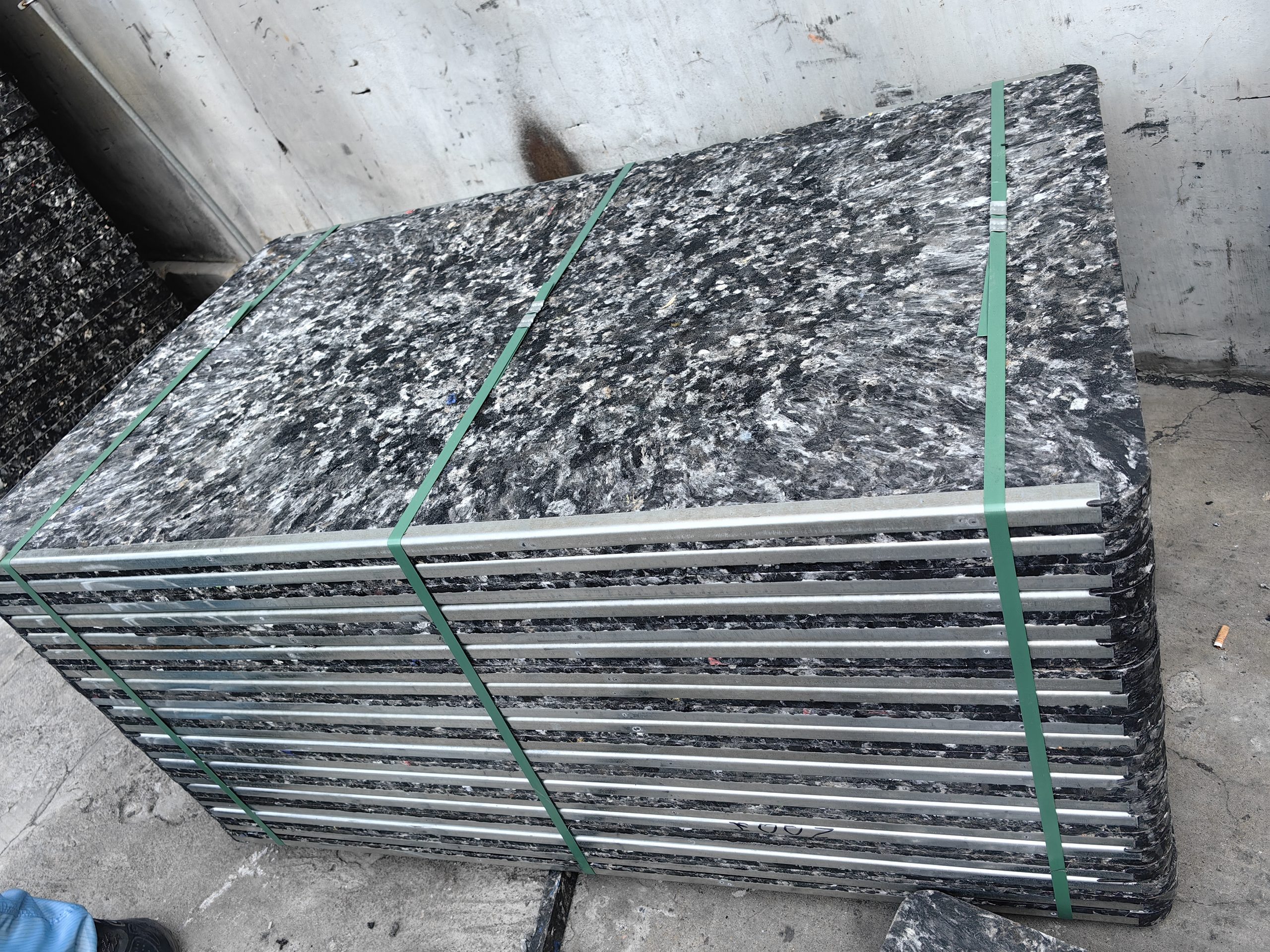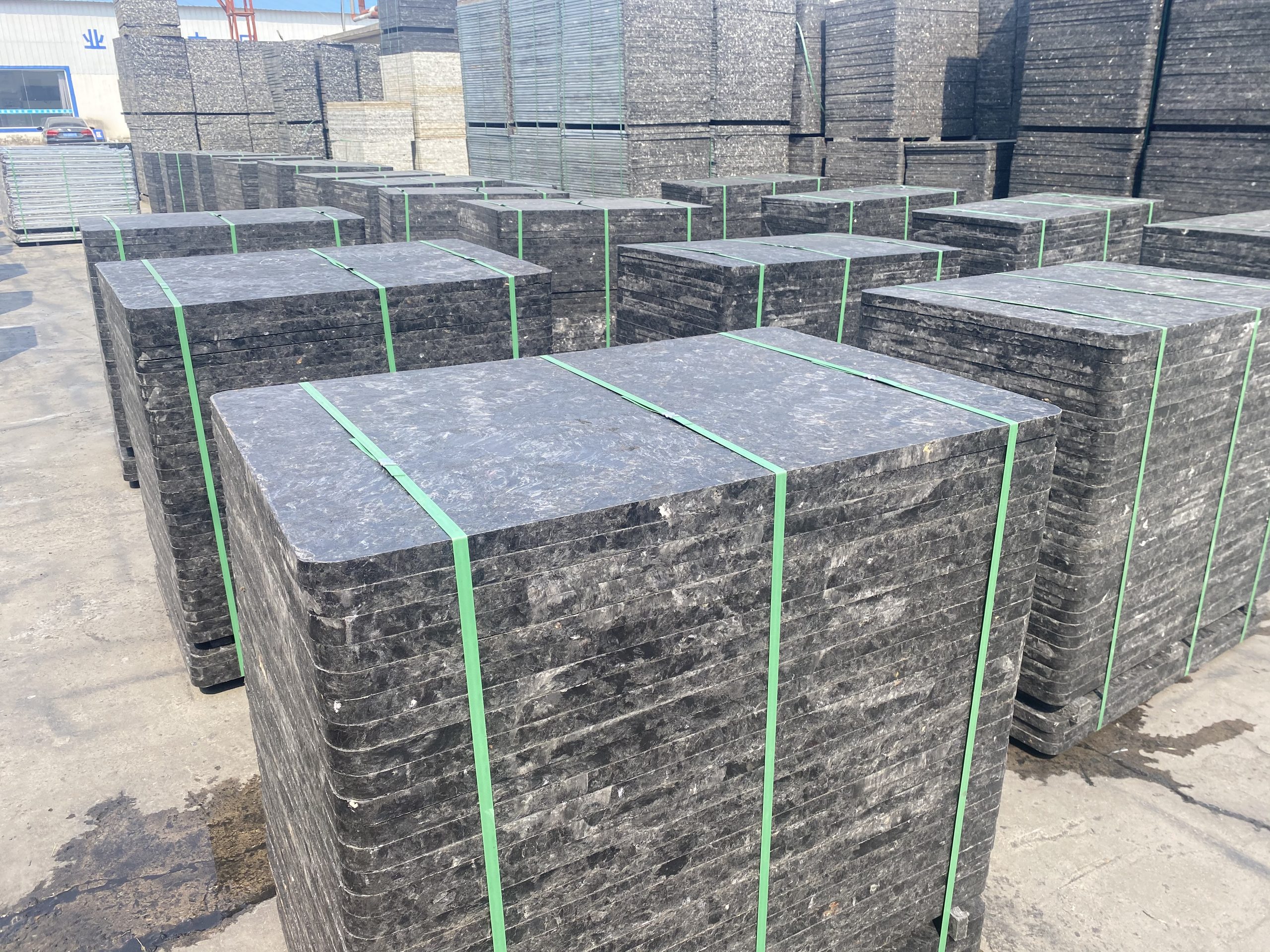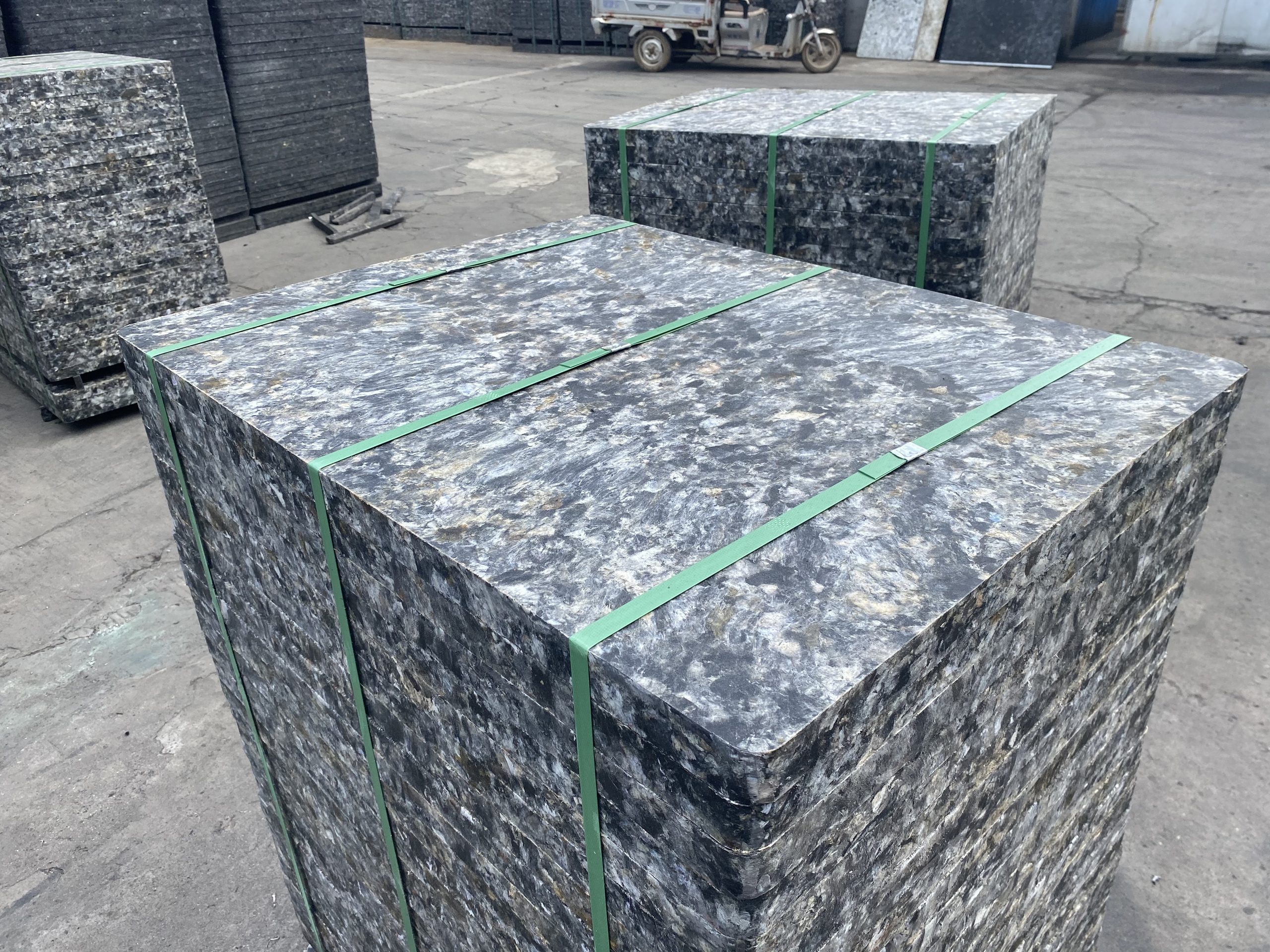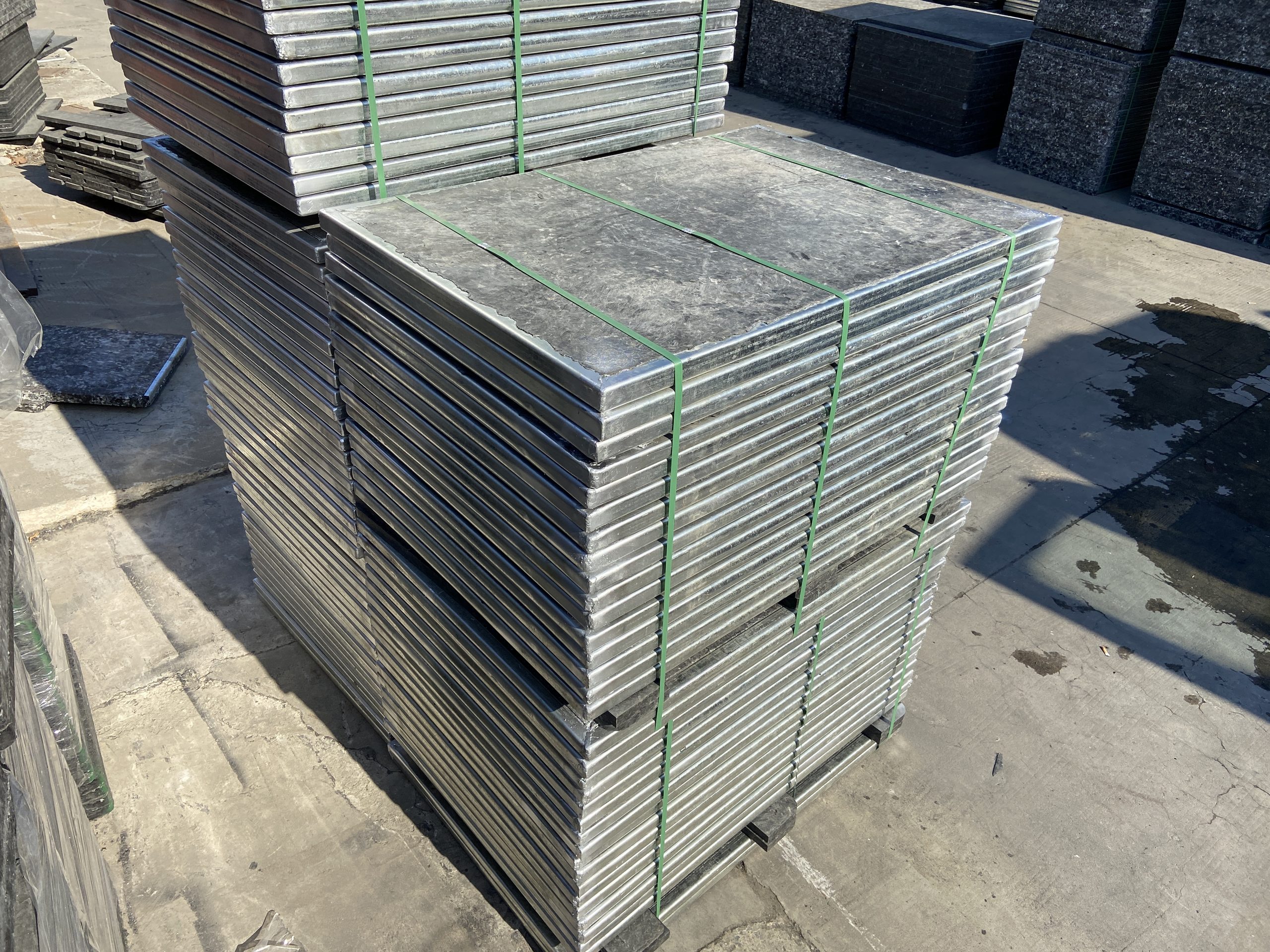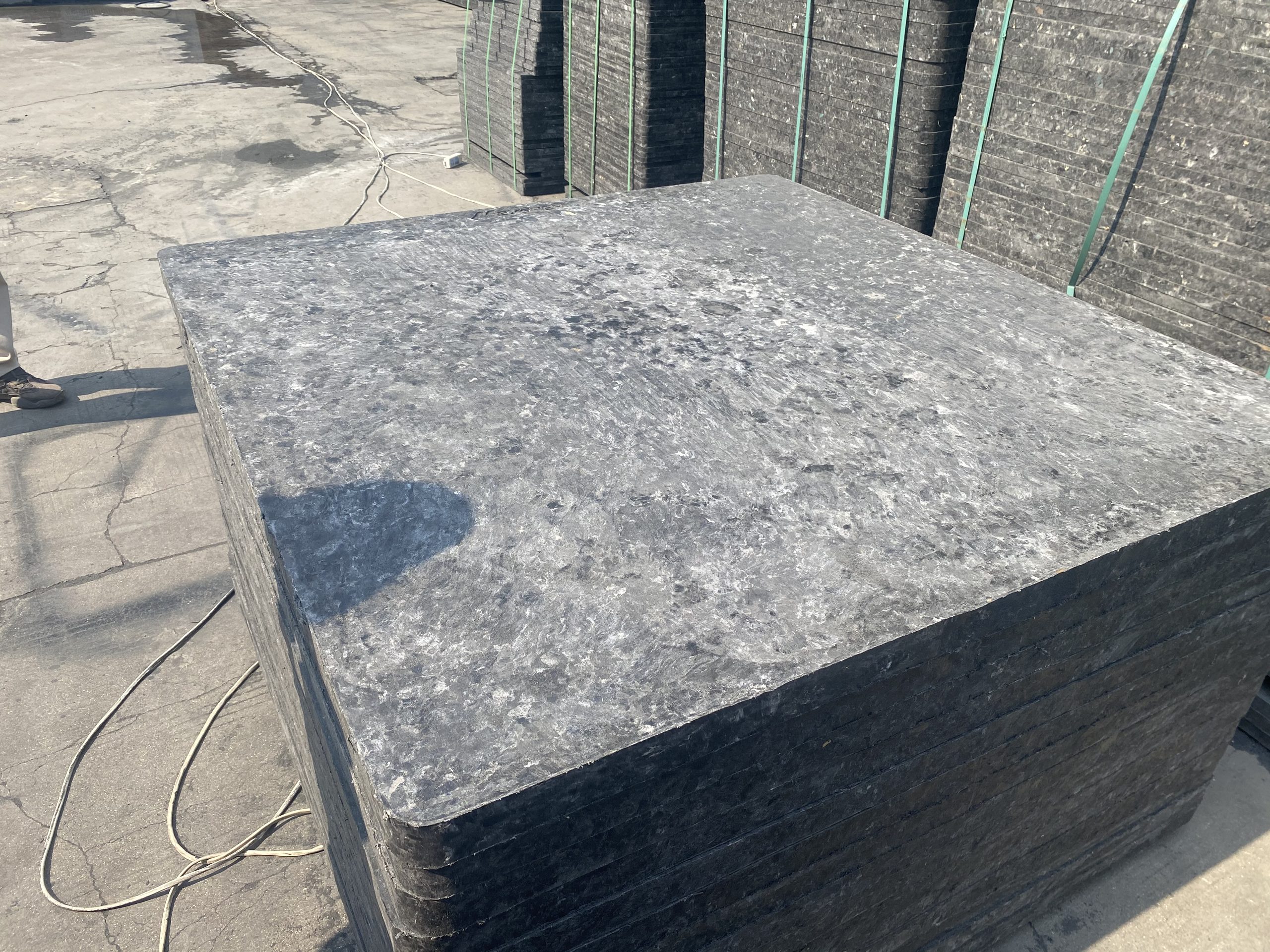
The difference between a successful GMT pallet investment and a costly procurement mistake often comes down to what you evaluate before signing the purchase order. Production facilities switching from wood to GMT pallets report 60-75% lifecycle cost reductions, but only when the initial purchase aligns with actual production requirements, supplier capabilities match quality claims, and contract terms protect against dimensional variance or premature failure. Factory data from 180+ brick manufacturers shows first-time buyers who skip needs assessment or supplier verification face 22-35% higher effective costs through wrong-size purchases, incompatible automation integration, or replacement within 3-4 years instead of the expected 10-12 year lifespan.
This checklist walks you through the six decision stages that determine whether your GMT pallet purchase delivers value: production needs assessment that prevents over-specification or undersizing, technical specifications that match your brick machine and climate, supplier evaluation criteria that separate proven manufacturers from resellers, pricing negotiation leverage points, contract terms that protect your investment, and delivery logistics that prevent damage or production delays.
Stage 1: Production Needs Assessment
Production needs assessment determines fleet size, quality tier, and budget allocation before supplier contact. Start with daily brick output, cycle time from forming to pallet return, and production days needed before first pallets recirculate. A facility producing 12,000 bricks daily with 10 bricks per pallet and 5-day cycle requires (12,000 ÷ 10) × 5 = 6,000 pallets minimum. Add 15-20% buffer for maintenance rotation and peak demand: 6,900-7,200 total pallets needed.
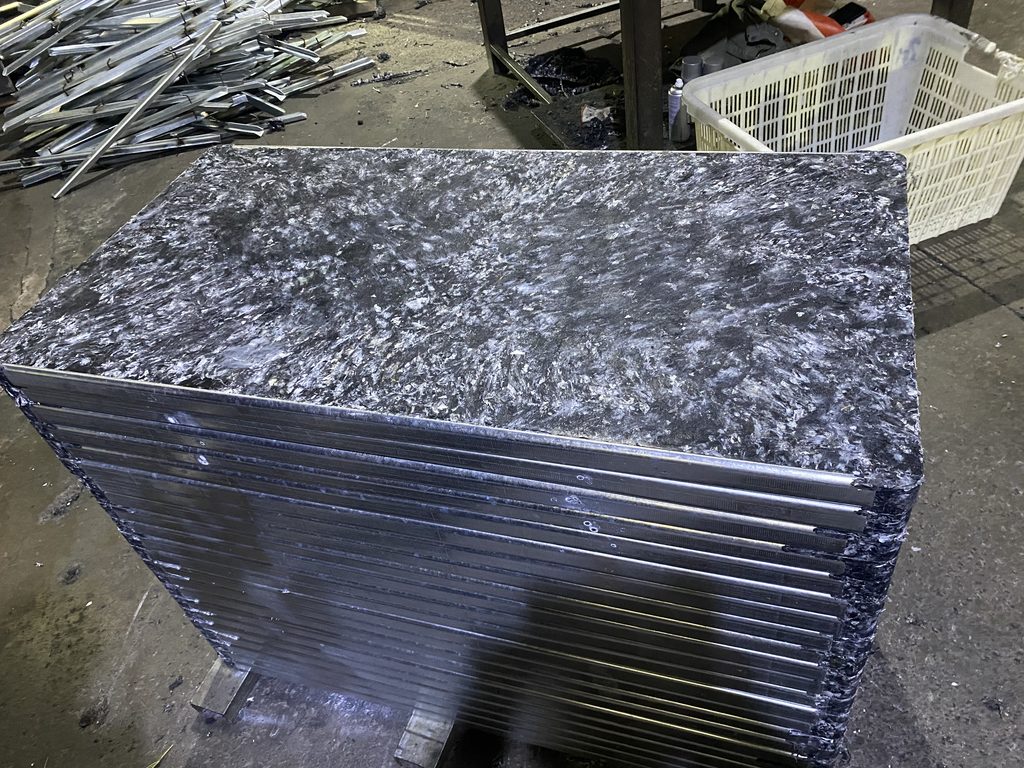
Automation level dictates quality requirements. Fully automated brick making machines demand ±1-2mm flatness tolerance and consistent weight distribution, requiring premium white GMT pallets at $105-125 per unit. Semi-automated systems tolerate ±2-3mm variance, allowing standard GMT pallets at $85-105. Manual operations accept ±3-4mm deviation, enabling economy options at $70-90.
Climate conditions affect material selection. High-humidity environments above 75% relative humidity need moisture absorption below 0.5%, which fiber-reinforced GMT construction provides. Operations in temperature extremes require -30°C to +80°C operational range. Standard wood pallets warp within 8-14 months under these conditions, while GMT pallets maintain dimensional stability for 10-12 years.
Assessment checklist:
Current production: Daily output, bricks per pallet, cycle days, seasonal variation
Automation: Manual handling, semi-automated, fully automated robotic systems
Climate: Humidity levels, temperature range, outdoor storage requirements
Growth: Capacity expansion plans within 24 months, format changes, new lines
Budget: Capital available, financing terms, lifecycle cost vs initial cost priority
| Assessment Factor | Impact on Purchase | Specification Requirement |
|---|---|---|
| Daily output <50,000 | Smaller fleet, economy options viable | Standard GMT, basic flatness |
| Daily output 50,000-150,000 | Medium fleet, balanced quality/cost | Premium GMT, ±2mm flatness |
| Daily output >150,000 | Large fleet, premium quality essential | Fiber-reinforced, ±1mm flatness |
| Automated handling | Tight dimensional tolerance required | Premium grade, weight consistency |
| High humidity (>70%) | Moisture resistance critical | <0.5% absorption GMT material |
| Temperature extremes | Thermal stability needed | -30°C to +80°C operational range |
Stage 2: Technical Specification Requirements
Technical specifications prevent compatibility issues that force costly retrofits or early replacement. Start with exact pallet dimensions your brick machine accepts. Standard sizes are 850mm × 680mm for international machines and 900mm × 700mm for some regional equipment. Verify with your machine manufacturer before ordering—dimension mismatches of even 10-15mm cause feeding problems in automated systems.
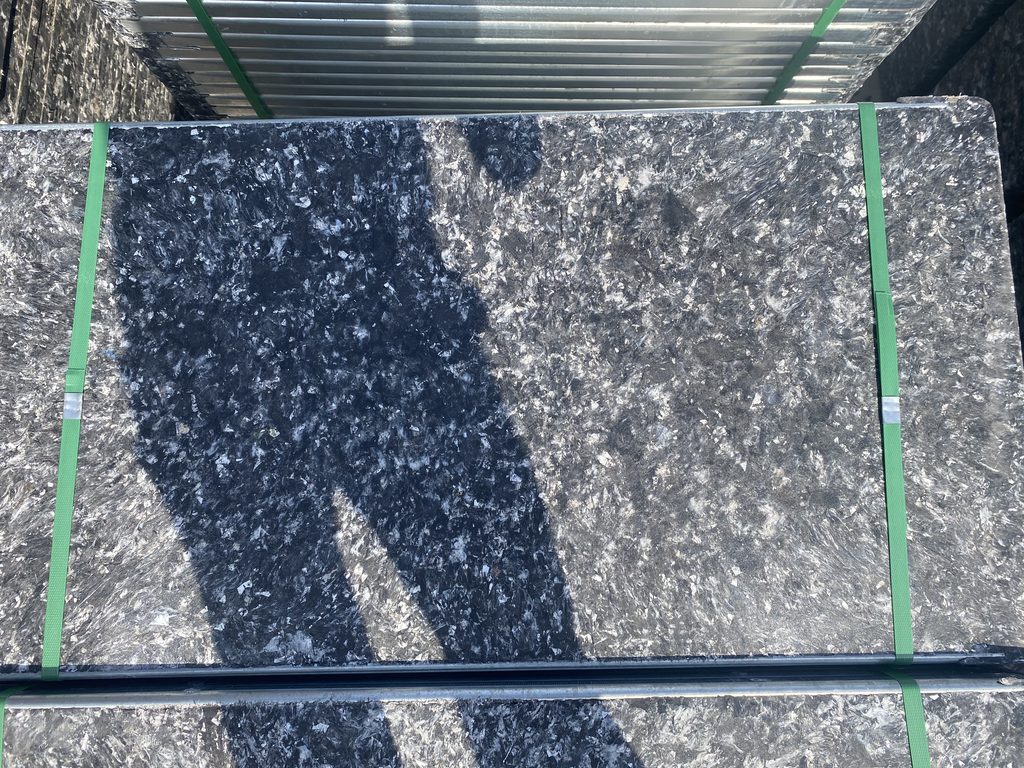
Load capacity must exceed maximum brick weight plus 20-30% safety margin. A pallet holding 10 concrete blocks at 18kg each requires 180kg static load, but dynamic handling stress and stacking multiply forces to 300-400kg. Specify GMT pallets rated for 2,500-3,000kg capacity for commercial production.
Surface flatness directly affects brick quality. Research data from block manufacturers shows ±1mm flatness reduces brick breakage by 47-52% compared to ±3mm tolerance. Premium glass fiber pallets hold ±1mm across 10+ years, while economy grades drift to ±3-4mm within 3-5 years as fiber compression occurs.
Thickness determines durability under repeated cycles. Standard GMT pallets use 18-22mm thickness for 8,000-12,000 production cycles over 10 years. Heavy-duty applications exceeding 15,000 cycles need 25-28mm thickness. Half-size GMT pallets for specialized formats use proportional 15-20mm thickness.
Specification documentation:
Request test reports showing: compression strength (ASTM D695), flexural strength (ASTM D790), moisture absorption (ASTM D570), temperature resistance cycling, dimensional stability after 5,000 cycles, surface flatness measurement protocol.
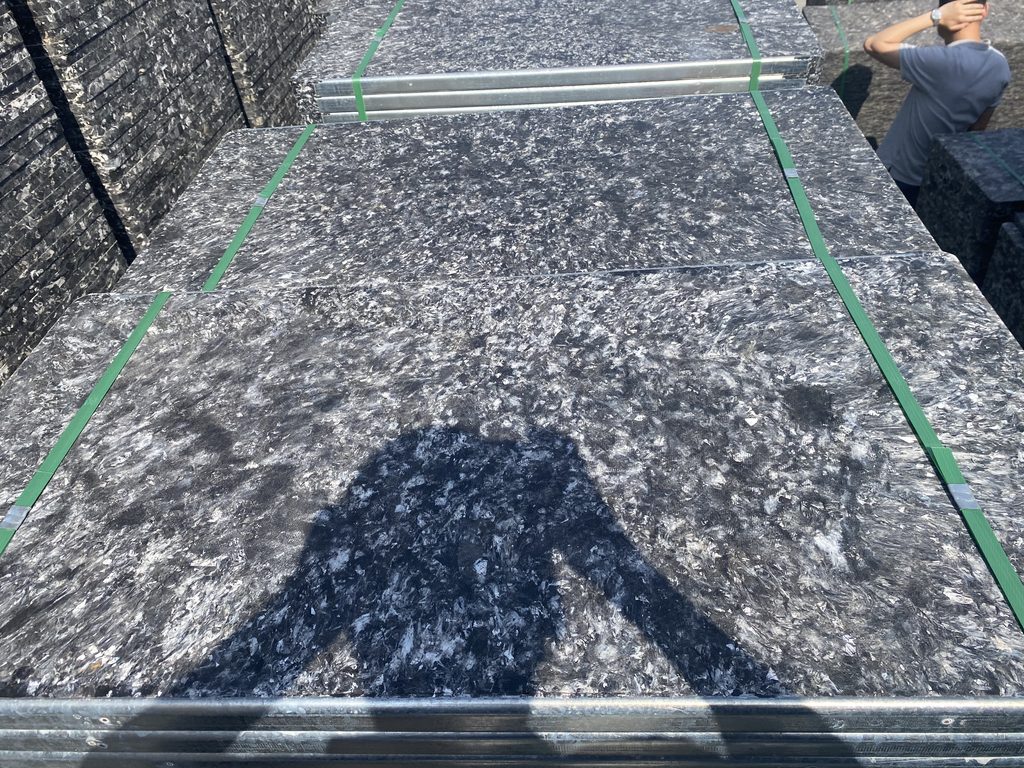
Verify material composition: 40-50% glass fiber content by weight, thermoplastic resin matrix, UV stabilizers for outdoor storage, optional antimicrobial coating for food-grade operations.
| Specification | Economy GMT | Standard GMT | Premium GMT | Critical For |
|---|---|---|---|---|
| Flatness tolerance | ±3-4mm | ±2-3mm | ±1-2mm | Automated systems, brick quality |
| Load capacity | 2,000-2,500kg | 2,500-3,000kg | 3,000-3,500kg | Heavy blocks, stacking height |
| Thickness | 15-18mm | 18-22mm | 22-28mm | Cycle count, heavy-duty use |
| Moisture absorption | <1.0% | <0.8% | <0.5% | High humidity, outdoor storage |
| Temperature range | -10°C to +60°C | -20°C to +70°C | -30°C to +80°C | Extreme climates, kilns |
| Expected lifespan | 6-8 years | 8-10 years | 10-12 years | ROI calculation, replacement |
Stage 3: Supplier Evaluation Criteria
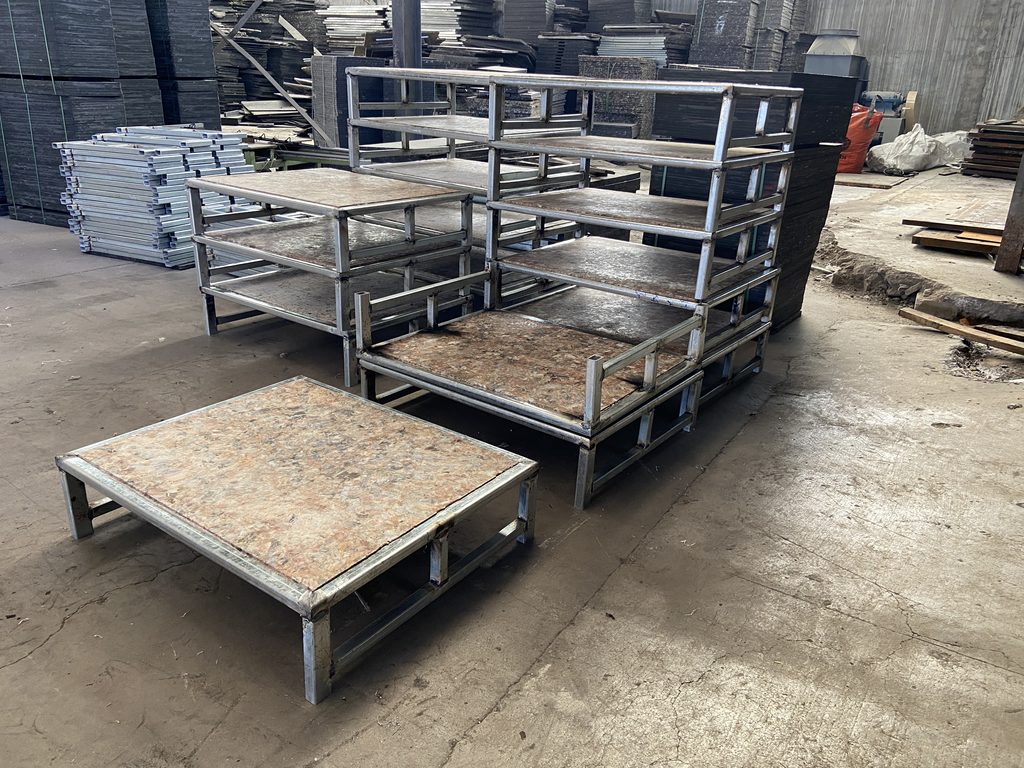
Supplier evaluation separates manufacturers with production capability from trading companies marking up imported pallets by 30-45%. Request factory inspection access or video documentation showing compression molding equipment, fiber mat preparation systems, and quality control testing. Manufacturers operating 1,000-3,000 ton hydraulic presses can maintain dimensional consistency within ±1-2mm. Suppliers without manufacturing equipment source from multiple factories, causing batch-to-batch variation.
Production capacity indicates reliability for large orders and repeat purchases. A facility with 3-5 production lines can deliver 500-1,000 GMT pallets daily. Operations with single lines or outsourced manufacturing face 3-6 week delays during peak seasons. Ask about monthly capacity, current order backlog, and guaranteed lead times for your order size.
Quality certifications verify manufacturing standards. ISO 9001 quality management, ISO 14001 environmental compliance, and regional brick industry certifications demonstrate systematic quality control. According to supplier evaluation best practices, manufacturers maintaining these certifications show 38-45% lower defect rates than uncertified suppliers.
Customer references provide validation beyond marketing claims. Request contact information for 3-5 brick manufacturers using the same pallet grade for similar applications. Ask specific questions about actual lifespan achieved, defect rates, dimensional consistency across batches, and supplier responsiveness to quality issues. First-time buyers should verify at least two references before committing to orders above 1,000 pallets.
Supplier verification checklist:
Manufacturing proof: Factory location, equipment photos, production capacity documentation
Quality systems: ISO certifications, quality control procedures, test equipment
Experience: Years in GMT pallet manufacturing, brick industry knowledge, regional projects
References: Active customers, successful installations, long-term relationships
Support: Technical consultation, installation guidance, warranty claim handling
Financial: Business registration, payment terms, trade insurance, dispute resolution
Sample evaluation: Before purchasing 4,200 pallets for a 180,000 brick/month facility in Southeast Asia, request samples of 20-50 pallets matching your exact specifications. Run these through your production line for 30-60 days under normal conditions. Measure flatness degradation, check for surface cracking, verify dimensional stability, and assess handling characteristics. Sample testing costs $1,800-4,500 but prevents $350,000-520,000 full fleet failures.
Stage 4: Pricing Structure and Negotiation
Pricing structures vary between manufacturers, trading companies, and regional distributors. Direct manufacturer pricing for standard GMT pallets runs $85-105 per unit in 1,000+ quantity orders. Trading companies add 25-35% markup, bringing prices to $110-140. Regional distributors with local inventory charge $120-155 but offer faster delivery and smaller minimum orders.
Volume discounts follow standard tiers: 200-500 pallets receive 5-8% reduction, 500-1,000 pallets get 10-15% discount, 1,000-2,500 pallets qualify for 18-25% off list price, orders exceeding 3,000 units negotiate 28-35% discounts. Manufacturers prioritize large orders during slow seasons, offering additional 5-10% price reduction for off-peak timing.
Payment terms affect cash flow and risk distribution. Standard terms offer 30% deposit, 70% before shipment. Extended terms provide 30% deposit, 50% on delivery, 20% after 30-day quality inspection period—available for orders above $50,000 from established buyers or with letter of credit. Early payment discounts of 2-3% apply when full payment clears before production starts.
Hidden costs inflate budgets by 15-25% when not anticipated. Shipping and logistics add $8-15 per pallet depending on distance and order size. Customs duties for imported pallets vary by region: 5-8% in most markets, 12-18% where local manufacturing protection exists. Currency fluctuation affects international purchases—a 5% exchange rate shift changes a $400,000 order by $20,000. Insurance covers 1-2% of order value.
Negotiation leverage points:
Order timing: Off-season purchases receive 8-15% better pricing than peak demand periods
Volume commitment: Multi-year agreements for 3,000-5,000 annual pallets unlock 15-25% discounts
Payment terms: Full advance payment can negotiate 5-8% additional discount
Customization: Standard sizes cost 20-30% less than custom dimensions requiring mold changes
Relationship: Repeat orders after successful first purchase receive priority pricing
The total cost calculation should include unit price, delivery logistics, customs and duties, insurance, installation equipment (if needed), initial quality inspection, and first-year replacement reserve. A 2,000-pallet GMT purchase typically breaks down: 75% unit cost, 12% shipping/customs, 8% installation prep, 5% inspection/contingency.
| Order Size | Unit Price Range | Volume Discount | Shipping Cost/Unit | Total Per Unit |
|---|---|---|---|---|
| 200-500 pallets | $105-120 | 5-8% | $15-22 | $110-130 |
| 500-1,000 pallets | $95-110 | 10-15% | $12-18 | $98-115 |
| 1,000-2,500 pallets | $85-100 | 18-25% | $10-15 | $88-105 |
| 2,500-5,000 pallets | $75-90 | 25-30% | $8-12 | $78-95 |
| >5,000 pallets | $70-85 | 30-35% | $6-10 | $72-88 |
Stage 5: Contract Terms and Protection
Contract terms protect your investment against dimensional variance, premature failure, or delivery delays. Dimensional tolerance clauses specify acceptable variation: ±2mm for length/width, ±1mm for thickness, ±1mm for flatness across 1-meter span. Measurements occur upon delivery with independent verification if variance exceeds tolerance. Pallets failing specification requirements qualify for full replacement at supplier cost.
Performance warranties cover material defects and premature failure. Standard GMT pallet warranties guarantee 8-10 year lifespan under normal operating conditions with proper handling. Warranty claims require evidence of failure: photos showing cracking, delamination, or dimensional drift beyond tolerance, production records demonstrating normal cycle counts, documentation that handling procedures followed manufacturer guidelines. Successful claims trigger replacement of failed pallets plus proportional compensation for unused lifespan.
Delivery schedule clauses establish timeline accountability. Production lead time for 500-1,000 pallets typically runs 15-25 days, with 10-15 days shipping for international orders. Contracts should specify penalties for delays exceeding 7-10 days beyond agreed delivery date: 0.5-1% of order value per week delay, maximum 10-15% total penalty. This compensates for production disruption and forces supplier accountability.
Quality inspection rights allow verification before final payment. Reserve 15-20% of payment until completion of 30-60 day trial period with sample pallets in production. Inspection checks dimensional consistency across delivered batch, surface quality and flatness measurement, load capacity testing, compatibility with automated handling systems. Failed inspection criteria trigger negotiation for discount, partial replacement, or full rejection.
Essential contract clauses:
Technical specifications: Exact dimensions, flatness tolerance, load capacity, material composition
Quality standards: Manufacturing certifications, testing protocols, acceptance criteria
Delivery terms: Production lead time, shipping method, delivery location, risk transfer point
Payment schedule: Deposit percentage, milestone payments, final payment conditions
Warranty coverage: Lifespan guarantee, failure definition, claim process, replacement terms
Dispute resolution: Jurisdiction, arbitration process, compensation limits
A medium-sized order of 1,500 GMT pallets at $95 per unit ($142,500 total) should negotiate: 30% deposit ($42,750), 50% on delivery ($71,250), 20% after 45-day trial ($28,500), 10-year performance warranty, ±2mm dimensional tolerance, 30-day delivery with 1%/week delay penalty, independent quality inspection rights, English-language contract with international arbitration clause.
Stage 6: Delivery and Installation Logistics
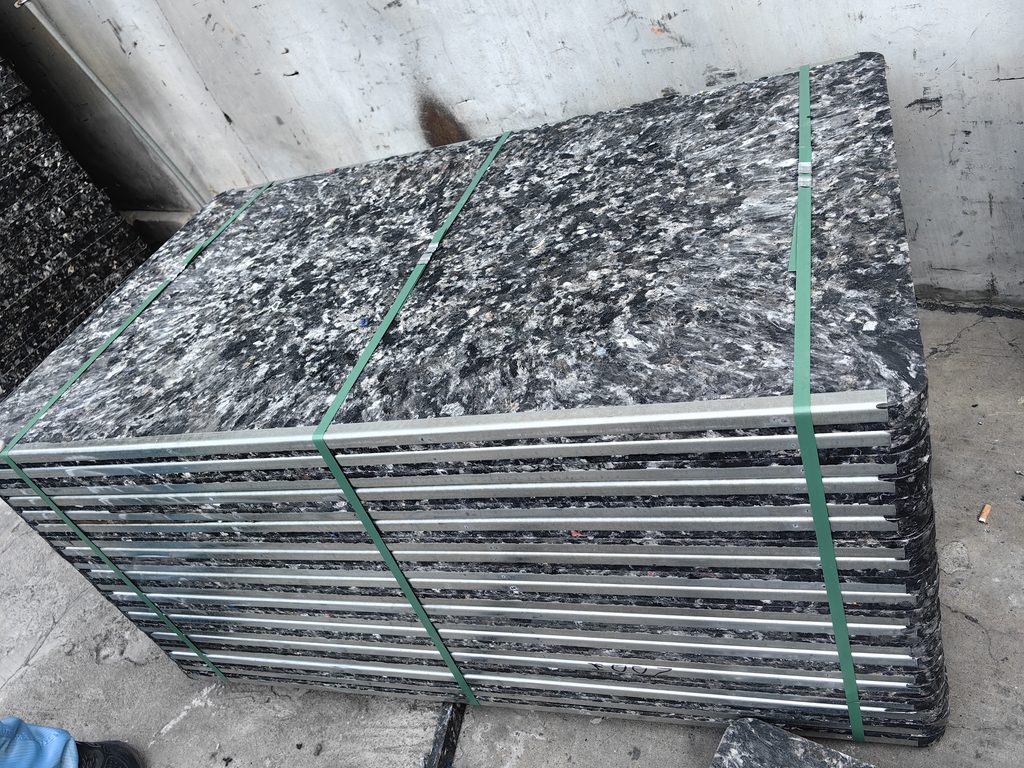
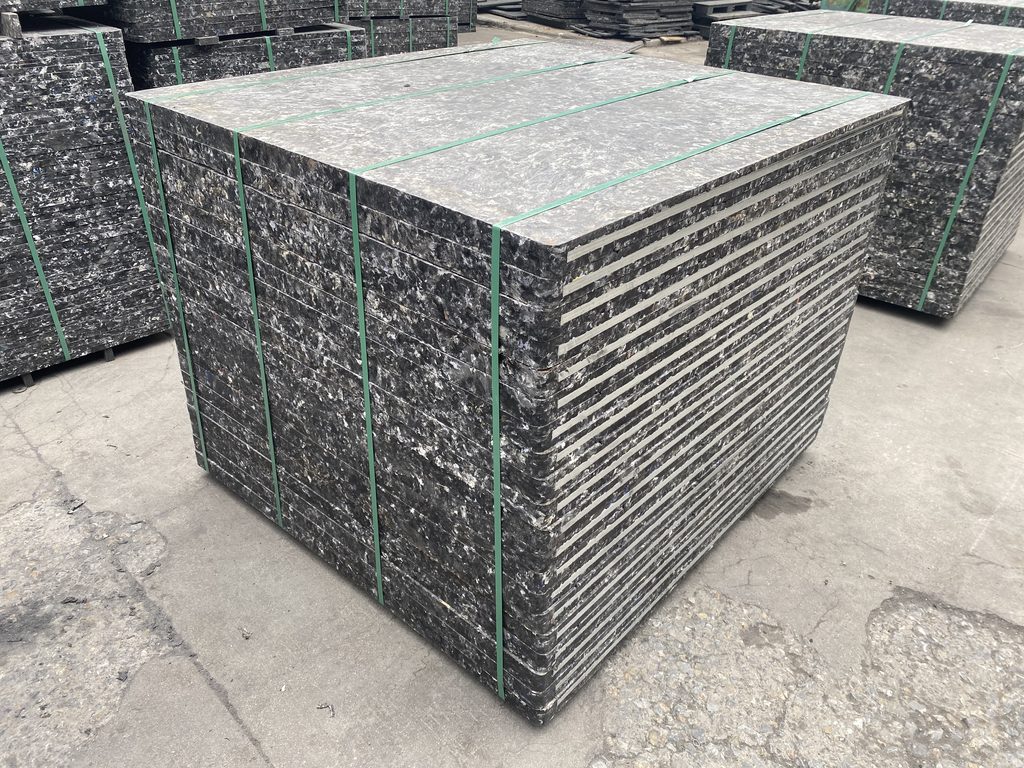
Delivery logistics determine whether pallets arrive damage-free and ready for immediate production use. GMT pallets ship in stacks of 40-60 units secured with steel banding and protective corner blocks. Containerized shipping for international orders uses 20-foot containers holding 800-1,000 standard pallets or 40-foot containers for 1,800-2,200 pallets. Proper loading prevents edge chipping and corner damage that affects automated system compatibility.
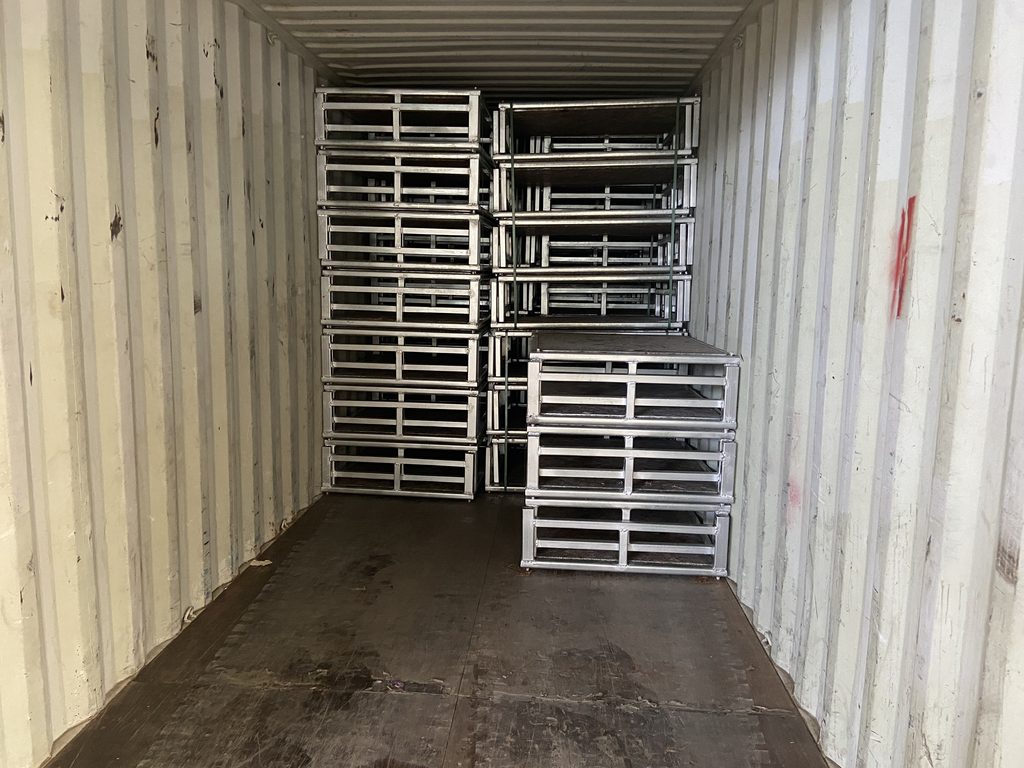
Unloading equipment requirements depend on pallet packaging and facility infrastructure. Stacked GMT pallets weigh 600-900kg per bundle, requiring forklift capacity of 1,500-2,500kg. Facilities without adequate handling equipment risk damage during unloading—dropped bundles crack pallet edges, bend surfaces, or cause delamination. Coordinate with your GMT pallet supplier about packaging configuration that matches your unloading capabilities.
Storage preparation protects pallets before production deployment. GMT pallets tolerate outdoor storage but perform best in covered facilities maintaining 10-30°C temperature and below 70% humidity. Stack pallets on level surfaces in bundles of 25-40 units maximum height. Avoid direct ground contact in high-moisture areas—place pallets on raised platforms or dunnage. UV exposure for extended periods (6+ months) can degrade surface properties in economy grades.
Installation planning prevents production disruption during the transition from old to new pallets. Phase the changeover over 3-7 days: replace 20-30% of fleet daily while maintaining production continuity. Train handling staff on proper GMT pallet maintenance procedures: cleaning after each use cycle, inspection for damage every 500 cycles, proper stacking methods, rotation schedule to equalize wear.
Logistics coordination checklist:
Shipping method: Ocean freight (international), truck (regional), rail (long-distance domestic)
Delivery coordination: Advance notice, unloading equipment, personnel availability, storage space
Quality inspection: Visual check on delivery, dimensional measurement sample, flatness testing
Documentation: Delivery receipt, quality certificate, warranty card, maintenance guidelines
Installation: Phased deployment schedule, staff training, old pallet removal, disposal
Delivery timing affects operational efficiency. Schedule deliveries to arrive 5-10 days before planned installation, allowing quality inspection without production pressure. Avoid deliveries during peak production periods when unloading attention and storage space are limited. Coordinate with maintenance windows or seasonal low-volume periods for smoother integration.
| Logistics Factor | Impact | Recommendation | Cost Consideration |
|---|---|---|---|
| Packaging method | Damage prevention | Steel-banded stacks, corner protection | Included in price |
| Container loading | Quantity per shipment | 20ft: 800-1,000 pallets, 40ft: 1,800-2,200 | Shipping efficiency |
| Unloading equipment | Safe handling | Forklift 1,500-2,500kg capacity | Facility readiness |
| Storage conditions | Pre-use protection | Covered area, level surface, <70% humidity | Space allocation |
| Installation timing | Production continuity | Phased over 3-7 days, 20-30% daily | Transition planning |
Common First-Time Buyer Mistakes
Undersizing fleet requirements causes immediate production bottlenecks. Buyers calculating minimum fleet needs without buffer capacity face pallet shortages during peak production or maintenance rotations. A facility needing 3,000 pallets minimum should purchase 3,450-3,600 to maintain flow. The $45,000-60,000 additional investment prevents lost production worth $180,000-250,000 annually.
Over-specifying pallet grade inflates costs without performance benefit. Small manual operations purchasing premium white GMT pallets at $115 per unit spend 35-45% more than necessary—economy fiber pallets at $75-85 deliver adequate performance for non-automated handling. Reserve premium grades for automated systems where dimensional tolerance directly affects efficiency.
Skipping sample testing leads to full-fleet failures. Buyers committing to 2,000-5,000 pallet orders without 30-60 day trial periods risk discovering incompatibility after delivery. Sample testing 20-50 pallets costs $1,500-3,800 but validates performance claims before $170,000-475,000 investments.
Ignoring climate-specific requirements causes premature failure. Buyers in high-humidity Southeast Asian or tropical African climates purchasing GMT pallets without moisture resistance specifications face warping and delamination within 2-3 years instead of 10-12 years. Verify moisture absorption specifications below 0.5% for humid environments.
Accepting vague warranty terms eliminates recourse for quality failures. Contracts stating “reasonable lifespan” or “normal conditions” without defining measurement criteria leave buyers without protection when pallets fail at year 5. Specify exact lifespan expectations (8-10 years), failure definitions (cracking, delamination, dimensional drift >3mm), and replacement procedures.
Mistake prevention:
Calculate fleet size with 15-20% buffer beyond minimum requirements
Match pallet grade to actual automation and quality needs, avoid over-specification
Conduct sample testing before committing to full fleet purchase
Verify specifications match your climate and storage conditions
Negotiate specific warranty terms with measurable performance criteria
Review total cost including shipping, customs, installation, not just unit price
Request and contact customer references before finalizing supplier selection
Decision Matrix for Purchase Timing
Purchase timing affects pricing, delivery reliability, and production integration. Off-peak seasons (typically Q1 and Q3 in most regions) offer 8-15% better pricing as manufacturers seek orders to maintain production schedules. Peak demand periods (Q2 before summer construction, Q4 before year-end) create 15-25% price premiums and 3-6 week delivery delays.
Capacity expansion timing drives immediate purchase decisions. Facilities adding production lines or scaling output by 30%+ need pallet fleets ready 30-45 days before equipment installation to synchronize commissioning. Delayed pallet procurement pushes production start dates by 4-8 weeks, costing $85,000-160,000 in lost revenue for medium-volume facilities.
Wood pallet replacement timing depends on failure rates and lifecycle costs. Operations experiencing 30%+ annual wood pallet replacement should transition to GMT immediately—continuing wood use for another year costs $42,000-75,000 more than switching now. ROI calculations show GMT investments recover additional capital within 8-14 months through reduced replacement and breakage costs.
Budget availability influences purchase structure. Facilities with capital constraints can phase procurement: purchase 40-50% of fleet initially, verify performance for 6-9 months, complete remaining 50-60% after confirming specifications. Phased approach costs 5-8% more total due to smaller order volumes but reduces risk for first-time buyers.
Timing decision factors:
Immediate purchase if: Wood replacement exceeds 25% annually, capacity expansion within 60 days, peak season approaching, capital available, supplier offering off-peak discount
Delayed purchase if: Production stable, current fleet adequate, evaluating multiple suppliers, budget constrained, off-peak season months away
Phased purchase if: First-time buyer, uncertain specifications, testing supplier performance, capital limited
FAQ
How many GMT pallets do I need for my brick production line?
Calculate minimum fleet as (Daily production ÷ Bricks per pallet) × Cycle days, then add 15-20% buffer. A facility producing 8,000 bricks daily with 10 per pallet and 5-day cycle needs (8,000 ÷ 10) × 5 = 4,000 minimum, plus 600-800 buffer = 4,600-4,800 total pallets. Automated systems need additional 5-10% for maintenance rotation.
What specifications should I prioritize in my first GMT pallet purchase?
Prioritize flatness tolerance (±1-2mm for automated systems, ±2-3mm for manual), load capacity (2,500-3,000kg for commercial production), and moisture absorption (<0.5% for high-humidity climates). These specifications most directly affect brick quality and pallet lifespan. Verify dimensions match your brick machine requirements exactly—even 10-15mm mismatches cause feeding problems.
How do I verify a GMT pallet supplier is a real manufacturer versus a trading company?
Request factory visit access or video showing compression molding equipment (1,000-3,000 ton hydraulic presses), ask about monthly production capacity (manufacturers produce 500-1,000+ pallets daily), verify ISO certifications, and check business registration showing manufacturing classification. Trading companies cannot provide factory documentation and typically have 3-6 week longer lead times.
What is a reasonable price range for GMT pallets?
Direct manufacturer pricing for standard GMT pallets runs $85-105 per unit in 1,000+ quantity orders, $95-115 for 500-1,000 pallets, and $105-125 for 200-500 pallets. Premium grades add $15-25 per unit. Prices below $70 often indicate inferior material quality or missing specifications. Prices above $130 suggest trading company markup or premium specialized features.
Should I buy economy or premium GMT pallets for my first purchase?
Match grade to automation level and production volume. Manual operations below 80,000 bricks monthly can use economy GMT at $70-90 per unit. Semi-automated facilities producing 100,000-250,000 monthly need standard GMT at $85-105. Fully automated systems exceeding 250,000 monthly require premium GMT at $105-125 for dimensional consistency.
What warranty should I expect on GMT pallets?
Standard warranties guarantee 8-10 year lifespan under normal operating conditions with proper handling and maintenance. Warranty should cover material defects, premature failure, dimensional drift beyond tolerance, and cracking or delamination. Require specific failure definitions, claim submission procedures, and replacement timelines. Avoid vague terms like “reasonable lifespan” without measurable criteria.
How long does GMT pallet delivery typically take?
Production lead time runs 15-25 days for 500-1,000 pallet orders from established manufacturers. International shipping adds 10-15 days for ocean freight, 3-5 days for air freight. Regional truck delivery requires 2-5 days. Total timeline: 25-40 days from order confirmation to delivery. Peak season delays extend timelines by 2-4 weeks. Negotiate specific delivery dates with penalties for delays exceeding 7-10 days.
Can I test GMT pallets before committing to a full fleet purchase?
Sample testing is recommended for orders above 1,000 pallets. Purchase 20-50 pallets matching your exact specifications and run them through your production line for 30-60 days. Measure flatness degradation, check surface quality, verify dimensional stability, and assess handling characteristics. Sample testing costs $1,500-3,800 but prevents full fleet failures worth $170,000-475,000.
Conclusion
First-time GMT pallet purchasing success depends on systematic evaluation across six decision stages rather than focusing solely on unit price. Buyers who complete production needs assessment, verify technical specifications match their brick machines and climate conditions, evaluate supplier manufacturing capabilities, negotiate transparent pricing with volume discounts, secure contract protections for dimensional tolerance and performance warranties, and coordinate delivery logistics achieve 60-75% lifecycle cost reductions compared to wood pallets while avoiding the 22-35% cost inflation that rushed purchases create.
If you need high-quality GMT pallets for your brick production facility, Rhinos Pallet offers fiber-reinforced composite pallets with 10-12 year proven lifespan and <0.5% moisture absorption for all-climate performance. Our precision manufacturing maintains ±1-2mm dimensional tolerance across thousands of production cycles, reducing brick breakage by 47-52% while delivering 18-24 month ROI payback periods. Contact us today for technical specifications, sample testing options, and factory-direct pricing tailored to your production requirements.