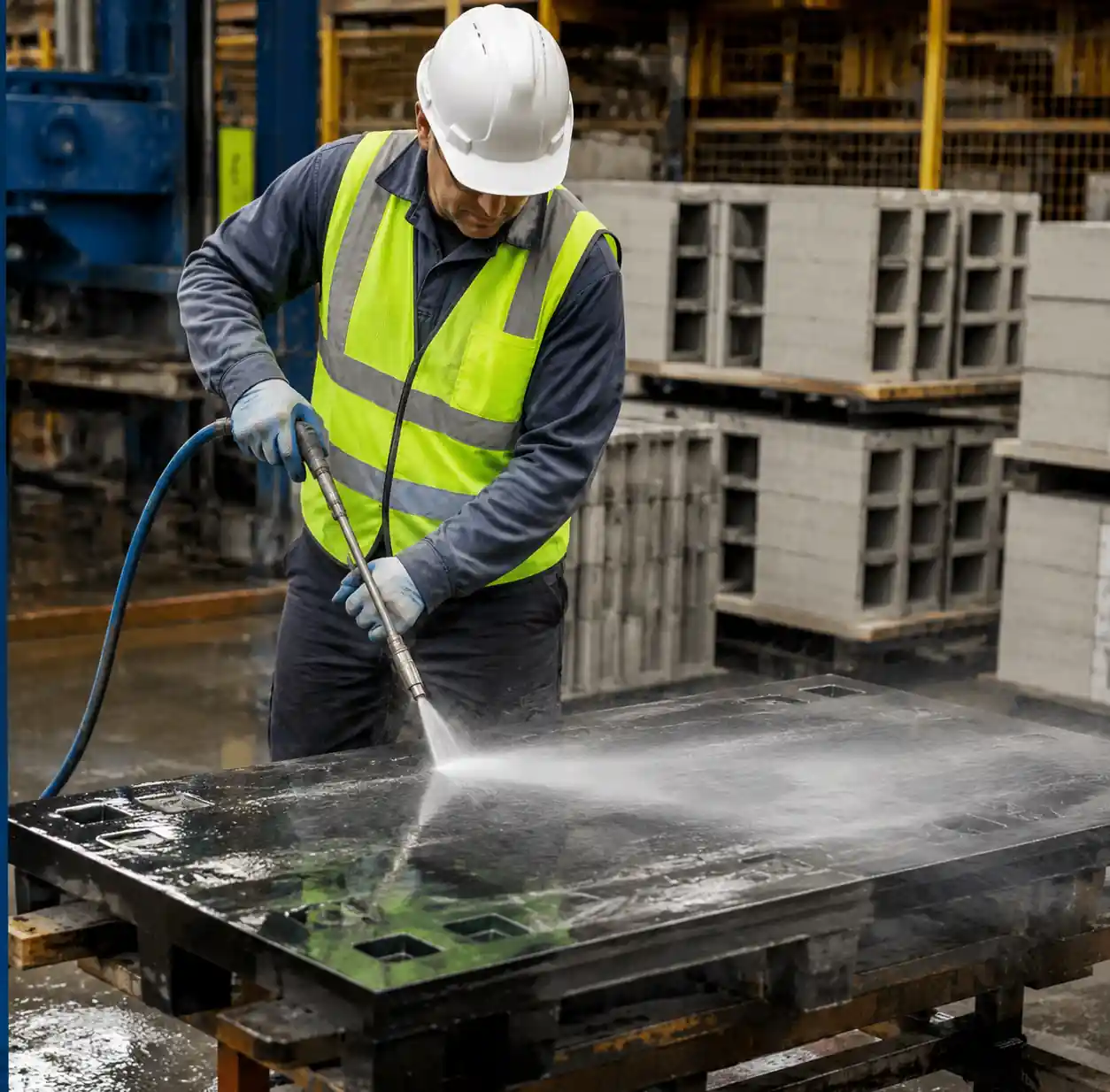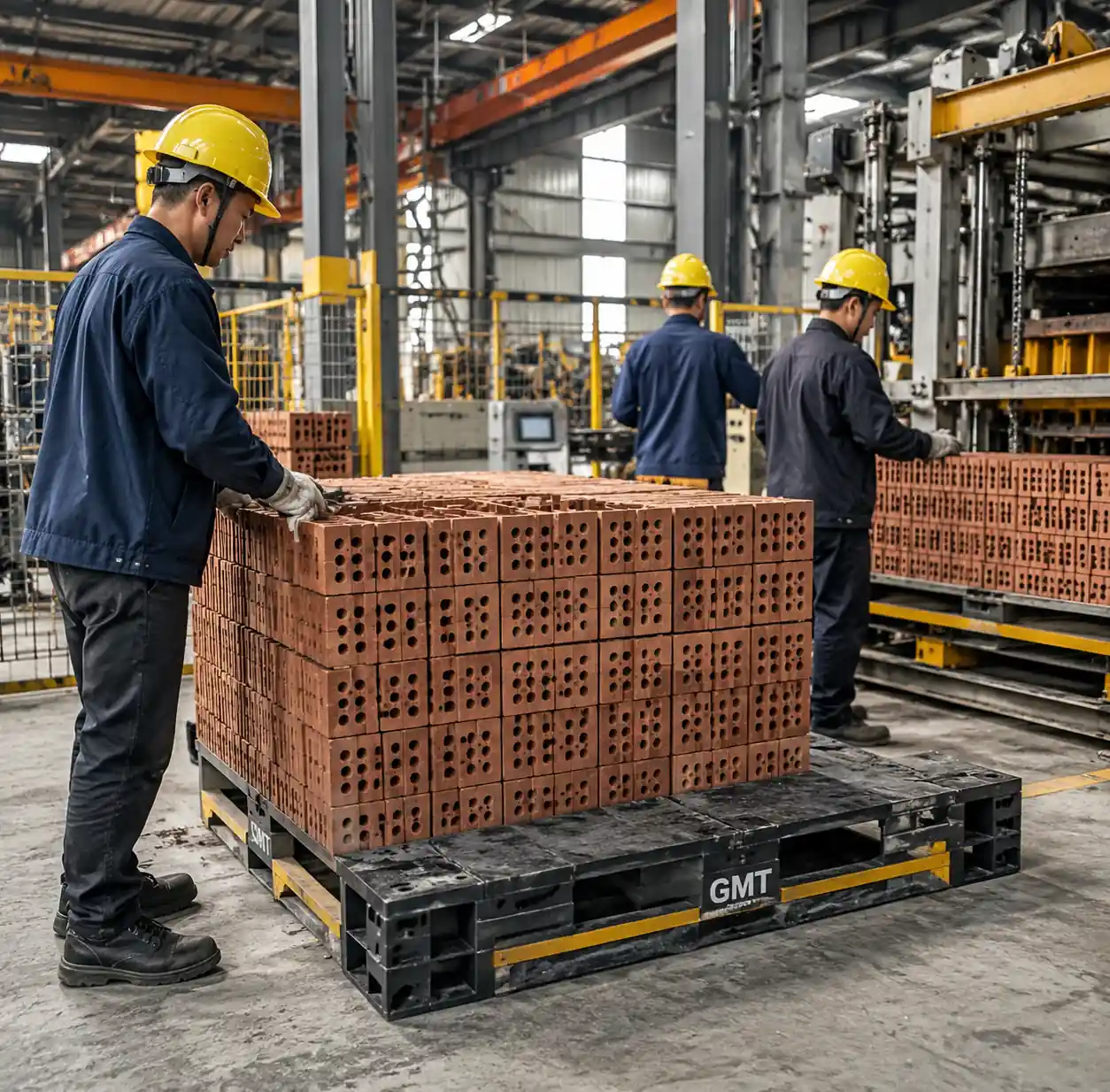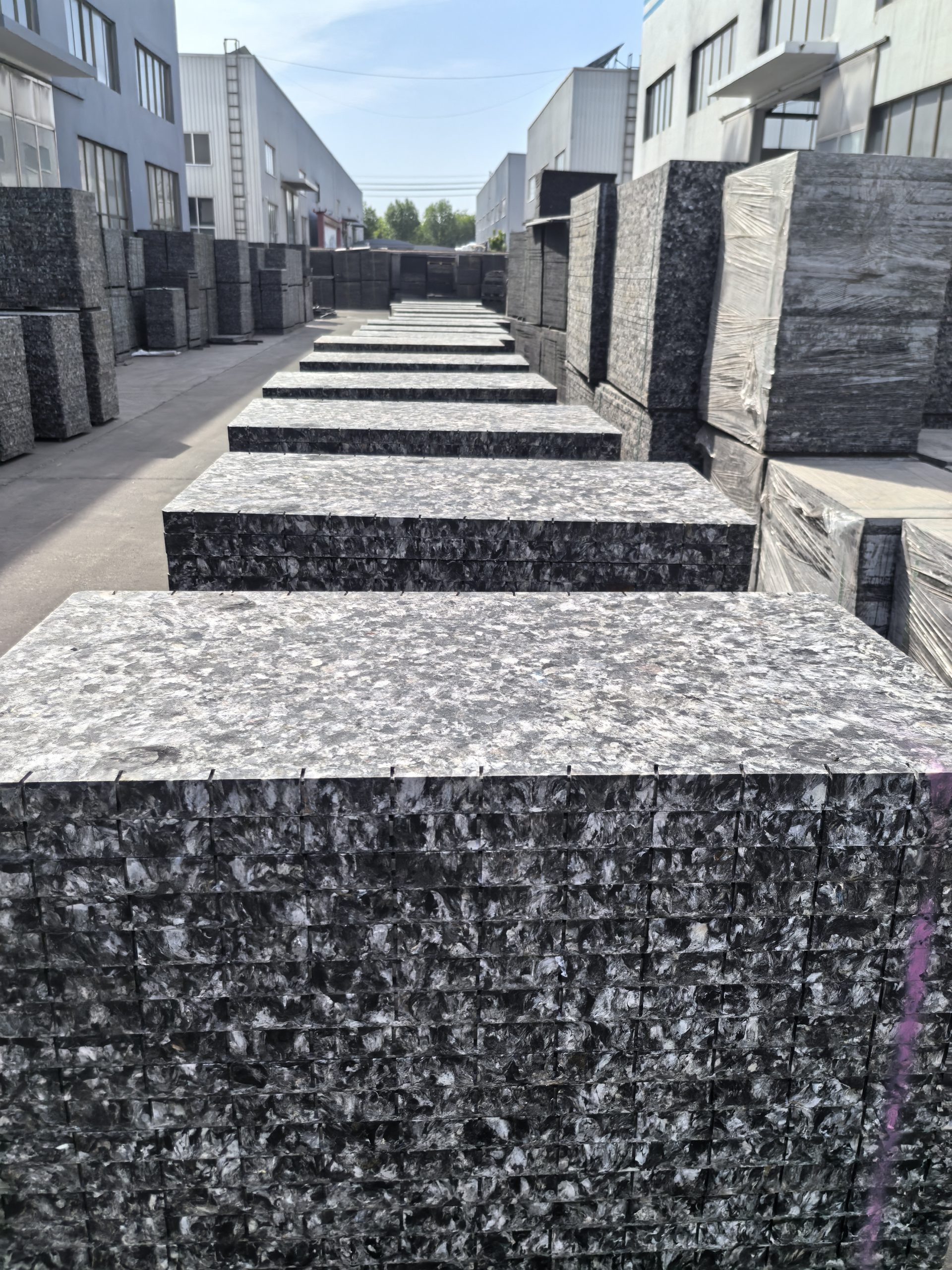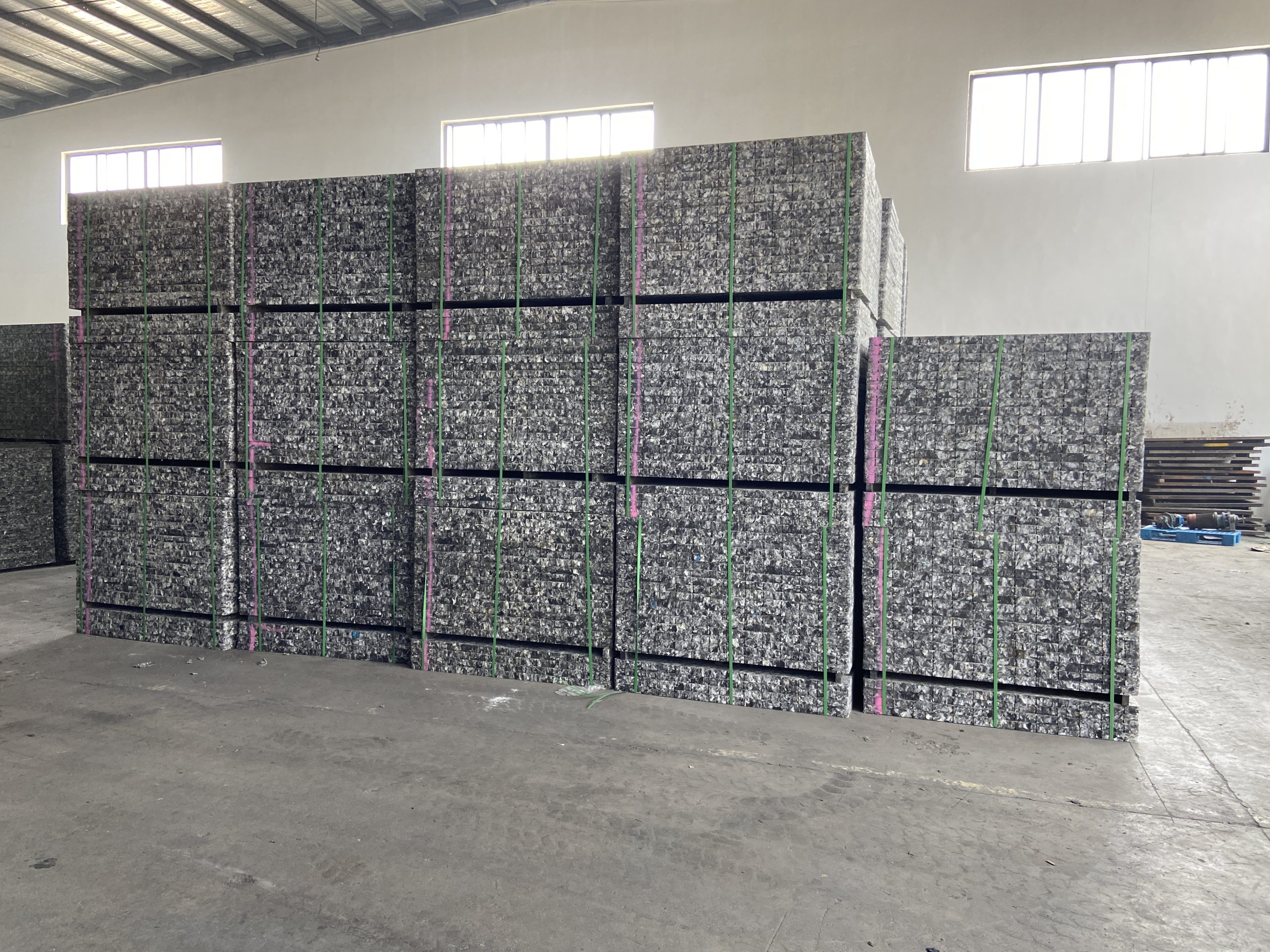
Production downtime costs brick manufacturers $3,000 to $8,000 per hour in lost output. Pallet-related issues—warping, breakage, and dimensional inconsistency—account for 12-18% of unplanned stoppages in automated facilities. The right pallet choice eliminates these disruptions while improving throughput by 25-35%.
If you want to maximize brick production efficiency, you need to understand how GMT pallets address the five critical bottlenecks that traditional wood pallets create. This guide presents proven methods leading manufacturers use to increase output, reduce waste, and lower costs.
Eliminate Pallet-Related Production Stoppages
Wood pallet deterioration creates predictable production interruptions. Warped boards jam automated transfer systems, forcing operators to manually clear lines. Broken pallets require immediate mid-cycle replacement, halting brick output while crews swap damaged units.
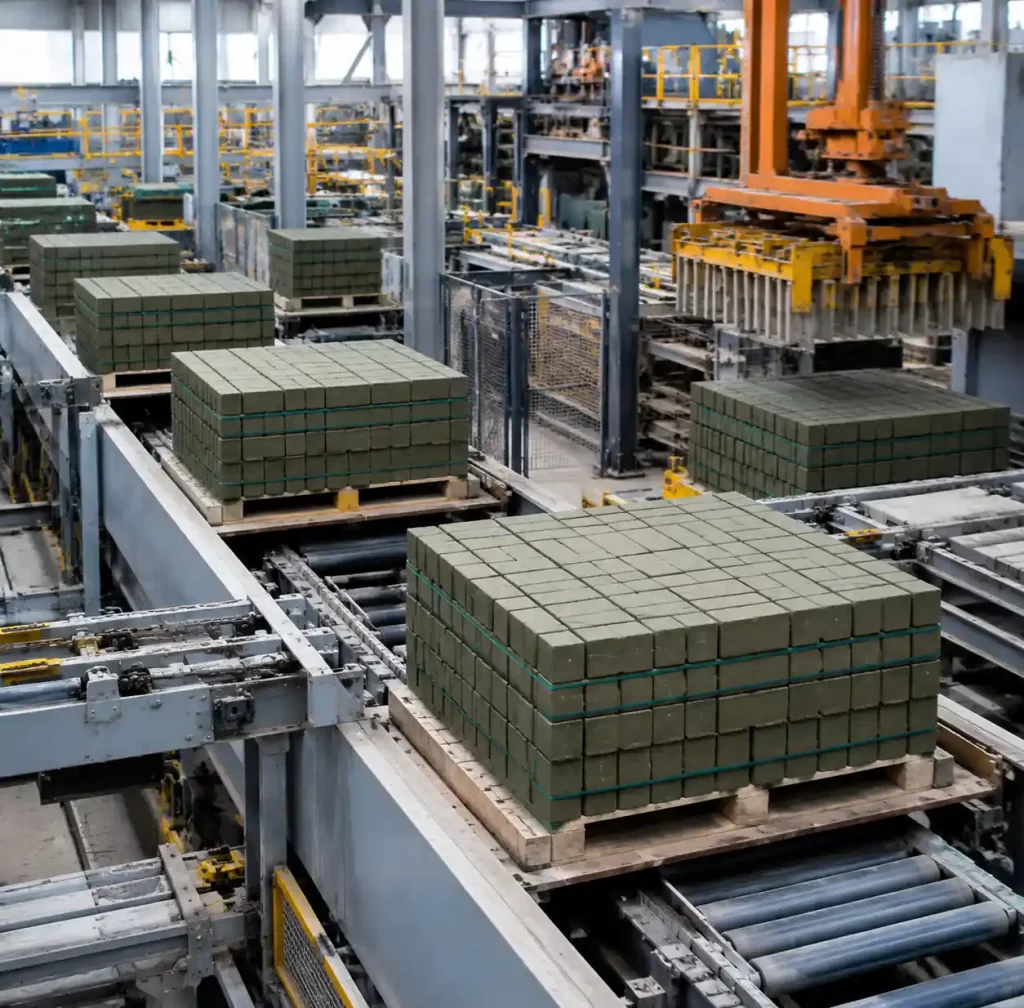
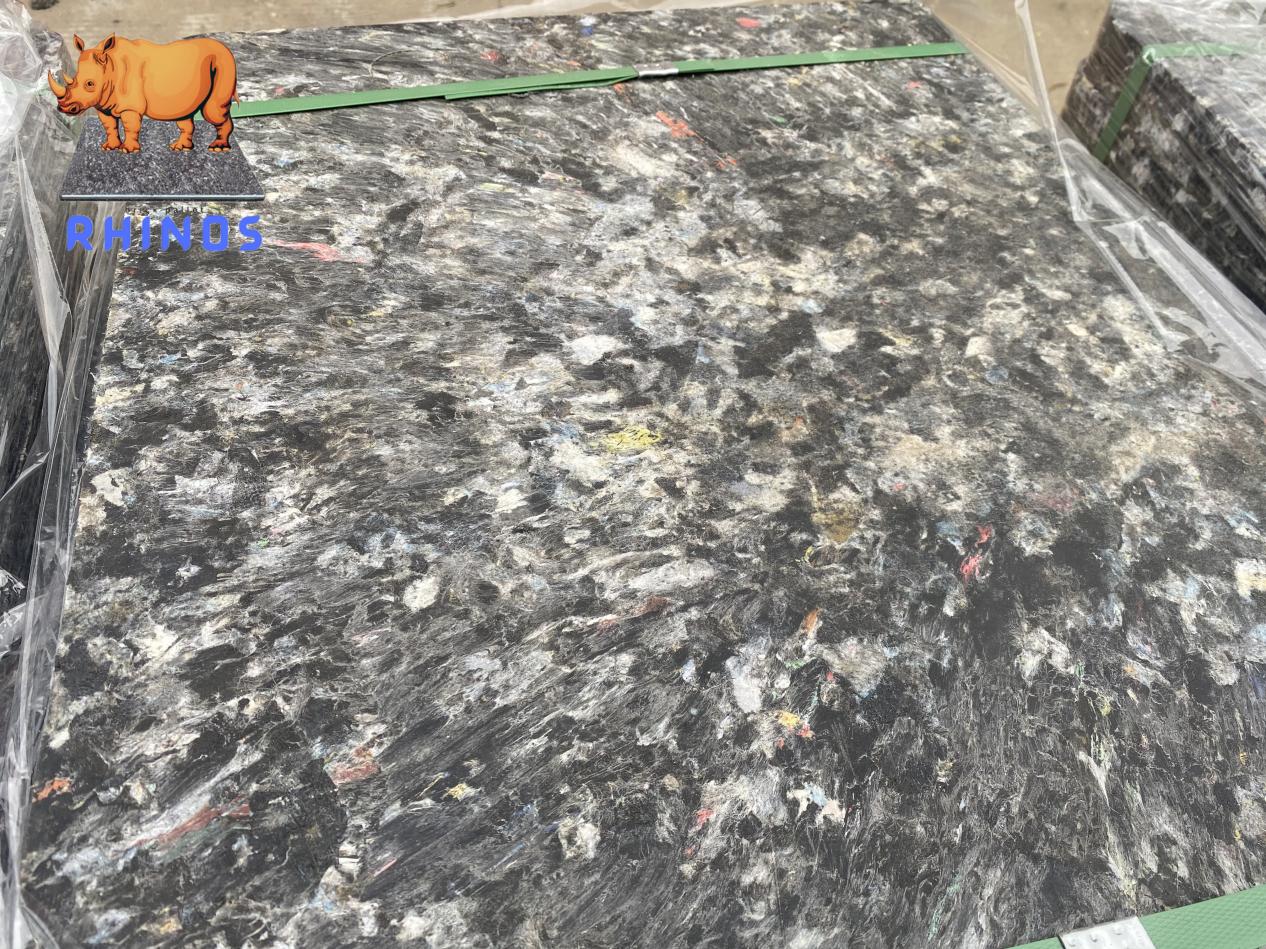
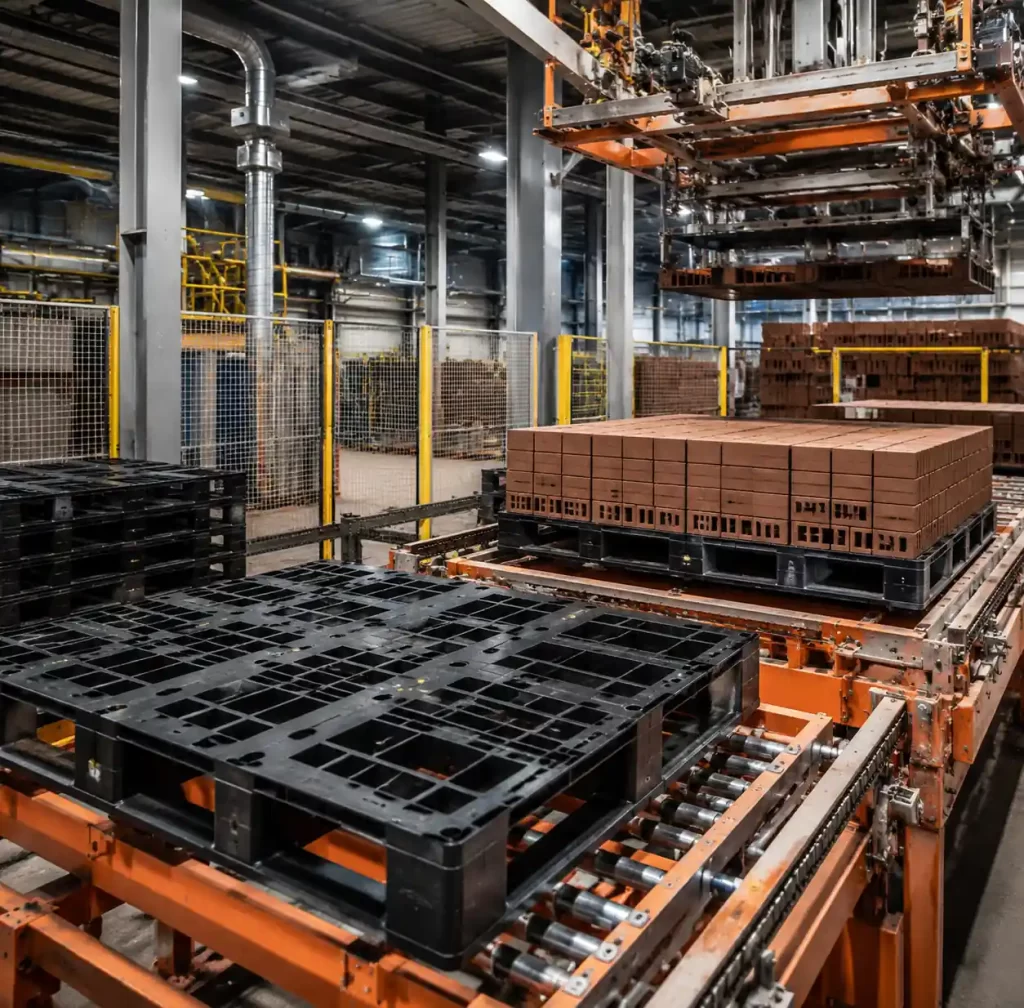
GMT pallets eliminate these stoppages through fiber-reinforced composite construction that maintains dimensional stability across 10,000+ production cycles. The glass fiber reinforcement distributes mechanical stress evenly while resisting moisture absorption that causes wood pallets to warp within 18-24 months.
You can install high-quality GMT pallets in production lines operating 16-24 hours daily without experiencing surface degradation that triggers quality sensors and automatic shutdowns. This translates to 95-98% uptime compared to 82-87% with wood pallets.
Production managers in Southeast Asian brick plants report reducing emergency pallet replacements from 3-5 per shift to less than one per month. The fiber-reinforced construction maintains surface flatness within ±2mm across the pallet’s 10+ year service life, preventing detection errors that automated systems flag as defects.
Reduce Brick Breakage by Up to 50%
Brick breakage during handling and curing represents 5-15% of total material waste. Wood pallets contribute significantly through surface irregularities that create stress points where green bricks are most vulnerable.
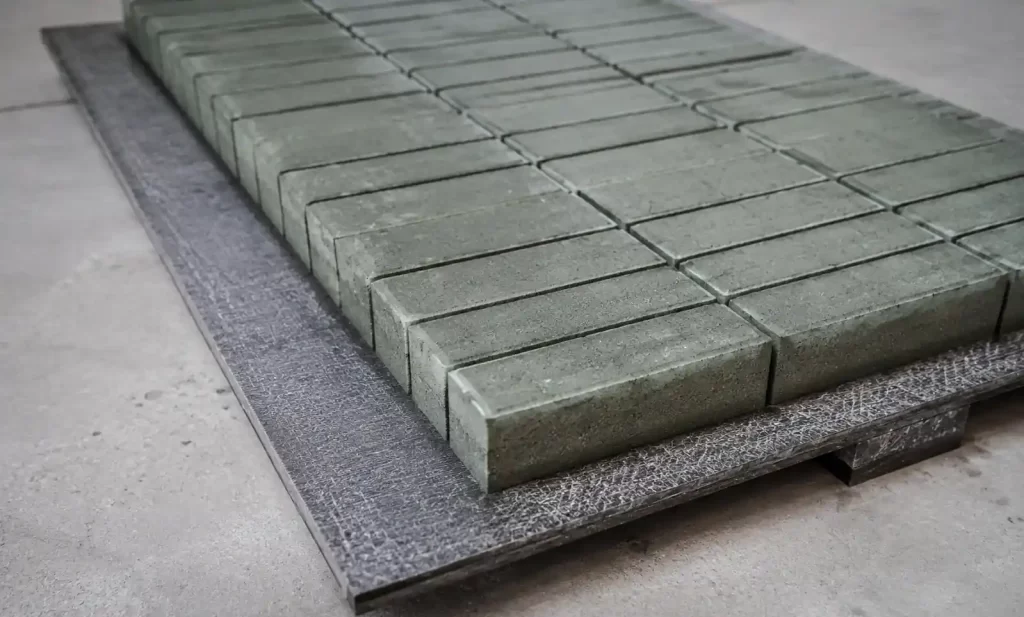
GMT pallet surfaces remain consistently flat because compression molding creates uniform density across the entire pallet area. This eliminates high spots and depressions that wood grain patterns and moisture cycling create. When bricks cure on a perfectly flat surface, stress distribution remains even, preventing micro-cracks that propagate into full breaks during kiln firing.
Factory testing shows GMT pallets reduce breakage by 47-52% compared to wood pallets. This improvement stems from three factors:
Surface consistency: GMT pallets maintain flatness within ±1.5mm across their service life, while wood pallets develop 4-8mm variations within 12 months.
Vibration dampening: The composite material absorbs shock better than rigid wood, reducing stress transmission during automated handling.
Moisture stability: GMT pallets maintain dimensional consistency in 40-95% humidity environments where wood pallets expand and contract, creating pressure points that crack green bricks.
You should specify moisture-resistant GMT pallets for facilities in high-humidity climates. The <1% moisture absorption rate prevents dimensional changes that compromise brick quality during curing.
| Breakage Factor | GMT Pallet | Wood Pallet | Improvement |
|---|---|---|---|
| Surface flatness variation | ±1.5mm over 10 years | ±4-8mm after 12 months | 63-81% better |
| Moisture-induced change | <1% absorption | 15-20% swelling | 93-95% better |
| Breakage rate (green bricks) | 2-4% average | 8-12% average | 50-67% reduction |
| Breakage rate (fired bricks) | 1-2% average | 3-6% average | 50-67% reduction |
Achieve Consistent Quality Throughout Production Cycles
Production quality consistency depends on maintaining identical conditions across every brick in every batch. Pallet variability introduces quality drift that forces constant parameter adjustments and increases rejection rates.
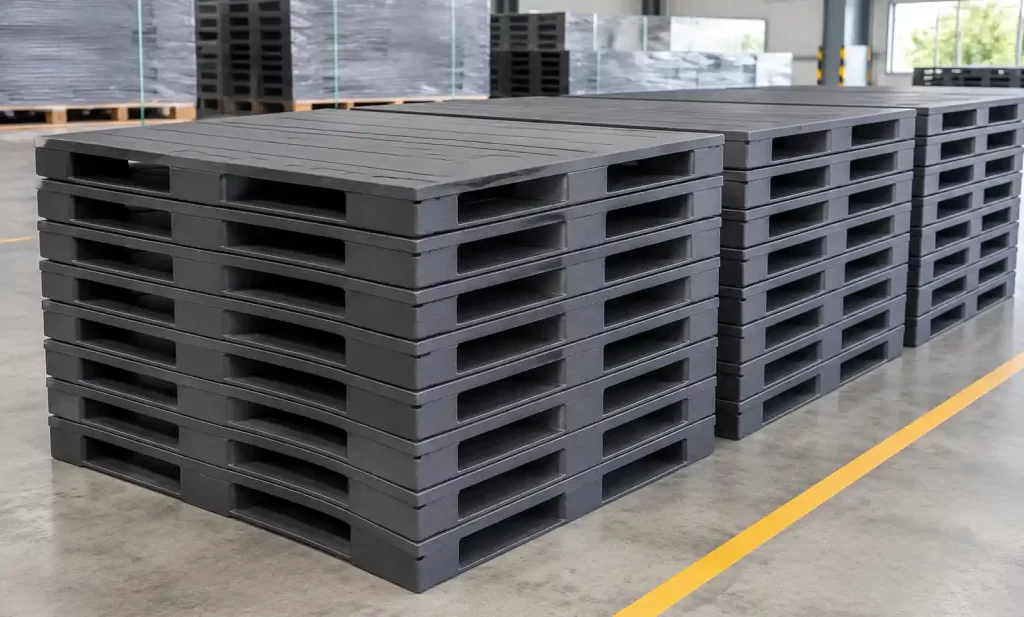
GMT pallets deliver batch-to-batch consistency because every pallet performs identically regardless of age or usage cycles. The compression molding process produces pallets with dimensional tolerances of ±2mm, ensuring automated systems handle every unit with the same precision.
This consistency matters most in automated production where robotic systems rely on exact pallet positioning. Wood pallets vary by 5-12mm between units due to natural material variations and moisture content differences. These variations force automated systems to constantly recalibrate, reducing throughput by 8-12%.
Quality managers report GMT pallets eliminate quality drift that occurs when mixing new and aged wood pallets. Because GMT pallets maintain original dimensions throughout their service life, you can mix pallets from different production years without affecting brick quality.
White GMT pallets maintain dimensions within ±1mm across temperature ranges from -30°C to +80°C, supporting consistent production in facilities without climate control.
Optimize Automated Handling Systems
Automated brick production lines operate at 60-120 bricks per minute, requiring pallet handling systems that maintain precise timing and positioning. Wood pallets introduce handling delays through weight variations, surface irregularities, and dimensional inconsistencies.
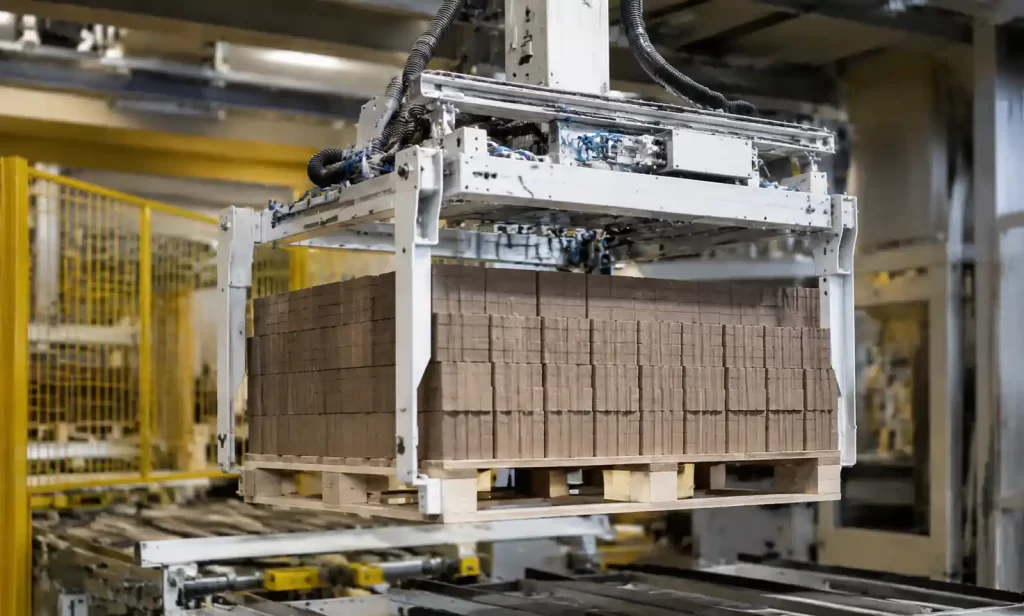
GMT pallets optimize automated handling through three key characteristics:
Consistent weight: Each GMT pallet weighs within ±0.5kg of specified weight, allowing automated systems to calculate exact lifting force. Wood pallets vary by 3-8kg depending on moisture content, forcing systems to use conservative settings that reduce throughput.
Surface grip consistency: The molded composite surface provides uniform friction coefficients for reliable automated gripping. Wood pallets develop smooth spots where equipment contacts the surface, creating grip variations that increase cycle times.
Edge durability: GMT pallet edges maintain their profile after 10,000+ handling cycles, ensuring positioning sensors detect exact location. Wood pallet edges splinter and round over, causing positioning errors that trigger safety stops.
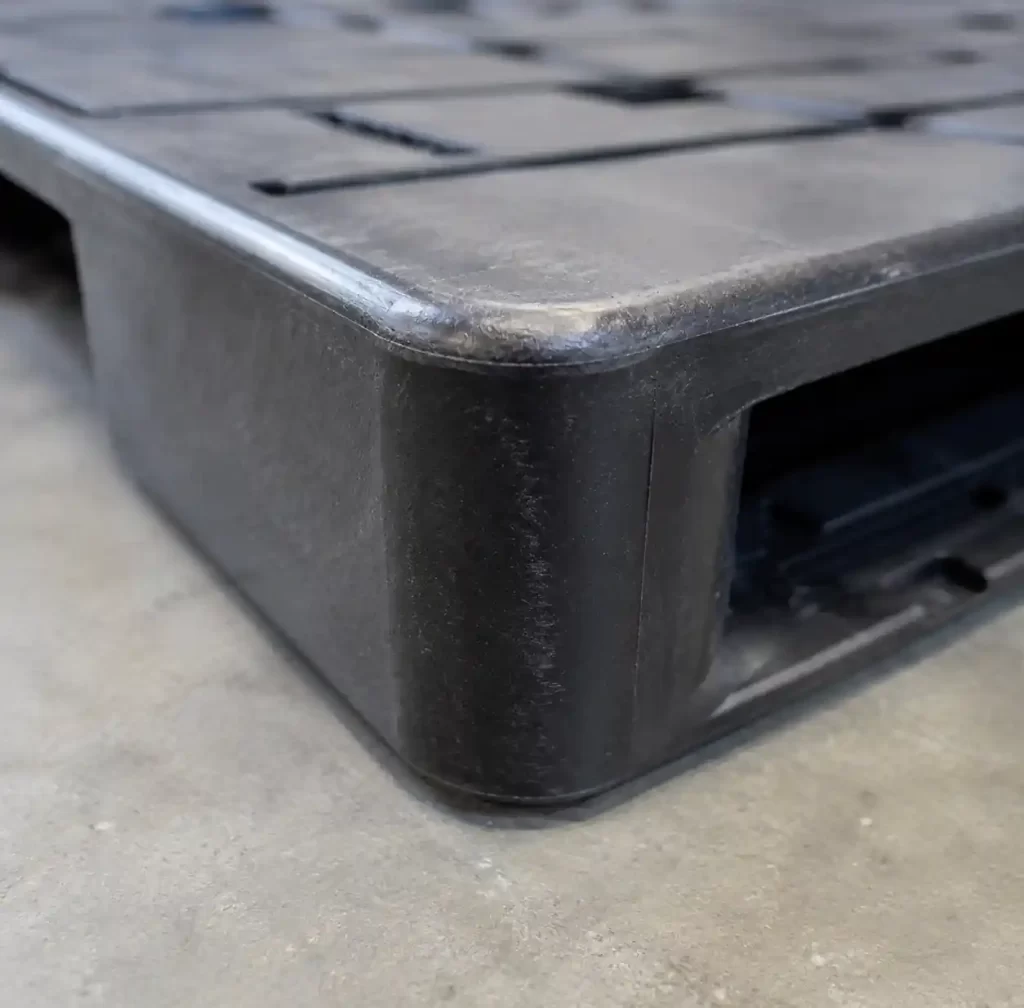
Production operators in facilities processing 500,000+ bricks monthly report reducing handling cycle times from 3.2 seconds to 2.1 seconds per pallet. This 34% improvement increases line throughput without equipment upgrades or additional labor.
Half-size GMT pallets offer the same automation benefits in facilities with space constraints.
| Handling Parameter | GMT Pallet | Wood Pallet | Impact |
|---|---|---|---|
| Weight variation | ±0.5kg | ±3-8kg | 15-22% faster cycle |
| Dimensional consistency | ±2mm | ±5-12mm | Fewer errors |
| Handling cycle time | 2.1 seconds | 3.2 seconds | 34% throughput gain |
Cut Labor Costs Through Extended Pallet Lifespan
Pallet replacement labor consumes 8-15% of production facility maintenance hours. Wood pallets require replacement every 24-36 months, creating recurring labor demands for inspection, removal, and installation.
GMT pallets eliminate 80-85% of this labor requirement through their 10-12 year service life. The fiber-reinforced construction maintains structural integrity across 10,000+ cycles without rot, warping, or structural failure.
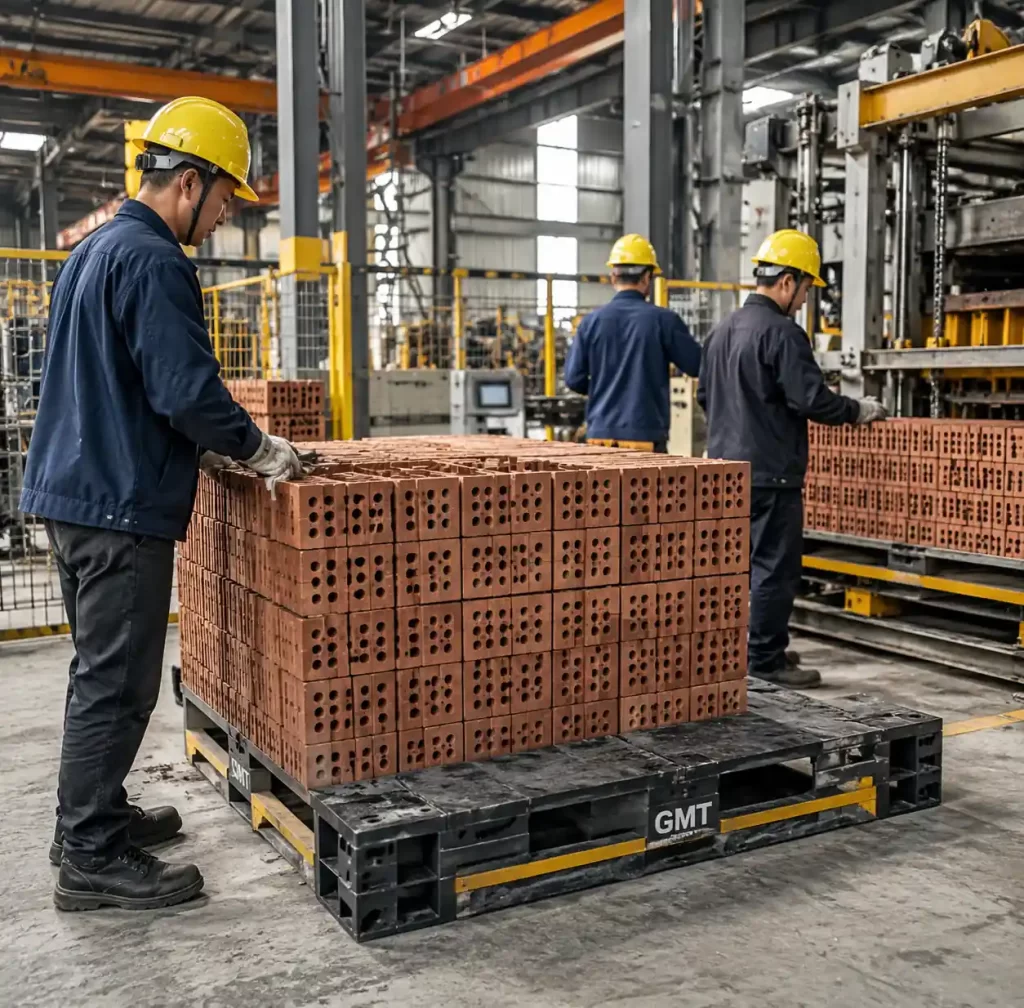
For a facility using 500 pallets:
- Wood pallets: 500 × replacement every 2.5 years × 0.5 hours = 100 annual hours
- GMT pallets: 500 × replacement every 11 years × 0.5 hours = 23 annual hours
- Labor reduction: 77 hours annually (77% savings)
At $45/hour loaded labor cost, this facility saves $3,465 annually in replacement labor. With reduced emergency repairs and mid-shift replacements, total labor savings reach $5,200-7,800 annually.
You should calculate lifecycle labor costs when comparing options, not just initial price. Premium GMT pallets cost 2.5-3.5× more initially but deliver 4-5× longer service life, resulting in 40-60% lower total cost of ownership.
Facilities report operators spend 12-18% less time sorting damaged bricks after switching to GMT pallets that eliminate surface irregularities causing breakage.
Real Production Data
Manufacturers across three continents documented efficiency improvements after converting from wood to GMT pallets.
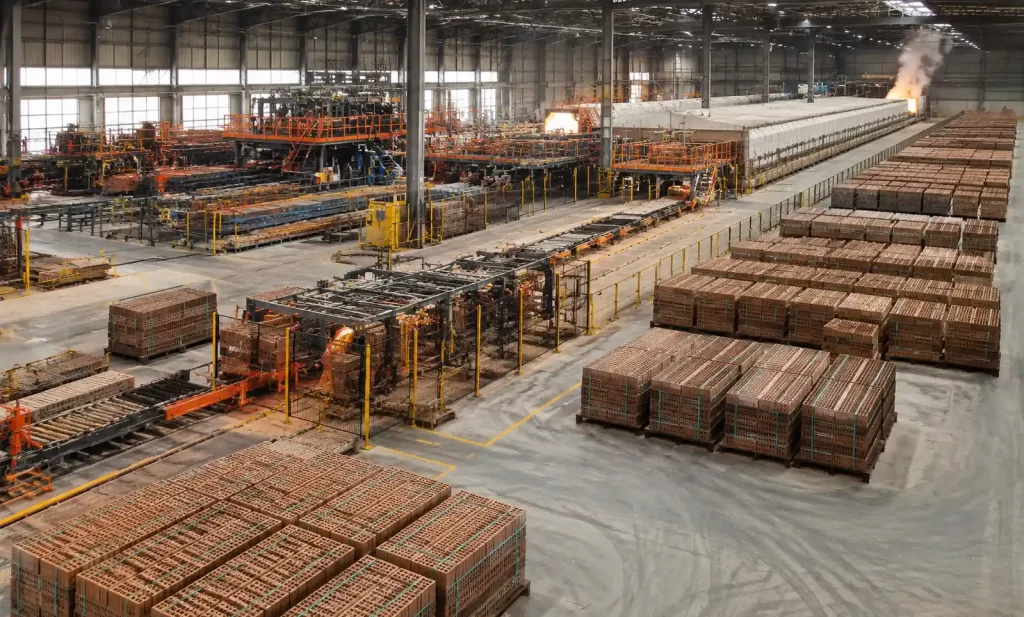
Southeast Asia – High Humidity:
A 1.2 million brick per month Vietnam facility operating in 75-95% humidity documented:
- Brick breakage decreased from 11.2% to 4.8% (57% reduction)
- Production stoppages dropped from 4.3 to 0.7 per shift (84% reduction)
- Pallet replacement frequency decreased from 18 months to 10+ years
- Annual savings: $47,300 USD | ROI: 21 months
Africa – Extreme Temperature:
A Kenya facility operating in 35-42°C with significant temperature swings measured:
- Dimensional stability improved 73% versus wood pallets
- Automated handling uptime increased from 84% to 97%
- Quality rejection rate decreased from 8.9% to 3.1%
- Labor hours reduced by 68%
- Efficiency improvement: 31% higher output per shift
Europe – Automated Production:
A Poland facility processing 2.1 million bricks monthly achieved:
- Handling cycle time reduced from 3.4 to 2.2 seconds
- Line stoppages eliminated completely (was 2.1 per day)
- Brick breakage decreased from 6.4% to 2.7%
- Annual maintenance cost reduction: €34,200
- Throughput increase: 28% without equipment modifications
Review additional case studies documenting GMT pallet performance across different environments.
Implementation Strategy
Converting to GMT pallets requires strategic planning to maximize efficiency gains while minimizing disruption.
Phased conversion: Replace wood pallets in batches of 100-200 units quarterly rather than complete facility conversion. This allows teams to optimize procedures incrementally while spreading investment across budget cycles.
Critical path prioritization: Convert automated handling sections first where GMT benefits deliver immediate throughput improvements. Manual areas convert later as wood pallets reach end of life.
Performance baseline: Document current breakage rates, stoppage frequency, and cycle times before installation. This quantifies ROI and identifies optimization opportunities.
Most facilities achieve breakeven in 18-26 months, with cumulative savings of $15,000-45,000 over ten years per 500 pallets.
| Efficiency Metric | Before GMT | After GMT | Improvement |
|---|---|---|---|
| Production uptime | 82-87% | 95-98% | 13-16% increase |
| Brick breakage rate | 8-12% | 2-4% | 50-67% reduction |
| Handling cycle time | 3.2 seconds | 2.1 seconds | 34% faster |
| Annual maintenance hours | 100 hours | 23 hours | 77% reduction |
| Replacement frequency | Every 2-3 years | Every 10-12 years | 80% reduction |
FAQ
How long do GMT pallets last in continuous production?
GMT pallets maintain structural integrity for 10-12 years in continuous production. The fiber-reinforced construction withstands 10,000+ cycles without warping, rot, or structural failure that limits wood pallets to 24-36 months. Facilities operating 24/7 report GMT pallets reaching 8-9 years before requiring replacement.
Do GMT pallets work with existing automated equipment?
Yes, GMT pallets function with standard automated brick handling systems without modification. The 850mm × 680mm standard dimensions match wood pallet specifications. Many facilities report improved handling performance due to GMT pallets’ consistent weight and dimensional accuracy, allowing faster cycle times.
What is the cost difference between GMT and wood pallets?
GMT pallets cost $80-120 per unit versus $20-40 for wood pallets. However, GMT pallets’ 10-12 year lifespan versus wood’s 2-3 years results in 40-60% lower total cost of ownership. With reduced breakage, fewer stoppages, and lower labor costs, most facilities achieve ROI within 18-26 months.
Can GMT pallets handle the same weight as wood pallets?
GMT pallets support 2,500-3,000 kg static load capacity, exceeding most wood pallet specifications of 1,500-2,000 kg. The fiber-reinforced construction distributes weight more evenly, preventing center sagging in heavily loaded wood pallets. GMT pallets maintain capacity throughout their service life, while wood pallets experience 30-40% capacity reduction as they age.
Are GMT pallets suitable for high-humidity environments?
GMT pallets excel in high-humidity environments where wood pallets fail rapidly. The composite material absorbs <1% moisture compared to wood’s 15-20%. This prevents swelling, warping, and rot that destroys wood pallets within 12-18 months above 70% humidity. Southeast Asian manufacturers report GMT pallets lasting 10+ years in 80-95% humidity.
How do GMT pallets affect brick quality during curing?
GMT pallets improve brick quality by maintaining surface flatness within ±1.5mm throughout curing. This prevents stress points that cause micro-cracks in green bricks. The moisture-resistant surface eliminates water transfer from wet pallets to bricks, preventing bottom-surface discoloration. Testing shows 47-52% reduction in breakage when curing on GMT versus wood pallets.
Conclusion
GMT pallets deliver 25-35% throughput gains, 47-52% breakage reduction, and 18-26 month ROI across diverse environments. By maintaining dimensional stability, surface flatness, and structural integrity across 10,000+ cycles, GMT pallets eliminate the recurring costs and disruptions that wood pallets create. Total cost of ownership over ten years typically generates $30,000-60,000 in savings per 500 pallets. Rhinos Pallet offers fiber-reinforced GMT pallets with 10+ year lifespan for automated and manual brick manufacturing. Contact us for custom solutions and factory-direct pricing.