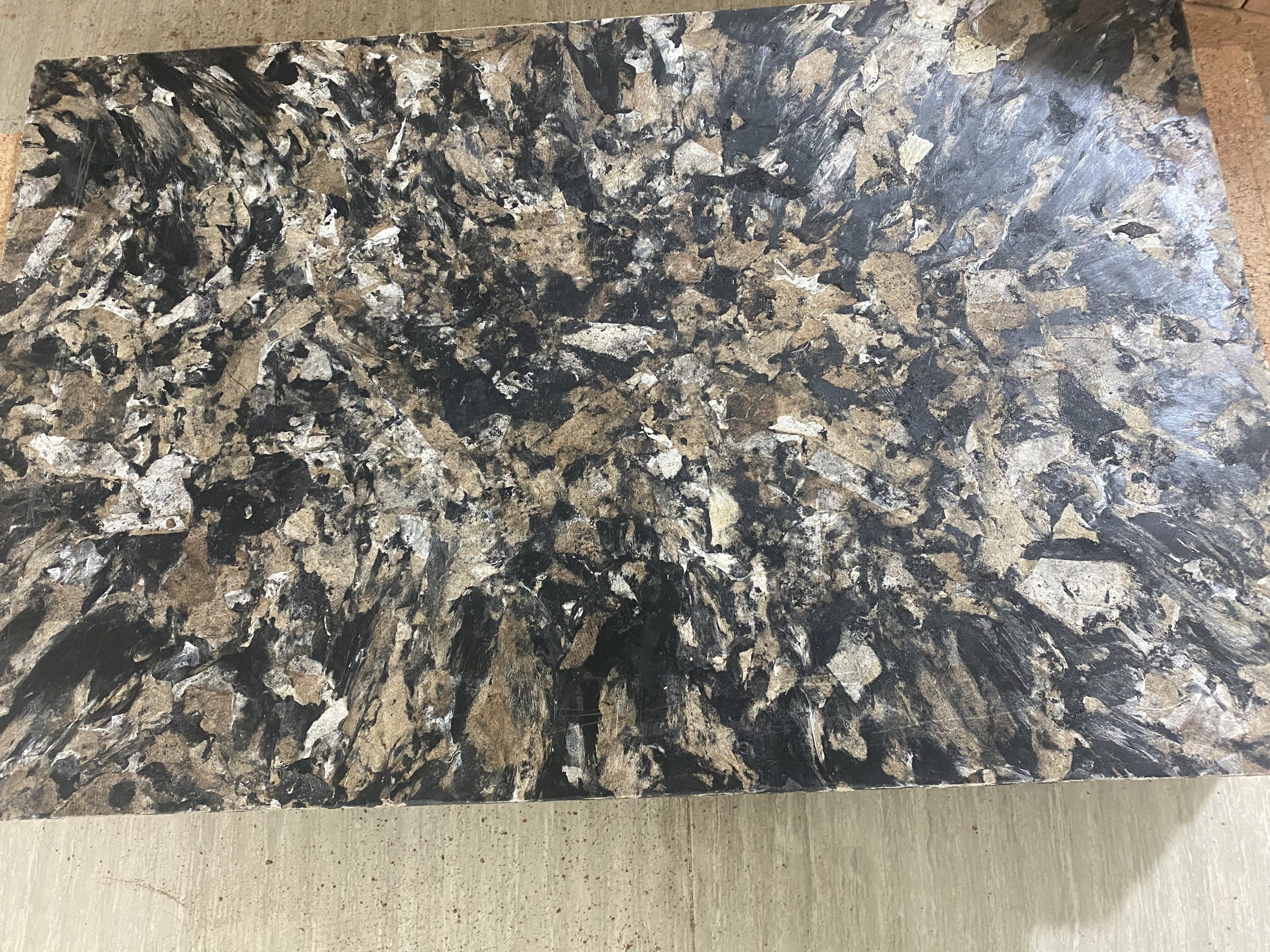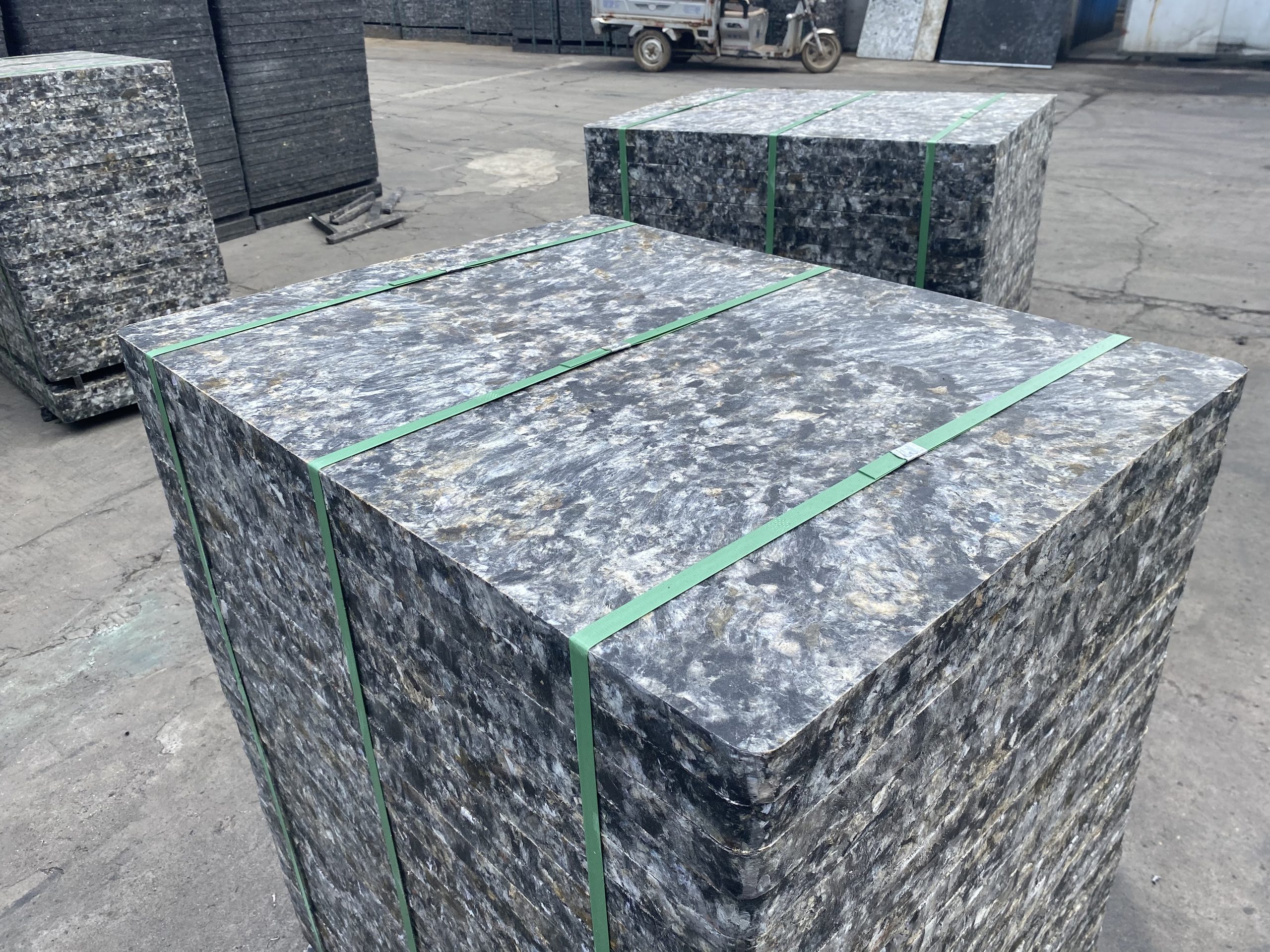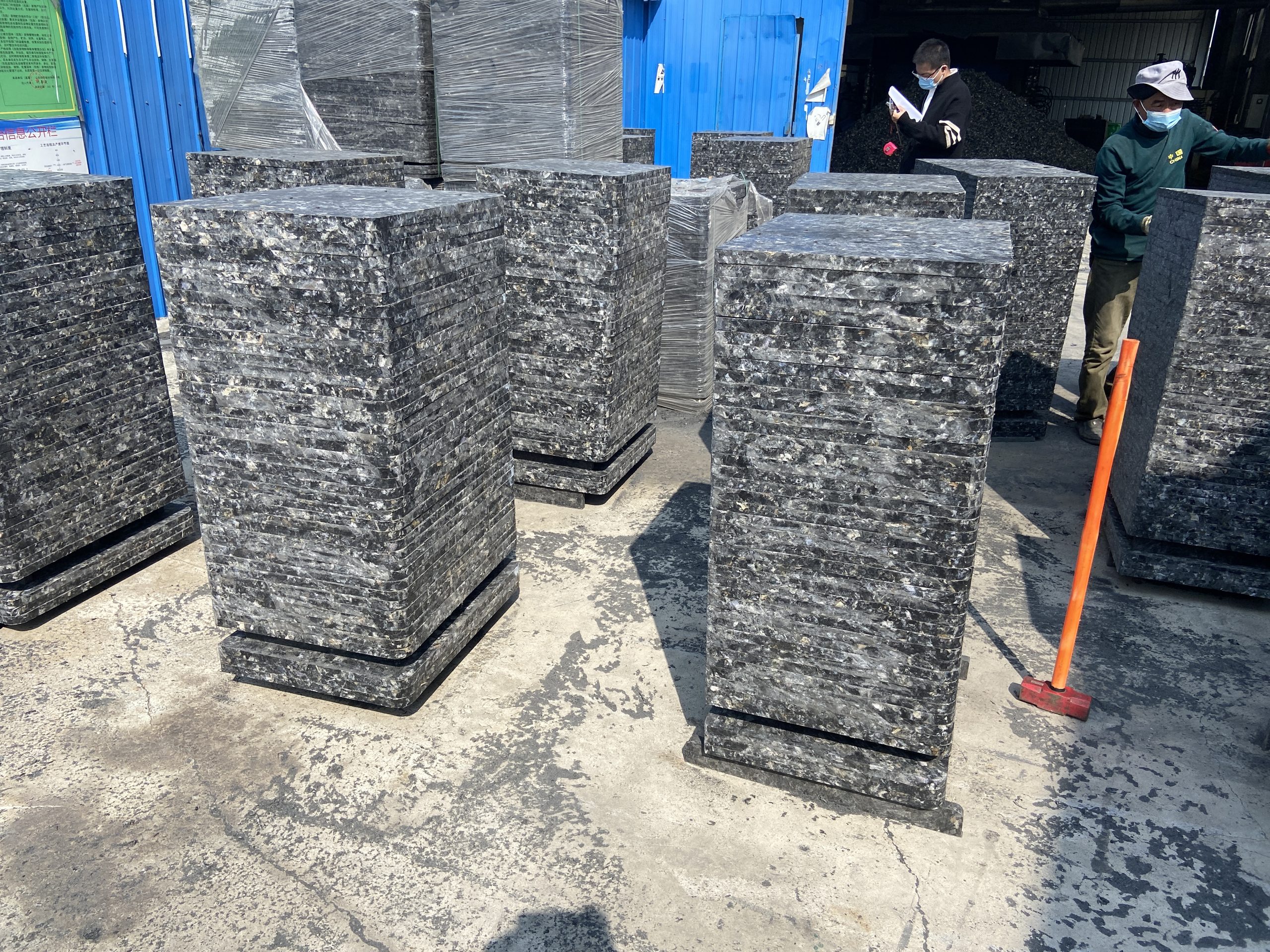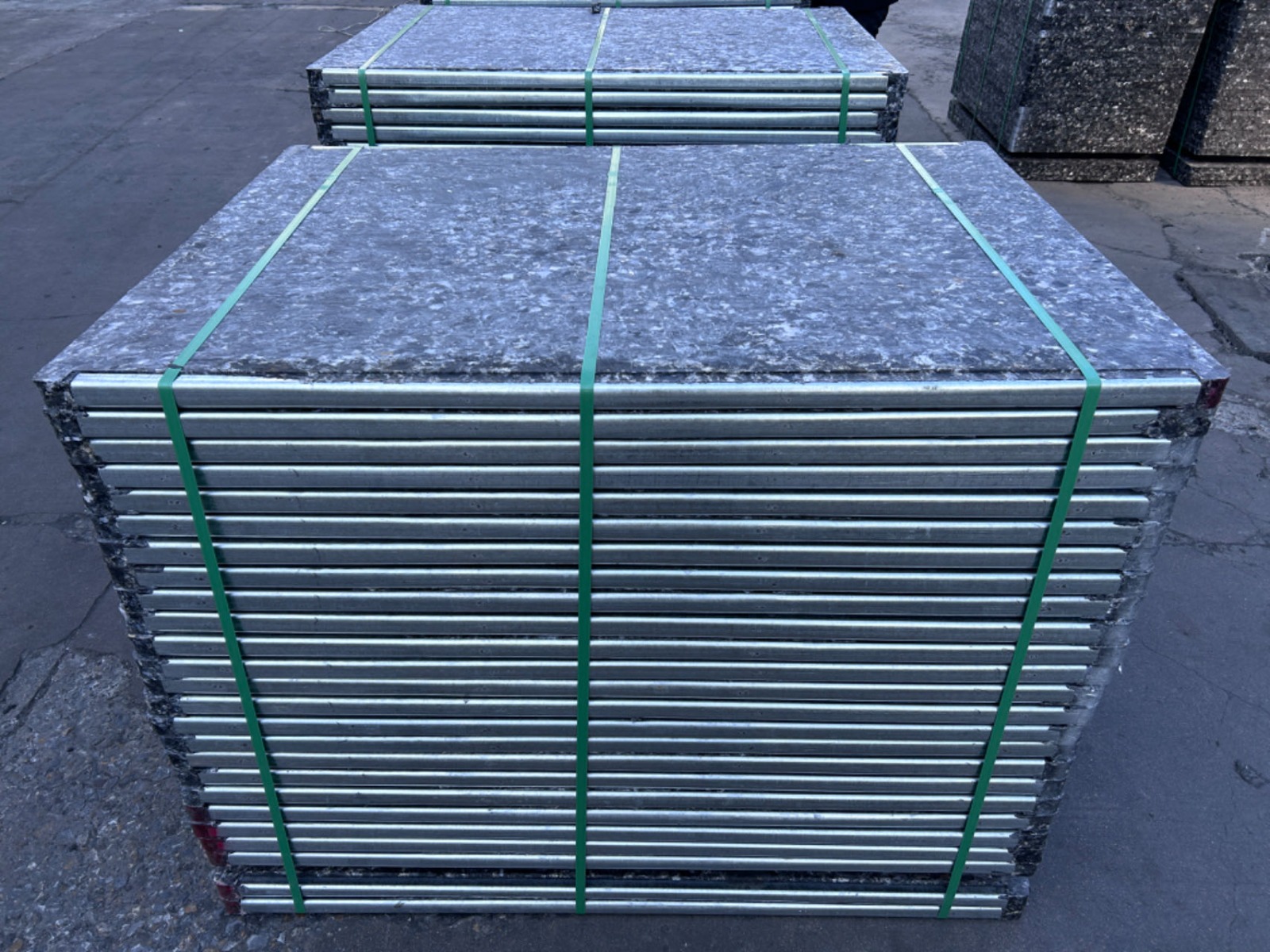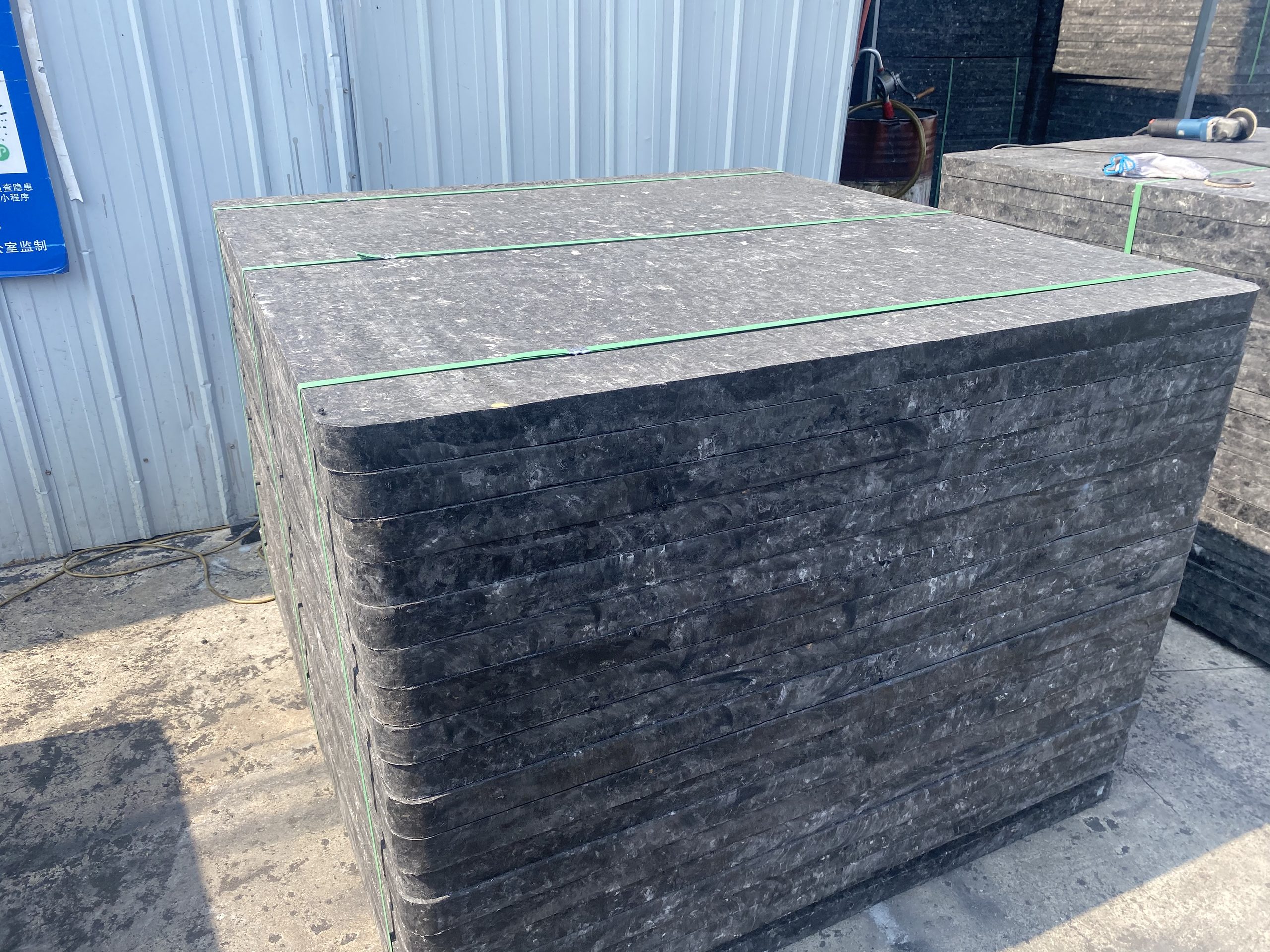
Material science innovations are reshaping brick pallet manufacturing. Recent breakthroughs in fiber-matrix interface engineering, thermoplastic processing, and continuous fiber reinforcement deliver pallets with 40-60% better mechanical properties and 25-35% longer service lives. The difference between conventional and next-generation materials determines whether pallets last 6 years or 12+ years under identical conditions.
Emerging technologies combine advanced glass fiber architectures with optimized thermoplastic matrices to create pallets that resist thermal cycling better, maintain dimensional stability longer, and support heavier loads. Understanding these advances helps manufacturers select pallets delivering measurable performance improvements and lower total cost.
Understanding Fiber Composite Material Science
Fiber composites combine reinforcement fibers and polymer matrix to create properties superior to either component alone. High-performance brick pallets rely on optimizing fiber architecture, matrix polymer selection, and interfacial bonding between fibers and matrix.
Glass fibers provide tensile strength and stiffness. Continuous strand mat configurations in GMT pallets deliver 150-250 MPa tensile strength. Research on short-fiber composite breakthroughs demonstrates that fiber architecture fundamentally determines mechanical performance.
Thermoplastic matrices like polypropylene transfer loads between fibers and protect fibers from environmental degradation. Advanced processing achieves 95-98% fiber wet-out compared to 85-90% in conventional processes, improving strength by 18-25%.
The fiber-matrix interface represents the critical third element. Interface research shows interfacial bonding governs load transfer efficiency. Surface treatments and coupling agents improve adhesion by 40-60%, extending fatigue life under cyclic loading.
| Material Component | Function | Performance Impact | Optimization Strategy |
|---|---|---|---|
| Glass Fibers | Tensile strength, stiffness | 60-75% of composite strength | Continuous mat, optimized density |
| Thermoplastic Matrix | Load transfer, impact resistance | Environmental durability | Advanced PP formulations, additives |
| Fiber-Matrix Interface | Stress transfer efficiency | Fatigue resistance, longevity | Silane coupling agents, surface treatments |
| Fiber Architecture | Anisotropic properties | Directional strength optimization | Multi-axial reinforcement layouts |
| Manufacturing Process | Consolidation quality | Void content, wet-out | Controlled pressure/temperature profiles |
Evolution of GMT Pallet Technology
GMT (Glass Mat Thermoplastic) technology emerged in the 1970s for automotive applications. First-generation GMT brick pallets appeared in the early 2000s as cost-effective alternatives to wood, offering superior moisture resistance and longer service lives.
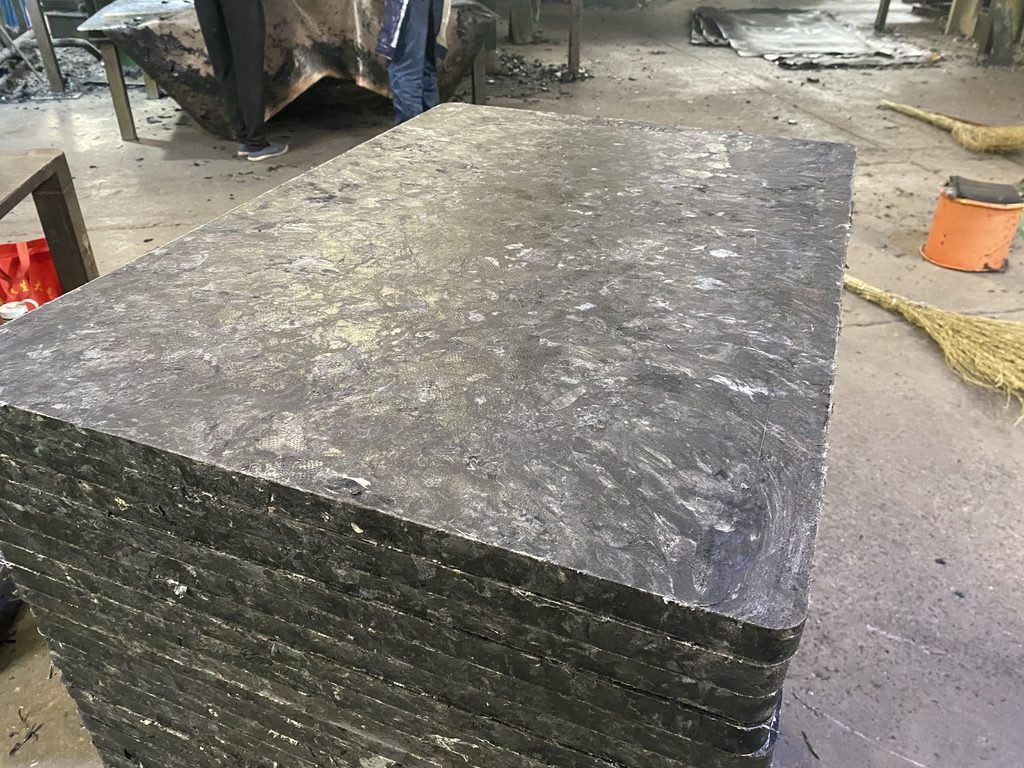
Early GMT pallets used E-glass chopped strand mat with 30-40% fiber content. Manufacturing involved hot-press consolidation at 180-200°C under 15-25 MPa pressure. These achieved 5-7 year lifespans but exhibited limitations in dimensional stability and load capacity.
Second-generation technology (2010-2020) increased fiber content to 40-50% through better mat designs. Addition of coupling agents improved fiber-matrix adhesion by 25-35%. High Quality GMT Pallet G-003 represents this generation, delivering 8-10 year lifespans with enhanced thermal stability.
Next-generation materials (2023-2026) incorporate multiple advances simultaneously. Continuous fiber reinforcement replaces chopped strand mat in critical stress areas. Advanced thermoplastic formulations resist higher temperatures. Optimized fiber-matrix interfaces reduce microcracking under cyclic loads, extending service lives to 12-15 years.
Advanced Fiber Reinforcement Systems
Traditional GMT pallets use E-glass chopped strand mat with random fiber orientation. Next-generation designs employ engineered fiber architectures that optimize strength-to-weight ratios and extend fatigue resistance.
Continuous fiber reinforcement provides superior properties. Research on continuous reinforcement shows 40-60% tensile strength improvements and 100-150% fatigue life extensions. Advanced pallets incorporate continuous strand layers oriented along principal stress directions.
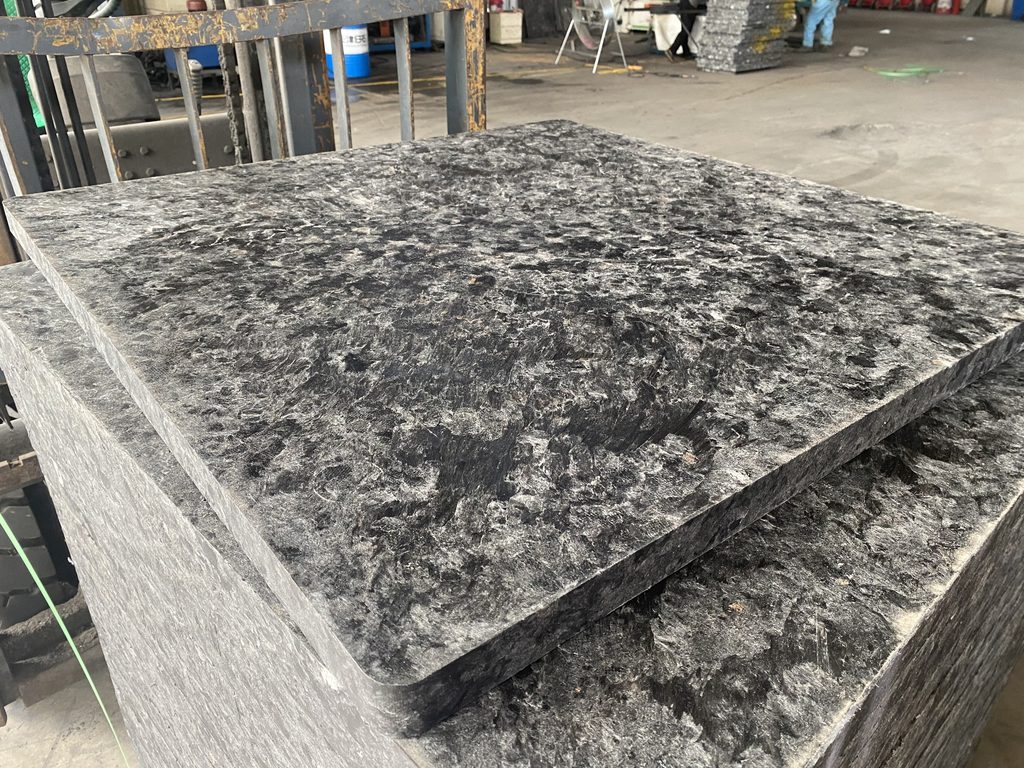
Multi-layer architectures combine different fiber types. Surface layers use fine-diameter fibers (10-13 micron) for smooth finish. Core layers employ 17-micron fibers for strength. This delivers premium surface quality without compromising performance.
Fiber content of 45-55% by weight provides optimal performance. Below 40%, insufficient reinforcement limits capacity. Above 55%, incomplete wet-out creates voids. Premium White GMT Brick Pallet G-002 uses optimized 48-52% content for stability.
Silane coupling agents create chemical bonds between glass and polymer, improving interfacial shear strength by 35-50%. This reduces delamination and extends service life by 25-40%.
Next-Generation Thermoplastic Matrices
Polypropylene remains the primary matrix for GMT pallets. Advanced formulations now incorporate additives that dramatically improve performance under brick production conditions.
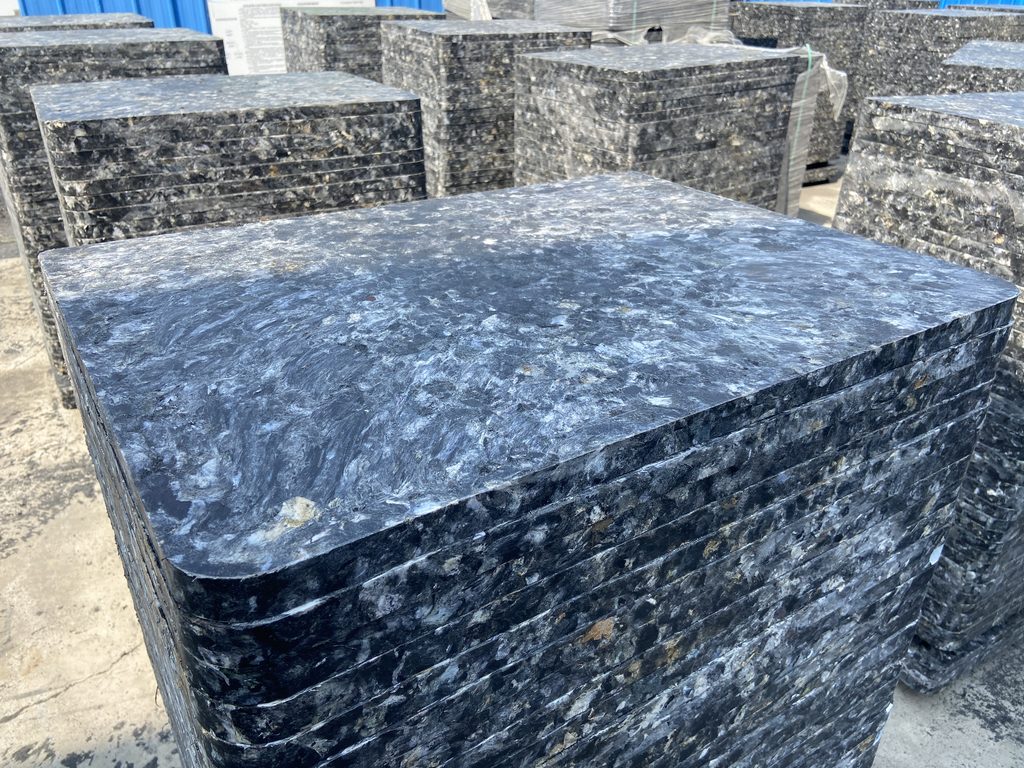
Impact modifiers address brittleness. Ethylene-propylene copolymers increase Izod impact strength from 40-50 J/m to 80-120 J/m, reducing cracking from handling impacts.
UV stabilizers prevent degradation in outdoor curing. Standard GMT loses 15-25% mechanical properties after 2-3 years UV exposure. Advanced formulations with HALS maintain 90-95% properties after 5+ years.
Thermal stabilizers extend high-temperature performance. Curing generates 60-85°C surface temperatures. Next-generation formulations maintain stability to 95-100°C versus 80-85°C, preventing warping.
Heat deflection temperature improvements result from nucleating agents. Advanced formulations achieve HDT of 115-125°C compared to 95-105°C for standard PP.
| Matrix Modification | Additive Type | Performance Improvement | Cost Impact |
|---|---|---|---|
| Impact Resistance | EPR copolymers (5-8%) | +80-100% Izod impact strength | +8-12% material cost |
| UV Stability | HALS (0.3-0.5%) | Maintain 90%+ properties after 5 years | +3-5% material cost |
| Thermal Stability | Phenolic antioxidants (0.2-0.4%) | +12-15°C service temperature | +2-4% material cost |
| Dimensional Stability | Nucleating agents (0.1-0.3%) | +18-22°C HDT, ±1.5mm warpage | +4-6% material cost |
| Processing Enhancement | Processing aids (0.5-1.0%) | Improved fiber wet-out, reduced voids | +2-3% material cost |
Interface Engineering for Enhanced Load Transfer
The fiber-matrix interface determines load transfer effectiveness. Interface research identifies interfacial bonding as the limiting factor in composite durability under cyclic loading.
Conventional GMT relies on mechanical interlocking providing moderate adhesion. Repeated loading causes microcracking reducing stiffness by 15-25% over 6-8 years.
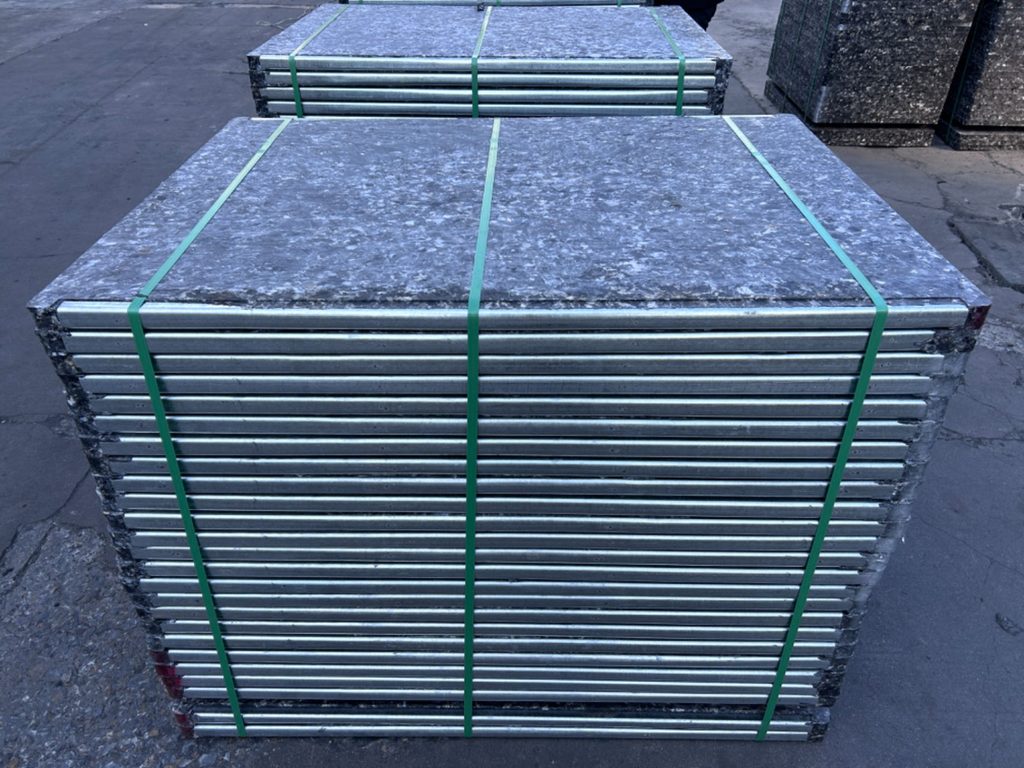
Advanced sizing systems create chemical bonds. Silane coupling agents improve interfacial shear strength from 25-30 MPa to 40-50 MPa—a 50-60% improvement reducing crack initiation.
Maleic anhydride grafted polypropylene (MAPP) further enhances bonding. Addition of 2-4% MAPP improves flexural strength by 20-30% and fatigue resistance by 100-150%.
Facilities using advanced interface technology report dimensional stability within ±1.5mm after 10+ years versus ±3-5mm for conventional materials, reducing rejection rates by 40-60%.
Manufacturing Process Innovations
GMT manufacturing uses compression molding—heating fiber mats with thermoplastic sheets, then pressing under controlled conditions. Process innovations in 2024-2026 improve consolidation quality and optimize fiber distribution.
Advanced infrared heating provides rapid, uniform temperature distribution. IR systems achieve target temperature (200-220°C) in 4-6 minutes with ±5°C uniformity versus 8-12 minutes with ±15°C for conventional ovens.
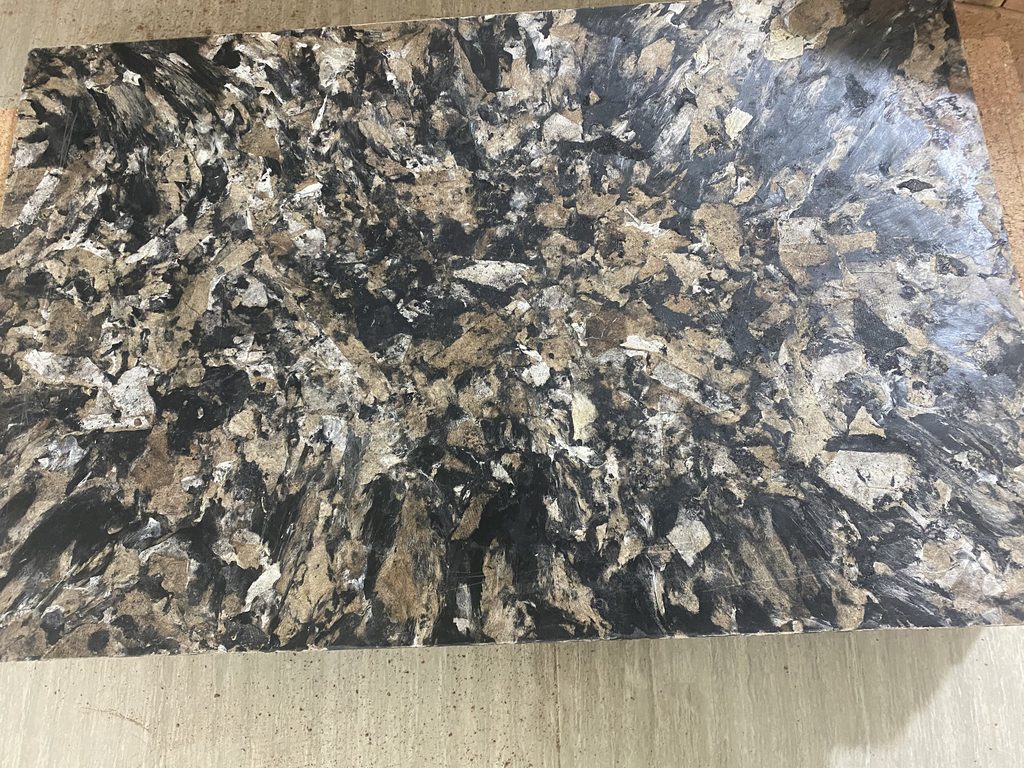
Precision pressure control optimizes consolidation. 3000-ton press operations maintain ±2% pressure tolerance ensuring uniform 1180-1220 kg/m³ density versus ±8-12% variation creating density gradients.
Controlled cooling prevents internal stress. Temperature-controlled molds maintain 60-80°C during initial cooling, then gradual ambient cooling reduces warpage by 60-75%.
Multi-stage compression improves fiber wet-out. Initial 8-12 MPa pressure followed by 20-28 MPa final densification reduces void content from 3-5% to <1%.
Quality control uses in-mold sensors monitoring real-time parameters, rejecting parts outside specification (±0.3mm thickness, ±15 kg/m³ density).
Performance Comparison: Conventional vs Next-Generation
Laboratory testing and field data reveal substantial performance differences between conventional GMT and next-generation fiber composites.
Flexural strength represents critical pallet performance. Conventional GMT achieves 110-140 MPa. Next-generation materials reach 165-195 MPa—40-50% improvement—through optimized fiber content, improved interfaces, and enhanced matrix formulations.
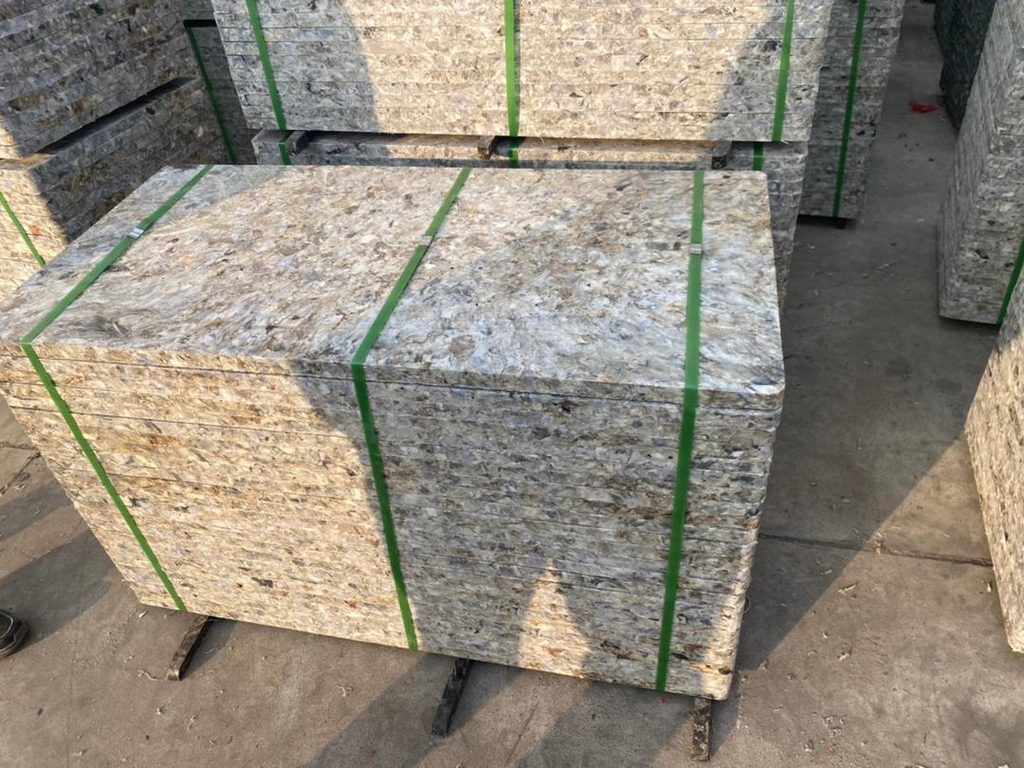
Load capacity shows greater differentiation. Conventional pallets support 2200-2800 kg before 2mm deflection. Advanced composites maintain <2mm deflection at 3200-3800 kg—35-45% capacity increase.
Dimensional stability under thermal cycling simulates service years. Testing involves 500 cycles between 20-85°C. Conventional materials show 3.5-4.8mm change. Next-generation composites exhibit 1.2-1.8mm change—65-70% improvement.
Fatigue resistance determines longevity. Testing applies 80% maximum load for 10,000 cycles. Conventional GMT shows 18-25% stiffness reduction. Advanced materials exhibit 6-10% reduction—2-3× longer service life.
| Performance Metric | Conventional GMT | Next-Gen Composite | Improvement | Field Impact |
|---|---|---|---|---|
| Flexural Strength | 110-140 MPa | 165-195 MPa | +40-50% | Higher load capacity |
| Load Capacity (2mm deflection) | 2200-2800 kg | 3200-3800 kg | +35-45% | Increased stack height |
| Thermal Dimensional Stability | 3.5-4.8mm change | 1.2-1.8mm change | +65-70% | Consistent brick dimensions |
| Fatigue Resistance (10k cycles) | 18-25% loss | 6-10% loss | +60-70% | 2-3× longer service life |
| Impact Strength | 45-60 kJ/m² | 95-125 kJ/m² | +100-110% | Reduced cracking from impacts |
| Heat Deflection Temperature | 95-105°C | 115-125°C | +18-20°C | No warping in hot conditions |
| Service Life (field data) | 6-8 years | 11-14 years | +75-100% | Reduced replacement frequency |
Real-World Material Performance Data
Field installations validate laboratory testing. Several facilities documented performance comparing conventional and next-generation pallets under identical conditions.
A South Asian manufacturer operating 1200 pallets replaced 400 conventional units with next-generation composites in 2020. After 4 years, conventional pallets show 3.2mm average deviation with 8% requiring replacement. Next-generation pallets exhibit 1.4mm deviation with zero replacements—projecting 12-14 year service life versus 7-9 years.
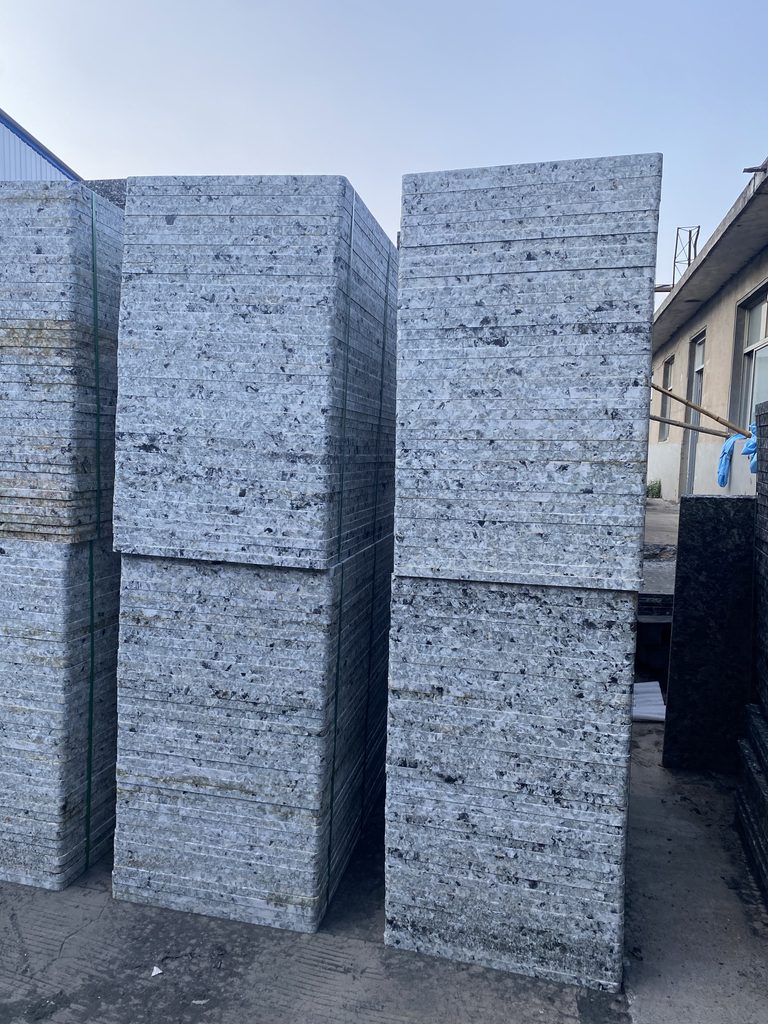
Middle Eastern facility using outdoor curing in 45-50°C documented thermal degradation. Conventional pallets from 2018 show 22% flexural strength reduction after 4 years. Next-generation pallets from 2021 show 6% reduction after 3 years—superior thermal and UV stability.
African manufacturer running automated lines (12,000 bricks/hour) tracked impact damage. Conventional GMT suffers cracking requiring replacement after 18-24 months. Black Glass Fiber Pallet BG-005 with advanced impact modifiers shows zero failures after 30 months.
European facility implementing sustainable practices compared lifecycle impact. Next-generation pallets with 12+ year service reduce manufacturing emissions by 45-55% versus conventional 7-8 year pallets.
Selection Criteria for Advanced Composites
Choosing between conventional and next-generation fiber composites requires analyzing production requirements, operating conditions, and total costs.
Production volume determines mechanical requirements. Manual facilities (<500,000 bricks monthly) operate successfully with conventional GMT. High-volume automated operations (>1,000,000 monthly) benefit substantially from advanced composites providing impact resistance, dimensional precision, and extended longevity.
Operating temperature influences material selection. Facilities using covered curing (maximum 70-75°C) operate well with conventional formulations. Operations with outdoor curing in tropical climates (regular 85-95°C, continuous UV) require advanced thermal and UV stabilization.
Cost analysis should examine lifecycle expenses. Conventional GMT costs $22-32 per pallet with 6-8 year service—$3.50-5.30 annually. Next-generation costs $38-52 with 11-14 year service—$3.10-4.70 annually. Advanced materials deliver 10-20% lower annual cost with superior performance.
Quality requirements determine surface finish needs. Standard blocks tolerate ±3mm variation. Architectural facing bricks requiring ±1mm precision benefit from advanced composites. Surface finish data shows correlation between pallet stability and brick quality.
Implement phased upgrade strategies. Replace 15-25% annually with next-generation units, prioritizing automated lines and high-temperature areas. This spreads capital investment while immediately improving critical production zones.
FAQ
Q: How do next-generation fiber composites differ from conventional GMT pallets?
A: Next-generation composites use optimized fiber architectures, advanced thermoplastic formulations with impact modifiers and UV stabilizers, and enhanced fiber-matrix interfaces with silane coupling agents. These deliver 40-50% better mechanical properties, 65-70% improved dimensional stability, and 75-100% longer service lives versus conventional GMT.
Q: What is the cost premium for advanced composite pallets?
A: Next-generation pallets cost $38-52 versus $22-32 for conventional GMT—$16-20 premium. However, lifecycle analysis shows lower annual cost: $3.10-4.70 versus $3.50-5.30. Extended 11-14 year service life versus 6-8 years means 10-20% lower total ownership cost with superior performance.
Q: Are advanced composites necessary for all applications?
A: No. Manual facilities producing <500,000 bricks monthly in covered conditions operate effectively with conventional GMT. High-volume automated operations (>1,000,000 monthly), outdoor curing in hot climates (>40°C), or premium architectural brick production benefit substantially from advanced properties and extended service.
Q: Can conventional GMT pallets be upgraded?
A: GMT pallets cannot be retrofitted. Implement phased replacement: transition 15-25% annually to next-generation materials, starting with automated lines and high-temperature areas. This spreads investment while immediately improving critical zones.
Q: How does interface engineering improve performance?
A: Interface engineering with silane agents and MAPP compatibilizers increases interfacial shear strength by 50-60% (25-30 MPa to 40-50 MPa). This reduces microcracking under cyclic loading, improving fatigue resistance by 100-150%. Field results show dimensional stability within ±1.5mm after 10+ years versus ±3-5mm.
Q: What manufacturing innovations contribute to improved performance?
A: Key innovations include infrared heating (±5°C uniformity versus ±15°C), precision pressure control (±2% tolerance), controlled cooling preventing residual stress, multi-stage compression reducing void content to <1%, and real-time quality monitoring ensuring consistent specifications.
Conclusion
Material science advances in fiber composites deliver brick pallets with measurably superior performance and significantly longer service lives. Innovations in fiber architectures, thermoplastic matrices, and interface engineering provide 40-50% better mechanical properties, 65-70% improved dimensional stability, and service extensions from 6-8 years to 11-14 years.
Facilities should evaluate production volume, operating conditions, quality requirements, and lifecycle costs when selecting materials. High-volume operations, automated systems, extreme temperatures, and premium brick production benefit substantially from advanced composites despite higher initial costs.
Phased fleet transition—replacing 15-25% annually starting with critical areas—provides immediate performance improvements while spreading capital investment. Understanding material science fundamentals enables informed decisions that optimize performance, reduce total cost, and improve brick quality throughout pallet service life.
Sources: