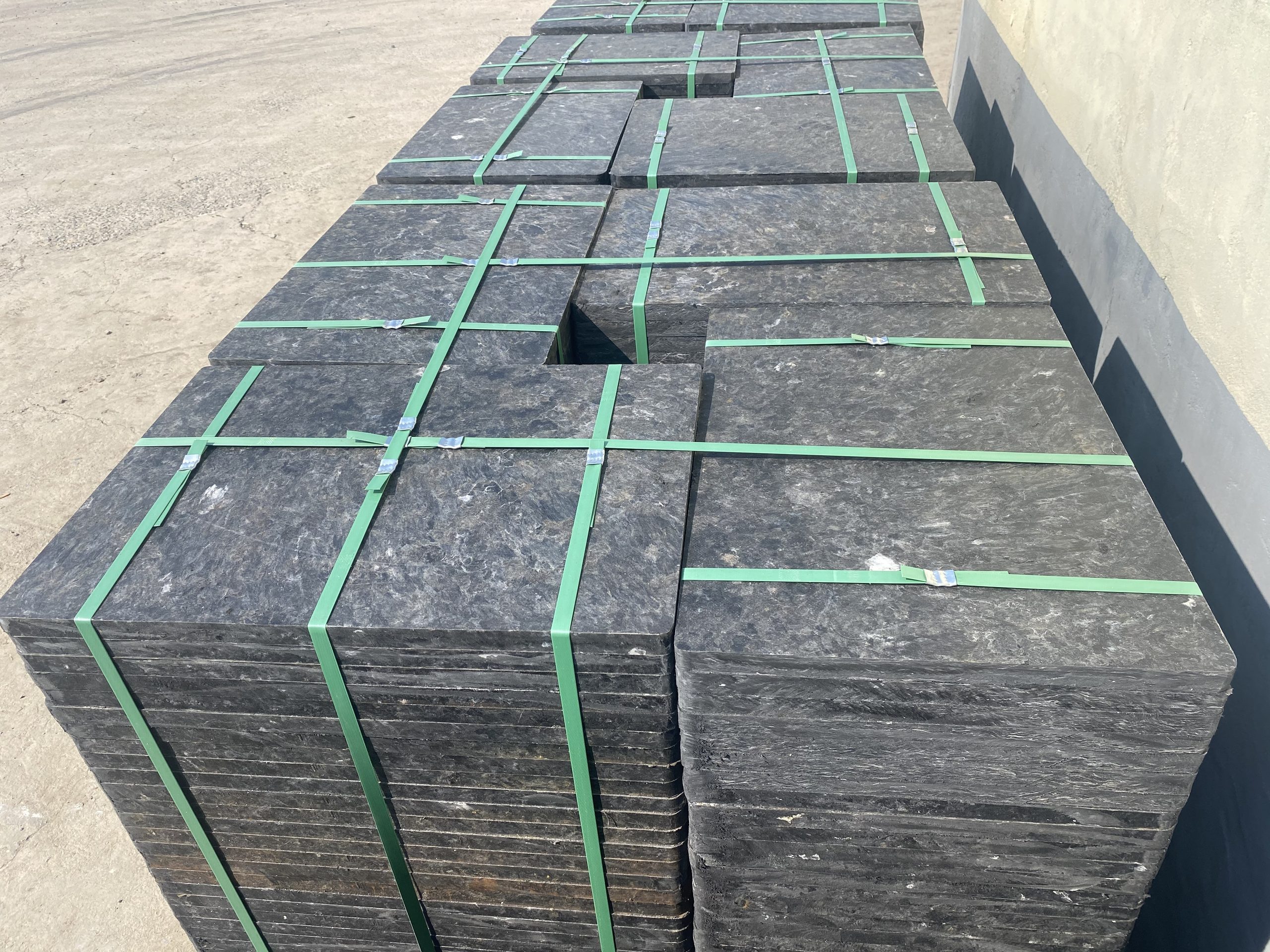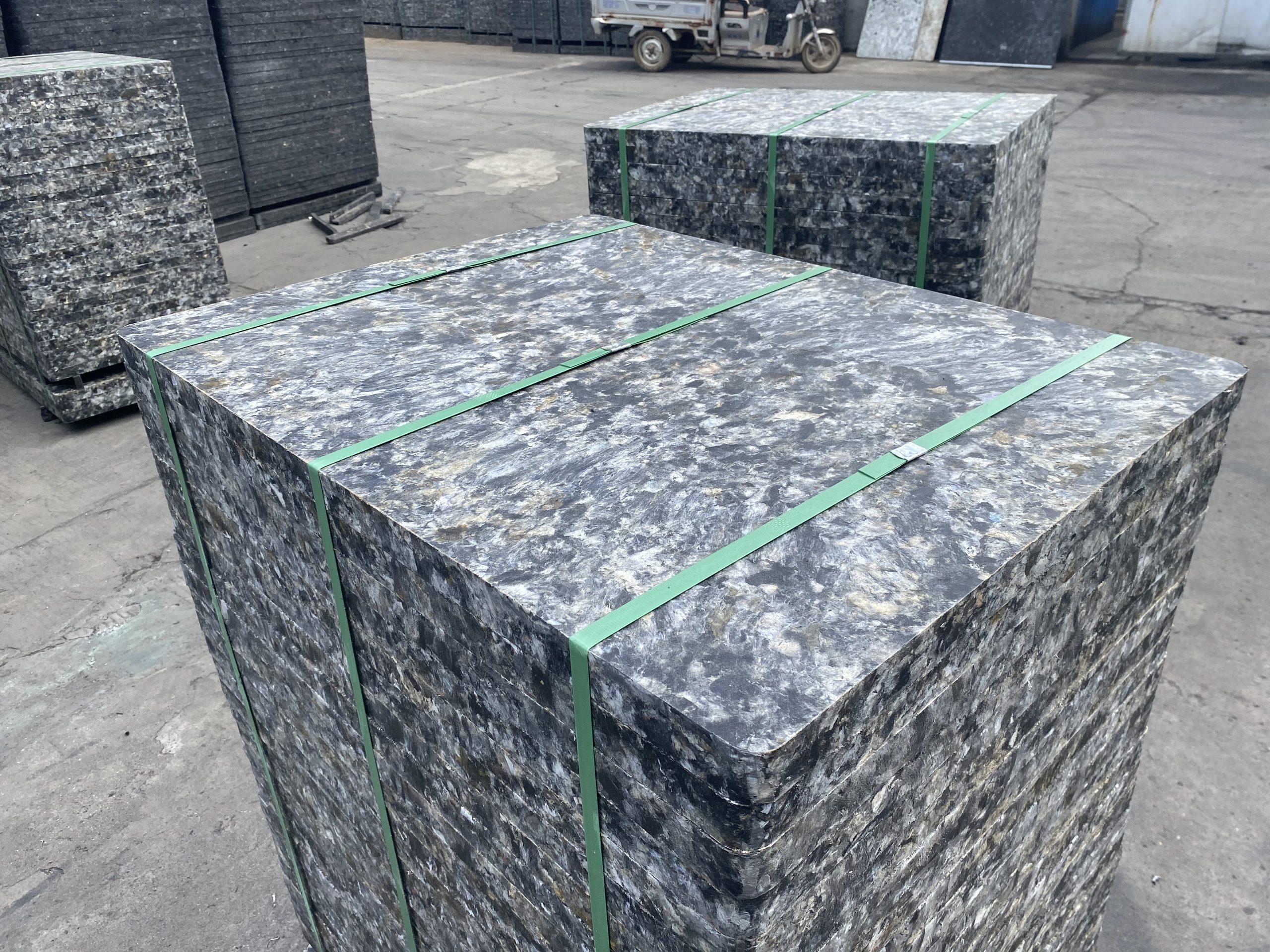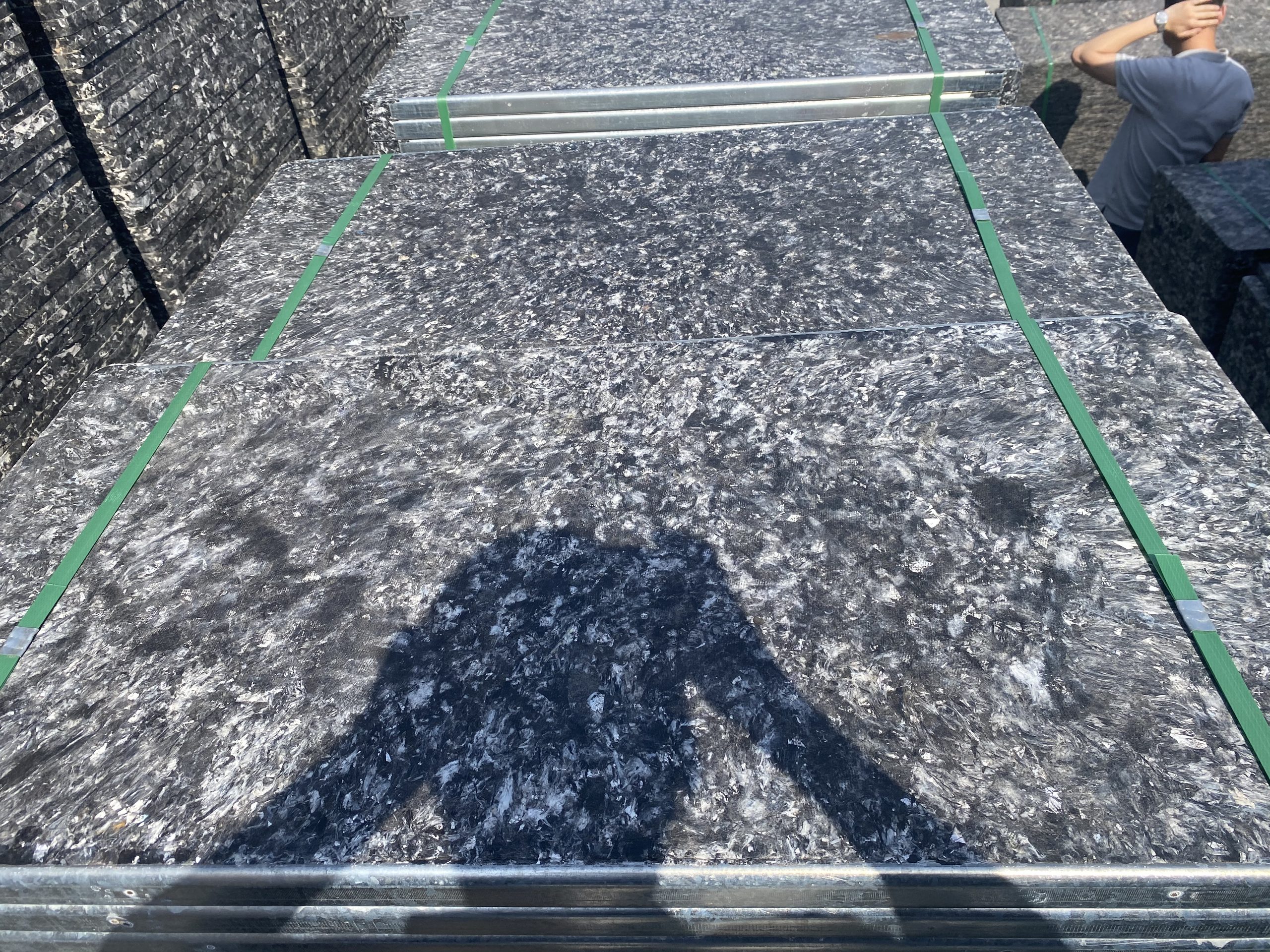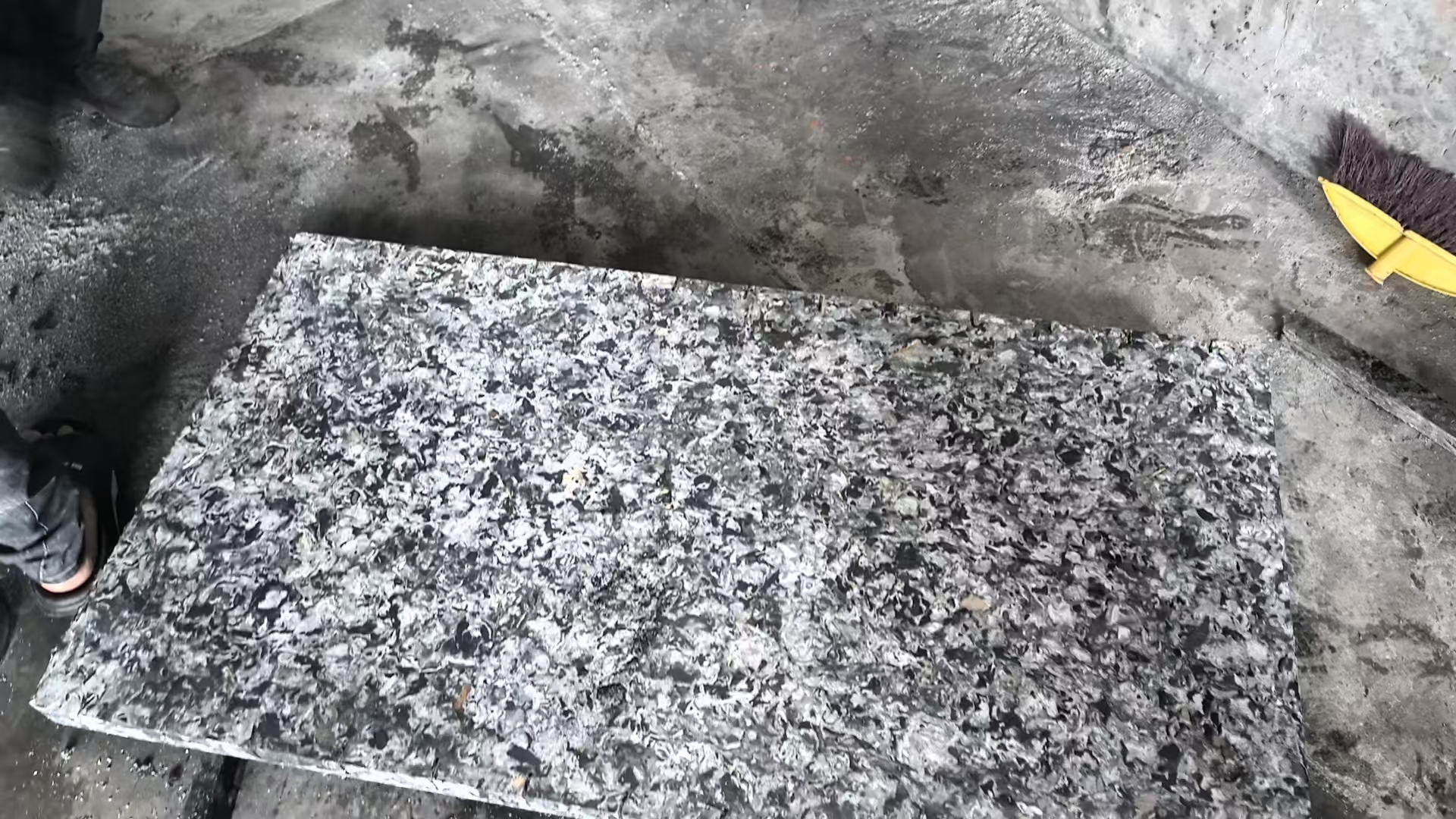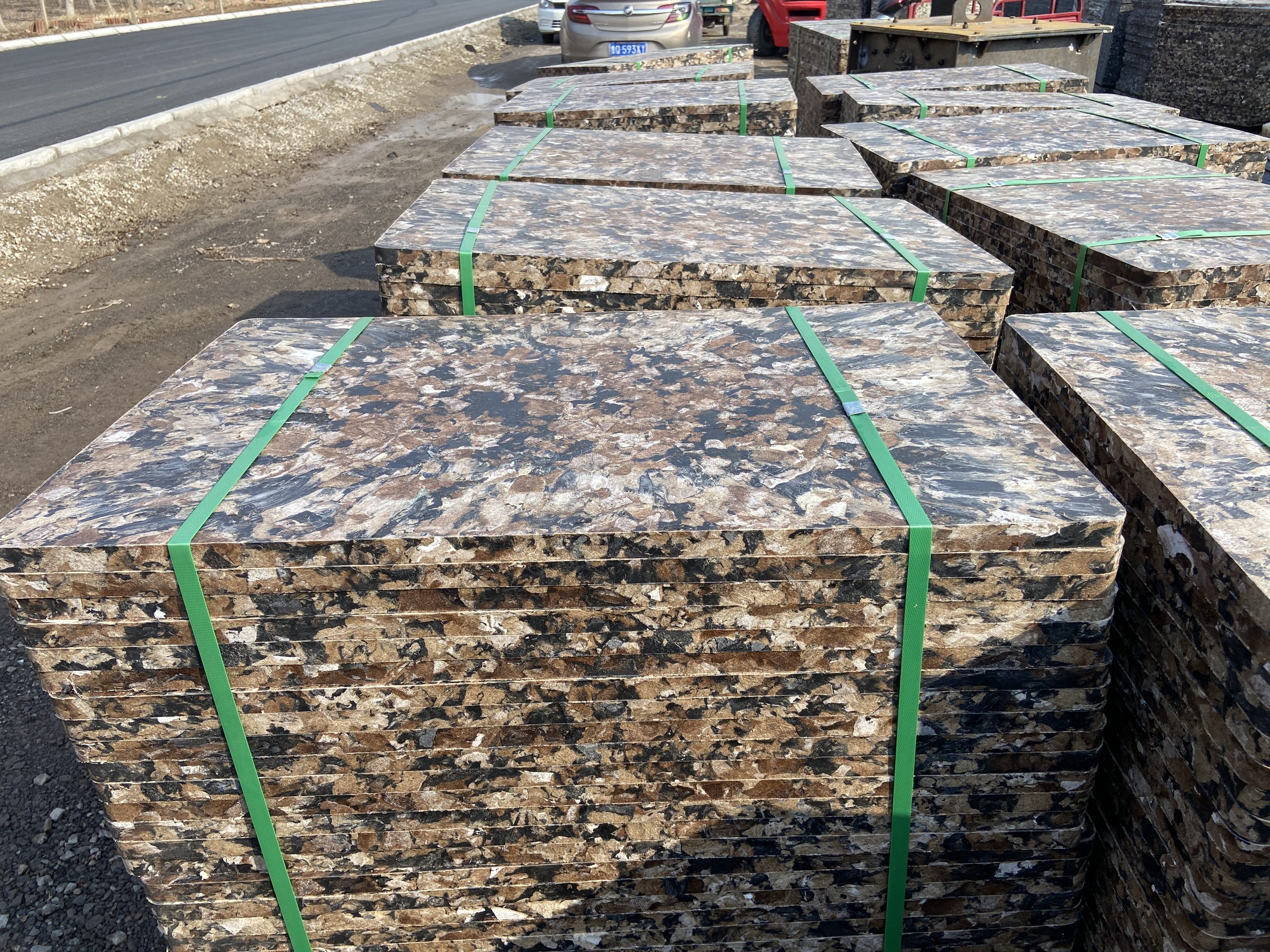
Block production facilities waste $8,000-15,000 annually on pallet replacements and line stoppages caused by inferior pallet quality. The root issue isn’t just material choice—it’s understanding GMT pallet manufacturing processes that separate high-performance industrial pallets from generic alternatives. Production methods directly determine dimensional stability, load capacity, and service life characteristics that make the difference between 3-year disposable pallets and 10+ year production assets.
If you’re sourcing GMT pallets for automated block machines or evaluating manufacturing capabilities of potential suppliers, understanding the production process helps you identify quality indicators that predict real-world performance. This guide explains how GMT pallets get manufactured, critical process control points, quality specifications for block making applications, and what to verify before committing to a supplier.
What Makes GMT Pallet Production Different from Standard Plastic Pallets
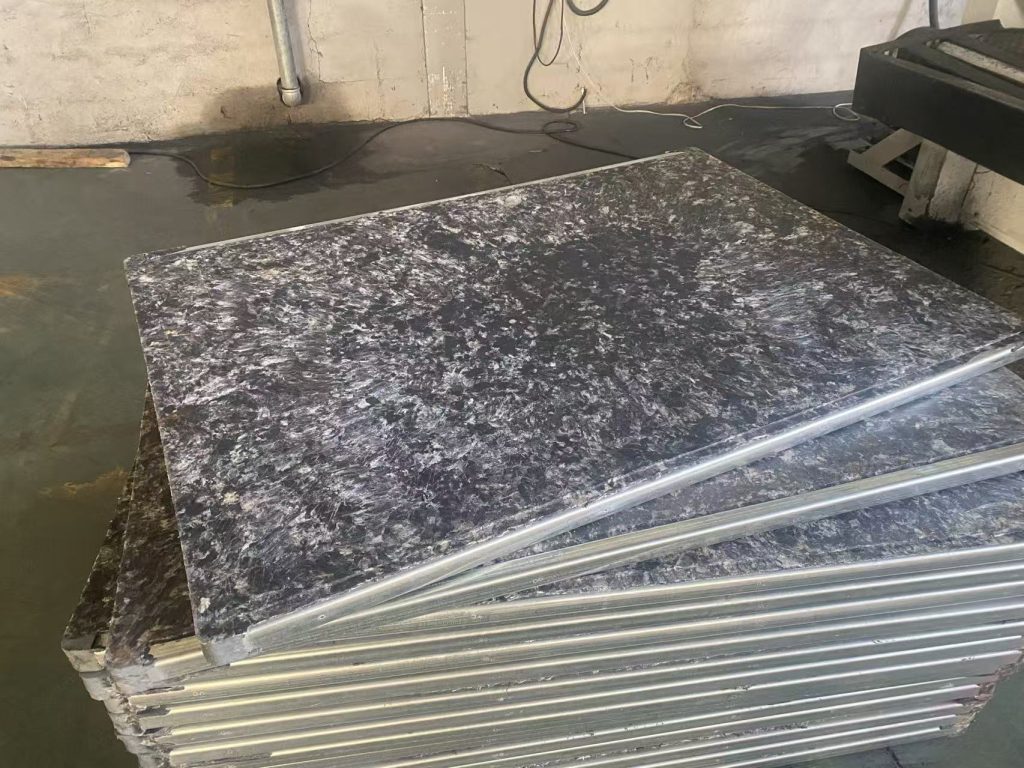
GMT (Glass Mat Thermoplastic) pallet production uses compression molding rather than injection molding—a fundamental difference that determines mechanical properties. Compression molding preserves continuous glass fiber length while injection molding breaks fibers into 2-5mm fragments during the high-shear injection process. Those intact fiber strands provide the structural backbone that enables 2,500-3,500 kg load capacity and dimensional stability within ±2mm across 10+ years.
The process starts with glass fiber mats layered with polypropylene resin sheets, then compressed under 50-100 bar pressure at 180-220°C. This consolidates everything into a homogeneous composite structure where glass fibers (30-50% by weight) handle tensile loads while the thermoplastic matrix distributes stress and resists environmental degradation. The resulting material exhibits strength-to-weight ratios wood and injection-molded plastic cannot match.
Manufacturing GMT pallets for block machines requires tighter process control than general-purpose pallets. Block production demands flatness within ±2mm across the entire 850mm × 680mm surface—variations beyond this cause concrete blocks to cure unevenly, creating dimensional defects that cascade through production. Standard plastic pallets maintain ±5mm tolerances that work for warehouse logistics but fail in precision block manufacturing.
Raw Material Selection and Preparation
Quality GMT pallets start with raw material specifications that directly determine service life and performance consistency. The glass fiber component typically uses continuous strand mat (CSM) with fiber lengths exceeding 100mm, providing superior mechanical properties compared to chopped strand mat alternatives. Fiber diameter matters—9-13 micron fibers deliver better resin impregnation and more consistent properties than coarser alternatives.
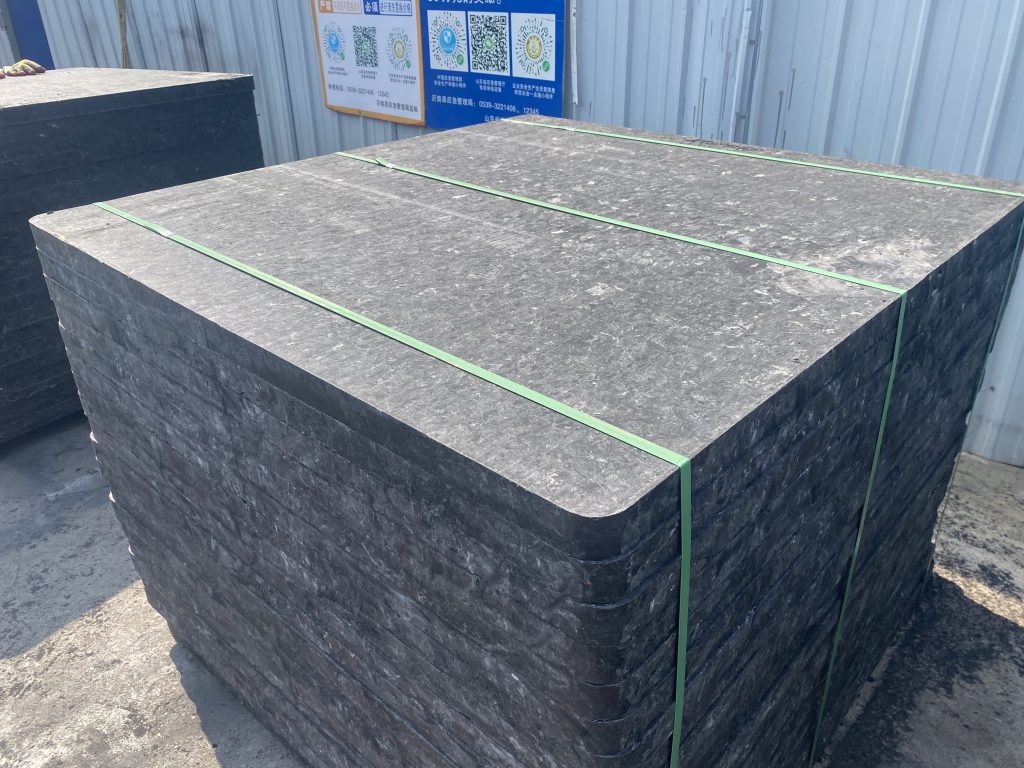
Polypropylene resin selection affects long-term durability more than most manufacturers specify. Block production GMT pallets require modified polypropylene incorporating UV stabilizers (preventing degradation during outdoor storage), impact modifiers (maintaining toughness at low temperatures), and antioxidants (extending thermal aging resistance). Virgin polypropylene delivers maximum UV stability and longest service life, while controlled recycled content (30-40% maximum from verified sources) reduces costs without compromising structural performance.
Material preparation involves precision cutting of glass fiber mats and polypropylene sheets to exact dimensions matching the mold cavity. This preparation stage controls fiber orientation—random orientation provides uniform strength in all directions, critical for pallets experiencing multi-directional loads during block handling and stacking. Some manufacturers use directional fiber placement to optimize strength along primary load paths, though this requires more sophisticated process control.
The glass-to-resin ratio determines the mechanical property balance. Block production pallets typically specify 35-45% glass content by weight—lower content sacrifices load capacity and stiffness, while higher content becomes difficult to fully impregnate with resin, creating voids that compromise durability. Optimal ratios ensure complete fiber wet-out while maintaining processability.
Compression Molding Process: The Critical Manufacturing Stage
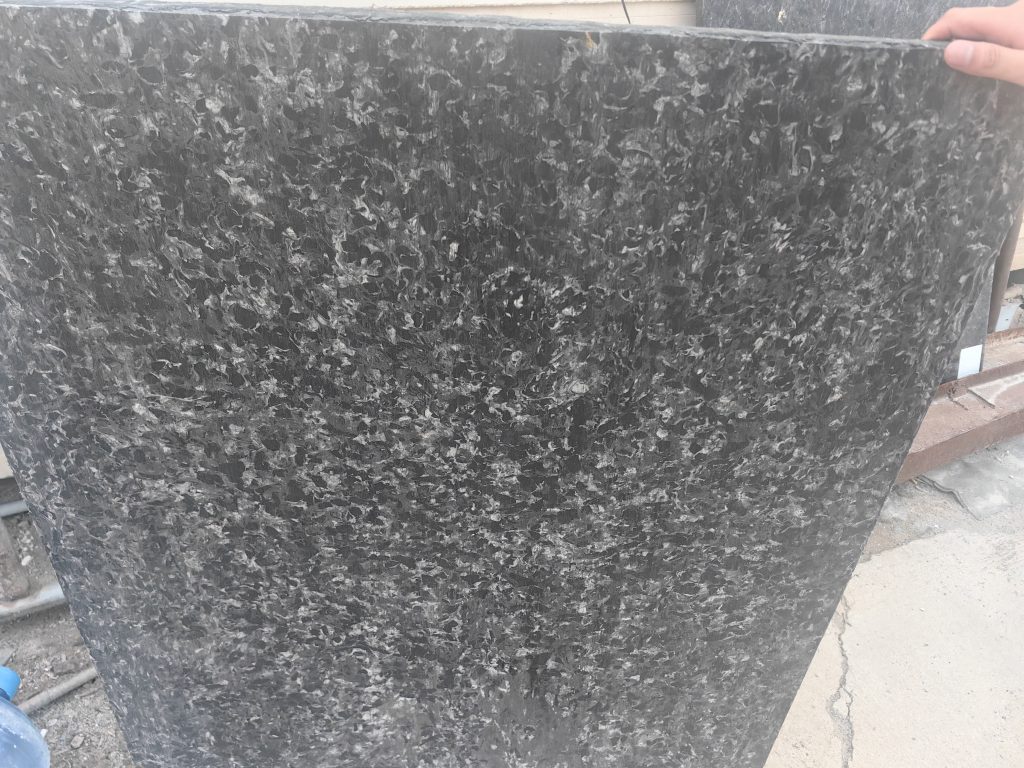
Compression molding transforms layered materials into finished GMT pallets through a carefully controlled heating and pressing sequence. The process begins by placing pre-cut glass fiber mats and polypropylene sheets into the lower mold half in alternating layers—typically 3-7 layers depending on target thickness (15-25mm for standard block machine pallets). Layer sequencing affects properties: outer polypropylene layers create smooth surfaces that minimize concrete adhesion and extend service life.
The mold closes and applies 50-100 bar pressure while heating platens bring temperature to 180-220°C. This melting point allows polypropylene to flow and impregnate glass fibers completely. Hold time under pressure and temperature ranges from 3-8 minutes depending on part thickness—insufficient time leaves unimpregnated fibers that create weak spots, while excessive time degrades the polymer matrix. Quality manufacturers monitor mold temperature at multiple points ensuring uniform heating across the entire 850mm × 680mm surface.
Compression force distribution directly determines surface flatness. Precision molds with matched heating zones maintain uniform pressure across the cavity, producing flatness within ±1-2mm. Lower-quality processes using single-point heating create temperature gradients that cause differential resin flow, resulting in warped pallets with ±5-8mm variations that cause block quality problems.
The cooling phase matters as much as heating. Controlled cooling under maintained pressure prevents warping as the material solidifies. Rapid uncontrolled cooling creates internal stresses that manifest as dimensional changes during the pallet’s first months of service—the hidden cause of “new” pallets that quickly develop flatness problems. Quality production specifies gradual cooling to 60-80°C before mold opening, typically adding 2-4 minutes to cycle time but ensuring dimensional stability throughout the pallet’s 10-12 year service life.
Quality Control: Process Monitoring and Testing
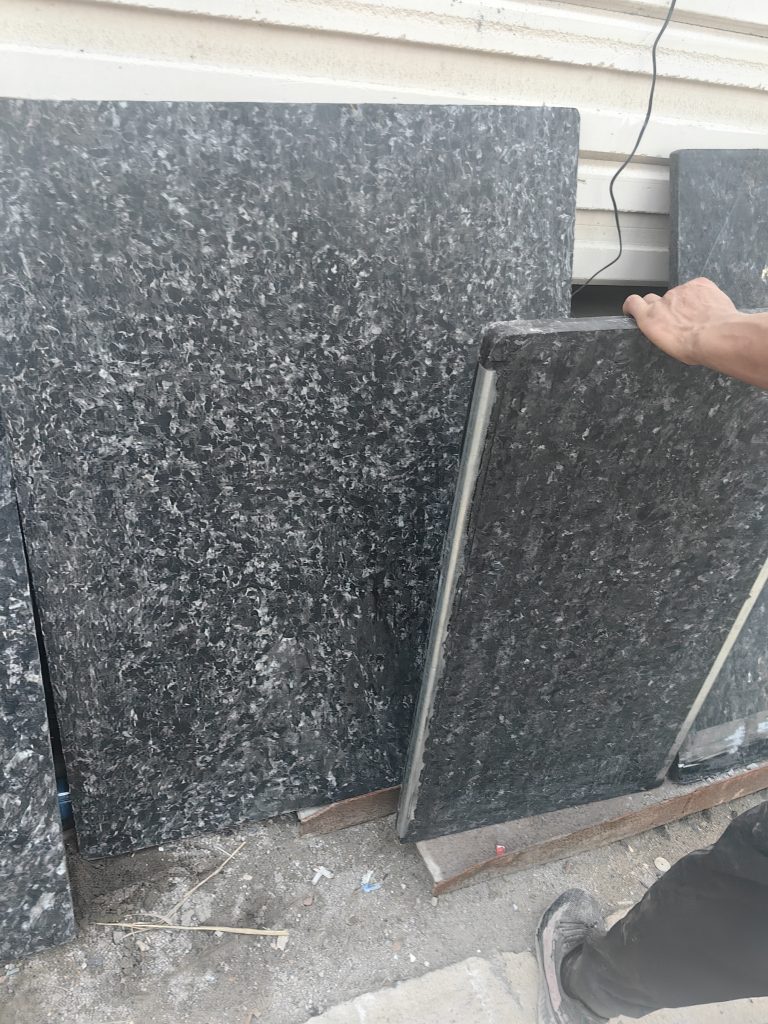
Production quality control separates industrial-grade GMT pallets from commercial alternatives. Critical control points include:
In-process temperature monitoring tracks mold temperature at 6-12 zones across the pressing surface. Variation beyond ±5°C between zones indicates heating system problems that produce inconsistent material properties. Block machine pallet production requires ±3°C uniformity to maintain flatness specifications.
Pressure profiling monitors actual compression force throughout the molding cycle. Quality manufacturers maintain pressure within ±5% of target throughout the heating and cooling phases. Pressure drops indicate seal problems or inadequate press capacity—both create quality defects.
Visual inspection immediately after demolding identifies surface defects: resin-rich or resin-starved areas, incomplete fiber wet-out, delamination between layers, and surface contamination. Acceptable quality standards specify zero visible dry fibers and uniform surface appearance across the entire pallet.
Dimensional verification measures critical specifications on every production run:
| Parameter | Specification | Measurement Method | Acceptance Criteria |
|---|---|---|---|
| Overall Dimensions (L×W) | 850mm × 680mm | Calibrated measurement tools | ±2mm tolerance |
| Thickness | 15-25mm (specification dependent) | Digital calipers at 9 points | ±1mm variation across surface |
| Surface Flatness | ±2mm maximum deviation | Precision straightedge and feeler gauges | No gaps >2mm |
| Weight | Specification dependent (15-25kg typical) | Calibrated scale | ±3% of target weight |
| Corner Squareness | 90° ±0.5° | Precision square | Within tolerance at all four corners |
Load testing verifies structural capacity before pallets enter service. Standard test protocols apply 1.5× rated load (3,750-5,250 kg for 2,500-3,500 kg rated pallets) for 24 hours, then measure deflection and permanent deformation. Quality GMT pallets show <3mm deflection under test load and <0.5mm permanent set after unloading. This testing identifies manufacturing defects that compromise load-bearing capacity.
Surface Treatment and Finishing Operations
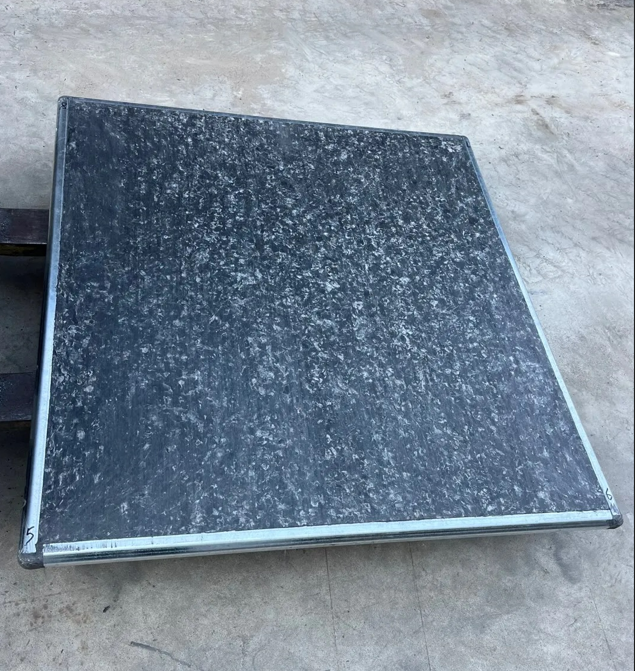
Post-molding surface treatments optimize GMT pallets for block production environments. The smooth compression-molded surface already minimizes concrete adhesion compared to rough wood alternatives, but additional treatments improve performance:
Surface texturing creates micro-patterns (0.1-0.3mm depth) that facilitate concrete release in wet-cast block operations while preventing vacuum attachment between pallet and fresh concrete. The texture depth matters—too shallow provides insufficient release benefit, too deep creates cleaning difficulties as concrete fills the texture over repeated cycles.
Edge reinforcement addresses the highest-stress area during handling. Quality manufacturers incorporate aluminum or steel edge channels embedded during molding or mechanically attached post-production. This reinforcement prevents edge damage during forklift handling and stacking operations that cause premature failure of unreinforced pallets.
Protective coatings extend service life in particularly demanding environments. Specialized release agents bonded to the pallet surface further reduce concrete adhesion and simplify cleaning. These coatings typically add $5-10 per pallet but can extend service life 15-20% in high-volume production facilities.
Trimming and finishing removes flash (excess material squeezed from mold edges during compression) and ensures dimensional accuracy. Precision trimming maintains the ±2mm tolerance critical for automated block machine operation. Lower-quality manufacturers skip this step, leaving rough edges that interfere with automated handling and cause positioning errors.
Production Variations for Different Block Machine Applications
GMT pallet production adapts to specific block making requirements through material and process modifications:
Standard concrete block pallets use 35-40% glass content and standard polypropylene matrix, optimized for 2,500-3,000 kg loads typical of hollow concrete masonry units. These high-quality GMT pallets represent the industry baseline for manual and semi-automated production.
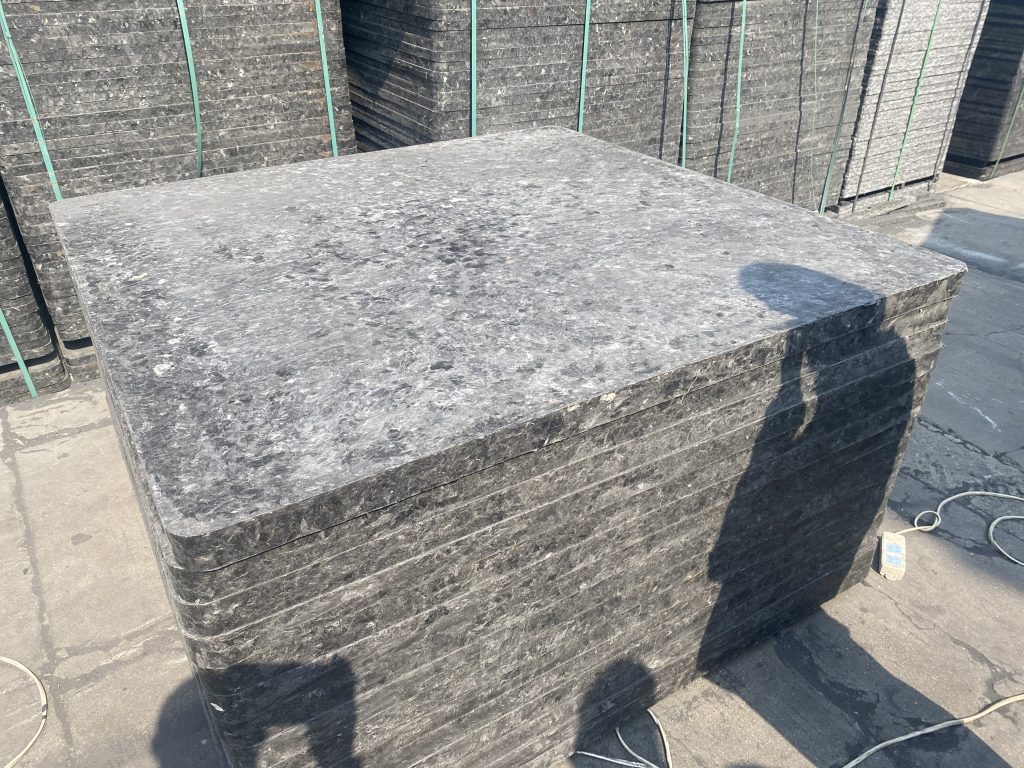
Heavy-duty pallets for solid concrete blocks increase glass content to 40-50% and may incorporate additional reinforcement layers for 3,000-3,500 kg capacity. The added reinforcement supports dense concrete blocks and pavers that generate higher pressures during molding and curing. Black glass fiber pallets use this enhanced construction.
Precision pallets for automated lines specify tighter manufacturing tolerances (±1mm flatness, ±1mm dimensional tolerance) requiring more sophisticated process control and additional quality verification steps. Premium white GMT pallets maintain these specifications enabling robotic handling at 60-120 blocks per minute without positioning errors.
Half-size pallets follow identical production processes but use smaller 850mm × 340mm molds. The reduced size doesn’t compromise specifications—half GMT pallets maintain the same load capacity per unit area and flatness requirements as full-size versions. They serve specialized applications producing smaller block formats or facilities requiring production flexibility.
Climate-adapted versions modify the polymer matrix for extreme environments. High-humidity formulations incorporate moisture barriers maintaining <0.5% absorption in 85-95% RH conditions common in tropical block plants. Temperature-resistant versions extend operating range to -40°C through +100°C for facilities in extreme climates.
Common Production Defects and Their Impact on Block Making
Understanding GMT pallet manufacturing defects helps identify quality issues before they cause production problems:
Incomplete fiber wet-out occurs when resin doesn’t fully impregnate glass fibers, leaving dry spots visible as white patches on the surface. This results from insufficient pressure, inadequate temperature, or premature mold opening. Dry fibers provide zero structural contribution—pallets with >5% dry fiber area typically fail within 18-24 months versus 10+ year service life of properly manufactured units.
Delamination between material layers creates internal voids that dramatically reduce load capacity and accelerate failure. This defect develops from contaminated material surfaces (oil, dust) or insufficient bonding pressure during molding. Delamination often remains invisible until the pallet experiences working loads, then catastrophically fails without warning—a critical safety issue in automated operations.
Warping and dimensional instability trace to uncontrolled cooling or non-uniform mold temperatures during production. Pallets leaving the production line within specification but developing 3-8mm warping within 3-6 months of service indicate process control problems. This delayed warping causes block dimensional variations and triggers sensor errors on automated machines.
Surface porosity from trapped air or volatile compounds creates rough spots that mark premium architectural blocks and increase concrete adhesion. Quality production maintains vacuum-assisted resin impregnation or careful layer placement eliminating air entrapment. Porosity >2% of surface area typically correlates with reduced service life and cleaning difficulties.
Weight variation beyond ±5% indicates inconsistent material distribution or incorrect glass-to-resin ratio. Lightweight pallets sacrifice strength and durability, while overweight pallets waste material and may indicate excess resin with insufficient reinforcement. Consistent weight within tight tolerances signals manufacturing process control.
Supplier Evaluation: Production Capabilities to Verify
When sourcing GMT pallets for block making machines, evaluate these production indicators that predict quality and performance:
| Production Capability | Quality Indicator | Impact on Block Production |
|---|---|---|
| Press Capacity | 500-1000 ton capacity for 850×680mm pallets | Insufficient pressure creates incomplete consolidation and strength loss |
| Mold Temperature Control | Multi-zone heating with ±3°C uniformity | Temperature variation causes warping and dimensional instability |
| Material Traceability | Batch tracking for resin and fiber sources | Identifies quality problems and ensures consistent specifications |
| Cycle Time | 8-15 minutes total for quality production | Rushed cycles (<6 minutes) sacrifice fiber wet-out and dimensional control |
| Testing Equipment | Load test frames, flatness measurement capability | Absence indicates no verification of specifications |
| Quality Documentation | Per-batch inspection records and test data | Lack of documentation suggests inconsistent process control |
Request factory visits or detailed manufacturing documentation before large purchases. Legitimate manufacturers readily share process details and quality control procedures, while suppliers offering suspiciously low prices typically lack production capabilities to meet block machine requirements.
Integration with Block Making Operations
Successfully implementing GMT pallets requires understanding their production characteristics in relation to your block making process:
Break-in period: New GMT pallets may require 10-20 production cycles for residual internal stresses to fully stabilize. During this period, monitor dimensions and surface condition more frequently. Any pallets showing >1mm dimensional change during break-in indicate manufacturing quality problems—return them immediately.
Cleaning protocols: GMT’s smooth compression-molded surface resists concrete adhesion but requires regular cleaning to prevent buildup. High-pressure water washing (1500-2500 PSI) removes concrete residue without damaging the surface. Avoid metal scrapers that scratch the surface and create adhesion points for future buildup.
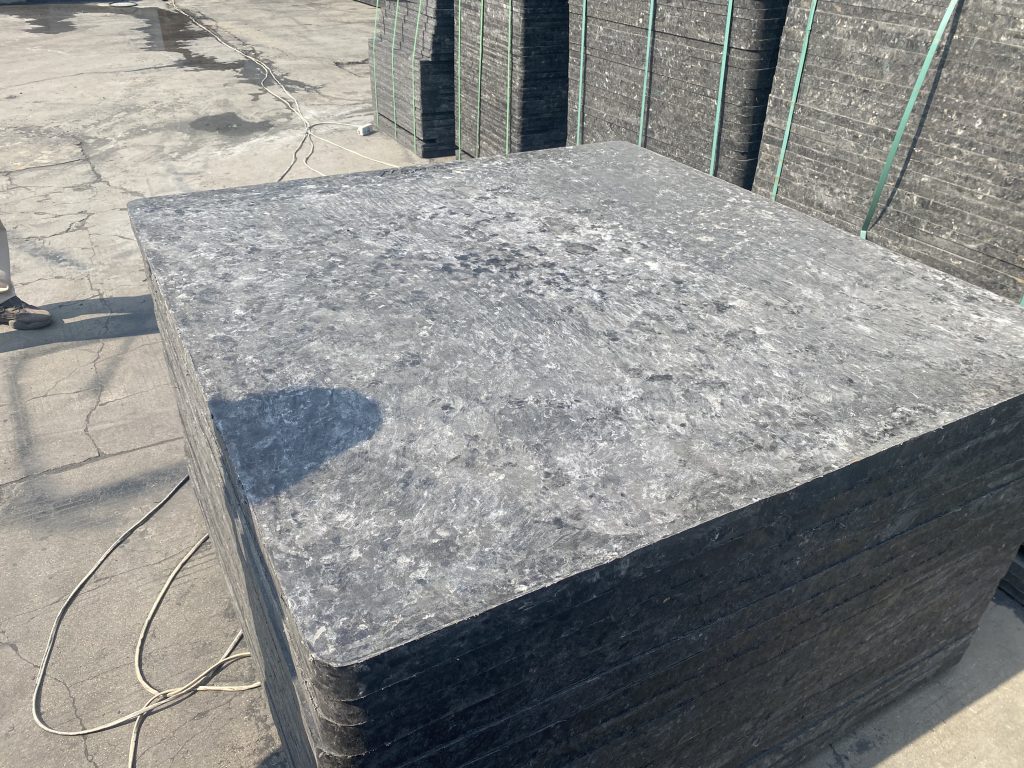
Stacking and storage: Store GMT pallets flat when not in production—vertical storage concentrates weight on edges causing deformation over time. Stack no more than 20-25 units high to prevent compression stress on bottom pallets. The compression-molded structure tolerates normal stacking loads but excessive height over extended periods can induce dimensional changes.
Maintenance inspection: Quarterly visual inspections identify edge damage, surface cracks, or delamination before failures occur. GMT pallets properly manufactured and handled show minimal wear even after 5-7 years continuous service. Visible deterioration within the first 2-3 years signals manufacturing quality problems.
Cost Analysis: Production Quality vs. Total Ownership
GMT pallet production costs directly correlate with quality specifications. Understanding this relationship helps evaluate supplier pricing:
Manufacturing cost breakdown for quality GMT block machine pallets:
- Raw materials (polypropylene, glass fiber): 40-50% of total cost
- Energy (heating, pressing): 15-20%
- Labor and overhead: 20-25%
- Quality control and testing: 5-10%
- Tooling amortization: 8-12%
Suppliers offering prices 30-40% below market averages typically compromise on raw material quality (using excessive recycled content from unverified sources), reduce process control (faster cycles sacrificing consolidation quality), or skip quality verification. These “savings” create hidden costs through reduced service life, increased defect rates, and production disruptions.
For a 500-pallet facility over 10 years, compare total ownership costs:
Low-cost GMT pallets ($60-75 each): Initial investment $30,000-37,500, but 5-7 year lifespan requires one replacement cycle adding $30,000-37,500, plus higher defect rates costing $8,000-12,000 = $68,000-87,000 total
Quality GMT pallets ($90-120 each): Initial investment $45,000-60,000, 10-12 year lifespan requires no replacement, minimal defects saving $5,000-8,000 = $45,000-60,000 total
The $23,000-27,000 difference over 10 years doesn’t include productivity improvements from better dimensional consistency and reduced line stoppages. Quality GMT pallet production costs more but delivers superior value through extended service life and operational performance. Learn more about return on investment calculations when switching to GMT pallets.
Frequently Asked Questions
What production process creates the highest quality GMT pallets for block making machines?
Compression molding with multi-zone temperature control, 8-15 minute cycle times, controlled cooling under pressure, and post-production dimensional verification produces the highest quality. This process maintains continuous glass fiber length (100mm+) and ensures uniform resin impregnation across the entire pallet surface, delivering ±2mm flatness and 10-12 year service life.
How can I verify if a GMT pallet manufacturer has adequate production capabilities?
Request documentation of press capacity (minimum 500 tons for 850×680mm pallets), temperature control systems (multi-zone heating with ±3°C uniformity), quality testing equipment (load testing and dimensional verification), and per-batch inspection records. Legitimate manufacturers provide this information readily—those refusing likely lack proper production control.
Why do some GMT pallets warp within months while others last 10+ years?
Warping traces to production defects: uncontrolled rapid cooling creating internal stresses, non-uniform mold temperatures causing differential material properties, or insufficient glass fiber content. Quality production with controlled cooling under pressure and uniform heating eliminates warping, maintaining dimensional stability throughout the pallet’s service life.
What glass fiber content should GMT pallets for block machines contain?
Block production pallets require minimum 35% glass content by weight—lower content sacrifices load capacity and dimensional stability. Standard applications use 35-40% glass, while heavy-duty solid block production specifies 40-50%. Verify glass content through manufacturing documentation or destructive testing of sample units before large orders.
Can recycled materials produce quality GMT pallets for block making?
Controlled recycled content (30-40% from verified automotive or industrial sources) doesn’t compromise performance when blended with virgin polypropylene. However, excessive recycled content (>50%) or unverified sources risk contamination that creates weak spots and reduces service life. Premium applications requiring maximum UV stability and longest service life should specify 100% virgin polypropylene.
How does GMT pallet production differ from injection molding plastic pallets?
Compression molding preserves continuous glass fiber lengths (100mm+) providing superior load capacity and dimensional stability, while injection molding’s high-shear process breaks fibers into 2-5mm fragments that deliver only 40-60% of the structural performance. Compression molding produces pallets maintaining ±2mm flatness for 10+ years—injection-molded alternatives rarely achieve this consistency.
What quality tests should manufacturers perform on every production batch?
Dimensional verification (length, width, thickness, flatness within tolerances), weight consistency (±3% of target), visual inspection (zero visible dry fibers or delamination), and periodic load testing (1.5× rated capacity for 24 hours with <3mm deflection). Manufacturers unable to provide test data for each batch lack adequate quality control.
Conclusion
GMT pallet production quality determines whether your block making operation runs smoothly for 10+ years or faces recurring problems and premature replacements. The compression molding process, when properly controlled with uniform heating, adequate cycle time, and controlled cooling, produces pallets maintaining ±2mm dimensional stability and 2,500-3,500 kg load capacity throughout extended service life. Material specifications matter equally—35-50% glass fiber content with quality polypropylene matrix delivers the mechanical properties block production demands.
Production defects from rushed cycle times, inadequate temperature control, or compromised raw materials create hidden costs through dimensional instability, premature failure, and production disruptions that far exceed initial purchase savings. Quality manufacturers invest in precision molds, multi-zone heating systems, and comprehensive testing protocols that ensure consistent specifications batch after batch.
When sourcing GMT pallets for block making machines, verify supplier production capabilities through factory documentation, manufacturing process details, and quality testing records. The 20-30% price premium for properly manufactured GMT pallets delivers 40-60% lower total ownership costs through extended 10-12 year service life, minimal maintenance requirements, and superior operational performance that reduces defect rates and downtime.
If you need precision-manufactured GMT pallets for your block making operations, Rhinos Pallet offers compression-molded fiber-reinforced pallets with verified dimensional specifications and comprehensive quality documentation. Our controlled production processes ensure ±2mm flatness, 10+ year service life, and consistent performance that automated and manual block machines demand. Contact us today for detailed specifications and factory-direct pricing tailored to your production requirements.