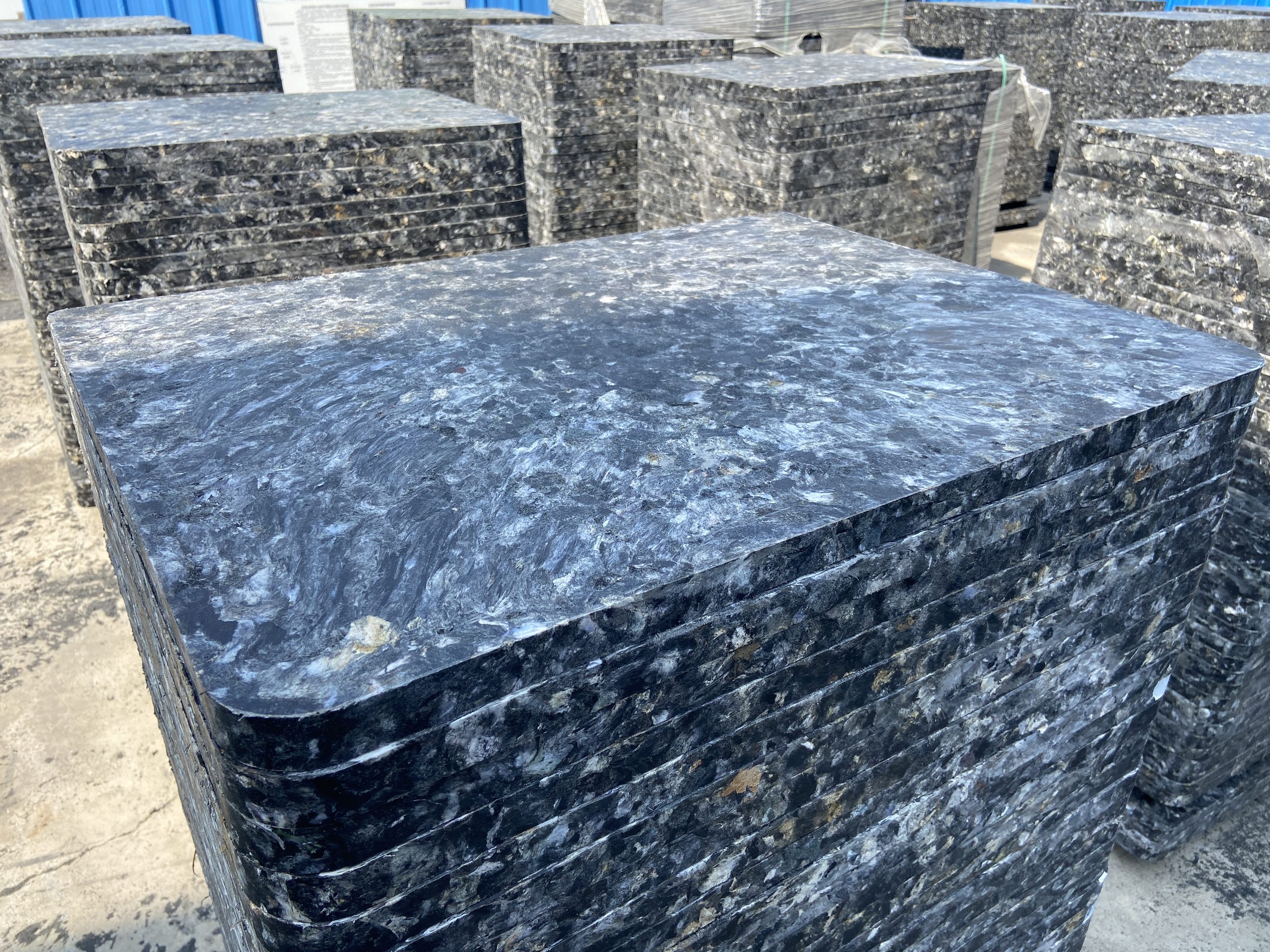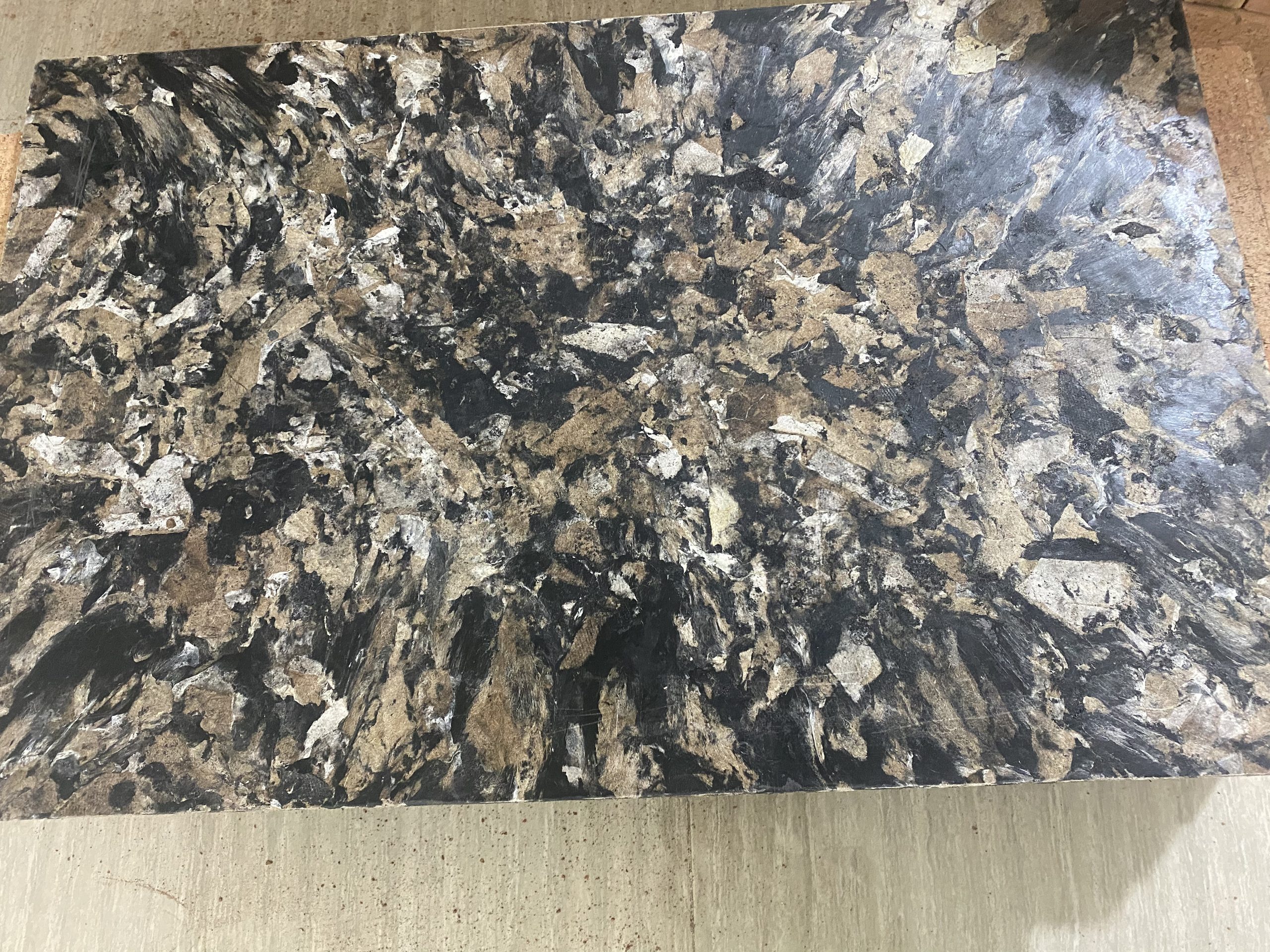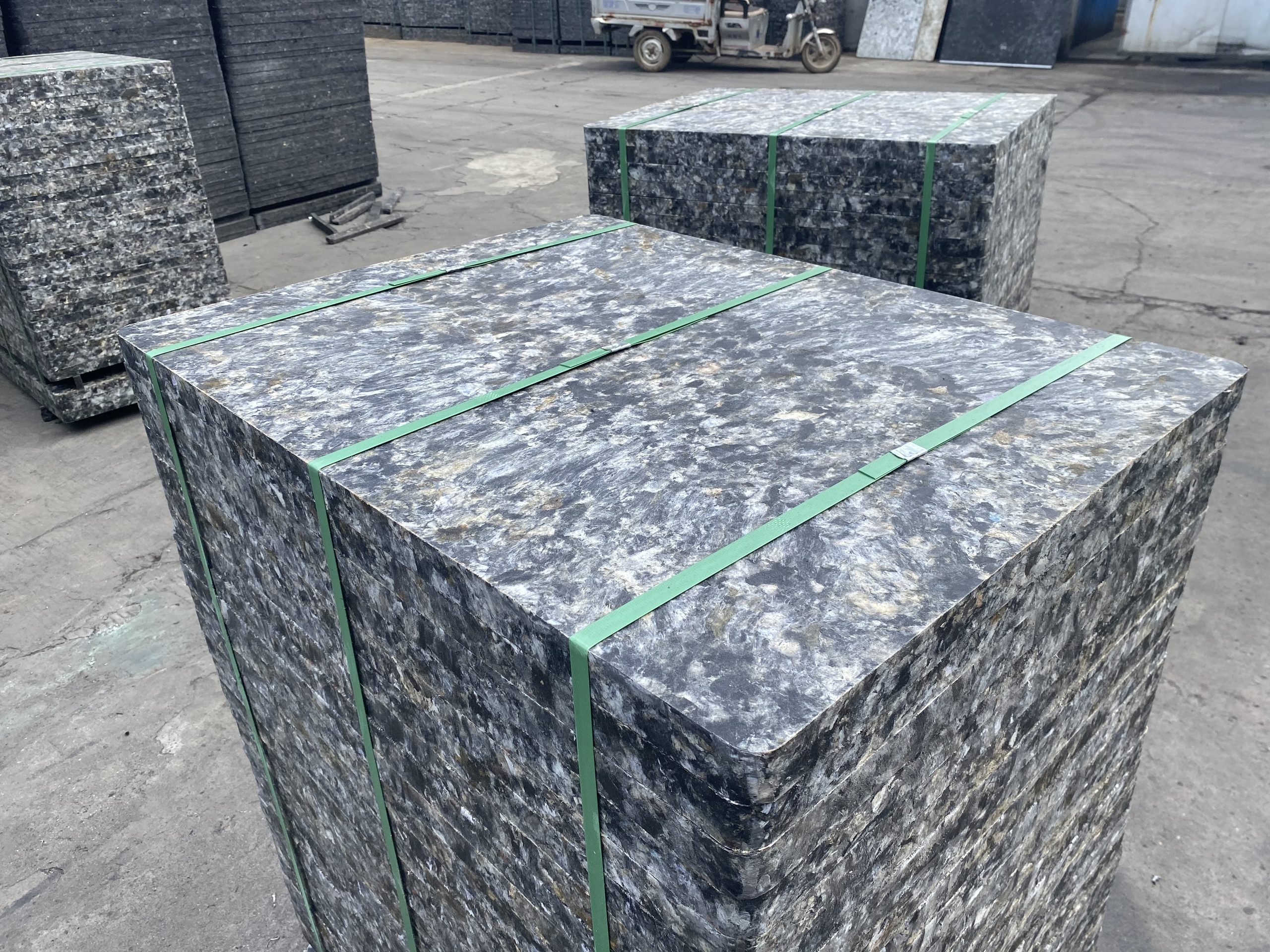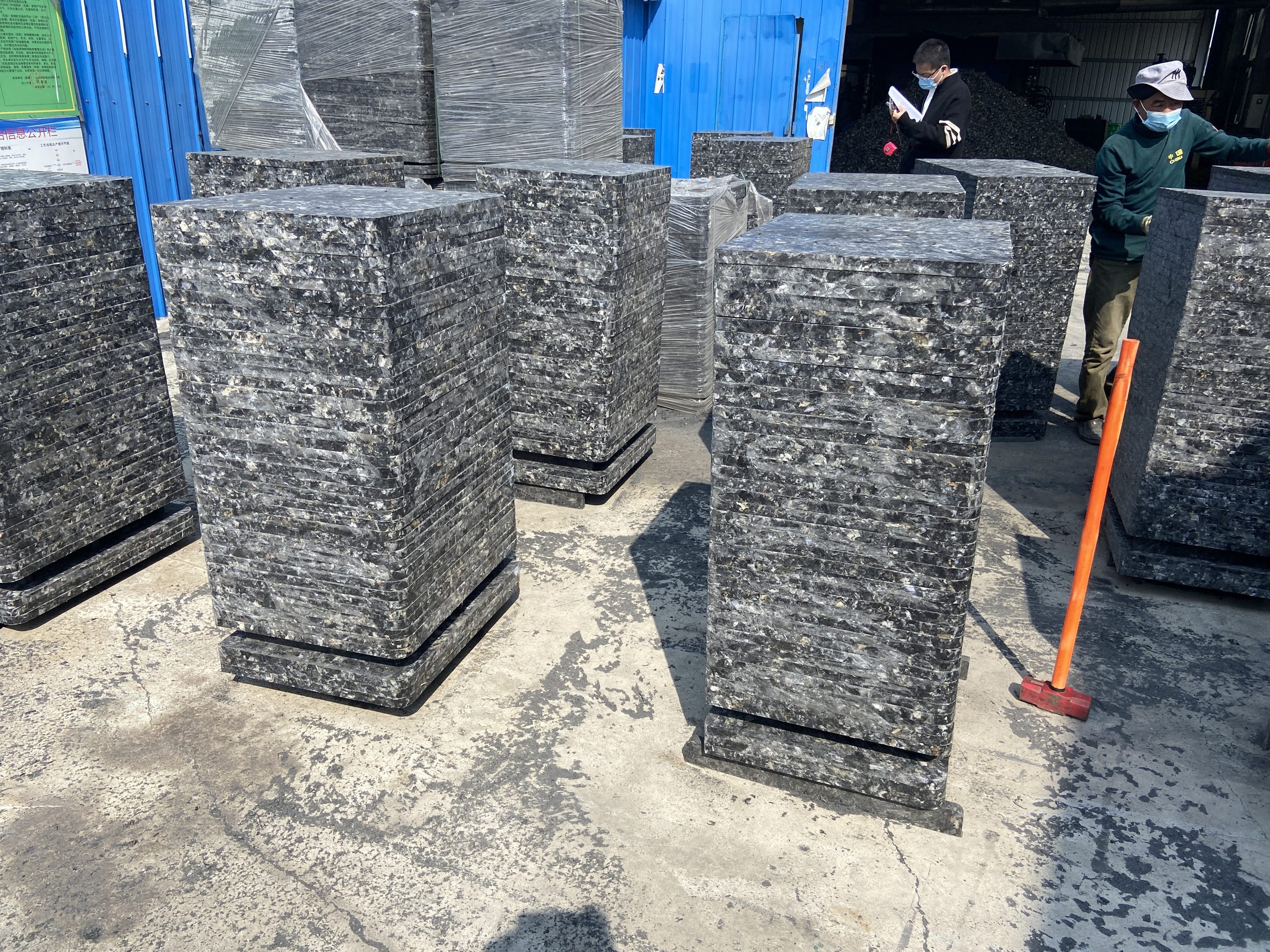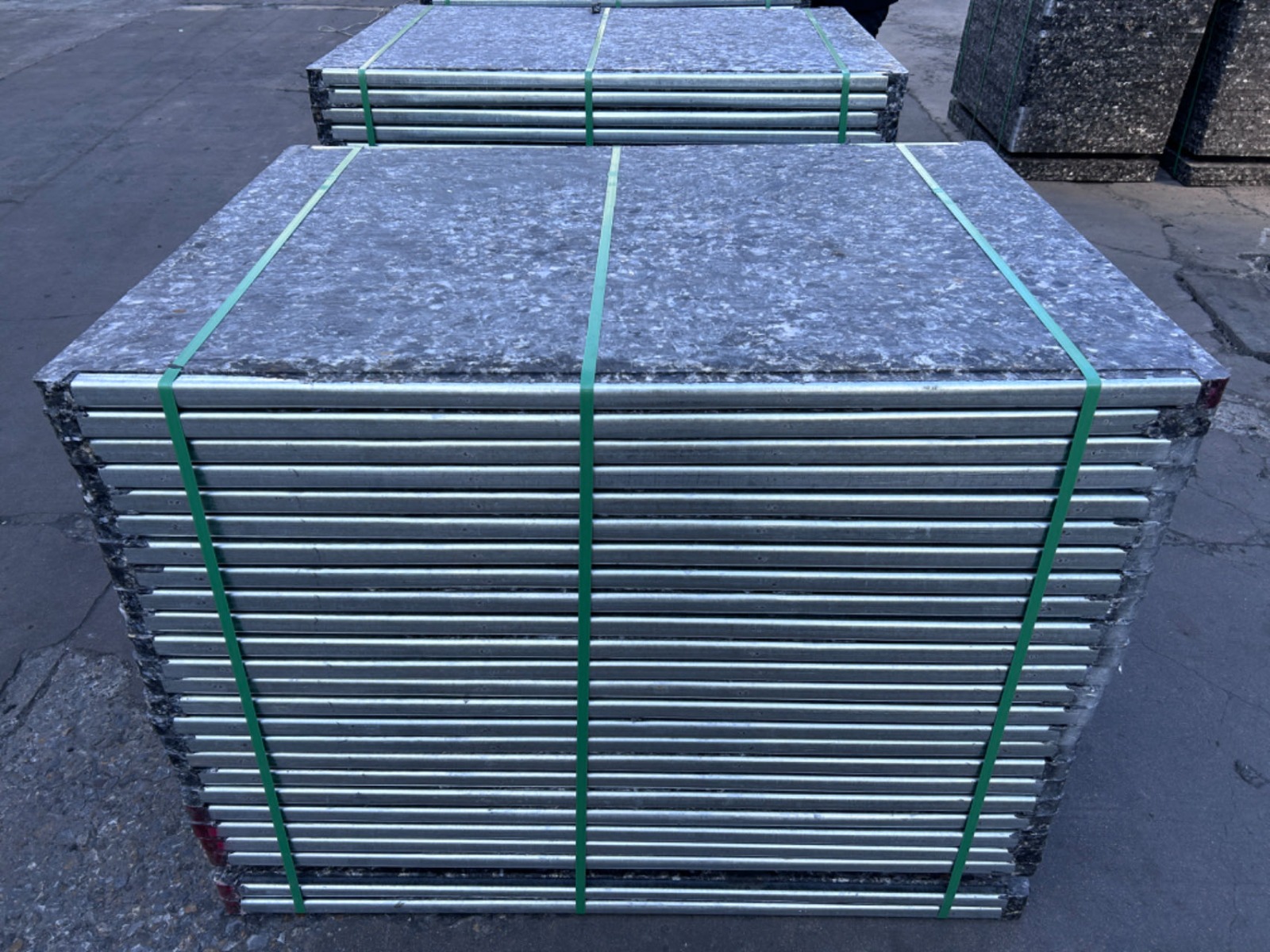
Concrete block manufacturers face a critical decision that impacts production efficiency, product quality, and long-term operational costs: selecting the right pallet system for their block machines. GMT (Glass Mat Thermoplastic) pallets have revolutionized concrete block production by offering superior durability, dimensional consistency, and cost-effectiveness compared to traditional wooden or metal alternatives.
This comprehensive guide examines the GMT pallet product line specifically engineered for concrete block machines, covering product specifications, performance characteristics, selection criteria, and real-world applications.
What Are GMT Pallets for Concrete Block Machines?
GMT pallets are fiber-reinforced composite pallets manufactured from glass mat thermoplastic materials through compression molding under heat and pressure. For concrete block production, they serve as the base platform throughout the entire cycle—from demolding through curing and storage.
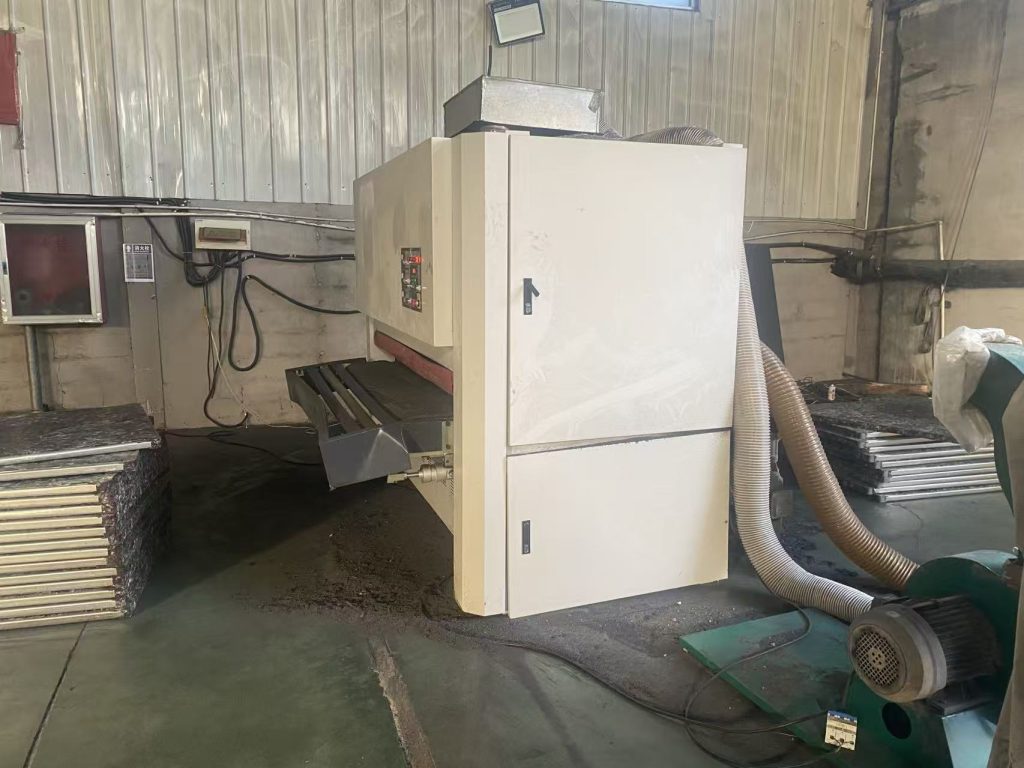
Unlike wooden pallets that absorb moisture and warp, GMT pallets maintain consistent dimensions and surface flatness throughout their 10-15 year service life. The glass fiber reinforcement provides exceptional load-bearing capacity (2,500-3,500 kg) while resisting chemical attack, moisture absorption (<1%), and temperature extremes (-30°C to +80°C).
GMT Pallet Product Line Overview
Standard Full-Size GMT Pallets (850mm × 680mm)
The industry-standard dimension for concrete block production pallets is 850mm × 680mm, accommodating most automatic and semi-automatic block machines. Rhinos Pallet offers several configurations within this size category:
Pure White GMT Pallet (G-001): Premium-grade with 70-100% white glass fiber. Light color reflects heat during outdoor curing, reducing thermal stress. Surface flatness ±1.5mm ensures uniform block dimensions. Ideal for high-end architectural blocks. Load capacity: 2,800-3,200 kg. Lifespan: 12-15 years.
Premium White GMT Brick Pallet (G-002): Engineered for high-output machines (3,000+ blocks/day). Enhanced fiber content (65-75%) provides superior impact resistance. Moisture absorption <0.8% prevents dimensional changes. Reduces block breakage by 50-60% vs. wooden pallets. Load capacity: 2,500-3,000 kg.
High Quality GMT Pallet (G-003): Balanced 50-60% mixed fiber content for optimal cost-performance. Suitable for manual and automated lines. Temperature resistance -30°C to +80°C. Load capacity: 2,300-2,800 kg. Lifespan: 10-12 years.
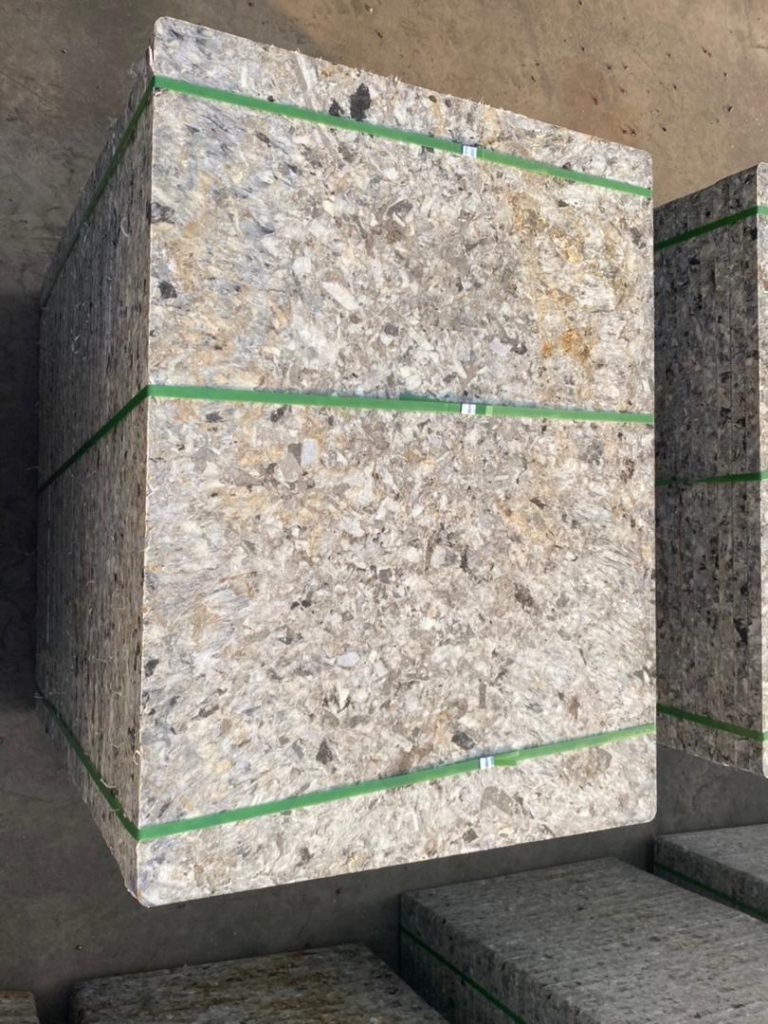
White-Yellow Dual-Layer GMT Pallet (GY-004): White glass fiber top surface for heat reflection, yellow fiber-reinforced base for structural strength. Optimizes material costs while maintaining surface quality. Popular in mid-volume facilities (1,500-3,000 blocks/day). Load capacity: 2,200-2,600 kg.
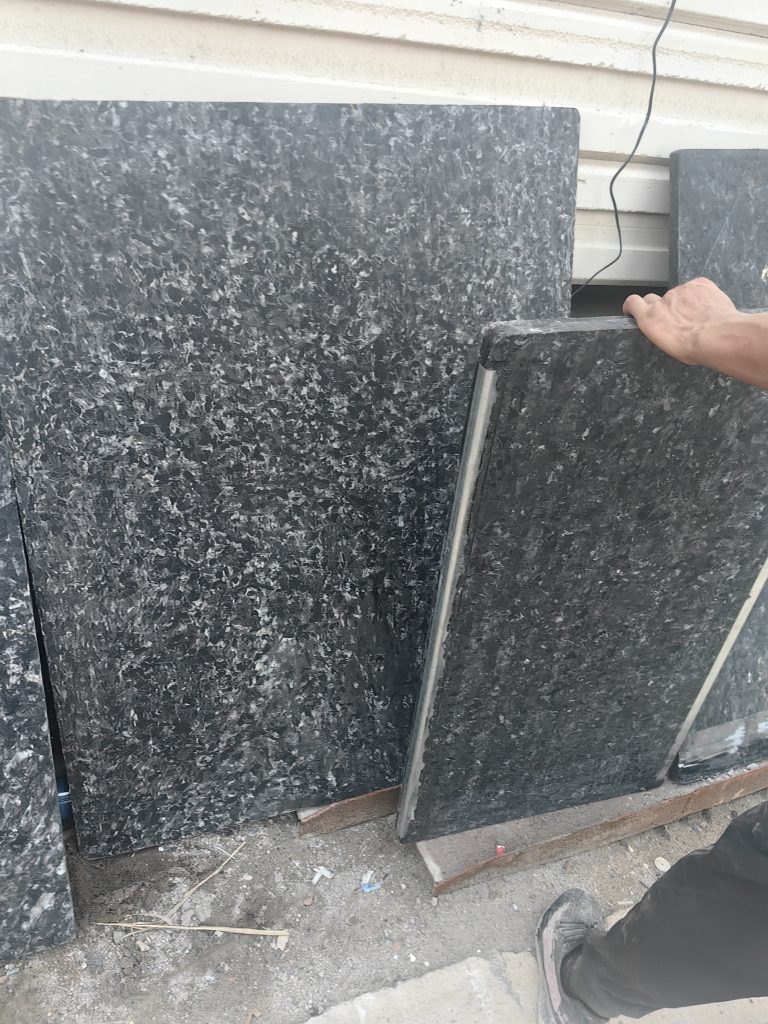
Black Glass Fiber Pallet (BG-005): Heavy-duty with 70-80% black glass fiber. Maximum load-bearing for intensive production. Dense fiber matrix withstands impact and provides exceptional wear resistance. Ideal for large-format blocks and high-tonnage applications. Load capacity: 3,000-3,500 kg. Lifespan: 12-15 years under heavy use.
Yellow Fiber Brick Pallet (Y-006): Economy option with 40-50% yellow fiber. Reliable performance at competitive pricing for budget-conscious operations. Service life 8-10 years—still 3-4x wooden pallet durability. Load capacity: 2,000-2,500 kg.
Specialized Configurations
Half-Size GMT Pallet (HG-007): Compact 850mm × 340mm design for specialized block formats or space-constrained facilities. Same thickness and load capacity per unit area as full-size pallets. Useful for pavers, decorative blocks, or custom sizes. Allows flexible production scheduling in mixed-product facilities.
Fiber Brick Pallet (F-008): Universal configuration for both brick and concrete block production. Hybrid fiber composition balances performance for versatile applications. Ideal when production lines manufacture multiple product types. Load capacity: 2,300-2,700 kg.
GMT Pallet Performance Comparison
Understanding how GMT pallets compare to alternative materials helps justify the investment decision. The table below presents data from 24-month field studies across multiple concrete block manufacturing facilities.
| Performance Factor | GMT Pallet | Wooden Pallet | Steel-Reinforced Pallet | Plastic Pallet |
|---|---|---|---|---|
| Service Lifespan | 10-15 years | 2-4 years | 8-12 years | 6-9 years |
| Load Capacity | 2,500-3,500 kg | 1,500-2,200 kg | 2,800-3,500 kg | 2,000-2,800 kg |
| Moisture Absorption | <1% | 15-30% | N/A (rust) | 2-4% |
| Dimensional Stability | Excellent (±1.5mm) | Poor (±8-15mm) | Good (±3mm) | Moderate (±4-6mm) |
| Temperature Range | -30°C to +80°C | -10°C to +40°C | -20°C to +60°C | -15°C to +55°C |
| Block Breakage Rate | 0.8-1.2% | 2.5-4.5% | 1.5-2.5% | 1.8-2.8% |
| Maintenance Required | Minimal | High | Moderate | Low |
| Initial Cost | $100-180 | $25-45 | $150-250 | $60-100 |
| Cost Per Year | $8-15 | $10-18 | $15-25 | $10-15 |
The data demonstrates GMT pallets’ superior long-term value despite higher initial costs. The combination of extended lifespan, minimal maintenance, and reduced product breakage delivers ROI within 18-36 months for most operations.
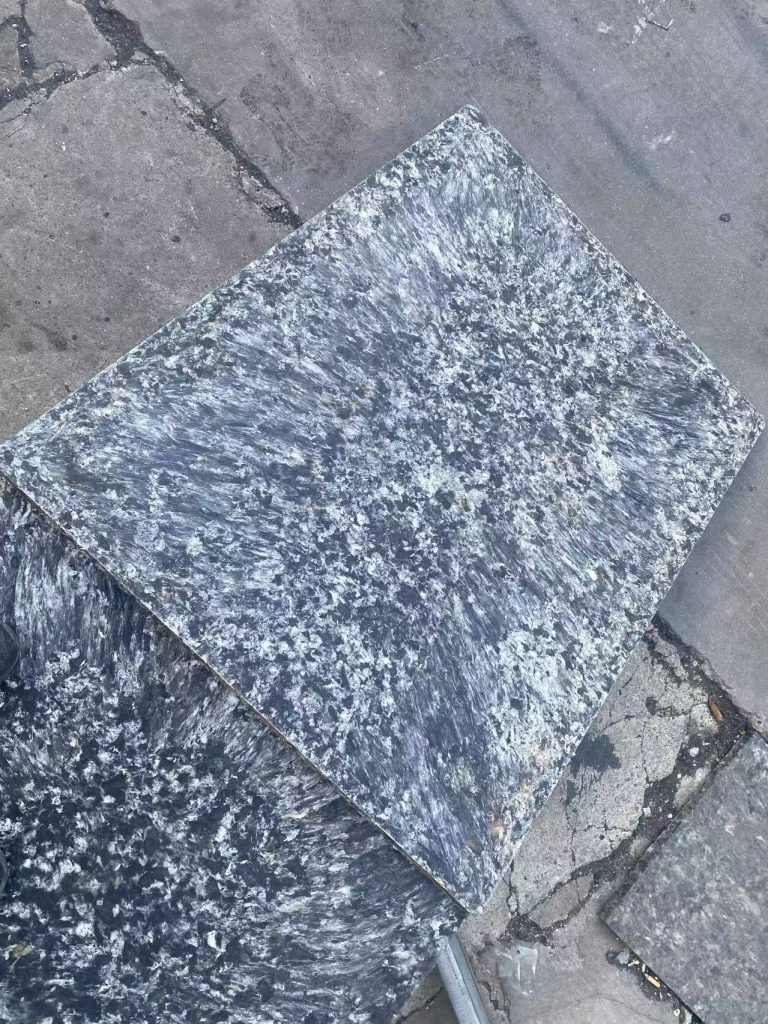
Technical Specifications for Concrete Block Applications
Load-Bearing Performance
GMT pallets must withstand static loads (block weight during curing) and dynamic loads (impact from demolding and handling). Rhinos Pallet GMT products are tested per ISO compression standards.
Static load capacity: 2,200-3,500 kg depending on configuration, with safety factors of 3-4x. A single pallet safely supports 90-140 standard blocks during curing.
Dynamic impact resistance: Fiber-reinforced construction distributes impact forces during demolding, preventing localized cracking or surface damage.
Deflection under load: Maximum 2-3mm under rated load. Minimal flex prevents blocks from shifting during transport and maintains proper stacking geometry.
Dimensional Tolerances
Automated production demands precise pallet dimensions. GMT pallets maintain tight tolerances:
- Length/Width: ±2mm
- Thickness: ±1mm
- Surface flatness: ±1.5mm
- Corner squareness: ±1° maximum
These specifications ensure consistent equipment operation and seamless integration with conveyors and stacking systems. Wooden pallets typically vary ±8-15mm due to moisture warping.
Surface Characteristics
Surface roughness: Ra 3.2-6.3 micrometers—adequate friction for block adhesion without causing surface marking.
Porosity: Non-porous surface prevents moisture absorption and bacterial growth.
Chemical resistance: Resistant to alkaline concrete, curing compounds, mold release agents, and cleaning chemicals.
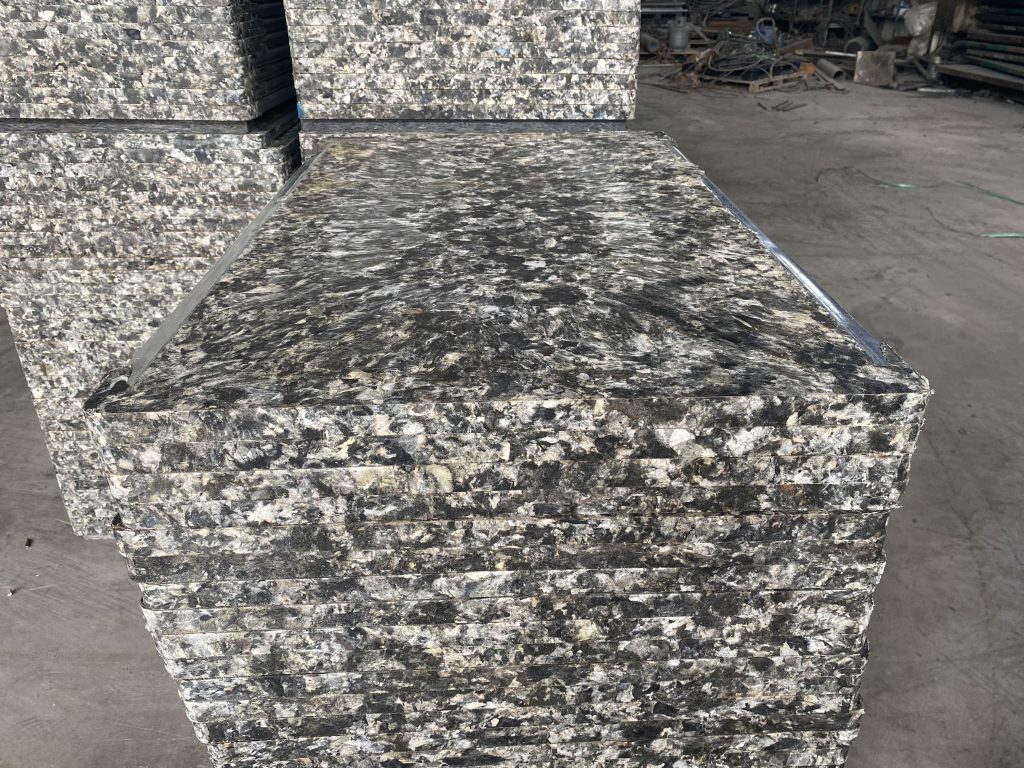
Selection Criteria for Your Production Line
Choosing the optimal GMT pallet configuration requires evaluating several production factors:
Production Volume and Machine Type
High-volume automated lines (3,000+ blocks/day): Specify premium configurations like G-001 or G-002 with maximum fiber content. The higher initial investment is justified by reduced downtime, lower breakage rates, and extended service life under intensive use. Automated handling systems particularly benefit from GMT pallets’ dimensional consistency.
Mid-volume semi-automated lines (1,500-3,000 blocks/day): G-003 or GY-004 configurations provide optimal cost-performance balance. These pallets handle moderate production demands while offering significant durability advantages over wooden alternatives.
Lower-volume or manual operations (<1,500 blocks/day): Y-006 economy configuration delivers reliable performance at competitive pricing. While service life is slightly shorter than premium models, the cost-effectiveness makes this an attractive wooden pallet replacement.
Block Type and Size
Standard concrete blocks (390-400mm length): Full-size 850mm × 680mm pallets accommodate 4-6 blocks per pallet depending on configuration.
Large-format blocks (600mm+ length): Specify BG-005 heavy-duty configuration with maximum load capacity (3,000-3,500 kg) to handle the increased weight safely.
Pavers and specialty products: Consider HG-007 half-size pallets for flexible production scheduling and efficient material handling.
Environmental Conditions
High-humidity regions (>70% RH): All GMT configurations perform well, but G-001 and G-002 with premium fiber content offer maximum moisture resistance (<0.8% absorption). This prevents the dimensional instability and mold growth common with wooden pallets in humid climates.
Temperature extremes: GMT pallets function across -30°C to +80°C, making them suitable for both cold-climate outdoor curing and heated curing chamber applications. Wooden pallets become brittle in cold temperatures and warp in heat.
Outdoor curing: White or light-colored configurations (G-001, G-002, GY-004) reflect solar heat, reducing thermal stress on freshly molded blocks during outdoor curing periods.
Installation and Integration with Block Machines
GMT pallets integrate seamlessly with most automatic and semi-automatic concrete block machines including HESS, Zenith, Masa, Columbia, and Chinese manufacturers. The standardized 850mm × 680mm dimension matches machine specifications.
Initial Setup Considerations
Pallet quantity calculation: Total production capacity × curing time ÷ blocks per pallet. A facility producing 3,000 blocks/day with 24-hour curing requires approximately 500-750 pallets.
Break-in period: Optimal performance achieved after 10-20 production cycles as minor surface irregularities self-level.
Machine calibration: Automated transfer systems may require minor timing adjustments due to weight differences (GMT: 35-45 kg vs. wood: 40-50 kg).
Maintenance and Operational Guidelines
GMT pallets require minimal maintenance:
Cleaning: Monthly pressure washing with water or mild alkaline cleaners removes concrete residue.
Inspection: Semi-annual visual inspection for edge chips, surface cracks, or excessive wear patterns.
Storage: Stack flat in dry storage. Maximum height: 2 meters (40-50 pallets) to prevent deformation.
Rotation: Implement rotation system for even wear distribution across inventory.
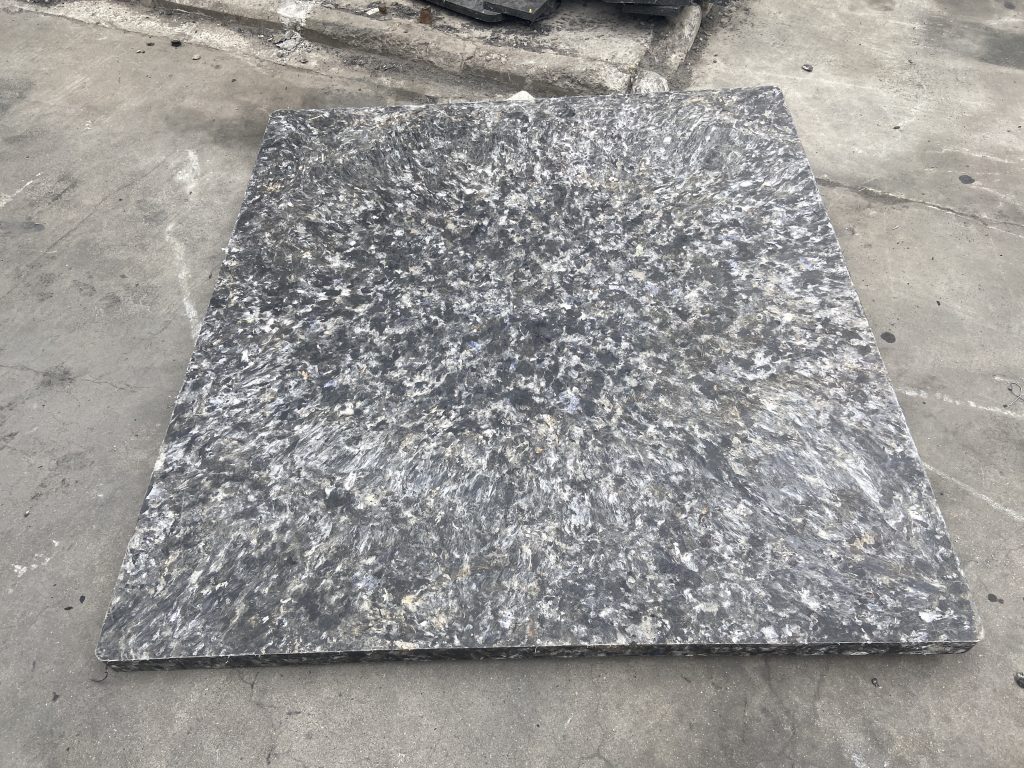
Cost Analysis and ROI Calculation
Understanding the total cost of ownership helps justify GMT pallet investment. The table below compares lifecycle costs for a mid-sized concrete block facility producing 2,500 blocks per day.
| Cost Factor | GMT Pallet (G-003) | Wooden Pallet | 10-Year Difference |
|---|---|---|---|
| Initial Purchase (500 units) | $65,000 | $17,500 | +$47,500 |
| Replacement Costs (10 years) | $0-13,000 (0-1x) | $52,500-70,000 (3-4x) | -$39,500 to -$57,000 |
| Maintenance Labor | $1,200 | $8,500 | -$7,300 |
| Block Breakage Reduction | Baseline | +$22,000 | -$22,000 |
| Production Downtime | Baseline | +$15,000 | -$15,000 |
| Total 10-Year Cost | $66,200-79,200 | $115,500-133,000 | -$49,300 to -$53,800 |
The analysis shows GMT pallets deliver $49,000-$54,000 in savings over 10 years compared to wooden pallets, with payback periods of 24-36 months depending on production volume and operational conditions.
For high-volume facilities (5,000+ blocks/day), payback periods can be as short as 12-18 months due to accelerated wooden pallet replacement cycles and higher breakage costs.
Real-World Applications and Case Studies
Case Study 1: High-Volume Automated Facility – Southeast Asia
Facility Profile: Concrete block manufacturer producing 8,000 blocks/day using fully automated Masa line. Tropical climate with 80-85% humidity.
Challenge: Wooden pallets deteriorated within 18-24 months. Block breakage rate 3.8%. Monthly pallet replacement disrupted production.
Solution: Replaced 1,200 wooden pallets with G-002 Premium White GMT pallets over 3-month transition.
Results After 30 Months:
- Block breakage reduced from 3.8% to 1.1% (71% improvement)
- Zero pallet replacements (vs. 1.5 cycles with wood)
- Production downtime decreased 89%
- Cost savings: $87,000
- ROI achieved in 18 months
Case Study 2: Mid-Volume Manual Operation – North America
Facility Profile: Family-owned business producing 1,800 blocks/day with semi-automated equipment. Temperature range: -20°C to +35°C.
Challenge: Wooden pallets cracked in cold, creating safety hazards. Temperature cycling caused dimensional variations affecting quality.
Solution: Invested in 400 G-003 High Quality GMT pallets.
Results After 24 Months:
- Eliminated cold-weather pallet failures
- Zero worker injuries from pallet splinters
- Improved block dimensional consistency
- Cost savings: $28,000
- ROI achieved in 28 months
Frequently Asked Questions
Q: Can GMT pallets be used with any concrete block machine brand?
A: Yes, GMT pallets in standard 850mm × 680mm dimensions are compatible with virtually all automatic and semi-automatic block machines including HESS, Zenith, Masa, Columbia, and Chinese manufacturers. Custom sizes available for specialized equipment.
Q: How do GMT pallets perform in extreme temperatures?
A: GMT pallets maintain structural integrity from -30°C to +80°C. They resist thermal cycling damage that causes wooden pallets to crack in cold and warp in heat.
Q: What maintenance is required?
A: Minimal. Periodic pressure washing removes concrete residue, and semi-annual visual inspections identify damage. No sealing, painting, or structural repairs needed.
Q: How long do GMT pallets last in high-volume production?
A: In facilities producing 3,000-5,000 blocks/day, premium configurations (G-001, G-002, BG-005) last 12-15 years. Standard configurations (G-003, GY-004) provide 10-12 years—4-6x wooden pallet lifespan.
Q: Do GMT pallets affect concrete block curing?
A: No, GMT pallets are chemically inert. The non-porous surface prevents moisture absorption that could affect curing. White configurations improve outdoor curing by reflecting heat and reducing thermal stress.
Q: Are GMT pallets cost-effective for small operations?
A: Yes, even lower-volume producers benefit from extended lifespan and reduced maintenance. The Y-006 economy configuration provides accessible entry with significant advantages over wood. ROI typically achieved within 3-4 years.
Conclusion
GMT pallet product lines offer concrete block manufacturers a proven solution for improving production efficiency, reducing costs, and enhancing product quality. The 10-15 year service life, superior load capacity, dimensional consistency, and minimal maintenance deliver measurable ROI justifying the investment premium over wooden pallets.
Selecting the right configuration depends on production volume, block specifications, environmental conditions, and automation level. Premium configurations (G-001, G-002) suit high-output automated facilities. Standard options (G-003) provide optimal cost-performance for mid-volume operations. Economy choices (Y-006) offer accessible entry for smaller producers.
Rhinos Pallet manufactures GMT pallets engineered specifically for concrete block machines. Our fiber-reinforced composite construction and precision molding deliver consistent performance across diverse production environments. For technical specifications or custom sizing, contact our engineering team to discuss your requirements.