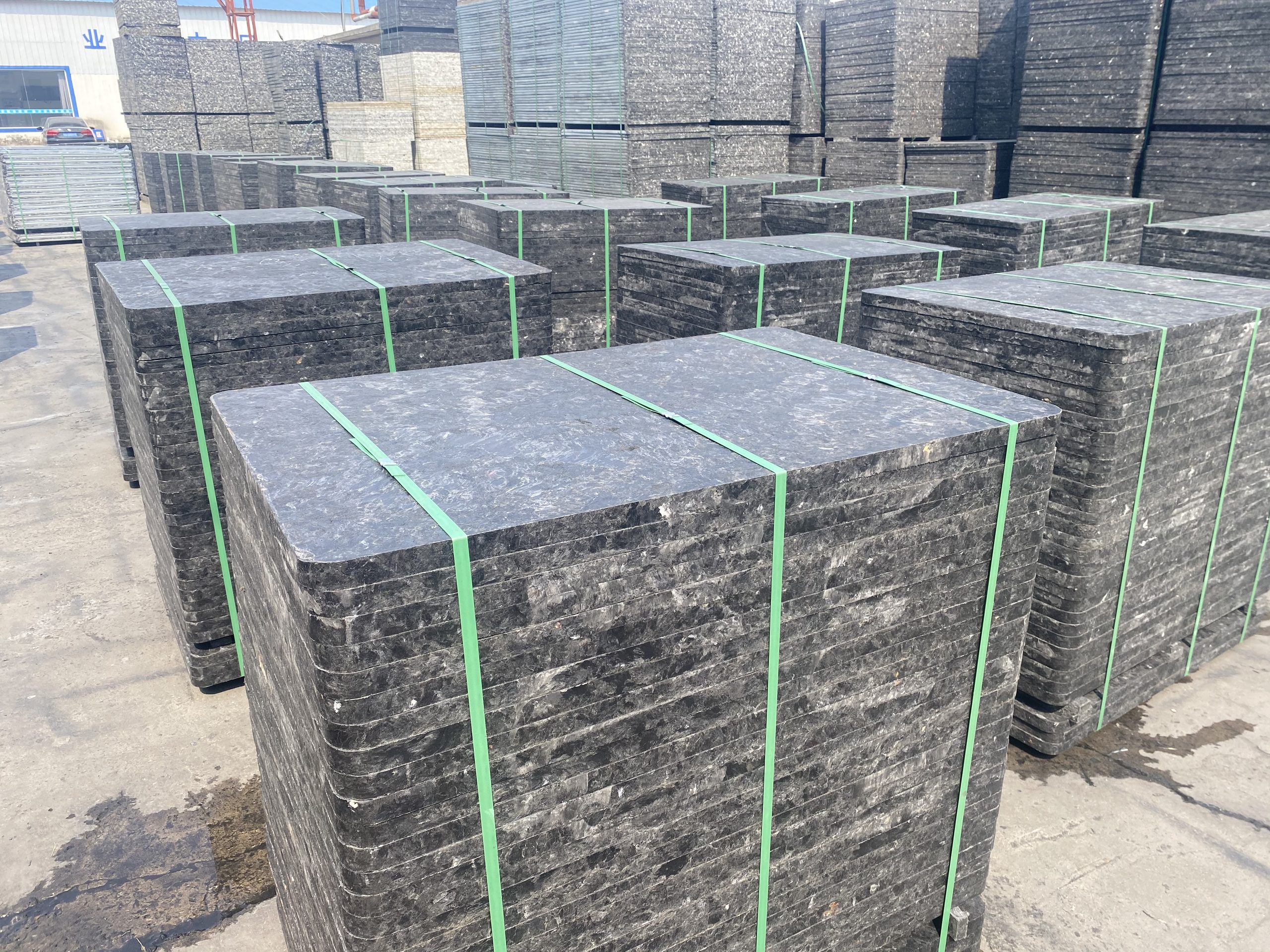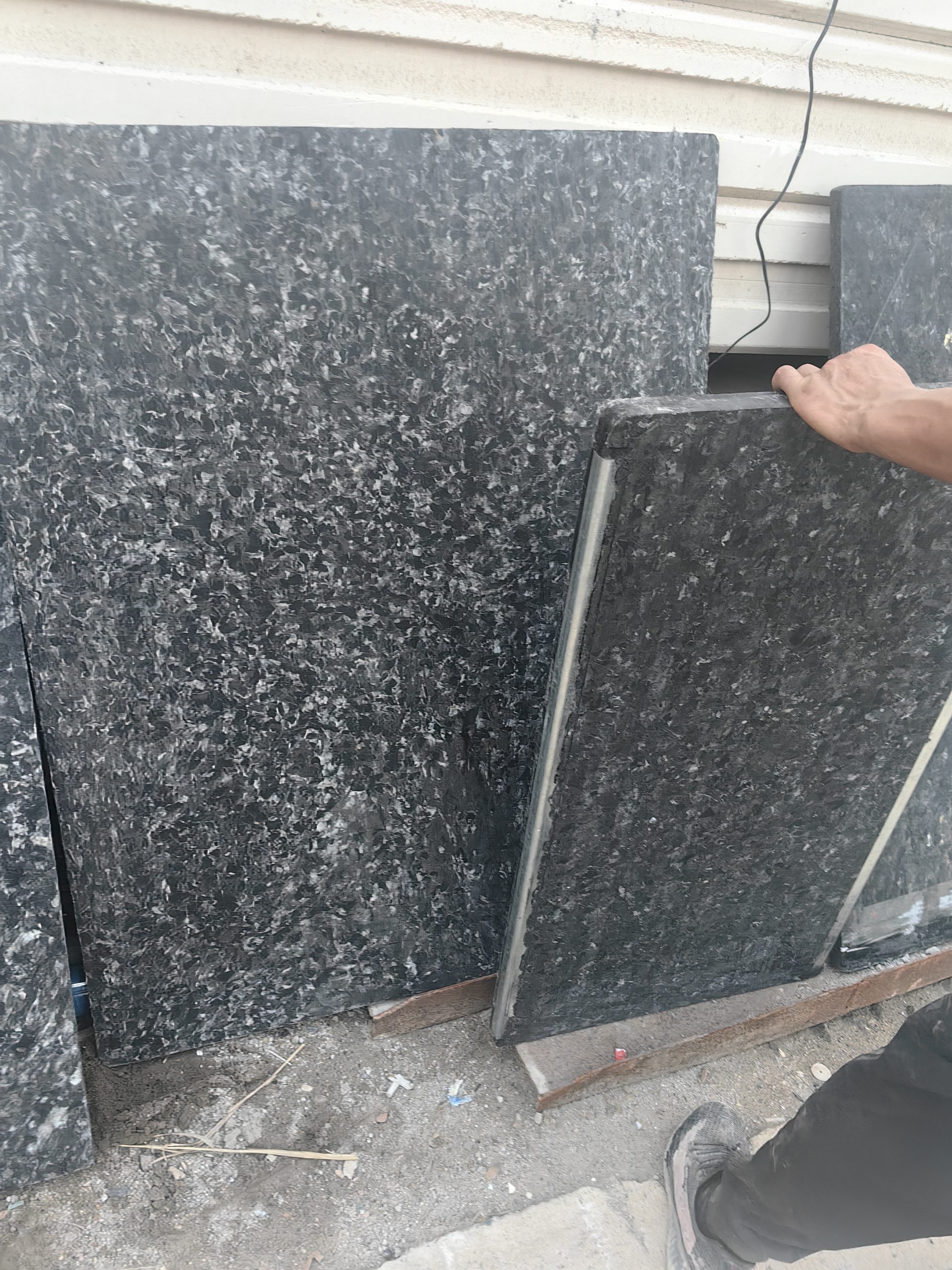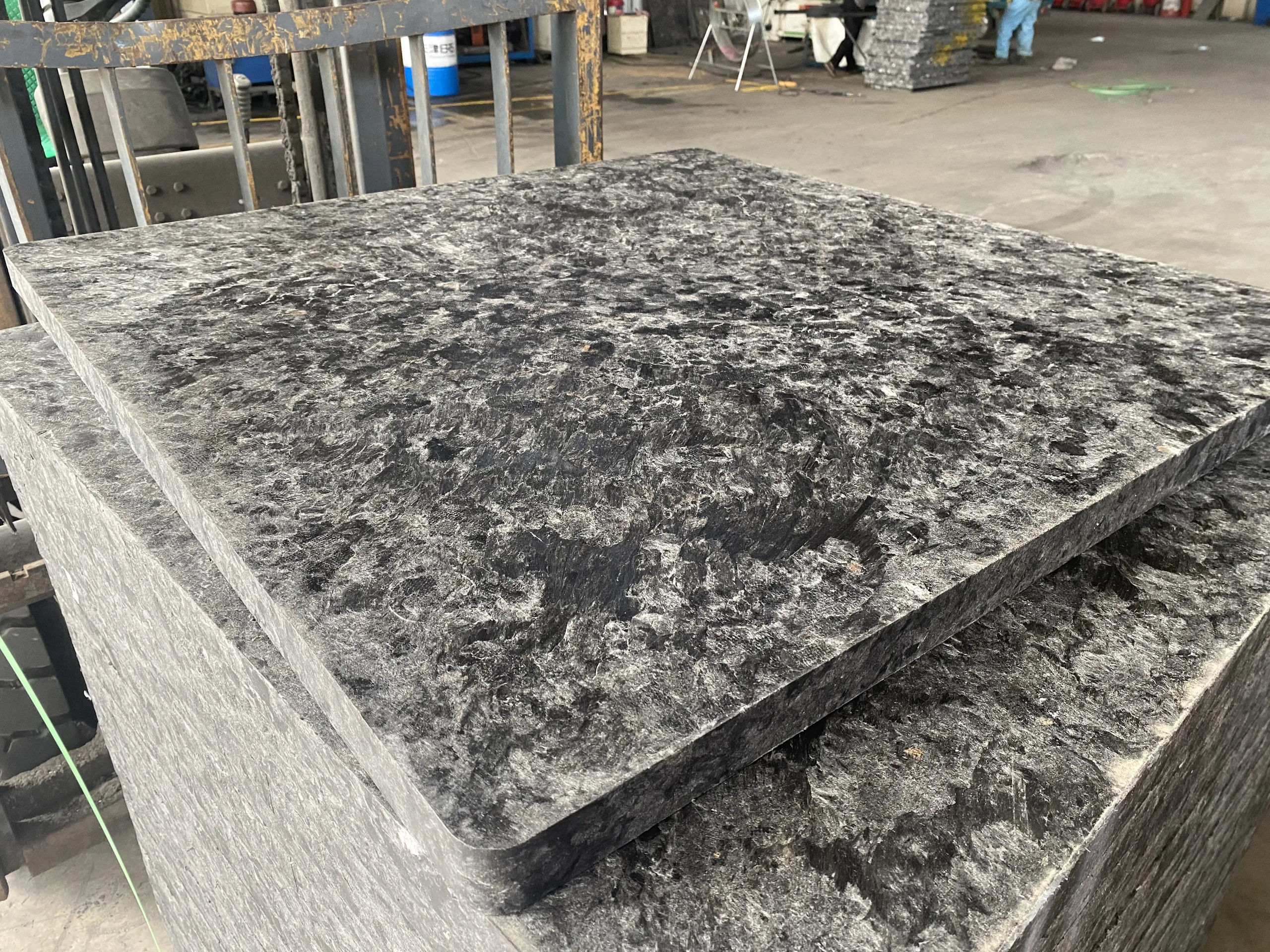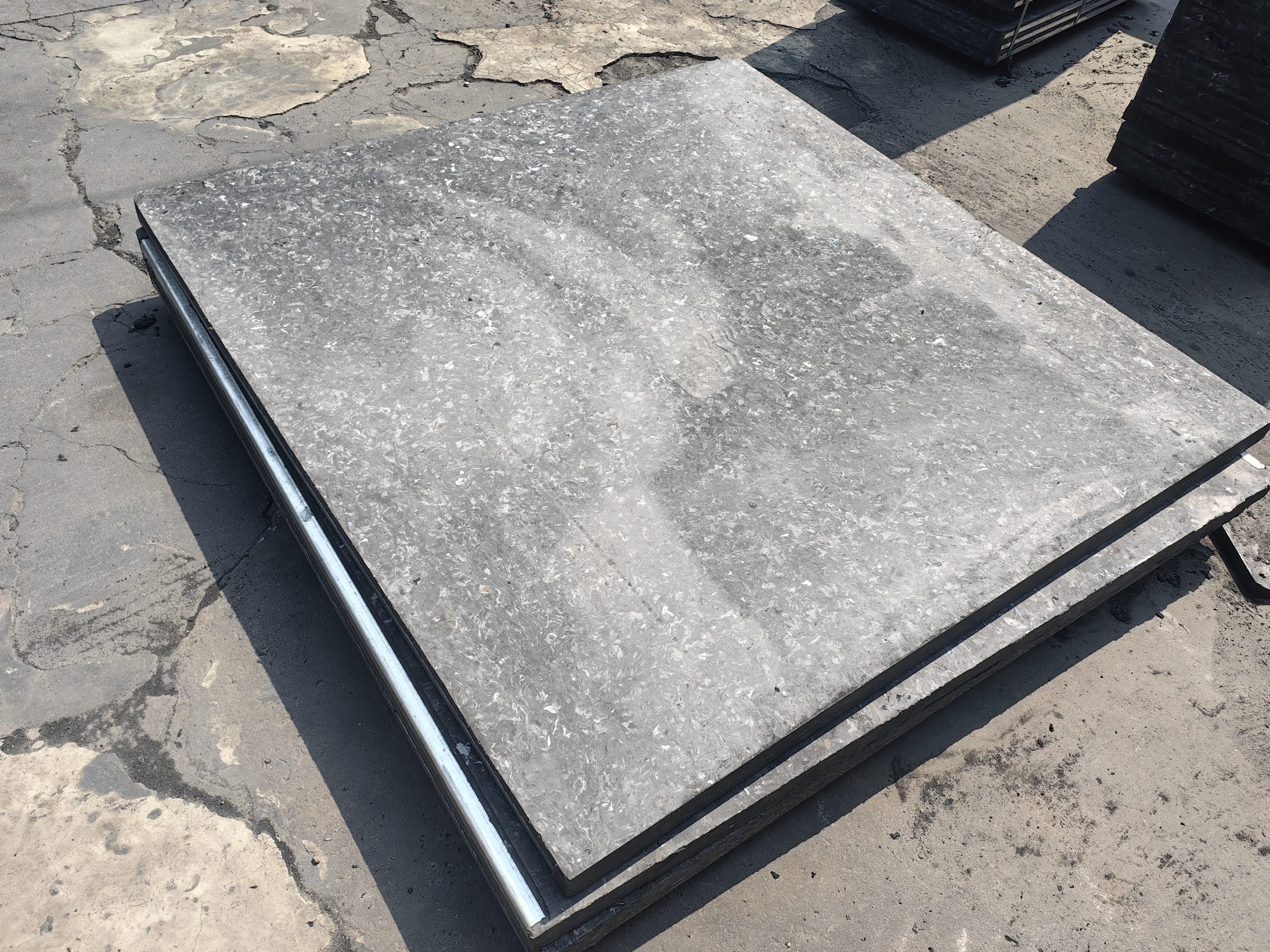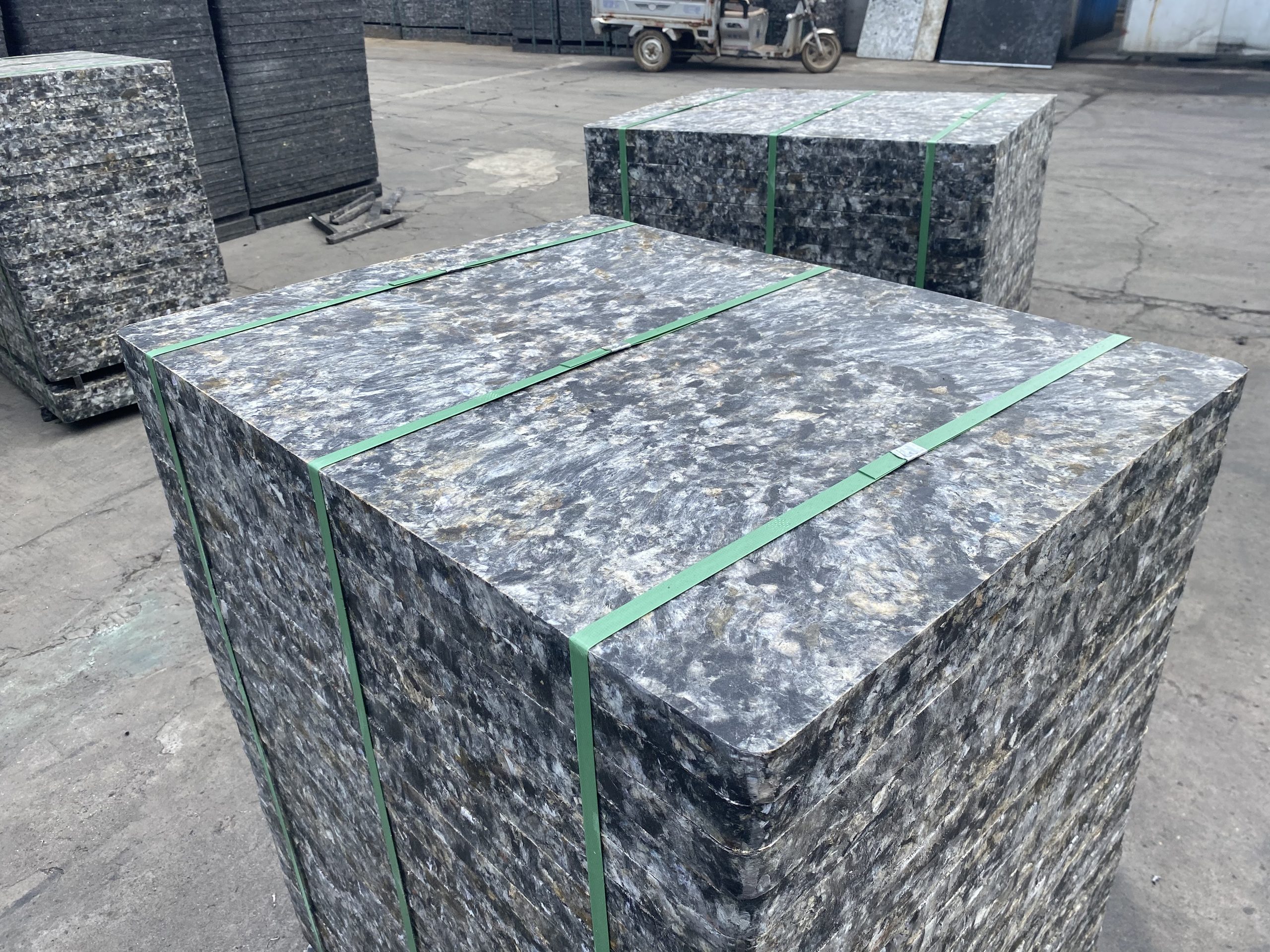
For standard brick production operations, the G-003 GMT pallet delivers exceptional value by combining proven durability with competitive pricing. This fiber-reinforced pallet reduces long-term costs by 60-70% compared to traditional options while maintaining the quality standards required for consistent brick manufacturing. When you need reliable performance without premium pricing, G-003 offers the optimal balance of cost-effectiveness and operational longevity.
Understanding the G-003 Value Proposition
The G-003 GMT brick pallet represents the sweet spot for manufacturers seeking cost-effective quality in standard production environments. This pallet is engineered with glass fiber reinforced thermoplastic material that provides 8-10 year lifespan while keeping initial investment moderate. According to industry analysis, durable pallet materials must maintain flatness deviation of no more than 0.3mm per 1000mm across the entire surface to ensure consistent block quality.
G-003 achieves this standard through compression-molded construction that delivers structural integrity without the premium cost of higher fiber content models. The material composition uses recycled GMT materials combined with virgin thermoplastic resin, creating a pallet that resists moisture absorption below 1% while supporting load capacities up to 2500 kg.
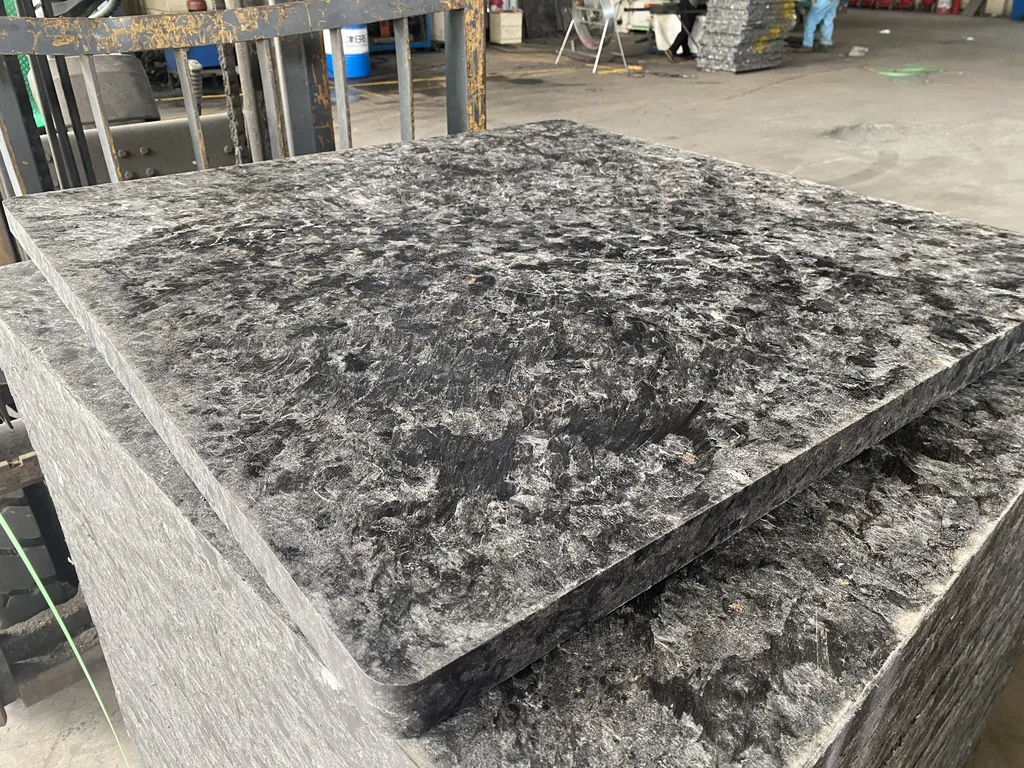
You can use G-003 pallets for semi-automatic and fully automatic brick making machines where production volumes range from 500 to 5000 bricks per day. This versatility makes G-003 the practical choice for facilities transitioning from wood pallets or expanding existing GMT pallet fleets without over-investing in specifications beyond operational requirements.
Material Composition and Manufacturing Process
G-003 pallets utilize a balanced composite structure where glass fiber mat provides reinforcement while thermoplastic resin delivers impact resistance. The manufacturing process involves heating recycled GMT materials to 180-200°C and compression molding under 150-200 bar pressure for 3-5 minutes per pallet.
This production method creates uniform fiber distribution throughout the pallet thickness of 20-22mm, ensuring consistent load-bearing performance across all surface areas. The resulting material density reaches 1200-1300 kg/m³, providing sufficient rigidity for brick curing while remaining lightweight enough for manual handling when necessary.
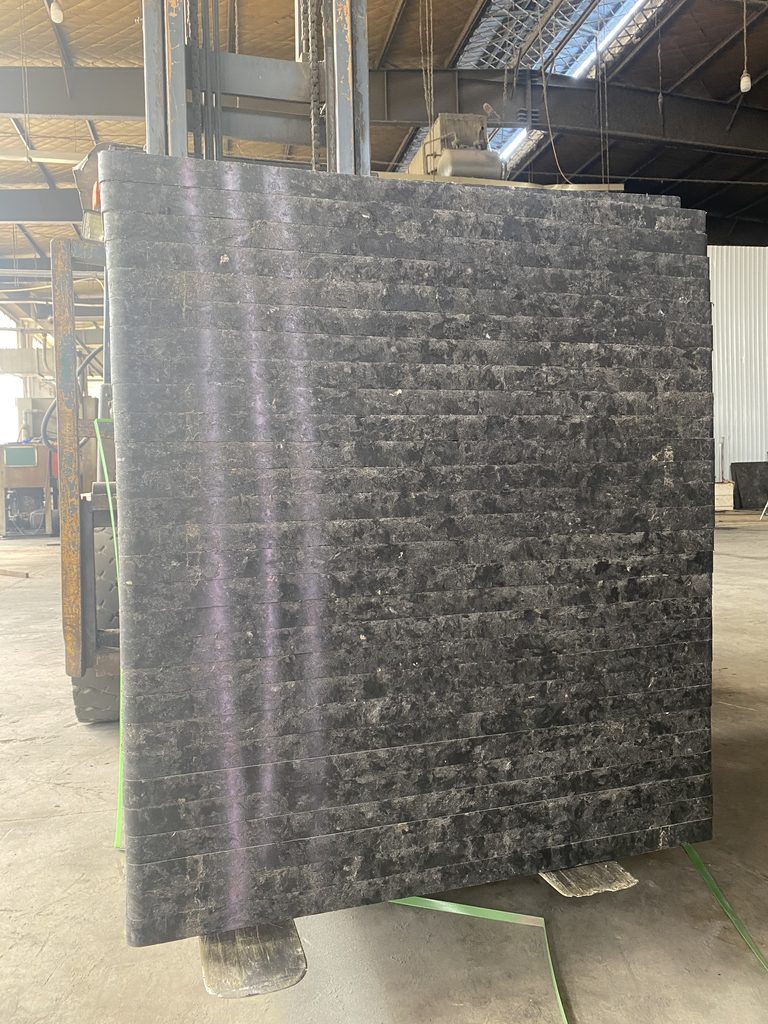
The glass fiber content in G-003 ranges from 30-40% by weight, strategically positioned between economy pallets (20-30% fiber) and premium models (50-70% fiber). This middle-ground specification delivers moisture resistance, temperature tolerance from -20°C to +70°C, and surface flatness that prevents brick deformation during the critical curing phase.
Cost-Benefit Analysis: G-003 vs Alternative Solutions
Understanding total cost of ownership reveals why G-003 delivers superior value for standard production operations. When you calculate replacement frequency, production downtime, and brick quality consistency, G-003 outperforms both economy and premium alternatives in most standard manufacturing scenarios.
| Cost Factor | G-003 GMT Pallet | Wood Pallet | Economy Plastic | Premium GMT (70% Fiber) |
|---|---|---|---|---|
| Initial Unit Cost | $45-65 | $15-25 | $25-35 | $90-120 |
| Expected Lifespan | 8-10 years | 1-2 years | 4-6 years | 12-15 years |
| Replacement Frequency | Once per decade | 5-10 times | 2-3 times | Minimal |
| Moisture Resistance | Excellent (<1%) | Poor (absorbs 15-30%) | Good (2-3%) | Excellent (<0.5%) |
| Load Capacity | 2500 kg | 1500 kg | 2000 kg | 3000 kg |
| 10-Year Total Cost | $50-70 | $125-250 | $75-105 | $95-125 |
This comparison demonstrates G-003’s economic advantage for standard production. While premium GMT pallets offer marginally longer lifespan, the cost difference rarely justifies the investment unless your operation involves extreme conditions or maximum load requirements. Research from block machine manufacturers confirms GMT pallets with moderate fiber content deliver 8+ years service life in normal operating conditions.
Technical Specifications Optimized for Standard Production
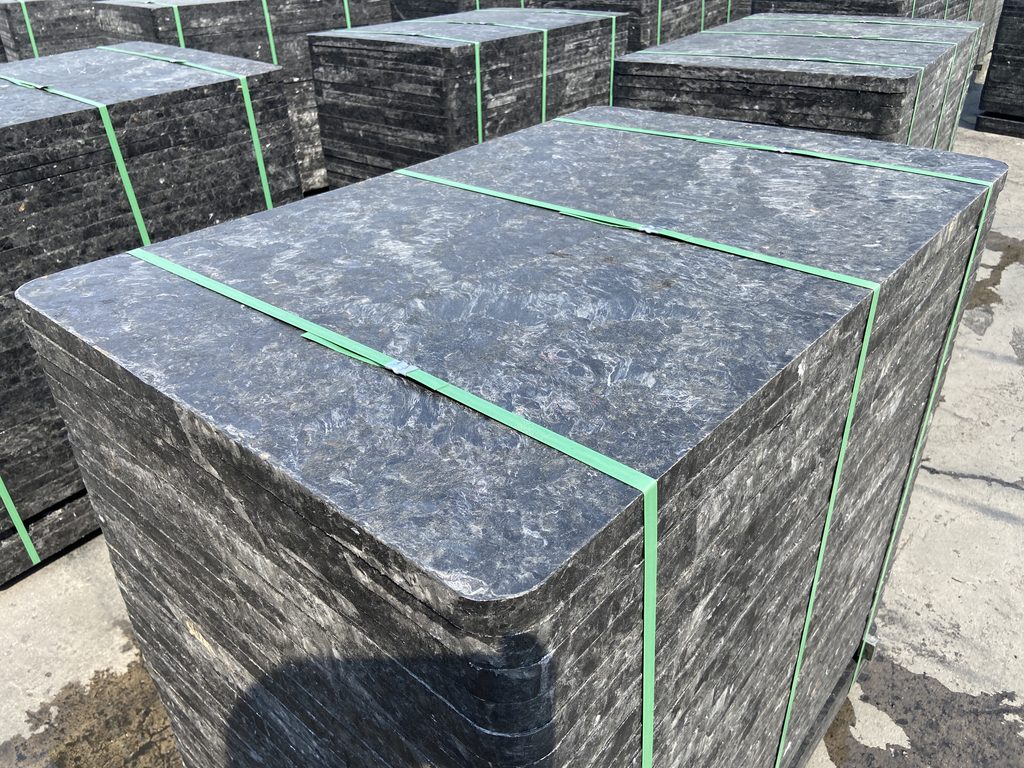
G-003 technical specifications align precisely with the requirements of standard brick manufacturing operations. The pallet dimensions of 850mm × 680mm × 22mm accommodate most automatic and semi-automatic brick making machines used globally for concrete blocks, paving bricks, and hollow blocks.
Key Performance Parameters:
Surface Flatness: ±1.5mm across entire working surface ensures uniform brick thickness and reduces quality variations that lead to rejection rates. This tolerance meets ISO manufacturing standards for automated brick production.
Temperature Performance: Operational range from -20°C to +70°C covers climate conditions in most manufacturing regions. The thermoplastic matrix remains dimensionally stable through daily temperature cycles common in brick curing processes.
Impact Resistance: Charpy impact strength of 15-20 kJ/m² prevents cracking during normal handling, stacking, and automated loading sequences. This durability specification reduces pallet replacement costs while maintaining production uptime.
Load Distribution: Static load capacity of 2500 kg distributed across 0.578 m² surface area (4327 kg/m²) exceeds the requirements for standard brick weights ranging from 2-5 kg per unit. You can safely stack 500-800 standard bricks per pallet without structural degradation.
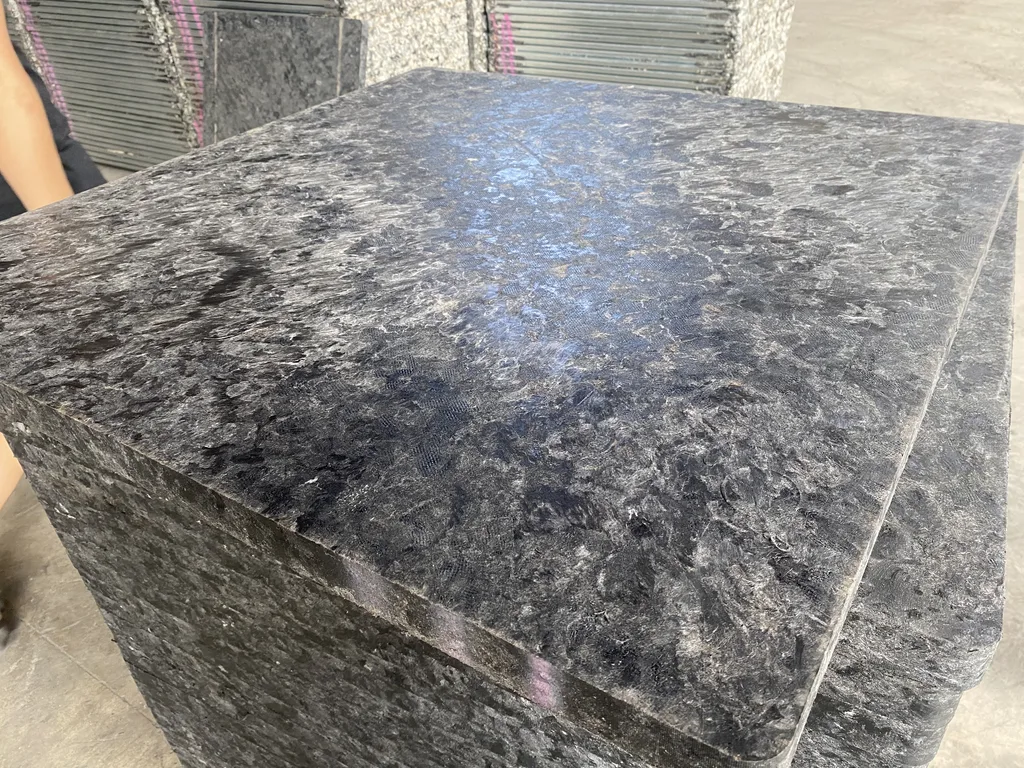
The water absorption rate below 1% eliminates the dimensional instability problems that plague wood pallets in humid environments. When you operate in regions with humidity above 60%, G-003 maintains consistent flatness while wood pallets warp by 2-5mm, causing brick quality issues that increase rejection rates by 10-15%.
ROI Calculation for Standard Production Facilities
The return on investment timeline for G-003 pallets demonstrates clear financial advantages for facilities producing 1000-5000 bricks daily. When you transition from wood pallets to G-003, initial investment returns within 14-18 months through reduced replacement costs and improved brick quality.
Investment Scenario (500-pallet operation):
Initial Investment: 500 pallets × $55 average = $27,500
Annual Wood Pallet Cost: 500 pallets × $20 × 6 replacements = $60,000
Annual G-003 Cost: $27,500 ÷ 9 years = $3,056
Annual Savings: $56,944
ROI Period: 5.8 months
This calculation excludes additional benefits including reduced brick breakage (typically 8-12% improvement), decreased production downtime for pallet replacement, and elimination of wood splinter contamination that affects brick surface quality. Industry data confirms flatness consistency directly impacts brick quality and production efficiency.
Performance in Standard Operating Conditions
G-003 pallets excel in the environmental conditions typical of standard brick production facilities. The material composition resists common operational stresses including moisture exposure from wet concrete, chemical contact from cement alkalinity (pH 12-13), and mechanical wear from automated handling systems.
Moisture Performance: In environments with 50-70% relative humidity, G-003 maintains dimensional stability within ±0.5mm over 24-hour cycles. Wood pallets absorb 15-30% moisture by weight, causing warping that creates brick thickness variations of 2-4mm.
Chemical Resistance: The thermoplastic matrix resists alkaline cement solutions without surface degradation or structural weakening. After 5000 production cycles with fresh concrete contact, G-003 pallets show minimal surface wear compared to 30-40% thickness loss in wood alternatives.
Temperature Cycling: Daily temperature variations from nighttime cooling to midday heating cause minimal dimensional change in G-003’s composite structure. The thermal expansion coefficient of 50-70 × 10⁻⁶/°C produces less than 0.3mm dimensional change across typical 20°C daily temperature swings.
You will observe that G-003 pallets maintain consistent surface texture throughout their service life, ensuring uniform brick release from molds and reducing the need for release agents that can affect brick surface quality. This consistency translates to 5-8% reduction in brick defects related to mold release problems.
Comparison with Premium and Economy Alternatives
Selecting between G-003 and alternative pallet options requires understanding the performance trade-offs at each price point. Economy plastic pallets typically use 100% recycled materials with minimal or no fiber reinforcement, resulting in shorter 4-6 year lifespan and reduced load capacity below 2000 kg.
| Feature | Economy Plastic | G-003 GMT | Premium GMT (G-002) |
|---|---|---|---|
| Fiber Content | 0-20% | 30-40% | 50-70% |
| Density | 900-1000 kg/m³ | 1200-1300 kg/m³ | 1400-1500 kg/m³ |
| Surface Hardness | 65-75 Shore D | 80-85 Shore D | 85-90 Shore D |
| Flexural Strength | 45-55 MPa | 70-85 MPa | 95-110 MPa |
| Service Life | 4-6 years | 8-10 years | 12-15 years |
| Best Application | Low-volume, dry conditions | Standard production | High-volume, harsh conditions |
| Cost per Year | $6-7 | $5.50-6.50 | $6.50-8 |
Premium GMT pallets like G-002 offer enhanced durability and 15+ year lifespan, but the additional cost rarely provides proportional value for standard production volumes. When your facility operates within normal temperature ranges, moderate humidity, and standard load requirements, G-003’s specifications provide all necessary performance at optimal cost efficiency.
Integration with Automated Production Lines
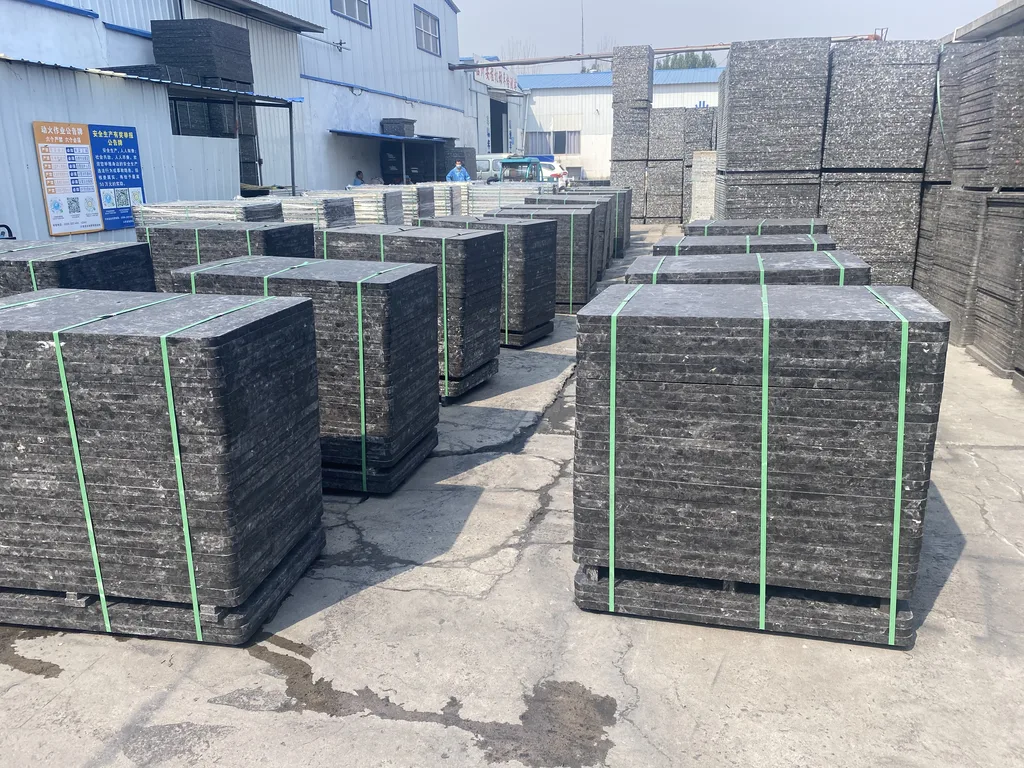
G-003 pallets are specifically designed for compatibility with automatic brick making machines including brands such as QT4-15, QT6-15, and similar models common in standard production facilities. The precise dimensional tolerances ensure smooth operation through automated pallet feeders, brick molding stations, and kiln cart transfer systems.
Automated System Compatibility:
The 22mm thickness matches the standard pallet slot dimensions in automated brick machines, eliminating the clearance problems that occur with oversized or undersized pallets. The uniform density distribution prevents vibration-related issues during the compaction cycle, maintaining consistent brick density from first to last production cycle.
Surface roughness of Ra 3.2-6.3 µm provides sufficient grip for automated pallet handling systems while allowing easy brick release without release agent application. This balance reduces maintenance requirements on robotic handling equipment compared to perfectly smooth surfaces that require vacuum gripping or extremely rough surfaces that accumulate debris.
The weight of 18-22 kg per pallet remains within the capacity range of standard automated pallet feeders while providing sufficient mass to resist movement during vibration compaction cycles. Lighter economy pallets often require supplementary weighting or modified handling sequences that reduce production efficiency by 5-10%.
Durability Under High-Volume Production
Standard production facilities typically operate 8-12 hours daily, 5-6 days weekly, producing 1000-5000 bricks per shift. This usage pattern generates 250,000-1,500,000 annual production cycles per pallet. G-003 is engineered to withstand 2,500,000-3,000,000 total cycles before replacement becomes necessary.
Wear Characteristics Over Time:
Years 1-3: Minimal visible wear, maintains original flatness within ±0.5mm, no surface degradation or cracking. Performance remains indistinguishable from new pallets.
Years 4-6: Slight surface polishing from repeated brick contact, flatness tolerance increases to ±1.0mm, corner edges may show minor rounding. Production quality remains unaffected.
Years 7-9: Visible surface wear, flatness may reach ±1.5mm limit, occasional minor surface cracks may appear at high-stress points. Still functional for standard production but may be rotated to less critical production lines.
Year 10+: Replacement recommended as flatness tolerances approach ±2.0mm and surface wear accumulates. However, many facilities continue using G-003 pallets beyond decade mark for non-critical applications.
Research on glass fiber reinforced thermoplastic durability confirms GMT materials maintain mechanical properties through millions of stress cycles when properly formulated. G-003’s balanced fiber-to-resin ratio optimizes this long-term performance while controlling material costs.
Maintenance Requirements and Operational Considerations
G-003 pallets require minimal maintenance compared to wood or metal alternatives, contributing to their total cost advantage. Standard cleaning involves periodic water washing to remove accumulated cement dust and debris. No oiling, sealing, or surface treatments are necessary throughout the service life.
Monthly Maintenance Protocol:
Inspect surface flatness using straightedge or laser measurement to identify pallets developing warpage beyond ±1.5mm tolerance. Remove and replace any pallets showing cracks longer than 50mm or located near load-bearing areas. Rotate pallets between high-use and moderate-use production lines to equalize wear patterns.
Clean pallet surfaces with high-pressure water to remove cement buildup that can affect brick release or create surface texture irregularities. Avoid solvents or aggressive chemicals that may degrade the thermoplastic matrix. Standard pH-neutral detergents are compatible if additional cleaning is required.
Store spare pallets horizontally in stacks no higher than 20 pallets to prevent warping from prolonged compression. Protect stored pallets from direct sunlight exposure that may cause surface UV degradation over extended periods. Climate-controlled storage is unnecessary; ambient temperature storage in dry conditions is sufficient.
Environmental Conditions and Climate Adaptability
G-003 performs reliably across the climate conditions encountered in most brick manufacturing regions globally. The material specifications accommodate temperature ranges from -20°C to +70°C without structural degradation or dimensional instability affecting production quality.
Tropical Climates (High Humidity):
In regions with persistent 70-90% relative humidity, G-003’s moisture absorption below 1% prevents the swelling and warping that renders wood pallets unusable within 6-12 months. The thermoplastic matrix remains impermeable to water penetration while the glass fiber reinforcement maintains structural rigidity regardless of ambient humidity.
Arid Climates (Low Humidity, High Temperature):
Desert environments with temperatures reaching 40-45°C and humidity below 20% can cause wood pallets to dry, crack, and splinter. G-003’s thermoplastic composition remains stable through extreme dryness without brittleness. The material’s thermal expansion remains within acceptable tolerances even during 50°C+ surface temperatures common on sun-exposed production floors.
Temperate Climates (Seasonal Variation):
Regions experiencing winter temperatures from -10°C to +5°C and summer temperatures from +25°C to +35°C present minimal challenge for G-003 specifications. The material maintains flexibility and impact resistance through cold weather while showing no softening or deformation during summer heat.
Practical Applications Across Brick Types
G-003 pallets accommodate the full range of brick products manufactured in standard production facilities. The load capacity and surface characteristics suit concrete blocks, paving bricks, hollow blocks, solid bricks, and specialty shapes without modification.
Concrete Block Production:
Standard concrete blocks weighing 10-15 kg each stack 150-200 units per pallet, well within G-003’s 2500 kg capacity. The surface flatness ensures uniform block height critical for masonry applications. Moisture resistance prevents dimension changes during concrete curing cycles where water content creates high-humidity microenvironments.
Paving Brick Manufacturing:
Paving bricks typically weigh 2-4 kg each, allowing 500-700 units per pallet. The smooth but slightly textured G-003 surface facilitates easy brick release while preventing sliding during transport. Chemical resistance to concrete admixtures and colorants preserves surface integrity through thousands of production cycles.
Hollow Block and Specialty Shapes:
Complex brick geometries with internal voids or irregular shapes require flat, stable pallet surfaces to maintain shape integrity during curing. G-003’s rigid structure prevents the slight deflection that can cause shape distortion in partially cured products. The pallet’s dimensional stability ensures mold alignment consistency critical for tight-tolerance specialty products.
Quality Control and Performance Verification
Manufacturers should implement simple quality control procedures to verify G-003 pallets maintain performance standards throughout their service life. These procedures require minimal equipment and can be integrated into routine production monitoring.
Flatness Measurement:
Use a 1-meter straightedge placed diagonally across pallet surface to check maximum gap. Acceptable tolerance is ≤1.5mm. Pallets exceeding this should be removed from primary production lines and designated for non-critical applications or replaced.
Load Testing:
Periodically verify load capacity by stacking maximum brick weight (2500 kg) on sample pallets for 24 hours. Measure any deflection or permanent deformation. Properly functioning G-003 pallets should show zero permanent deformation and less than 3mm temporary deflection under maximum load.
Surface Inspection:
Examine pallet surfaces for cracks, chips, or delamination. Minor surface scratches are normal and do not affect performance. Cracks exceeding 50mm length or any delamination of fiber reinforcement indicate end-of-service life and require replacement.
Frequently Asked Questions
How does G-003 compare to wood pallets in terms of long-term cost?
G-003 delivers 60-70% cost savings over 10 years compared to wood pallets. While initial investment is 2-3 times higher ($50-65 vs $15-25), G-003 lasts 8-10 years versus 1-2 years for wood. You replace wood pallets 5-10 times during G-003’s lifespan, resulting in total wood pallet cost of $125-250 compared to $50-70 for G-003 over the same period.
What production volume makes G-003 the most cost-effective choice?
G-003 provides optimal value for facilities producing 1000-5000 bricks daily. At lower volumes, economy plastic pallets may suffice. At higher volumes (8000+ bricks/day) or harsh operating conditions, premium GMT pallets with 50-70% fiber content deliver better long-term performance despite higher initial cost.
Can G-003 handle wet concrete in humid climates?
Yes, G-003’s moisture absorption below 1% prevents dimensional changes even with repeated wet concrete exposure in 70-90% humidity environments. The thermoplastic matrix and glass fiber reinforcement resist water penetration and alkaline cement chemistry without degradation. This makes G-003 suitable for tropical and subtropical manufacturing regions where wood pallets fail rapidly.
How do I know when G-003 pallets need replacement?
Replace G-003 pallets when surface flatness exceeds ±2.0mm deviation, cracks longer than 50mm appear in load-bearing areas, or visible fiber delamination occurs. Most pallets reach these conditions after 8-10 years or 2.5-3 million production cycles. Regular inspection every 6-12 months helps identify pallets approaching end-of-service before they affect brick quality.
Is G-003 compatible with my existing brick making machine?
G-003’s standard dimensions (850mm × 680mm × 22mm) fit most automatic and semi-automatic brick machines including QT4-15, QT6-15, and similar models. Verify your machine’s pallet slot dimensions match these specifications. Custom sizes are available for non-standard equipment, though this may affect cost and delivery time.
What maintenance does G-003 require?
G-003 requires minimal maintenance—periodic water washing to remove cement dust, monthly inspection for surface damage or warping, and rotation between production lines to equalize wear. No oiling, sealing, or surface treatments are necessary. This low-maintenance characteristic contributes significantly to G-003’s cost-effectiveness compared to wood pallets requiring regular treatment and frequent replacement.
Conclusion
G-003 GMT pallets deliver the optimal balance of quality and cost-effectiveness for standard brick production operations. The 8-10 year service life, combined with initial investment of $50-65 per pallet, provides 60-70% cost savings compared to wood alternatives while maintaining the durability and performance standards required for consistent brick manufacturing. When your facility operates within normal temperature and humidity ranges, produces 1000-5000 bricks daily, and requires reliable performance without premium pricing, G-003 represents the most economical choice.
The technical specifications—2500 kg load capacity, <1% moisture absorption, ±1.5mm flatness tolerance, and -20°C to +70°C temperature range—align precisely with standard production requirements without over-engineering for extreme conditions most manufacturers never encounter. This specification optimization delivers maximum value by avoiding unnecessary cost while ensuring reliable long-term performance.
If you need cost-effective GMT pallets for your standard brick production line, Rhinos Pallet offers proven G-003 pallets engineered for optimal value. Our manufacturing facility produces high-quality fiber-reinforced pallets that reduce your long-term operating costs while maintaining the performance consistency your production demands. We have successfully supplied G-003 pallets to brick manufacturers across diverse climate regions, consistently delivering the 8-10 year service life and quality standards that make G-003 the smart choice for value-focused operations. Contact us today for detailed specifications, competitive pricing, and technical support to optimize your pallet investment.