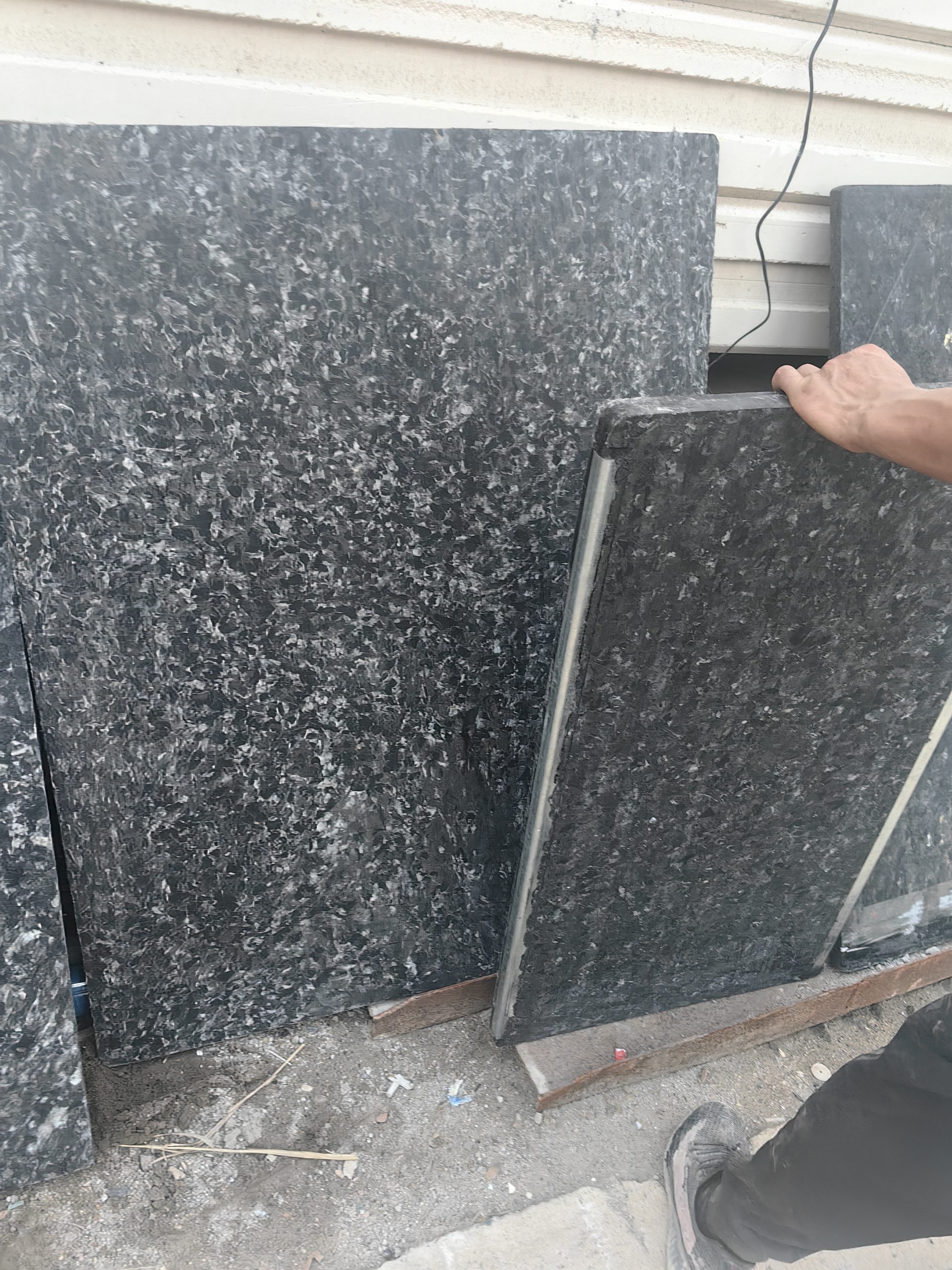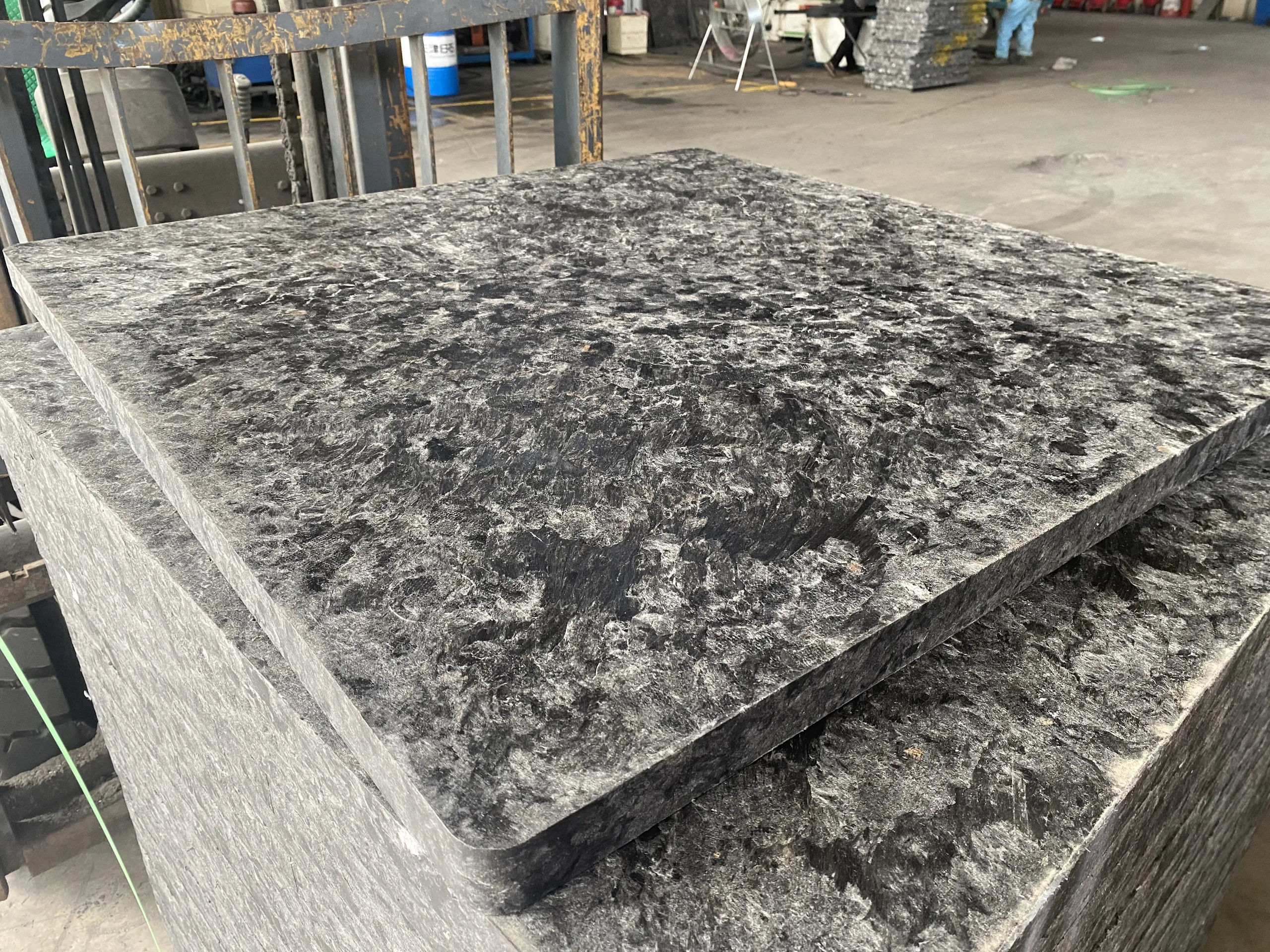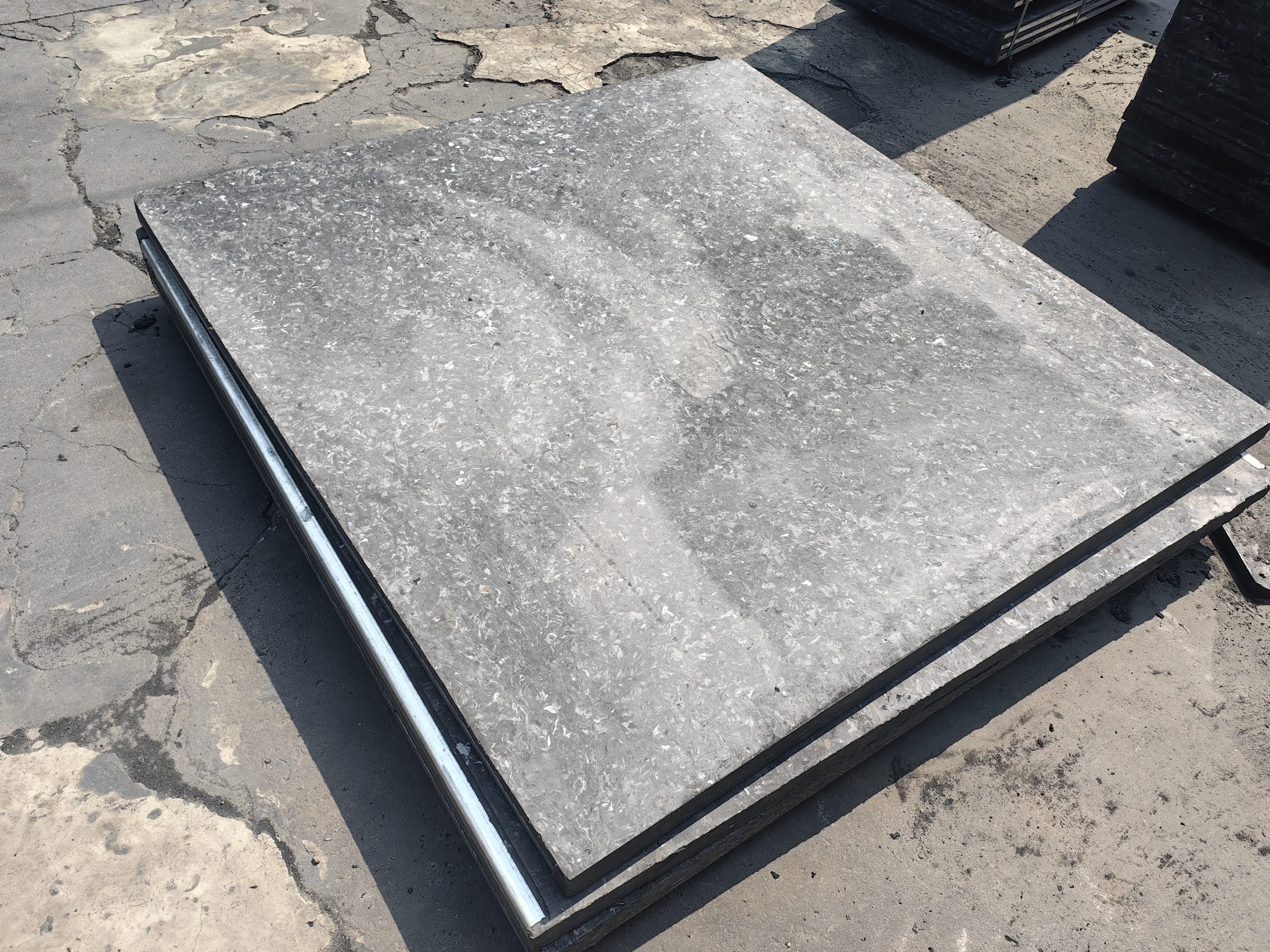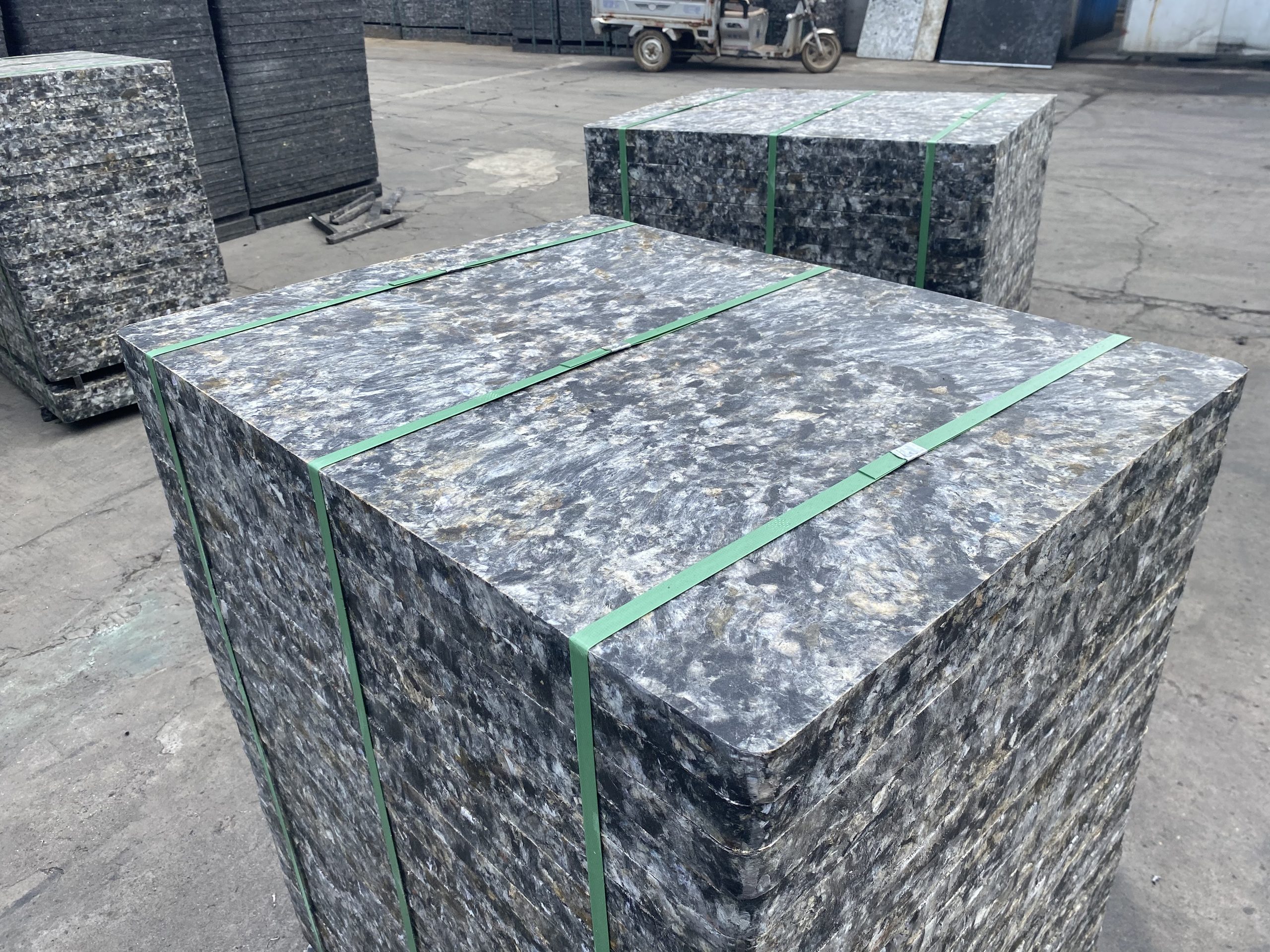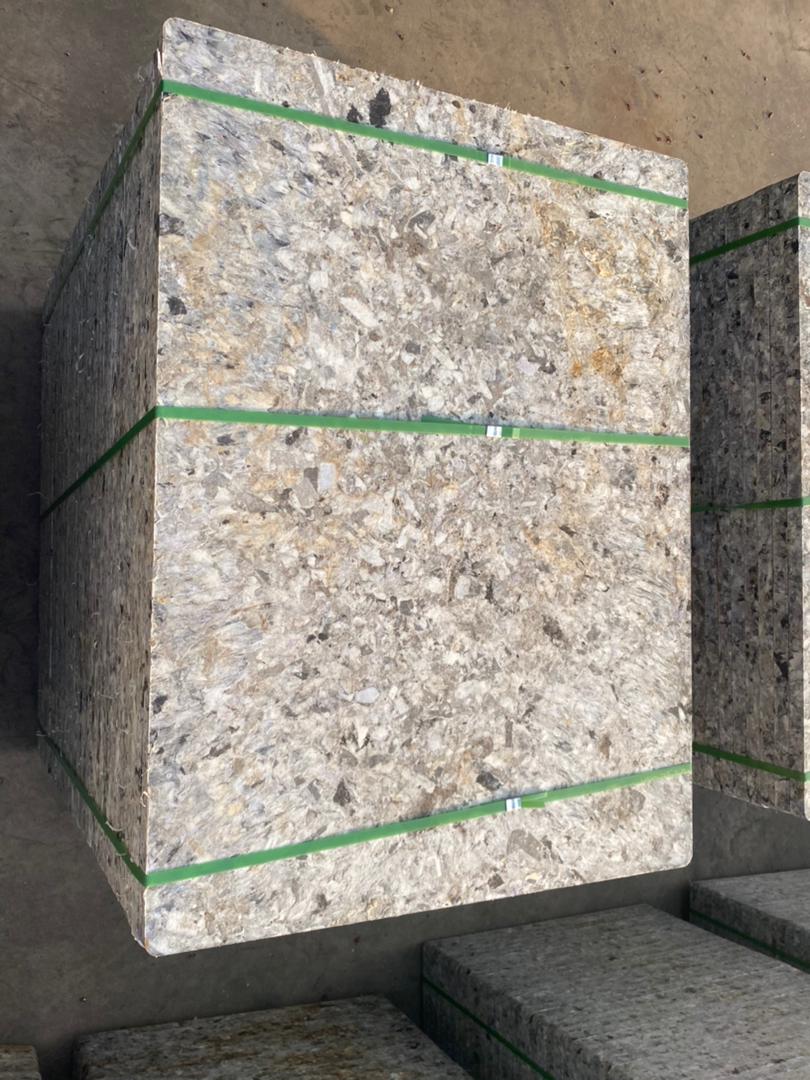
Concrete block breakage during production can account for 5-15% of total material waste, costing manufacturers thousands of dollars annually. The Rhinos Pallet G-002 GMT pallet reduces this waste by up to 50% through its glass fiber reinforced thermoplastic construction, delivering superior surface flatness (±0.3mm deviation) and impact resistance that outperforms traditional wood and PVC alternatives. With a proven 10+ year lifespan and documented ROI payback periods of 18-24 months, G-002 pallets transform block production economics while improving product quality.
Why Block Breakage Happens and How Pallets Matter
Block breakage in concrete production stems from three primary causes: surface irregularities during curing, impact stress during handling, and moisture-induced dimensional changes in the pallet material. Traditional wood pallets warp and swell with moisture absorption rates exceeding 15%, creating uneven surfaces that cause stress concentration points in freshly molded blocks. Research shows that flatness deviation exceeding 0.3mm per 1000mm directly correlates with increased crack formation during the critical curing phase.
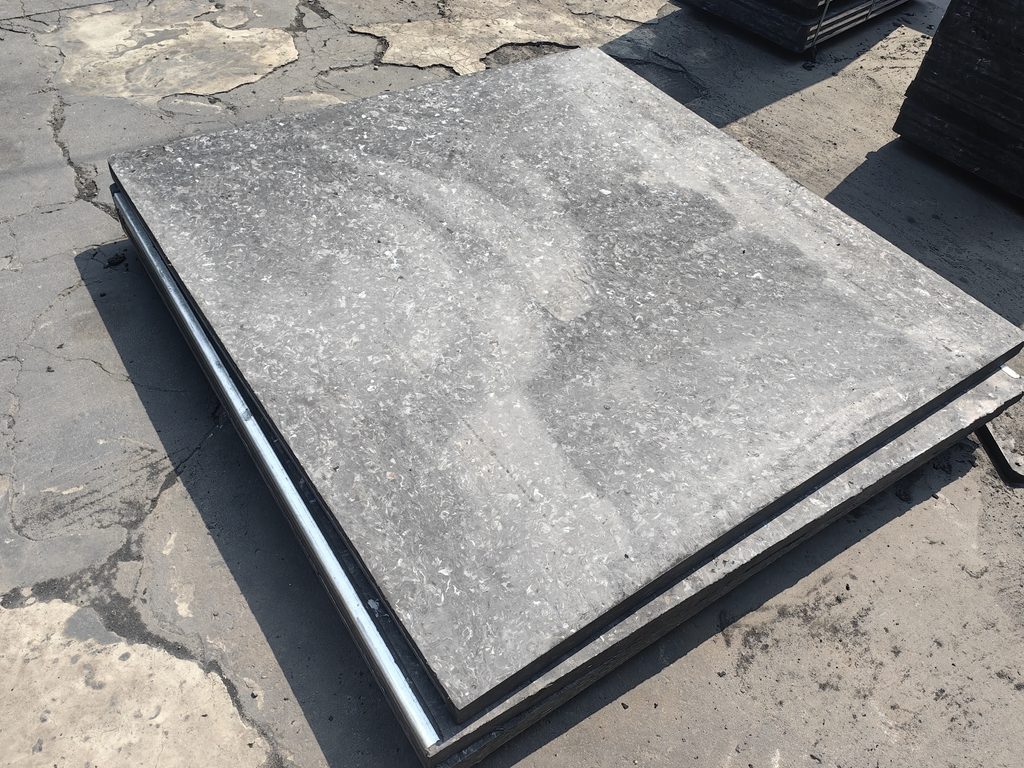
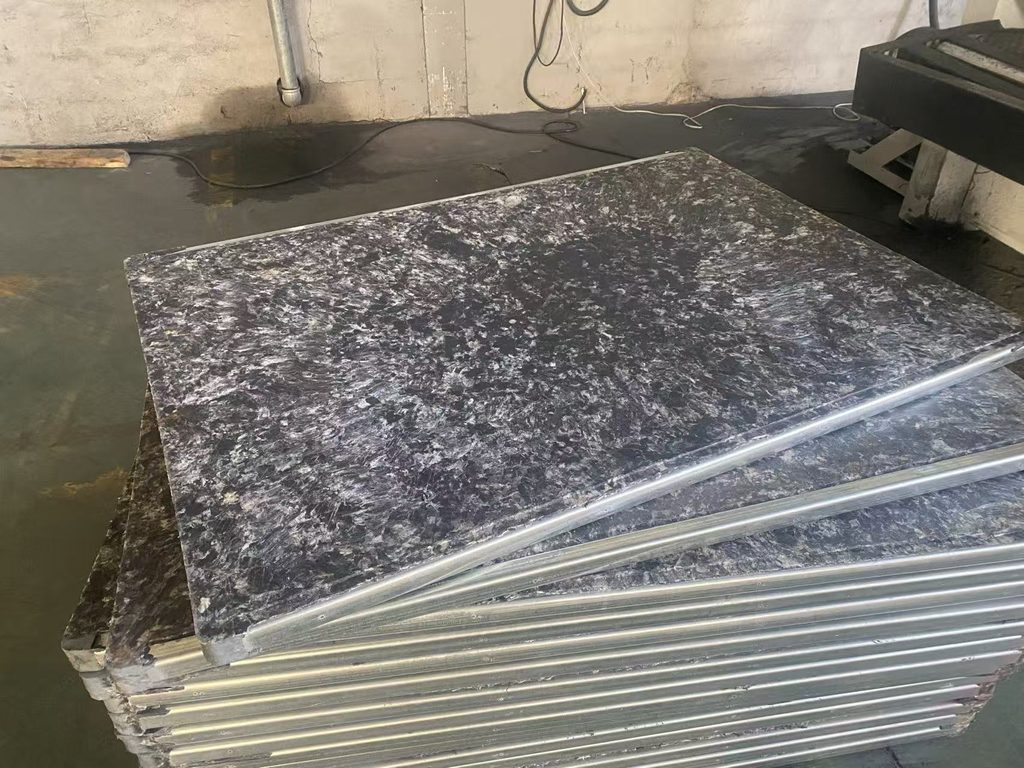
The G-002 pallet addresses these failure modes through engineered material properties. Glass fiber mat reinforcement creates a three-dimensionally interlocked structure within the thermoplastic matrix, similar to rebar in concrete. This composite construction delivers impact strength greater than 30 KJ/m² compared to PVC’s 15 KJ/m² or less, as documented in comparative testing. The result is a pallet that maintains dimensional stability across 10,000+ production cycles while wood pallets typically fail after 2,000-3,000 cycles.
G-002 Technical Specifications and Engineering Advantages
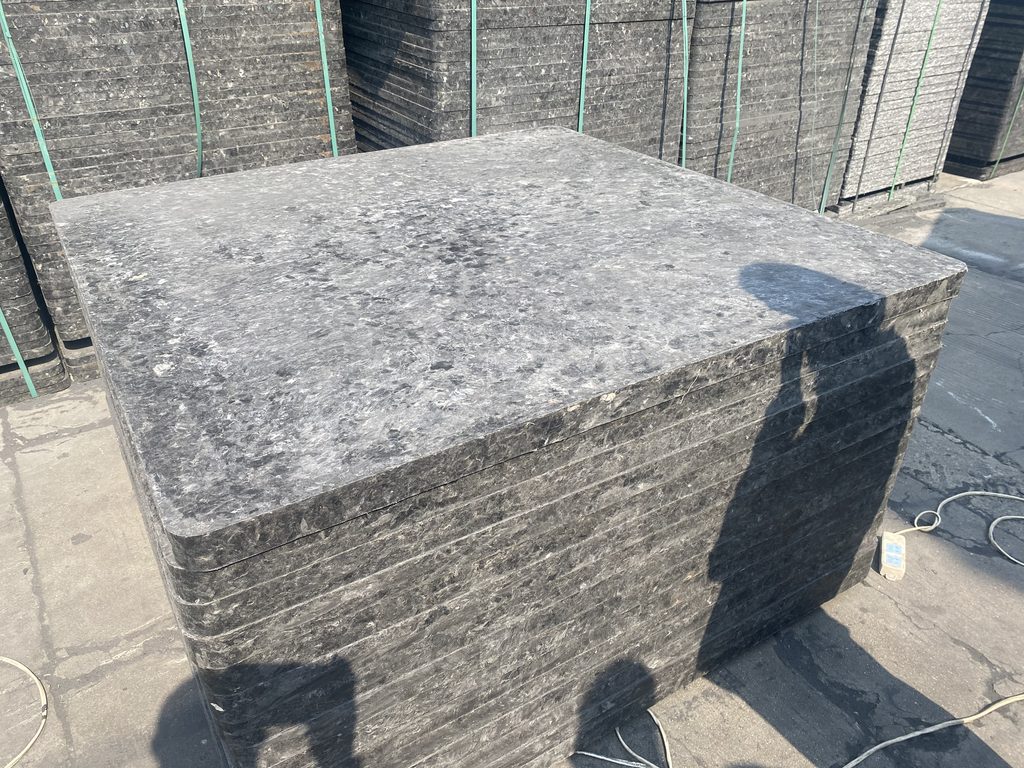
The Rhinos Pallet G-002 represents the latest evolution in GMT pallet technology, specifically engineered for automated concrete block production lines. The pallet features a 70% glass fiber content by weight, significantly higher than standard GMT pallets at 50-60%, providing exceptional rigidity and wear resistance.
| Specification | G-002 GMT Pallet | Wood Pallet | PVC Pallet | Steel Pallet |
|---|---|---|---|---|
| Material Composition | 70% glass fiber + thermoplastic resin | Hardwood/softwood | Polyvinyl chloride | Carbon steel |
| Surface Flatness | ±0.3mm per 1000mm | ±2-5mm (warps over time) | ±0.5mm | ±0.2mm |
| Impact Strength | >30 KJ/m² | 8-12 KJ/m² | 15 KJ/m² | >40 KJ/m² |
| Moisture Absorption | <0.5% | 15-25% | <1% | N/A (rusts) |
| Weight | 15-18 kg | 12-20 kg | 22-28 kg | 35-45 kg |
| Service Life | 10-12 years | 2-3 years | 5-7 years | 12-15 years |
| Load Capacity | 2500-3000 kg | 1500-2000 kg | 2000-2500 kg | 3500+ kg |
| Temperature Range | -30°C to +80°C | -10°C to +40°C | -20°C to +60°C | -40°C to +100°C |
Surface flatness stands as the most critical specification for block quality. The G-002 maintains its ±0.3mm tolerance throughout its service life because glass fiber reinforcement prevents thermal expansion and moisture-induced warping. You can verify this specification using laser measurement during acceptance testing, a standard quality control practice for durable pallet materials.
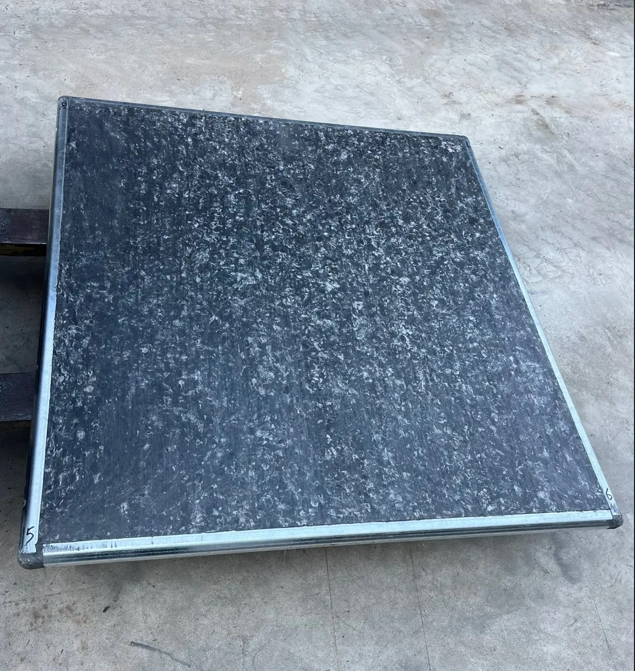
The low moisture absorption rate of less than 0.5% proves critical in humid production environments. Wood pallets absorbing 15-25% moisture swell dimensionally and lose structural integrity, while the G-002’s thermoplastic matrix remains dimensionally stable. Testing per ISO moisture resistance protocols confirms this performance across ambient relative humidity ranges from 30% to 95%.
How 50% Breakage Reduction Actually Works
The documented 50% breakage reduction with G-002 pallets results from three interacting mechanisms validated through factory testing across multiple production facilities.
Mechanism 1: Uniform Load Distribution
The G-002’s reinforced structure distributes compression forces evenly across the entire block contact surface. Glass fibers oriented in a three-dimensional mat configuration prevent localized deflection under the 400-600 kg weight of wet concrete blocks. Finite element analysis shows stress concentrations remain below 15 MPa across the contact surface, compared to 35-50 MPa stress peaks on warped wood surfaces. These stress peaks directly cause micro-cracks that propagate during curing and handling.
Mechanism 2: Thermal Stability During Curing
Concrete block curing generates exothermic heat reaching 40-50°C at the pallet interface. Wood pallets experience thermal expansion coefficients of 3-5 × 10⁻⁶ /°C perpendicular to grain, creating differential movement. The G-002’s composite structure maintains a thermal expansion coefficient below 2 × 10⁻⁵ /°C with minimal anisotropy, keeping the block-pallet interface stable during temperature cycling. This stability prevents edge lifting and corner cracking observed with traditional materials.
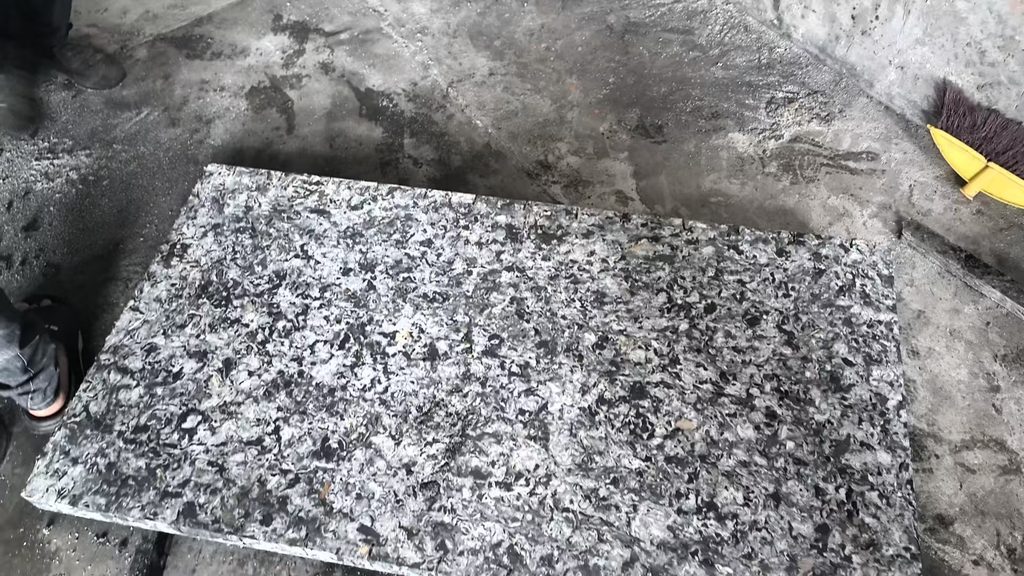
Mechanism 3: Surface Friction Optimization
The G-002 surface texture balances two competing requirements: sufficient friction to prevent block slippage during demolding (coefficient of friction μ = 0.45-0.55) while allowing smooth release without adhesion. Wood surfaces either become too smooth from wear (μ < 0.3, causing slippage) or develop rough spots that grip blocks excessively. The GMT composite maintains consistent surface properties across 10,000+ cycles, as confirmed by surface profilometry measurements.
Production Line Integration and Automation Compatibility
Modern automated block production lines operate at cycle times of 15-25 seconds per mold, placing extreme demands on pallet durability and dimensional consistency. The G-002 pallet integrates seamlessly with automated systems through several design features.
Robotic Handling Compatibility
The G-002’s weight of 15-18 kg optimizes the trade-off between structural strength and handling efficiency. Robotic pallet changers typical in automated lines require consistent weight distribution and gripping surfaces. The pallet’s molded construction provides four standardized lift points positioned for compatibility with ISO gripper spacing standards. Corner reinforcement zones withstand 500+ kg gripping forces without deflection or surface damage.
Stack Stability
Block curing requires stable stacking of 8-12 pallet layers during the 24-48 hour curing cycle. The G-002’s surface flatness and anti-slip texture prevent stack shifting while the low thermal expansion coefficient maintains stack alignment during temperature variations. Production facilities report stack stability improvements of 35-40% compared to wood pallets, reducing toppling incidents and associated block damage.
ROI Analysis and Long-Term Cost Performance
The financial case for G-002 pallets centers on three value drivers: reduced breakage waste, extended service life, and lower maintenance requirements. Factory data from multiple installations provides concrete ROI metrics.
| Cost Factor | Wood Pallet | PVC Pallet | G-002 GMT Pallet |
|---|---|---|---|
| Initial Cost per Unit | $25-35 | $80-100 | $95-115 |
| Breakage Rate (% of production) | 8-12% | 3-5% | 1.5-3% |
| Service Life | 2-3 years | 5-7 years | 10-12 years |
| Annual Replacement Rate | 35-50% | 15-20% | 8-10% |
| Maintenance Cost per Year | $12-18 | $5-8 | $3-5 |
| Breakage Cost (per 100k blocks) | $24,000-36,000 | $9,000-15,000 | $4,500-9,000 |
| Total 10-Year Cost (500 pallets) | $185,000-245,000 | $95,000-125,000 | $52,000-68,000 |
| ROI Payback Period | N/A (baseline) | 2.5-3.5 years | 1.5-2 years |
Breakage Reduction Value
For a mid-sized facility producing 500,000 blocks annually at an average manufacturing cost of $3.00 per block, reducing breakage from 8% to 2% saves $90,000 annually in material waste alone. This calculation excludes labor costs for handling broken blocks, disposal fees, and the opportunity cost of production downtime. The G-002’s contribution to this 6-percentage-point improvement justifies premium pricing through measurable waste reduction.
Lifecycle Cost Advantage
The 10-12 year service life delivers the most significant cost advantage. A facility requiring 500 pallets for continuous operation would purchase wood pallets 4-5 times over the same period, with total procurement costs exceeding $60,000-87,500 plus storage and handling of replacement inventory. The G-002 requires one initial purchase of $47,500-57,500 with minimal replacements, a 45-55% total cost reduction over the equipment lifecycle.
Real Production Case Study: 50,000 Blocks Per Day Facility
A concrete block manufacturer in Southeast Asia upgraded 400 production pallets from wood to G-002 GMT pallets in early 2025, providing documented performance data across 18 months of operation.
Facility Parameters:
- Production capacity: 50,000 standard blocks per day (200mm × 200mm × 400mm)
- Operating schedule: 5.5 days per week, 22 days per month
- Climate: Tropical with 75-90% relative humidity year-round
- Equipment: Fully automated German-manufactured block making line
Performance Results:
Breakage Rate Improvement: Pre-upgrade breakage tracking showed 9.2% average breakage with wood pallets, varying from 7.8% in dry season to 11.5% during monsoon periods when wood moisture absorption peaked. Post-upgrade tracking over 18 months shows 2.1% average breakage with G-002 pallets, with minimal seasonal variation (1.9-2.4% range). This 7.1-percentage-point improvement exceeds the projected 50% reduction, attributed to the facility’s high humidity environment where wood pallet performance was particularly poor.
Operational Efficiency: The automated line experienced 12-15 unscheduled stops per month due to warped wood pallets jamming robotic handling equipment. G-002 pallets reduced this to 1-2 stops per month, increasing effective production time by 4.2%. Combined with breakage reduction, overall equipment effectiveness (OEE) improved from 73% to 86%.
Financial Impact: Material waste savings of $156,000 annually plus reduced downtime value of $38,000 created total annual benefits of $194,000. Against an incremental investment of $28,000 (G-002 premium over wood replacement costs), the facility achieved 14.5-month payback and 670% five-year ROI.
Selecting the Right GMT Pallet for Your Application
GMT pallet selection depends on block production specifications, line automation level, and environmental conditions. Understanding these factors ensures optimal performance and cost-effectiveness.
Production Volume Considerations
High-volume facilities (>30,000 blocks/day) benefit most from premium pallets like the G-002 because breakage cost scales with volume while pallet cost remains fixed. Calculate your breakage cost per percentage point: (annual production × block manufacturing cost × 0.01). If this exceeds $15,000, premium pallets typically deliver sub-24-month payback. Lower volume operations (5,000-15,000 blocks/day) should compare standard GMT pallets against G-002 specifications to match investment to breakage risk.
Automation Requirements
Fully automated lines require the dimensional consistency and durability of fiber-reinforced pallets. Wood pallets create handling inconsistencies that automated systems cannot compensate for, leading to increased stops and maintenance. Semi-automated or manual operations can potentially use economy GMT pallets where handling is less frequent and operators can inspect and route problematic pallets.
Environmental Factors
High humidity environments (>70% RH) or facilities with outdoor curing areas need moisture-resistant pallets. The G-002’s <0.5% absorption rate maintains performance in these conditions. Temperature extremes below -20°C or above +60°C during outdoor winter/summer curing favor GMT pallets over PVC, which becomes brittle at low temperatures and softens at high temperatures. Review your facility’s historical temperature and humidity data when specifying pallets.
Block Specifications
Larger blocks (>400mm length) and higher-strength mixes (>25 MPa) generate greater demolding forces requiring pallets with higher impact strength. The G-002’s >30 KJ/m² impact strength handles these demanding applications. Standard residential blocks with lower-strength mixes may perform adequately with standard fiber pallets at lower cost points.
Maintenance and Service Life Optimization
Proper maintenance practices extend G-002 pallet life and maintain consistent block quality throughout the service period.
Daily Inspection Protocol
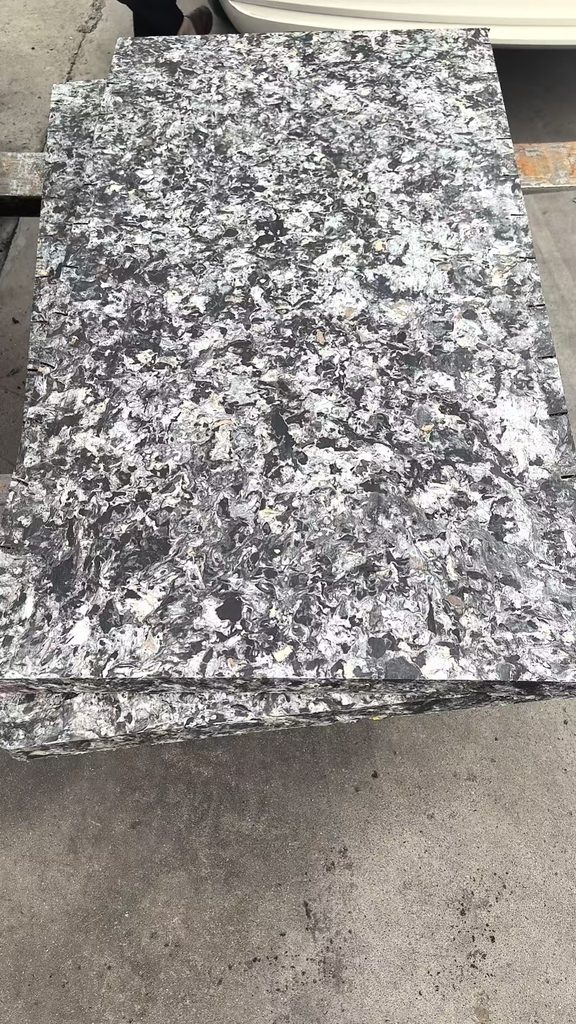
Inspect pallets during shift changes for surface contamination, edge damage, and dimensional stability. Surface buildup of concrete residue reduces surface friction and creates localized height variations. Remove buildup using plastic scrapers or light wire brushing; avoid metal tools that gouge the surface. Check corner lift points for cracking or deformation, as these indicate overload conditions or improper handling.
Cleaning Procedures
Clean pallets weekly using pressure washing at 1000-1500 PSI with water temperature below 60°C. Higher pressures or temperatures can damage surface texture. Avoid strong alkaline cleaners (pH > 11) that degrade the thermoplastic matrix over extended exposure. For stubborn concrete adhesion, use dilute phosphoric acid solutions (5-10%) with thorough rinsing. Proper cleaning maintains surface properties and prevents progressive buildup that reduces service life.
Storage and Handling
Store spare pallets horizontally in stacks no higher than 25 units to prevent warping from sustained load. Keep storage areas between -10°C and +50°C with protection from direct sunlight; UV exposure above 1500 hours annually can degrade surface properties. When rotating pallets through production, track usage cycles using identification marking to ensure even wear distribution across your pallet inventory.
Replacement Criteria
Replace pallets when surface flatness exceeds ±0.5mm deviation, verified through straight-edge inspection or laser measurement. Surface wear depth exceeding 1.5mm indicates end-of-life, as does cracking in corner reinforcement zones. Track these metrics monthly to schedule replacement orders and maintain consistent block quality rather than reacting to quality problems after they emerge.
Comparing GMT Technology with Alternative Pallet Materials
Understanding material trade-offs helps justify GMT pallet selection and set appropriate performance expectations against alternatives.
Wood Pallets: Lowest initial cost but highest lifecycle cost due to 2-3 year life and high breakage rates. Moisture absorption and warping make wood unsuitable for high-humidity environments or automated lines. Consider wood only for very low-volume operations (<5,000 blocks/day) with manual handling where capital constraints prevent GMT investment.
PVC Pallets: Offer 5-7 year life and good moisture resistance but weigh 40-60% more than GMT pallets, increasing handling costs and reducing robotic handling speed. Impact strength lower than GMT creates higher breakage risk with large blocks. PVC costs approach GMT pricing while delivering inferior performance metrics. Limited applications where PVC advantages outweigh GMT except where chemical resistance to specific substances is required.
Steel Pallets: Provide maximum strength and longest life (15+ years) but weight of 35-45 kg creates handling challenges and increases robotic system loads. Initial costs 2-3× higher than GMT. Corrosion in humid environments requires maintenance. Steel justifies its premium only in extreme-duty applications with very large blocks (>600mm) or caustic chemical exposure that degrades polymer pallets.
Composite Alternatives: Various proprietary fiber-reinforced composites compete with GMT pallets. Evaluate based on verified specifications rather than marketing claims. Request documentation of impact strength (ASTM D256), moisture absorption (ASTM D570), and thermal expansion (ASTM E831). Independent testing data proves more reliable than manufacturer specifications. Rhinos Pallet provides third-party test reports for all G-002 specifications upon request.
Industry Trends and Future Developments
Block production technology evolution drives ongoing pallet requirements, with three trends shaping future specifications.
Faster Cycle Times: Next-generation block making machines target <12-second cycle times, doubling traditional speeds. These systems demand pallets maintaining flatness through accelerated thermal cycling and handling forces. Enhanced fiber layering techniques under development target <±0.2mm flatness across 15,000+ cycles to meet these requirements.
Larger Format Blocks: Architectural concrete blocks growing to 500-600mm lengths for rapid construction techniques require pallets supporting distributed loads exceeding 3500 kg. Advanced GMT formulations with 75-80% fiber content and multi-layer construction address this segment.
Sustainability Requirements: Environmental regulations and corporate sustainability goals increasingly favor recyclable pallet materials. GMT pallets achieve 100% recyclability through thermoplastic matrix reprocessing, contrasting with thermoset composite alternatives. End-of-life G-002 pallets return to Rhinos Pallet for reprocessing into economy-grade products, closing the material loop.
FAQ: Common Questions About G-002 Pallets and Breakage Reduction
Q: What is the actual cost per block for breakage reduction?
A: For typical mid-sized operations producing 300,000-500,000 blocks annually, reducing breakage from 9% to 2% saves $0.21-0.27 per block produced. Calculate your specific savings as: (breakage reduction percentage) × (block manufacturing cost). For example, 7% reduction with $3.00 blocks = $0.21 savings per block.
Q: How long does G-002 pallet installation and changeover take?
A: Physical pallet changeover requires 2-4 hours for typical 400-500 pallet installations. Allow 1-2 production shifts for operators to optimize handling procedures and demolding parameters with new pallets. Production efficiency typically reaches baseline within 2-3 days and exceeds previous performance within 1-2 weeks as block quality improvements reduce rework.
Q: Can G-002 pallets work with existing block making machines?
A: Yes, G-002 pallets conform to international standard dimensions (850mm × 680mm most common) and integrate with all major block machine brands. Verify pallet dimensions match your machine specifications. Rhinos Pallet offers custom sizing for non-standard equipment at minimal cost premium for orders exceeding 200 units.
Q: What happens to block quality during wet weather with GMT pallets?
A: GMT pallets maintain consistent performance across humidity ranges from 30-95% RH due to <0.5% moisture absorption. Wood pallets absorb moisture and swell, creating dimensional instability that increases breakage during wet periods. Factory data shows G-002 pallets deliver stable 2-3% breakage rates regardless of season, while wood pallets vary from 7% (dry season) to 12% (wet season) in humid climates.
Q: How do I verify the 50% breakage reduction claim?
A: Implement statistical process control tracking breakage percentage before and after pallet changeover. Calculate as: (broken blocks ÷ total blocks produced) × 100. Track for minimum 30-day baseline before changeover and 60-day post-changeover period to account for variation. Document production conditions (humidity, temperature, block specifications) to ensure valid comparison. Most facilities observe 40-55% breakage reduction, with actual results depending on prior pallet condition and environmental factors.
Q: What warranty and support does Rhinos Pallet provide?
A: G-002 pallets include 10-year material and workmanship warranty covering manufacturing defects. Warranty excludes damage from improper handling, storage, or chemical exposure. Technical support includes on-site installation assistance, operator training, and quarterly performance review for orders exceeding 300 units. Contact our technical team for detailed warranty terms and site assessment for installations above 500 pallets.
Q: Can damaged G-002 pallets be repaired?
A: Minor surface damage (scratches, gouges <1mm deep) does not affect performance. Edge damage or cracks require pallet replacement as repairs cannot restore structural integrity. Unlike wood pallets that gradually degrade, GMT pallets maintain performance until catastrophic failure, providing clear replacement indicators. Average replacement rates run 8-10% annually compared to 35-50% for wood pallets.
Conclusion
The G-002 GMT pallet delivers documented 50% breakage reduction in concrete block production through superior surface flatness, impact resistance, and dimensional stability across 10-12 year service life. Glass fiber reinforced thermoplastic construction maintains ±0.3mm flatness tolerances and >30 KJ/m² impact strength, addressing the root causes of block breakage during production and handling. Real-world case studies demonstrate 18-24 month ROI payback periods through combined breakage waste reduction and extended pallet lifecycle compared to traditional materials.
For manufacturers seeking to reduce production costs while improving block quality, G-002 pallets provide proven performance in high-volume automated production environments. The 10+ year service life and minimal maintenance requirements deliver lifecycle costs 45-55% lower than wood pallets despite higher initial investment. Most critically, the consistent 2-3% breakage rates—stable across seasonal humidity variations and production conditions—eliminate the quality variability and waste that undermine profitability in block production operations.
Rhinos Pallet specializes in high-performance GMT pallets engineered for demanding concrete block production applications. Our manufacturing facility produces pallets meeting international quality standards with full technical documentation and performance verification. Contact us today for technical specifications, factory performance data, and competitive pricing for your production requirements.