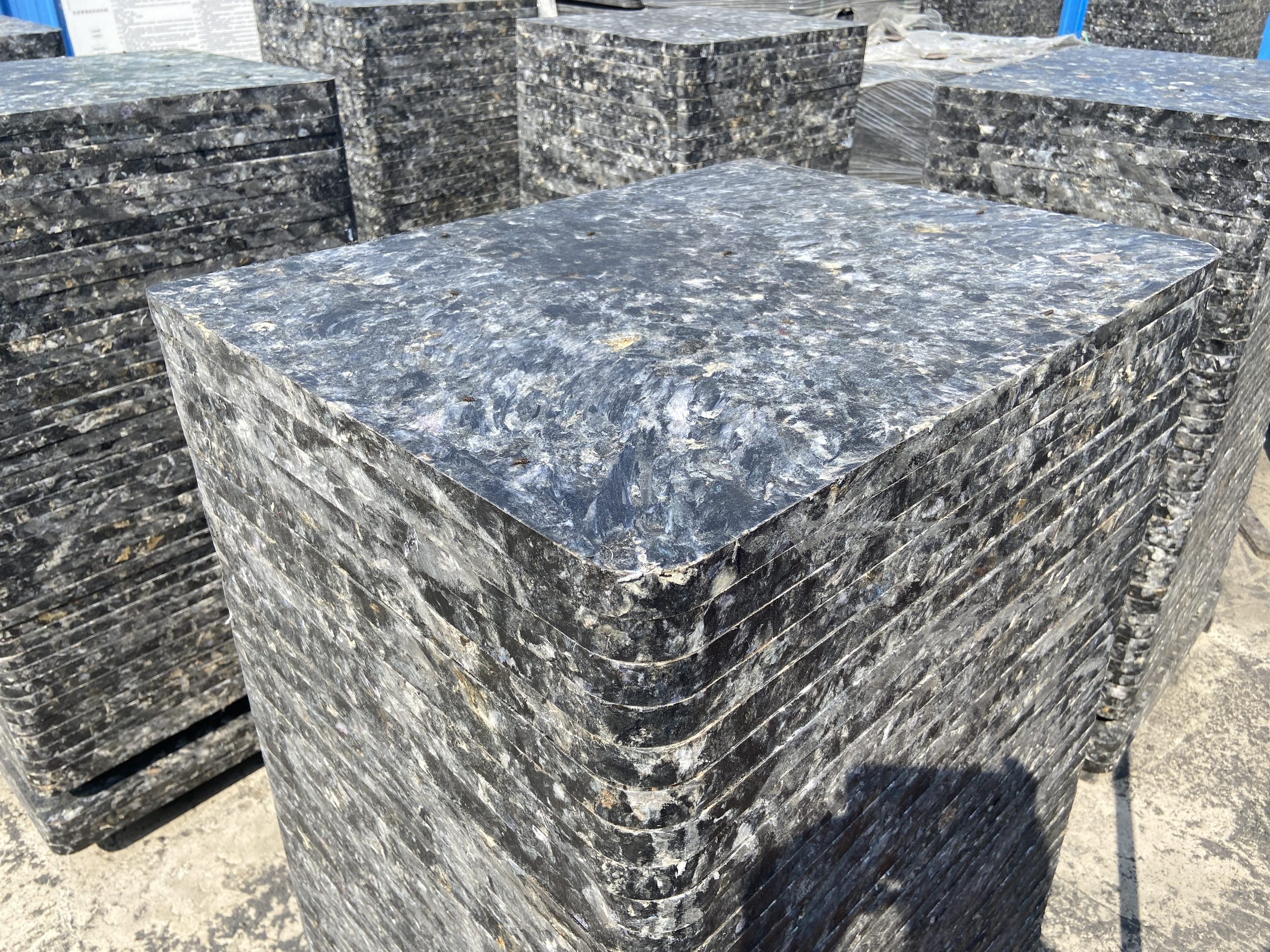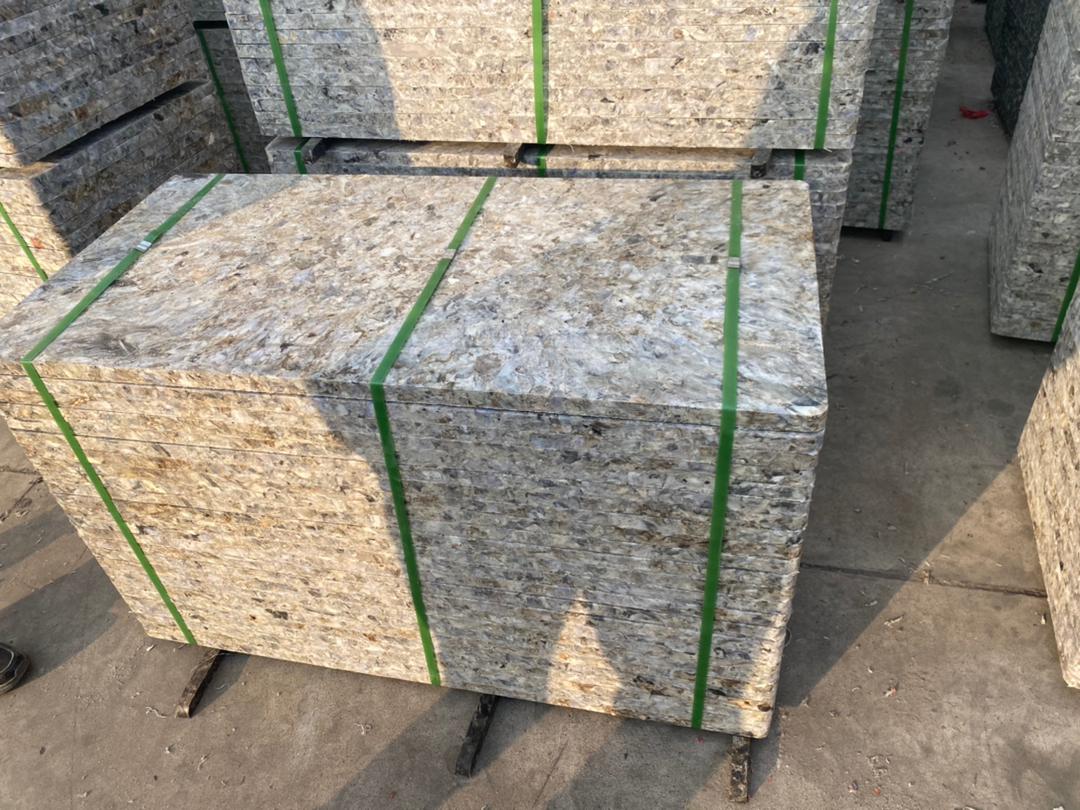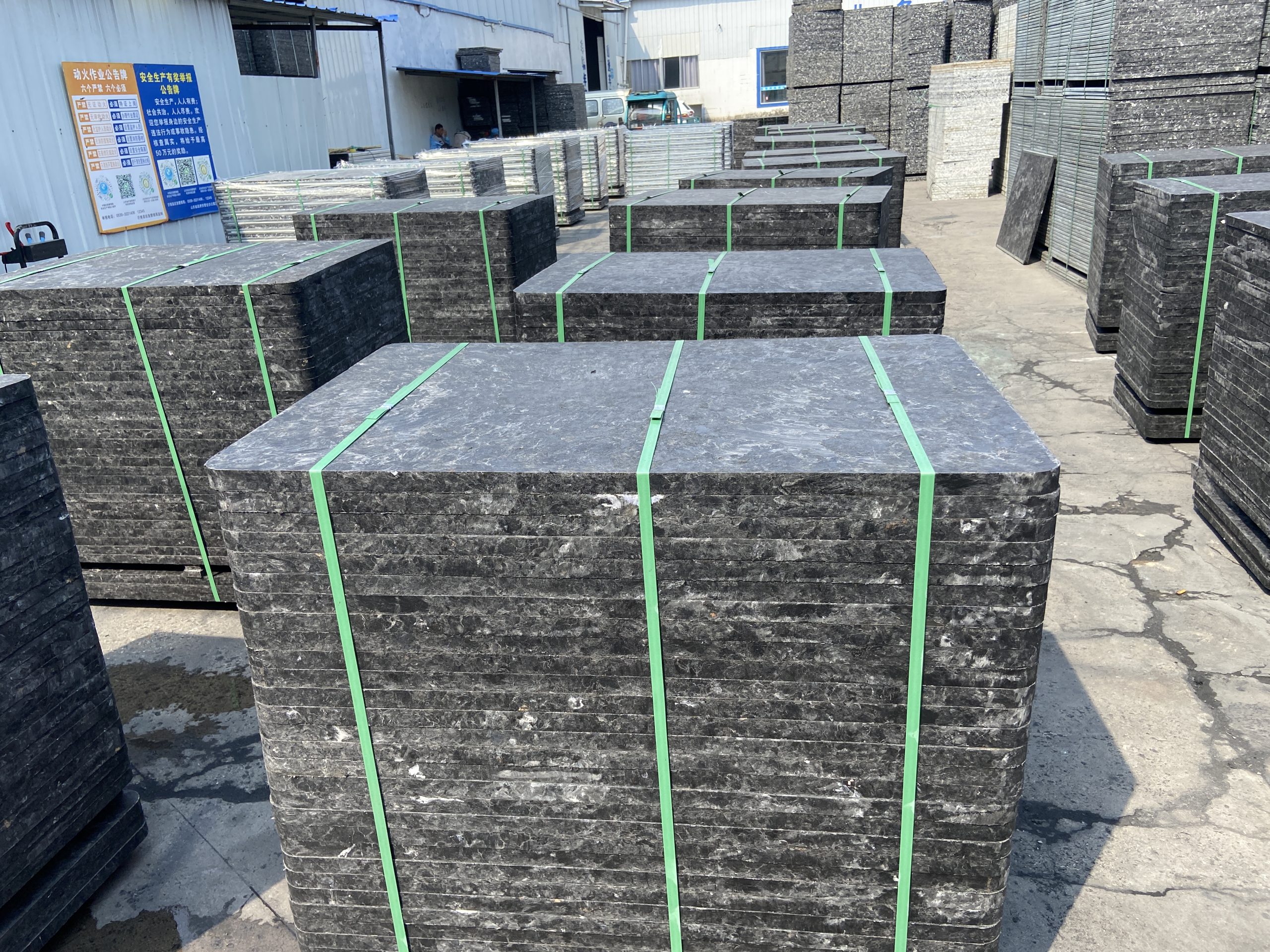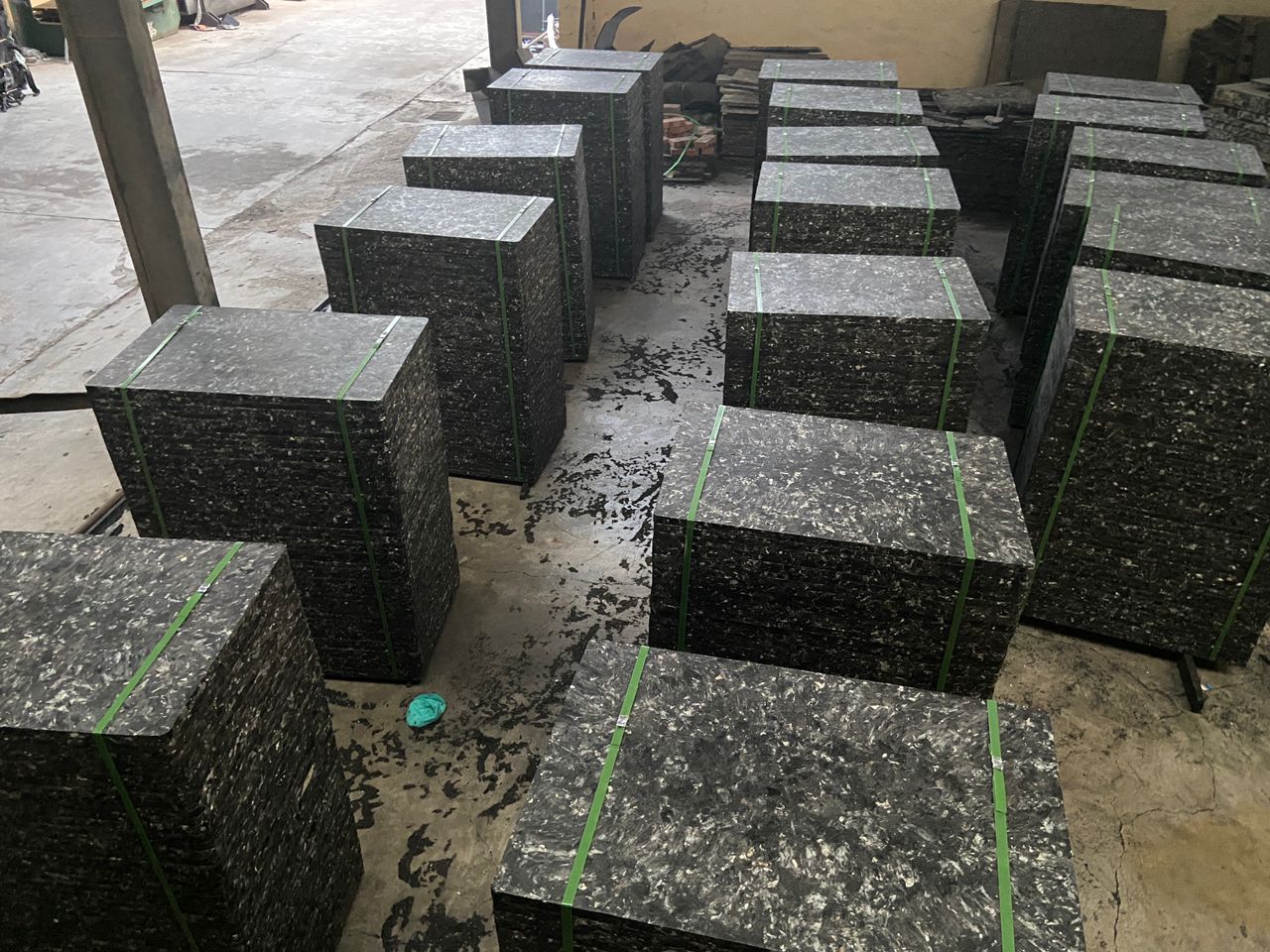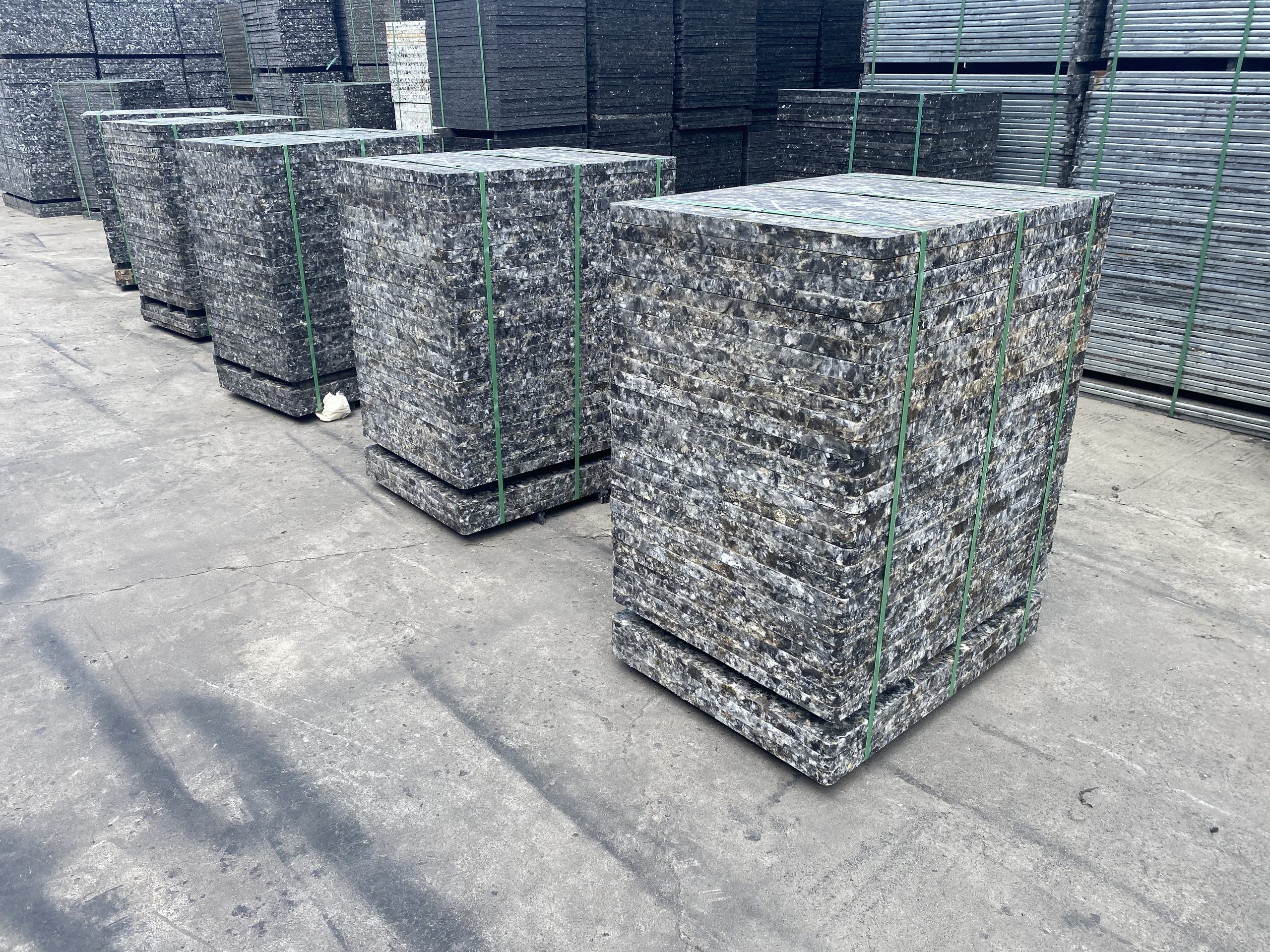
Interlocking brick production requires dimensional precision that standard pallets cannot deliver. Manufacturing data shows tolerance variations beyond ±0.5mm in pallet surfaces cause 15-22% rejection rates, with each defective unit representing $0.85-$1.20 in lost material and labor costs.
Unlike conventional solid bricks, interlocking bricks depend on precise tongue-and-groove connections where dimensional accuracy determines whether units fit together correctly. This guide examines the specific pallet requirements enabling manufacturers to achieve the ±0.3mm dimensional accuracy interlocking brick production demands.
Why Interlocking Bricks Need Precision Pallets
Interlocking brick systems rely on dimensional consistency exceeding standard brick manufacturing tolerances. Factory testing reveals that interlocking features—typically 15-25mm protrusions and recesses—require ±0.3-0.5mm accuracy to achieve proper fit during installation.
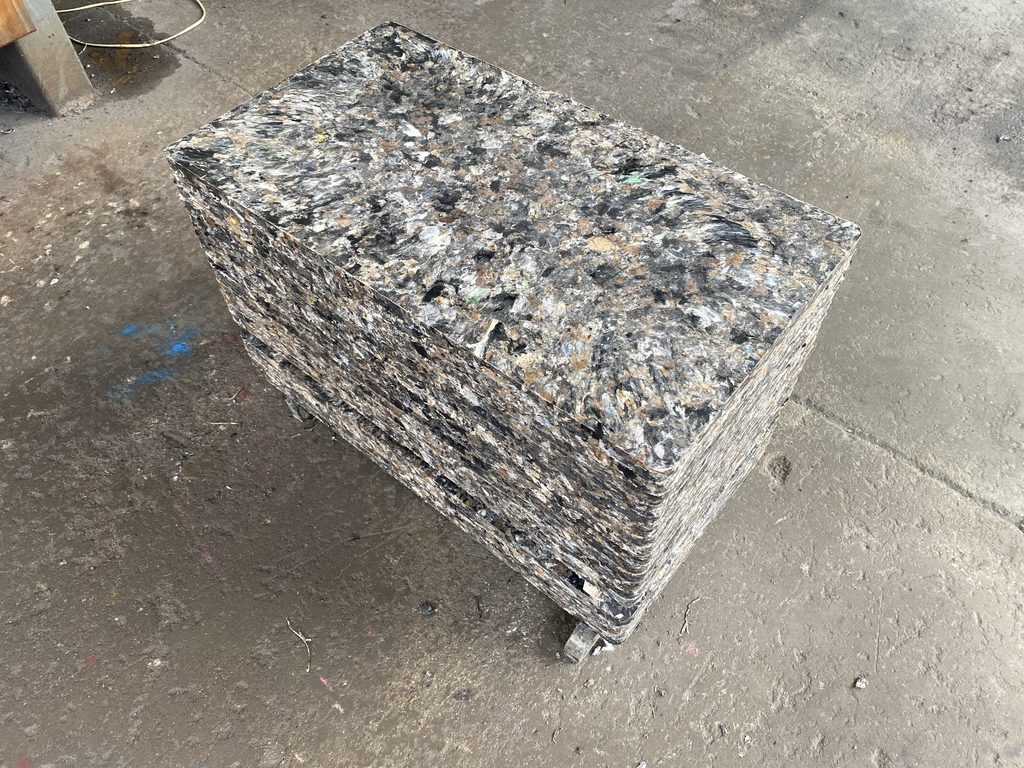
Standard brick production tolerates ±2-3mm dimensional variation without affecting structural performance. Interlocking bricks cannot. A single warped pallet introduces compound dimensional errors across the entire brick face, multiplying initial 1-2mm pallet deviation into 3-5mm brick distortion after pressing and curing.
Production facilities manufacturing 12,000-18,000 interlocking bricks daily report that pallet quality directly determines final product acceptance rates. Dimensional instability causes three critical failures: interlocking feature misalignment (causing 8-12% assembly failures), non-uniform curing (producing 15-25% strength variation), and stack instability (increasing handling breakage by 18-30%).
Dimensional Accuracy Requirements
Interlocking brick production demands pallet specifications exceeding standard manufacturing tolerances:
| Dimension | Standard Brick Tolerance | Interlocking Brick Requirement | GMT Pallet Performance |
|---|---|---|---|
| Length × Width | ±2.0mm | ±0.5mm | ±0.3mm |
| Thickness uniformity | ±1.5mm | ±0.3mm | ±0.2mm |
| Surface flatness | ±3.0mm | ±0.5mm | ±0.4mm |
| Corner squareness | ±1.0° | ±0.2° | ±0.15° |
| Diagonal measurement | ±4.0mm | ±0.8mm | ±0.5mm |
Nine-point thickness measurement verifies dimensional accuracy across pallet surfaces. GMT pallets manufactured through compression molding achieve ±0.2-0.3mm consistency, while wood pallets show 3-8mm variation. Temperature cycling (35-45°C) and humidity changes cause wood pallets to expand/contract 2-7mm, while GMT maintains ±0.3mm stability across -10°C to +80°C ranges.
Surface Flatness Specifications
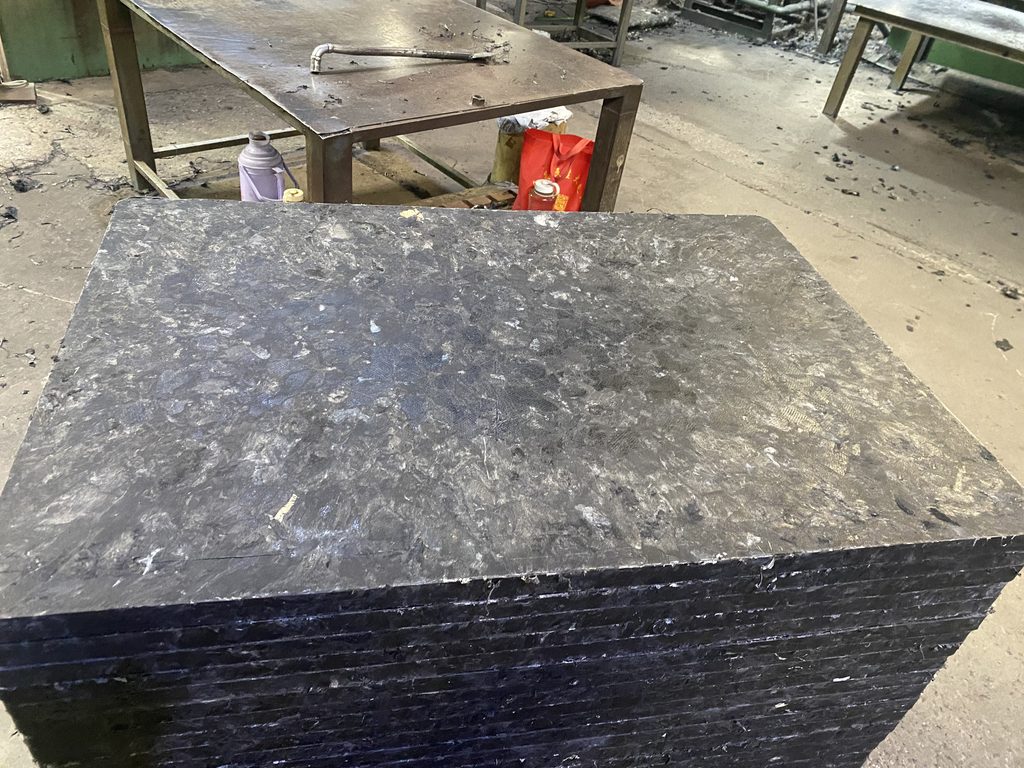
Surface flatness directly affects interlocking feature accuracy. Hydraulic pressing systems apply 800-1,200 bar pressure uniformly, and surface irregularities transfer through the concrete mixture to the final product face.
Interlocking brick production requires surface flatness within ±0.5mm measured across the full 850×680mm working surface. Precision straightedge positioning at multiple orientations with feeler gauges detects gaps exceeding 0.5mm.
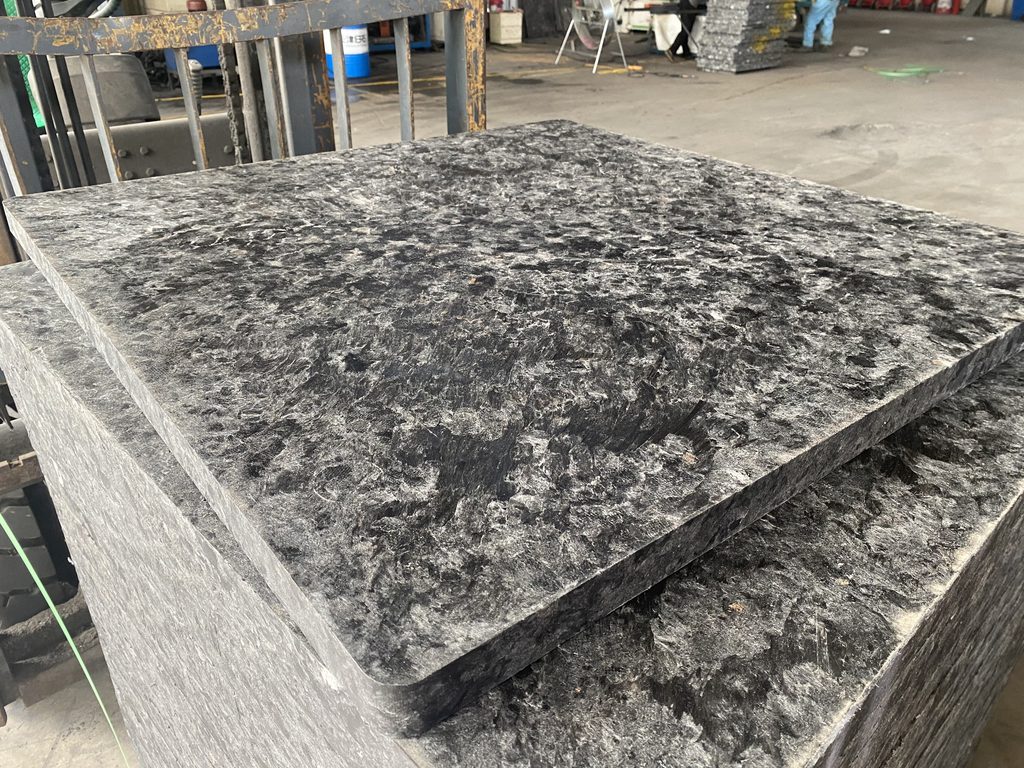
GMT pallets demonstrate superior surface retention over alternatives:
- After 1,000 cycles: GMT maintains ±0.4mm flatness; wood degrades to ±2.5mm
- After 5,000 cycles: GMT holds ±0.6mm flatness; wood reaches ±6-8mm
- After 10,000 cycles: GMT stays within ±0.8mm flatness; wood requires replacement
Surface finish requires roughness between Ra 3.2-6.3 μm for optimal brick release without adhesion issues or texture transfer defects.
Material Selection for Consistency
Material properties determine whether pallets maintain tight tolerances interlocking brick production demands. Three characteristics directly affect dimensional stability: moisture absorption (materials absorbing >2% moisture swell enough to disrupt accuracy), thermal expansion coefficient (temperature variations cause proportional dimensional changes), and structural rigidity (pallets must support 2,000-2,500 kg loads without flexing beyond 0.5mm).
| Material | CTE (μm/m·°C) | Dimensional Change Over 50°C Range | Moisture Absorption |
|---|---|---|---|
| Wood (various species) | 30-80 | 2.5-6.8mm per meter | 8-15% |
| Steel | 11-13 | 0.9-1.1mm per meter | 0% (rust concerns) |
| Aluminum | 23-24 | 1.9-2.0mm per meter | 0% (corrosion risk) |
| GMT composite | 8-12 | 0.7-1.0mm per meter | <0.5% |
| Standard plastic | 60-200 | 5.1-17mm per meter | 0.5-3% |
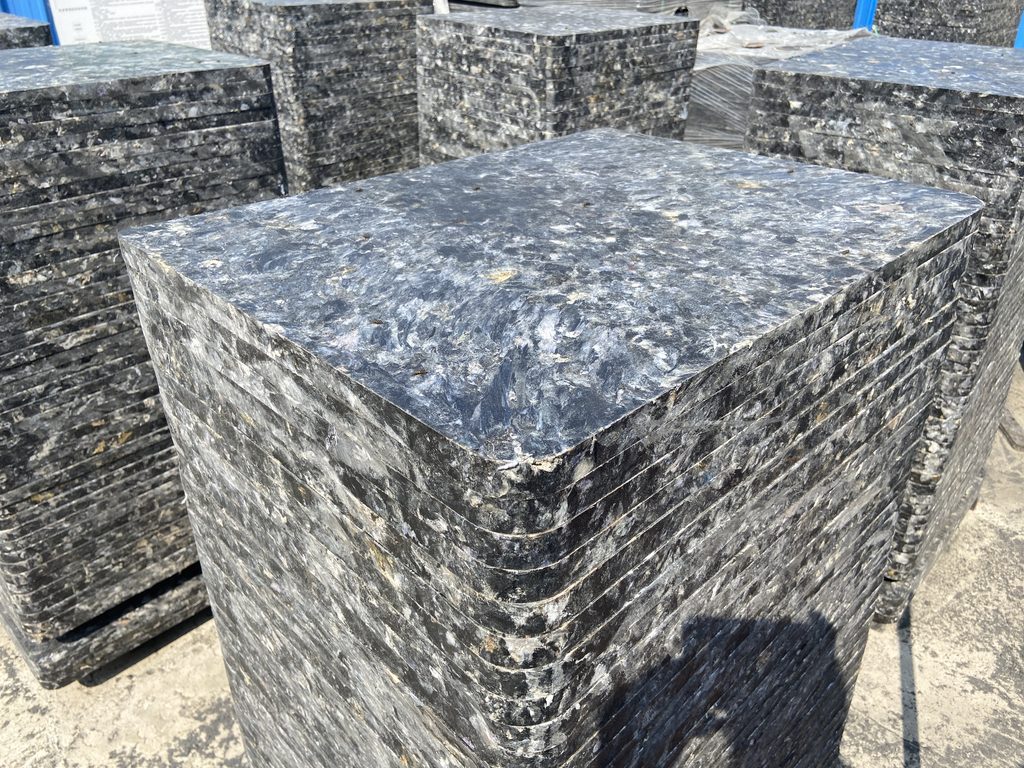
GMT pallets achieve 180-220 MPa flexural strength through continuous glass fiber reinforcement, maintaining flatness under production loads that cause wood pallets to deflect 3-8mm. Batch-to-batch consistency remains within ±0.2mm across 500-1,000 unit orders. For precision manufacturing, Rhinos Pallet’s G-001 and G-003 deliver required material properties.
Alignment and Registration Features
Precise pallet positioning within brick pressing machines directly affects interlocking feature accuracy. Modern hydraulic systems locate pallets using registration pins or guide rails requiring consistent reference points accurate to ±1mm.
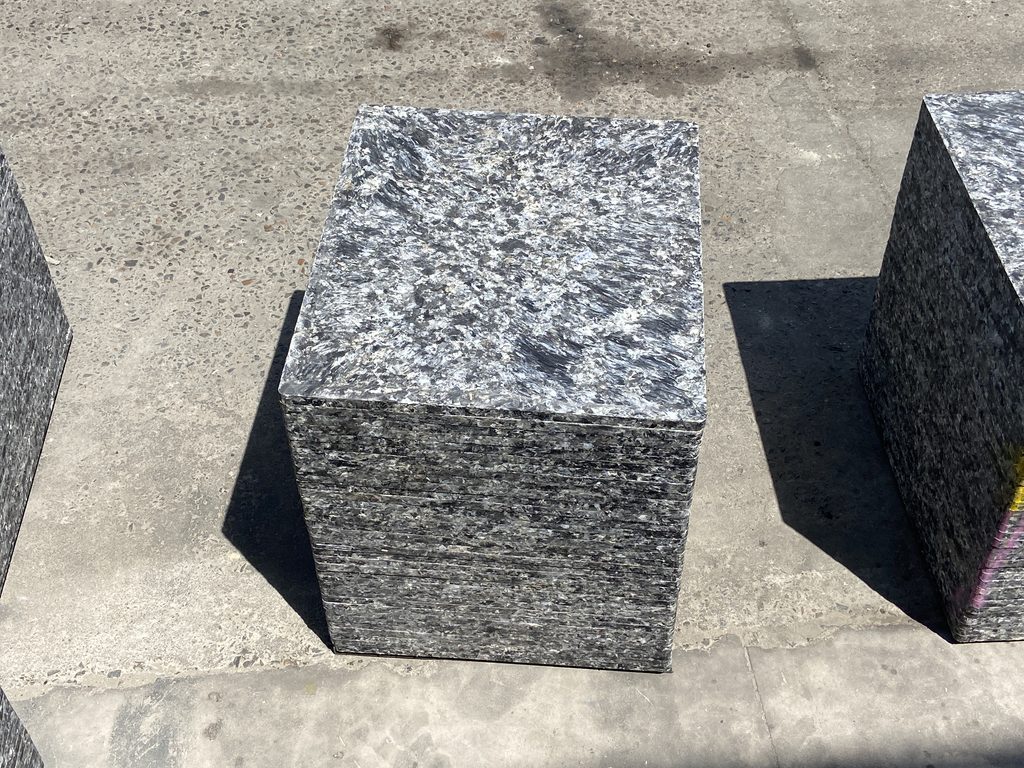
GMT pallets incorporate aluminum edge trim serving three functions: dimensional reference providing ±0.3mm positional accuracy through 10,000+ cycles, impact protection preventing corner damage that degrades positioning, and wear resistance against abrasive machine guides.
Corner squareness within 90° ±0.2° ensures proper brick geometry. Out-of-square pallets produce compound angular errors preventing proper interlocking during installation. Quality programs verify corner angles using precision squares calibrated to 0.02° accuracy.
Quality Control Standards
Rigorous quality control ensures pallets consistently meet interlocking brick manufacturing requirements through three inspection stages:
Incoming inspection: Measure 100% of pallets before release to production—dimensional accuracy (±0.5mm), surface flatness (±0.5mm), corner squareness (±0.3°), weight consistency (±500g), edge condition integrity. Documentation creates traceability linking pallet batches to brick quality data.
In-service monitoring: Periodic inspection every 500-1,000 cycles detects degradation before dimensional drift affects brick quality. Track surface flatness progression, edge wear patterns, and structural integrity indicators.
Retirement criteria: Clear dimensional limits trigger pallet removal—surface flatness exceeding ±1.5mm, thickness variation beyond ±1mm, corner squareness greater than ±0.5°, or visible structural damage.
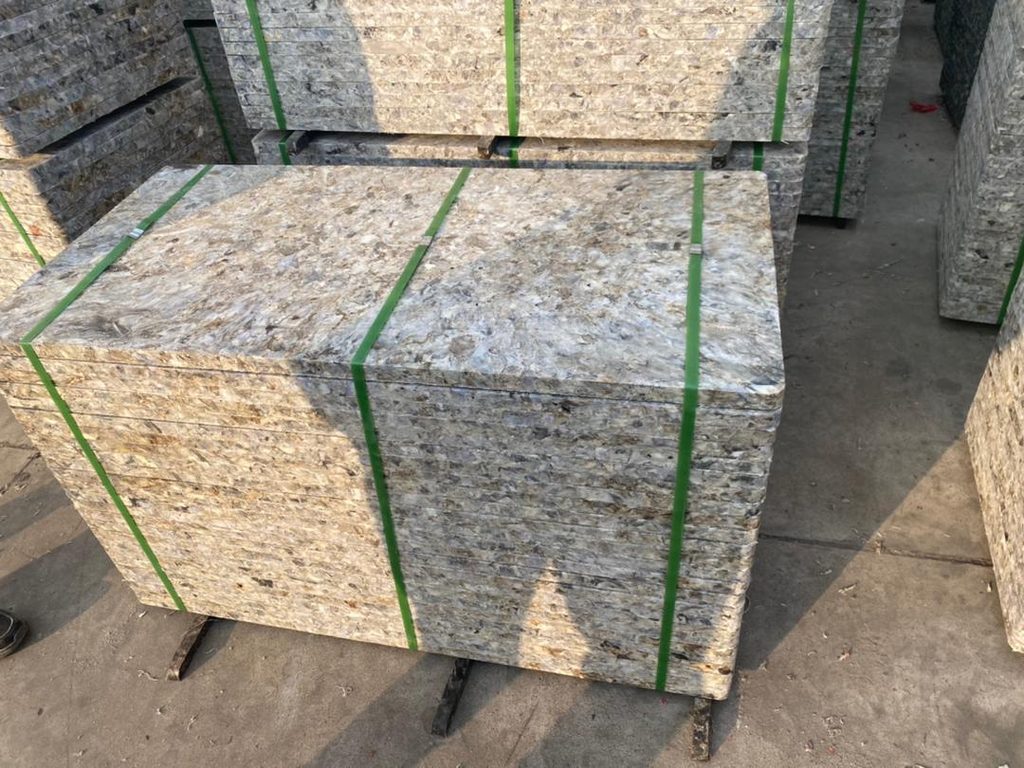
Advanced facilities employ laser scanning stations mapping pallet surfaces to ±0.1mm resolution, weight monitoring detecting structural changes, and RFID tracking recording production history correlating dimensional measurements with cycle count and quality outcomes. For systematic pallet quality control guidance, see our GMT Pallet Maintenance Guide.
GMT Pallets vs Traditional Options
Material selection fundamentally determines whether pallets meet interlocking brick precision requirements:
| Performance Factor | Wood Pallets | Steel Pallets | GMT Composite Pallets |
|---|---|---|---|
| Dimensional stability | ±2-3mm (new), ±5-8mm (used) | ±0.8-1.2mm | ±0.3-0.5mm |
| Moisture absorption | 8-15% | None (rust concerns) | <0.5% |
| Surface flatness retention | Degrades to ±6-8mm after 3,000 cycles | Maintains ±1mm | Maintains ±0.6mm after 10,000 cycles |
| Weight consistency | Varies 15-25% due to moisture | Consistent | ±300g across fleet |
| Lifespan in interlocking production | 2,000-4,000 cycles | 8,000-12,000 cycles | 15,000-20,000 cycles |
| Cost per 1,000 cycles | $8.50-$12.00 | $4.20-$6.80 | $2.80-$4.20 |
Wood pallets fail interlocking brick requirements due to moisture absorption causing 3-8mm dimensional changes and surface degradation after 1,500-2,500 cycles. Manufacturers using wood pallets report 18-25% rejection rates from pallet-induced errors.
Steel pallets offer better stability but present limitations: excessive weight (35-45 kg vs 18-22 kg for GMT), corrosion in humid environments, and surface damage from concrete contact. Steel’s thermal conductivity creates uneven curing patterns.
GMT composite pallets deliver optimal performance with continuous glass fiber providing rigidity maintaining ±0.4mm flatness through 15,000+ cycles, <0.5% moisture absorption ensuring dimensional stability, and thermal properties matching curing requirements. Initial $45-$65 investment spreads across 15,000-20,000 cycles yielding $2.80-$4.20 cost per 1,000 bricks versus $8.50-$12.00 for wood—65-72% lower lifecycle costs. See detailed GMT vs Wood Pallet cost analysis.
Specialized Handling Requirements
Interlocking brick pallets require handling protocols preserving dimensional accuracy throughout production cycles:
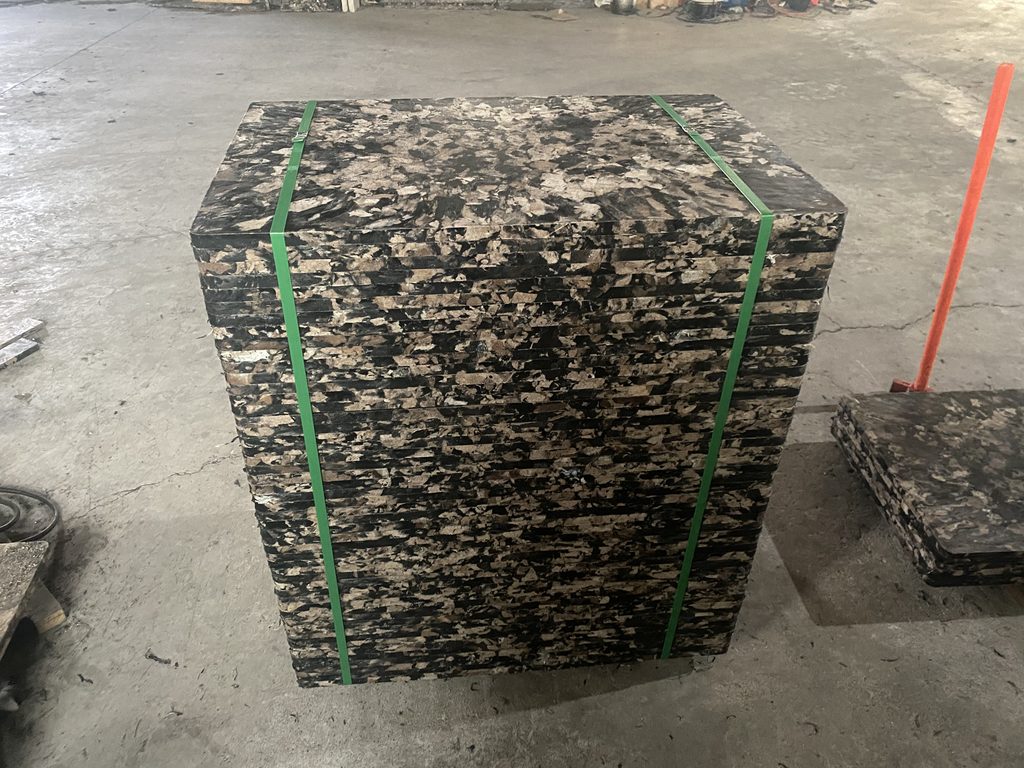
Storage: Stack horizontally with full surface support, never vertically. Vertical storage introduces 1-3mm permanent deformation in GMT pallets and 5-12mm warping in wood. Climate-controlled storage (20-25°C, 40-60% RH) prevents dimensional drift.
Handling: Use mechanical equipment supporting pallets across full areas. Fork trucks lifting at two points create 2-5mm flex deformation. Robotic systems with 6-12 distributed contact points minimize stress concentrations.
Cleaning: Remove concrete residue using soft brushes or low-pressure water (<30 bar). High-pressure washing (>80 bar) damages surface finish, creating 0.3-0.8mm depth irregularities affecting brick quality.
Curing management: Preheat pallets before steam curing to reduce thermal shock. Rapid temperature changes (20-25°C to 60-80°C) create 0.5-1.5mm temporary dimensional changes. Gradual 15-20 minute heating allows uniform thermal expansion maintaining ±0.3mm stability.
Facilities implementing systematic protocols report 40-60% longer pallet service life and 25-35% lower rejection rates.
Real Production Data
Field data from interlocking brick manufacturers demonstrates measurable impact of pallet quality on production outcomes:
Medium-scale facility (Southeast Asia): 12,000 interlocking bricks daily production, switched from wood to GMT pallets January 2025. Eight-month tracking shows rejection rate decreased 22% to 6.5%, dimensional accuracy improved ±1.8mm to ±0.4mm, pallet replacement frequency reduced from 3,200 cycles to projected 15,000+ cycles, cost per acceptable brick decreased $0.18 ($1.42 to $1.24).
High-volume facility (East Africa): Automated line manufacturing 28,000 interlocking bricks daily. Eighteen-month monitoring comparing GMT versus steel: GMT maintained ±0.5mm flatness over 14,200 cycles with zero unscheduled replacements; steel showed progressive scoring degrading to ±1.2mm after 9,800 cycles. Brick acceptance rates: GMT 94.2%, steel 87.8%.
Architectural-grade production (Middle East): Specialty facility producing premium interlocking pavers requiring ±0.3mm tolerance. Testing precision GMT pallets demonstrated dimensional consistency matching custom aluminum ($180/unit) at 64% cost reduction ($65/unit), lifespan exceeding aluminum in 45-55°C ambient conditions, 100% acceptance rate maintained over 12 months.
Production data consistently correlates pallet dimensional accuracy with brick quality—facilities maintaining ±0.5mm flatness achieve 92-96% acceptance rates versus 68-78% for operations allowing >±1.5mm degradation. Additional case studies available in our GMT pallet block production analysis.
FAQs
What dimensional accuracy do interlocking brick pallets require?
Interlocking brick production needs pallets maintaining ±0.5mm dimensional accuracy across length, width, and thickness. Surface flatness must stay within ±0.5mm across the full working surface, corner squareness within ±0.3°. GMT composite pallets achieve ±0.3mm accuracy through 15,000+ cycles, while wood pallets exceed ±2mm variation within 3,000 cycles.
Why do interlocking bricks need more precise pallets than standard bricks?
Interlocking features—tongue-and-groove connections 15-25mm in size—require ±0.3-0.5mm dimensional accuracy for proper fit. Standard bricks tolerate ±2-3mm variation. Pallet irregularities multiply through pressing, with 1-2mm pallet deviation producing 3-5mm brick distortion causing 15-22% rejection rates.
Can wood pallets be used for interlocking brick production?
Wood pallets cannot maintain ±0.5mm dimensional accuracy required. Moisture absorption of 8-15% causes 3-8mm expansion. Surface degradation after 1,500-2,500 cycles reaches ±6-8mm warping. Manufacturers using wood report 18-25% rejection rates and replacement every 2,000-4,000 cycles versus 15,000-20,000 for GMT alternatives.
What is the lifespan of GMT pallets in interlocking brick production?
GMT composite pallets deliver 15,000-20,000 production cycles before dimensional accuracy degrades beyond ±0.8mm tolerance, representing 8-12 years in facilities producing 12,000-18,000 bricks daily. Proper maintenance including cleaning, controlled storage, and systematic rotation extends lifespan to the upper range.
What are cost differences between GMT and traditional pallets?
GMT pallets cost $45-$65 versus $18-$25 for wood but deliver 6-10× longer service life (15,000-20,000 vs 2,000-4,000 cycles). Lifecycle analysis shows GMT at $2.80-$4.20 per 1,000 bricks versus $8.50-$12.00 for wood—65-72% lower operating costs. Payback period ranges 8-14 months for facilities producing 12,000+ interlocking bricks daily.
Conclusion
Interlocking brick manufacturing demands pallet precision that conventional options cannot deliver. Dimensional accuracy within ±0.5mm, surface flatness maintaining ±0.5mm across 850×680mm working surfaces, and material stability across temperature and humidity variations distinguish successful interlocking production from operations experiencing 18-25% rejection rates.
GMT composite pallets engineered specifically for precision manufacturing provide the dimensional consistency, structural rigidity, and long-term stability interlocking brick production requires. Field data demonstrates 92-96% acceptance rates, 15,000-20,000 cycle service life, and 65-72% lower operating costs compared to traditional alternatives.
For manufacturers producing interlocking bricks where dimensional accuracy directly determines product value and market acceptance, investing in precision pallets is not optional—it’s fundamental to viable production economics and quality outcomes.
Looking to upgrade your interlocking brick production with precision GMT pallets? Contact our technical team for specifications matching your specific production requirements, or explore our precision pallet product line engineered for demanding manufacturing applications.