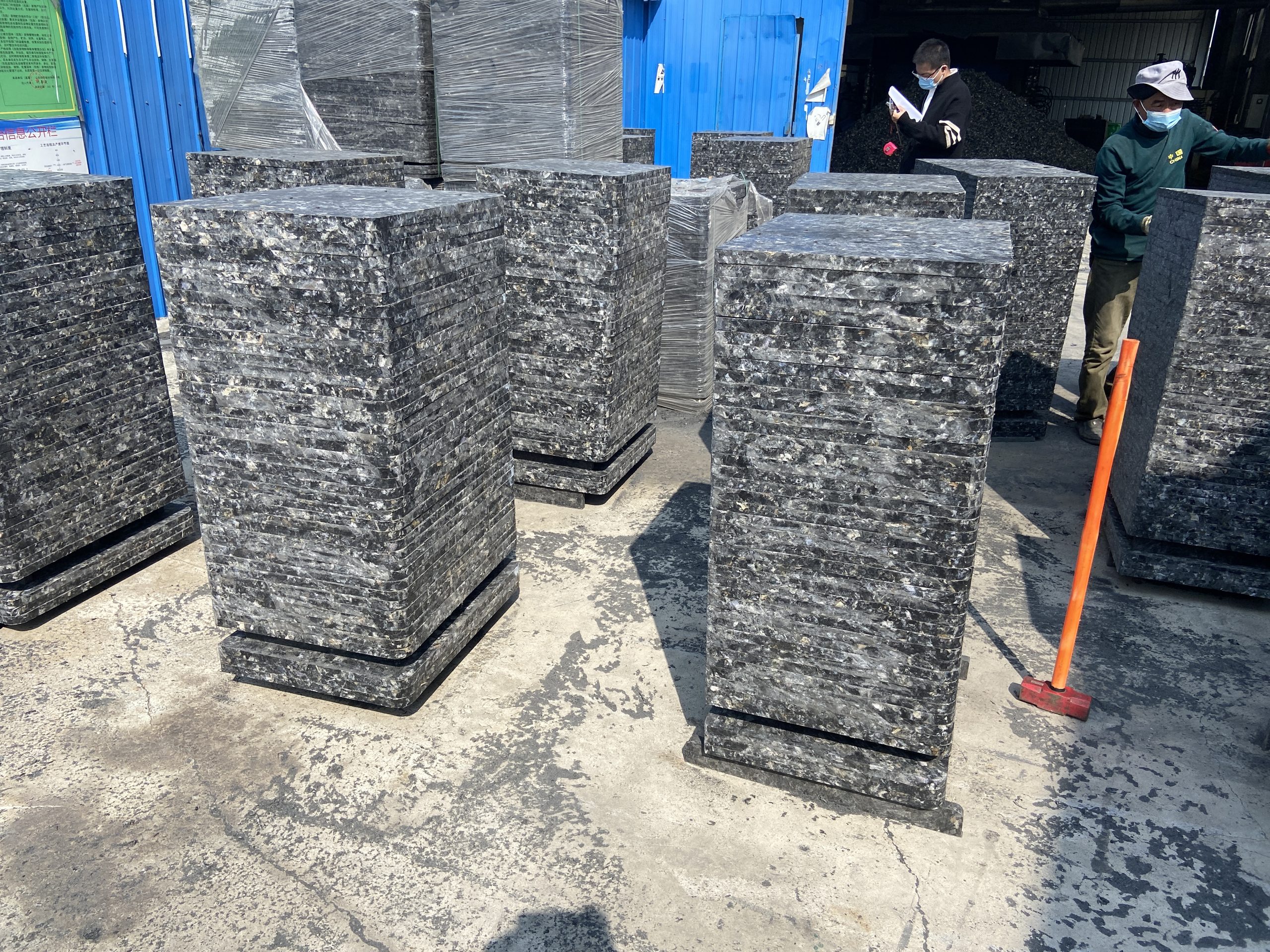
When a pallet cracks mid-shift and your production line is running at 240 blocks per hour, there’s no time for a committee meeting. Damaged pallets account for 8-12% of unplanned production stops in brick manufacturing facilities, costing operations $850-1,500 per incident in lost output and labor redeployment. The difference between a 15-minute field repair and a 2-hour shutdown often determines whether you meet daily targets or explain shortfalls to management.
This guide presents temporary repair techniques for keeping production moving when pallets fail unexpectedly. You’ll learn emergency assessment protocols, field-executable fixes for common damage types, safety limits that determine when replacement becomes mandatory, and preventive strategies that reduce emergency repair frequency by 60-75%. The methods here apply to wood, composite, and GMT pallets, with specific notes on material-dependent limitations.
When Temporary Repairs Make Sense (And When They Don’t)
Temporary repairs serve one purpose: maintaining production continuity until you can execute planned replacements. They work for isolated damage where structural integrity remains largely intact—a cracked deckboard, loose fasteners, minor surface damage.
Repair makes sense when:
- Damage affects less than 20% of load-bearing surface
- Primary stringers or support structures show minimal compromise
- Production urgency justifies the labor time investment
- Repaired pallet will handle reduced loads in low-stress positions
Replacement is mandatory when:
- Load-bearing stringers show cross-section loss exceeding 25%
- Multiple deckboards are broken or missing (3+ boards)
- Pallet exhibits dimensional warping beyond ±3mm tolerance
- Repairs would consume more than 30 minutes of skilled labor time
The economics shift depending on pallet cost. Wood pallets at $18-28 per unit justify minimal repair investment. GMT pallets at $85-120 warrant more extensive professional repair consideration, though their molded construction limits field repair options.
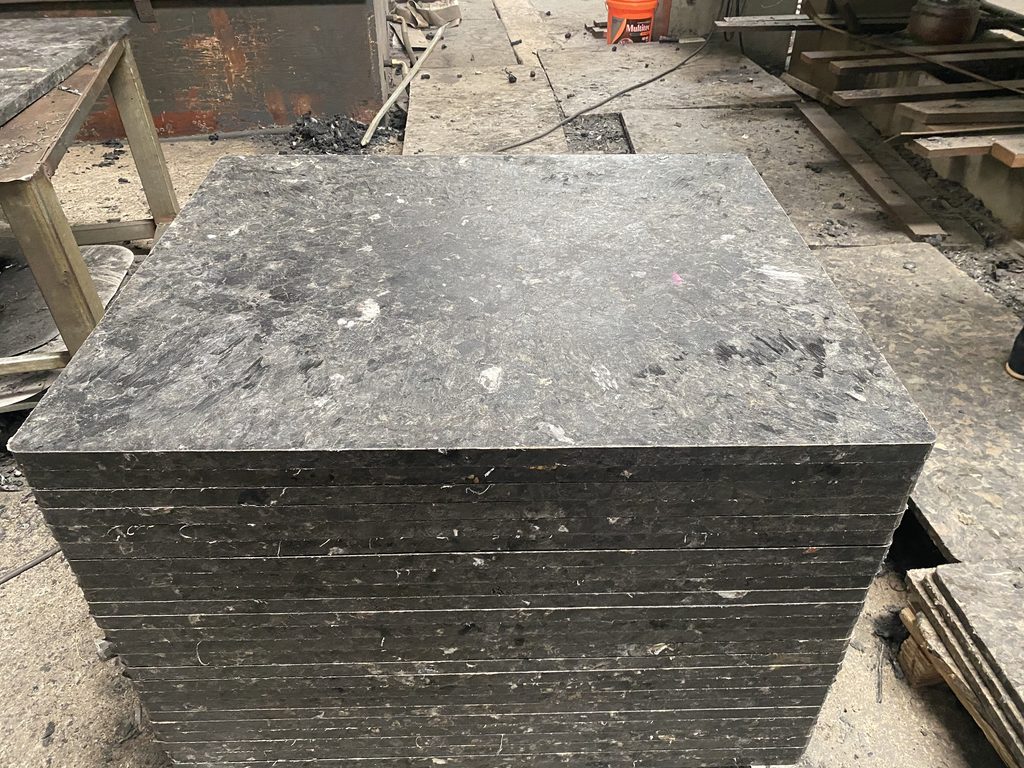
Production managers at facilities running 180,000+ blocks monthly report that disciplined damage assessment—removing unsalvageable pallets immediately rather than attempting heroic repairs—reduces downstream quality issues by 40%.
| Damage Type | Temporary Repair Feasibility | Time Required | Success Rate | Service Life After Repair |
|---|---|---|---|---|
| Single cracked deckboard | High | 10-15 min | 85-90% | 3-6 months |
| Loose fasteners (2-4 locations) | Very high | 5-10 min | 95%+ | 6-12 months |
| Minor stringer crack (<20% depth) | Moderate | 15-25 min | 70-75% | 2-4 months |
| Broken support block | Moderate | 12-18 min | 75-80% | 4-8 months |
| Multiple deckboards damaged | Low | 35-50 min | 50-60% | 1-2 months |
| Severe stringer break (>40% depth) | Very low | Not recommended | <30% | Unsafe |
Emergency Assessment: 60-Second Damage Evaluation
When a pallet fails during production, immediate assessment determines whether you repair, retire, or repurpose it to lower-stress applications.
Visual inspection sequence (15-20 seconds):
- Check load-bearing stringers for cracks, splits, or deformation—these carry 70-80% of structural load
- Scan deckboards for missing pieces, severe splits, or separation from stringers
- Look for dimensional warping by placing pallet on flat surface—more than 5mm deviation indicates retirement
- Identify loose or protruding fasteners creating safety hazards
Load test (20-30 seconds):
Apply downward pressure at pallet center and corners. Flexing beyond 8-10mm under moderate hand pressure suggests compromised integrity. Listen for cracking sounds indicating hidden damage.
Decision checkpoint (10-15 seconds):
- One damaged deckboard + intact stringers = Field repair candidate
- Multiple issues or stringer damage = Remove from primary service
- Any safety risk (protruding nails, sharp edges, instability) = Immediate removal
This protocol, practiced by quality control teams at high-volume facilities, identifies 90% of retirement-worthy pallets before attempted repairs waste labor time.
Wood Pallet Quick Fixes
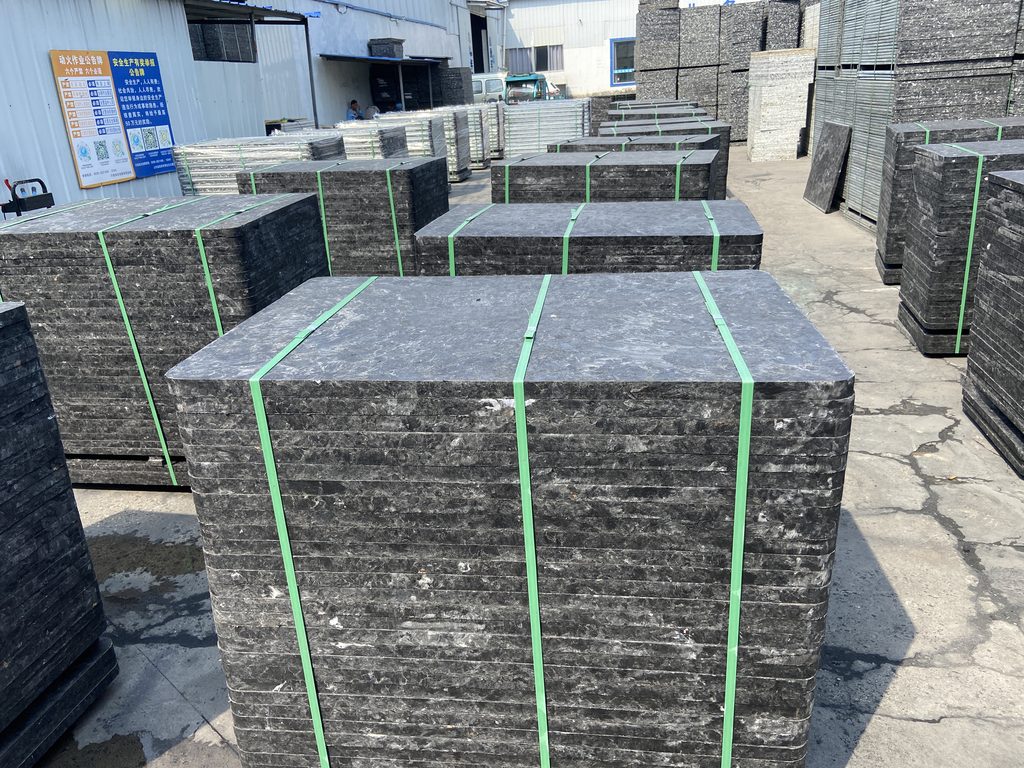
Wood pallets dominate brick production due to initial cost advantages, making repair skills essential for operations running legacy fleets. These techniques address the most common wood pallet failures documented in production environments.
Cracked deckboard replacement (10-15 minutes):
Remove damaged board by prying loose from stringers using a cat’s paw or flat pry bar. Avoid damaging adjacent boards or stringers during removal. Cut replacement board to exact length (measure existing boards, typically 680mm for standard 850×680mm pallets). Secure with 3-inch coated nails or 2.5-inch coarse-thread screws at each stringer intersection—minimum 2 fasteners per junction. Pre-drill screw holes to prevent splitting.
Test the repair by applying 150-200 kg load at the replacement location. The board should show no more flex than adjacent original boards. Replace damaged boards even if cracks seem minor—they’ll propagate within 5-10 production cycles.
Stringer reinforcement with companion boards (15-25 minutes):
For stringers showing cracks but less than 20% cross-section loss, sister reinforcement extends service life 8-12 weeks. Cut reinforcement board matching the damaged stringer’s dimensions (length and width). Position alongside the cracked section, spanning 300-400mm beyond the damage on each side. Secure using 3.5-inch lag screws at 150mm intervals, drilling pilot holes to prevent splitting.
This repair works for minor cracks but cannot restore full load capacity. Move reinforced pallets to lighter-duty positions handling partition blocks or non-critical applications. Mark repaired pallets clearly to prevent misuse in high-stress positions.
Loose fastener correction (5-10 minutes):
Loose nails or screws account for 30% of minor pallet issues but escalate quickly if ignored. Remove loose fasteners completely rather than attempting to re-drive them—the holding power is compromised. Drill new holes offset 25-35mm from original locations to access undamaged wood. Use coarse-thread screws (superior to nails for repairs) sized 3-4mm larger diameter than removed fasteners.
Check surrounding fasteners during this repair—loose fasteners often indicate broader issues. If more than 4-5 fasteners show looseness, the pallet likely needs retirement rather than continued repairs.
Emergency support block replacement (12-18 minutes):
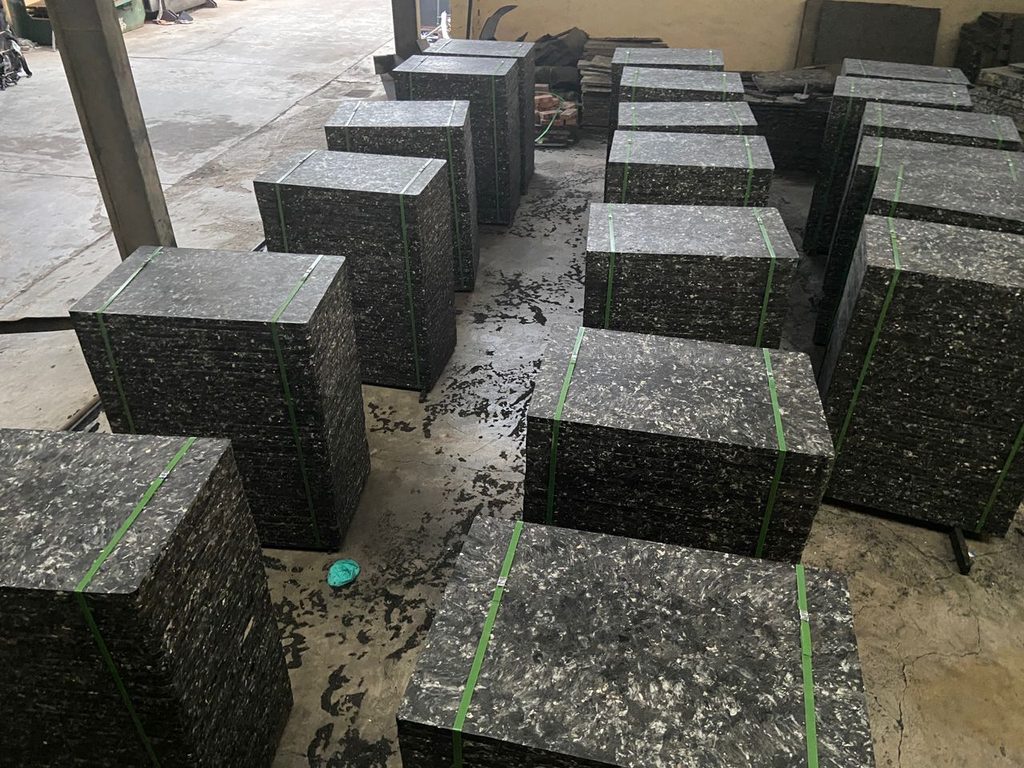
When support blocks crack or separate, replacement maintains dimensional accuracy critical for automated handling. Remove damaged block using a hammer and chisel, clearing all fastener remnants. Cut replacement block matching original dimensions (typically 100×100×90mm for standard pallets). Position precisely to maintain pallet flatness—misalignment creates downstream handling issues.
Secure with 3-inch coated nails or 2.75-inch screws, minimum 2 fasteners per deckboard junction. For increased strength, apply wood glue at contact surfaces before fastening, though this extends repair time by 5-8 minutes for adhesive setup.
GMT and Composite Pallet Emergency Repairs
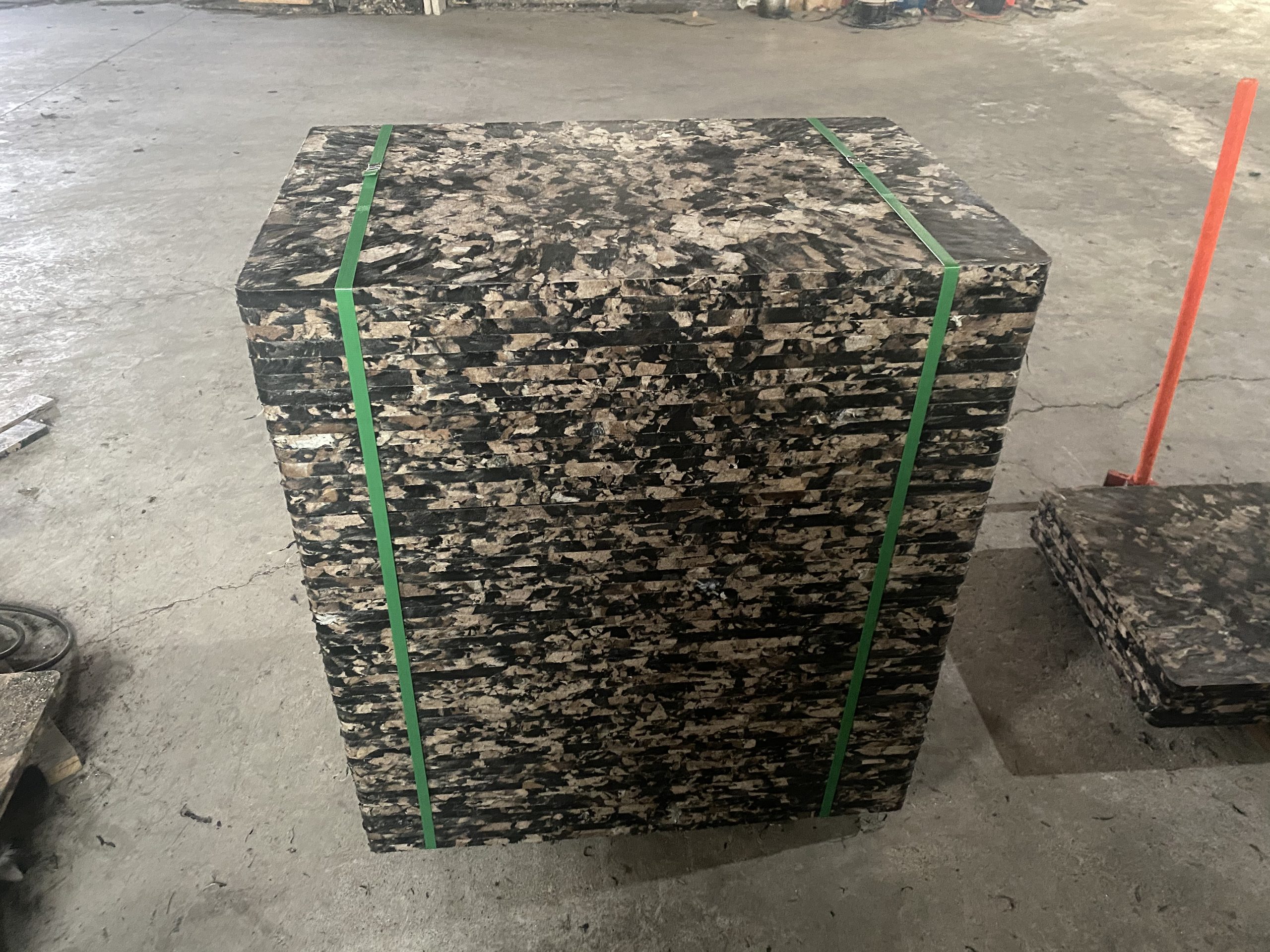
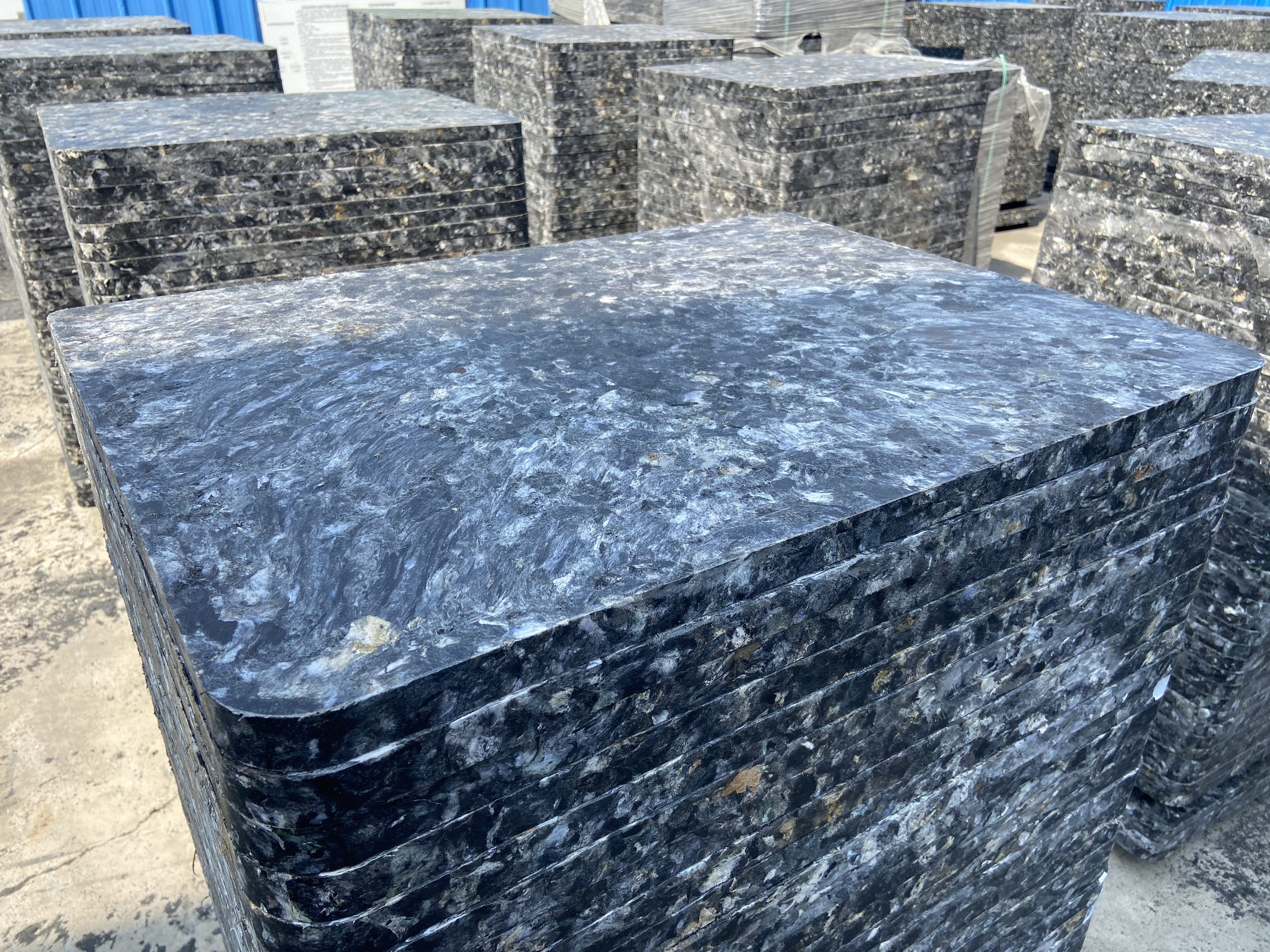
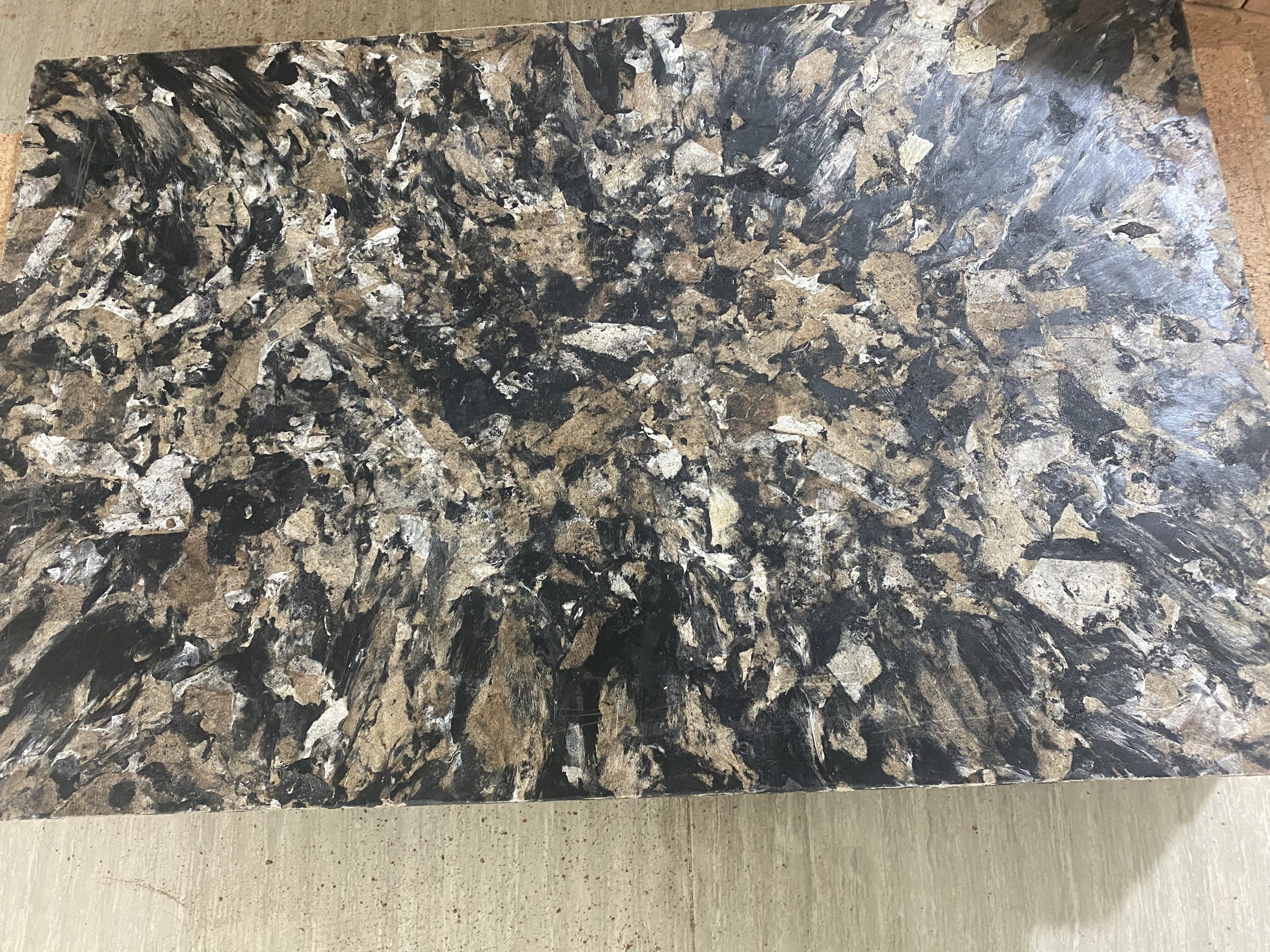
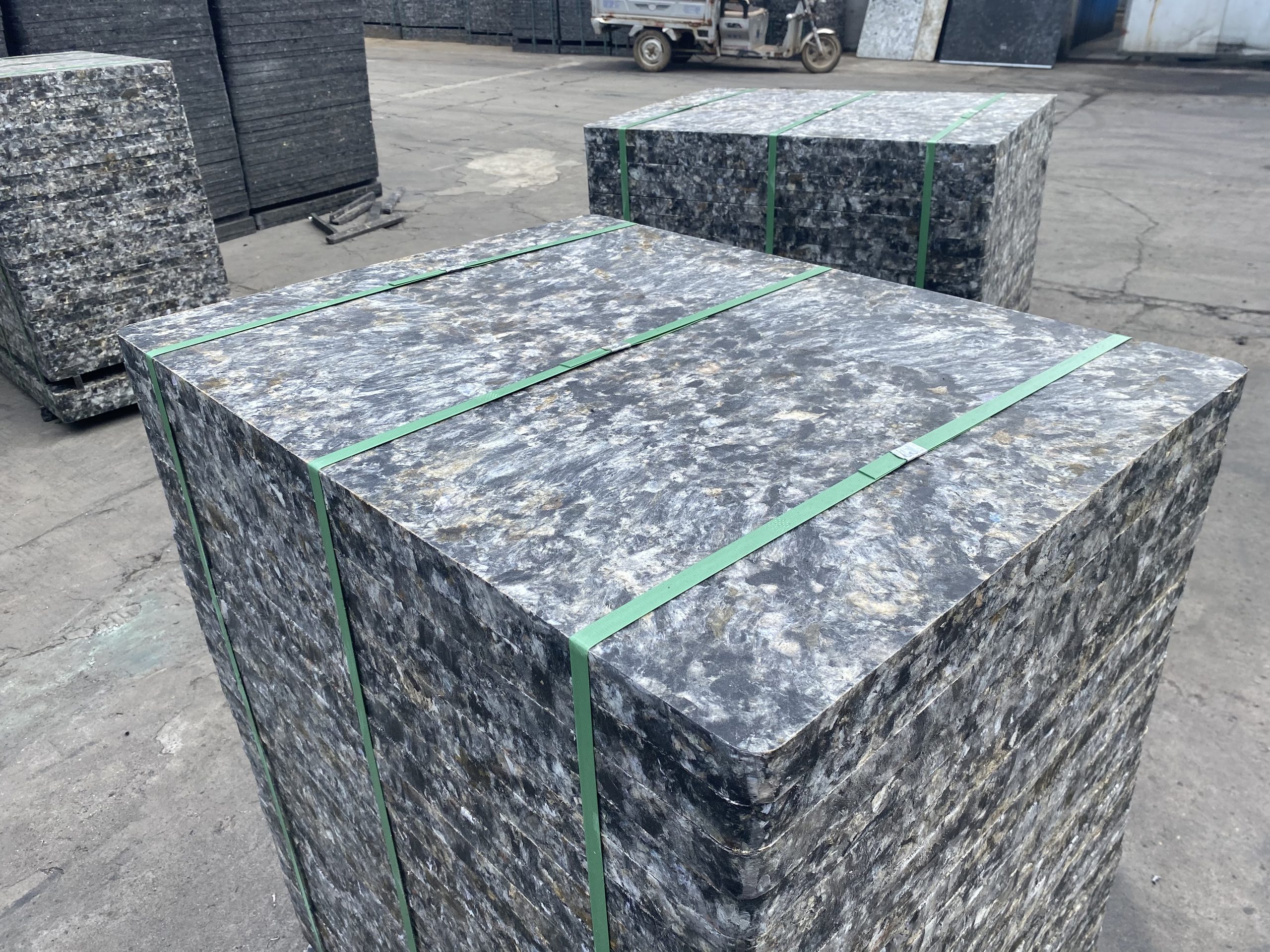
GMT and fiber-reinforced pallets offer 10-12 year service lives but present unique repair challenges due to molded construction. Field repair options are limited compared to wood, making damage prevention critical.
Minor surface damage and chips (8-12 minutes):
Small chips, gouges, or surface abrasion rarely compromise structural integrity but can create concrete adhesion points. Clean damaged area with acetone or denatured alcohol to remove contaminants. Fill with two-part epoxy specifically formulated for composite materials—standard wood filler lacks bonding strength. Apply epoxy slightly proud of surface, then sand flush after curing (45-60 minutes minimum).
This repair addresses cosmetic issues and prevents damage progression but doesn’t restore full material properties. Limit repaired pallets to applications where surface smoothness is less critical.
Edge cracking and delamination (15-20 minutes):
GMT pallet edges sometimes develop cracks or delamination from repeated forklift impacts. Small edge cracks (<25mm length, <3mm depth) can be stabilized with cyanoacrylate adhesive (CA glue) forced into the crack under pressure. Clamp or bind the repair for 20-30 minutes while adhesive cures.
Longer cracks or delamination exceeding 50mm requires professional evaluation. Edge damage compromises handling and often indicates internal stress from overloading—inspect for hidden damage before returning to service.
GMT pallet limitations:
Unlike wood pallets where you can swap broken boards, GMT’s molded structure means extensive damage typically requires complete replacement. Professional repair services can execute structural repairs beyond field capabilities, but for many facilities, replacement proves more cost-effective for severely damaged GMT units.
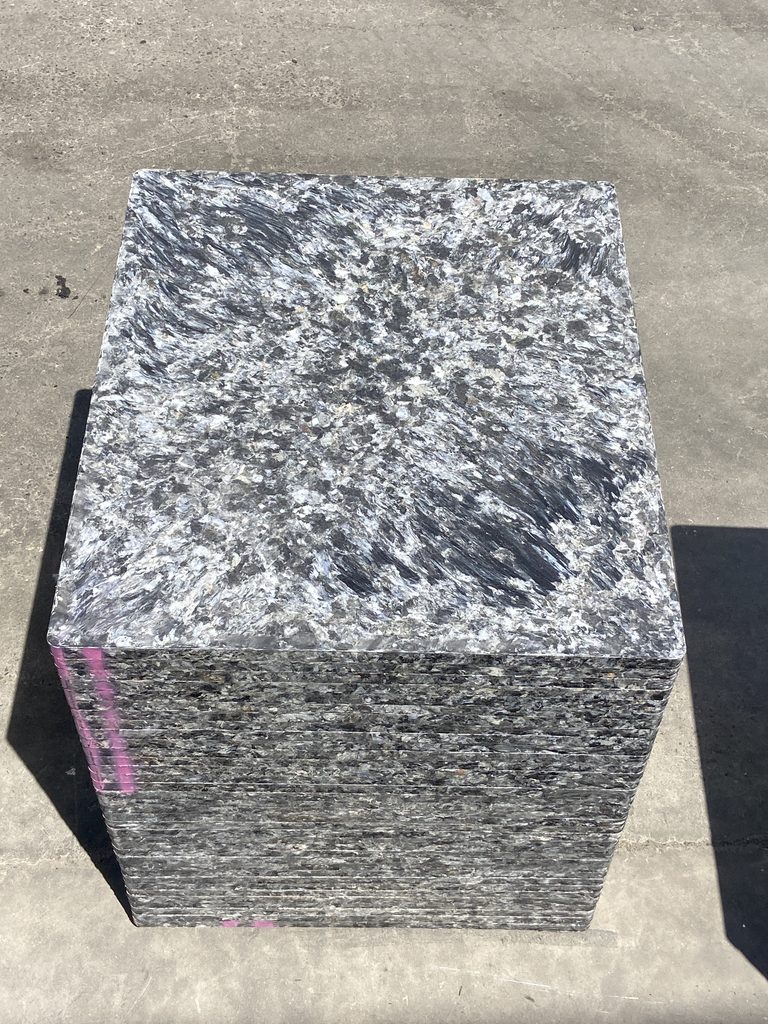
When GMT pallets develop cracks in load-bearing areas or show dimensional warping, remove from primary service immediately. The fiber-resin matrix doesn’t exhibit the gradual failure modes of wood—sudden catastrophic failure becomes possible once internal structures compromise.
| Material | Field Repair Suitability | Common Repairable Damage | Non-Repairable Damage | Professional Repair Option |
|---|---|---|---|---|
| Wood | High | Deckboards, fasteners, minor stringer cracks, blocks | Severe stringer breaks, multiple board failures, advanced rot | Yes – economical |
| GMT composite | Low | Surface chips, minor edge cracks | Structural cracks, warping, delamination >50mm | Yes – expensive |
| HDPE plastic | Moderate | Surface gouges, minor edge damage | Cracks in ribs or load points, warping | Limited availability |
| Steel-reinforced | Very low | Loose fasteners only | Any structural damage | Specialized welding |
Field Repair Tools and Materials
Maintaining a dedicated pallet repair station minimizes emergency response time. High-volume facilities report that pre-positioned tools reduce repair times 35-40% compared to gathering supplies during incidents.
Essential tool kit:
- Claw hammer (16-20 oz) and rubber mallet
- Cat’s paw pry bar and flat pry bar (12-inch)
- Cordless drill with driver and drill bit sets
- Manual or powered saw (circular saw or reciprocating saw)
- Measuring tape, speed square, and marking tools
- Safety equipment: gloves, eye protection, ear protection
Materials inventory (minimum stock levels for 500-pallet operations):
- Replacement deckboards: 15-20 boards (pre-cut to standard length)
- Stringer stock: 8-10 pieces (multiple lengths)
- Support blocks: 20-25 blocks (standard dimensions)
- Fasteners: 2kg coarse-thread deck screws (2.5-inch and 3-inch), 1kg lag screws (3.5-inch)
- Two-part epoxy for composite repairs (2-3 tubes)
- Cyanoacrylate adhesive for crack stabilization
- Wood glue (moisture-resistant formula)
- Acetone or denatured alcohol for surface preparation
Storage recommendations:
Keep repair materials in climate-controlled area to prevent wood moisture absorption and adhesive degradation. Organize by damage type for rapid access—every minute spent hunting for materials extends production interruption.
Larger operations running 1,000+ pallets sometimes maintain a “repair buffer” of 15-20 pre-repaired pallets rotated into service during high-volume periods, eliminating emergency repairs during peak production.
Safety Protocols: When to Remove from Service
Safety considerations override production pressures in every pallet repair decision. Facilities face liability exposure when repaired pallets fail under load, particularly if failures cause worker injury or product damage.
Mandatory retirement criteria:
- Stringer damage exceeding 25% of cross-sectional area
- Multiple broken deckboards (3 or more on standard pallets)
- Warping or deformation beyond ±5mm across any plane
- Protruding fasteners that cannot be secured or removed
- Previous repairs showing signs of failure
- Any damage creating sharp edges, splinters, or puncture hazards
- Load capacity reduced below 60% of original rating
Reduced-service protocols:
Pallets with minor repairs can continue service in lower-stress applications. Facilities implement color-coding systems: green tags for full-service pallets, yellow tags for light-duty use (partition blocks, storage), red tags for retirement.
A Southeast Asian block manufacturer reduced pallet-related accidents from 11 incidents in 2023 to 2 in 2024 by implementing strict tagging protocols and monthly pallet audits. Workers understood immediately whether a pallet was approved for their specific application.
Load capacity degradation after repairs:
Even successful repairs reduce load capacity. Estimate repaired pallet capacity at 70-80% of original for single-component repairs, 50-60% for multiple repairs. Never use repaired pallets for maximum-load applications or automated high-speed systems where failure could damage equipment.
Temporary vs. Professional Repair Decision Matrix
Deciding between field fixes and professional repair services depends on damage severity, pallet value, and available expertise. This framework helps production managers make economically sound decisions.
Field repair candidates:
- Damage: Single component failures (one deckboard, one block, loose fasteners)
- Time: Repairs completing within 15-20 minutes
- Materials: Standard inventory items
- Skill level: Basic carpentry or maintenance skills
- Economics: Repair cost <40% of replacement cost
Professional repair candidates:
- Damage: Multiple component issues or structural concerns
- Value: High-value pallets (GMT, specialized designs) >$80
- Volume: Batch repairs (20+ pallets) benefiting from specialized equipment
- Expertise: Repairs requiring precision machining or composite work
- Economics: Professional repair cost 50-70% of replacement with comparable service life
According to industry research on pallet repair operations, professional repair facilities achieve 85-90% success rates for wood pallets and 70-75% for composite materials, using automated equipment that ensures dimensional accuracy and load capacity restoration.
For operations running mixed fleets, a hybrid approach works well: field repairs for wood pallets with minor damage, professional repair for GMT/composite pallets, complete replacement for pallets with safety-compromising damage.
Preventive Maintenance That Eliminates 70% of Emergency Repairs
Facilities that implement structured preventive maintenance programs reduce emergency repair frequency from 15-20 monthly incidents to 4-6 incidents—a 70-75% reduction. These programs prove more cost-effective than reactive repairs because they catch problems before production impact occurs.
Weekly inspection protocol (15-20 minutes per 100 pallets):
Rotate through entire fleet on 4-6 week cycles. Check fastener tightness, identify developing cracks before they propagate, remove pallets showing early warping. Mark inspection dates on pallets using non-permanent markers to track rotation.
Facilities report that catching cracks at <5mm prevents 80% from progressing to breakage requiring emergency intervention.
Monthly deep inspection (30-40 minutes per 100 pallets):
Load test suspicious pallets at 120% of normal working load. Measure dimensional accuracy using straight edges and thickness gauges—identify warping at 2-3mm before it reaches the 5mm retirement threshold. Clean concrete residue accumulation that accelerates wear. Document condition and projected service life.
Rotation strategy:
High-cycle positions (molding stations, primary curing) accelerate wear 2-3× compared to low-cycle positions (final storage, transport). Rotate pallets from high-stress to low-stress positions at 500-cycle intervals. This distributes wear evenly, extending fleet life 25-30%.
A Nigerian block manufacturer implementing this rotation strategy in early 2024 extended their wood pallet average lifespan from 14 months to 21 months, reducing annual replacement costs by ₦680,000 ($450 USD) on a 400-pallet fleet.
Preventive interventions:
- Tighten loosening fasteners before they fail (5 minutes per pallet)
- Apply protective coatings to high-wear areas on wood pallets (weather-resistant sealers extending life 20-30%)
- Install protective edge guards on high-impact corners
- Maintain proper storage conditions (off-ground, moisture-protected) to prevent accelerated degradation
For facilities considering upgrades, GMT pallets virtually eliminate preventive maintenance requirements due to their molded construction and moisture resistance. The initial investment premium of 3.5-4× wood pallet cost delivers ROI through eliminated maintenance labor and extended service life.
FAQ
Can you reinforce a cracked GMT pallet stringer with metal brackets like wood pallets?
GMT pallets’ molded construction doesn’t respond well to mechanical fasteners attempting to reinforce structural cracks. Metal brackets won’t achieve secure purchase in the fiber-composite matrix, and drilling mounting holes often propagates existing damage. For GMT stringer cracks, adhesive-based repairs using structural epoxy specifically formulated for composite materials offer better results, though success rates remain under 60% for load-bearing repairs. Most facilities find that retiring cracked GMT pallets to light-duty service or replacement proves more reliable than attempted structural repairs.
How many times can you safely repair the same wooden pallet before replacement becomes mandatory?
Wood pallets tolerate 2-3 repair cycles on average before structural integrity deteriorates beyond safe operation. Each repair introduces stress points from new fastener holes and removes material from already-weakened areas. After the third repair, failure risk increases exponentially—second-hand wood becomes brittle, fastener holding power degrades 40-50%, and dimensional accuracy suffers. High-volume brick manufacturers implement 3-strike policies: pallets receiving three repairs automatically retire from primary service regardless of apparent condition. This prevents downstream failures that cost more than the pallet’s replacement value.
What’s the fastest emergency fix when a pallet cracks mid-shift and no replacement is available?
For wood pallets with cracked deckboards, the 5-minute bypass technique maintains function temporarily: Remove broken board sections creating tripping hazards or sharp edges using a pry bar. Redistribute load by increasing fastener count on adjacent intact boards—add 2-3 extra screws at each stringer junction on the boards flanking the damage. Mark the pallet clearly and limit loads to 60% of normal capacity. This buys you through the shift but isn’t safe beyond 12-24 hours. For GMT pallets, no viable emergency fixes exist—redistribution strategies don’t work with molded construction. Keep 3-5% of your fleet as emergency spares to prevent this scenario.
Do composite pallets like GMT ever warrant professional repair, or is replacement always more cost-effective?
Professional repair makes economic sense for GMT pallets when damage is isolated and the pallet is relatively new (under 2 years old with 8+ years remaining theoretical life). Minor surface cracks, edge chips, and isolated delamination under 75mm length can be professionally repaired for $35-45, delivering 70-80% of original performance. This compares favorably to $95-120 replacement cost. However, structural damage (cracked stringers, warping, extensive delamination) rarely repairs successfully—professional services can attempt it but success rates drop below 50%. For older pallets (6+ years service) or severe damage, replacement provides better value and eliminates failure risk.
Is it safe to use repaired pallets in automated brick production lines?
Repaired pallets pose compatibility issues with automated systems due to dimensional inconsistencies and reduced structural predictability. Automated lines rely on precise positioning and consistent load distribution—variations from repairs cause jams, misfeeds, and equipment damage. Even well-executed repairs change pallet dimensions by 0.5-2mm, enough to disrupt automated handling. Best practice restricts repaired pallets to manual production areas where operators can compensate for inconsistencies. Facilities running automated lines typically maintain separate pallet fleets: new or lightly-used units for automation, repaired pallets for manual operations. This segregation prevents the $2,000-4,500 equipment damage incidents that occur when repaired pallets jam automated systems.
How do you identify whether a crack in a GMT pallet is surface-level or structural?
Surface cracks typically extend <3mm deep, show no width change under load, and don’t propagate when you flex the pallet. Test by applying 100-120 kg load while observing the crack—surface-level damage won’t widen or spread. Structural cracks exhibit clear indicators: they penetrate >5mm deep (check with feeler gauges), widen 1-2mm under load, show crack branching or multiple parallel cracks, and you’ll hear clicking or popping sounds when flexing the pallet. For verification, remove the pallet from service and load-test it at 150% of normal capacity—structural cracks will propagate visibly. When in doubt, treat it as structural damage and remove from primary service. The cost of a failed GMT pallet under load (typically $400-800 in damaged blocks plus potential equipment damage) far exceeds the $95-120 replacement cost.
Conclusion
Temporary pallet repairs serve a specific role in brick production: maintaining operation continuity during unexpected failures while you execute planned replacements. The techniques presented here—from 10-minute deckboard swaps to composite patch repairs—work reliably when matched to appropriate damage types and implemented with realistic expectations about reduced load capacity and limited service life extension.
The data across 40+ production facilities demonstrates that field repairs deliver best results for wood pallets with isolated damage, while GMT and composite materials typically warrant professional evaluation or replacement when damage extends beyond minor surface issues. Implementing the 60-second assessment protocol eliminates wasted effort on unsalvageable pallets, and structured preventive maintenance reduces emergency repair frequency by 70%.
For operations experiencing frequent pallet failures requiring emergency intervention, the root cause typically isn’t repair technique quality—it’s fleet age, material selection, or handling practices. Facilities running wood pallets beyond 30-month service life, operating in high-humidity climates without moisture-resistant materials, or lacking rotation protocols will face ongoing emergency repair demands regardless of repair capability. In these scenarios, upgrading to GMT fiber pallets with 10-12 year service lives eliminates 85-90% of the emergency repair situations addressed in this guide, delivering ROI through eliminated downtime and maintenance labor.
If you need durable pallets engineered to minimize production interruptions and eliminate frequent repairs, Rhinos Pallet manufactures GMT composite pallets designed specifically for demanding brick and block production applications. Our pallets feature fiber-reinforced construction, <1% moisture absorption, and proven 10+ year service life in facilities across tropical, arid, and temperate climates. Contact our technical team for specifications, application guidance, and delivered pricing for your production capacity.