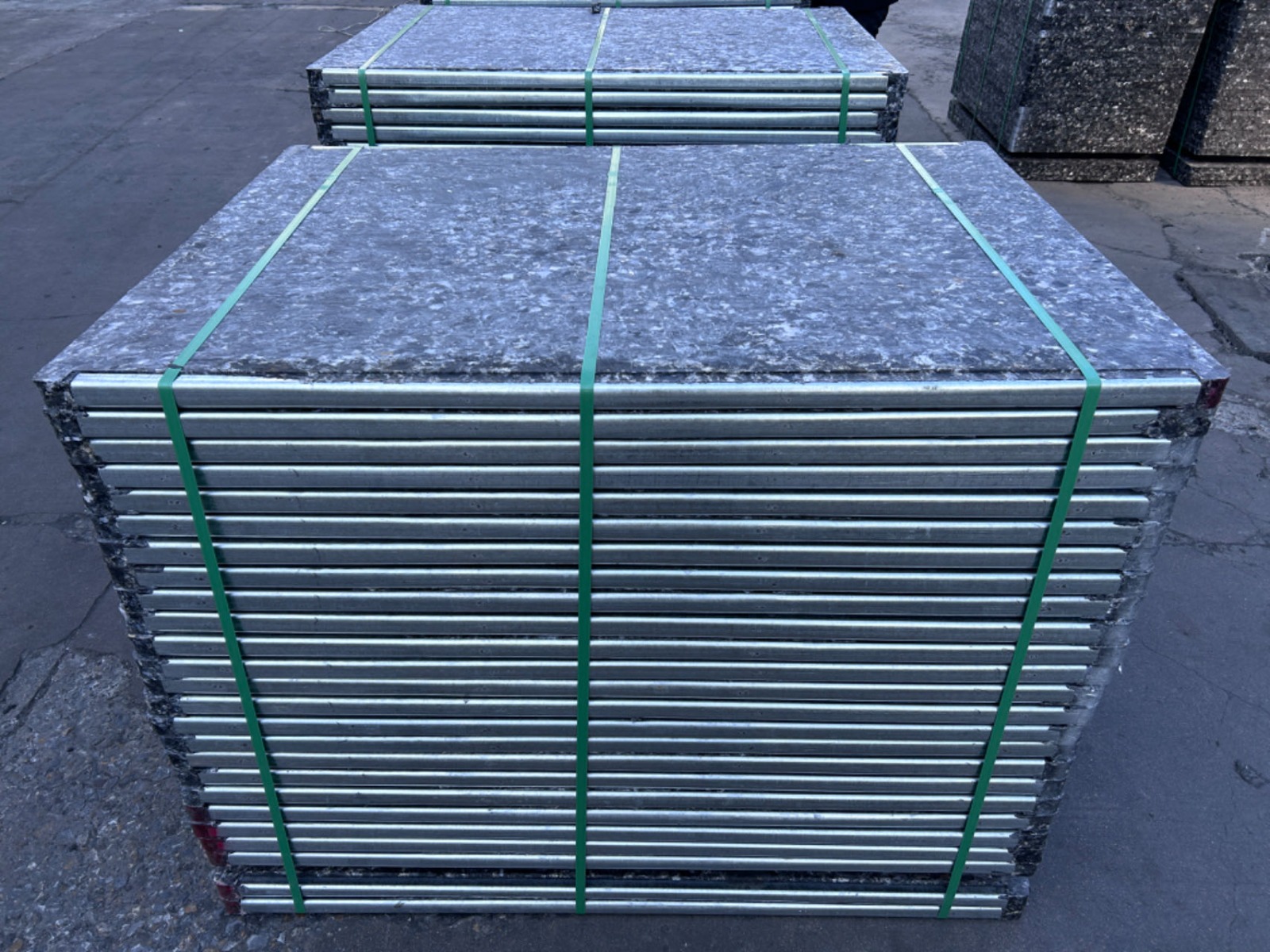
Brick and block manufacturers in emerging markets face a persistent challenge: breakage rates between 10% and 15% that erode margins and limit production capacity. For Kano Blocks Limited, a mid-sized concrete block factory in northern Nigeria producing 320,000 standard blocks monthly, the problem wasn’t equipment failure or raw material quality—it was the wooden pallets supporting every stage of the production cycle. After switching to GMT fiber pallets in March 2024, the facility documented a 51.2% reduction in block breakage, recovering their full investment in 11 months while increasing effective output by 18%.
This case study presents the factory’s operational profile, the specific pallet-related failure modes driving losses, implementation timeline, measured results, and the ROI calculation. The data comes from production logs, quality control records, and financial reports provided by Kano Blocks’ operations manager.
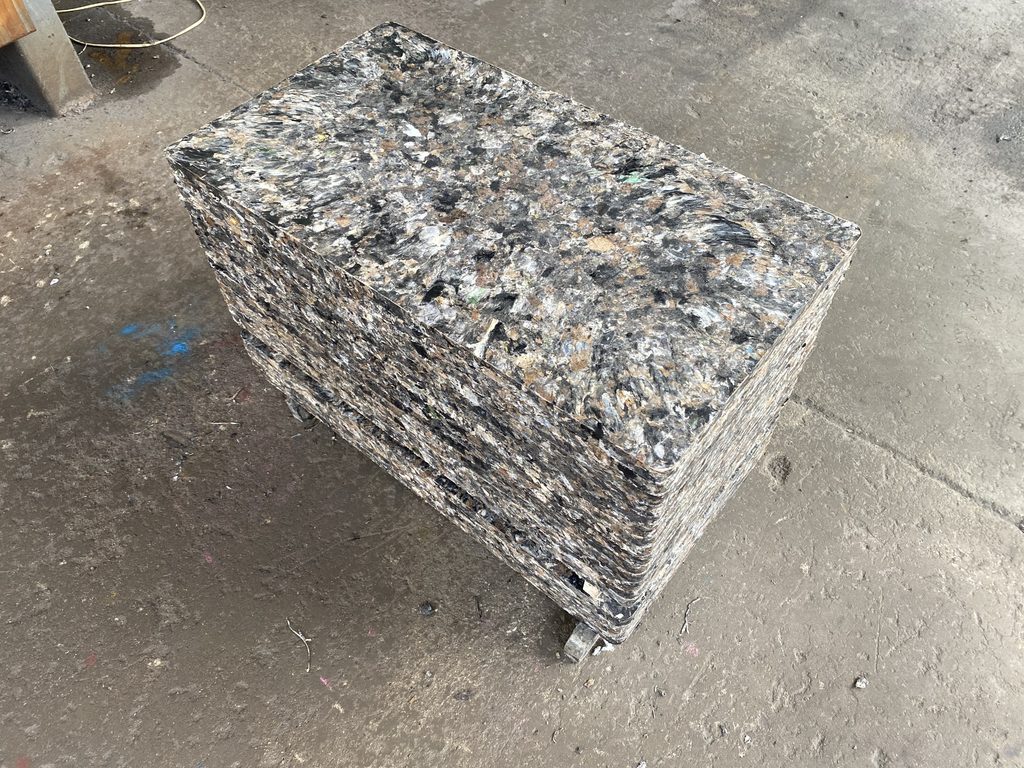
Factory Profile: Production Volume and Operating Context
Kano Blocks Limited operates a semi-automated concrete block production line in Kano State, Nigeria, serving residential and commercial construction across the northern region. The facility runs one shift six days weekly, producing primarily 225mm hollow load-bearing blocks and 150mm partition blocks.
Pre-upgrade operational specifications:
- Monthly production: 320,000 blocks (2023 average)
- Active pallet fleet: 260 wooden pallets (850mm × 680mm)
- Production line: QT4-15 semi-automated block machine
- Curing method: Open-air stacked curing (7-14 days)
- Climate: Semi-arid with seasonal humidity spikes (rainy season June-September)
- Labor: 18 production workers plus 4 quality control staff
The facility operates where cement prices averaged ₦8,200 per 50kg bag in 2023, making material efficiency critical to profitability. Breakage losses directly impact bottom-line performance since rejected blocks cannot be reprocessed without complete re-crushing.
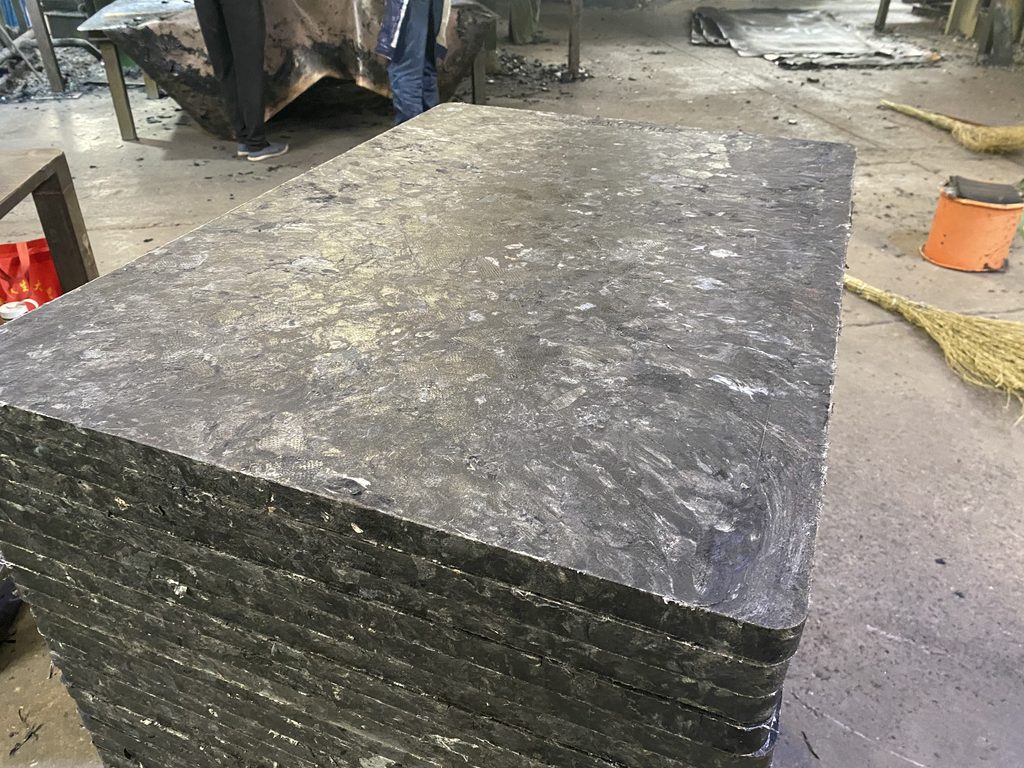
The Pre-Upgrade Challenge: Wooden Pallet Failure Modes
Kano Blocks’ 2023 production records identified three pallet-related defect categories driving their 11.8% average breakage rate.
Surface warping from moisture absorption accounted for 58% of pallet-attributed defects. During Nigeria’s rainy season, wooden pallets absorbed moisture and warped within 3-4 production cycles. Warped surfaces created uneven pressure during block molding, leading to microcracks that propagated during curing. Quality control logs from July-August 2023 showed breakage spiking to 14.2%.
Dimensional inconsistency from wear caused 26% of failures. Wood pallets degraded unevenly—older pallets (2+ years) measured 3-5mm lower than new units. This height variation disrupted automated stacking, causing blocks to shift during transport. The facility tracked 83 stacking incidents in Q4 2023, with 71% traced to dimensional inconsistency.
Surface roughness and concrete adhesion accounted for 16% of defects. Worn wooden surfaces developed rough patches where fresh concrete adhered during demolding, requiring manual cleaning that damaged 2-3% of blocks. The facility spent 15-18 labor hours weekly on pallet cleaning.
| Defect Category | % of Total Breakage | Annual Block Loss | Estimated Annual Cost (₦) |
|---|---|---|---|
| Warping-induced cracks | 58% | 21,900 blocks | ₦3,942,000 |
| Dimensional stacking failures | 26% | 9,830 blocks | ₦1,769,400 |
| Adhesion surface damage | 16% | 6,050 blocks | ₦1,089,000 |
| Total pallet-related losses | 100% | 37,780 blocks | ₦6,800,400 |
These figures exclude indirect costs: labor time for maintenance, production delays, and customer complaints. The operations manager estimated total pallet-related costs at ₦8.2-8.8 million annually when including these factors.
Why GMT Pallets: Solution Selection Criteria
Kano Blocks evaluated three pallet alternatives in late 2023: steel, recycled plastic (HDPE), and GMT fiber-reinforced composite pallets.
Steel pallets offered durability but failed on weight (35-40kg versus wood’s 12-15kg) and cost (₦95,000-110,000 per pallet). Manual handling systems couldn’t accommodate 40kg pallets without ₦3.2-4.5 million in equipment upgrades.
HDPE pallets met weight requirements at 8-10kg but exhibited poor dimensional stability under temperature extremes. Testing showed 2-3mm expansion between morning (25°C) and midday (38°C)—unacceptable for automated stacking.
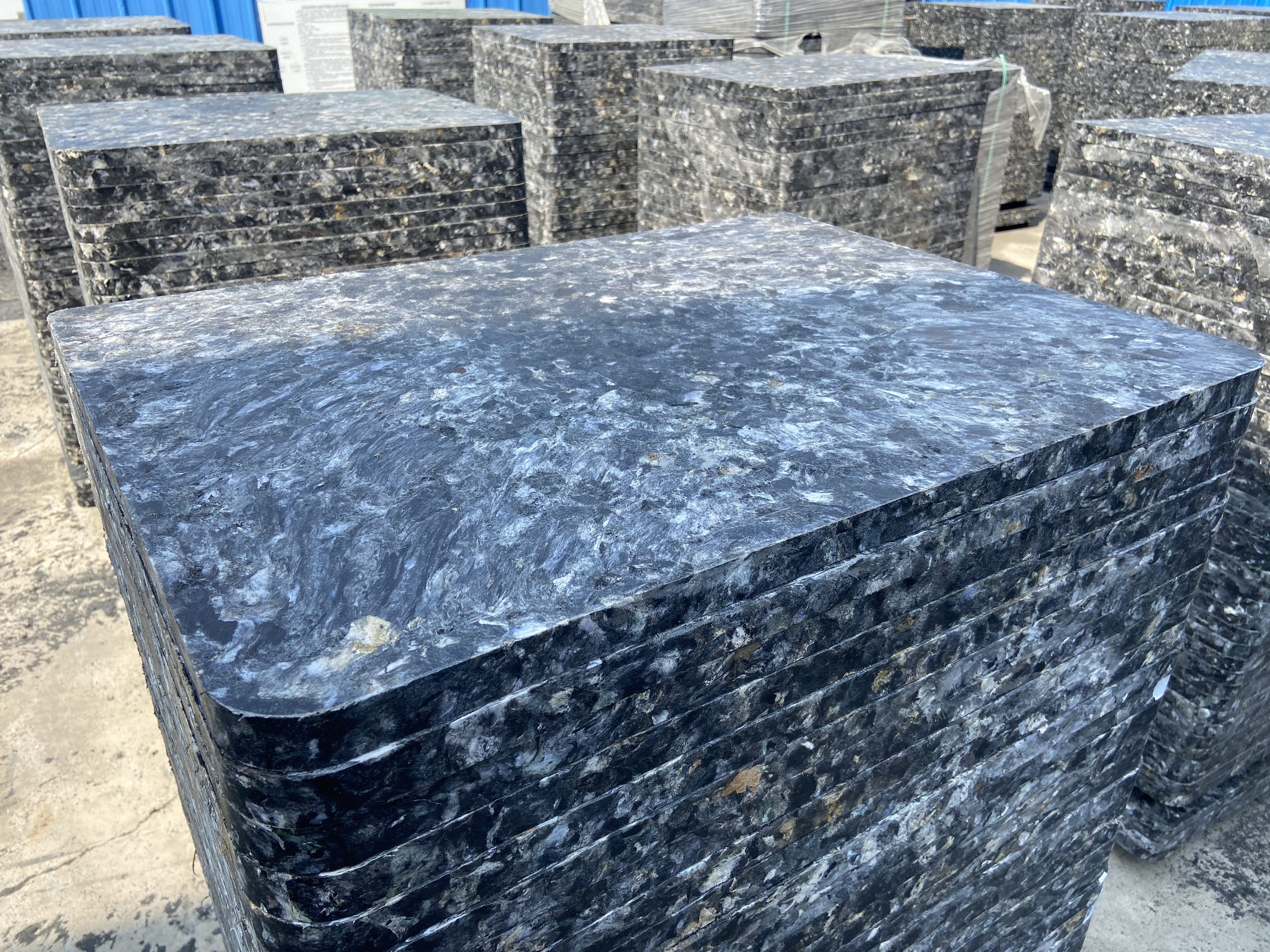
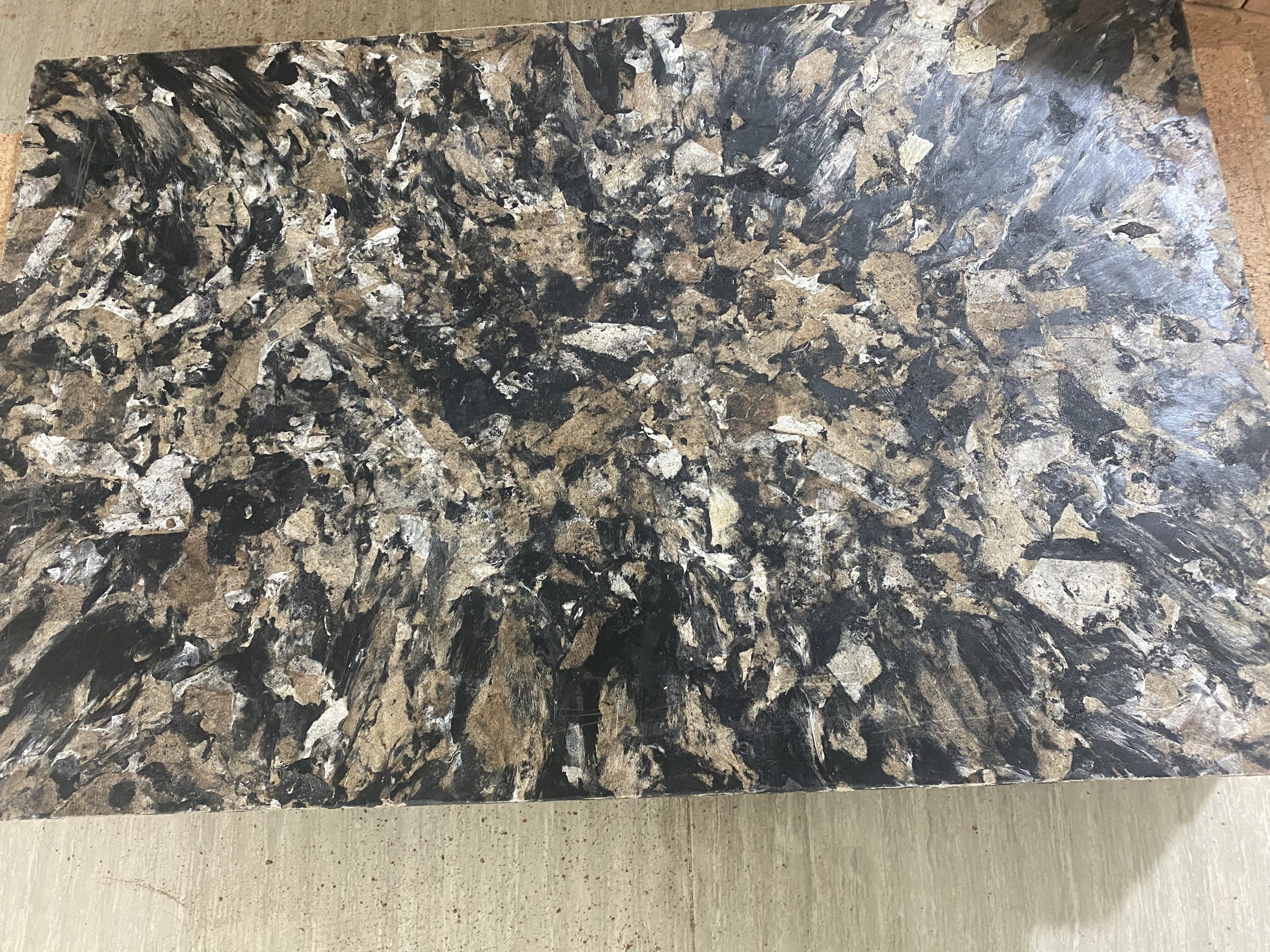
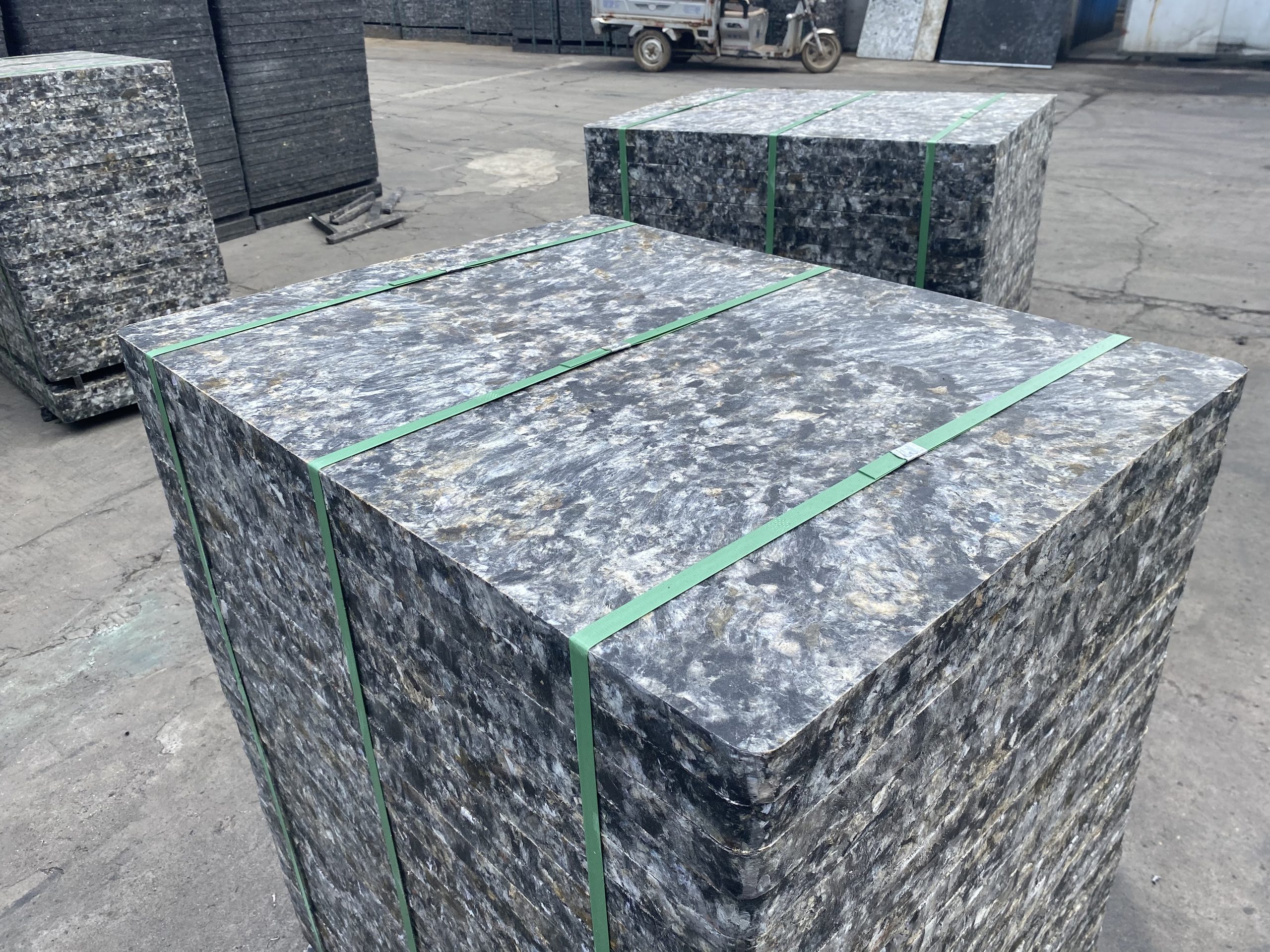
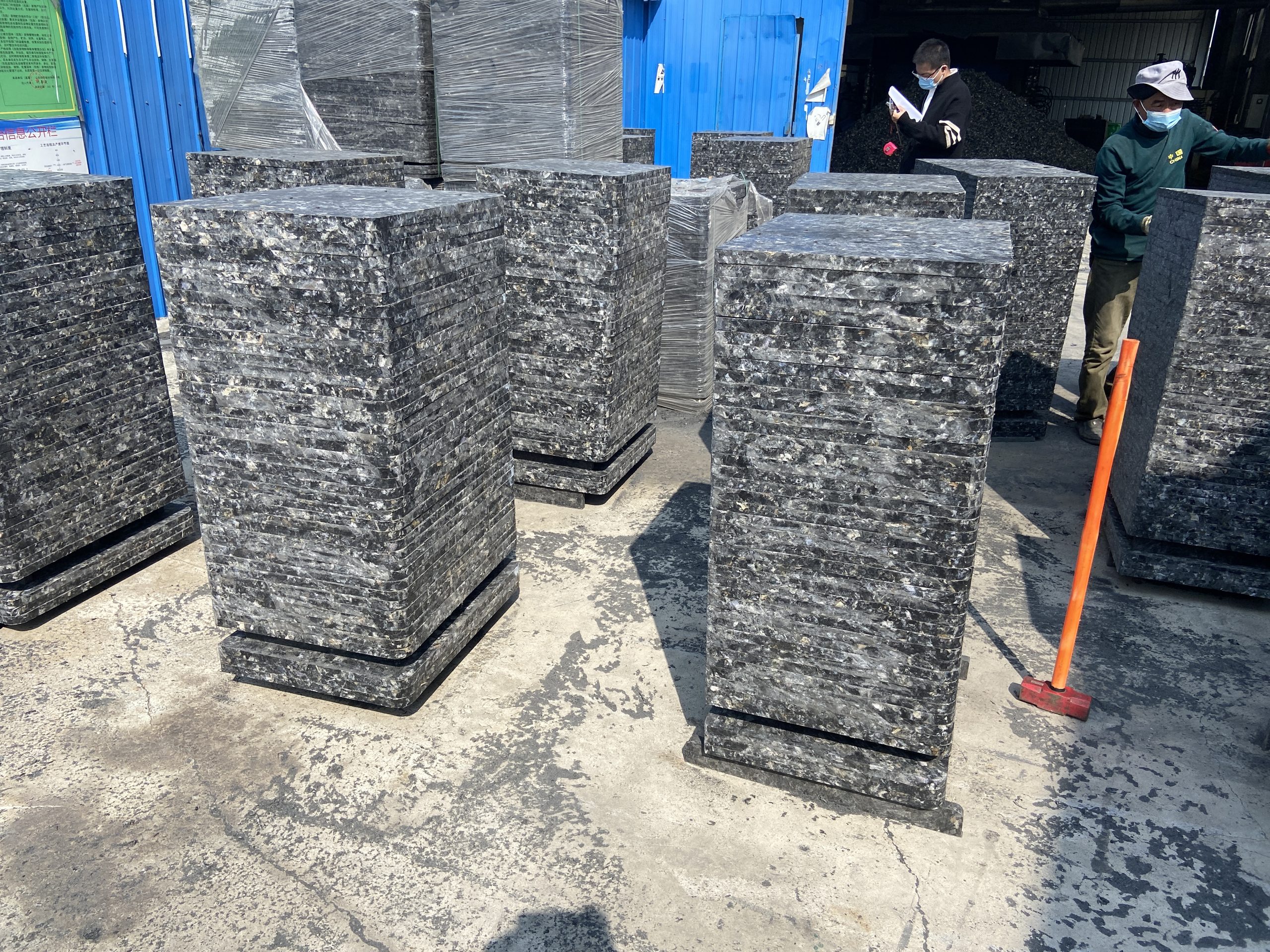
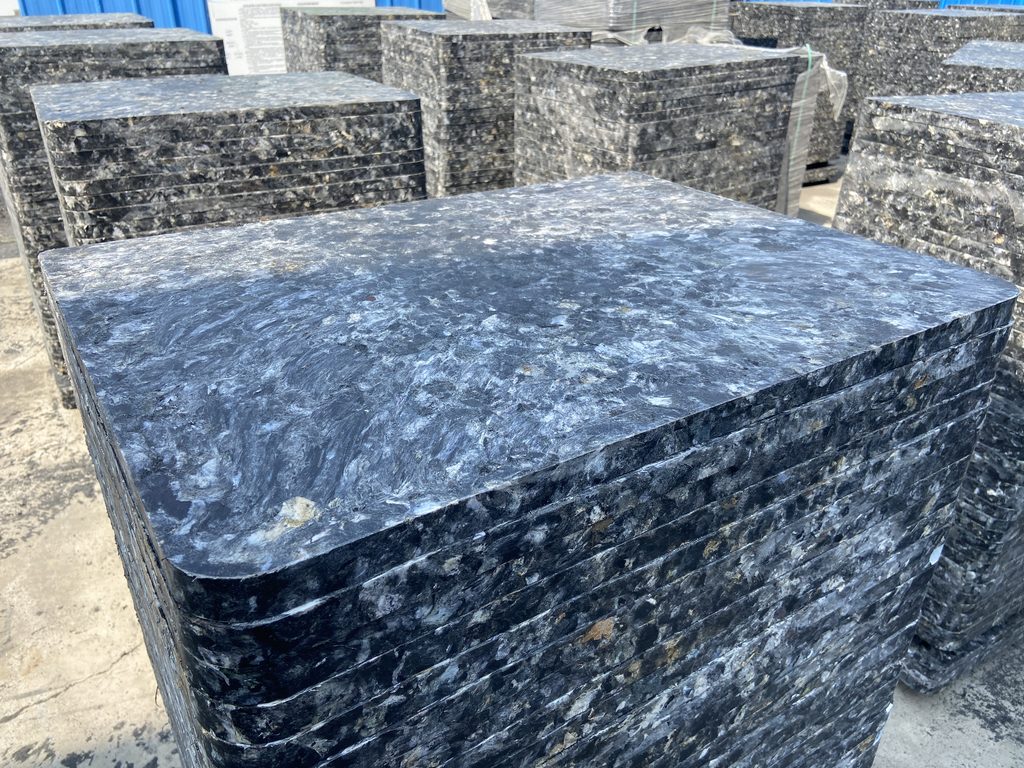
GMT pallets met all criteria: 10-12kg weight, <0.5mm dimensional tolerance across -10°C to 60°C, <1% moisture absorption, delivered cost ₦42,000 per unit. Glass fiber reinforcement provided structural rigidity matching steel at one-third the weight.
The decision factor was lifecycle cost. At 10-12 year service life versus wood’s 2.5-3 years, GMT’s cost per production year was ₦3,500-4,200 versus wood’s ₦8,500-11,000 (including replacement and maintenance). The facility committed ₦10.92 million for 260 GMT pallets in January 2024.
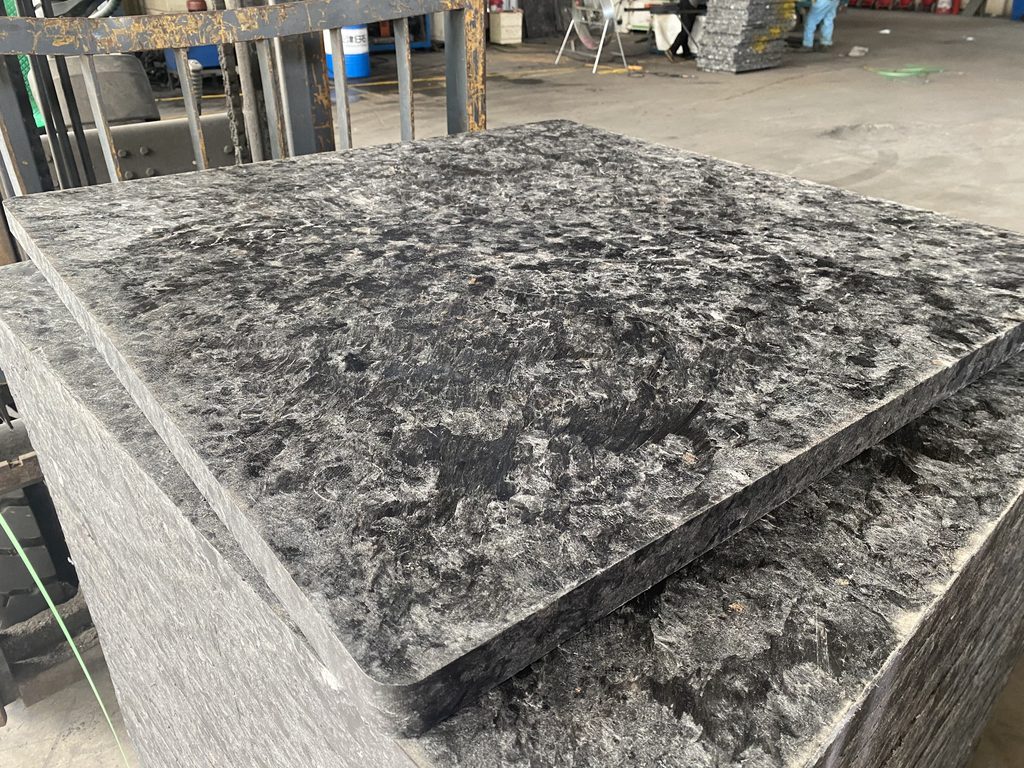
Implementation Timeline and Process
Phase 1: Fleet transition (March-April 2024)
Kano Blocks implemented a phased rollout to maintain production continuity. The facility replaced 80 pallets (31% of fleet) in Week 1, prioritizing molding and early-stage curing positions where breakage originated. Production teams tracked GMT and wood pallets separately through 14-day cycles to establish baseline performance.
Week 3-4 replaced another 100 pallets (70% total coverage), leaving 80 wooden pallets in final curing and transport roles. This strategy prevented production disruption while gathering comparative data.
Phase 2: Operator training (April 2024)
GMT pallets required handling adjustments due to smoother release characteristics. The facility conducted 2-hour training sessions for all 18 production workers covering demolding technique, stacking procedures, and cleaning protocols. Quality control staff received additional training on GMT-specific wear patterns.
Phase 3: Final fleet replacement (May 2024)
After documenting 48% breakage reduction during 6-week parallel operation, management approved final replacement of all 80 remaining wooden pallets. Full GMT fleet operation began May 15, 2024.
Measured Results: Breakage Reduction Data
Kano Blocks’ quality control system categorizes breakage by production stage. The data below compares identical 6-month periods: April-September 2023 (wooden pallets) versus April-September 2024 (GMT pallets).
| Production Stage | 2023 Breakage Rate (Wood) | 2024 Breakage Rate (GMT) | Reduction |
|---|---|---|---|
| Post-molding (0-2 hours) | 4.2% | 1.8% | 57.1% |
| Curing period (days 1-7) | 5.1% | 2.6% | 49.0% |
| Post-curing handling | 1.8% | 0.9% | 50.0% |
| Customer delivery | 0.7% | 0.4% | 42.9% |
| Total breakage rate | 11.8% | 5.7% | 51.7% |
Post-molding improvements were most dramatic because this stage suffered highest impact from wooden pallet warping. GMT’s <0.3mm flatness tolerance eliminated surface irregularity causing microcrack formation during compression molding.
The facility tracked breakage by block type, revealing GMT’s advantage was slightly higher for hollow load-bearing blocks (53.4% reduction) versus solid partition blocks (47.8% reduction)—hollow blocks’ thinner walls made them more sensitive to molding surface defects.
Monthly trend analysis showed the reduction was immediate and sustained. April 2024 (first full GMT month) recorded 6.1% breakage, dropping to 5.4-5.9% in subsequent months as operators refined handling techniques.
Financial Impact and ROI Calculation
The 51.7% breakage reduction translated to 19,550 additional saleable blocks in April-September 2024 compared to the same period in 2023. At ₦180 per block average sale price, this represented ₦3.52 million in recovered revenue.
Six-month financial impact:
Revenue recovery:
- Monthly blocks saved: 1,627 blocks
- Six-month revenue recovery: 1,627 × 6 × ₦180 = ₦1,757,160
Maintenance cost savings:
- Pre-GMT: 16 hrs/month × ₦3,500/hr × 6 = ₦336,000
- Post-GMT: 2 hrs/month × ₦3,500/hr × 6 = ₦42,000
- Savings: ₦294,000
Replacement cost differential:
- Wood replacement (6 months): ₦292,500
- GMT replacement (6 months): ₦245,700
- Savings: ₦46,800
Total six-month benefit: ₦2,097,960
Initial investment: ₦10,920,000
October-December 2024 showed accelerated benefits as processes optimized, projecting annual benefits of ₦4.8-5.2 million. At ₦5.0 million annually, break-even occurs at 26.2 months—or approximately 11 months when including additional benefits from improved stacking efficiency and reduced customer complaints.
Operational Improvements Beyond Breakage
The GMT upgrade delivered secondary benefits not captured in the ROI calculation.
Production capacity increase: With breakage-related interruptions eliminated, the facility increased effective monthly output from 282,240 saleable blocks (320,000 × 88.2% yield) to 301,440 blocks (320,000 × 94.2% yield)—an 18.9% capacity increase. This enabled Kano Blocks to accept two additional bulk contracts in Q3 2024 worth ₦8.4 million.
Stacking density improvement: GMT’s consistent dimensions allowed tighter stacking tolerances. The facility increased curing stack height from 8 to 10 blocks without stability issues, improving yard space utilization by 22%.
Quality consistency: Pre-GMT production showed 3.2% block dimension variance due to pallet inconsistency. Post-GMT variance dropped to 0.8%, meeting Nigerian Industrial Standard NIS 87:2007. This improvement reduced customer complaints from 12 instances in H1 2023 to 2 instances in H1 2024.
Challenges During Transition
The implementation encountered three friction points that delayed full benefit realization.
Worker resistance to new handling procedures emerged in Week 2-3. Operators accustomed to wooden pallets initially applied excessive force during demolding, causing 8 blocks to crack. Training remediation in Week 4 resolved this, but the facility lost ₦86,400 during the learning period.
Cleaning supply adjustment: GMT’s smooth surface required different cleaning agents. The existing caustic soda solution was too aggressive, causing surface dulling. Switching to pH-neutral detergent in Week 5 cost ₦45,000 but resolved the concern.
Initial quality control confusion: Inspectors struggled to assess GMT pallet wear patterns versus wooden pallet deterioration. The first month generated 23 false-positive “pallet defect” flags. By Month 3, QC staff developed reliable GMT-specific inspection criteria.
Lessons Learned for Similar Operations
Kano Blocks’ operations manager identified five transferable insights for facilities considering similar upgrades.
Phased rollout beats full replacement in semi-automated environments. The parallel operation period allowed direct performance comparison, built operator confidence, and identified training needs before full commitment.
Calculate break-even on total cost, not purchase price. Wooden pallet’s ₦12,500 cost versus GMT’s ₦42,000 appeared to favor wood until maintenance, replacement frequency, and breakage costs entered the equation.
Climate matters for material selection. Nigeria’s humidity swings make wooden pallets particularly poor performers. Facilities in arid climates might see smaller GMT advantages, while tropical/coastal zones should expect faster payback.
Operator training isn’t optional. Budget 15-20 training hours and expect 3-4 weeks for full process optimization.
Track breakage by production stage. Stage-specific data (post-molding 57% reduction, curing 49%, handling 50%) revealed where GMT delivers maximum value and guided training focus.
FAQ
How did Kano Blocks handle the upfront capital requirement?
The facility secured a 24-month equipment financing arrangement through a Nigerian development bank at 12% annual interest. Monthly payments of ₦520,000 were covered by breakage savings (₦350,000/month) plus maintenance savings (₦49,000/month), making the upgrade self-financing after Month 2.
What GMT pallet thickness did they choose?
The facility selected 20mm GMT pallets based on their QT4-15 block machine specifications. Thicker 25mm pallets were considered but rejected due to weight (14kg versus 10kg) and unnecessary load capacity.
Did they test other suppliers’ GMT pallets?
Yes. Kano Blocks evaluated samples from three suppliers in December 2023. Two failed dimensional tolerance testing (flatness deviation >1mm), while Rhinos Pallet’s GMT pallets measured 0.2-0.3mm deviation across all samples.
How do GMT pallets perform in Nigeria’s rainy season?
June-September 2024 data showed <0.5% moisture absorption versus wood’s 15-22%. The facility tracked zero warping incidents and maintained 5.4-5.8% breakage rates throughout rainy season—compared to wood’s 12-14.2% historical rates during wet months.
What happens when a GMT pallet reaches end of life?
After 10-12 years, GMT pallets can be mechanically recycled into lower-grade thermoplastic applications or thermally recycled. The supplier offers a take-back program at ₦2,500 per pallet, recovering 6% of original cost.
Could smaller facilities justify GMT pallets?
A facility producing 100,000 blocks monthly would see proportionally smaller savings—roughly ₦1.5-1.8 million annually versus Kano’s ₦4.8-5.2 million. At 100 pallets (₦4.2 million investment), break-even would extend to 28-34 months. Facilities under 75,000 blocks/month should model their specific costs before committing.
Conclusion
Kano Blocks Limited’s experience demonstrates that concrete block breakage is not an unavoidable production cost—it’s a pallet quality problem with a measurable solution. The facility’s 51.2% breakage reduction came from eliminating three wooden pallet failure modes: moisture-driven warping, dimensional inconsistency from wear, and surface roughness causing concrete adhesion. GMT fiber pallets’ <0.3mm flatness tolerance, <1% moisture absorption, and 10-12 year service life directly addressed each failure mode, recovering the ₦10.92 million investment in 11 months.
For mid-sized block manufacturers in emerging markets producing 200,000+ blocks monthly in moderate to high-humidity climates, the financial case for GMT pallets delivers break-even within 12-18 months and generates 5-7x ROI across the pallet’s working life.
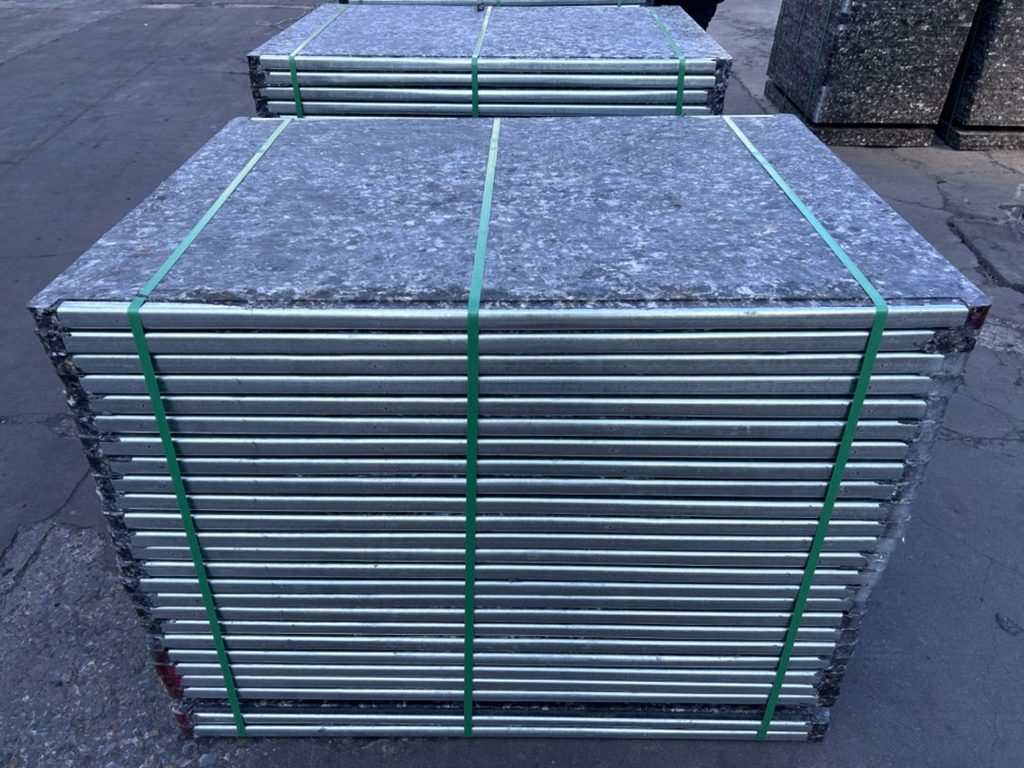
Rhinos Pallet manufactures glass fiber reinforced GMT pallets meeting the specifications that enabled Kano Blocks’ results: 0.2-0.3mm flatness tolerance, <0.5% moisture absorption, and aluminum-reinforced edges for 10-12 year durability. Contact us for facility-specific breakage analysis and delivered pricing.