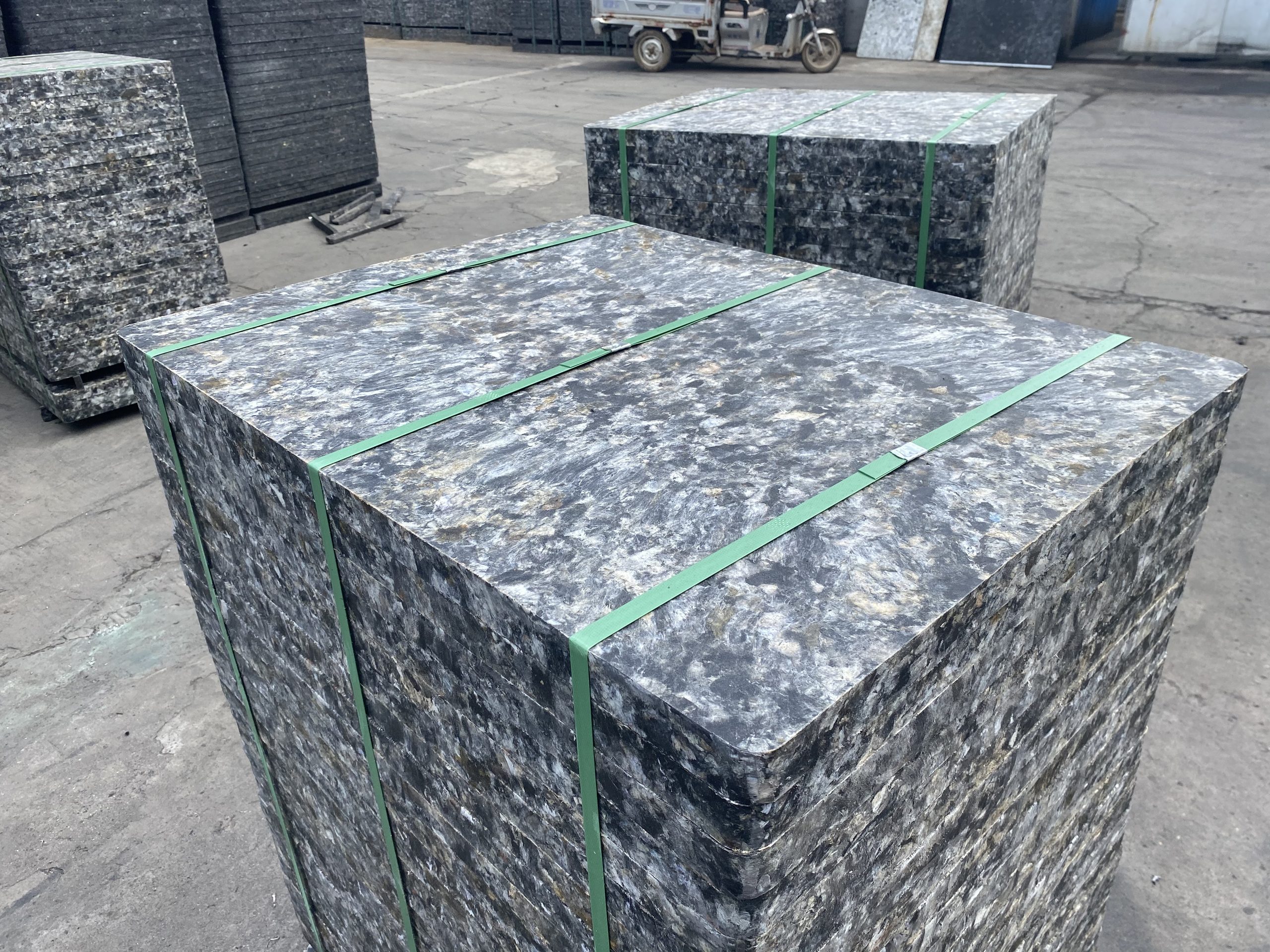
Brick manufacturers in India’s high-growth markets face a recurring challenge: production bottlenecks that prevent capacity expansion even when demand surges. A mid-size automated brick plant in Gujarat solved this exact problem, doubling its monthly output from 1.2 million to 2.4 million bricks in 18 months without adding floor space. The constraint wasn’t kiln capacity or raw material supply—it was pallet infrastructure. This case study documents how upgrading from mixed wood and bamboo pallets to GMT fiber pallets eliminated the production stops, breakage losses, and handling delays that capped their throughput at half of their equipment’s rated capacity.
The facility’s expansion journey reveals the three cost drivers manufacturers overlook when evaluating pallet decisions: replacement frequency that creates 12-18 annual production stops for changeovers, warping-induced breakage that costs 8-14% of material throughput, and dimensional inconsistency that prevents automated handling systems from running at design speed.
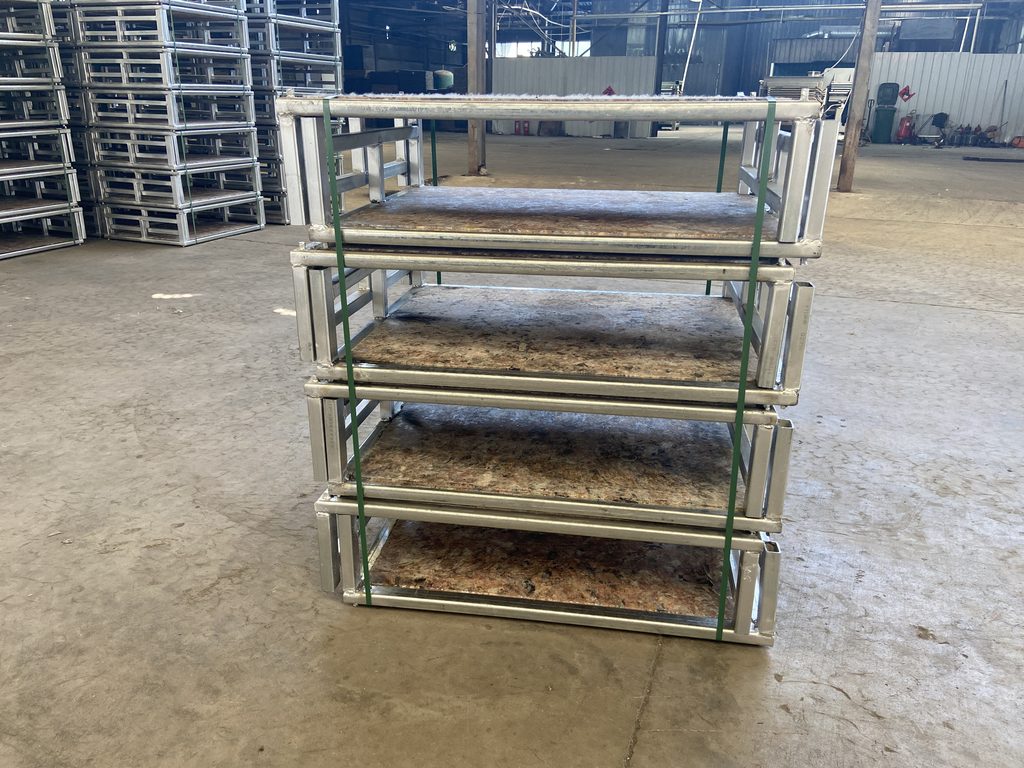
Facility Profile and Growth Challenge
The Gujarat facility operates two automated brick production lines with a combined rated capacity of 2.8 million standard bricks monthly. Prior to the upgrade, actual output plateaued at 1.2 million bricks per month (43% of capacity) despite strong regional demand.
Production specifications:
- Line type: Semi-automated with robotic stacking
- Brick format: 230mm × 110mm × 75mm standard solid bricks
- Active pallet fleet: 420 units (bamboo 45%, wood 40%, plastic 15%)
- Operating shifts: 16 hours daily, 6 days weekly
- Climate: Monsoon region with 75-85% humidity June-September
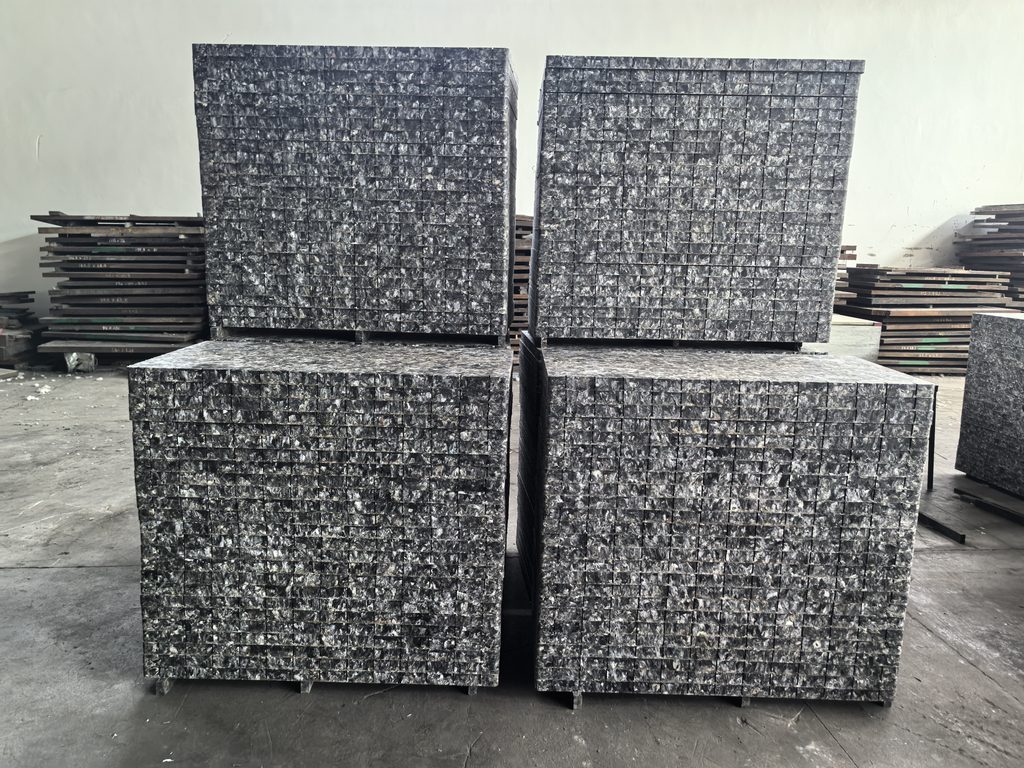
Planned downtime for pallet replacement: Wood and bamboo pallets lasted 14-20 months in humid conditions. Replacement operations required 8-12 hour production stops occurring 12-15 times annually.
Unplanned stops from warped pallets: Automated stackers rejected pallets with >3mm surface deviation. Bamboo warping during monsoon caused 4-7 unplanned stops weekly, accounting for 18-24 lost production hours monthly.
Brick breakage and reject rate: The facility tracked 11.5-13.2% breakage versus target of under 5%. Surface analysis traced 68% of cracks to uneven pallet contact. At ₹4.8 per brick material cost, this represented ₹7.1-8.2 lakh monthly in lost material.
The Constraint: Pallet Infrastructure Bottleneck
Engineering analysis identified pallet dimensional stability as the binding constraint. The facility’s robotic stacking system was designed for ±1mm pallet flatness tolerance.
| Pallet Type | New Flatness | After 12 Months | System Rejection Rate |
|---|---|---|---|
| Bamboo | ±2.5mm | ±6.5mm | 18-22% rejected |
| Wood | ±2.2mm | ±5.2mm | 14-18% rejected |
| Plastic (economy) | ±1.8mm | ±3.4mm | 8-11% rejected |
| Target for automation | ±1.0mm | ±2.0mm | <2% rejection |
The automated stacker operated at 62% of design speed because frequent pallet rejections required manual intervention. This single bottleneck prevented the facility from utilizing kiln and molding capacity that could support 2.4-2.6 million monthly output.
Monsoon humidity made the problem severe. Moisture absorption caused bamboo pallets to warp 40-55% faster than dry season, creating a production valley June through September when regional demand peaked for construction.
Decision Process: Evaluating Pallet Upgrade Options
The facility evaluated four options against dimensional stability, investment payback, and humidity resistance.
Option 1: Premium wood pallets — 3-4 year lifespan, ±3mm flatness at 18 months, ₹2,850/unit. Improved over untreated wood but still absorbed 12-18% humidity.
Option 2: Industrial plastic — 5-7 year lifespan, ±2mm flatness at 24 months, ₹5,200/unit. Better humidity resistance but thermal expansion created dimensional drift; lacked stiffness for 2,500kg loads.
Option 3: Steel frame — 8-12 year lifespan, ±1mm sustained flatness, ₹7,800/unit. Excellent stability but 38kg weight slowed handling and increased equipment wear; corrosion risk in humidity.
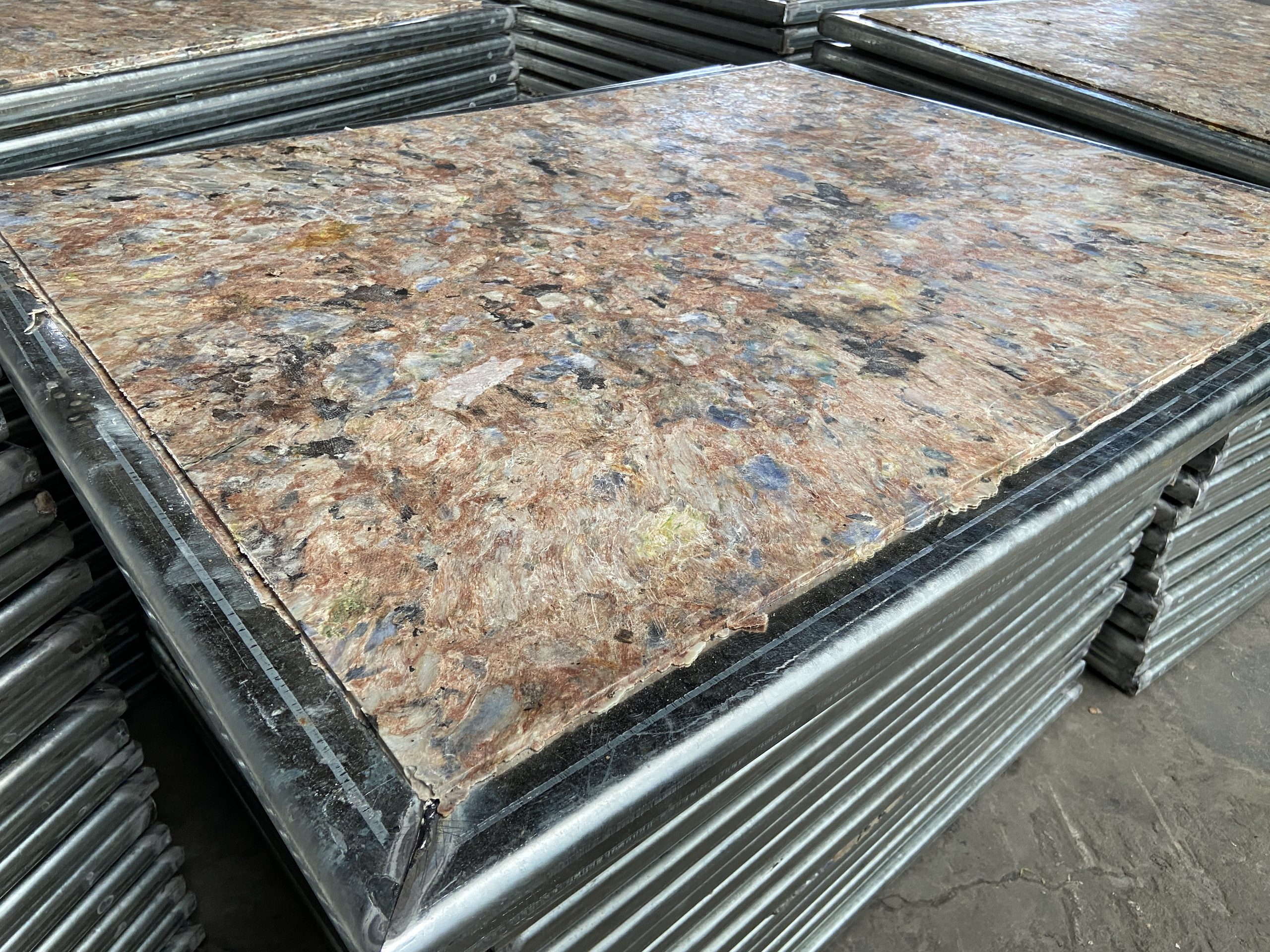
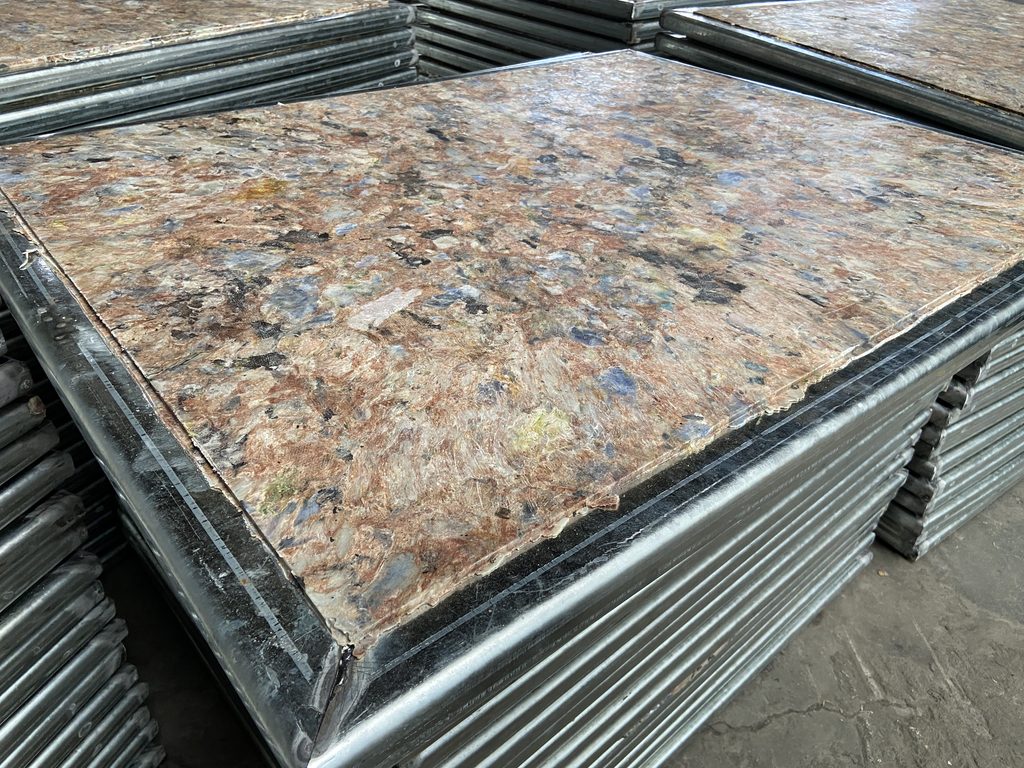
Option 4: GMT fiber pallets — 10-12 year lifespan, ±0.8mm sustained flatness, ₹8,500/unit. Best dimensional performance, <1% moisture absorption, 18-22kg weight, glass fiber reinforcement maintained stiffness under 3,000kg loads.
The facility selected GMT based on dimensional stability data and lifecycle cost calculations showing 8-11 month break-even versus continued wood/bamboo replacement.
| Decision Criteria | Weight | Wood | Plastic | Steel | GMT | Winner |
|---|---|---|---|---|---|---|
| Dimensional stability | 40% | 5/10 | 7/10 | 9/10 | 10/10 | GMT |
| Humidity resistance | 30% | 4/10 | 8/10 | 6/10 | 10/10 | GMT |
| Handling efficiency | 15% | 8/10 | 7/10 | 4/10 | 9/10 | GMT |
| Lifecycle cost | 15% | 6/10 | 7/10 | 7/10 | 9/10 | GMT |
| Weighted total | — | 5.35 | 7.25 | 7.20 | 9.50 | GMT |
Implementation: Phased Pallet Fleet Replacement
The facility adopted a three-phase replacement strategy to manage cash flow and validate performance before full commitment.
Phase 1 — Pilot validation (140 pallets, Months 1-3)
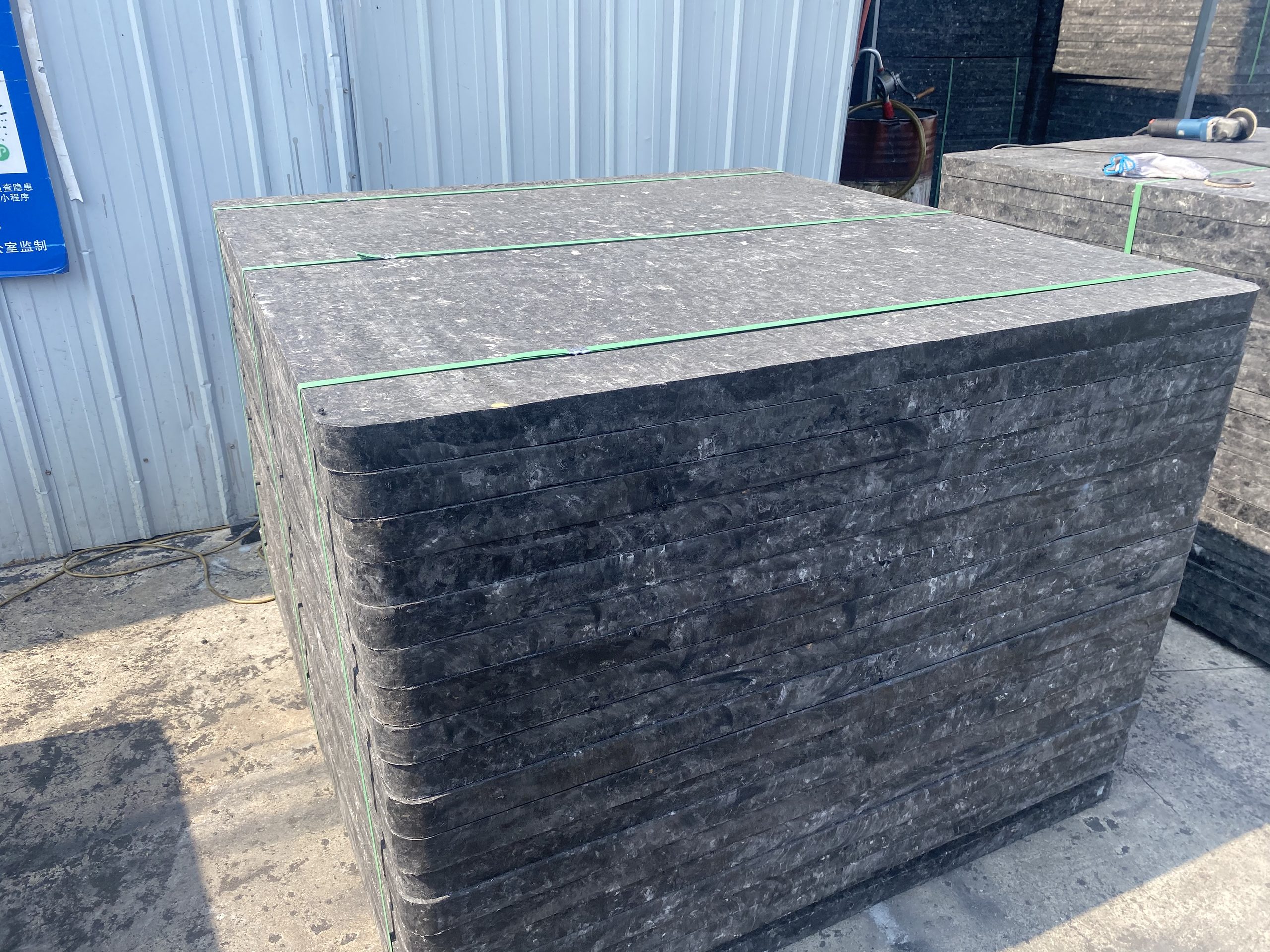
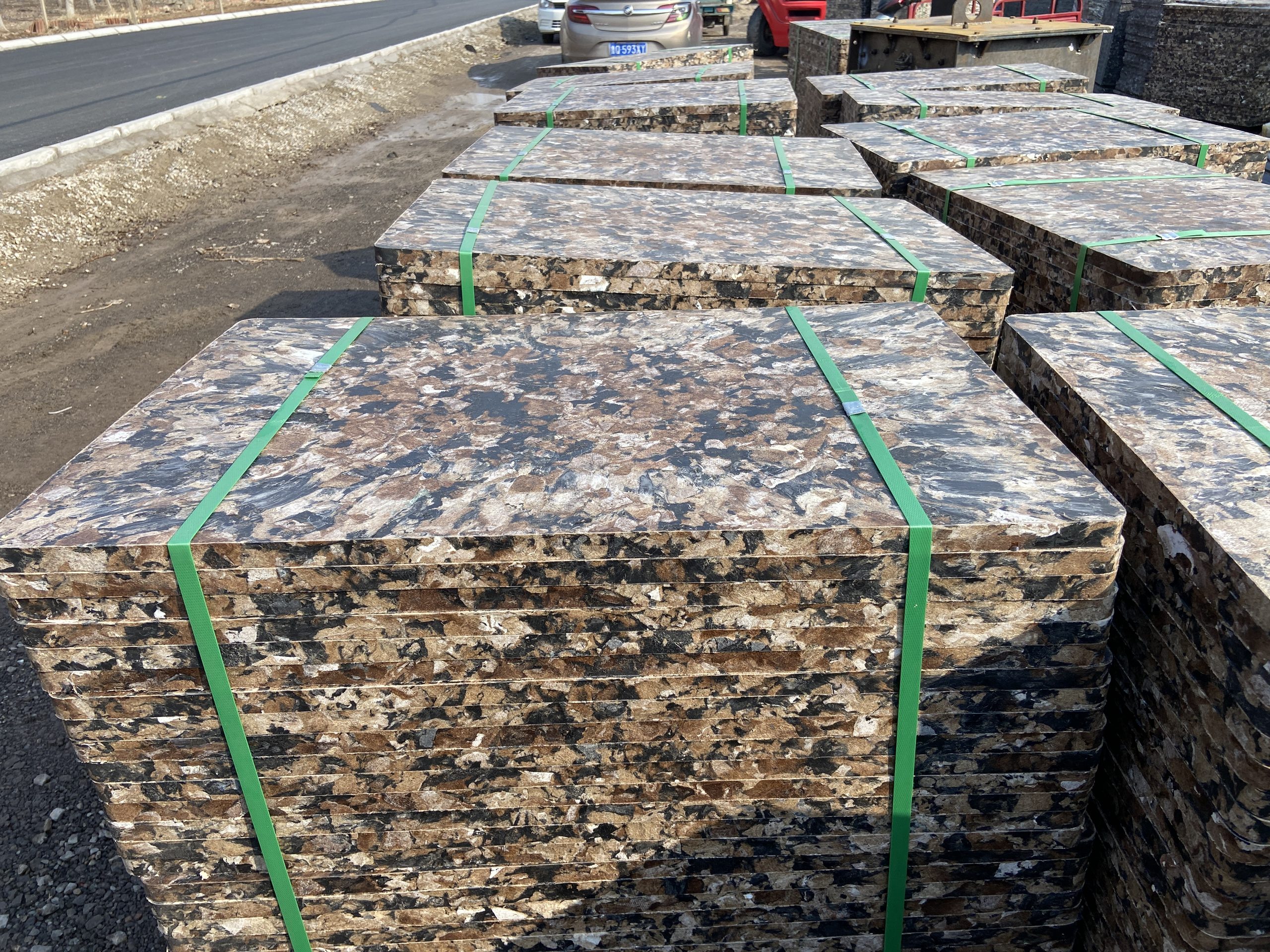
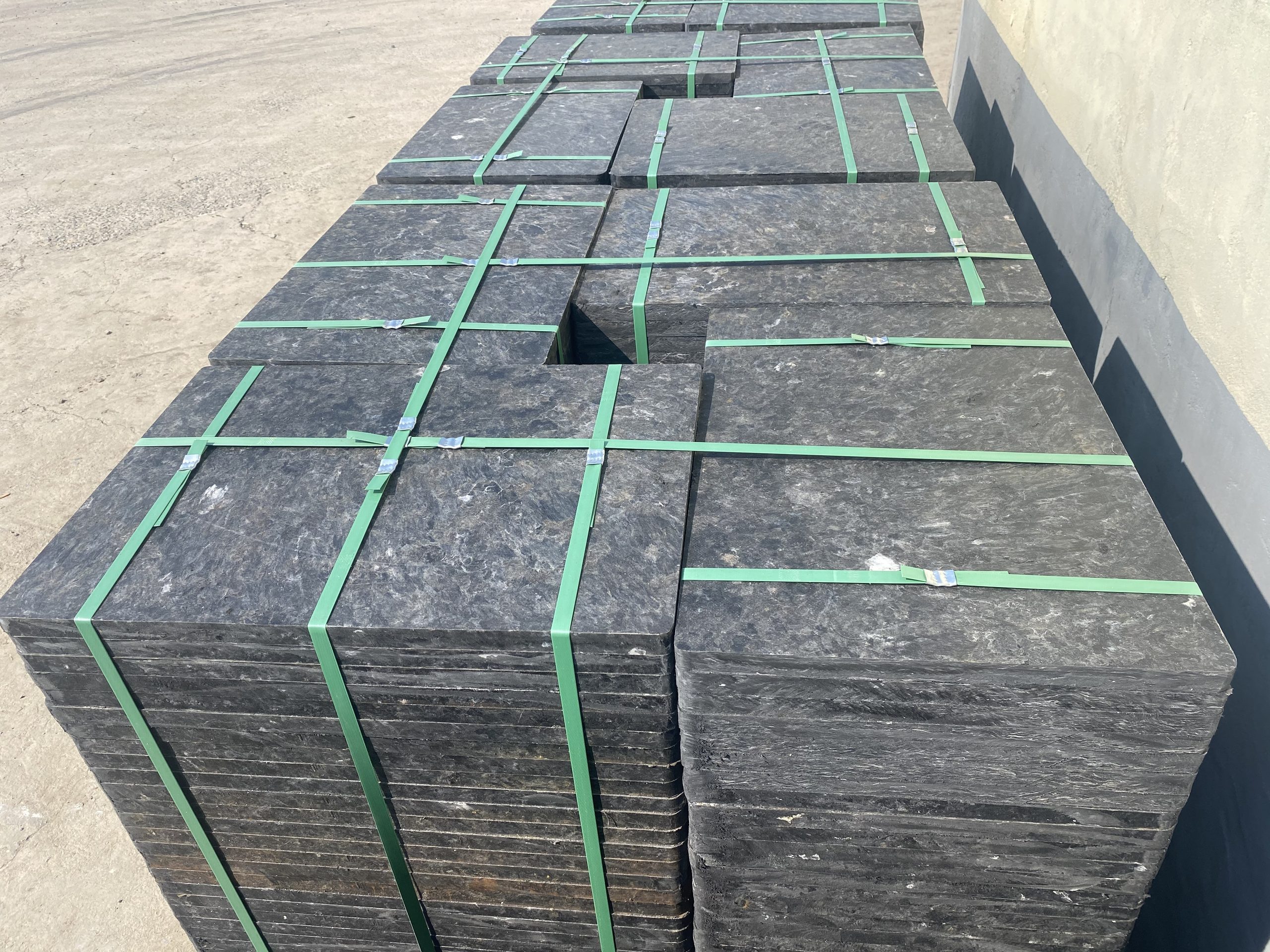
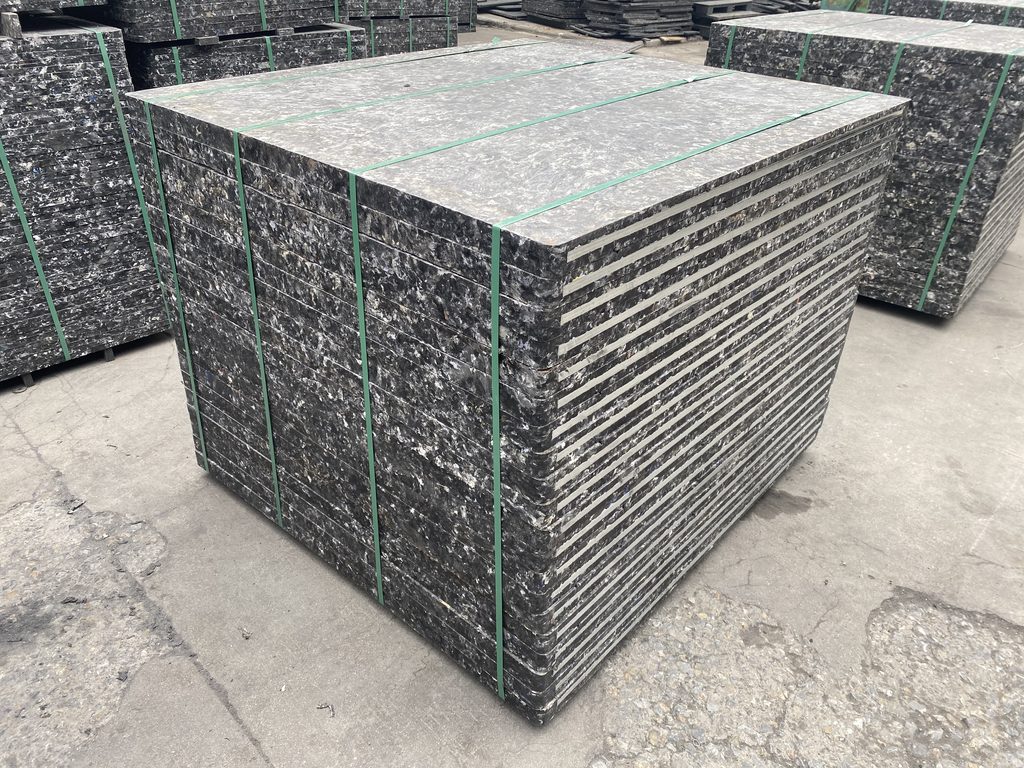
Replaced the most degraded bamboo pallets with high-quality GMT pallets G-003. This cohort ran through Line 1’s complete production cycle for 90 days while tracking breakage rate, stacker rejection frequency, and maintenance labor hours.
Results after 90 days:
- Breakage rate: 12.8% to 4.2%
- Stacker rejection: 16% to 2.8%
- Line speed: 62% to 84% of capacity
- Unplanned stops: 4.8 to 1.2 per week
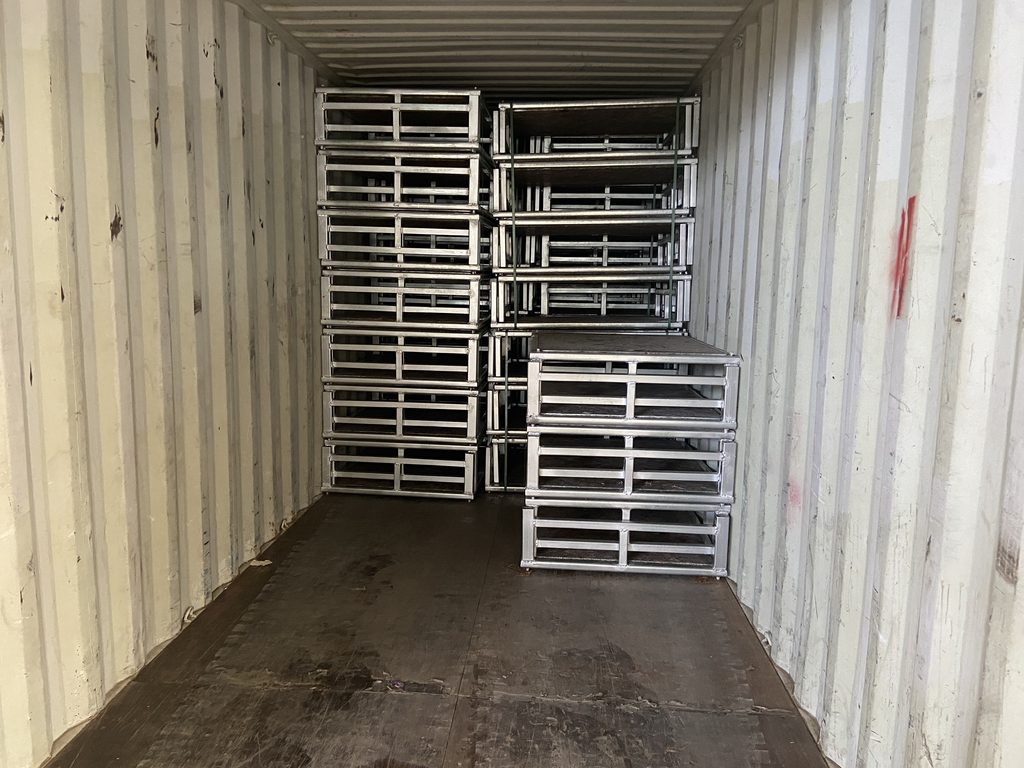
Phase 2 — Line 1 complete replacement (280 pallets, Months 4-7)
Extended GMT pallets to Line 1’s full fleet. Line 1 output increased 68% from baseline while Line 2 remained stable, validating capacity gain from pallet upgrade.
Phase 3 — Facility-wide standardization (420 pallets, Months 8-12)
Completed fleet conversion including Line 2. Standardizing on single pallet type simplified maintenance and eliminated sorting labor. By Month 7, Line 1 generated sufficient margin to fund Phase 3 without external financing.
Results: Production Capacity and Financial Impact
Production capacity gains:
| Metric | Pre-Upgrade Baseline | Post-Upgrade (Month 18) | Improvement |
|---|---|---|---|
| Monthly brick output | 1.20 million | 2.42 million | +102% |
| Automated line utilization | 62% of rated capacity | 94% of rated capacity | +32 percentage points |
| Bricks per active pallet-month | 2,857 | 5,762 | +102% |
| Effective capacity (both lines) | 1.20 million/mo | 2.63 million/mo | +119% |
The 102% output increase came from three sources: eliminating unplanned stops (18%), reducing breakage losses (42%), and increasing automated stacker throughput (40%). The facility reached 94% of equipment rated capacity, with remaining headroom limited by kiln cycle time rather than pallet performance.
Financial results (18-month post-implementation):
- Additional revenue: ₹9.8 crore from 22 million additional bricks sold
- Avoided breakage loss: ₹1.64 crore (reduction from 12.2% to 3.8% average breakage)
- Reduced replacement purchases: ₹6.8 lakh annually (from ₹14.2 lakh to ₹7.4 lakh)
- Maintenance labor savings: ₹4.2 lakh annually (from 380 hours to 95 hours yearly)
- Total investment: ₹35.7 lakh (GMT fleet) + ₹4.2 lakh (handling equipment adjustments) = ₹39.9 lakh
- Net benefit 18-month period: ₹11.52 crore
- Payback period: 6.2 months
Technical Performance Comparison
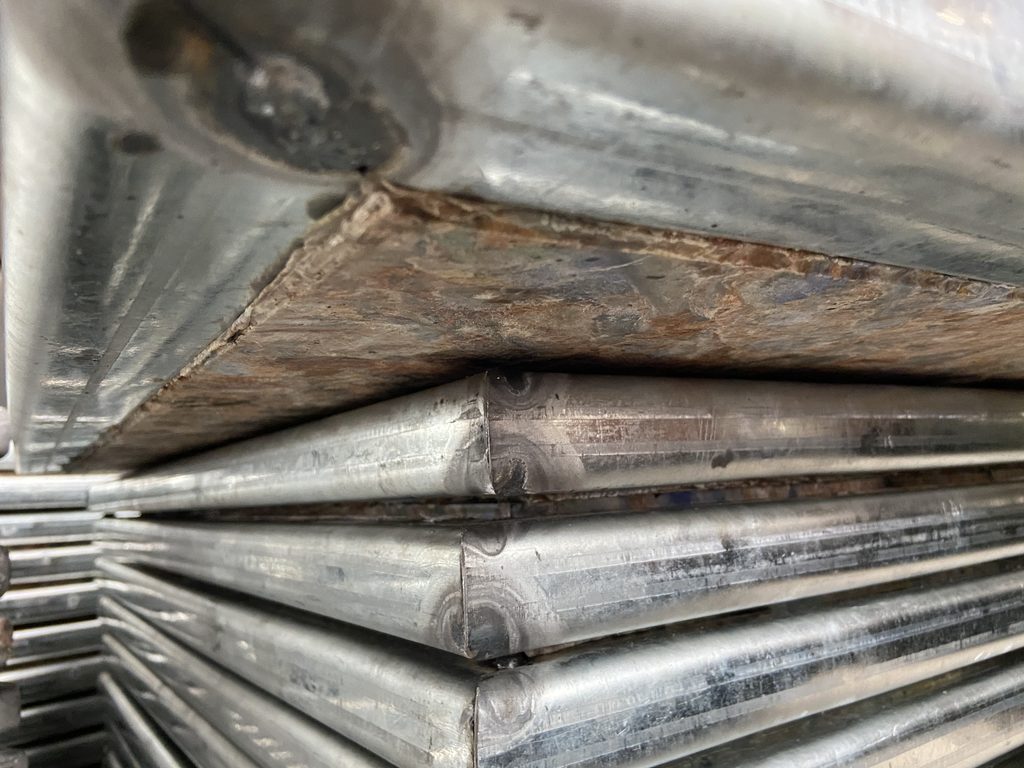
Dimensional stability testing after 18 months confirmed GMT pallet performance within automation tolerances.
| Performance Metric | Legacy Average | GMT (Current) | Improvement |
|---|---|---|---|
| Surface flatness (18 mo) | ±5.9mm | ±0.9mm | 84% flatter |
| Moisture absorption | 16-26% | <1% | 95% reduction |
| Load capacity (tested) | 1,950kg | 3,200kg | +64% |
| Service life (projected) | 18-25 months | 120-144 months | 5.5× longer |
| Breakage from pallet | 7.5% | 1.1% | 85% reduction |
The facility conducts quarterly flatness measurements on 15% of active fleet. After 18 months, 97.3% of GMT pallets maintained <±1.2mm deviation, versus 34% of legacy wood pallets at the same 18-month mark.
Temperature testing during peak summer (42-48°C) showed GMT pallets maintained stability within ±0.3mm, while plastic pallets expanded 1.8-2.4mm causing temporary stacker rejections during heat waves.
ROI Timeline and Investment Recovery
The facility tracked cumulative cash flow from the pallet investment against baseline legacy pallet replacement cycles.
| Milestone | Month | Cumulative Investment | Cumulative Benefit | Net Position |
|---|---|---|---|---|
| Phase 1 start | 1 | ₹11.9 lakh | ₹0 | −₹11.9 lakh |
| Phase 1 complete | 3 | ₹11.9 lakh | ₹18.4 lakh | +₹6.5 lakh |
| Phase 2 complete | 7 | ₹27.8 lakh | ₹82.6 lakh | +₹54.8 lakh |
| Phase 3 complete | 12 | ₹39.9 lakh | ₹158.2 lakh | +₹118.3 lakh |
| 18-month assessment | 18 | ₹39.9 lakh | ₹152.1 lakh | +₹112.2 lakh |
Break-even occurred at Month 6.2 during Phase 3 implementation. By Month 12, the facility had recovered full investment and accumulated ₹118.3 lakh in net benefit, funding a planned third production line without external capital.
Operational Changes Post-Implementation
Beyond capacity numbers, the pallet upgrade enabled operational improvements that compounded financial benefits.
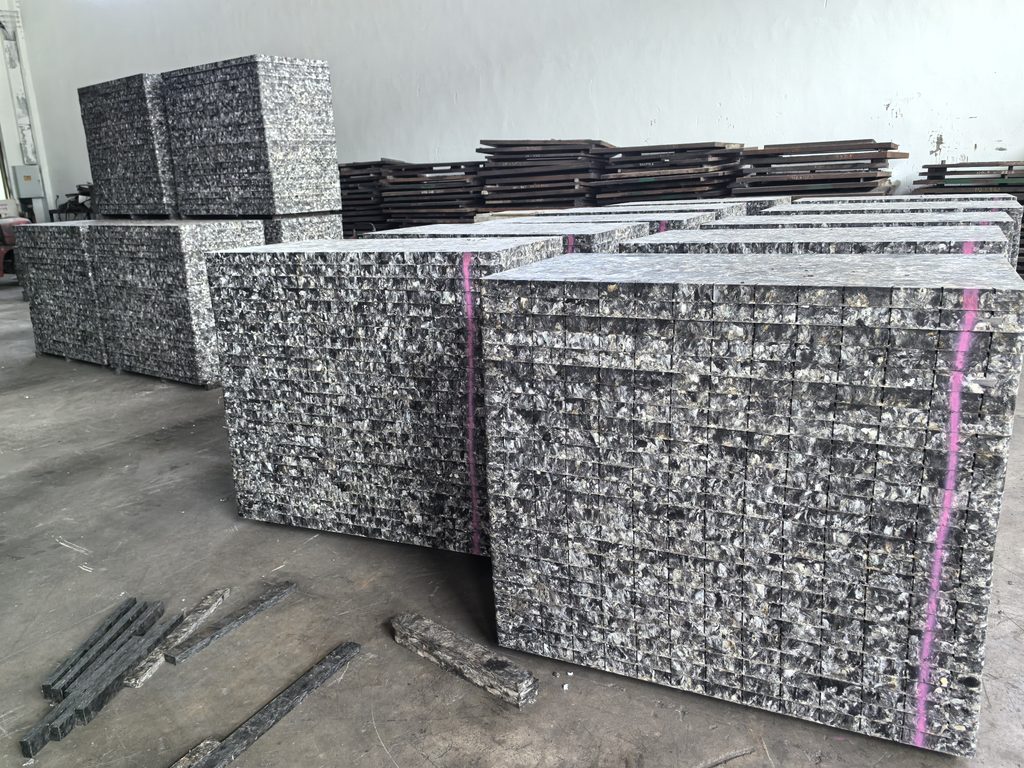
Simplified inventory management: Standardizing on GMT pallets eliminated tracking three different pallet types with different curing compatibilities. Warehouse staff reported 35% reduction in staging time and zero production delays from pallet mismatches.
Predictable maintenance scheduling: GMT pallets moved maintenance from reactive to predictive. The facility scheduled first replacement for Month 126-132, allowing 10+ years before next capital expenditure.
Monsoon season stability: Previously, June-September output dropped 18-24% due to bamboo warping. Post-upgrade, seasonal variance decreased to <3%, allowing the facility to fulfill high-demand construction season orders.
Quality control data showed reject rates dropped from 11.8% to 3.6% facility-wide, allowing pursuit of premium customer segments requiring <5% defect rates.
Lessons from the Expansion Journey
What worked:
Pilot before full commitment: The 140-pallet Phase 1 test generated performance data that justified internal investment approval without full upfront capital commitment.
Phased cash flow: Spreading the ₹39.9 lakh investment across 12 months allowed each phase to partially self-fund the next through improved contribution margin.
Dimensional measurement protocol: Monthly flatness measurements on 15% of the fleet validated GMT pallet stability and informed 10-year replacement planning.
Staff training integration: Two weeks of pre-implementation training prevented handling errors that could have compromised pilot results.
Mistakes avoided:
Don’t delay the upgrade: Waiting for arbitrary price triggers costs productivity gains. A peer facility lost 14 months of improvements this way.
Don’t mix pallet types long-term: Mixing GMT with legacy pallets added 12-18 seconds per cycle from operator confusion.
Don’t skimp on dimensional tolerances: Cheaper “industrial fiber pallets” at ±2.5mm flatness would have remained outside automation requirements.
FAQ
How did the facility finance the investment without external loans?
The phased approach allowed each stage to self-fund the next. Phase 1 came from operational budget, and by Month 7, accumulated benefits funded Phase 3 completion.
What happened to the 420 legacy pallets?
Serviceable bamboo pallets (180 units) were sold to manual operations, recovering ₹1.62 lakh. Wood pallets became backup inventory. Degraded units were scrapped or repurposed as kiln spacers.
Did they consider retrofitting legacy pallets?
Surface grinding cost ₹580-740 per pallet with re-grinding needed after 14-18 months. This delivered poor economics versus GMT’s 10-12 year service life at ₹8,500 initial cost.
How does GMT performance compare across climate zones?
In monsoon climates (75-85% humidity), GMT pallets show 10-12 year lifespan. Drier regions like Rajasthan project 12-15 years. Humidity-resistant pallets maintain <1% moisture absorption across all zones.
What equipment changes were required?
Minor sensor recalibration for GMT’s surface texture. No structural changes needed. GMT dimensions (850mm × 680mm) matched existing specifications. Total adjustment cost: ₹4.2 lakh.
Can smaller facilities achieve similar results?
Yes, but with longer break-even timelines. ROI calculations show partial replacement delivers 14-20 month payback for facilities above 180,000 bricks monthly.
What is the recommended GMT pallet replacement cycle?
Current data shows <3% approaching replacement at 18 months. The facility projects first replacement at 10-12 years (120-144 months). GMT pallet lifespan testing validates this timeline.
Conclusion
This Gujarat facility’s expansion demonstrates that production capacity constraints often originate from infrastructure components manufacturers treat as commodity inputs. Doubling output from 1.2 to 2.4 million bricks monthly came not from adding equipment but from removing the bottleneck created by pallet dimensional instability.
The financial case closed at Month 6.2 with full investment recovery, but operational benefits extended beyond ROI. Consistent monsoon season production, simplified maintenance scheduling, and access to premium market segments created competitive advantages that compound across the GMT pallet’s 10-12 year service life.
For brick manufacturers evaluating capacity expansion, pallet infrastructure deserves the same engineering rigor as kiln design and molding equipment. Dimensional stability within ±1mm tolerance is the baseline requirement for automated production systems operating at >90% capacity.
If you need high-durability GMT pallets engineered for automated brick production, Rhinos Pallet manufactures fiber-reinforced composite pallets with proven dimensional stability in high-humidity environments. Our G-003 and BG-005 product lines deliver <±1mm flatness across 10+ year service life. Contact us for application-specific recommendations and lifecycle cost analysis.
Sources: