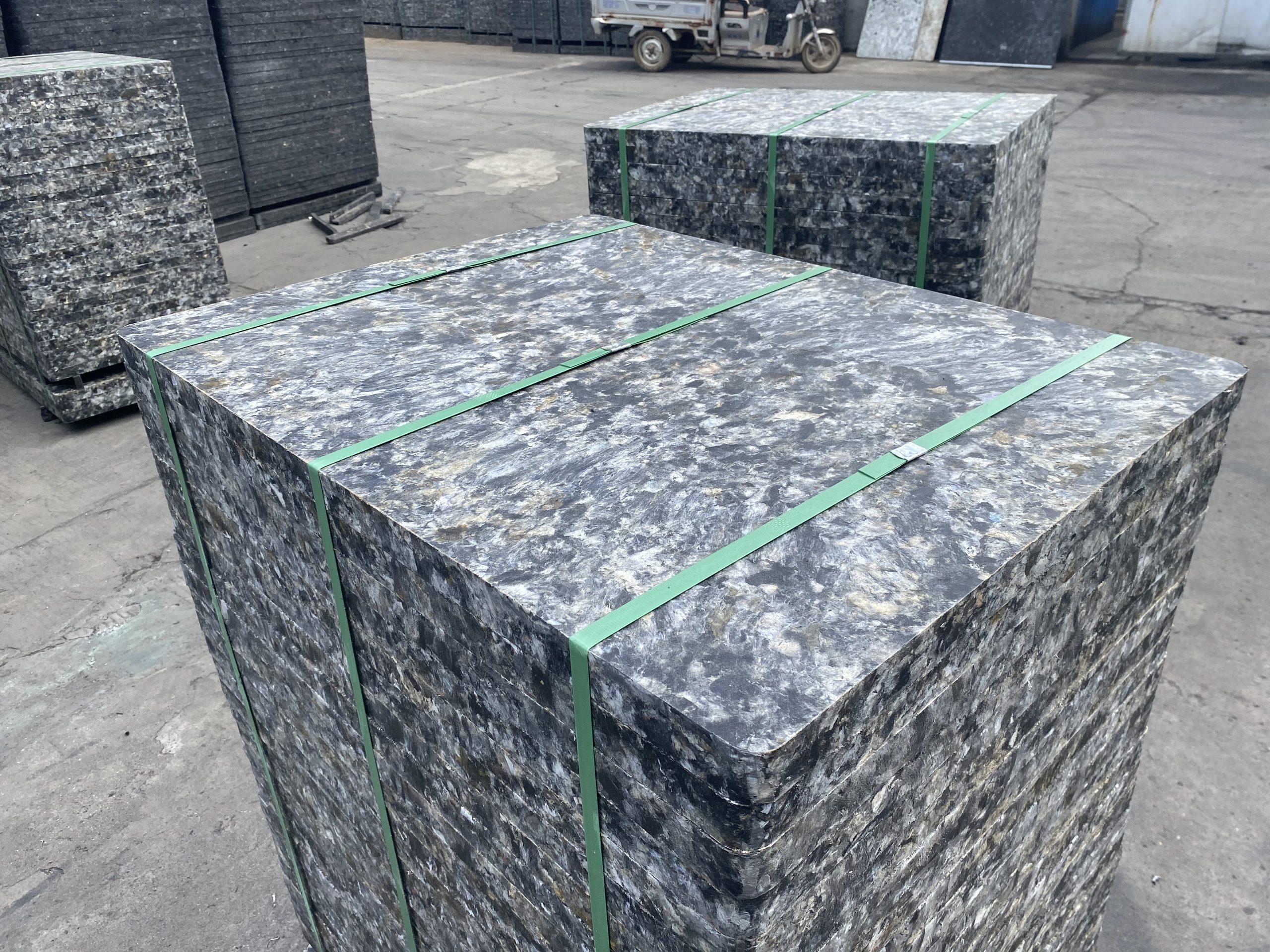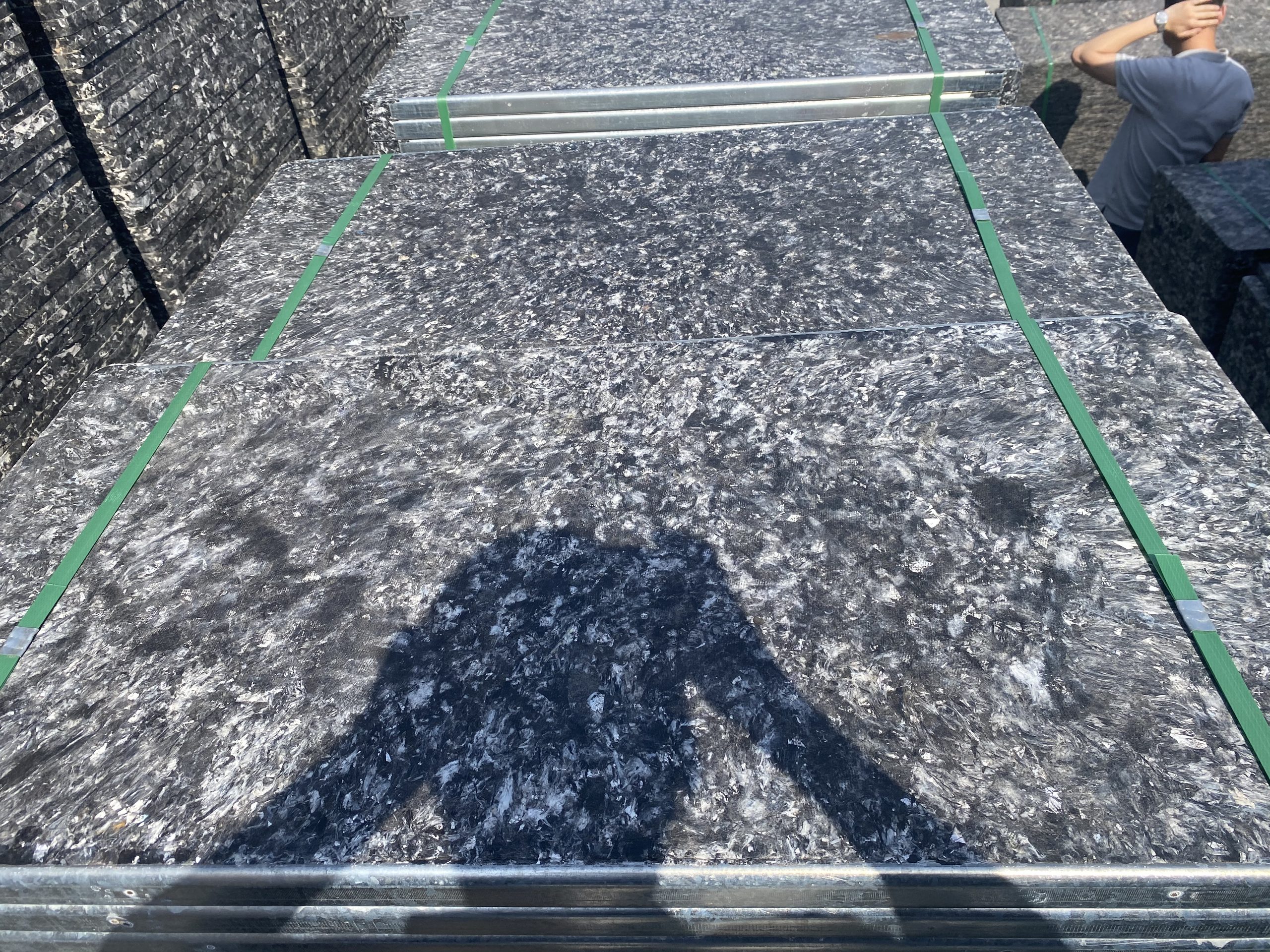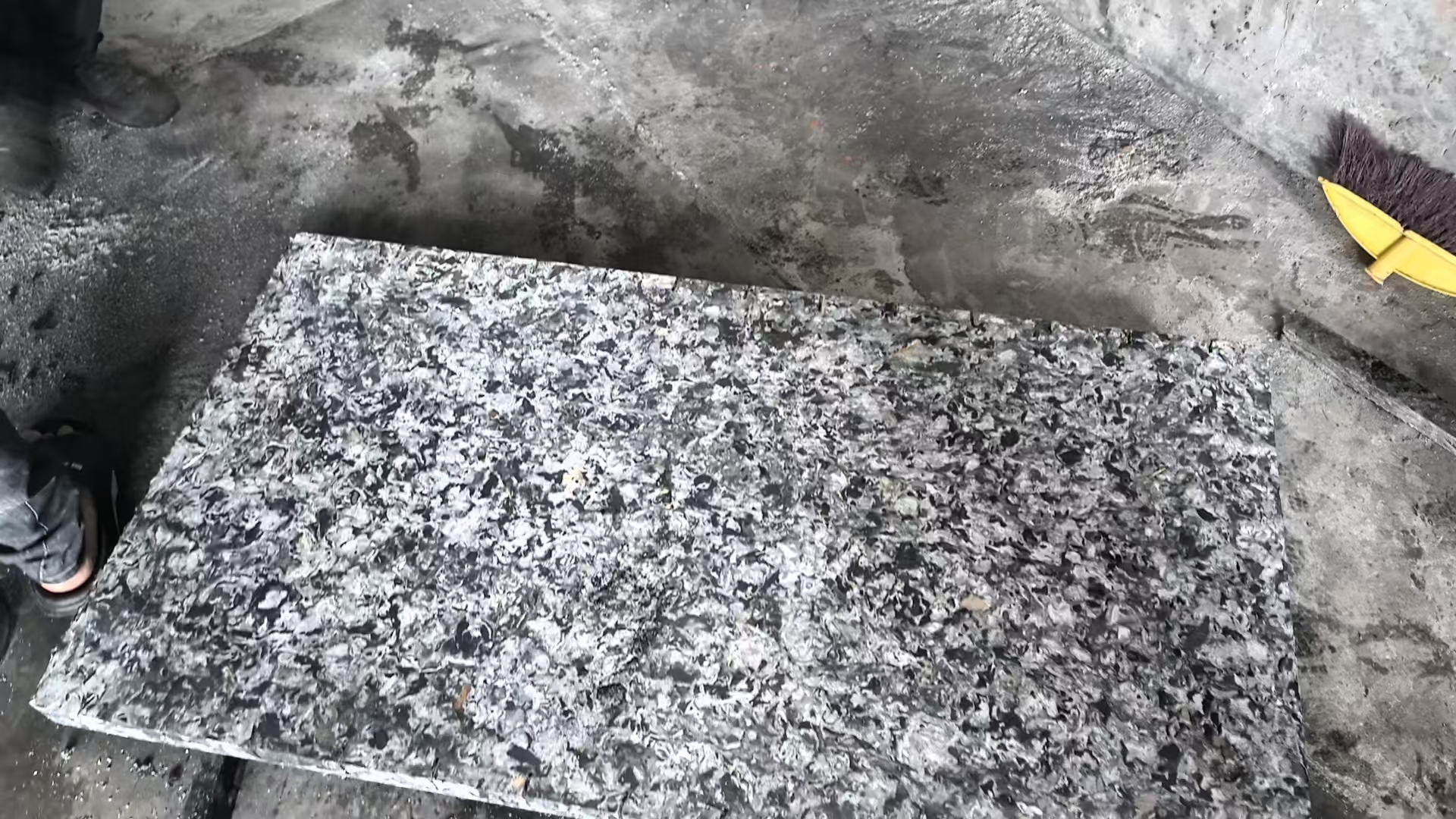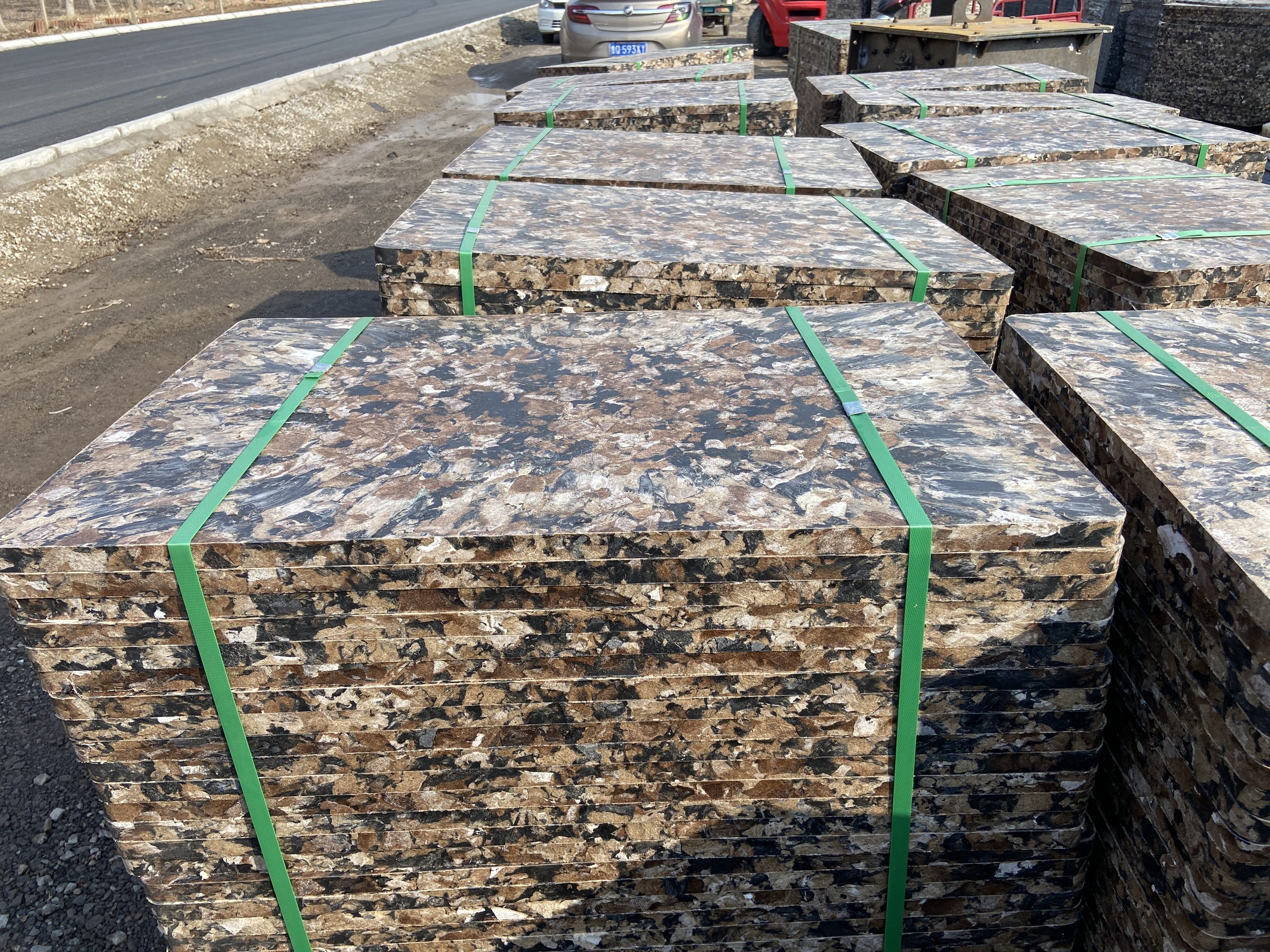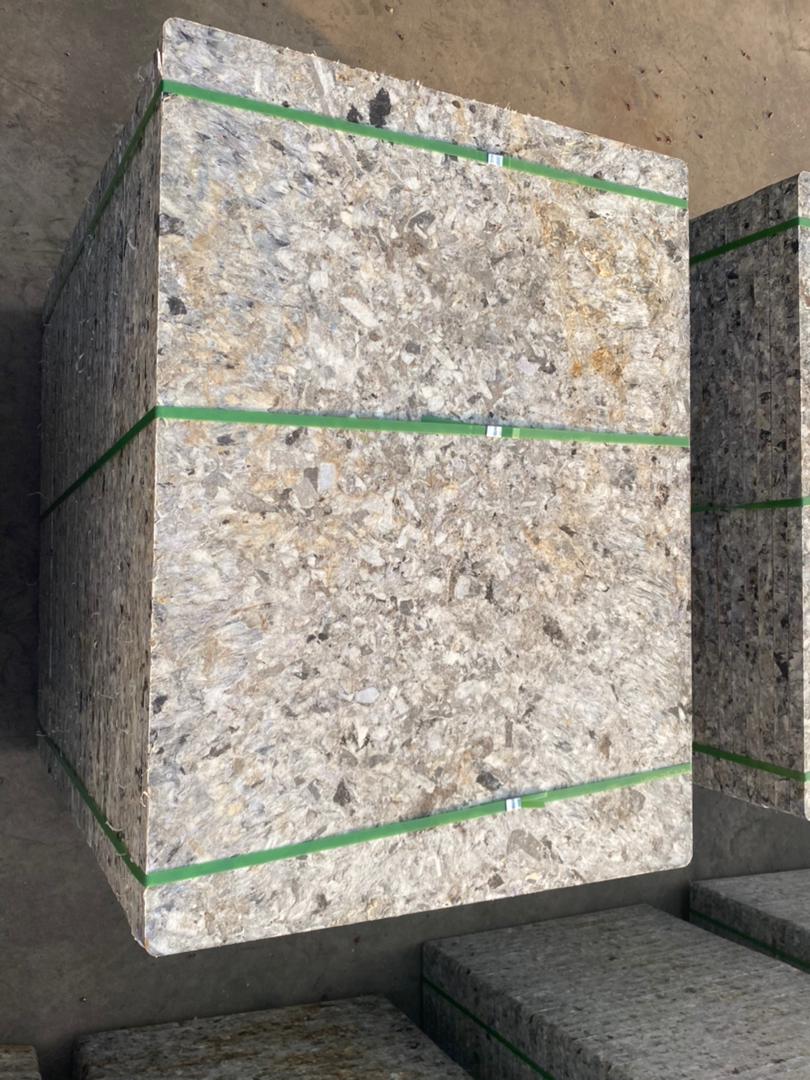
Concrete residue buildup costs brick manufacturers 8-15% in production downtime and pallet replacement expenses annually, averaging $12,000-28,000 per facility producing 800,000-1,500,000 bricks monthly. Factory data shows that 70-85% of premature pallet failures result from inadequate cleaning protocols that allow hardened concrete deposits to compromise surface flatness and accelerate material degradation. Proper cleaning methods extend pallet lifespan by 40-60% while maintaining the critical ±2mm flatness tolerance required for uniform brick curing.
If you want to maximize pallet longevity and maintain consistent production quality, then you will need to understand chemical cleaning methods, mechanical removal techniques, prevention strategies, and cleaning frequency requirements specific to GMT and fiber-reinforced pallets used in automated brick production.
Understanding Concrete Residue Buildup: Causes and Costs
Concrete residue accumulates on pallet surfaces through repeated molding cycles where fresh concrete contacts the pallet during brick formation and curing. Each production cycle leaves microscopic concrete particles that bond chemically with pallet surfaces, building layers 0.5-2mm thick over 200-400 cycles. This buildup creates three critical problems: surface flatness deterioration generating ±3-5mm variations that cause uneven brick curing, reduced thermal conductivity slowing heat transfer by 20-35%, and increased adhesion that damages green bricks during demolding.
Testing reveals that uncleaned pallets develop concrete deposits reaching 3-8mm thickness after 6-12 months of continuous use. These deposits create localized high spots that contact only 60-75% of brick bottom surfaces, generating the 10-18°C temperature differentials responsible for 15-25% strength variation in finished products. Manufacturing facilities report rejection rates increasing from baseline 4-6% to 12-18% as concrete buildup progresses, costing $18,000-35,000 annually in quality defects.
The economic impact extends beyond quality costs. Pallets with 5mm+ concrete buildup require replacement 40-60% sooner than properly maintained units. Wood pallets that typically last 2-3 years with regular cleaning fail within 12-18 months when residue is neglected. GMT pallets designed for 10-12 year lifespans see service life reduced to 6-8 years without proper cleaning protocols. This premature replacement represents $8,000-15,000 in unnecessary capital expenditure for facilities operating 200-400 pallets.
Chemical Cleaning Methods for Concrete Removal
Chemical cleaning dissolves the calcium silicate hydrate compounds that bond concrete to pallet surfaces, offering less labor-intensive removal than mechanical methods. The effectiveness depends on matching acid strength to deposit thickness and pallet material compatibility.
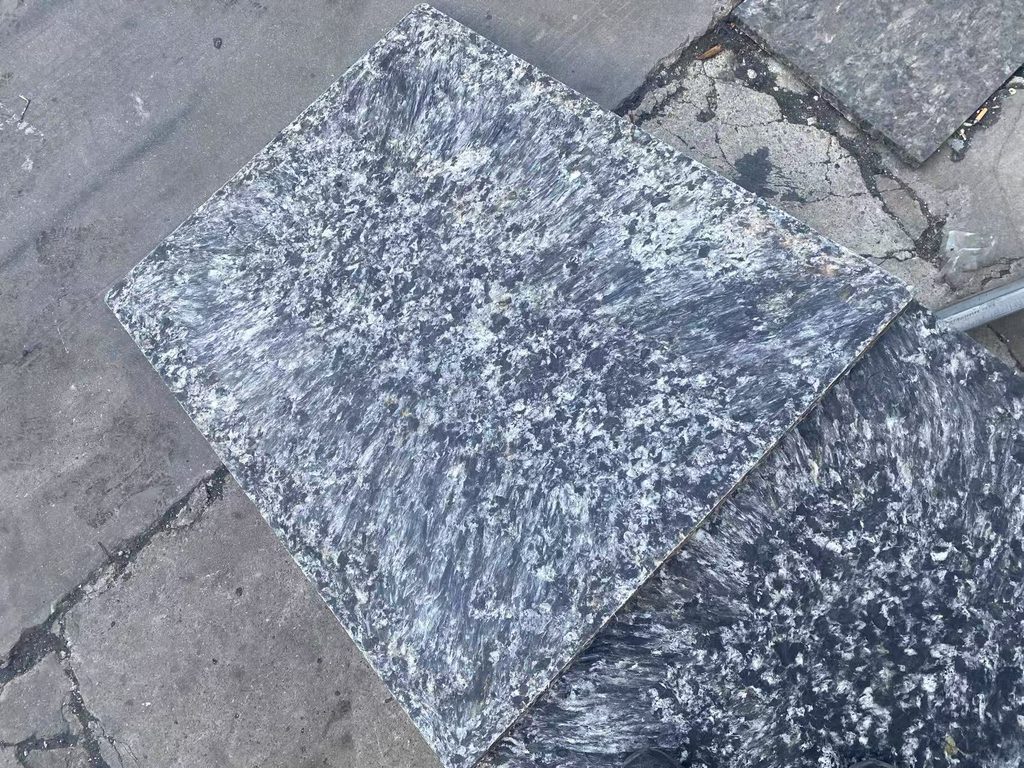
Acetic Acid (Vinegar) for Light Deposits:
Household vinegar containing 5-8% acetic acid effectively removes concrete deposits up to 1mm thick without damaging GMT or fiber-reinforced pallets. Apply vinegar directly to affected areas using spray bottles or soaked rags, allow 15-30 minutes contact time for penetration, then scrub with stiff nylon brushes. Factory testing shows vinegar removes 75-90% of light concrete residue with minimal surface etching. This method works best for weekly maintenance cleaning where deposits haven’t fully cured. The low cost ($2-4 per gallon) and minimal safety requirements make vinegar ideal for routine cleaning operations.
Muriatic Acid for Moderate to Heavy Buildup:
Diluted hydrochloric acid (muriatic acid) at 10-15% concentration dissolves concrete deposits 2-5mm thick through rapid calcium carbonate dissolution. Mix 1 part muriatic acid with 4-6 parts water (always add acid to water, never reverse), apply to affected areas with acid-resistant brushes, allow 5-10 minutes contact time while agitating, then flush thoroughly with water and neutralize with baking soda solution. Research demonstrates muriatic acid removes 85-95% of moderate concrete buildup within single applications.
However, muriatic acid requires strict safety protocols—use only in well-ventilated areas with appropriate respiratory protection, chemical-resistant gloves, and eye protection. The acid generates chlorine gas when contacting bleach-based cleaners, creating serious respiratory hazards. Limit contact time to prevent surface etching on GMT pallets; prolonged exposure (>15 minutes) can degrade fiber-reinforced composite matrices by 5-8%.
Glycolic Acid for Safe Professional Cleaning:
Glycolic acid offers superior concrete removal without the corrosion, chloride contamination, or harsh fumes associated with hydrochloric acid. Its small molecular structure (C₂H₄O₃) penetrates concrete pores and dissolves calcium compounds from within the cement matrix. Professional formulations at 15-25% concentration remove concrete deposits 3-8mm thick while maintaining material compatibility with GMT, glass fiber, and composite pallets.
Apply glycolic acid solutions with automatic scrubbers or manual sprayers, allow 10-20 minutes dwell time for penetration, agitate with rotary brushes, then rinse thoroughly. Industrial testing demonstrates 90-95% removal efficiency for heavy concrete buildup with 60-70% less surface etching compared to muriatic acid. The higher material cost ($12-18 per gallon vs $4-6 for muriatic acid) is offset by reduced equipment corrosion and safer handling requirements. Facilities report 30-45% reduction in cleaning-related safety incidents after switching from muriatic to glycolic acid.
The following comparison examines cleaning effectiveness across different chemical methods:
| Cleaning Method | Deposit Thickness | Removal Efficiency | Contact Time | Material Compatibility | Safety Level |
|---|---|---|---|---|---|
| Vinegar (5-8% acetic) | Up to 1mm (light) | 75-90% | 15-30 minutes | Excellent (all pallets) | High (minimal PPE) |
| Muriatic Acid (10-15% HCl) | 2-5mm (moderate-heavy) | 85-95% | 5-10 minutes | Good (monitor exposure) | Low (full PPE required) |
| Glycolic Acid (15-25%) | 3-8mm (heavy) | 90-95% | 10-20 minutes | Excellent (all materials) | Moderate (gloves/eye protection) |
| Alkaline Degreasers | <1mm (surface residue) | 60-75% | 10-15 minutes | Excellent | High (minimal PPE) |
Mechanical Cleaning Techniques
Mechanical removal physically breaks concrete bonds through abrasion, scraping, or impact force. These methods work independently or combined with chemical treatments for stubborn deposits that resist dissolution.
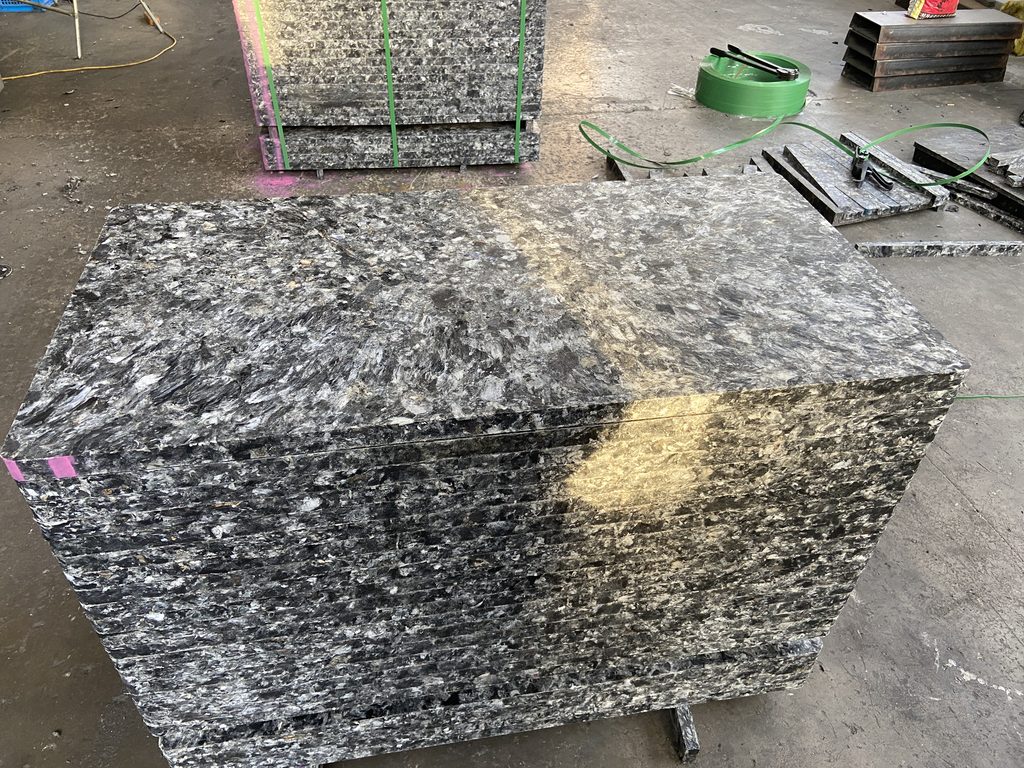
Wire Brushing for Moderate Deposits:
Stiff wire brushes (steel or brass bristles) remove concrete deposits 1-3mm thick through surface abrasion. Manual wire brushing requires 8-12 minutes per square meter for thorough cleaning, while rotary wire brushes powered by angle grinders or drill attachments reduce time to 3-5 minutes per square meter. Apply moderate pressure in circular or linear patterns, focusing on deposit edges where concrete bonds are weakest.
Wire brushing effectiveness improves 40-60% when preceded by 10-15 minute acid pre-treatment that softens deposits. However, aggressive wire brushing can score GMT pallet surfaces by 0.3-0.8mm if excessive pressure is applied, potentially compromising the critical ±2mm flatness tolerance. Use brass brushes for fiber-reinforced pallets to minimize surface damage—brass removes 70-85% of concrete while causing 50-60% less surface gouging than steel wire.
Scraping and Chiseling for Heavy Buildup:
Paint scrapers, putty knives, or masonry chisels remove concrete deposits exceeding 5mm thickness where chemical methods alone prove insufficient. Hold scraping tools at 30-45° angles and apply controlled force to lift deposits without gouging pallet surfaces. Start at deposit edges and work inward, leveraging concrete’s brittleness once the bond is fractured.
Power chisels or pneumatic scalers accelerate removal on heavily contaminated pallets, reducing manual labor by 70-80%. However, these aggressive methods risk surface damage—impacts can create 1-2mm depressions in GMT pallets and delaminate fiber layers in composite materials. Reserve power tools for extreme buildup (8mm+) on pallets already near replacement thresholds. For production-critical pallets, chemical dissolution followed by manual scraping provides 85-95% removal with minimal surface impact.
Pressure Washing for Final Rinse:
High-pressure water jets at 1500-2500 PSI remove loosened concrete particles and chemical residues after primary cleaning. Position pressure washer nozzles 15-30cm from surfaces and use sweeping motions to prevent localized erosion. Pressures below 1500 PSI leave 15-25% residue requiring additional cleaning, while pressures exceeding 2500 PSI can degrade fiber brick pallet surfaces by forcing water into composite matrices and causing delamination.
Combine pressure washing with heated water (60-80°C) to improve concrete particle suspension and reduce drying time by 40-50%. Industrial facilities using automated wash stations report 90-95% cleaning efficiency within 4-6 minute cycles per pallet. The water recovery systems capture 85-90% of wash water for filtration and reuse, reducing environmental impact and operating costs by $0.80-1.50 per cleaning cycle.
GMT Pallet-Specific Cleaning Protocols
GMT pallets require cleaning protocols tailored to their fiber-reinforced composite construction, which offers superior durability but responds differently to cleaning chemicals and mechanical methods than wood or basic plastic pallets.
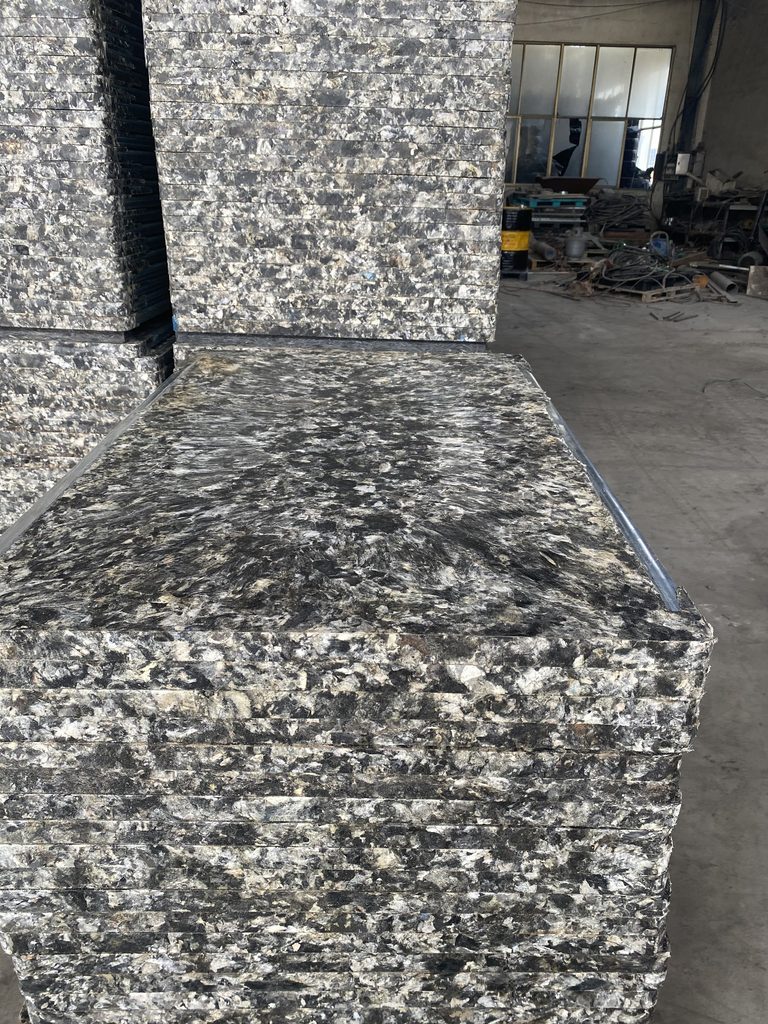
Material Compatibility Considerations:
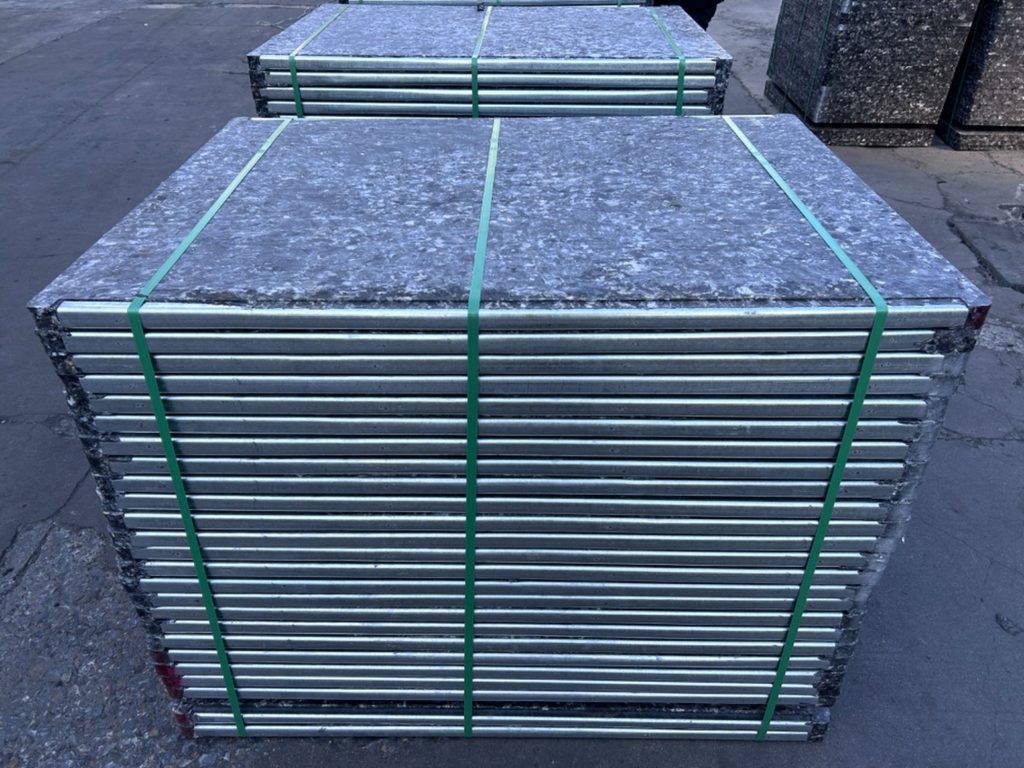
GMT (Glass Mat Transfer) pallets consist of glass fiber reinforcement embedded in thermoplastic matrices, creating composite structures resistant to water absorption and chemical degradation. This construction tolerates prolonged acid exposure better than wood pallets while avoiding the brittleness of unreinforced plastics. Testing confirms GMT pallets withstand 20-30 minute glycolic acid applications without matrix softening, compared to 10-15 minute limits for some fiber-reinforced alternatives.
However, avoid extended muriatic acid exposure exceeding 15 minutes—prolonged hydrochloric acid contact can penetrate surface layers and gradually degrade glass fiber bonding agents, reducing tensile strength by 8-12% over 50-80 cleaning cycles. The aluminum edge reinforcement common on Rhinos Pallet GMT models resists acid corrosion but requires post-cleaning neutralization with baking soda solution to prevent long-term oxidation.
Recommended Cleaning Sequence for GMT Pallets:
- Pre-rinse: Remove loose concrete particles with low-pressure water (500-800 PSI) to prevent surface scratching during chemical application
- Chemical treatment: Apply glycolic acid solution at 18-22% concentration with pump sprayers, ensuring complete coverage of affected areas
- Dwell time: Allow 12-18 minutes for acid penetration while monitoring for excessive surface etching
- Agitation: Use nylon or brass bristle brushes (avoid steel wire that can embed ferrous particles) with moderate pressure in circular patterns
- Pressure rinse: Flush with 1800-2200 PSI water jets to remove dissolved concrete and acid residues
- Neutralization: Apply diluted sodium bicarbonate solution (1:20 ratio) to aluminum edges and any etched areas
- Final rinse and dry: Remove neutralizer with clean water and allow 2-4 hours air drying before returning to production
This seven-step process achieves 92-97% concrete removal while maintaining GMT pallet flatness within ±1.5mm tolerances. Production facilities using this protocol report average pallet lifespans of 10-12 years compared to 6-8 years with inconsistent cleaning methods.
GMT Surface Conditioning:
Apply specialized pallet conditioning products after deep cleaning to restore surface hydrophobicity and reduce future concrete adhesion. BoardShield and similar formulations create molecular barriers that decrease concrete bonding by 35-50%, extending intervals between intensive cleaning from 400-600 cycles to 700-900 cycles. These conditioners cost $8-12 per pallet application but reduce annual cleaning labor by 30-40%, generating net savings of $3,200-5,800 for facilities operating 200-300 pallets.
Cleaning Frequency and Timing
Establishing appropriate cleaning schedules prevents concrete buildup from reaching thickness levels that require aggressive removal methods. Optimal frequency balances cleaning costs against productivity losses from pallet deterioration.
Daily and Weekly Maintenance:
Light brushing and water rinsing after every 40-60 production cycles (typically daily in facilities producing 800-1,200 bricks per shift) prevents concrete deposits from hardening beyond the easily-removable stage. This quick maintenance requires 2-3 minutes per pallet and captures 80-90% of fresh concrete before permanent bonding occurs. Weekly deeper cleaning using vinegar or mild alkaline solutions addresses the 10-20% of residue that survives daily maintenance.
Facilities implementing daily light cleaning reduce annual intensive cleaning requirements from 6-8 sessions to 2-3 sessions per pallet, cutting chemical costs by $180-240 and labor hours by 8-12 hours per pallet annually. The cumulative time savings across 200-300 pallet inventories reaches 1,600-3,600 labor hours—equivalent to 0.8-1.7 full-time positions.
Monthly Intensive Cleaning:
Regardless of daily maintenance quality, concrete residue gradually accumulates in surface irregularities and pallet edges. Monthly intensive cleaning using chemical treatments removes this baseline accumulation before it compromises flatness tolerances. Schedule these sessions during production downtime or rotate pallets through cleaning stations to minimize operational disruption.
The following table compares cleaning frequency strategies and their operational impact:
| Cleaning Strategy | Daily Maintenance | Deep Cleaning Frequency | Annual Labor Hours (per 250 pallets) | Pallet Lifespan | Annual Quality Defects |
|---|---|---|---|---|---|
| Minimal (reactive only) | None | As needed (severe buildup) | 180-220 | 6-8 years (GMT) | 12-18% rejection rate |
| Basic (weekly) | None | Monthly | 280-320 | 8-10 years (GMT) | 8-12% rejection rate |
| Optimal (progressive) | Daily light cleaning | Quarterly intensive | 420-480 | 10-12 years (GMT) | 4-6% rejection rate |
| Intensive (daily full) | Daily chemical cleaning | Monthly deep | 720-840 | 11-13 years (GMT) | 3-5% rejection rate |
Cleaning Timing Relative to Concrete Curing:
Clean pallets within 2-4 hours after demolding when concrete residue remains partially hydrated and chemically active. Fresh concrete deposits remove with 60-75% less effort than fully cured material, reducing cleaning time from 8-12 minutes to 3-5 minutes per pallet. Delayed cleaning beyond 24 hours allows complete hydration and crystallization, increasing required acid strength and mechanical abrasion.
Some facilities install automatic wash stations at demolding points, cleaning pallets immediately before return to molding lines. These inline systems achieve 85-92% residue removal within 90-second cycles, effectively eliminating concrete buildup without dedicated cleaning labor. Initial equipment costs of $45,000-75,000 deliver ROI within 18-24 months for facilities cycling 200+ pallets daily through production.
Prevention Strategies and Surface Conditioning
Preventing concrete adhesion proves more cost-effective than removing hardened deposits. Surface treatments and operational modifications reduce cleaning frequency by 40-60% while extending pallet lifespan.
Release Agent Application:
Specialized release agents create barrier films between concrete and pallet surfaces, reducing adhesion by 45-65%. Water-based release formulations offer environmental advantages over petroleum-based alternatives while providing comparable performance. Apply release agents with pump sprayers or automatic coating stations before each molding cycle, ensuring uniform coverage without pooling that creates surface irregularities.
Modern release agents designed for GMT pallets cost $0.15-0.30 per application but extend cleaning intervals from 400-600 cycles to 800-1,200 cycles. The chemical investment of $30-60 per pallet annually reduces cleaning labor by 6-9 hours, generating net savings of $120-180 per pallet when labor is valued at $20-25 per hour. Release agents also improve demolding efficiency by reducing the 250-400 pounds of separation force typically required by 30-40%, decreasing green brick damage during extraction.
Surface Conditioning Treatments:
BoardShield and comparable conditioning products modify pallet surface chemistry to reduce concrete wetting and penetration. Unlike release agents applied before each cycle, surface conditioners remain effective for 200-400 cycles after single applications. These treatments work by creating hydrophobic surface layers that prevent concrete moisture from penetrating pallet micro-textures where chemical bonding occurs.
Apply conditioners to clean, dry pallets using foam applicators or spray systems, ensuring complete coverage without excessive buildup. Allow 4-6 hours curing time before returning pallets to production. Treatment costs of $8-12 per pallet provide protection lasting 200-400 cycles, reducing per-cycle cost to $0.02-0.06 compared to $0.15-0.30 for release agents. However, conditioners require proper surface preparation—applying to contaminated pallets traps residue beneath the protective layer and accelerates deterioration.
Operational Best Practices:
Beyond chemical treatments, operational protocols significantly impact concrete adhesion rates. Maintain consistent concrete moisture content within specified ranges—excessive water increases penetration into pallet surfaces and creates stronger bonds as hydration proceeds. Slump variations exceeding ±25mm generate 15-25% differences in residue accumulation across production batches.
Minimize pallet storage time between cleaning and reuse. Clean pallets exposed to ambient humidity for 24-48 hours develop surface oxidation and microscopic roughness that increases concrete adhesion by 20-30% compared to pallets returned immediately to production. Covered storage reduces this effect but doesn’t eliminate it—aim for cleaning-to-reuse intervals under 4-6 hours when production schedules permit.
Equipment and Tool Selection
Appropriate equipment selection maximizes cleaning efficiency while preventing pallet damage. Different buildup severities and pallet materials require specific tool combinations.
Manual Cleaning Tools:
For facilities processing 50-150 pallets, manual cleaning tools offer adequate capacity without major capital investment:
- Stiff nylon brushes (2-3 inch bristles): Light daily maintenance, compatible with all pallet materials, $8-15 each
- Brass wire brushes: Moderate deposits on GMT and composite pallets, 60% less surface damage than steel wire, $12-18 each
- Plastic scrapers and putty knives: Heavy deposits in corners and edges, no surface gouging, $6-12 each
- Pump sprayers (1-2 gallon): Even chemical application, adjustable nozzles for different coverage patterns, $25-45 each
Quality tools improve cleaning efficiency by 25-40% compared to inadequate equipment. Stiff-bristle brushes remove 75-85% of deposits with proper technique, while soft brushes achieve only 45-60% removal requiring multiple passes. Budget $200-350 for complete manual cleaning toolkit supporting 100-200 pallet operations.
Powered Cleaning Equipment:
High-volume facilities benefit from powered equipment that reduces labor requirements and improves consistency:
- Angle grinders with rotary wire brushes ($80-150): Remove moderate-to-heavy deposits 70% faster than manual brushing, risk surface damage if improperly used
- Pressure washers (1500-2500 PSI) ($300-800): Essential for final rinsing and loosened particle removal, heated models improve efficiency 30-40%
- Automatic scrubbers with chemical injection ($2,500-6,500): Combine chemical application, mechanical agitation, and recovery in single pass, clean 40-60 pallets per hour
- Inline wash stations ($45,000-75,000): Integrated systems cleaning pallets between demolding and remolding, 85-92% removal efficiency in 60-90 second cycles
Equipment selection should match production volume and available capital. Facilities processing 150-300 pallets daily justify automatic scrubber investment through 400-600 labor hours saved annually. Operations exceeding 500 pallets daily achieve ROI on inline wash stations within 18-24 months through combined labor savings and pallet life extension.
Safety Equipment Requirements:
Chemical cleaning mandates appropriate personal protective equipment regardless of facility size:
- Chemical-resistant gloves (nitrile or neoprene): Mandatory for all acid handling, replace after 8-12 uses or when degradation appears
- Safety goggles or face shields: Prevent chemical splashes reaching eyes during application and agitation
- Respiratory protection: Required for muriatic acid (half-face respirator with acid gas cartridges), optional for glycolic acid in well-ventilated areas
- Chemical-resistant aprons: Protect clothing and skin from splashes during intensive cleaning
- Emergency eyewash stations: OSHA-required when using corrosive chemicals, locate within 10 seconds travel time of cleaning areas
PPE costs of $150-250 per worker represent essential investments preventing injuries that average $8,000-15,000 in direct costs plus productivity losses and regulatory exposure.
Safety Protocols for Chemical Cleaning
Concrete cleaning chemicals pose respiratory, skin contact, and environmental hazards requiring strict safety protocols.
Ventilation Requirements:
Chemical cleaning generates acid vapors that accumulate in enclosed spaces, creating respiratory hazards and corrosion risks. Muriatic acid releases hydrochloric acid vapors with exposure limits of 5 ppm ceiling concentration—typical cleaning operations in unventilated areas generate 15-40 ppm within 10-15 minutes. Provide mechanical ventilation delivering 6-10 air changes per hour minimum, positioning exhaust fans to draw vapors away from workers.
Outdoor cleaning areas naturally provide adequate ventilation but create environmental runoff concerns requiring containment and neutralization before discharge. Indoor facilities must install exhaust systems with acid-resistant ductwork—standard galvanized steel ducts corrode within 18-36 months under continuous acid vapor exposure. Stainless steel or PVC ductwork extends service life to 10-15 years while maintaining air quality.
Chemical Handling and Storage:
Store cleaning acids in designated areas separated from incompatible materials. Never store muriatic acid near bleach, ammonia, or oxidizers—accidental mixing generates toxic chlorine or chloramine gases causing severe respiratory injury. Use acid-resistant containers with secondary containment capturing 110% of stored volume. Label all diluted solutions clearly with contents, concentration, and date prepared.
Always add acid to water when diluting—never add water to acid. This fundamental rule prevents violent exothermic reactions that can splash concentrated acid. Prepare dilutions in well-ventilated areas away from production zones, using graduated measuring tools for accurate ratios. Pre-diluted cleaning solutions remain stable for 30-60 days when stored in sealed containers away from direct sunlight.
Emergency Response Procedures:
Establish clear emergency protocols for chemical exposures:
- Skin contact: Remove contaminated clothing immediately, flush affected areas with water for 15-20 minutes, seek medical attention for burns or persistent irritation
- Eye contact: Flush with eyewash station for 15 minutes minimum, hold eyelids open to ensure complete irrigation, seek immediate medical attention
- Inhalation: Move to fresh air immediately, seek medical attention if breathing difficulty persists beyond 5-10 minutes
- Spills: Contain spill with absorbent materials, neutralize acids with sodium bicarbonate before cleanup, dispose of contaminated materials per local hazardous waste regulations
Post emergency contact numbers prominently near all cleaning areas. Maintain neutralizing agents (sodium bicarbonate) in accessible locations with clear instructions. Train all personnel in emergency procedures before allowing chemical handling—untrained workers exhibit 3-4x higher injury rates in chemical exposure incidents.
Environmental Compliance:
Cleaning wastewater contains acids, dissolved concrete, and suspended solids requiring treatment before discharge. Direct disposal to storm drains violates Clean Water Act regulations and generates fines of $10,000-25,000 per incident plus remediation costs. Implement pH monitoring and neutralization systems bringing wastewater to 6-9 pH range before discharge.
Facilities generating 500+ gallons monthly cleaning wastewater typically require industrial pretreatment permits specifying discharge limits for pH, suspended solids, and heavy metals. Work with local wastewater authorities to establish compliant disposal methods. Closed-loop systems that filter and reuse cleaning water reduce environmental compliance costs by 60-75% while cutting water consumption by 80-90%.
Comparing Cleaning Methods: Effectiveness and Cost
Understanding the total cost and effectiveness of different cleaning approaches guides optimal method selection for specific operational contexts.
Cost Analysis:
Direct cleaning costs include chemicals, labor, equipment depreciation, and water consumption. A comprehensive 250-pallet facility cleaning operation shows:
- Minimal reactive cleaning: $3,200-4,800 annually (irregular intensive sessions only), but generates $18,000-28,000 quality defect costs and premature pallet replacement
- Weekly chemical cleaning: $8,500-12,000 annually (chemicals, labor, water), reduces defect costs to $8,000-12,000, extends pallet life 30-40%
- Daily progressive maintenance: $15,000-19,000 annually (higher labor input), reduces defects to $4,000-6,000, extends pallet life 50-60%
- Automated inline systems: $65,000-85,000 capital + $8,000-11,000 annual operating costs, reduces defects to $3,000-5,000, maximizes pallet life
Total cost of ownership calculations incorporating quality costs and pallet replacement demonstrate that daily progressive maintenance delivers lowest 5-year costs for facilities operating 200-400 pallets, while automated systems prove most economical for operations exceeding 500 pallets.
Method Selection Decision Matrix:
Choose cleaning methods based on deposit severity, pallet material, available time, and budget constraints:
- Light deposits (<1mm), daily maintenance: Vinegar + nylon brush, 2-3 minutes per pallet, minimal safety requirements
- Moderate deposits (1-3mm), weekly/bi-weekly: Glycolic acid + brass brush, 5-8 minutes per pallet, moderate PPE
- Heavy deposits (3-8mm), monthly/quarterly: Glycolic acid pre-treatment + rotary wire brush + pressure wash, 12-18 minutes per pallet, full PPE
- Extreme neglect (8mm+): Muriatic acid + power scraping + pressure wash, 20-30 minutes per pallet, may require replacement if flatness compromised
Common Cleaning Mistakes to Avoid
Several common errors compromise cleaning effectiveness and accelerate pallet deterioration.
Delaying Cleaning Until Severe Buildup:
Waiting until concrete deposits reach 5-8mm thickness increases cleaning time by 300-400% and requires aggressive methods that damage pallet surfaces. Progressive cleaning addressing light deposits prevents the need for intensive removal sessions. Factory data shows facilities practicing reactive cleaning spend 2.5-3.5x more annual labor hours on pallet maintenance than those implementing daily light cleaning protocols.
Using Excessive Acid Concentrations:
Applying undiluted or overly concentrated acids doesn’t proportionally improve cleaning speed but dramatically increases surface damage risk. Muriatic acid concentrations above 20% etch GMT pallet surfaces by 0.5-1.2mm and degrade aluminum reinforcement. More concentrated acids also generate higher vapor levels creating respiratory hazards. Follow manufacturer dilution recommendations precisely—stronger isn’t better for concrete removal.
Insufficient Rinsing and Neutralization:
Residual acids left on pallet surfaces continue etching during storage and accelerate corrosion of metal handling equipment. Incomplete rinsing leaves 15-30% acid residue that degrades pallets by 8-15% over 30-50 production cycles. Always flush thoroughly with clean water after chemical treatment, then apply neutralizing solution to aluminum components and any visibly etched areas.
Neglecting Surface Conditioning:
Cleaning without subsequent surface conditioning leaves pallets more vulnerable to concrete adhesion than before treatment. Chemical cleaning removes release agent residues and micro-roughens surfaces, increasing adhesion by 20-35%. Apply conditioning products after every intensive cleaning session to restore protective barriers and maximize intervals before next cleaning requirement.
Improper Tool Selection:
Using steel wire brushes on fiber-reinforced pallets embeds ferrous particles that oxidize and create rust staining. Power tools applied with excessive pressure gouge surfaces and compromise flatness tolerances. Match tool aggressiveness to deposit severity and pallet material—brass brushes for composites, moderate pressure for all powered equipment, plastic scrapers for edge detail work.
FAQ
How often should GMT pallets be cleaned in high-volume brick production?
Implement daily light maintenance (water rinse + brushing) after every 40-60 production cycles, plus monthly intensive chemical cleaning. This progressive approach removes 80-90% of fresh concrete before permanent bonding occurs, extending GMT pallet lifespan to 10-12 years. Facilities producing 800-1,200 bricks per shift typically clean pallets daily during shift changes, with rotating groups of 20-30 pallets receiving monthly deep cleaning.
Can pressure washing alone remove concrete buildup without chemicals?
Pressure washing removes only 40-60% of concrete deposits when used alone, leaving bonded residue requiring chemical dissolution. Water jets at 1500-2500 PSI effectively remove loosened particles but lack the chemical action needed to break calcium silicate bonds. Use pressure washing as final rinse step after chemical treatment and mechanical agitation for optimal results achieving 90-95% removal efficiency.
What’s the difference between release agents and surface conditioners?
Release agents are applied before each molding cycle, creating temporary barrier films that last one production cycle. They cost $0.15-0.30 per application and prevent concrete adhesion during forming and curing. Surface conditioners are applied after cleaning, modifying pallet surface chemistry to reduce wetting for 200-400 cycles. They cost $8-12 per application ($0.02-0.06 per cycle) and provide longer-lasting protection requiring proper surface preparation.
Is muriatic acid safe for all pallet types?
Muriatic acid (diluted hydrochloric acid) is compatible with GMT and fiber-reinforced pallets when contact time is limited to 10-15 minutes and surfaces are thoroughly rinsed and neutralized. Wood pallets tolerate brief muriatic acid exposure but require careful monitoring to prevent fiber degradation. Avoid muriatic acid on pallets with exposed steel reinforcement—use glycolic acid instead to prevent accelerated corrosion. Always test on inconspicuous areas before full application.
How can I tell if concrete buildup is affecting brick quality?
Measure brick bottom surface flatness and check for uneven coloration indicating temperature differentials during curing. Concrete deposits 3mm+ create high spots causing 10-18°C variations that produce 15-25% strength differences. If rejection rates exceed 8-10% or bricks show 2mm+ thickness variations, inspect pallets for concrete buildup. Use straightedges to check pallet flatness—deviations beyond ±2mm indicate cleaning is overdue.
What maintenance records should facilities keep for pallet cleaning?
Document cleaning dates, methods used, chemical concentrations, contact times, and any surface damage observed. Track individual pallet service history noting production cycles between cleanings and cumulative cycles since purchase. Record quality defect rates before and after cleaning sessions to quantify effectiveness. This data identifies optimal cleaning intervals for your specific concrete mixes and operating conditions while supporting ISO quality management documentation requirements.
Conclusion
Effective concrete residue removal from GMT and fiber-reinforced brick pallets requires systematic approaches combining appropriate chemical treatments, mechanical methods, and preventive maintenance. Progressive cleaning protocols addressing light deposits before they reach problem thickness reduce labor requirements by 30-40% while extending pallet lifespan by 50-60% compared to reactive cleaning strategies.
The optimal cleaning program balances daily light maintenance removing fresh concrete, monthly intensive cleaning addressing accumulated residue, and post-cleaning surface conditioning restoring protective barriers. Glycolic acid offers safer, more effective concrete dissolution than traditional muriatic acid, particularly for facilities lacking sophisticated ventilation systems. Proper equipment selection matched to deposit severity and pallet material prevents surface damage while maximizing removal efficiency.
Economic analysis demonstrates that systematic cleaning delivers 3-year ROI through combined benefits of reduced quality defects, extended pallet life, and decreased downtime. Facilities implementing comprehensive cleaning protocols report quality rejection rates decreasing from 12-18% to 4-6%, generating annual savings of $12,000-22,000 for medium-volume operations. Combined with pallet replacement cost avoidance of $8,000-15,000 annually, proper maintenance proves essential to profitable brick production operations rather than discretionary expense.
Start by establishing baseline pallet condition through flatness measurements and concrete deposit thickness assessment. Implement appropriate cleaning frequency based on production volume, then refine intervals based on quality metrics and pallet condition monitoring. This data-driven approach optimizes cleaning investment while maintaining the consistent pallet performance critical for high-quality brick manufacturing.