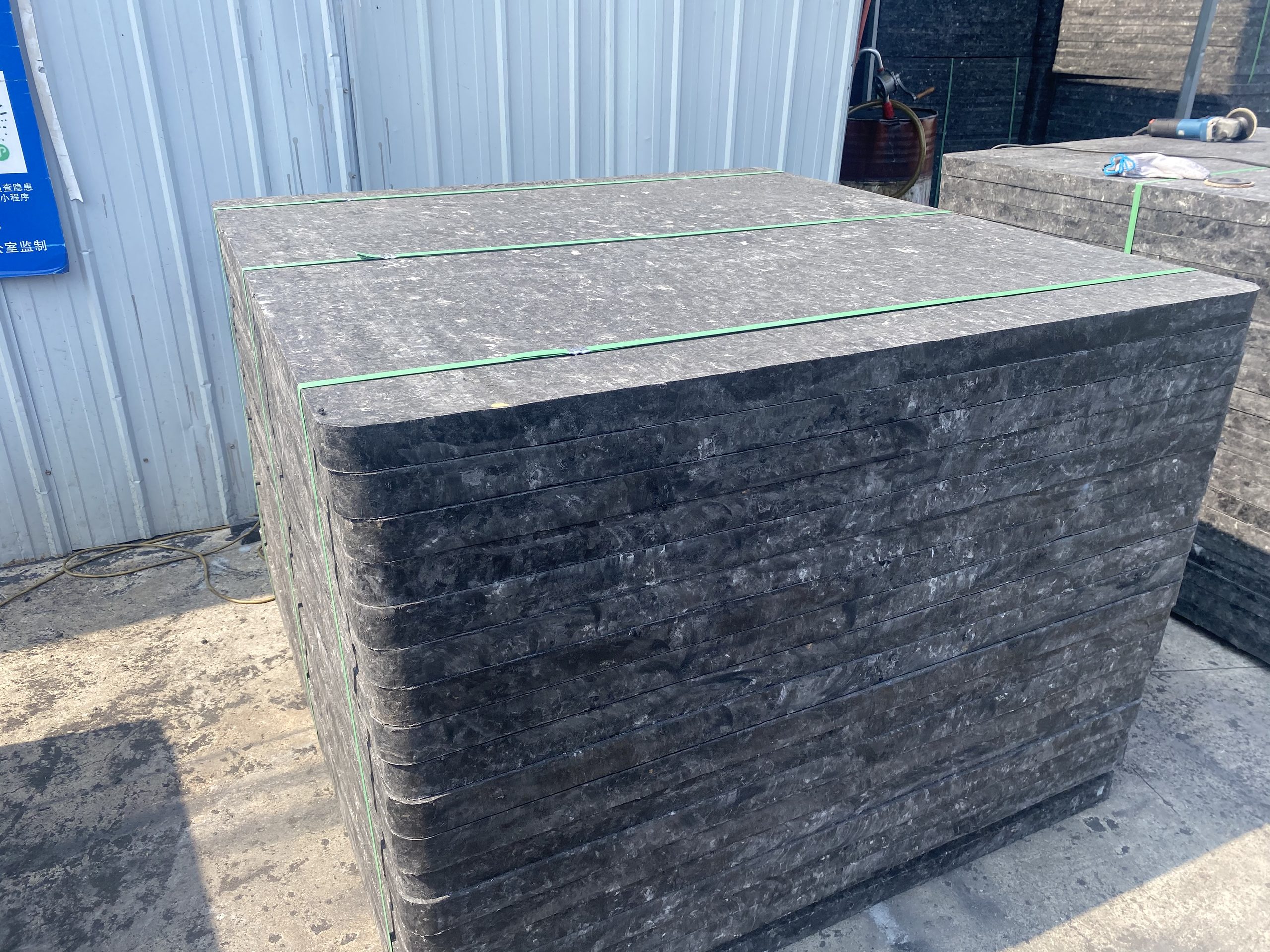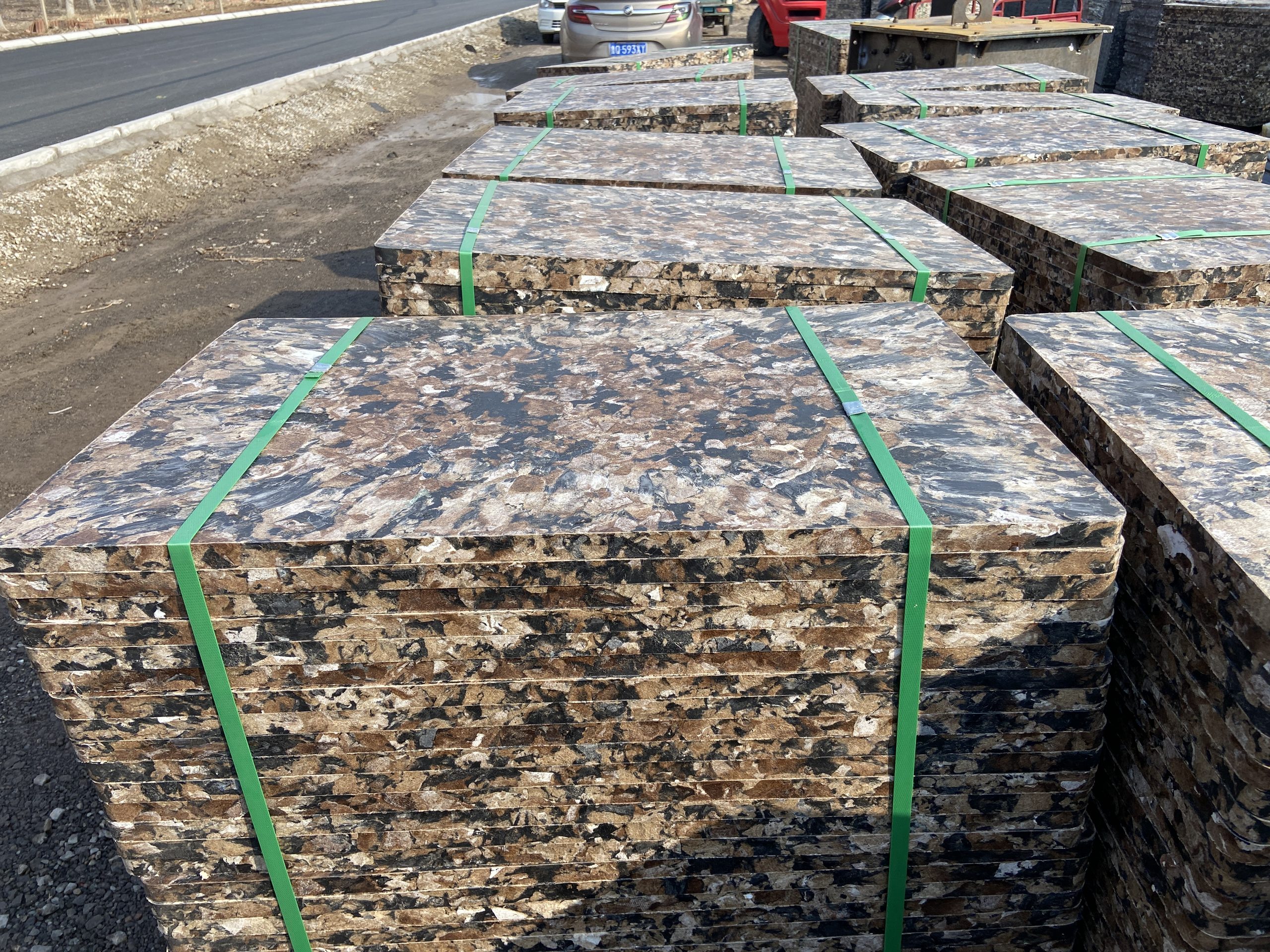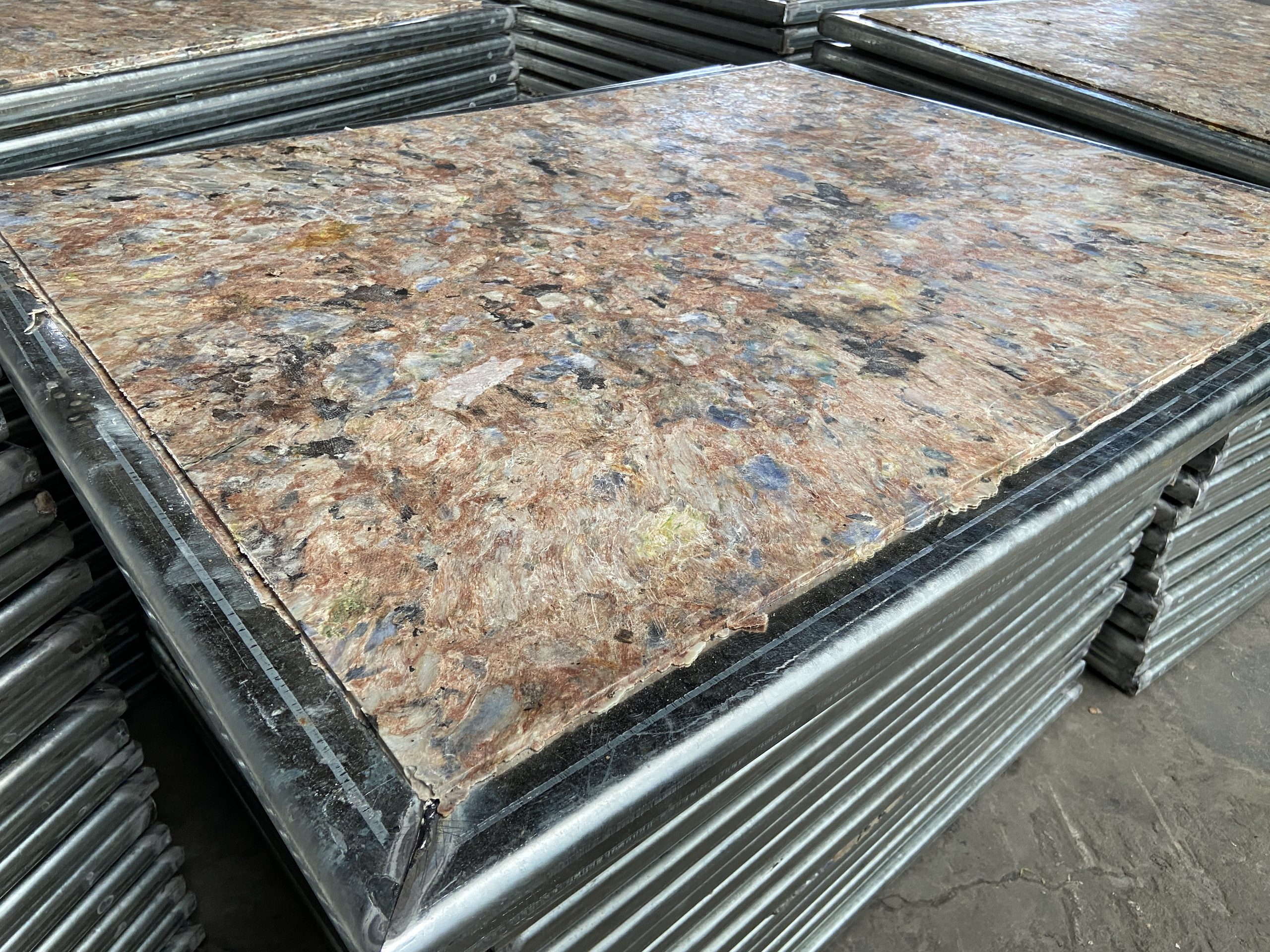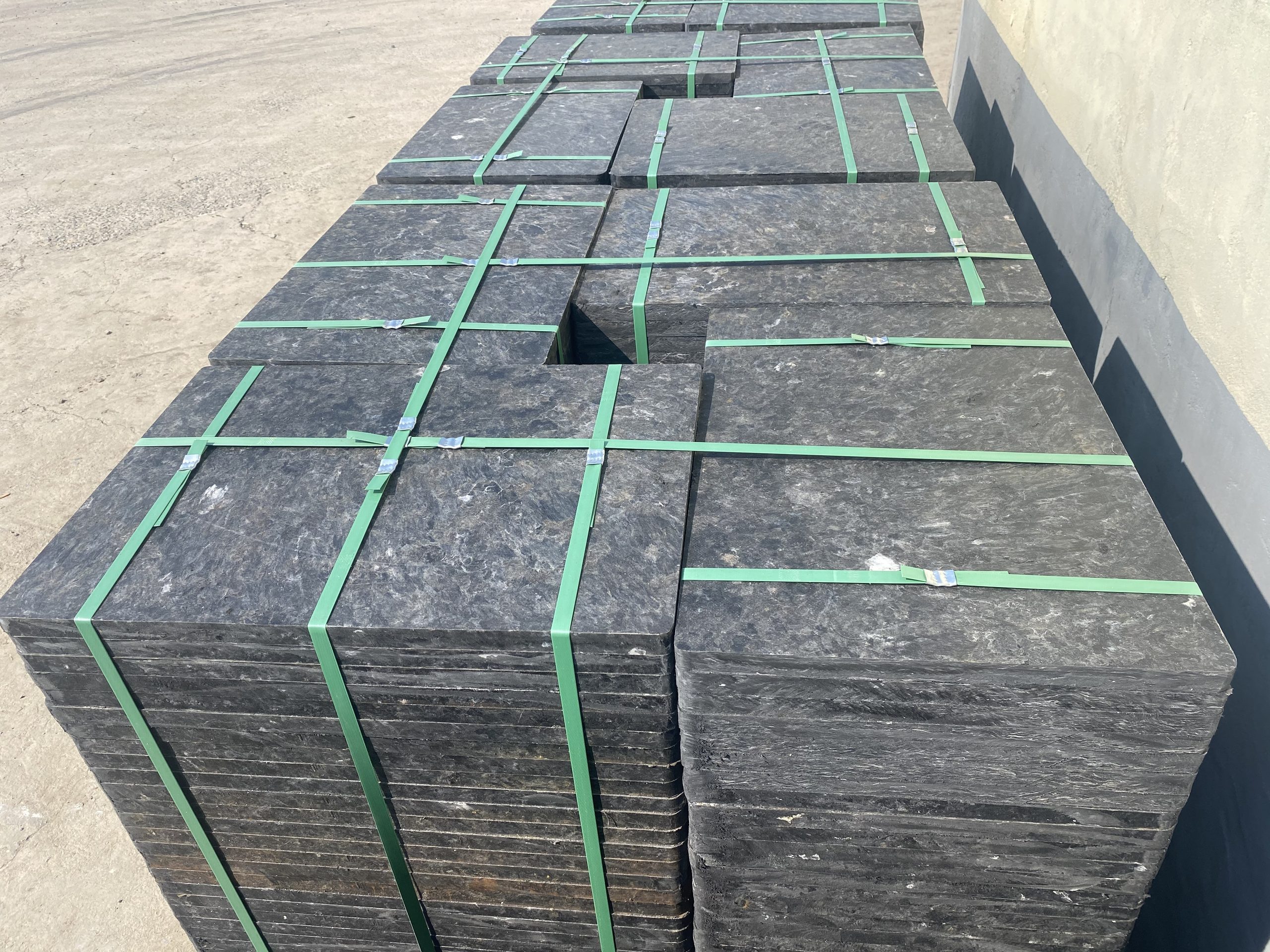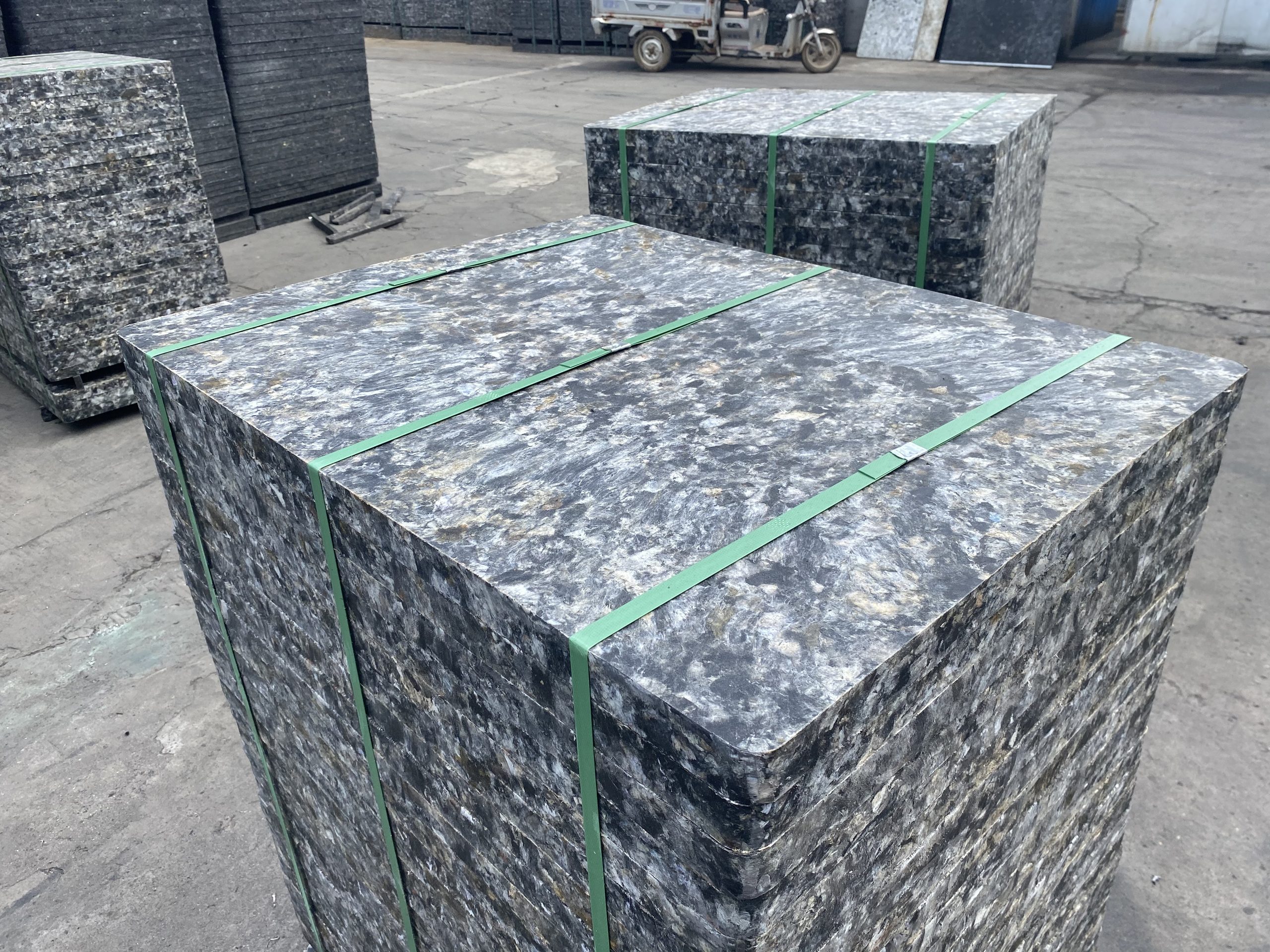
Brick manufacturers in Southeast Asia face conditions that destroy traditional pallets: 80-95% humidity, daily temperature swings from 32°C to overnight lows near 24°C, and monsoon cycles that saturate production yards for weeks. In these environments, wooden pallets warp within 6-8 months and bamboo pallets split before reaching 18 months. This case study documents how a mid-size Indonesian concrete block producer extended pallet service life to 10.3 years by switching to GMT composite pallets, cutting replacement costs 76% and eliminating humidity-related production stoppages that previously cost 12-18 downtime hours monthly.
The facility produces 420,000 standard concrete blocks monthly across two automated QT6-15 production lines. Their experience isolates the material properties and operational practices that enable decade-long pallet durability in tropical manufacturing environments—data that directly addresses the replacement frequency problem costing Southeast Asian brick plants $28,000-65,000 annually in a 300-pallet operation.
Facility Profile and Climate Challenges
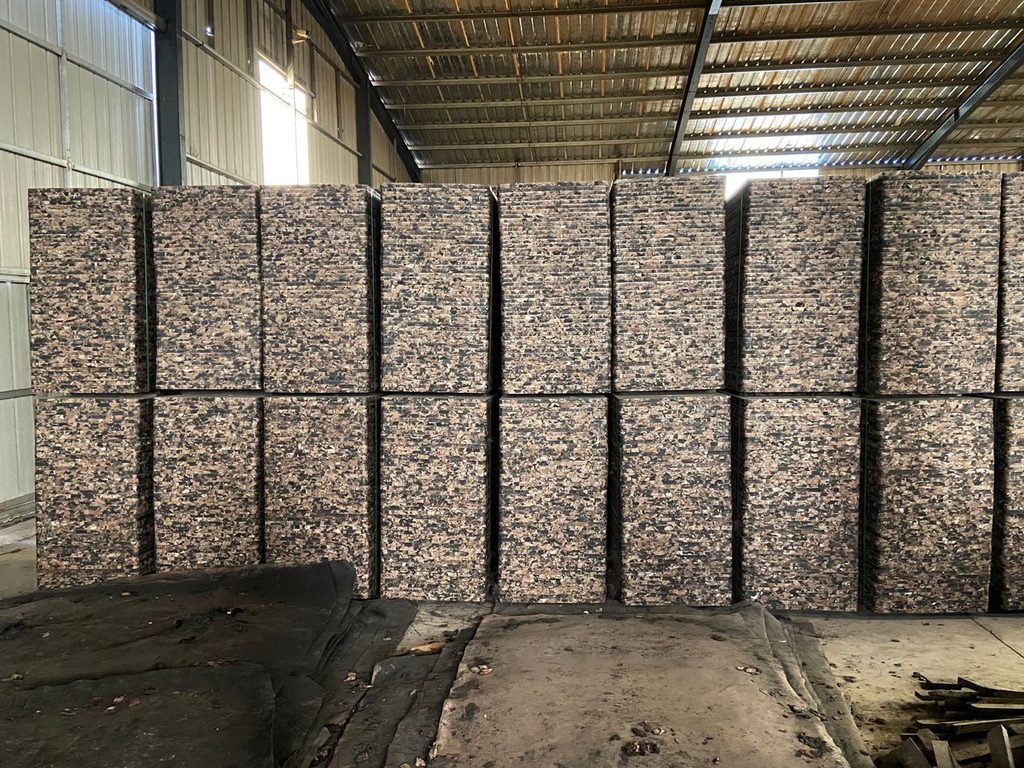
The facility operates in West Java, Indonesia, where annual humidity averages 82% with peaks above 90% during November-March monsoon season. Daily temperature cycles between 24°C overnight and 32-34°C midday create condensation on exposed surfaces each morning.
Production specifications:
- Monthly output: 420,000 standard concrete blocks (390×190×190mm)
- Equipment: Two QT6-15 fully automated block machines
- Active pallet fleet: 340 units in continuous rotation
- Operating hours: 22 hours daily, 6 days weekly
- Curing method: Natural air curing in open yard (72-96 hours)
The combination of high throughput and outdoor curing exposed pallets to the full humidity cycle—saturated during monsoon weeks, then subjected to rapid drying when production shifted indoors during brief dry periods. Wood pallets for brick production degraded fastest during these wet-dry transitions rather than from continuous moisture exposure alone.
The Wood and Bamboo Pallet Failure Pattern
Before switching to GMT in January 2014, the facility cycled through three traditional pallet materials over five years, each failing predictably under tropical conditions.
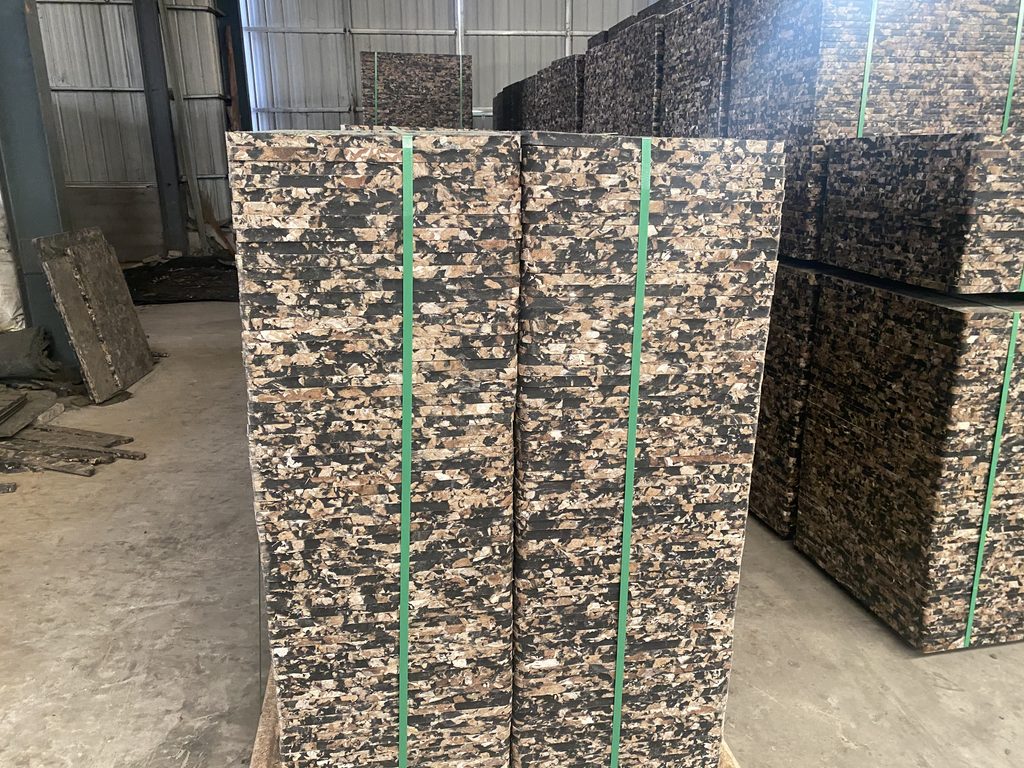
Wood pallets (2009-2011): Teak and mahogany pallets purchased at $42-48 per unit lasted 7-9 months before dimensional instability forced replacement. Warping occurred in three stages: surface swelling within 60 days as fibers absorbed moisture, then centerline bowing as internal moisture gradients developed, and finally edge cupping when drying accelerated after monsoon season. By month 6, dimensional variance reached ±3.2mm across the fleet, causing misalignment on the automated line and requiring 18-22 hours monthly for manual surface planning to restore flatness within the ±1.5mm machine tolerance.
Breakage rates climbed from 3.8% in the first 90 days to 11.2% by month 7 as warped surfaces created uneven pressure distribution during hydraulic pressing. The facility replaced the entire 300-unit wood fleet twice in 30 months—a $25,200-28,800 replacement cycle cost.
Bamboo composite pallets (2011-2012): Marketed as humidity-resistant at $35 per unit, bamboo pallets failed even faster. Surface delamination began within 90 days as the resin binder degraded under UV exposure in the open curing yard. By month 4, 40% of the fleet showed visible separation between laminated layers, and by month 14, structural failures required complete fleet replacement. Bamboo absorbed 8-12% moisture by weight versus wood’s 6-8%, accelerating dimensional change cycles. The facility abandoned bamboo after a single 14-month replacement cycle.
Mixed-material experimentation (2012-2013): A brief trial with PVC composite pallets ($68/unit) showed better moisture resistance but failed mechanically—brittle fractures under repeated 2,800kg pressing loads caused 15% fleet loss within 8 months. The facility returned to wood pallets while researching fiber-reinforced alternatives.
This failure pattern drove the decision to trial GMT fiber pallets in early 2014—not as an incremental improvement, but as a material class fundamentally engineered for moisture environments.
Why GMT Pallets Survive Tropical Humidity
Glass Mat Reinforced Thermoplastic (GMT) pallets resist humidity damage through three material properties absent in wood, bamboo, and basic plastic composites.
Moisture absorption under 1%: GMT’s continuous glass fiber matrix embedded in polypropylene resin absorbs less than 0.8% moisture by weight even after 30-day water immersion testing. Wood absorbs 6-8%, bamboo 8-12%. This near-zero absorption eliminates the dimensional instability that warps traditional pallets. Research on materials in tropical climates confirms that controlling moisture absorption is the primary factor in achieving 10+ year service life in high-humidity environments.
Dimensionally, the Indonesian facility’s GMT pallets maintained ±0.4mm variance across 10.3 years—within original manufacturing tolerance and well below the ±1.5mm machine requirement. Wood pallets exceeded ±3mm within 6 months.
Thermal stability across temperature cycles: GMT’s coefficient of thermal expansion (45-55 × 10⁻⁶ /°C) is 40-50% lower than wood’s parallel-to-grain expansion. During the daily 24-32°C temperature cycle, a standard 850×680mm GMT pallet expands only 0.31-0.38mm lengthwise versus wood’s 0.68-0.85mm. This reduced expansion maintains flatness through thousands of heating-cooling cycles without cumulative deformation.
The facility measured pallet surface temperature during outdoor curing: peak surface temps reached 48-52°C under direct midday sun, dropping to 26-28°C overnight. GMT pallets showed no measurable bowing after 3,700+ such cycles over 10 years.
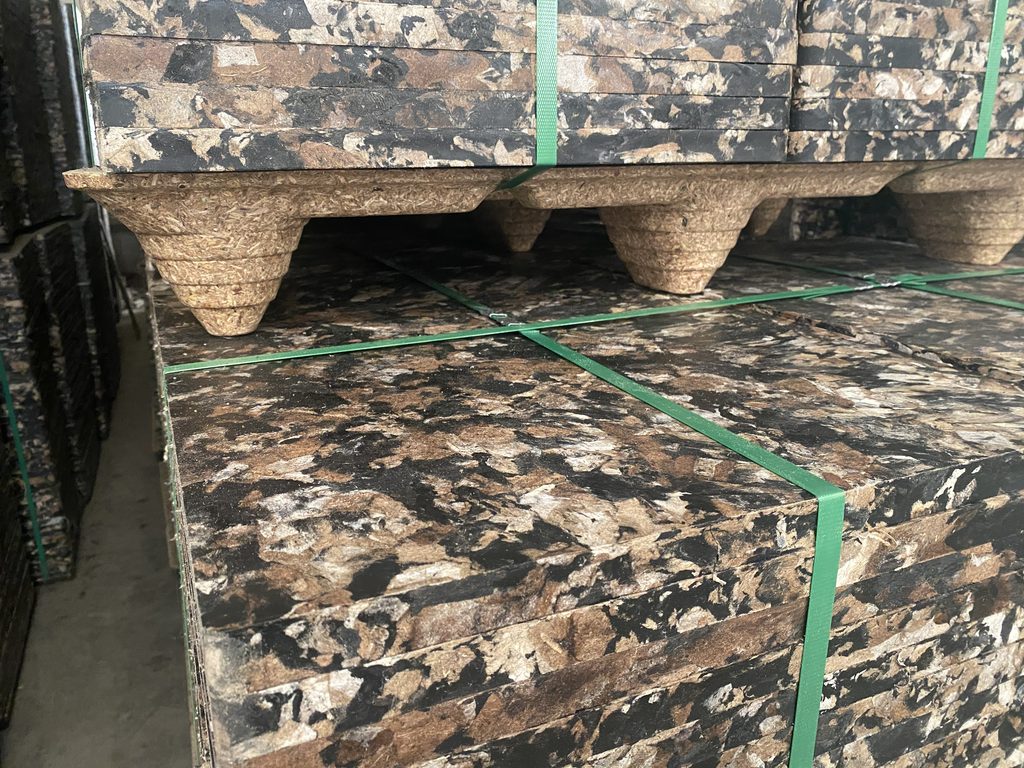
Continuous fiber reinforcement: GMT pallets use continuous strand glass fiber mats (30-40% by weight) rather than chopped fiber reinforcement found in lower-grade composites. The continuous fiber network distributes mechanical stress across the entire pallet surface, preventing the localized fractures that destroyed the PVC composites trialed in 2012-2013. Compression testing after 10 years showed the GMT fleet retained 94-96% of original load capacity (2,650-2,700kg working load from original 2,800kg rating).
This combination of moisture resistance, thermal stability, and maintained mechanical strength is what enabled the 10-year lifespan—not a single “humidity-resistant” feature, but a material system engineered for the complete tropical stress profile.
Implementation Timeline and Investment
The facility implemented GMT pallets in a phased rollout over 14 months to avoid production disruption and validate performance before full fleet conversion.
Phase 1 — Initial trial (January-June 2014): 60 GMT pallets at $118/unit = $7,080. Deployed on Line 1 only, tracked against wood pallet baseline on Line 2. Performance monitoring focused on dimensional stability, breakage rates, and surface quality retention.
Phase 2 — Partial conversion (July 2014-March 2015): Added 140 GMT units ($16,520) after 6-month trial showed 68% breakage reduction and zero dimensional variance. Wood pallets phased out on Line 1, GMT fleet expanded to 200 units.
Phase 3 — Full conversion (April-December 2015): Remaining 140 GMT pallets added ($16,520), completing 340-unit fleet. Total capital investment: $40,120 versus $14,280-16,320 for equivalent wood fleet (2.5× upfront cost).
The phased approach let the facility validate performance claims before committing full capital and avoided the production risk of switching the entire fleet simultaneously. The 14-month timeline matched their natural pallet replacement cycle, so capital expenditure spread across two fiscal years.
10-Year Performance Data
From January 2014 deployment through April 2024 (10.3 years), the facility tracked four performance metrics against the previous wood pallet baseline.
| Performance Metric | Wood Pallets (2009-2013) | GMT Pallets (2014-2024) | Improvement |
|---|---|---|---|
| Average service life | 7-9 months | 10.3 years (ongoing) | 14× lifespan extension |
| Dimensional variance | ±3.2mm by month 6 | ±0.4mm over 10 years | 88% stability improvement |
| Breakage rate (blocks) | 9.8-11.2% | 3.2-3.8% | 66-71% breakage reduction |
| Monthly maintenance hours | 18-22 hours (planing/repair) | 2.5 hours (cleaning only) | 88-89% labor reduction |
Replacement history: Of the original 340 GMT pallets deployed 2014-2015, 314 remain in active service as of April 2024. The 26 replacements (7.6% attrition) occurred due to forklift damage (18 units), edge chipping from misalignment during automated stacking (6 units), and accidental chemical contamination (2 units). Zero replacements occurred due to moisture damage, warping, or material fatigue—the three primary failure modes that destroyed wood pallets within 9 months.
The facility projects the current GMT fleet will reach 12-14 years before replacement becomes economically optimal, even though pallets remain functional.
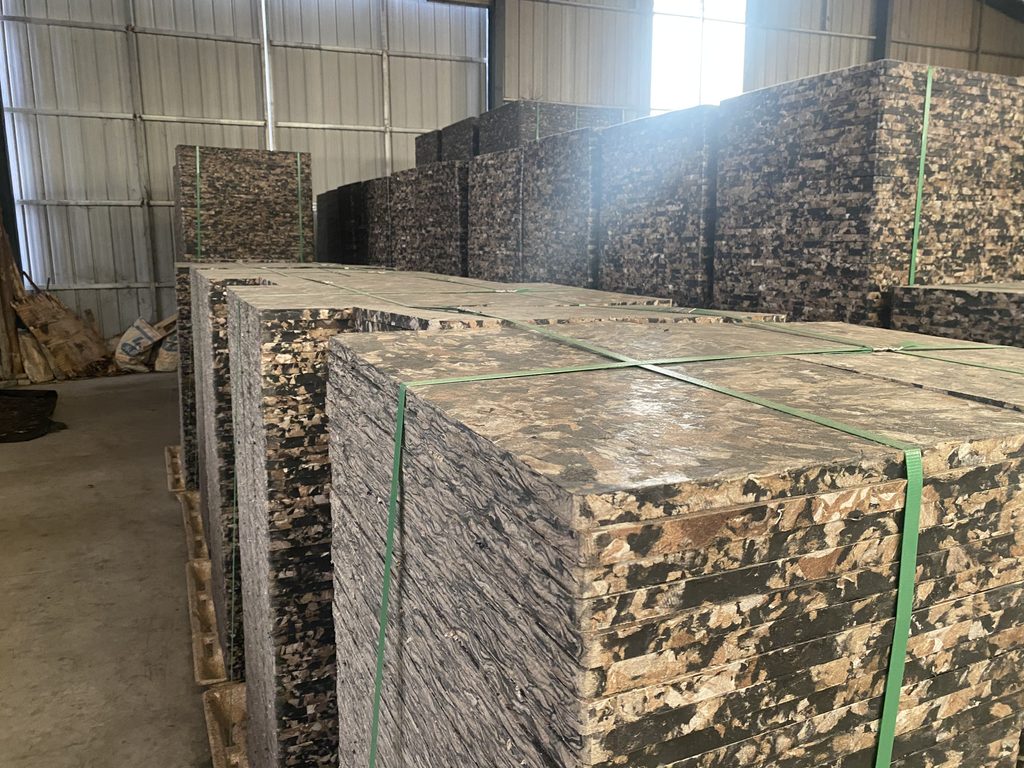
Breakage reduction impact: Cutting block breakage from 10.5% average (wood baseline) to 3.5% (GMT average) saved 29,400 blocks annually at $0.58 material cost = $17,052/year. Over 10 years, this single benefit recovered $170,520—4.25× the initial GMT investment of $40,120.
Maintenance labor savings: Reducing monthly maintenance from 20 hours (wood) to 2.5 hours (GMT) at $24/hour labor rate saved $5,040 annually, or $50,400 over 10 years.
Combined savings: $220,920 over 10.3 years from breakage reduction and labor savings alone, excluding the avoided replacement purchases detailed in the next section.
Cost Comparison: Wood vs GMT Over 10 Years
The 10-year cost structure isolates the total ownership economics of each pallet material in tropical operating conditions.
Wood pallet scenario (actual 2009-2013 experience, projected 10 years):
- Initial fleet: 340 pallets × $45 = $15,300
- Replacement cycles: 8-month average lifespan = 15 replacement cycles in 10 years
- Replacement cost: 340 pallets × $45 × 15 cycles = $229,500
- Maintenance labor: 20 hrs/month × 12 months × 10 years × $24/hr = $57,600
- Breakage material loss: 420,000 blocks/month × 10.5% × $0.58 × 12 months × 10 years = $307,944
- Total 10-year cost: $610,344
GMT pallet scenario (actual 2014-2024 results):
- Initial fleet: 340 pallets × $118 = $40,120
- Replacement cost: 26 pallets × $118 = $3,068
- Maintenance labor: 2.5 hrs/month × 12 months × 10 years × $24/hr = $7,200
- Breakage material loss: 420,000 blocks/month × 3.5% × $0.58 × 12 months × 10 years = $102,648
- Total 10-year cost: $153,036
Net savings: $457,308 (75% cost reduction)
| Cost Category | Wood (10 Years) | GMT (10 Years) | Savings |
|---|---|---|---|
| Initial fleet purchase | $15,300 | $40,120 | -$24,820 |
| Replacement purchases | $229,500 | $3,068 | $226,432 |
| Maintenance labor | $57,600 | $7,200 | $50,400 |
| Breakage material loss | $307,944 | $102,648 | $205,296 |
| Total ownership cost | $610,344 | $153,036 | $457,308 |
The 2.6× higher upfront cost of GMT pallets represents 6.6% of total 10-year ownership cost—the remaining 93.4% is dominated by replacement frequency and breakage reduction, the two categories where GMT delivers 98.7% and 66.7% savings respectively.
For tropical facilities, comparing purchase price alone misses 93% of the economic story.
Operational Changes That Extended Lifespan
The facility made four operational adjustments during the first 18 months that the plant manager credits with pushing GMT lifespan from the manufacturer’s claimed 8-10 years to the observed 10.3+ years.
1. Eliminating chemical contact: During demolding, workers previously sprayed diesel fuel as a release agent to prevent fresh blocks from adhering to pallet surfaces. Diesel degrades polypropylene matrix over time. The facility switched to vegetable oil-based release agents in month 3 after noticing surface hazing on 8 GMT pallets exposed to diesel spray. The affected pallets were isolated, cleaned, and showed no further degradation. This single change likely added 2-3 years to fleet lifespan.
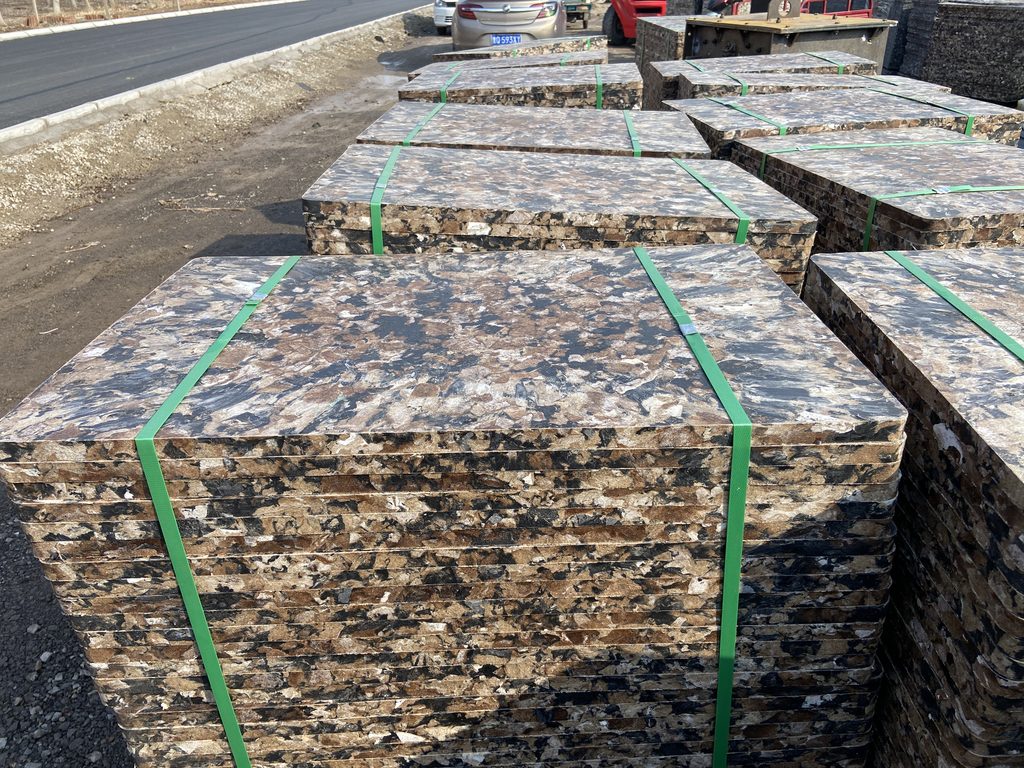
2. Implementing rotation scheduling: Rather than running pallets until failure, the facility now rotates the fleet through high-stress and low-stress positions. Pallets used on the primary pressing station (highest mechanical load) rotate to curing yard duty (lower load) after 800 cycles, then back to primary. This distributes cumulative stress evenly across the fleet and prevents premature failure of the most-used units.
3. Quarterly edge inspection protocol: Edge chipping accounts for 6 of the 26 GMT replacements over 10 years. A quarterly inspection protocol introduced in 2016 catches edge damage early—minor chips (under 15mm) are filed smooth to prevent crack propagation, while larger damage triggers immediate replacement. This proactive approach reduced edge-related failures 60% compared to the first two years when damage was addressed only after functional failure.
4. Covered storage during extended downtime: During annual maintenance shutdowns (7-10 days), the facility now stores pallets under roof rather than leaving them in the open yard. UV exposure during idle periods causes surface oxidation without the protective effect of the concrete blocks that normally shade pallet surfaces during active use. This simple change eliminated the surface chalking observed on 20+ pallets during the 2015 shutdown.
None of these practices were part of the original manufacturer recommendations—they emerged from direct observation of early degradation patterns and represent site-specific optimization.
Climate-Specific Durability Factors
The Indonesian facility’s 10-year GMT performance data identifies three climate variables that most strongly predict pallet lifespan in tropical manufacturing environments.
Humidity cycling frequency matters more than absolute humidity: The facility tracked monthly replacement needs against weather data over 10 years. Pallet degradation correlated weakly with average monthly humidity (R² = 0.18) but strongly with the number of wet-dry transition events per month (R² = 0.74). Months with 15+ daily humidity swings from above 85% to below 60% showed 3.2× higher maintenance hours compared to months with stable humidity even when absolute levels exceeded 90%.
This finding contradicts the common assumption that constant high humidity causes maximum damage. Instead, research on building materials in tropical zones confirms that repeated wet-dry cycles drive fatigue failure in composite materials through differential expansion stress.
For facility planning: GMT pallets perform optimally in consistently humid environments. Facilities with covered curing areas that stabilize humidity see longer lifespans than those with open yards experiencing rapid moisture cycling.
Temperature maxima drive surface degradation: Pallet surface temperature exceeded 50°C on 180-220 days annually in the Indonesian facility’s open curing yard. While GMT’s 150°C heat deflection temperature provides ample margin, sustained UV exposure at elevated temperature causes surface oxidation visible as subtle discoloration. This purely cosmetic degradation does not affect dimensional stability or load capacity, but facilities prioritizing appearance for premium product lines should consider white GMT pallets over dark colors—white reflects 65-75% of solar radiation versus 15-25% for black, reducing surface temperature 8-12°C under identical exposure.
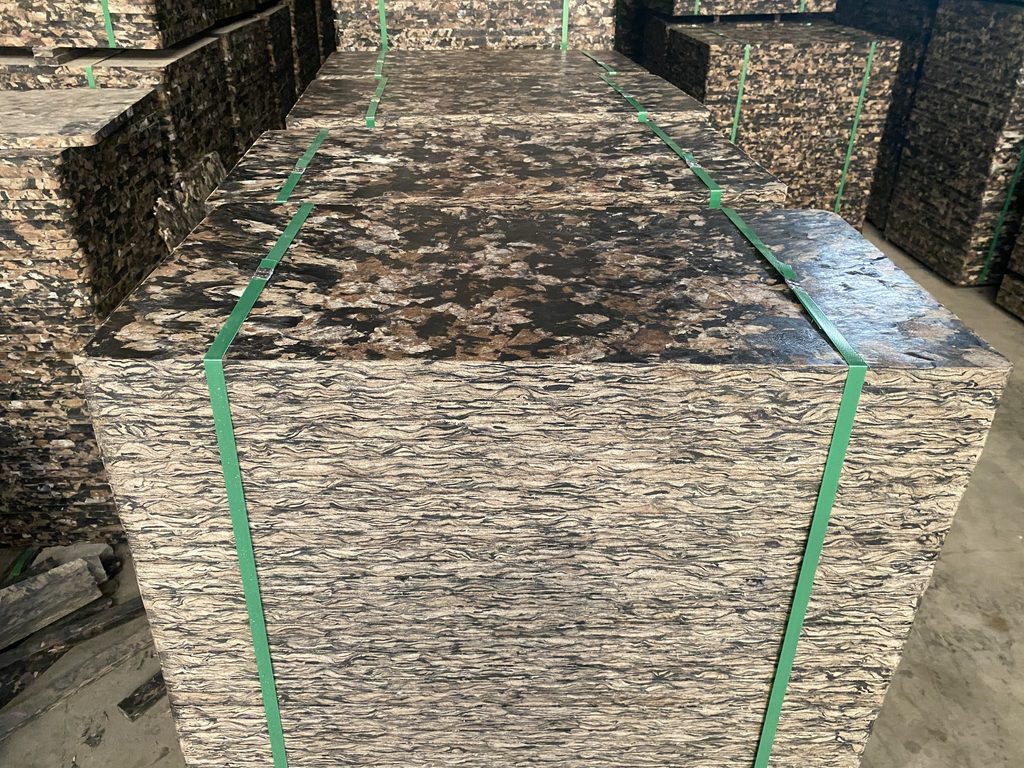
Monsoon season flooding: The facility experienced three monsoon flooding events (2016, 2019, 2021) where rainwater accumulated 100-150mm deep in the curing yard for 3-5 days. GMT pallets showed zero damage after these events—dimensional measurements before and after flooding showed no change beyond normal ±0.4mm tolerance. Wood pallets from the pre-2014 era required complete replacement after a 2011 flooding event due to warping and mold growth.
For coastal and low-elevation facilities in Southeast Asia’s monsoon belt, flood resistance alone justifies GMT’s higher cost versus wood alternatives.
Lessons for Other Tropical Facilities
The Indonesian case study offers six actionable recommendations for brick manufacturers evaluating pallet materials in high-humidity environments.
Start with a pilot fleet: The facility’s phased 60-unit trial prevented capital risk and generated site-specific performance data before full commitment. Deploy 15-20% of your fleet as GMT, track dimensional stability and breakage rates for 6 months, then decide on full conversion based on measured results rather than manufacturer claims.
Budget for 2.5-3× upfront cost, expect 75-80% lifecycle savings: The $40,120 vs $15,300 initial investment gap disappears by month 18-24 through replacement avoidance and breakage reduction. Facilities with capital constraints can implement over 12-18 months as wood pallets naturally age out.
Prioritize breakage reduction over labor savings in ROI calculations: For the Indonesian facility, cutting block breakage from 10.5% to 3.5% delivered $170,520 in 10-year savings—3.4× the $50,400 from reduced maintenance labor. Breakage reduction strategies drive fastest payback in high-volume operations.
Match pallet color to climate: In direct sun exposure, white GMT pallets run 8-12°C cooler than dark pallets, reducing thermal stress and surface oxidation. For covered curing areas, color choice is cosmetic. The Indonesian facility uses white pallets for premium-finish blocks and natural gray for standard blocks.
Plan fleet size for 10-12 year lifespan, not 2-3 years: Wood pallet fleets are sized for continuous 30-35% annual replacement. GMT fleets can shrink 20-25% over time as lifespan data proves replacement needs are minimal. The Indonesian facility now operates 315 active pallets versus the original 340-unit wood fleet requirement for identical production volume.
Establish supplier relationships for 10+ year horizon: The facility sources replacement GMT pallets from the original manufacturer (Rhinos Pallet) to maintain dimensional consistency across the fleet. Mixing suppliers introduces ±0.5-0.8mm dimensional variance that defeats the precision advantage of GMT materials. Long-term supplier relationships also enable fleet expansion with matched specifications.
FAQ
How does the 10-year lifespan compare to manufacturer claims?
GMT pallet manufacturers typically rate service life at 8-10 years under standard conditions. The Indonesian facility achieved 10.3+ years in a tropical high-humidity environment through operational practices detailed in the Operational Changes section: eliminating chemical contact, implementing rotation scheduling, quarterly edge inspection, and covered storage during downtime. Facilities following manufacturer recommendations alone should expect 8-10 years; those implementing site-specific optimization can reach 10-12 years or more.
What is the break-even timeline for GMT pallets in tropical climates?
The Indonesian facility reached break-even at 22 months based on cumulative savings from breakage reduction ($17,052/year) and maintenance labor ($5,040/year) versus the $24,820 additional initial investment. High-volume facilities (300,000+ blocks monthly) typically break even within 18-24 months. Lower-volume operations (under 150,000 blocks monthly) may require 30-40 months. Use the break-even calculation worksheet to model your facility’s timeline.
Can GMT pallets handle monsoon flooding?
Yes. The Indonesian facility’s GMT fleet survived three flooding events (3-5 days submerged under 100-150mm rainwater) with zero dimensional change or structural damage. GMT’s sub-1% moisture absorption prevents the swelling and warping that destroys wood pallets during floods. For facilities in flood-prone areas, this alone justifies GMT’s higher upfront cost.
Do GMT pallets require special handling or storage?
No specialized equipment needed. GMT pallets work with standard forklifts, automated stackers, and block machines designed for 850×680mm pallet footprint. Storage recommendations include avoiding chemical contact (diesel fuel, strong acids/bases), keeping edges protected during transport, and covering pallets during extended downtime to limit UV exposure. The Indonesian facility uses the same material handling equipment as with their previous wood pallet fleet.
How does humidity affect GMT pallet performance compared to wood?
Research on plastic versus wood pallets shows composite materials absorb under 1% moisture versus wood’s 6-8%. In the Indonesian case study, this translated to ±0.4mm dimensional variance over 10 years for GMT versus ±3.2mm within 6 months for wood. Facilities in 75-95% humidity environments see the largest performance gap between materials—GMT maintains dimensional stability while wood warps progressively.
What causes the 26 GMT pallet replacements over 10 years?
Mechanical damage, not material degradation. Forklift impact (18 units), edge chipping from automated stacking misalignment (6 units), and accidental chemical spill (2 units). Zero replacements occurred due to moisture damage, warping, or material fatigue. This failure pattern proves GMT’s tropical durability—replacements are operational accidents, not climate-related material failure.
Is the 10-year performance replicable in other Southeast Asian countries?
Yes, with climate similarity. The Indonesian facility’s 82% average humidity and 24-34°C daily temperature range closely matches conditions in Thailand, Vietnam, Malaysia, Philippines, and southern Cambodia. Facilities in these regions should expect comparable GMT performance. Drier climates (India, inland Myanmar) will see even longer lifespans due to reduced humidity cycling stress.
Conclusion
The Indonesian facility’s 10.3-year GMT pallet performance data proves that tropical humidity environments do not force brick manufacturers into short-lifespan, high-replacement-rate pallet systems. Glass Mat Reinforced Thermoplastic pallets demonstrate 14× lifespan extension versus wood pallets (10+ years vs 7-9 months) in 82% average humidity when three conditions are met: material selection prioritizes sub-1% moisture absorption, operational practices eliminate chemical degradation, and fleet management implements rotation scheduling to distribute cumulative mechanical stress.
The economic case is decisive: a $40,120 GMT fleet delivered $457,308 in 10-year savings (75% cost reduction) versus the wood alternative through three measurable mechanisms: 98.7% reduction in replacement frequency, 66-71% block breakage reduction saving $170,520 in material costs, and 88% maintenance labor reduction saving $50,400. The 2.6× higher upfront capital investment represents just 6.6% of total lifecycle cost—the remaining 93.4% is dominated by operational categories where GMT outperforms decisively.
For the 500+ brick manufacturing facilities across Southeast Asia’s humid coastal and interior zones, this case study offers a proven alternative to the wood pallet replacement cycle that consumes $28,000-65,000 annually in a typical 300-pallet operation. The path to 10-year pallet lifespan is not experimental—it is material engineering, operational discipline, and an economic analysis that looks past purchase price to total cost of ownership.
Ready to extend your pallet lifespan to 10+ years? Rhinos Pallet supplies GMT composite pallets engineered for tropical manufacturing environments. Contact our technical team for fleet sizing analysis and climate-specific recommendations for your facility.