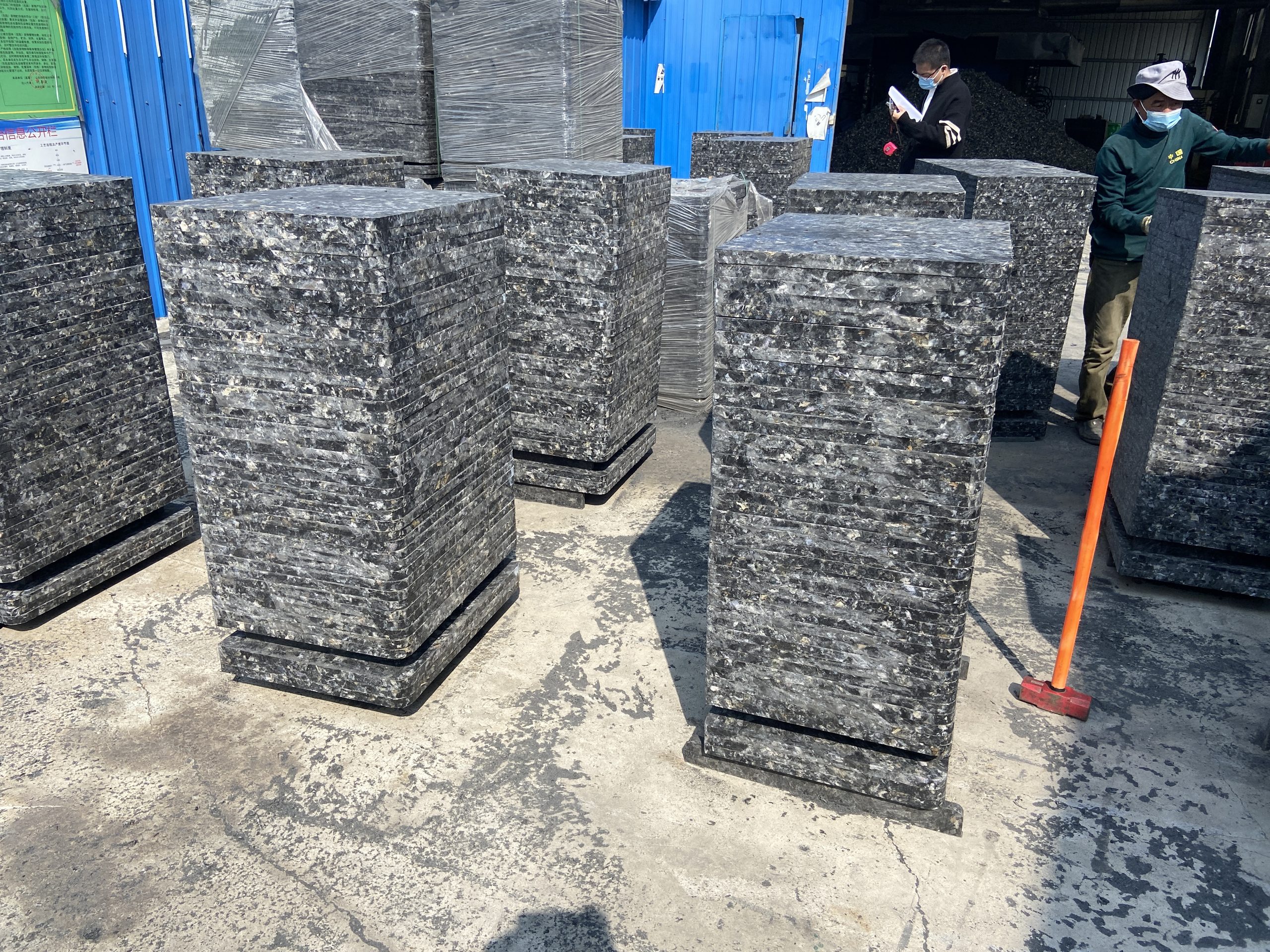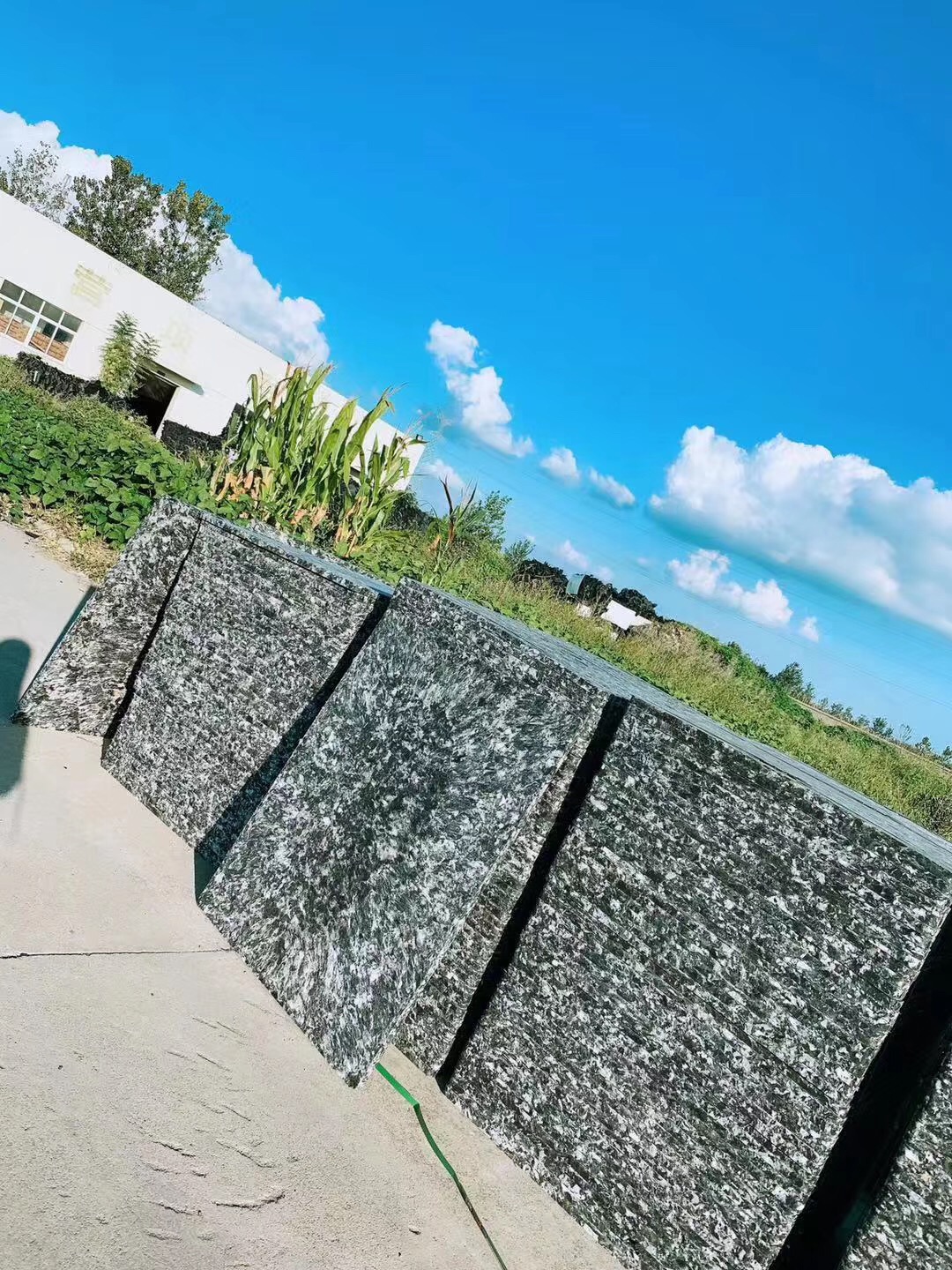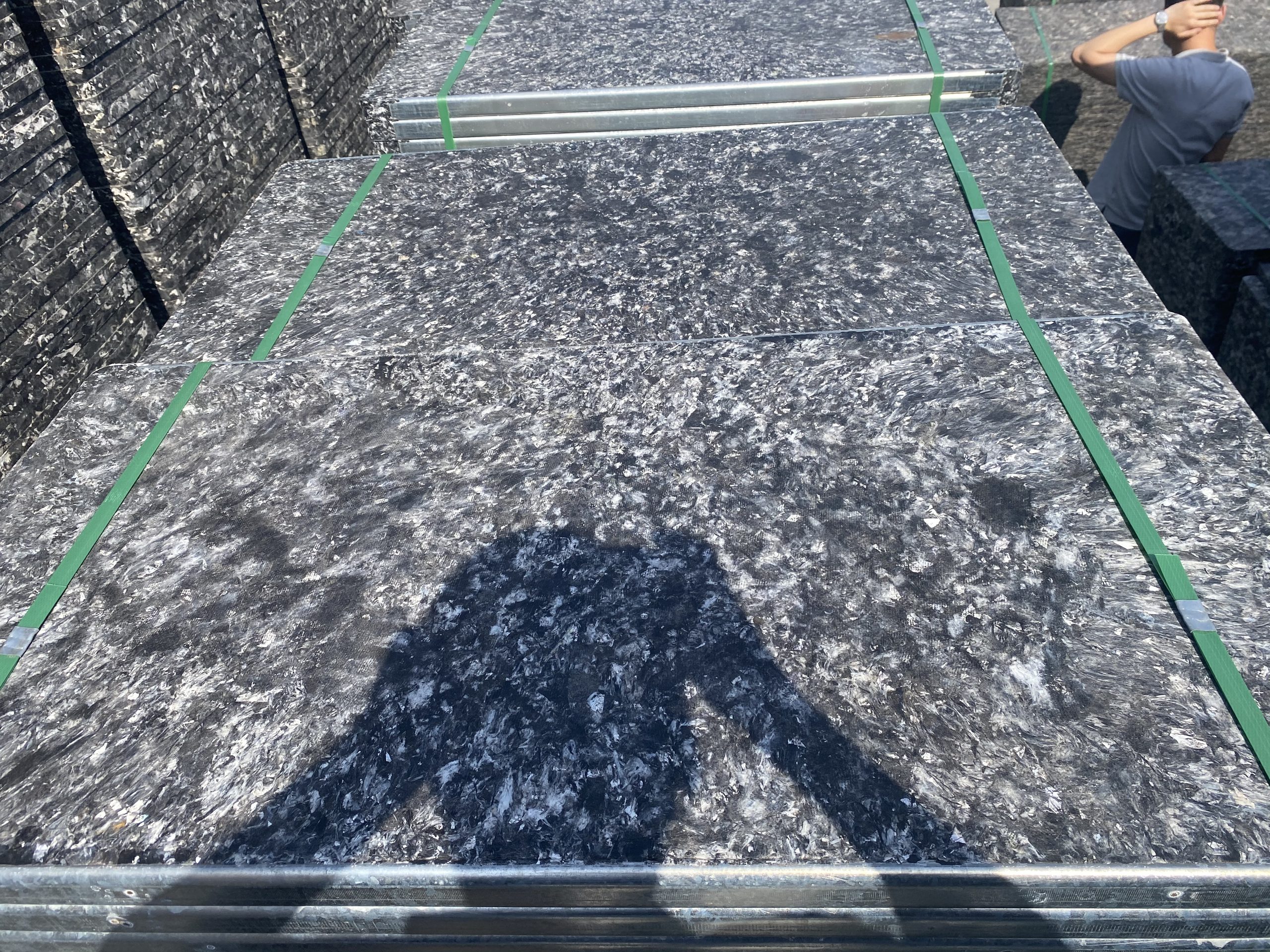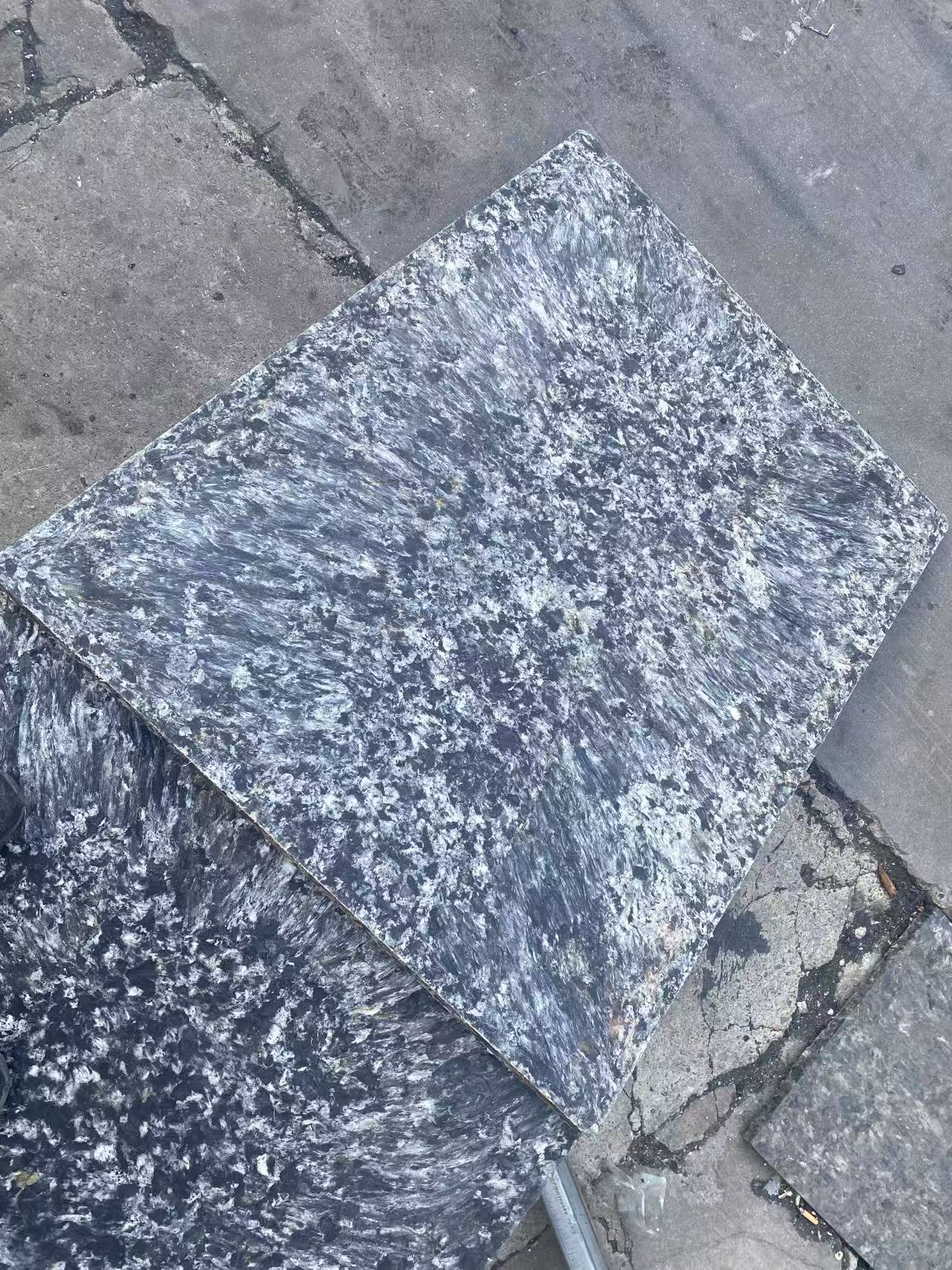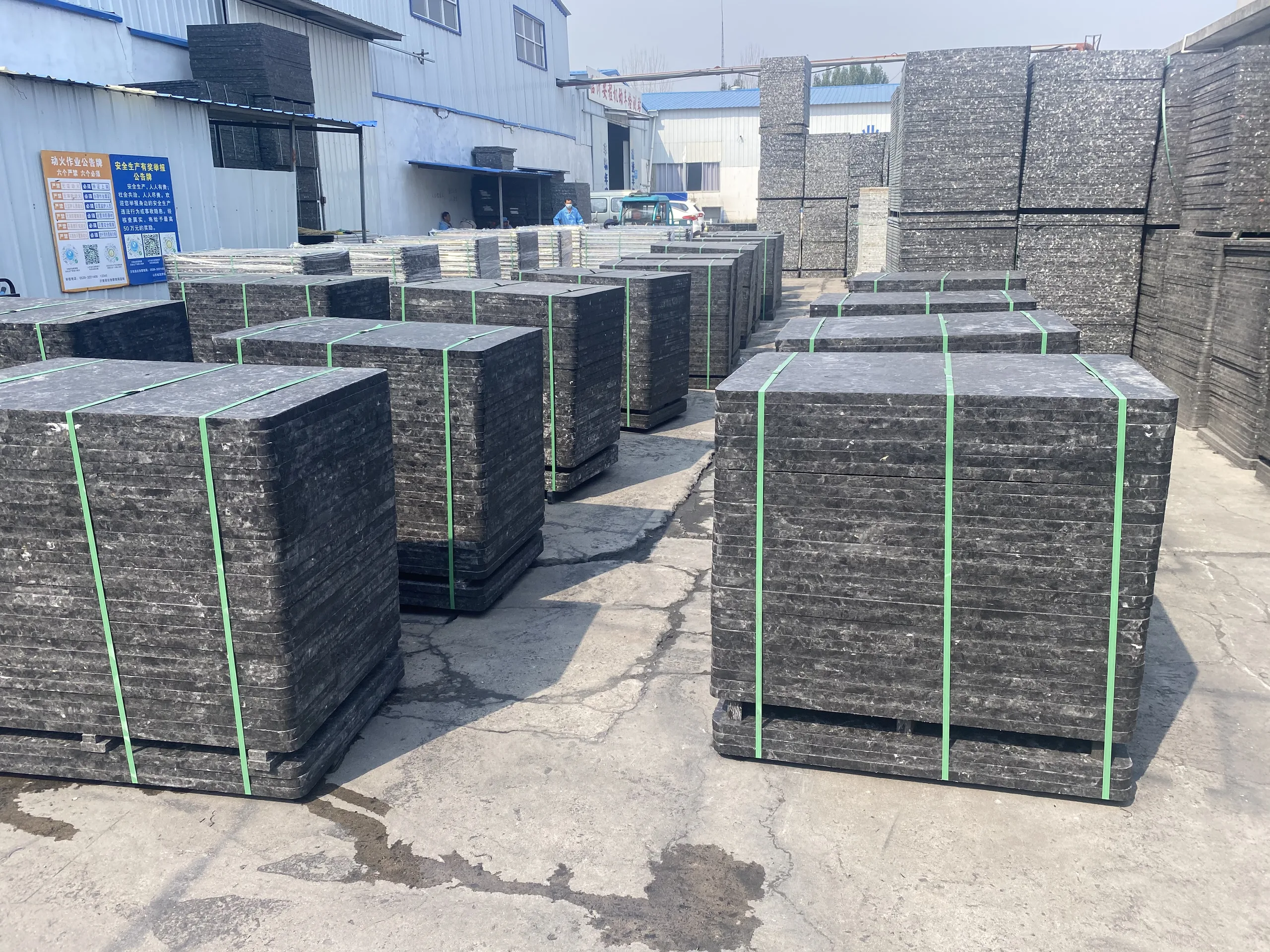
Premature pallet failure costs brick manufacturers $12,000-$35,000 annually through unplanned replacements and brick breakage. Field data shows that 65-75% of early failures stem from seven preventable causes: overloading, moisture damage, improper handling, poor maintenance, chemical exposure, temperature stress, and low-quality materials.
Facilities addressing these causes extend pallet lifespan by 200-300%, reducing replacement frequency from 18-24 months to 8-12 years. This guide examines each failure mode with production data and provides specific fixes.
Cause 1: Overloading Beyond Design Capacity
Exceeding rated load capacity is the most common failure mode. Standard GMT pallets support 2500-3000 kg, but operators often stack 3500-4500 kg during peak periods. This 40-50% overload creates stress that initiates micro-cracks.
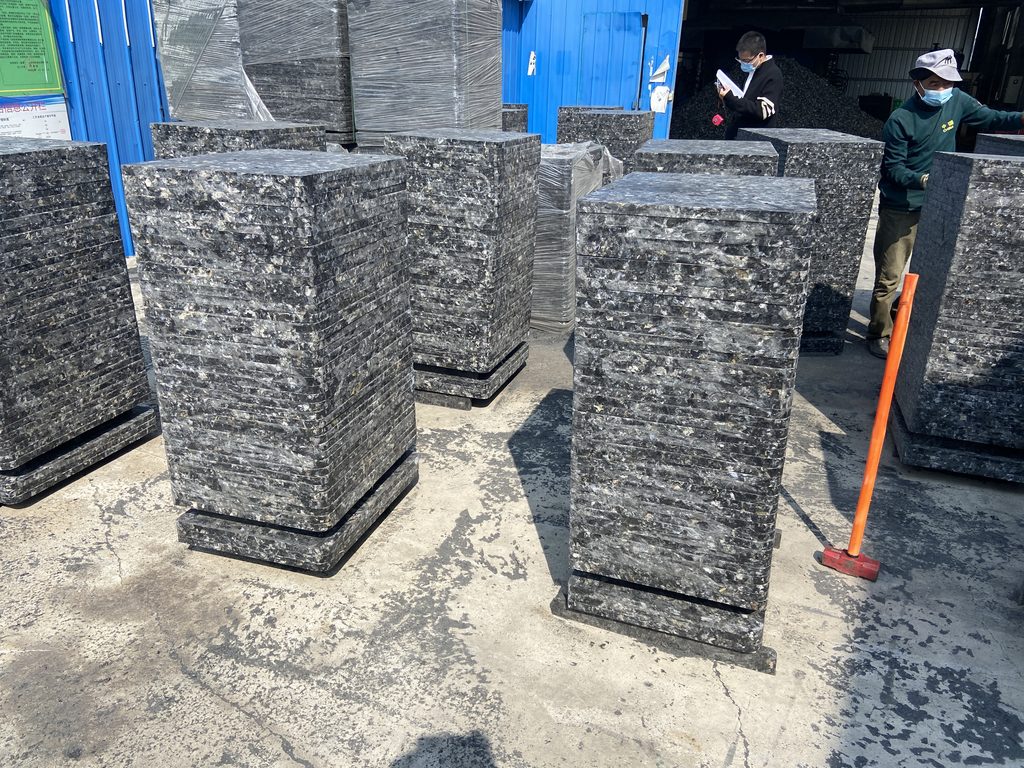
Wood pallets fail catastrophically under overload. The grain structure concentrates stress, causing sudden splitting when loads exceed 120-130% of capacity. Facilities report 8-12% collapse rates when stacking exceeds limits, with each failure costing $200-400 in damaged bricks plus 2-4 hours cleanup.
At 110% capacity, wood pallets crack after 200-300 cycles. At 130%, failure occurs within 50-80 cycles. Damage accumulates invisibly—pallets that survive overloading carry hidden weaknesses that cause sudden failure later.
Fix: Use visual weight markers on stacking areas. High-quality GMT pallets with 3000 kg capacity provide safety margins. Train operators on load distribution—heavier bricks on bottom layers reduce peak stress by 25-35%. Standard bricks (230×110×75mm) weigh 3.2-3.8 kg. A 10-layer stack of 48 bricks per layer reaches 1536-1843 kg. Green bricks weigh 15-20% more.
Cause 2: Moisture Damage and Dimensional Instability
Moisture absorption destroys wood pallet integrity within 18-24 months. Fresh concrete releases water during curing, creating 65-85% humidity that wood absorbs. This causes 4-8mm dimensional changes, 15-20% weight increases, and progressive weakening.
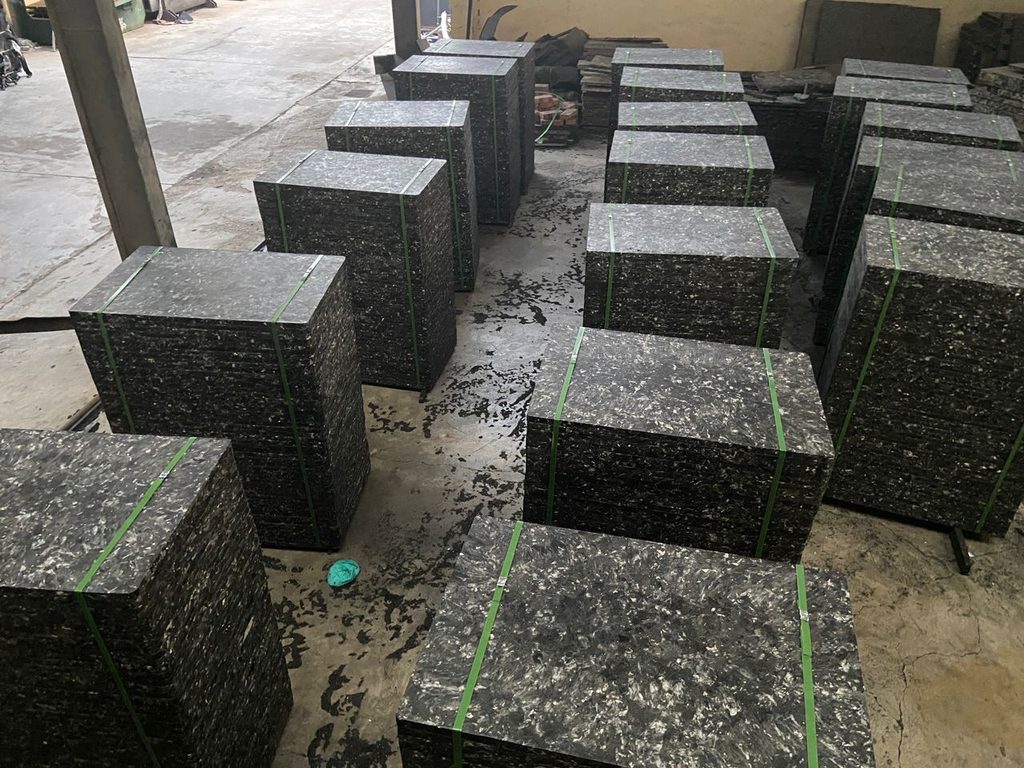
Damage occurs in three phases. Initial absorption (weeks 1-8): 3-5mm swelling and 12-18% weight gain. Intermediate degradation (months 3-12): surface mold, fiber loosening, and 5-8mm warping. Terminal failure (months 12-24): extensive rot and cracking.
Southeast Asian facilities in 75-90% humidity report 60-70% wood pallet failure within 18 months, with moisture damage causing 80-85% of premature failures.
Fix: Switch to moisture-resistant fiber pallets that absorb less than 1% water. Glass fiber reinforced composite maintains stability across 10,000+ cycles without swelling or rot.
For existing wood pallets: store in covered areas with airflow, apply water-resistant coatings (extends lifespan 4-6 months), and rotate inventory. Install humidity monitoring—sustained readings above 70% require dehumidification.
Cause 3: Improper Handling and Impact Damage
Mechanical damage from forklifts and automated handlers accounts for 15-25% of premature failures. Impact forces from dropped pallets, equipment collision, and dragging create cumulative damage. A single 0.5-meter drop generates 8-12× pallet weight in impact force.
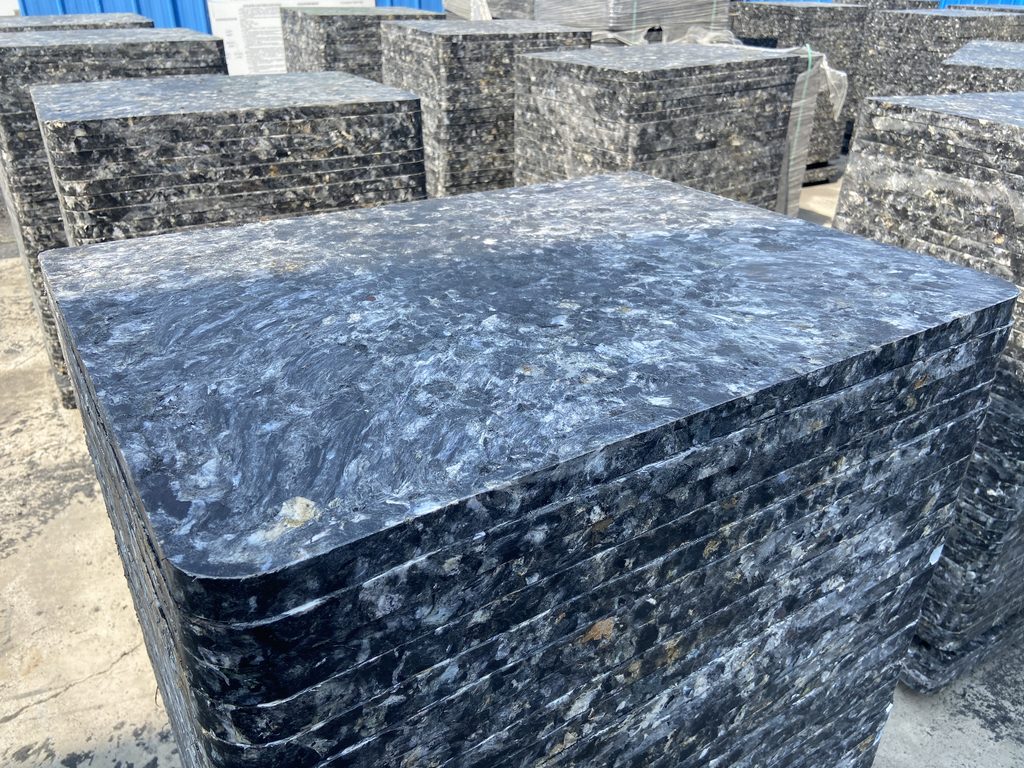
Automated lines create repetitive micro-impacts. Robotic handlers achieve ±5mm positioning but generate 150-250 kg impact forces. After 1000-2000 cycles, cumulative damage reduces wood pallet load capacity by 30-45%.
Forklift operators cause severe damage through improper insertion angles. Inserting forks at angles exceeding 5° from parallel splits wood grain. Facilities report 25-40% of damaged pallets show forklift-induced edge damage.
Fix: Train personnel on proper handling. Approach at 90° angles, insert forks completely, and lift smoothly. Limit automated approach velocity to 0.3-0.5 m/s.
Upgrade to reinforced edge GMT pallets with aluminum protection. Edge-reinforced pallets withstand 3-4× more impact cycles than wood. Install pallet guides on storage racks and impact-absorbing bumpers on conveyor transfer points.
Cause 4: Inadequate Cleaning and Maintenance
Concrete residue accumulation degrades surfaces and creates stress points that accelerate failure. Uncleaned pallets develop 2-5mm concrete buildups within 200-500 cycles, creating uneven surfaces that increase brick breakage and concentrate loads.
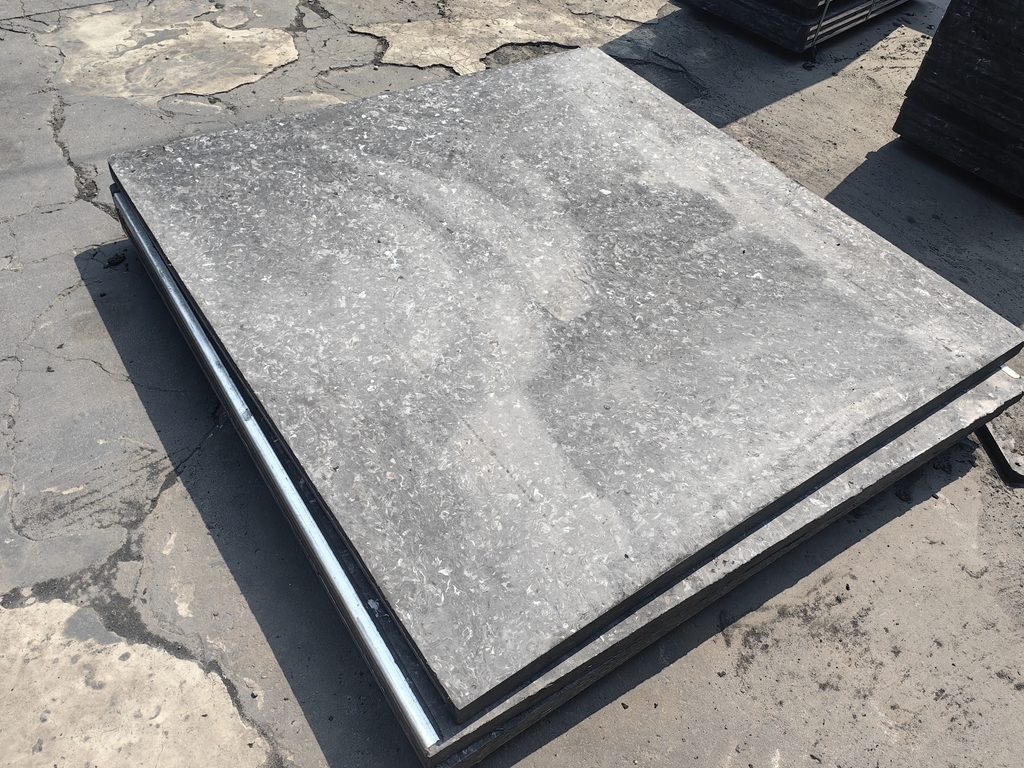
Manual cleaning requires 8-12 minutes per pallet using chisels and wire brushes. For facilities with 200-300 pallets, comprehensive cleaning demands 26-60 hours weekly—labor often eliminated during high-demand periods.
Fix: Clean pallets every 50-75 cycles before concrete hardens. Fresh concrete removes in 60-90 seconds with water spray or air blast versus 8-12 minutes for hardened deposits.
Pure white GMT pallets resist concrete adhesion through smooth molded surfaces. Non-porous construction prevents bonding, enabling simple water wash cleaning. Facilities report cleaning time reduction from 8-12 minutes to 60-90 seconds.
Install high-pressure water spray systems (20-30 bar) or rotating brush systems. Position cleaning stations immediately after brick removal—cleaning within 15-30 minutes prevents concrete from curing onto surfaces.
| Maintenance Factor | No Maintenance | Systematic Maintenance | Impact |
|---|---|---|---|
| Cleaning Frequency | Never | Every 50-75 cycles | Prevents hardened deposits |
| Average Buildup Thickness | 3-5mm | <1mm | Maintains flat surface |
| Cleaning Time per Pallet | N/A | 60-90 seconds (fresh) | 85-90% time reduction |
| Pallet Lifespan (wood) | 12-18 months | 30-36 months | 100-150% extension |
Cause 5: Chemical Exposure from Concrete Additives
Chemical attack from concrete admixtures degrades materials through acid-base reactions and plasticizer absorption. Modern concrete formulations incorporate accelerators, water reducers, and air entrainers that create pH levels of 8.5-13.5. This alkaline environment attacks wood lignin when moisture enables penetration.
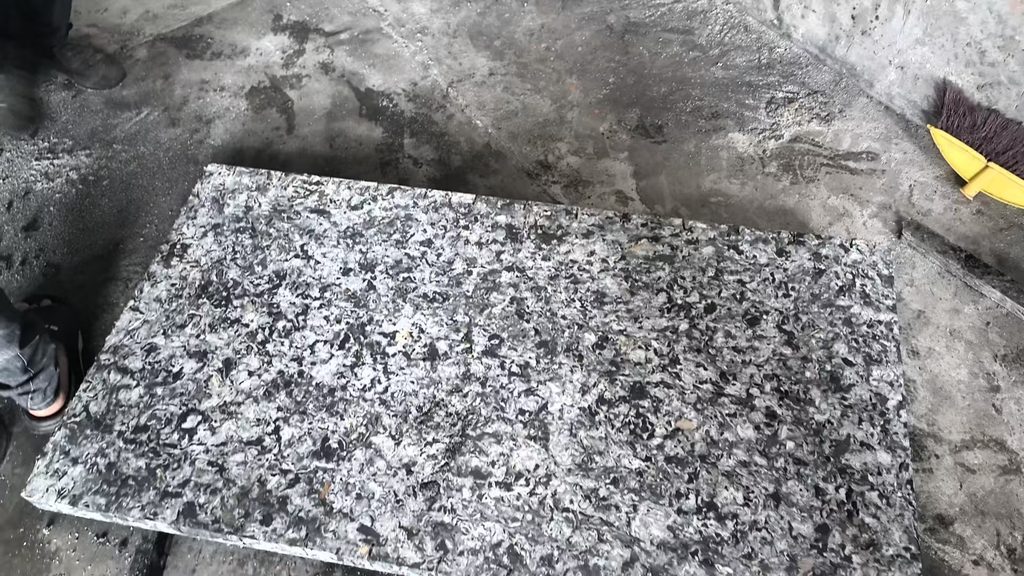
Calcium chloride accelerators, used in 40-60% of brick facilities, generate particularly aggressive attack. Wood pallets exposed to accelerated concrete show 60-80% faster degradation versus plain concrete.
Plasticizers absorb into wood, softening fiber structures and reducing load capacity. After 500-800 cycles with plasticizer-containing concrete, wood pallet load capacity drops 25-40% without visible damage.
Fix: Glass fiber reinforced pallets use thermoplastic resins that resist chemical attack across pH 3-14. Glass fiber reinforcement maintains structural integrity even if surface resin experiences minor degradation.
For wood pallets, apply epoxy-based sealers (12-18 months protection) or polyurethane coatings. Reapply every 8-12 months. Adjust concrete formulations when possible: reduce calcium chloride to minimum effective levels (1.5-2% vs. 3-4%).
Cause 6: Temperature Stress and Thermal Cycling
Temperature variations create expansion-contraction cycles that fatigue materials and generate accumulated damage. Brick facilities experience daily temperature swings of 15-35°C and seasonal variations of 35-55°C. These thermal cycles generate differential expansion between pallets and bricks, creating mechanical stress that initiates cracks.
Wood pallets undergo significant thermal expansion with coefficients of 4-6 × 10⁻⁶/°C parallel to grain and 30-60 × 10⁻⁶/°C perpendicular. A 30°C increase causes 850mm wood pallets to expand 2-4mm—sufficient to create positioning errors in automated systems. After 500-1000 thermal cycles, accumulated fatigue reduces wood strength by 30-45%.
Extreme temperatures accelerate multiple failures simultaneously. Temperatures exceeding 45-50°C drive moisture from wood fiber, creating brittleness. Temperatures below -10°C make wood inflexible, increasing impact damage risk.
Fix: GMT pallets eliminate thermal stress through stable dimensions across -30°C to +80°C. Glass fiber reinforced construction maintains expansion coefficients of 2-3 × 10⁻⁶/°C—matching concrete thermal properties. Yellow fiber pallets deliver this thermal stability at economical pricing.
Protect wood pallets from extremes: store in covered areas shielded from direct sun (reduces peak temperatures 8-15°C), maintain consistent production environment temperatures, and rotate inventory to distribute thermal cycling exposure.
Cause 7: Poor Quality Materials and Construction
Substandard materials create inherent weaknesses that guarantee premature failure. Low-grade wood pallets using soft pine or inadequately dried lumber fail within 8-12 months. Composite pallets with insufficient fiber content lack structural integrity for brick production demands.
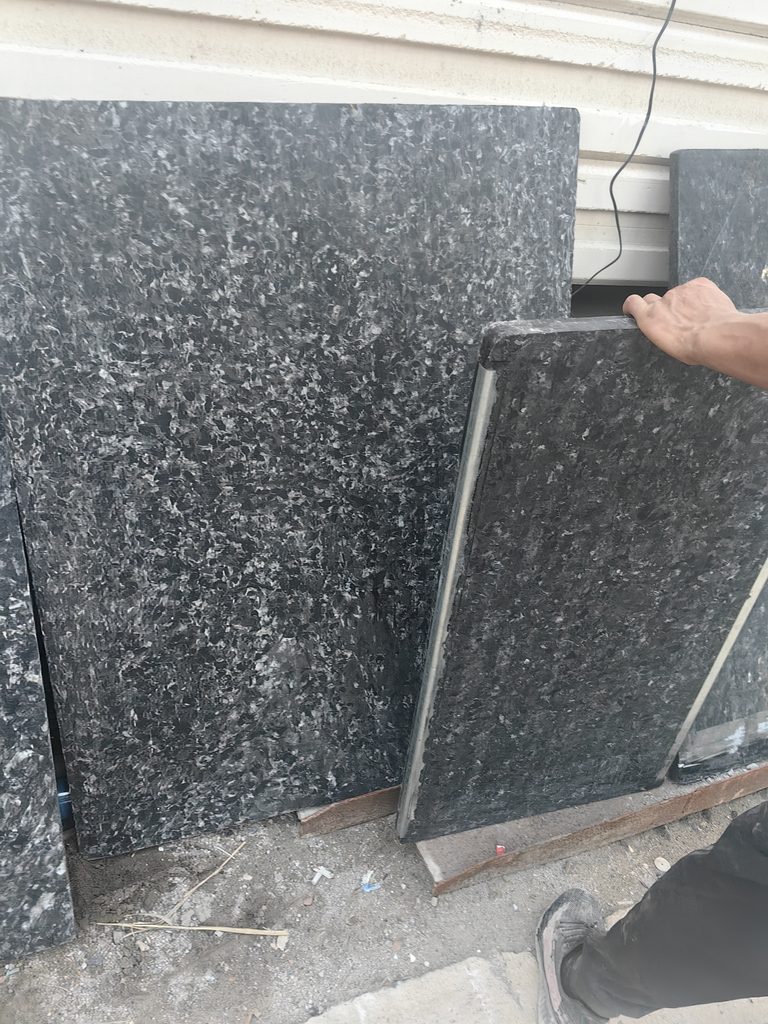
Premium GMT pallets contain 40-50% glass fiber by weight, achieving 2500-3000 kg load capacity. Budget composite pallets reduce fiber to 25-35%, limiting capacity to 1500-2000 kg—insufficient for multi-layer brick stacking. These lower-quality pallets fail 3-4× faster.
Wood pallet quality varies dramatically. Premium pallets use kiln-dried hardwood with moisture content below 12% and incorporate edge reinforcement. Budget pallets substitute green softwood and omit reinforcement—reducing lifespan from 24-36 months to 8-15 months.
Fix: Specify quality standards rather than accepting lowest-cost options. Require GMT pallets meeting: 40-45% glass fiber content, compression molding pressure of 180-220 bar, density of 1150-1250 kg/m³, load capacity certification to 2500 kg minimum, and surface flatness within ±2mm.
Calculate total cost of ownership. A $80-120 GMT pallet lasting 10 years costs $8-12 annually, versus $20-35 wood pallets requiring replacement every 2 years at $10-18 annual cost—plus higher breakage rates and maintenance labor.
Comparison: Pallet Material Durability Under Stress
Understanding how different pallet materials respond to the seven common failure causes helps manufacturers select solutions that eliminate premature breakage.
| Failure Cause | Wood Pallets | GMT/Fiber Pallets | Lifespan Impact |
|---|---|---|---|
| Overload Resistance | Fails at 120-130% capacity | Maintains integrity to 180-200% | GMT: 3-4× safety margin |
| Moisture Damage | 15-20% absorption; warps 5-8mm; rots in 18-24 months | <1% absorption; ±0-1mm change over 10 years | GMT: 5-6× extension |
| Impact Resistance | Splits from edge impacts; 500-1000 cycles | Aluminum-reinforced; 8000-12000 cycles | GMT: 8-12× impact life |
| Cleaning Difficulty | Concrete bonds; 8-12 min/cleaning | Non-porous surface; 60-90 sec | GMT: 85-90% time saved |
| Chemical Resistance | Degraded by alkaline concrete; 60-80% faster failure | Excellent resistance pH 3-14 | GMT: eliminates chemical failure |
| Temperature Stability | Warps >40°C; brittle <0°C; 2-4mm expansion per 30°C | Stable -30°C to +80°C; <1mm expansion | GMT: 3-4× thermal range |
| Typical Service Life | 18-24 months | 10-12 years | GMT: 5-6× longer lifespan |
GMT and fiber-reinforced pallets eliminate rather than reduce the seven common failure causes. While initial investment runs $80-120 per GMT pallet versus $20-35 for wood, the 5-6× lifespan extension and 85-90% failure reduction deliver superior total cost of ownership.
Prevention Strategy: Comprehensive Pallet Management
Eliminating premature failure requires systematic management addressing all seven causes simultaneously. Successful programs combine material selection, operational protocols, maintenance schedules, and performance monitoring.
Material Selection: Start with pallets engineered for brick production. White-yellow GMT pallets deliver balanced performance. Specify: 2500 kg load capacity, <1% moisture absorption, -30°C to +80°C temperature range, aluminum edge reinforcement, and ±2mm surface flatness.
Operational Protocols: Train personnel on proper forklift techniques and implement visual load limit markers.
Maintenance Schedules: Clean pallets every 50-75 cycles using high-pressure water spray (20-30 bar). Inspect flatness monthly and check edges quarterly.
Performance Monitoring: Track average pallet lifespan, replacement rates, reasons for premature retirement, brick breakage rates, and maintenance labor hours.
Facilities implementing comprehensive programs report: pallet lifespan extension from 18-24 months to 8-12 years, replacement rate reduction from 40-50% annually to 8-12% annually, brick breakage reduction from 10-12% to 4-6%, and maintenance labor reduction from 26-60 hours weekly to 8-15 hours weekly.
FAQ
Q: How can I tell if my pallets are overloaded?
Measure actual loads and compare to pallet rated capacity. Standard GMT pallets support 2500-3000 kg. Calculate: count bricks per layer × layers per stack × brick weight (3.2-3.8 kg, add 15-20% for green bricks). Visual indicators include surface cracks, edge deformation, and increasing brick breakage.
Q: What is the most cost-effective way to prevent moisture damage?
Switch to moisture-resistant GMT or fiber-reinforced pallets that absorb <1% water. The $80-120 investment eliminates moisture failures across 10-12 years. For wood pallets, apply water-resistant coatings ($5-8 per pallet) and store in covered areas, extending lifespan 4-6 months versus the 5-6× improvement from composite materials.
Q: How often should I clean my brick pallets?
Clean every 50-75 cycles before concrete hardens. Fresh concrete removes in 60-90 seconds with water spray (20-30 bar). Hardened buildup requires 8-12 minutes of manual scraping. For 200-300 pallet operations, systematic cleaning requires 3-6 hours weekly versus 26-60 hours for reactive cleaning.
Q: Can damaged pallets be repaired?
Replace pallets showing structural cracks, severe warping (>5mm deviation), extensive edge damage, or load capacity reduction. Minor edge chips on GMT pallets can be filed smooth if aluminum reinforcement remains intact. Wood refurbishing extends lifespan 6-12 months but costs $15-25—approaching new wood pallet costs.
Q: What is the real cost difference between wood and GMT pallets?
Initial: wood $20-35, GMT $80-120 (3-4× difference). Lifespan: wood 18-24 months, GMT 10-12 years (5-6× difference). Annual cost: wood $10-18, GMT $8-12 per pallet-year. GMT reduces brick breakage by 50-67% and cuts cleaning time 85-90%. Total cost of ownership favors GMT by 60-75%.
Conclusion
The seven common causes of premature pallet failure—overloading, moisture damage, impact, inadequate maintenance, chemical attack, temperature stress, and poor material quality—create annual costs of $12,000-35,000. Field data confirms 65-75% of early failures stem from these preventable causes.
GMT and fiber-reinforced pallets eliminate moisture damage, chemical attack, and temperature stress while reducing overload and impact failures. The 10-12 year lifespan delivers 5-6× longer service than wood, offsetting the 3-4× higher initial investment.
Comprehensive management through proper handling, systematic cleaning, and performance monitoring extends pallet lifespan 200-300% while reducing brick breakage 50-67%.
If you need high-quality GMT pallets engineered to eliminate premature failure, Rhinos Pallet offers fiber-reinforced composite construction with 10+ year lifespans. Our precision-molded pallets maintain ±2mm dimensional stability. Contact us today for technical specifications and factory-direct pricing.