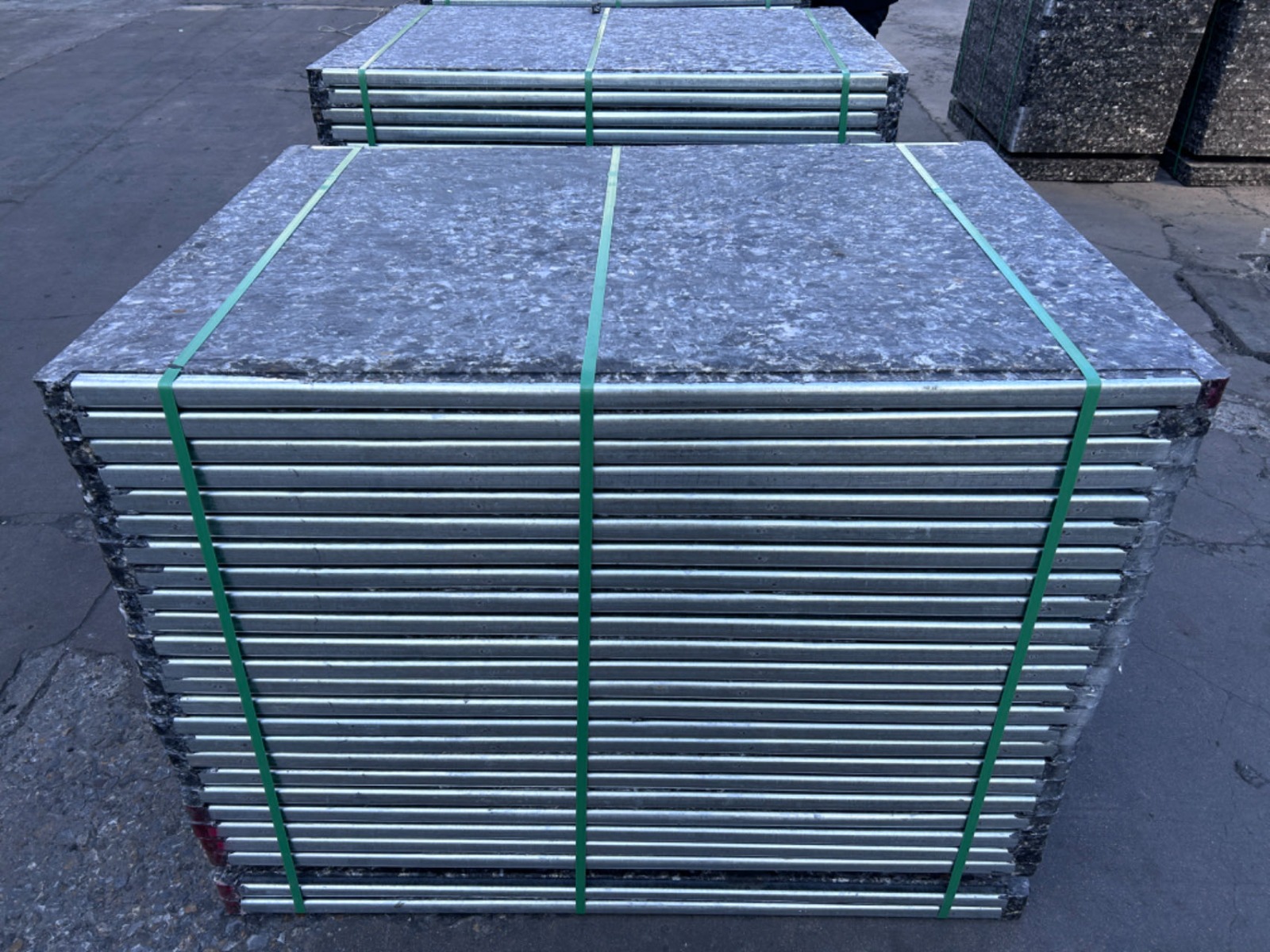
Choosing the right pallet for your brick factory directly impacts production efficiency, product quality, and long-term operational costs. While wooden pallets have dominated the industry for decades, GMT (Glass Mat Thermoplastic) pallets represent a significant technological advancement that’s transforming concrete block manufacturing worldwide.
This guide examines why GMT pallets have become the preferred choice for modern brick factories, comparing material properties, performance data, and real-world results from production facilities. Whether you’re operating a small-scale operation or managing high-volume automated lines, understanding pallet options helps you make informed decisions that affect your bottom line for years to come.
Why Pallet Selection Matters in Brick Production
The pallet serves as the foundation for every concrete block produced in your facility. During the molding process, wet concrete mixture undergoes high-frequency vibration and hydraulic pressure while resting on the pallet surface. Any dimensional inconsistency, surface defect, or structural weakness translates directly into product quality issues.
Poor pallet choices create cascading problems: warped pallets produce uneven blocks, moisture-damaged pallets contaminate products, and inconsistent dimensions disrupt automated handling systems. A 2025 industry survey found that pallet-related defects account for 12-18% of quality rejections in brick manufacturing facilities still using traditional wooden pallets.
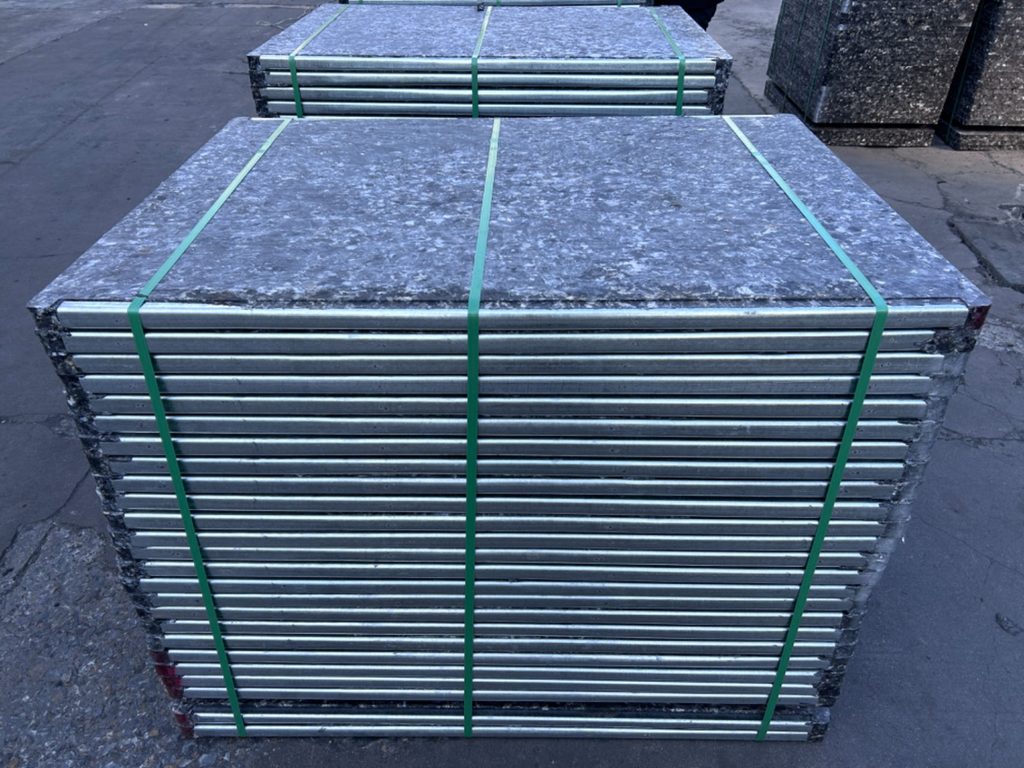
Beyond quality concerns, pallet durability affects operational efficiency. Frequent pallet replacement requires production line stoppages, inventory management overhead, and disposal logistics. The total cost of ownership extends far beyond initial purchase price—factoring in lifespan, maintenance requirements, and productivity impact reveals the true economic picture.
Comparing Pallet Materials: Wood, Steel, and GMT
Wooden Pallets: Traditional but Limited
Wooden pallets remain popular due to low initial costs, typically ranging from $25-40 per unit. Made from pine or fir softwood with slot connections and through-bolts, they provide adequate friction surfaces that prevent product shifting during vibration.
However, wood’s inherent limitations become apparent in brick production environments. Moisture absorption causes dimensional changes—wooden pallets swell when wet and contract when dry, creating inconsistent molding surfaces. This moisture-induced warping disrupts production and requires constant monitoring.
Wooden pallets typically last 3-5 years in brick manufacturing, with frequent repairs needed for splinters, protruding fasteners, and surface degradation. The maintenance burden includes regular inspections, protective coating applications, and eventual disposal of damaged units.
Steel Pallets: Durable but Heavy
Steel pallets offer exceptional durability and precision manufacturing, making them suitable for high-volume operations. They resist deformation under continuous use and maintain tight dimensional tolerances critical for automated systems.
The disadvantages include substantial weight (typically 55-70 lbs), high initial costs ($80-150 per unit), and ongoing maintenance requirements. Steel requires anti-rust treatment and protective coatings, particularly in moisture-rich brick manufacturing environments. Rust contamination can mark finished products, requiring additional quality control measures.
GMT Pallets: Modern Performance Standard
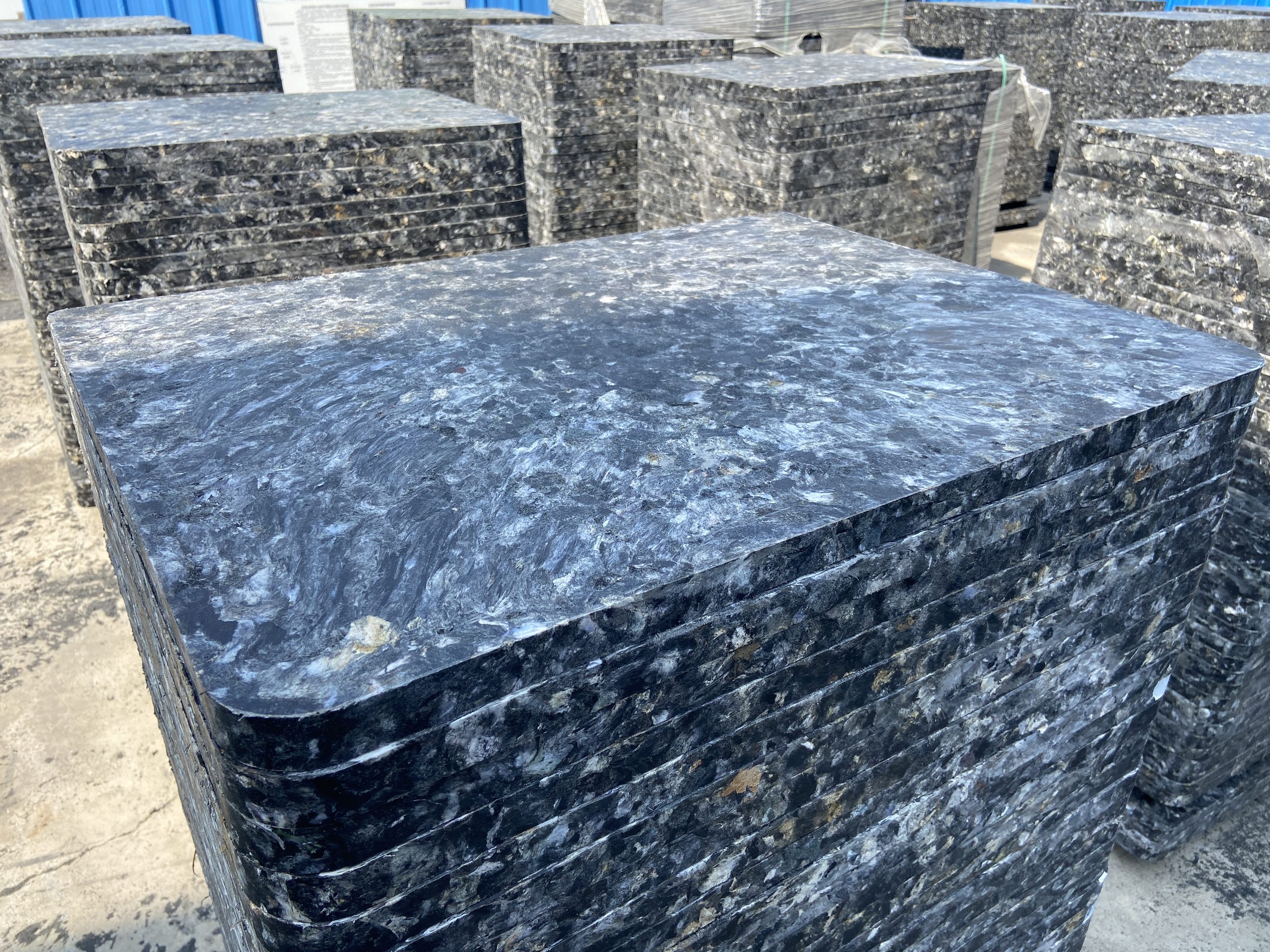
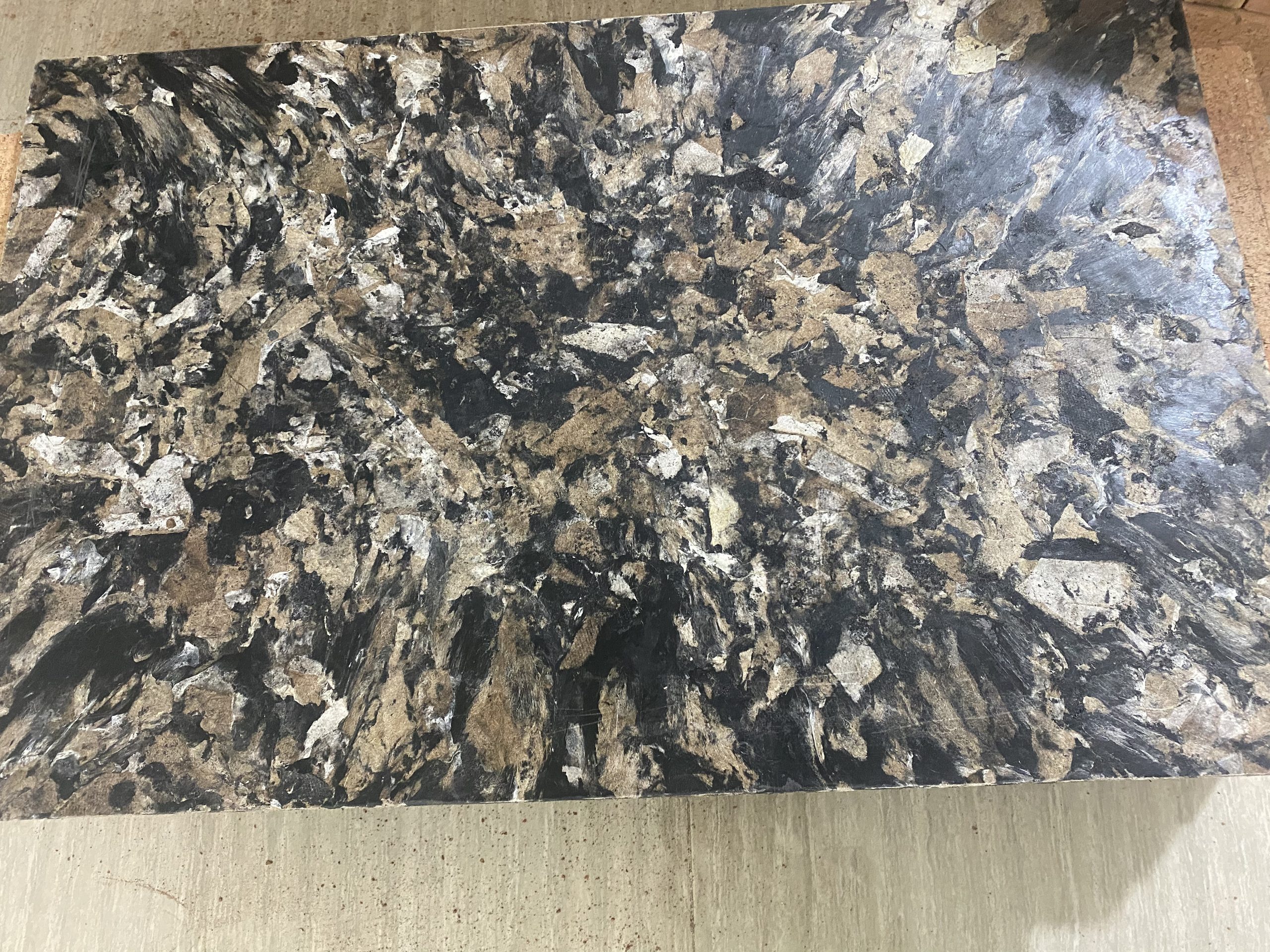
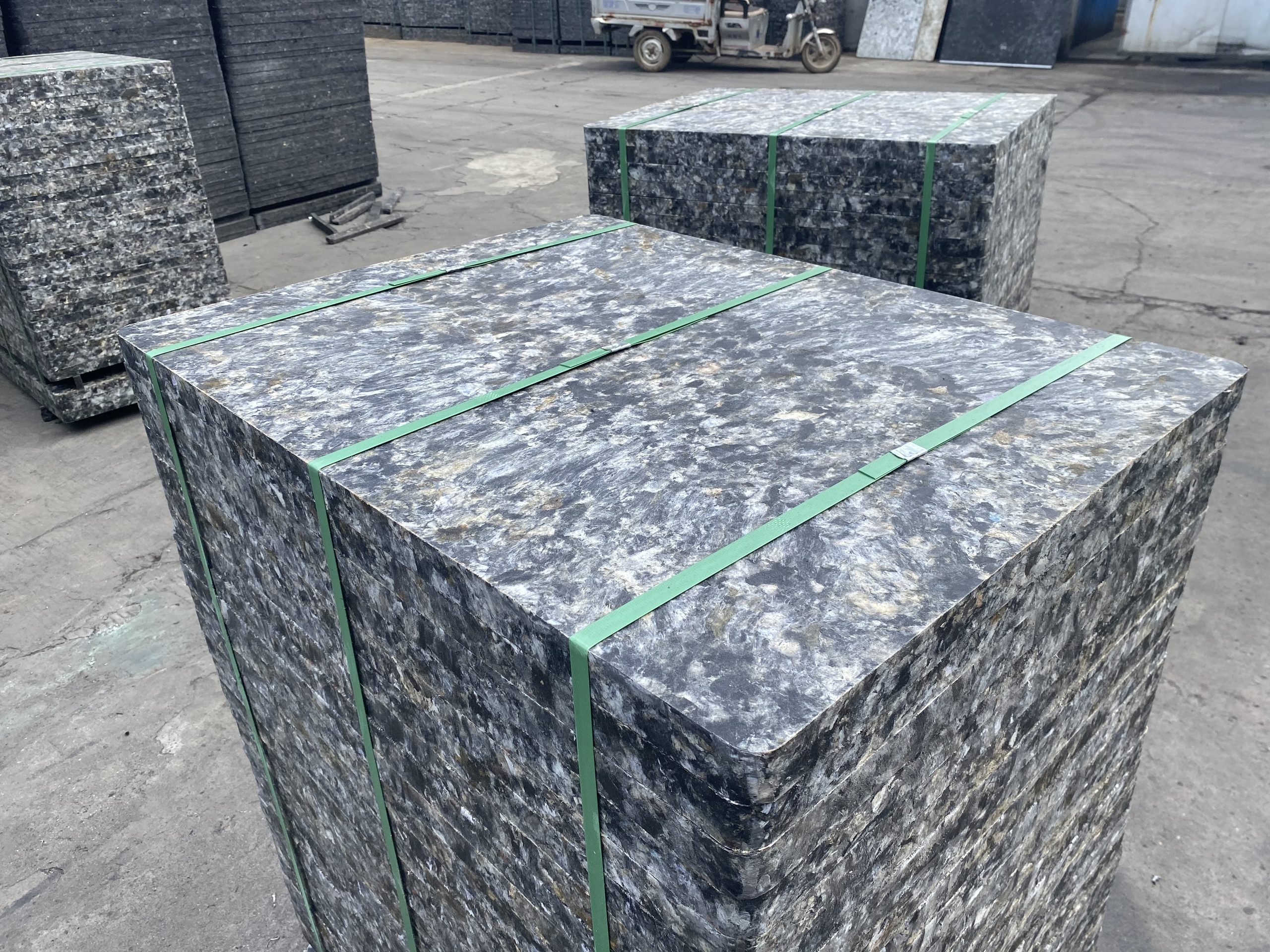
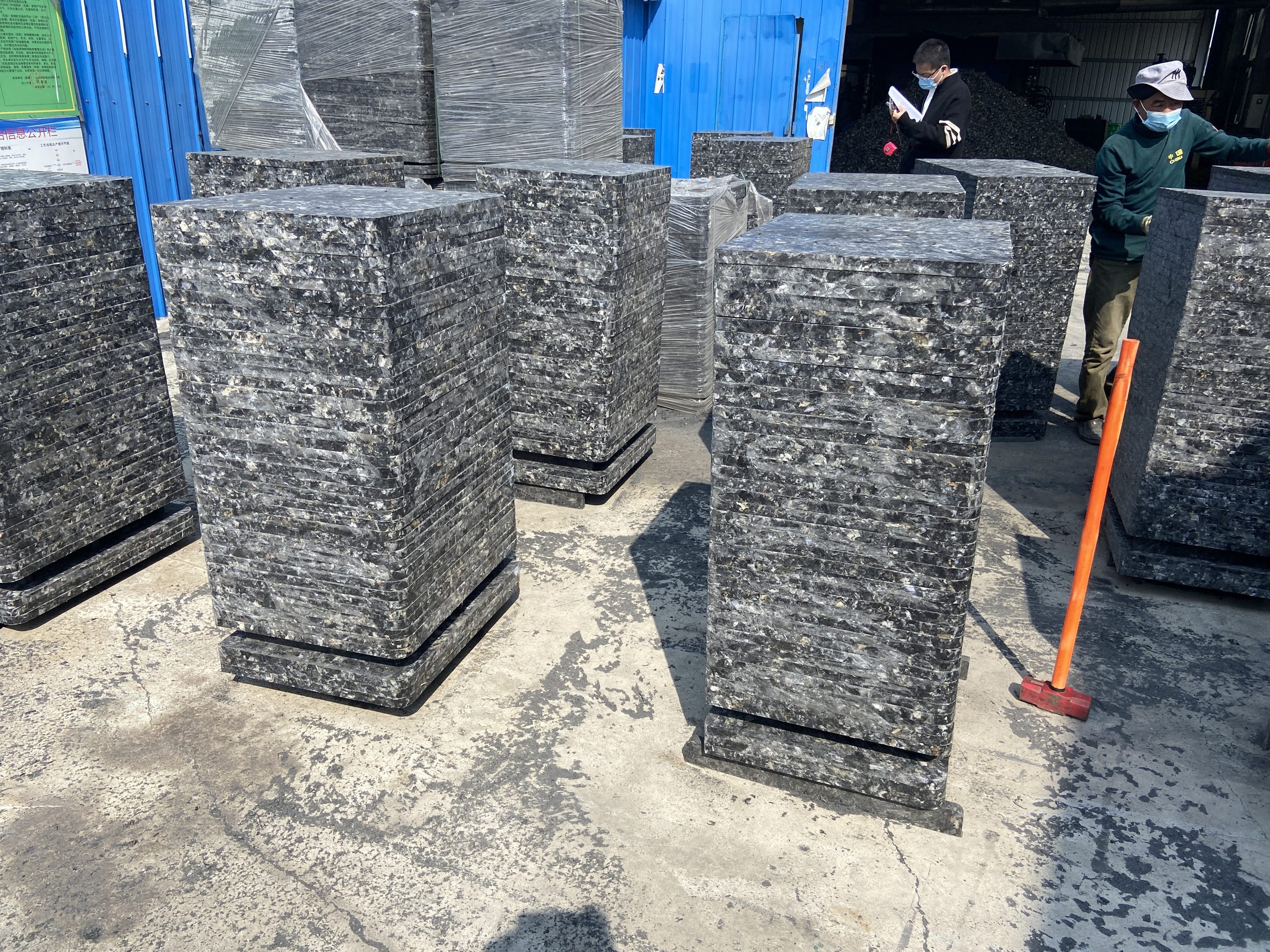
GMT pallets combine glass fiber reinforcement with thermoplastic resin, creating a composite material that addresses the limitations of traditional options. Manufactured using high-pressure molding processes (3000+ ton capacity), these pallets deliver consistent quality and superior performance characteristics.

The glass fiber structure provides strength comparable to reinforced concrete while maintaining lighter weight than steel alternatives. The thermoplastic matrix resists moisture absorption, chemical exposure, and temperature variations encountered in brick production processes.
Performance Comparison: GMT vs Traditional Pallets
| Property | Wooden Pallet | Steel Pallet | GMT Pallet |
|---|---|---|---|
| Initial Cost | $25-40 | $80-150 | $100-180 |
| Average Lifespan | 3-5 years | 8-12 years | 10-15+ years |
| Weight | 40-50 lbs | 55-70 lbs | 35-45 lbs |
| Maximum Load Capacity | 1,500-2,000 lbs | 2,500-3,000 lbs | 2,500-3,500 lbs |
| Moisture Absorption | High (15-30%) | None (rust risk) | Minimal (<1%) |
| Flatness Tolerance | ±2-3mm | ±0.3mm | ±0.3mm |
| Maintenance Required | High (weekly) | Moderate (monthly) | Minimal (quarterly) |
| Temperature Resistance | Poor (warps >150°F) | Good | Excellent (up to 250°F) |
| Cost Per Year | $8-13 | $7-12 | $7-10 |
The data reveals GMT pallets’ competitive total cost of ownership despite higher initial investment. Extended lifespan and minimal maintenance requirements reduce the annualized cost to levels comparable with or below traditional options.
Six Critical Advantages of GMT Pallets for Brick Factories
1. Dimensional Stability Ensures Product Consistency
GMT pallets maintain precise dimensions throughout their service life. The composite material exhibits minimal thermal expansion and no moisture-related swelling, critical factors for producing uniform blocks.
Industry standards require pallet flatness within 0.3mm deviation per 1000mm surface area. GMT pallets consistently meet this specification even after years of use, while wooden alternatives often exceed this tolerance within months. This dimensional stability directly improves product quality—manufacturers report 40-50% reduction in dimension-related defects after switching to GMT pallets.
For automated production lines, consistent pallet dimensions prevent jamming, misalignment, and conveyor disruptions that cause costly downtime. One Southeast Asian facility documented an 85% reduction in automation-related stoppages after replacing wooden pallets with premium GMT alternatives.
2. Superior Moisture Resistance Prevents Quality Issues
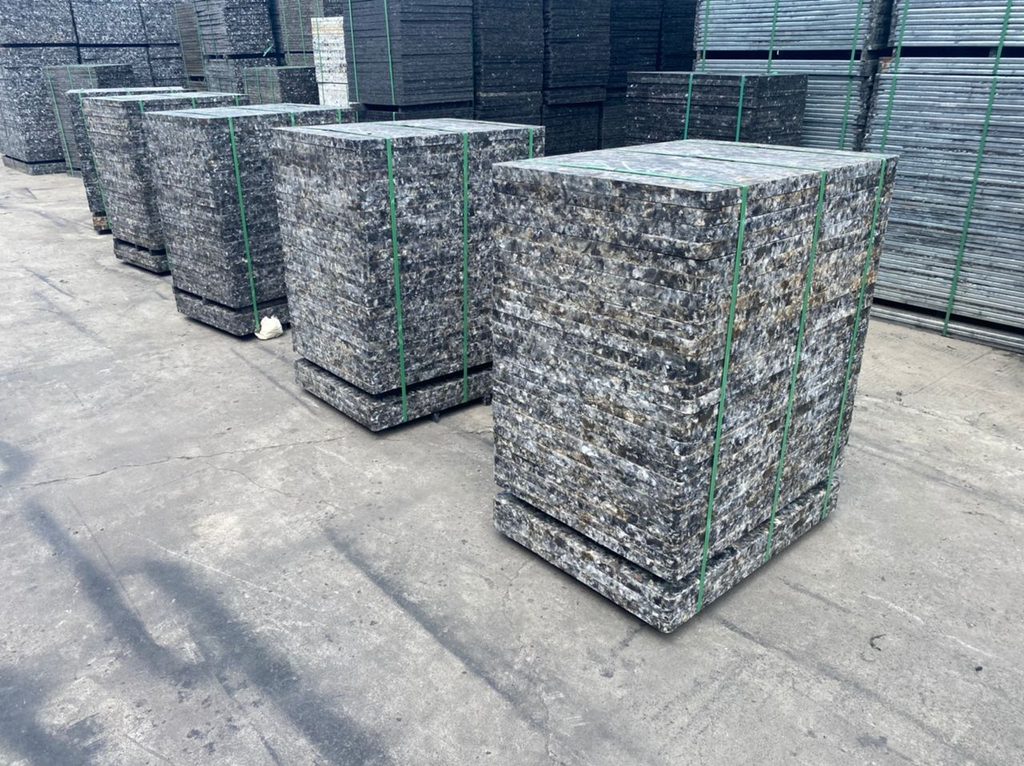
Brick manufacturing involves constant water exposure during mixing, molding, and curing processes. GMT pallets absorb less than 1% moisture by weight, compared to 15-30% for wooden alternatives. This resistance prevents the dimensional changes that create uneven molding surfaces and inconsistent block heights.
Moisture-damaged wooden pallets can contaminate concrete mixtures with organic material, affecting chemical reactions during curing. GMT’s non-porous surface eliminates this contamination risk while simplifying cleaning protocols. A simple water rinse removes residual concrete, maintaining optimal surface conditions between production runs.
In high-humidity environments like Southeast Asia, humidity-resistant GMT pallets provide particular advantages. Facilities in tropical climates report 60-70% longer pallet lifespan compared to wooden alternatives that rapidly degrade in moisture-rich conditions.
3. Exceptional Load Capacity Increases Throughput
GMT pallets safely support 2,500-3,500 lbs with minimal deflection—allowing manufacturers to stack more blocks per pallet without risking product damage. The glass fiber reinforcement provides strength-to-weight ratios exceeding traditional materials.
Higher load capacity translates to fewer handling cycles, reduced forklift operating hours, and more efficient kiln utilization. A facility producing standard 8×8×16-inch blocks can typically stack 90-100 units per GMT pallet compared to 72-80 on wooden alternatives, representing a 15-20% throughput increase per handling cycle.
The minimal deflection under load protects block integrity during transport and curing. Pallets that sag or flex cause blocks to shift and contact each other, creating surface defects and edge damage that increase rejection rates.
4. Temperature Resistance Optimizes Curing Processes
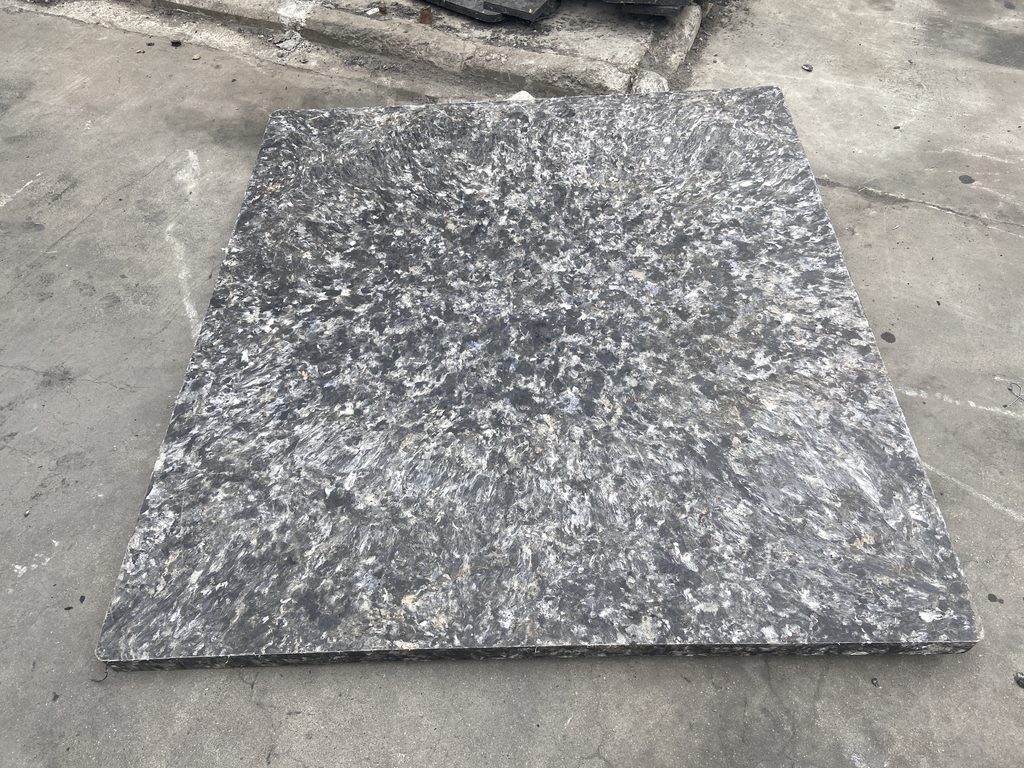
Brick curing often involves elevated temperatures, particularly in kiln operations and accelerated curing chambers. GMT pallets maintain structural integrity at continuous operating temperatures up to 250°F (121°C), with short-term tolerance for even higher exposure.
This thermal stability provides several operational benefits. Manufacturers can optimize curing cycles for strength development without pallet degradation concerns. Unlike wooden pallets that char, smoke, or release moisture in heated environments, GMT pallets maintain consistent performance throughout the temperature cycle.
Thermal cycling—repeated heating and cooling—causes cumulative damage in less stable materials. Wood expands and contracts with temperature changes, accelerating warping and dimensional drift. GMT’s low thermal expansion coefficient prevents this progressive degradation, maintaining precision over thousands of production cycles.
One manufacturer using GMT pallets in tunnel kiln operations reported 7% reduction in product defects attributed to more consistent curing conditions and elimination of moisture-related contamination from wooden pallets.
5. Extended Lifespan Reduces Total Cost of Ownership
GMT pallets typically operate effectively for 10-15+ years in brick production environments, compared to 3-5 years for wooden alternatives. This extended lifespan dramatically reduces replacement frequency and associated costs.
Consider a facility requiring 500 pallets for continuous operation:
15-Year Cost Analysis:
| Pallet Type | Units Needed | Replacement Cycles | Total Units Purchased | Total Cost |
|---|---|---|---|---|
| Wood ($35 avg) | 500 | Every 4 years (3 times) | 2,000 units | $70,000 |
| Steel ($115 avg) | 500 | Every 10 years (1 time) | 1,000 units | $115,000 |
| GMT ($140 avg) | 500 | Every 15 years (0 times) | 500 units | $70,000 |
While GMT and wood show similar 15-year costs, this calculation excludes maintenance labor, disposal expenses, and production disruptions from pallet replacement—factors that favor GMT’s lower operational burden. For a detailed breakdown of long-term ROI, see our comprehensive cost analysis guide.
6. Minimal Maintenance Frees Resources for Production
GMT pallets require virtually no maintenance throughout their service life. The non-porous surface resists dirt accumulation and cleans easily with water, eliminating the inspection, repair, and protective coating requirements of traditional materials.
Wooden pallets demand regular maintenance: splinter removal, fastener inspection and replacement, protective coating application, and structural integrity checks. A typical brick plant allocates 10-15 hours weekly to pallet maintenance—labor that could otherwise support production activities.
Safety improvements accompany reduced maintenance. Wooden pallets develop splinters, protruding nails, and sharp edges that cause workplace injuries. GMT pallets’ smooth, consistent surfaces eliminate these hazards while reducing workers’ compensation costs and lost-time incidents.
The chemical resistance of GMT construction prevents degradation from alkaline concrete mixtures and cleaning agents used in brick manufacturing. This durability eliminates another maintenance consideration while extending useful service life.
Selecting the Right GMT Pallet for Your Operation
GMT pallets come in various specifications designed for different production requirements. Understanding these options helps you select the optimal configuration for your facility.
Size Considerations
Standard full-size GMT pallets typically measure 850×680mm or 880×480mm, designed for common concrete block dimensions. These dimensions accommodate standard 8×8×16-inch blocks and similar formats used in most brick manufacturing operations.
Half-size GMT pallets (850×340mm) provide advantages for specialized applications, smaller block formats, or space-constrained facilities. Our guide on half pallet vs full pallet selection helps determine the right size for your production needs.
Material Grade Options
GMT pallets range from economy grades suitable for standard production to premium formulations for demanding applications:
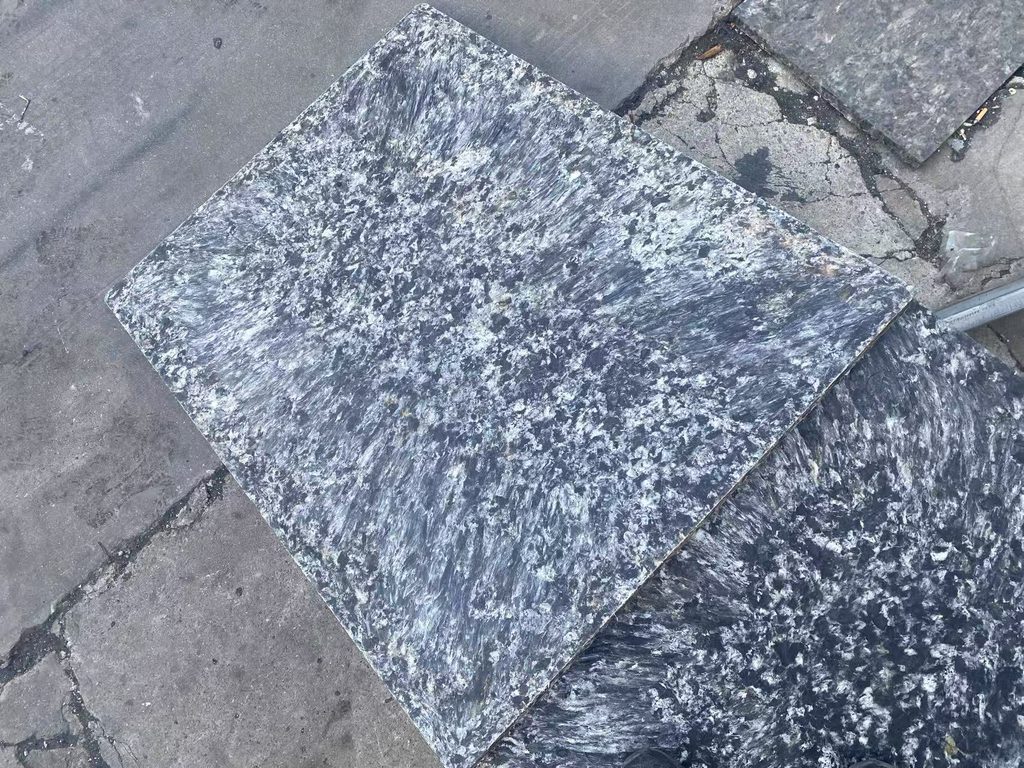
Premium White GMT Pallets (G-001, G-002) offer superior surface finish for light-colored products where minimal marking is critical. The pure white composition prevents color transfer to finished blocks.
High-Quality Mixed GMT Pallets (G-003) balance performance and value, providing industrial-grade durability at competitive pricing for high-volume operations.
Heavy-Duty Black Glass Fiber Pallets (BG-005) deliver maximum load capacity and wear resistance for intensive concrete block production with the most demanding cycle frequencies.
Compatibility with Block Machines
GMT pallets accommodate various block machine models including automated systems requiring precise dimensional tolerances. The standard thickness options (20mm, 22mm, 25mm, 28mm, 30mm) match different machine specifications and production requirements.
For automated production lines, verify pallet flatness specifications meet your equipment’s tolerance requirements. Most modern systems require the industry standard 0.3mm maximum deviation per 1000mm surface area—a specification GMT pallets consistently meet.
Implementation: Transitioning to GMT Pallets
Switching from traditional pallets to GMT alternatives requires planning but delivers immediate and long-term benefits. Consider these implementation strategies:
Phased Replacement Approach
Rather than replacing entire pallet inventory simultaneously, many facilities use phased implementation. Start with one production line or specific product line to validate performance before full deployment. This approach spreads capital investment while allowing operators to become familiar with GMT pallet characteristics.
Document performance metrics during the transition: defect rates, handling efficiency, maintenance requirements, and operator feedback. This data justifies continued investment and helps optimize pallet specifications for your specific needs.
Training and Handling Protocols
While GMT pallets handle similarly to traditional alternatives, brief operator training ensures optimal results. Cover proper cleaning procedures (simple water rinse removes concrete residue), stacking protocols (maximum stack heights and load distribution), and inspection procedures (quarterly visual checks rather than weekly maintenance).
GMT pallets’ lighter weight compared to steel alternatives improves handling ergonomics, reducing operator fatigue during manual operations. However, the reduced weight doesn’t compromise strength—educate staff about proper load capacities to maximize throughput benefits.
ROI Calculation for Your Facility
Calculate your facility’s specific return on investment based on production volume, current pallet costs, and replacement frequency. Most high-volume operations achieve payback within 18-36 months through reduced replacement costs, decreased maintenance labor, and improved productivity.
Use our ROI calculation guide to analyze your situation with real factory data and proven formulas that account for all cost factors beyond initial purchase price.
Real-World Results: GMT Pallet Performance Data
Field data from brick manufacturing facilities demonstrates GMT pallets’ practical advantages:
Malaysian Concrete Block Manufacturer (500,000 blocks/month): After replacing 600 wooden pallets with GMT alternatives, this facility documented 47% reduction in dimension-related defects, 85% decrease in pallet-related production stoppages, and elimination of weekly pallet maintenance requirements. The GMT pallets remained in service after 6 years with no performance degradation, while previous wooden pallets required replacement every 3-4 years.
African Brick Production Facility (High-Temperature Climate): Operating in temperatures regularly exceeding 95°F with high humidity, this manufacturer experienced wooden pallet failure within 2-3 years. GMT pallets have operated for 8+ years in the same conditions while maintaining dimensional specifications. The facility reports $23,000 annual savings in replacement costs and reduced product defects by 52%.
European Automated Block Plant: This high-volume facility producing 1.2 million blocks monthly required extreme dimensional consistency for automated handling systems. Wooden pallet variations caused frequent jams and misalignments, averaging 3-4 production stoppages daily. After switching to precision GMT pallets, stoppages decreased to less than one weekly, increasing effective production time by 12%.
Common Questions About GMT Pallets Answered
How do GMT pallets compare to bamboo alternatives?
Bamboo pallets offer an eco-friendly alternative to wood but share similar moisture absorption issues and limited lifespan. GMT pallets provide 3-4 times longer service life with superior dimensional stability. While bamboo costs less initially, GMT pallets deliver better total cost of ownership through reduced replacement frequency and maintenance requirements.
Can GMT pallets withstand outdoor storage?
Yes, GMT pallets resist UV degradation, moisture, and temperature extremes, making them suitable for outdoor storage. Unlike wooden pallets that deteriorate rapidly when exposed to weather, GMT pallets maintain performance characteristics through sun, rain, and temperature cycling. For optimal longevity, covered storage is recommended but not required.
Are GMT pallets suitable for all block sizes?
GMT pallets accommodate standard concrete block dimensions including 8×8×16 inches, 4×8×16 inches, and metric equivalents. Custom sizes can be manufactured for specialized applications. Consult with suppliers about specific block dimensions and production volumes to ensure optimal pallet specifications.
How do I clean GMT pallets between production runs?
Simple water rinsing removes concrete residue from GMT pallets’ non-porous surfaces. For stubborn buildup, use pressure washing or mild alkaline cleaners without damaging the pallet material. Unlike wooden pallets that absorb moisture and require drying time, GMT pallets are ready for immediate reuse after cleaning.
What happens to GMT pallets at end of life?
GMT thermoplastic composition allows recycling into new pallets or other plastic products at end of service life. This recyclability enhances environmental credentials compared to wooden pallets requiring disposal or incineration. Many GMT pallet manufacturers operate recycling programs accepting worn units for reprocessing.
Do GMT pallets work with steam curing systems?
Yes, GMT pallets’ temperature resistance (up to 250°F continuous) makes them suitable for steam curing applications. The material won’t warp, degrade, or release contaminants in saturated steam environments, unlike wooden alternatives that swell and deteriorate under these conditions.
Making the Right Choice for Your Brick Factory
Selecting the best pallet for your brick factory requires evaluating multiple factors: production volume, automation level, climate conditions, quality requirements, and budget constraints. While wooden pallets offer low initial costs, GMT pallets deliver superior long-term value through extended lifespan, consistent performance, and minimal maintenance.
For small-scale operations with limited budgets and manual handling, wooden pallets may suffice initially. However, medium to large facilities—particularly those with automated systems or operating in challenging environmental conditions—benefit substantially from GMT pallet advantages.
The brick manufacturing industry continues evolving toward higher efficiency, stricter quality standards, and automated production systems. GMT pallets align with these trends, providing the dimensional consistency, durability, and reliability modern operations require. As production volumes increase and competition intensifies, pallet selection becomes increasingly critical to maintaining profitability and market position.
Conclusion
GMT pallets represent the current performance standard for brick factory applications, addressing the limitations of traditional wooden and steel alternatives. Their combination of dimensional stability, moisture resistance, load capacity, temperature tolerance, extended lifespan, and minimal maintenance creates compelling advantages for concrete block manufacturers.
While initial costs exceed wooden pallets, the total cost of ownership calculation favors GMT through reduced replacement frequency, eliminated maintenance requirements, and productivity improvements. Field data from facilities worldwide demonstrates these benefits translate into real operational gains: fewer defects, less downtime, and lower long-term costs.
Whether you’re establishing a new brick production facility or upgrading existing operations, GMT pallets deserve serious consideration. The technology has matured from premium specialty product to mainstream industry standard, with proven performance across diverse applications and operating conditions.
For brick factories committed to quality, efficiency, and long-term profitability, GMT pallets offer clear advantages over traditional alternatives. Contact Rhinos Pallet to discuss specific requirements and identify the optimal GMT pallet configuration for your production needs.
Ready to improve your brick production efficiency? Explore our complete GMT pallet product line or read more about selecting the right pallet for your production line.