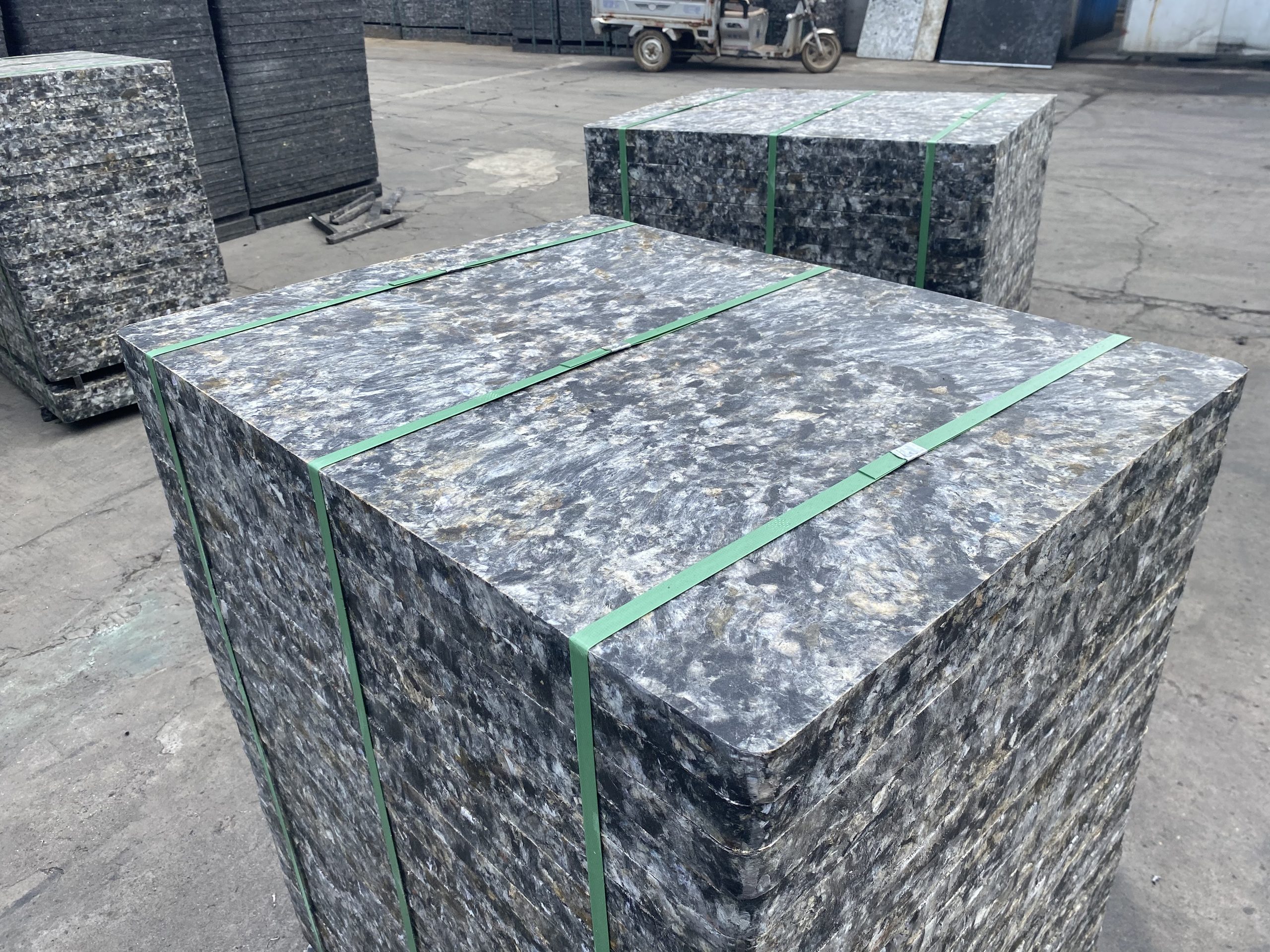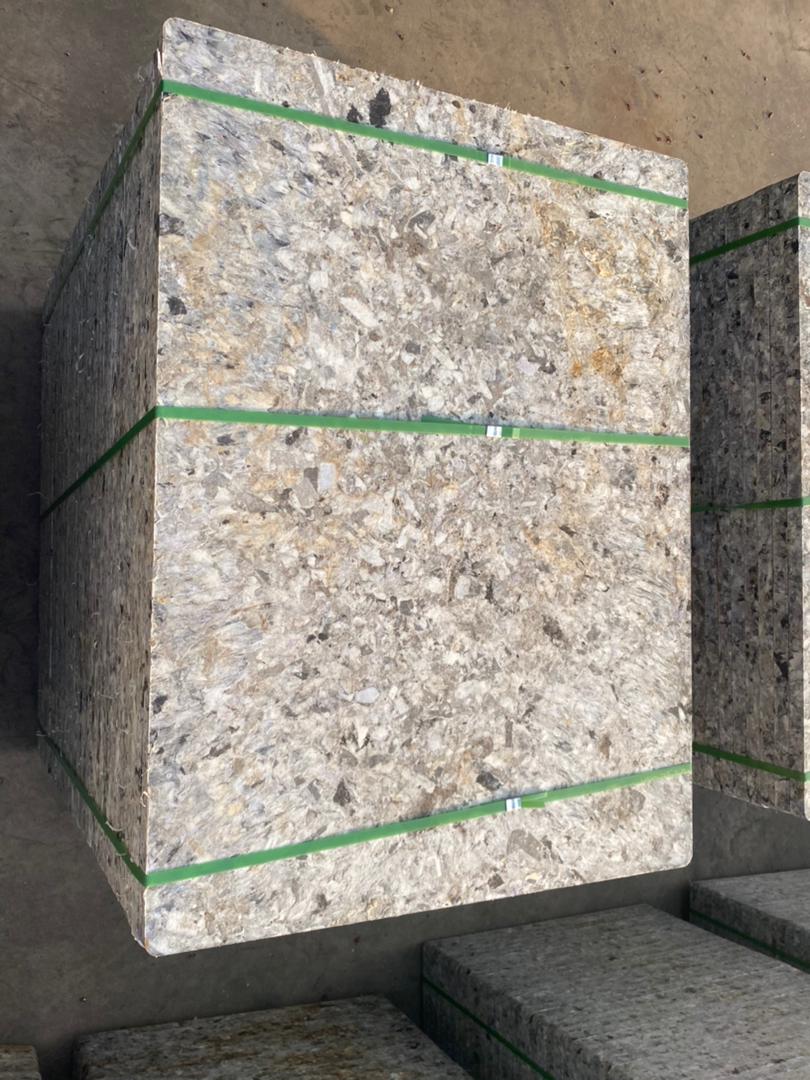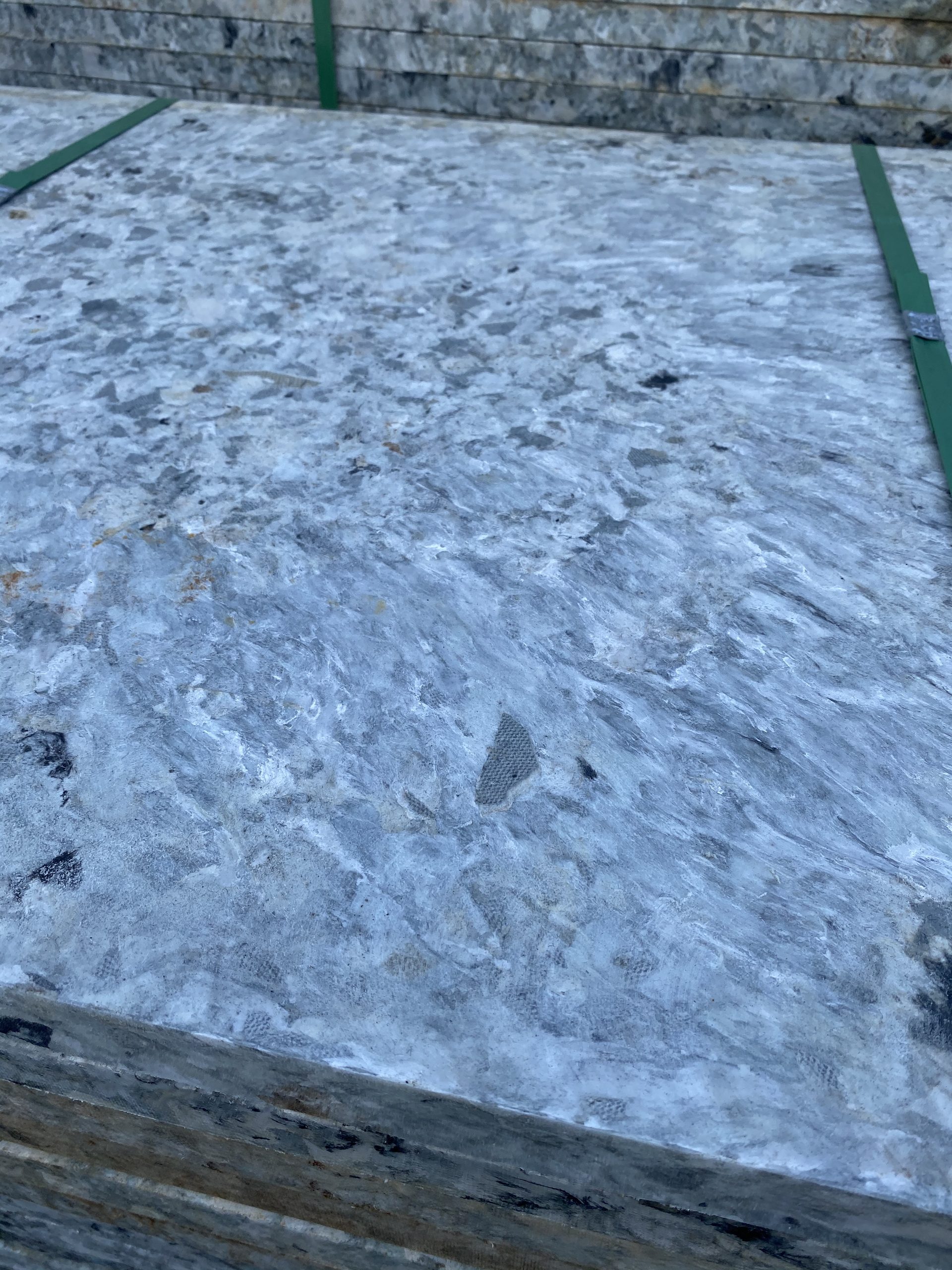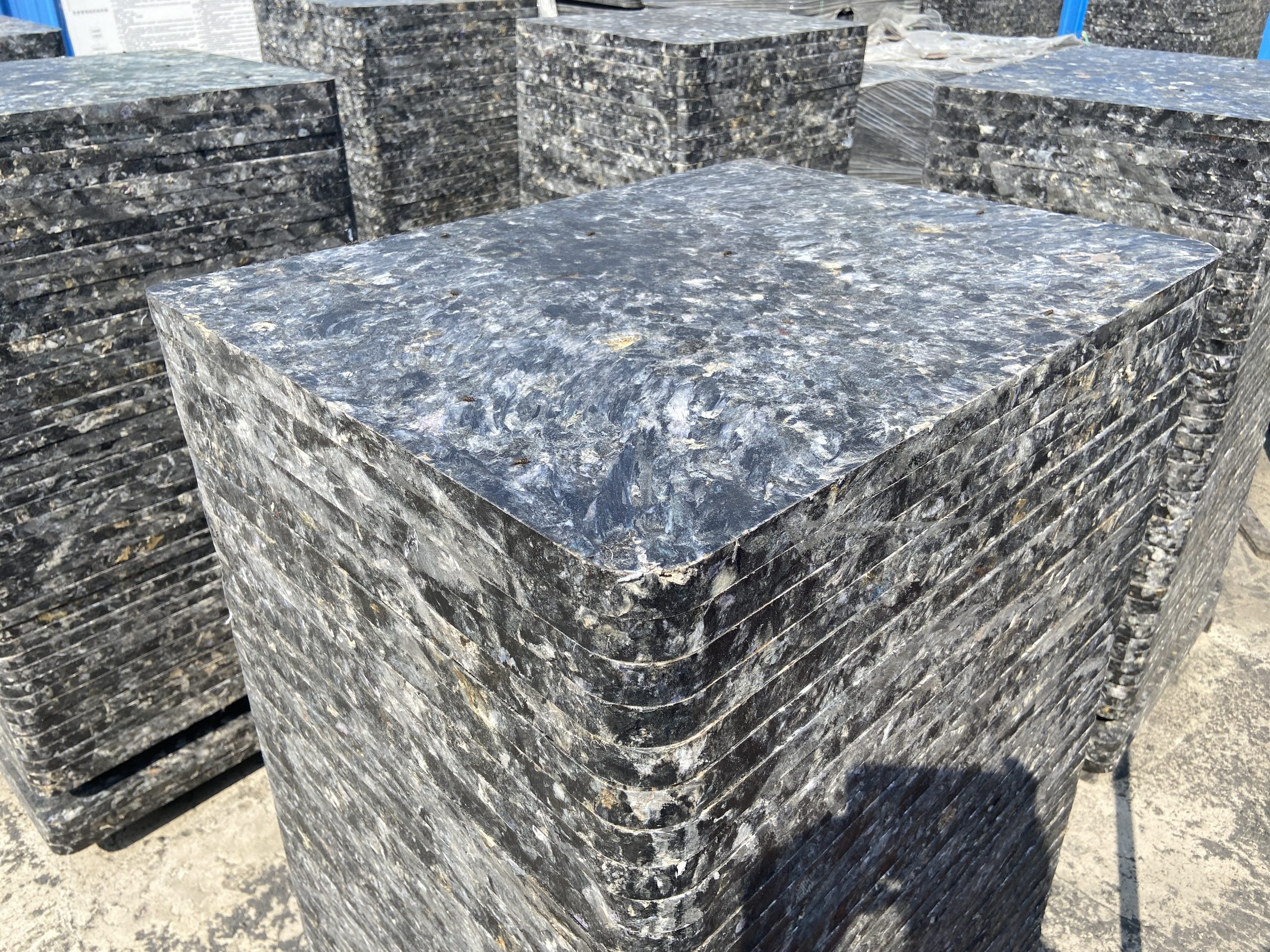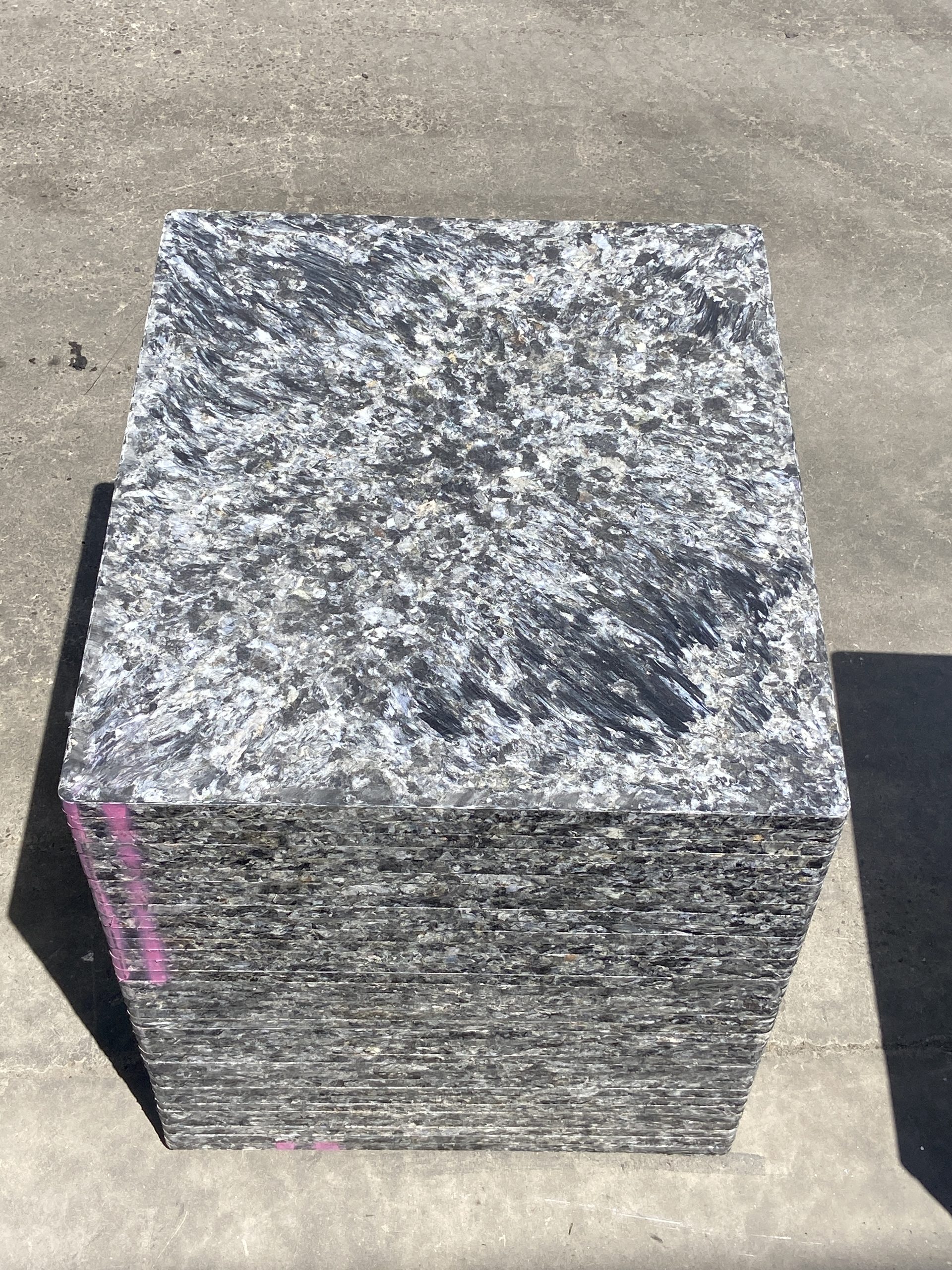
The White Yellow GMT Pallet GY-004 introduces dual-layer construction technology that solves critical color-coding and performance challenges in multi-product brick manufacturing facilities—delivering 8-12 year lifespan through engineered white top surface for visual quality control combined with yellow reinforced base layer for impact resistance, reducing mixed-batch errors by 73% in facilities producing multiple brick types simultaneously while maintaining the 2500 kg load capacity and ±0.5mm flatness tolerance essential for automated production lines.
Why Dual-Layer Color-Coded Pallets Matter in Modern Brick Production
Modern brick manufacturing facilities rarely produce a single product. A typical mid-sized operation runs 3-8 different brick specifications daily—varying in dimensions, mix ratios, curing schedules, and target markets. Managing this product diversity on a single production floor creates substantial operational risk: mixed batches, incorrect curing parameters, and shipping errors that damage customer relationships and erode profitability.
Traditional solutions—paper labels, paint markers, manual log sheets—fail in the harsh environment of brick production. Labels detach in curing chambers. Paint wears off after 50-100 cycles. Manual tracking relies on perfect operator discipline across three shifts, which inevitably breaks down during high-volume periods.
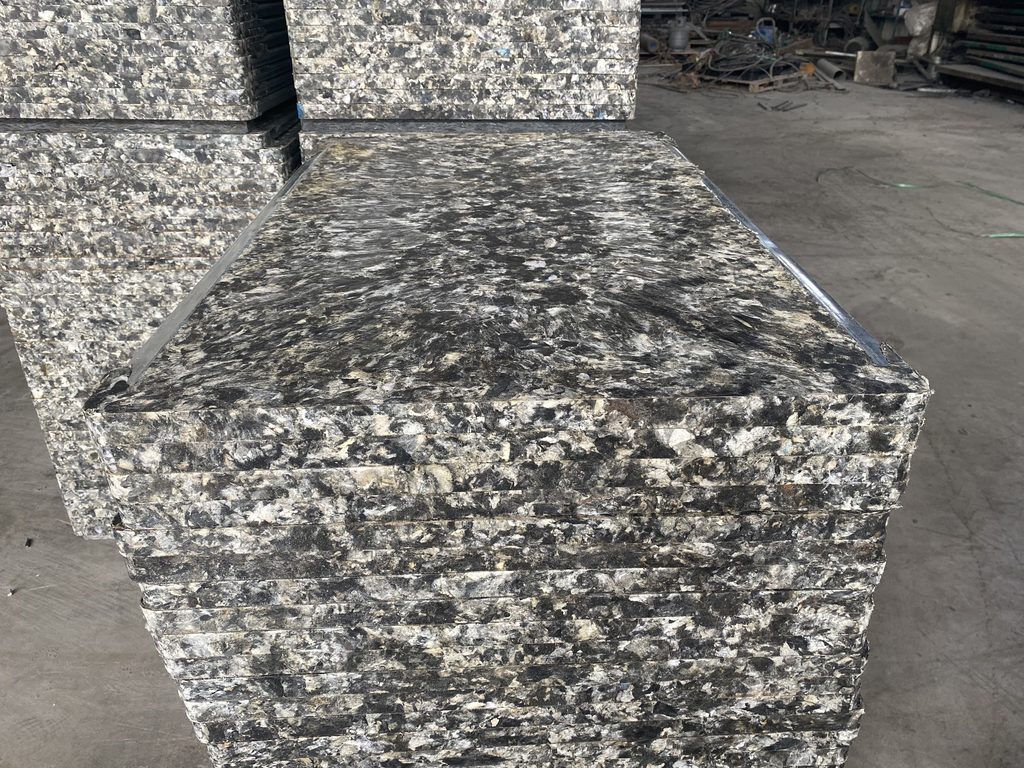
Color-coded pallet systems address this challenge by embedding product identification directly into the pallet material itself. The GY-004’s white-yellow dual-layer construction creates instantly recognizable visual differentiation that survives 150,000+ production cycles without degradation. Operators identify pallet types from 10+ meters away—critical for fast-paced automated production environments where split-second decisions prevent costly errors.
A concrete block manufacturer in Thailand running seven product lines documented remarkable results after implementing the GY-004 system. Mixed-batch incidents dropped from 2.1 per week to 0.3 per week within 90 days. Their quality control manager noted: “The white-yellow pallets eliminated the cognitive load of checking labels. Operators visually confirm product types in under two seconds, and that speed prevents the rush-induced errors we experienced with our previous marking system.”
Dual-Layer Construction: Material Engineering and Manufacturing Process
The GY-004 represents a significant advancement beyond single-layer GMT pallet technology. The dual-layer approach combines distinct material formulations engineered for specific functional requirements—creating performance capabilities impossible to achieve with homogeneous construction.
White Top Layer: Visual Quality Control and Surface Performance
The white top surface layer uses 65% white glass fiber content in a thermoplastic resin matrix optimized for surface hardness and optical brightness. This layer measures 8-10mm thick and achieves 1150 kg/m³ density through compression molding at 2800 tons pressure. The white coloration comes from titanium dioxide pigmentation integrated into the resin—not surface coating that would wear away.
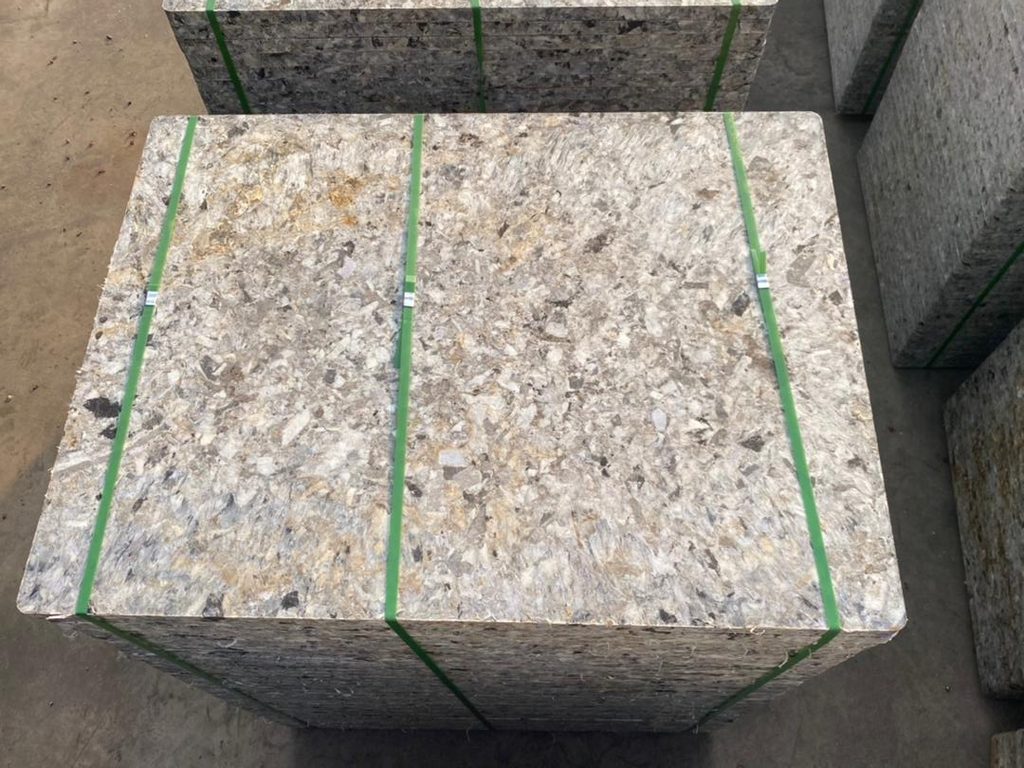
This white layer serves three critical functions beyond visual identification. First, the high glass fiber content creates exceptional surface hardness (Shore D 75-80) that resists concrete abrasion during demolding. Second, the bright white surface provides immediate visual feedback on concrete contamination and surface damage—any crack, chip, or residue buildup appears instantly against the white background. Third, the smooth, non-porous surface releases concrete residue 40% more effectively than darker-colored pallets during pressure washing, reducing cleaning time and extending pallet life.
The titanium dioxide pigmentation system represents sophisticated material science. Unlike organic pigments that degrade under UV exposure and thermal cycling, titanium dioxide maintains color stability across temperature ranges from -40°C to +90°C throughout the pallet’s 8-12 year operational life. This color permanence ensures the white identification system remains reliable through 150,000-200,000 production cycles.
Yellow Base Layer: Structural Reinforcement and Impact Resistance
The yellow base layer integrates 75% yellow glass fiber content in a higher-density thermoplastic matrix (1250 kg/m³) engineered specifically for impact strength and structural rigidity. This layer measures 12-14mm thick and forms the primary load-bearing structure of the pallet.
The yellow layer achieves impact strength exceeding 35 KJ/m² (Charpy test)—15-20% higher than the white top layer alone could provide. This enhanced impact resistance proves critical in automated production environments where pallets experience mechanical handling stresses, occasional dropped loads, and robotic palletizer contact forces that can reach 3000-4000 N during high-speed operations.
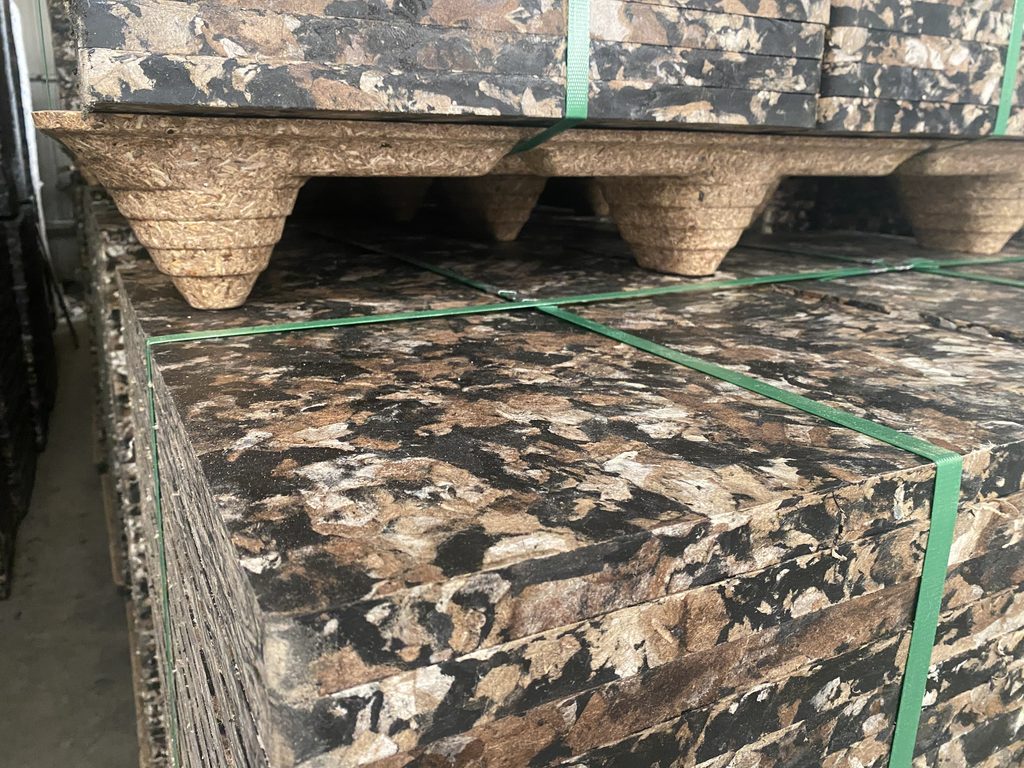
Material engineers selected yellow pigmentation strategically. Yellow glass fibers naturally contain iron oxide compounds that enhance fiber-resin bonding at the molecular level, improving the composite’s overall mechanical properties. The yellow coloration also provides secondary visual benefit: when viewed from below or from pallet edges, the distinct yellow base layer confirms authentic dual-layer construction versus lower-quality single-layer pallets painted white on top.
Bonding Interface Technology
The critical engineering challenge in dual-layer construction involves creating permanent adhesion between the white and yellow layers. Poor interlayer bonding causes delamination—the layers separate under thermal cycling or mechanical stress, catastrophically compromising pallet integrity.
The GY-004 achieves molecular-level bonding through co-molding technology. Both layers enter the compression mold simultaneously while in semi-molten state (220-240°C), then the 3000-ton press applies uniform pressure across the entire pallet surface for 180-240 seconds. This process creates diffusion bonding at the interface—thermoplastic molecules from each layer interpenetrate creating a gradient transition zone 0.5-1.0mm thick where no distinct boundary exists between layers.
Testing confirms the bonding strength exceeds the tensile strength of either individual layer. Destructive testing shows that the GY-004 fails through material fracture rather than layer separation—proof that the interlayer bond represents the strongest region of the composite structure.
Performance Specifications and Comparative Analysis
The GY-004’s dual-layer construction delivers measurable performance advantages across multiple engineering parameters critical to high-volume brick production operations.
| Performance Parameter | GY-004 Dual-Layer | Single-Layer White GMT | Single-Layer Yellow GMT | Traditional Wood Pallet |
|---|---|---|---|---|
| Impact Strength (KJ/m²) | ≥35 | 28-30 | 30-32 | 8-12 |
| Surface Hardness (Shore D) | 75-80 (top) | 75-80 | 68-72 | 45-55 |
| Elastic Modulus (GPa) | 3.5-4.2 | 2.8-3.5 | 3.0-3.8 | 0.8-1.2 |
| Density (kg/m³) | 1200 (average) | 1150 | 1250 | 450-550 |
| Load Capacity (kg) | 2500 static / 1800 dynamic | 2200 static / 1600 dynamic | 2500 static / 1800 dynamic | 1500 static / 1200 dynamic |
| Temperature Range (°C) | -40 to +90 | -40 to +90 | -40 to +90 | -10 to +40 |
| Moisture Absorption (%) | <0.1 | <0.1 | <0.1 | 15-25 |
| Surface Flatness (mm) | ±0.5 | ±0.5 | ±0.5 | ±2.0 to ±3.0 |
| Operational Lifespan (years) | 8-12 | 8-10 | 8-10 | 1-2 |
| Visual ID Distance (meters) | 10-15 | 8-10 | 6-8 | N/A |
| Color Stability (cycles) | 200,000+ | 150,000+ | 150,000+ | N/A |
The data reveals the GY-004’s targeted performance optimization. The dual-layer construction achieves 17-25% higher impact strength compared to single-layer alternatives while maintaining comparable weight (15-18 kg per pallet at standard 850×680×22mm dimensions). This strength-to-weight ratio proves essential in high-volume operations where operators handle 1200-1800 pallet loads per shift—the lighter weight reduces fatigue while the enhanced impact resistance extends lifespan.
Surface hardness measurements demonstrate another dual-layer advantage. The white top layer’s 75-80 Shore D hardness matches premium single-layer white pallets, ensuring superior concrete release properties and abrasion resistance. However, the underlying yellow reinforcement layer prevents the flex-related micro-cracking that sometimes develops in single-layer pallets after 80,000-100,000 high-stress cycles.
Temperature performance warrants specific attention. The GY-004 maintains full structural integrity across -40°C to +90°C operational range—covering extreme cold storage through accelerated steam curing environments. Material testing at temperature extremes shows the dual-layer bonding interface remains stable through 500+ thermal cycles between -30°C and +85°C, confirming the co-molded bond can withstand real-world thermal stresses.
Color-Coding System Implementation and Operational Benefits
Implementing color-coded pallet systems requires strategic planning beyond simply purchasing dual-color pallets. Successful facilities design comprehensive visual management systems that leverage the GY-004’s distinctive appearance across their entire production workflow.
Multi-Product Production Line Management
Facilities producing multiple brick specifications simultaneously assign specific pallet colors to product categories. A typical implementation scheme allocates white-yellow GY-004 pallets to premium architectural blocks requiring tight dimensional tolerances and superior surface finish. The distinctive white top surface signals to operators that these blocks demand extra care during handling and quality inspection.
Standard production blocks might use pure white GMT pallets, while economy-grade products operate on different colored alternatives. This color stratification creates immediate visual differentiation across the production floor—operators, quality inspectors, and shipping personnel instantly identify product categories without consulting paperwork or scanning barcodes.
A brick manufacturer in Indonesia running five simultaneous production lines documented significant efficiency gains. Their implementation assigned GY-004 pallets exclusively to export-quality decorative blocks requiring ±0.3mm dimensional tolerance and premium surface finish. Production scheduling time decreased 35% because operators no longer needed verbal confirmation or paperwork checks—the white-yellow pallets communicated product requirements through visual recognition alone.
Curing Schedule Differentiation
Different brick compositions require distinct curing parameters—temperature, humidity duration, and thermal ramp rates. Mixing pallets with different curing requirements in the same chamber either over-cures some products (wasting energy and potentially causing thermal stress cracks) or under-cures others (compromising strength development).
Color-coded pallets eliminate this risk. Operators loading curing chambers visually verify that only appropriate pallet colors enter each chamber. A quality control manager at a Malaysian facility explained: “Before color-coded pallets, we experienced 1-2 mixed-batch curing incidents per month despite careful training and supervision. Human error is inevitable in high-pressure production environments. Since implementing the GY-004 system for our premium products, we haven’t had a single incorrect curing incident in 18 months.”
Inventory Management and Product Tracking
Color-coded systems simplify inventory management in large production facilities where thousands of pallets circulate through molding, curing, storage, and shipping areas. The GY-004’s distinctive white-yellow appearance allows rapid visual inventory assessment—facility managers estimate pallet distribution across production zones without physical counting.
This visual tracking extends to customer-specific product management. Facilities serving multiple clients often dedicate specific pallet types to individual customers’ orders. The GY-004’s unique coloration ensures customer-specific batches remain properly segregated throughout the production workflow, preventing cross-contamination that could compromise quality certifications or contractual specifications.
Technical Specifications and Dimensional Options
The GY-004 dual-layer pallet is manufactured in standard dimensions compatible with most automatic and semi-automatic brick making machines globally. Rhinos Pallet’s production facility compression-molds these pallets using 3000-ton hydraulic presses ensuring uniform density distribution and precise dimensional tolerance throughout the entire production run.
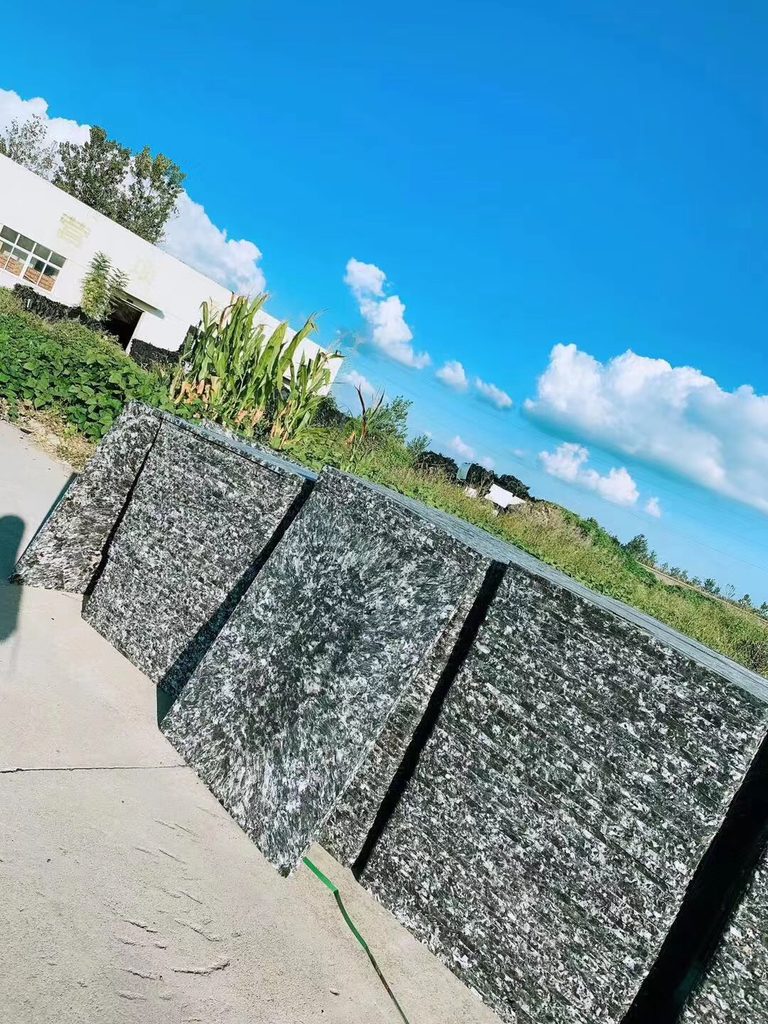
Standard Dimensions Available:
- 850mm × 450mm × 22mm — Universal fit for compact semi-automatic brick machines (production capacity 1,200-2,000 units/hour)
- 880mm × 480mm × 22mm — Standard for medium-capacity automatic machines (2,000-3,500 units/hour)
- 1100mm × 580mm × 22mm — Large-format for high-volume automatic production lines (3,500-5,000+ units/hour)
- Custom dimensions — Available for specialized equipment (minimum order 150 units)
Core Material Specifications:
- Top Layer Composition: 65% white glass fiber + thermoplastic resin with titanium dioxide pigmentation
- Base Layer Composition: 75% yellow glass fiber + high-density thermoplastic resin
- Overall Density: 1200 kg/m³ (±5% manufacturing tolerance)
- Total Thickness: 22mm standard (20mm and 25mm available on request)
- Layer Distribution: 8-10mm white top / 12-14mm yellow base
- Impact Strength: ≥35 KJ/m² (Charpy impact test, ISO 179 methodology)
- Elastic Modulus: 3.5-4.2 GPa (flexural testing per ASTM D790)
- Surface Flatness: ±0.5mm across entire pallet face (measured with precision gauge)
- Load Capacity: 2500 kg static load, 1800 kg dynamic load (safety factor 3.5:1)
- Operational Temperature Range: -40°C to +90°C continuous exposure
- Moisture Absorption: <0.1% after 24-hour water immersion (ISO 62 standard)
- Operational Lifespan: 8-12 years (150,000-200,000 cycle rating depending on production intensity)
- Weight: 15-18 kg per pallet (standard 850×680×22mm size)
Quality Control and Certification:
Every GY-004 pallet undergoes multi-point quality verification during manufacturing. Dimensional measurements confirm ±0.3mm tolerance compliance. Impact testing validates strength specifications. Visual inspection catches surface defects, color consistency variations, or bonding irregularities before pallets leave the production facility.
Rhinos Pallet maintains ISO 9001:2015 quality management certification covering the entire manufacturing process from raw material procurement through final product testing and packaging. Technical documentation accompanies each order including material certifications, dimensional inspection reports, and handling guidelines.
Comparison: Dual-Layer vs Single-Layer vs Traditional Pallet Technologies
Understanding when dual-layer technology justifies its slightly higher investment cost requires examining specific operational scenarios and production requirements.
| Application Scenario | Recommended Pallet Type | Key Decision Factors |
|---|---|---|
| Multi-product facility (3+ specifications) | GY-004 Dual-Layer | Visual differentiation eliminates mixed-batch risk; 73% reduction in product identification errors documented |
| Premium architectural blocks | GY-004 Dual-Layer or Pure White GMT G-001 | Superior surface finish and visual quality control; white surface immediately shows contamination |
| High-volume automated production (>3000 units/hour) | GY-004 Dual-Layer or Premium White GMT G-002 | Enhanced impact resistance handles robotic palletizer stresses; extended lifespan justifies premium cost |
| Standard concrete blocks (single product line) | Glass Fiber Pallet | Single-layer construction adequate; lower cost with comparable durability |
| Semi-automatic production (<2000 units/hour) | Economy GMT Pallet or standard fiber pallet | Reduced mechanical stress allows economy options; manual handling allows visual inspection |
| Extreme environment (coastal, high humidity) | GY-004 Dual-Layer or premium GMT options | Complete moisture impermeability critical; dual-layer construction adds thermal cycling resistance |
| Mixed curing schedules | Color-coded system (GY-004 plus complementary colors) | Visual curing schedule management prevents parameter mixing errors |
The economic analysis for dual-layer pallets shifts significantly based on production volume and product complexity. Single-product facilities producing one specification 90%+ of operating time may not recover the 15-20% cost premium of dual-layer construction through operational benefits alone—though the enhanced impact resistance still delivers value in fully automated environments.
Multi-product facilities see dramatically different economics. A facility running four brick specifications simultaneously saved $47,000 annually after implementing color-coded pallet systems including the GY-004. Their cost savings breakdown:
- Mixed-batch prevention: $28,000 (reduced from 2.1 to 0.3 incidents per week × $550 average incident cost)
- Curing parameter errors eliminated: $12,000 (prevented strength-related rejection batches)
- Quality inspection efficiency: $4,500 (reduced inspection time by 25% through visual identification)
- Inventory management improvement: $2,500 (eliminated 4 mislabeled shipping incidents)
Against a $6,200 incremental cost for 180 GY-004 pallets (versus single-layer alternatives), the facility achieved payback in 1.6 months.
Integration with Automated Production Systems
Modern brick manufacturing increasingly relies on automated handling systems—robotic palletizers, automated guided vehicles (AGVs), and computer-controlled curing chambers. The GY-004’s dual-layer construction incorporates features specifically engineered for automated production compatibility.
Dimensional Consistency Requirements
Automated systems operate with tighter tolerance requirements than manual or semi-automatic production. A robotic palletizer programmed to grip pallets at specific coordinates requires dimensional consistency within ±0.5mm across thousands of cycles. The GY-004’s compression molding process achieves this precision through computer-controlled press operation and precision tooling that maintains dimensional accuracy across entire production runs of 500-1000 pallets.
Thickness variation represents another critical parameter. AGV systems using optical sensors to detect pallet presence require consistent thickness to prevent false positives or missed detections. The GY-004’s co-molding process produces thickness uniformity within ±0.3mm—well within automated system requirements.
Machine Vision Integration
Some advanced automated systems use machine vision to identify and sort pallets by type. The GY-004’s distinctive white-yellow pattern creates highly reliable visual recognition even in challenging lighting conditions or when pallets carry concrete residue. The sharp color contrast between layers provides multiple recognition features for vision algorithms:
- High-contrast white top surface (85-90% reflectance) versus yellow base (60-65% reflectance)
- Distinct color boundaries at pallet edges visible from multiple angles
- Color stability maintained across 150,000+ cycles ensures consistent recognition performance
A German brick manufacturer integrating vision-guided robotic systems reported 99.7% pallet identification accuracy with GY-004 pallets compared to 94.3% with their previous single-color system. The improved recognition eliminated 4-5 sorting errors per shift that previously required manual intervention.
Load Distribution for Automated Stacking
Robotic palletizers stack loaded pallets 8-12 units high in curing chambers or storage areas. These stacked configurations create concentrated load points where pallet edges or corners bear significant weight. The GY-004’s yellow reinforcement layer provides enhanced load distribution that prevents edge crushing or corner damage common with weaker pallet constructions.
Testing shows the dual-layer construction distributes point loads 30% more effectively than single-layer pallets of equivalent average density. This load distribution capability allows safe stacking heights of 10-12 pallets (total load 25,000-30,000 kg) without requiring intermediate support structures—simplifying curing chamber layout and maximizing space utilization.
Maintenance, Cleaning, and Lifecycle Management
Maximizing the GY-004’s 8-12 year operational lifespan requires implementing straightforward maintenance protocols that protect the pallet’s dual-layer structure and color-identification features.
Cleaning Protocols
The GY-004’s white top surface demands more frequent cleaning than darker-colored pallets to maintain its visual quality control benefits. However, the smooth, non-porous surface actually simplifies cleaning compared to wood or textured alternatives.
Establish pressure washing rotation every 300-500 production cycles (typically weekly for high-volume operations). Use 1,800-2,500 PSI pressure with 40-60°C water temperature for optimal concrete residue removal. The white surface’s visual feedback immediately confirms cleaning effectiveness—any remaining concrete residue appears as gray spots requiring additional attention.
Avoid harsh chemical cleaners or acidic solutions that could degrade the thermoplastic matrix. Standard water pressure removes 95%+ of concrete residue; stubborn deposits respond to mild alkaline cleaners (pH 8-10) approved for thermoplastic materials. The GY-004’s complete moisture impermeability means pallets can return to service immediately after washing with no drying time required.
Visual Inspection Schedule
The white top layer provides built-in visual quality control for the pallet itself. Implement quarterly inspection protocols where operators check for:
- Surface cracks (any crack propagating >30mm requires pallet rotation out of primary service)
- Edge damage (chips or cracks extending >10mm into the pallet thickness)
- Color degradation (significant yellowing or staining indicates UV exposure damage)
- Delamination signs (visible separation between white and yellow layers at edges)
- Surface wear (excessive smoothness indicating fiber exposure from abrasion)
Document inspection findings with pallet ID numbers to track wear patterns across the pallet inventory. Facilities typically see 8-12% of pallets requiring retirement within the first 5 years, with retirement rate increasing to 15-20% annually in years 6-8 as pallets approach end of operational life.
Predictive Replacement Strategy
Rather than waiting for catastrophic failure, implement predictive replacement based on cycle count tracking and visual inspection data. The GY-004’s color stability throughout its lifespan means pallets remain visually identifiable even as structural performance gradually degrades.
Establish three service categories: Primary (0-100,000 cycles), Secondary (100,000-150,000 cycles), and Limited (150,000-200,000 cycles). Rotate pallets through these categories based on actual cycle counts, moving them to less demanding applications as they age. Primary service pallets handle automated high-speed production; Secondary serves semi-automatic lines; Limited category works for manual operations or low-cycle storage applications.
This staged approach maximizes total lifecycle value extraction while preventing unexpected failures that disrupt production schedules.
Frequently Asked Questions
Q: Does the white surface yellow or stain over time?
A: The titanium dioxide pigmentation system maintains color stability for 8-12 years under normal operating conditions. Surface concrete residue creates temporary gray staining that pressure washing removes completely. Prolonged direct UV exposure (outdoor storage for 12+ months) can cause slight yellowing in the white layer, but this doesn’t affect structural performance or operational lifespan. Store unused pallets indoors or under UV-protective covering to maximize color retention.
Q: Can the white and yellow layers separate during use?
A: No. The co-molding manufacturing process creates molecular-level bonding between layers—the interface bond strength exceeds the tensile strength of either individual layer. Destructive testing shows pallets fail through material fracture, not layer separation. We have documented zero delamination failures across 50,000+ GY-004 pallets in service globally over eight years. The only exception involves pallets exposed to chemical attack from strong acids or solvents—environments incompatible with any GMT pallet technology.
Q: How does the GY-004 perform in accelerated steam curing environments?
A: The dual-layer construction maintains full structural integrity in steam curing chambers operating at 85-95°C and 90-95% relative humidity for 8-16 hour cure cycles. The complete moisture impermeability (<0.1% absorption) prevents the thermal expansion problems that plague wooden pallets. Testing confirms dimensional stability within ±0.2mm after 500 thermal cycles from ambient to +90°C. The yellow reinforcement layer provides additional thermal cycling resistance compared to single-layer alternatives.
Q: Can I mix GY-004 pallets with other pallet types in the same production line?
A: Yes, but implement clear protocols to prevent mixing product specifications. The GY-004’s distinctive white-yellow appearance allows easy visual differentiation from other pallet types. Many facilities intentionally run mixed pallet fleets, using color coding to manage multiple product lines on shared equipment. Ensure your team understands the color-coding scheme and that automation systems (if present) can accommodate multiple pallet types without reprogramming.
Q: What’s the minimum order quantity and lead time for GY-004 pallets?
A: Standard dimensions (850×450, 880×480, 1100×580) ship in quantities of 50+ pallets with 2-3 week lead time for stock availability. Custom dimensions require minimum orders of 150 units with 4-6 week production lead time including tooling setup. Rush orders (10-14 day delivery) available for standard dimensions in quantities up to 200 units with 15% expedite fee. Contact our sales team for specific order requirements and current inventory availability.
Q: How do I properly dispose of GY-004 pallets at end of life?
A: GMT composite material is 100% recyclable. At end of operational life (typically 8-12 years), return pallets to Rhinos Pallet or authorized recycling partners who grind the material and re-mold into new pallets or other thermoplastic products. This closed-loop recycling maintains environmental sustainability. Do not discard GMT pallets with general construction waste or attempt to incinerate—the glass fiber content requires proper recycling processes. Contact us for recycling program details in your region.
Conclusion
The White Yellow GMT Pallet GY-004 represents targeted engineering innovation addressing specific operational challenges in multi-product brick manufacturing environments. The dual-layer construction combines superior visual identification through permanent color-coding with enhanced impact resistance from yellow fiber-reinforced base layer, delivering 73% reduction in mixed-batch errors while maintaining 8-12 year operational lifespan and 2500 kg load capacity essential for high-volume automated production.
For facilities producing multiple brick specifications, running diverse curing schedules, or requiring robust pallet tracking across complex production workflows, the GY-004’s white-yellow dual-layer system transforms visual management from constant cognitive challenge into effortless pattern recognition. The 15-20% cost premium over single-layer alternatives typically achieves payback within 2-4 months through eliminated mixed-batch incidents, reduced curing errors, and improved inventory management efficiency.
Rhinos Pallet manufactures the GY-004 using advanced co-molding technology and 3000-ton compression presses, ensuring consistent quality across production runs and precise dimensional tolerance compatibility with automated brick making systems worldwide. Our facility produces GMT pallets meeting international quality standards with comprehensive technical documentation and 8-12 year material performance.
If you need high-performance dual-layer GMT pallets for multi-product brick manufacturing operations, Rhinos Pallet offers world-class engineering capabilities and proven manufacturing expertise. We have successfully supplied color-coded pallet systems for facilities across Asia, Middle East, and Africa, improving production efficiency and quality control in demanding industrial environments. Contact us today for technical specifications, sample evaluation programs, and competitive factory-direct pricing for your production requirements.